Medisplint
Medisplint
Medisplint
Explore our high-precision medical-grade orthopedic instruments and trauma systems manufactured to strict global standards.

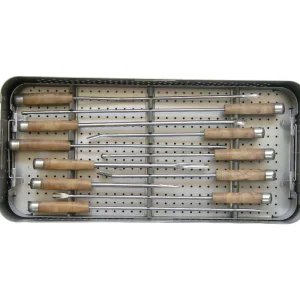
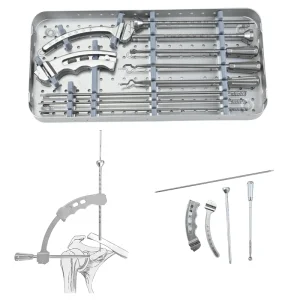
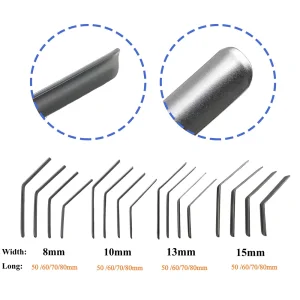
In modern spine surgery, titanium spinal rods serve as the structural backbone of posterior fixation systems. Designed to stabilize the spinal column and facilitate bone fusion, these devices have undergone substantial biomechanical evolution. Transitioning from stainless steel to medical-grade titanium alloys has drastically reduced hardware-induced stress shielding and minimized postoperative complications.
Titanium's unique properties—particularly its lower modulus of elasticity compared to stainless steel—more closely mimic the mechanical characteristics of human cortical bone. This ensures a balanced load distribution between the implant and the spinal graft, promoting faster osteointegration. Today's OEM designs focus heavily on Grade 5 Titanium (Ti-6Al-4V ELI) and Grade 4 Pure Titanium, optimizing tensile strength, fatigue life, and flexibility to meet complex pathology demands, such as scoliosis correction, degenerative disc disease, and traumatic spinal fractures.
B2B buyers, orthopedic distributors, and surgical implant brands navigate complex regulatory, quality, and logistics frameworks. Sourcing custom OEM spinal rods requires auditing manufacturers beyond base capacity. Precision machining, surface roughness (Ra value), straightness tolerances, and validation parameters determine the safety and longevity of the final product.
A reliable OEM partner must provide complete traceability. This begins with mill certificates for raw titanium stock and extends to ISO 17025 certified lab reports covering chemical composition and mechanical performance. Moreover, the transition to stricter MDR (Medical Device Regulation) in Europe and evolving FDA requirements in the US demands that suppliers maintain a comprehensive Technical File containing fatigue data (ASTM F1717 / ASTM F1798) and cleaning validation records.
A leading global contract manufacturer specializing in high-end orthopedic implants, fixation systems, and specialized instrumentation.
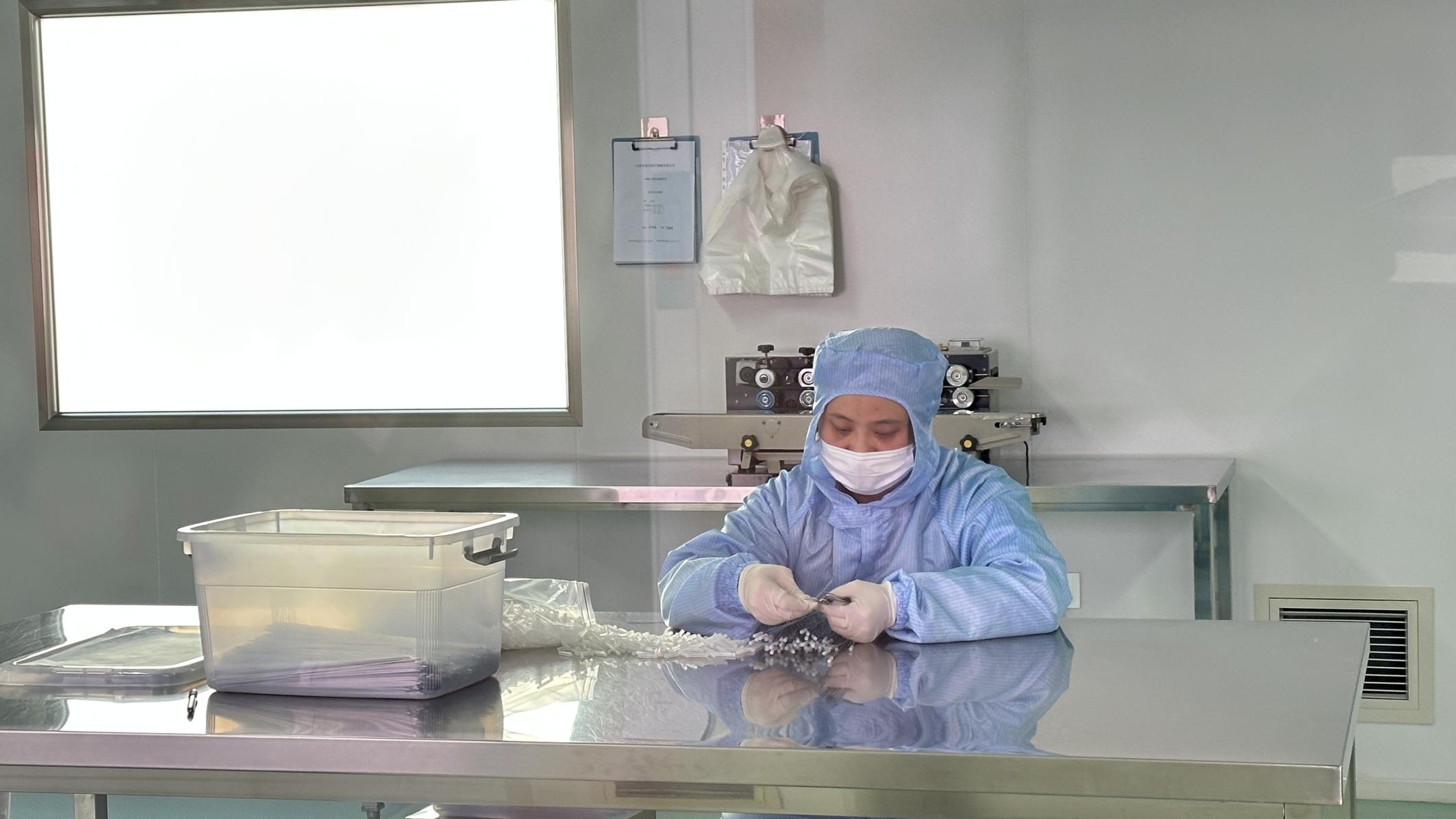
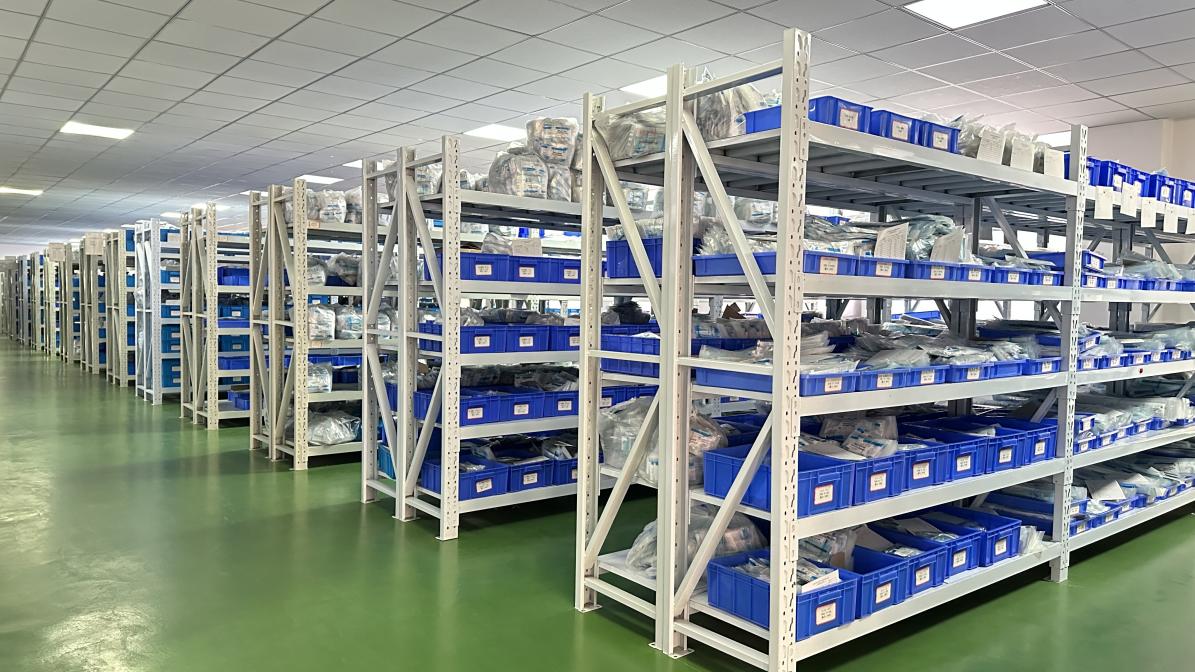
Medisplint Orthopedic Instruments Co., Ltd. is a professional manufacturer specializing in orthopedic implants, fixation systems, and surgical instruments for trauma, spine, and joint reconstruction. Founded in 2016, the company has developed steadily with a strong focus on innovation and international expansion. Our state-of-the-art facility covers approximately 18,500㎡, supporting integrated production, assembly, and quality control operations.
We report an annual export revenue of around USD 12 million, supported by over 7 years of dedicated export experience and 10 years of overall industry experience in orthopedic medical device manufacturing. Under strict quality assurance systems including ISO 13485 certification and CE compliance, our quality inspection methods encompass incoming material inspection, in-process quality control (IPQC), final product inspection (FQC), and third-party laboratory testing.
With a dedicated team of 42 inspectors, we ensure product safety, precision, and compliance with international standards. Our global trade network serves hospitals, orthopedic distributors, surgical centers, and OEM/ODM partners across Europe, Southeast Asia, the Middle East, and South America, collaborating with over 1,200 supply chain partners. Driven by innovation, our 85 engineering and development specialists support private labeling, design modifications, and full OEM/ODM solutions, launching 68 new products in the past year alone.
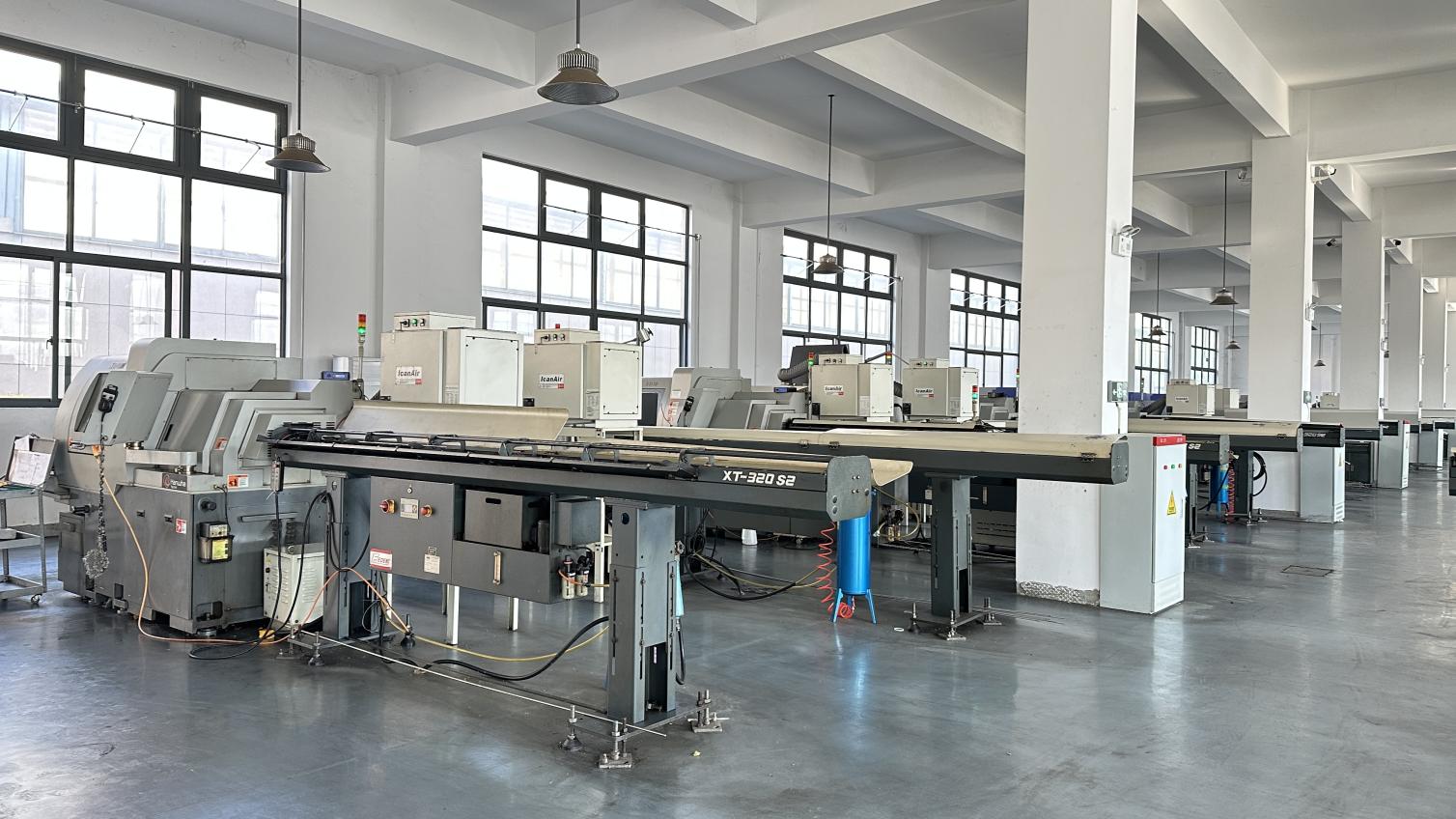
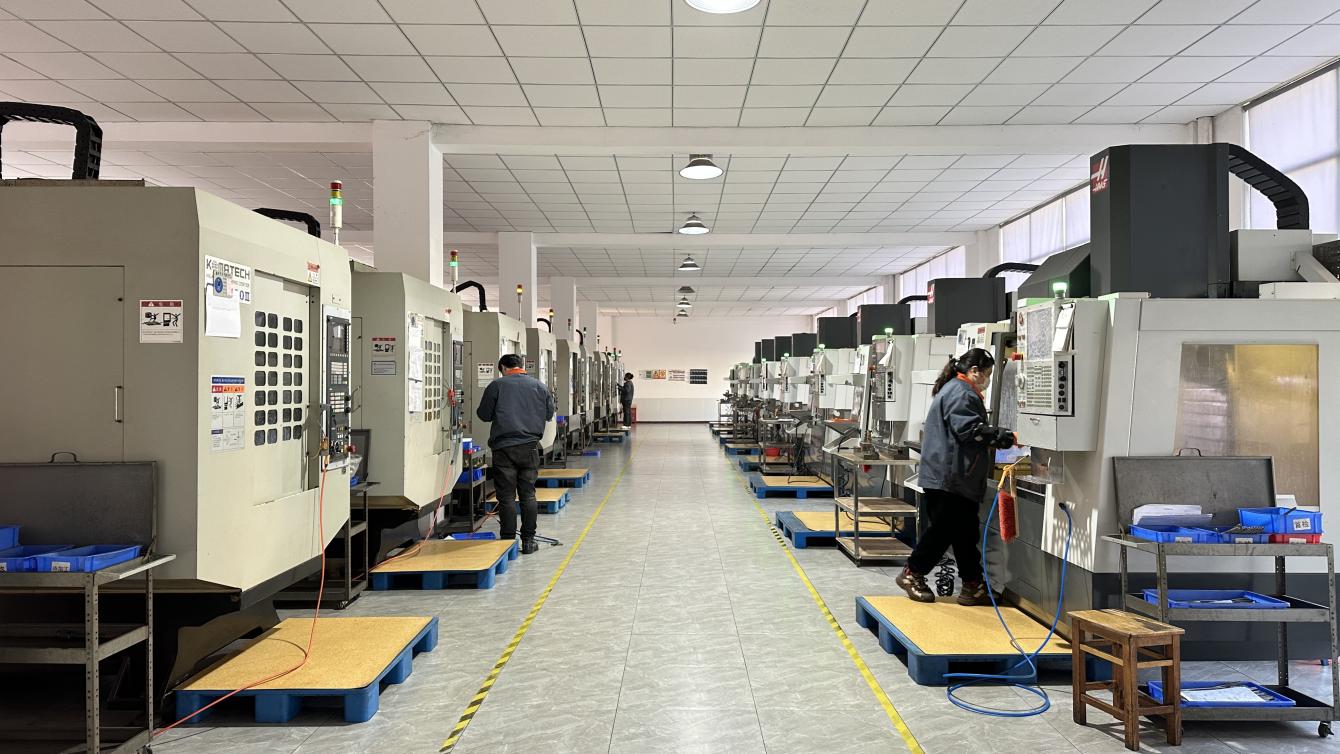
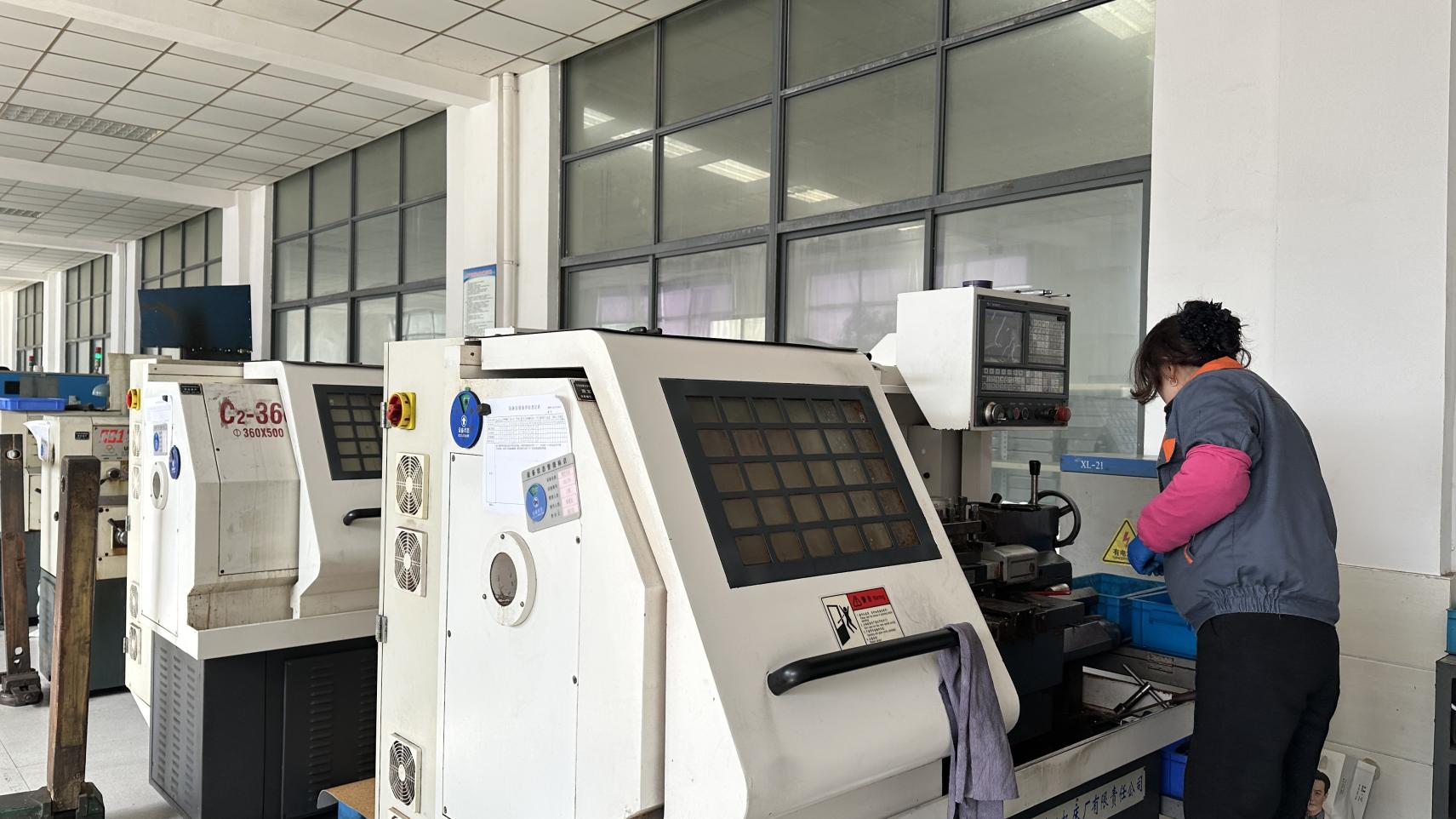
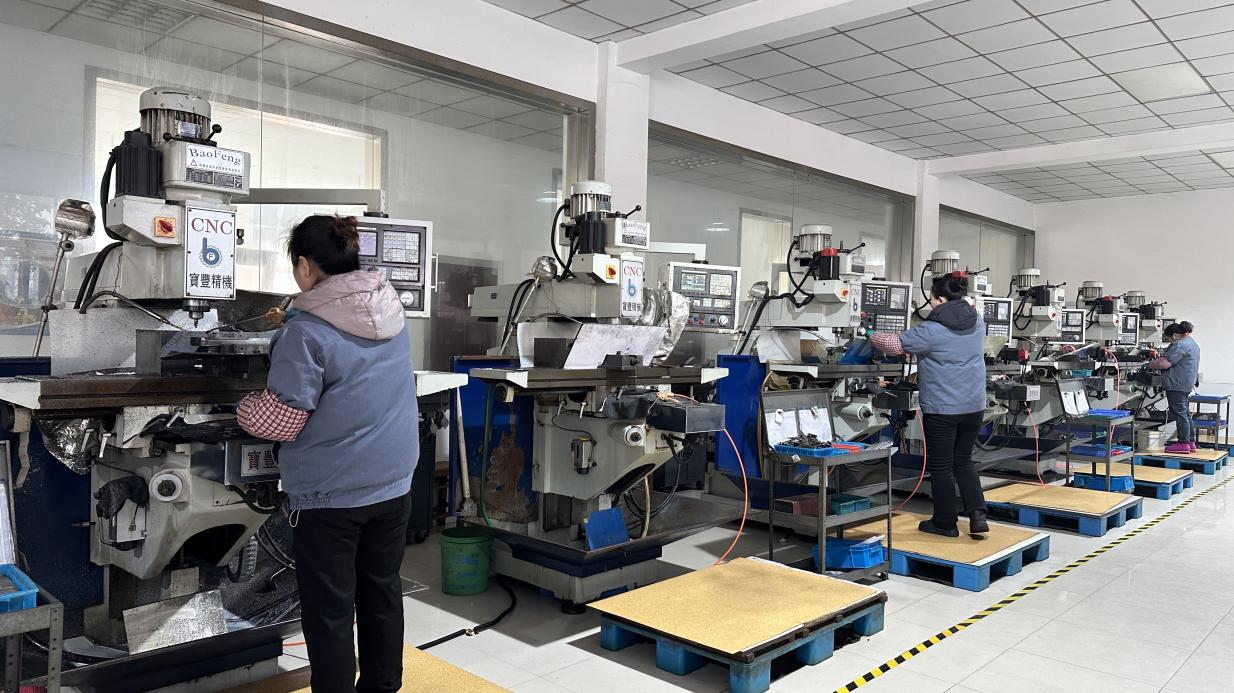
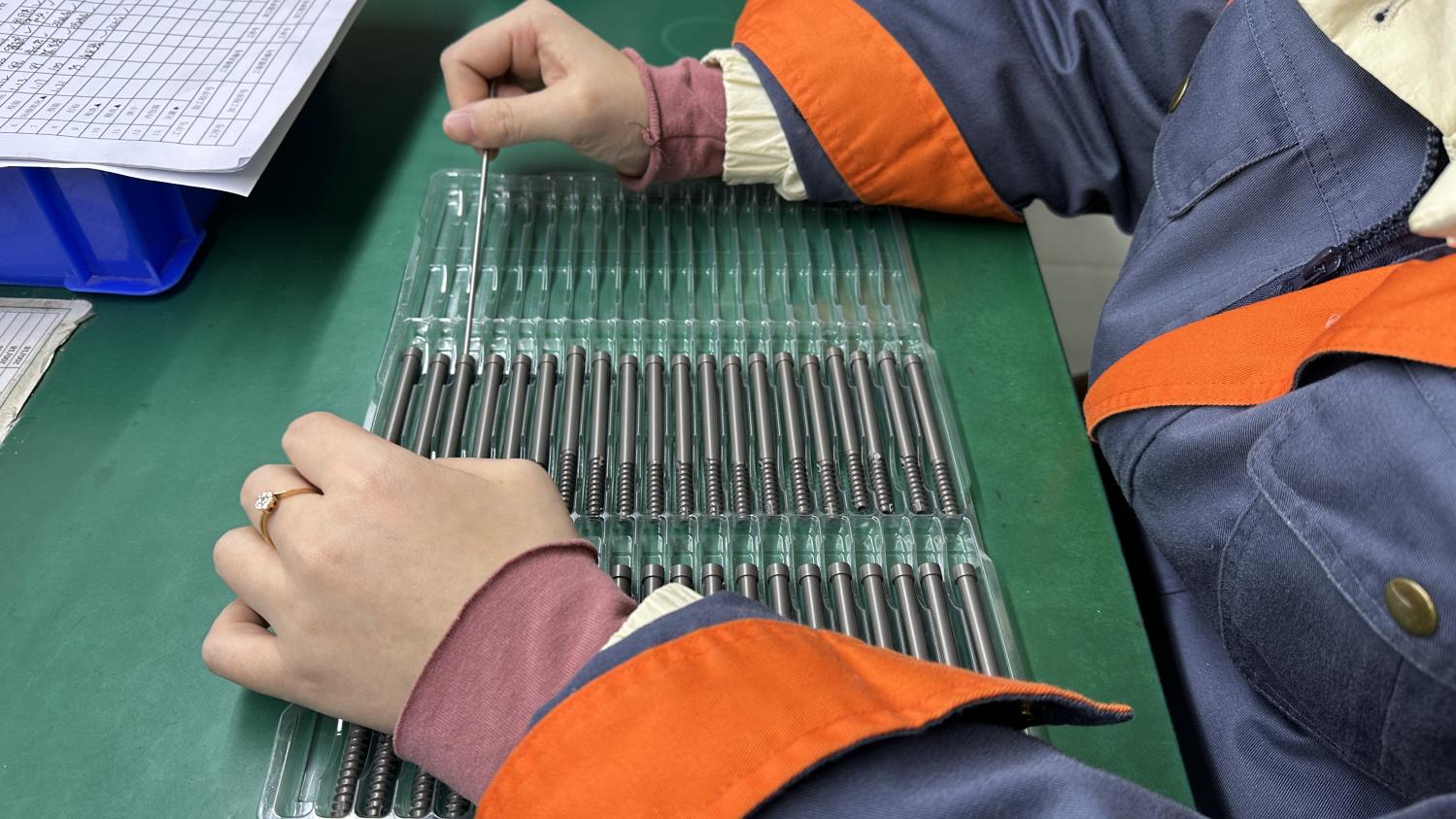
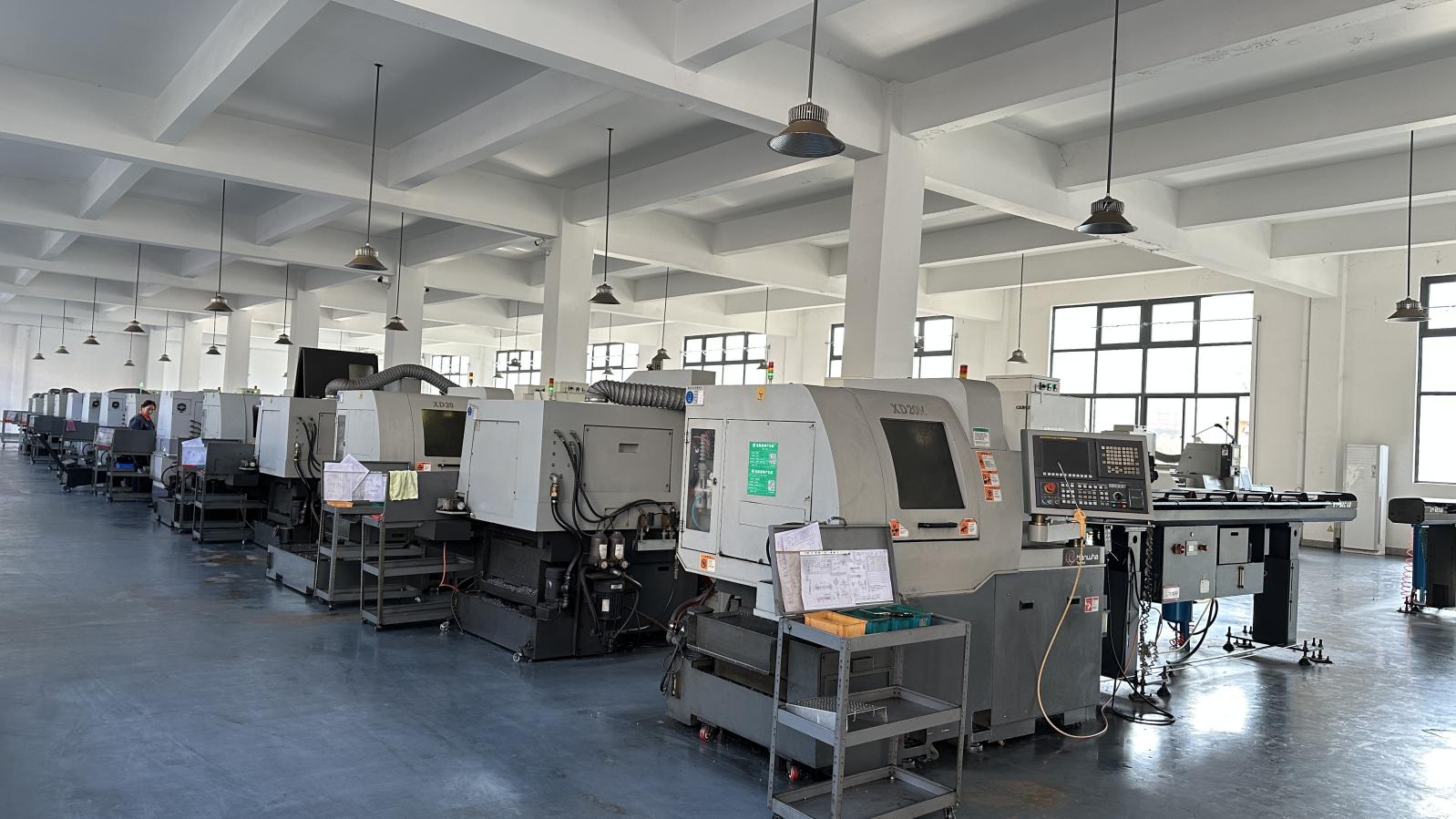
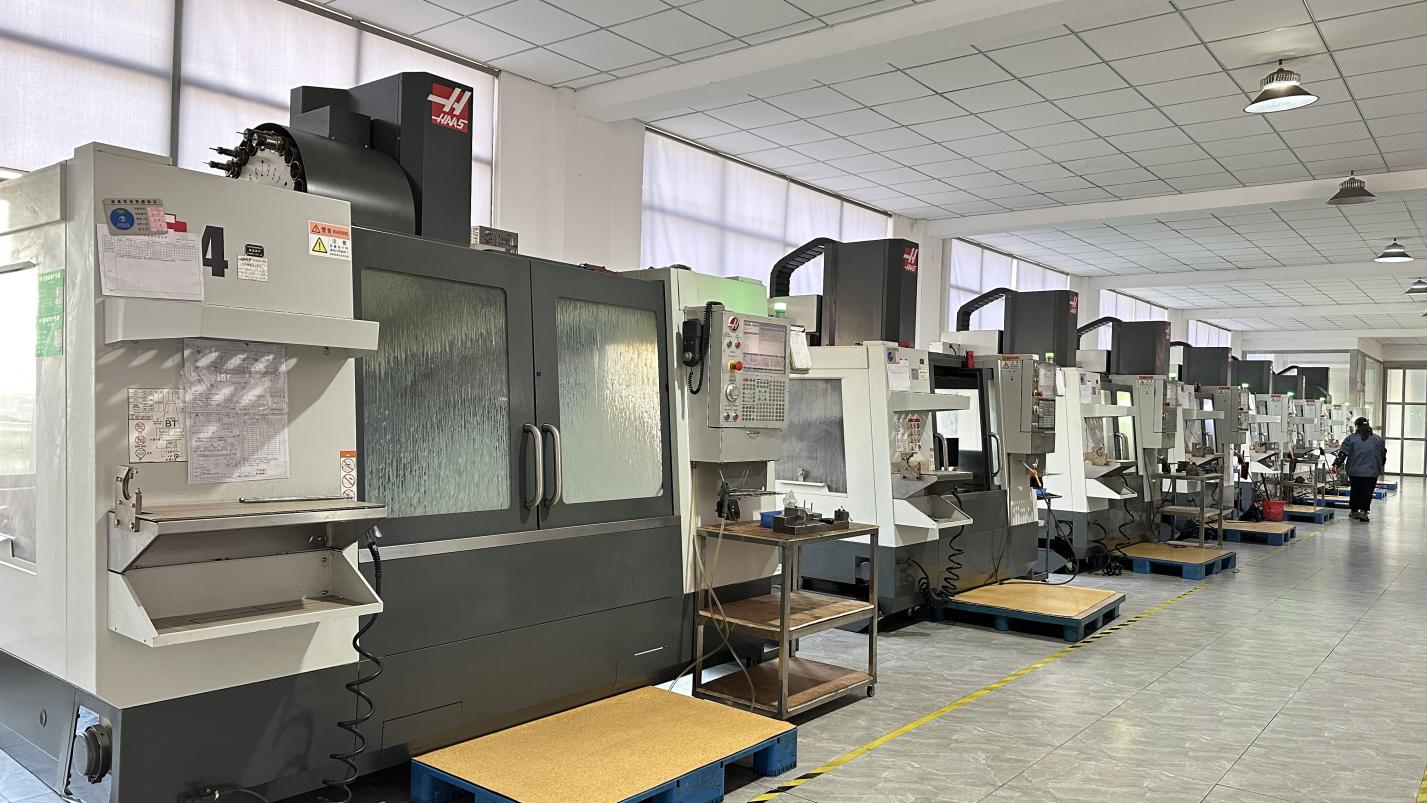
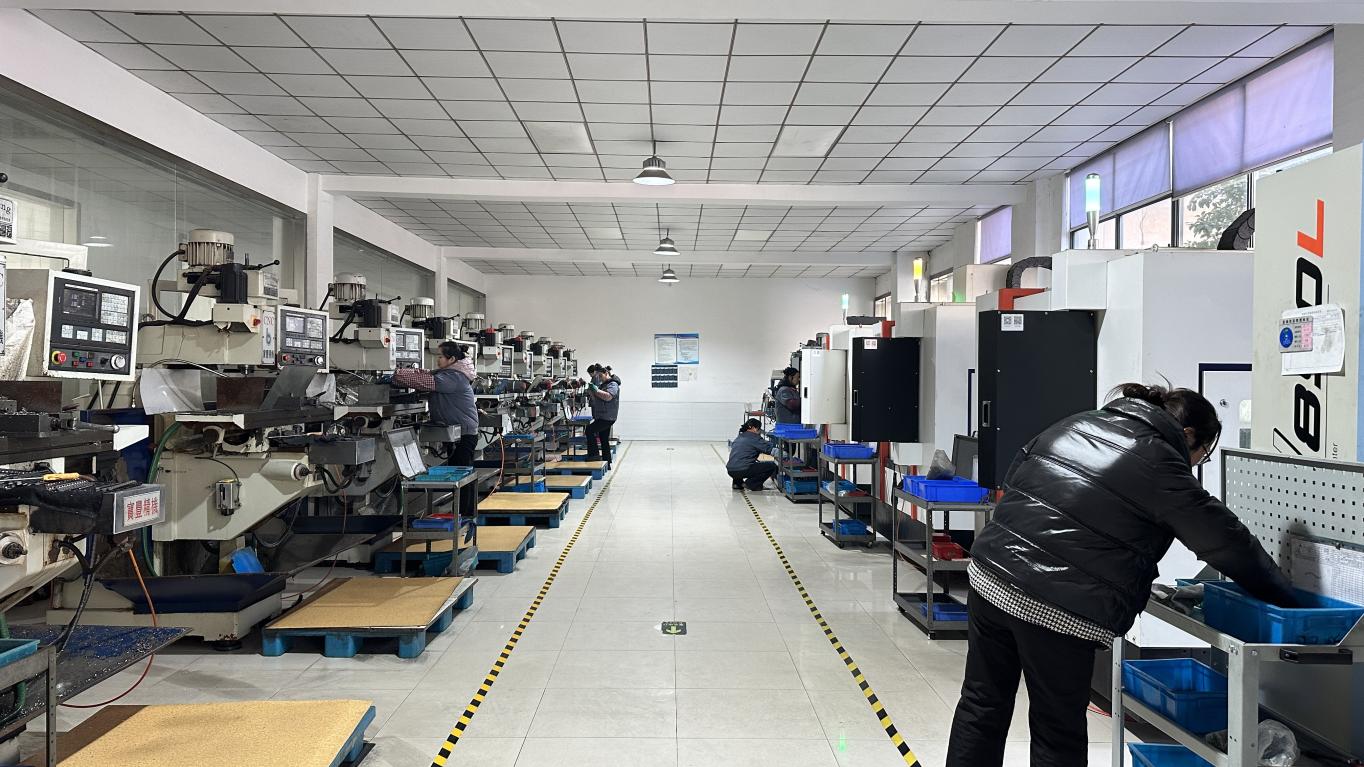
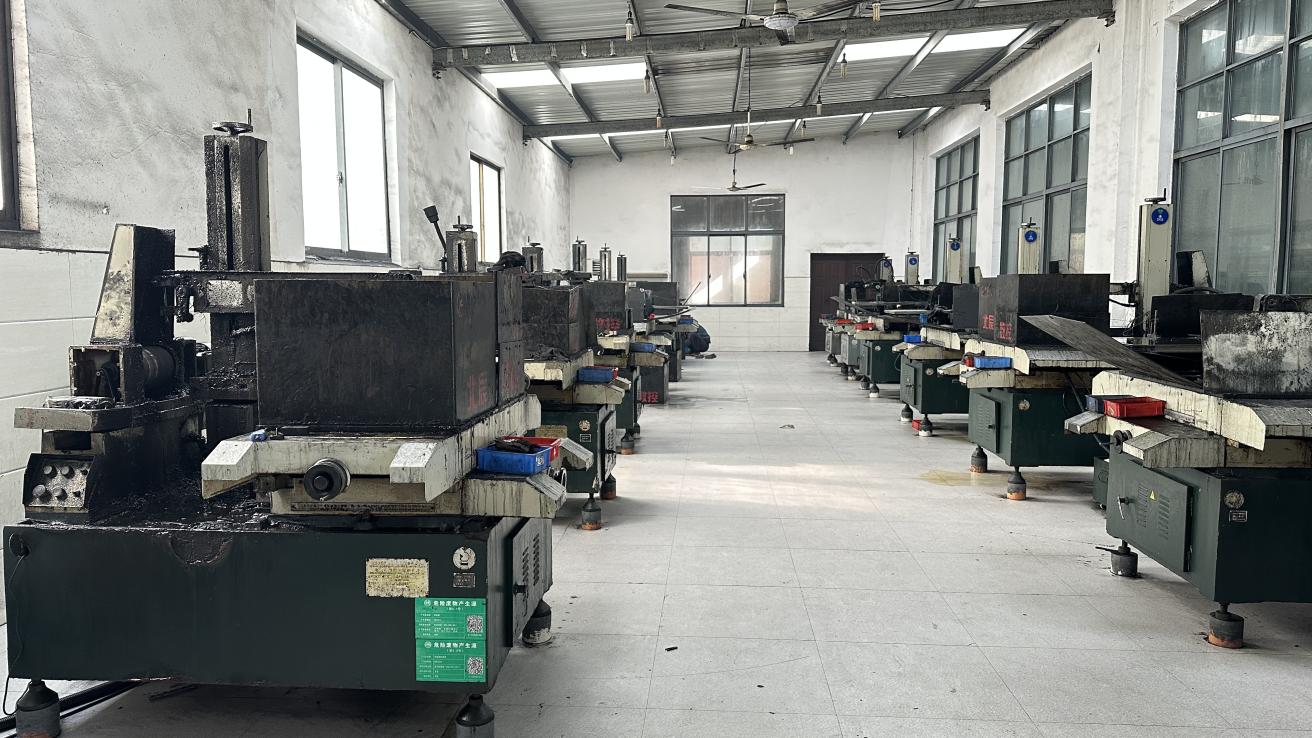
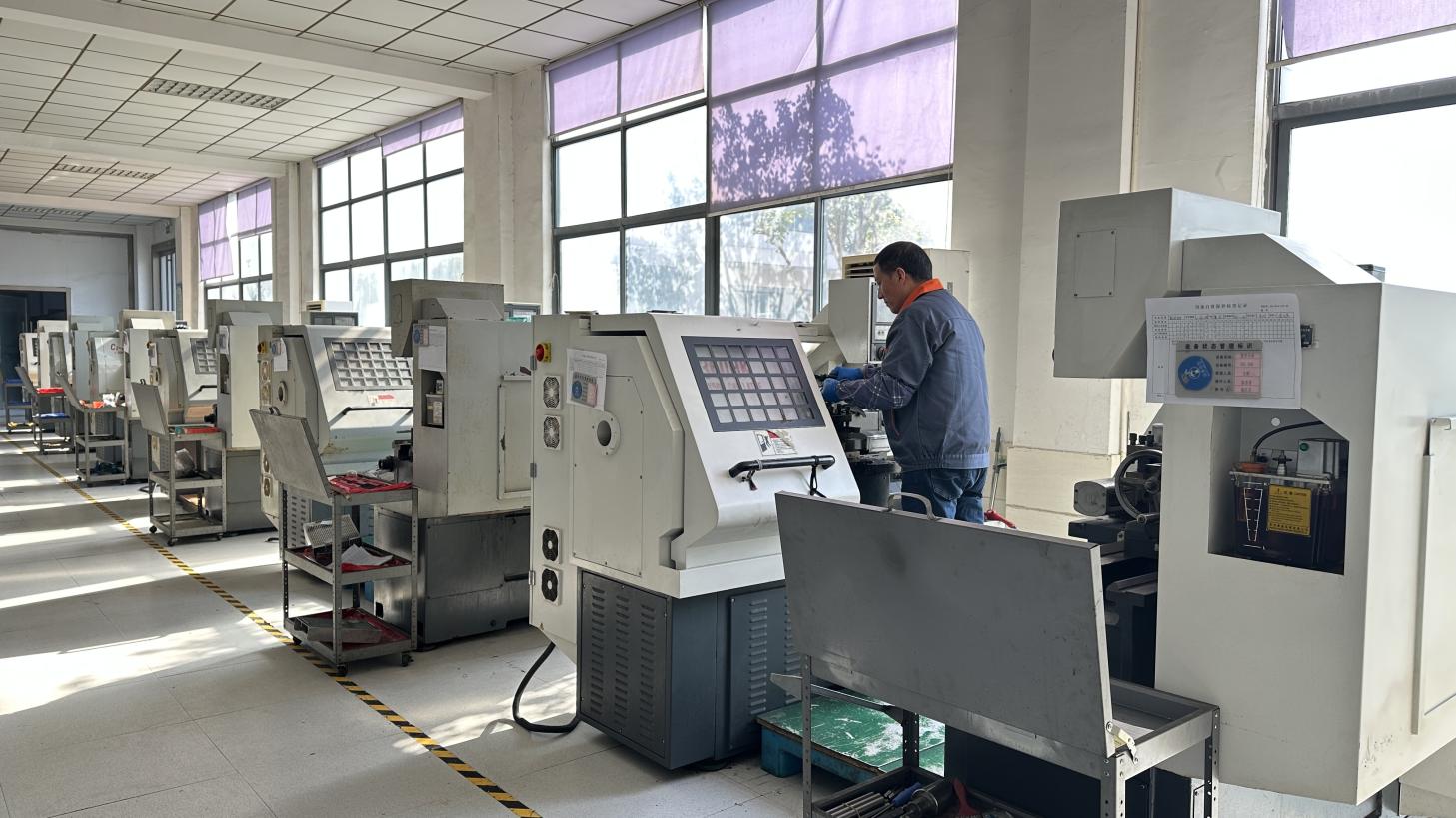
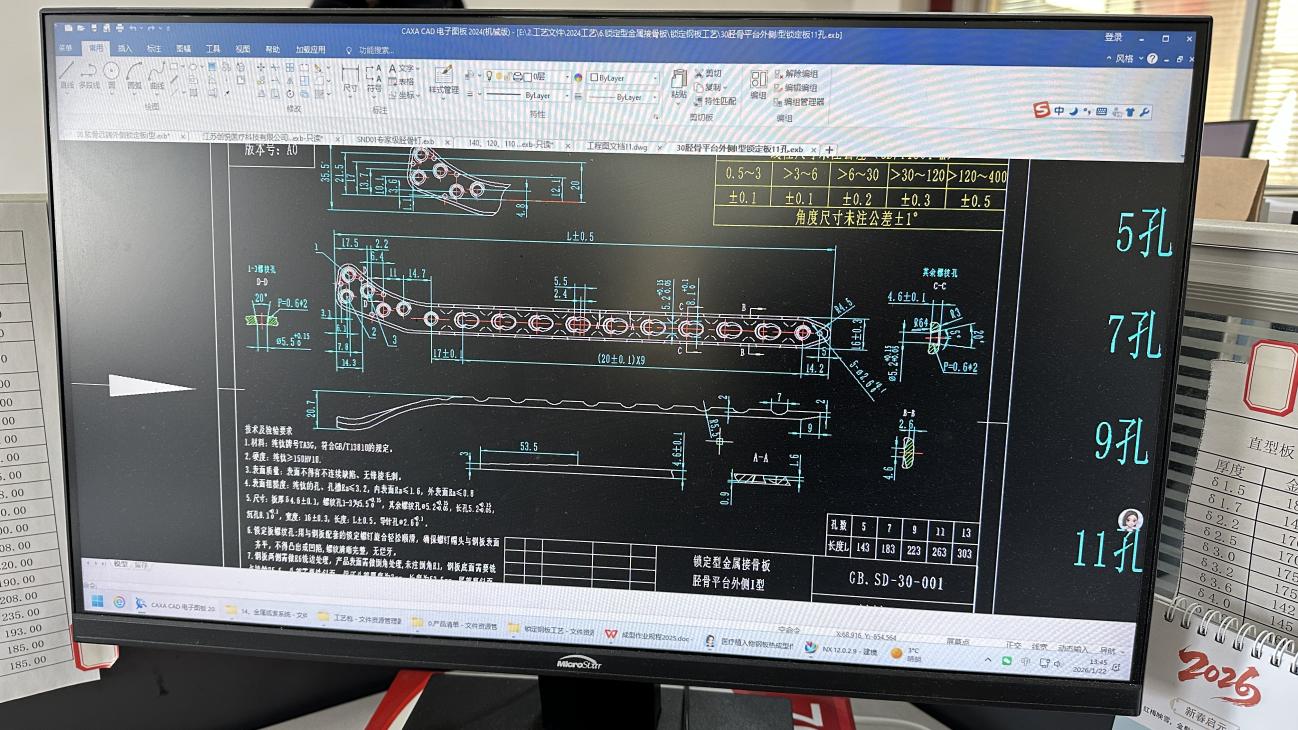
Leveraging precision Swiss-type CNC lathes, automated wire cutting, and state-of-the-art milling systems to convert raw titanium to finished implants.
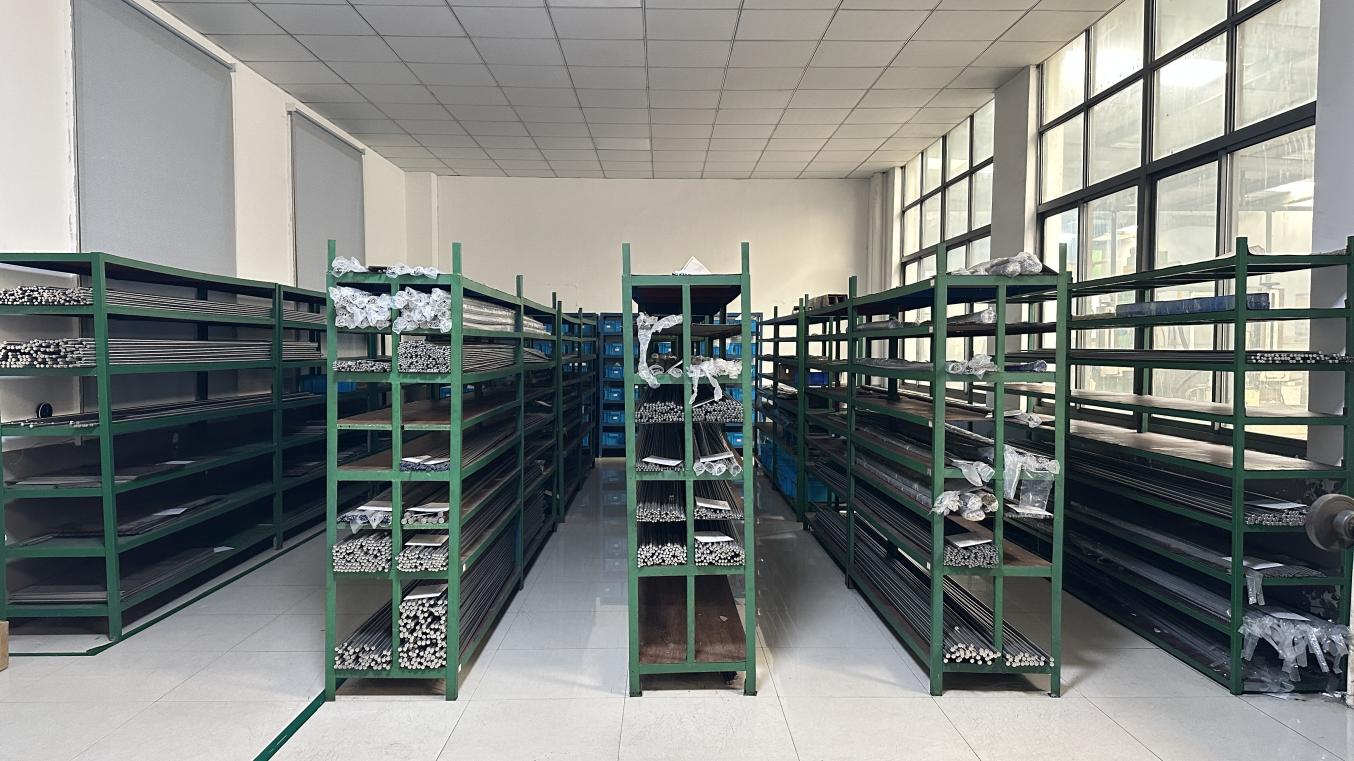
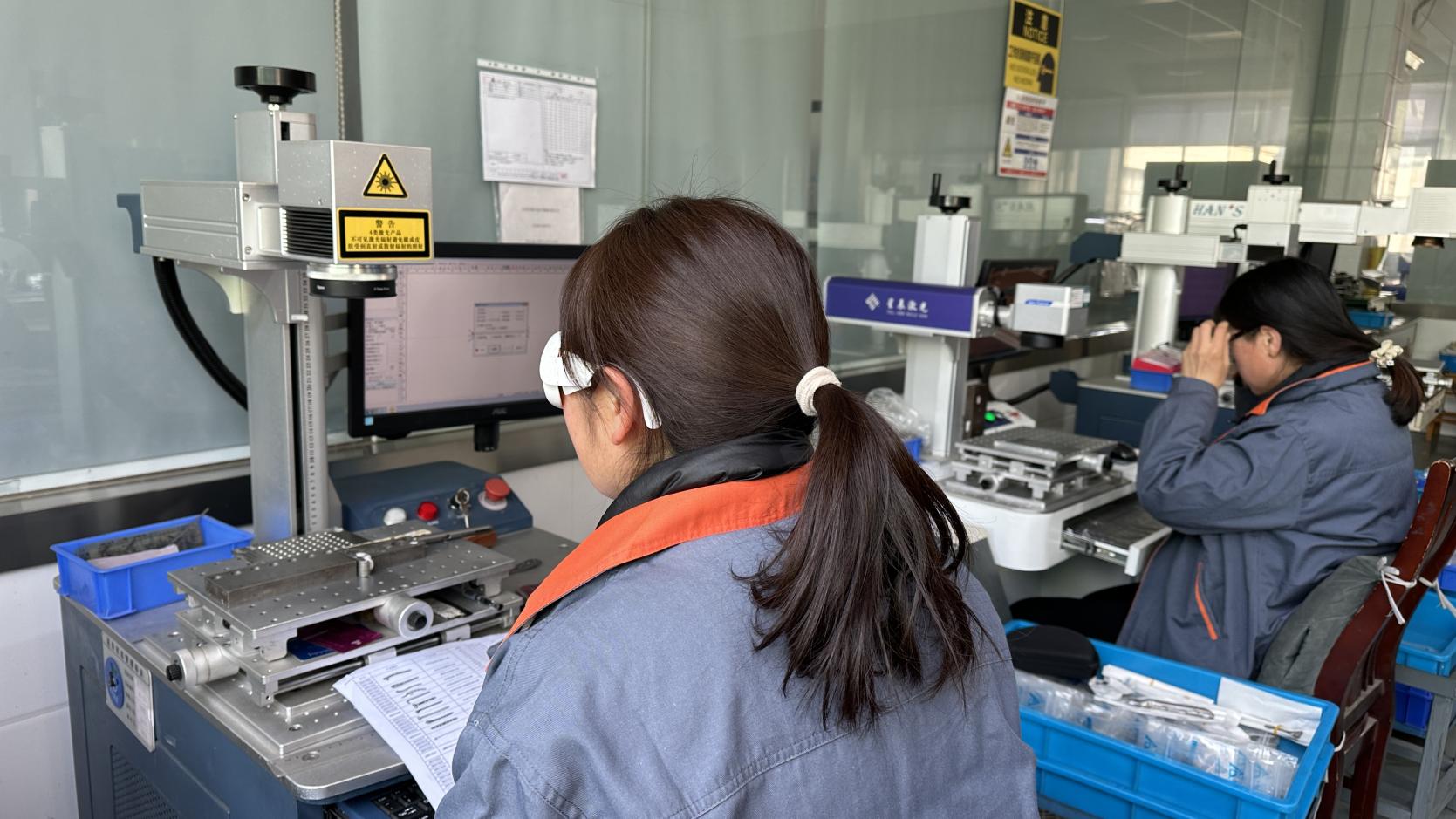
As orthopedic surgery transitions toward minimally invasive surgery (MIS) and computer-assisted navigation, the specifications for titanium spinal rods are undergoing a massive evolution. Sourcing centers must establish clear communication channels with OEM engineering teams to ensure compatibility with modern screw designs (monoaxial, polyaxial, and reduction pedicle screws).
Spinal stabilization systems are not one-size-fits-all. Pediatric deformity systems often require 4.5mm or 4.75mm rods, whereas standard adult degenerative procedures depend on 5.5mm or 6.0mm systems. Sourcing directors need custom options that accommodate dynamic stabilization (flexible or transition rods) alongside rigid constructs (dual-diameter rods). Precision bending profiles are also optimized utilizing automated CNC cold-bending processes to preserve structural integrity.
To enhance the overall clinical success rate, titanium rods undergo proprietary surface enhancements:
Every production run undergoes complete mechanical validation and dimensional checks to ensure zero-defect output for patient safety.

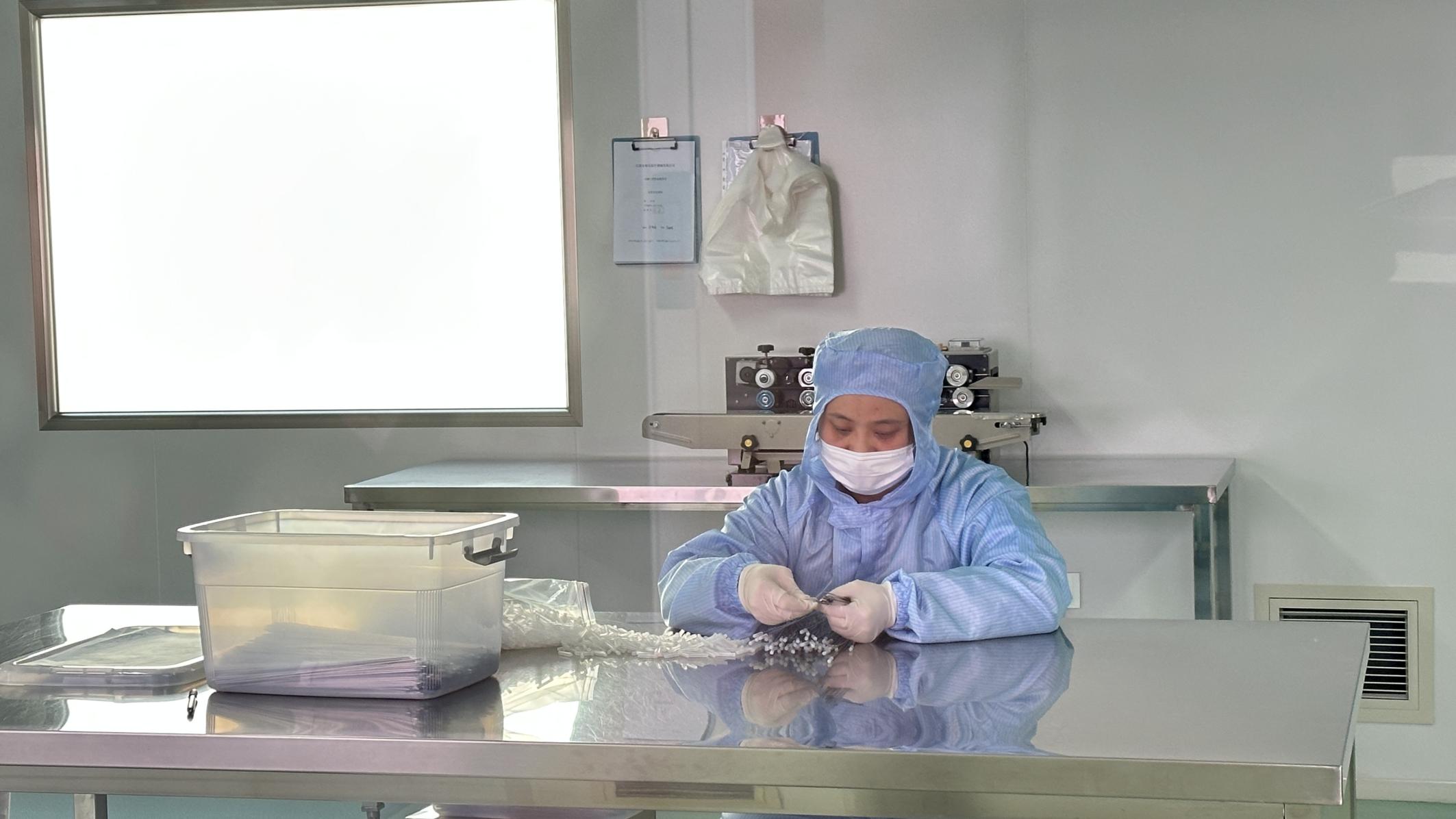
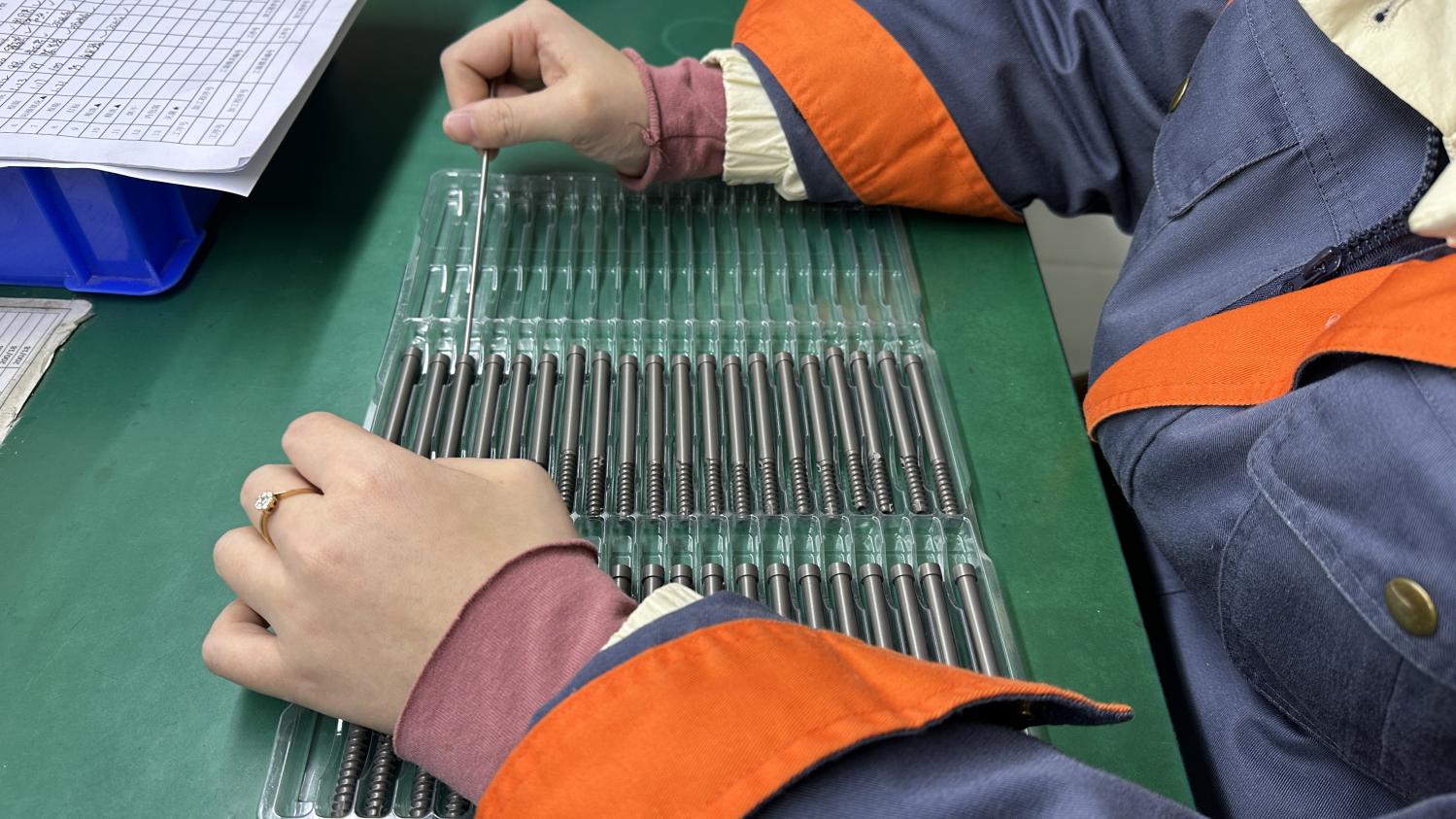
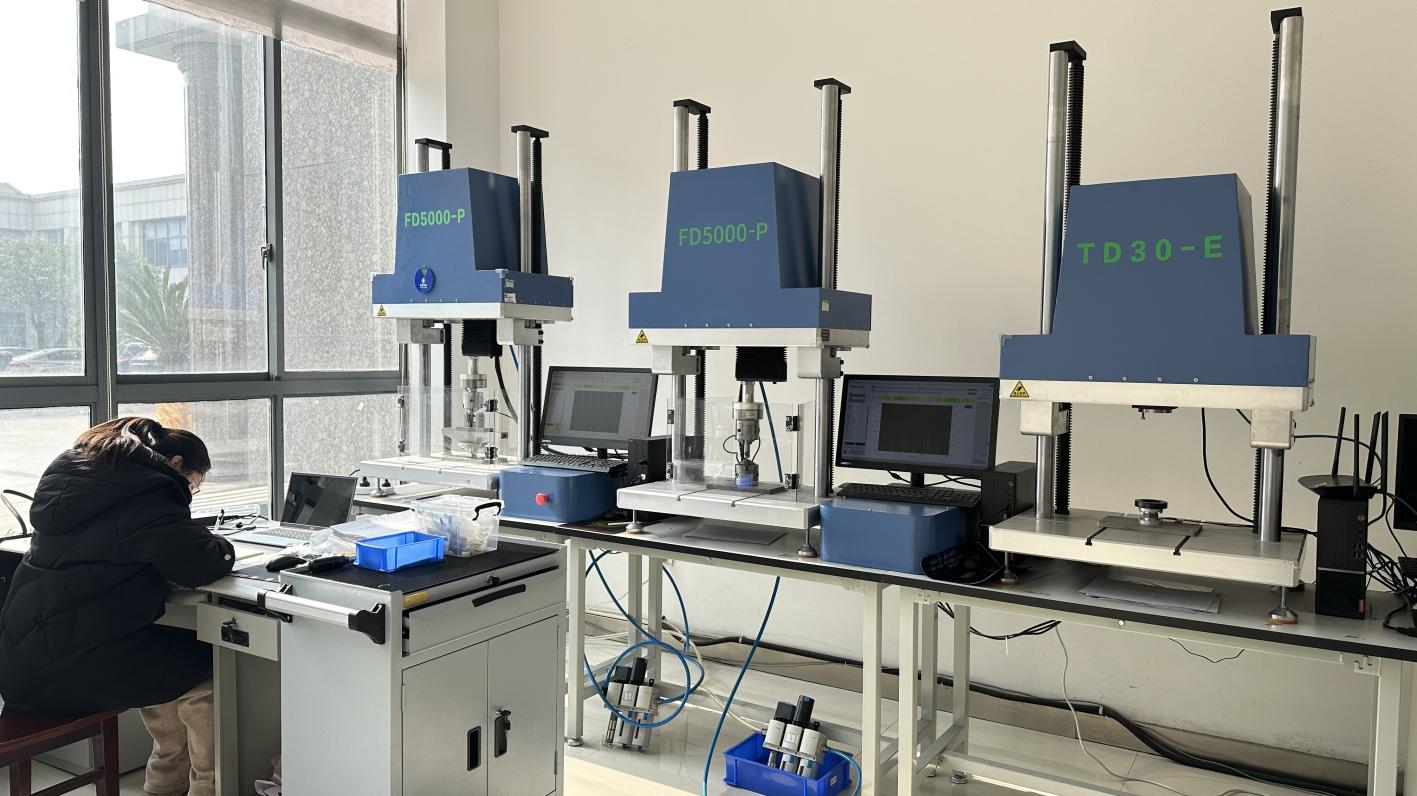
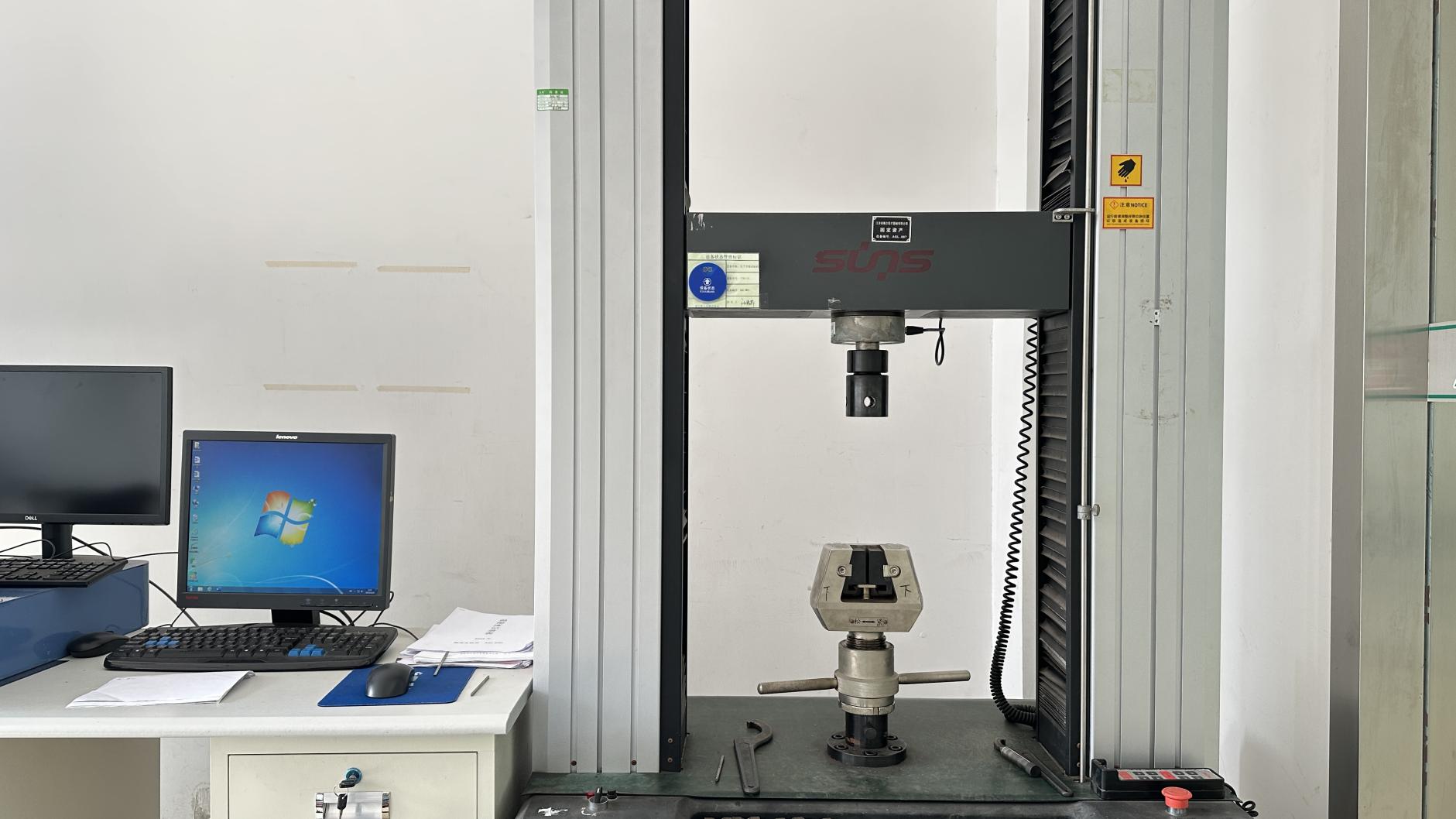
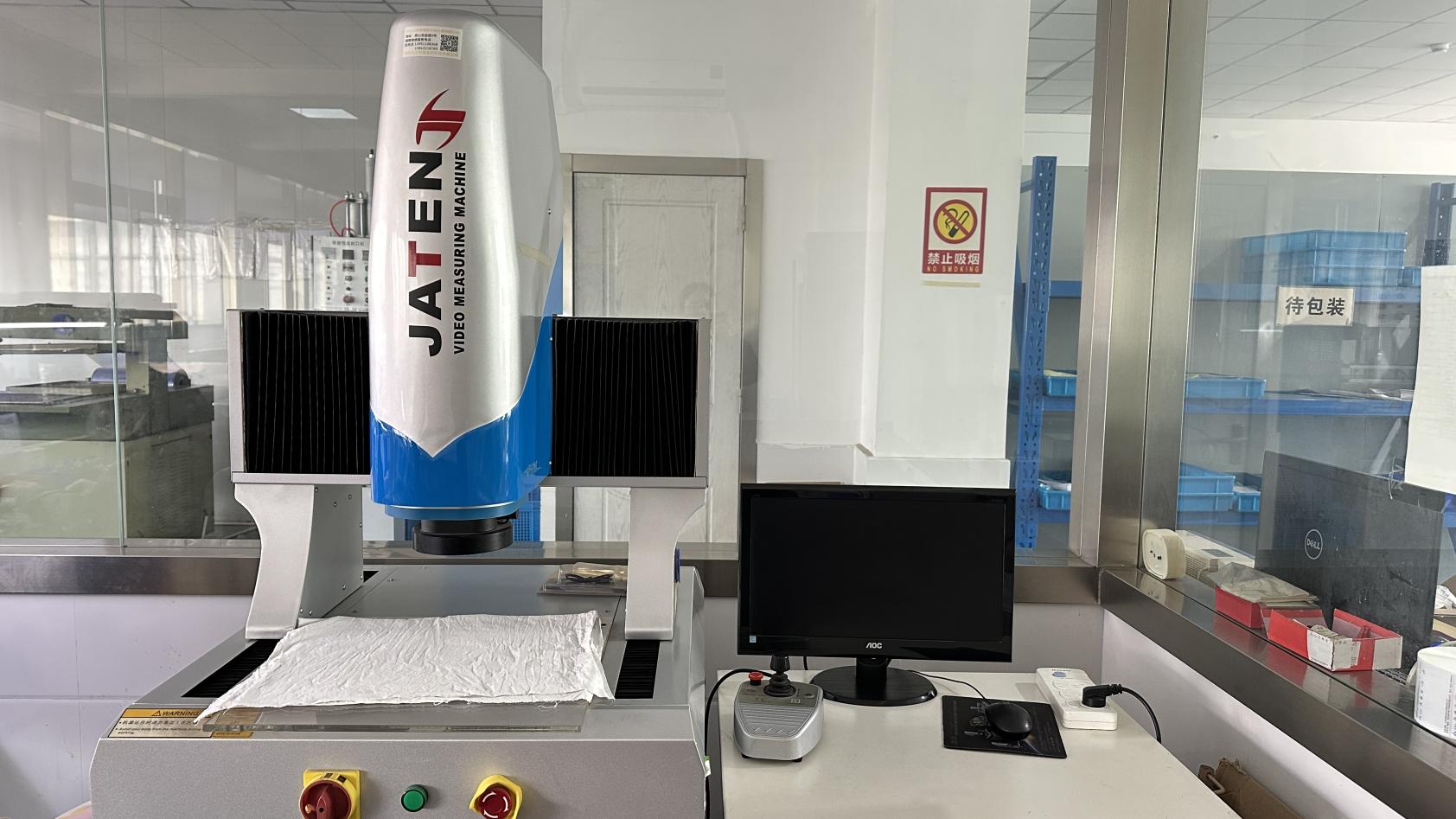
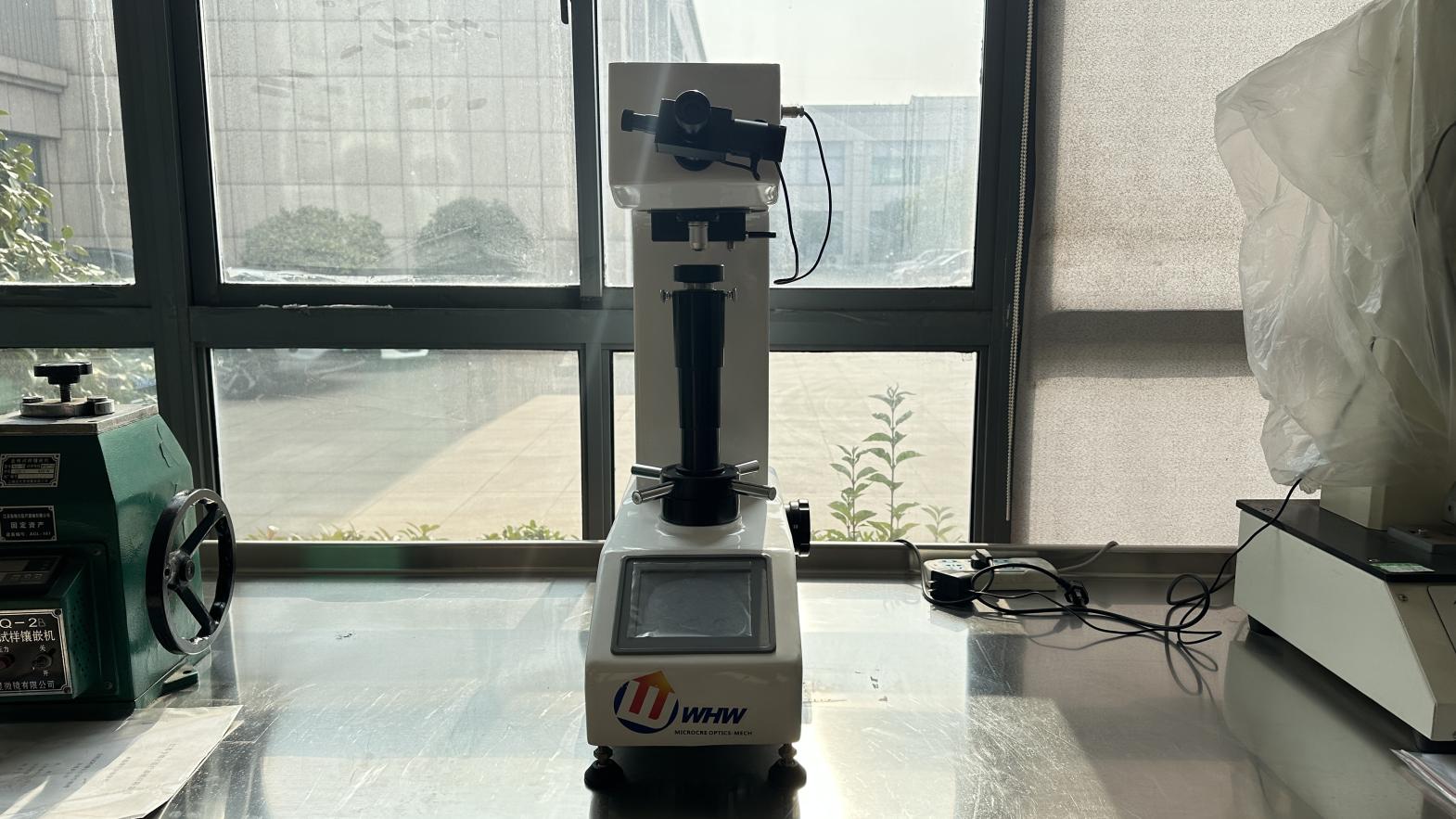
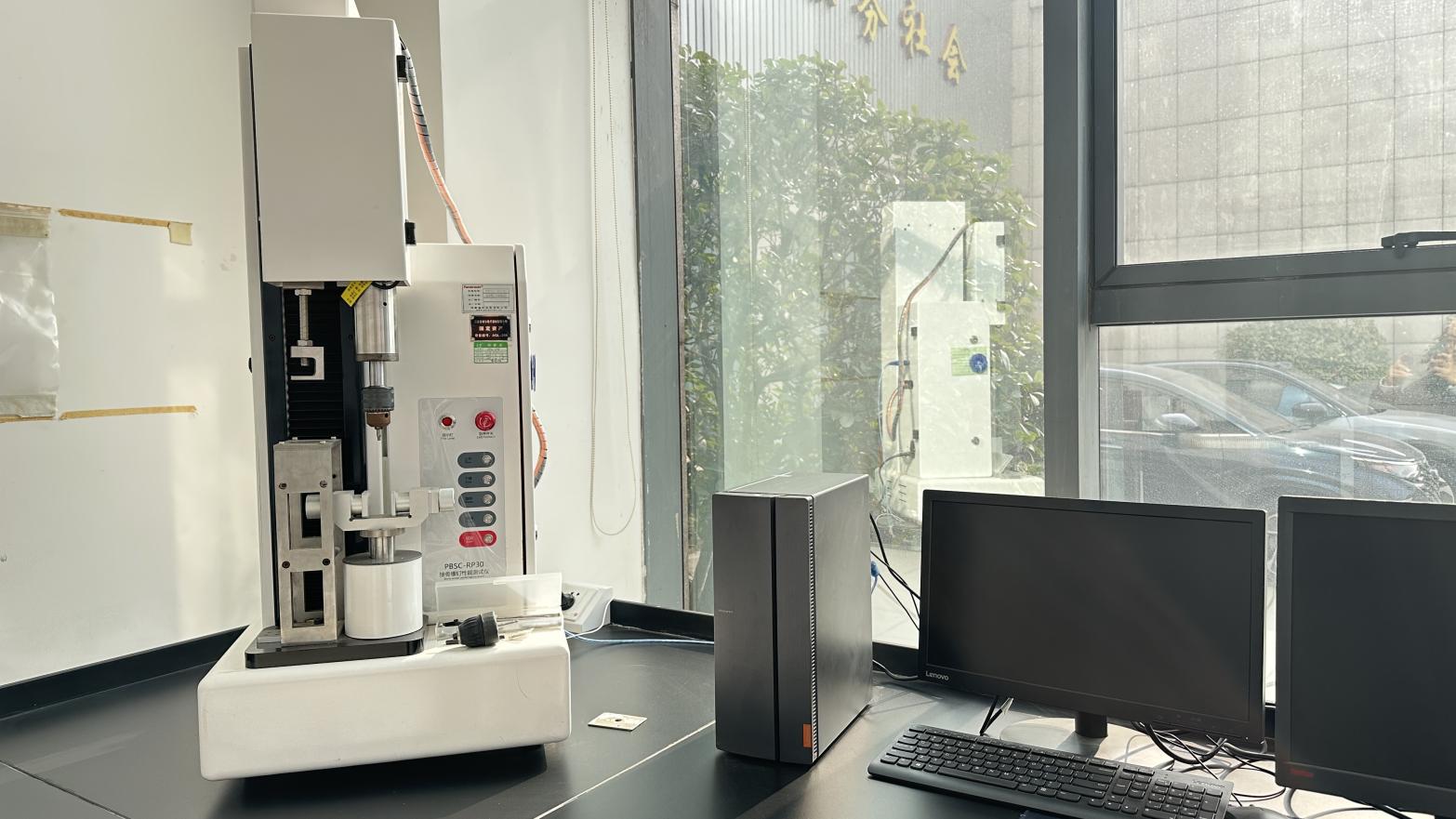
The regulatory pathway for Class IIb (EU) and Class II (US FDA) spinal fixation components is heavily scrutinized. To mitigate risk, OEM suppliers must operate with comprehensive certifications. Every batch of Titanium Spinal Rods must be verified for trace elements (Hydrogen, Nitrogen, Oxygen, Carbon, and Iron) because high levels of gas elements increase brittleness and accelerate failure rates.
At Medisplint, localization support goes beyond language. Sourcing from our factory guarantees access to localized technical documentation, customized labeling (UDI compliance under MDR and FDA), and specific packaging configurations (double-sterile barrier Tyvek packaging) designed for direct hospital delivery.
The future of spine surgery belongs to custom matching and bio-interactive surfaces. As 3D printing (additive manufacturing) integrates into standard clinical workflows, the demand for hybrid systems is rising. Sourcing organizations are currently planning configurations that integrate standard rolled titanium rods with 3D-printed porous titanium cages and customized titanium pedicle screws.
We are also monitoring emerging research on smart implants. Future spinal rods may incorporate micro-sensors to track real-time spinal load changes and osteogenesis progress. Sourcing managers aligning with tech-forward OEM suppliers like Medisplint ensure their product catalog remains highly competitive and future-proofed for the next decade of spine surgical advances.
Critical answers regarding OEM fabrication, raw material grades, quality control, and regulatory compliance of Titanium Spinal Rods.
Browse our extended line of orthopedic surgical instruments, neurosurgery drills, replacement components, and sutures.