Medisplint
Medisplint
Medisplint
High-performance clinical systems manufactured under ISO 13485 quality control.
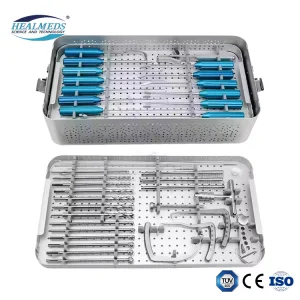
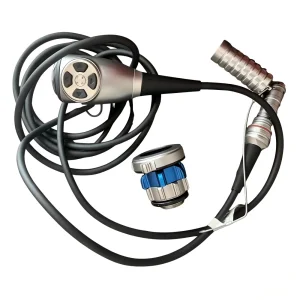
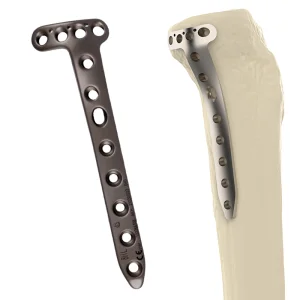
Revision Total Knee Arthroplasty (TKA) presents one of the most complex clinical challenges in modern orthopedics. Unlike primary knee replacement, revision procedures must address severe bone loss, ligamentous instability, joint line migration, and compromised structural integrity. As joint replacements are performed on increasingly younger and more active populations, the global demand for durable, adaptable, and highly stable revision implants is growing at an unprecedented rate.
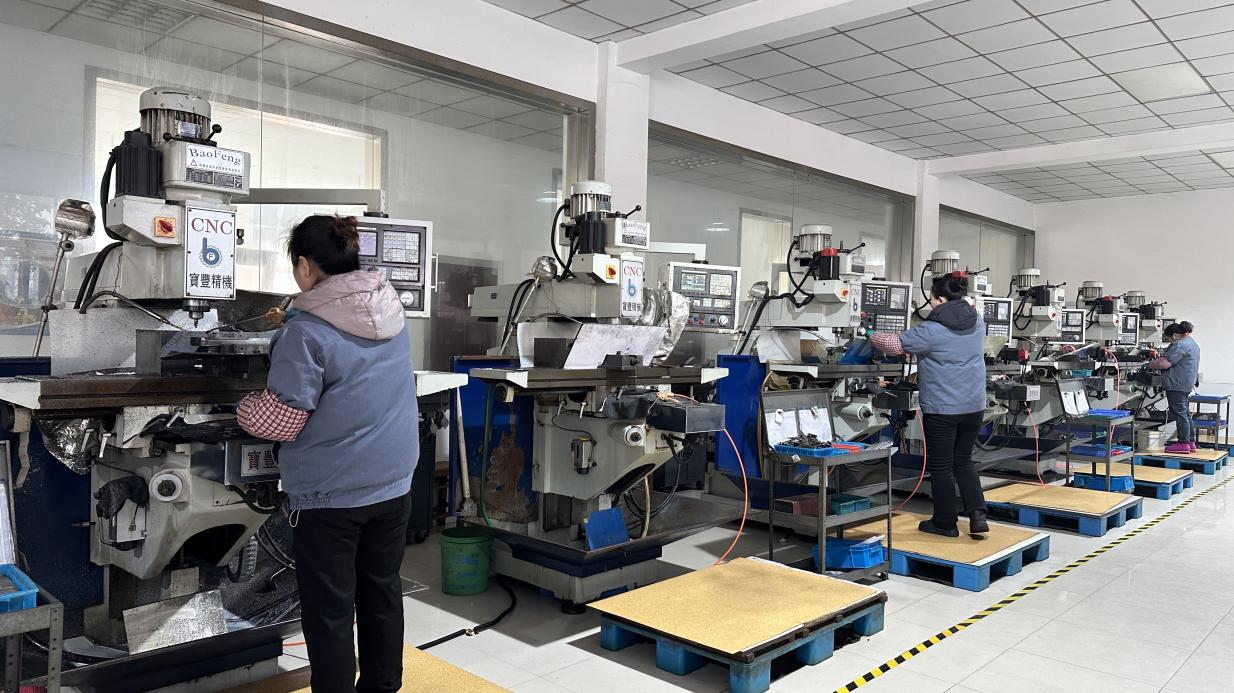
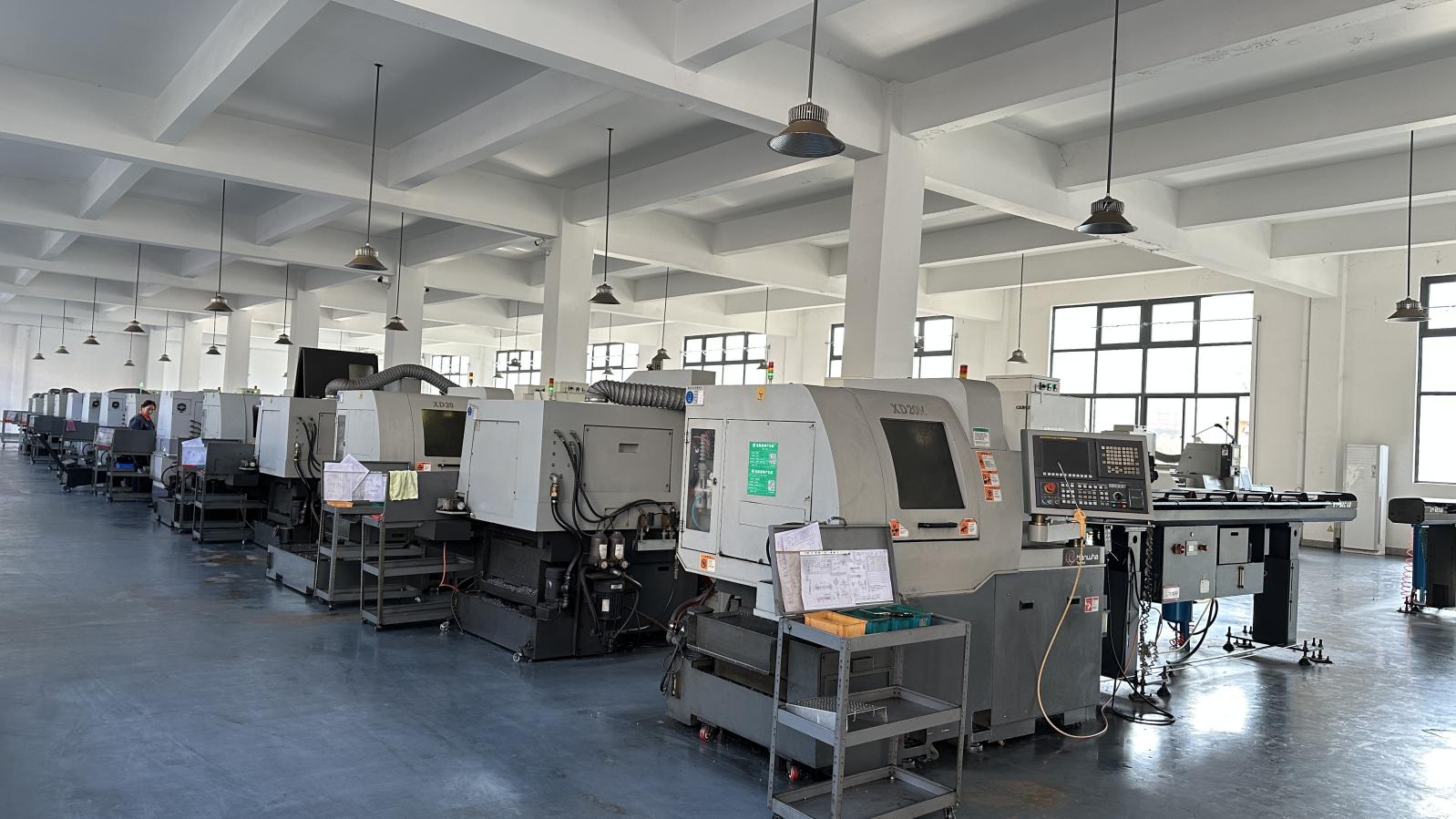
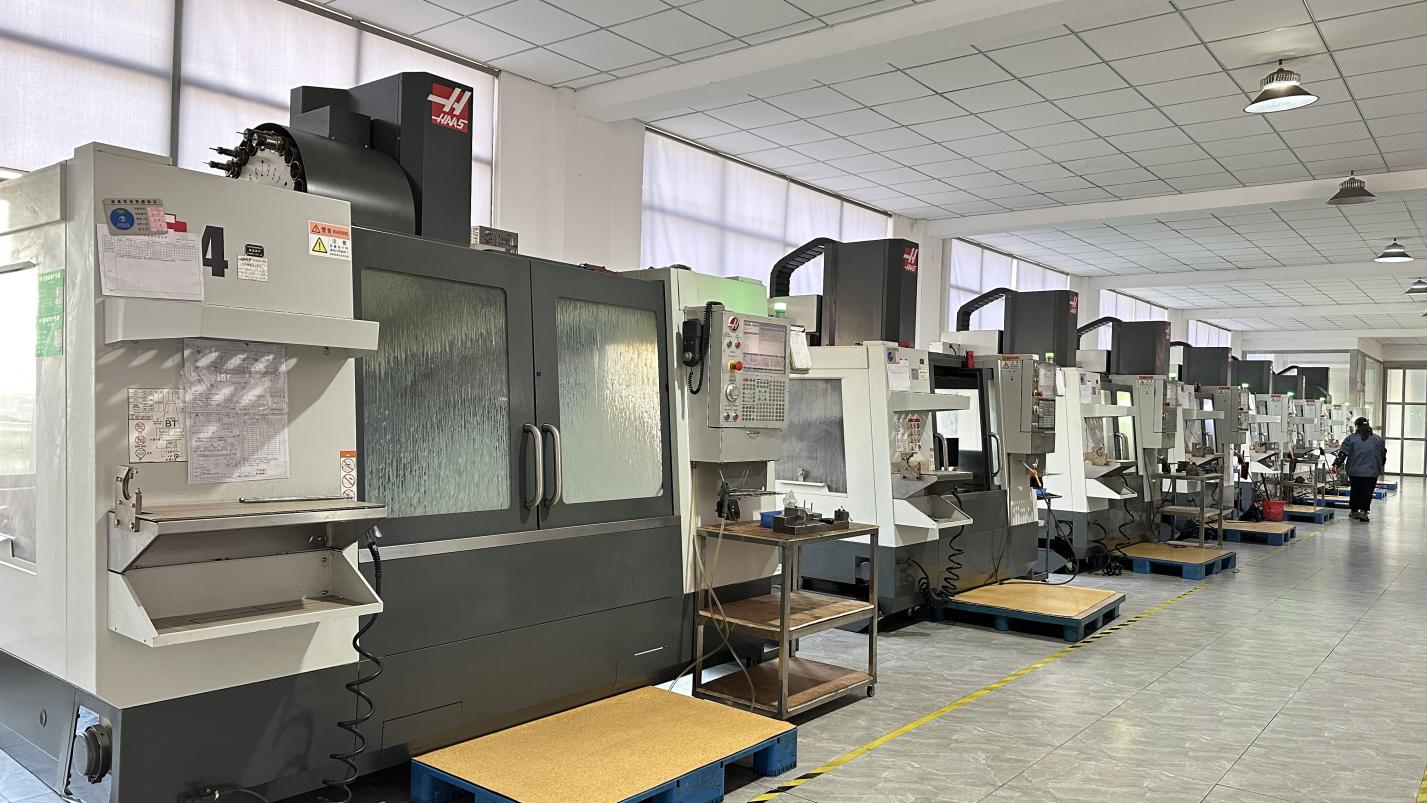
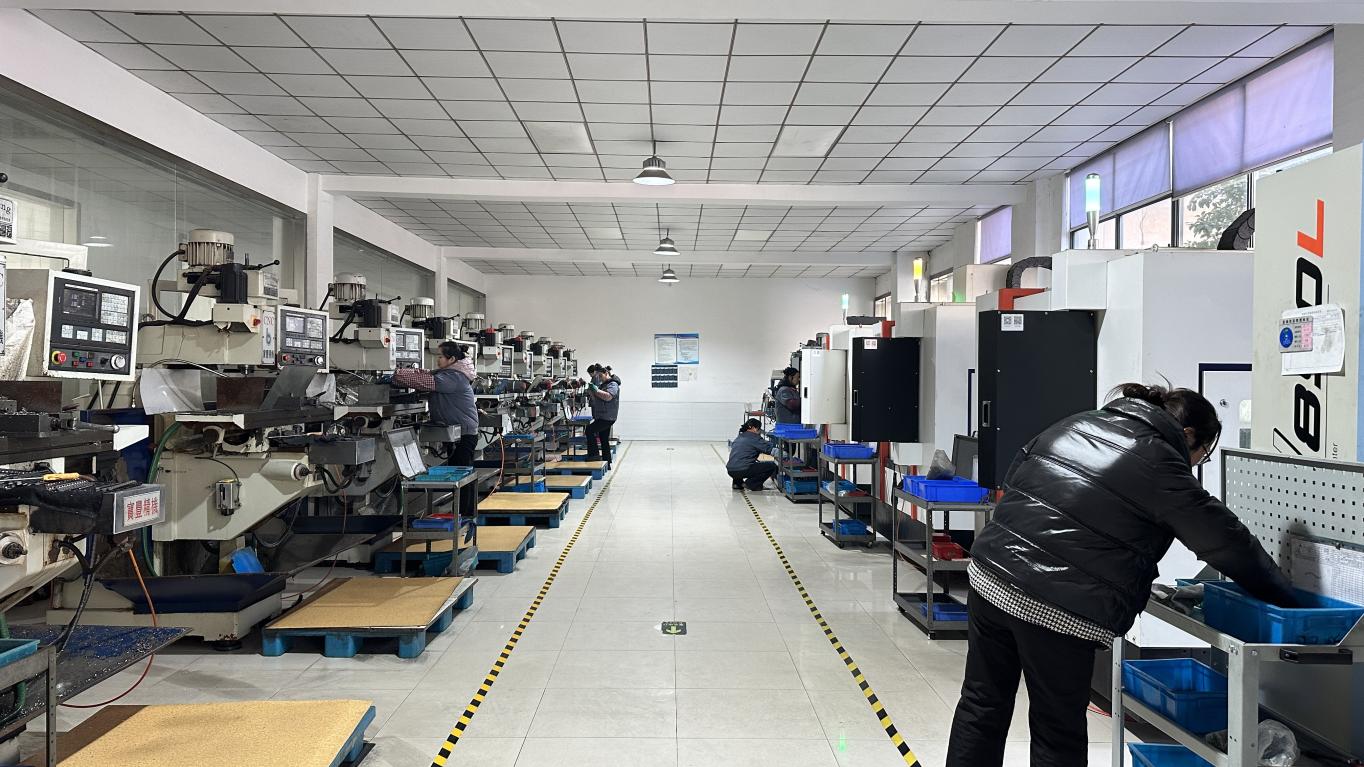
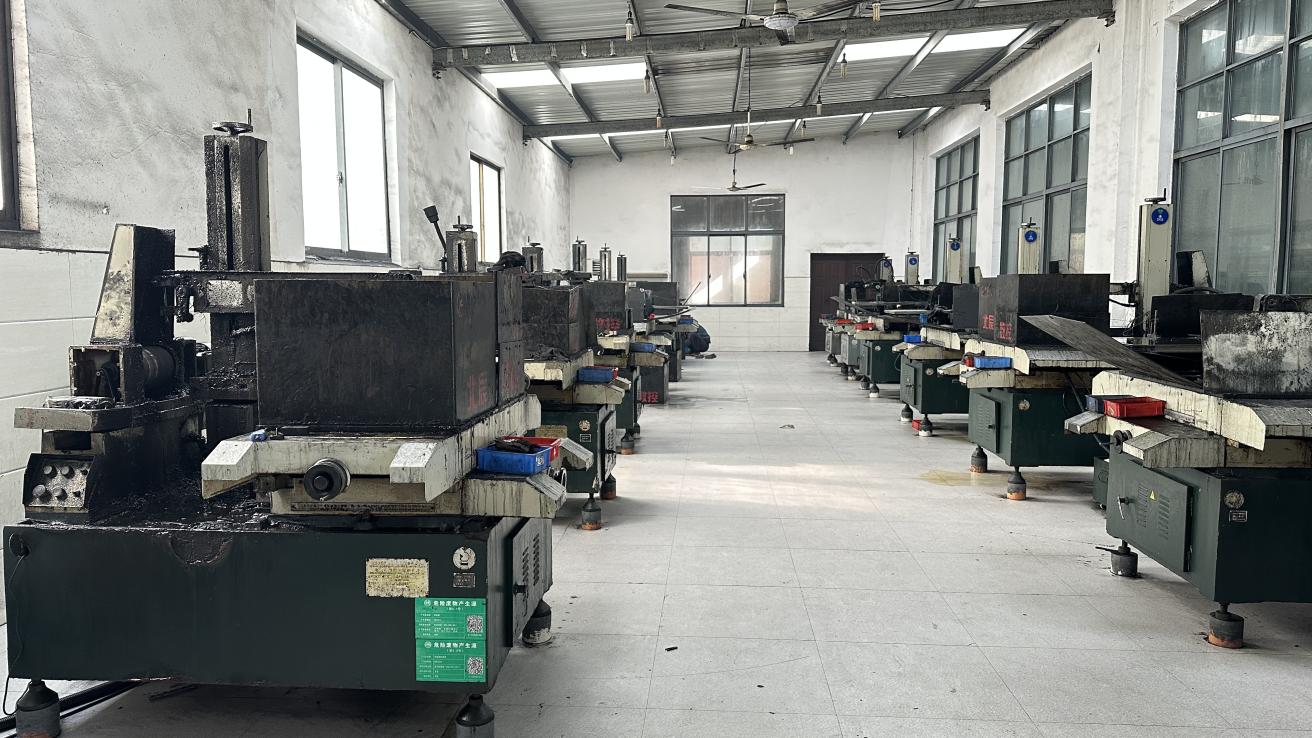
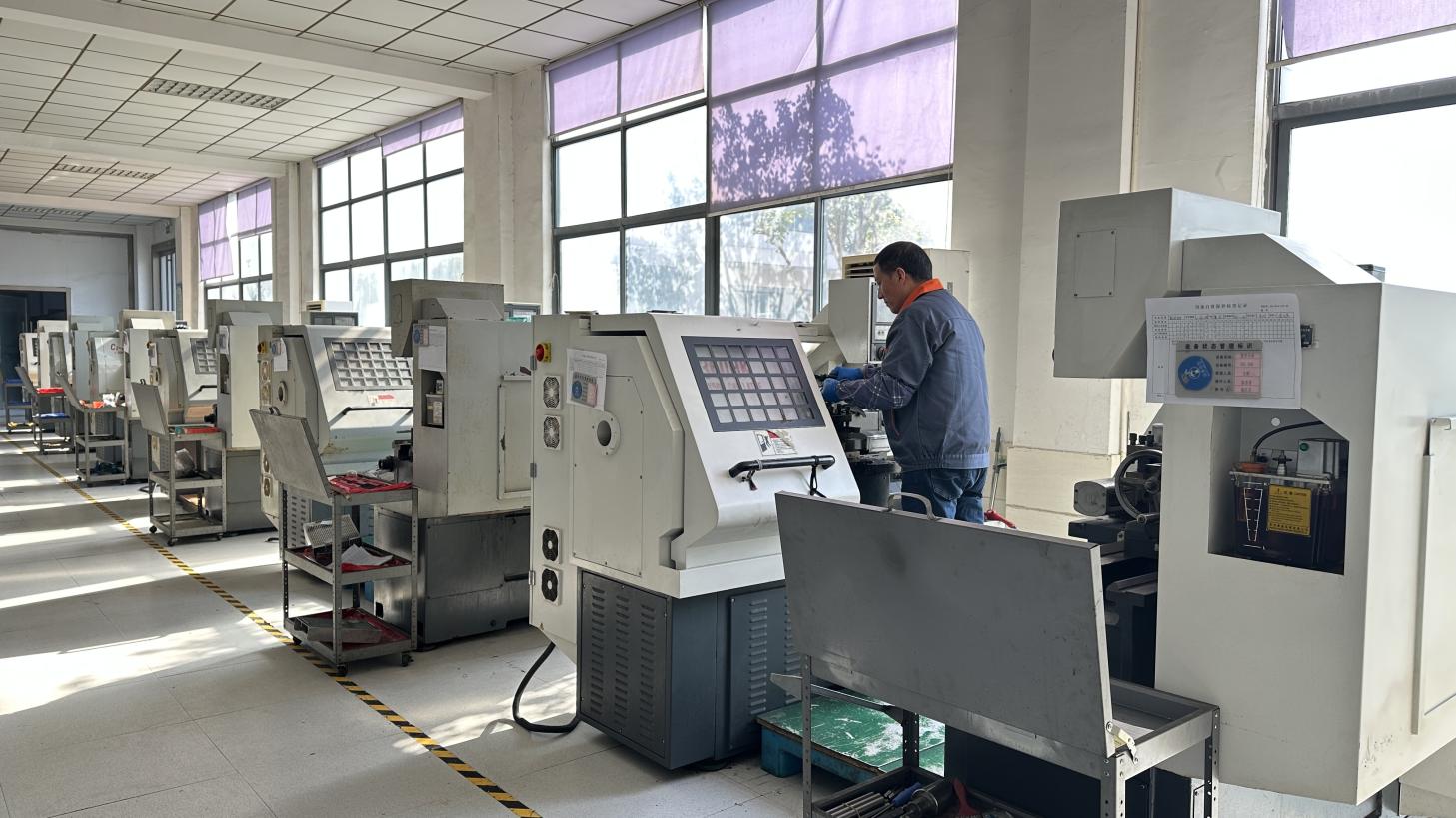
Medisplint Orthopedic Instruments Co., Ltd. stands at the forefront of this surgical evolution. Established in 2016 and leveraging over a decade of rich manufacturing heritage, we specialize in high-end orthopedic solutions. Operating from our state-of-the-art 18,500m² manufacturing hub, we design, iterate, and export high-performance implants that help clinicians restore mobility and joint stability to patients worldwide.
Exploring the technological transitions shaping the future of joint reconstruction surgery.
The transition from traditional cast implants to 3D-printed trabecular titanium is reshaping revision surgery. Highly porous structures mimic human cancellous bone, facilitating rapid osteointegration and securing long-term secondary mechanical fixation without relying entirely on bone cement.
Addressing Anderson Orthopaedic Research Institute (AORI) Type II and Type III bone defects requires zonal fixation. Modular metaphyseal sleeves and tapered stems allow surgeons to bypass deficient bone areas and achieve secure fixation in the metaphyseal-diaphyseal regions.
Wear debris is a leading cause of osteolysis and aseptic loosening. Incorporating Highly Cross-Linked Polyethylene (HXLPE) stabilized with Vitamin E drastically reduces wear rates, maintaining implant articulation integrity even under high-load revision conditions.
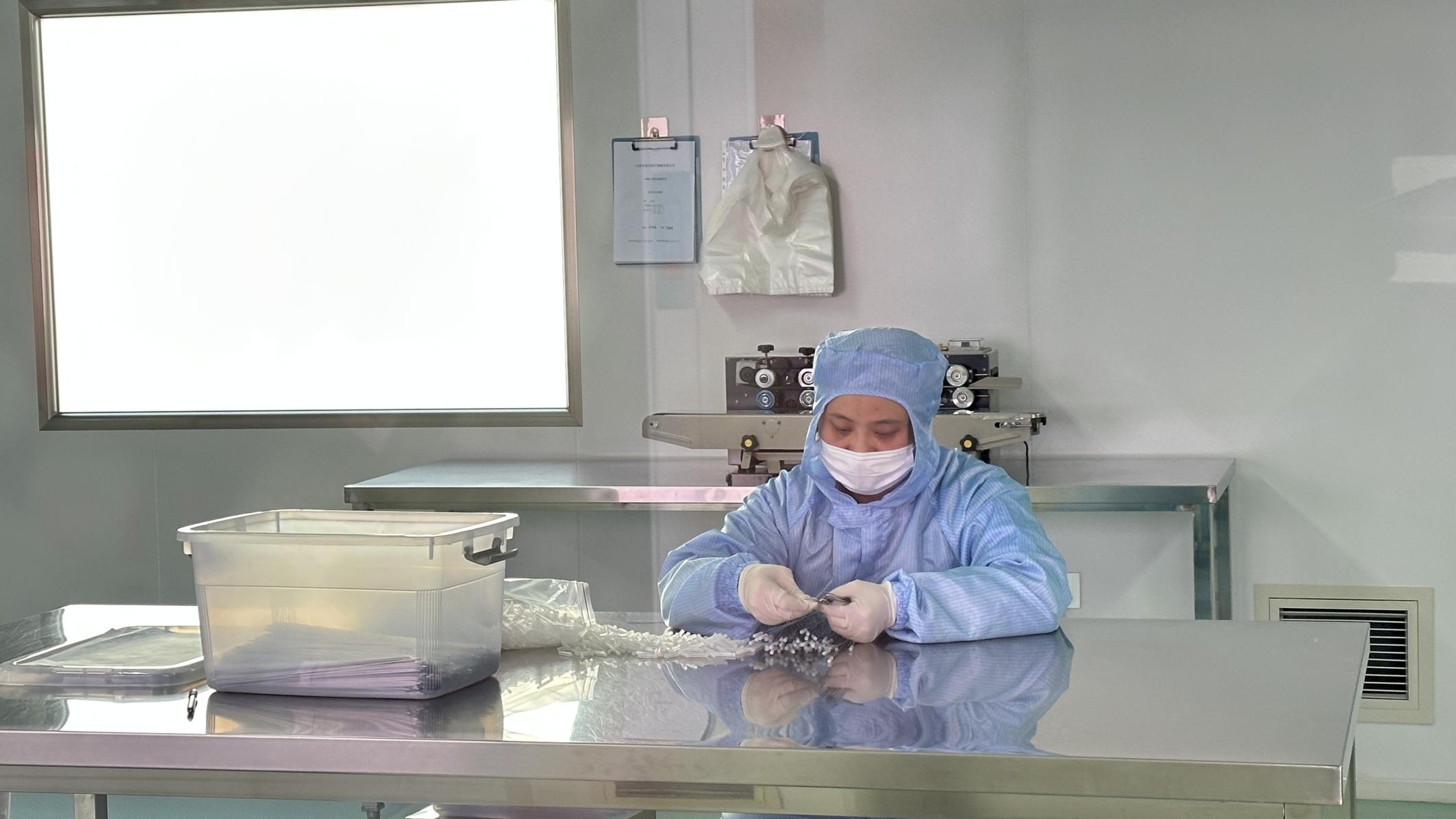
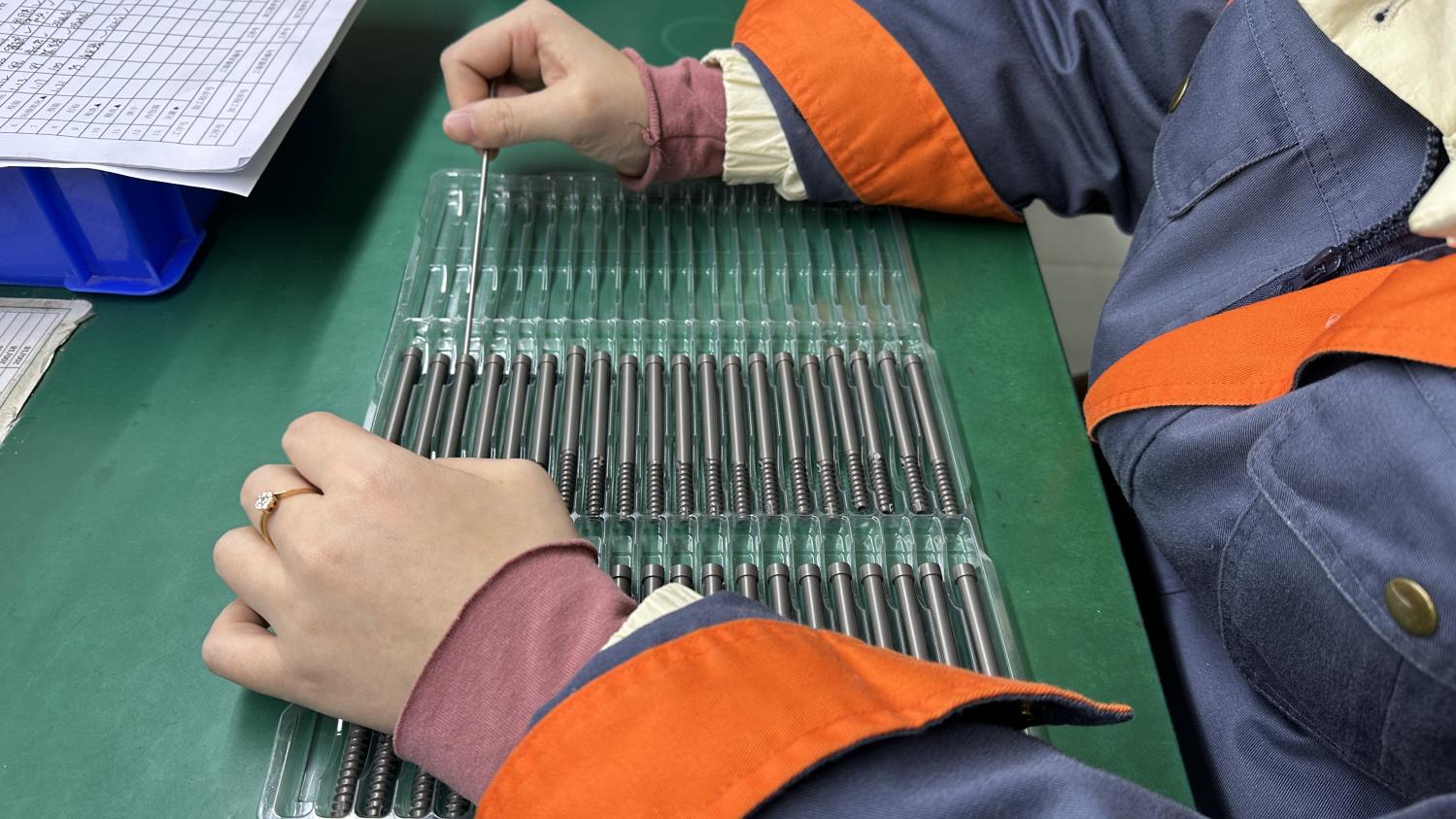
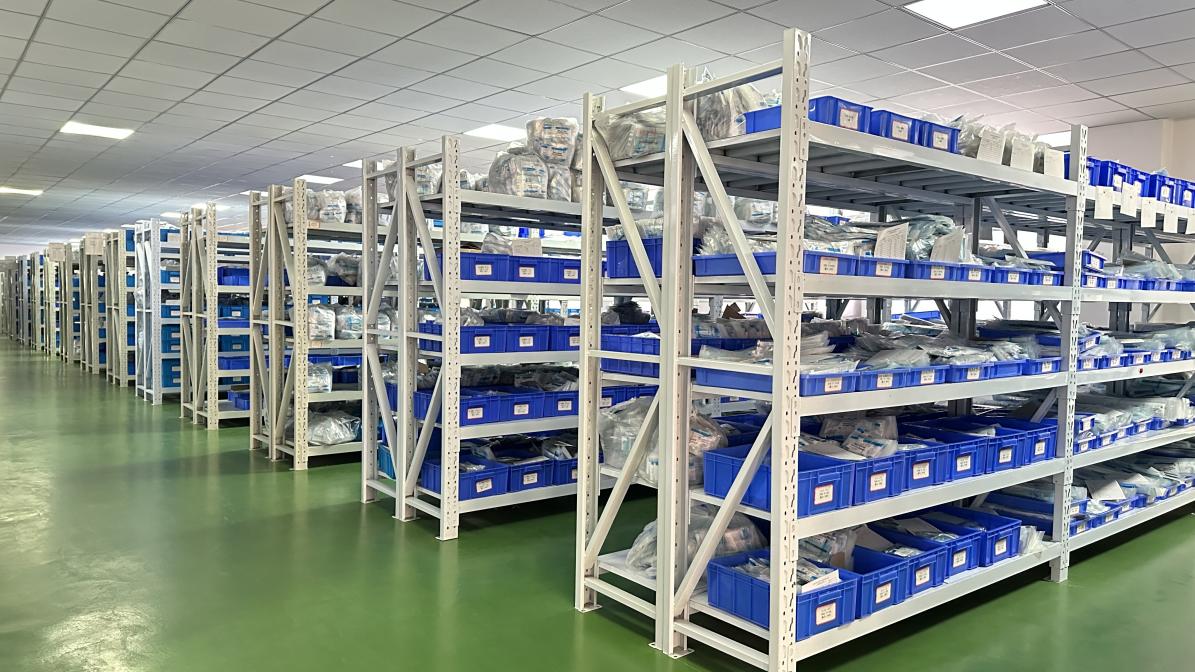
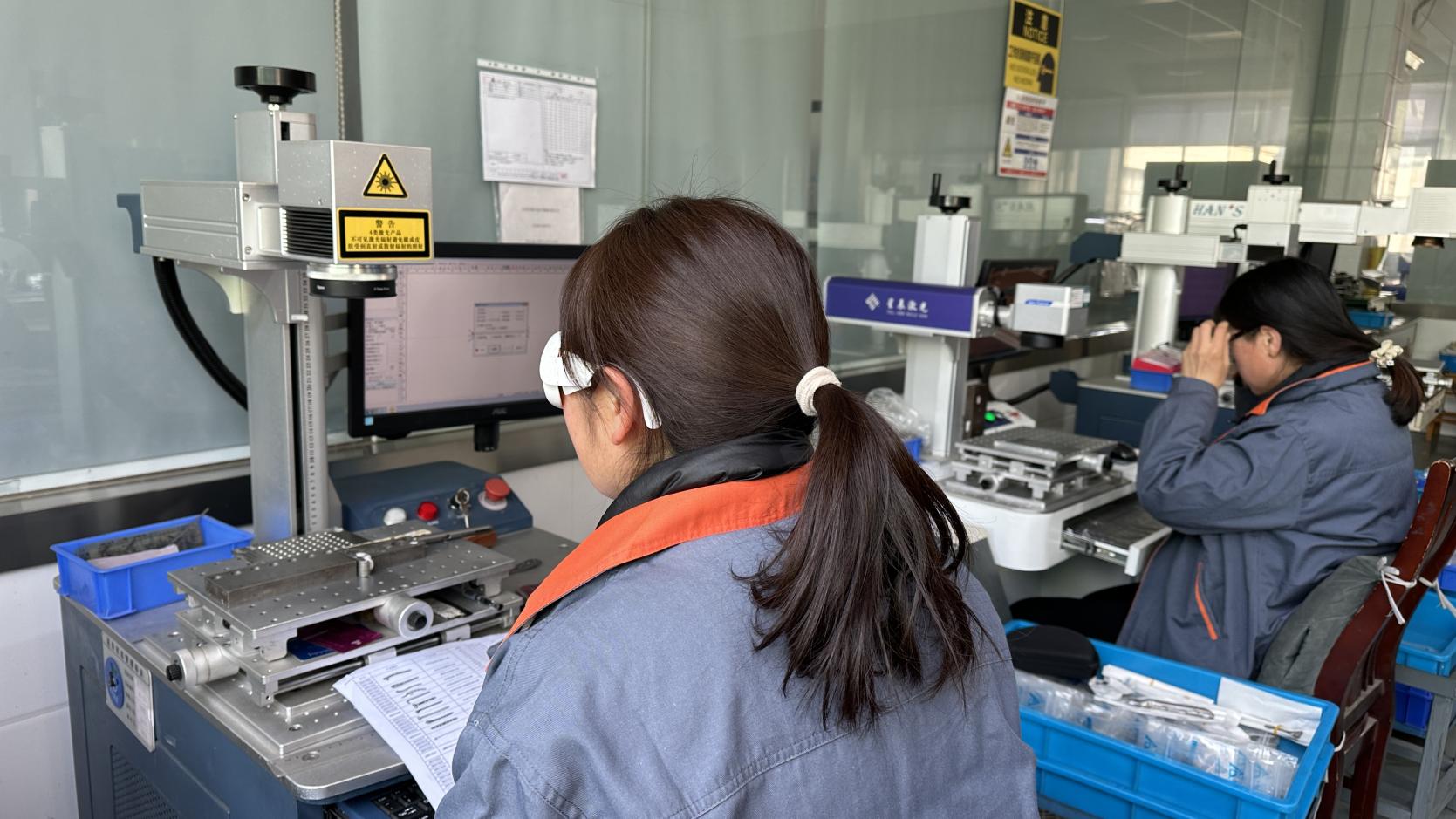
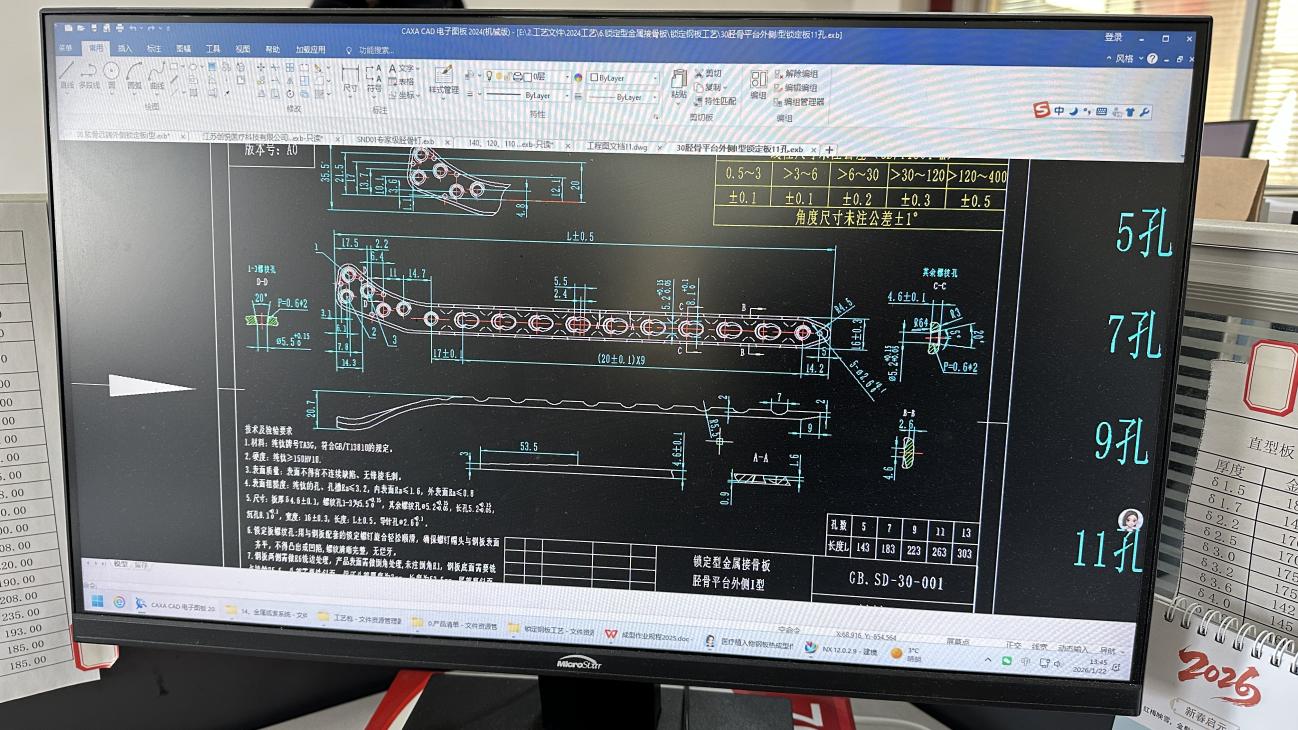
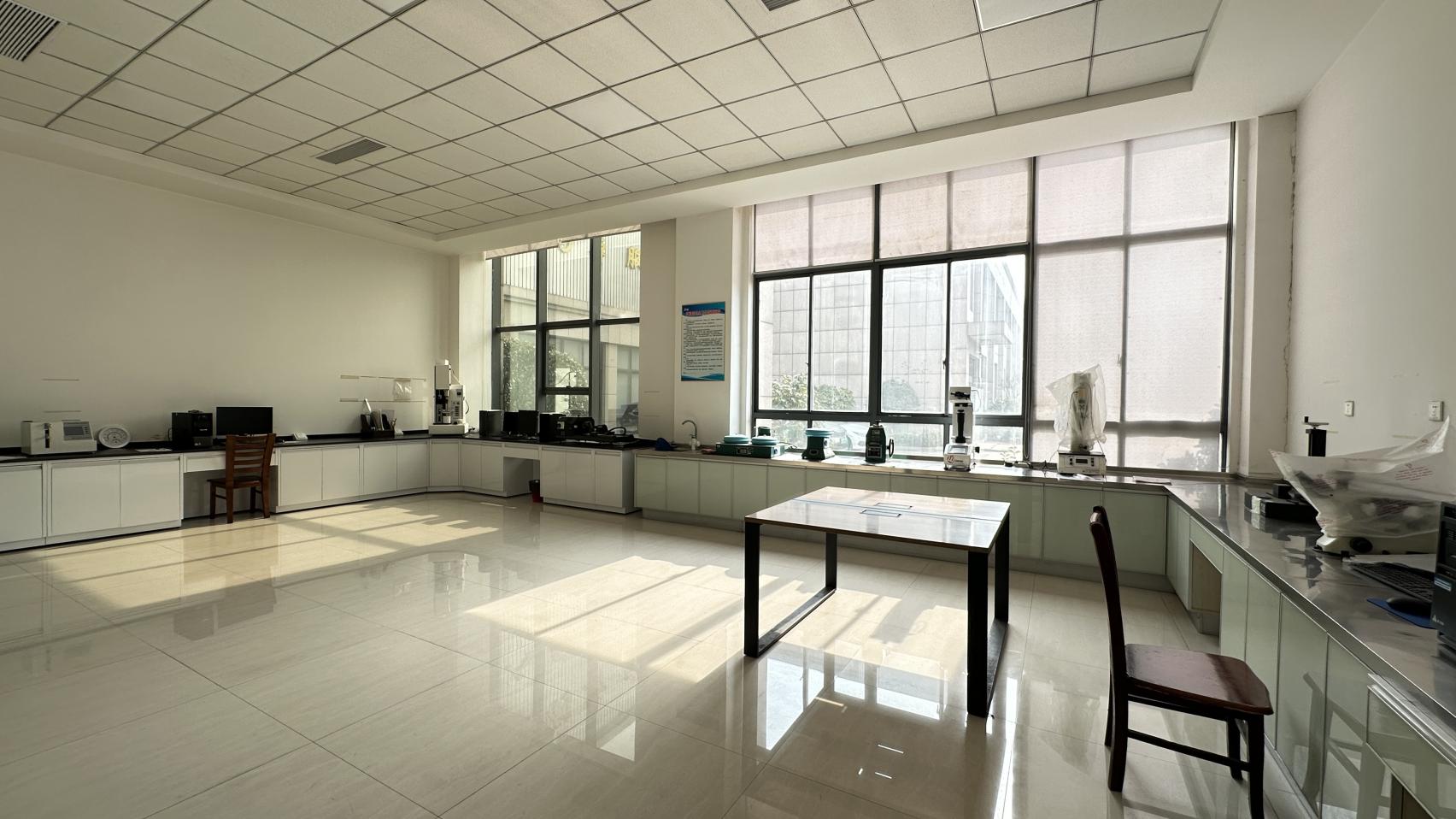
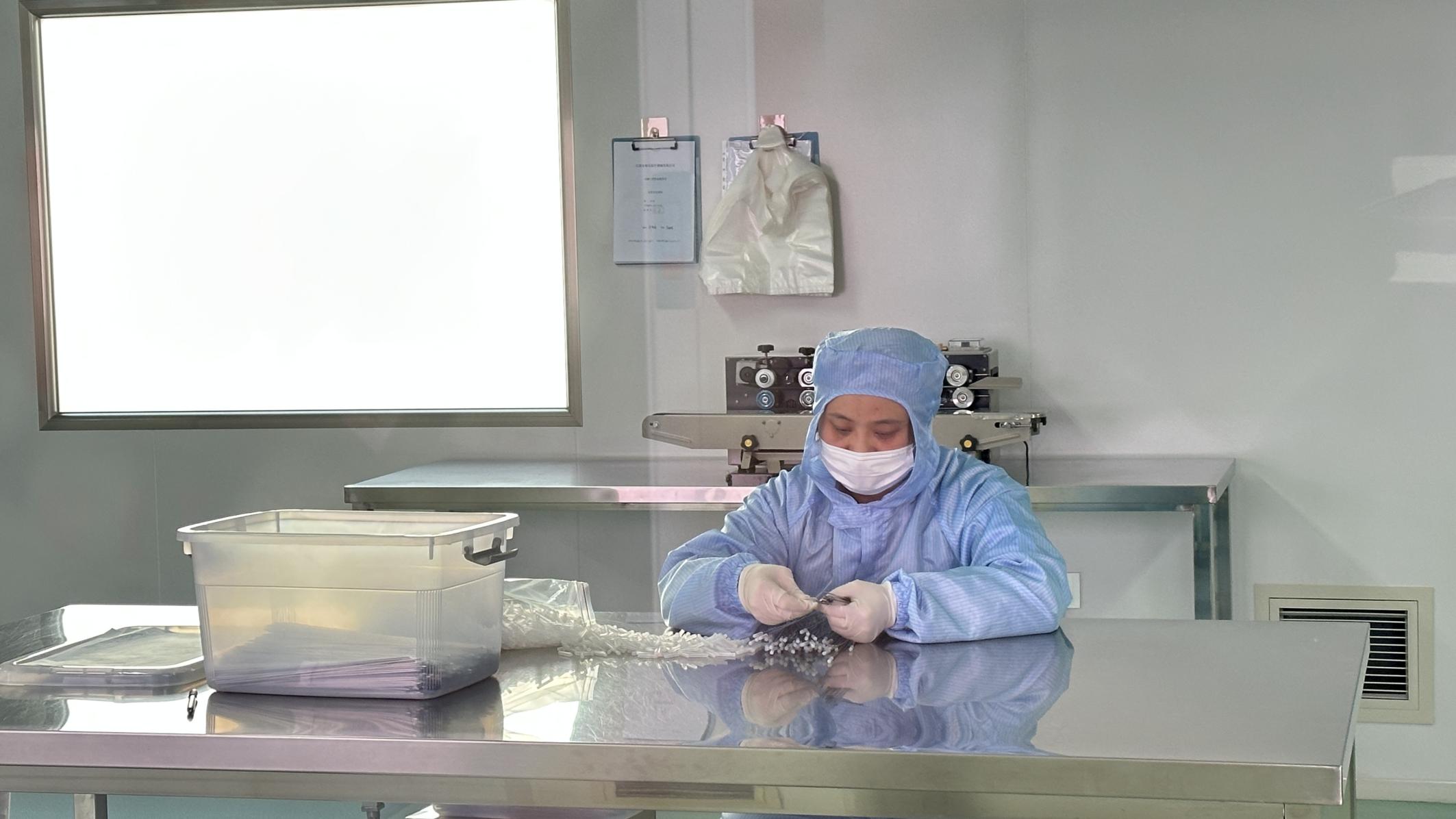
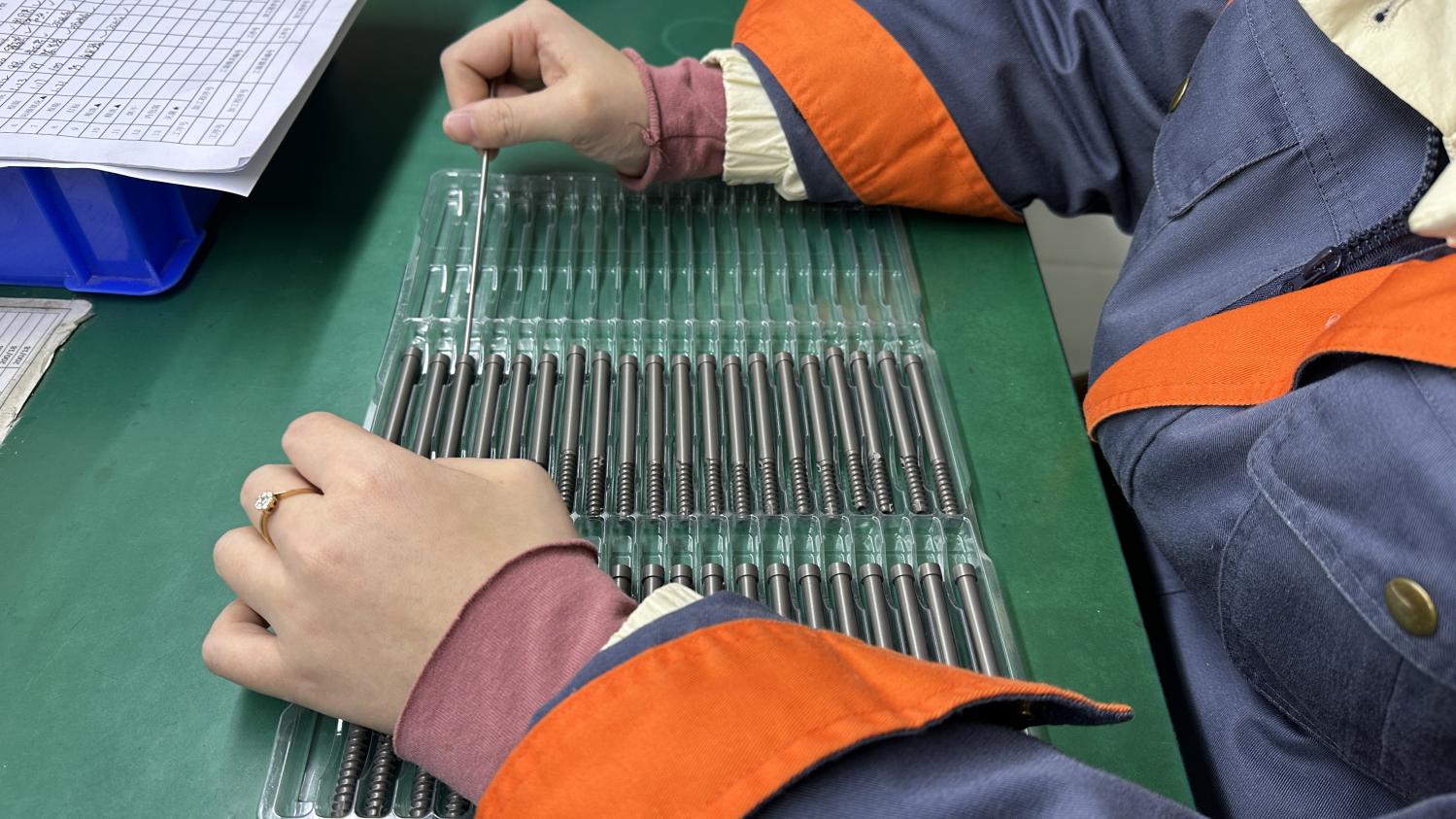
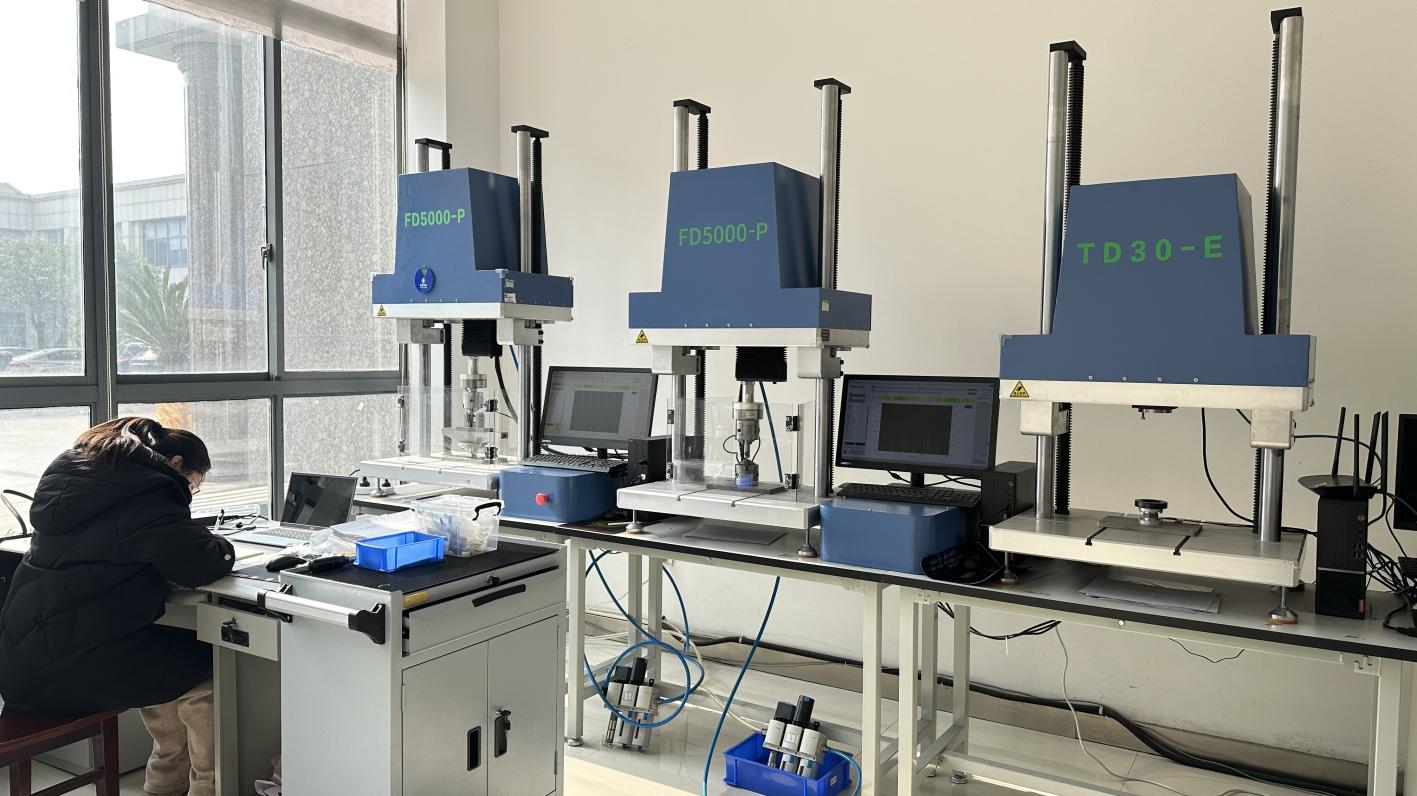
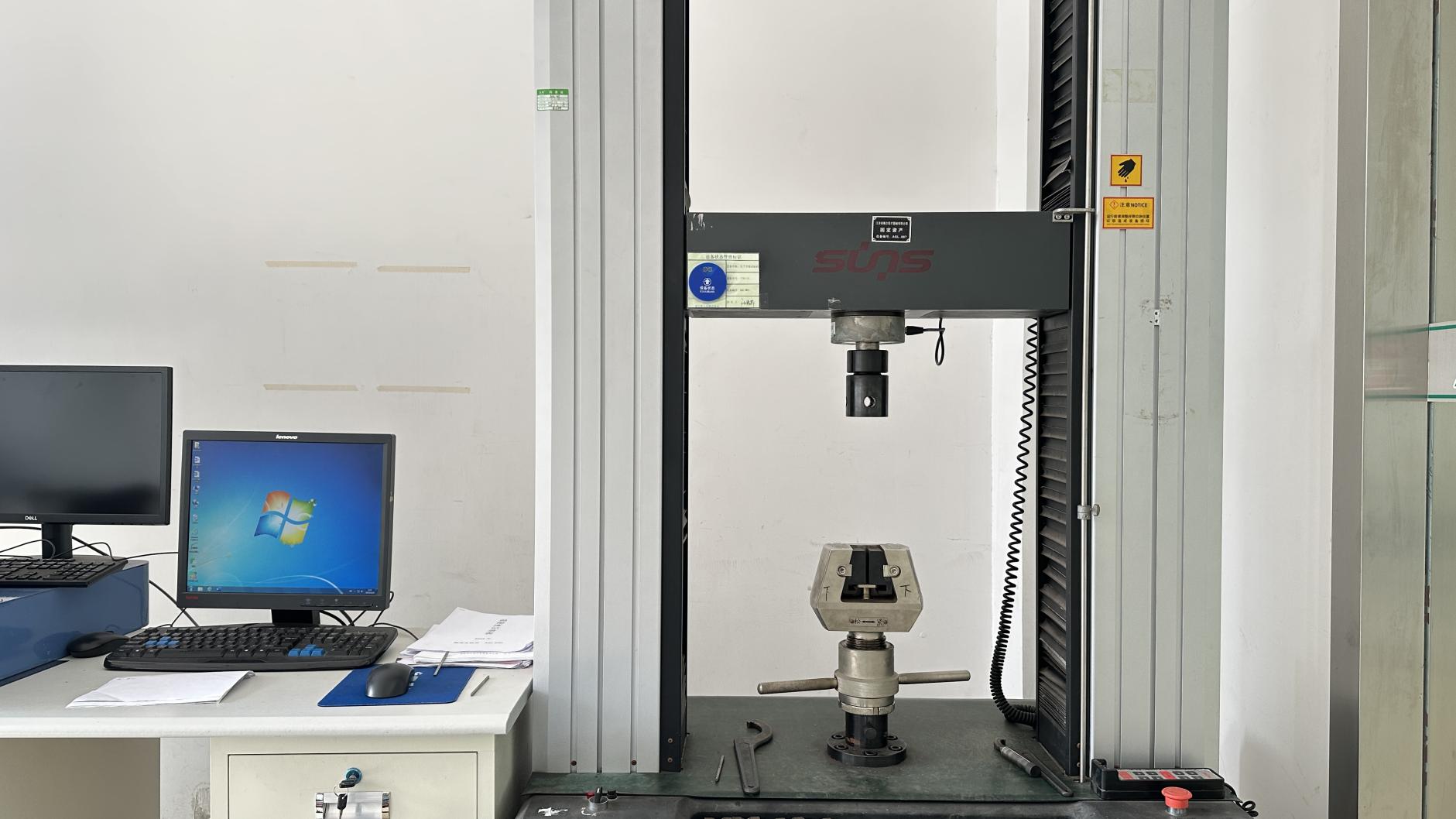
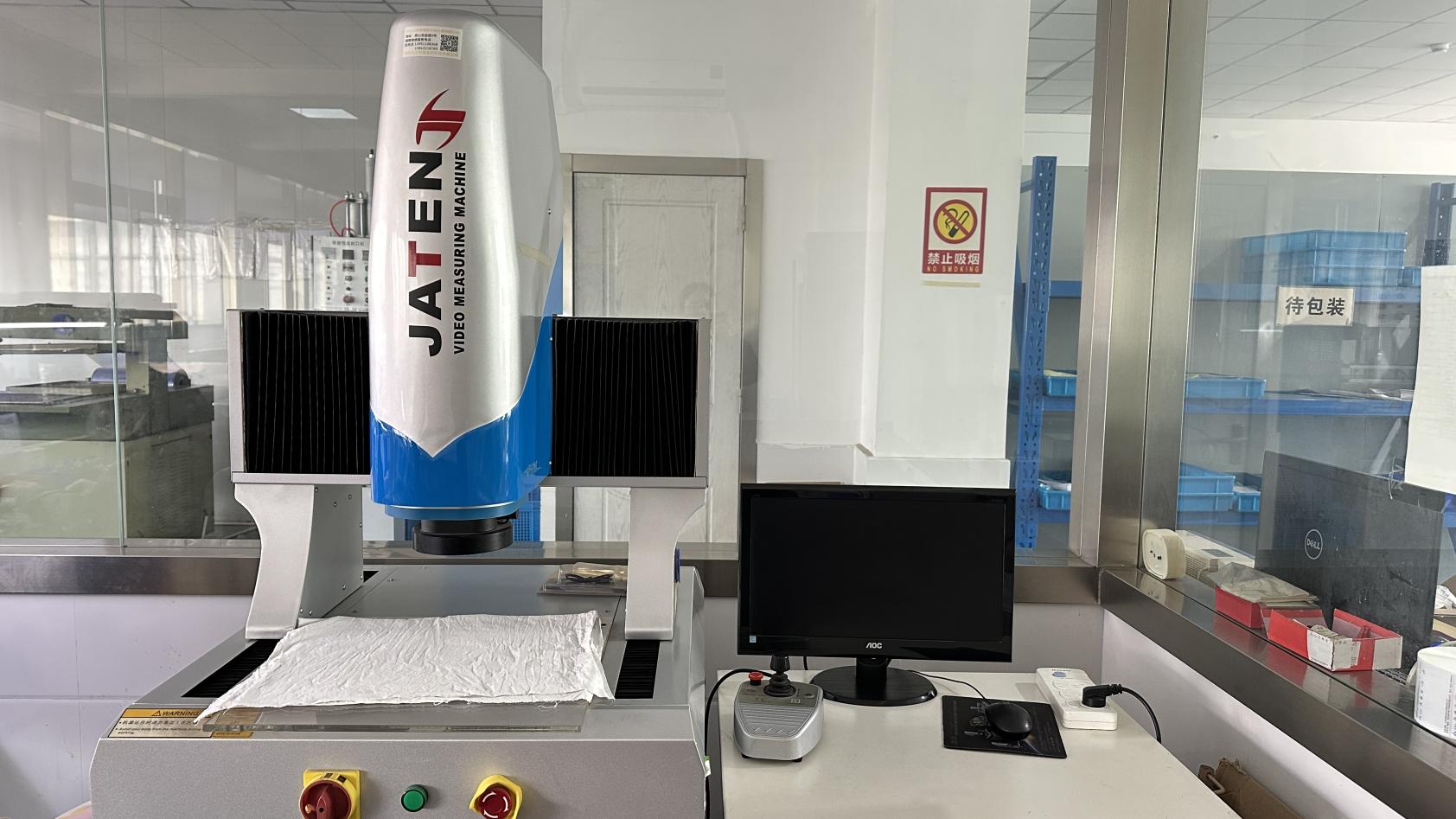
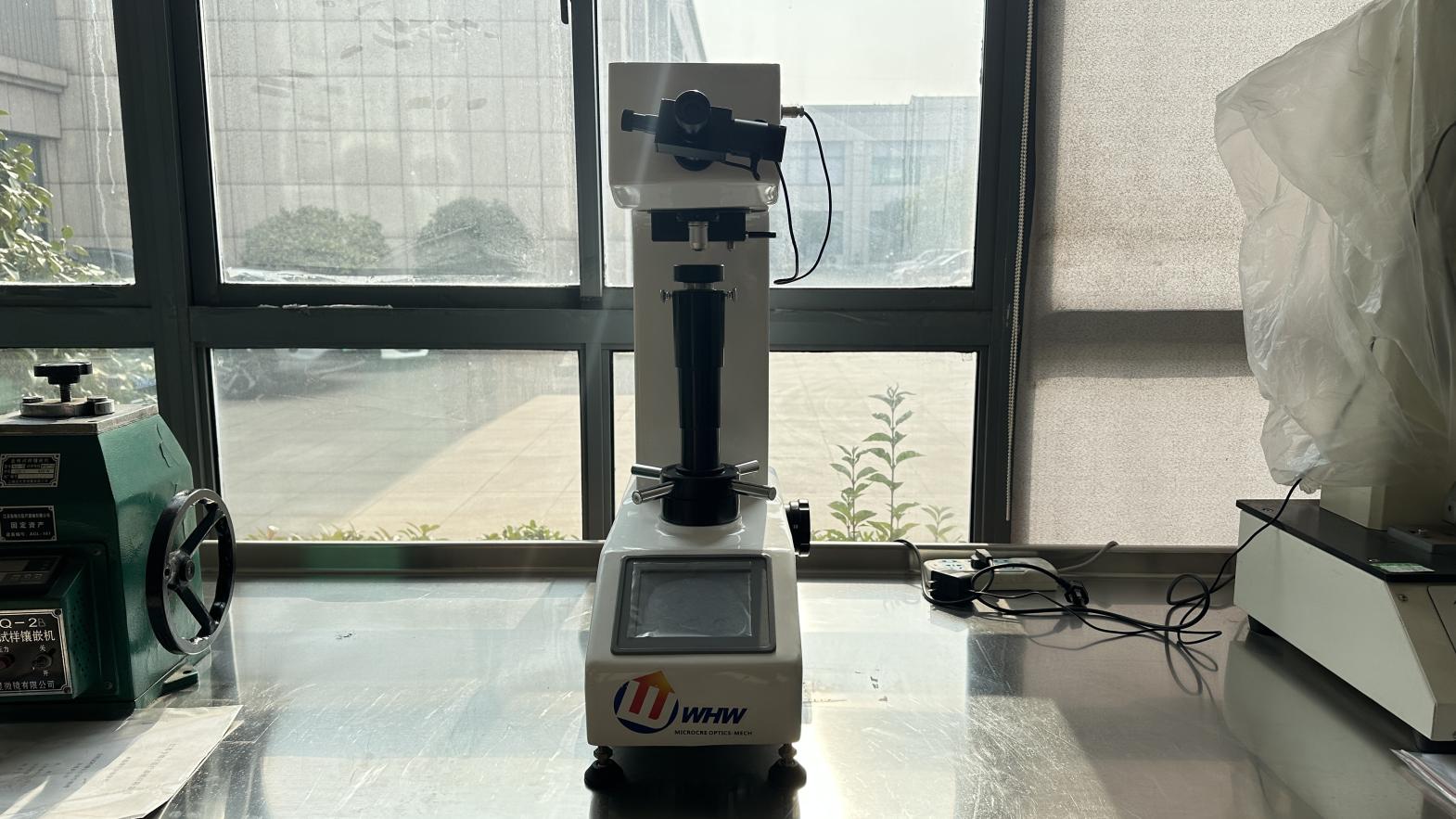
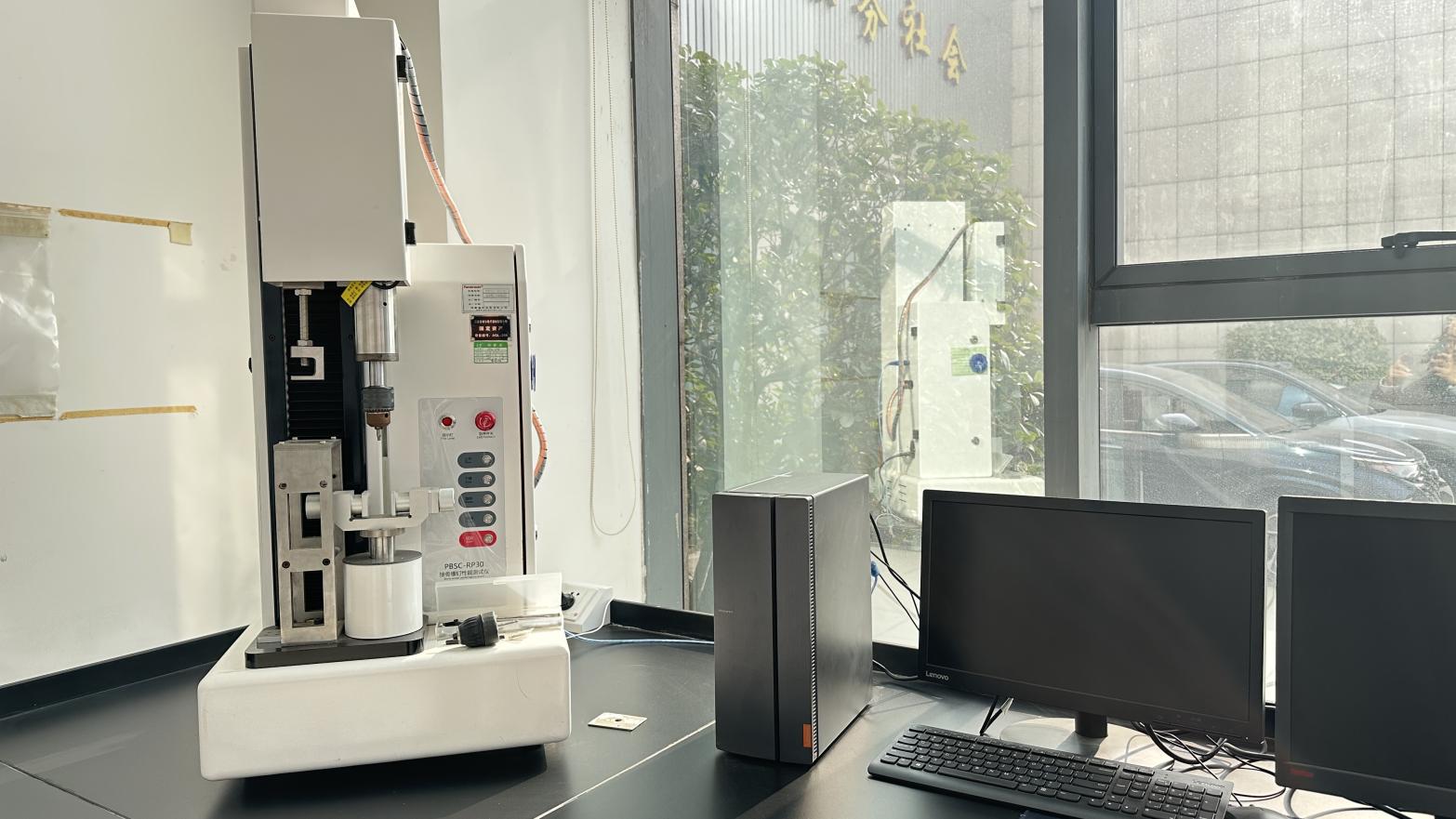
An inside look at Medisplint's integrated manufacturing flow, quality control laboratories, and advanced testing setups.
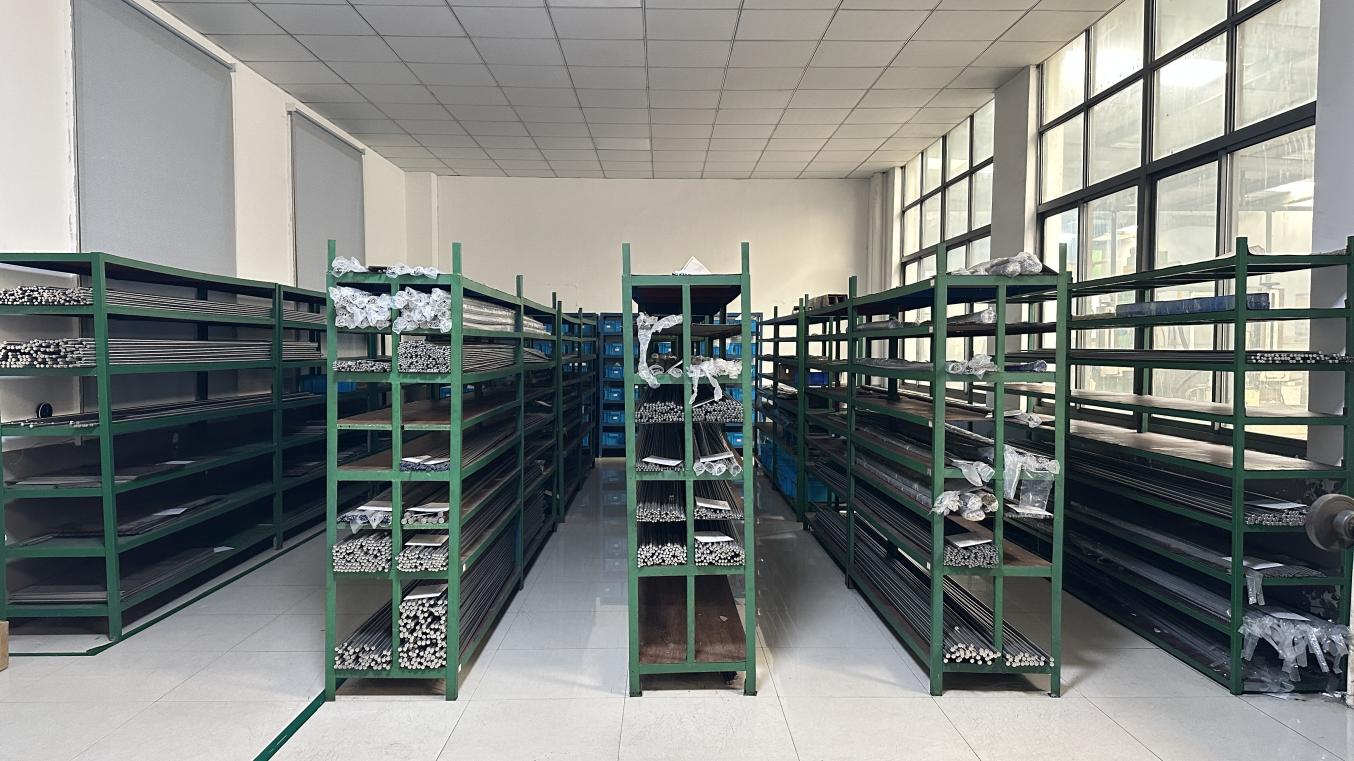
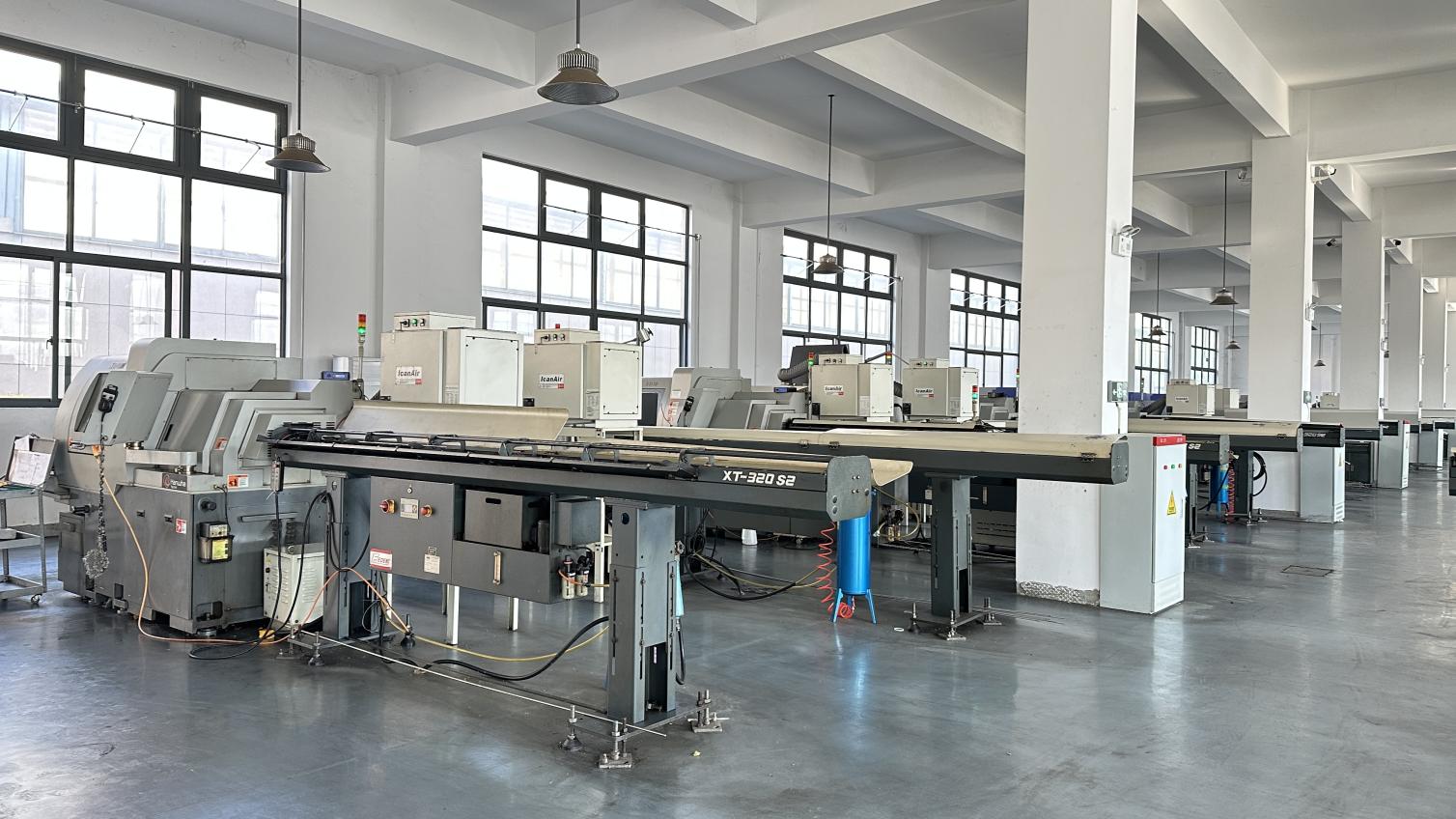
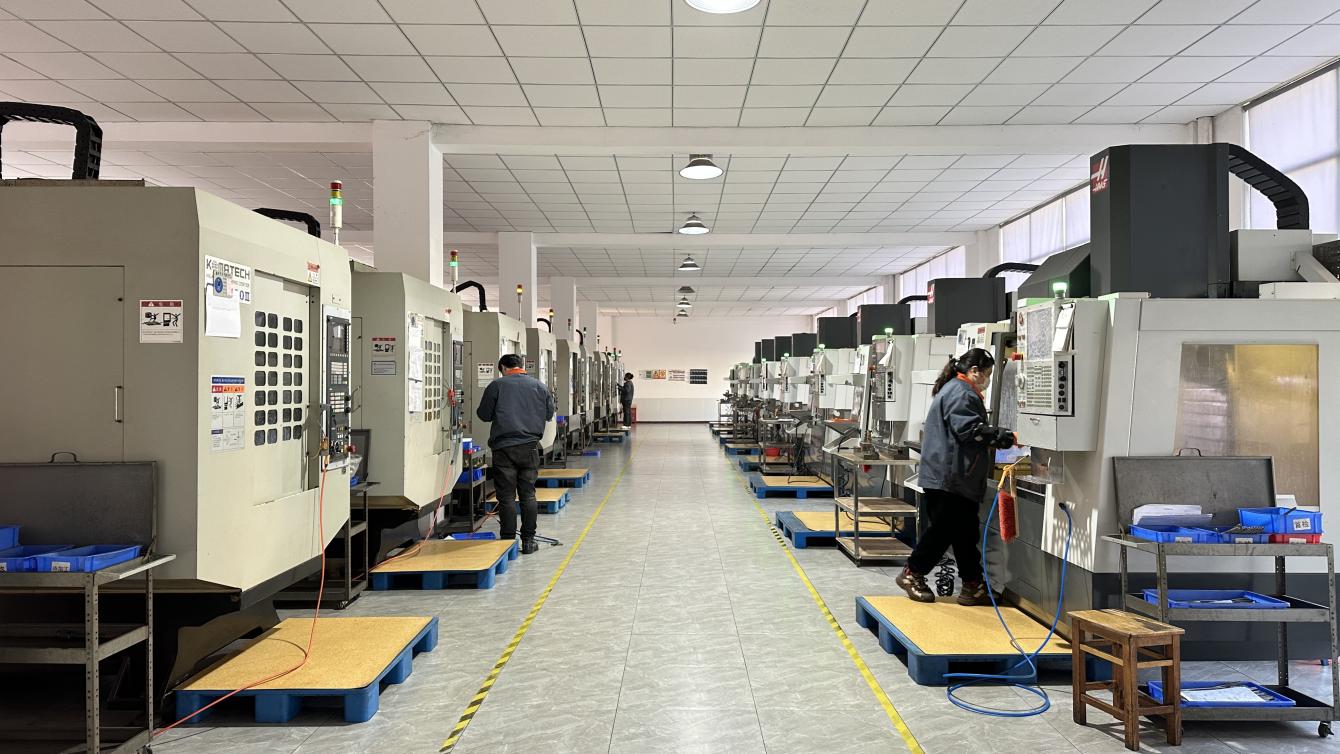
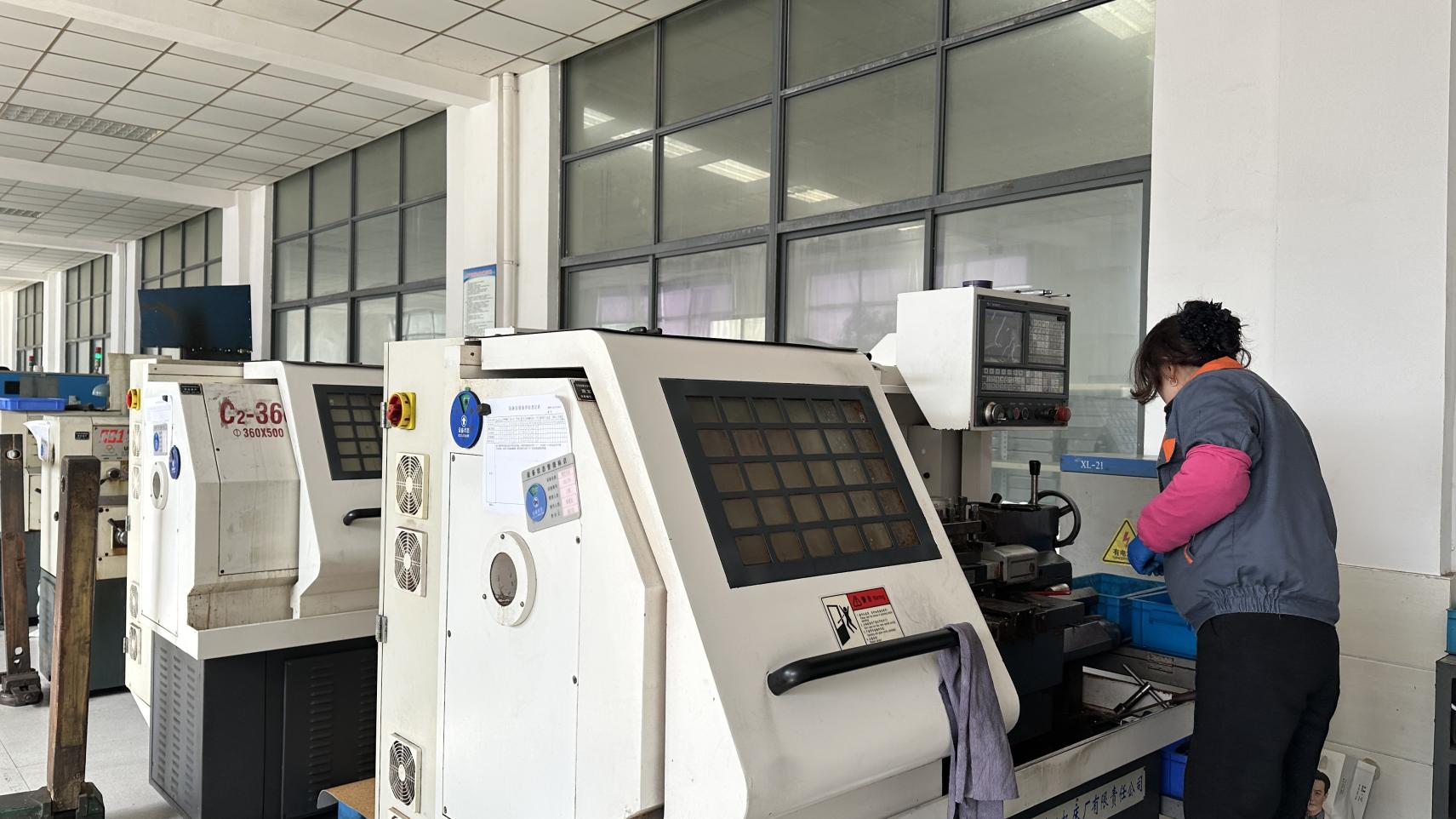
How Medisplint addresses the stringent clinical, operational, and financial needs of worldwide distributors.
Orthopedic procurement officers and implant distributors face strict regulatory environments and cost pressures. When sourcing a revision knee prosthesis partner, three main criteria must be met to ensure long-term clinical and commercial success:
Medisplint supports orthopedic brands and healthcare groups with vertically integrated manufacturing, helping to control risks and secure market access.
Pushing the boundaries of implant survival through advanced biomedical engineering.
To address extensive bone resorption without resorting to large masses of structural polymethylmethacrylate (PMMA) cement, Medisplint is expanding its porous titanium sleeve portfolio. Designed with a structured, interconnecting pore network (65-80% porosity, 400-600 micron pore sizes), these sleeves optimize cell adhesion and mechanical interlock in osteopenic patients.
By combining high-resolution CT scans with advanced CAD/CAM software, our engineering team constructs personalized implants matching the patient's specific anatomy. This precision helps restore the natural joint line, minimizes soft-tissue impingement, and improves post-operative functional outcomes.
Late periprosthetic joint infection (PJI) is a challenging complication in revision surgery. Our R&D lab is testing multi-phase bioactive coatings, including silver-ion dopants and hydroxyapatite (HA) deposits, to discourage bacterial colonization while promoting rapid osseointegration.
For knees with severe collateral ligament instability, our upcoming revisions feature highly coordinated constrained condylar knee (CCK) and rotating hinge knee (RHK) configurations. These designs optimize load-sharing between the tibial tray and femoral component, helping to prevent mechanical subluxation.
Meeting stringent global standards to ensure patient safety and seamless market entry.
Navigating international medical regulations is critical for global orthopedic distributors. Medisplint maintains a robust compliance framework centered on ISO 13485:2016 certification for medical device quality management systems. Our implants are designed, verified, and validated in accordance with both EU CE guidelines and international registration standards.
Each manufacturing lot undergoes extensive mechanical verification, including coordinate measuring machine (CMM) dimensional checks, surface roughness evaluation, and cleanroom bioburden assays. We assist our global partners by providing comprehensive registration dossiers, certificates of analysis (CoA), raw material traceability certificates, and validation reports to ensure smooth clearance through customs and local regulatory bodies.
Key technical and commercial inquiries from global orthopedic distributors and surgical brands.
We use certified medical-grade titanium alloy (Ti-6Al-4V ELI conforming to ASTM F136 / ISO 5832-3) for femoral components, tibial trays, and modular augment blocks. Our bearing inserts are machined from Ultra-High-Molecular-Weight Polyethylene (UHMWPE conforming to ASTM F648 / ISO 5832-9) or highly cross-linked polyethylene (HXLPE) to ensure high wear resistance and structural durability.
Our team of 85 design engineers collaborates with clients to develop custom systems. This process includes converting custom CAD files or anatomical scans into physical prototypes, optimizing the mechanical design, performing FEA (Finite Element Analysis) simulations, and running fatigue tests. We also offer private labeling and custom instrument configuration.
Our 42-inspector Quality Assurance department executes a multi-stage testing process. We perform chemical composition analysis on incoming materials, in-process dimensional control using CNC coordinate metrology, dynamic fatigue testing of implants (ISO 14879-1 for tibial trays), tensile strength checks, and surface roughness evaluation. We also collaborate with accredited third-party laboratories for biological safety evaluation.
We provide a range of structural options. For mild to moderate bone loss (AORI Type I/II), we offer modular metal blocks and stems that bypass weak bone areas. For severe bone loss and ligament laxity (AORI Type III), we provide highly constrained condylar knee (CCK) components and rotating hinge knee configurations to stabilize the joint axis.
We offer flexible incoterms (FOB, CIF, EXW) with global shipping via sea or air. Standard OEM order lead times range from 45 to 60 days, depending on system complexity. MOQs are determined based on custom requirements, private labeling needs, and raw material cycles. Please contact our export team for a personalized quote.
High-durability orthopedic saws, plates, and specialized implants for trauma and joint reconstruction.