Medisplint
Medisplint
Medisplint
Premium implant systems and surgical toolkits fabricated under strict ISO 13485 cleanroom controls.
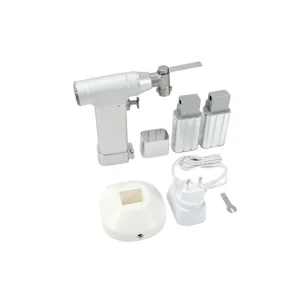
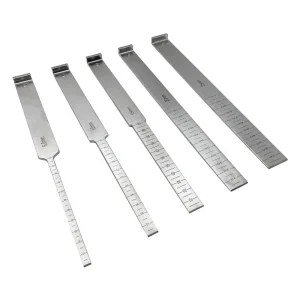
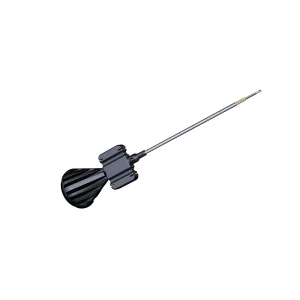
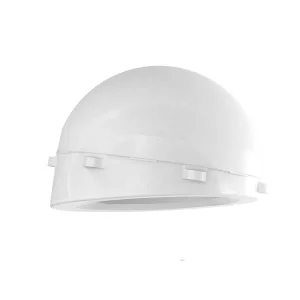
Why Metal-on-Polyethylene (MoP) remains the clinical workhorse for Total Hip Arthroplasty (THA) global procurement.
In the biomechanical evolution of total hip reconstruction, the combination of a cobalt-chromium-molybdenum (CoCrMo) alloy femoral head articulated against an Ultra-High-Molecular-Weight Polyethylene (UHMWPE) or highly cross-linked polyethylene (XLPE) liner continues to be the globally preferred clinical benchmark. While alternative bearing options such as Ceramic-on-Ceramic (CoC) offer high hardness, MoP systems present unmatched fracture toughness, modular flexibility, and cost-effectiveness.
Medisplint Orthopedic Instruments Co., Ltd. addresses the rigorous design standards of global OEM brand owners and distributors. We manufacture implant-grade MoP hip joint components utilizing raw materials that comply with the strictest global ASTM and ISO standards, ensuring optimal tribological behavior and minimum volumetric wear.
A world-class manufacturing baseline with robust R&D and global supply chain partnerships.
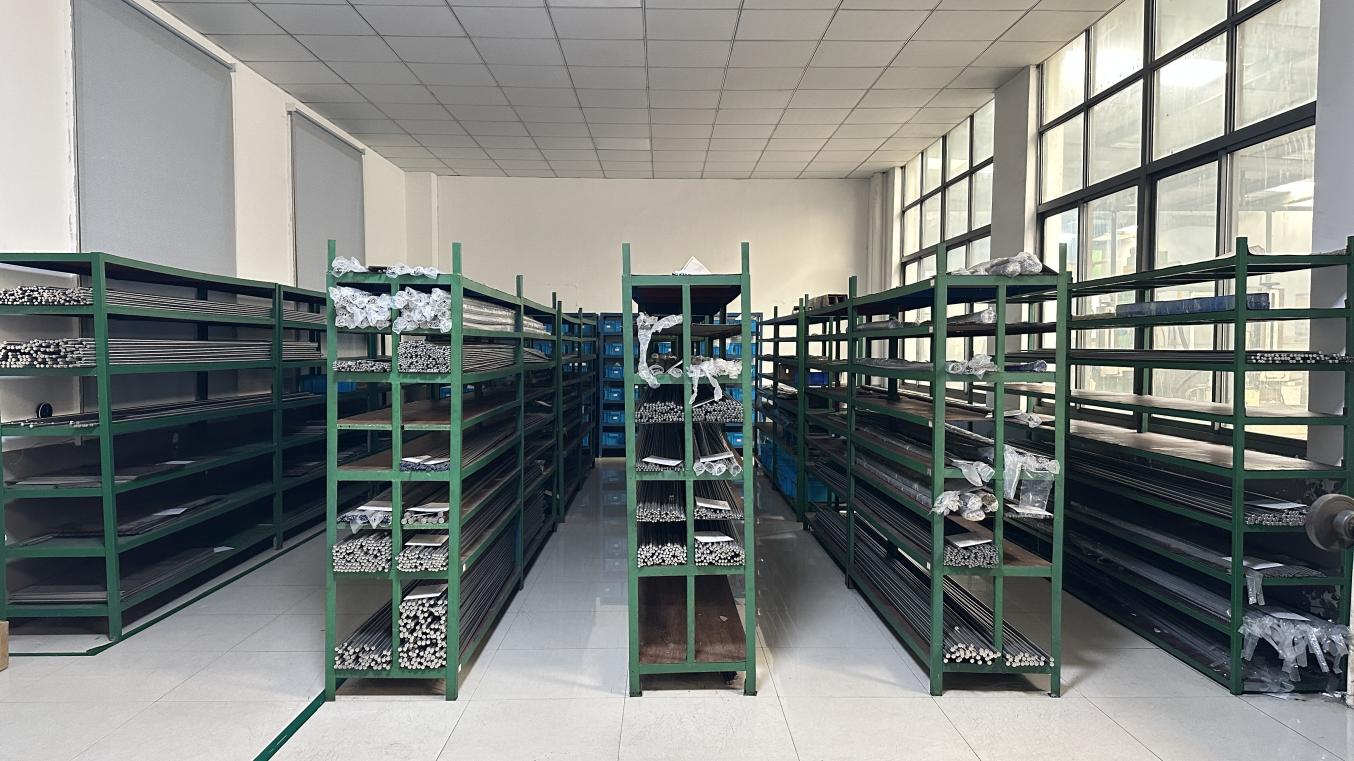
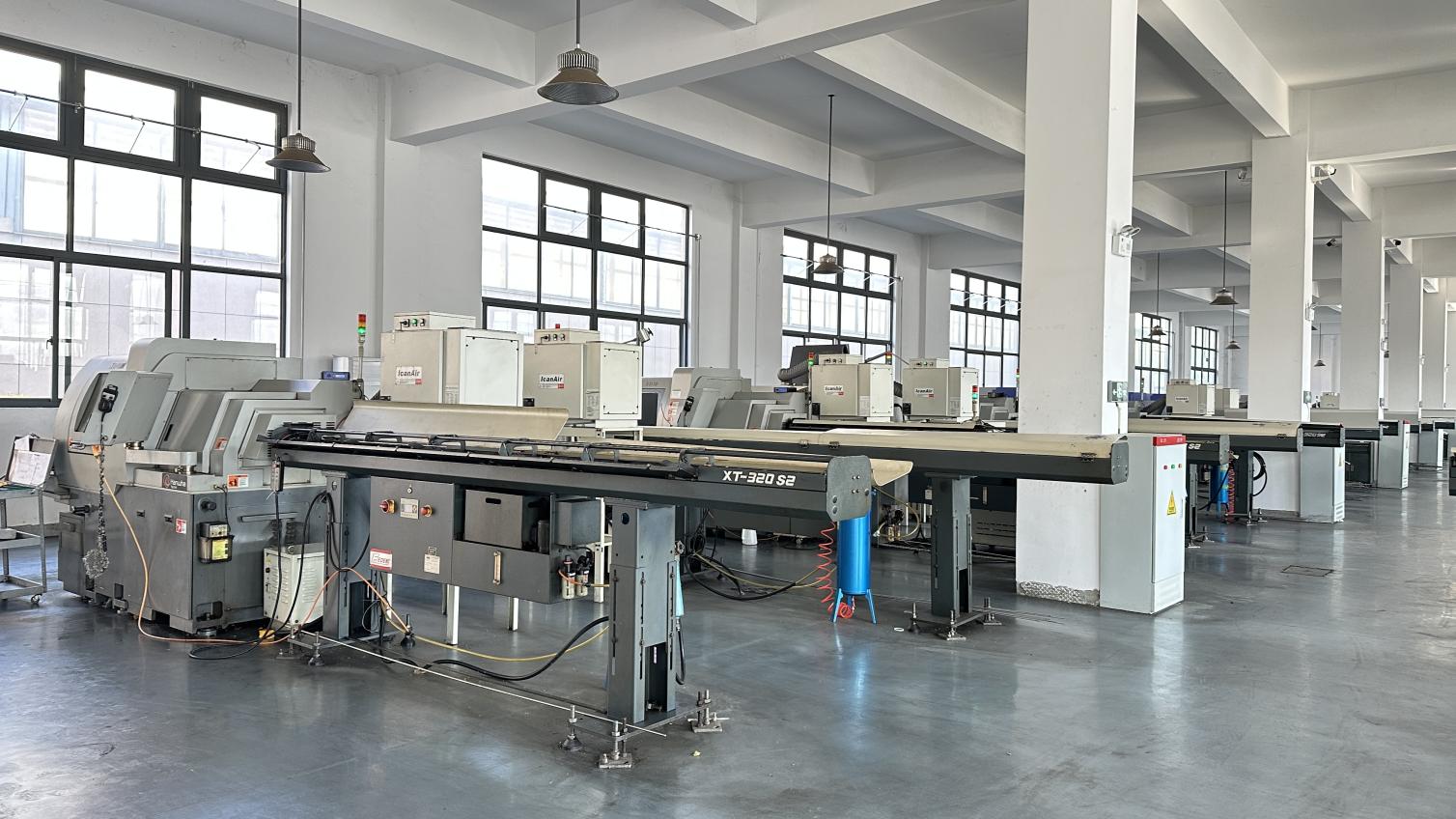
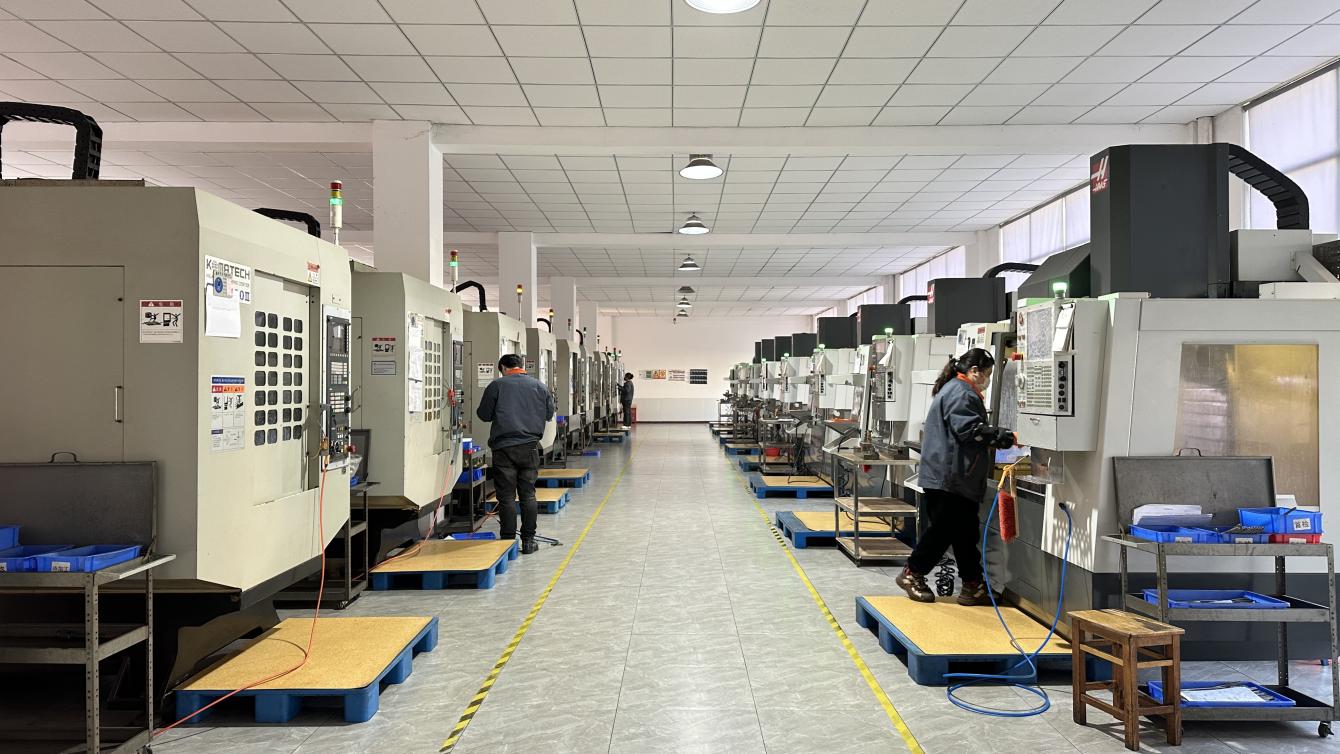
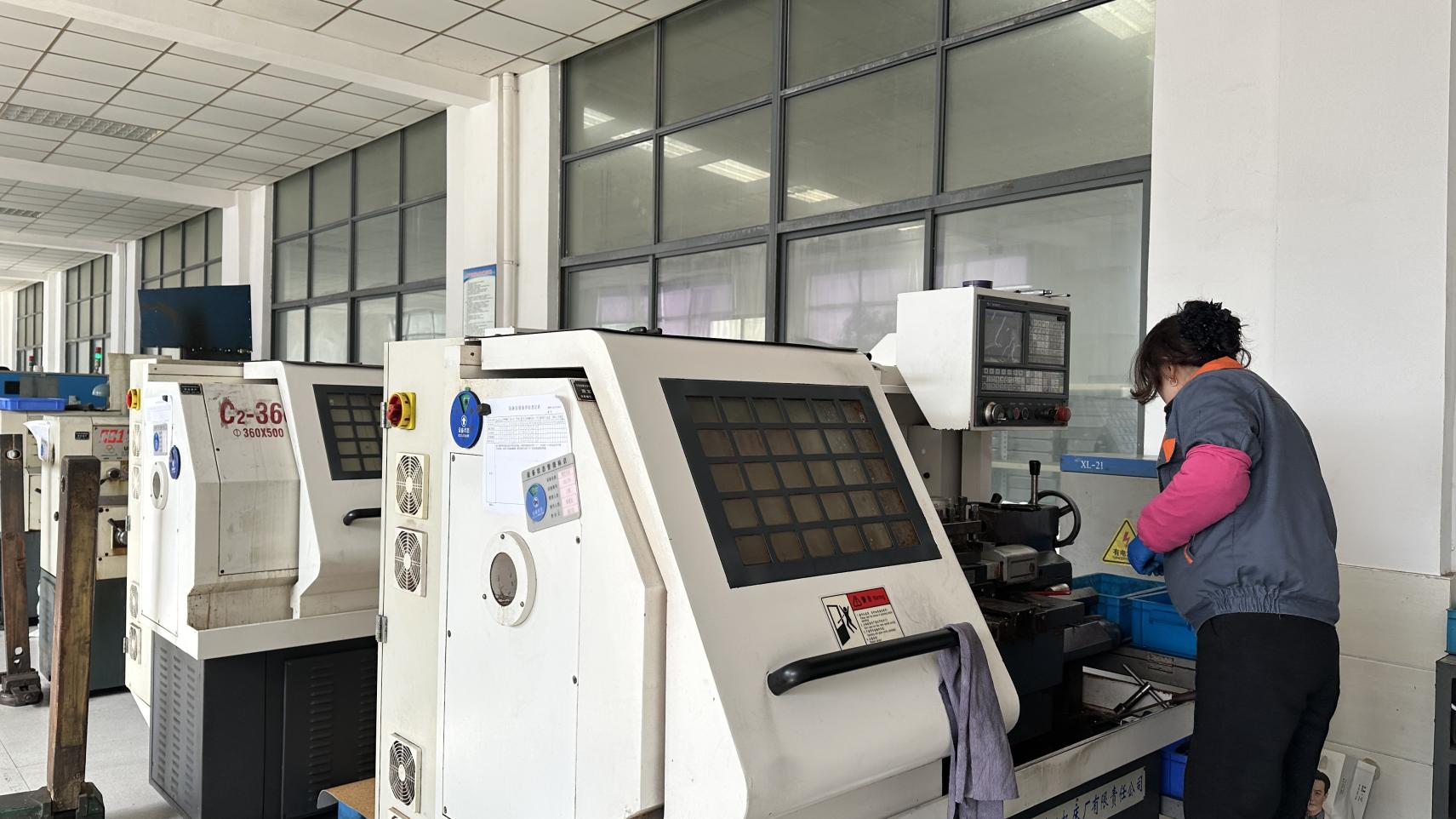
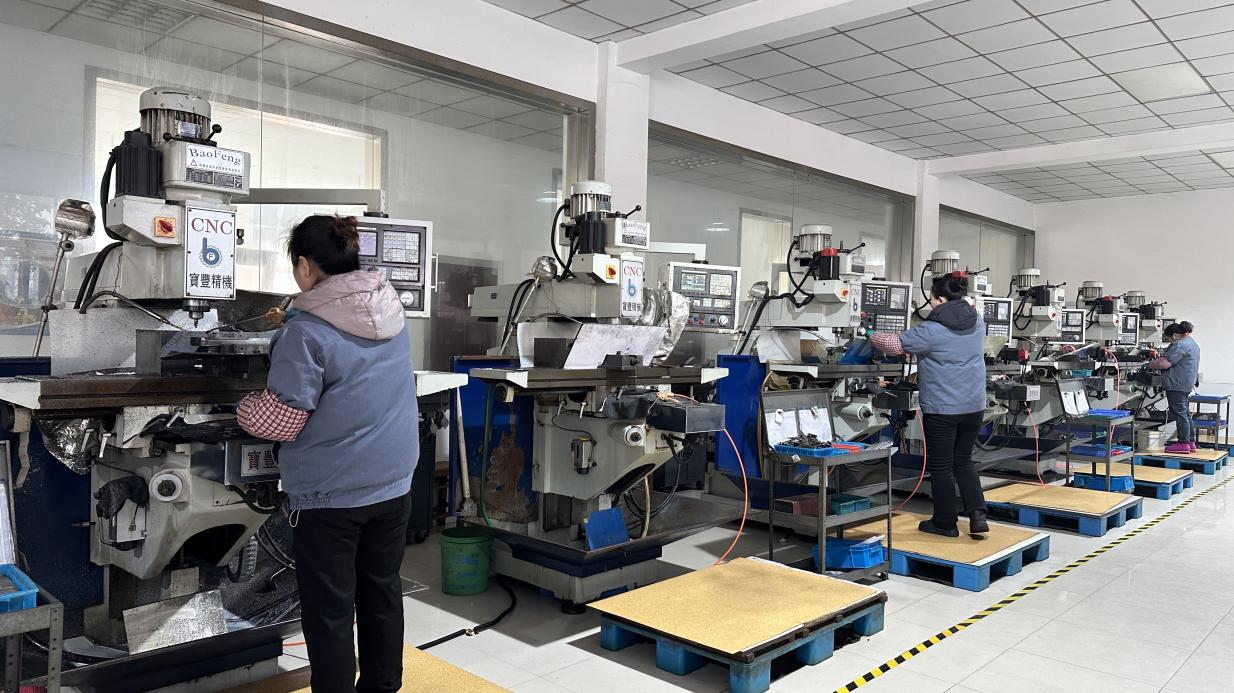
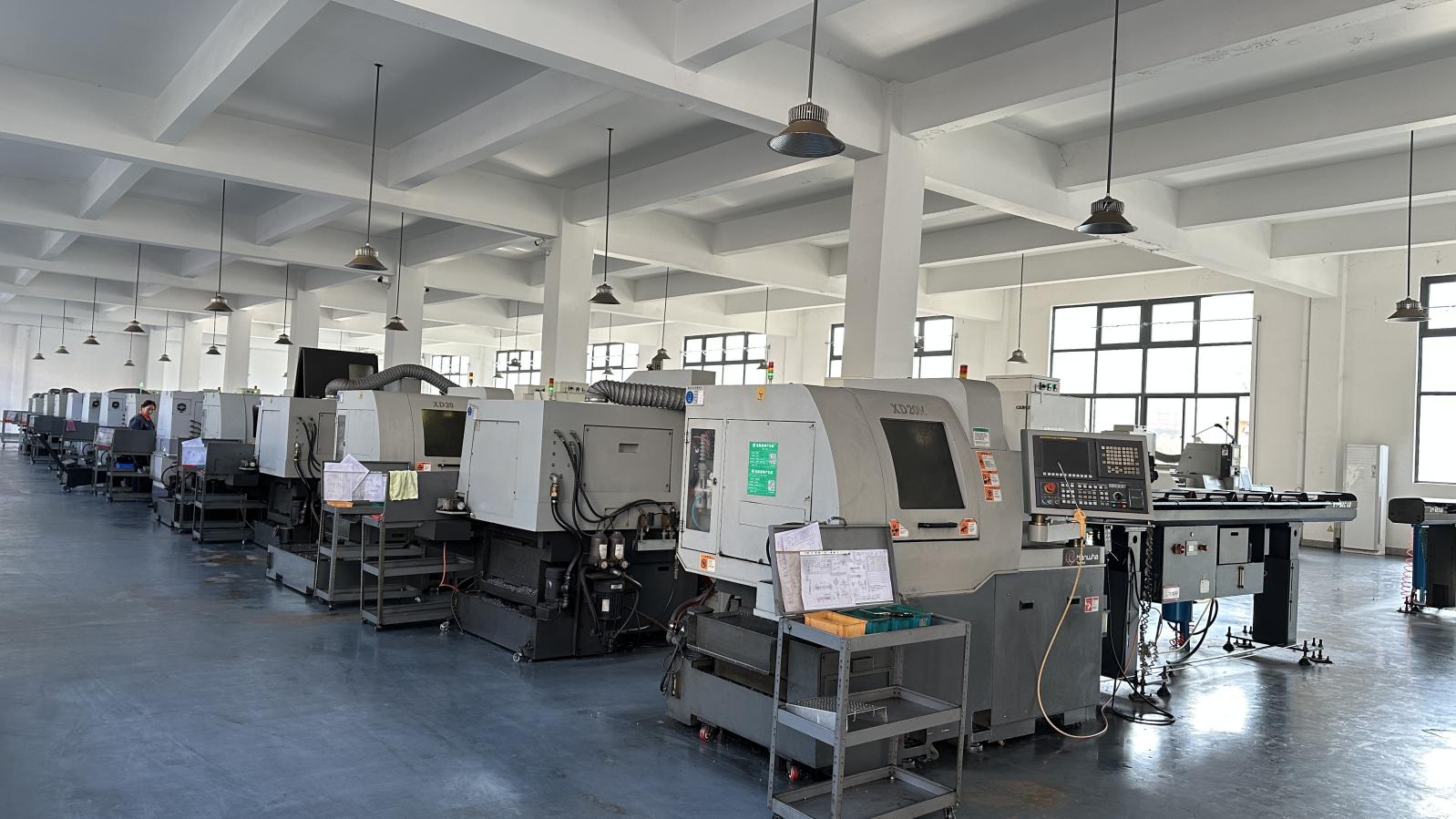
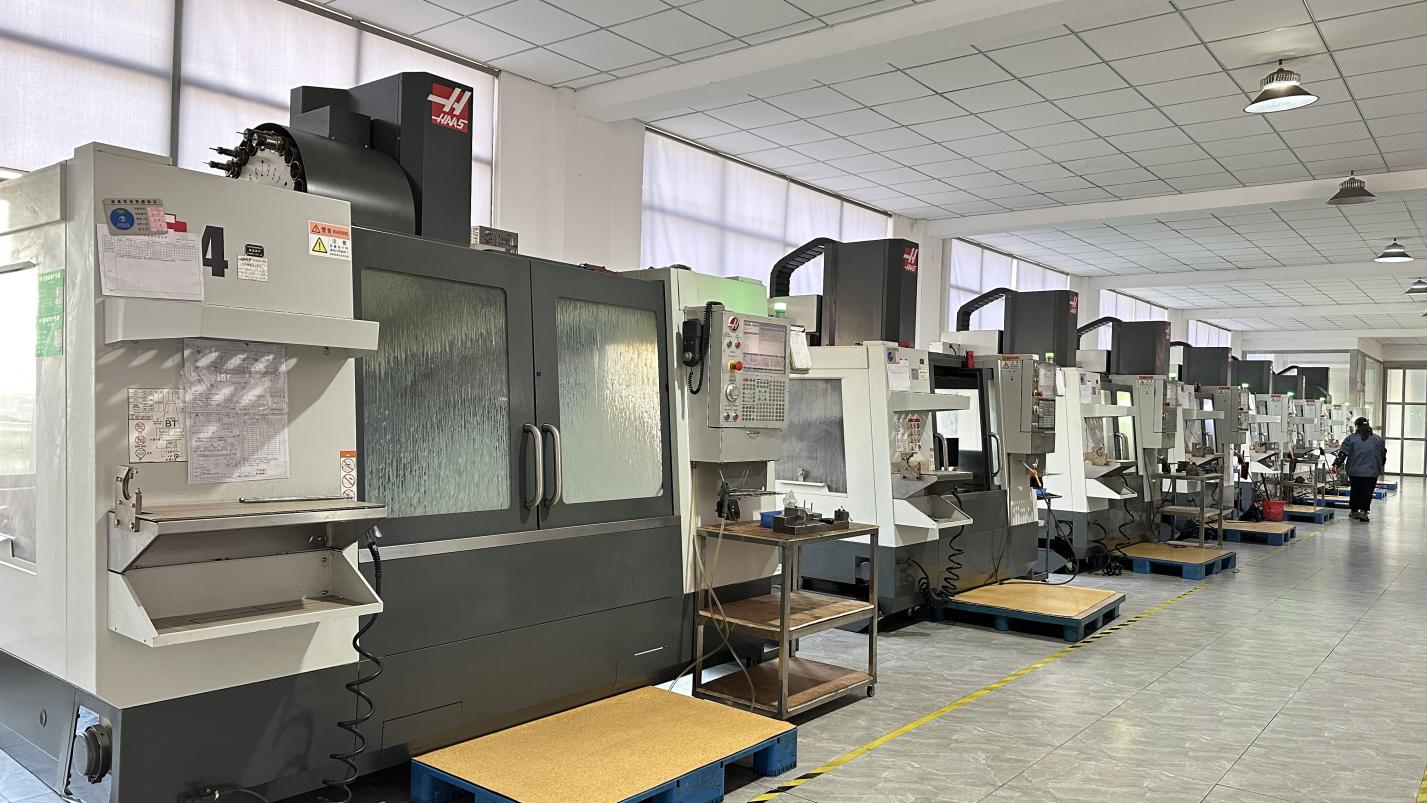
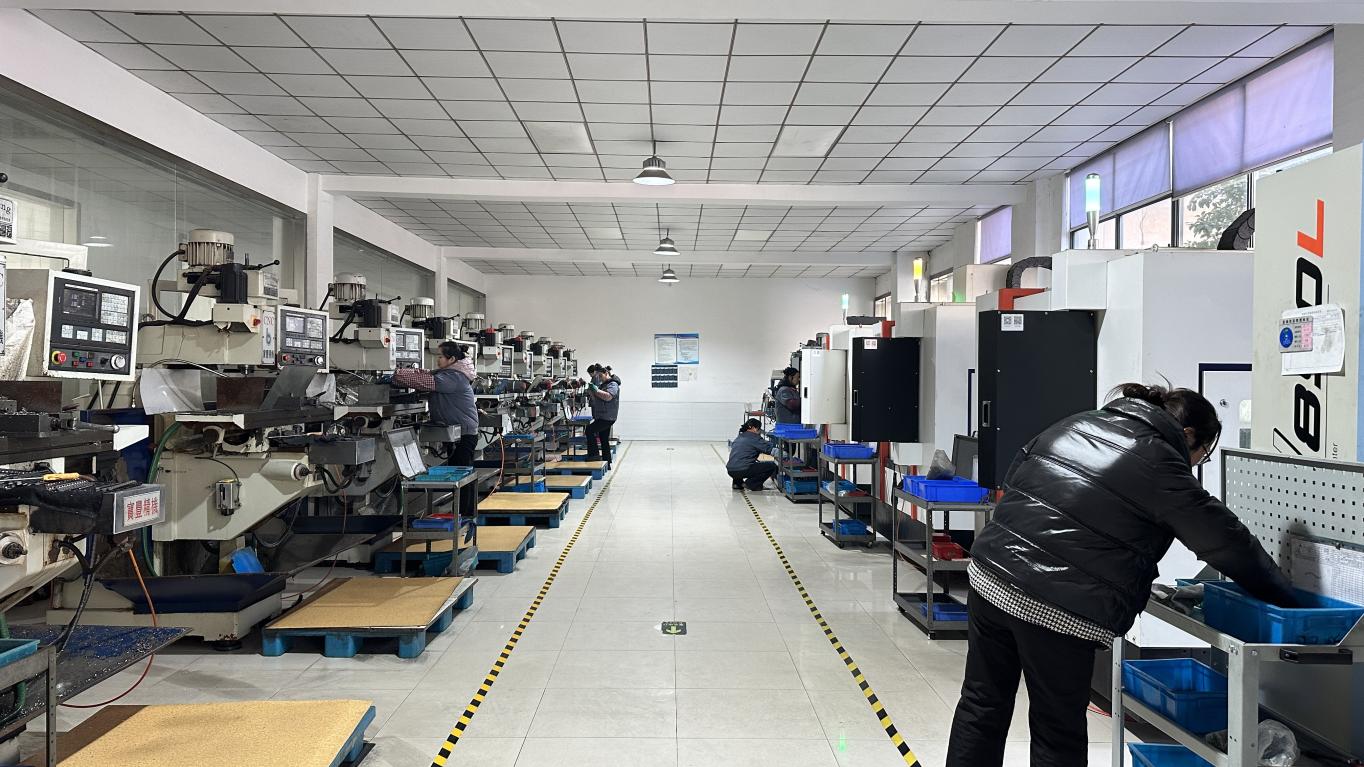
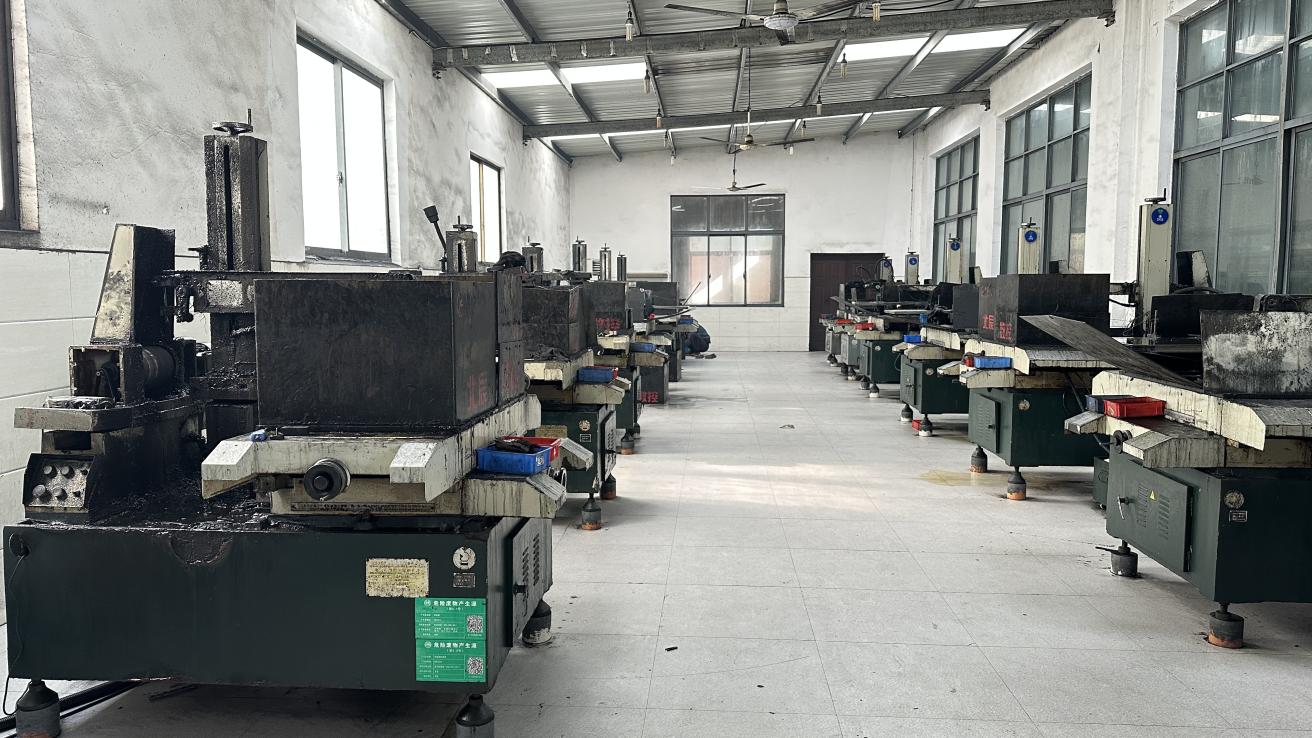
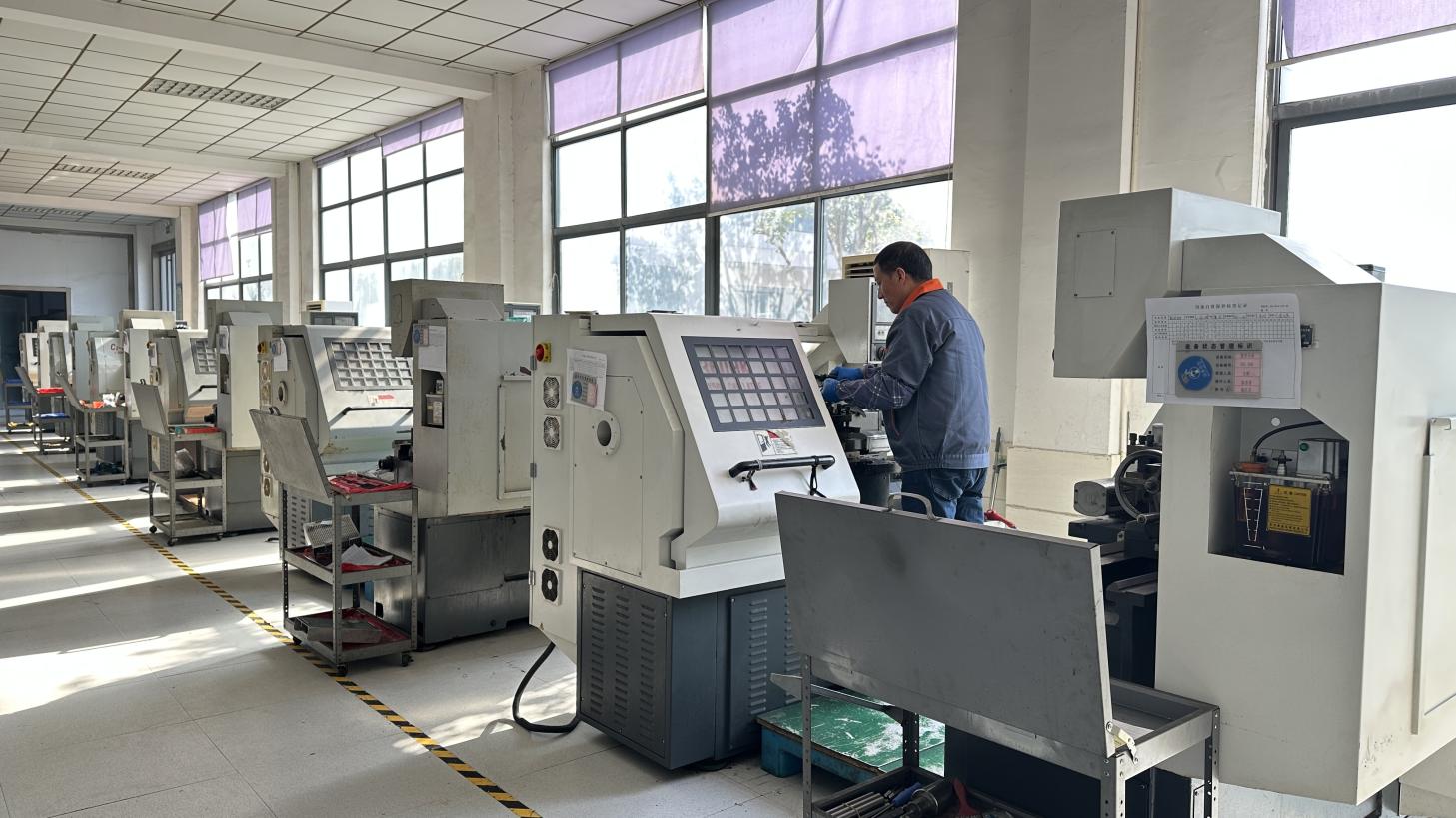
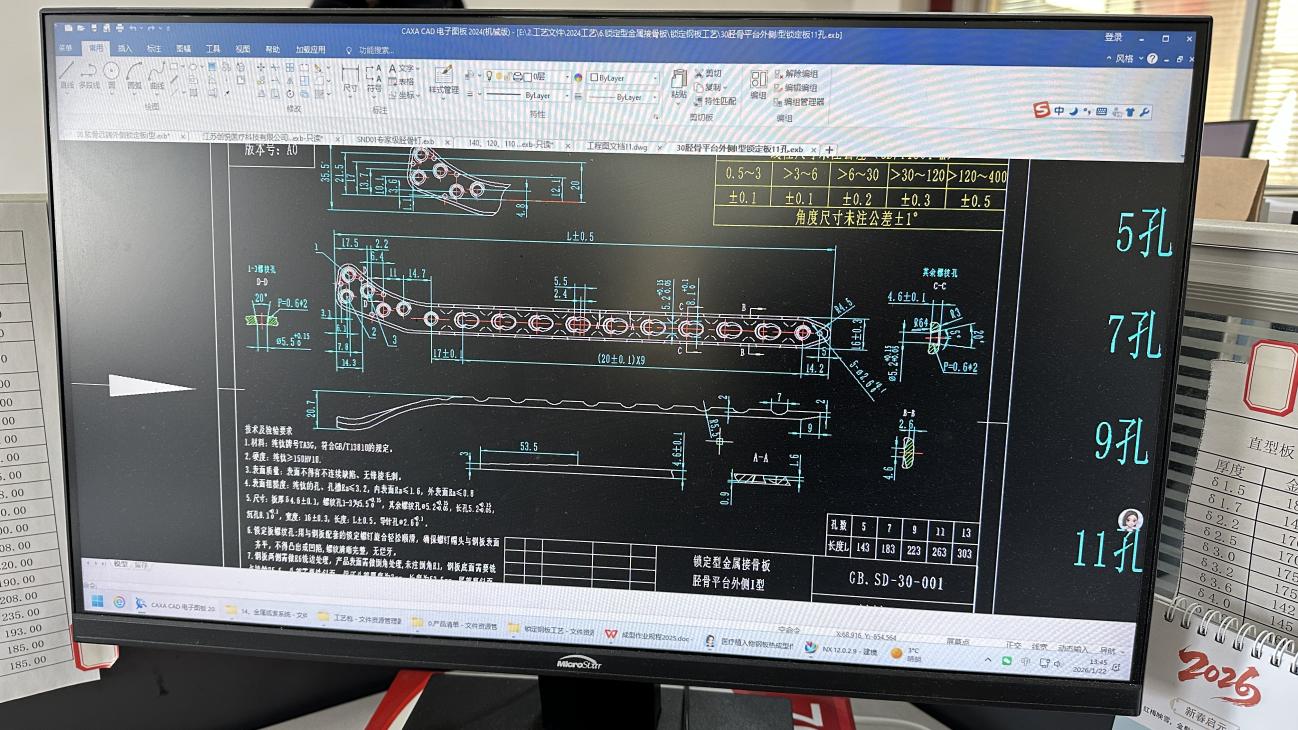
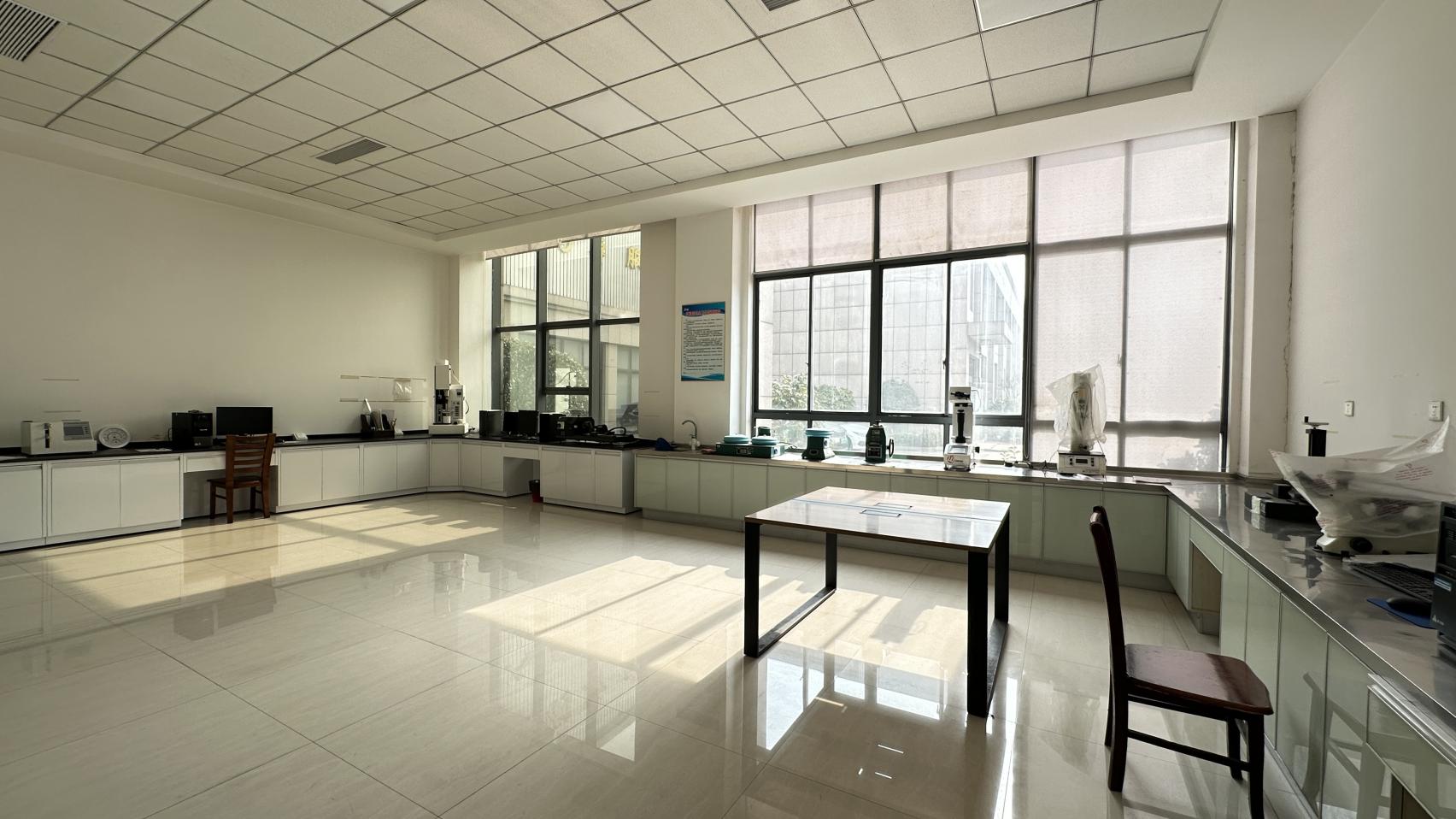
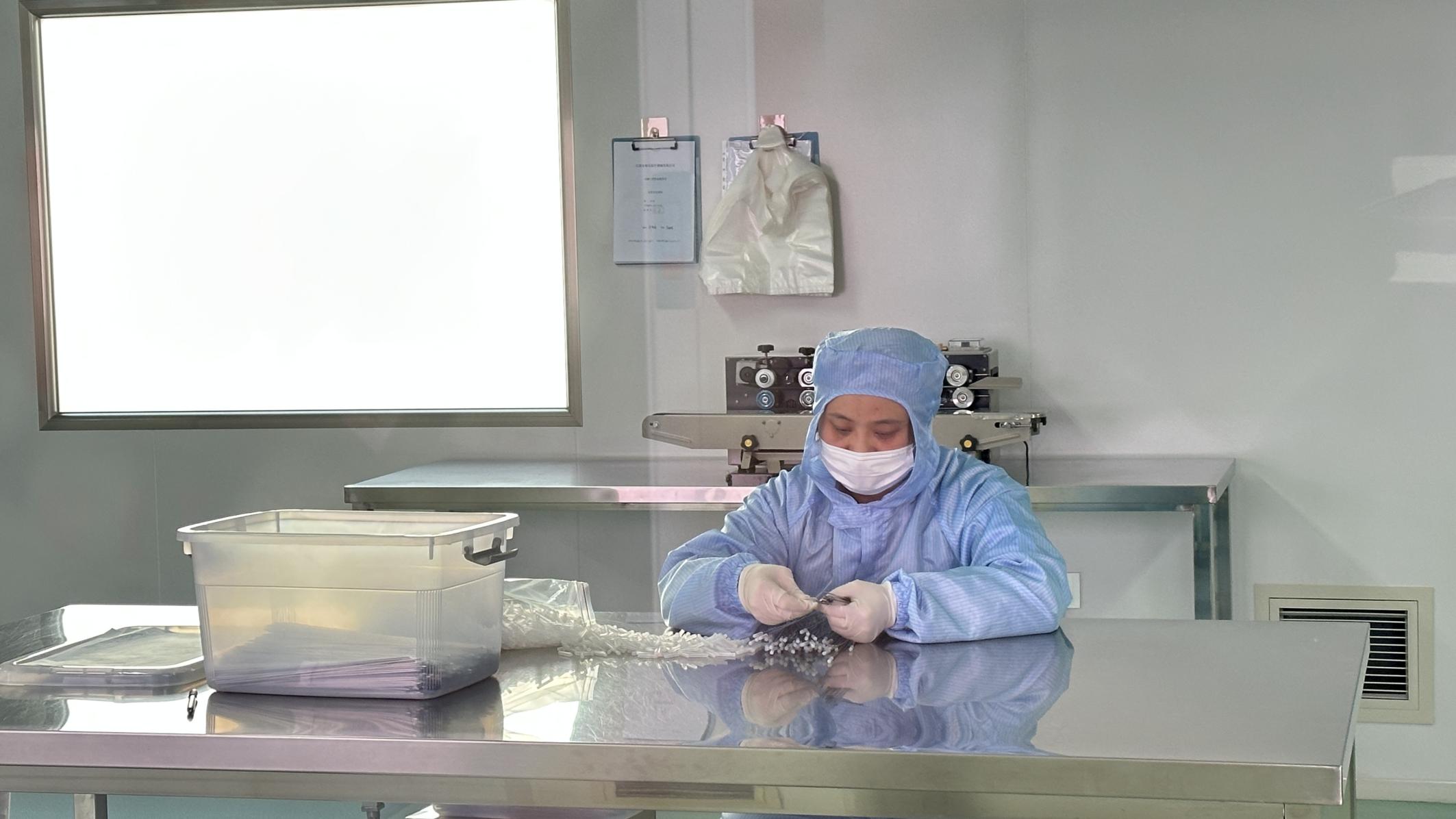
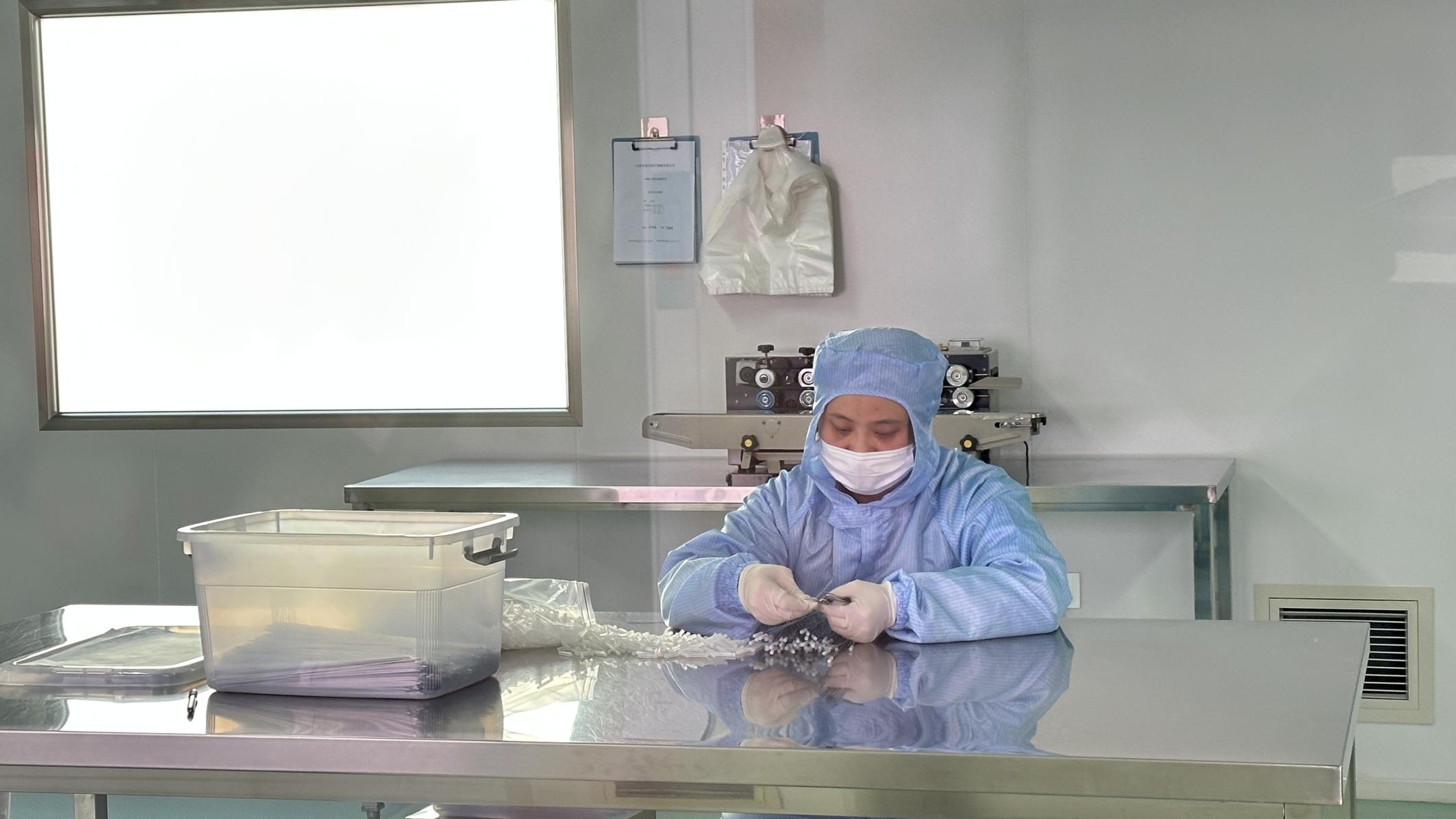
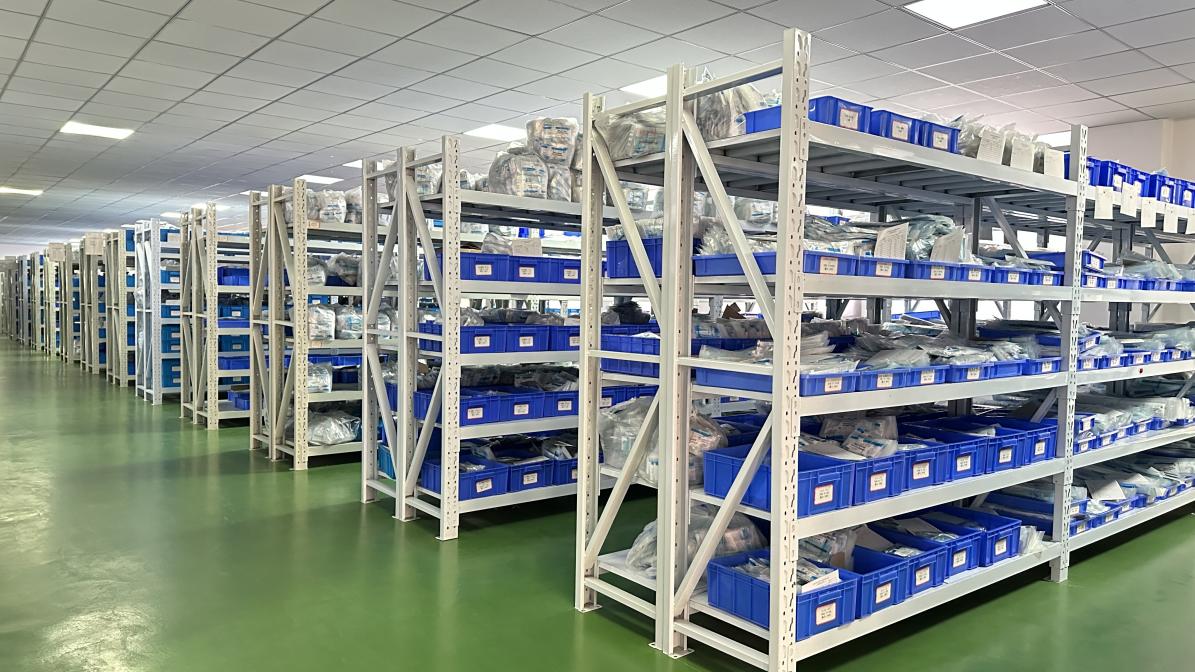
Medisplint Orthopedic Instruments Co., Ltd. is a leading specialized manufacturer of orthopedic implants, joint reconstruction products, spinal fixation systems, and surgical trauma instrumentation. Since our founding in 2016, we have established a state-of-the-art 18,500m² manufacturing facility that hosts fully integrated engineering, CNC machining, cleanroom packaging, and rigorous testing operations. Our commitment to orthopedic technology innovation has powered our expansion into Europe, Southeast Asia, the Middle East, and South America.
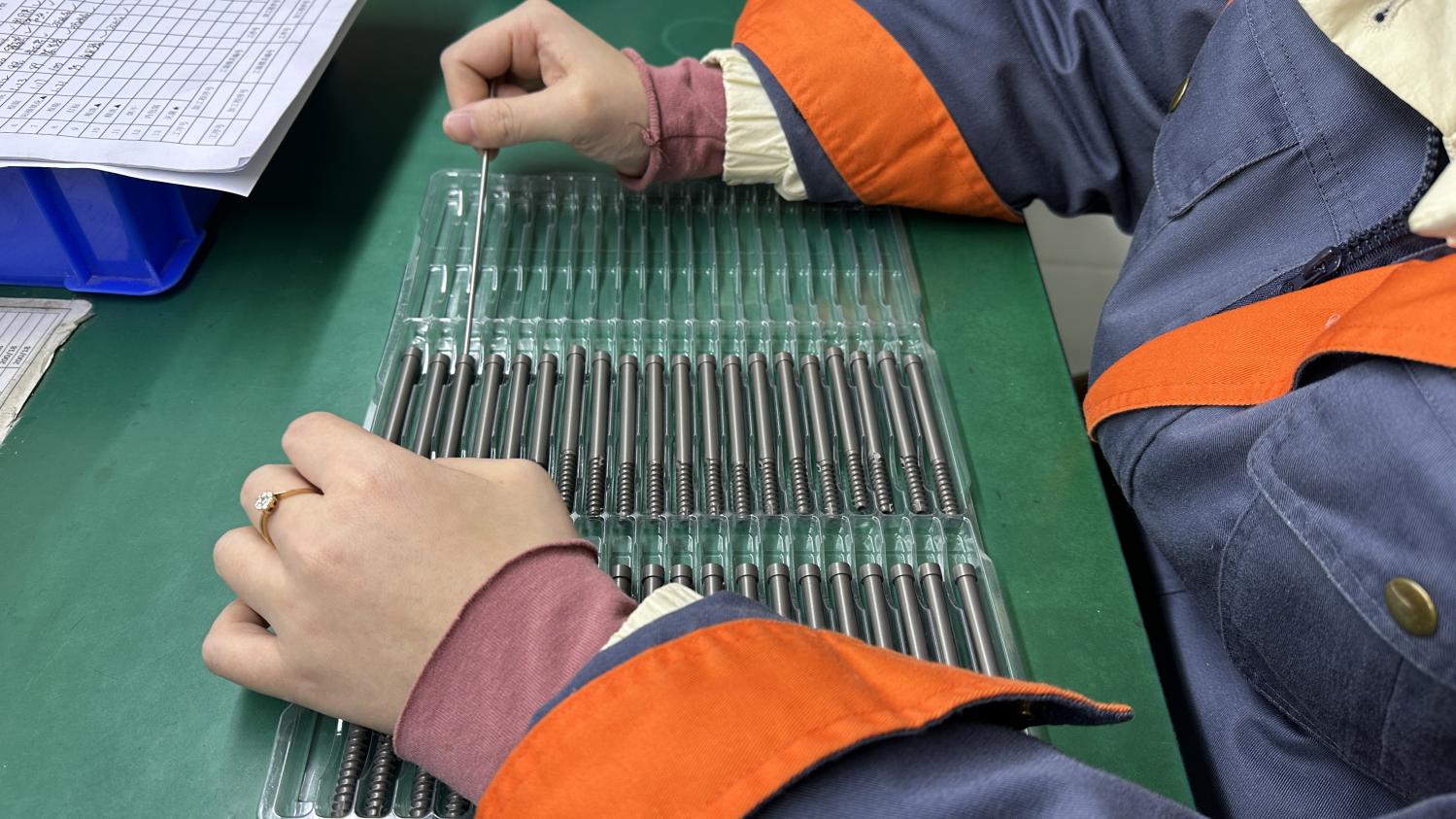
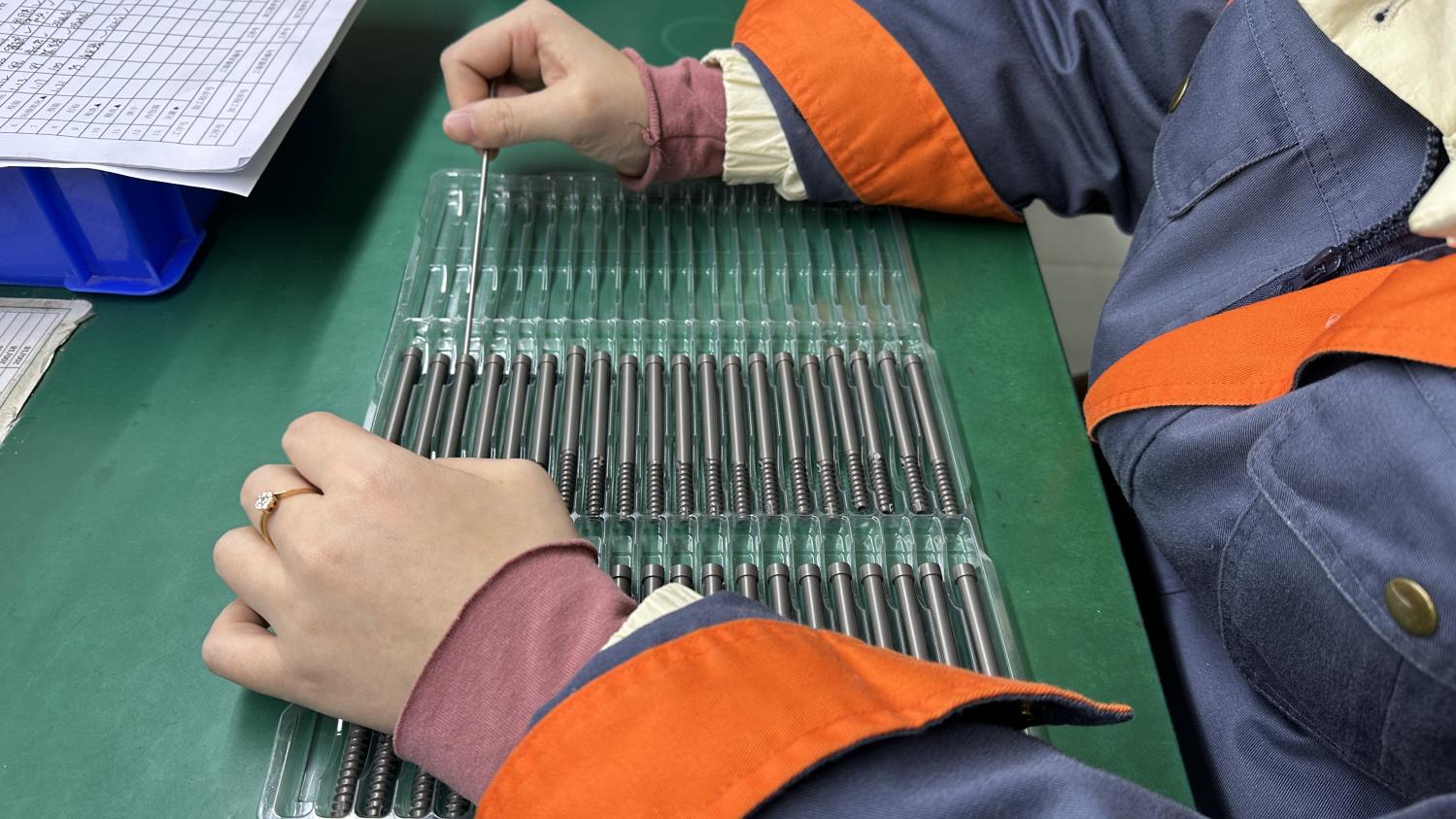
Every stage of production—from raw materials to final packaging—is monitored in-house by our QA team.
How Medisplint resolves high-friction supply chain challenges for global orthopedic implant brands and distributors.
National and regional health systems are implementing cost-containment frameworks. Medisplint leverages localized high-capacity production facilities to keep costs competitive, enabling our distribution partners to bid effectively without sacrificing material specs.
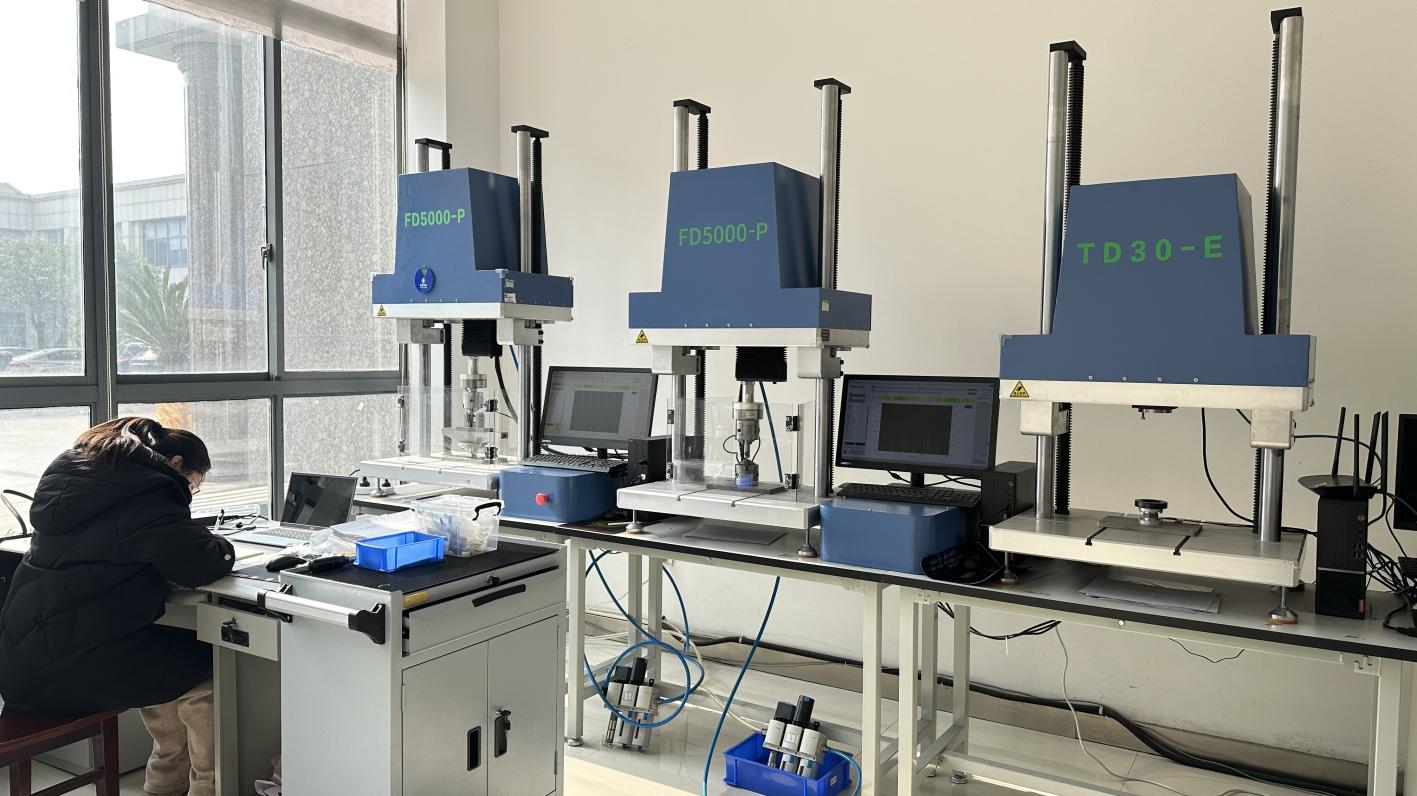
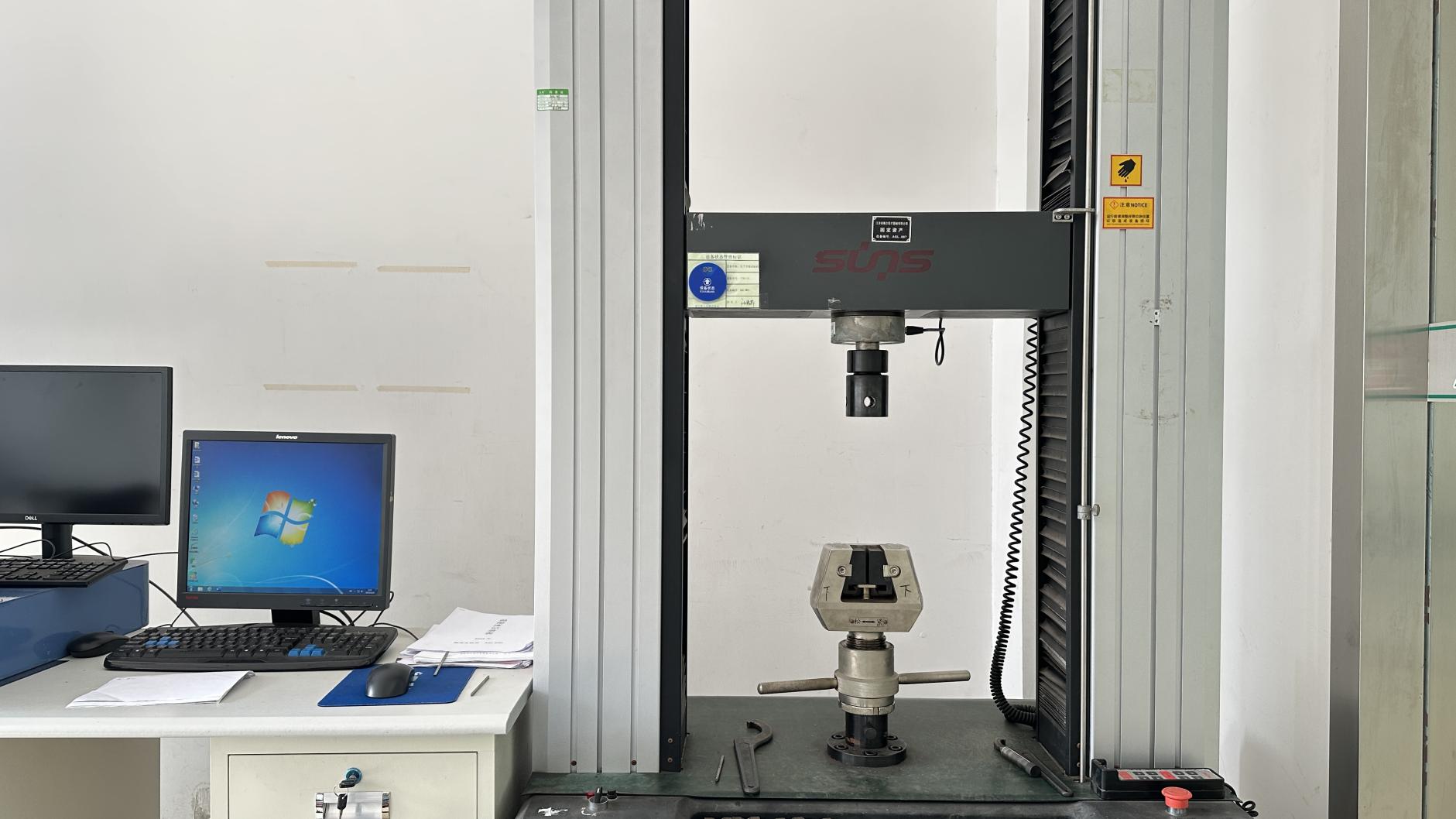
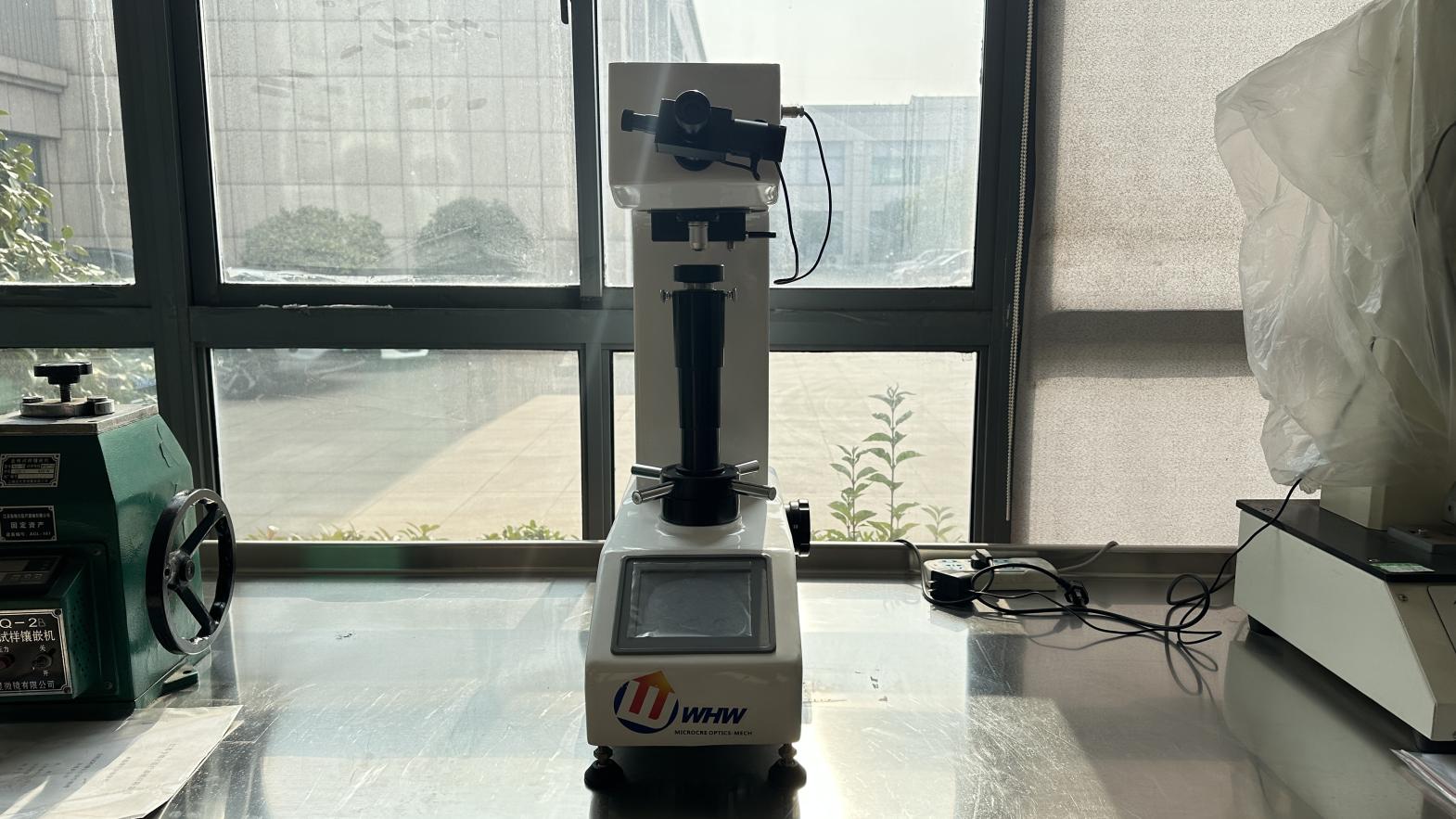
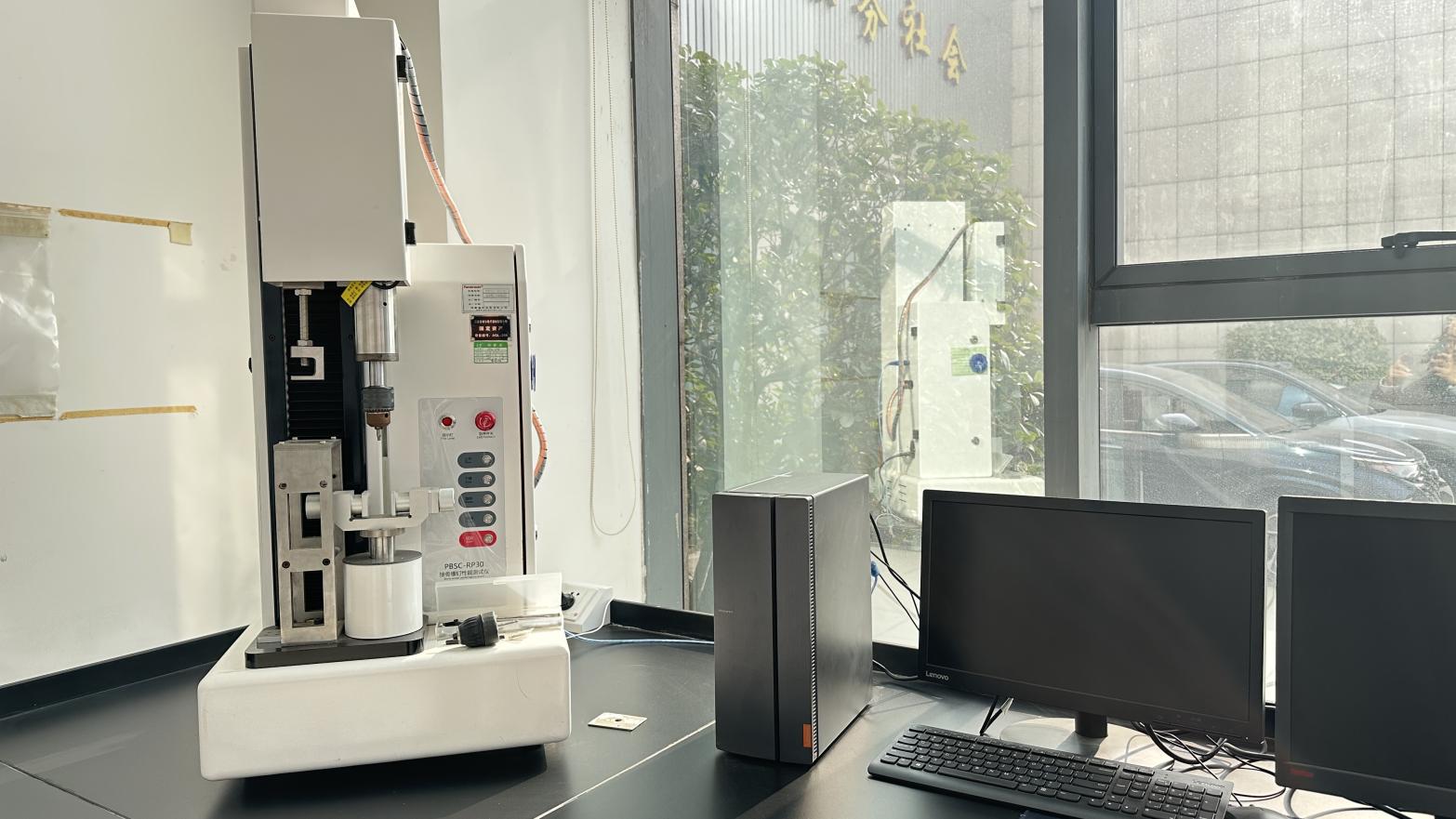
Our in-house fatigue testing systems and mechanical simulators test raw material bars for tensile strength, density, and wear resistance. This minimizes the risk of revision surgeries caused by micro-abrasions and mechanical instability.
Navigating MDR transitions in the EU and localized FDA pathways globally demands rigorous technical documentation. Medisplint provides structured Technical Files, clinical evaluation reports, and manufacturing traceability documentation for smooth regulatory reviews.
The performance of Metal-on-Polyethylene bearing systems depends heavily on the polymer interface. While standard UHMWPE was historically prone to oxidation and progressive wear, modern advances in cross-linking have redefined clinical expectations.
Exposing raw GUR 1020 or 1050 resins to controlled gamma radiation breaks polymer chains, generating free radicals that cross-link into a highly durable three-dimensional matrix. This reduces volumetric wear by up to 90% compared to legacy materials.
Blending Vitamin E into the polymer matrix neutralizes residual free radicals without requiring post-irradiation thermal annealing. This maintains the polymer's mechanical strength and resistance to fatigue cracking.
Our CoCrMo heads are polished down to a sub-micron finish (Ra ≤ 0.02 µm) with strict sphericity controls, keeping frictional heating and abrasive wear at the poly interface to a minimum.
Medisplint’s R&D department, which launched 68 new products last year, is currently focusing on three key developmental areas:
Underpinned by certified testing laboratories, ISO 13485 compliance, and complete material traceability.
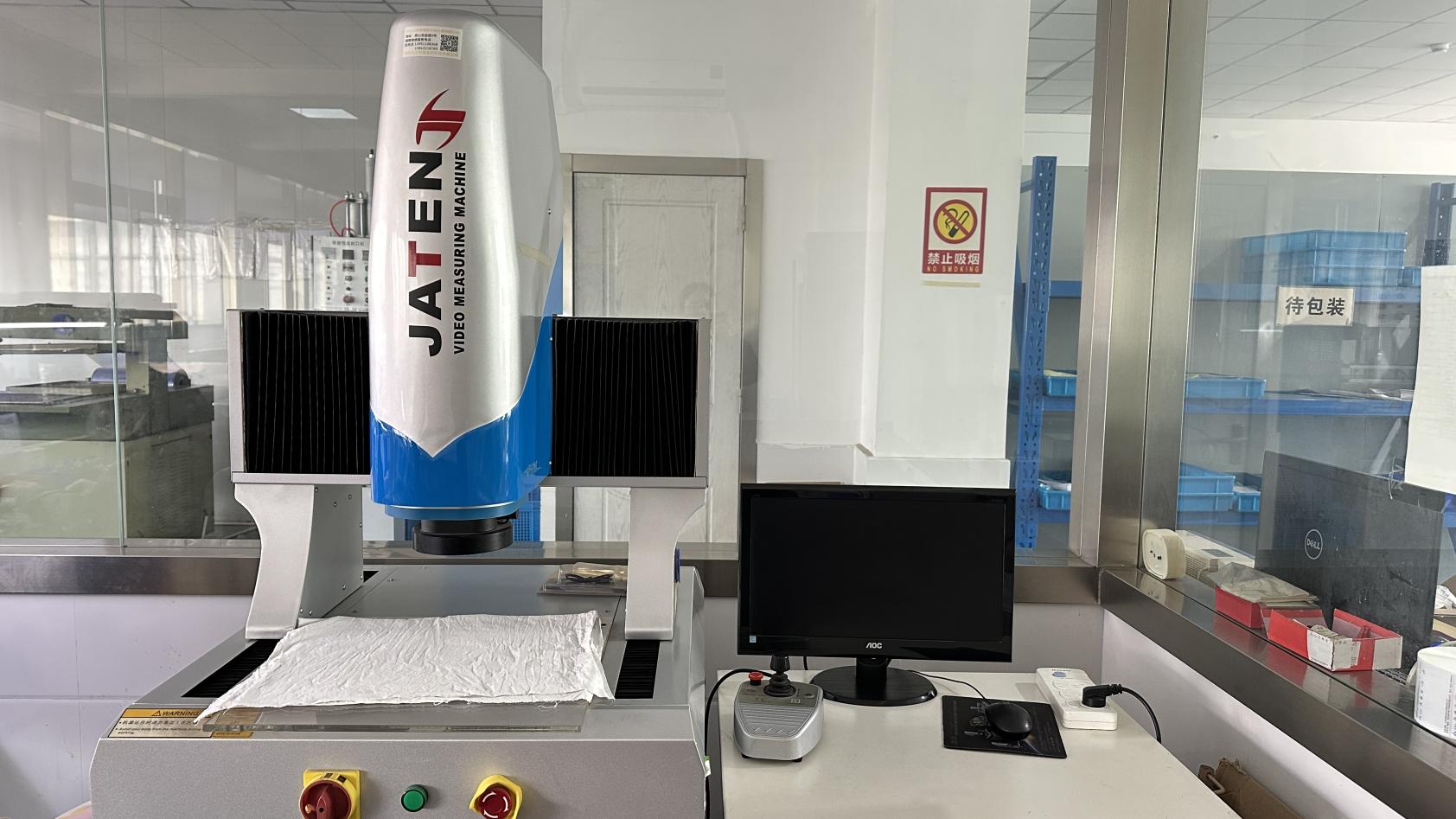
Medisplint uses a three-tier quality control process: Incoming Raw Material Verification, In-Process Quality Control (IPQC) using optical metrology, and 100% Final Quality Control (FQC) before entering our Class 10,000 cleanrooms.
Our in-house fatigue and tensile testing systems simulate multi-axis walking cycle loads up to 10 million cycles. These tests verify the endurance limits of femoral heads, neck junctions, and lock configurations on modular acetabular cups.
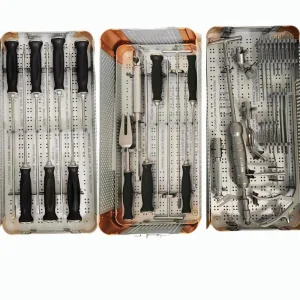
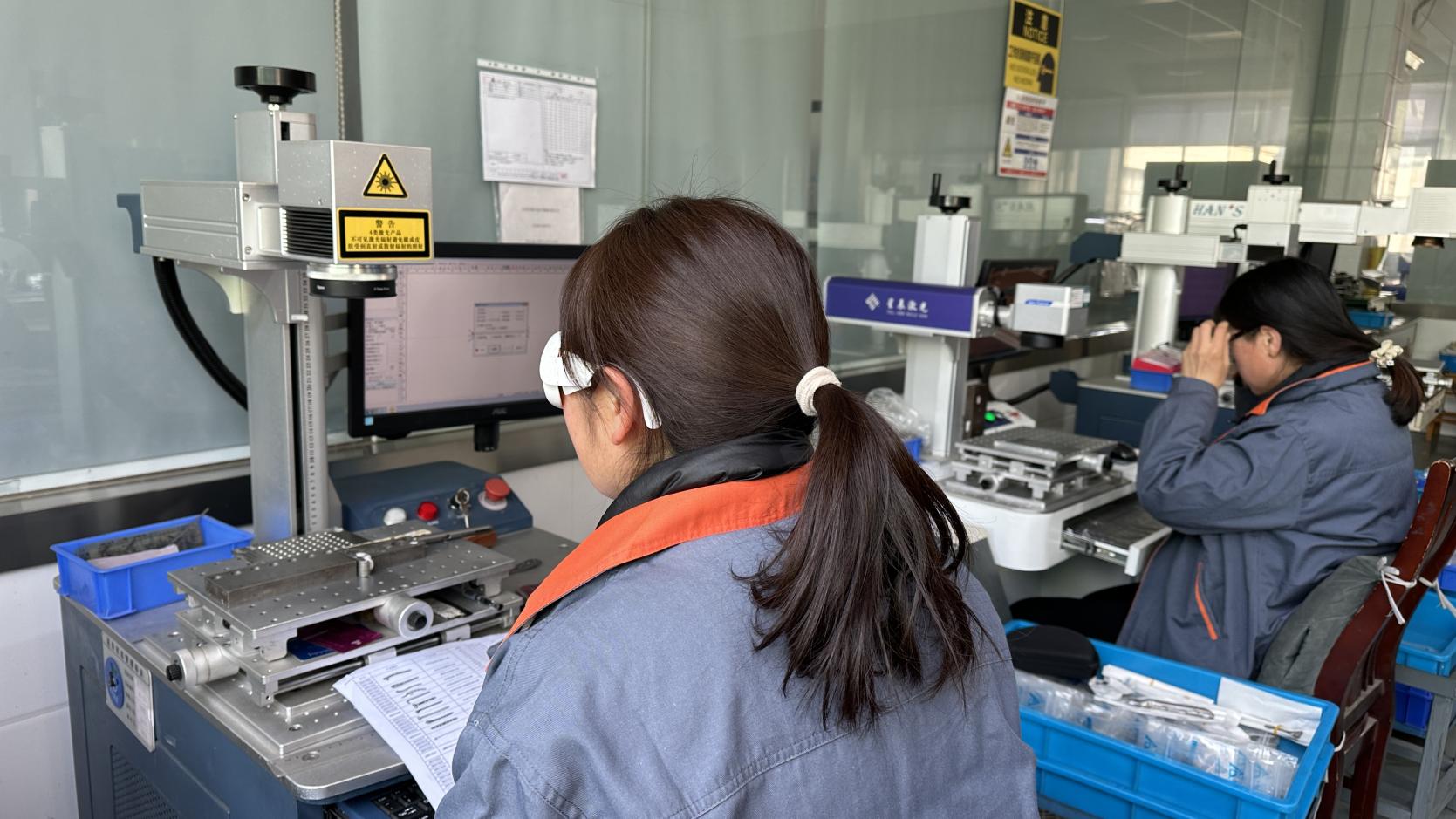
We offer full OEM support, private labeling, custom laser etching, custom surgical instrumentation kits (such as acetabular reamers and manual extractors), and specialized component sizing to fit local patient anatomical distributions.
Critical engineering, procurement, and regulatory answers for orthopedic medical device buyers.
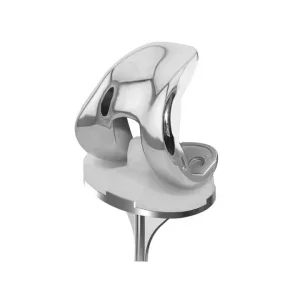
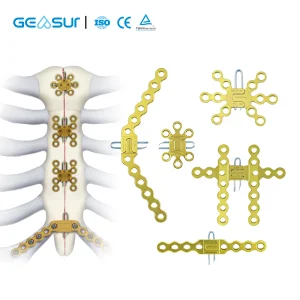
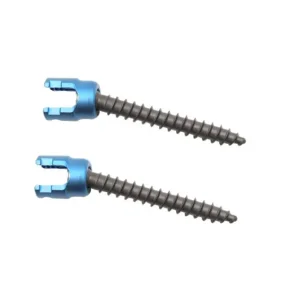
Precision-engineered trauma systems, knee replacements, spinal fixation, and associated surgical toolsets.