Medisplint
Medisplint
Medisplint
Explore our top-tier surgical components engineered for trauma, reconstruction, and arthroscopic procedures.
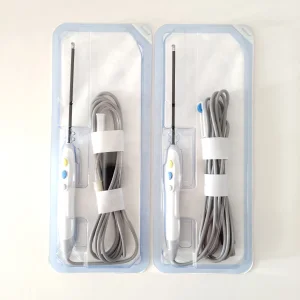
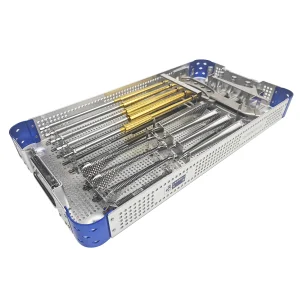
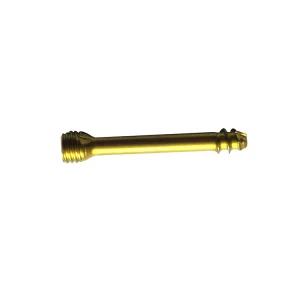
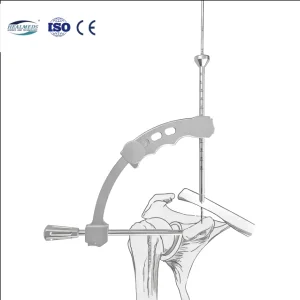
Anterior Cruciate Ligament (ACL) reconstruction represents one of the most common and complex orthopedic interventions globally. Crucial to this procedure's long-term success is the mechanical stabilization of the soft tissue graft or bone-patellar tendon-bone (BTB) autograft within the osseous tunnels. Interference screws function by compression, establishing an interface that resists early physiological pull-out forces before physiological osteointegration takes place.
For medical device companies, orthopedic distributors, and global brand managers, obtaining reliable, clinical-grade interference screws is a primary supply-chain imperative. Through high-precision Custom OEM manufacturing, companies can optimize thread pitches, geometries, and material properties to accommodate diverse surgical preferences and structural variations across worldwide patient cohorts.
Medisplint Orthopedic Instruments Co., Ltd., leveraging over a decade of domain expertise, offers a state-of-the-art solution framework for sports medicine brands. By integrating high-end biomechanics research with lean machining methodologies, we manufacture custom interference screws that deliver maximum primary stability while preventing graft laceration.
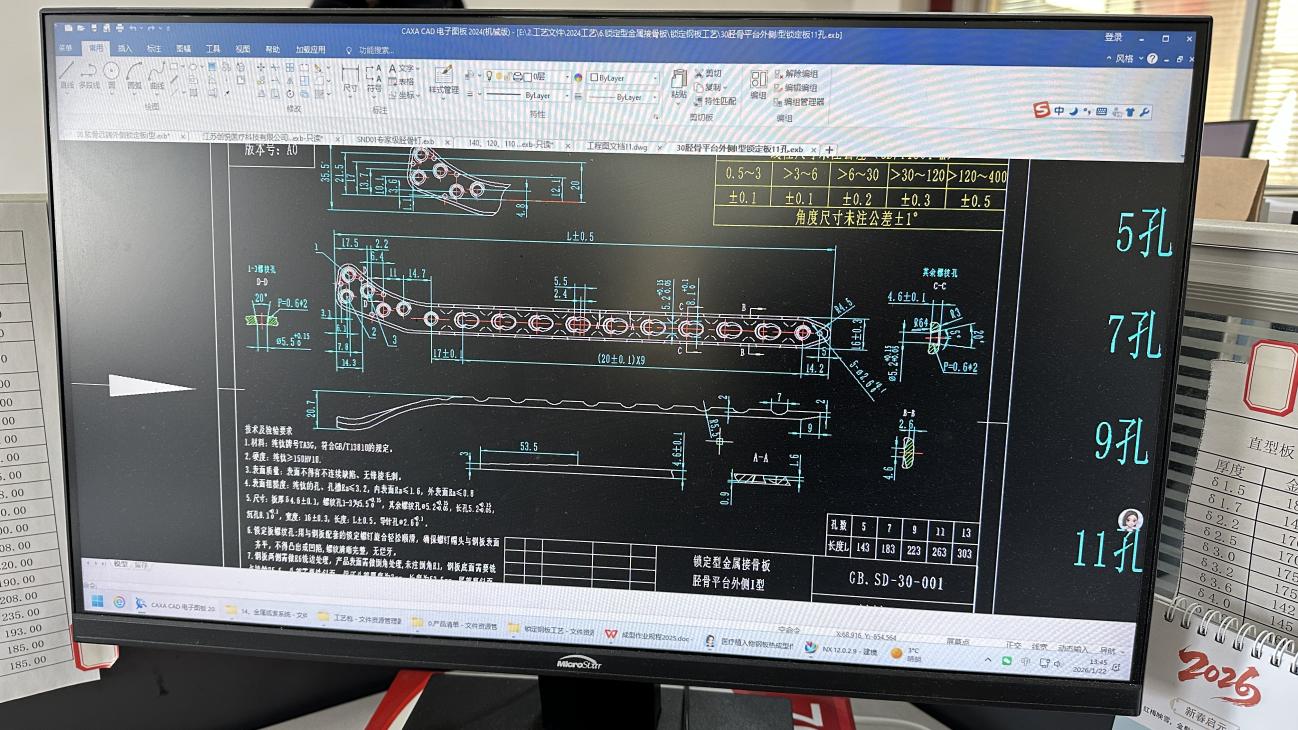
The selection of orthopedic implant materials is highly critical. Medisplint leverages advanced biocompatible alloys and polymers engineered to meet rigid fatigue limits and structural performance standards.
For applications demanding maximum structural rigidity and thin-walled profiles, Grade 23 ELI Titanium represents the gold standard. It possesses exceptional tensile strength, minimal elastic mismatch with cortical bone, and high corrosion resistance under physiological conditions.
Polyetheretherketone (PEEK) represents an optimal alternative for radiolucent implant designs. PEEK exhibits a mechanical modulus closely matching human cortical bone, reducing stress-shielding phenomena and facilitating clear artifact-free postoperative MRI/CT evaluations.
Utilizing PLDLA combined with active biphasic calcium phosphate (BCP) or hydroxyapatite (HA), our biocomposite screws degrade gradually over 18-24 months. As the polymer resorbs, it stimulates local bone regeneration and remodeling, preventing permanent bone tunnel deficits.
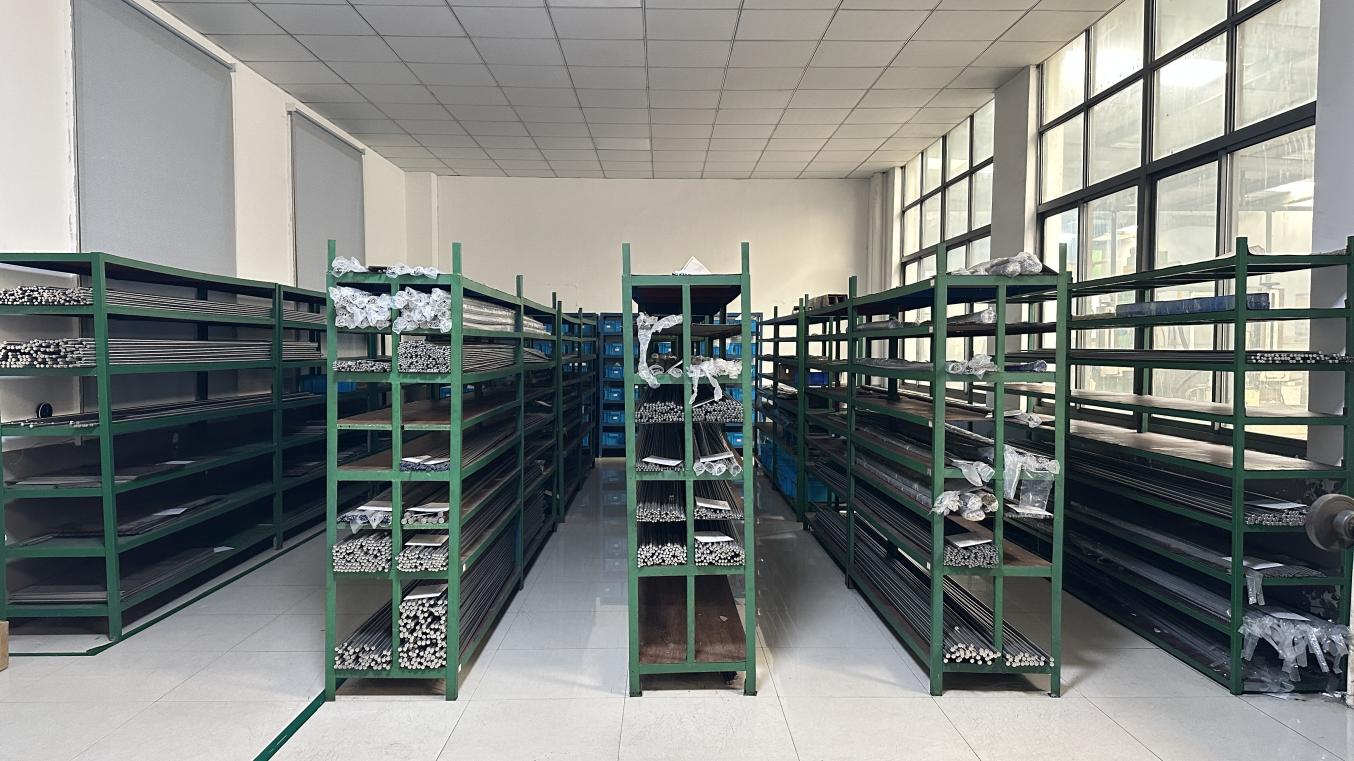
Founded in 2016, Medisplint Orthopedic Instruments Co., Ltd. has established itself as an innovative manufacturer specializing in orthopedic implants, fixation systems, and highly specialized surgical instruments for trauma, spine, and reconstructive sports medicine surgeries.
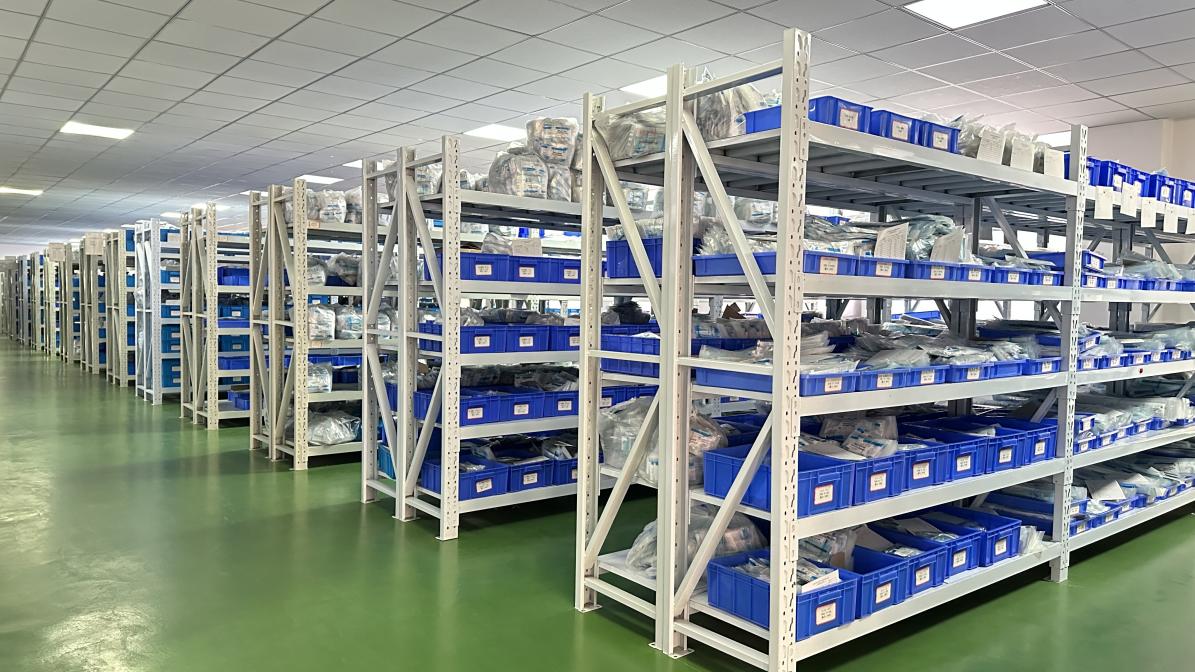
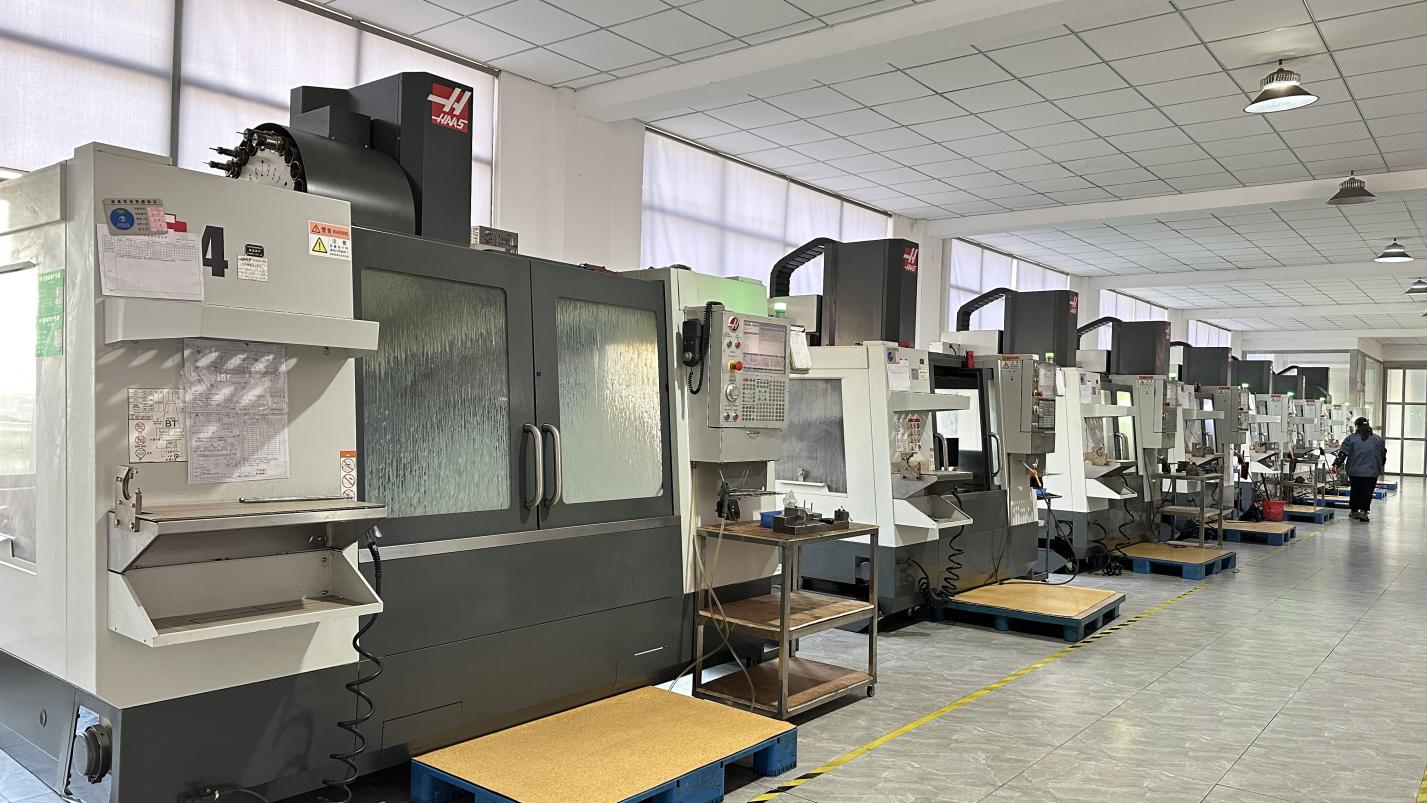
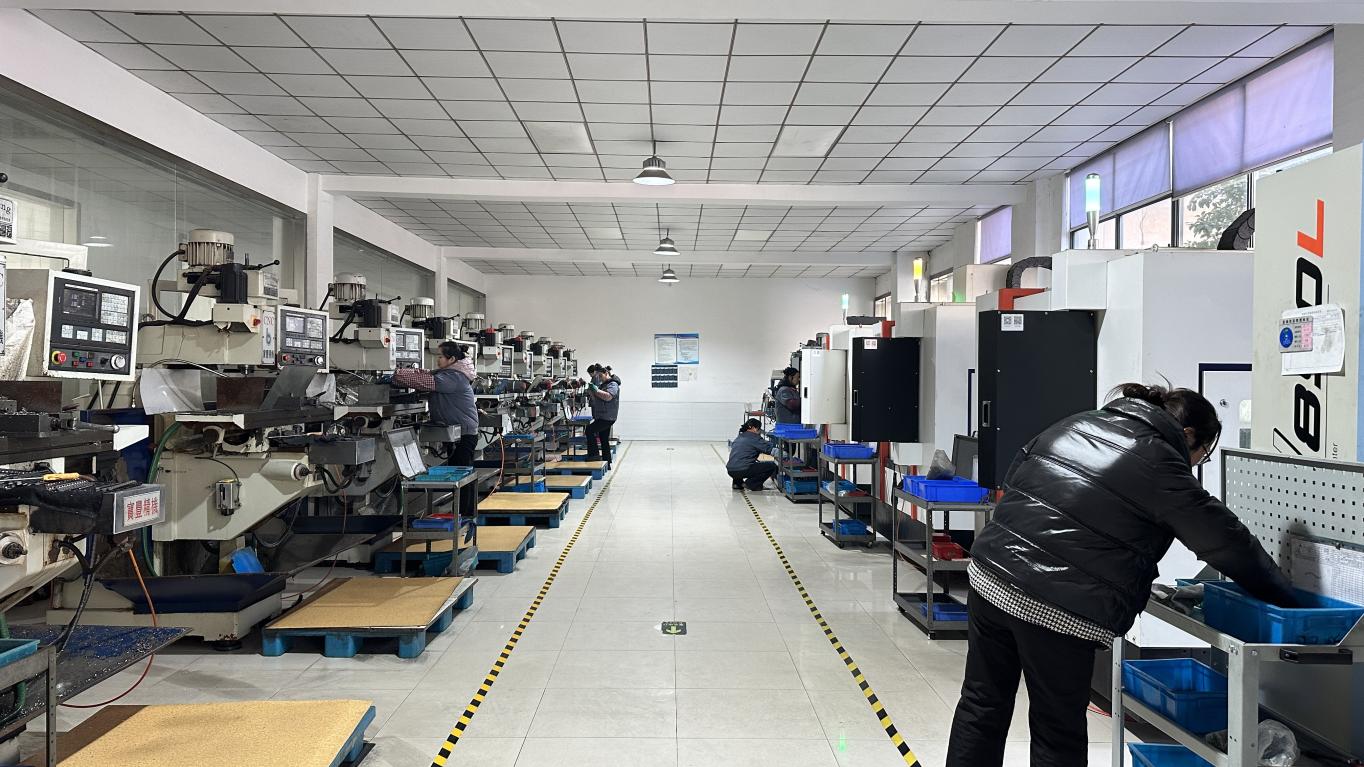
Our ultra-modern manufacturing plant spans across an 18,500㎡ facility, hosting integrated CNC machinery, high-precision surface finishing chambers, and Class 100,000 cleanroom packaging units. Backed by 10 years of orthopedic device manufacturing experience and 7 years of global export proficiency, Medisplint delivers medical devices with an annual export value of USD 12 million.
We work collaboratively with over 1,200 supply chain partners, ensuring highly resilient logistics and cost-effective raw material procurement for our clients. Whether supplying premium domestic healthcare facilities or functioning as the primary OEM partner for established brands across Europe, Southeast Asia, South America, and the Middle East, our mission remains focused on manufacturing precision and clinical reliability.
Our operations are optimized under strict ISO 13485 regulations. View the specialized manufacturing cells utilized to build our high-performance orthopedic lines.
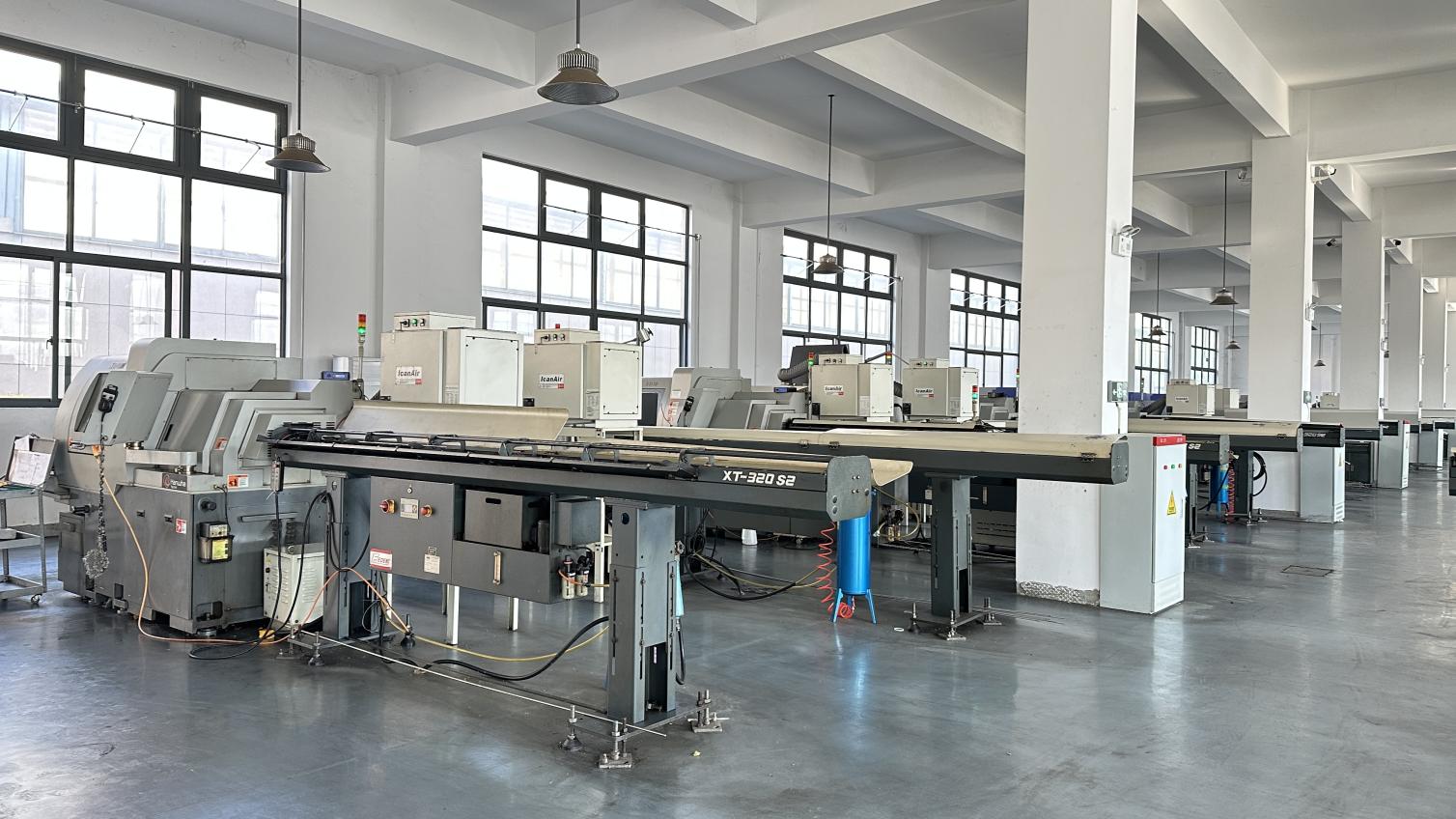
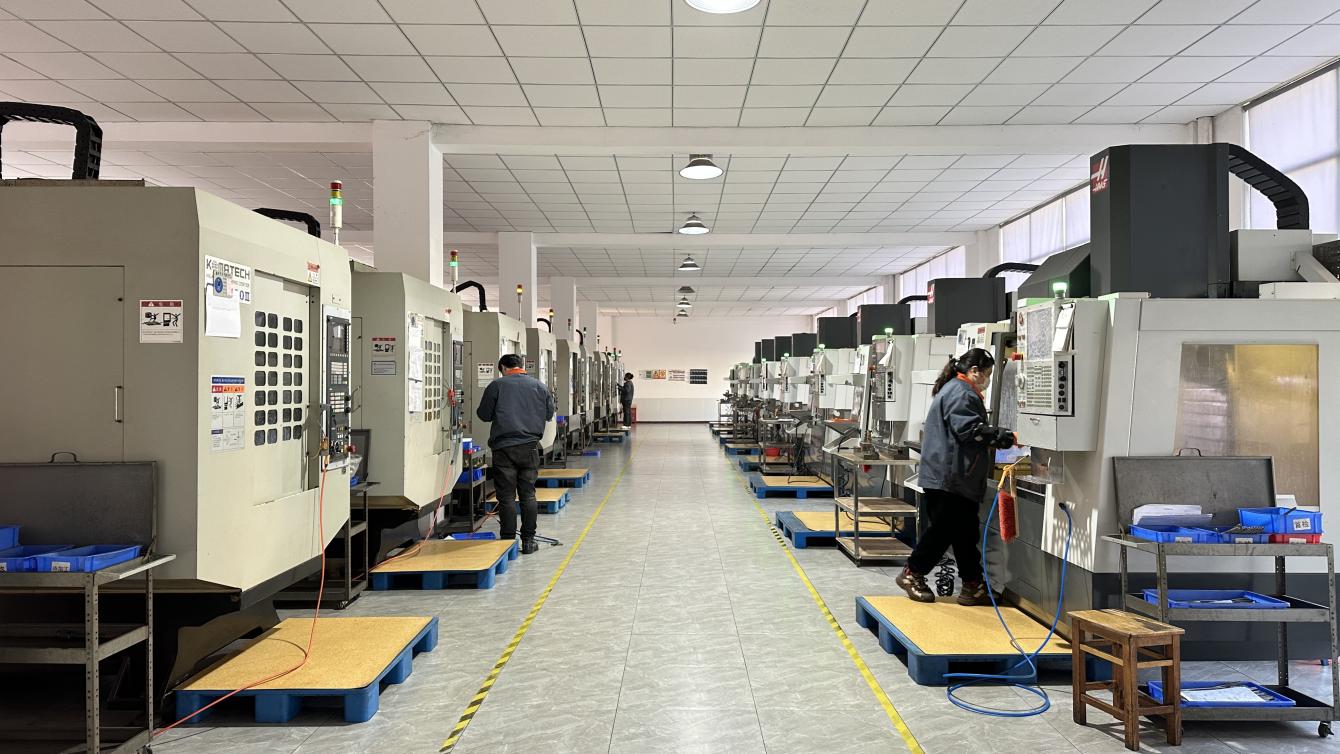
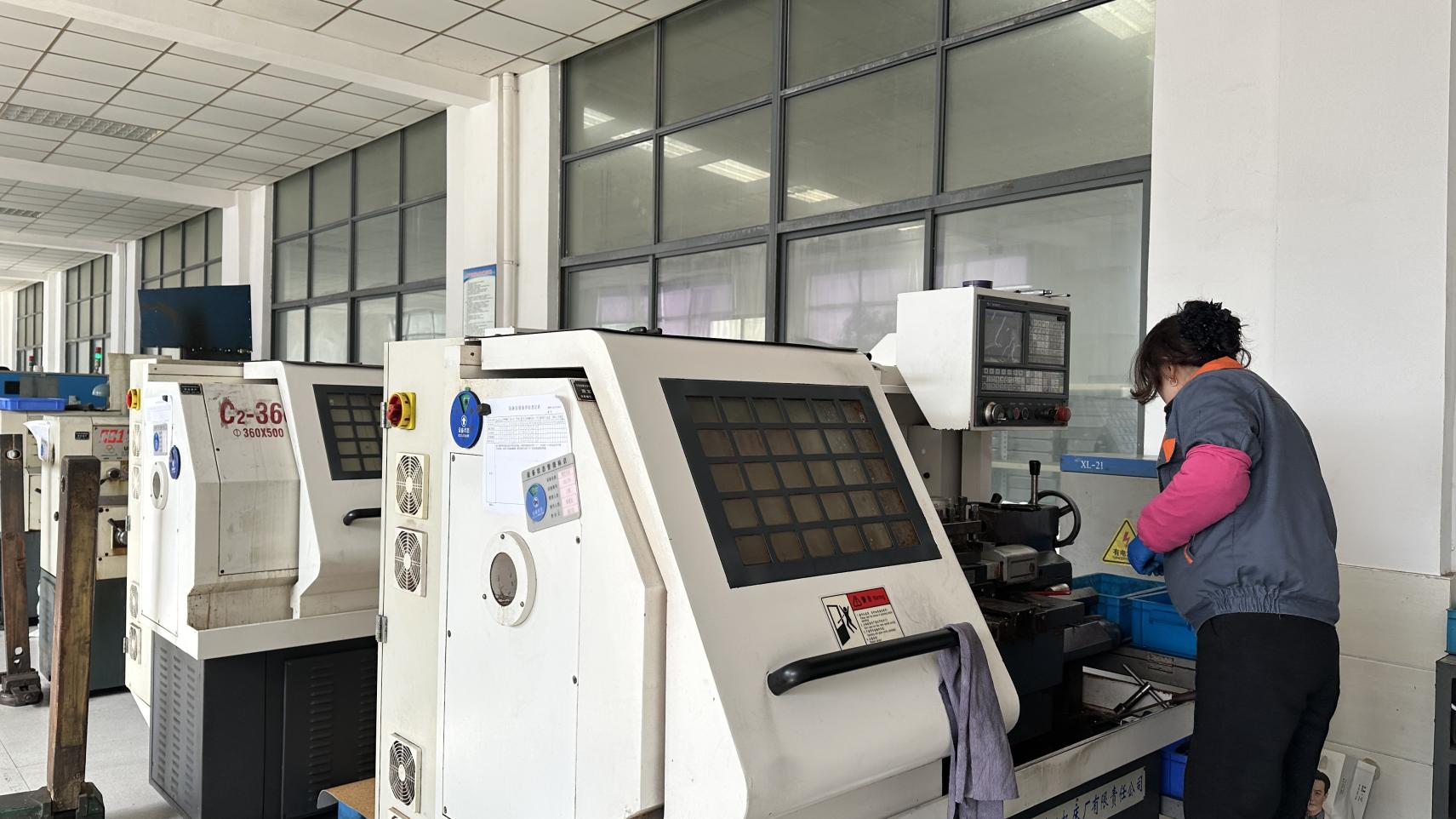
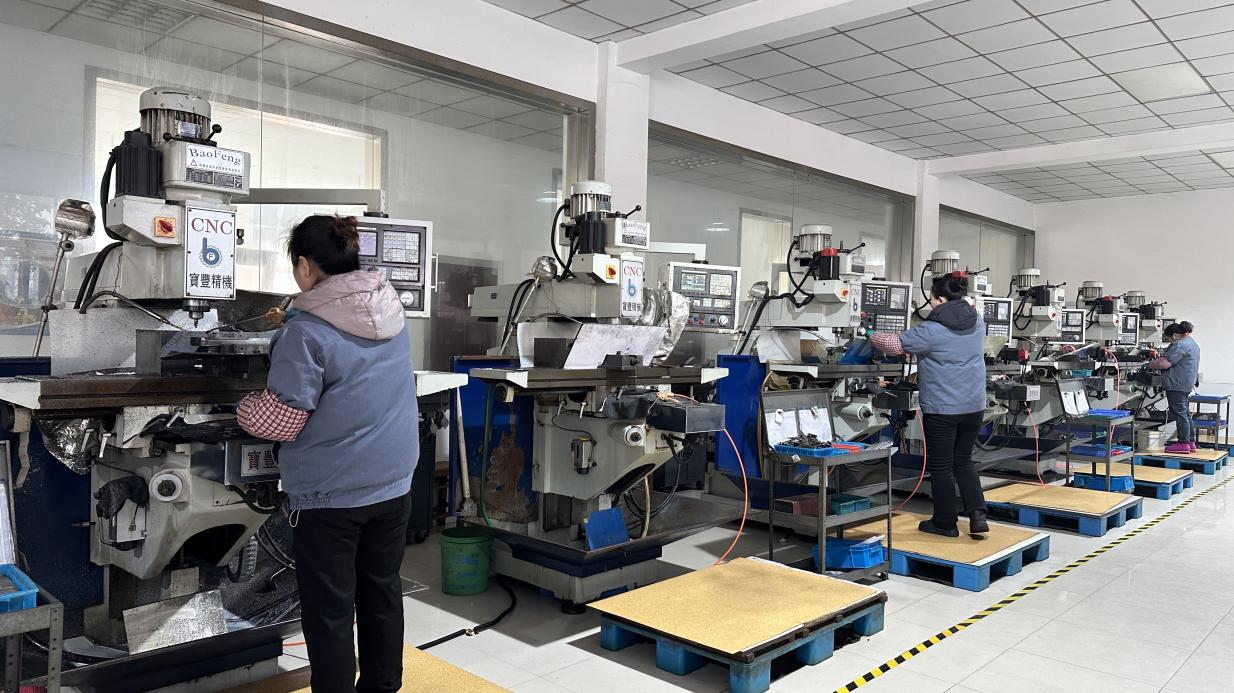
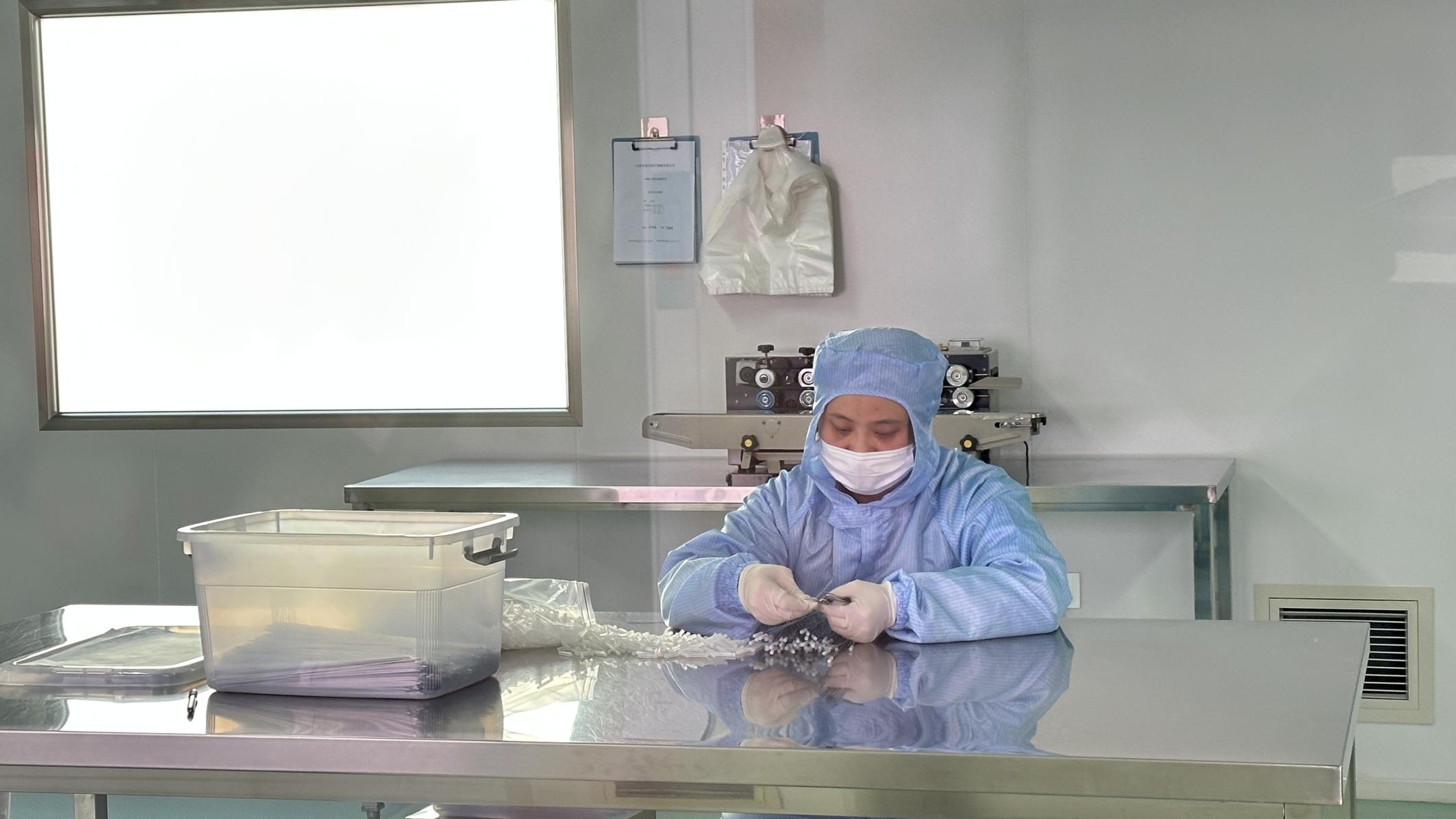
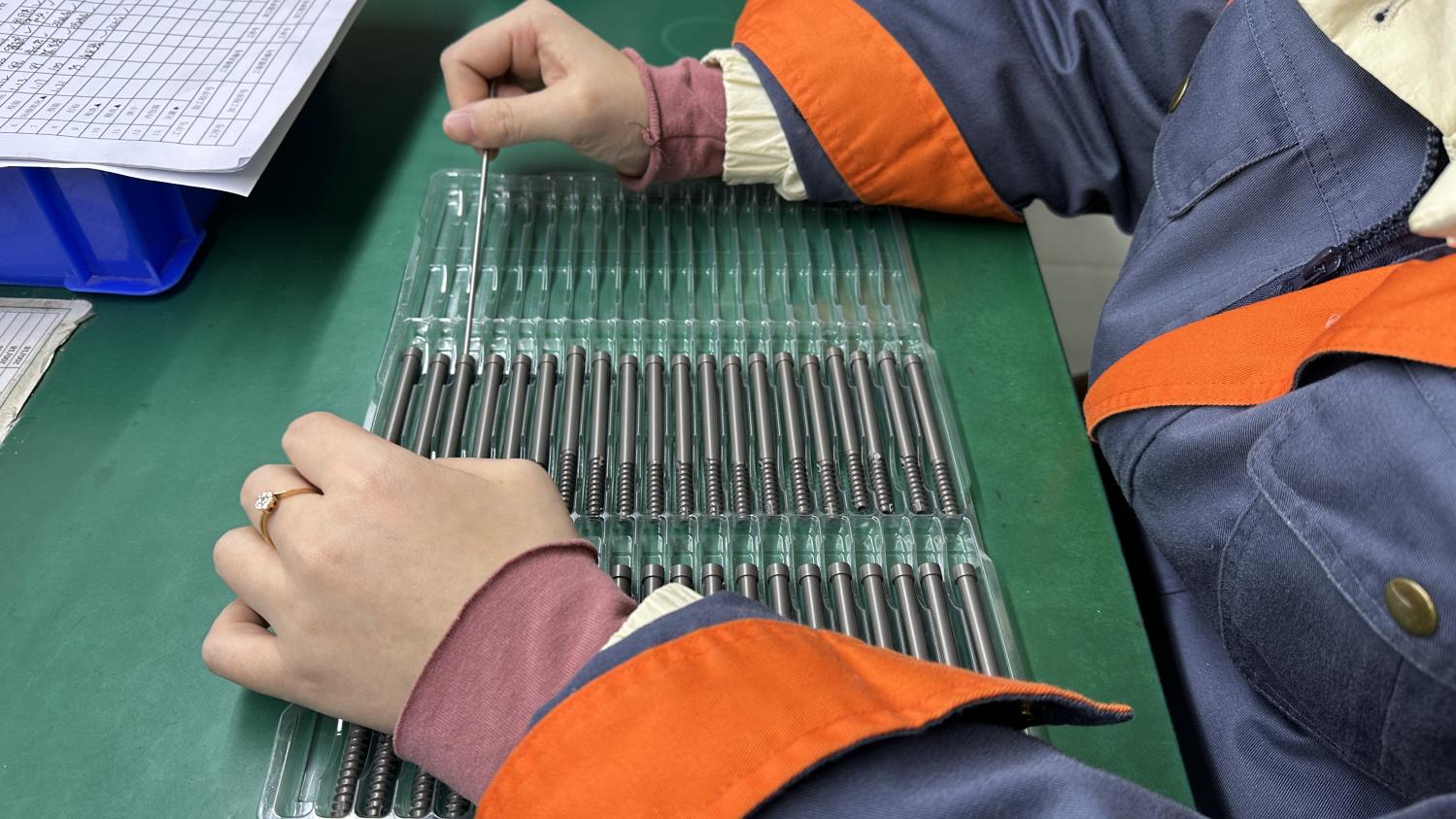
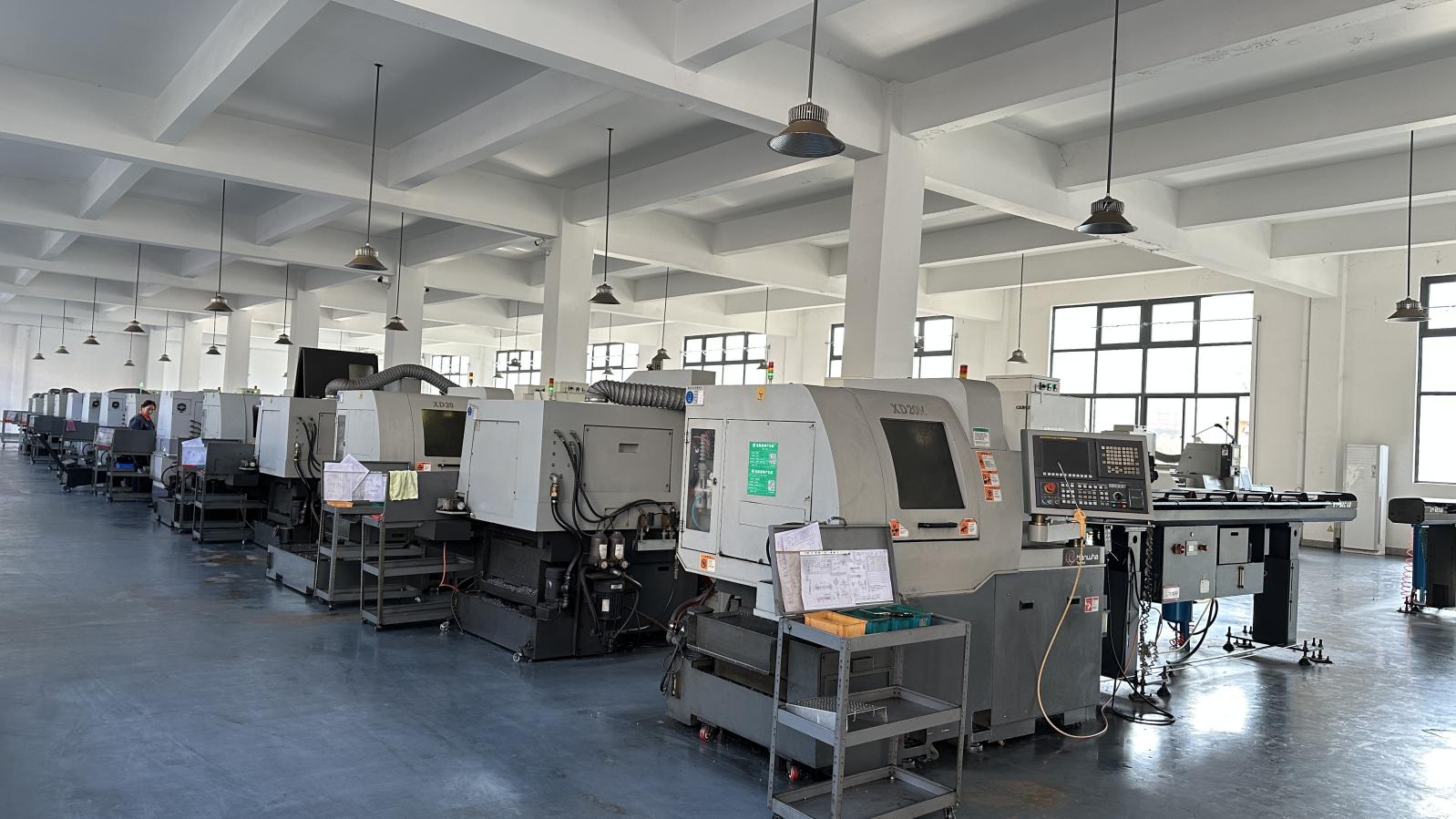
Our manufacturing floor is continuously upgraded with Swiss-type screw machines, high-speed wire cut EDM units, and custom laser engraving setups to support rapid production cycles.
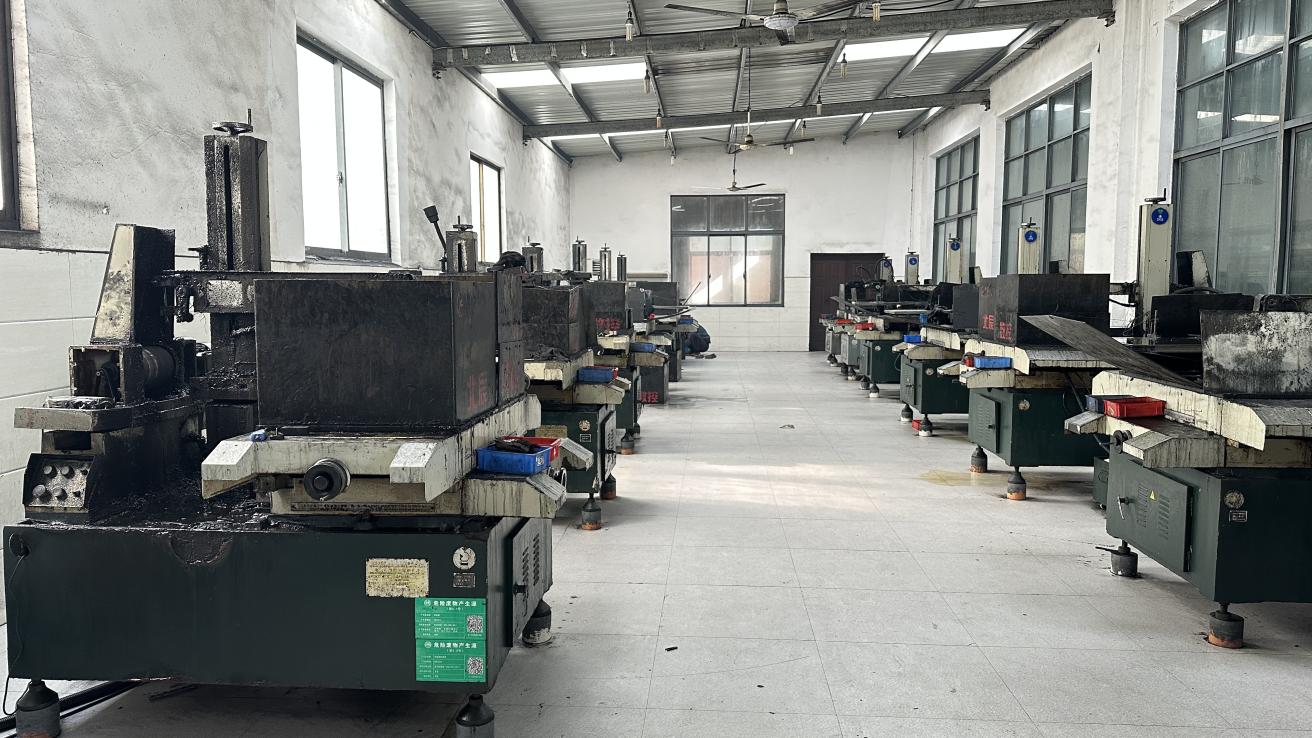
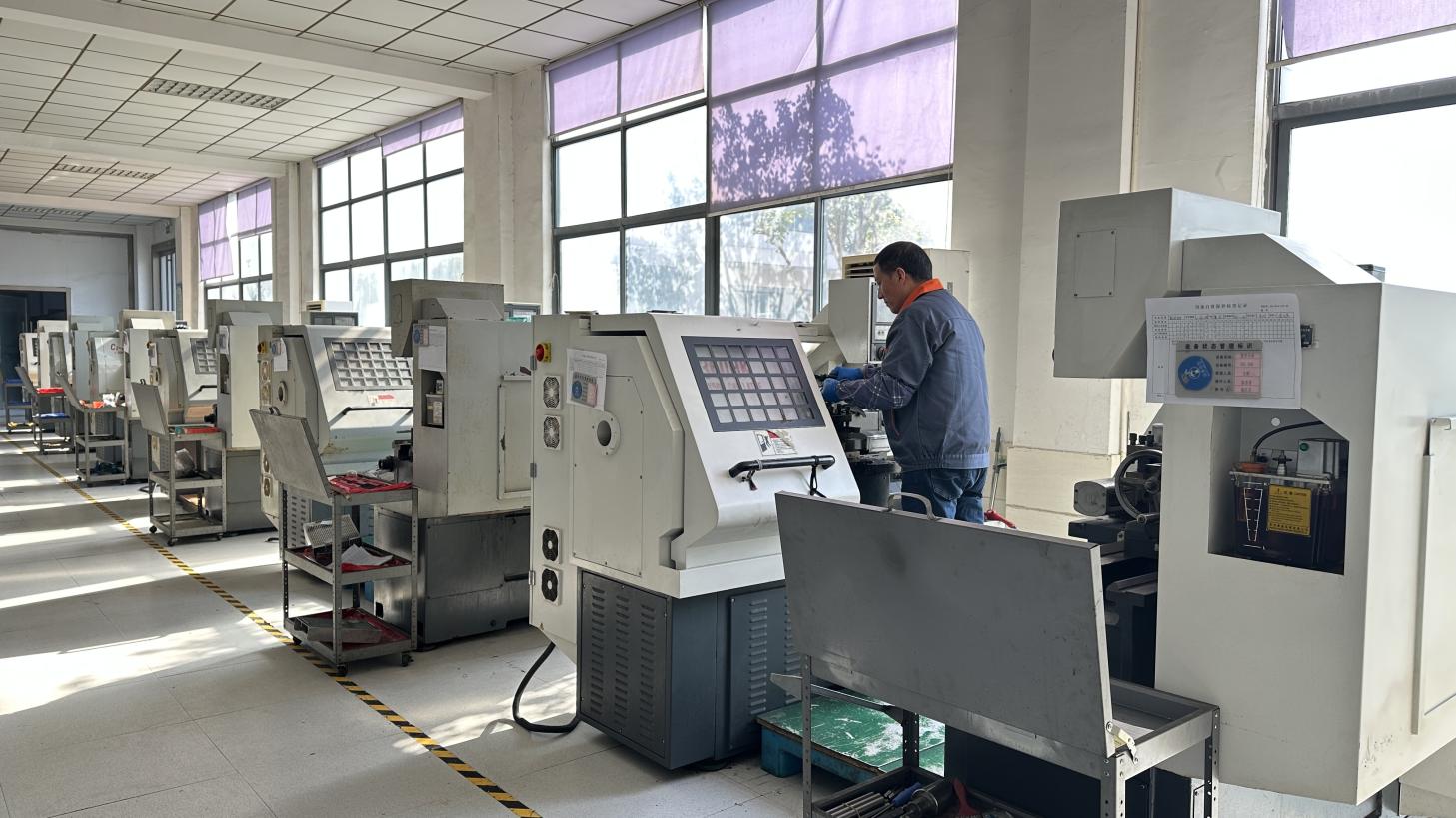
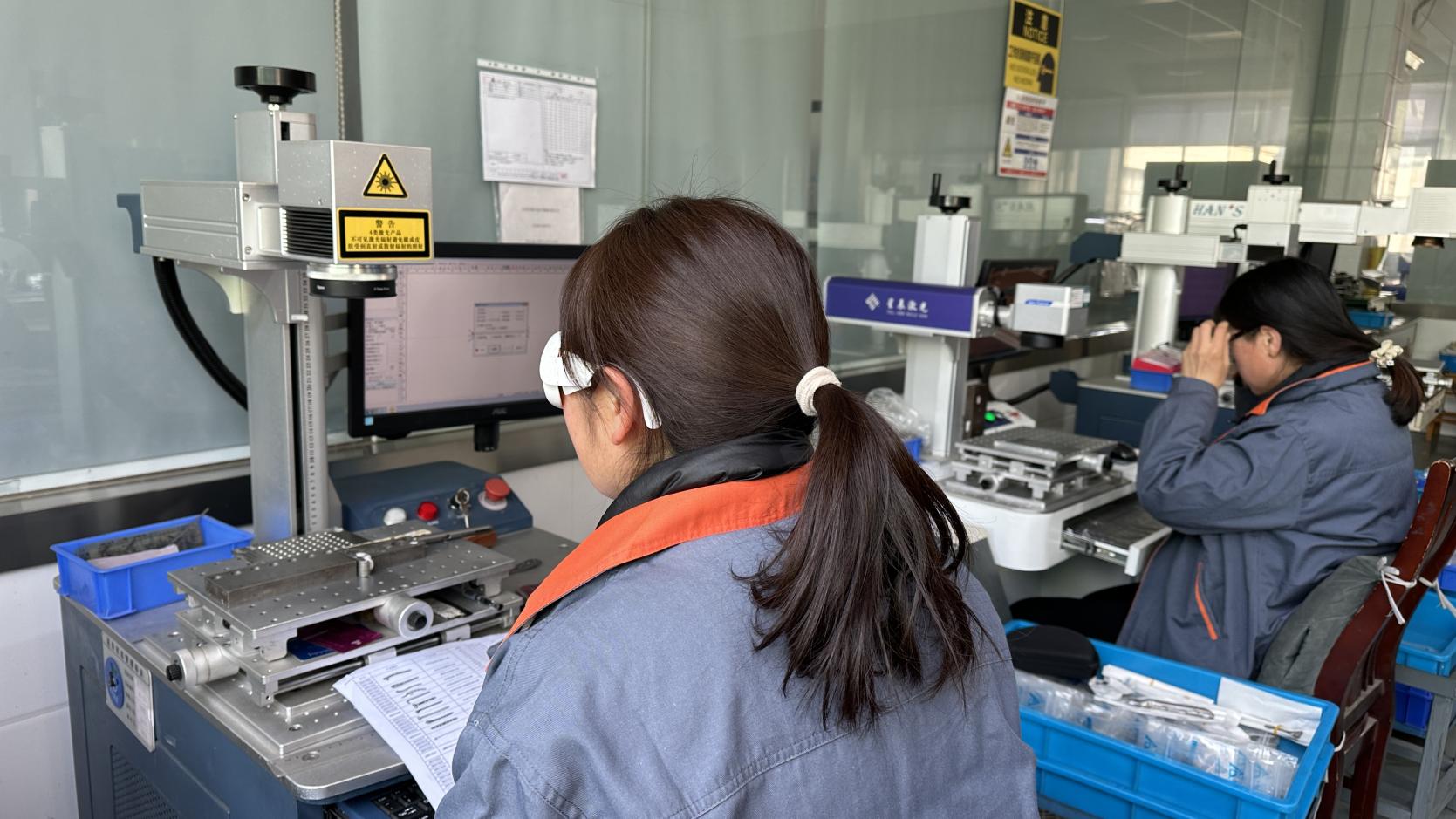

For load-bearing implants, safety validation is paramount. Medisplint relies on an internal quality control department consisting of 42 dedicated inspectors to guarantee performance.
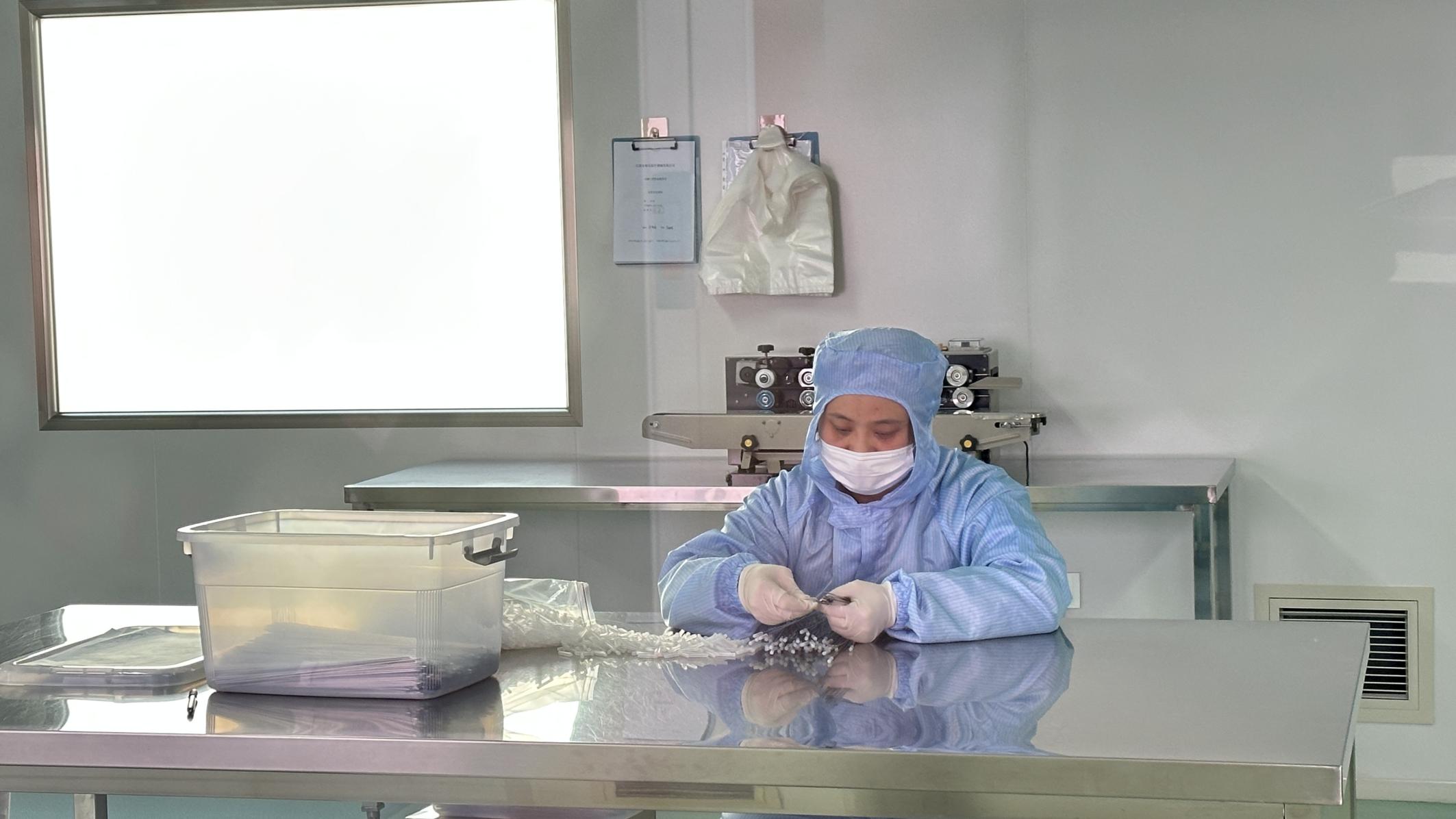
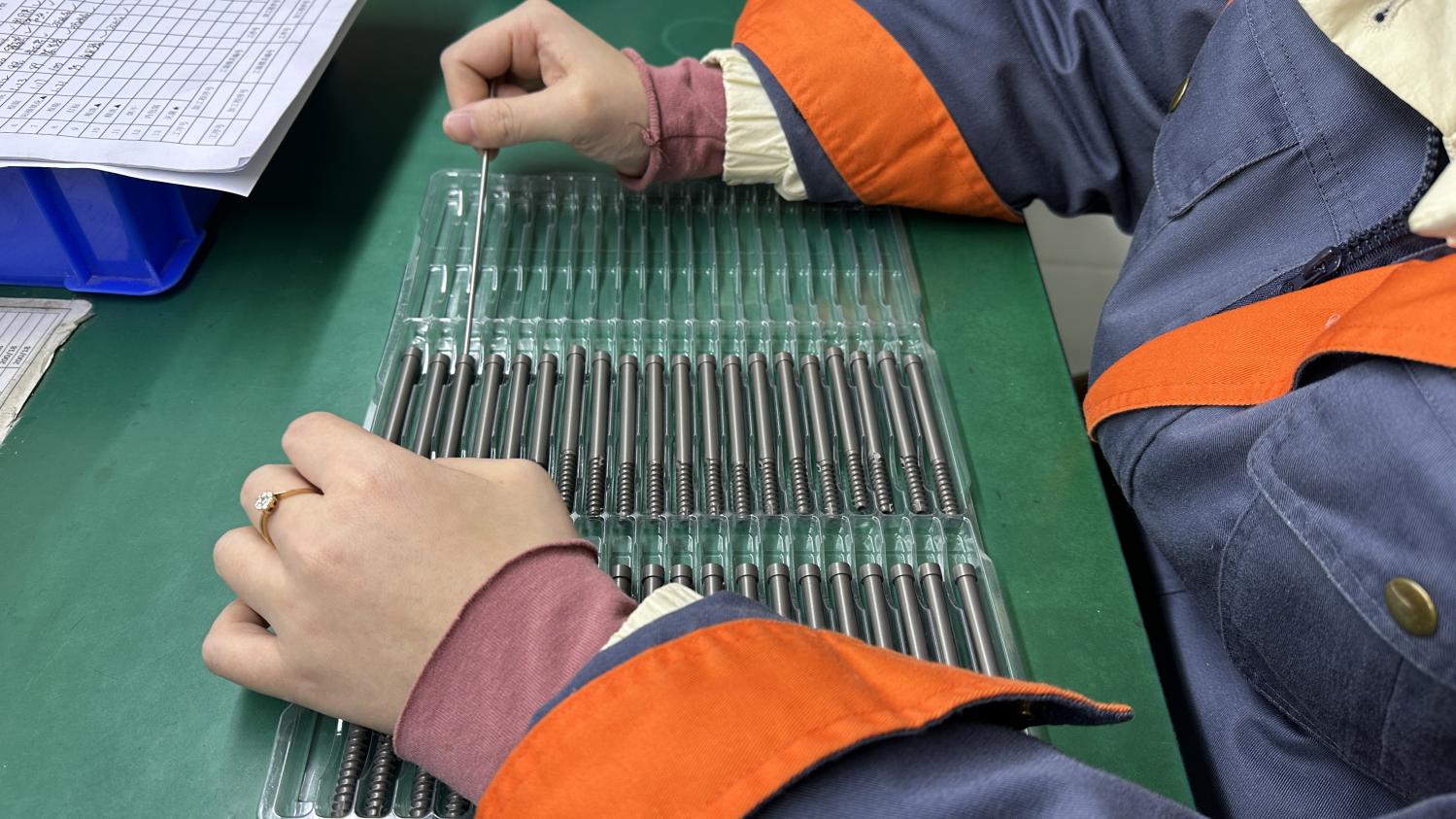
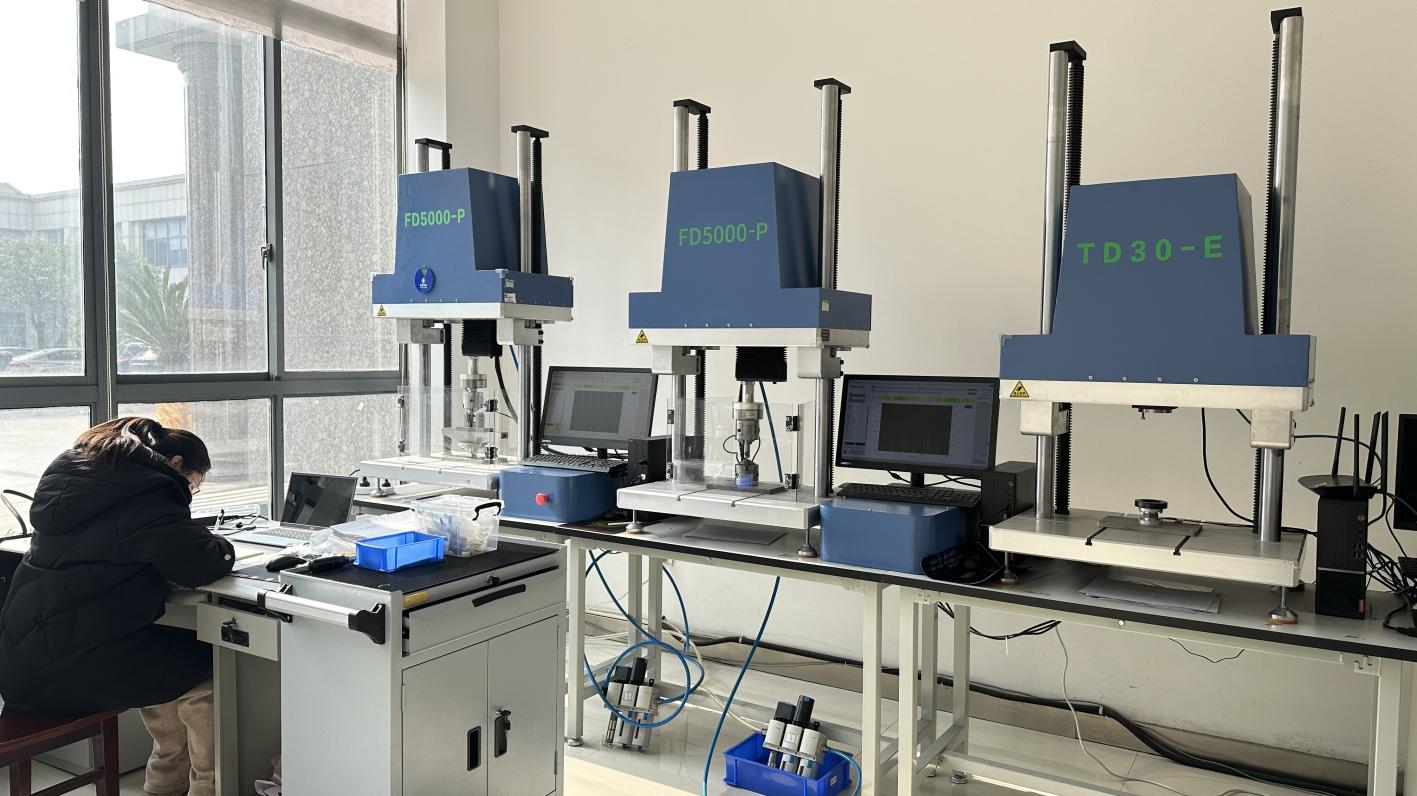
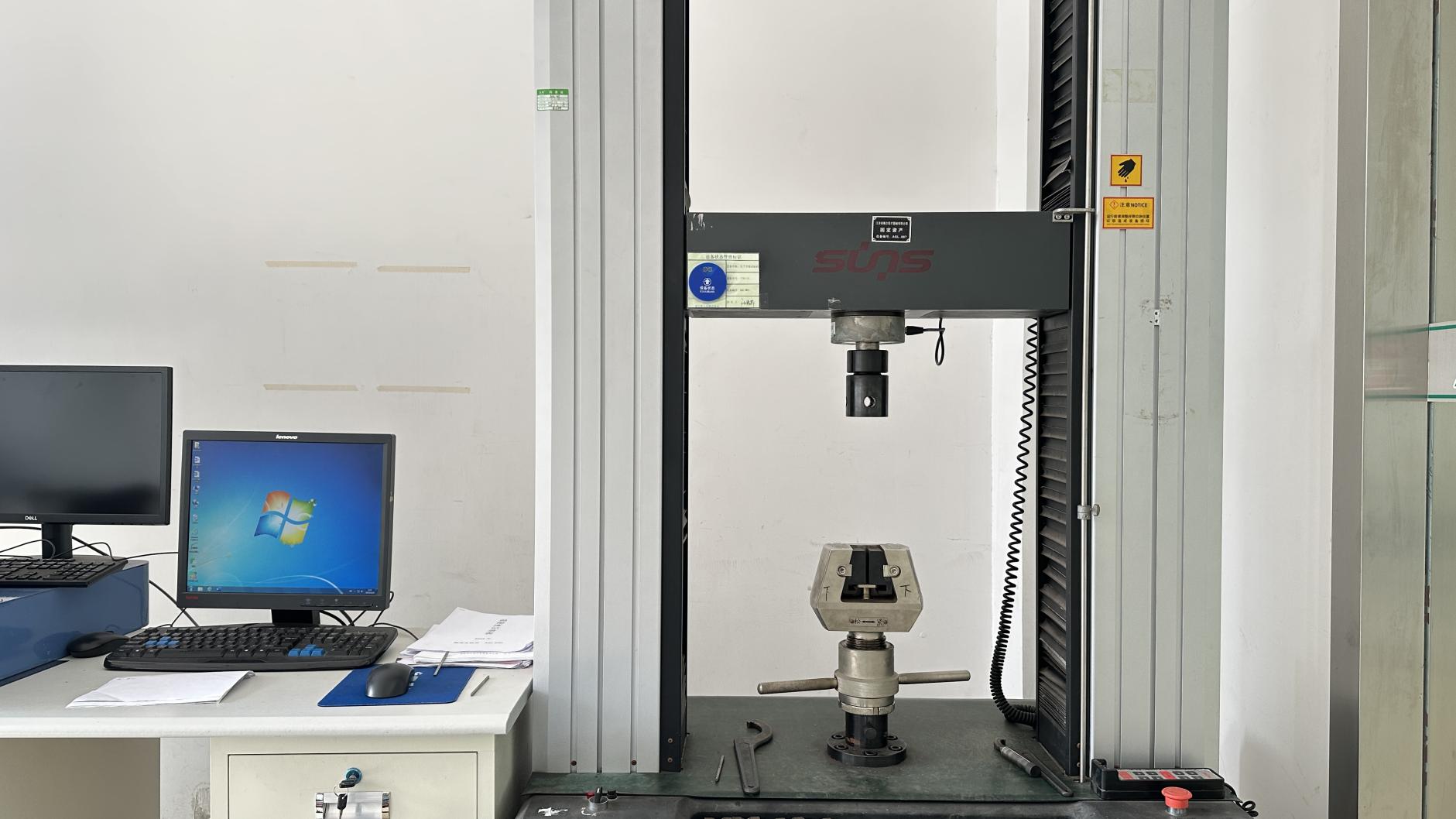
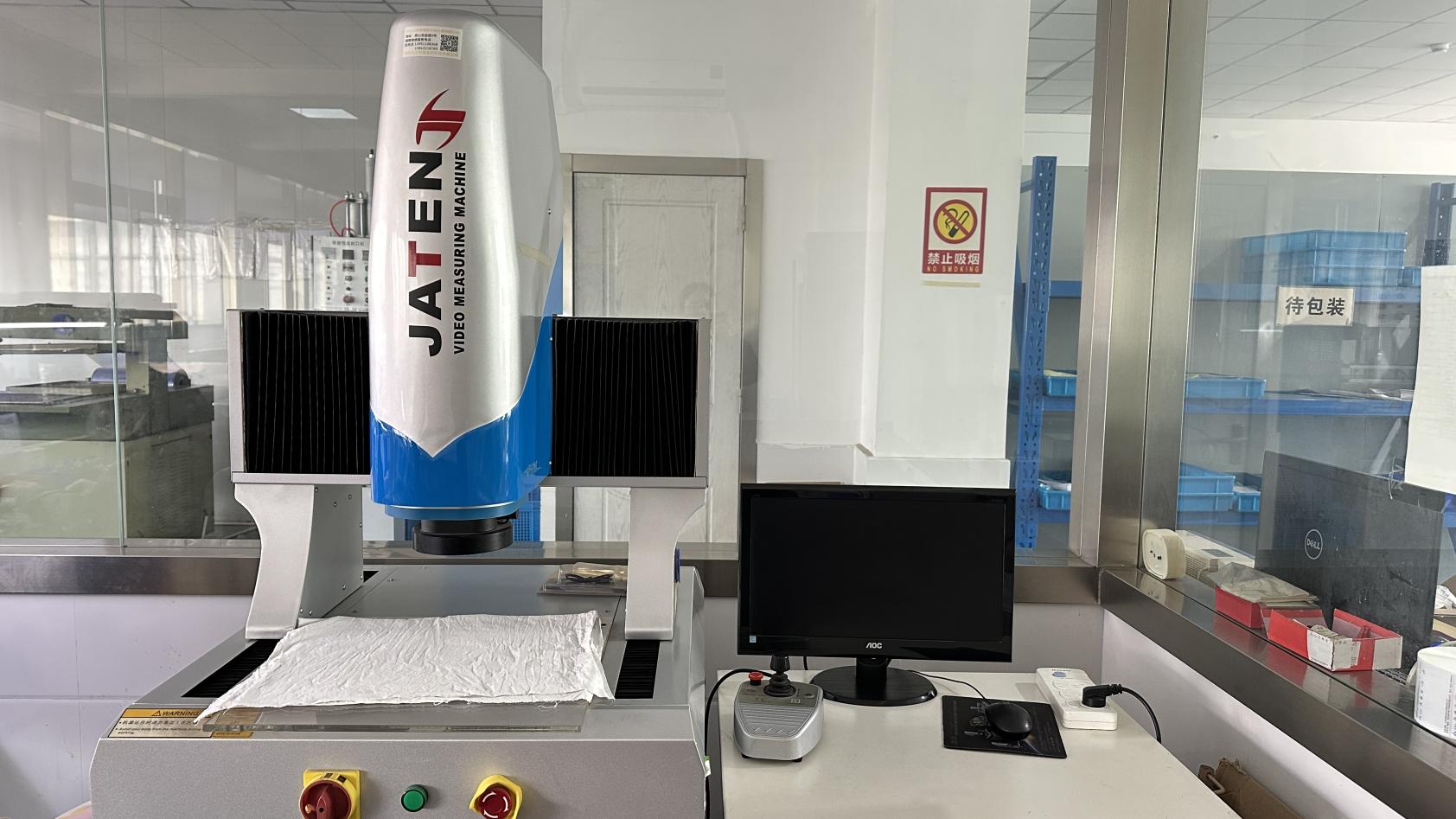
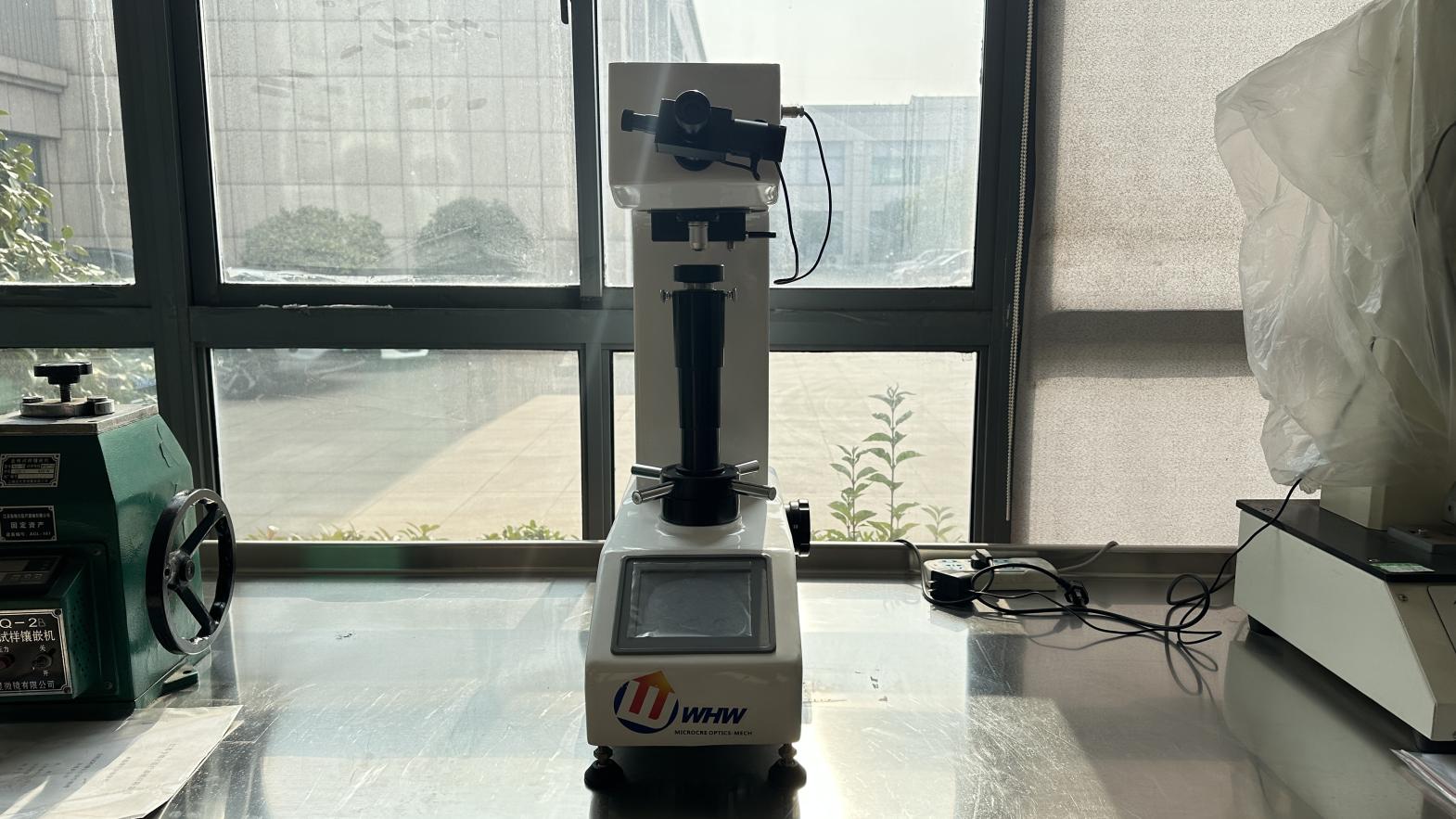
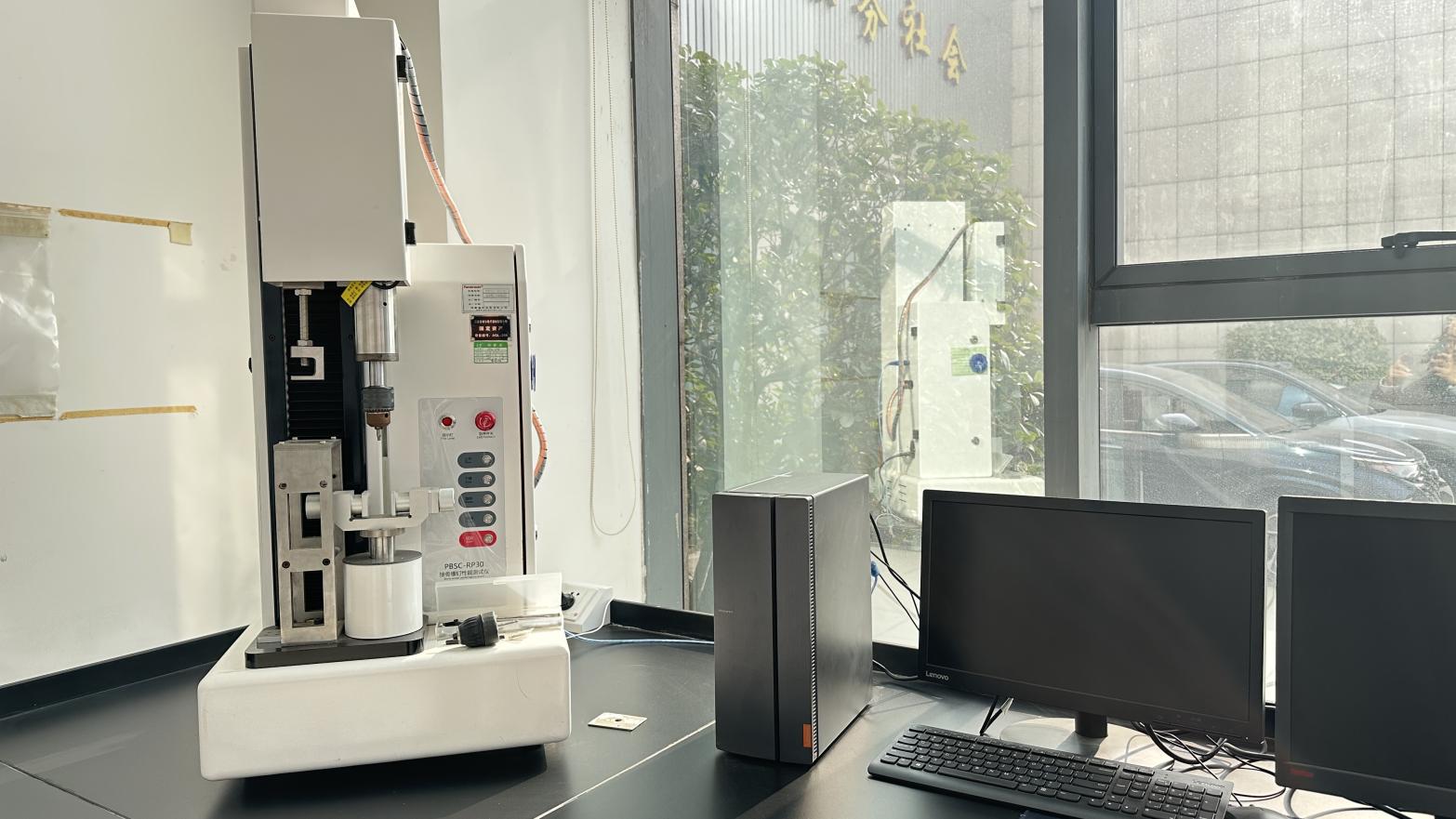
Navigating complex international markets requires dynamic orthopedic solutions, robust regulatory pathways, and agile manufacturing.
Medical device sourcing requires extreme resilience. Medisplint alleviates single-source vulnerabilities by managing raw materials, multi-axis machining, electro-polishing, packaging, and sterilization validation under one roof.
Navigating EU CE Medical Device Regulation (MDR) and FDA 510(k) clearances is highly challenging. Medisplint provides full biological evaluation reports, mechanical stress analysis dossiers, and raw material traceability certs (e.g., ISO 5832-3).
With 85 dedicated engineering specialists and 68 new products launched last year, we offer rapid prototyping and design iterations, allowing brand managers to quickly respond to shifting clinical trends.
Clinical indications for ACL reconstruction vary widely between geographic regions, surgeon preferences, and hospital procurement channels. In North America and parts of Western Europe, double-bundle reconstructions utilizing soft tissue grafts are highly prevalent, requiring low-profile, blunt-threaded interference screws to minimize graft laceration risks.
Conversely, in many emerging markets, bone-patellar tendon-bone (BTB) autografts remain the primary clinical standard. Here, custom metal interference screws with sharper thread configurations are optimal for facilitating stable bone-to-bone contact within the femoral and tibial tunnels.
Our R&D department continues to push the limits of orthopedic material science and smart implant integration.
We are currently validating titanium surfaces coated with multi-layer HA/TCP via plasma spray, alongside chemical acid etching to foster rapid cellular adhesion and direct bone bonding to the screw shaft.
Investing heavily in Magnesium-Zinc-Calcium alloy profiles. Unlike plastics, magnesium alloy implants provide rigid primary stability, then resorb and generate osteopromotive degradation byproducts without localized acidic tissue reactions.
Utilizing Electron Beam Melting (EBM) additive manufacturing to produce customizable PEEK and Titanium implants featuring interconnected porous microstructures, mimicking the cancellous bone architecture.
How Medisplint secures regulatory approval and guarantees supply-chain reliability across key international markets.
Our entire manufacturing line runs on a single quality management system that aligns with FDA 21 CFR Part 820 regulations and CE MDR standard EN ISO 13485:2016.
From the initial titanium bar to the sterile packed blister pack, every screw receives a unique laser-etched UDI (Unique Device Identification) code to assure 100% material traceability.
Leveraging deep partnerships with leading air freight and international logistics channels, we ensure reliable delivery of orthopedic components to distributors in over 45 countries.
Find answers to key technical, logistical, and production-related questions regarding custom sports medicine implants.
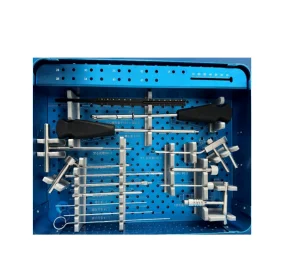
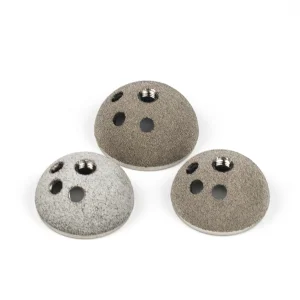
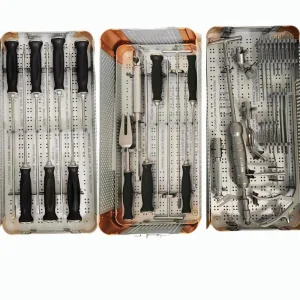
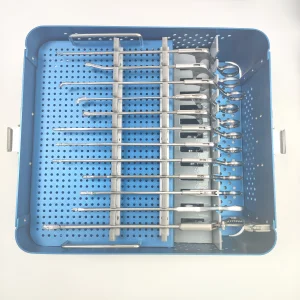
Discover our comprehensive collection of trauma plates, spine fixations, joint replacement implants, and specialized surgical instrumentation kits.