Medisplint
Medisplint
Medisplint
High-precision clinical instrumentation sets and orthopedic fixation assemblies manufactured under CE and ISO 13485 protocols.
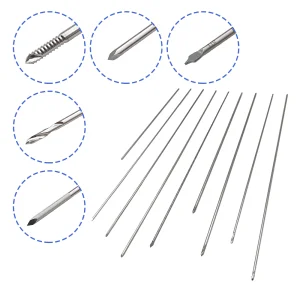
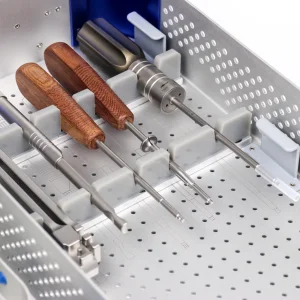
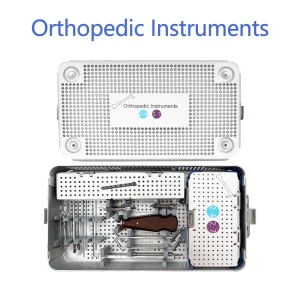
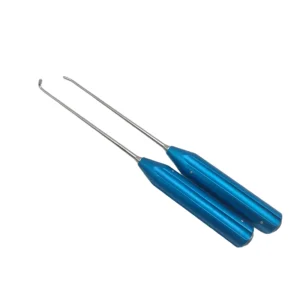
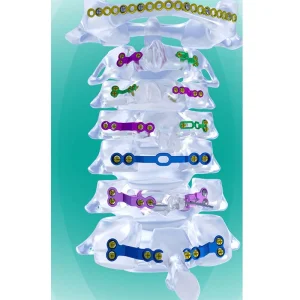
As global populations age and clinical expectations evolve, the demand for high-performance joint reconstruction systems has scaled rapidly. Hemiarthroplasty—typically deployed for displaced femoral neck fractures, advanced avascular necrosis, and severe osteoarthritis of the hip or shoulder—requires extreme biomaterial compatibility, geometry optimization, and fatigue resistance. For international orthopedic distributors, hospital chains, and OEM partners, securing a reliable supply of custom implants is critical to safeguarding both clinical outcomes and supply chain integrity.
At Medisplint Orthopedic Instruments Co., Ltd., we address these complex global sourcing demands by engineering unipolar and bipolar hemiarthroplasty implants designed to fit varied demographic morphotypes. Our custom OEM capabilities allow our clients to optimize implant designs, surface coatings, and packaging configurations, ensuring quick market access and conformity to international regulatory guidelines (including CE and ISO 13485).
Information Gain Keynote: Advanced joint replacement involves more than standard sizing. Our OEM solutions integrate tailored titanium stem cross-sections, advanced surface roughening (porous plasma-spray or HA coatings), and customizable neck-shaft angles to match specific regional patient anatomical dimensions.
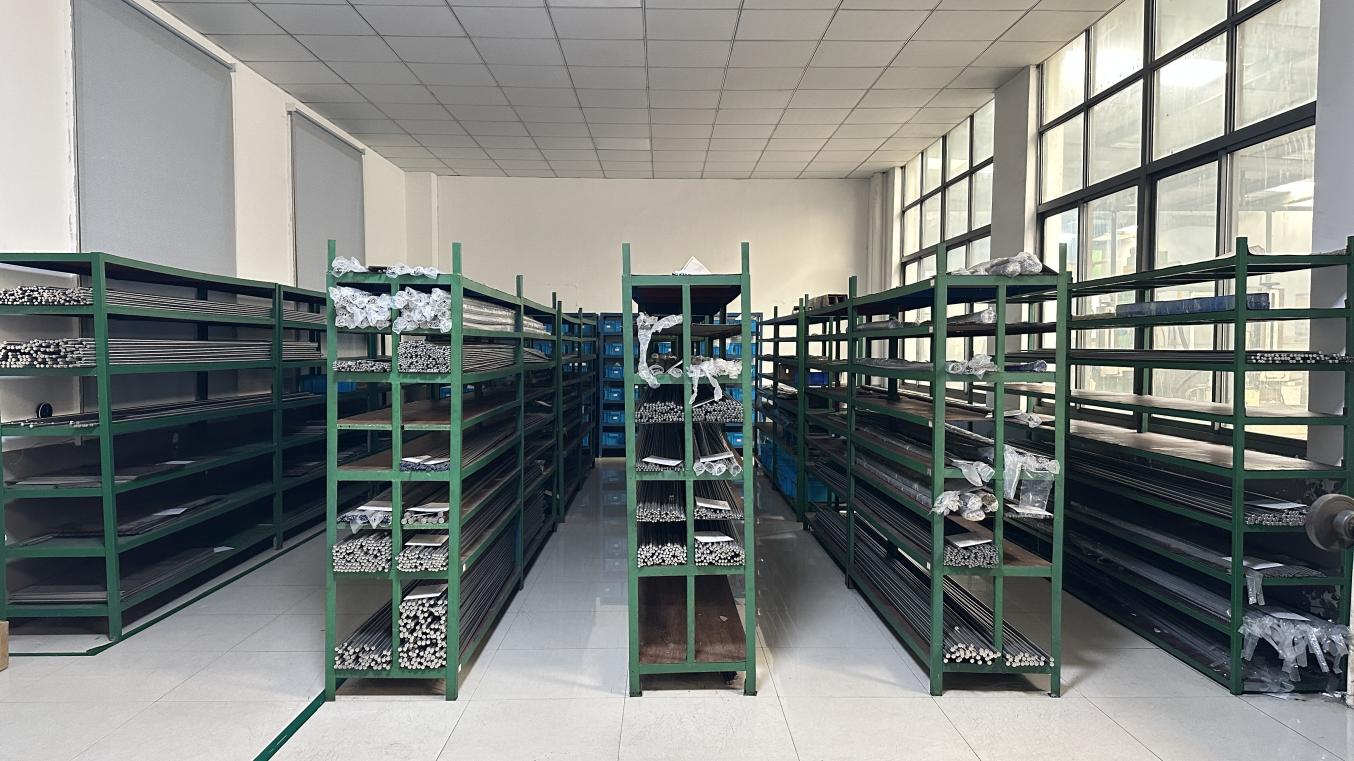
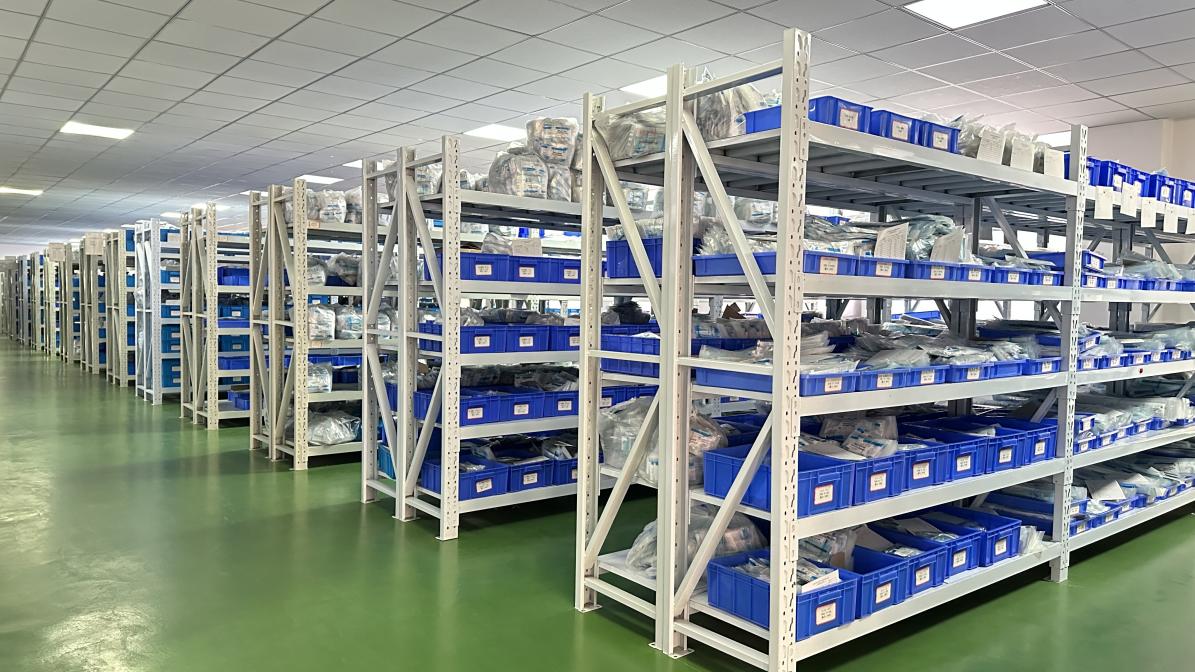
A glance at the production scale, R&D strength, and market presence of Medisplint Orthopedic Instruments.
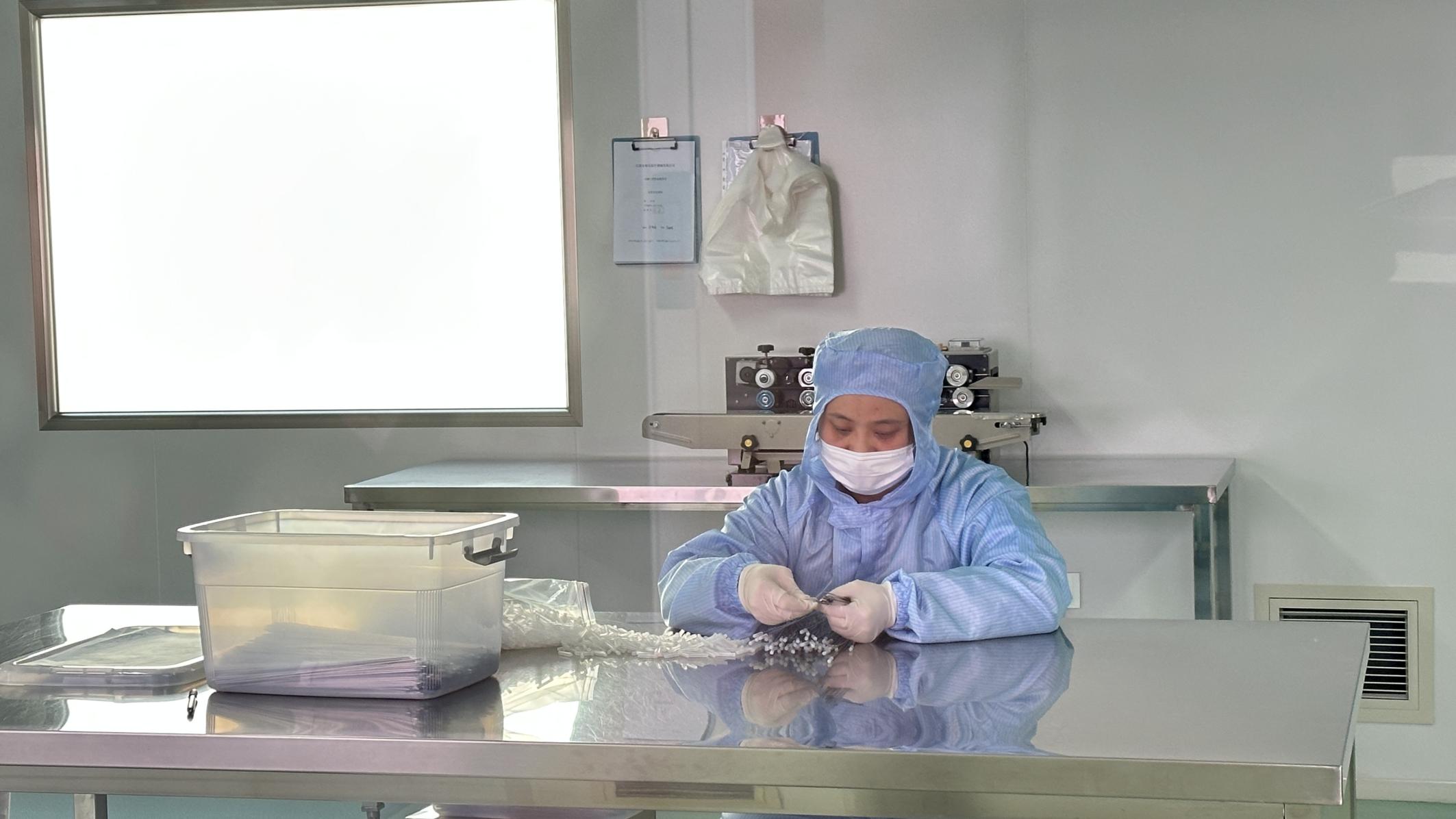
From raw medical-grade titanium and cobalt-chromium to precision finishing and class-10,000 cleanroom packaging, see our end-to-end workflow.
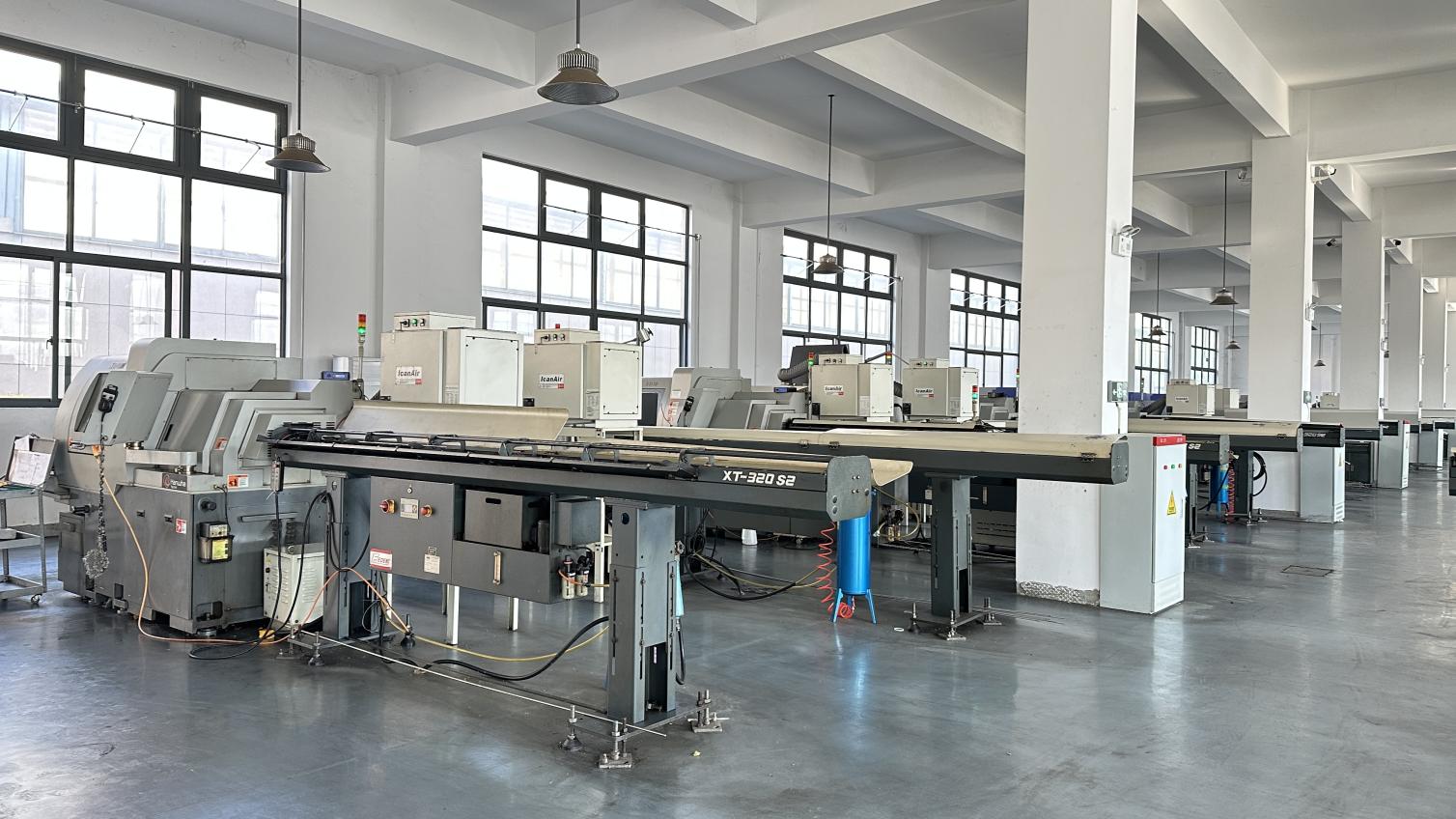
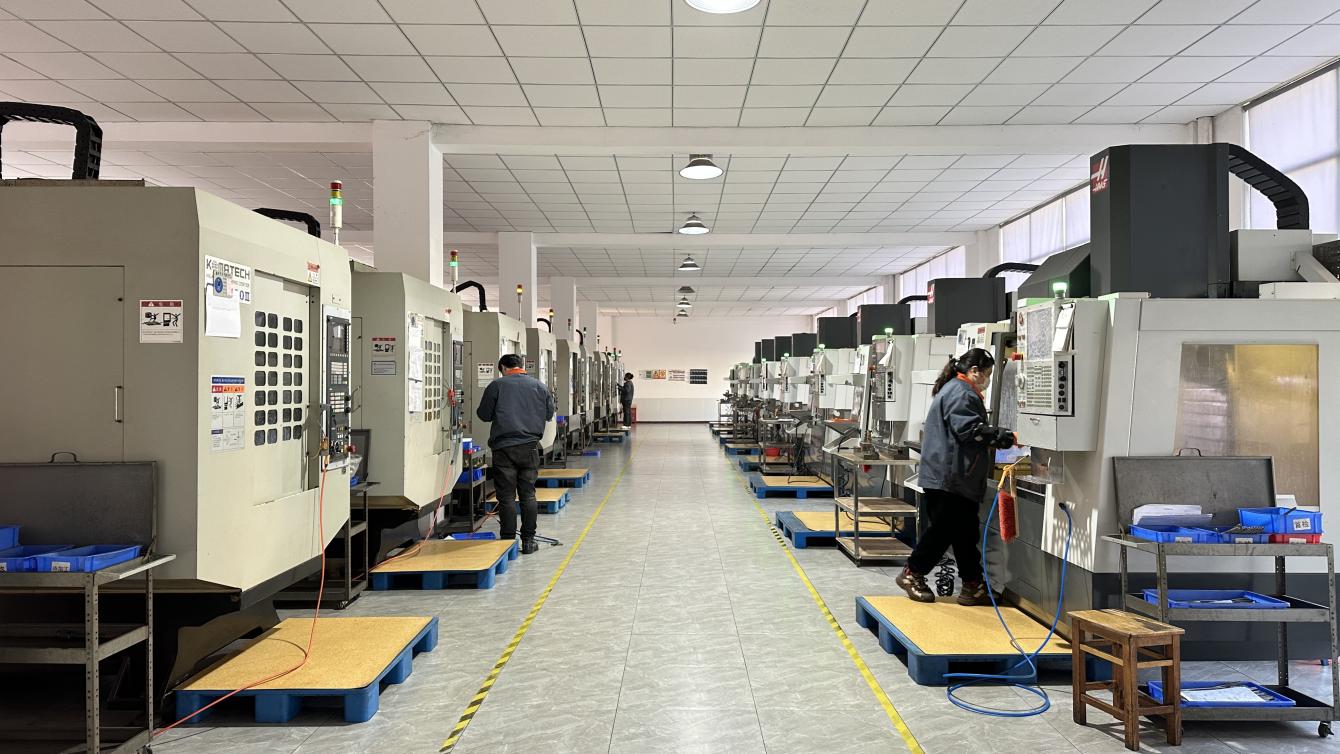
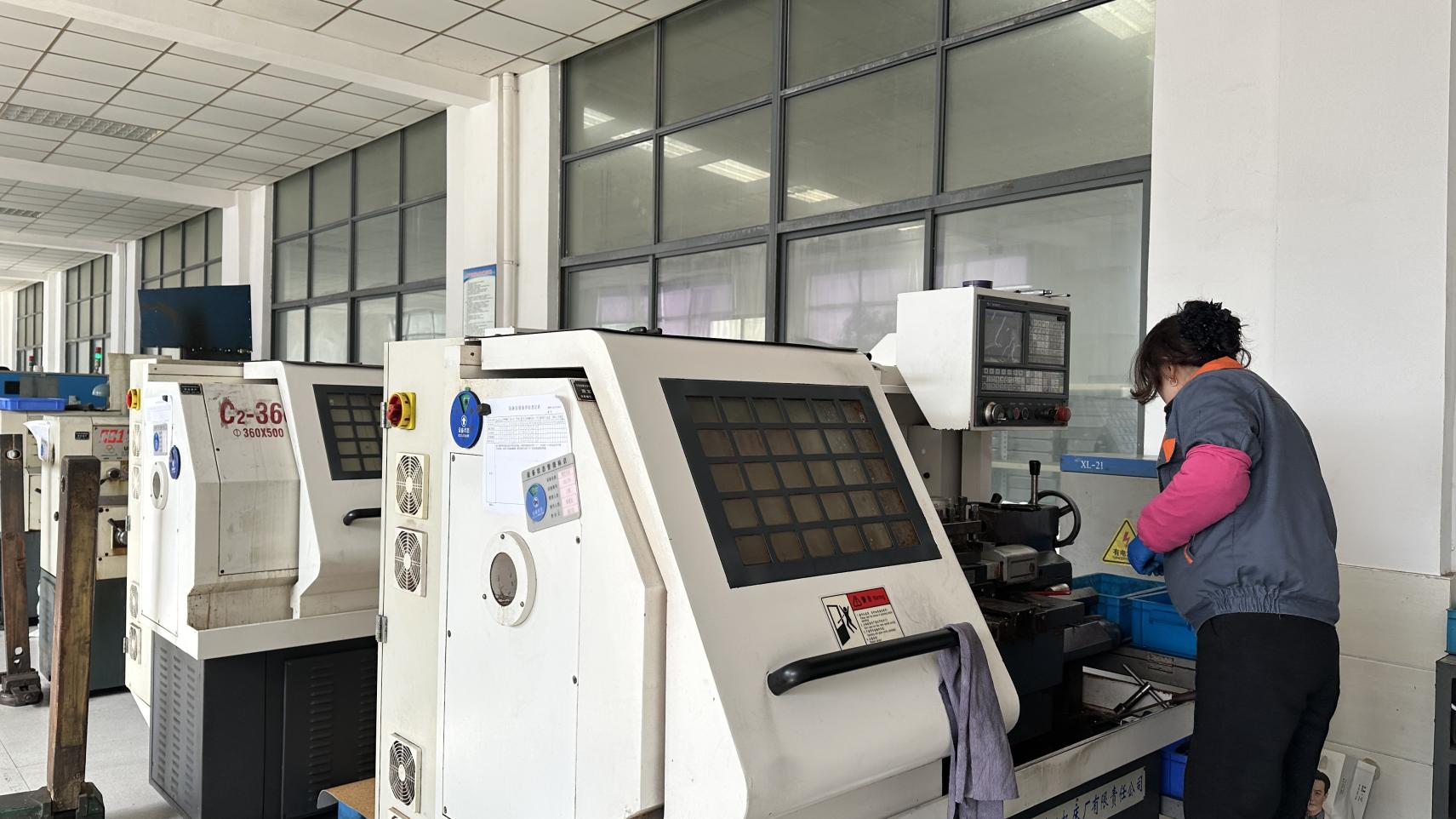
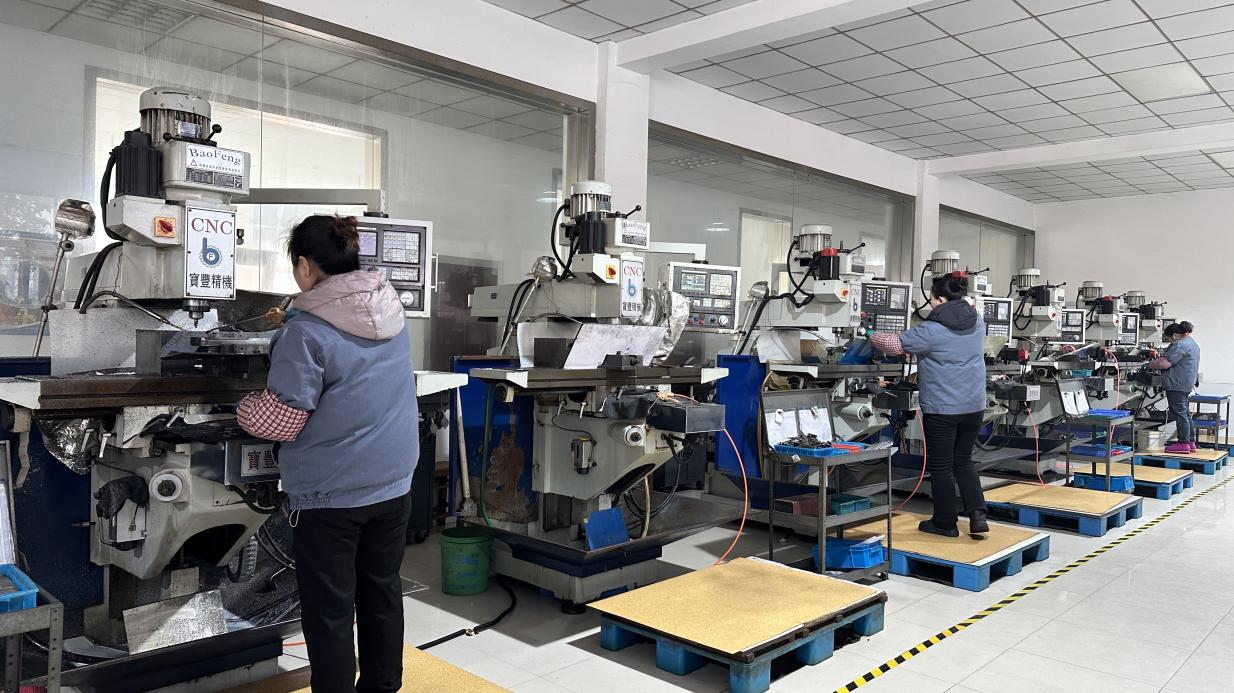
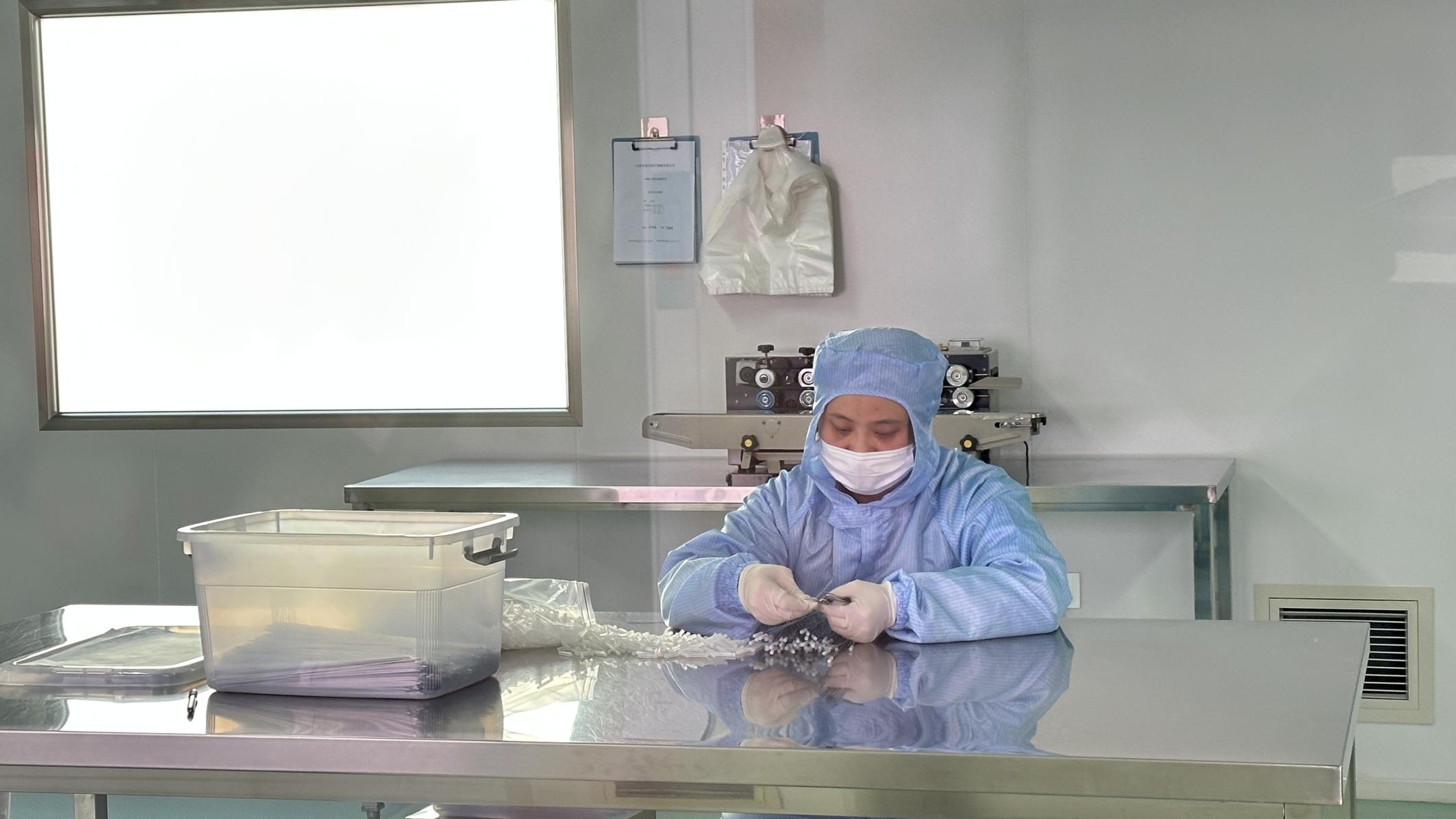
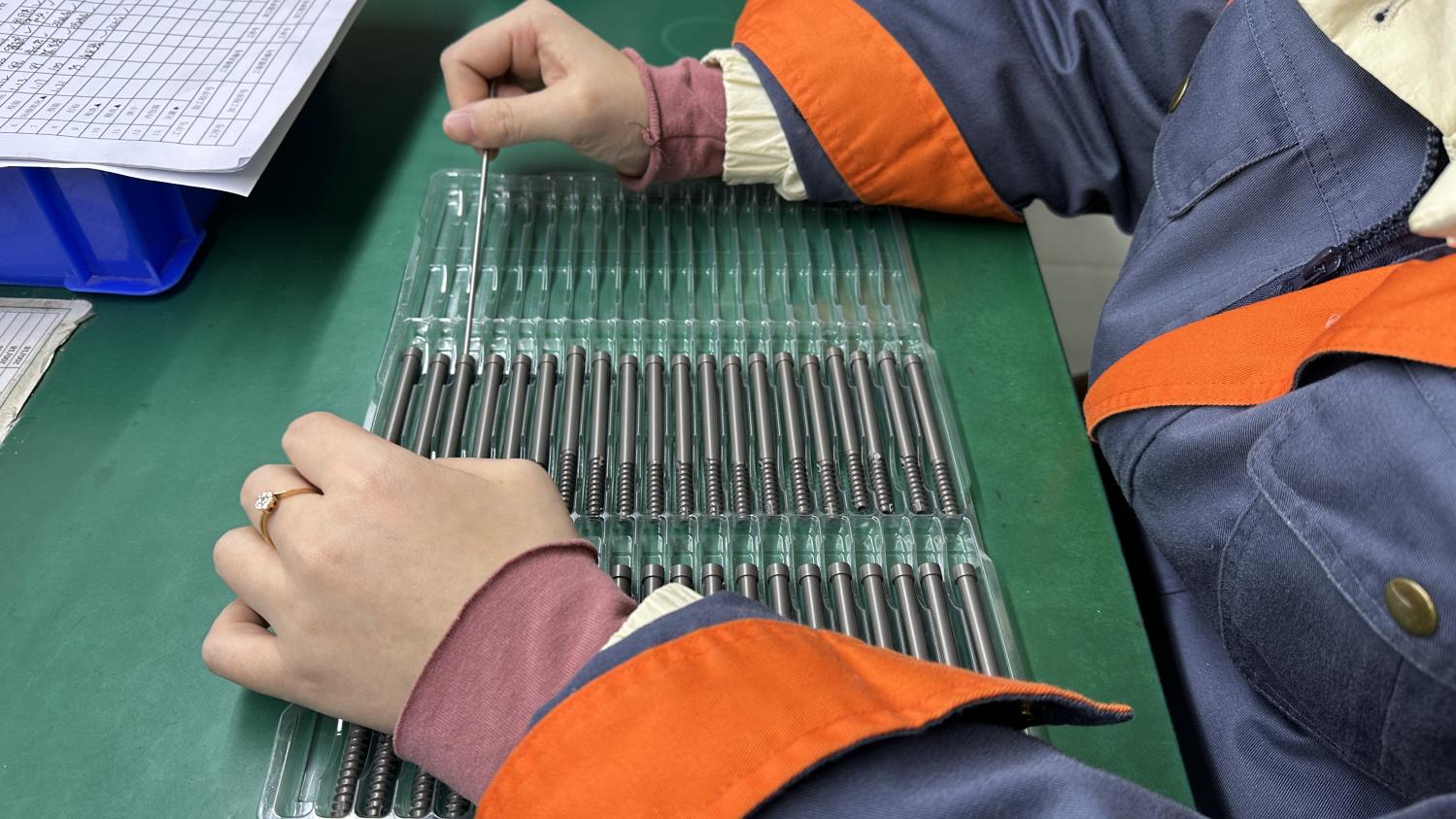
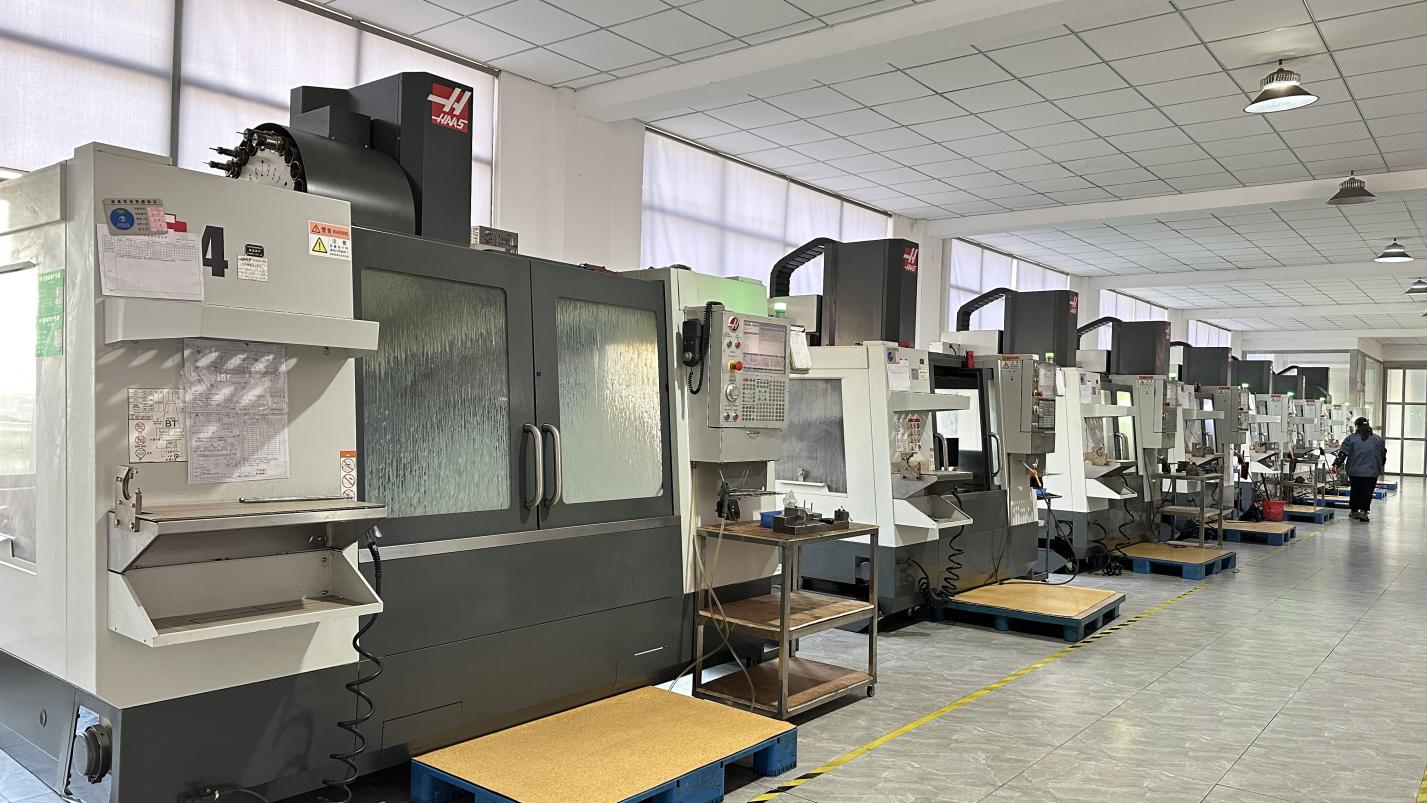
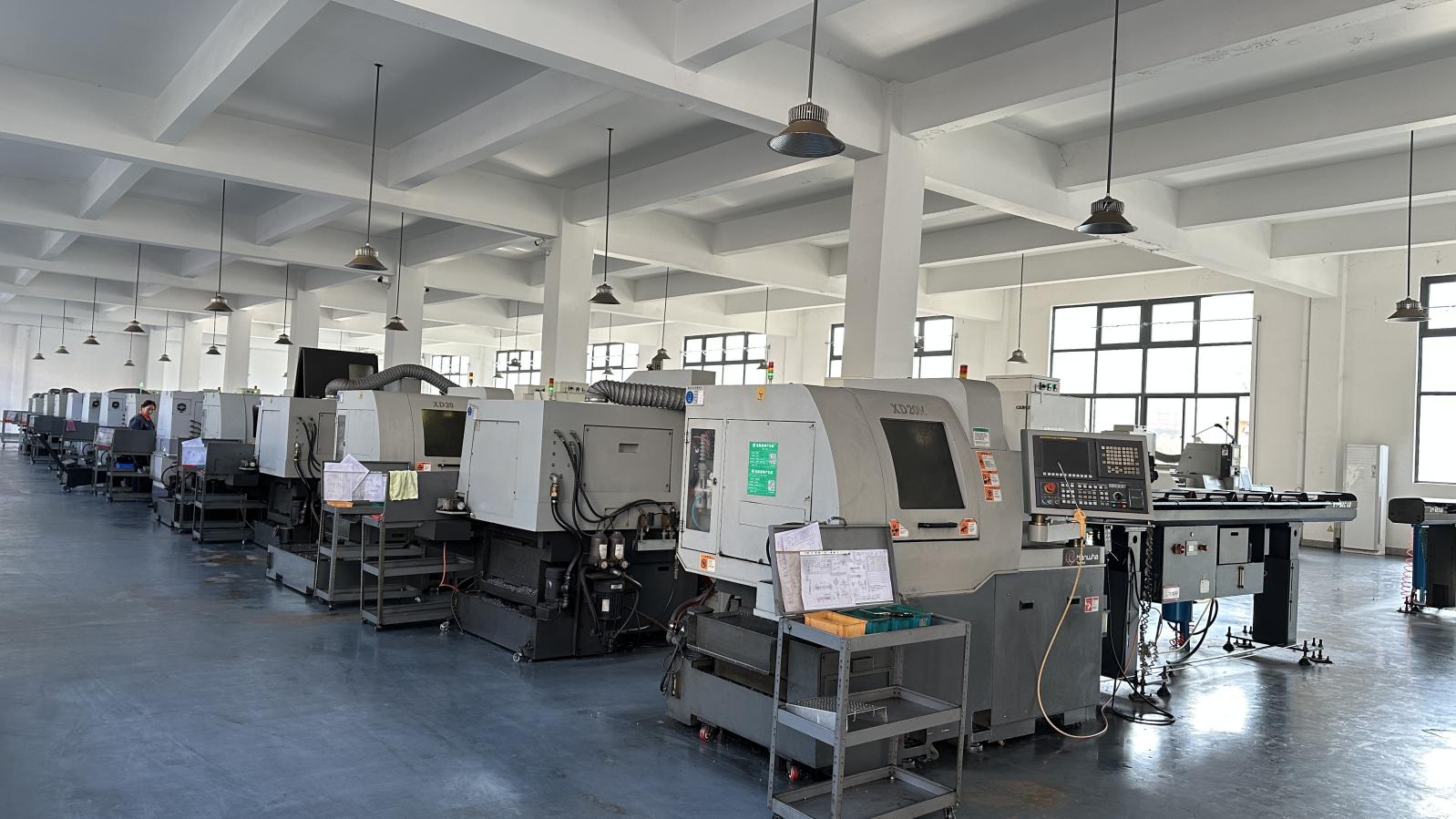
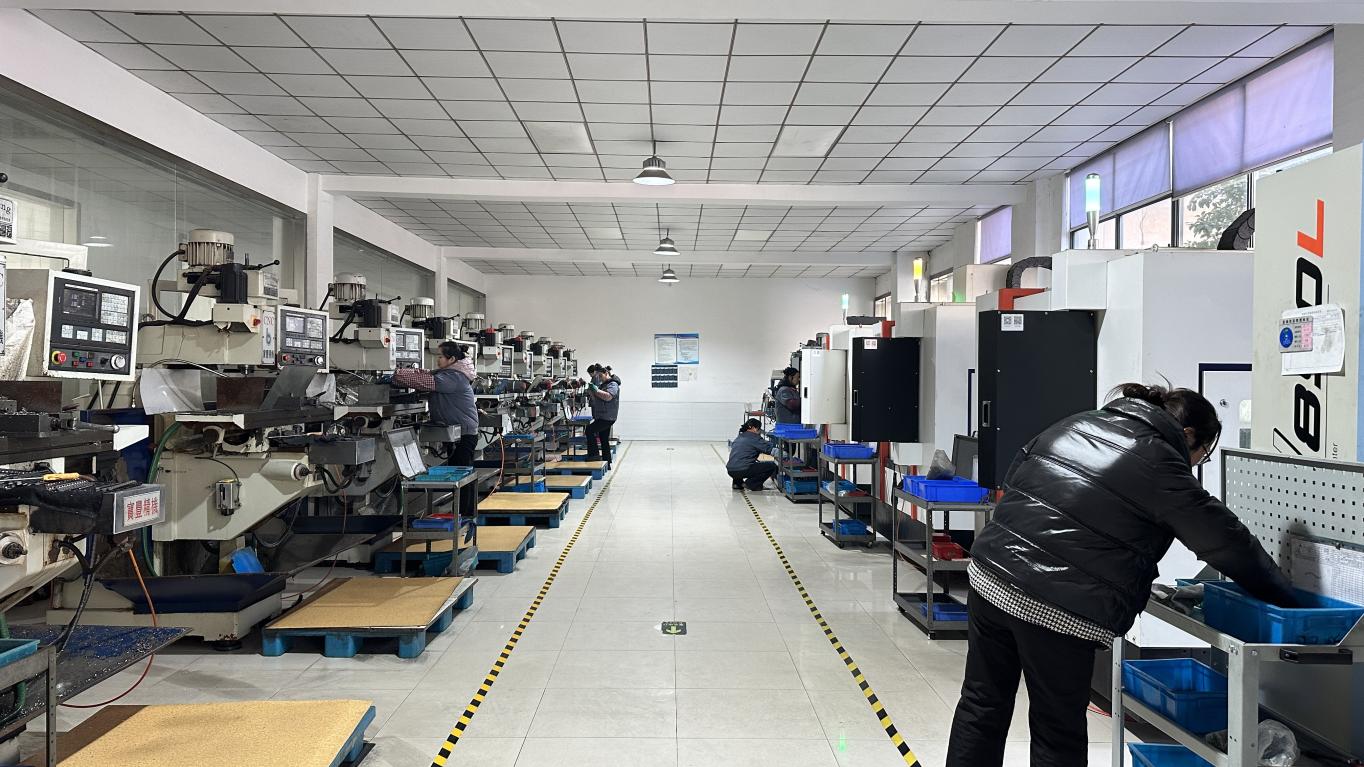
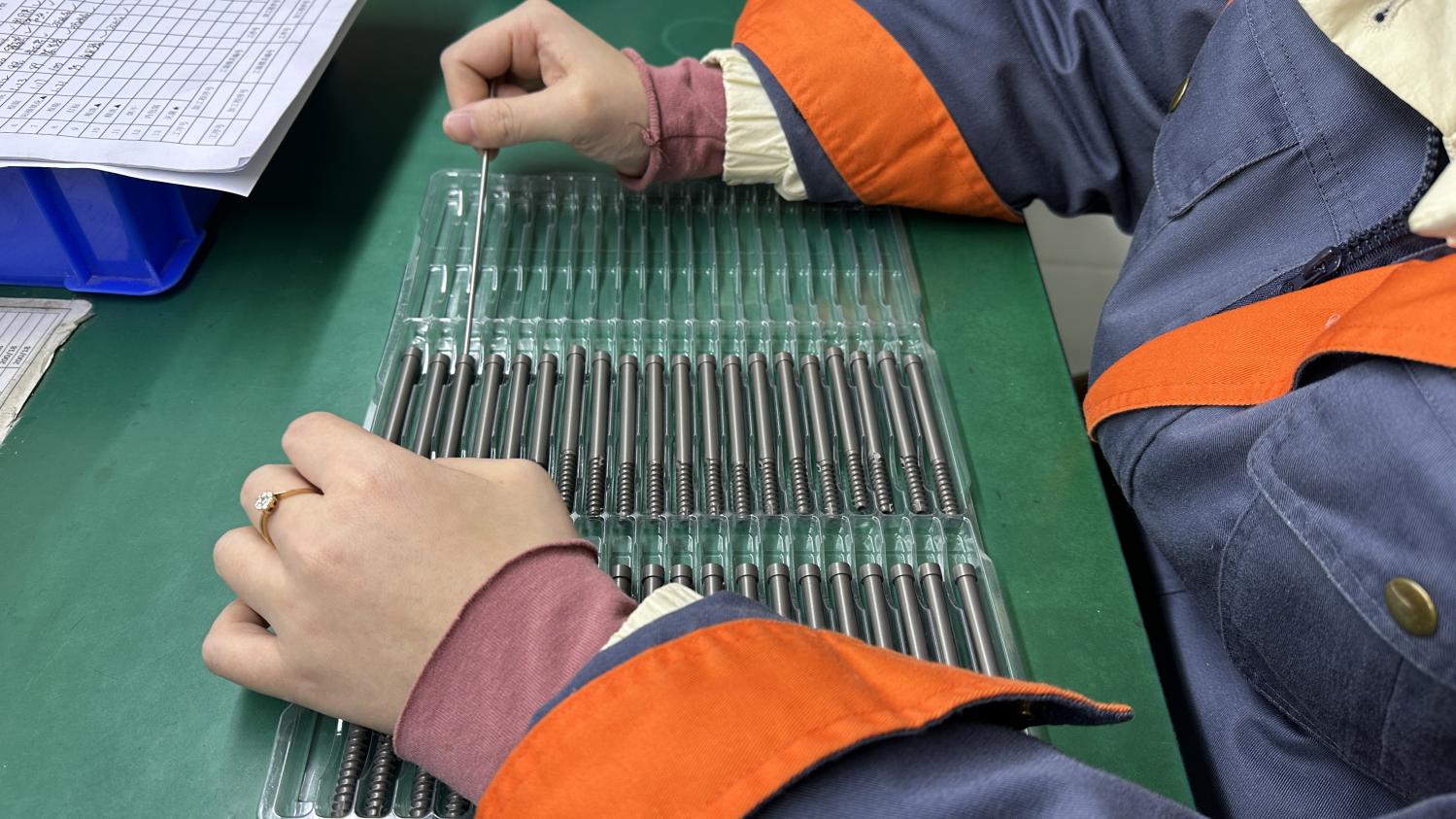
To achieve the tight tolerances required by joint implants (often within ±5 microns), Medisplint utilizes a collection of multi-axis machining tools. Orthopedic components like femoral stems, bipolar shells, and locking plates demand dynamic cutting paths to guarantee biomechanical performance.
Our production floor operates Swiss-type CNC lathes, multi-axis milling centers, and wire cutting units. This setup allows for continuous automated operations, reducing human error, lowering lead times for bulk production, and enabling customized modifications to stem tapers, collar designs, and proximal geometries.
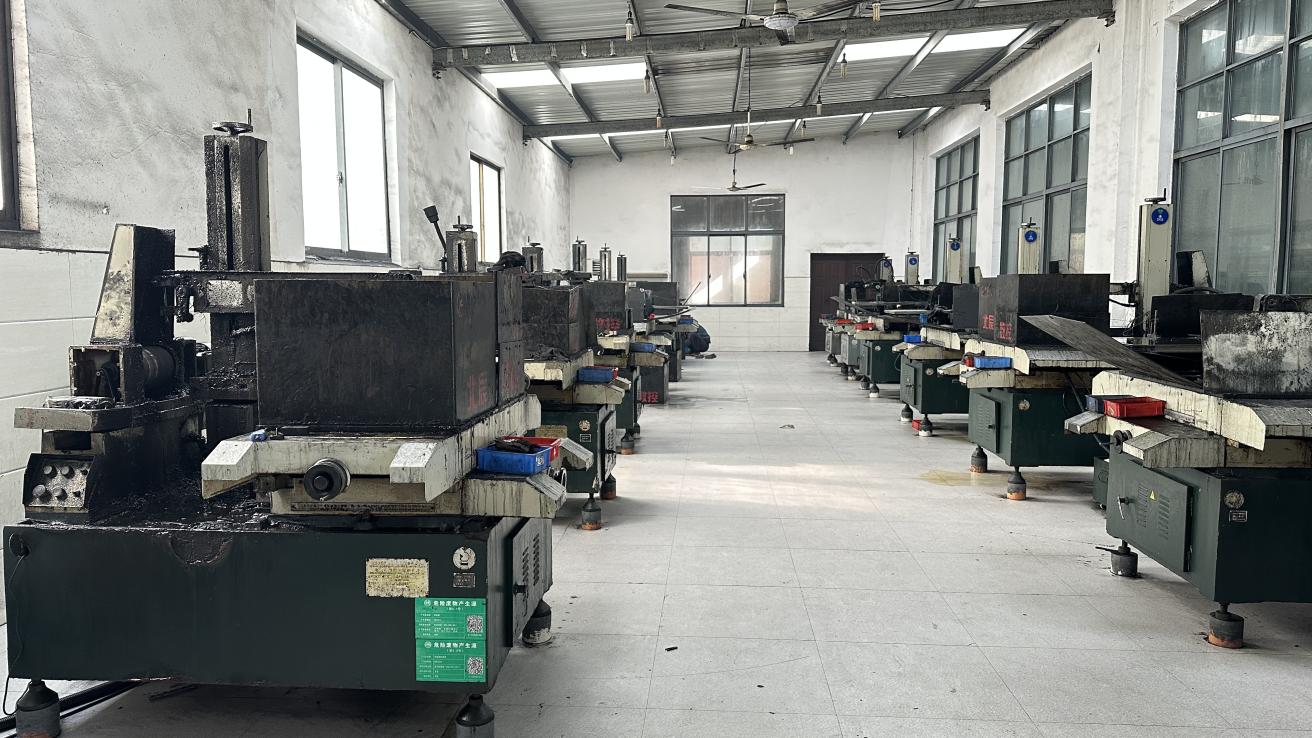
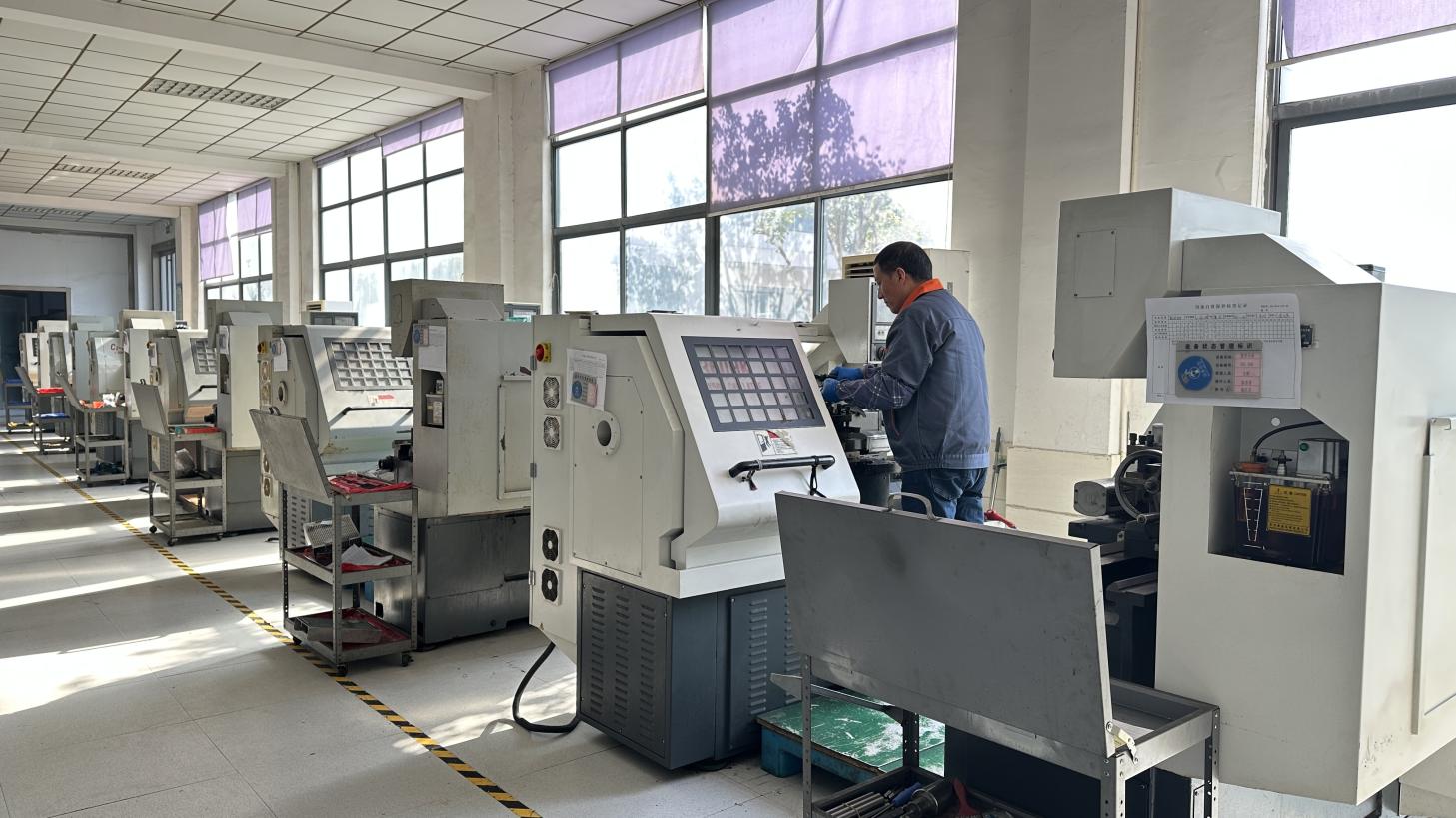
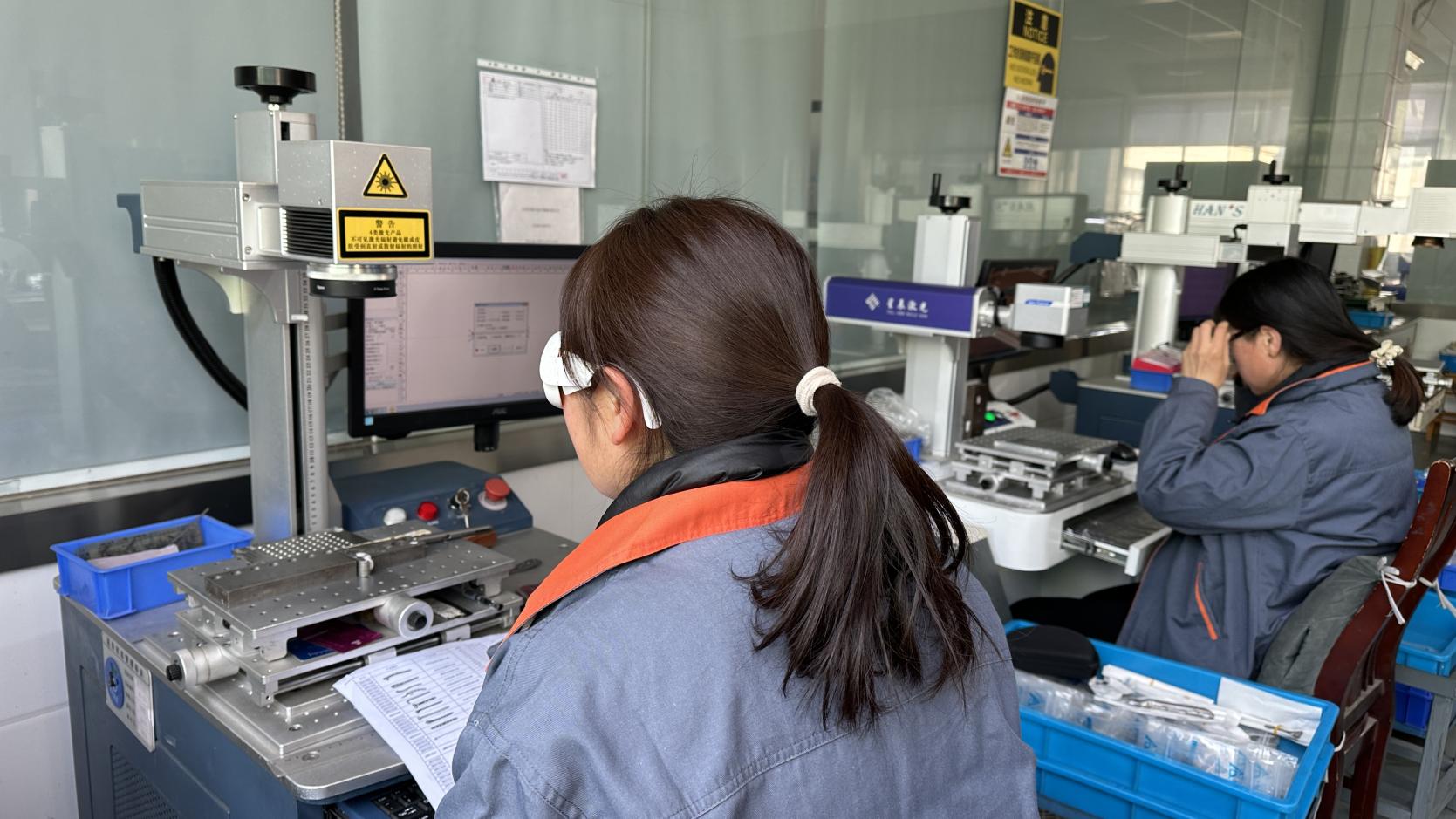
Enables complete tracing metrics including batch code, serial number, and product specifications directly onto the implant body without compromising structural integrity.
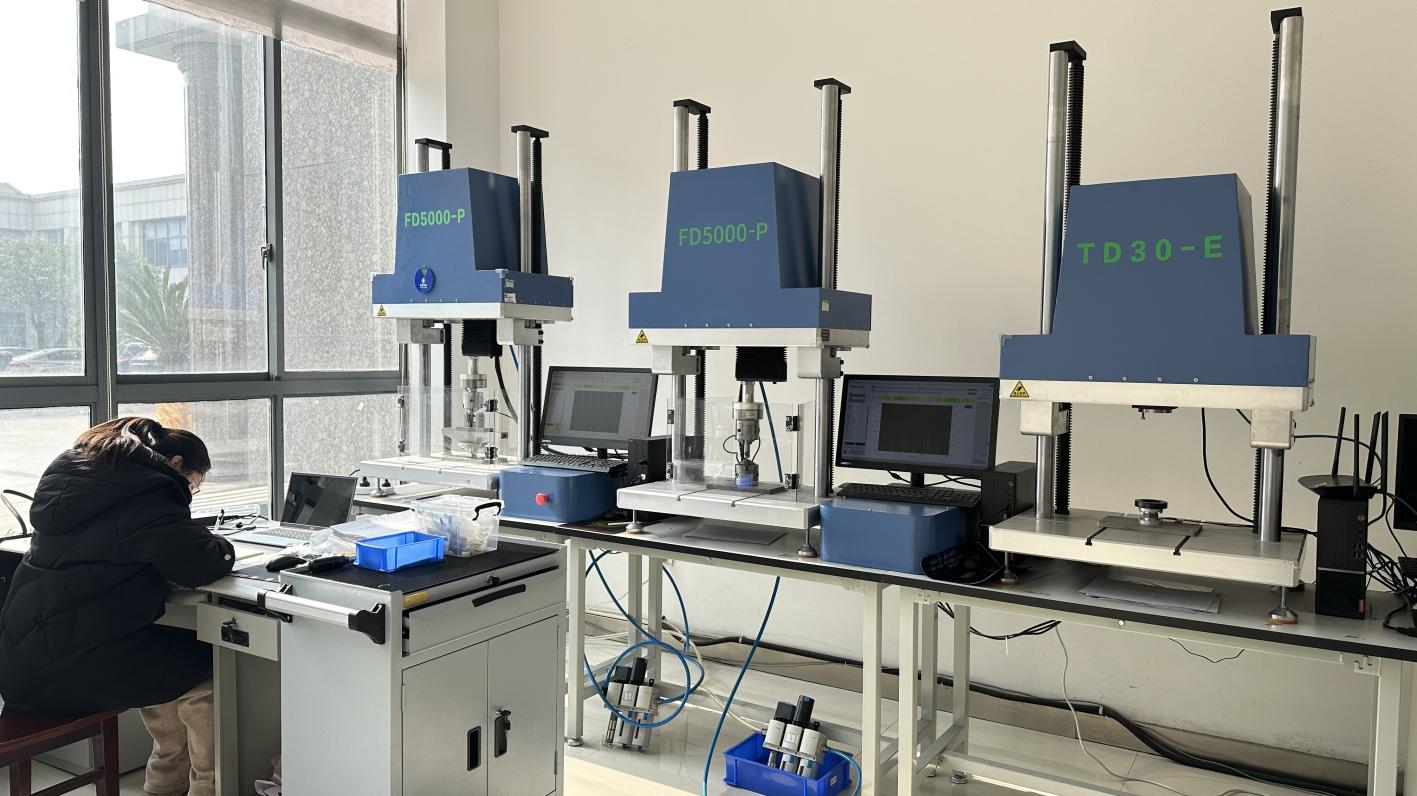
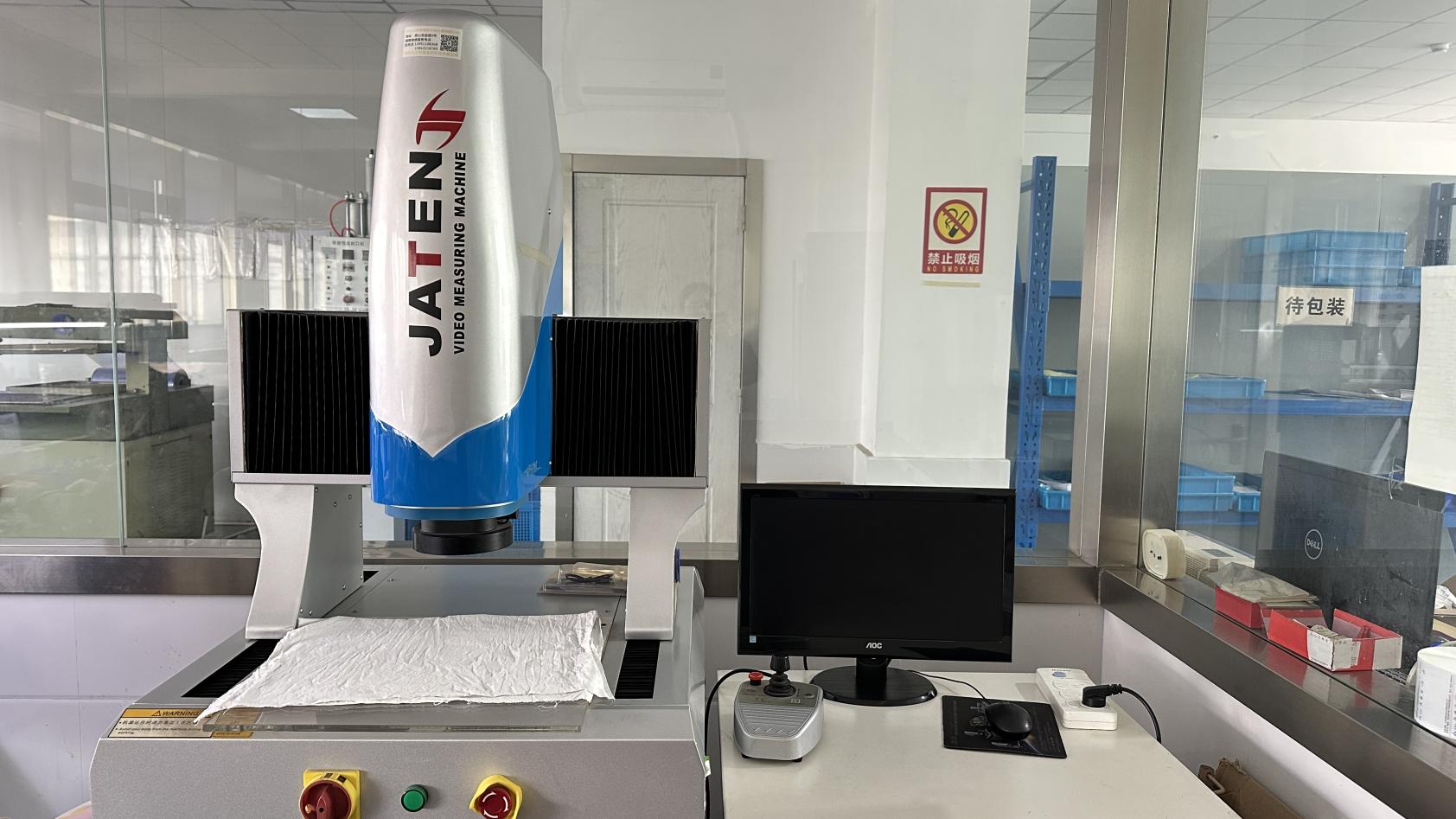
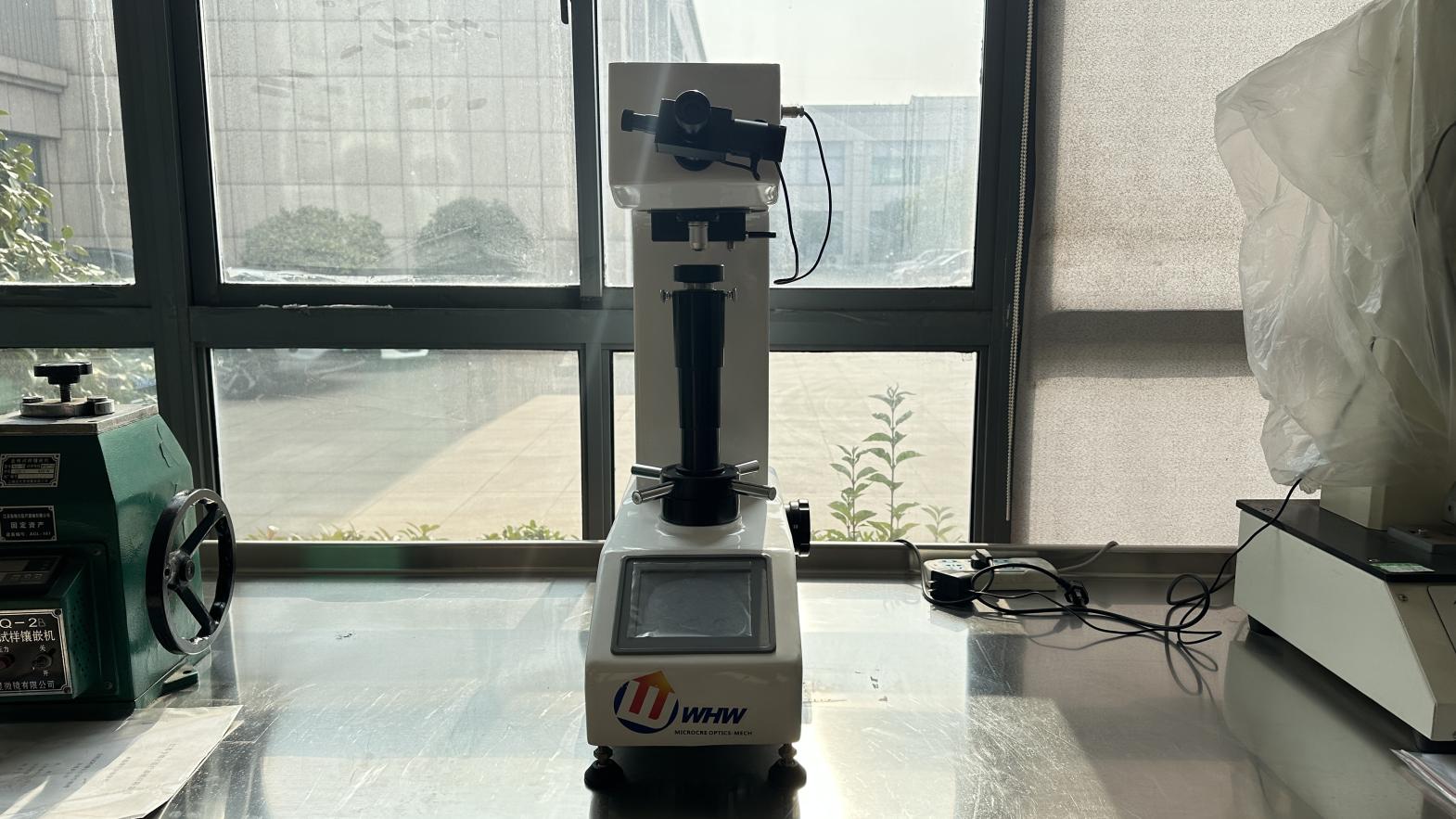
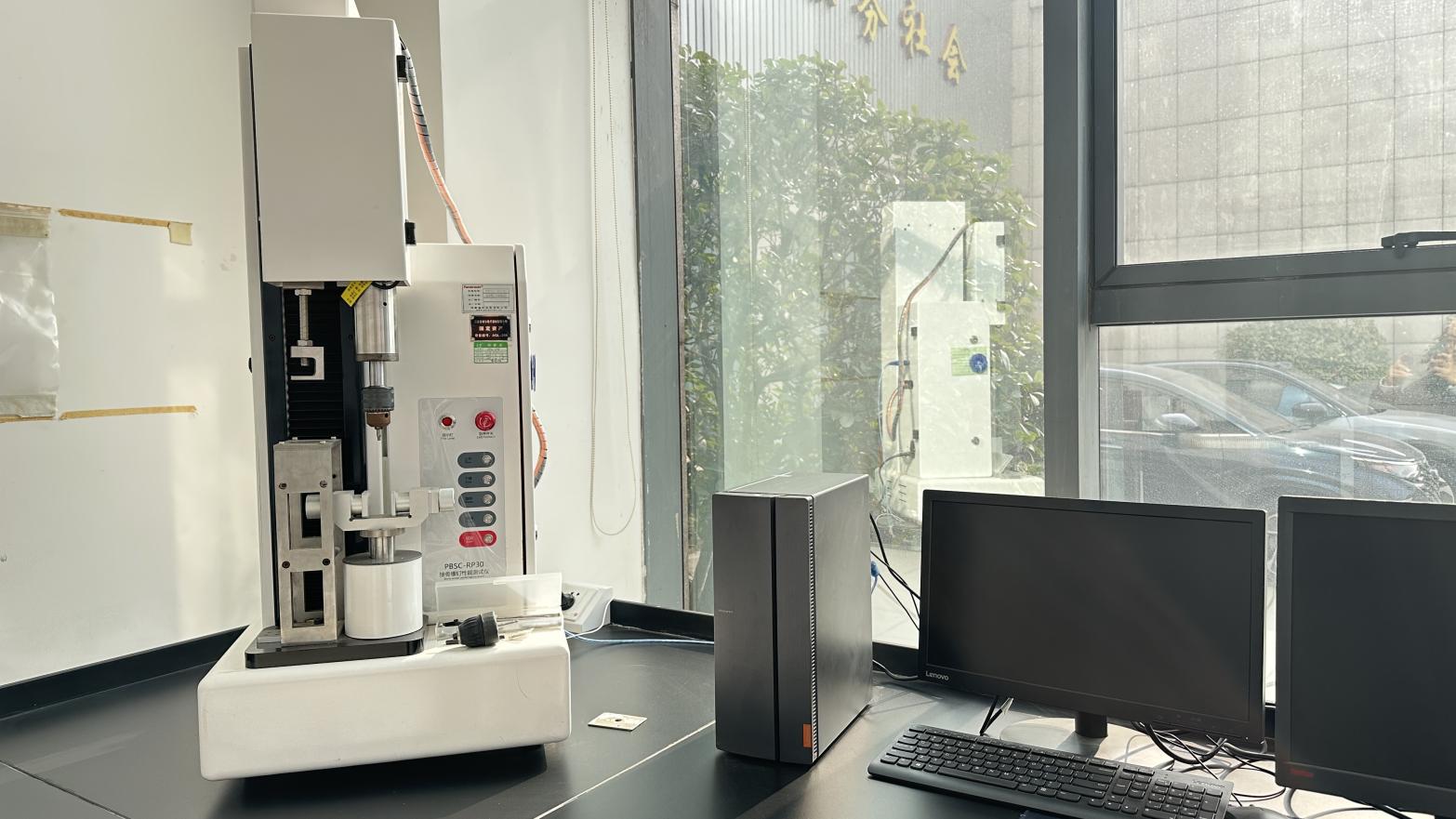
Clinical-grade implants must survive millions of loading cycles. Our material sciences laboratory features comprehensive testing for mechanical strength and dimensional precision.

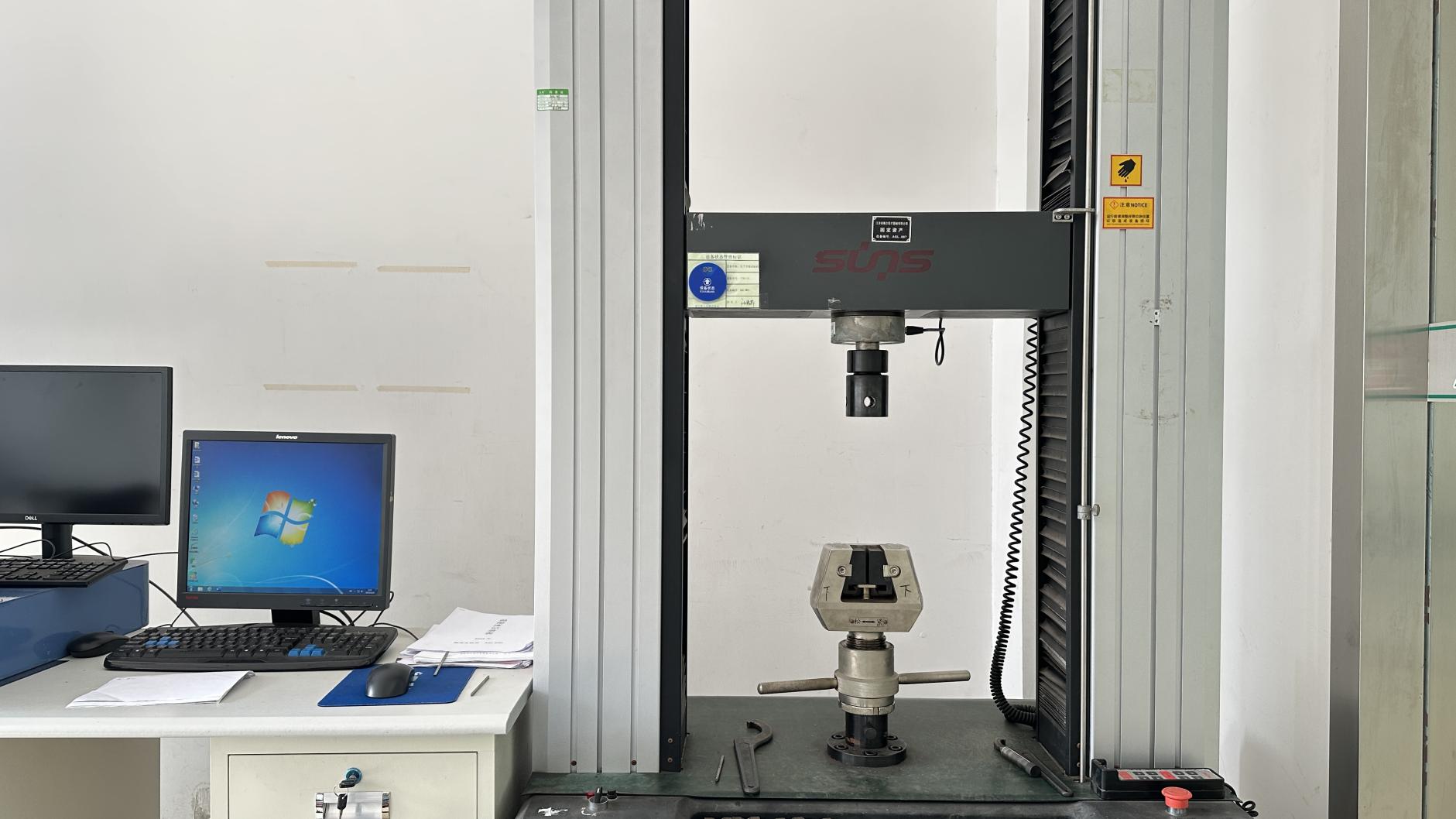
Orthopedic joint reconstruction components face extreme stress environments in the human body. Our in-house research laboratory and physical testing facility analyze every production batch to guarantee they meet ISO, ASTM, and clinical safety thresholds.
Led by 85 R&D engineering professionals and verified by 42 dedicated quality control inspectors, Medisplint employs dynamic testing rigs to evaluate fatigue thresholds, yield strength, material hardness, and locking engagement properties.
| Test Parameter | Standard/Protocol | Laboratory Equipment Used |
|---|---|---|
| Dynamic Fatigue Test | ISO 7206 / ASTM F1875 | Multi-axis Fatigue Tester |
| Tensile & Yield Strength | ASTM E8 / ISO 6892 | Universal Tensile Tester |
| Dimensional Geometry | CMM Inspection | 2D / 3D Measuring Instrument |
| Vickers Hardness (HV) | ASTM E92 / ISO 6507 | Digital Micro Hardness Tester |
| Screw Pull-out & Torsion | ASTM F543 | Bone Screw Performance Tester |
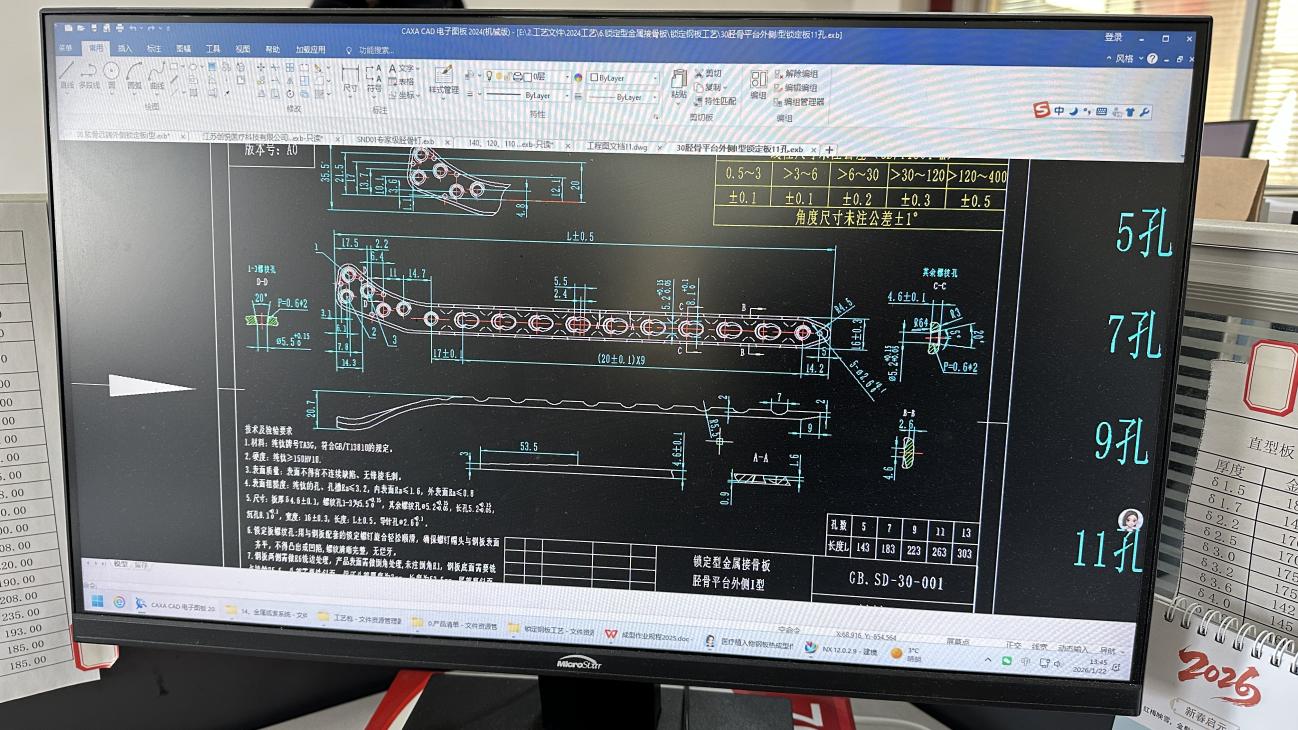
The convergence of smart metallurgy, surface functionalization, and patient-specific implant designs.
Modern joint reconstruction focuses heavily on preventing aseptic loosening—one of the primary causes of long-term implant failure. Achieving stable biological fixation requires the integration of advanced surface texturing techniques directly onto the orthopedic substrates.
At Medisplint, our production design team leverages advanced CNC tooling to construct irregular macro-textures. These textures facilitate osseointegration along the proximal stem. Looking ahead, our technological roadmap focuses on three main pillars:
Researching plasma-sprayed Hydroxyapatite (HA) layers to stimulate quick bone growth, establishing a reliable mechanical lock with the host bone structure.
Utilizing patient CT imaging data to adapt stem geometries, reducing stress shielding and correcting leg-length discrepancies in complex reconstruction cases.
Applying advanced Titanium alloys (Ti6Al4V ELI) and Cobalt-Chromium systems that yield high fatigue resistance while optimizing the implant's stiffness profiles.
Navigating complex international medical standards to streamline your supply chain pathways.
Marketing orthopedic implants internationally requires adherence to strict quality management frameworks. Medisplint operates under certified ISO 13485 standards, aligning with European Medical Device Regulation (MDR) and other key international frameworks.
Our quality control protocols monitor production step-by-step—from verifying raw titanium compositions with mechanical spectrometry to testing the durability of finished hip reconstruction stems. This thorough traceability ensures that all components delivered to our global distributors, medical institutions, and OEM buyers remain consistently safe, reliable, and functional.
Every shipment includes material test reports (MTR) detailing chemical analysis and mechanical testing certificates.
Internal inspections at every processing stage, archived for ten years to maintain complete product accountability.
Our QA framework verifies compliance across several manufacturing controls:
Answers to common inquiries regarding our custom orthopedic implant manufacturing and OEM processes.
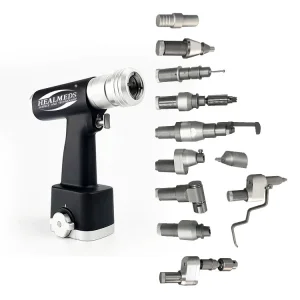
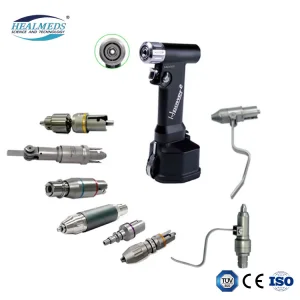
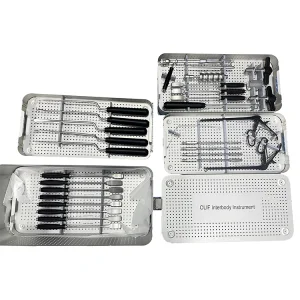
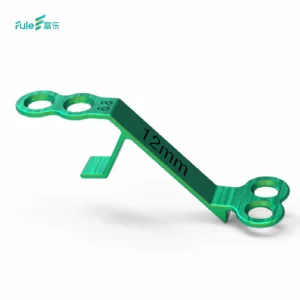
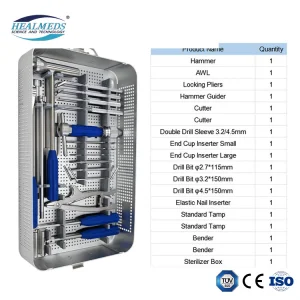
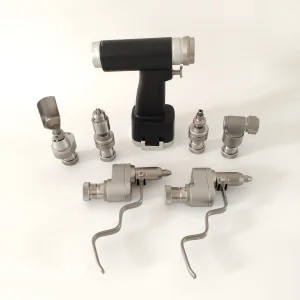
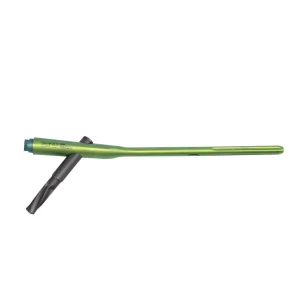
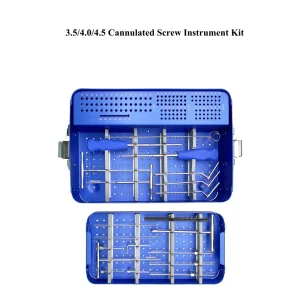
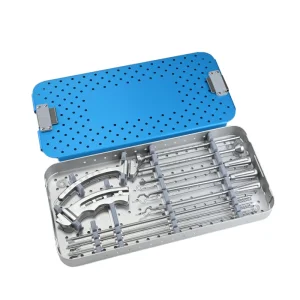
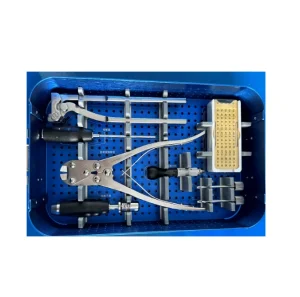
Explore our additional product catalog, covering spinal trauma, plates, power tools, and intramedullary nailing systems.