 Medisplint
Medisplint
Medisplint
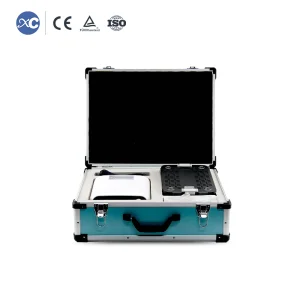
XC MEDICO Premium Warranty High Speed Surgical Neurosurgery Burr Drill Microsurgery Spine Drill Maxillofacial Nerve Drill Class
View Details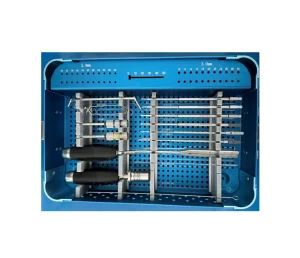
Geasure Hot Selling Orthopedic Surgical Instruments 2.5/3.0/3.5/4.0mm Herbert Screw Instrument Set
View Details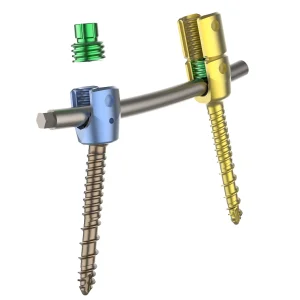
CANWELL IVY Posterior Thoracolumbar Fixation Reduction Monoaxial 6.00mm Titanium Orthopedic Pedicle Screw Rods AO Standard CE
View Details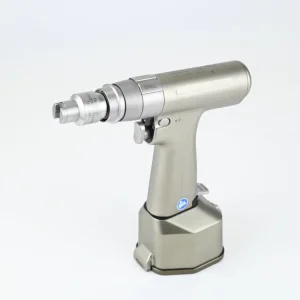
Autoclavable Orthopedic Dril Power Tools Used in Surgery Orthopedic Drill System
View Details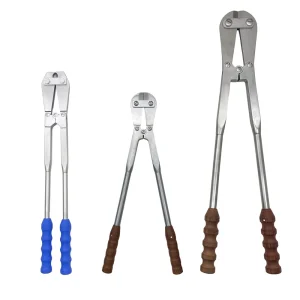
Stainless Steel Manual Hard Cutters Pliers Implant Cutter Detachable Handles Finish to 6mm Orthopedic Instrument
View Details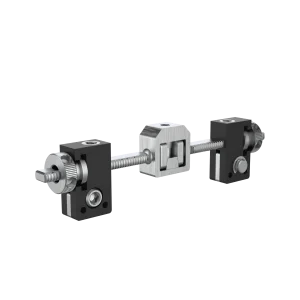
CANWELL Mini External Fixator Orthopedic Trauma Implant Small Bones Fracture Fixation System Model I Class III for Phalanges
View Details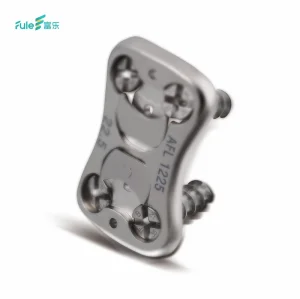
Anterior Cervical Plate and Variable Angle Screw for Spine Trauma Implant Titanium Alloy Material Pedicle Spine Implants
View Details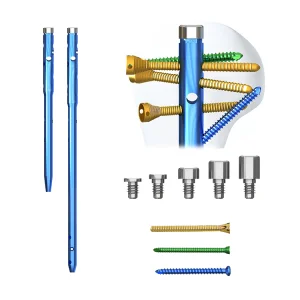
Geasure Trauma Orthopedic Implants Interlocking Titanium Alloy Multi-Lock Humeral Intramedullary Nail CE ISO Certified Class III
View DetailsMedisplint Orthopedic Instruments Co., Ltd. is a global leader and professional manufacturer specializing in orthopedic implants, fixation systems, and custom surgical instruments for trauma, spine, and joint reconstruction. Founded in 2016, the company has integrated clinical insights and precision manufacturing to address the evolving requirements of anterior lumbar interbody fusion (ALIF) techniques.
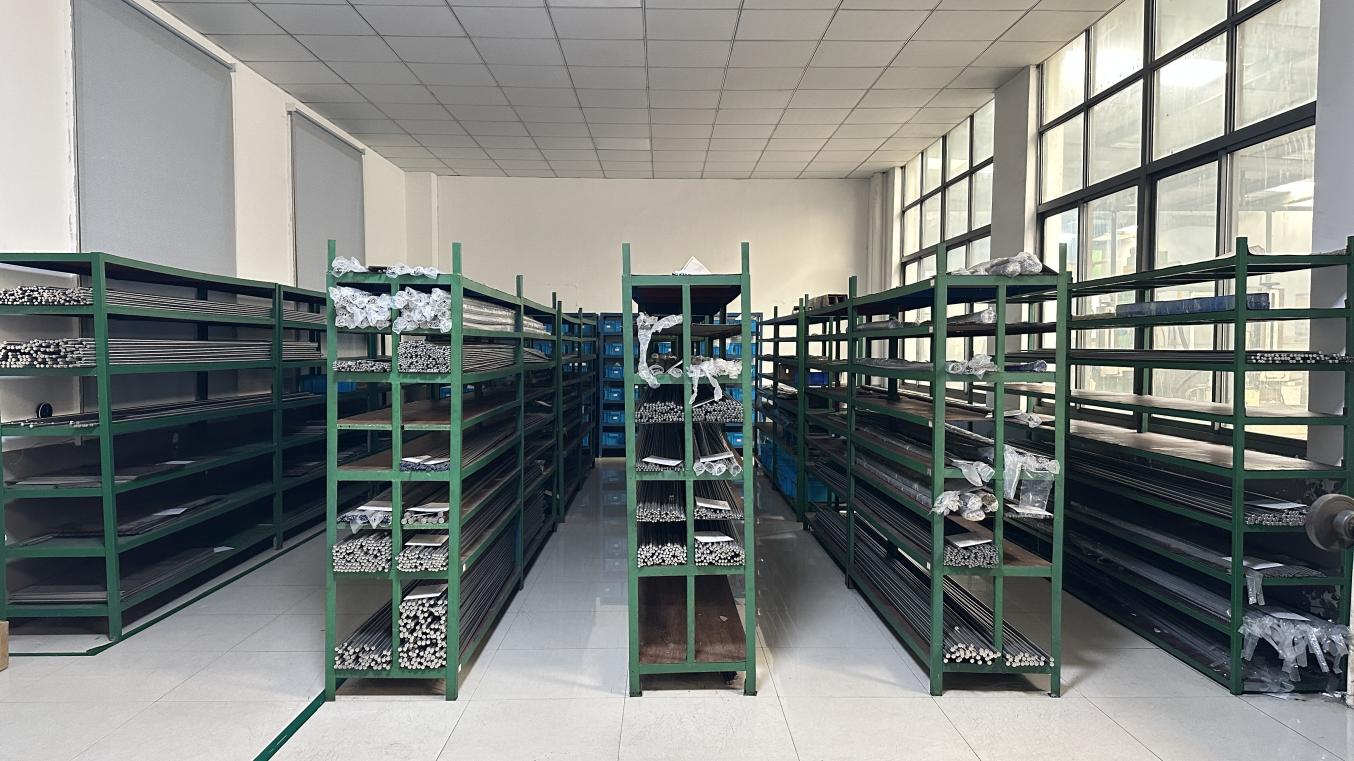
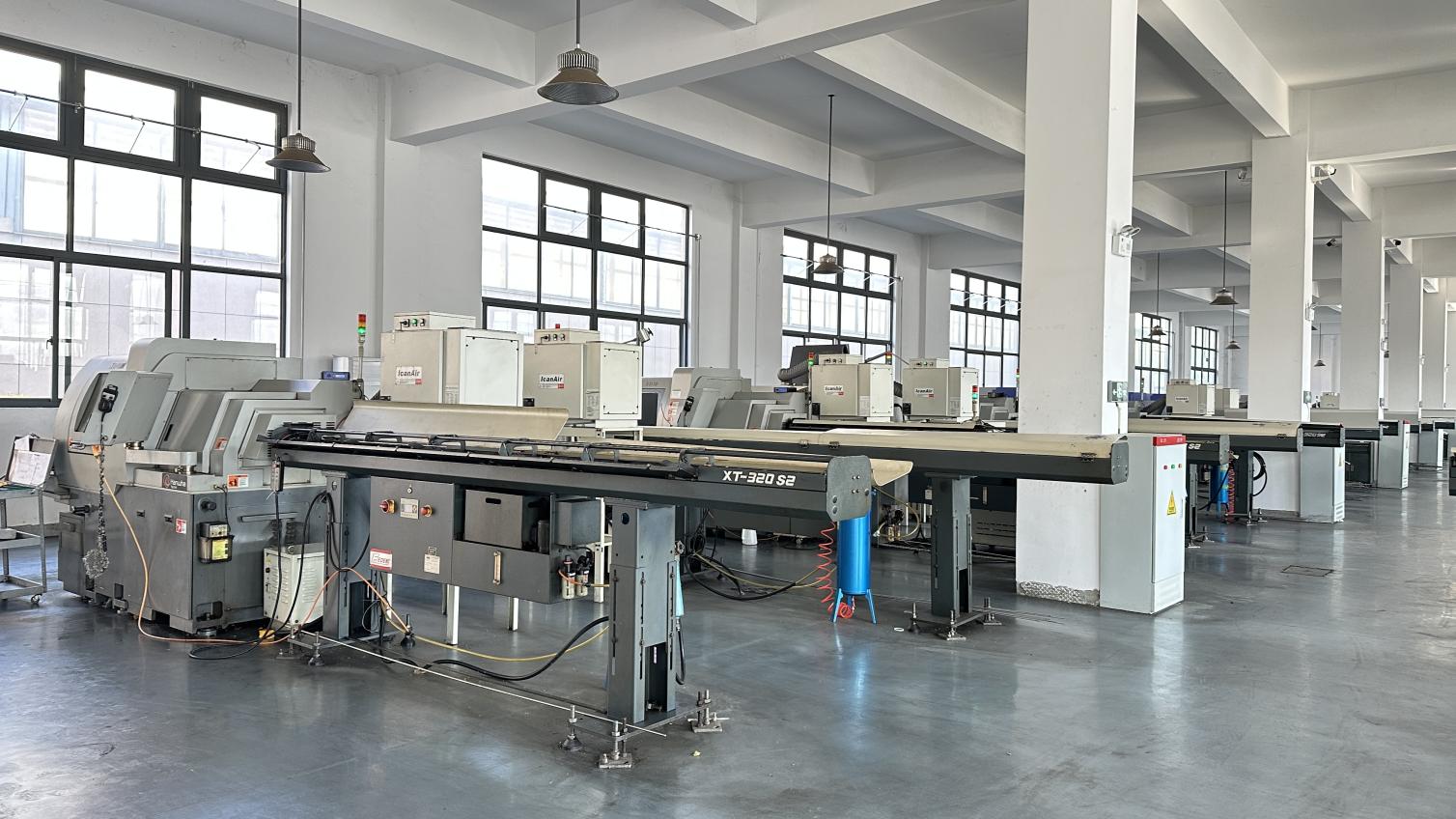
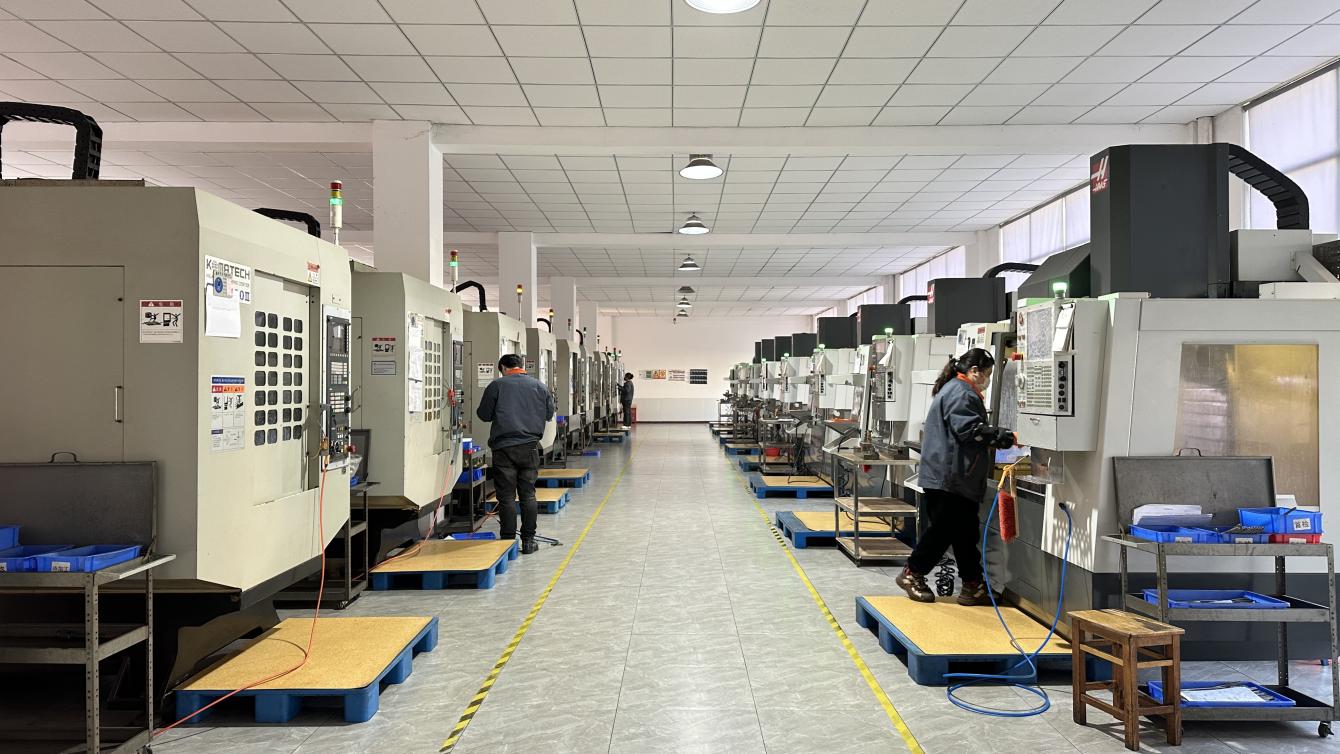
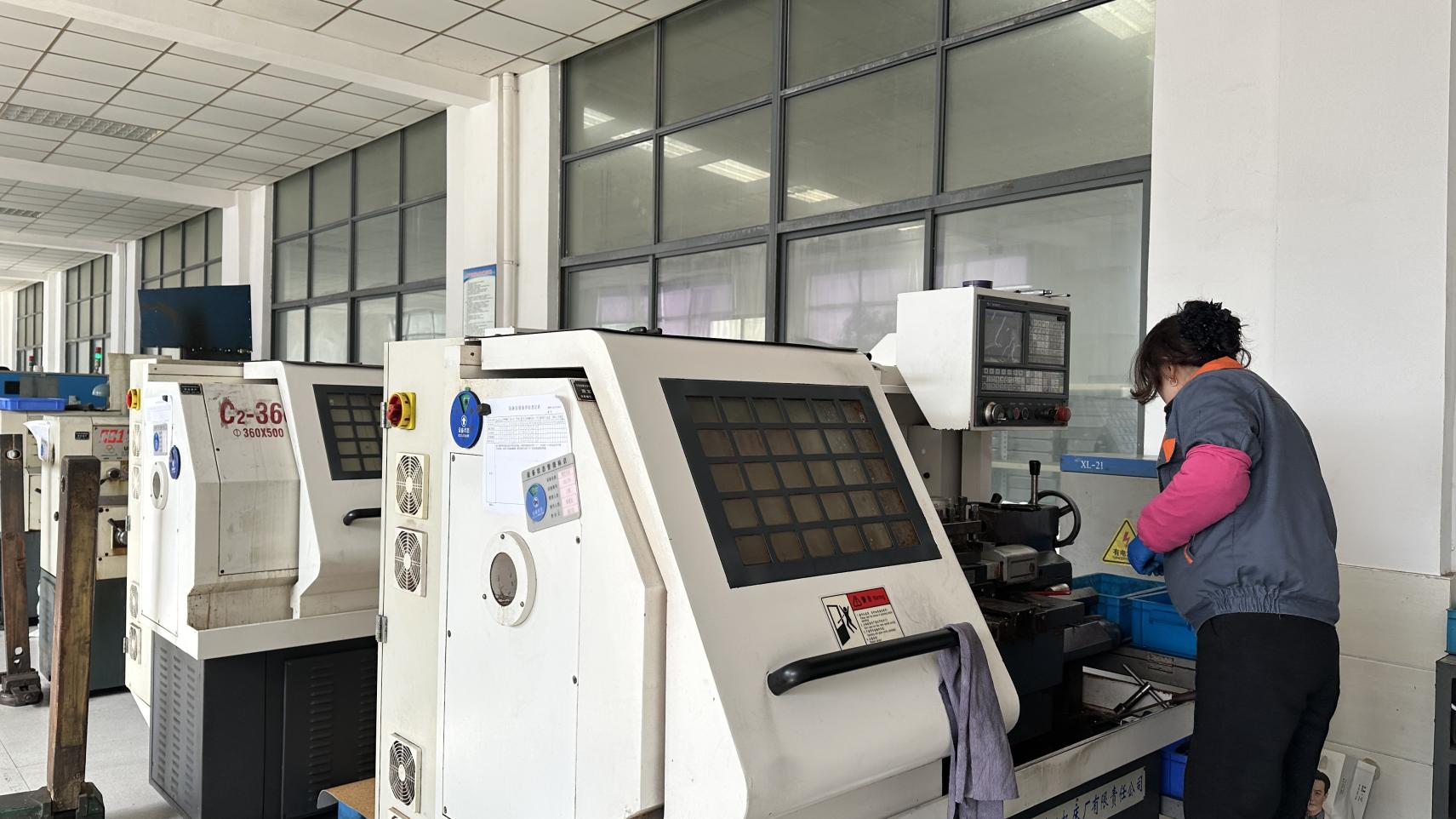
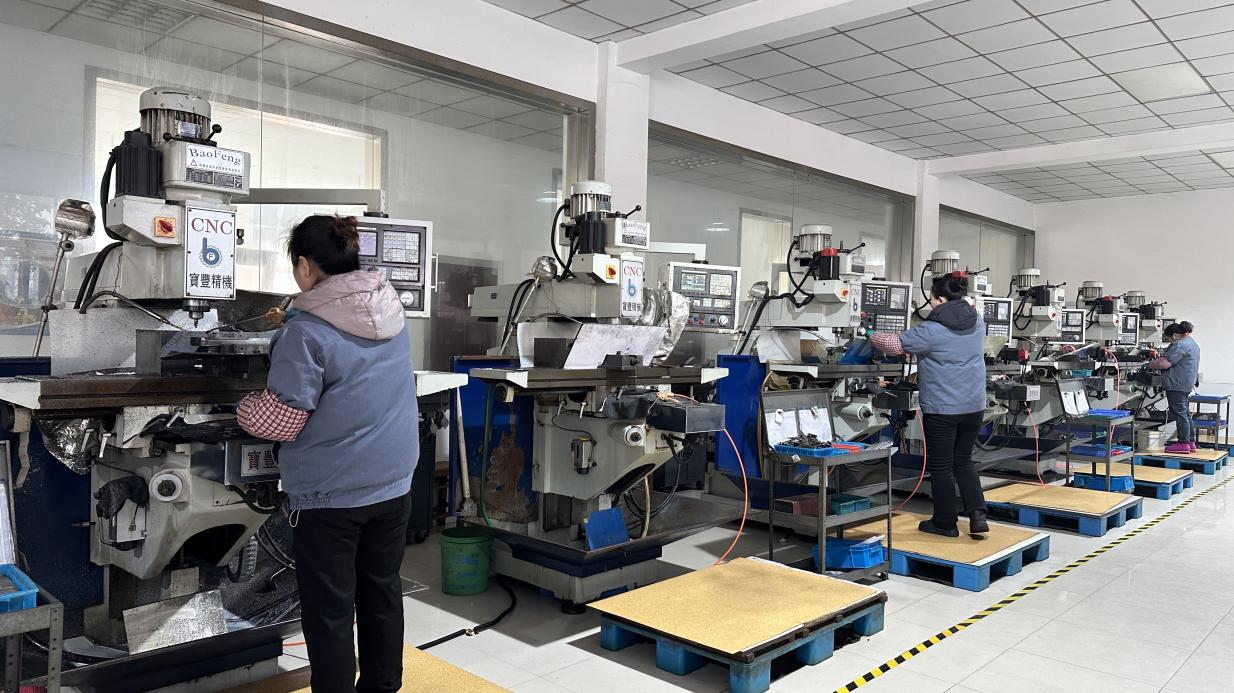
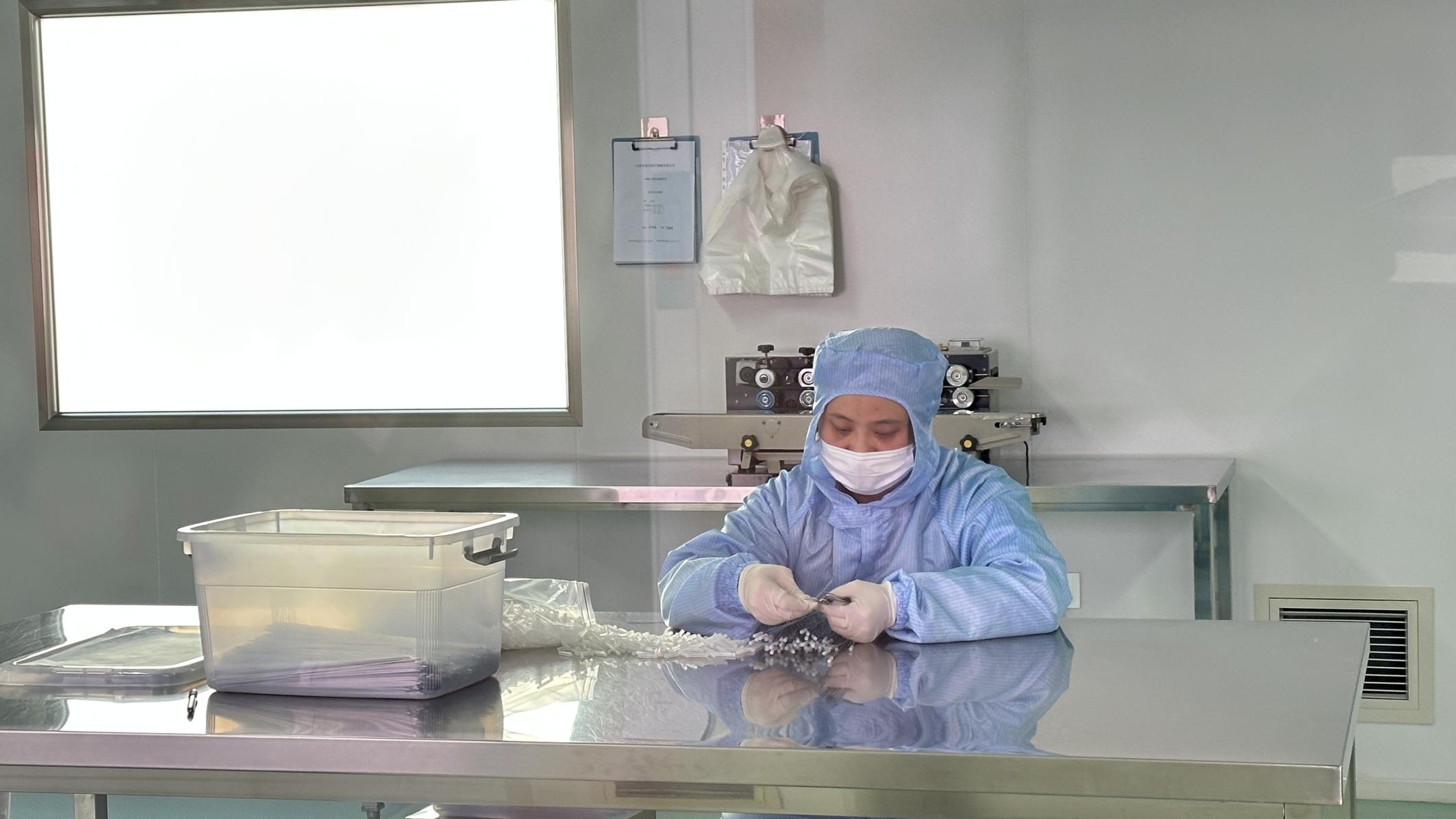
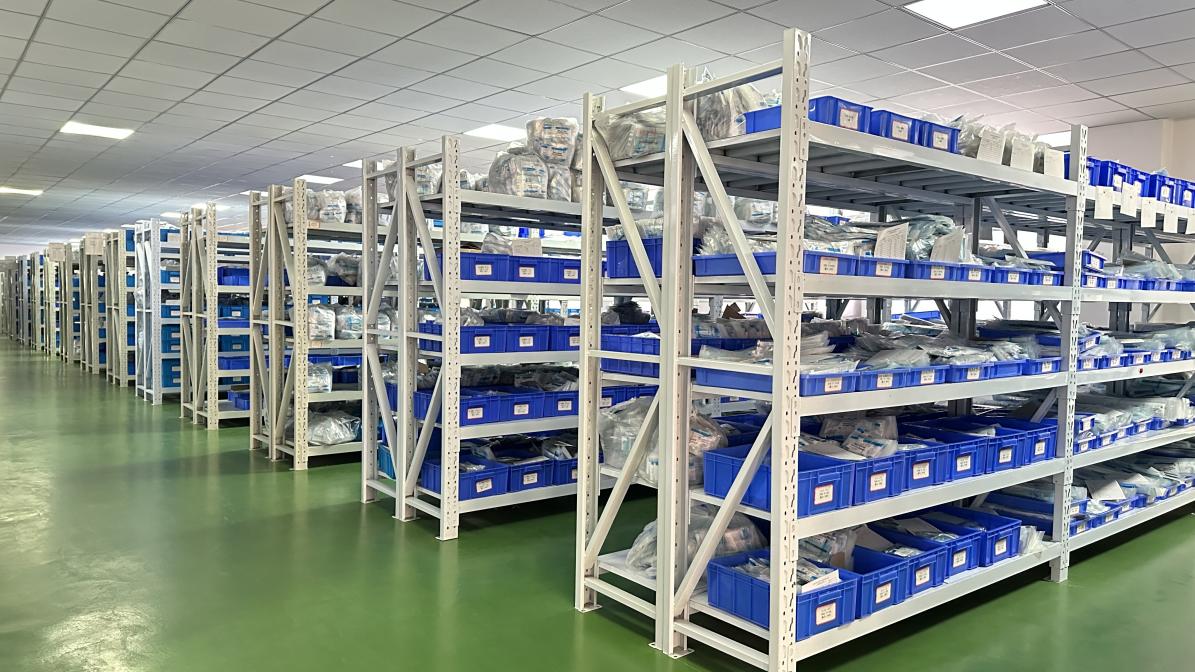
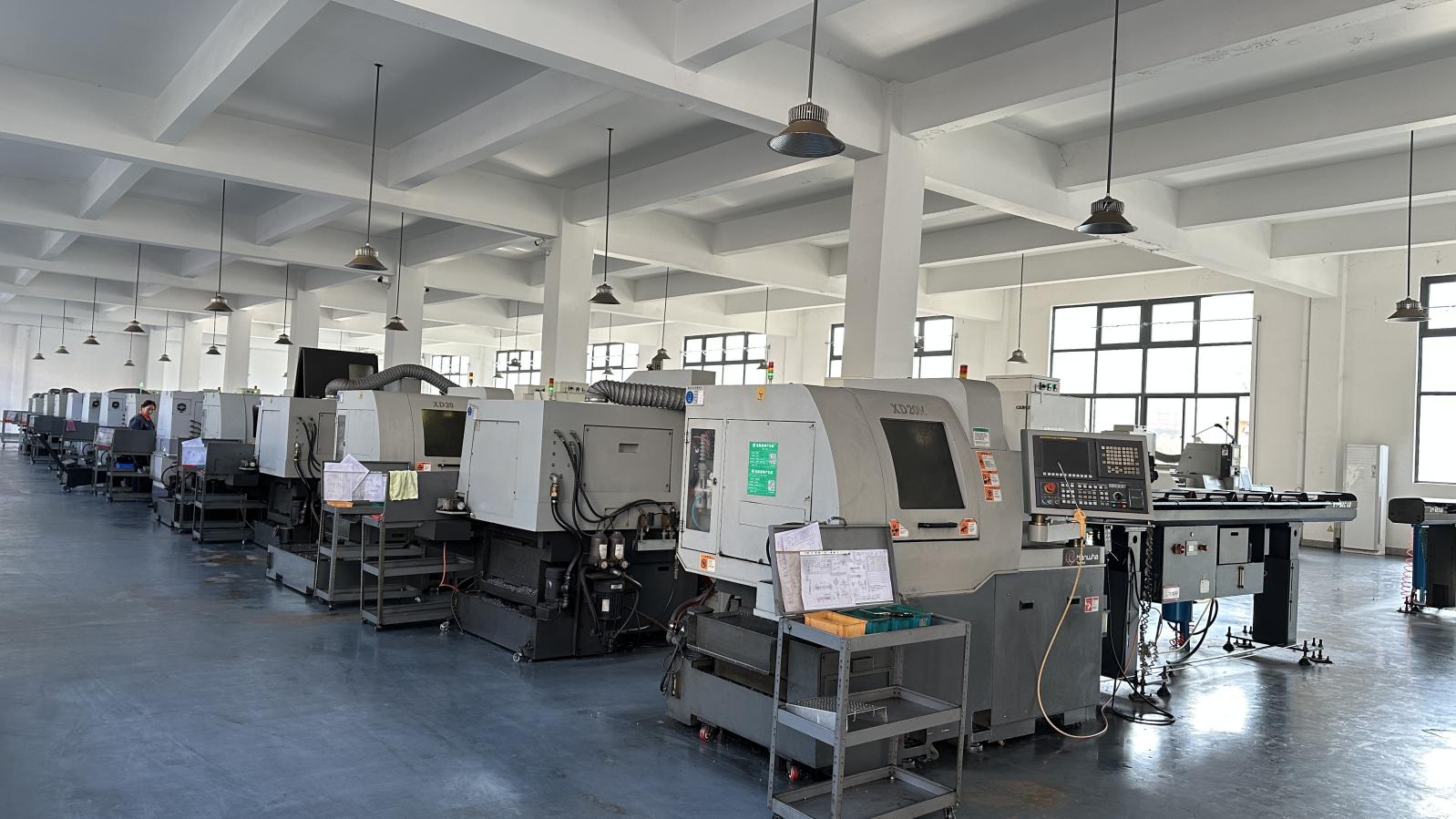
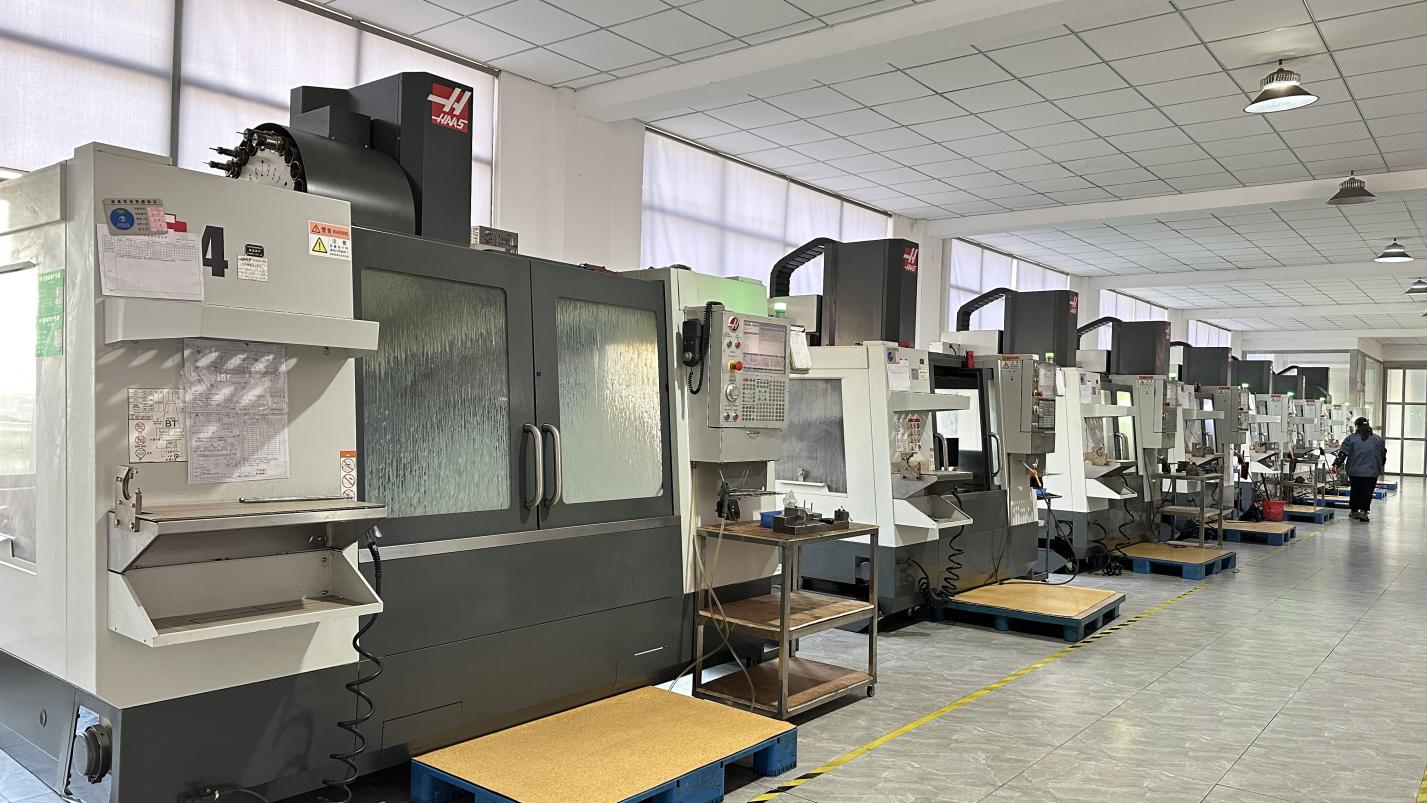
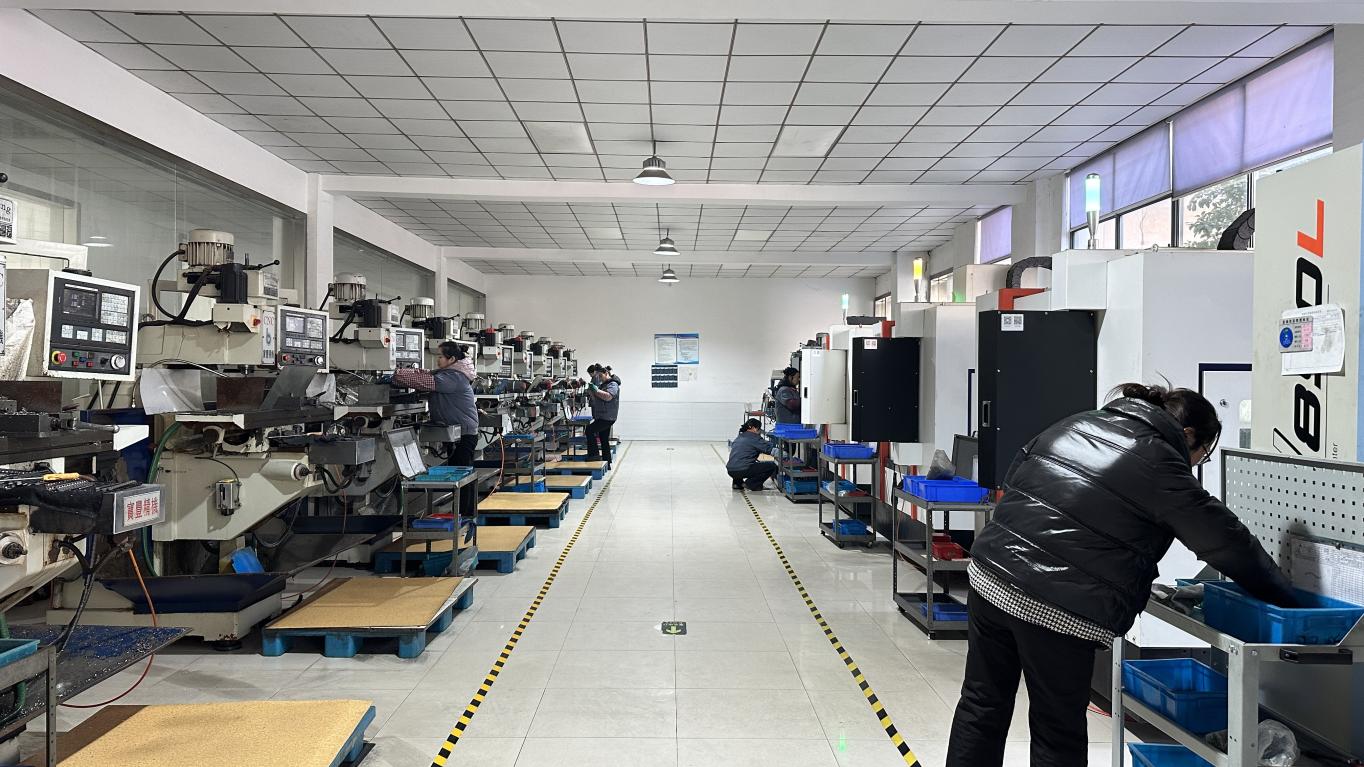
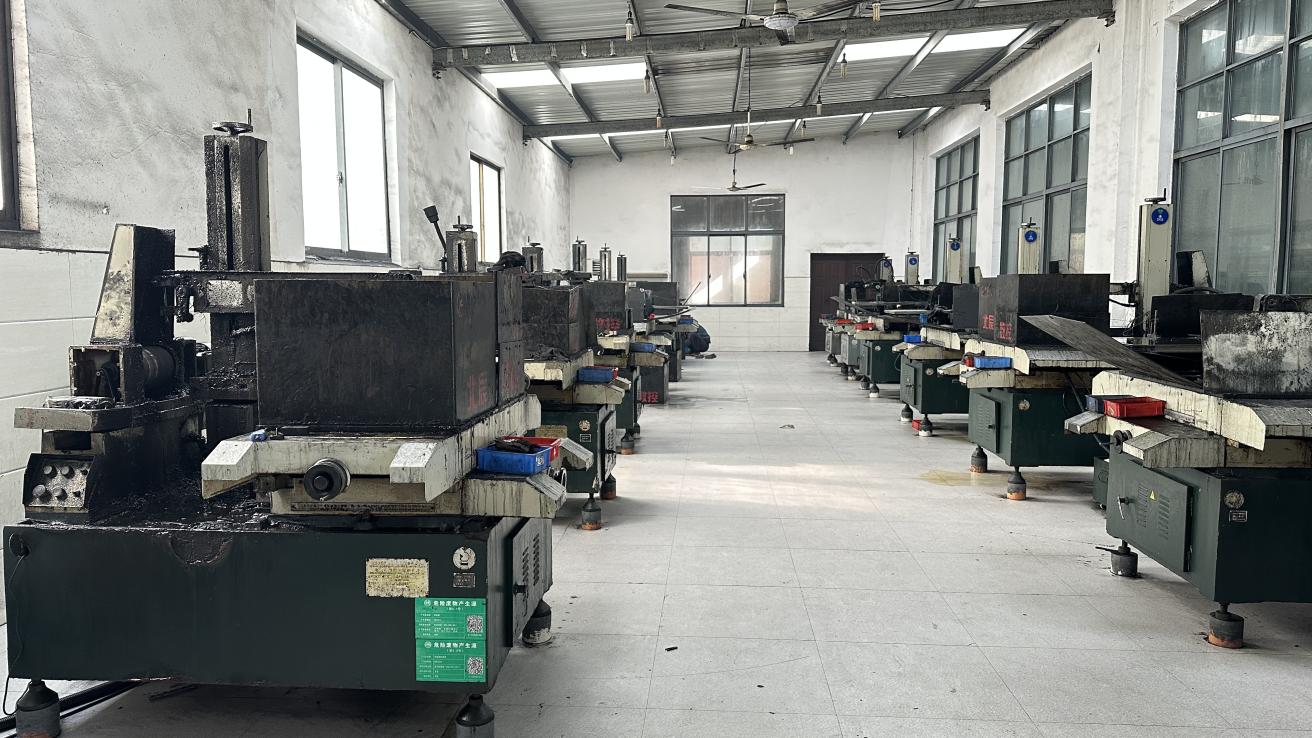
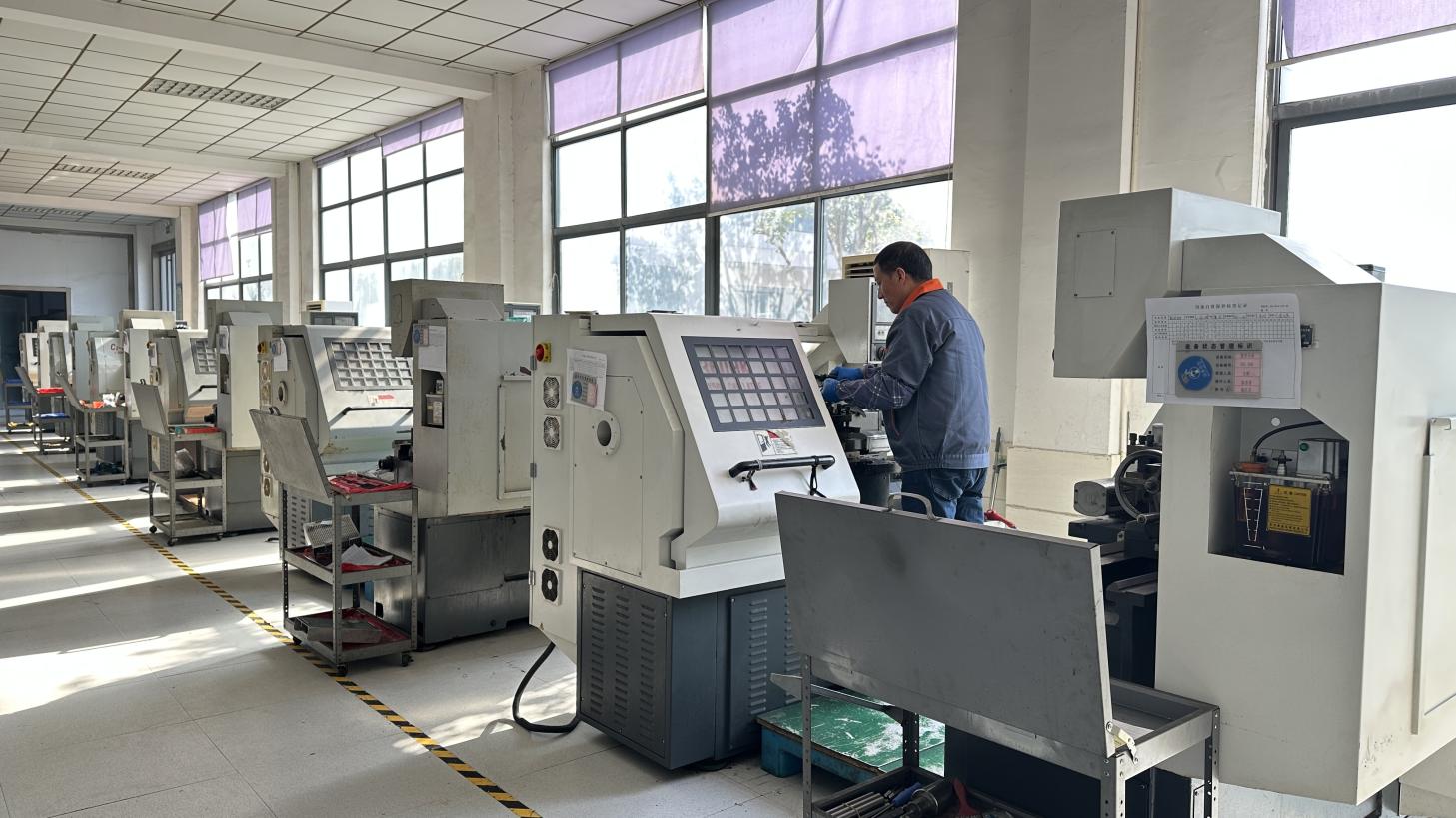
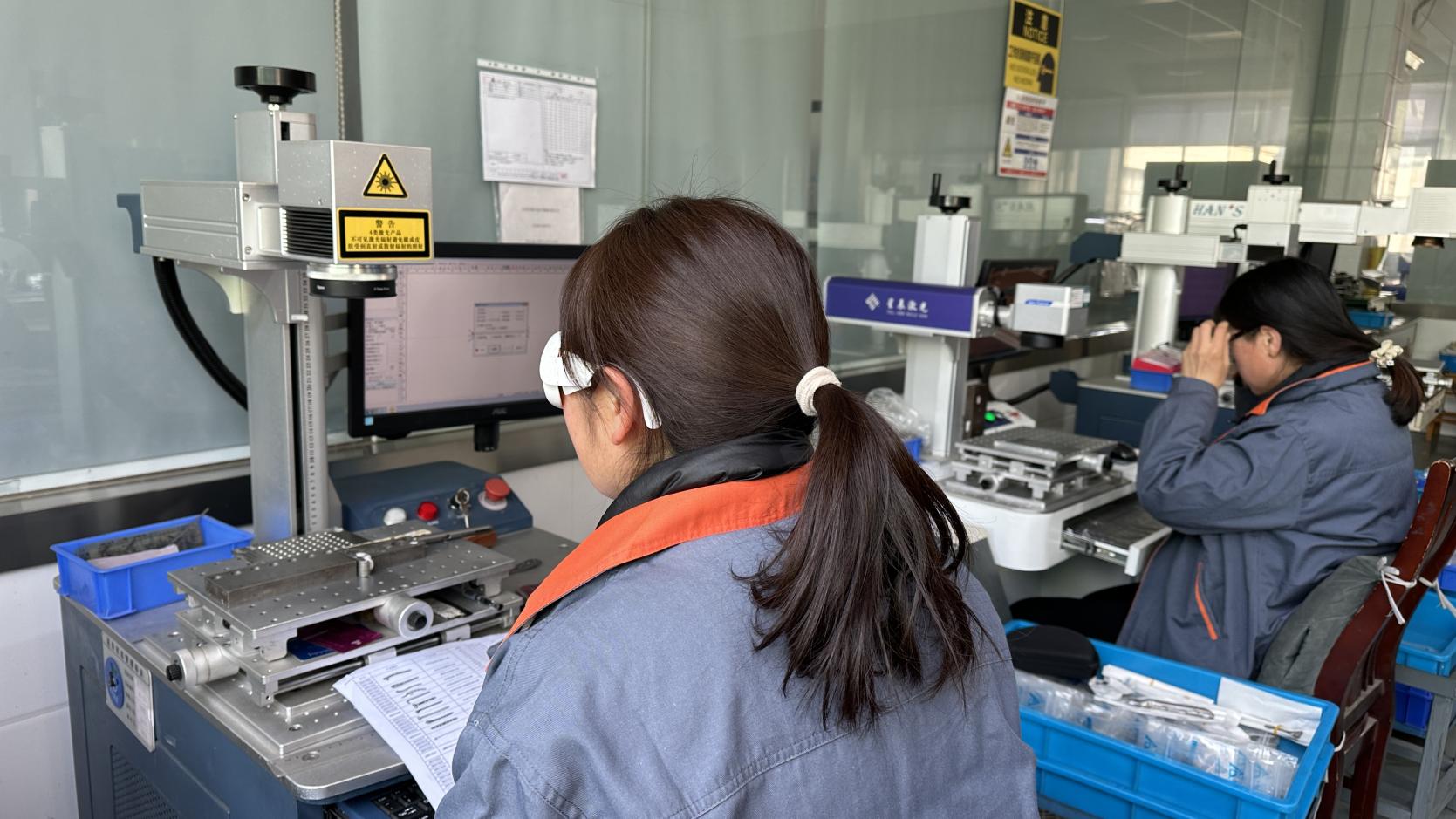
Operating a modern production base that spans approximately 18,500㎡, Medisplint leverages sophisticated CNC milling, precision wire cutting, and raw material validation laboratories to guarantee surgical-grade performance. Backed by 10 years of orthopedic device manufacturing excellence, our systems adhere strictly to ISO 13485 quality control guidelines and hold valid CE declarations of conformity, offering international distributors and medical organizations a compliant, trusted pathway for bulk acquisition and custom OEM/ODM production.
Anterior Lumbar Interbody Fusion (ALIF) stands as a cornerstone in reconstructive spinal surgery, especially for addressing degenerative disc disease (DDD), spondylolisthesis, and sagittal deformity. Compared to posterior approaches, the ALIF procedure offers unique biomechanical benefits. By accessing the disc space from the anterior aspect, the spinal surgeon can completely clear the intervertebral disc, exposing a vast surface area of raw subchondral bone. This optimizes the pathway for vascularization and bone remodeling.
The ALIF cage functions not simply as a structural placeholder, but as a dynamic load-sharing device. It is designed to restore natural lumbar lordosis, maintain neuroforaminal height, and withstand the complex compression and shear forces of the anterior column. The shape, footprint size, and lordotic angle (ranging from 8° to 20° depending on the lumbar tier) are critical parameters. If the implant footprint is too small, point loading occurs, which can lead to early endplate micro-fractures and subsidence. Therefore, customizing the cage size to match the patient's skeletal geometry is essential for successful spinal fusion.
Medical-grade materials determine both the mechanical compatibility and biological response of spinal implants. The manufacturing sector utilizes three primary material categories, each presenting distinct clinical trade-offs:
Polyetheretherketone (PEEK) features an elastic modulus of approximately 3.6 GPa, closely matching human cortical bone. This reduces stress shielding and offers radiolucency, allowing clinicians to evaluate bone bridging clearly on postoperative X-rays.
Titanium alloy (Grade 5, ELI) provides high fatigue strength and structural integrity. Its natural passivation layer forms a stable oxide surface that facilitates protein adsorption, cell adhesion, and integration with the surrounding bone.
Leveraging additive manufacturing (SLM/EBM), 3D-printed titanium implants feature interconnected porous networks that mimic trabecular bone. This structure allows bone to grow directly into the cage, securing the implant over the long term.
To bridge the gap between PEEK's radiolucency and Titanium's superior osseointegration, Medisplint utilizes advanced plasma spray coating technology to apply thin, highly adherent titanium layers onto the bone-contacting surfaces of PEEK cages. This composite design provides both easy radiographic assessment and direct bone-to-implant contact, avoiding the fibrous tissue encapsulation that can sometimes occur with untreated PEEK implants.
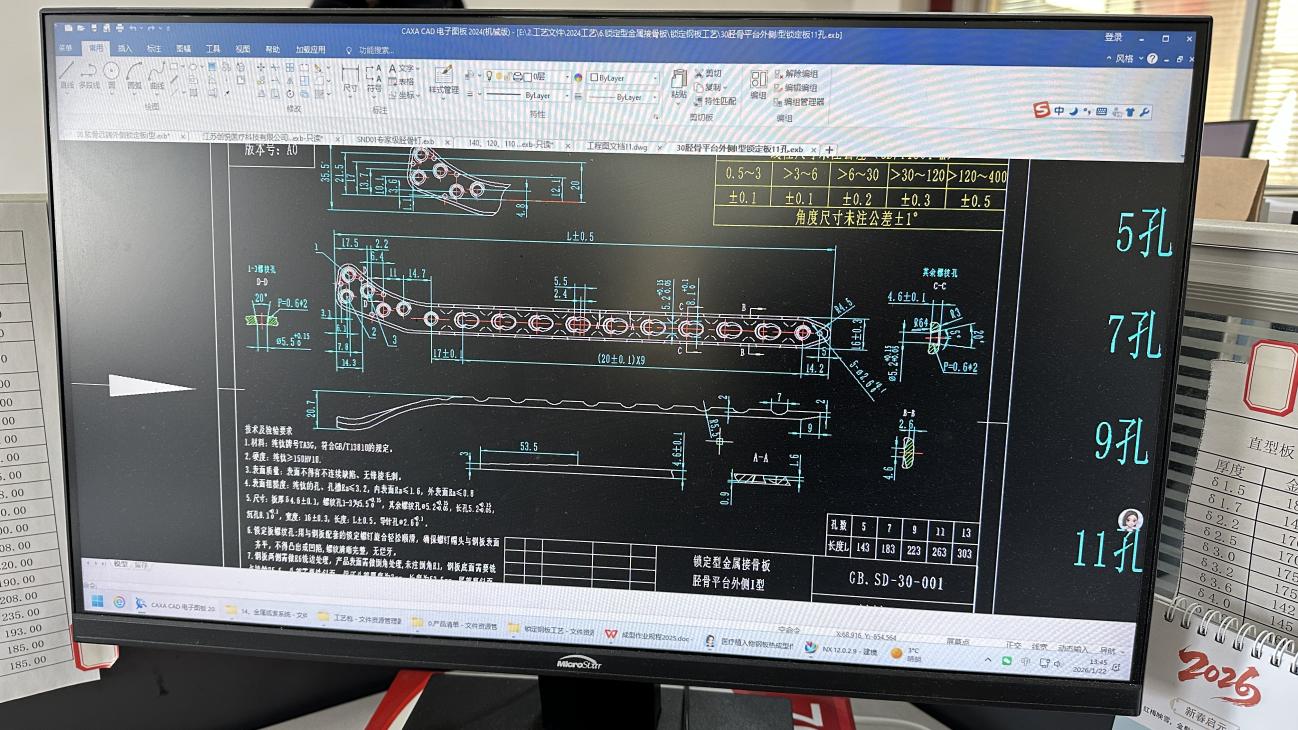
No single standard spinal implant can accommodate the varied lumbar anatomies found across different global patient populations. As an established OEM/ODM partner, Medisplint leverages its team of 85 design engineers to convert clinical imaging data (CT/MRI) and target anatomical dimensions into precise implant models.
Our collaborative development cycle follows a structured regulatory path:

Importing spinal implants requires strict adherence to international regulatory pathways. Class III medical devices, such as ALIF fusion cages, undergo extensive safety reviews by global health authorities. Our facility works closely with international bodies to maintain the necessary documentation to support distribution operations:
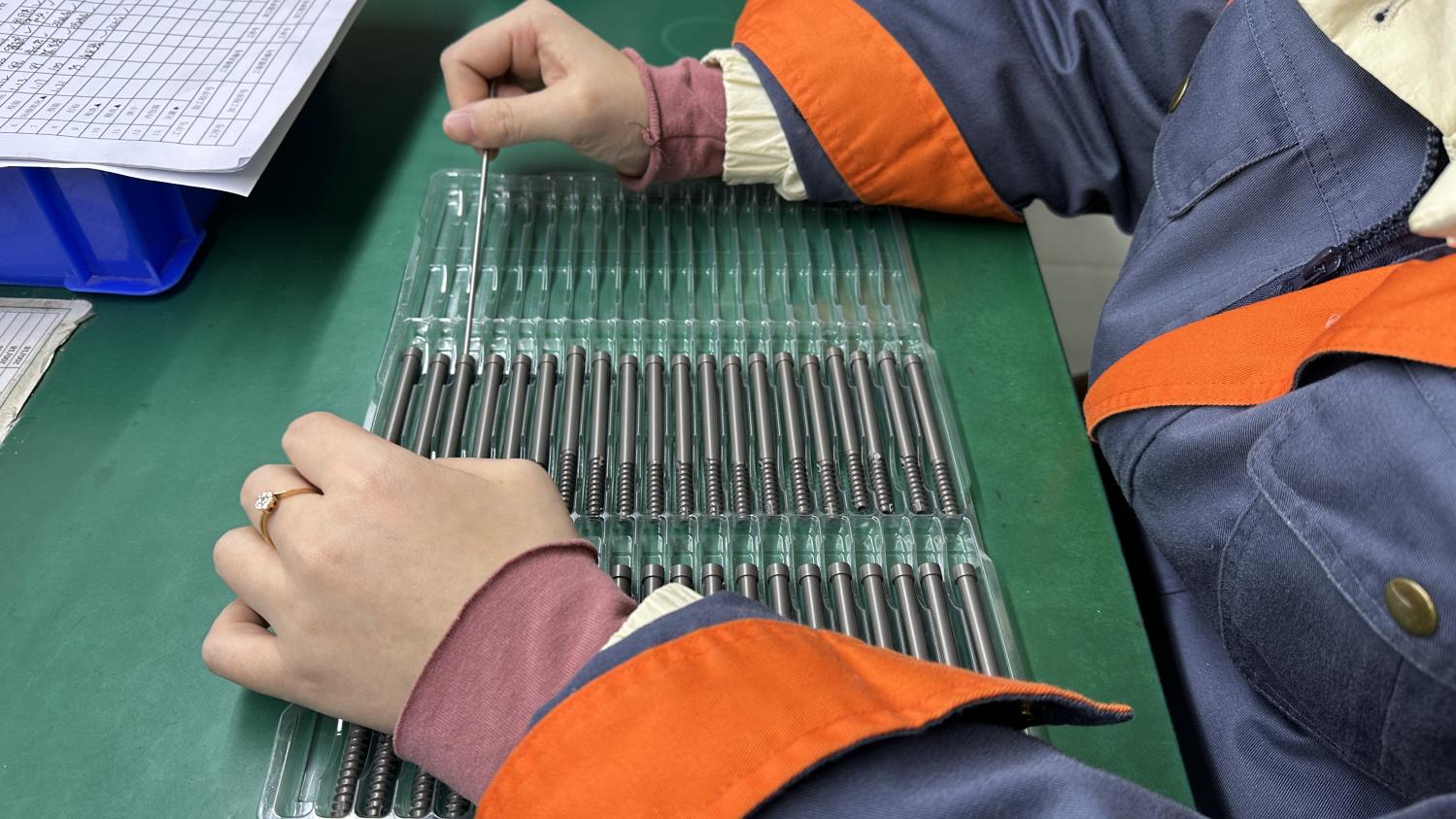
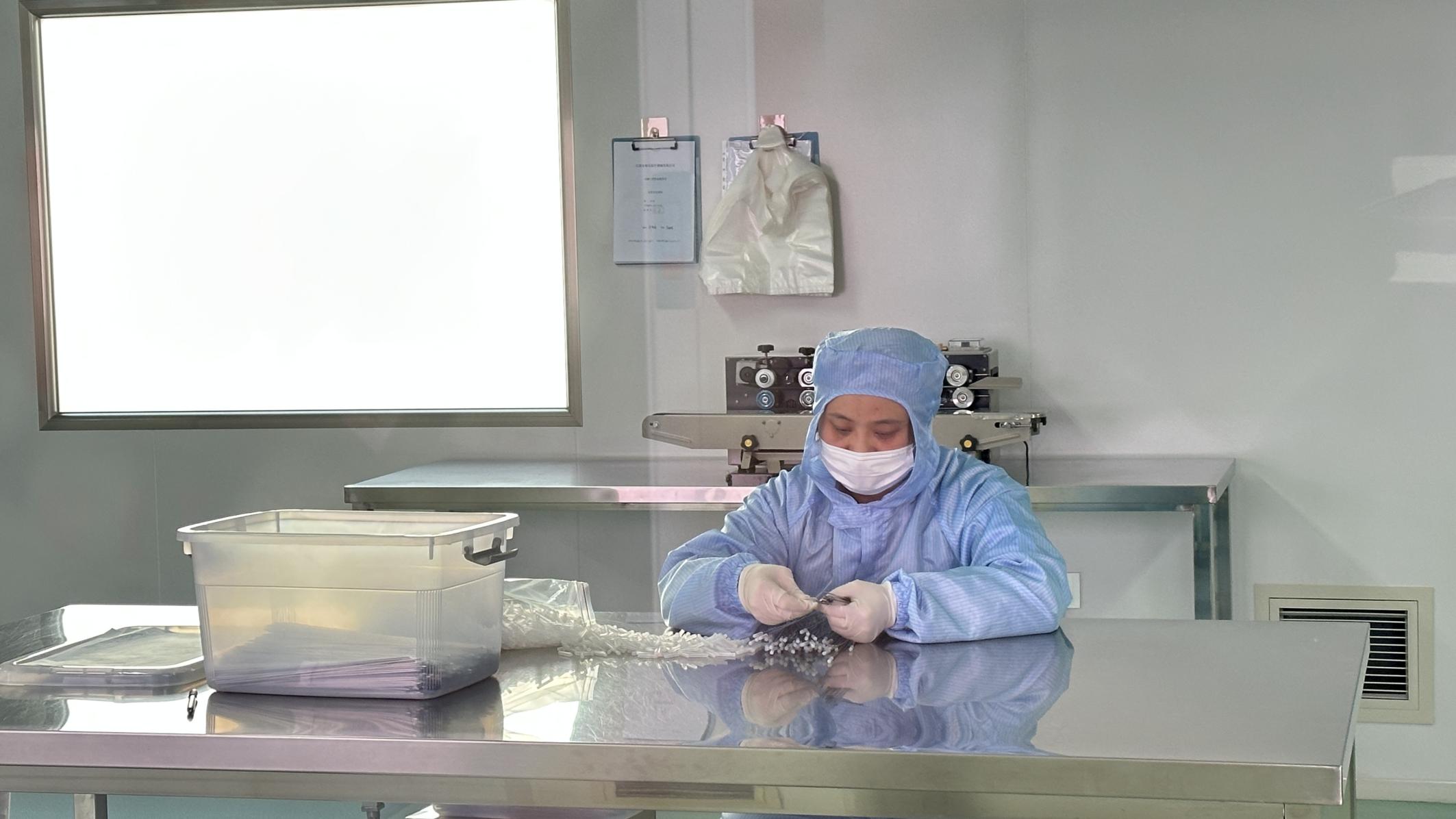
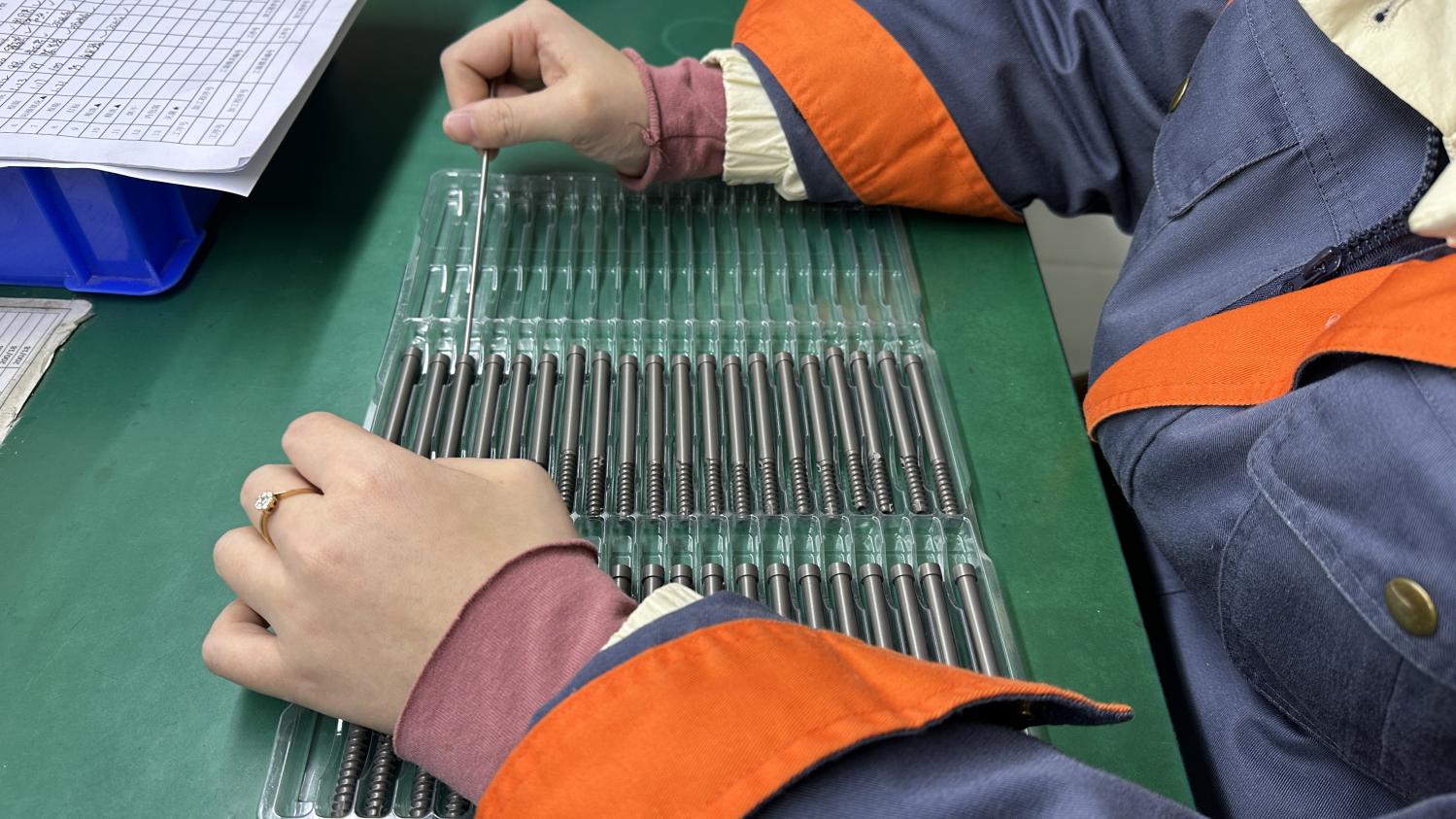
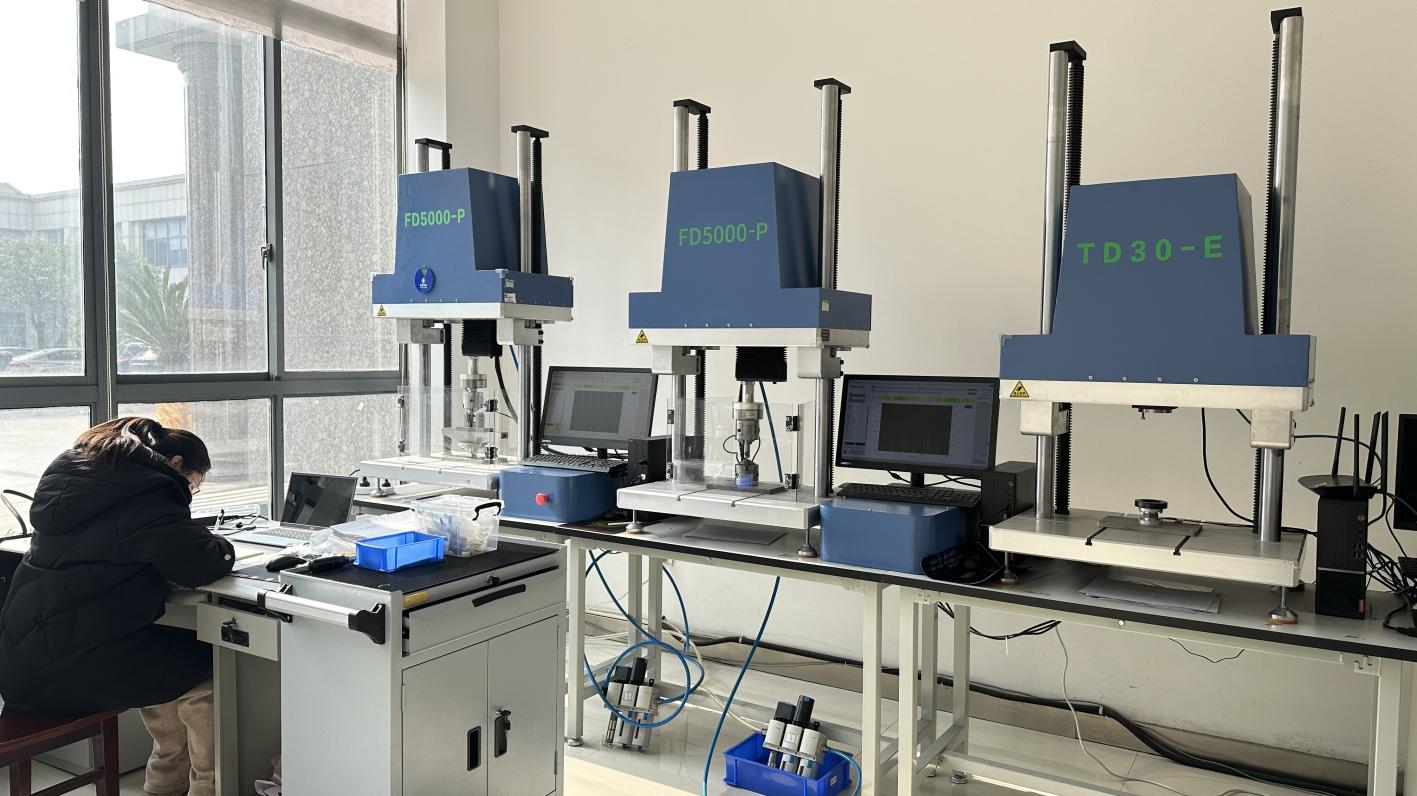
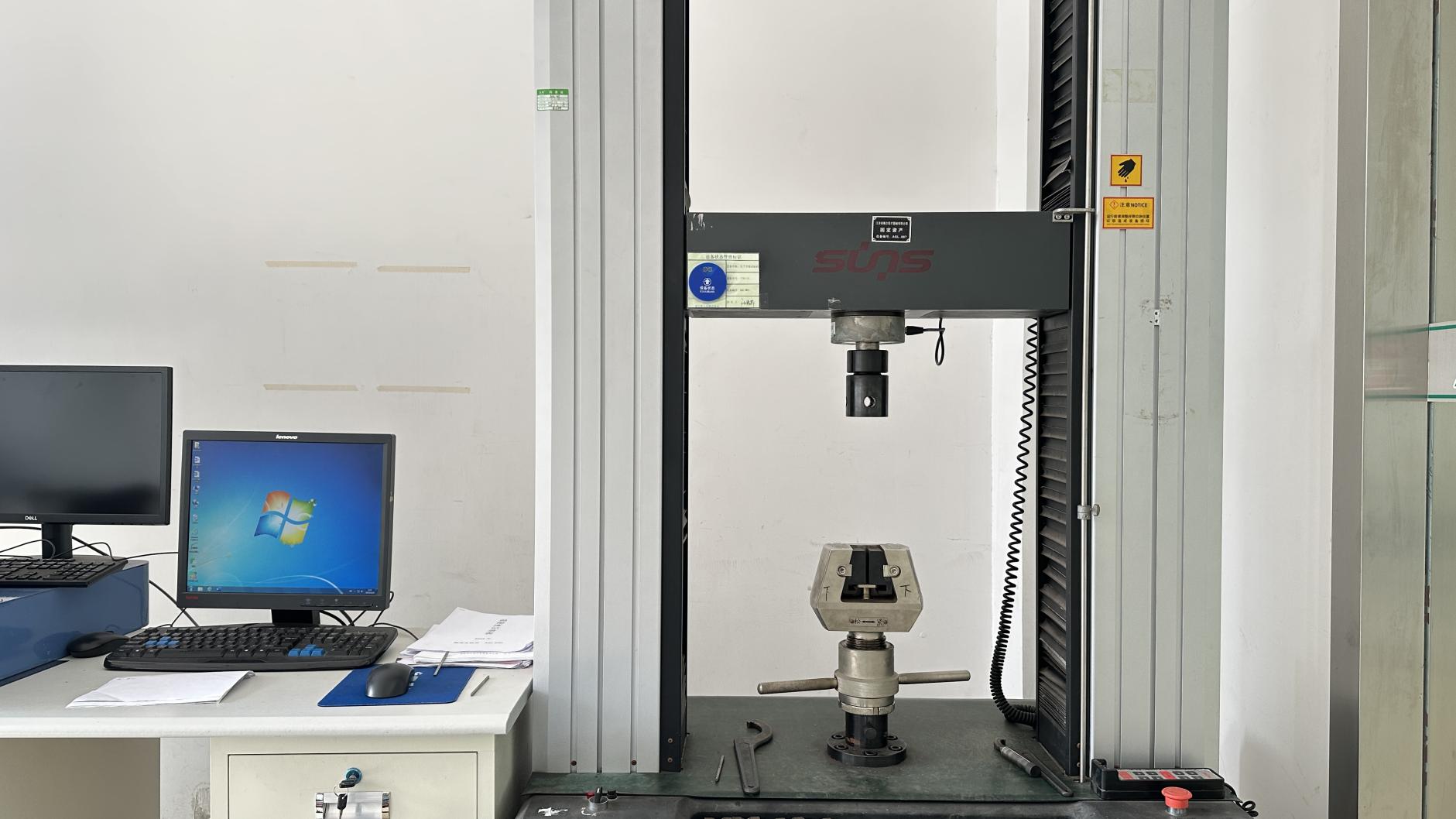
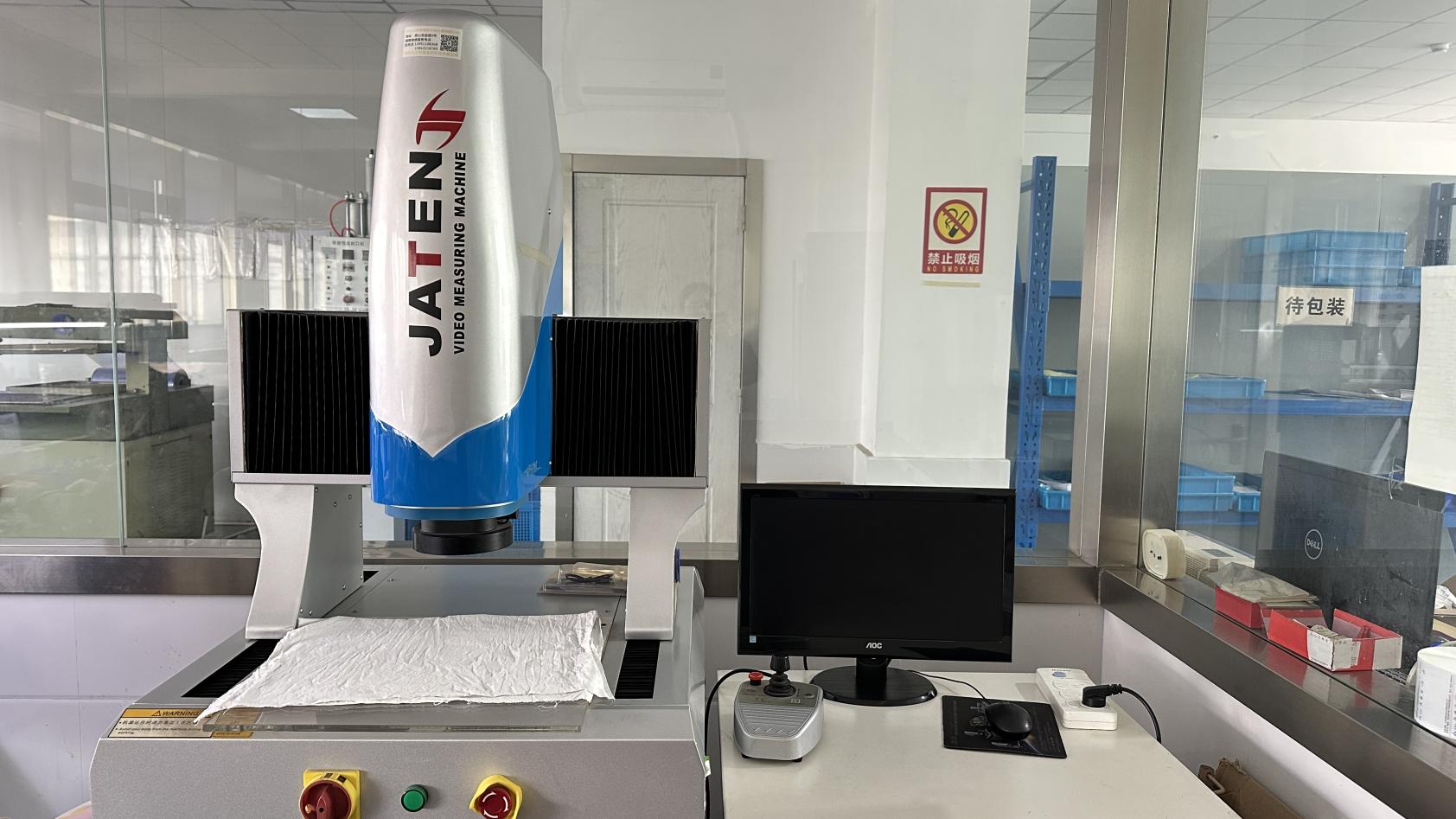
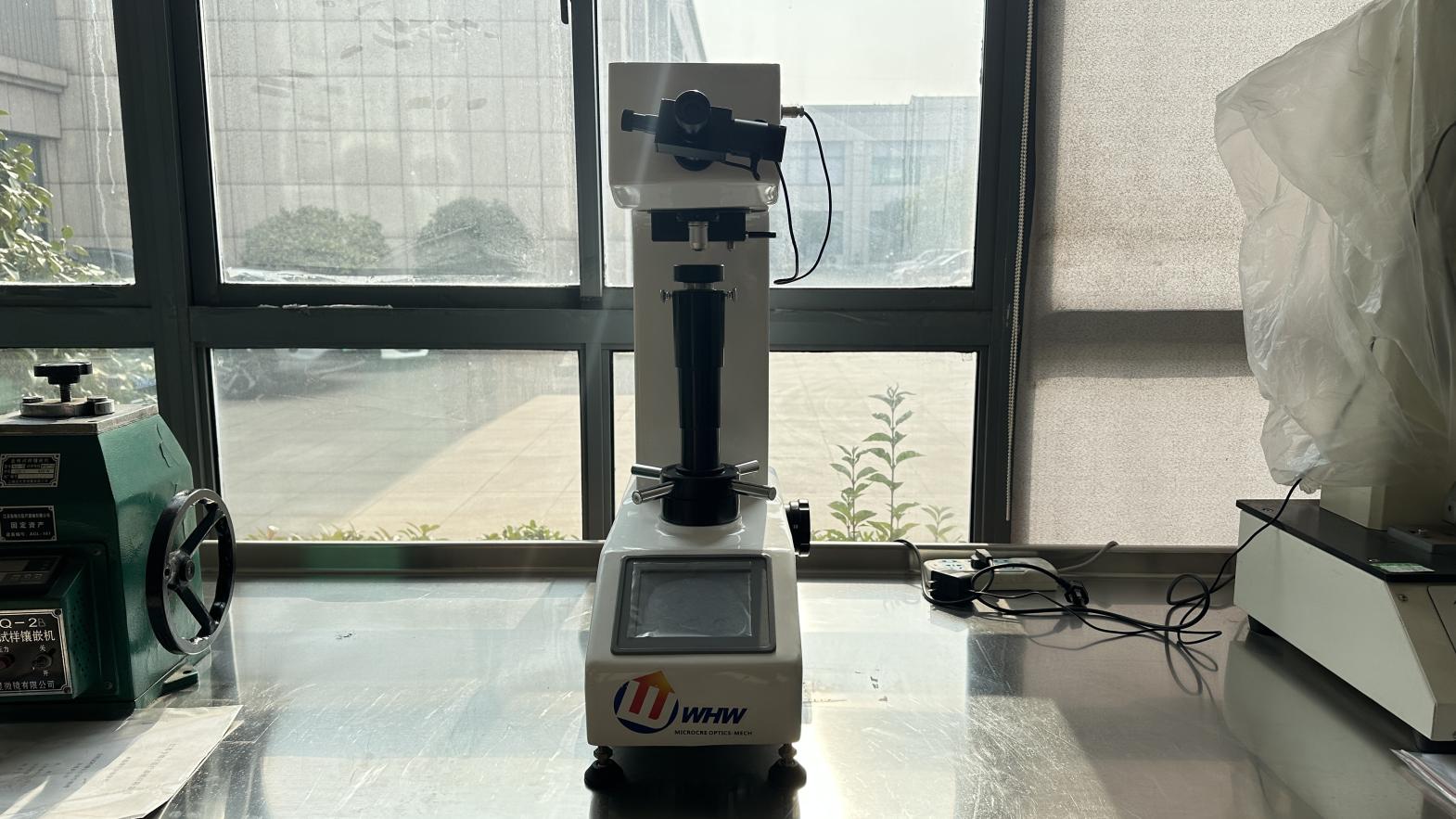
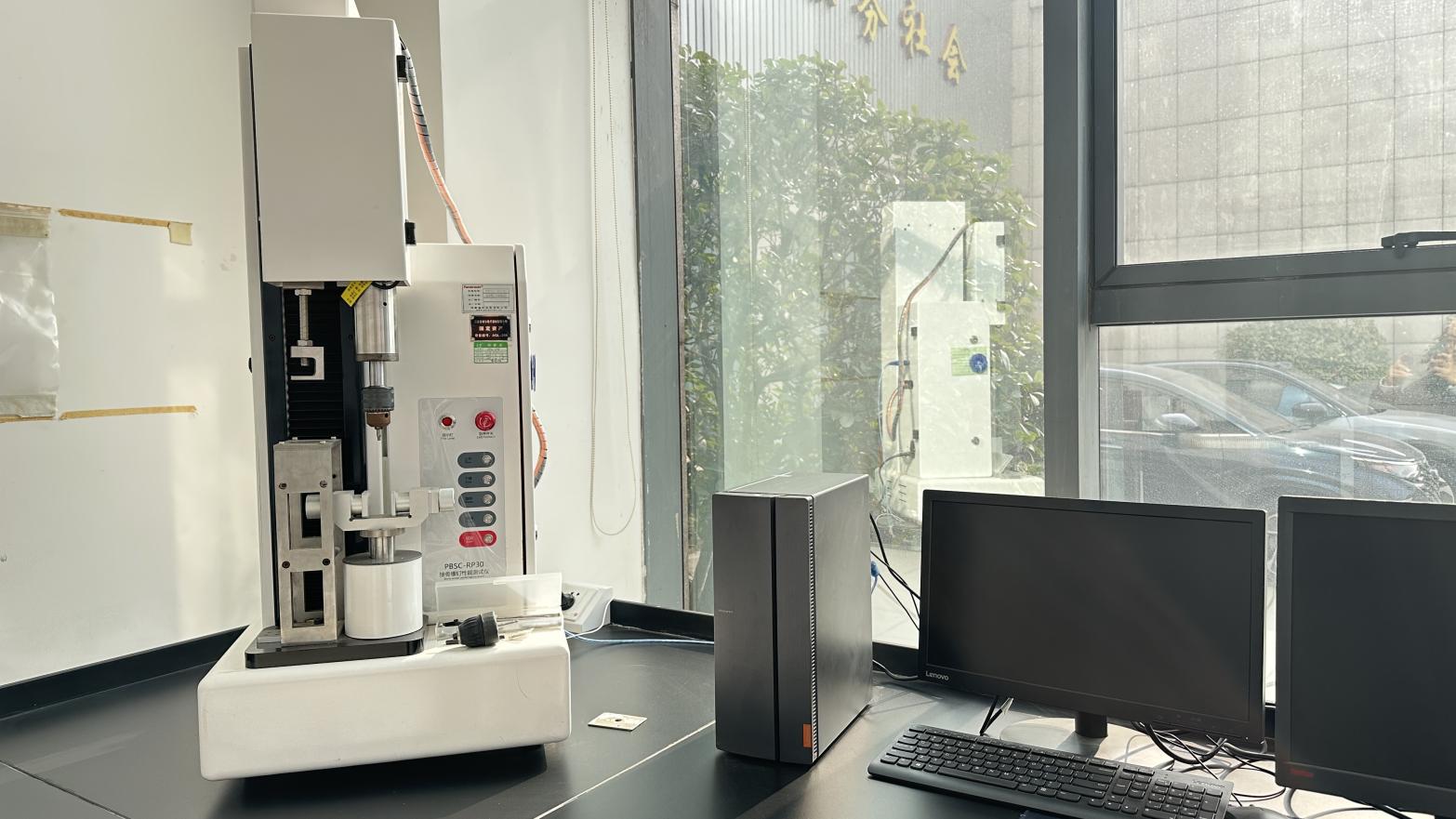
To maintain consistent manufacturing quality, Medisplint employs 42 quality inspectors. These professionals perform raw material checks (spectrophotometry, mechanical verification), monitor inline processes (IPQC), and conduct final inspections on finished lots (FQC). They also coordinate third-party laboratory tests for chemical composition verification and bacterial endotoxin testing.
Patient anatomy varies significantly by region, requiring implants tailored to different populations. Clinical research shows that patient size, pelvic incidence, and bone mineral density vary across geographic cohorts. For example, East Asian cohorts often exhibit smaller vertebral endplate dimensions and distinct lordotic curvature requirements compared to Western European or North American populations.
To address these variations, Medisplint offers specialized design variants:
The future of interbody fusion focuses on improving osseointegration and incorporating diagnostic capabilities. Medisplint's R&D division, which introduced 68 new products last year, is working on key technical advancements:
Developing polymer structures that degrade safely over time as bone fusion occurs, leaving only natural bone tissue behind.
Integrating miniature, biocompatible sensors to monitor real-time strain, temperature, and local pH, helping track bone growth and detect early strain changes or infections.
Applying advanced nano-coatings of hydroxyapatite (HA) to promote early bone healing, shorten recovery times, and improve initial implant stability.
By combining advanced materials with digital manufacturing techniques, we help our partners offer up-to-date spinal technologies. This supports orthopedic surgeons in achieving reliable clinical outcomes and restoring mobility to spinal surgery patients.
Medical Surgical Instruments Meniscus Repair Tool Meniscus Rasp
View Details
CANWELL 1.5 2.0 2.7mm Hand Foot Surgery Mini Fragment Locking Plate Implant System Orthopedic Fixation Set
View Details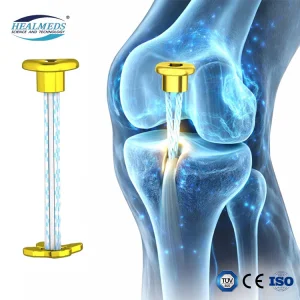
Titanium Double Loop Fixation Button Acromioclavicular Joint Endobutton for ACL Knee Ligament Reconstruction Implants
View Details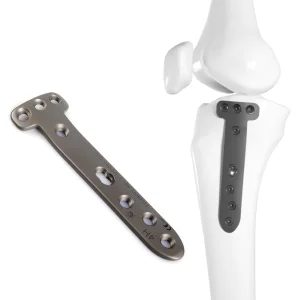
CANWELL Titanium Proximal Tibia Locking Plates Narrow Bone Locking Compression Plate Implant for Orthopedic Fracture Osteotomy
View Details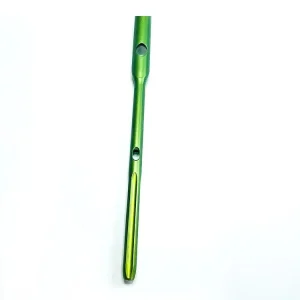
PFNA Femoral Nail Orthopedic Medical Implant for Fracture Surgery Ortopedia Pfna Nail Orthopedic Material
View Details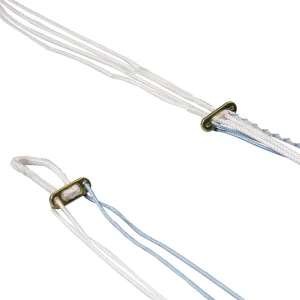
CANWELL Titanium Endobutton with Suture Loop Cortical Button Plate Suture Button ACL Reconstruction Implant CE ISO
View Details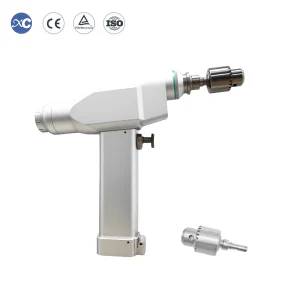
High Quality Orthopedic Surgical Instruments Battery Operated Cannulated Drill Bone Drill Orthopedic Drill
View Details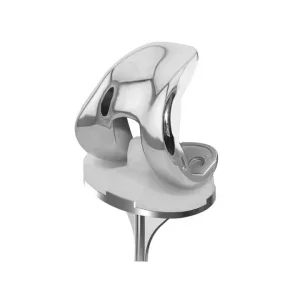
China Manufacturer Artificial Knee Replacement TKA/TKR Primary Total Knee Joint Prosthesis
View Details