Medisplint
Medisplint
Medisplint
Engineered to exceed global standards. Direct factory supply for orthopedic distributors, trauma centers, and medical device brands.
Medisplint Orthopedic Instruments Co., Ltd. delivers high-precision clinical solutions tailored for international supply chains.
Founded in 2016, Medisplint has emerged as a premier manufacturer specializing in orthopedic implants, fixation systems, and high-performance surgical instruments. Serving spine, trauma, and joint reconstruction demands, we merge cutting-edge metallurgy with state-of-the-art manufacturing infrastructure.
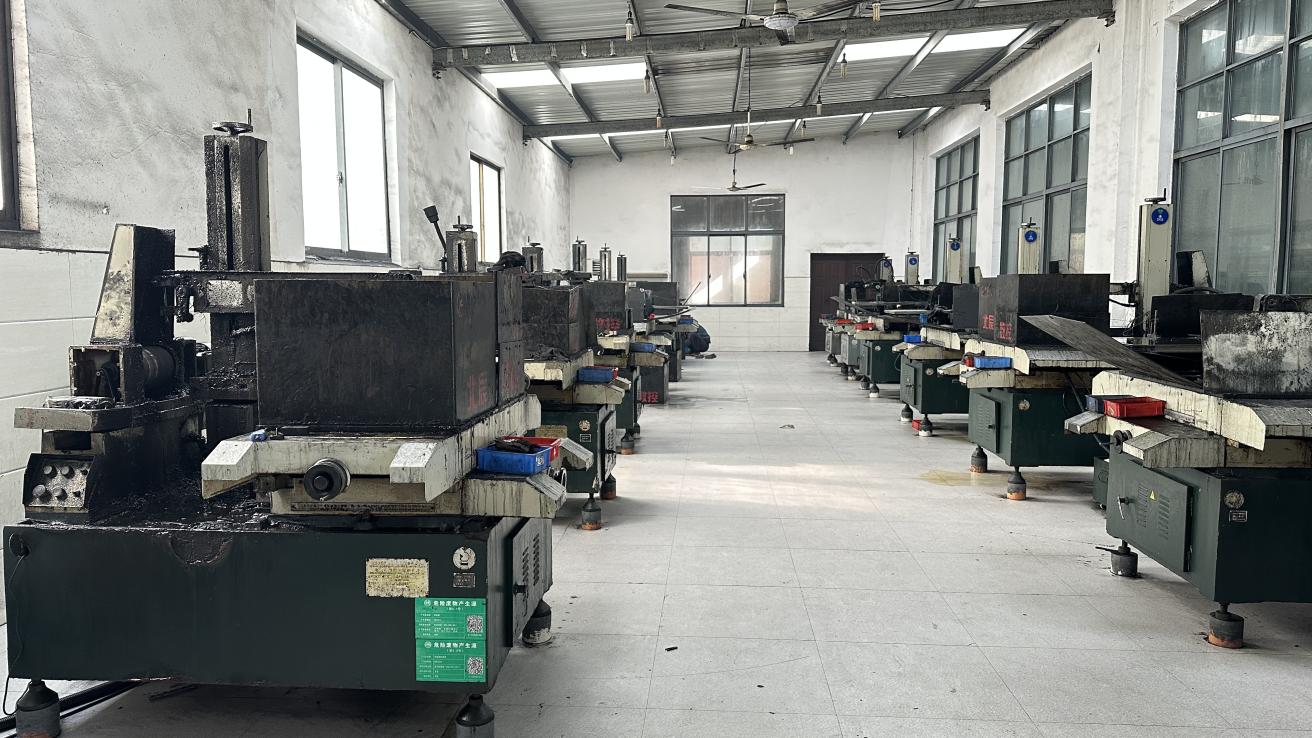
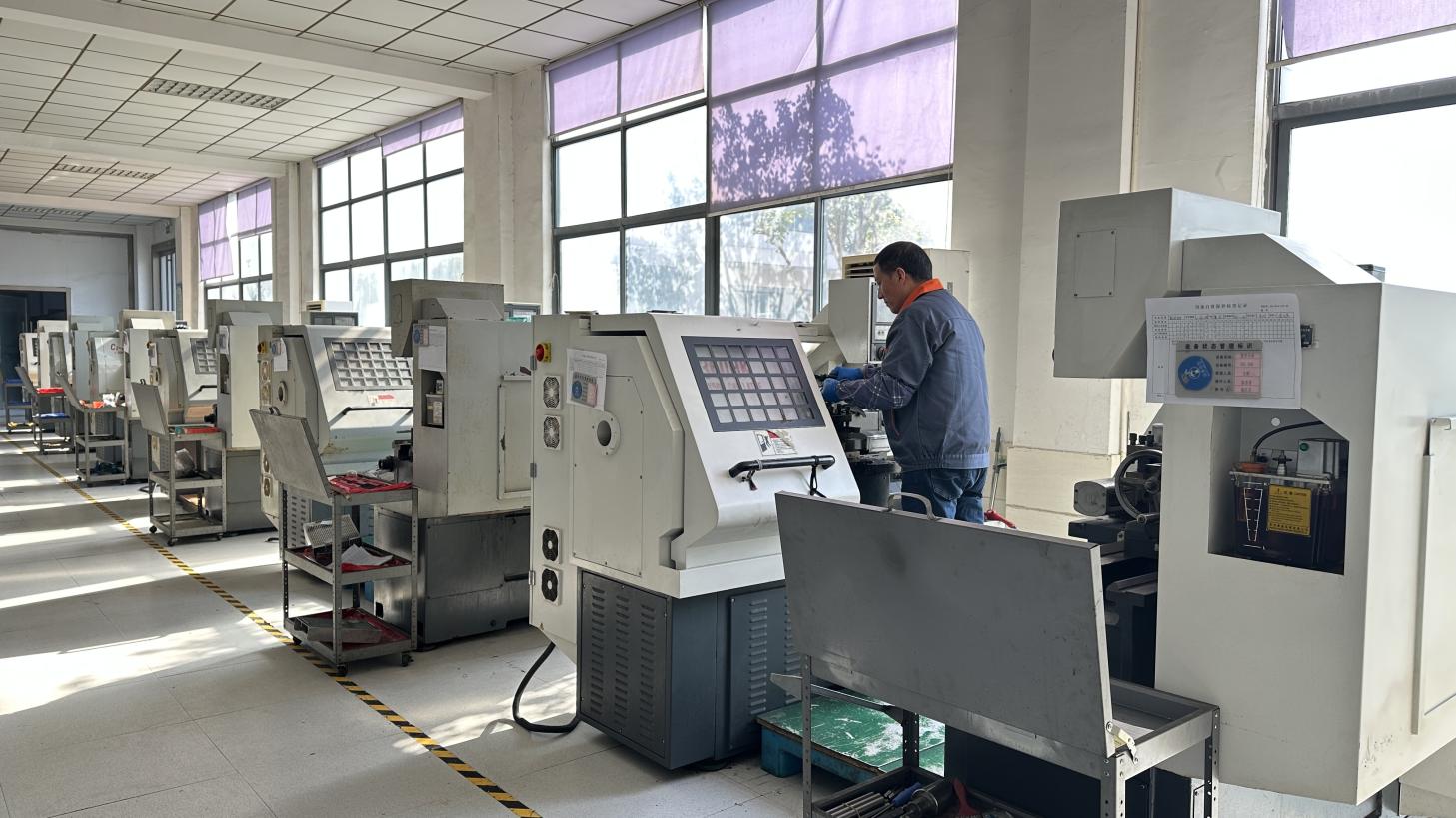
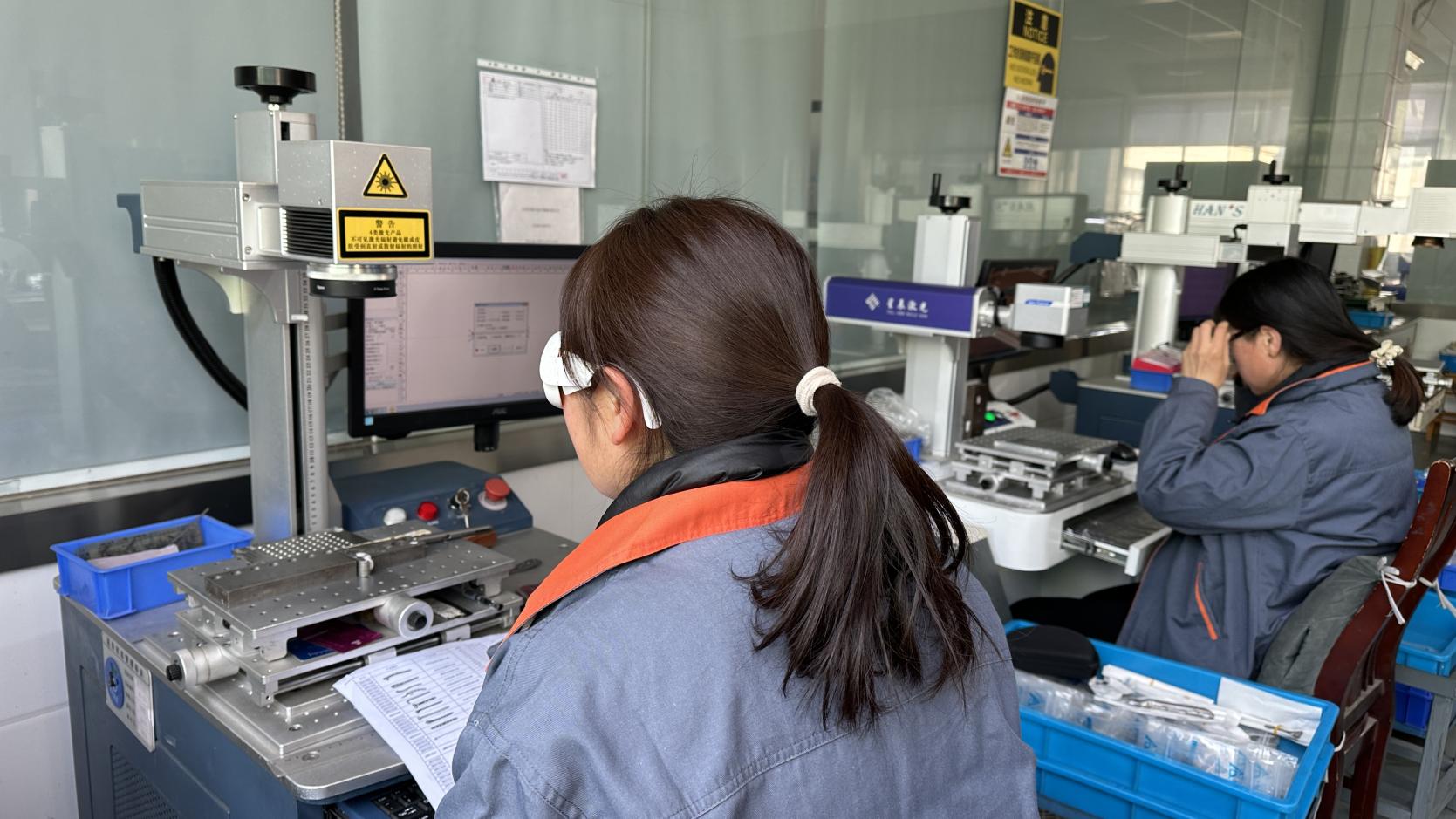
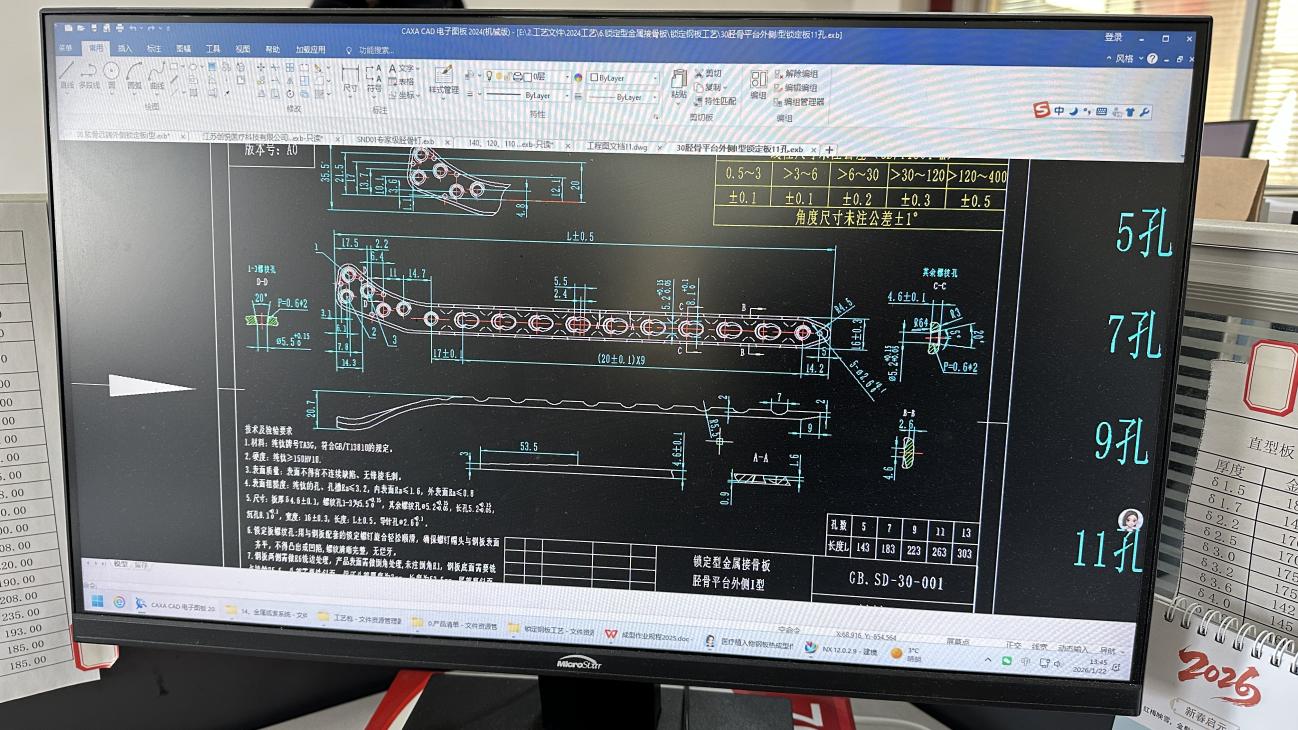
Operating out of our ISO 13485 and CE compliant facilities, our integration of incoming material verification, in-process quality control (IPQC), final inspection (FQC), and rigorous laboratory testing ensures safety and dimensional precision in every unit shipped. We serve distributors, hospital groups, and OEM partners across Europe, Southeast Asia, South America, and the Middle East.
Understanding the mechanics, geometry, and materials behind the gold standard in trochanteric fracture fixation.
The PFNA system replaces traditional dual lag screws with a single helical blade. By compressing the cancellous bone tissue instead of removing it, the blade achieves unparalleled purchase, resisting rotational and varus collapse—even in osteoporotic bone.
Designed with a 6-degree lateral entry angle, the nail facilitates insertion through the tip of the greater trochanter. This reduces surgical complexity, preserves local tissue vascularization, and simplifies the overall approach.
A tapered tip coupled with optimized locking configurations limits localized stress concentrations on the femoral cortex. Dynamic or static distal locking options accommodate patient-specific rehabilitation strategies.
Medisplint utilizes biocompatible titanium alloy (Ti-6Al-4V ELI conforming to ASTM F136 / ISO 5832-3) and ultra-clean surgical stainless steel (ISO 5832-1) as base materials. While stainless steel provides remarkable mechanical shear strength, medical titanium alloy offers a modulus of elasticity closer to cortical bone. This close match reduces stress shielding, promotes natural load transfer, and speeds bone healing. Additionally, titanium's superior biocompatibility minimizes postoperative inflammatory reactions and provides clean artifact-free post-op MRI scans.
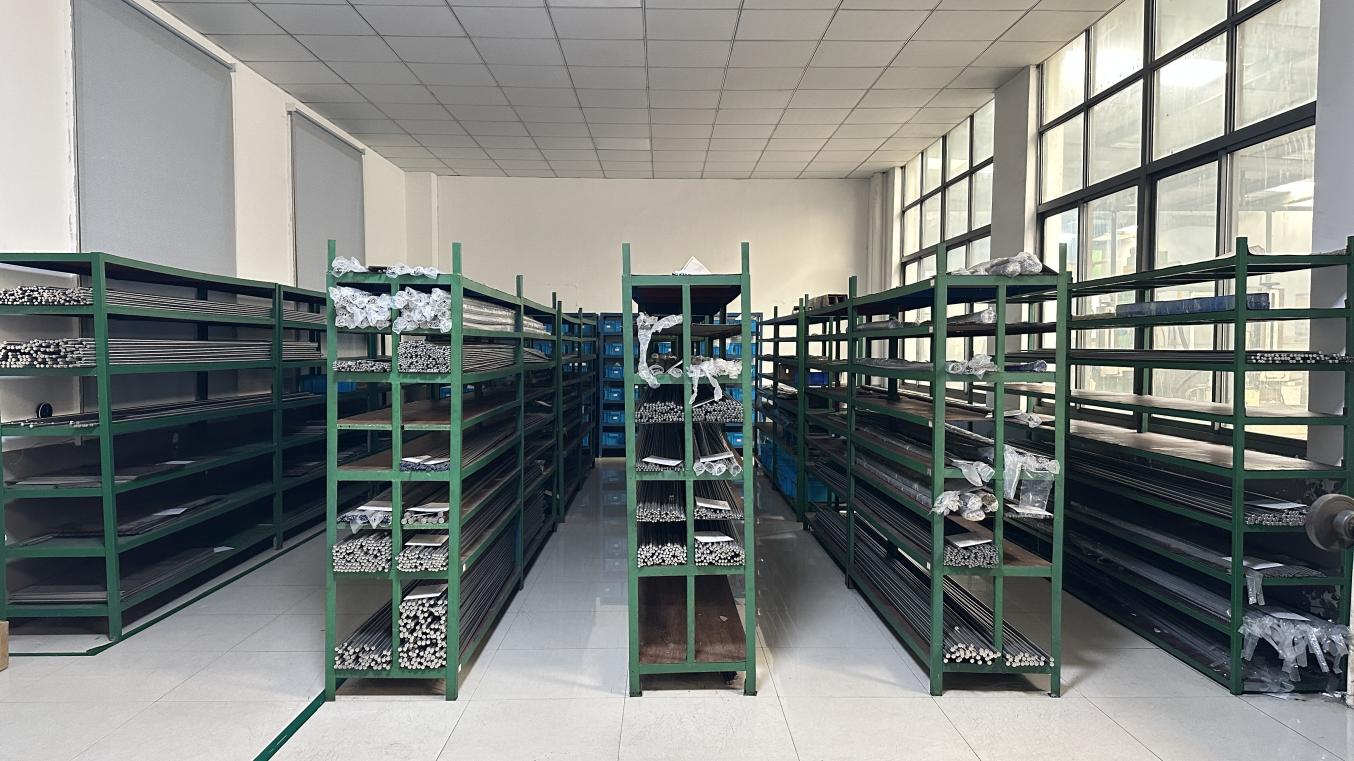
Step inside Medisplint's advanced manufacturing plant and testing laboratory, where raw materials are transformed into life-saving implants.
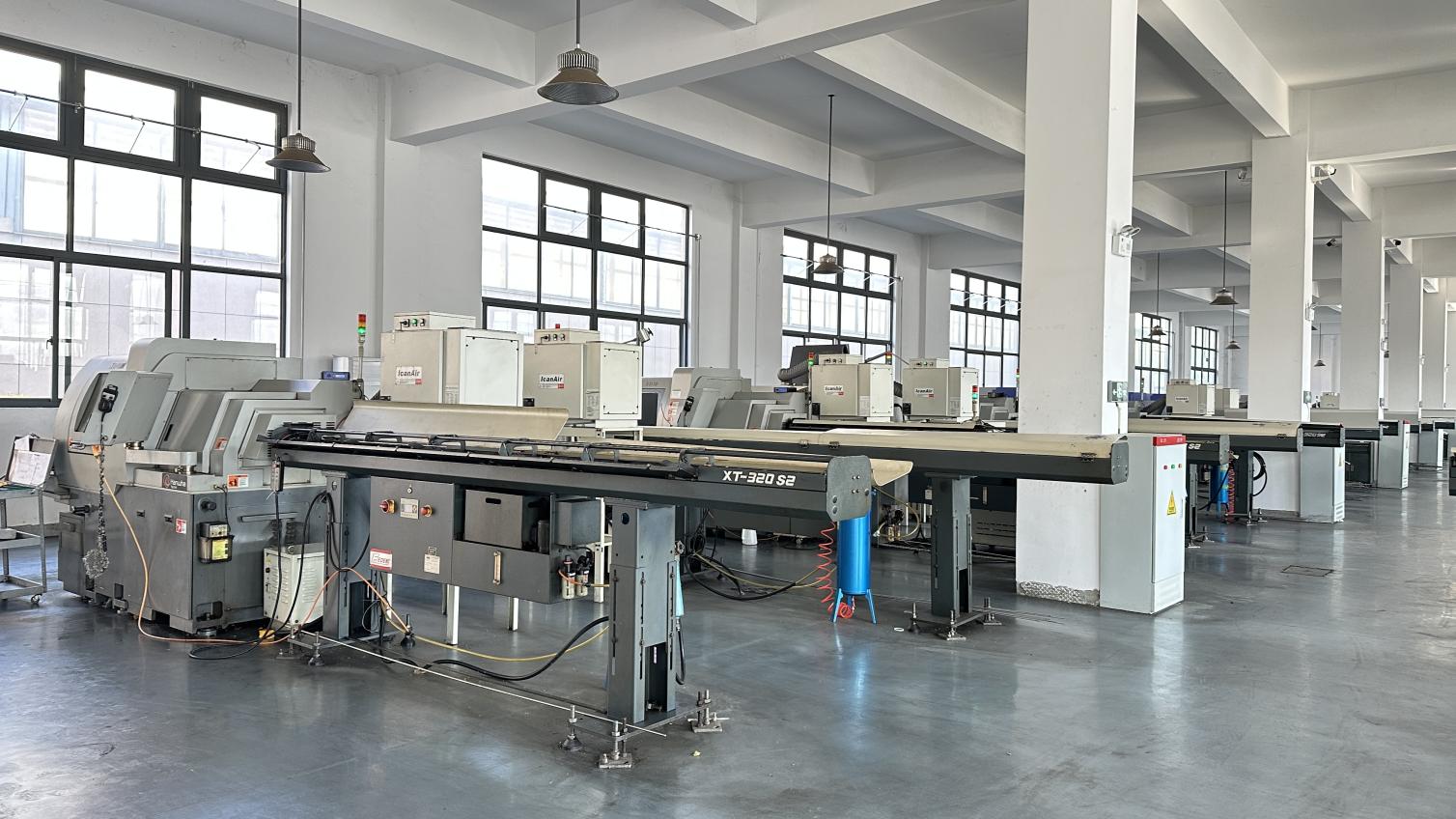
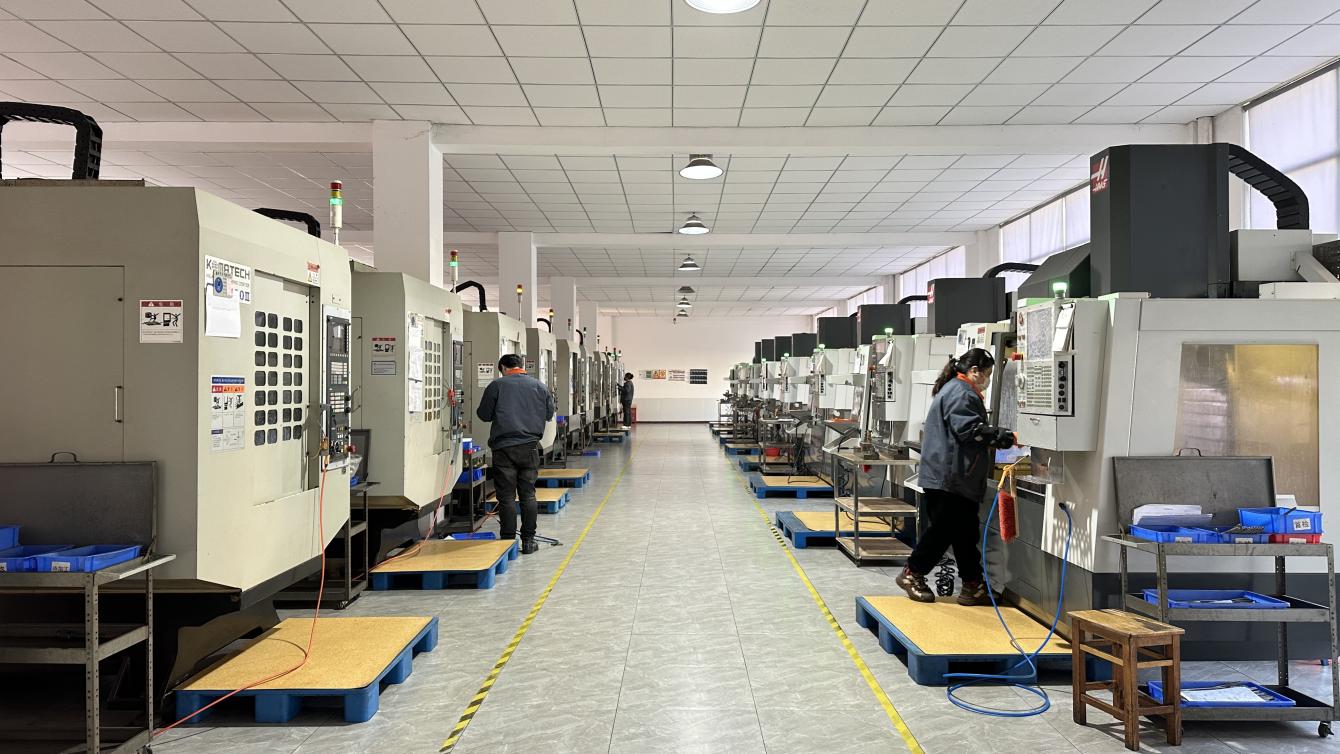
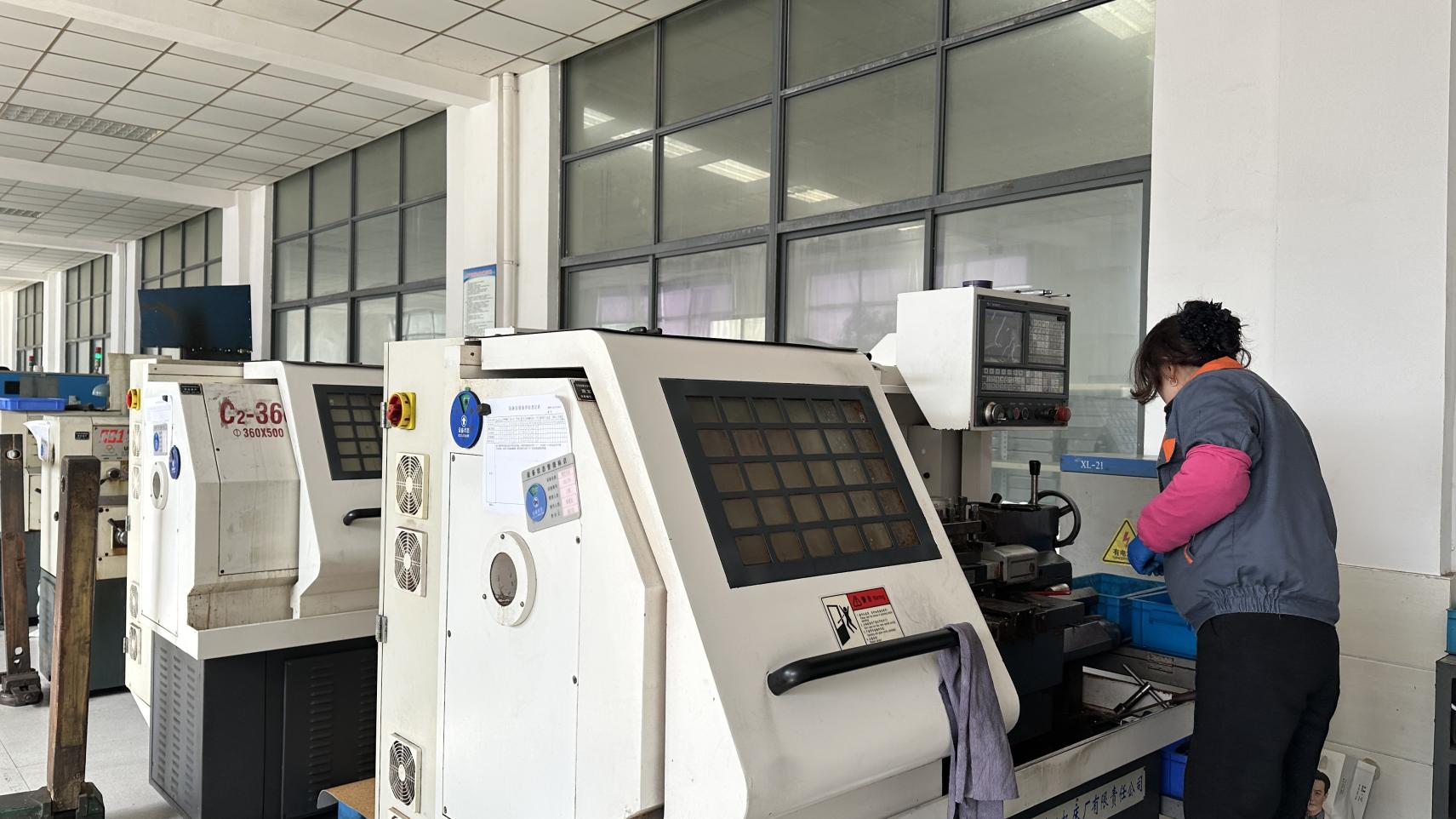
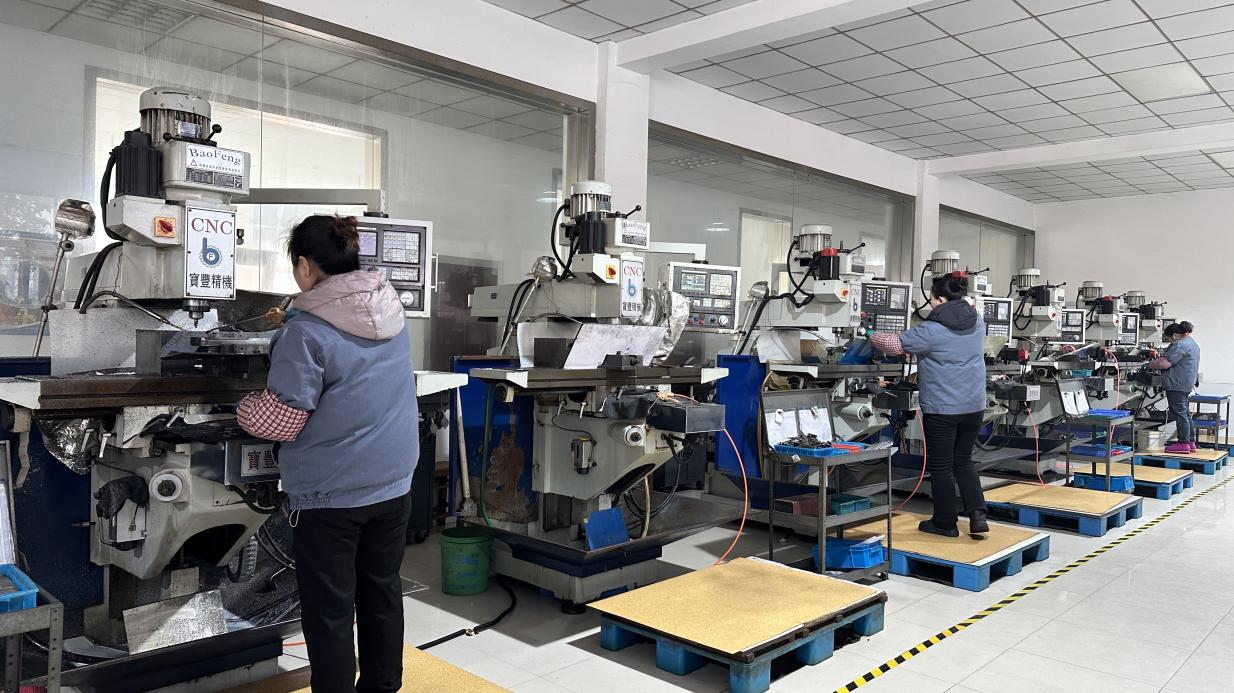
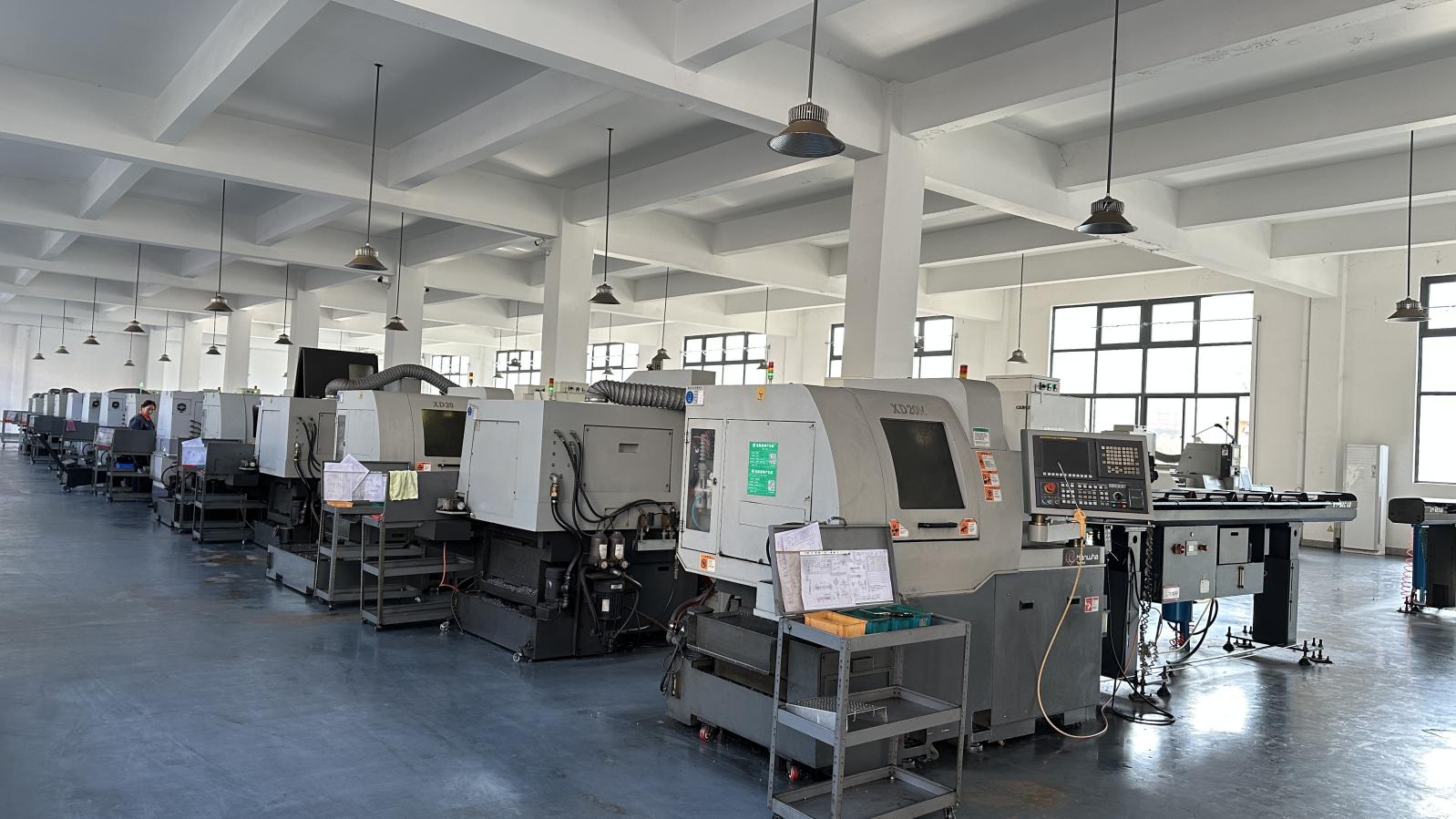
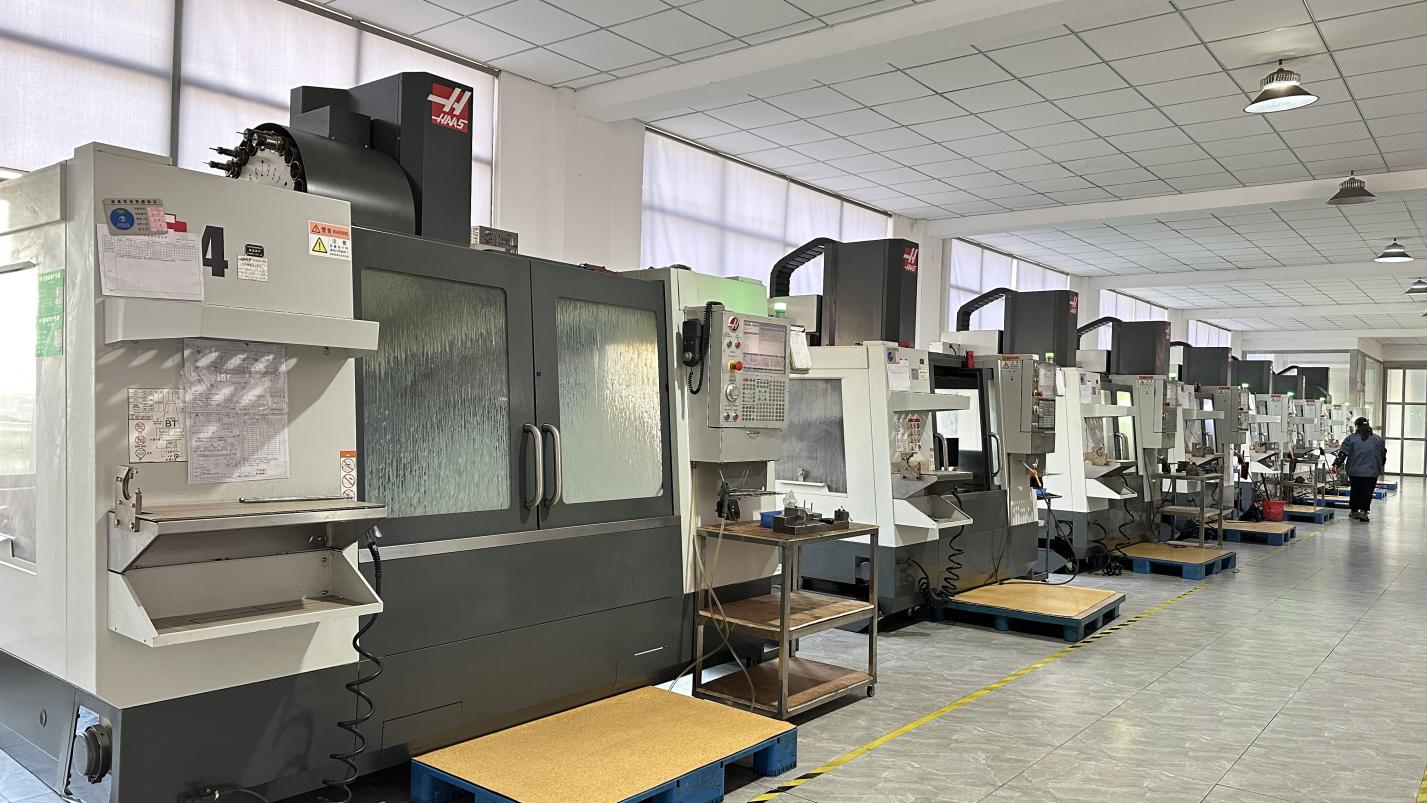
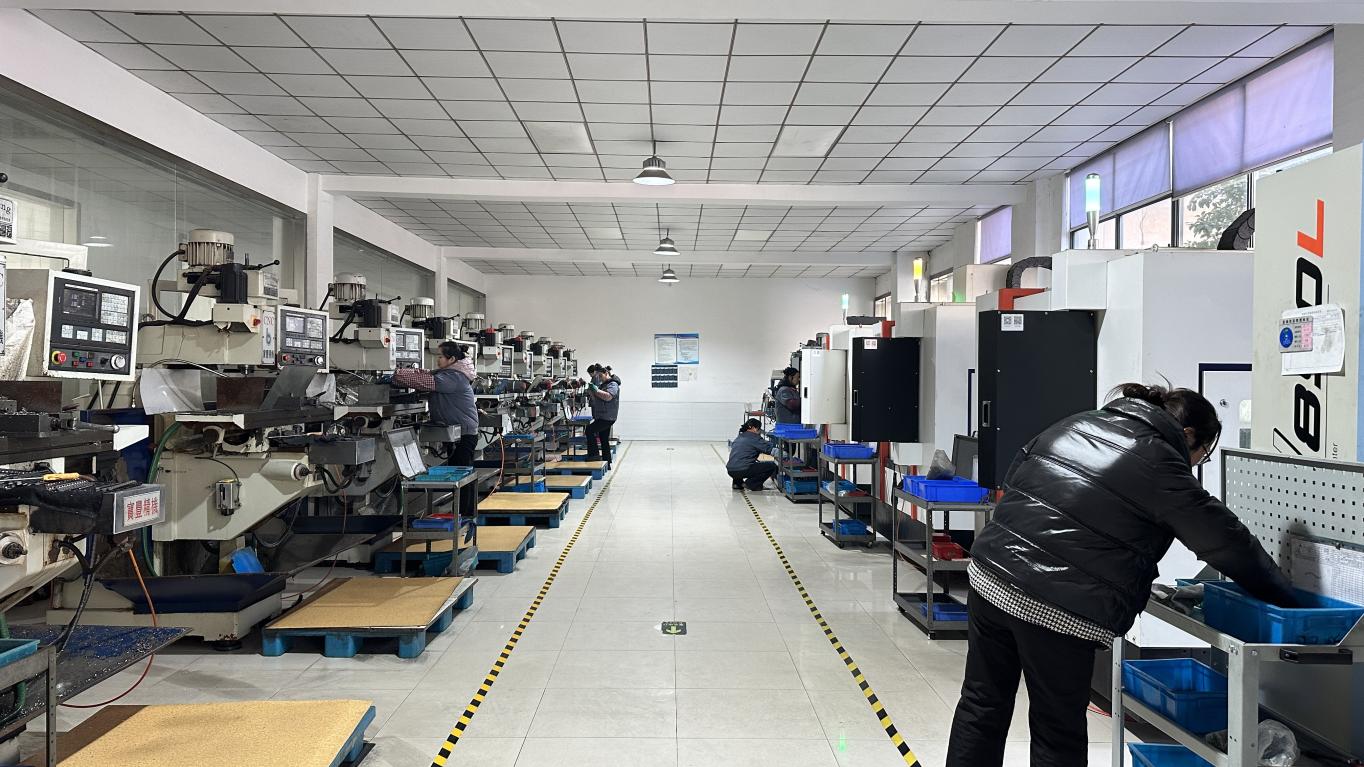
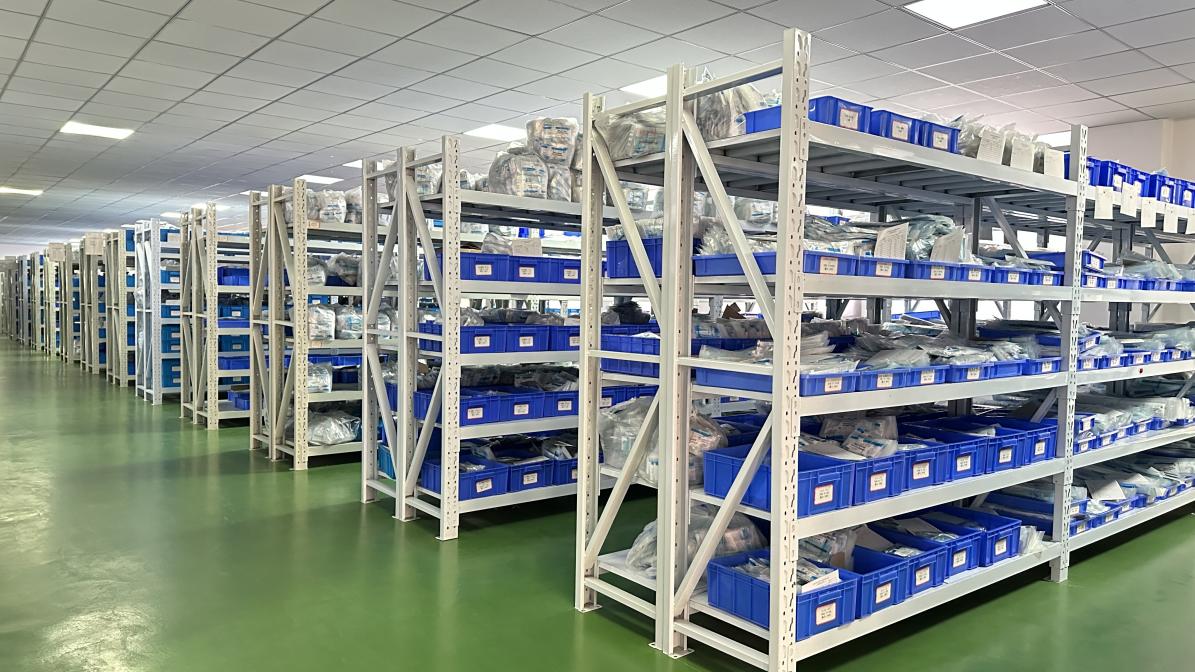

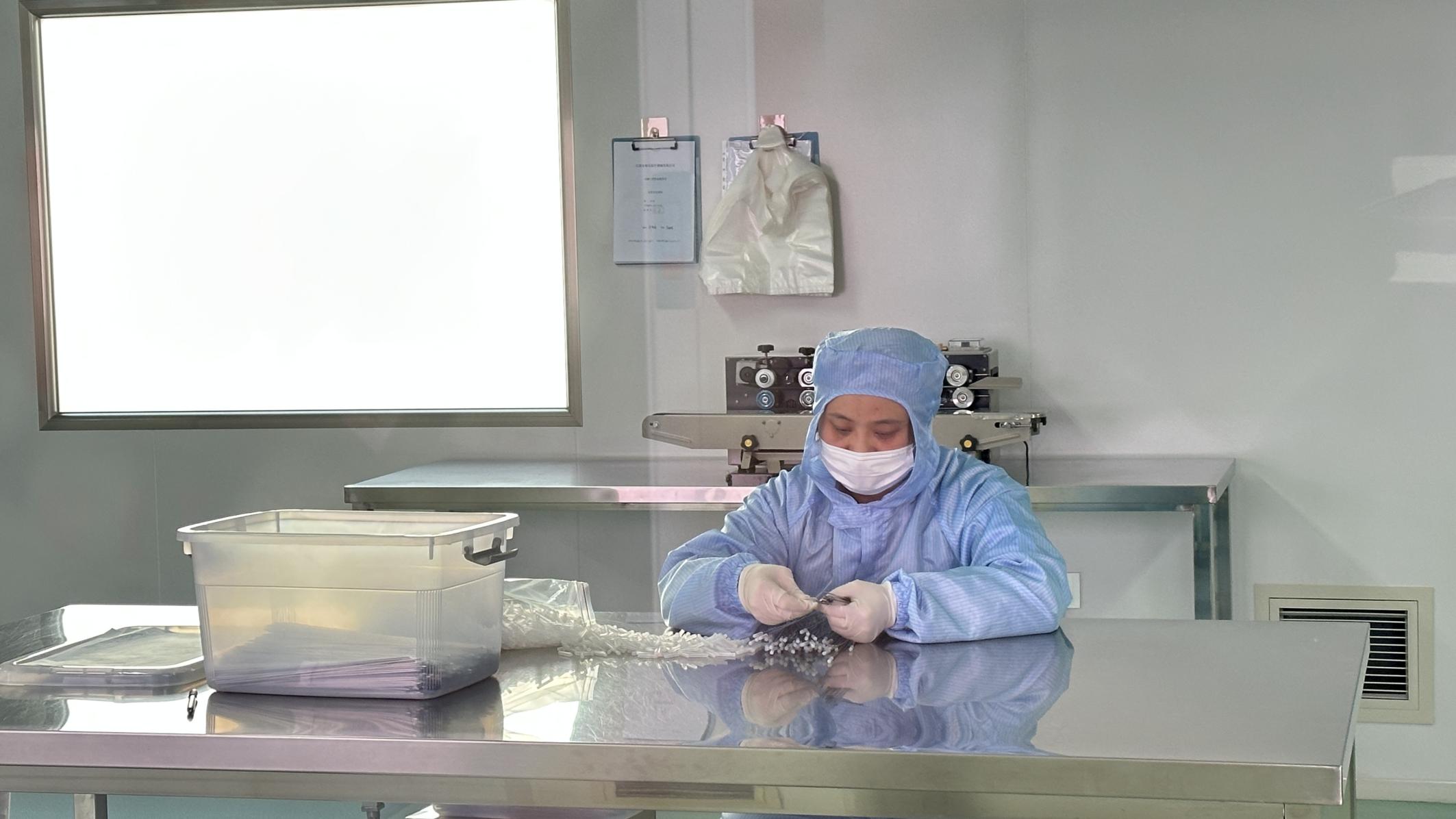
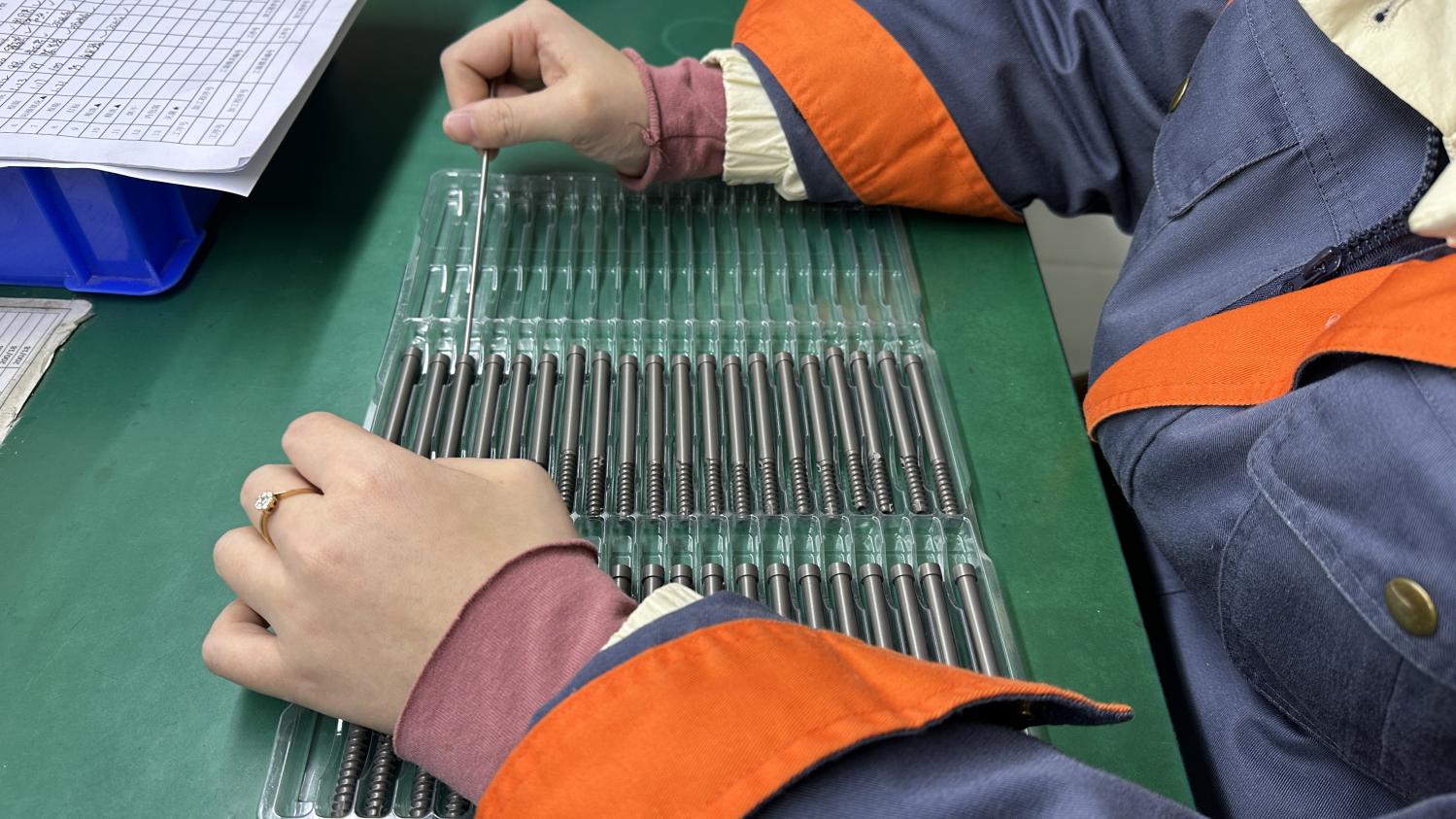
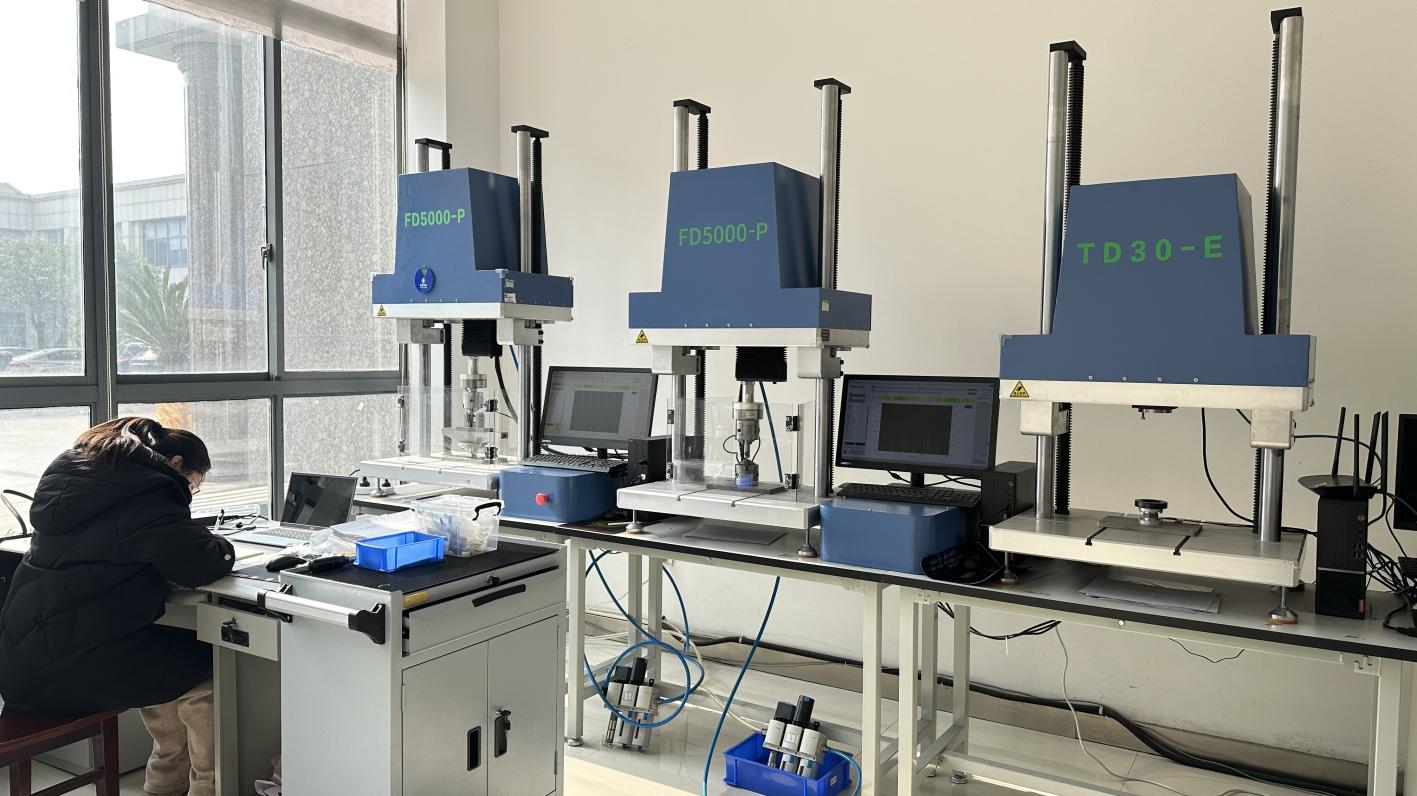
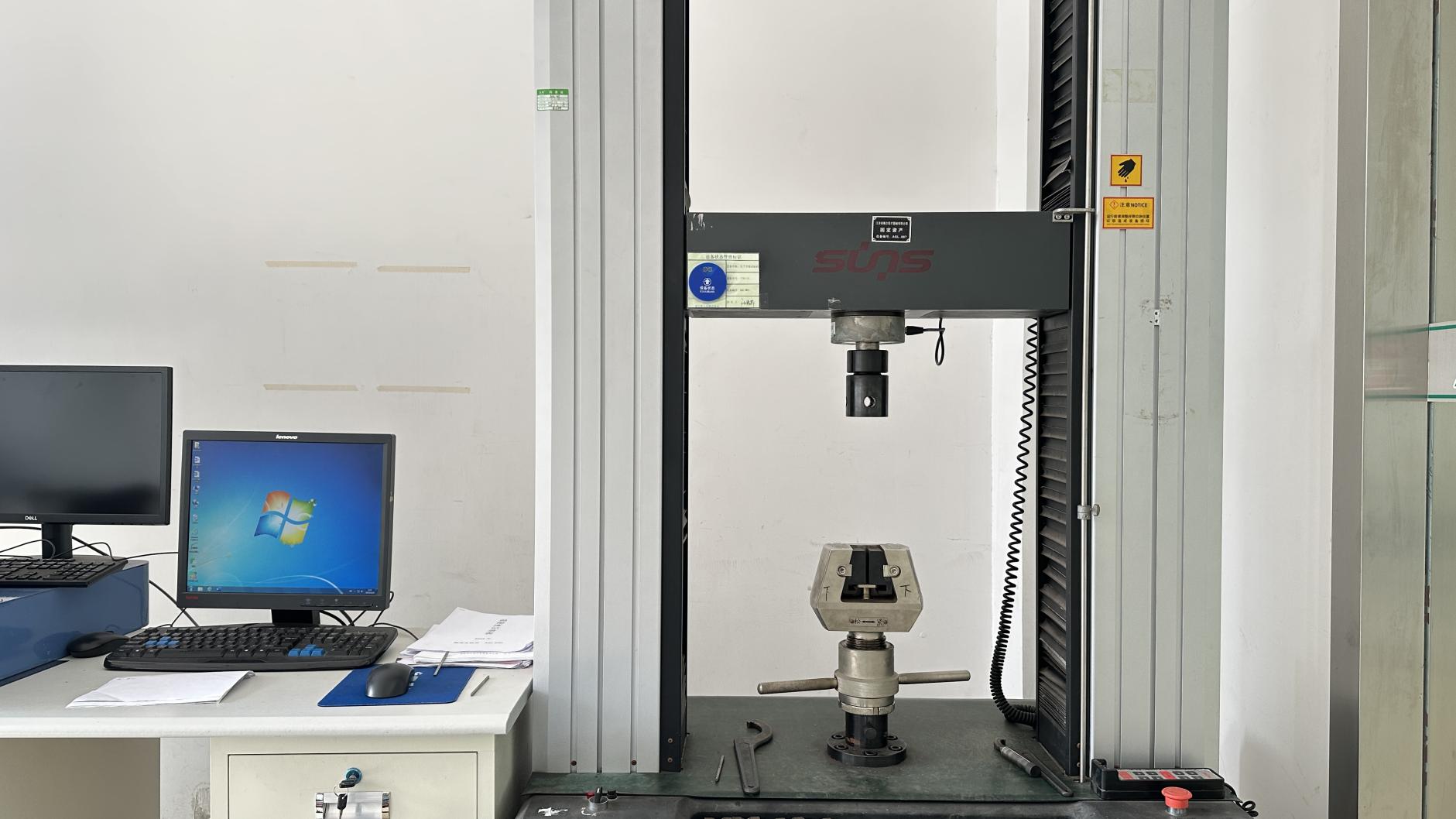
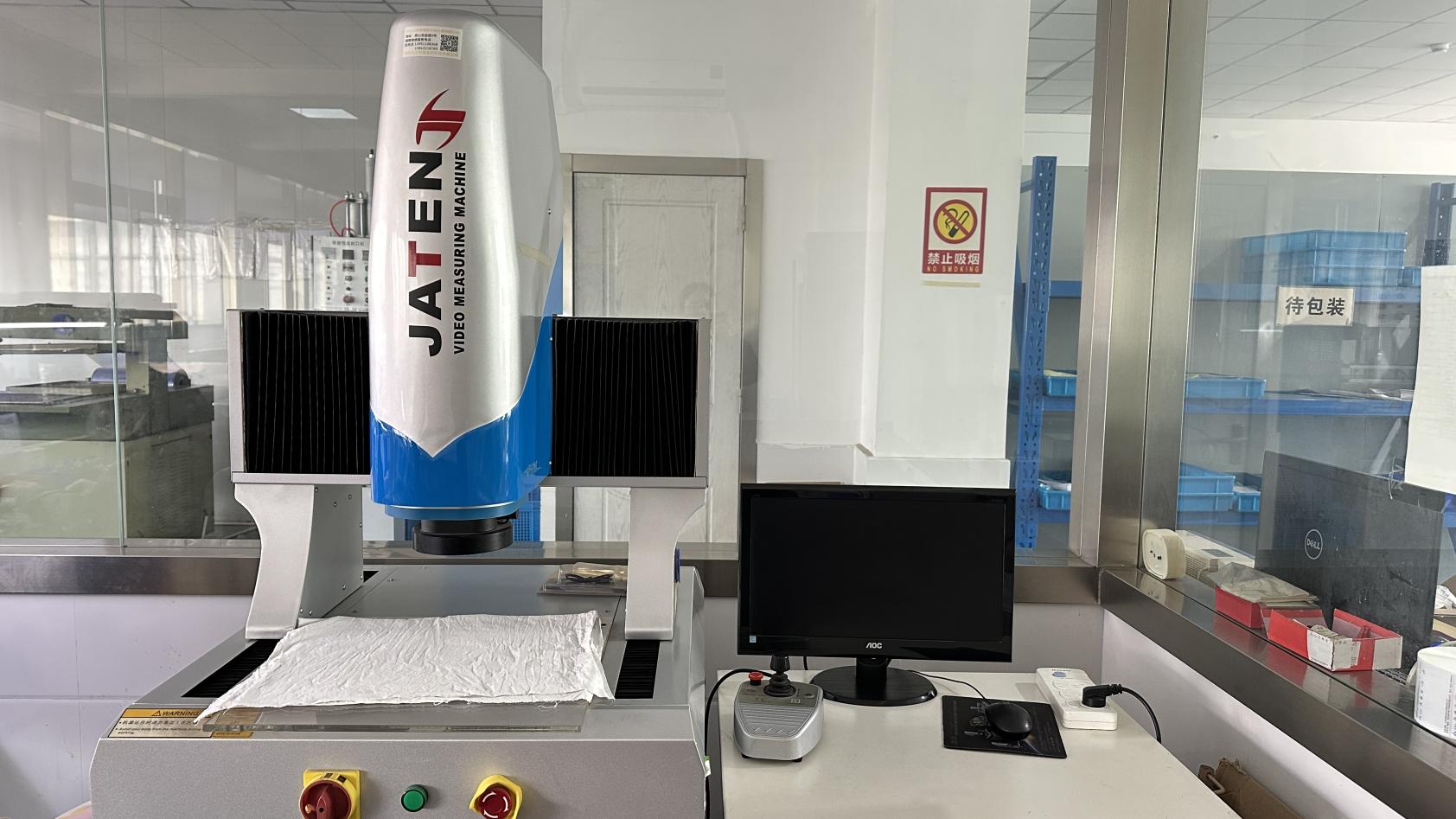
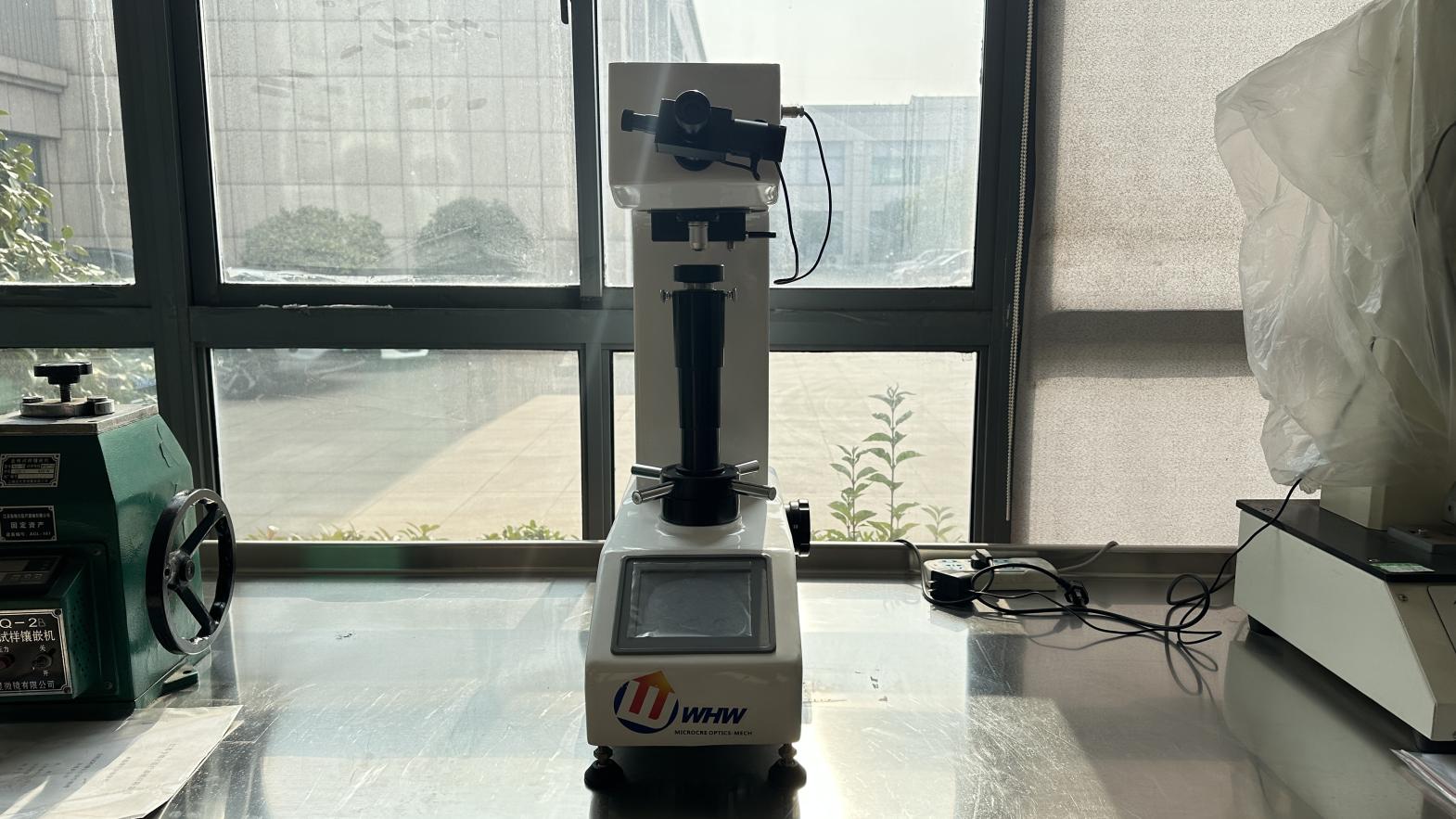
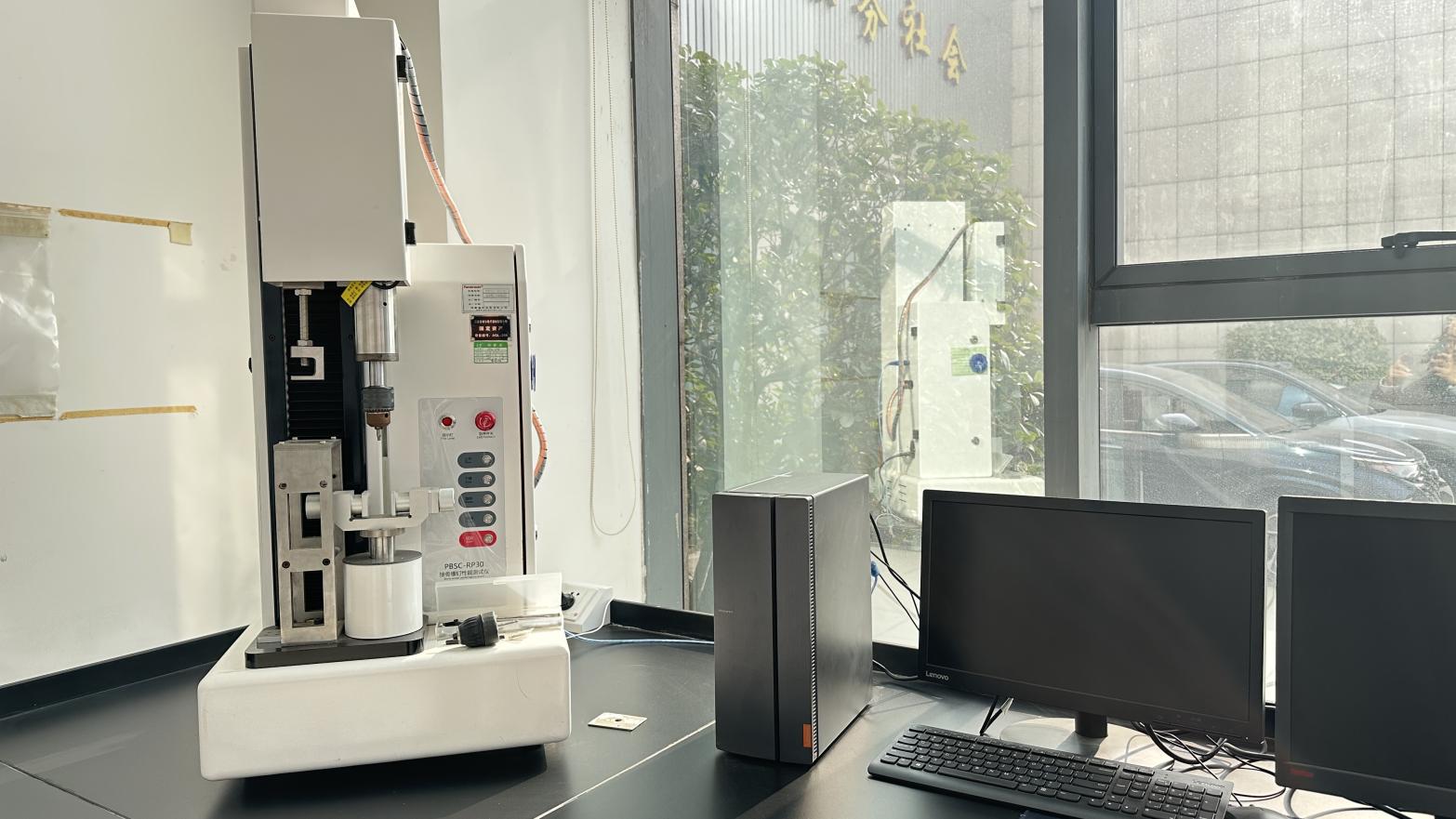
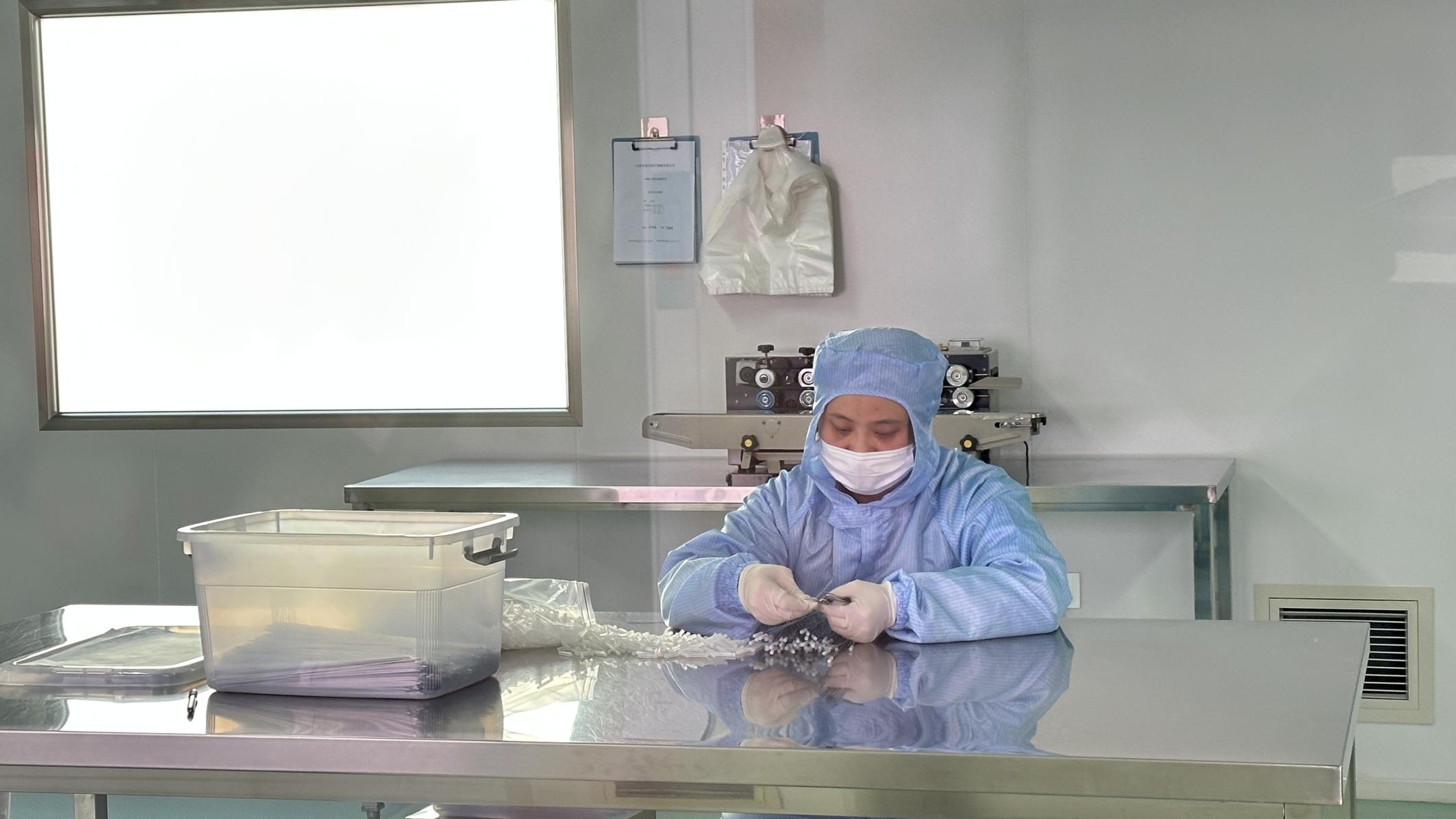
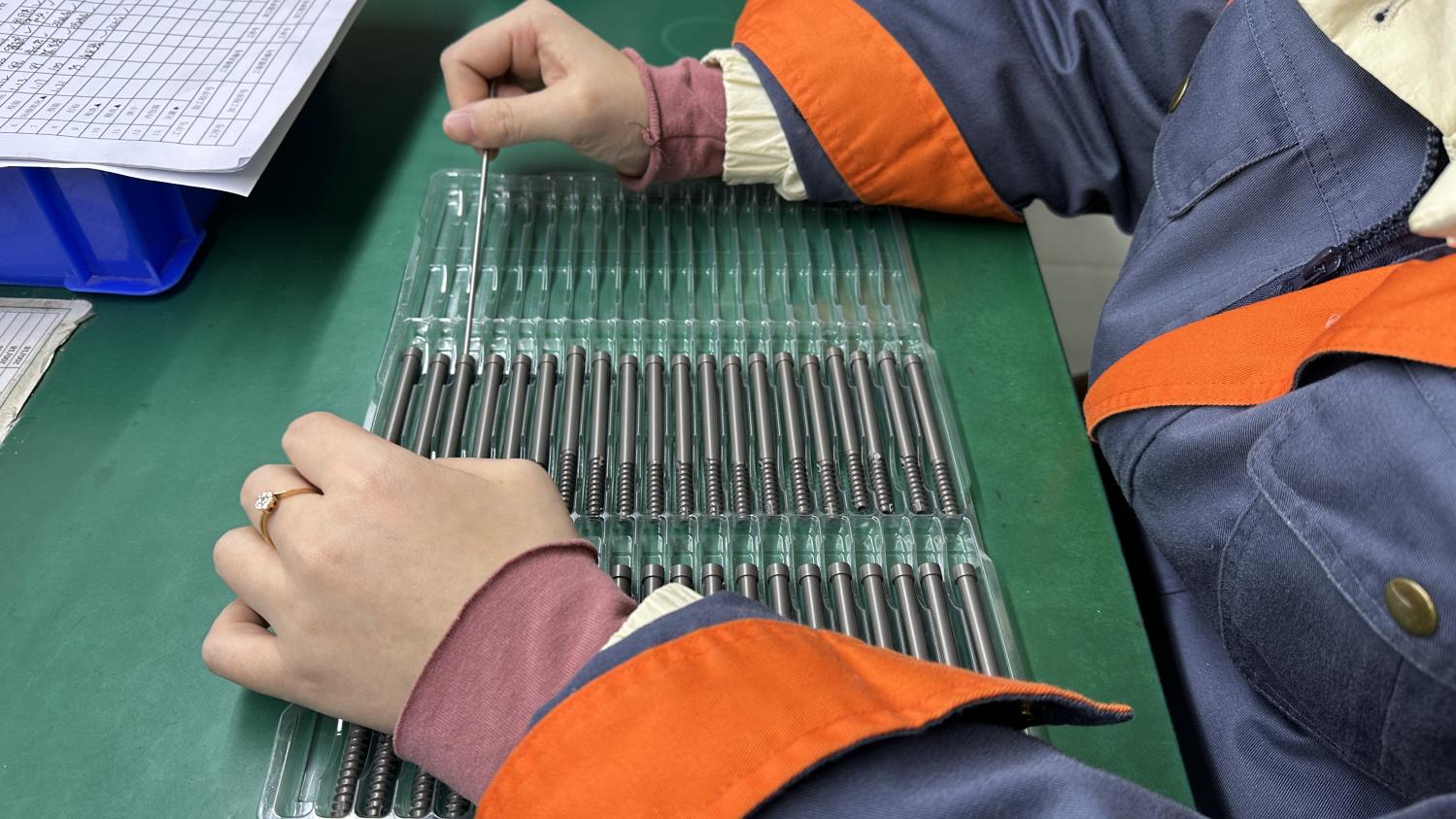
Aligning manufacturing capabilities with the demands of geriatric populations and digital orthopedic developments.
Proximal femoral and intertrochanteric fractures represent a major portion of emergency orthopedic admissions globally. Driven by an aging population and increasing rates of osteoporosis, the demand for stable, minimally invasive fixation options is rising rapidly. Studies indicate that early post-operative mobilization significantly lowers morbidity rates in elderly patients. This makes the biomechanical stability offered by the PFNA's helical blade design a top clinical priority.
From a commercial perspective, hospital systems and procurement organizations face pressure to control costs while improving clinical outcomes. China-based manufacturers like Medisplint address this by offering high-grade implants that meet international standards at competitive pricing, helping global healthcare networks optimize their operations.
Integrating hydroxyapatite (HA) and anodized coatings to accelerate osteointegration and lower the risk of implant-related infections.
Replacing traditional steel aiming guides with radiolucent carbon fiber to ensure unimpeded fluoroscopy views and precise distal locking.
Linking implant design parameters with patient-specific preoperative CT scans to facilitate exact anatomical alignment during surgery.
Answers to critical questions from hospital procurement officers, orthopedic surgeons, and distribution agents.
Partner with Medisplint to secure high-quality, certified trauma implants. Our R&D engineering and QC specialists are ready to support your market's regulatory and customization needs.
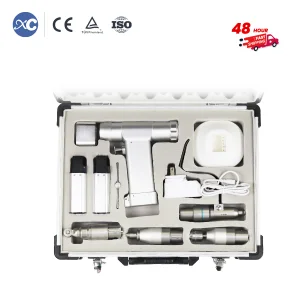
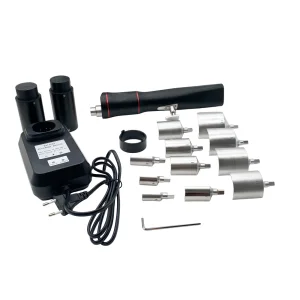
Contact Our OEM/ODM ExpertsA comprehensive selection of surgical equipment and fixation devices to complete your clinical portfolio.