Medisplint
Medisplint
Medisplint
Founded in 2016, Medisplint Orthopedic Instruments Co., Ltd. has established itself as an innovative, premium-tier manufacturer specializing in medical implants, skeletal fixation systems, and specialized instruments for trauma, joint reconstruction, and spinal fusion procedures. Operating from our advanced 18,500㎡ facility, we oversee an integrated manufacturing pipeline encompassing research, development, metallurgical testing, CNC machining, and sterile packaging.
With a focus on global distribution, we support orthopedic device buyers, clinical networks, and OEM/ODM clients worldwide. Our robust production capability is bolstered by over 1,200 supply chain partners, offering unparalleled material consistency, cost advantages, and regulatory safety guarantees across Europe, the Americas, Southeast Asia, and the Middle East.
Occipito-Cervical (OC) fixation is a complex surgical procedure indicated for stabilizing structural instabilities at the craniovertebral junction. This anatomical zone, consisting of the occiput (C0), atlas (C1), and axis (C2), is responsible for a substantial range of head rotation, flexion, and lateral bending. Biomechanical failure in this region—arising from high-velocity trauma, advanced rheumatoid arthritis, primary tumors, or congenital anomalies—demands immediate stabilization to safeguard vital neural pathways, including the brainstem.
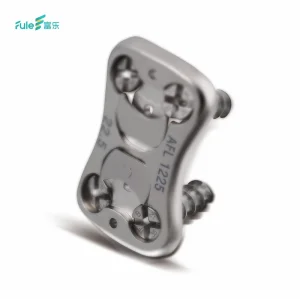
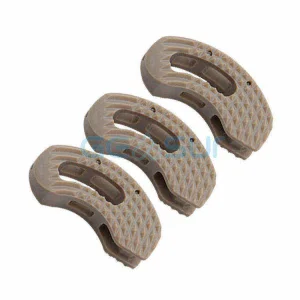
Our occipital plates are engineered to contour precisely to the anatomical topology of the suboccipital bone. Utilizing multi-axial screw configurations, the construct ensures robust mechanical anchoring along the thickest corridors of the occipital bone (e.g., the external occipital protuberance).
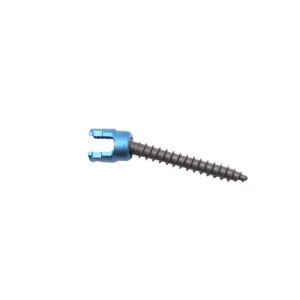
By integrating polyaxial pedicle screws with a wide angular range of motion, surgeons can manage anatomical variations in the atlas and axis, minimizing bone stress, minimizing instrumentation steps, and ensuring high implant compliance.
Manufactured from high-purity Titanium alloys (Ti-6Al-4V ELI) and premium biocompatible PEEK materials, our implants present optimal fatigue limit ratios, exceptional corrosion resistance, and reduced radiopacity to facilitate post-operative imaging.
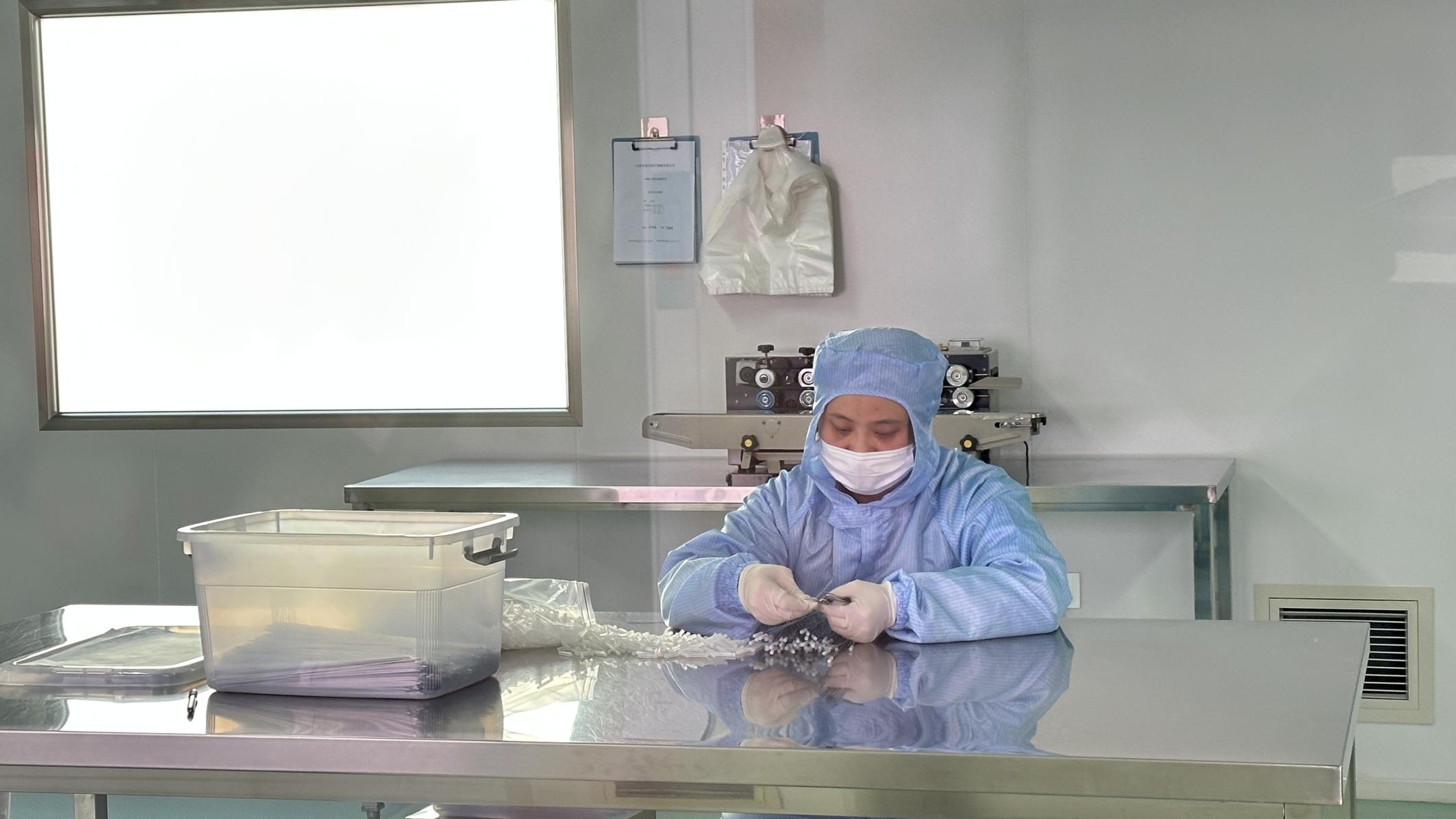
Producing Class III spinal implants requires advanced metallurgy and state-of-the-art manufacturing facilities. At Medisplint, we operate a vertically integrated production line equipped with CNC machining centers, wire-cutting machines, and advanced laser-marking equipment to ensure our tolerances remain within the micrometer scale.
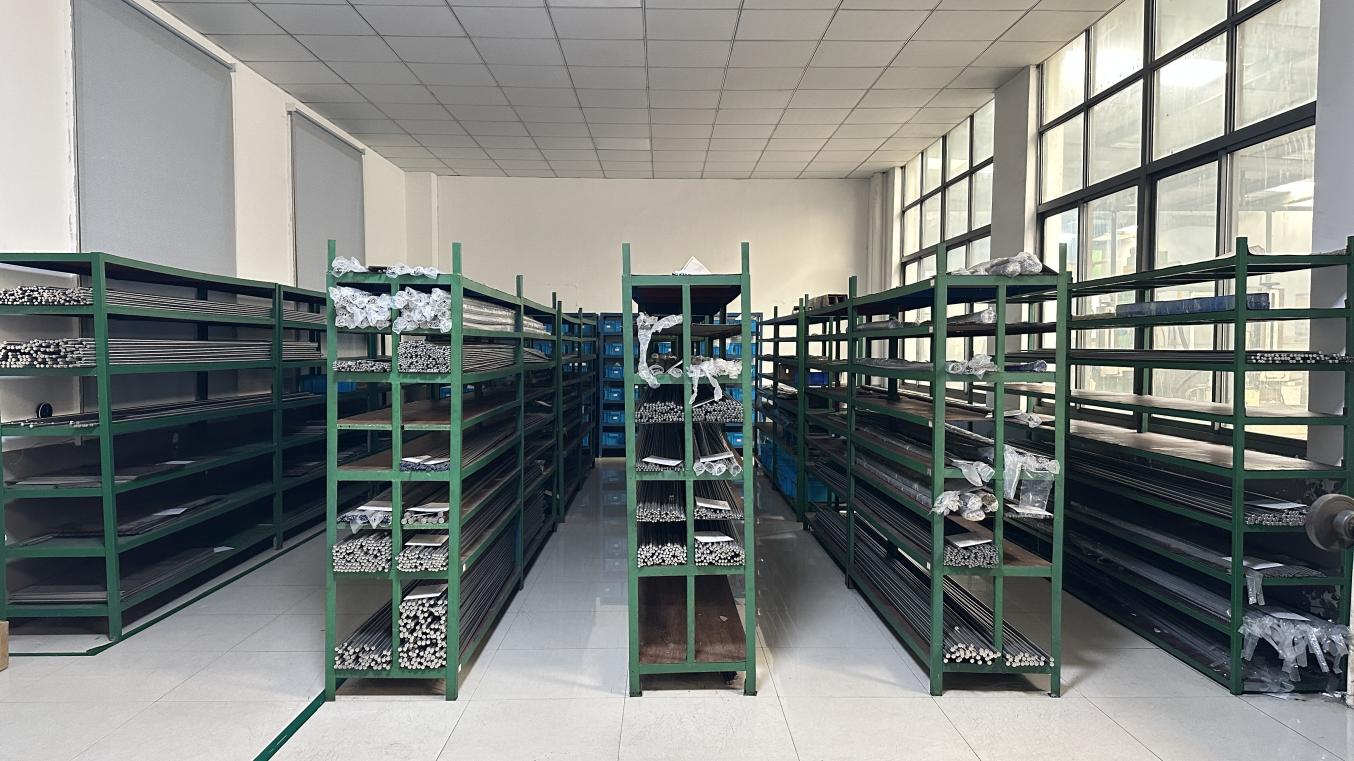
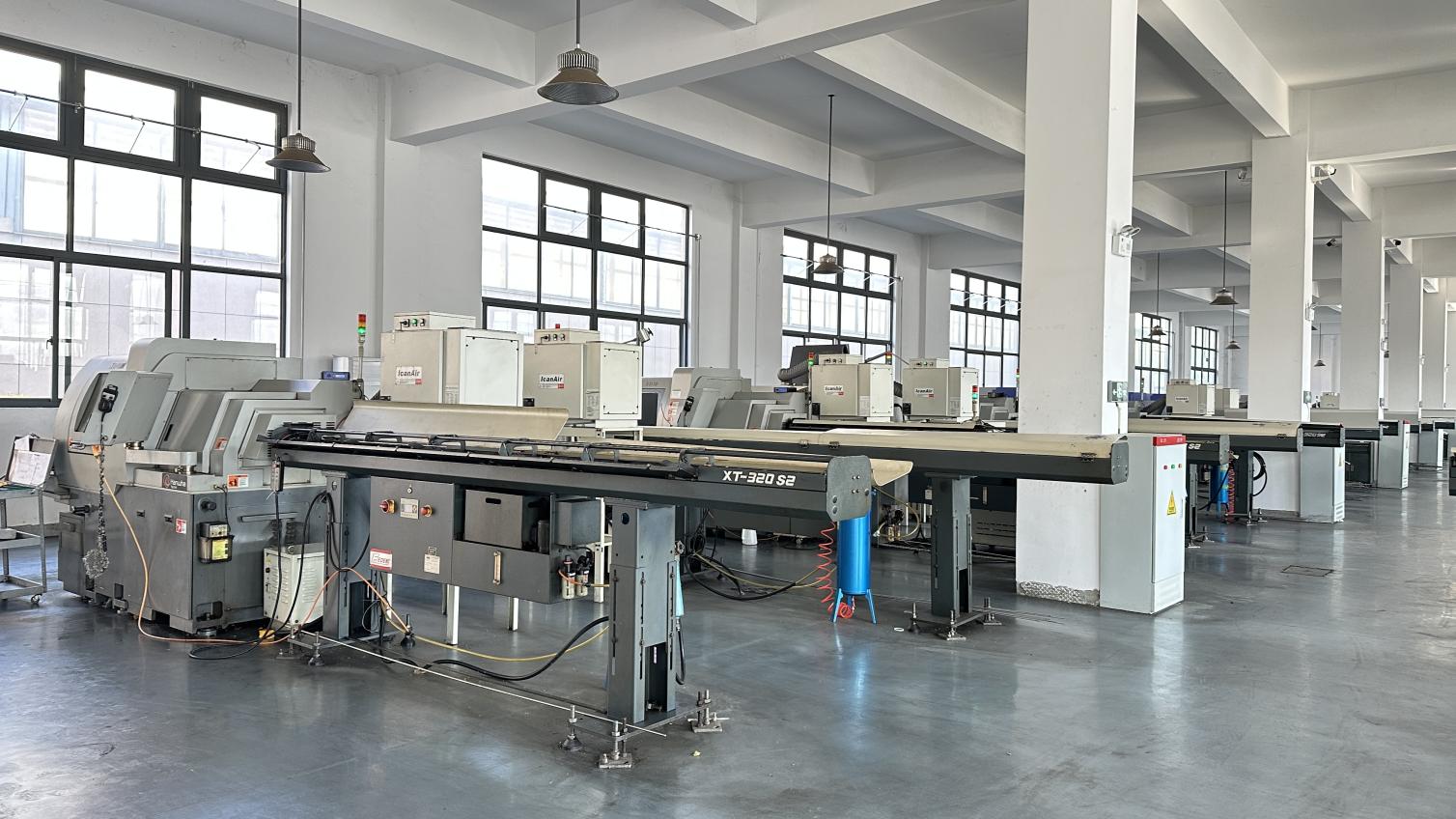
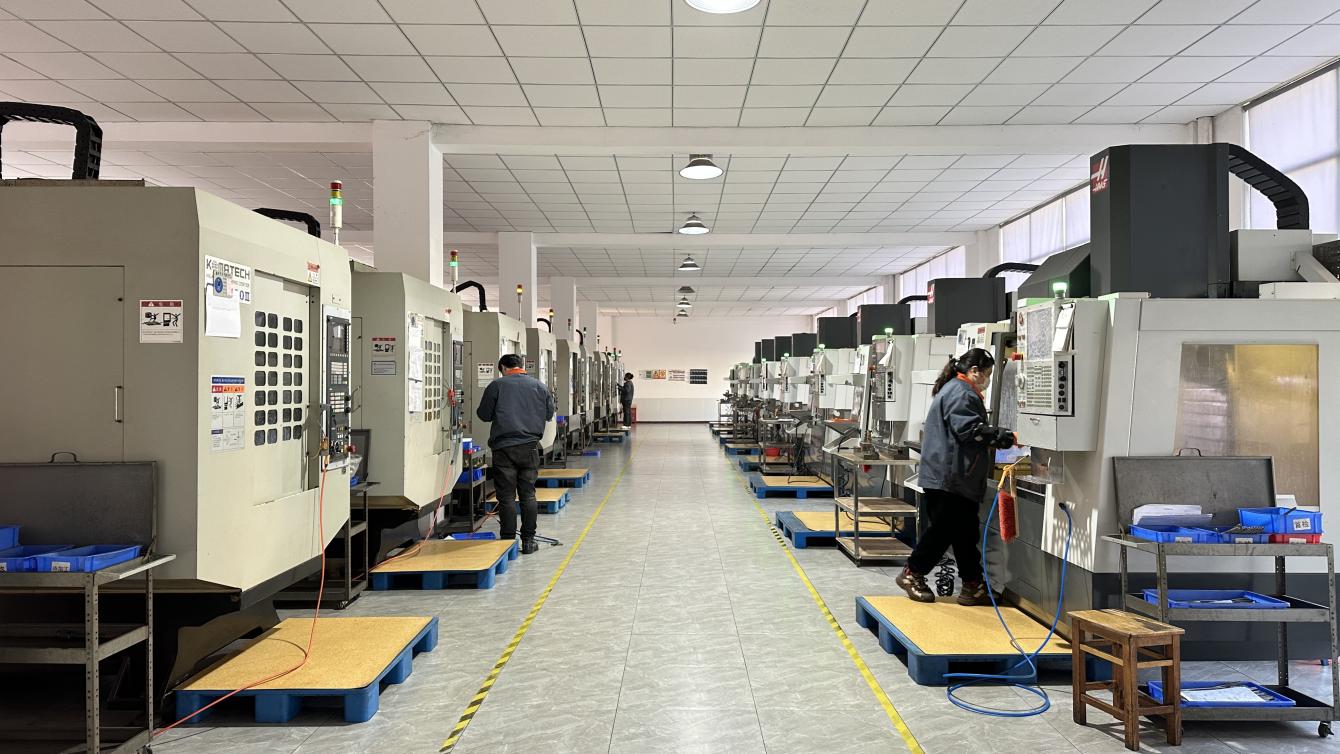
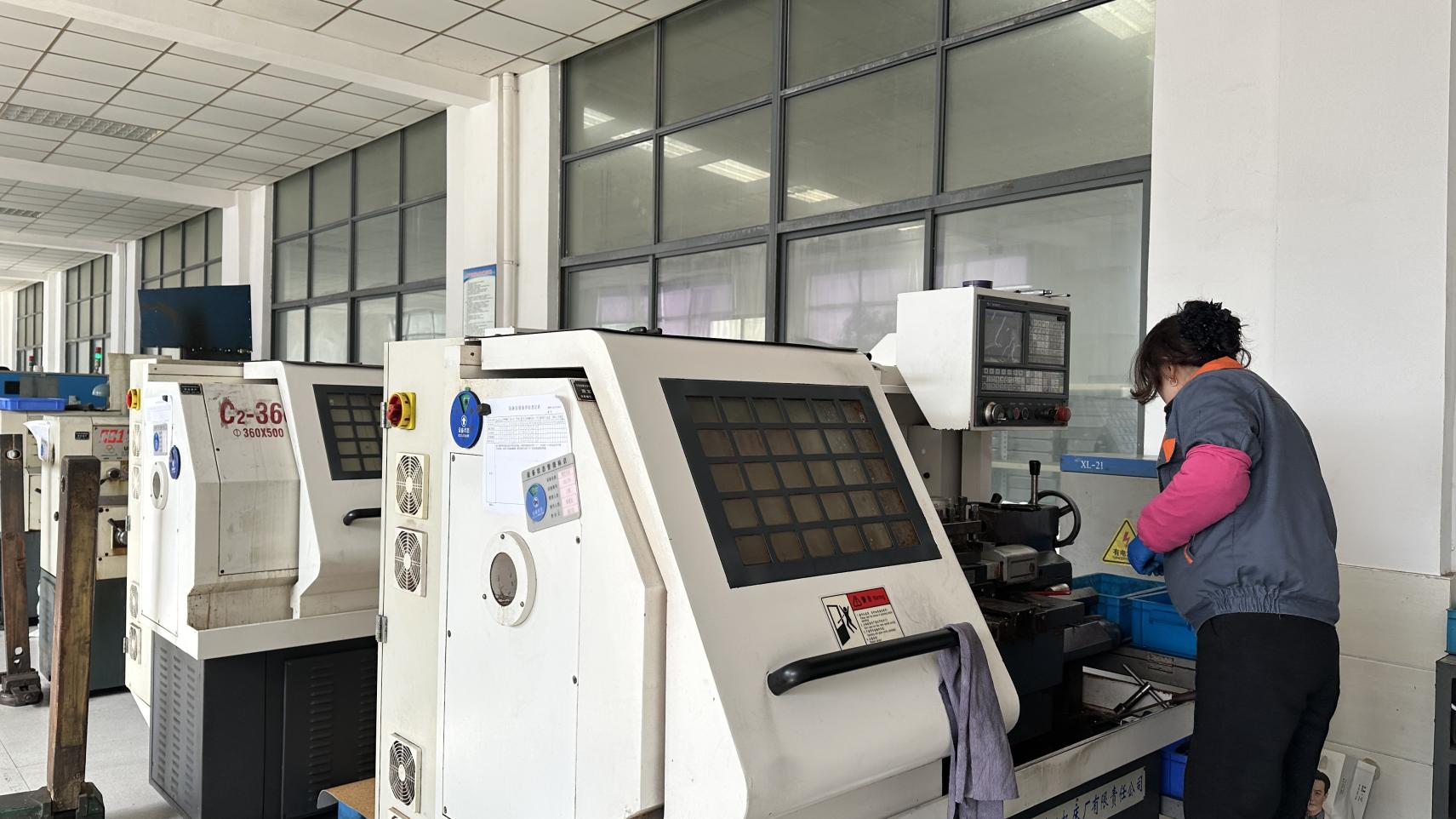
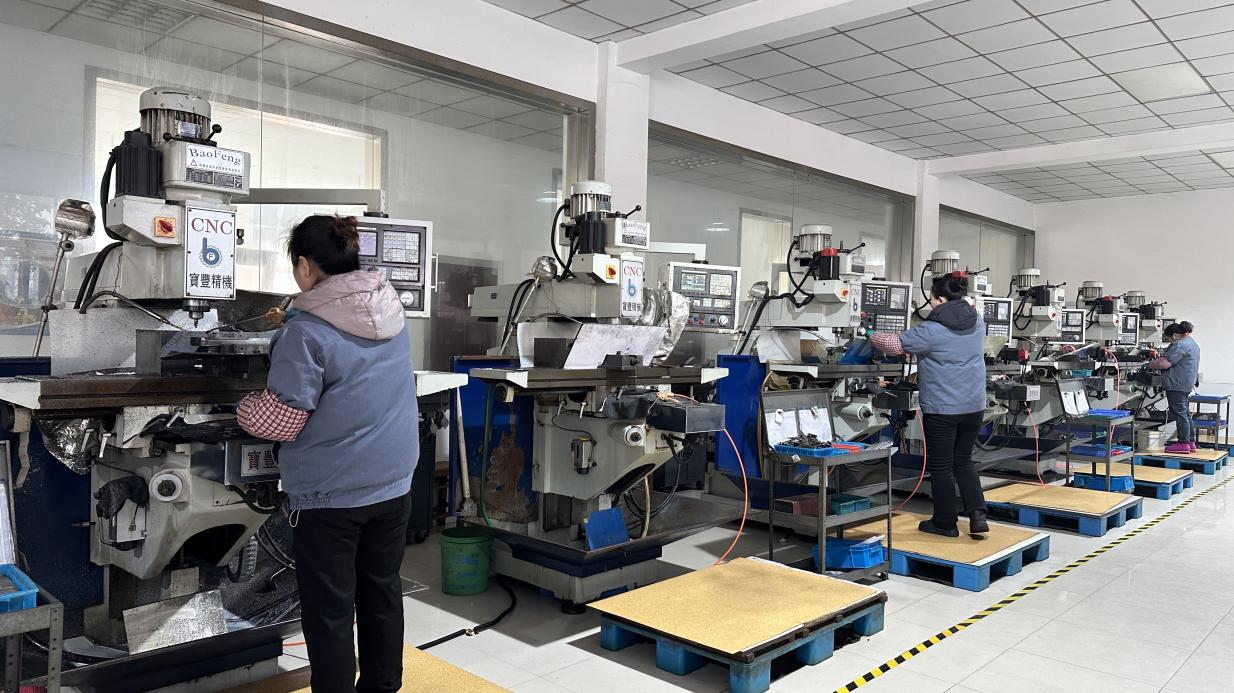
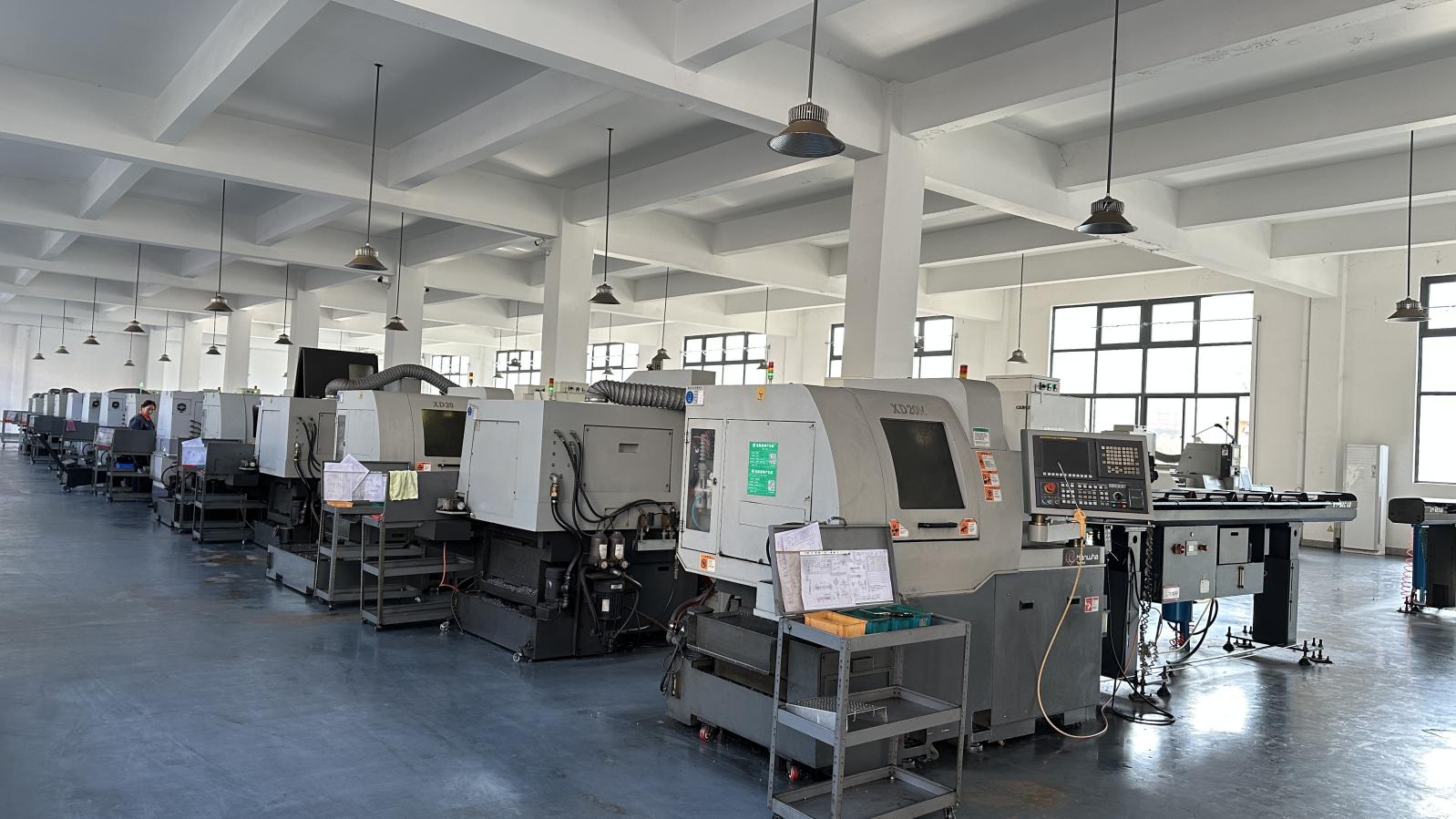
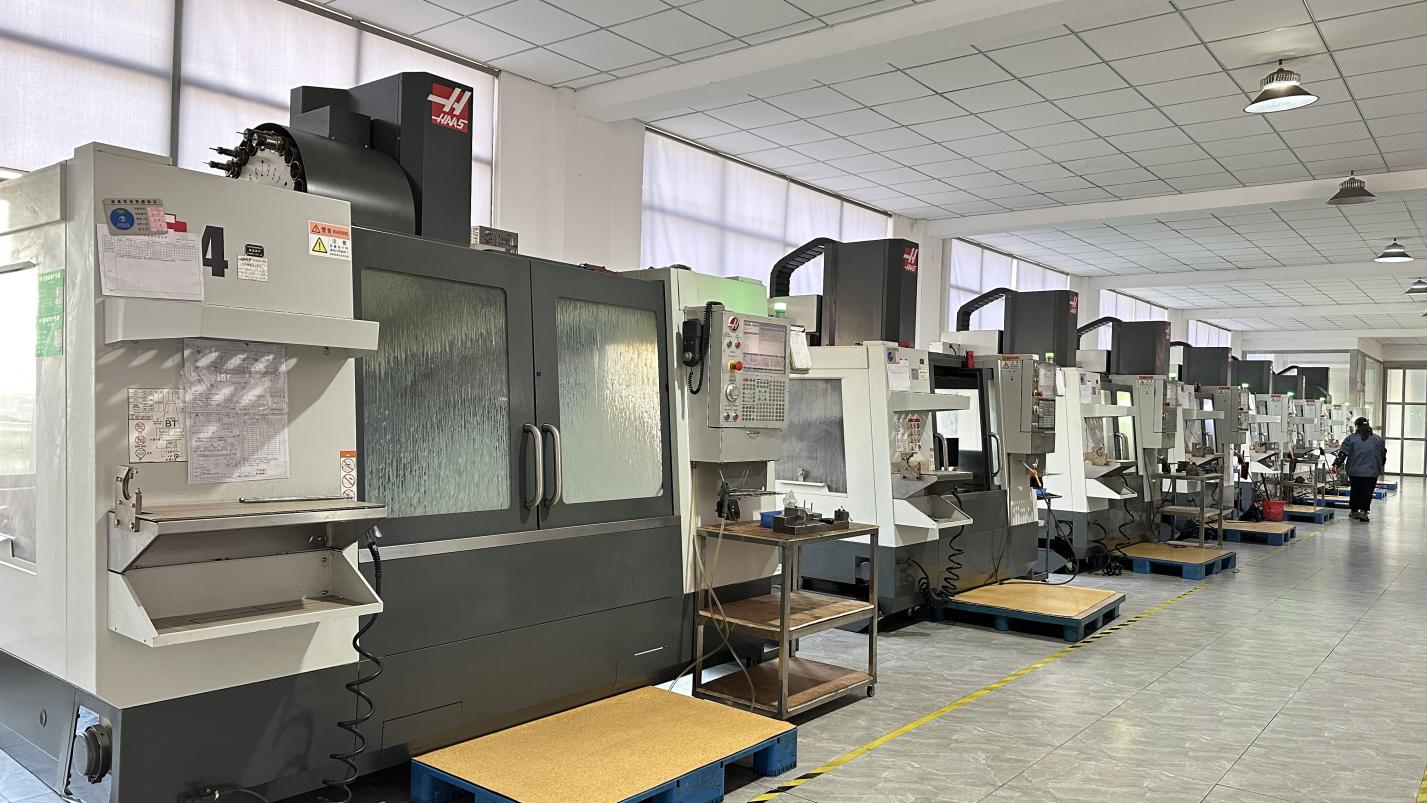
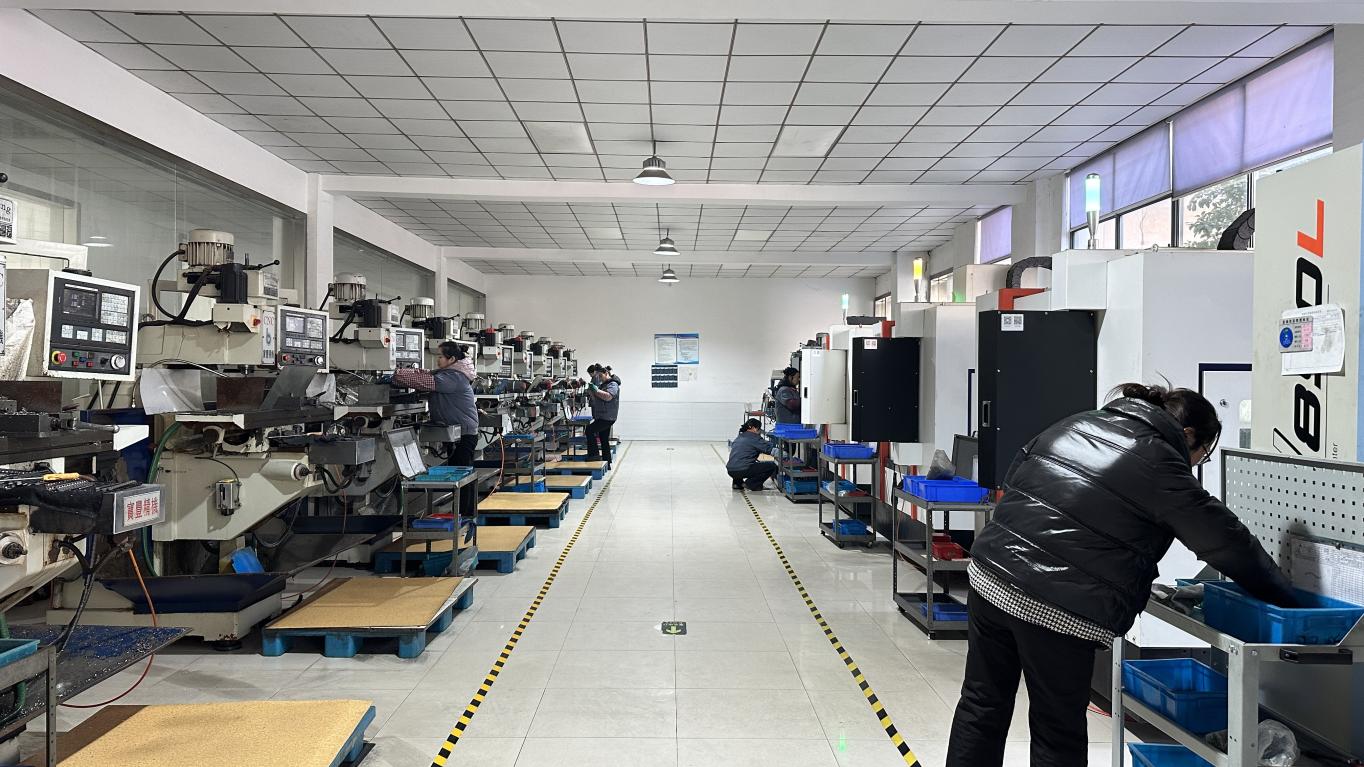
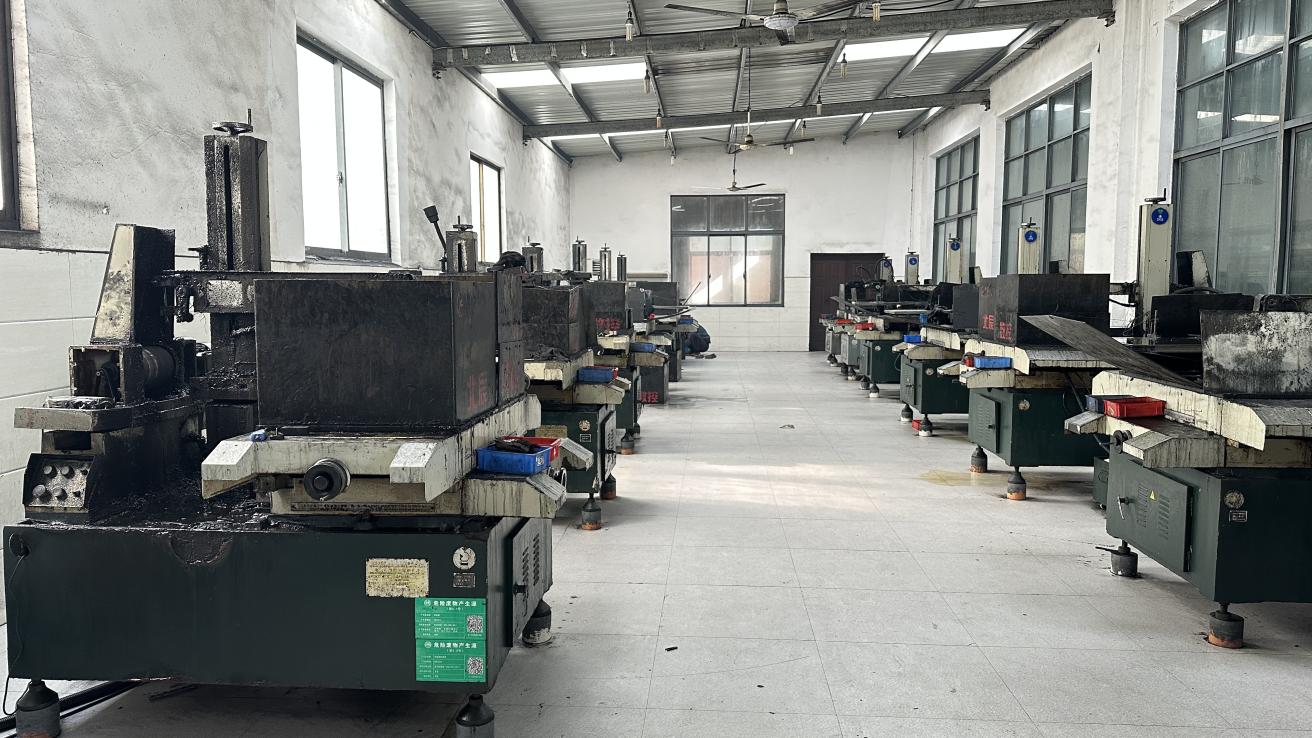
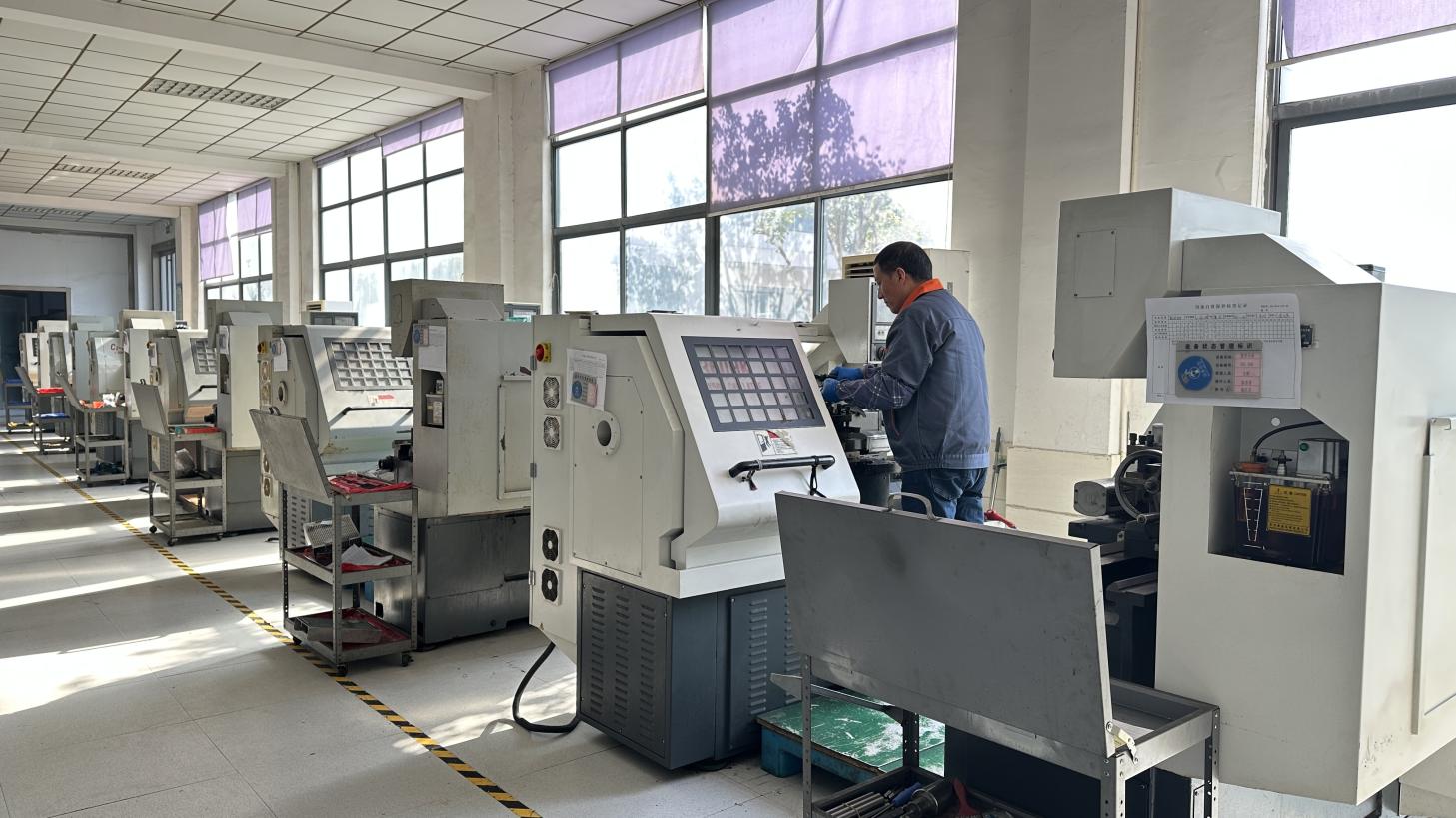
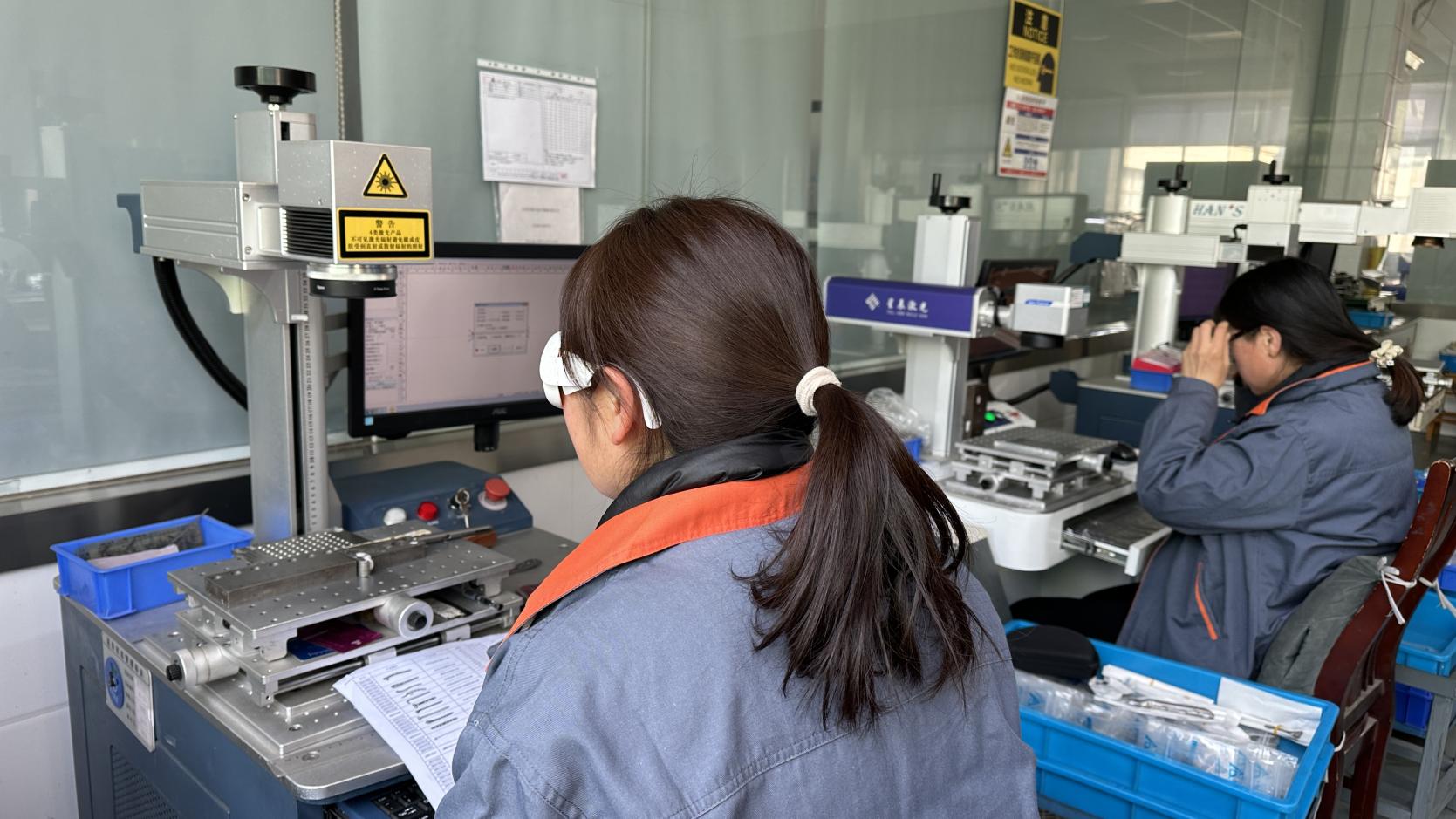
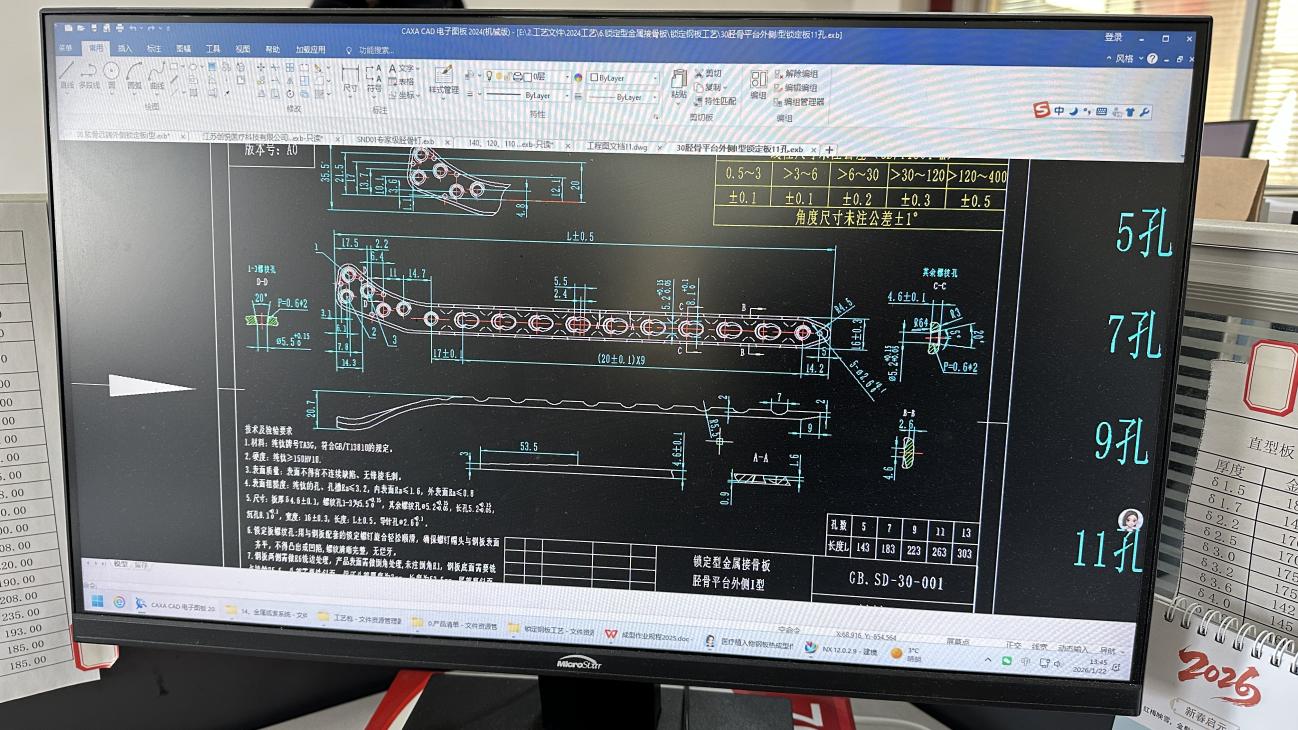
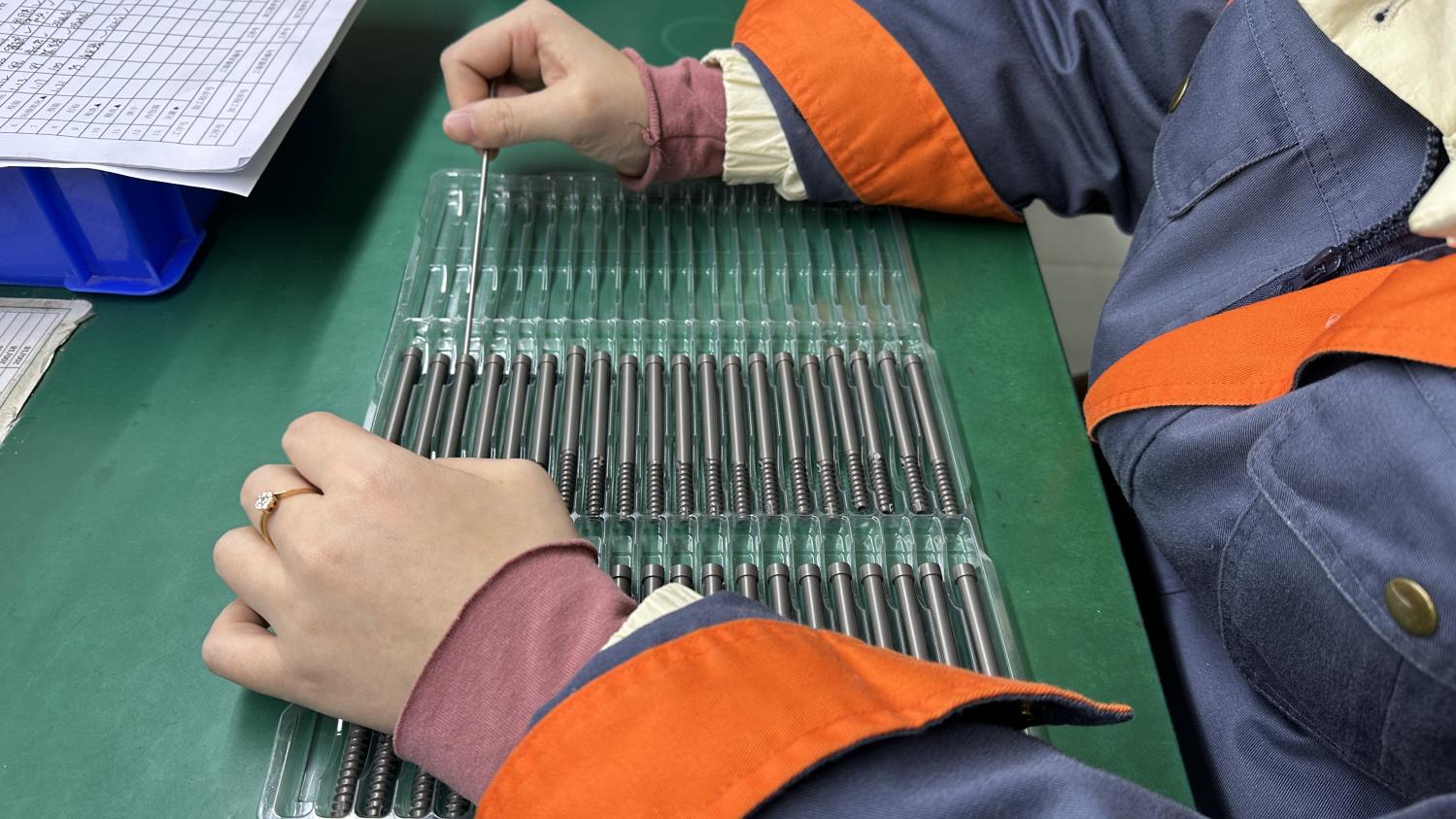
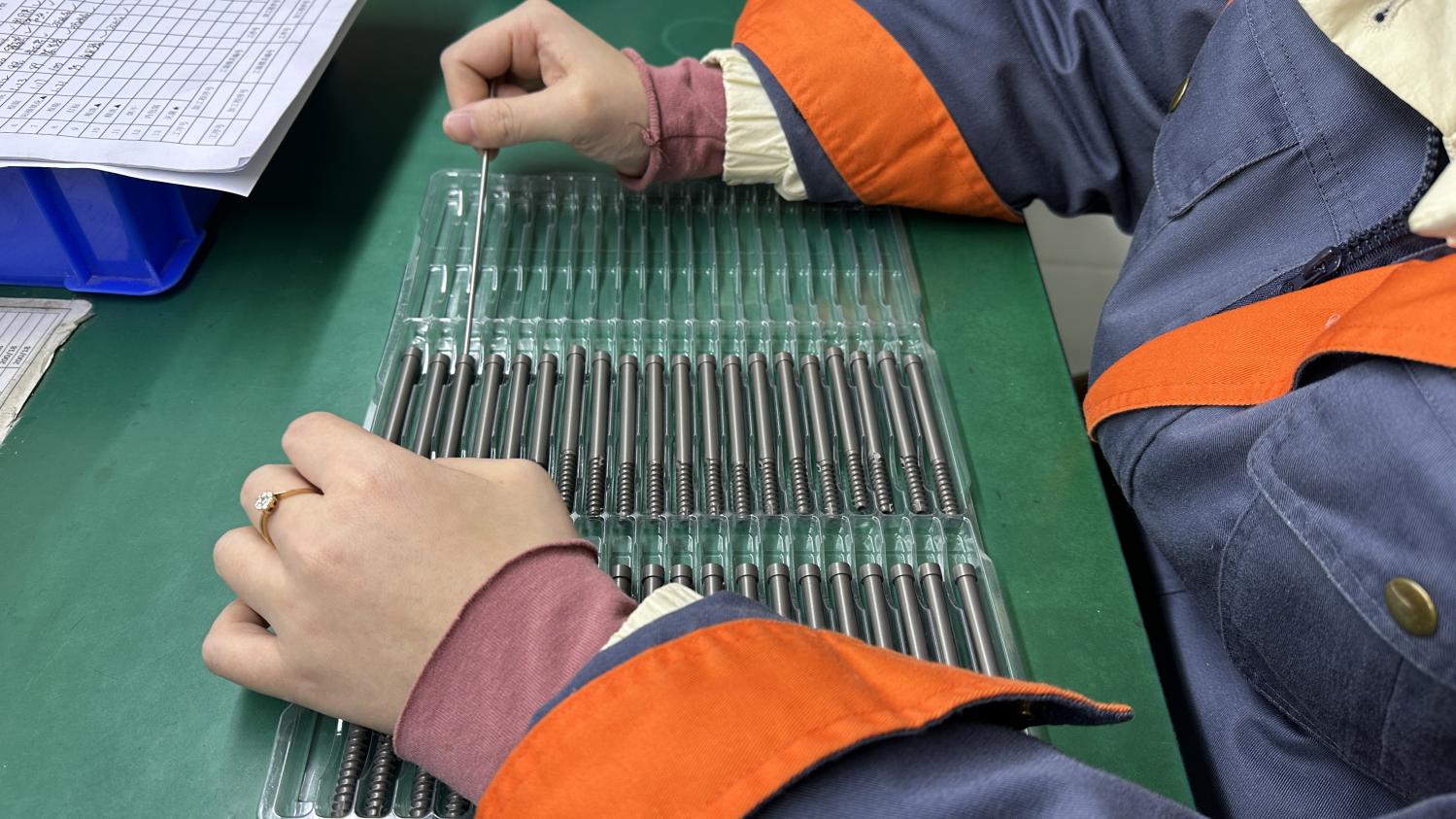
Every orthopedic screw thread profile, plate curvature, and instrument connection joint undergoes CNC grinding and structural validation. Raw materials are sourced from verified global suppliers and must pass strict metallurgical composition checks, including spectrum analysis, before they reach the slitting line.
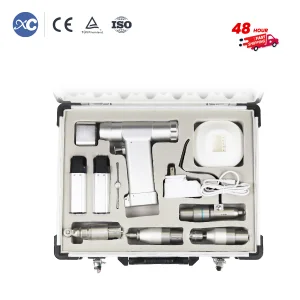
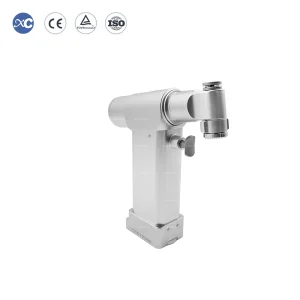
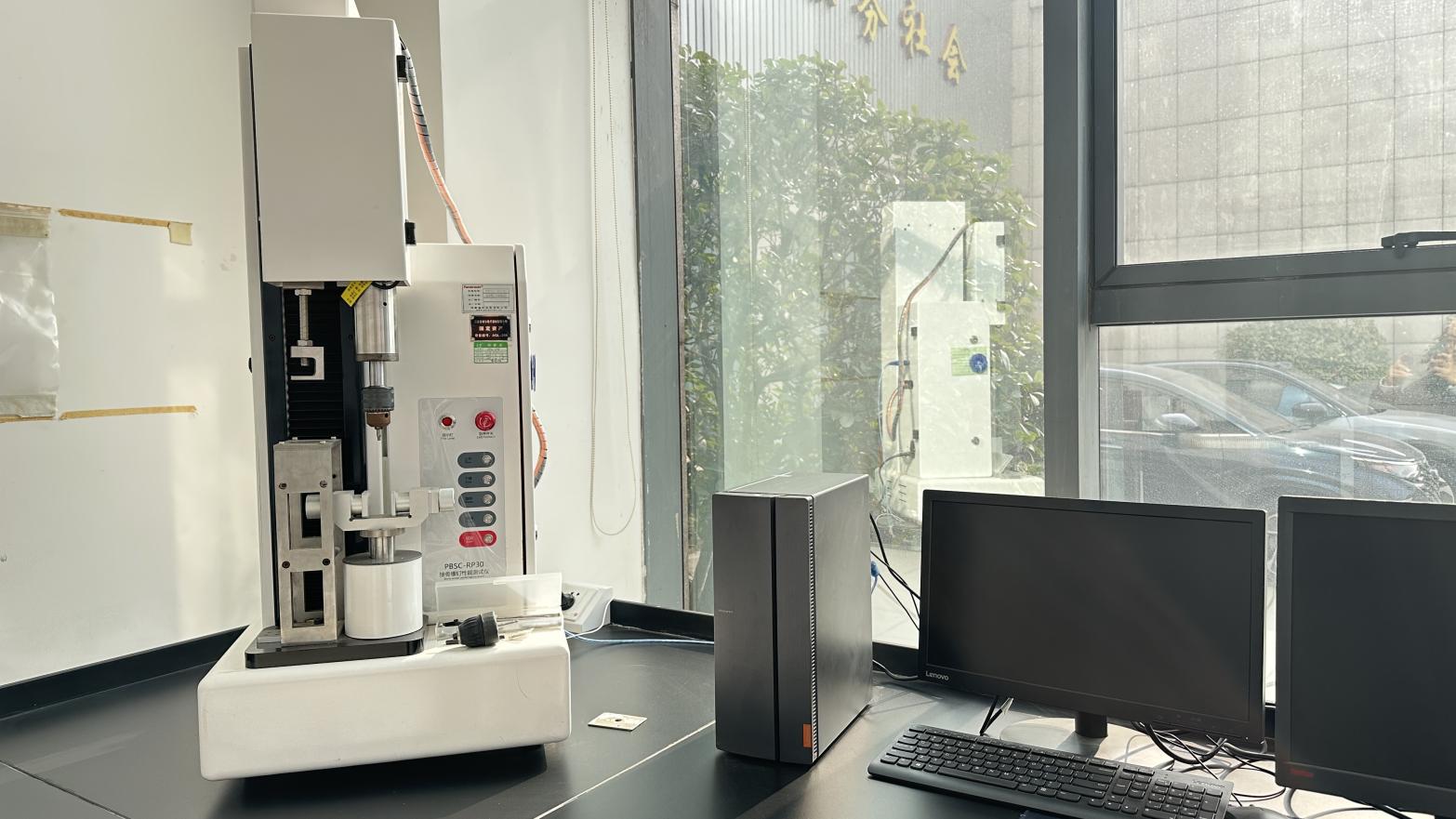
As a trusted OEM/ODM manufacturing partner, Medisplint operates under a strict ISO 13485 Quality Management System. Our QA/QC department consists of 42 certified inspectors monitoring every step from raw material entry to final sterile packaging. We subject our spinal stabilization implants and surgical drill sets to exhaustive testing regimens in our state-of-the-art test laboratory to verify structural safety and tensile thresholds.

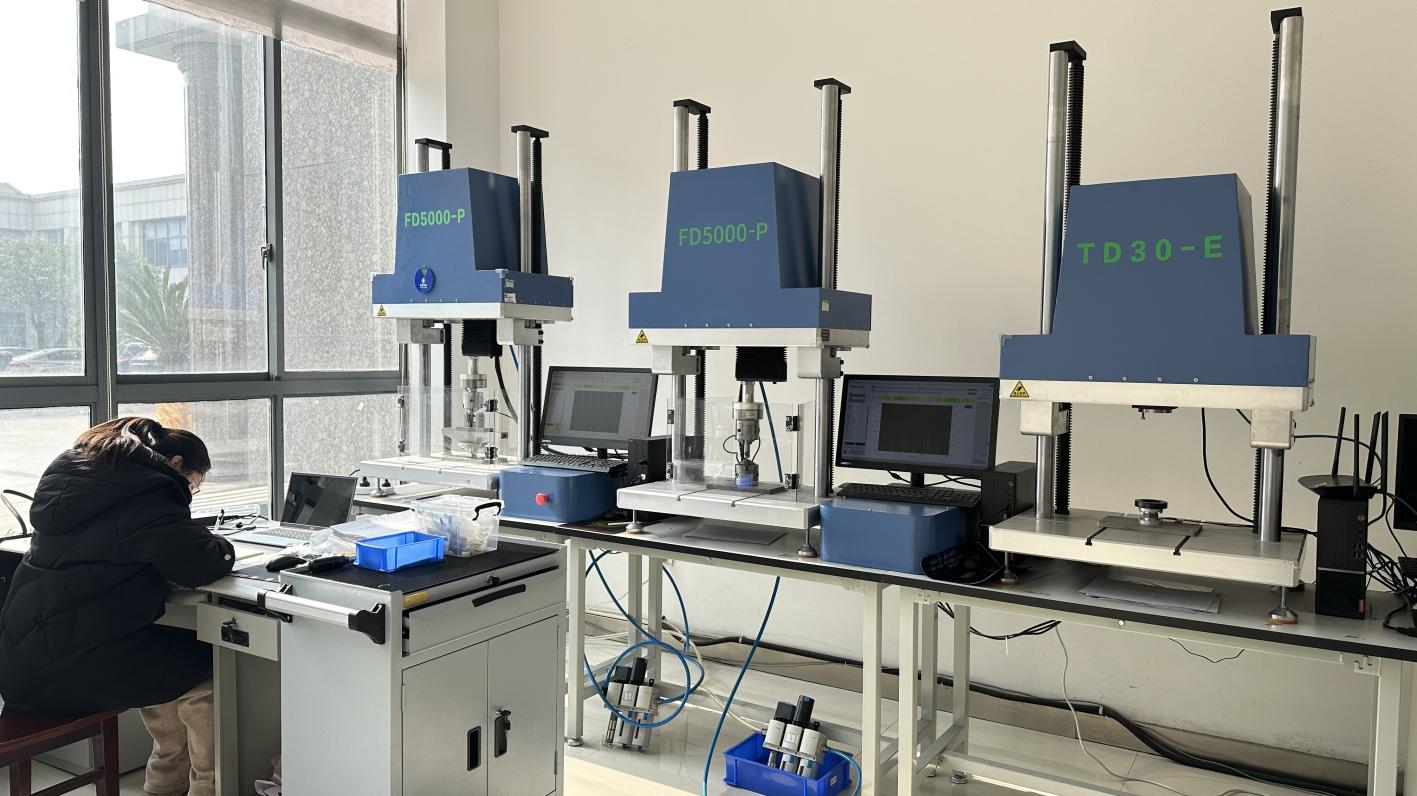
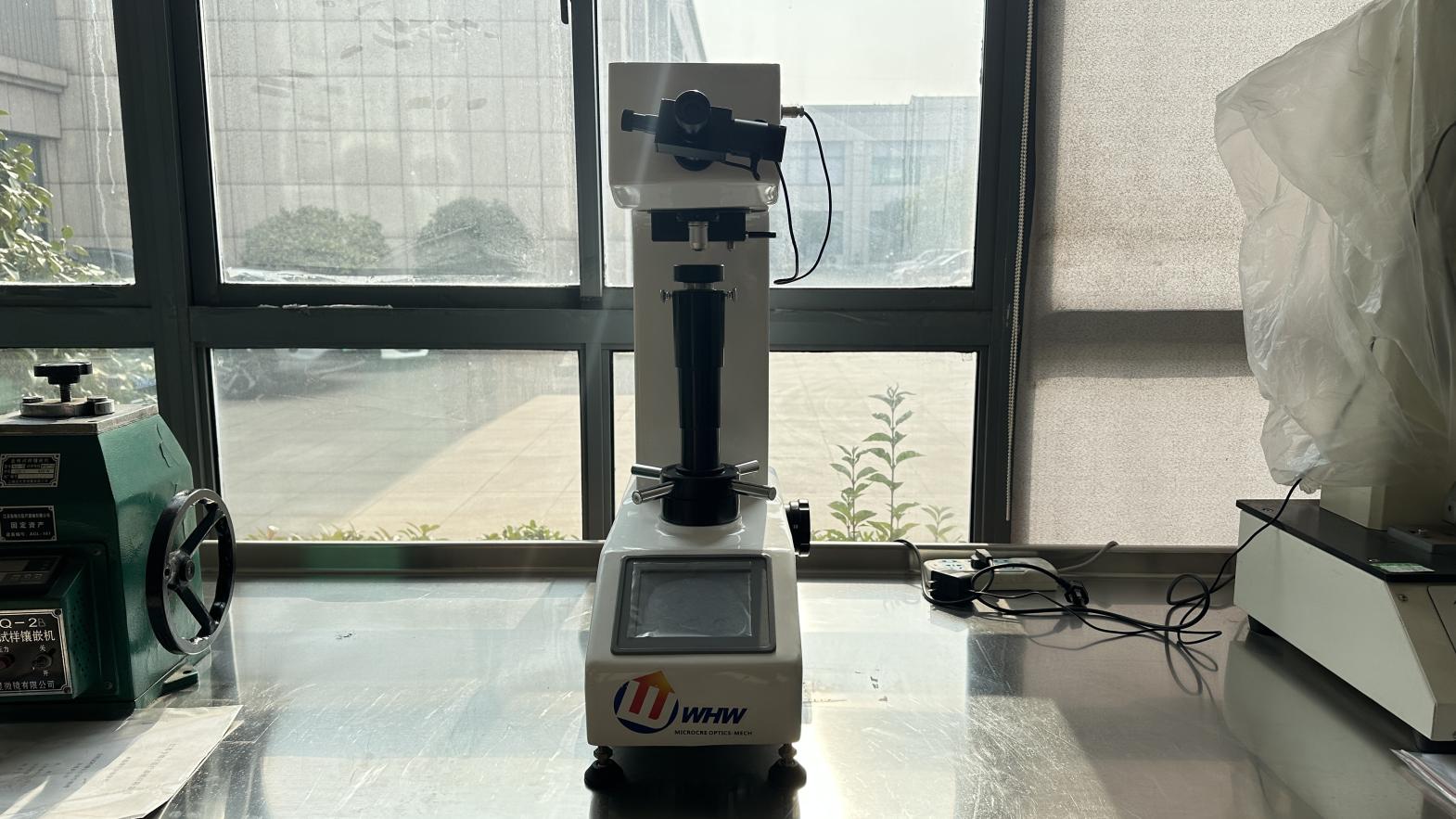
Using our Dynamic Fatigue Tester, we simulate millions of motion cycles on our cervical plate constructs to determine mechanical thresholds and prevent catastrophic in-vivo failures under physiological loads.
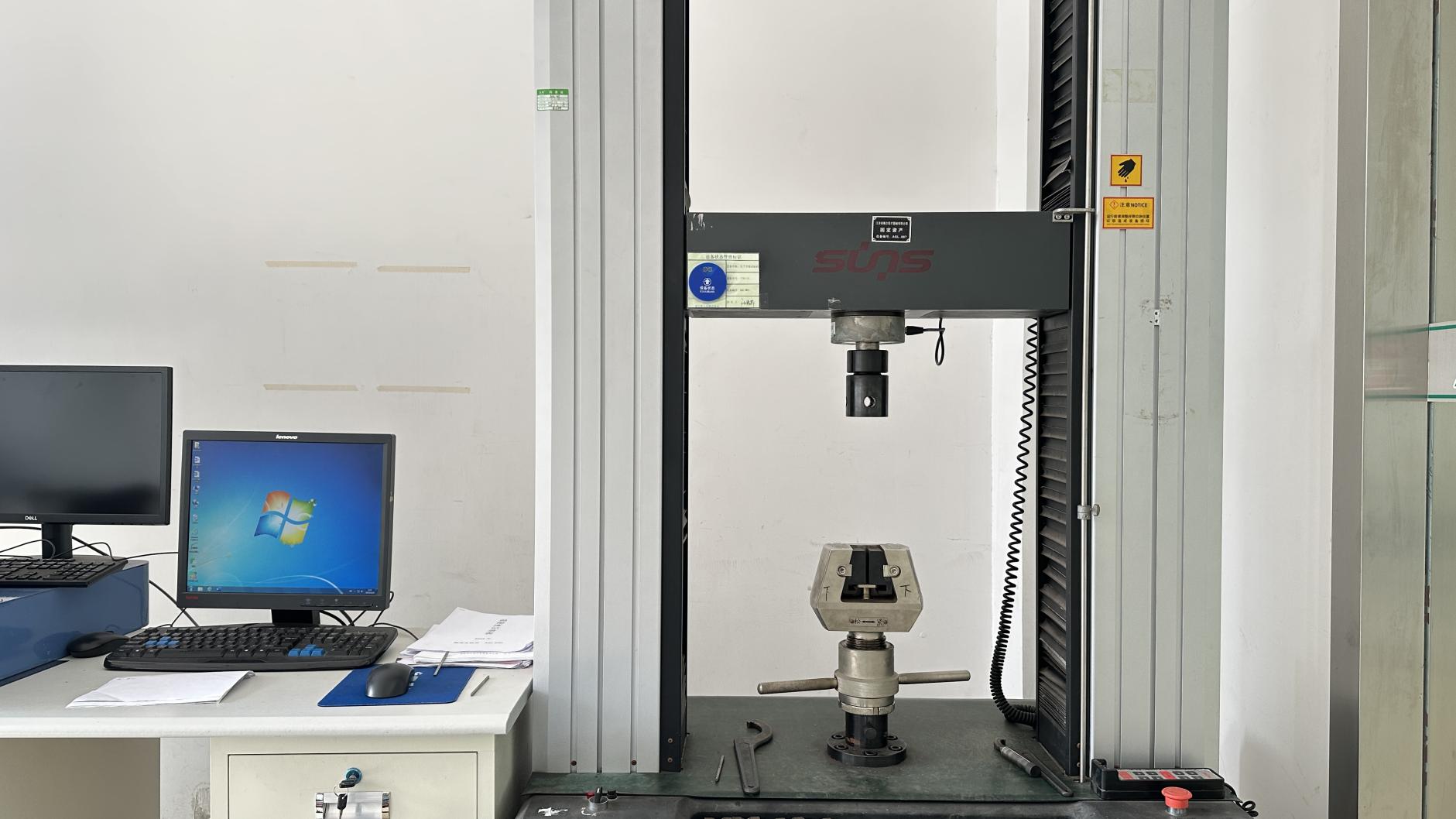
Our Bone Screw Performance Tester quantifies the insertion torque, self-tapping efficiency, and pull-out resistance of locking bone screws, guaranteeing secure anchoring in compromised bone structures.
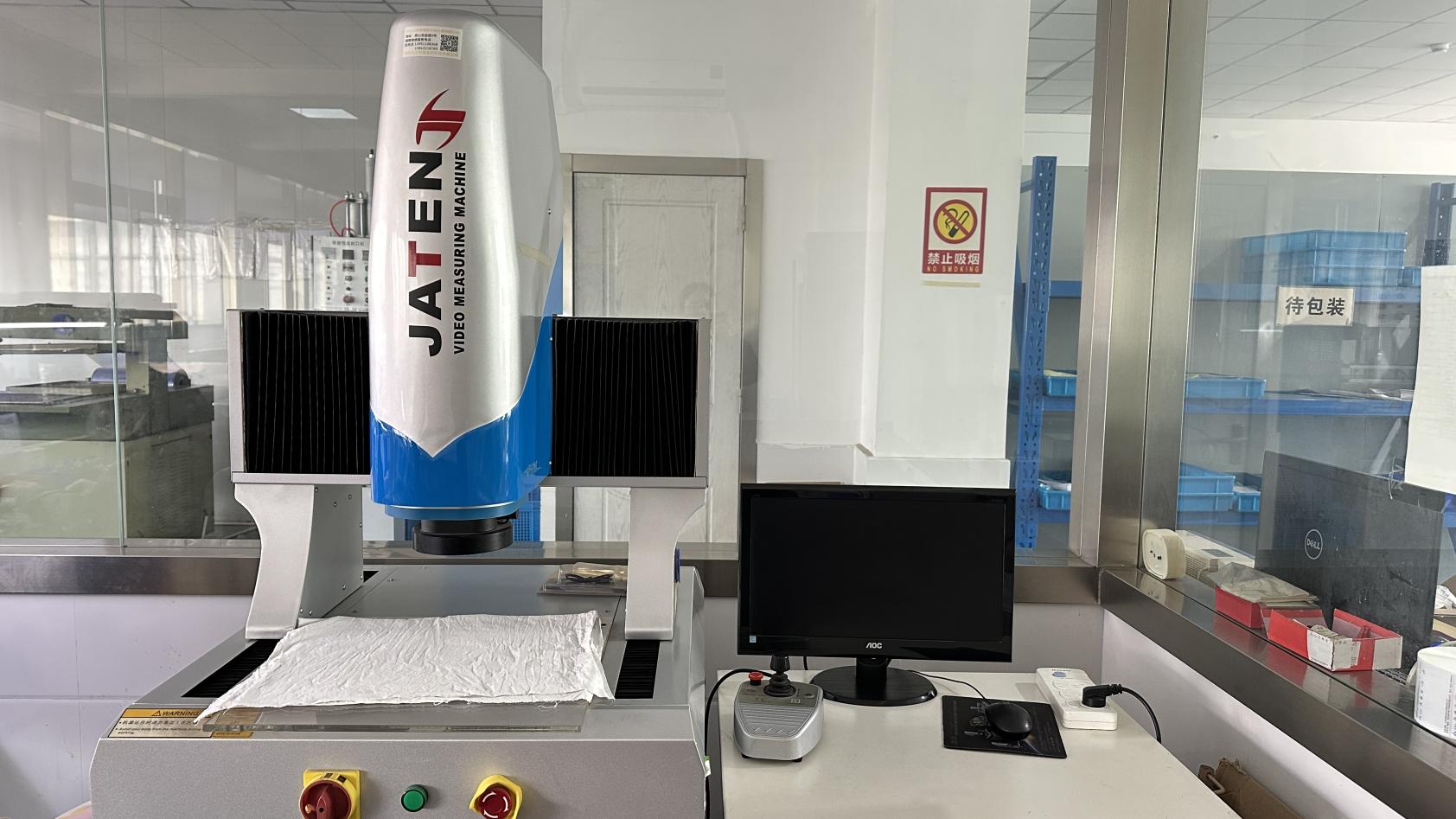
Leveraging Two Dimensional Measuring Instruments and laser micrometers, inspectors maintain tight dimensional compliance to eliminate cross-component mismatch during multi-part assemblies.
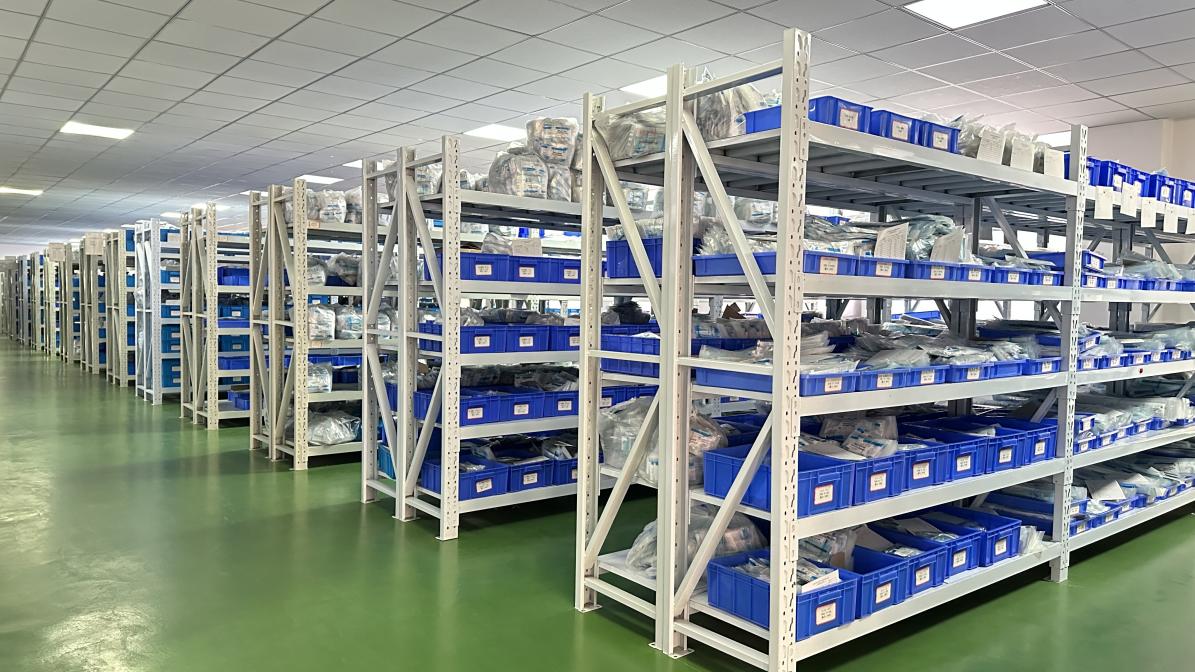
Our medical systems are structured to serve diverse regional healthcare systems, including emergency hospitals, private spine clinics, and academic research institutions. We supply orthopedic implants and instruments across key global corridors, ensuring each delivery conforms to regional logistics, import policies, and documentation regulations.
We offer medical-grade titanium fixation implants that align with strict EU MDR directives, supporting distributors with compliant Class III technical files and biological safety dossiers.
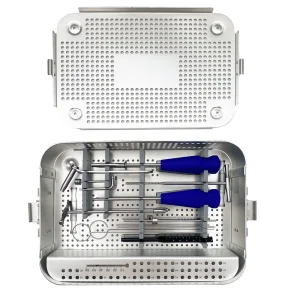
Flexible wholesale structures, custom instrument configuration kits, and streamlined shipping lanes ensure regional hospitals maintain surgical supply stability.
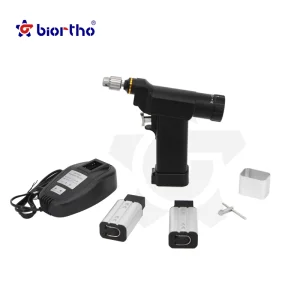
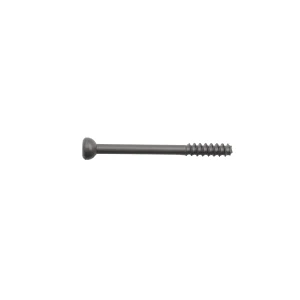
Beyond human orthopedics, we manufacture specialized veterinary spinal instruments, micro-retractors, and cannulated screw sets to support specialized veterinary clinics globally.
The future of craniovertebral reconstruction lies at the intersection of biological science and automated production. Medisplint is investing in several technological transitions designed to optimize patient outcomes and simplify surgical steps:
Our R&D team is refining 3D-printed titanium structures that mimic human trabecular bone porosity. This stimulates natural osteointegration and reduces stress-shielding effects, improving long-term implant stability.
Using CT imaging data, our engineering center can design and mill patient-specific occipital plates. This eliminates the need for manual intraoperative contouring, reducing surgical time and improving anatomical fit.
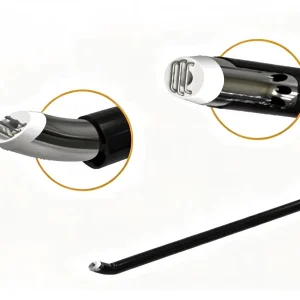
We are designing our next generation of drill sleeves, screw inserters, and retractors to integrate with electromagnetic and optical surgical navigation platforms, assisting surgeons during complex screw trajectories.
Find authoritative answers to common inquiries regarding material properties, regulatory certifications, production capacities, and custom design processes.