Medisplint
Medisplint
Medisplint
Pioneering precision-engineered implant assemblies and surgical instrument configurations to facilitate optimal clinical outcomes.
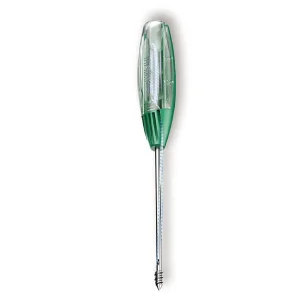
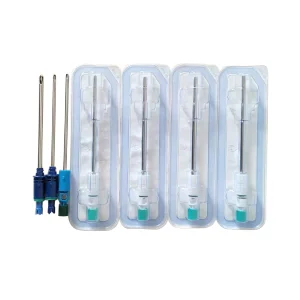
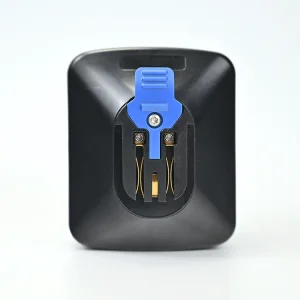
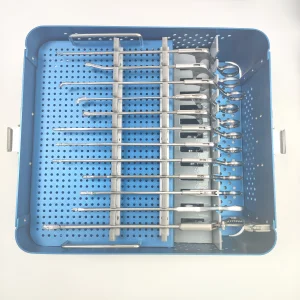
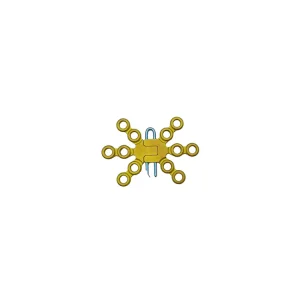
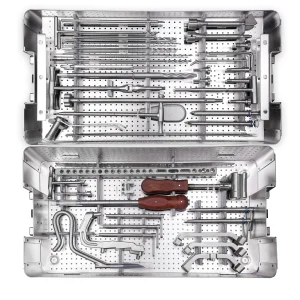
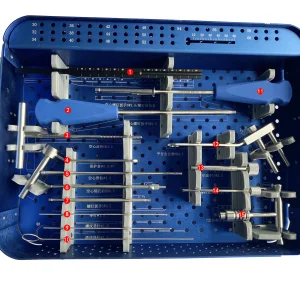
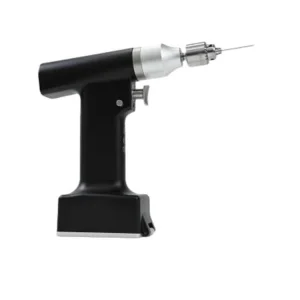
A comprehensive exploration of design paradigms, metallurgy, and biomechanical parameters shaping internal fixation technology.
Within contemporary orthopedic surgery, the utilization of titanium cannulated screws represents one of the most significant paradigm shifts in internal trauma fixation. Designed explicitly to facilitate minimally invasive surgical (MIS) interventions, these implantable devices utilize a hollow central core. This design permits guide wires to dictate precision positioning before final screw insertion, minimizing mechanical trauma to adjacent soft tissues and maximizing fracture compression parameters.
Historically, bone screws were fabricated from stainless steel alloys. However, the modern orthopedic industry has systematically transitioned to titanium and its biocompatible alloys—principally Ti-6Al-4V ELI (Extra Low Interstitial, Grade 23) and Grade 5 Titanium. The driving force behind this metallurgical shift is titanium’s modulus of elasticity, which aligns more closely with human cortical bone compared to stainless steel. This mechanical match significantly reduces stress shielding—a phenomenon where stiffer metallic implants absorb stress that should naturally be borne by bone, leading to localized osteopenia and screw loosening.
Modern clinical trends demand specialized screw designs with self-tapping and self-drilling features, variable thread pitches, and specialized surface treatments. Advancements in processing now permit the manufacturing of micro-textured or anodized surfaces, promoting improved osseointegration and lowering the rate of surgical site infections (SSIs) globally.
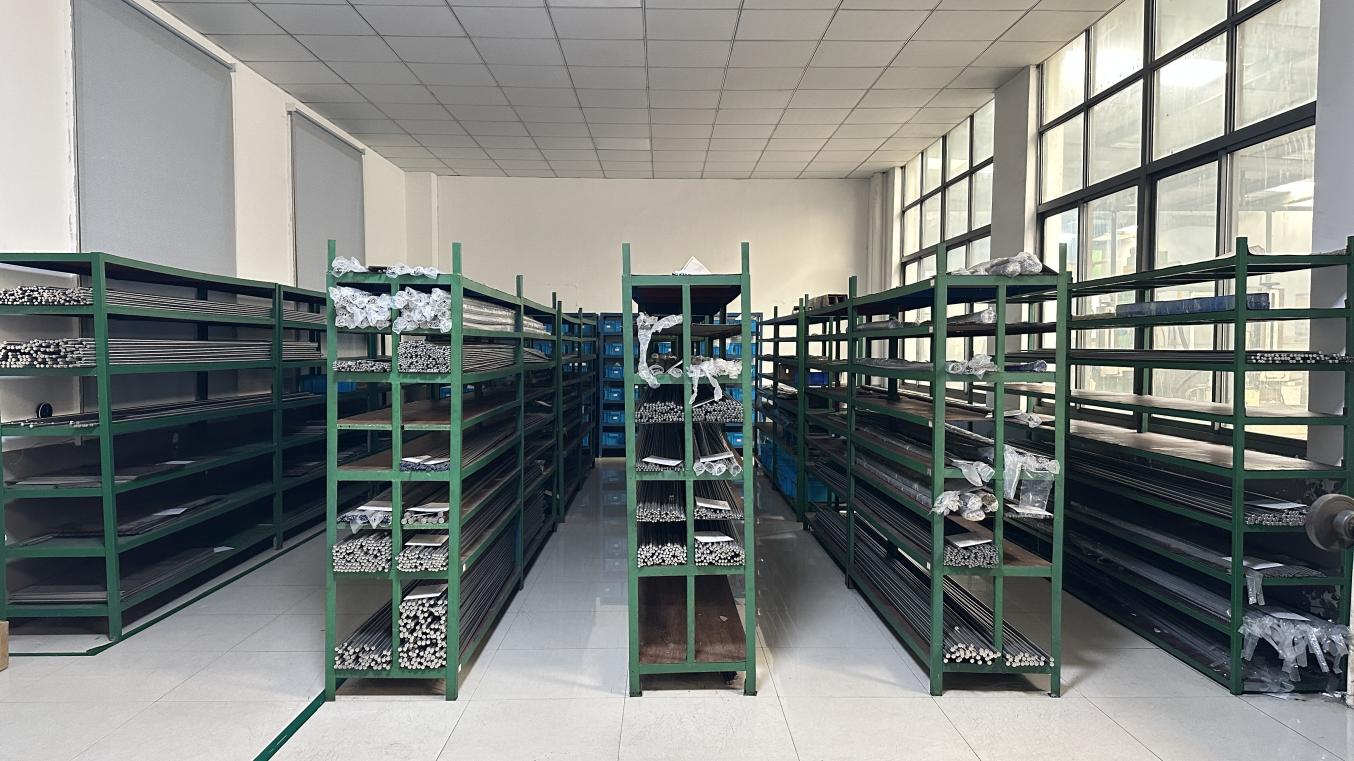
Your Trusted Manufacturing Partner for Clinical-Grade Orthopedic Implants
Founded in 2016, Medisplint Orthopedic Instruments Co., Ltd. has established itself as an industry-leading designer and manufacturer specializing in high-precision trauma implants, spinal fixation assemblies, joint replacement components, and complex surgical instrument sets. Over a decade of industrial experience, coupled with 7 years of high-volume export expertise, allows us to build deep supply partnerships globally.
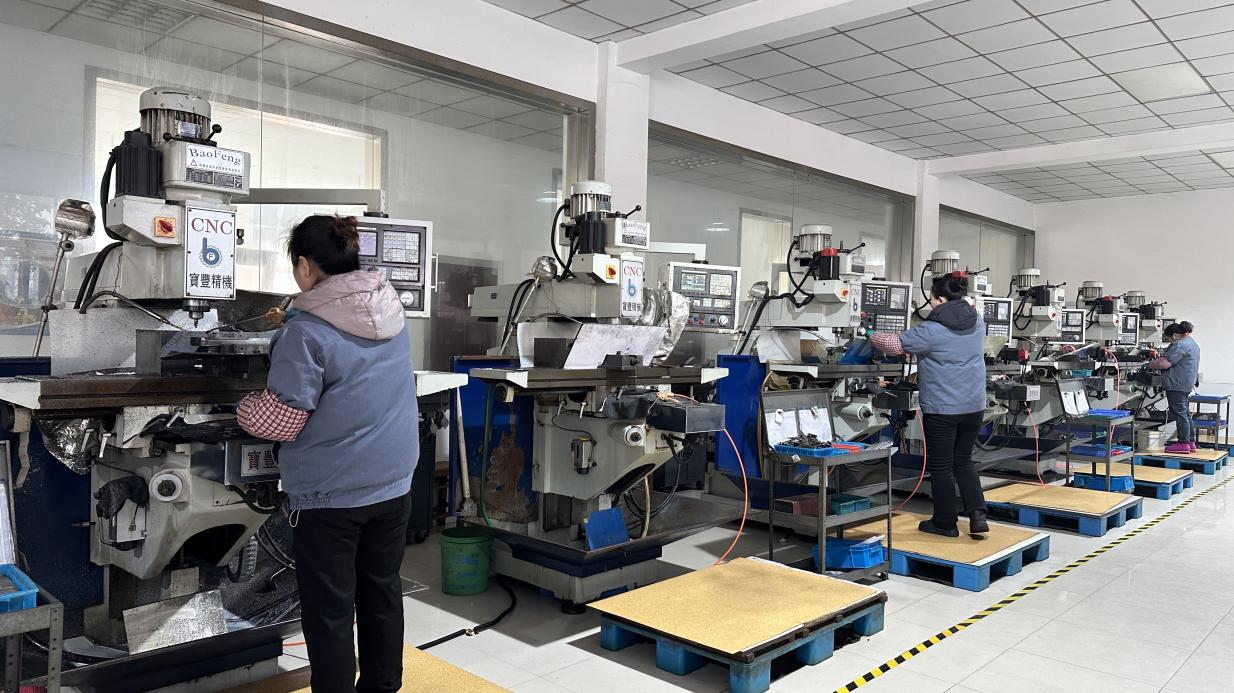
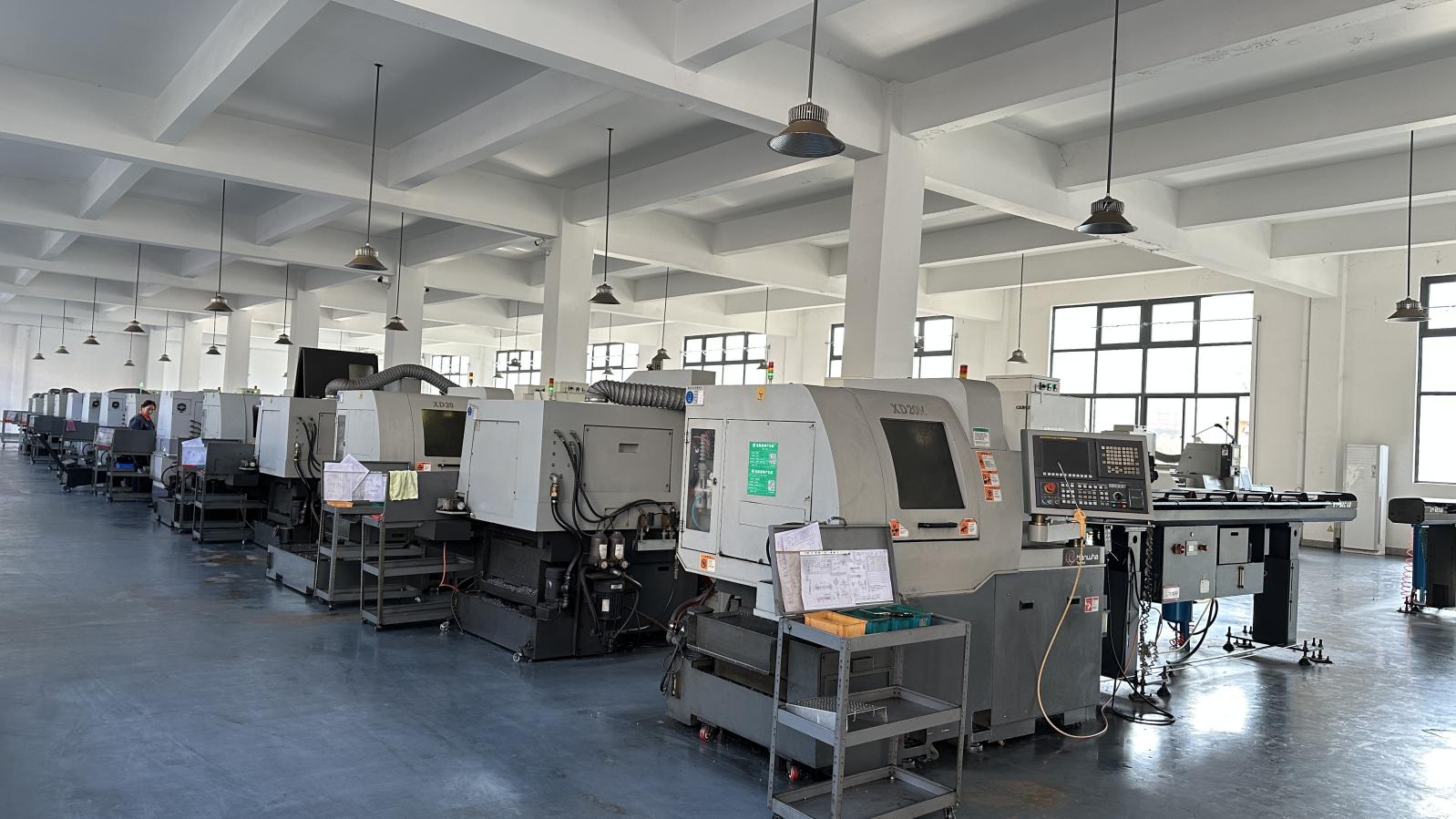
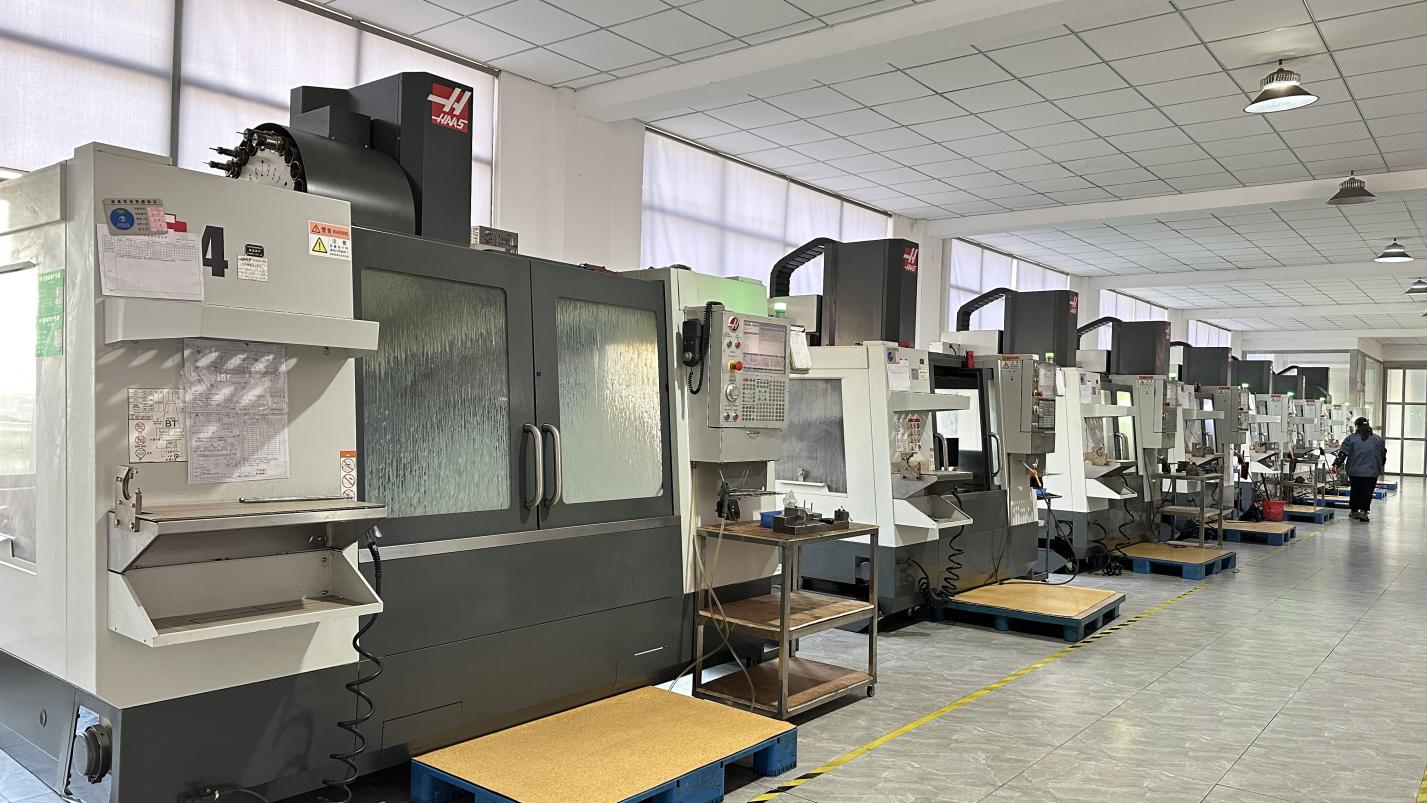
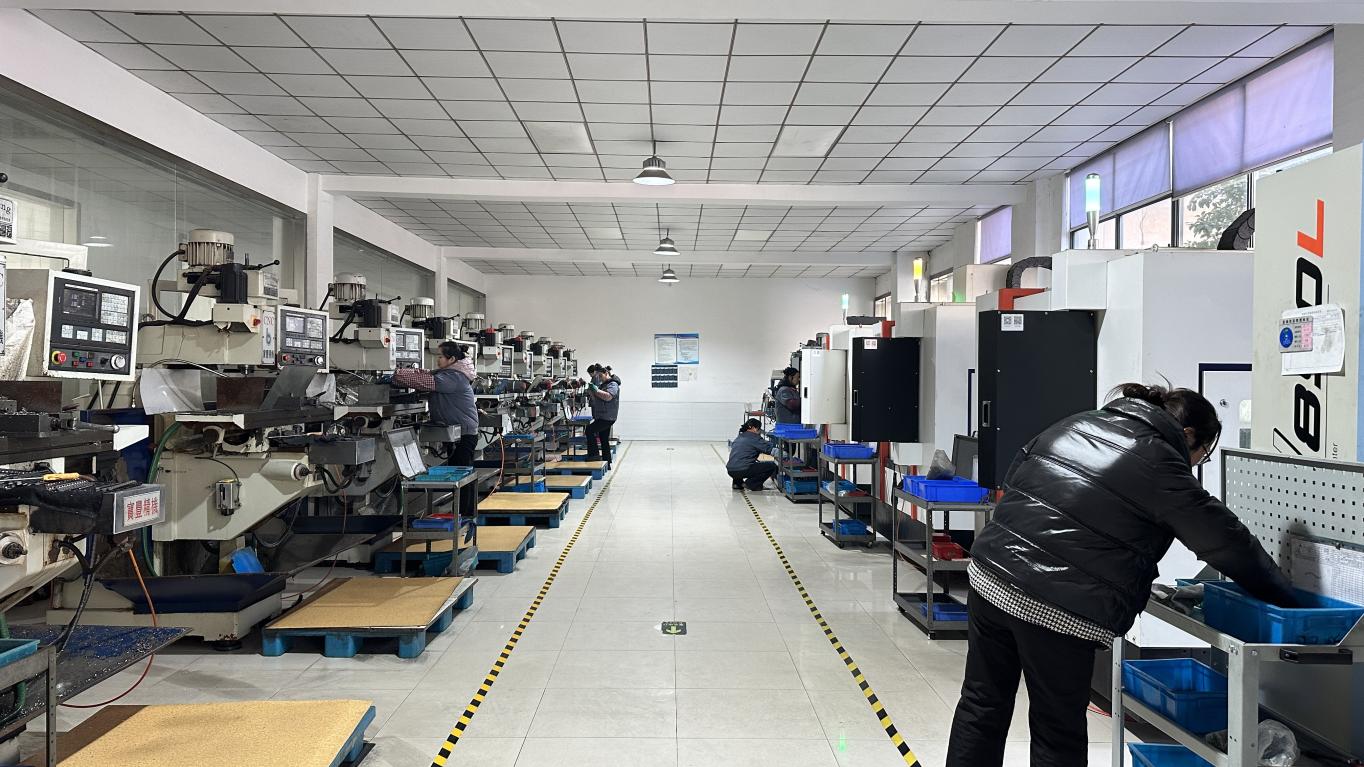
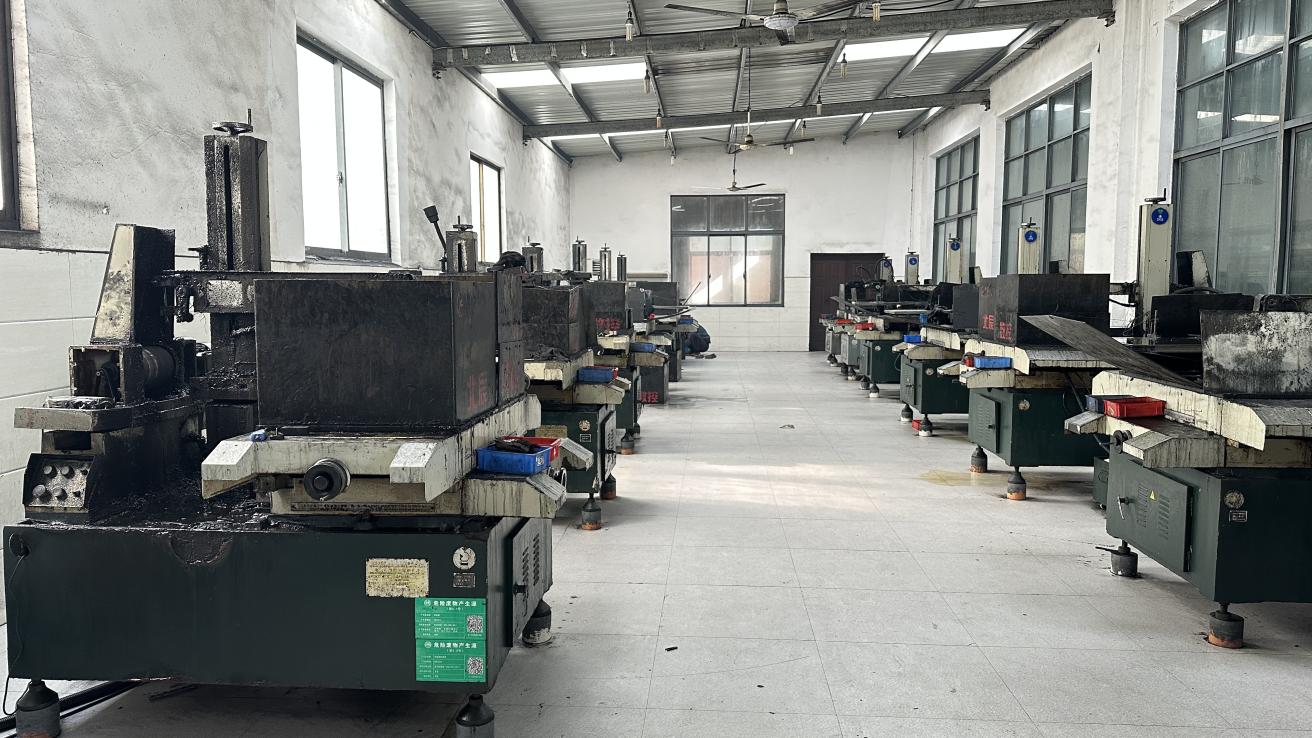
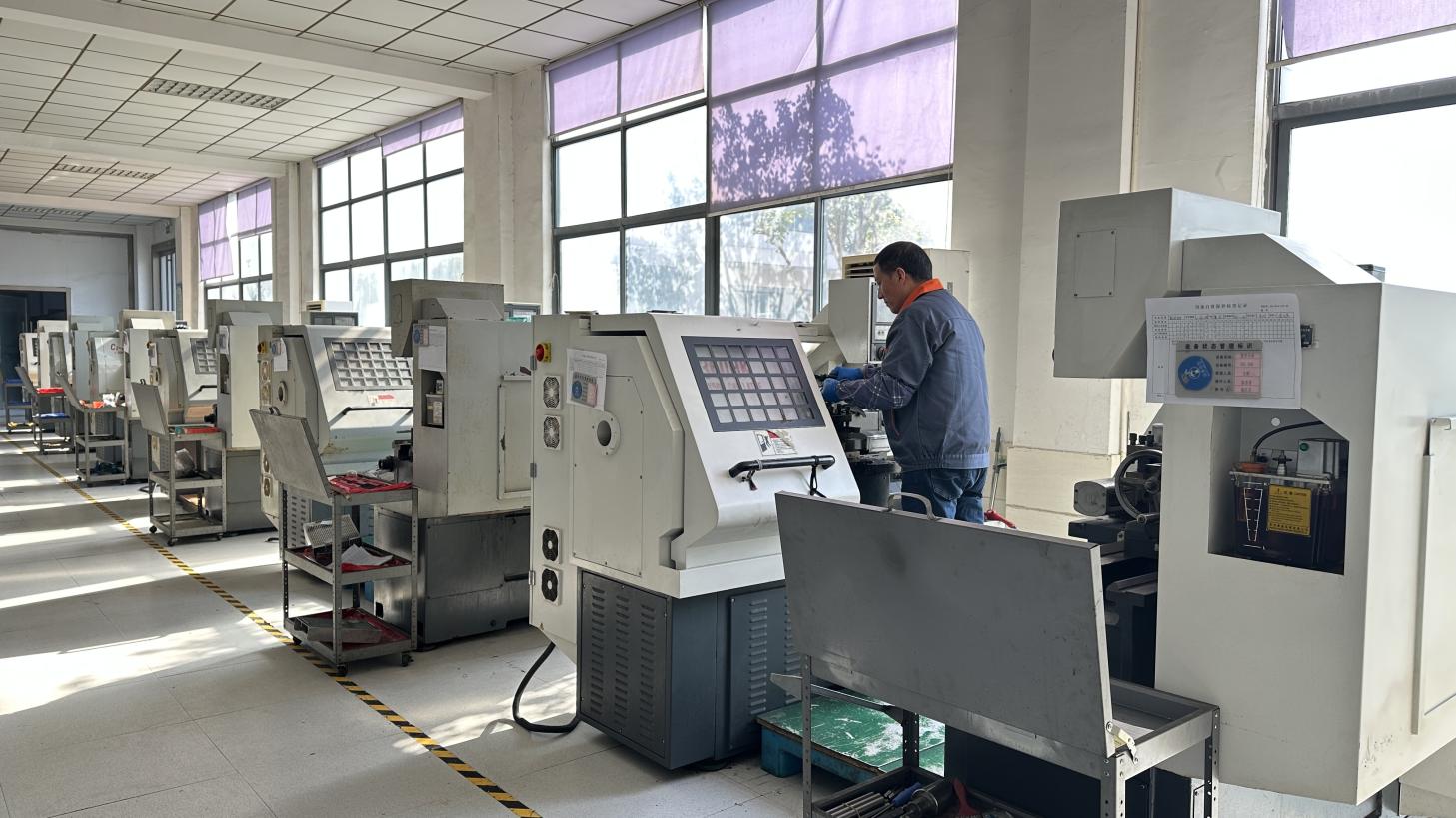
Our infrastructure centers on a modern 18,500 square meter integrated facility located in China. This site covers raw materials processing, high-precision Swiss-type CNC machining, wire cutting, cleanroom packaging, and in-house validation laboratories. Operating under a strict ISO 13485 quality management framework and holding compliance certifications including CE marks, we ensure that every batch of titanium cannulated screws meets the safety, dimensioning, and performance criteria demanded by surgeon networks across Europe, Southeast Asia, South America, and the Middle East.
| Parameters | Standard & Target Spec |
|---|---|
| Metallurgy (Raw Material) | ASTM F136 Ti-6Al-4V ELI (Grade 23) |
| Facility Scale | 18,500 ㎡ integrated production area |
| Global Supply Network | 1,200+ supply chain nodes |
| R&D Customization | OEM/ODM private labeling, CAD/CAM design modification |
| Quality Control Staff | 42 Dedicated QC Inspectors (IPQC, FQC, OQC) |
Providing supply chain resilience, absolute regulatory compliance, and cost-efficient product life cycles.
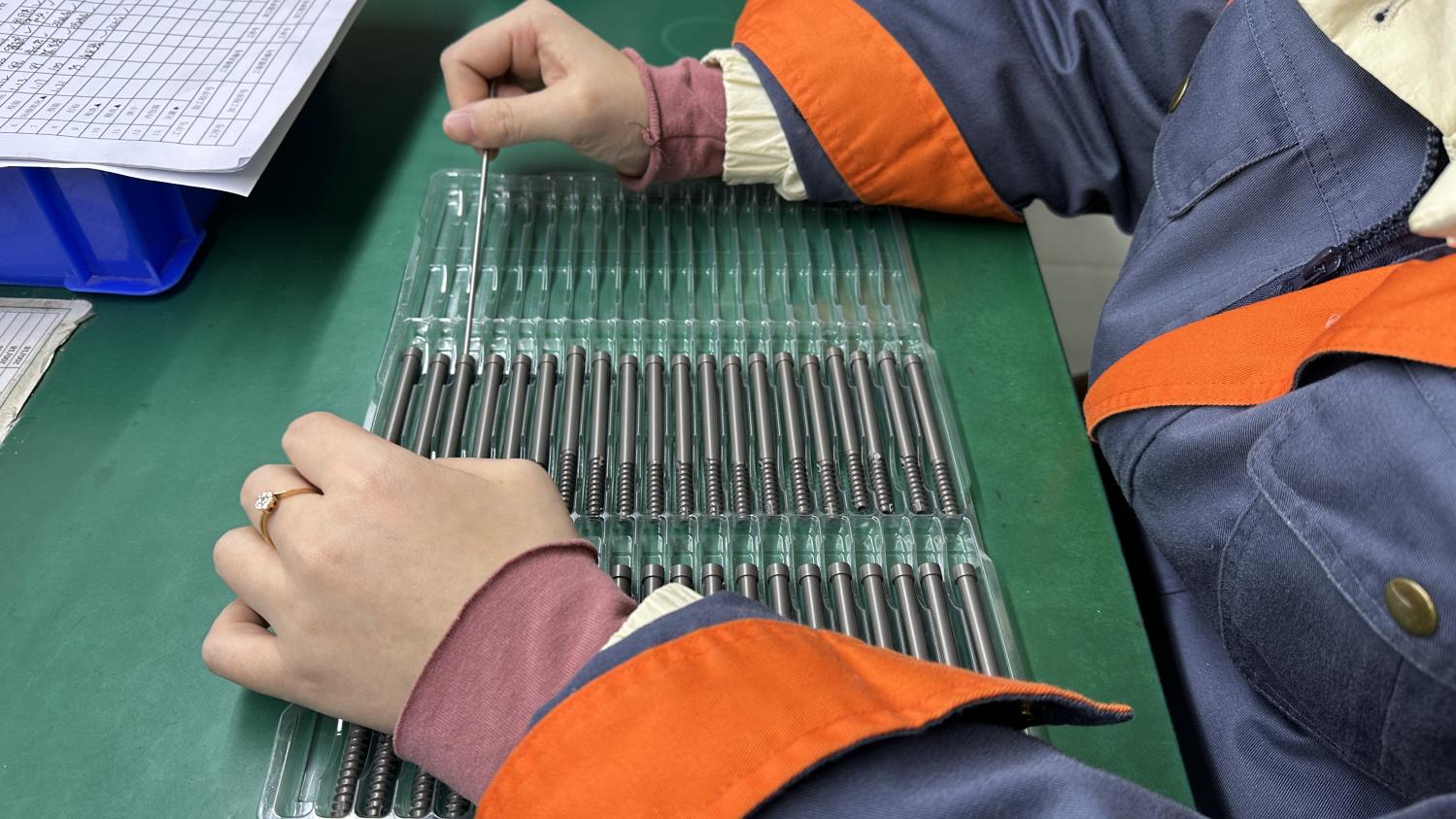
Many distributors struggle with batch-to-batch variations in thread profiles and mechanical properties. Medisplint solves this with 42 QC inspectors conducting IPQC and FQC inspections, supplemented by independent third-party laboratory verification for every production run.
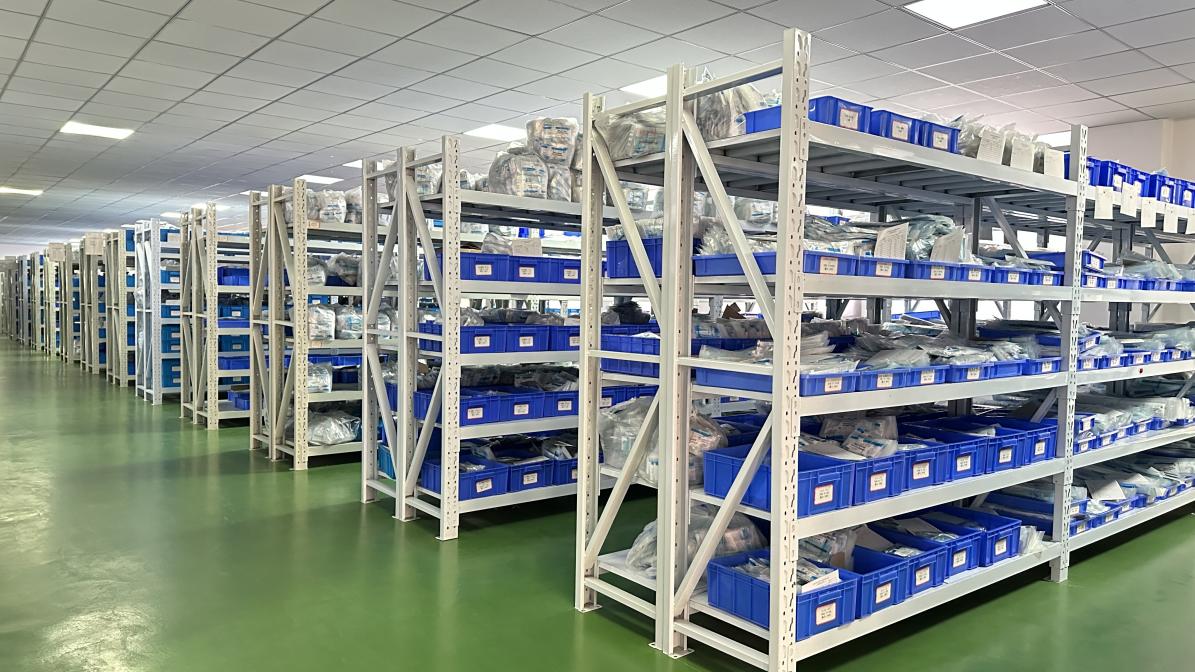
Unreliable lead times lead to inventory stockouts in hospitals. Collaborating with over 1,200 supply chain partners, we secure high-grade raw titanium reserves and maintain flexible production capacity to fulfill volume orders with short turnaround times.
Importing implants requires strict compliance with international regulations. Our production facilities hold complete ISO 13485 and CE certifications, allowing seamless custom clearance and market access globally.
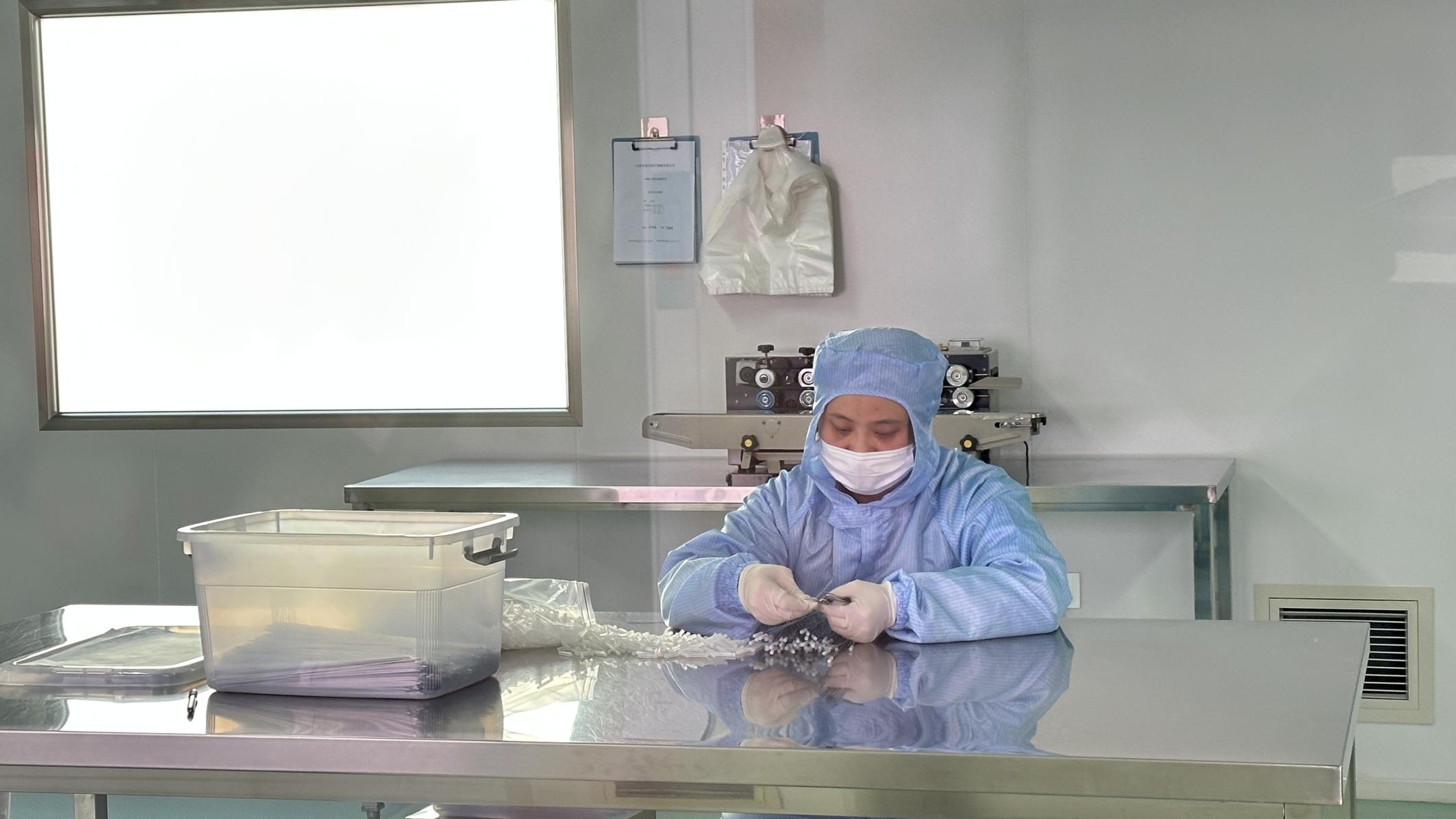
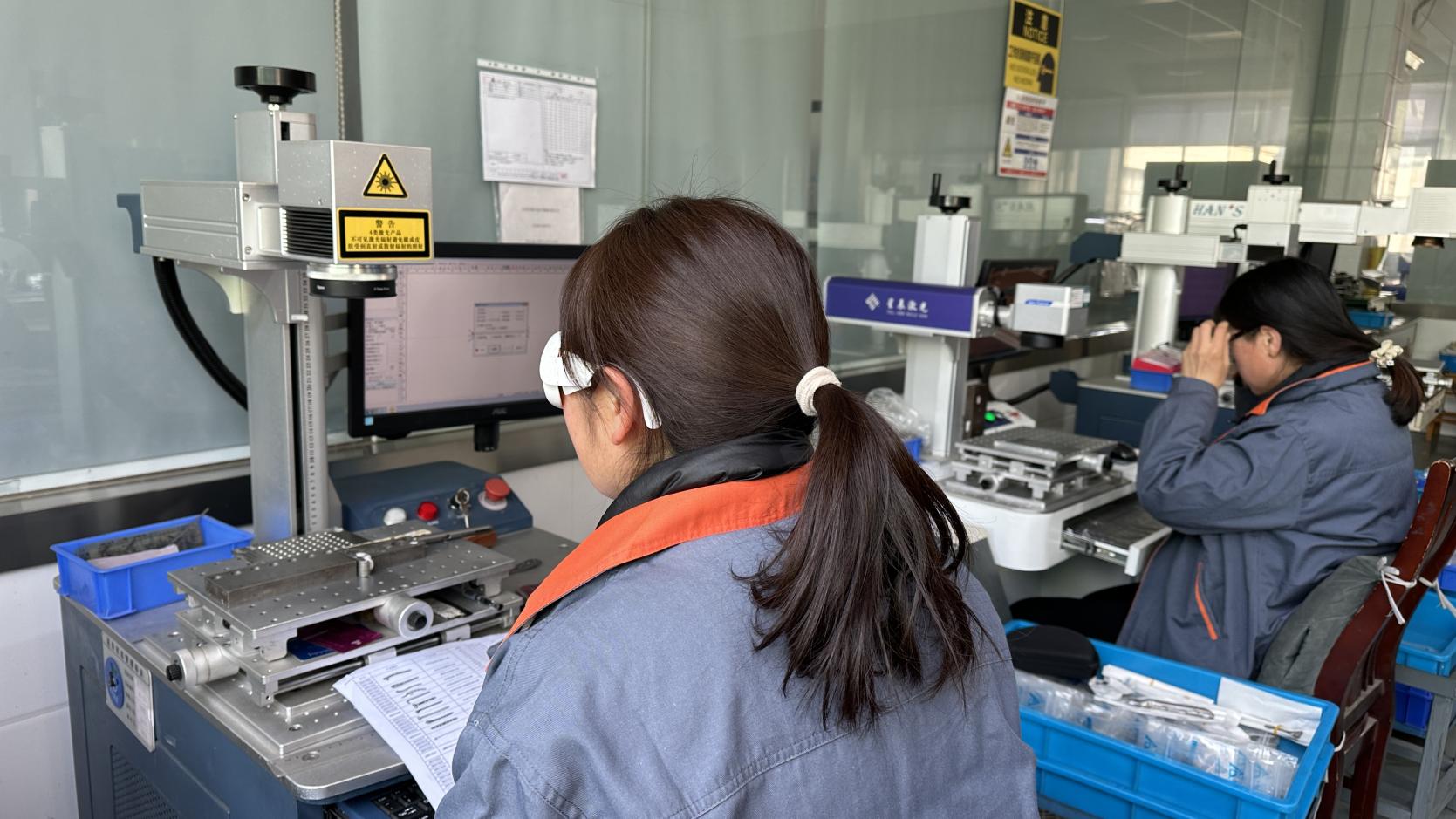
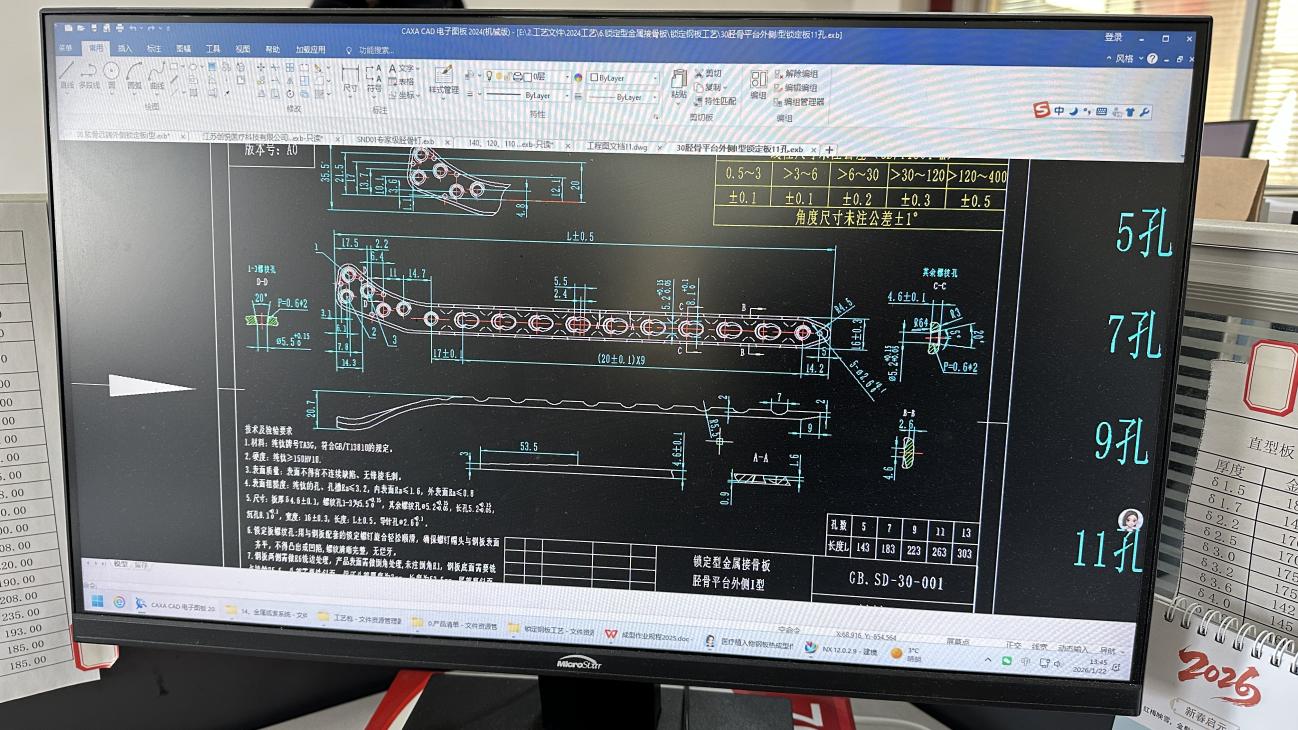
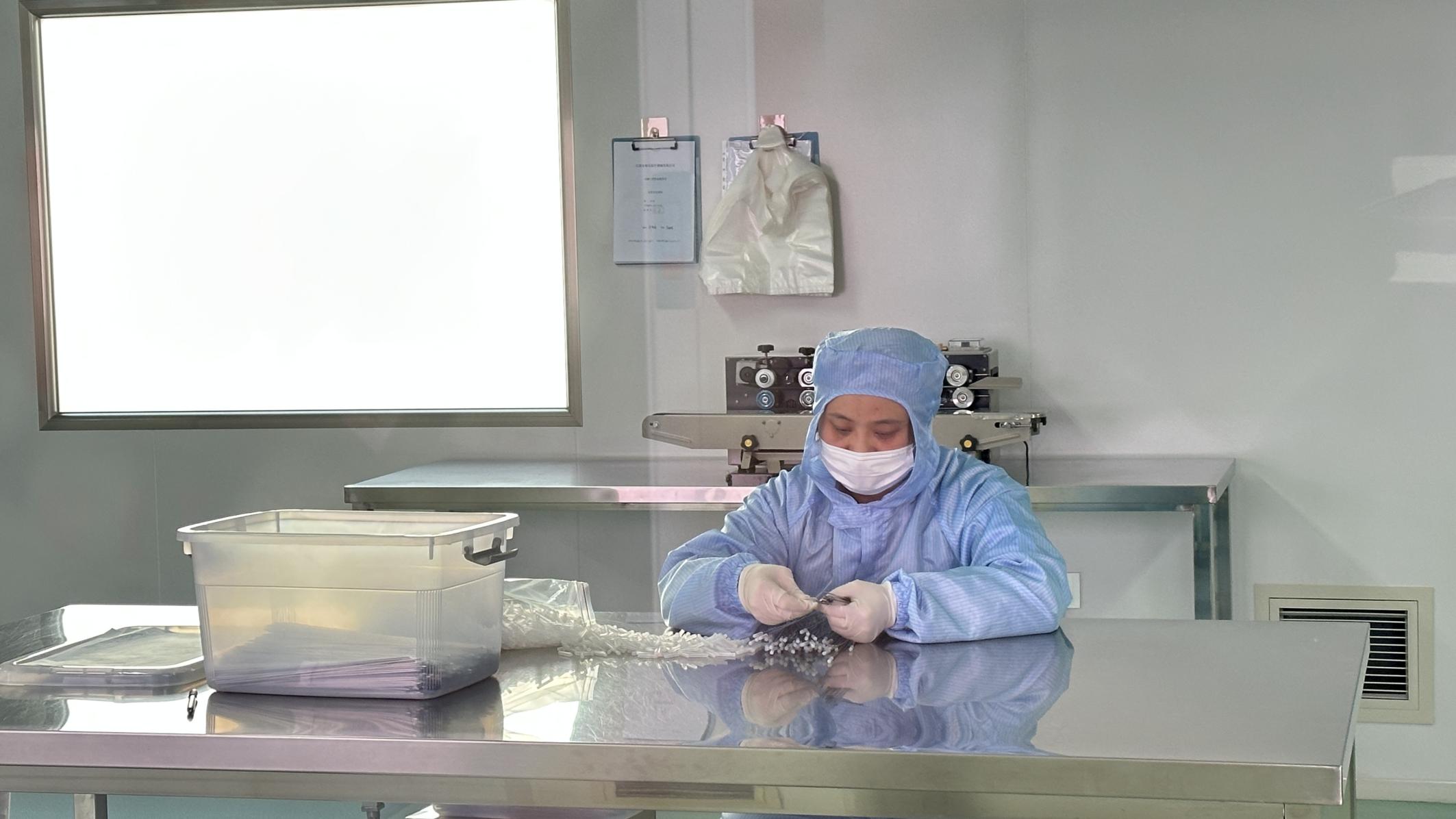
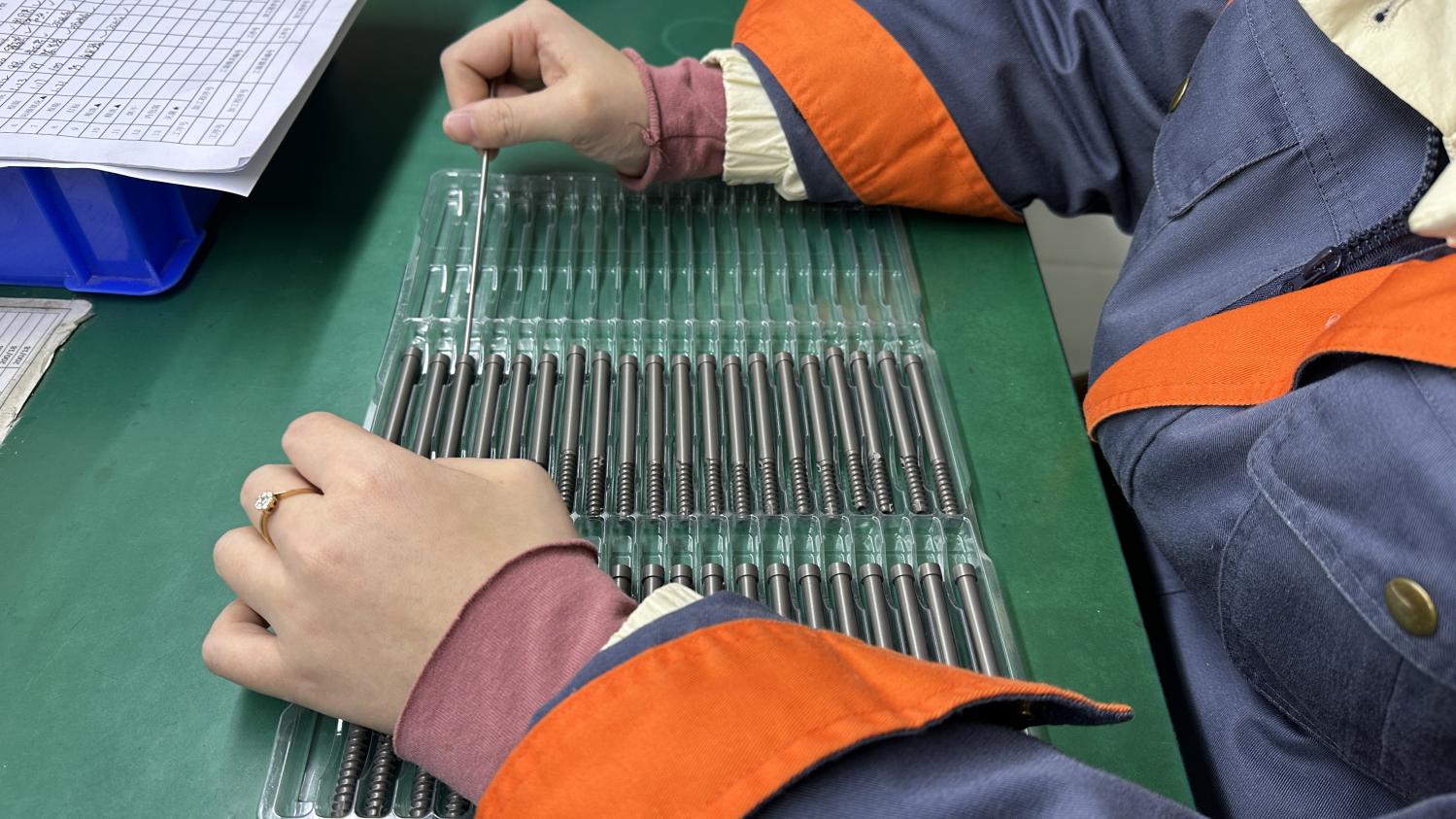
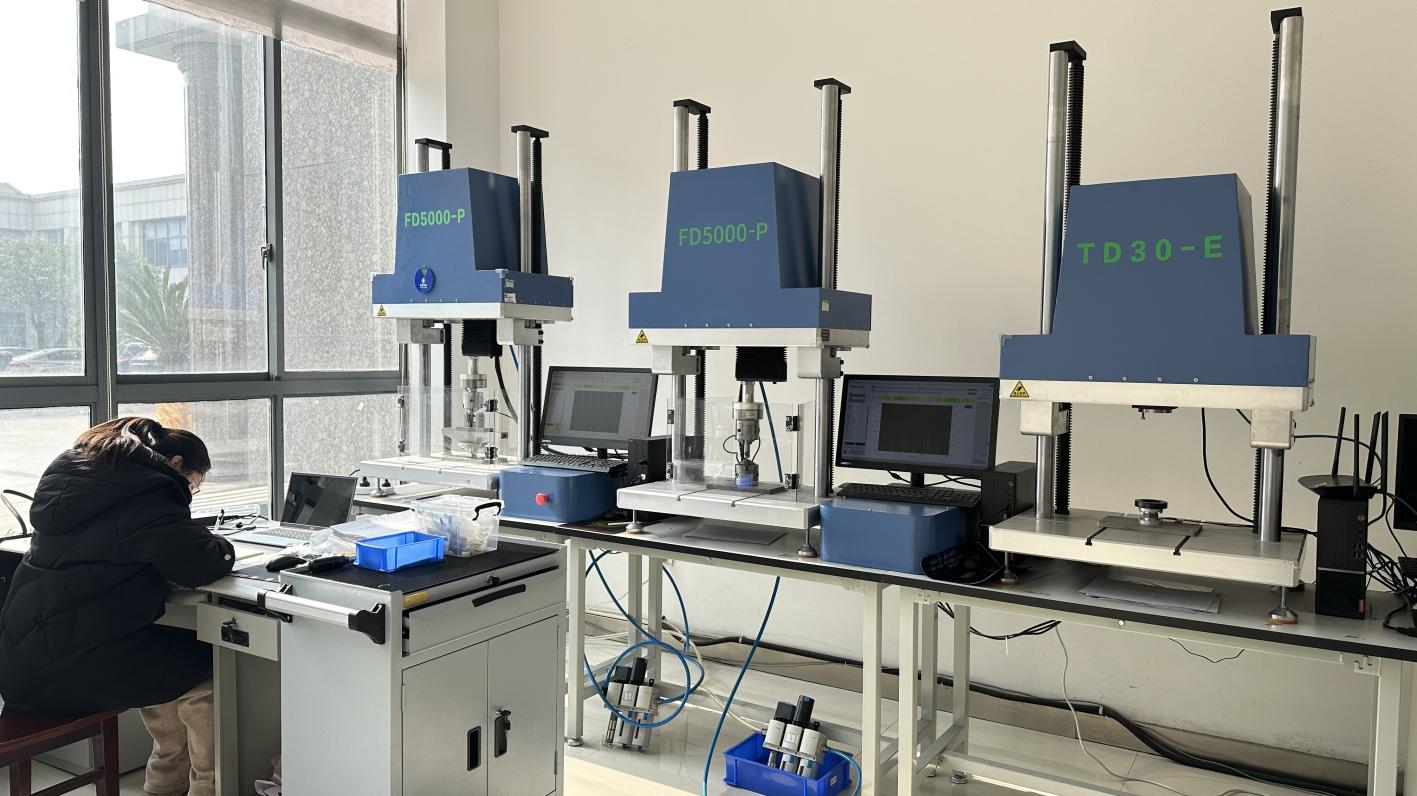
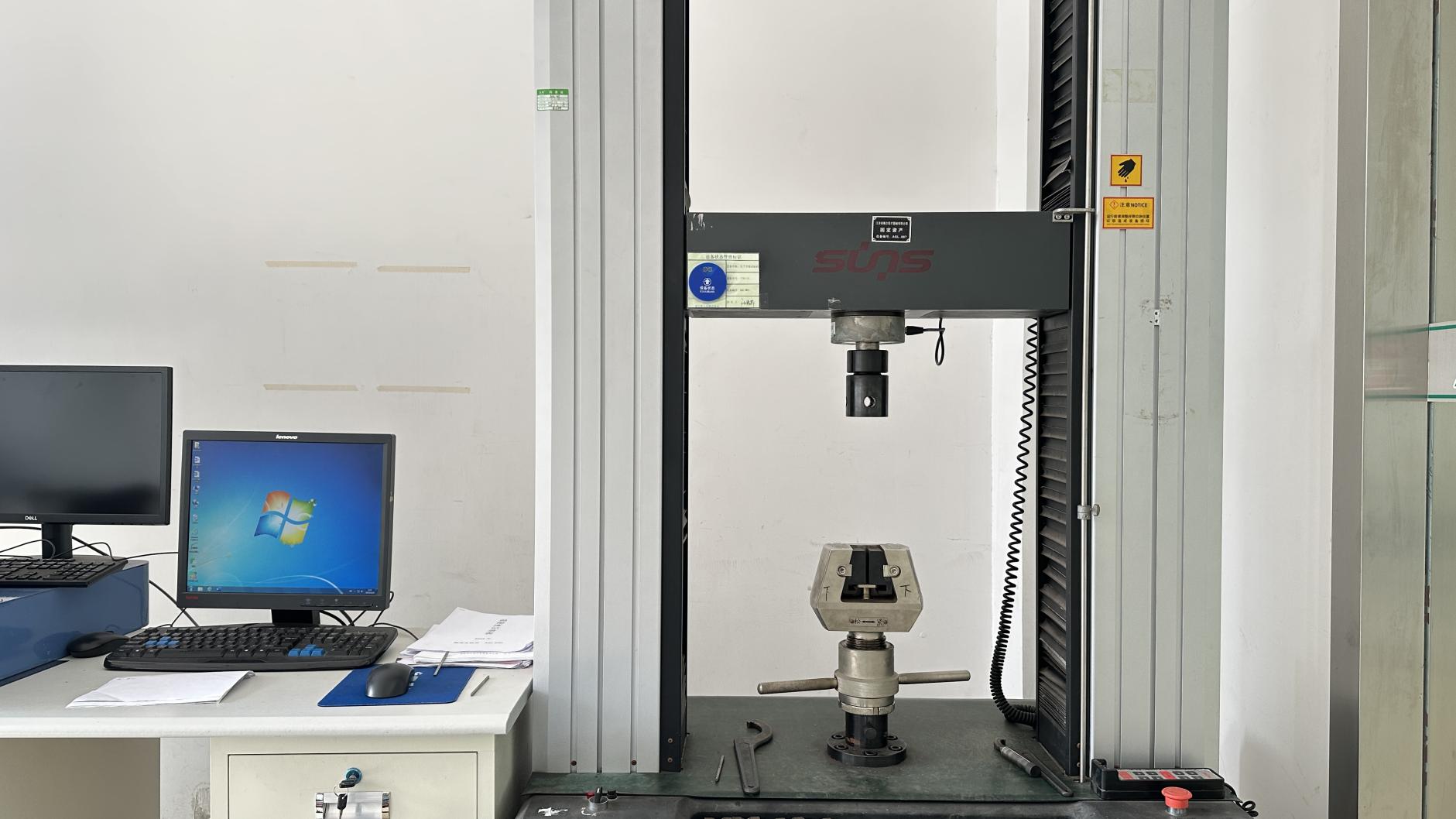
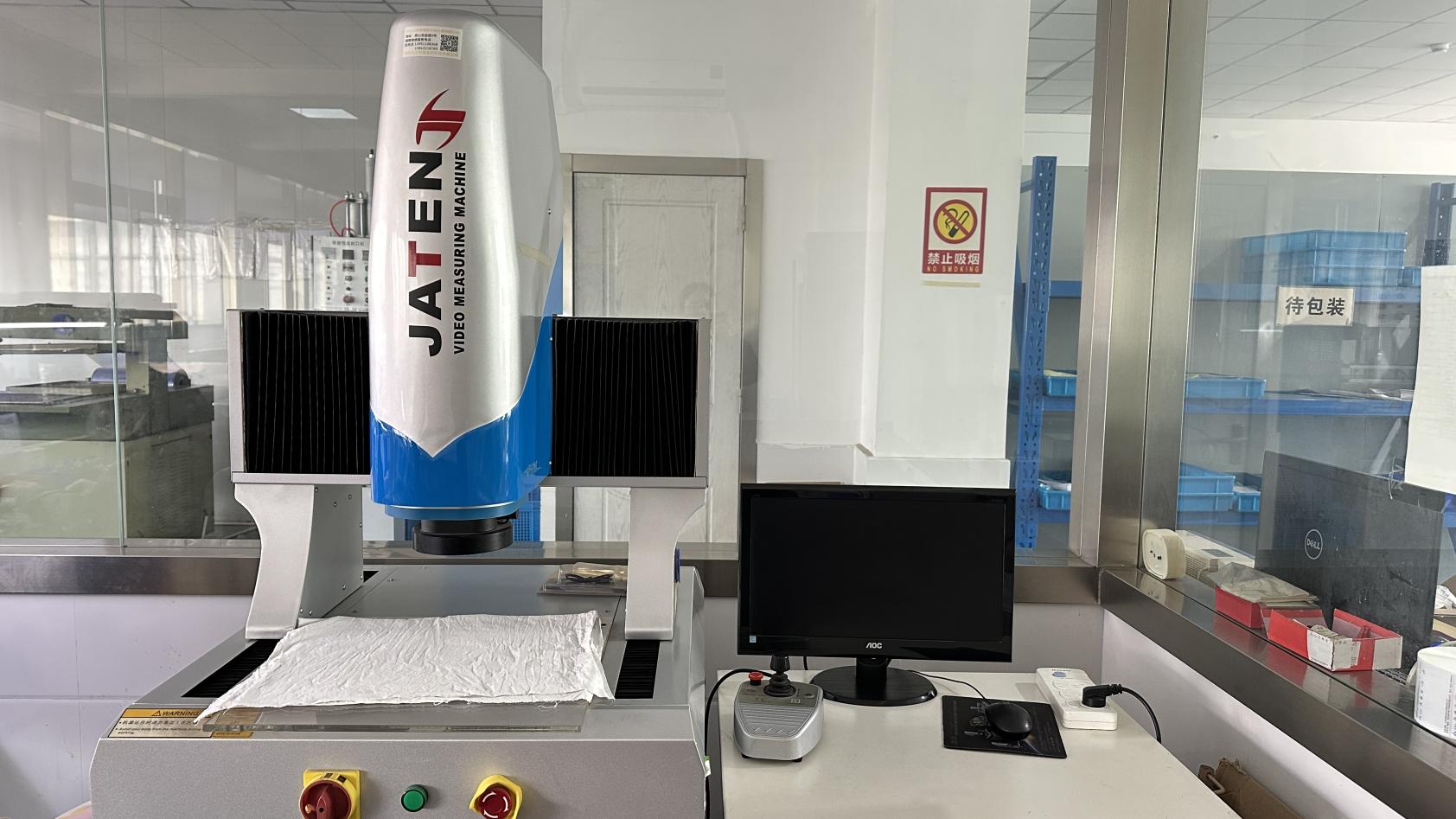
Step-by-step documentation of our manufacturing process, cleanroom assembly, and validation facilities.
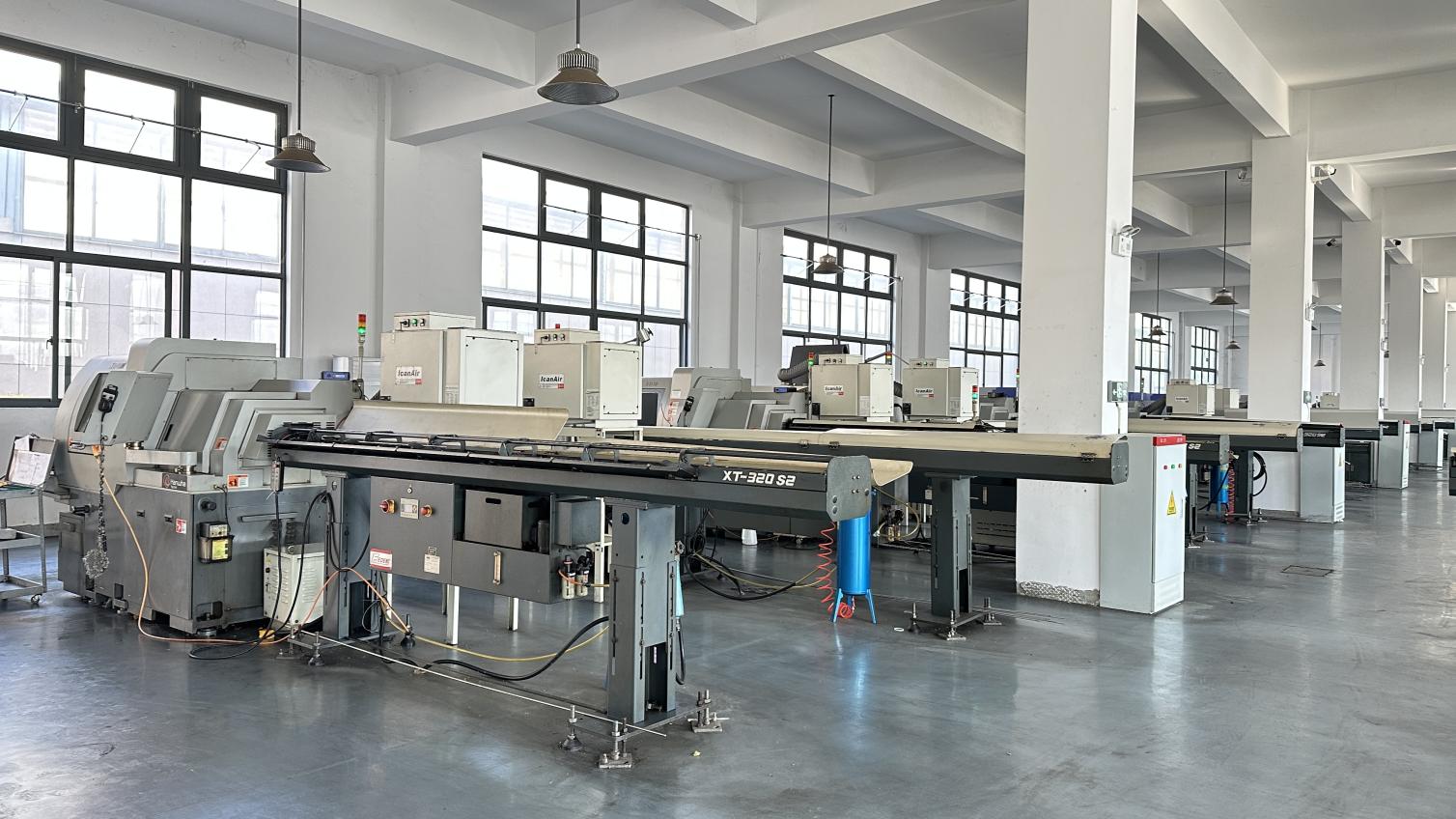
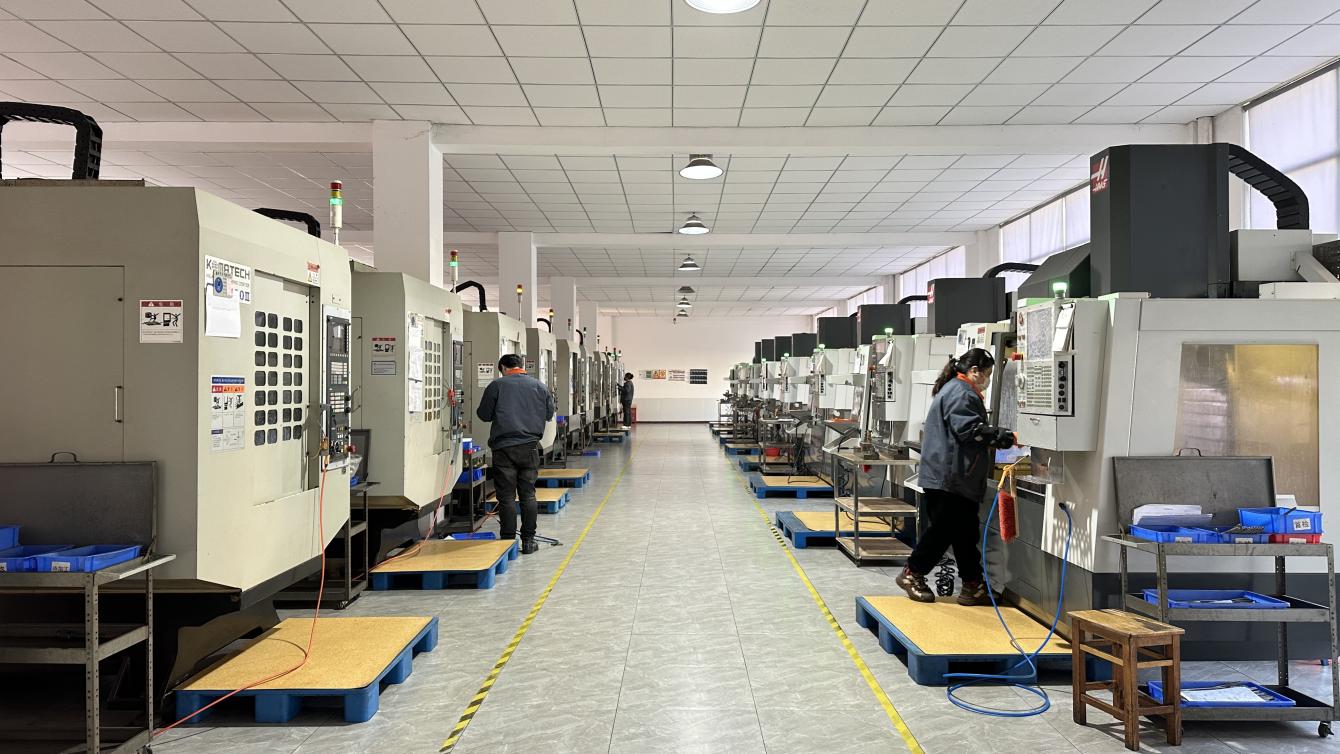
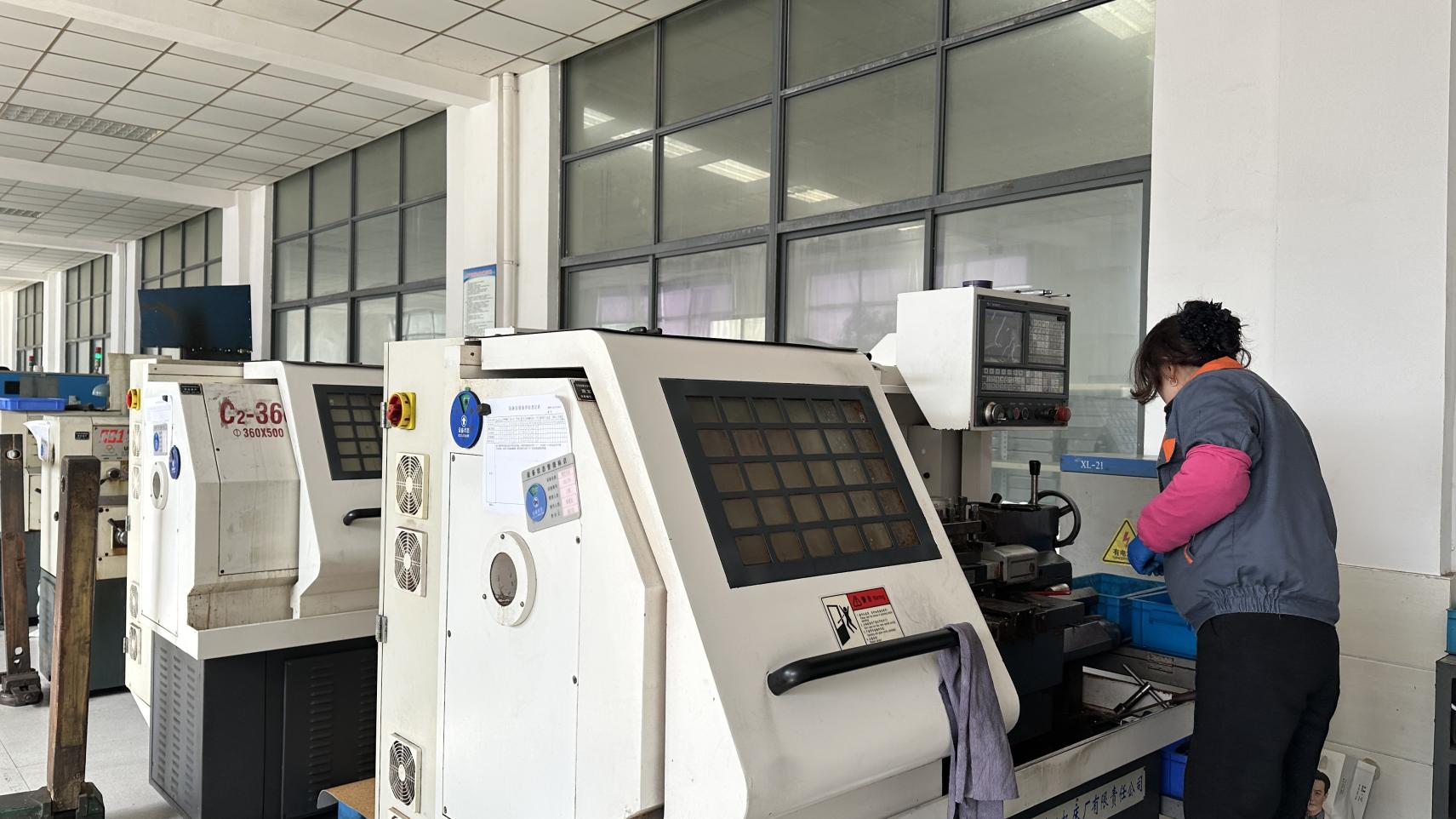

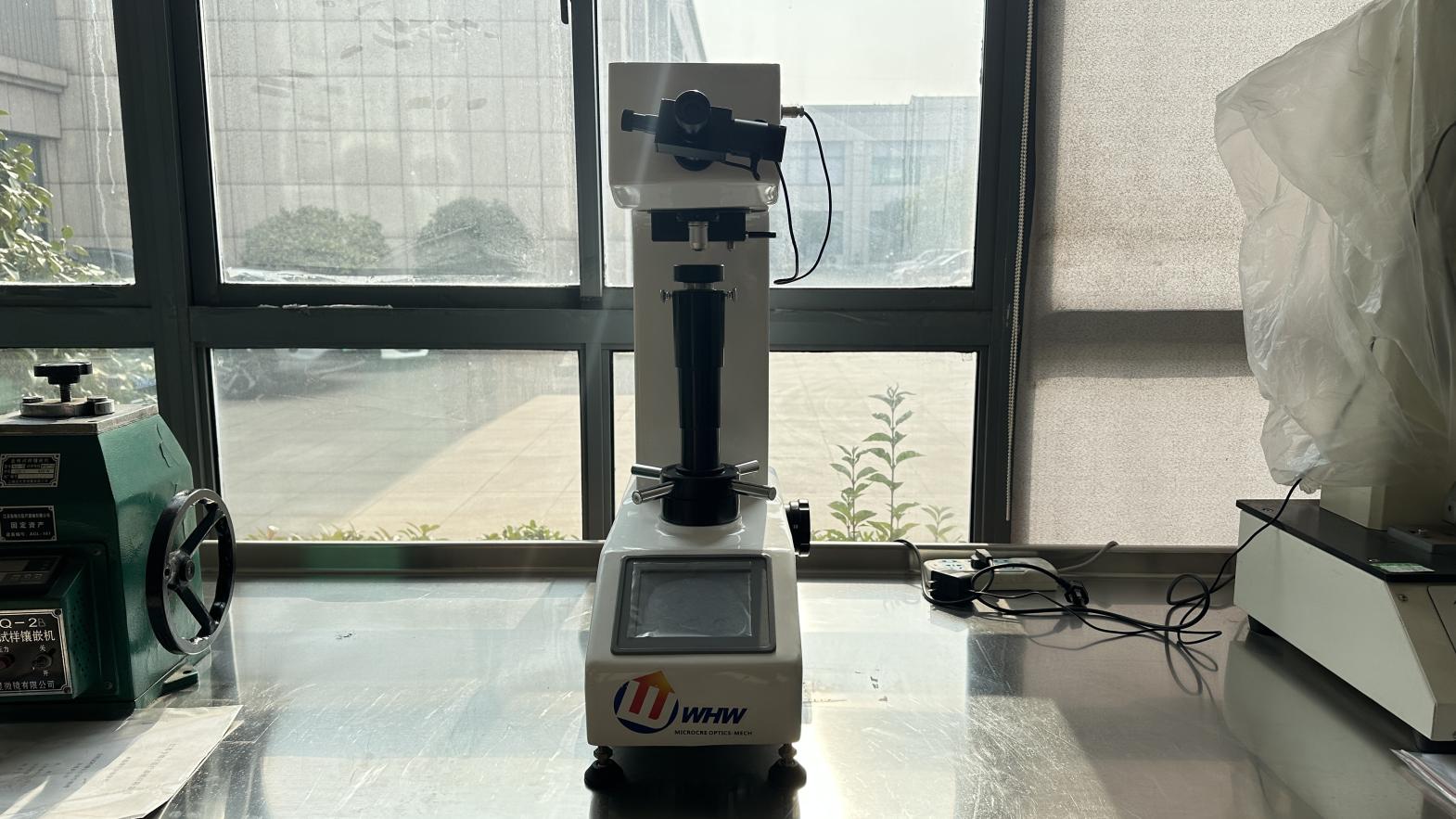
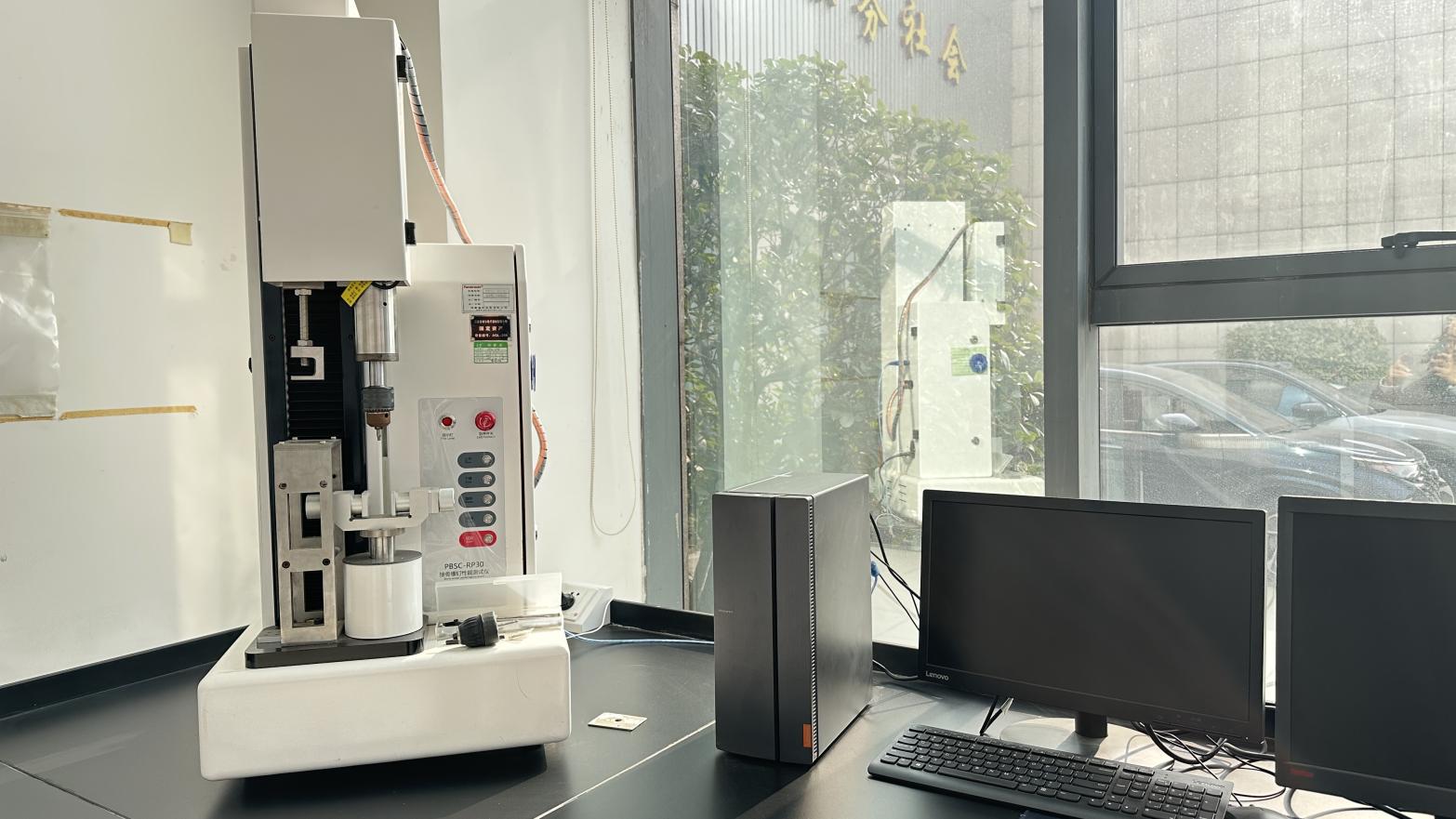
How next-generation materials and surface science are shaping the future of orthopedic trauma fixation.
Integrating chemical vapor deposition (CVD) and physical vapor deposition (PVD) to coat cannulated titanium screws with hydroxyapatite (HA) or silver nanoparticles. This enhances local bone remodeling, speeds up osteoblast differentiation, and provides localized antimicrobial protection.
Transitioning beyond traditional subtractive CNC milling to laser powder bed fusion (LPBF) 3D printing. This technology allows us to fabricate cannulated designs with biomimetic porous outer boundaries, mimicking the structural properties of cancellous bone.
Evaluating magnesium-calcium alloys for specific temporary fixation applications. These materials are designed to degrade gradually and safely within the body after healing, eliminating the need for a secondary implant removal surgery.
Uncompromising standards in validation, cleanroom assembly, and regional regulatory documentation.
Medisplint ensures comprehensive trace integrity. Each batch of medical-grade titanium is sourced with raw mill test certificates (MTRs) tracing back to the melt furnace. Our facility features ISO Class 7 and Class 8 cleanrooms to control microbial and particulate contamination during final inspection and packaging.
For international distributors, we provide localization documentation, including Detailed Technical Dossiers, Certificates of Free Sale (CFS), and assistance with regional ministry of health registrations. Our engineering team provides direct design communication via video consultation, facilitating custom OEM designs and private-label packaging options.
Clinical-Grade Performance Testing Includes:
Key technical, logistical, and regulatory insights for hospital procurement managers and distributors.
Extended options for joint revision, trauma fixation, and specialized surgical instrument kits.