 Medisplint
Medisplint
Medisplint
High-precision clinical solutions manufactured under ISO 13485 & CE regulatory standards
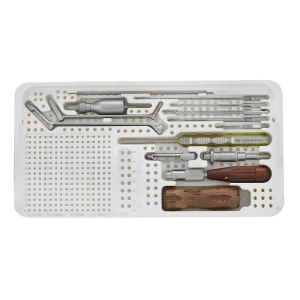
Trauma Orthopedic Implants 2.4 and 2.7 System Stainless Steel AO Standard Instrument Sets for Radius Surgical Instruments
View Details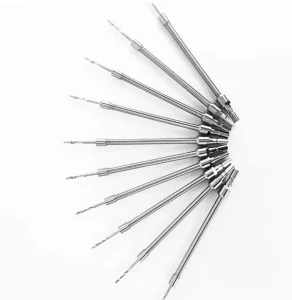
Orthopedic Surgery Flexible Drill Bit Soft Drill 2.5mm 3.2mm Stainless Steel Drill Bit
View Details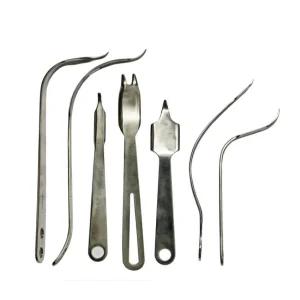
Manufacturer Price Orthopedic Surgical Instruments Retractor Stainless Steel HIP Surgery Retractors
View Details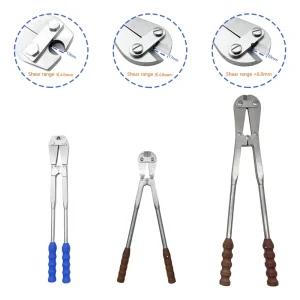
Stainless Steel Large Wire Cutting Plier Kirschner Pin Cutter Wooden Handle Orthopedic Surgery Instrument
View Details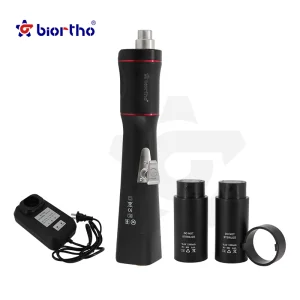
TPLO Arc Saw Tibial Platform Osteotomy Power System
View Details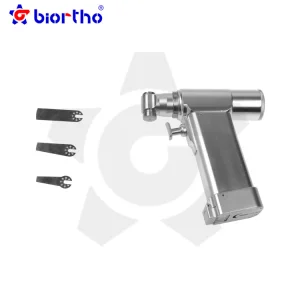
BW Battery Powered Saw/Saw Blades Orthopedic Instruments Small Bone 7.2V
View Details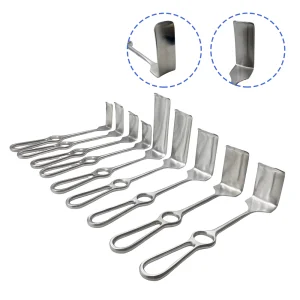
1pc Soft Tissue Retractor Implant Stainless Steel for Gynecology Retractor Orthopedic Instrument Autoclaveable
View Details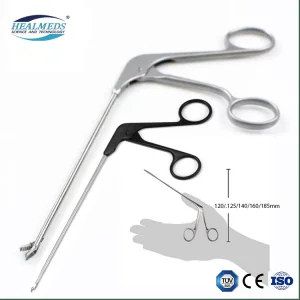
Surgical Meniscus Repair Arthroscopic Shoulder Hand Basket Oval Straight Punch Forceps Knee Arthroscopy Instruments
View DetailsFounded in 2016, Medisplint Orthopedic Instruments Co., Ltd. has established itself as an innovative, high-precision manufacturer specializing in orthopedic implants, fixation systems, and specialized surgical instruments for trauma, spine, and joint reconstruction. Driven by clinical performance requirements and global quality frameworks, we operate a state-of-the-art facility spanning approximately 18,500㎡. This facility supports fully integrated manufacturing operations, automated cleaning, cleanroom packaging, and rigorous mechanical validation testing.
With an annual export revenue exceeding USD 12 million and over a decade of deep industry expertise, Medisplint serves advanced clinical providers, medical device distributors, and OEM/ODM clients across Europe, Southeast Asia, the Middle East, and South America. Our operations run under strict quality compliance, certified by ISO 13485 standards and aligning with CE MDR directives, ensuring that every implant satisfies strict safety profiles.
Rotator cuff tears represent one of the most common musculoskeletal disorders, requiring surgical intervention when conservative management fails. The primary clinical objective is to reconstruct the tendon-to-bone footprint interface, allowing biological healing to occur under minimal micro-motion. The suture anchor serves as the mechanical foundation of this reconstruction, securing the soft tissue directly to the humeral head.
"Primary mechanical stability, pull-out resistance, and minimized gap formation are critical to preventing clinical failure during the early rehabilitation phase. Our engineering focus centers on optimizing thread pitch, material density integration, and suture eyelet design."
1. Suture Eyelet Design & Suture Glide: The junction where the suture passes through the anchor body must be perfectly smooth. High friction at this interface causes suture fraying during knot-tying or tensioning. Medisplint utilizes micro-polishing technologies and rounded inner geometries to ensure low coefficient of friction, preserving the integrity of Ultra-High-Molecular-Weight Polyethylene (UHMWPE) sutures.
2. Thread Geometry and Pitch: The pull-out force of a suture anchor is directly proportional to its thread profile and how it engages cortical and cancellous bone. Our designs feature dual-thread profiles—buttress threads proximally for dense cortical bone purchase, and deep, coarse threads distally to grip the softer cancellous bone matrix of the greater tuberosity.
3. Knotless vs. Knotted Fixation: The shift toward knotless suture anchors addresses the clinical need to control suture tension directly without relying on arthroscopic knots, which can slip or create bulky construct profiles. Our technical roadmap incorporates both configurations, providing surgeons with anatomical footprint restoration options.
The performance of a rotator cuff anchor is fundamentally tied to its material composition. As a leading manufacturer, Medisplint leverages three primary material families, selecting the optimal material based on clinical indication and mechanical requirements:
Titanium remains the gold standard for high-strength anchor designs. Offering excellent biocompatibility, superior fatigue limits, and high pull-out resistance, titanium anchors are ideal for patients with osteopenic bone where maximum mechanical hold is mandatory. Our titanium anchors undergo electrochemical anodization to create a stable, bio-inert titanium oxide layer that prevents ion release and enhances biocompatibility.
PEEK has emerged as a premier non-absorbable polymer for sports medicine implants. With an elastic modulus (approx. 3-4 GPa) closely matching that of human cortical bone, PEEK implants prevent stress shielding at the insertion site. Furthermore, PEEK is radiolucent, allowing postoperative MRI and CT evaluation without metallic artifacts. This enables clear assessment of tendon healing and bone remodeling.
Our biocomposite anchor lines combine Poly-L/D-lactide (PLDLA) with osteoconductive Beta-Tricalcium Phosphate (β-TCP). As the polymer matrix hydrolyzes over 18 to 24 months, the β-TCP acts as a buffering agent and provides a calcium-phosphate scaffold that encourages bony ingrowth into the anchor tract, preventing the formation of permanent bone voids.
A closer look at Medisplint's precision manufacturing and machining workflow ensuring zero-defect quality control
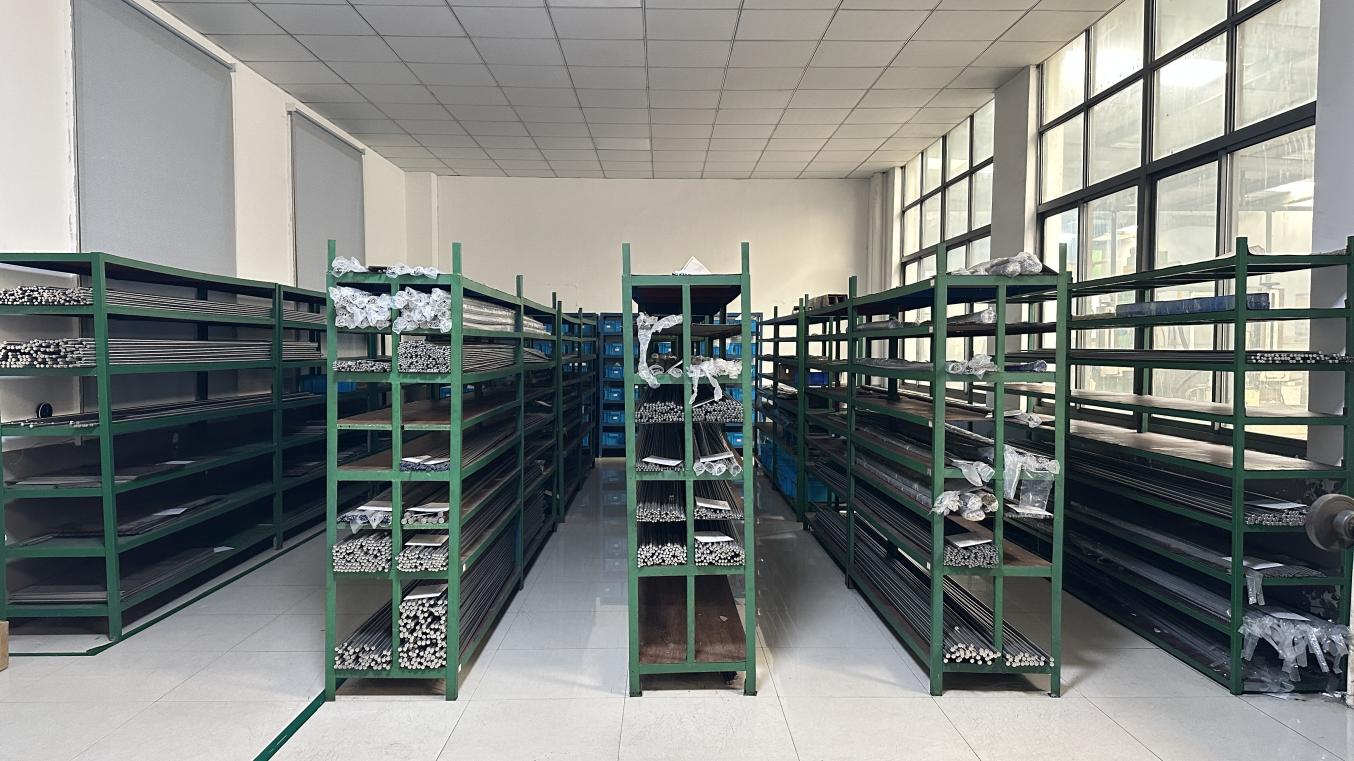
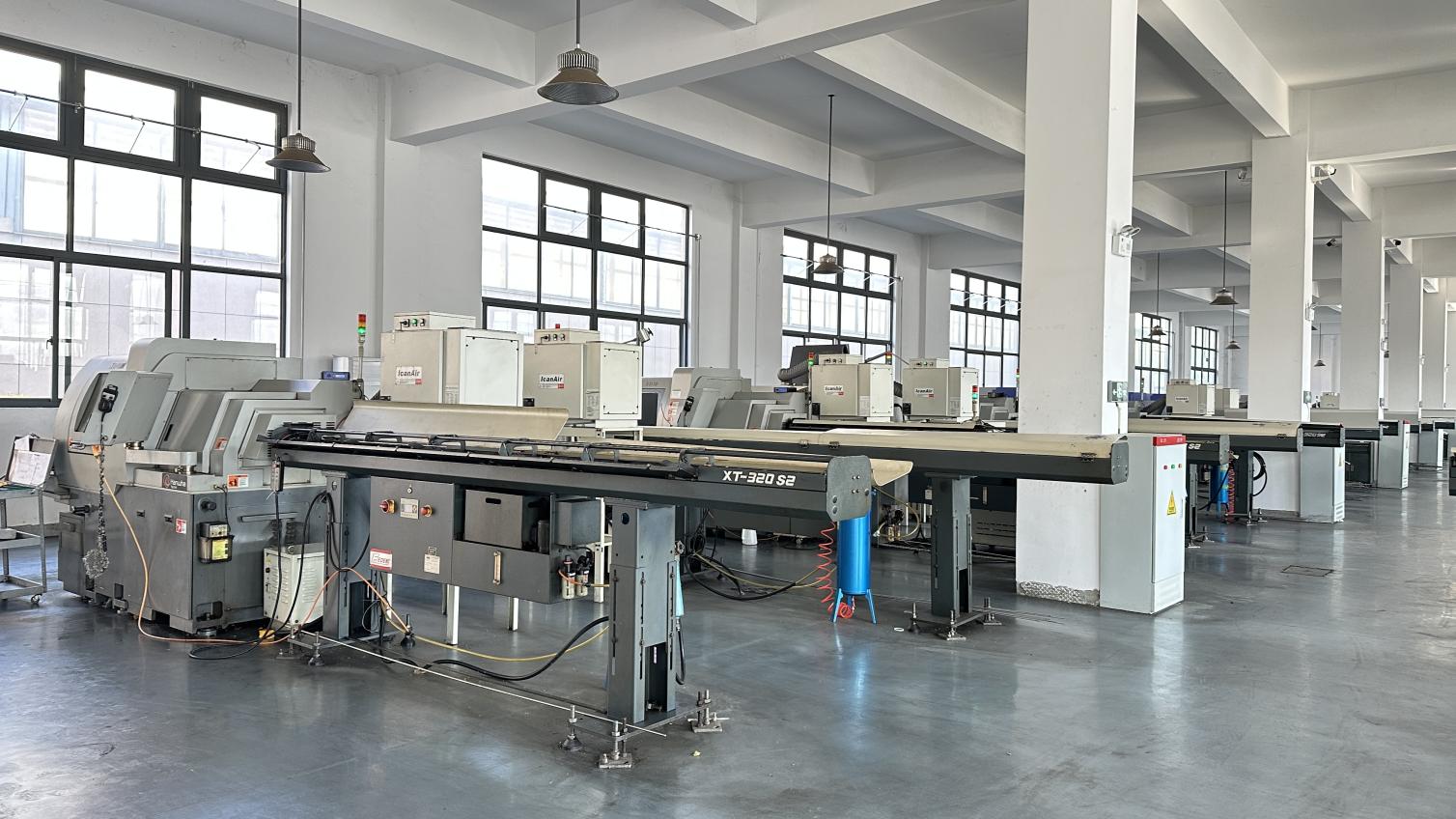
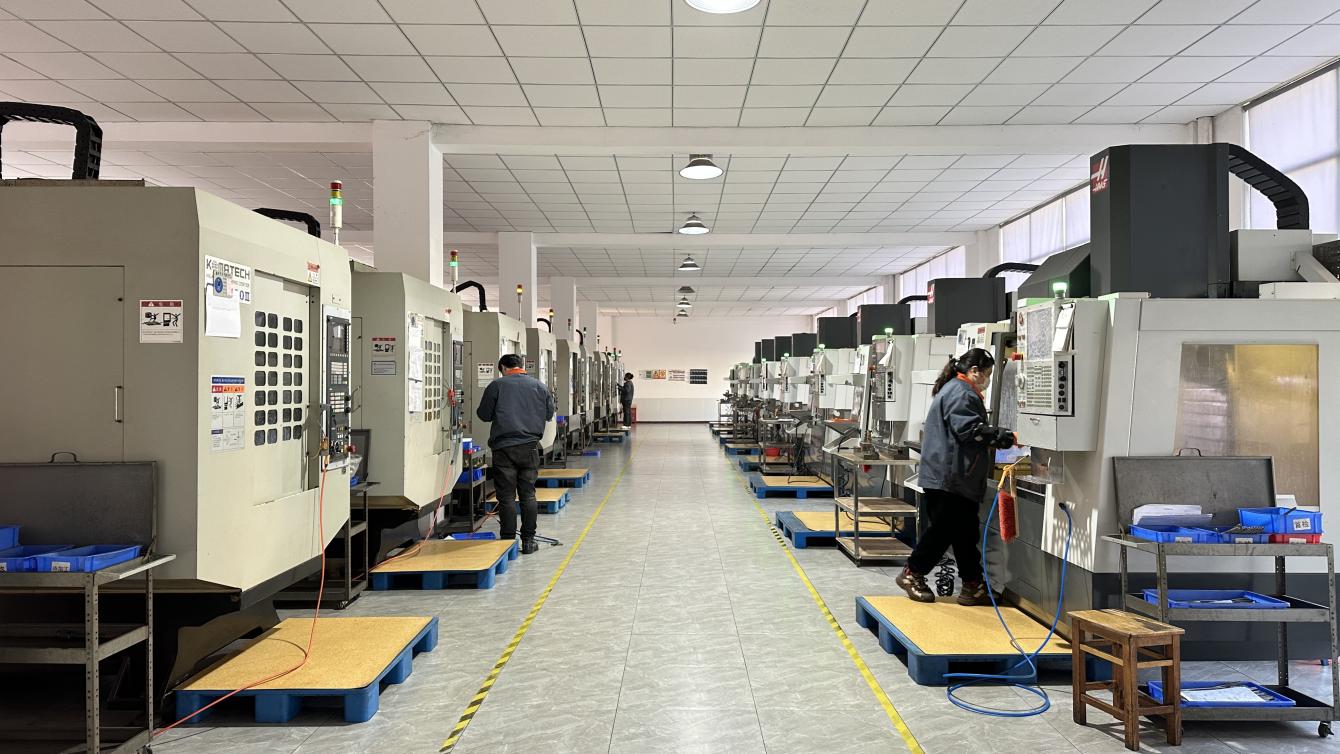
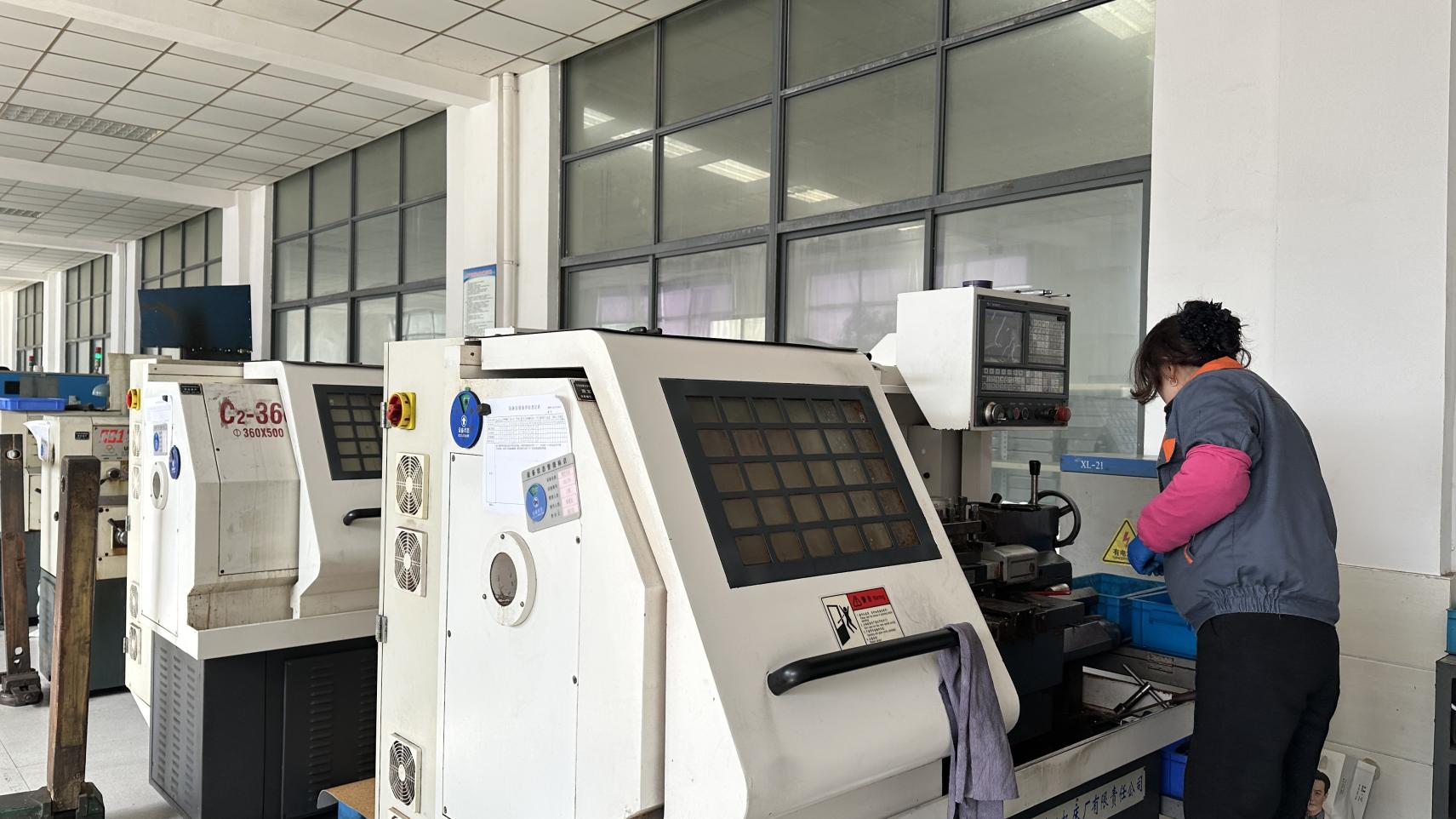
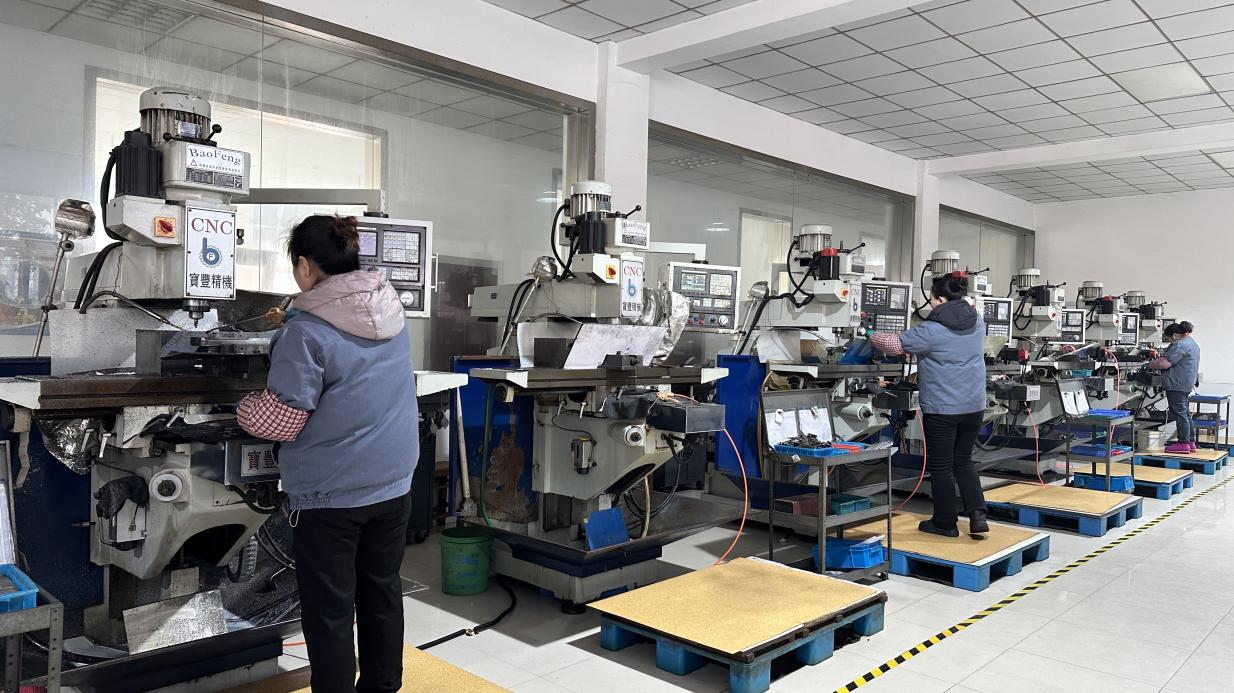
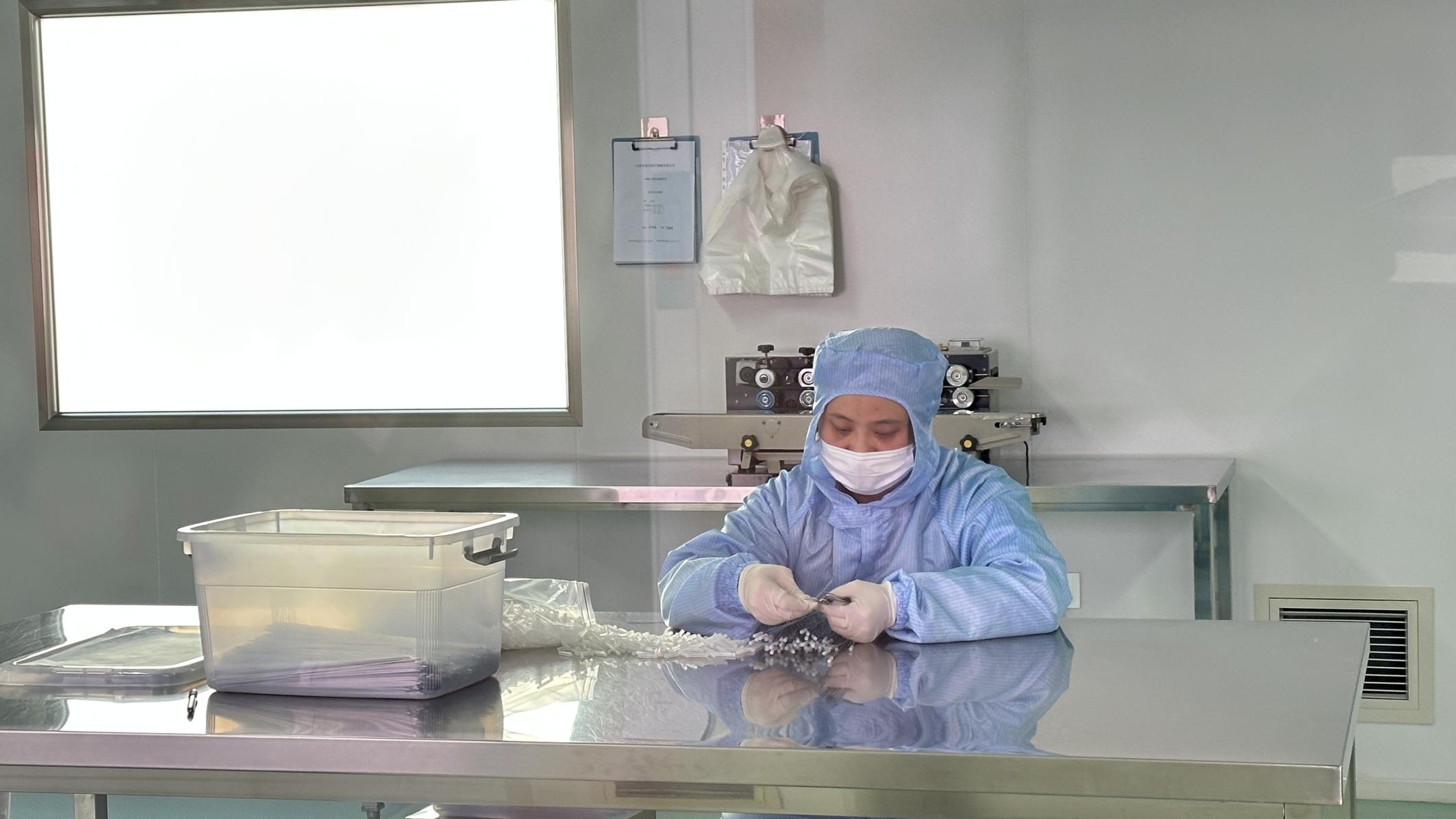
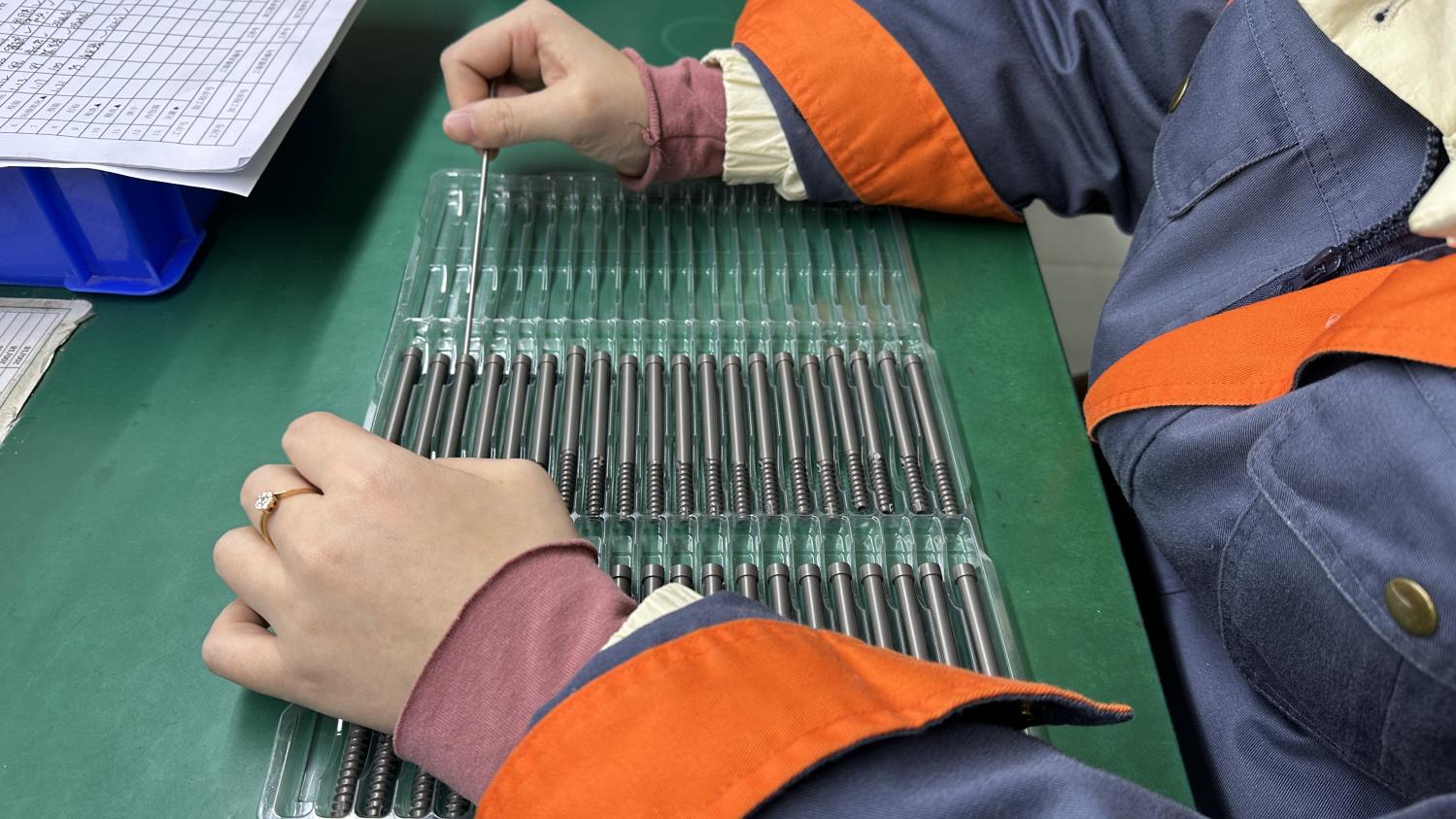
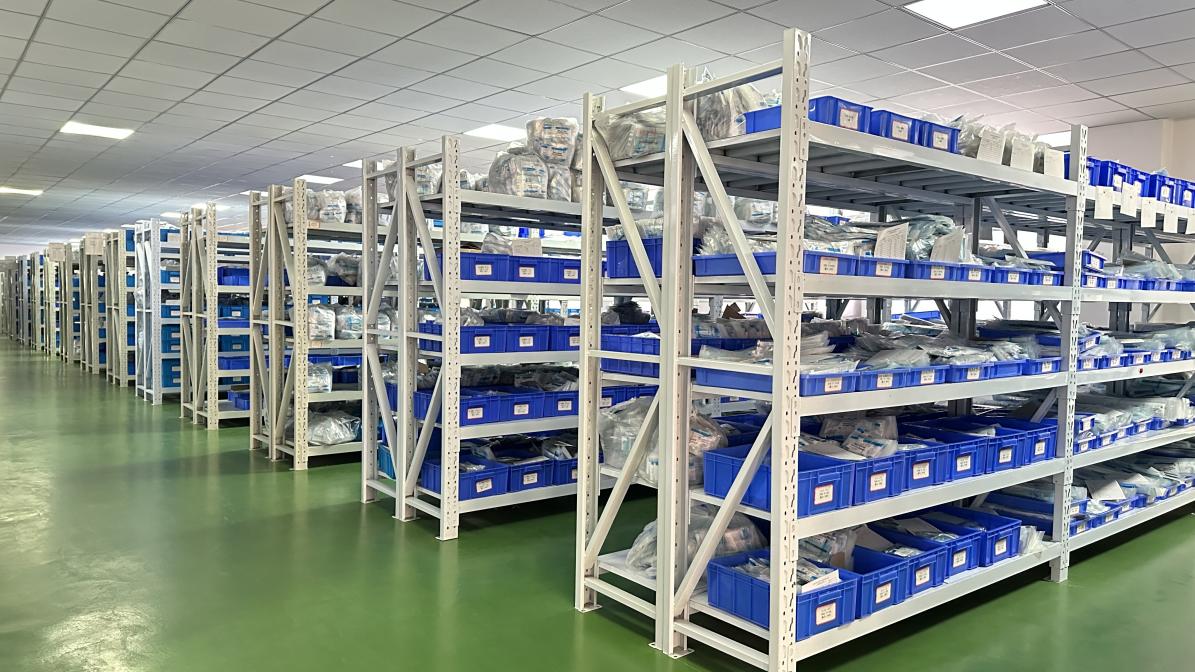
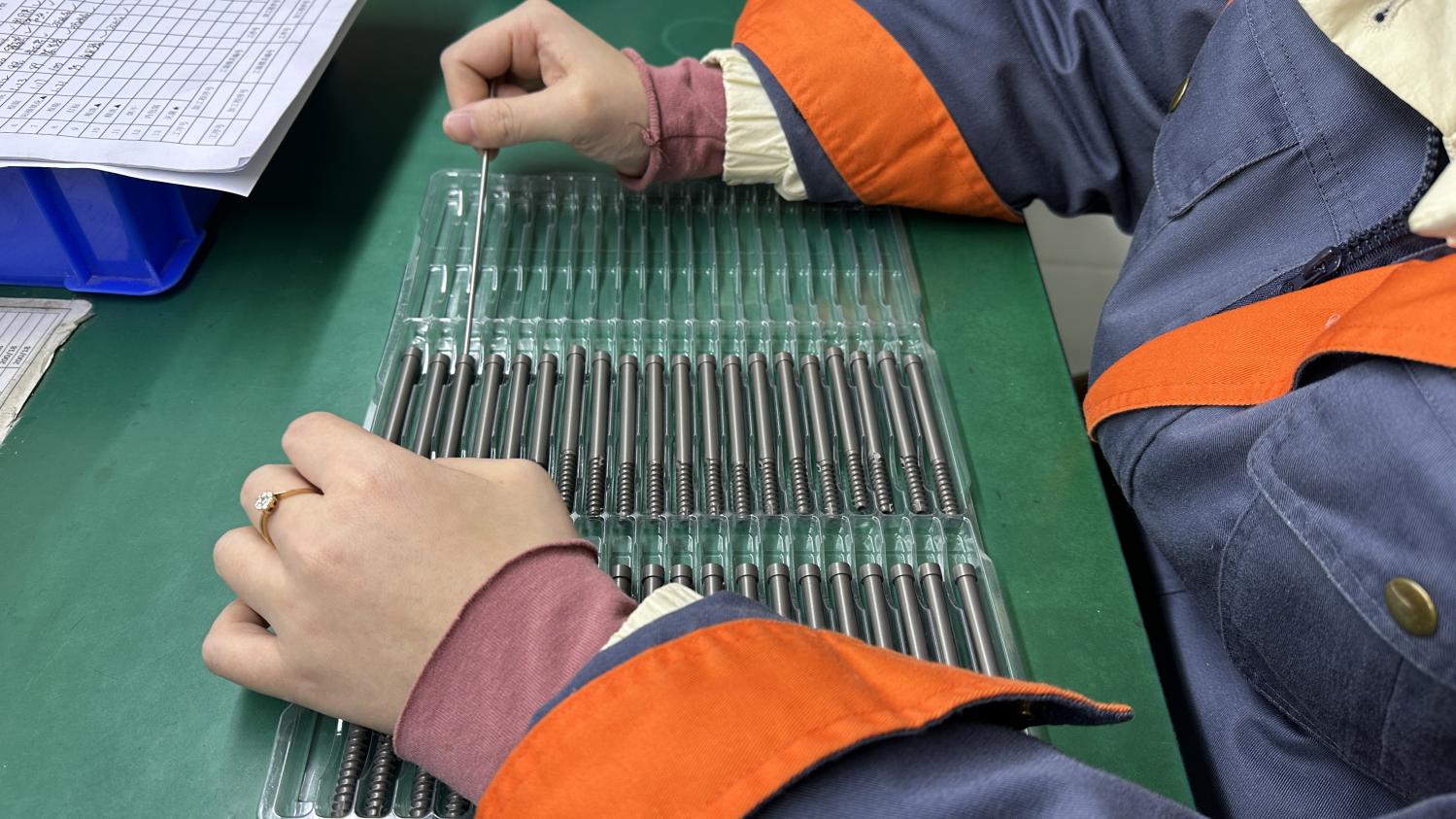
Manufacturing micro-medical implants like suture anchors requires strict mechanical tolerances (often down to ±5 microns). At Medisplint, our production line uses high-end multi-axis CNC machines and automated laser micro-processing tools to eliminate batch-to-batch variation.
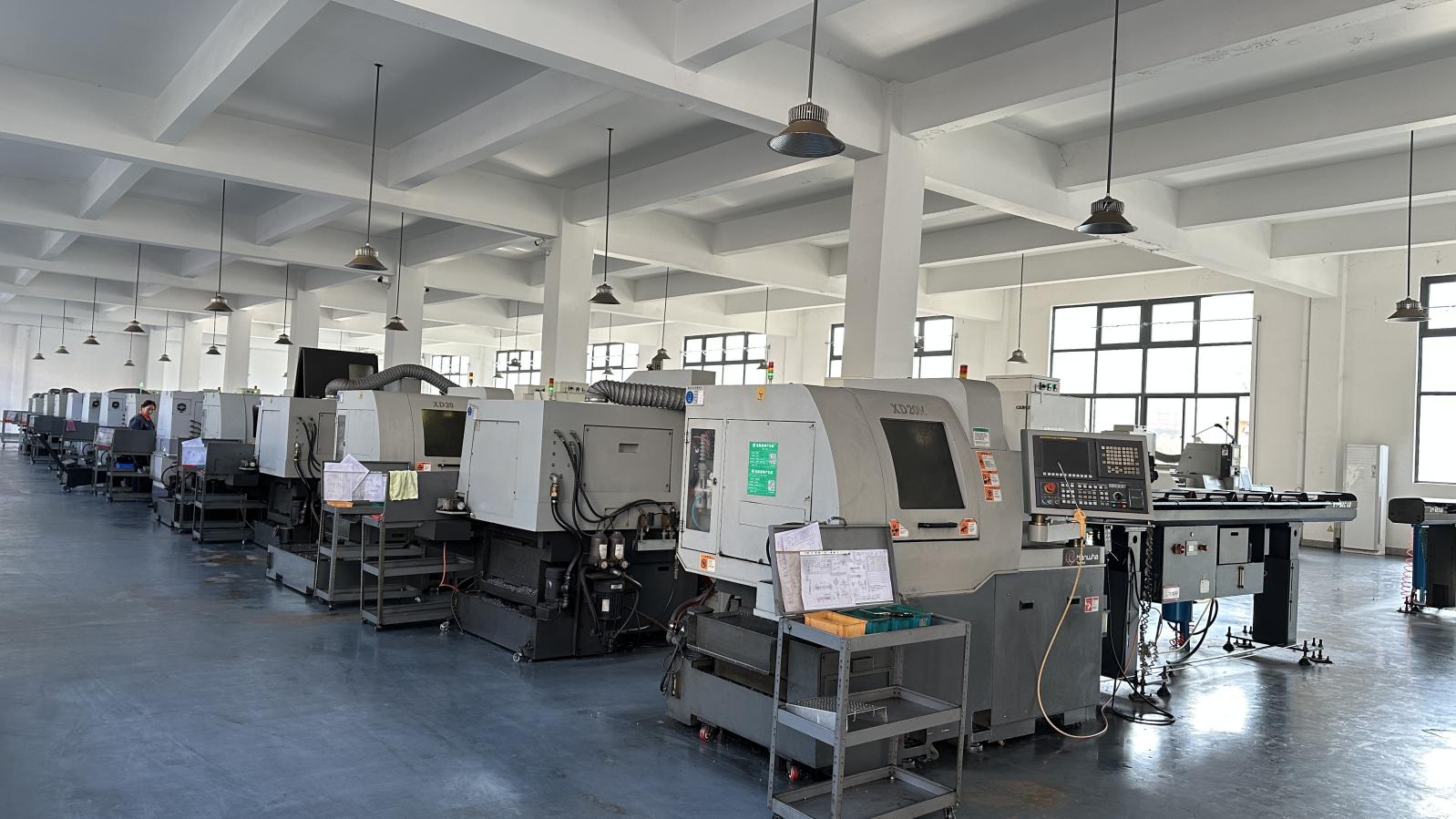
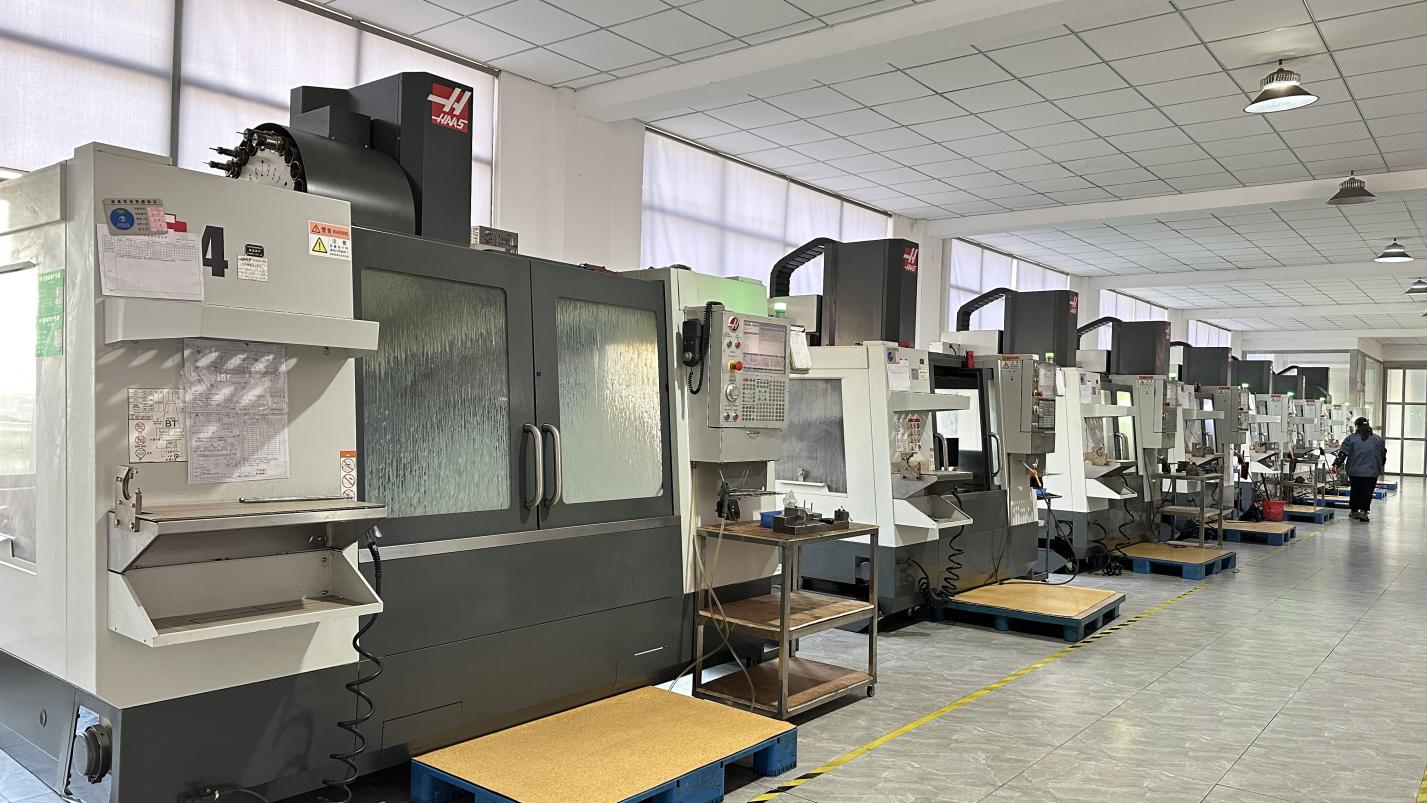
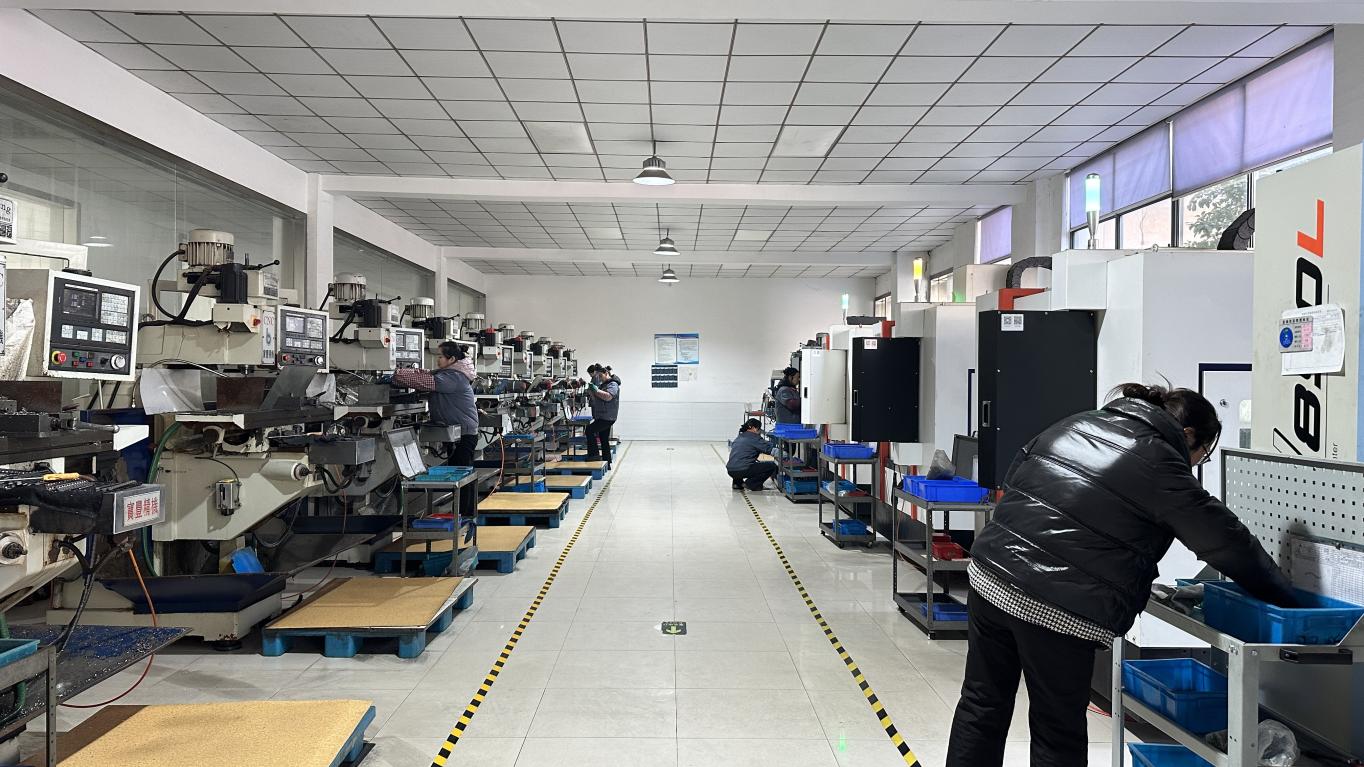
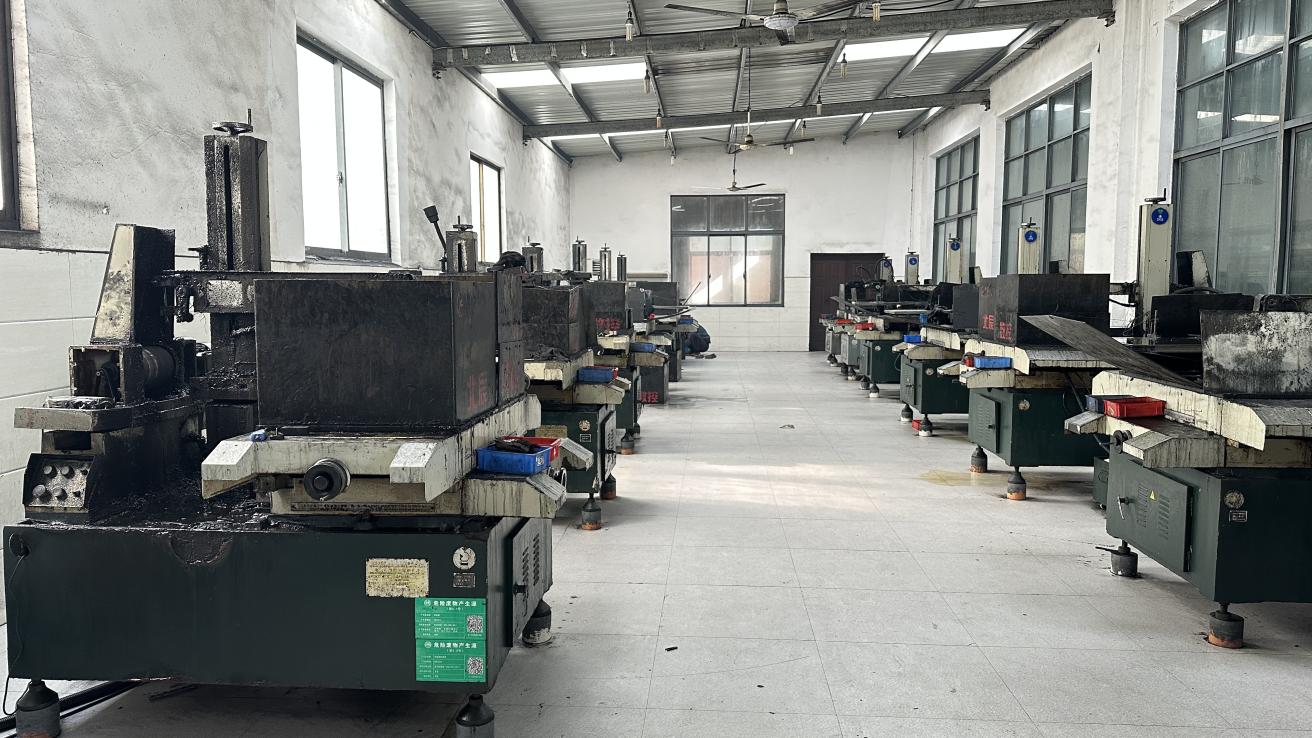
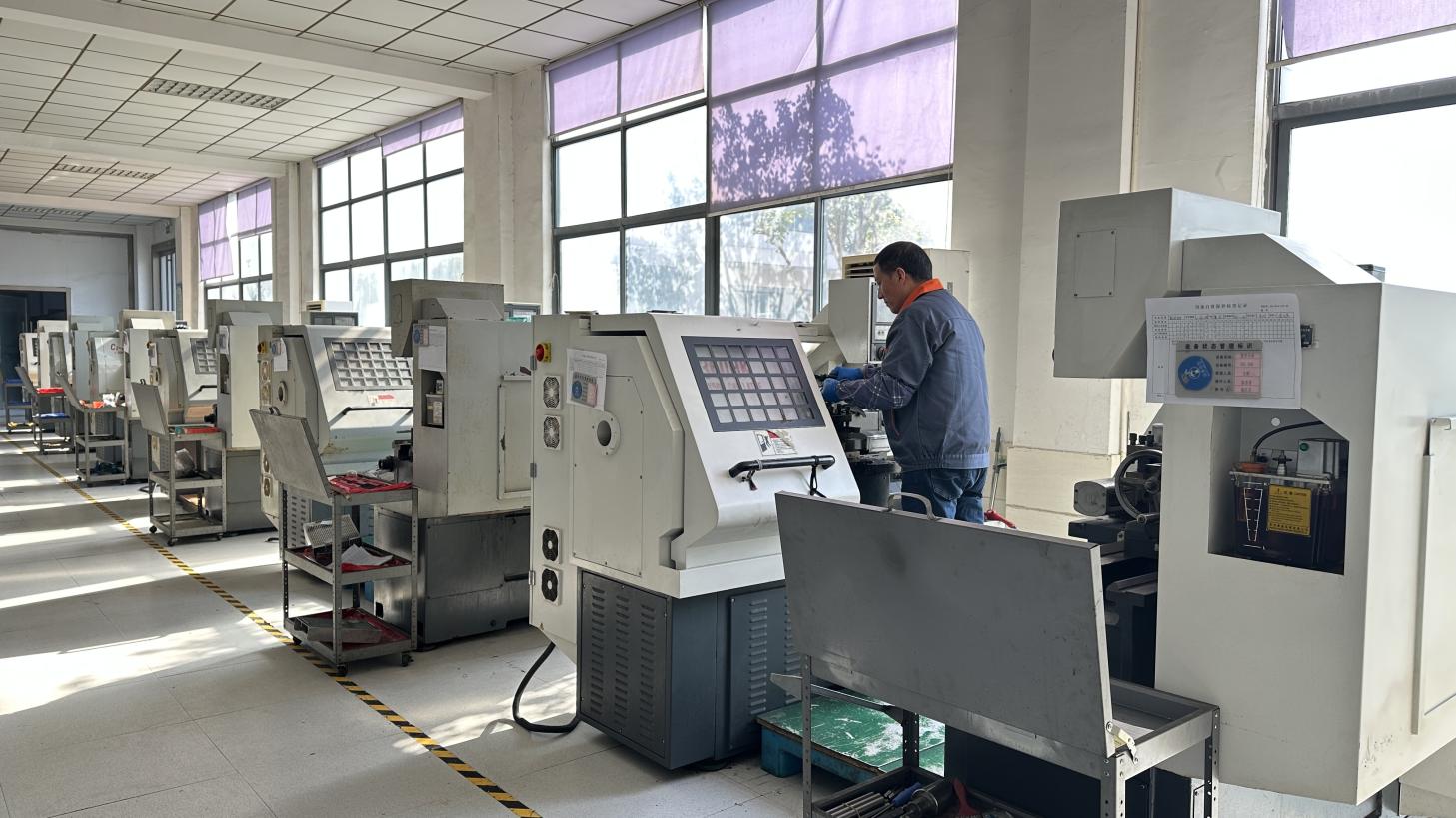
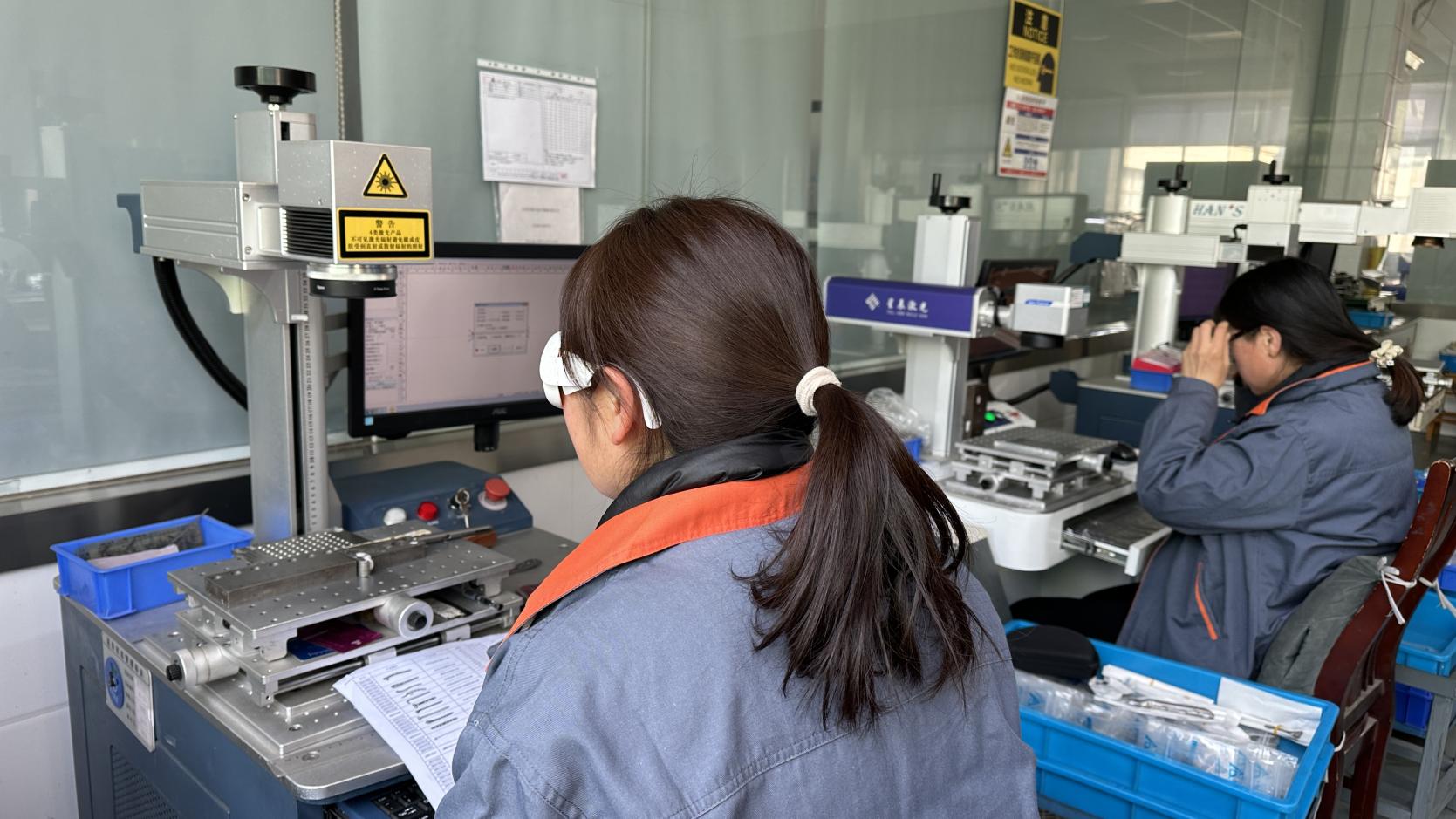
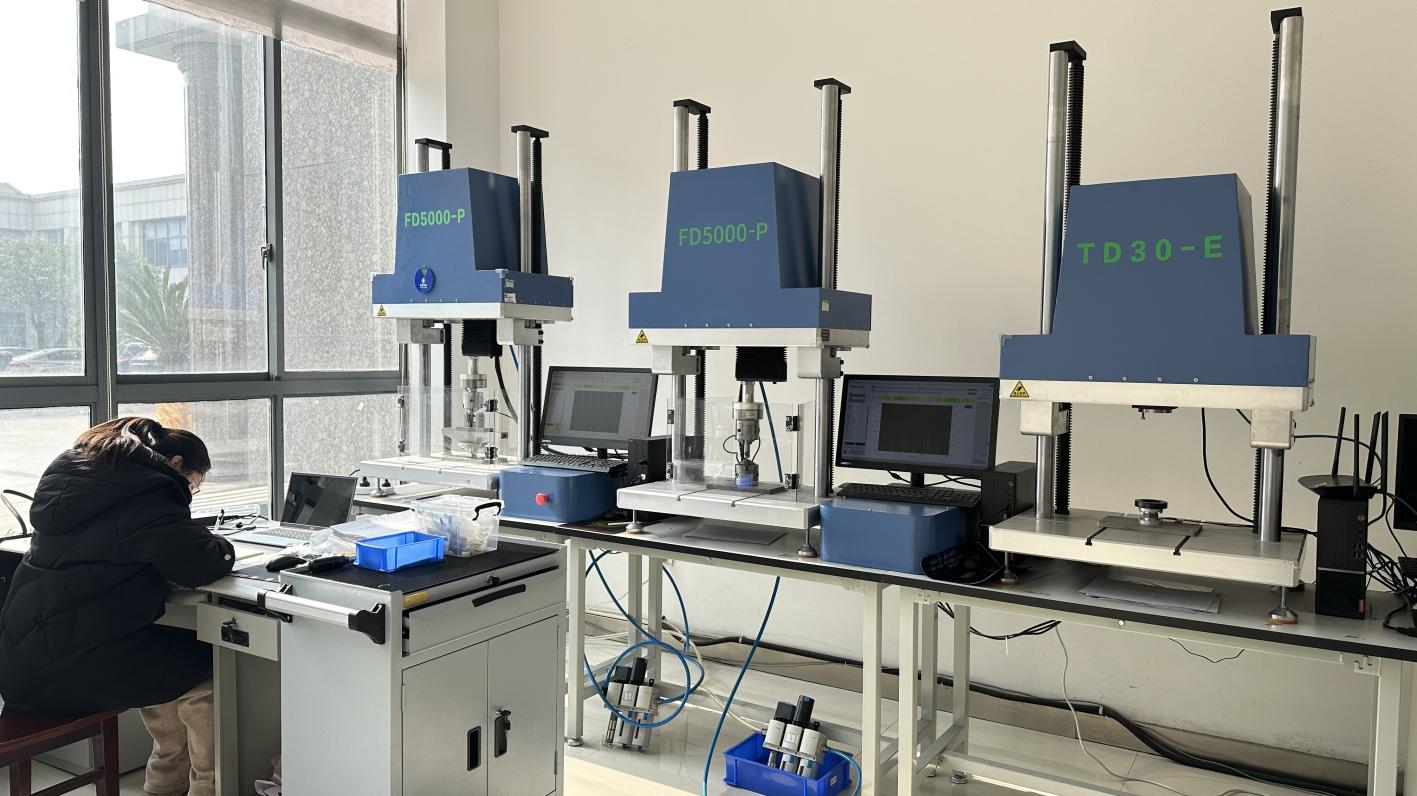
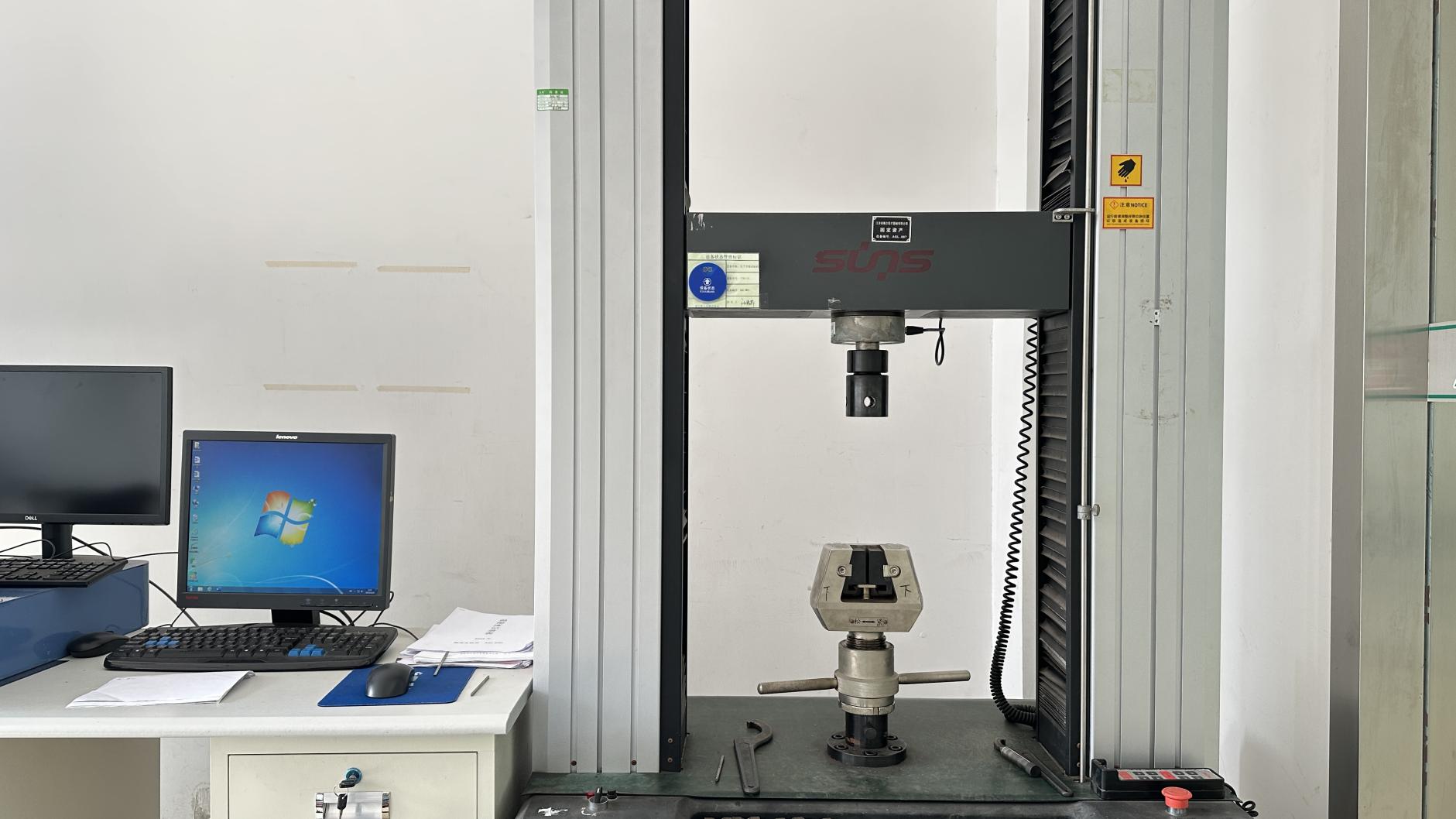
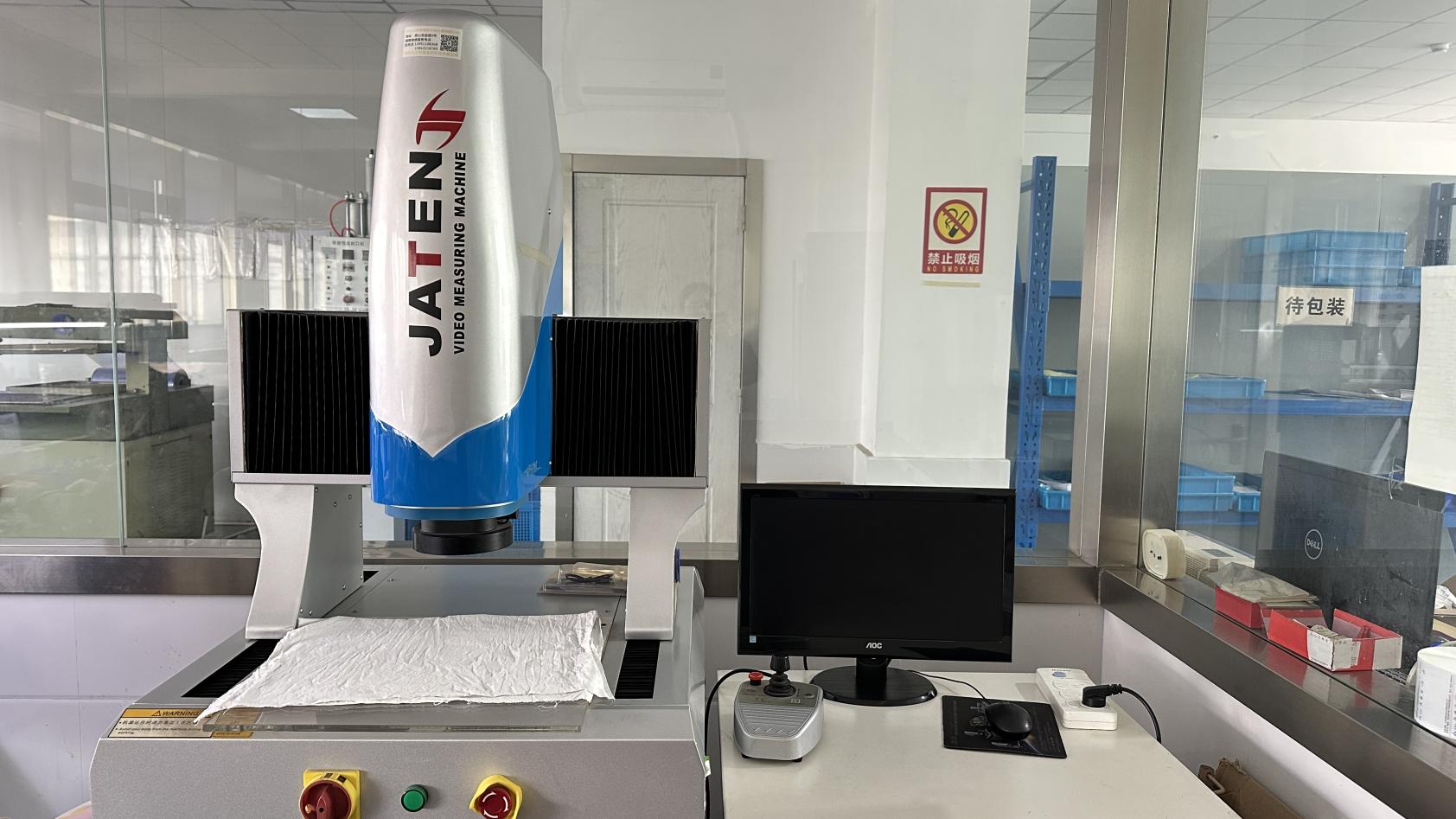
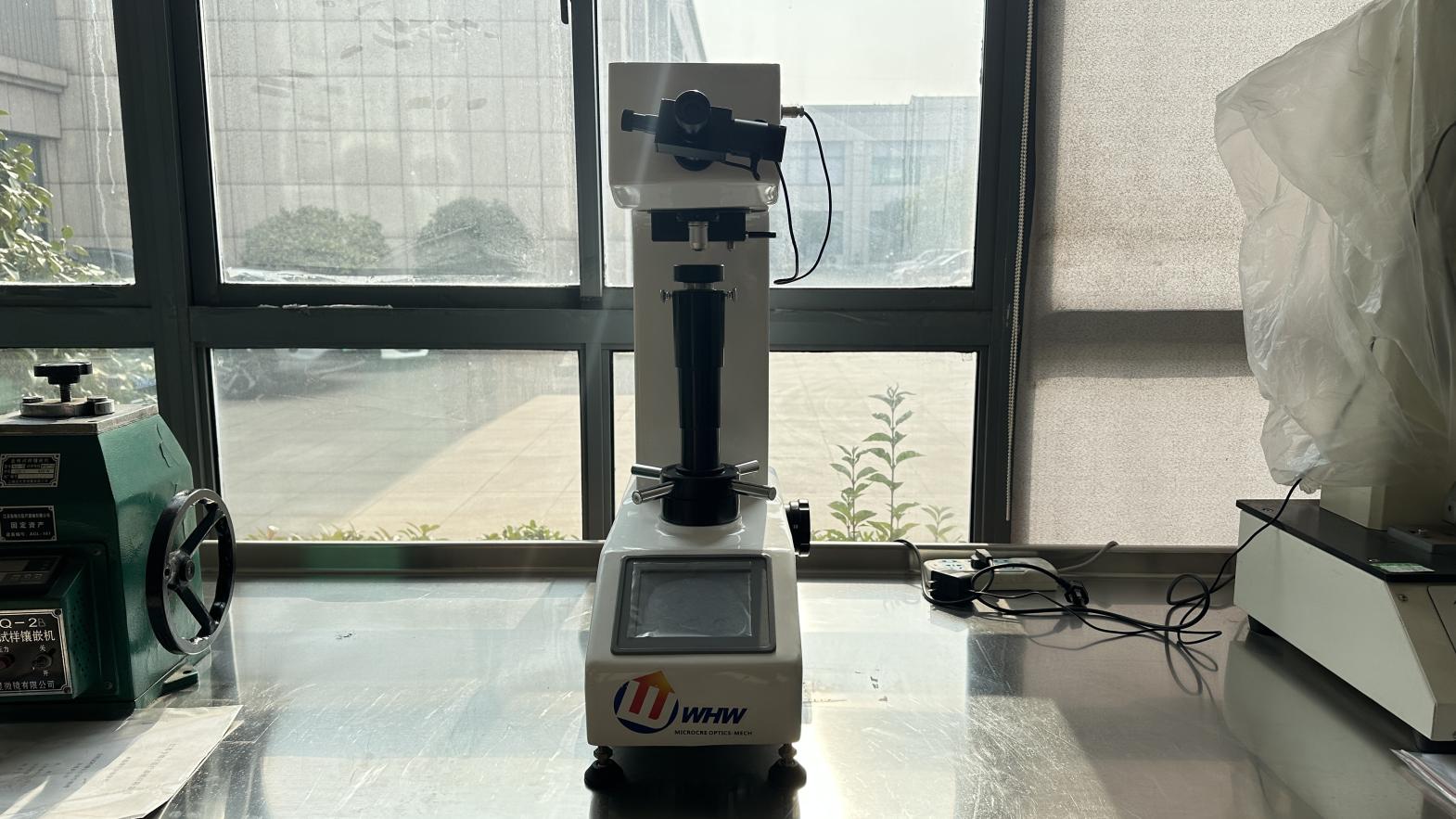
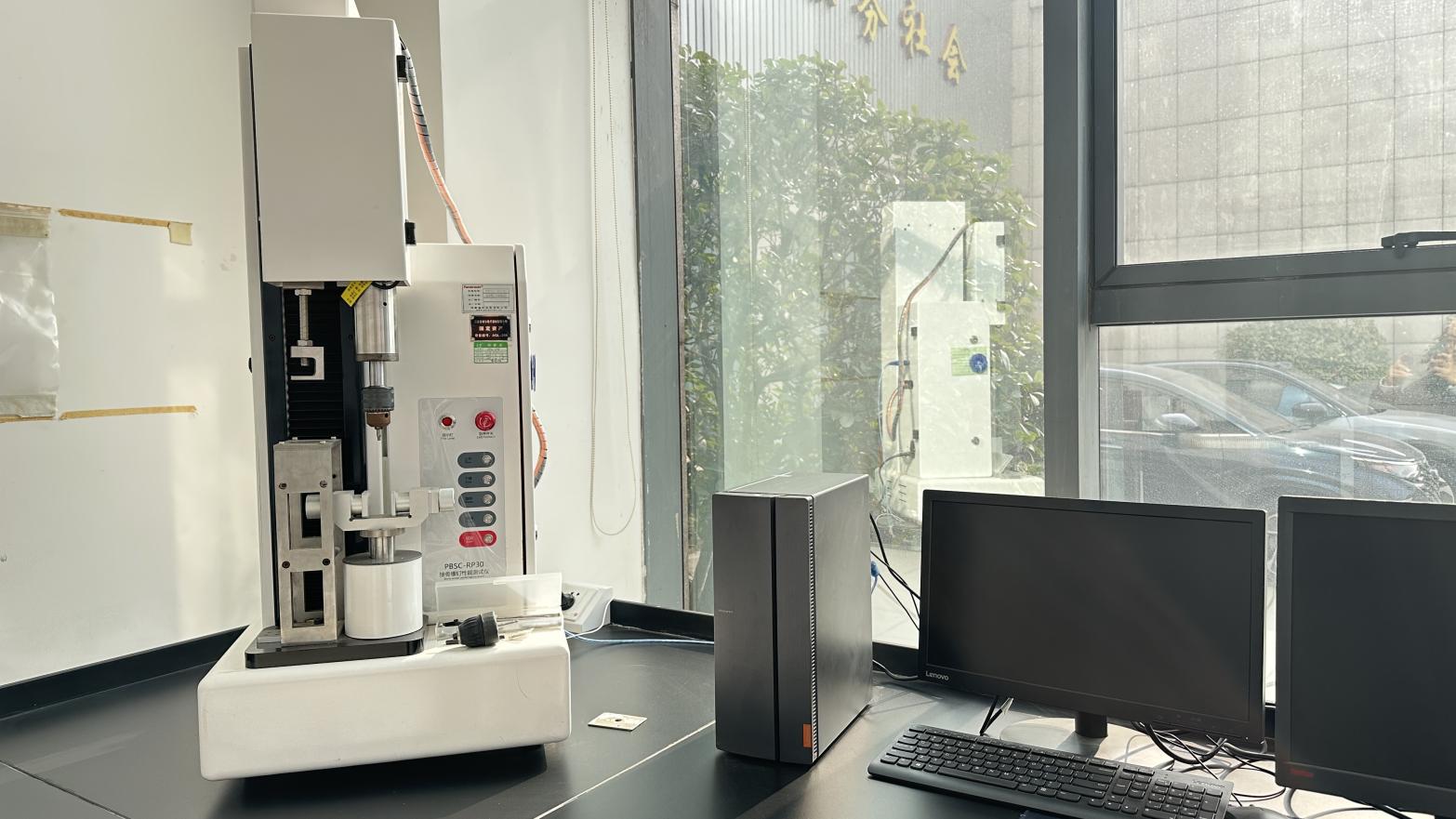
Inside our testing facility: Valuing mechanical validation, material fatigue testing, and metrology verification
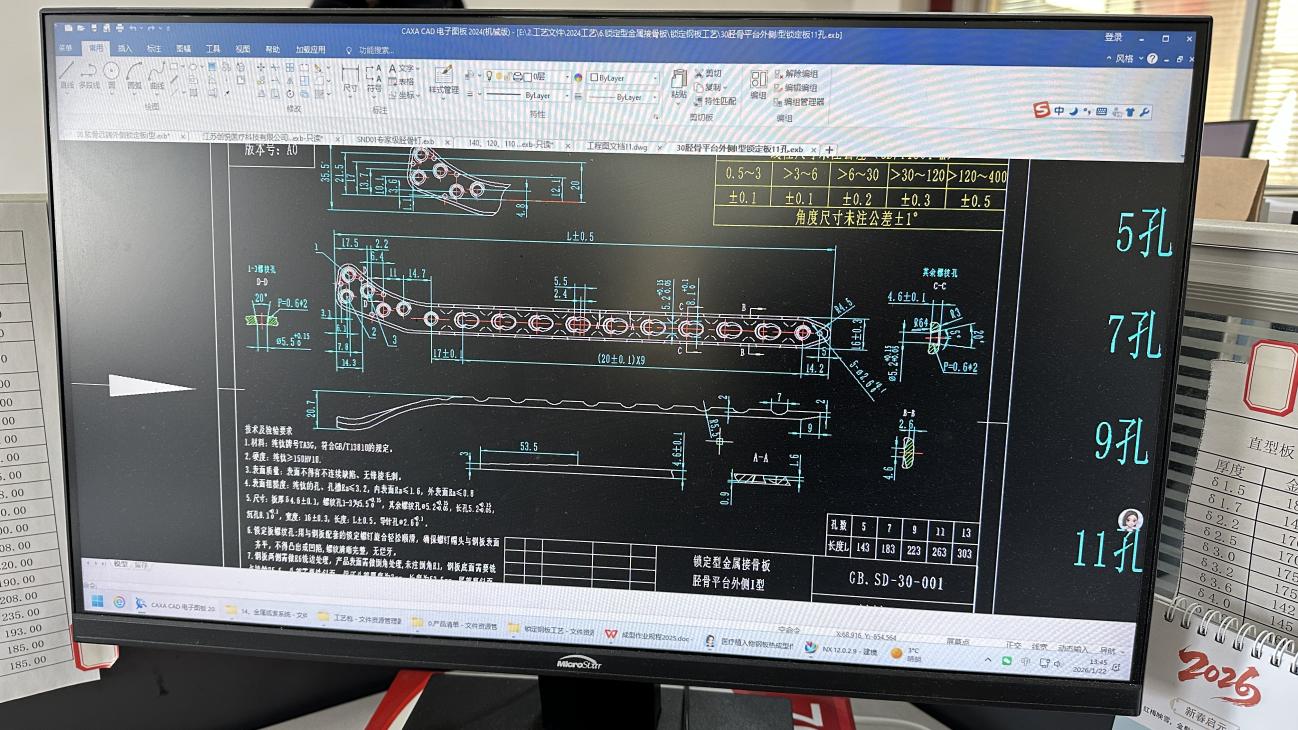

The sports medicine device market is shifting toward biological optimization. Medisplint's R&D division, comprising 85 dedicated engineering specialists, is targeting three core fronts:
Future PEEK anchors will utilize surface-modification processes, such as plasma chemical vapor deposition, to deposit nanometer-thin layers of hydroxyapatite (HA). This converts an otherwise bio-inert polymer surface into an osteoconductive interface, speeding up bone-to-implant integration.
To minimize bone loss, all-suture anchors are gaining clinical traction. Constructed entirely from flexible, high-strength UHMWPE braid, these systems fit within small insertion holes (e.g., 1.5mm to 1.8mm). When tensioned, the anchor body collapses to form a stable knot interface against the subcortical bone layer, preserving healthy bone stock.
We are refining a dynamic tensioning system that allows surgeons to adjust suture tension step-by-step after the anchor is placed. This prevents excessive tension that can strangulate soft tissues, leading to better vascularization and tendon-to-bone healing.
In the orthopedics market, sourcing medical implants requires strict reliability. Quality deviations can disrupt surgeries and create regulatory risks. Medisplint supports orthopedic brands and distributors through three operational pillars:
Medical manufacturing is highly sensitive to raw material disruptions. To mitigate this risk, Medisplint maintains strategic buffer stocks of medical-grade PEEK and titanium rods from certified, internationally validated suppliers. Our collaborative logistics system operates with over 1,200 supply chain partners, guaranteeing consistent delivery times even during peak shipping seasons.
Developing custom suture anchors or surgical instrumentation requires a dedicated development partner. Our engineering team helps clients transform their concept sketches into production-ready designs. We provide design verification, rapid prototyping, pilot production runs, and support with CE / FDA submission documentation.
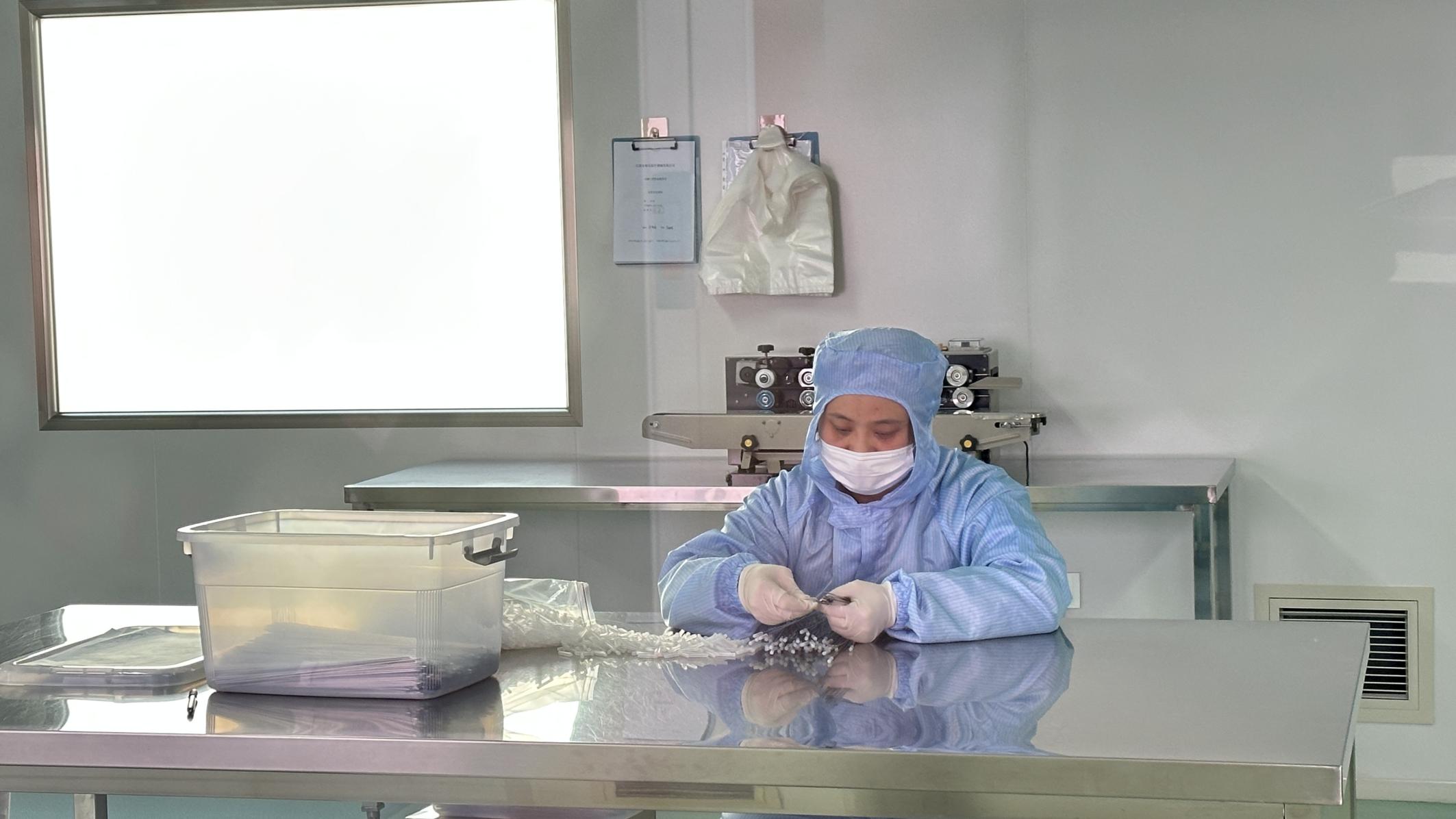
Medisplint operates Class 10,000 (ISO Class 7) Cleanroom suites for assembly and packaging. Anchors are packaged in specialized Tyvek pouches or blister cards, designed for direct Ethylene Oxide (EO) or Gamma irradiation sterilization. Every shipment includes certified sterilization validation indicators to ensure high safety standards.
Addressing the core procurement, engineering, and quality concerns of global sports medicine partners
Our suture anchors undergo comprehensive testing in line with ASTM standards (such as ASTM F543 for torsional properties and axial pull-out force of medical bone screws). We evaluate tensile strength, cyclic load performance (testing tendon footprint stability under dynamic loads up to 100,000 cycles), and failure load limits using our universal tensile testers.
We maintain full materials traceability under ISO 13485. Every batch of titanium (Ti-6Al-4V ELI) or PEEK is sourced with accompanying Mill Test Certificates (MTC) and undergoes material confirmation using our hardness and chemical analysis tools. A unique batch ID is laser-etched onto each finished implant, linking it to the raw material melt batch.
Yes. Medisplint designs suture anchors to either integrate with standard orthopedic screwdriver/inserter interfaces or to be supplied with pre-loaded disposable inserter assemblies. We offer fully customized instrument kits that can be tailored to meet specific surgical technique preferences.
For existing catalog products, shipping times vary from 15 to 30 days depending on raw material stock. For customized OEM/ODM projects, prototyping generally takes 6 to 8 weeks, with regulatory documentation and final production validation completed within an additional 8 to 12 weeks.
While Titanium anchors offer higher maximum pull-out limits, PEEK anchors provide an elastic modulus closer to cortical bone, which minimizes stress shielding. PEEK's radiolucency also avoids artifacts on postoperative MRIs, allowing clear monitoring of the healing tissue footprint.
Broadening clinical solutions: Precision spinal plates, joint replacement instruments, and veterinary orthopedics
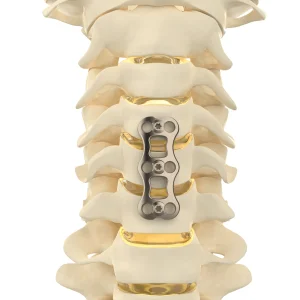
CANWELL Orthopedic Implant Spine Implant Anterior Cervical Bone Plate Cervical Spine Surgery Titanium Plate
View Details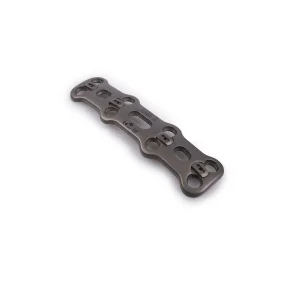
CANWELL CE/ISO Certified Titanium Anterior Cervical Bone Plate System Orthopedic Spine Implant with AO Standard
View Details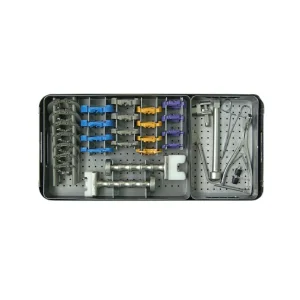
Stainless Steel a Type Total Hip Prosthesis Joint Replacement 4#-10# Instrument Set Veterinary Orthopedic Surgical Implants
View Details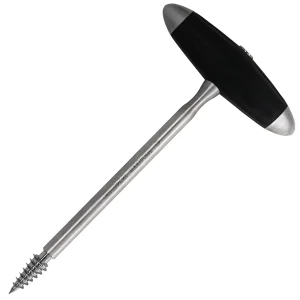
CANWELL Manual Orthopedic Hip Extractor T-Handle Acetabulum Instrument Set Hip Revision Instrument Set Hemi Arthroplasty Bipolar
View Details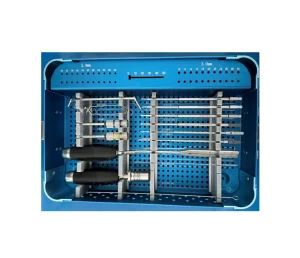
Geasure Hot Selling Orthopedic Surgical Instruments 2.5/3.0/3.5/4.0mm Herbert Screw Instrument Set
View Details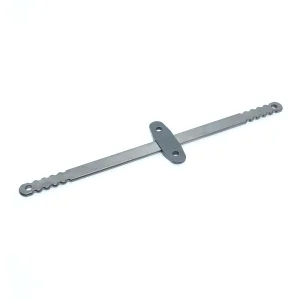
Geasure Funnel Chest Orthopedic System - Orthopedic Plate
View Details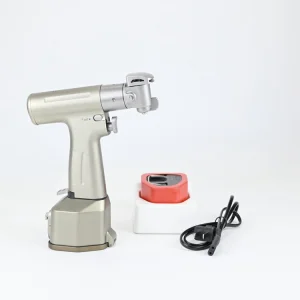
HEALMEDS Veterinary Bone Surgery Electric Saw Orthopedic Power Tool System 6 Drill Serra Osciladora Stryker sierra Oscilante
View Details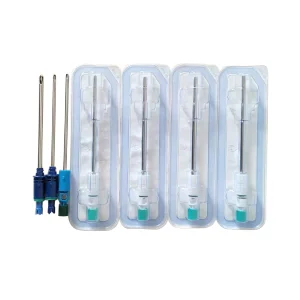
Veterinary Instrument Shaver Blades and Burrs
View Details