Medisplint
Medisplint
Medisplint
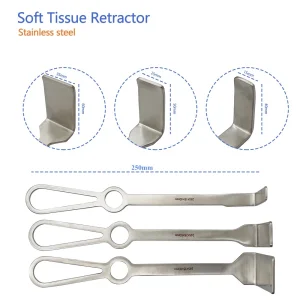
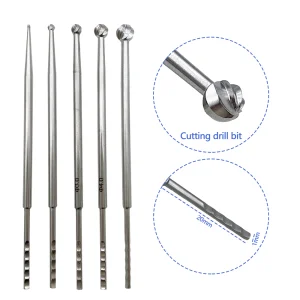
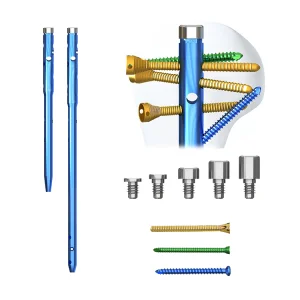
Clinical significance, global distribution dynamics, and the role of specialized spinal instrumentation.
Spinal surgeries addressing severe deformities, spondylolisthesis, and complex vertebral instability demand absolute precision from surgical hardware. Among these, Reduction Pedicle Screws represent a vital biomechanical tool. Designed with extended break-away tabs, these specialized implants allow orthopedic surgeons to gradually reduce and realign malpositioned vertebrae without requiring excessive separate instrumentation. By utilizing the implant itself to pull the spinal column into correct alignment, surgeons reduce operative times, minimize blood loss, and optimize clinical outcomes.
Enables controlled reduction of high-grade spondylolisthesis. The extended tabs facilitate the insertion of rods down to the screw seat, ensuring uniform force distribution across the vertebral constructs.
Manufactured using medical-grade Titanium Alloy (Ti-6Al-4V ELI), providing excellent biocompatibility, high fatigue limit, and compatible elasticity to human bone tissue to prevent implant failure.
Eliminates the complexity of standalone reduction forceps. The linear thread design prevents cross-threading, ensuring security and seamless installation during demanding operations.
Globally, market demand for high-quality orthopedic implants is climbing due to aging populations and an increasing rate of minimally invasive spinal surgeries. Distributors and healthcare institutions require pedicle systems that comply with rigorous international regulations (such as the European Medical Device Regulation CE and ISO 13485).
The combination of production capacity, technological investment, and integrated supply chains.
China has transformed into the primary sourcing hub for medical devices and trauma implants. Chinese factories leverage specialized infrastructure to achieve manufacturing accuracy down to the micrometer level. This competitive edge stems from:
Professional manufacturer specializing in orthopedic implants, fixation systems, and surgical instruments.
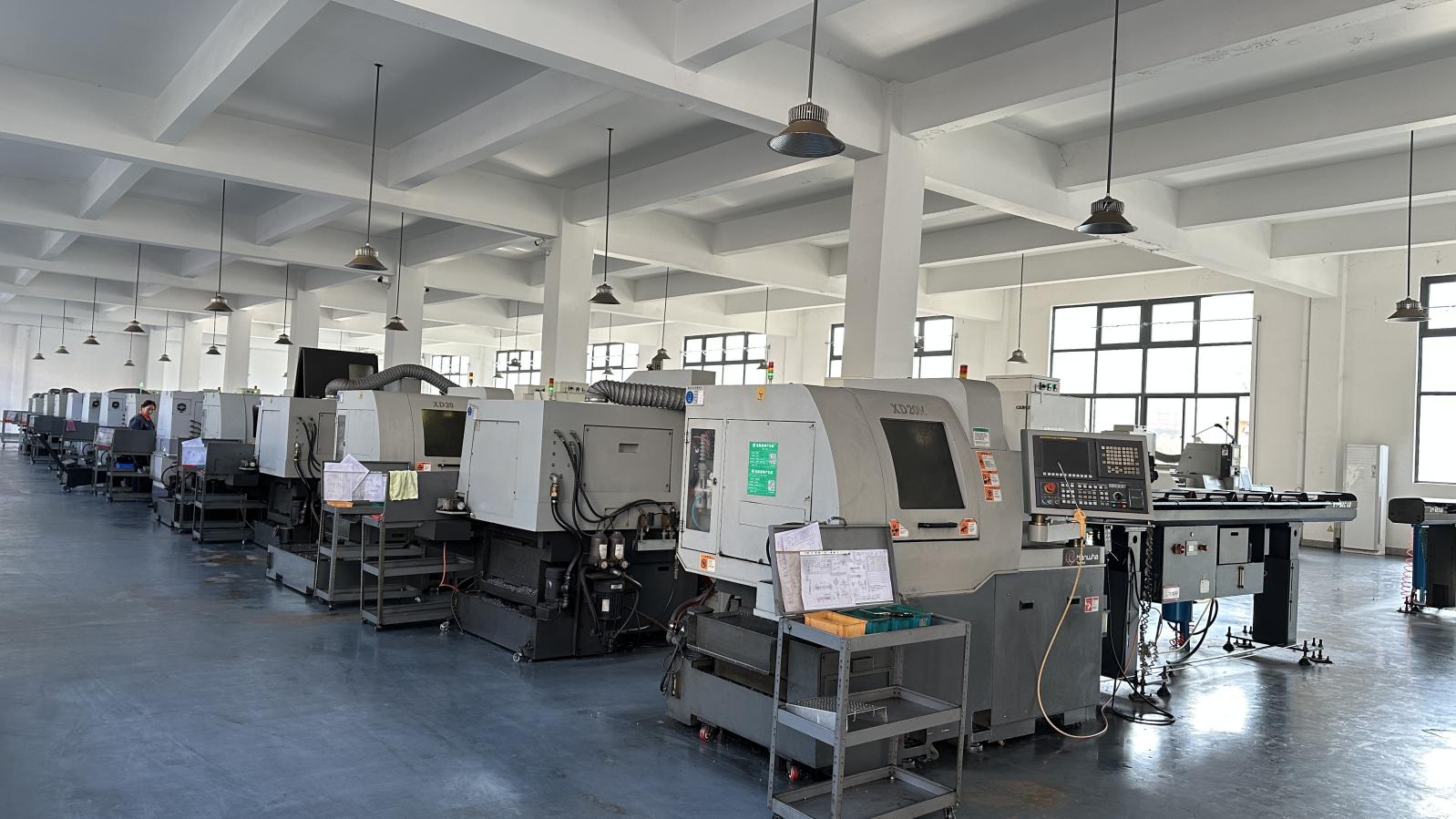
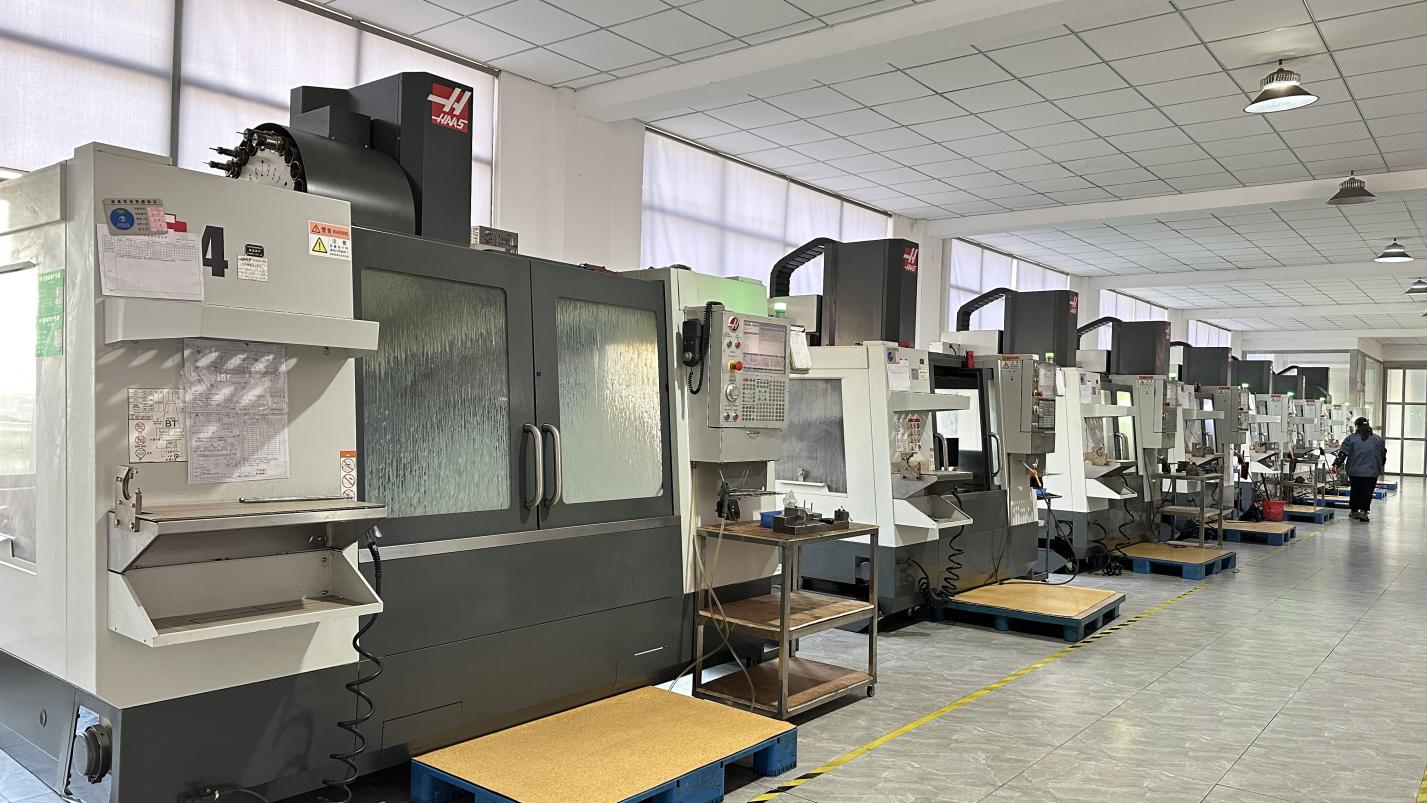
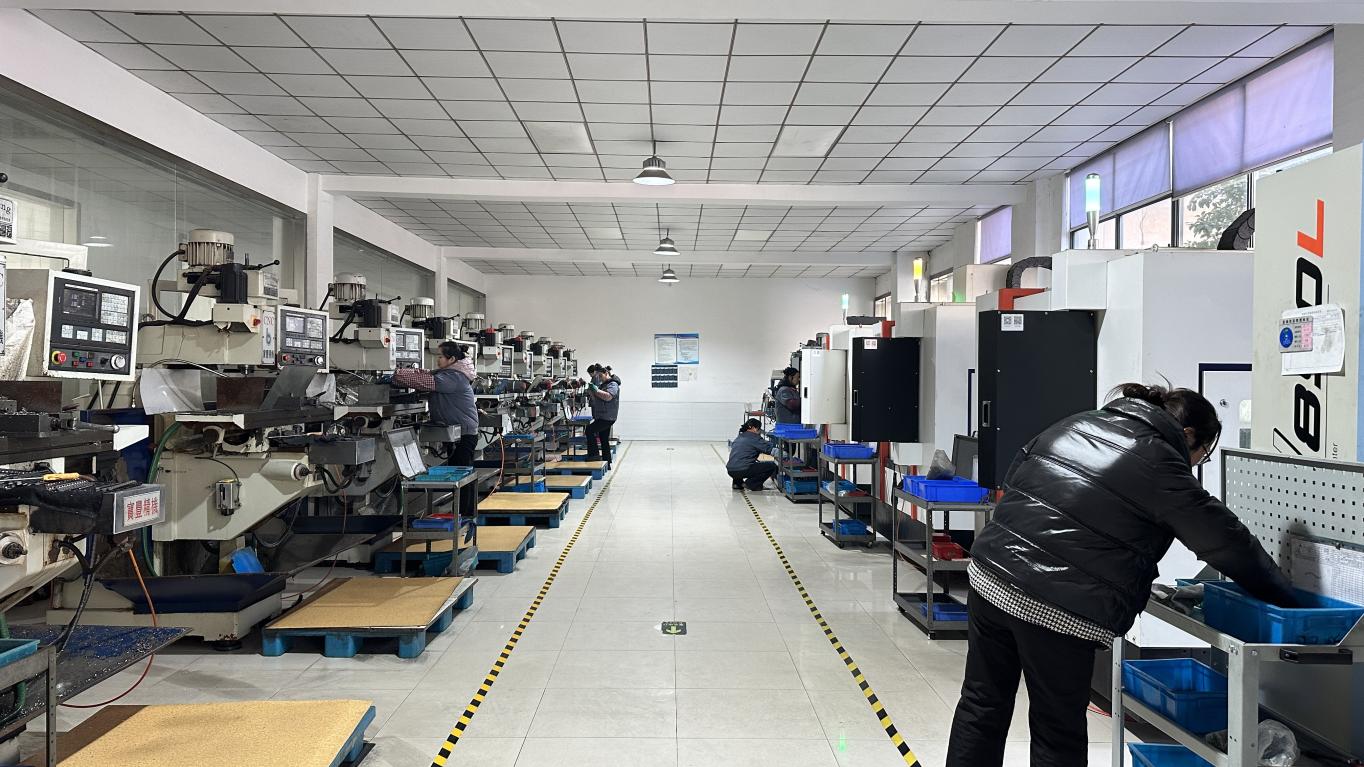
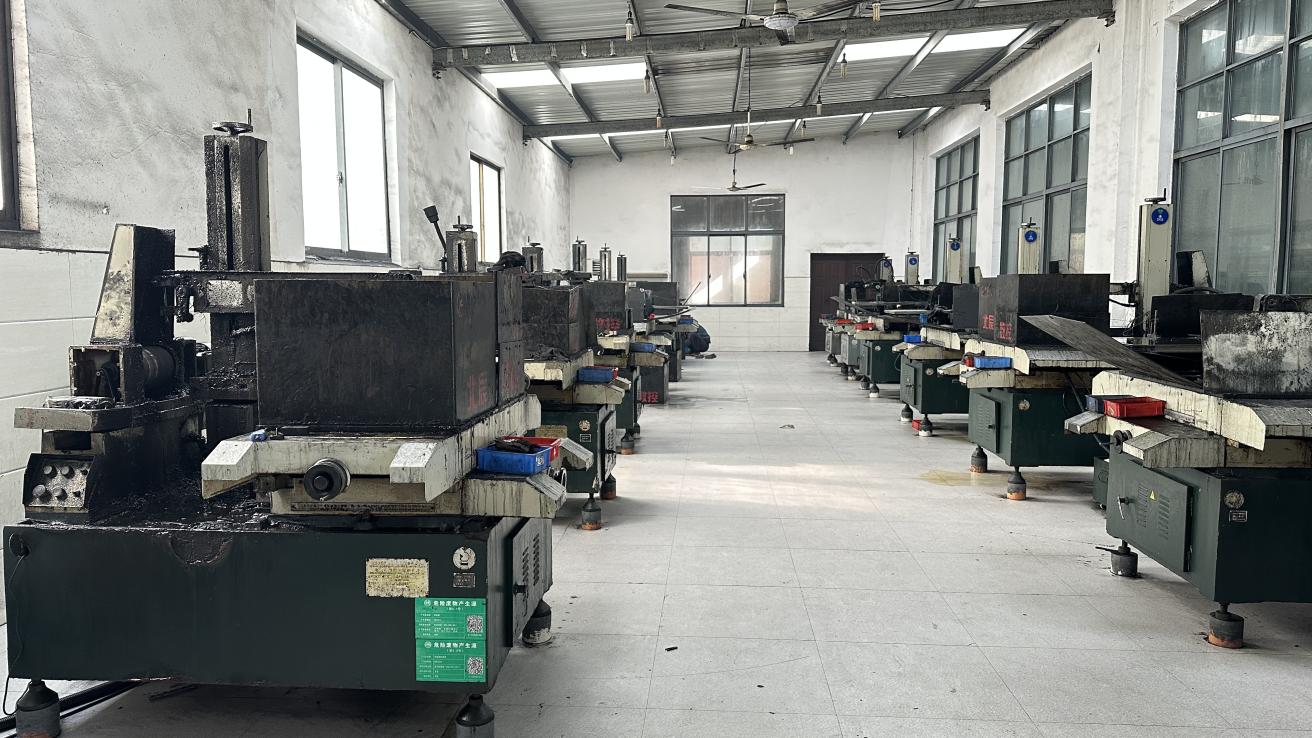
Medisplint Orthopedic Instruments Co., Ltd. is a professional manufacturer specializing in orthopedic implants, fixation systems, and surgical instruments for trauma, spine, and joint reconstruction. Founded in 2016, the company has developed steadily with a strong focus on innovation and international expansion. The facility covers approximately 18,500㎡, supporting integrated production, assembly, and quality control operations.
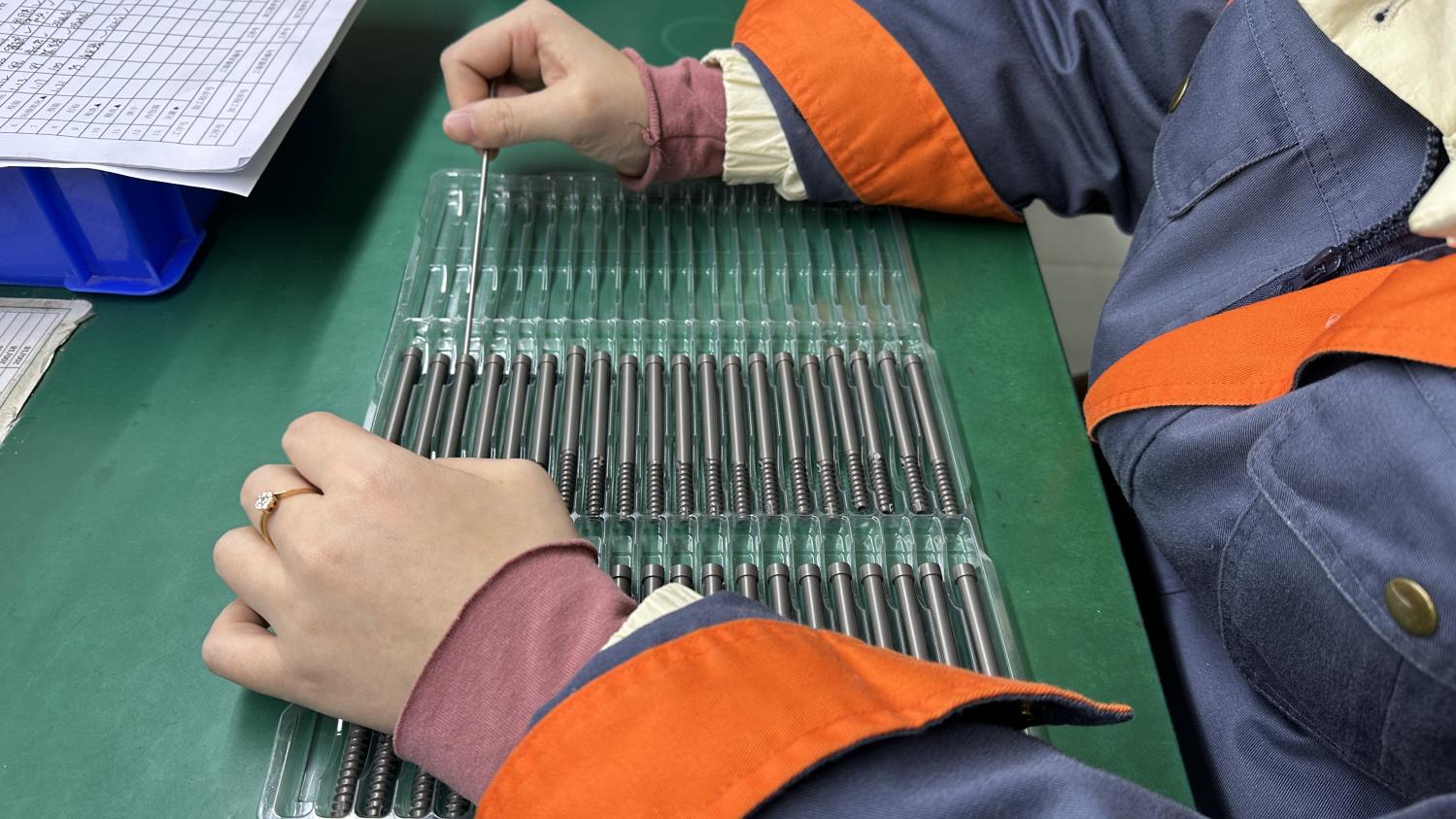
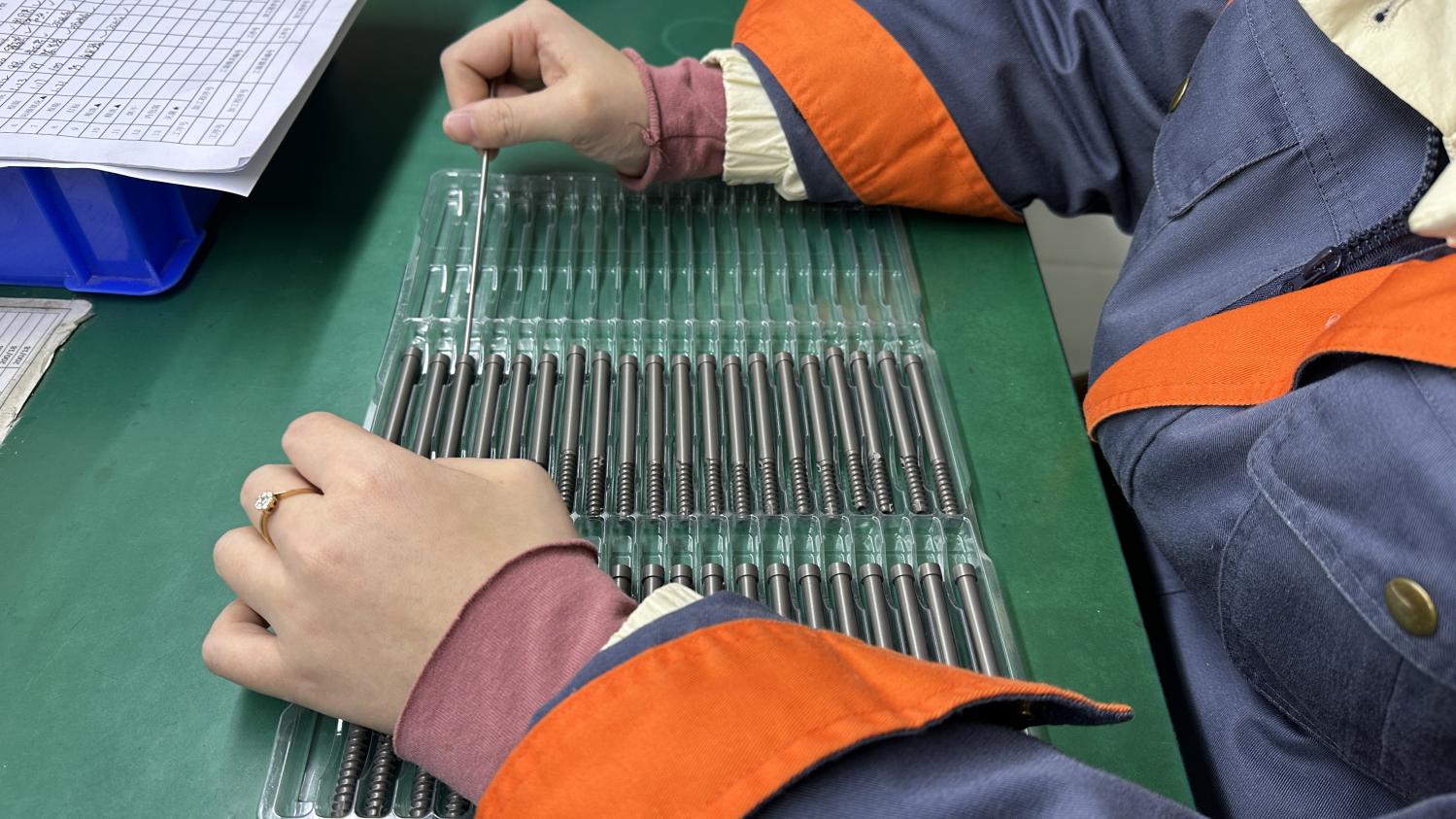
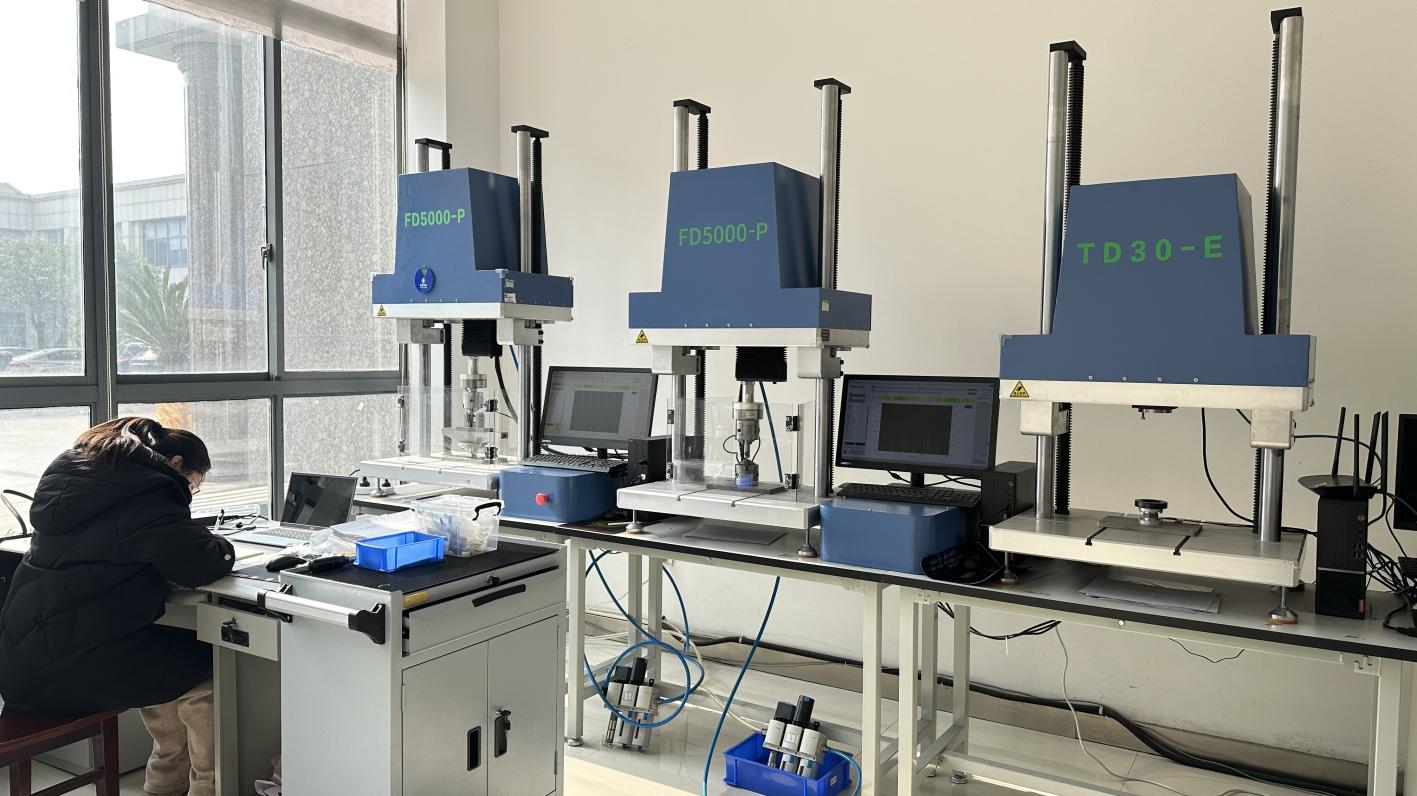
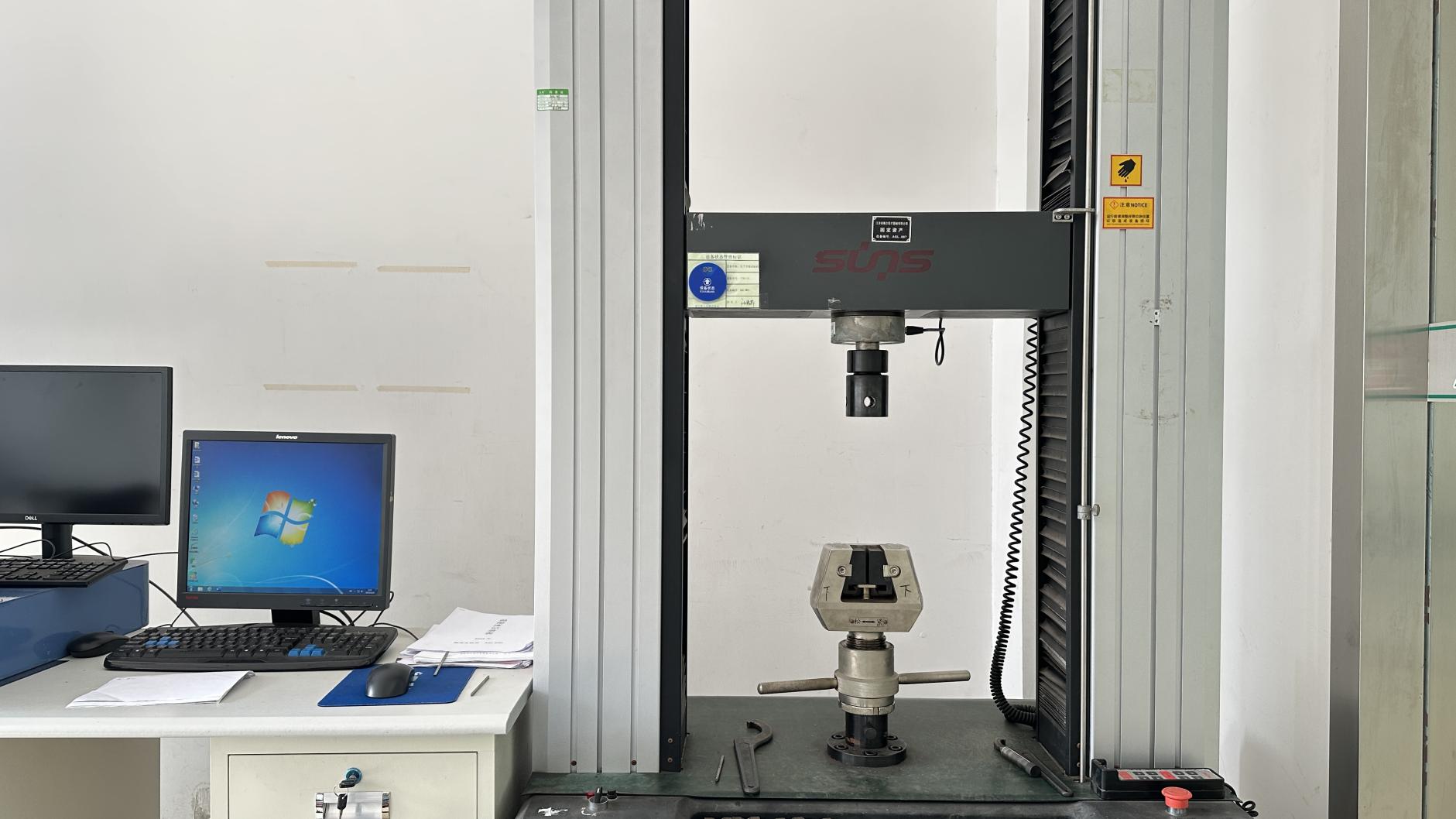
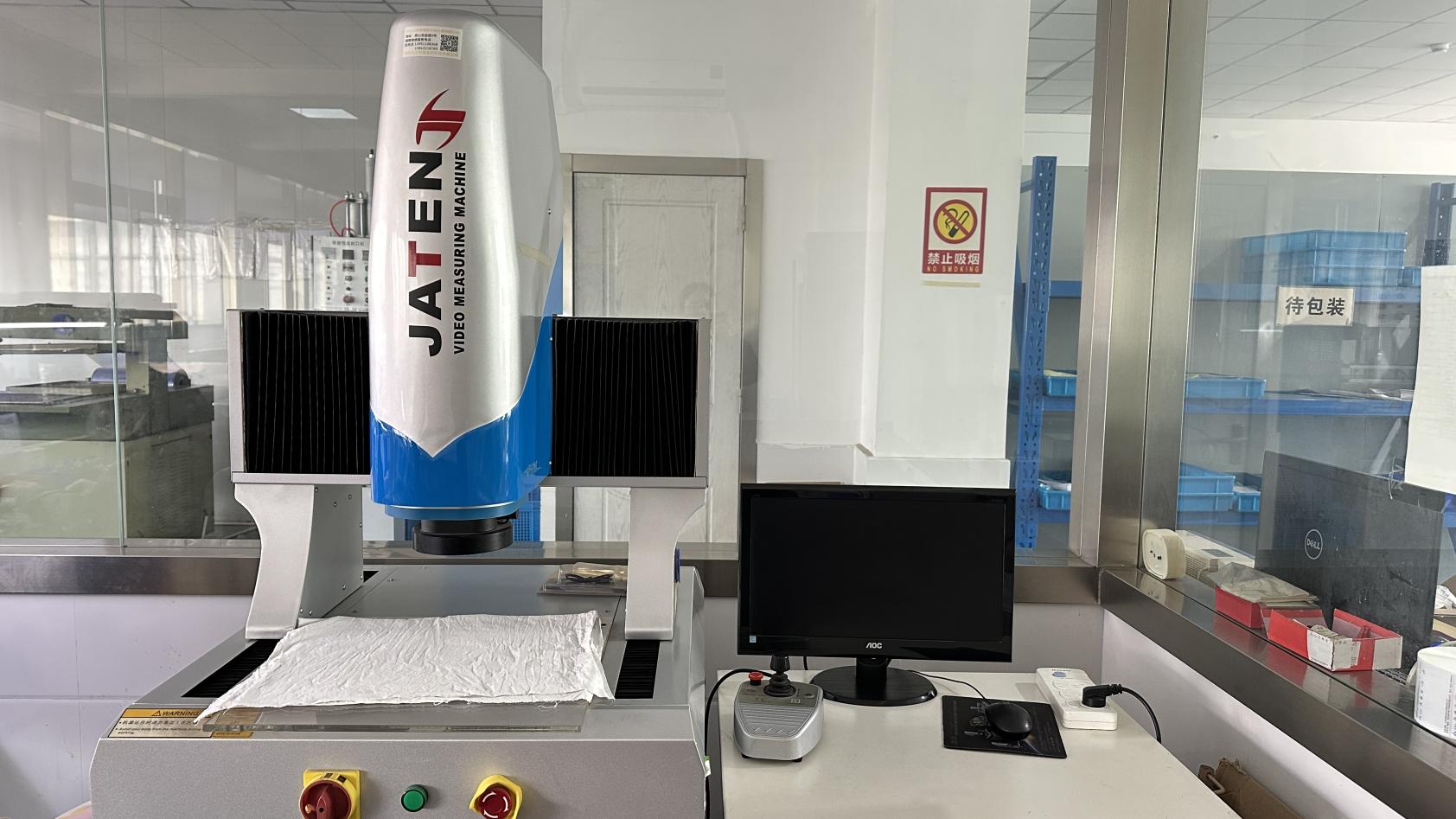
Medisplint reports an annual export revenue of around USD 12 million, with over 7 years of export experience and 10 years of overall industry experience in orthopedic medical device manufacturing. The company operates under strict quality assurance systems including ISO 13485 certification and CE compliance. Quality inspection methods include incoming material inspection, in-process quality control (IPQC), final product inspection (FQC), and third-party laboratory testing.
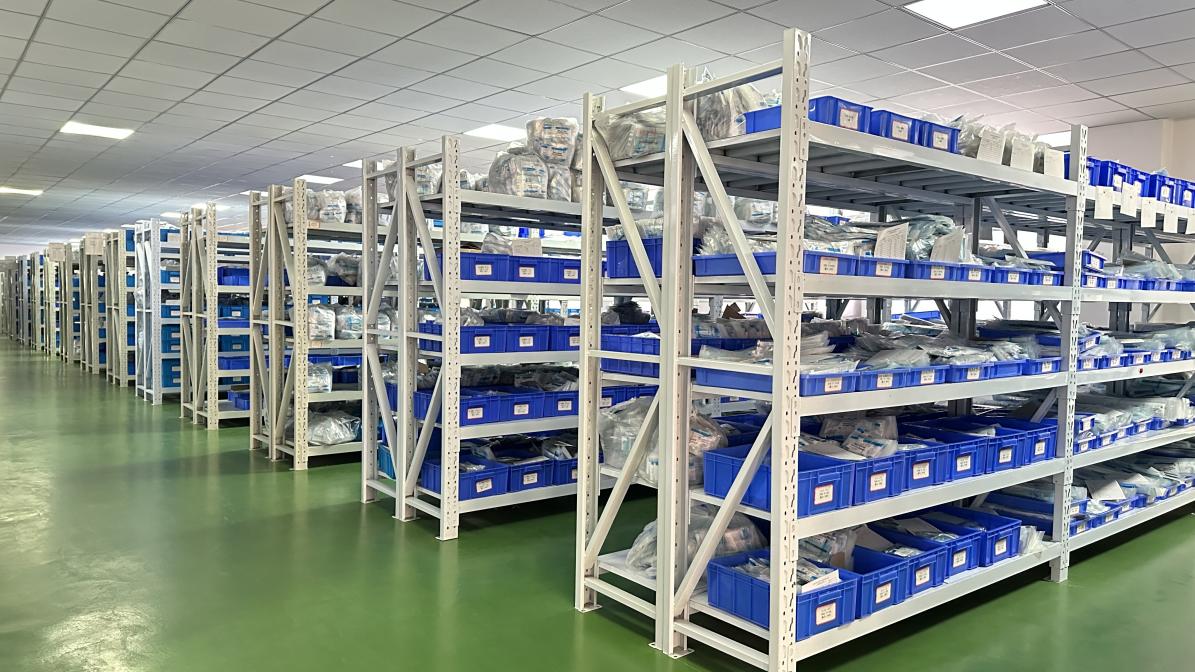
The quality control department consists of 42 dedicated inspectors ensuring product safety, precision, and compliance with international standards. With a strong global trade background, Medisplint primarily serves markets in Europe, Southeast Asia, the Middle East, and South America. The company collaborates with over 1,200 supply chain partners, supporting stable production capacity and flexible sourcing strategies. Its main customer types include hospitals, orthopedic distributors, surgical centers, and OEM/ODM partners.
Medisplint maintains strong R&D capabilities with approximately 85 engineering and development specialists, offering customization options such as private labeling, design modification, and full OEM/ODM solutions. In the past year, the company launched 68 new products, reflecting its continuous commitment to innovation and advancement in orthopedic solutions.
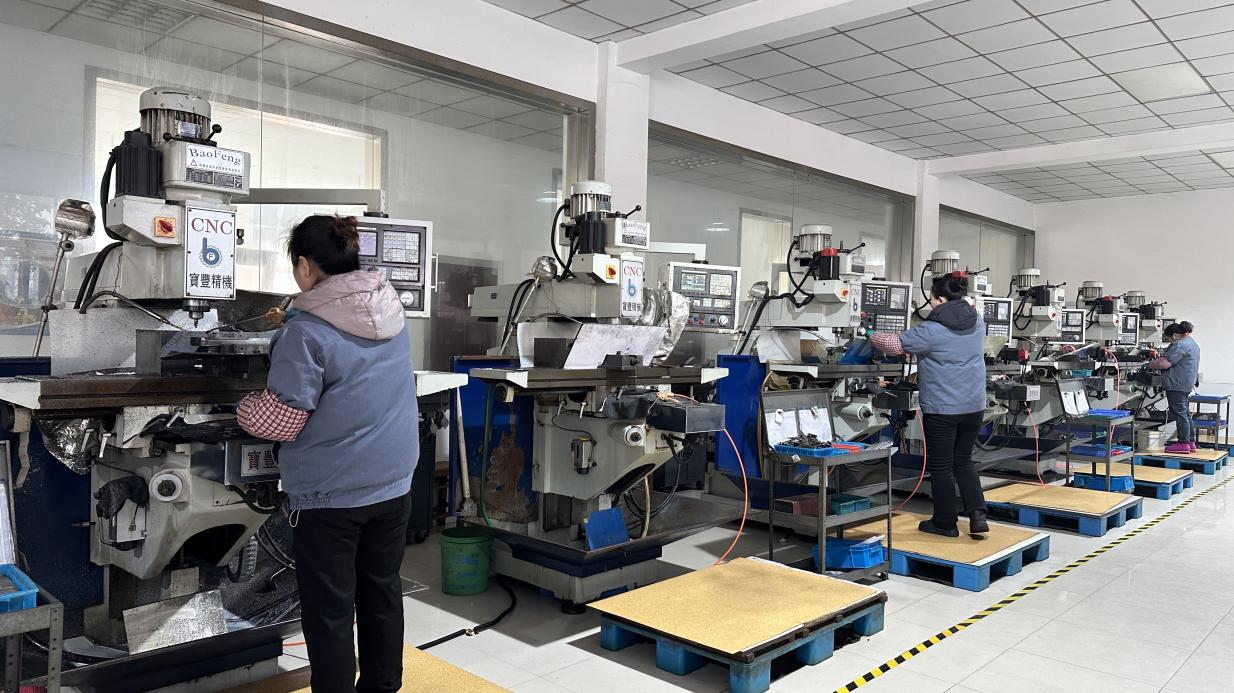
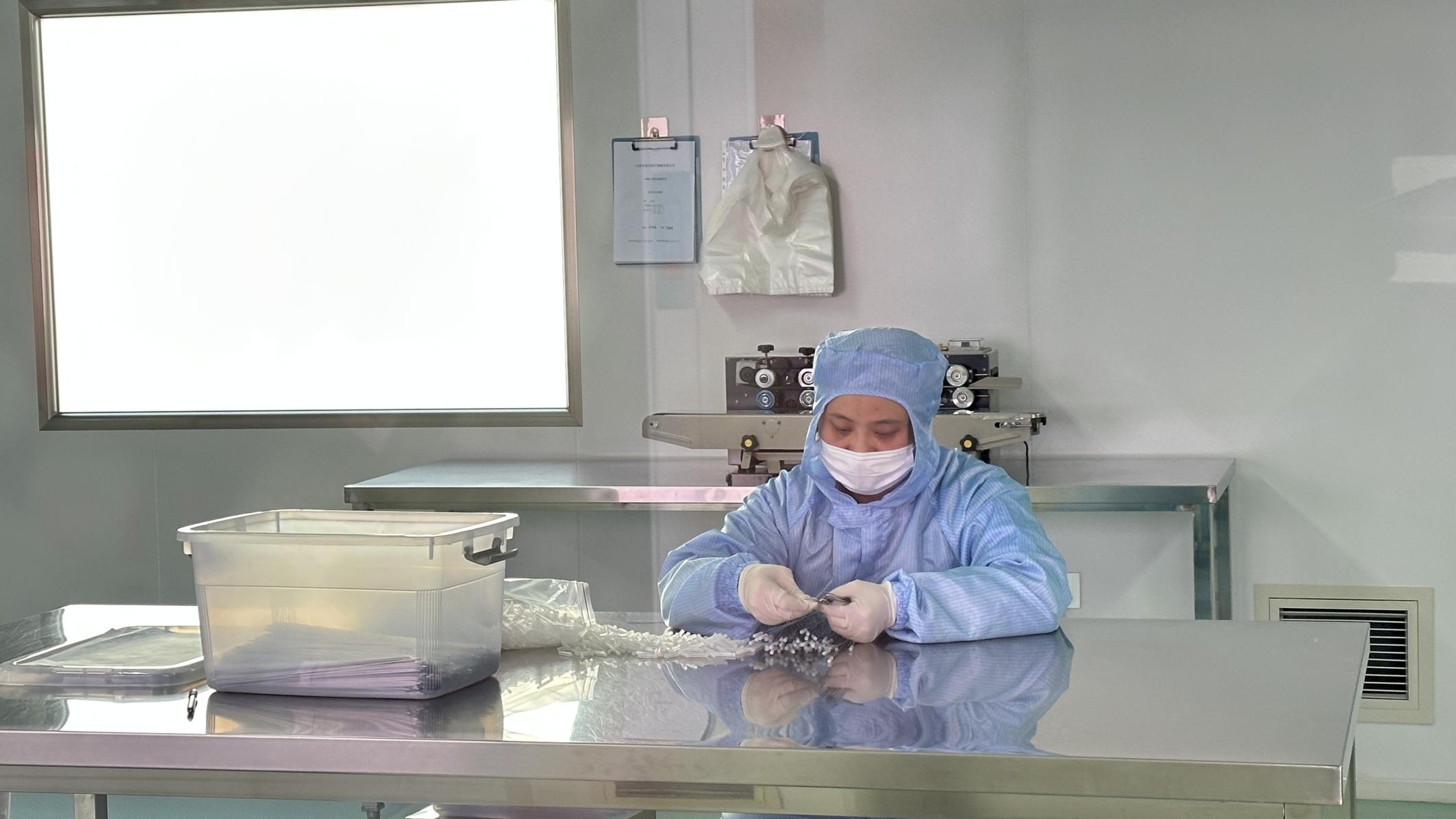
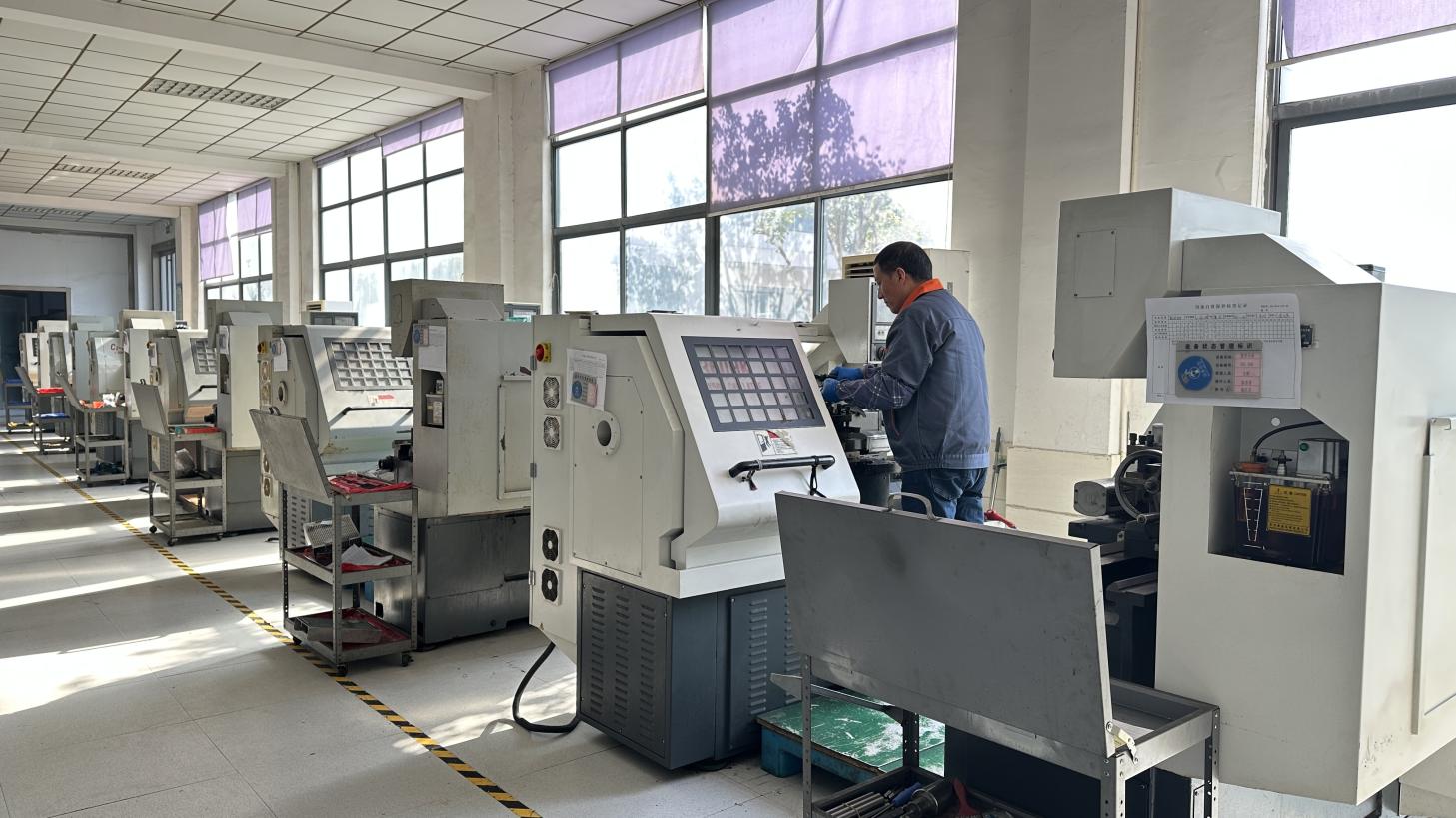
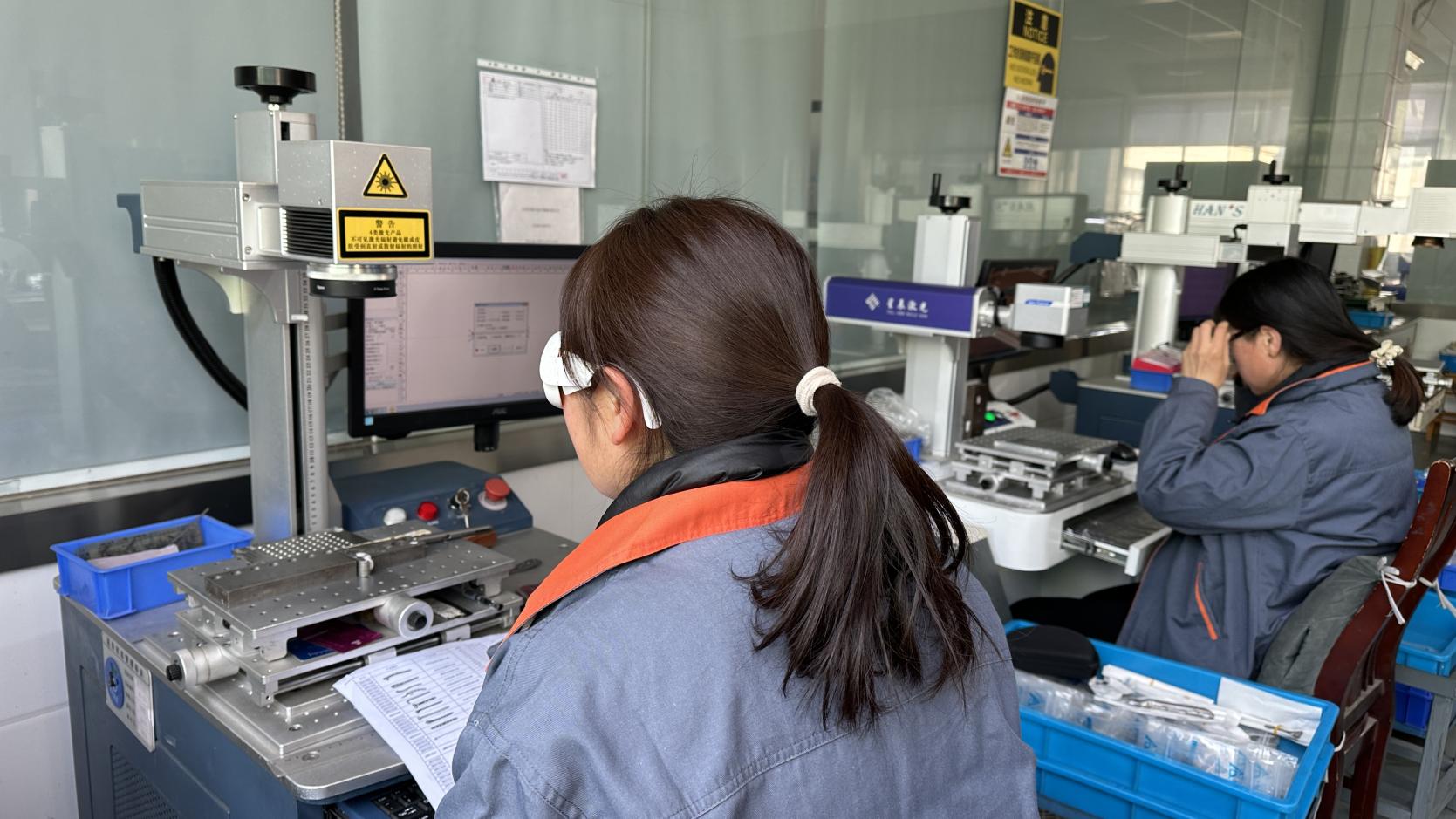
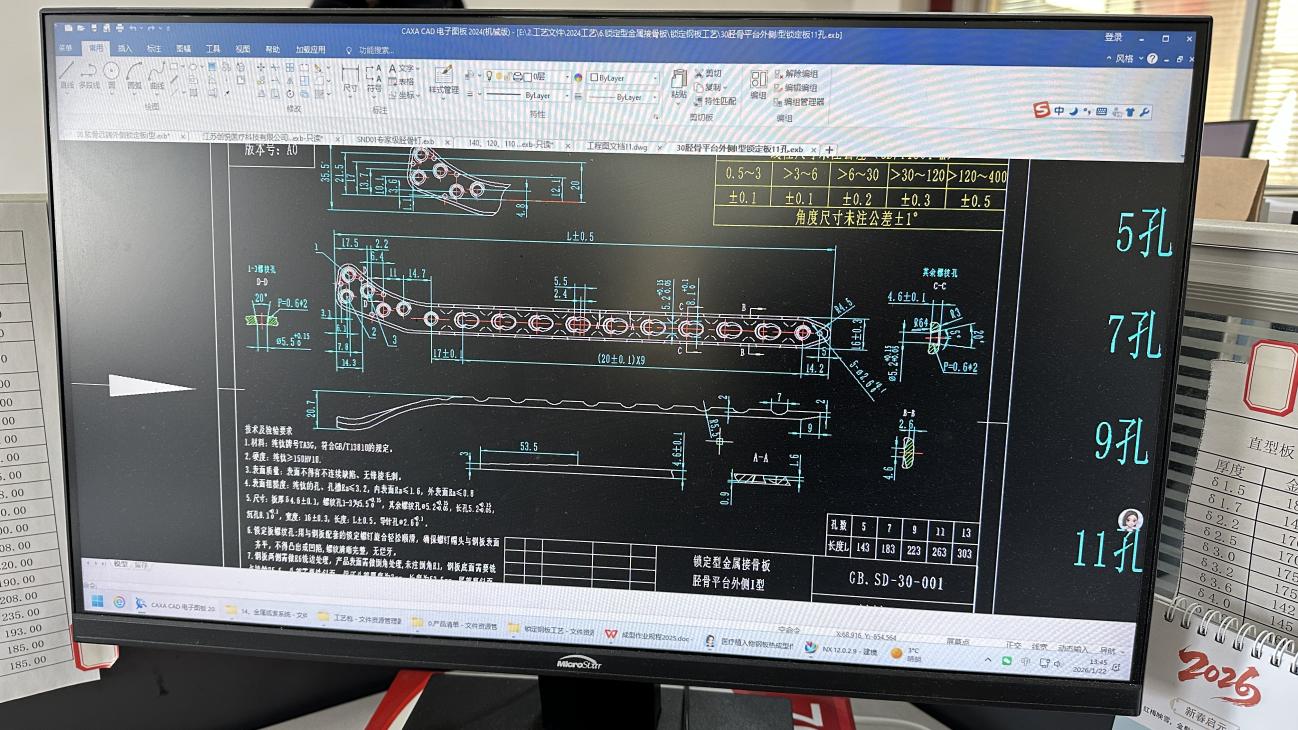
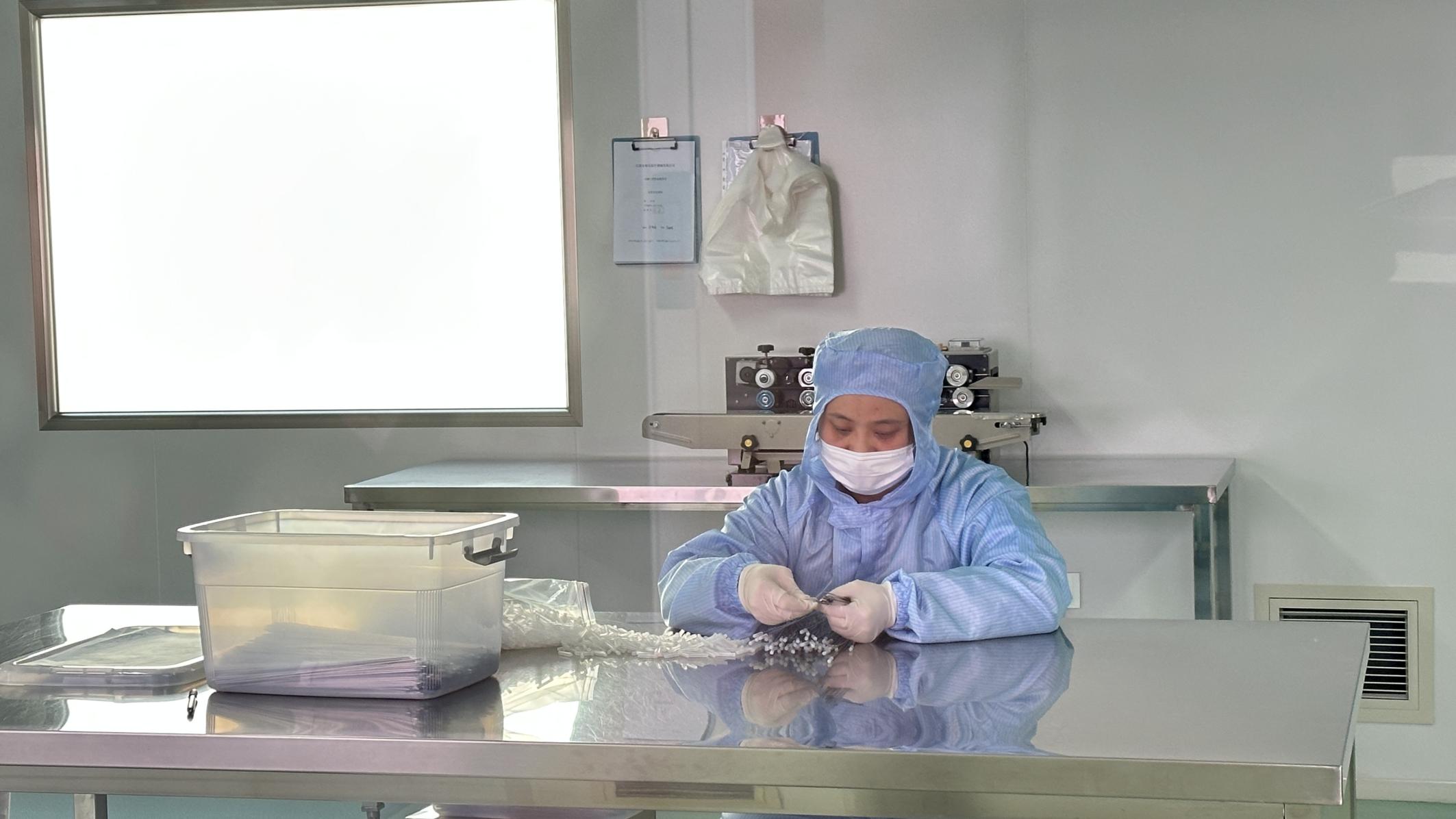
An inside look at our state-of-the-art facility, precision CNC machining, and thorough inspection protocols.
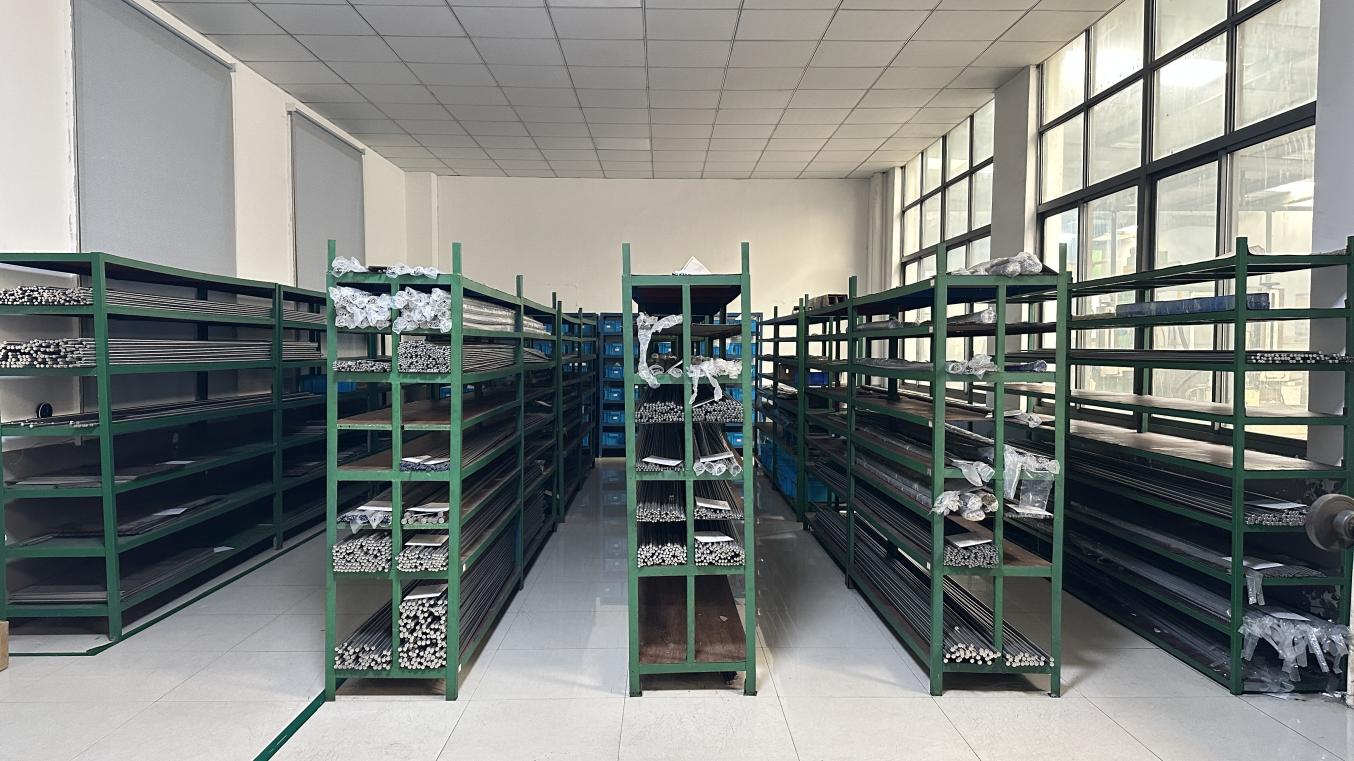
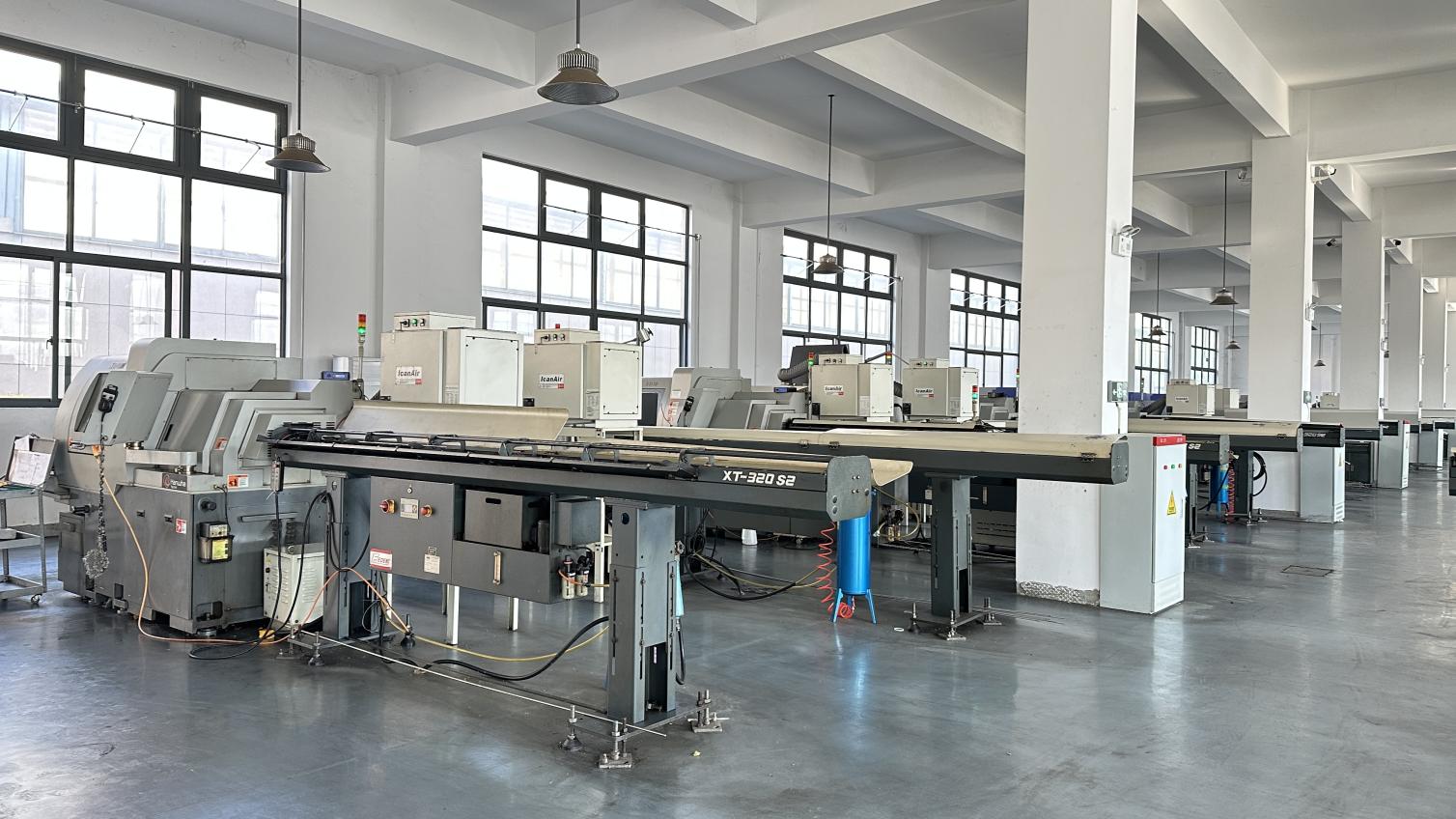
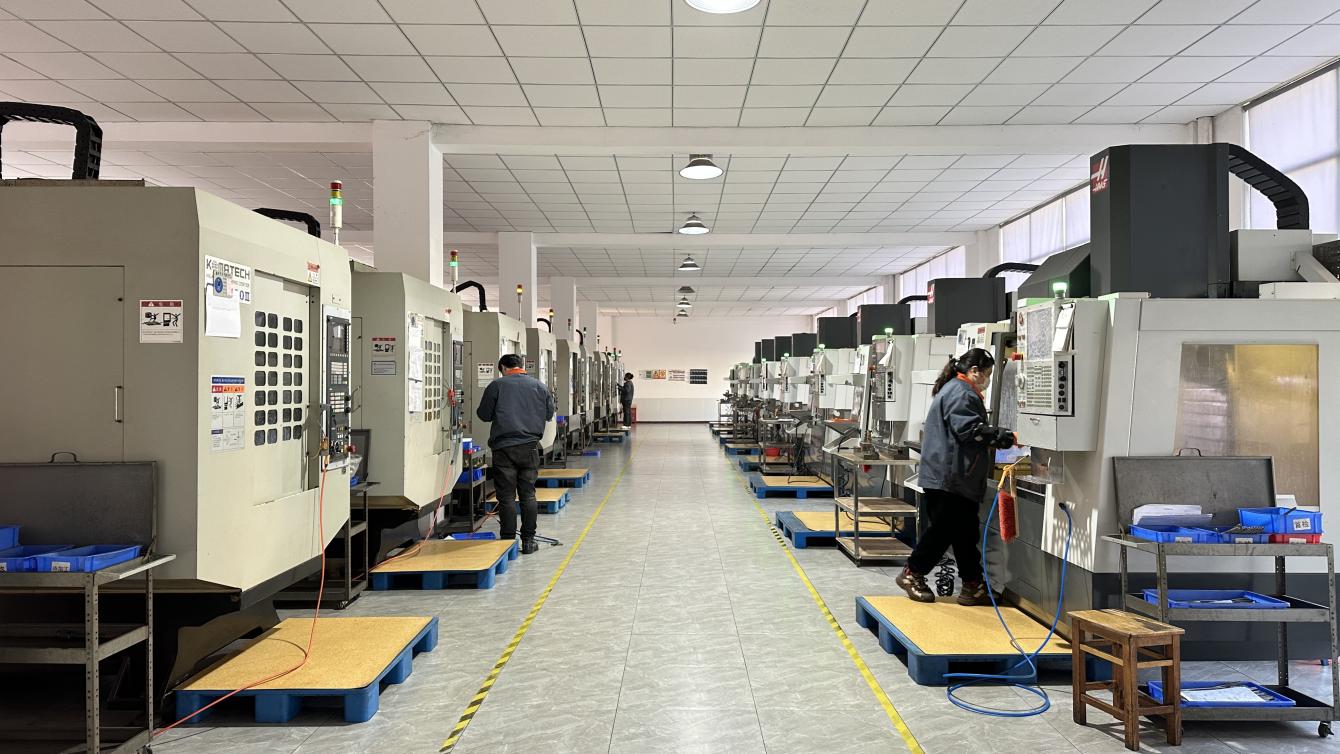
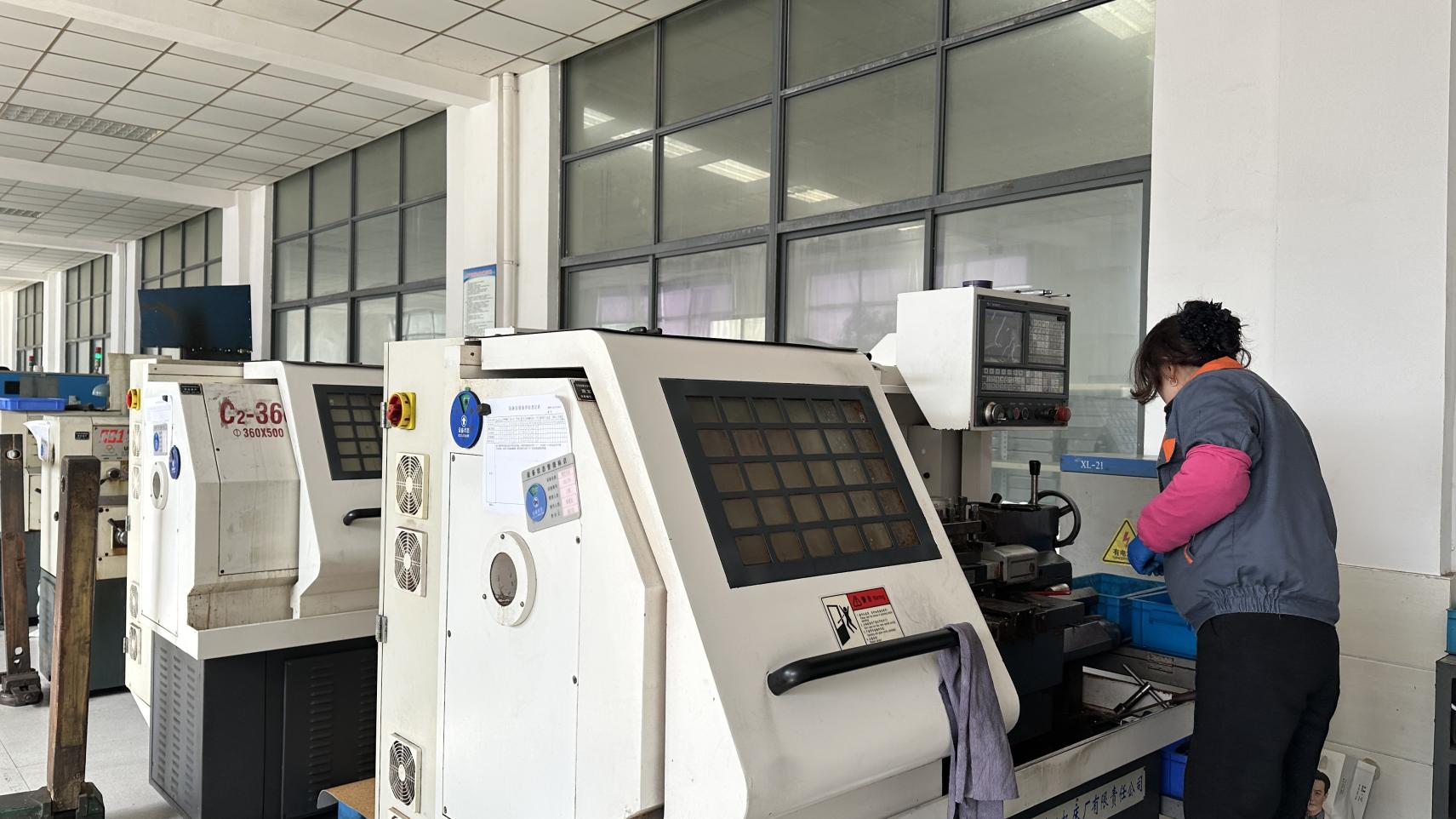

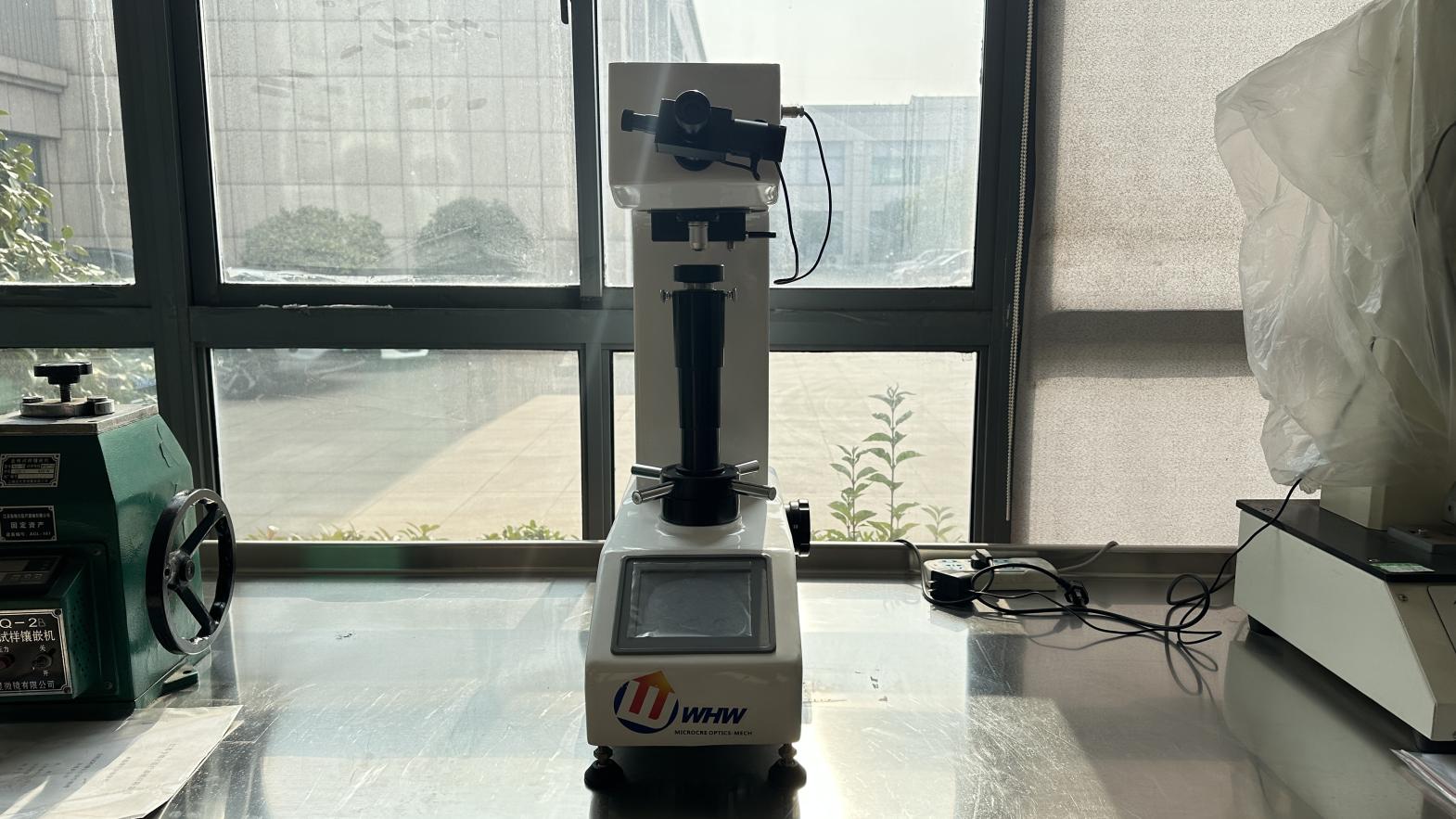
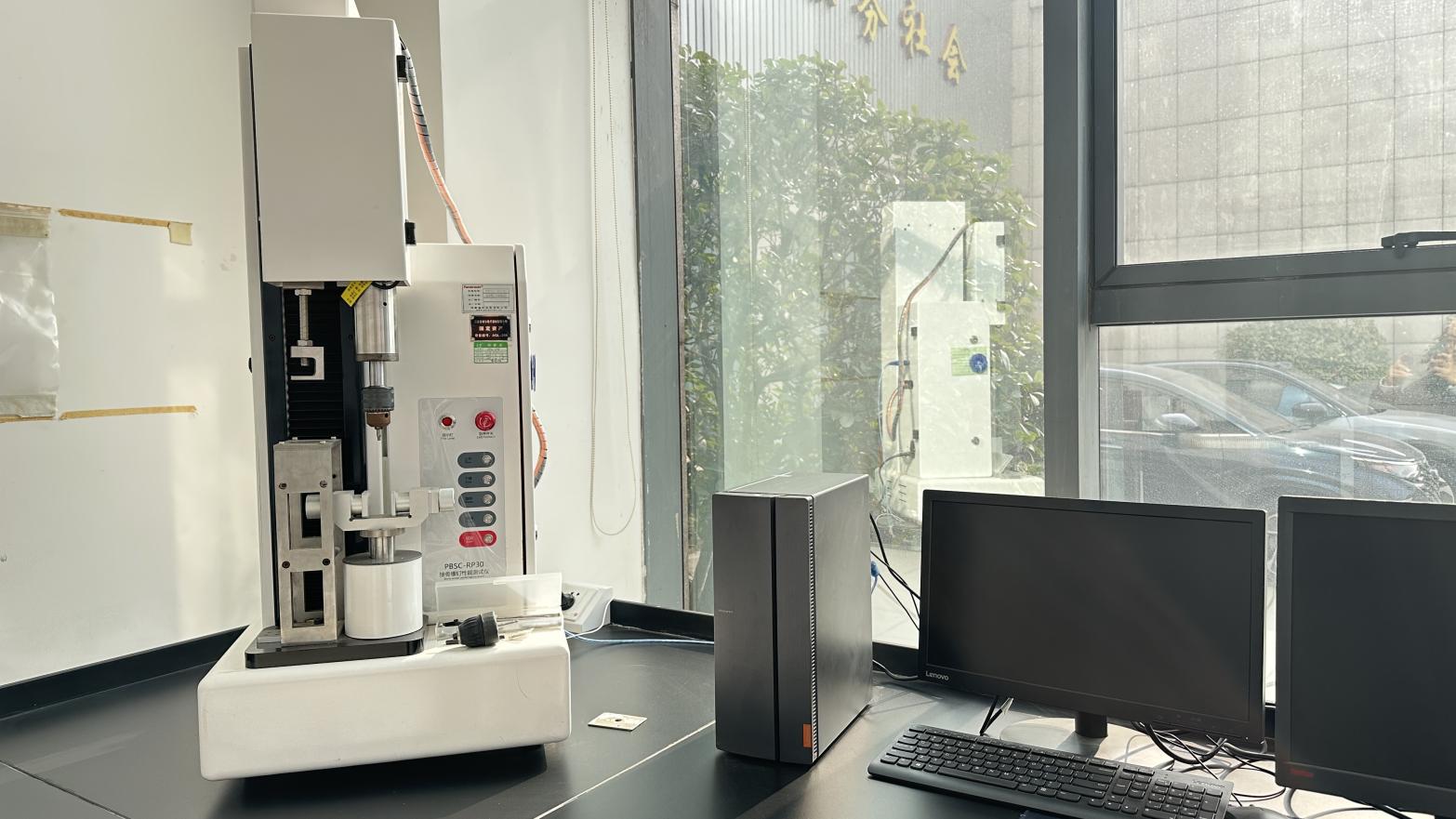
Understanding supply chain risk management, manufacturing trends, and material requirements.
Modern procurement officers face rising pressure to source implants that balance quality, yield capacity, and cost-effectiveness. In the spinal hardware segment, the focus has shifted toward high-performance implants that support patient mobilization and minimize postoperative revisions.
Global procurement teams prioritize ASTM F136 compliant Titanium Grade 5. The alloy must present optimal microstructure profiles to ensure it can withstand severe physical fatigue inside the human spinal column.
Reduction pedicle screws demand precise micro-machining. CNC systems must hold tolerances within ±0.005mm. Any deviations can affect the interface between the screw head and the rod, potentially resulting in slippage.
Cleanroom packaging (Class 10,000 / ISO Class 7) is essential for pre-sterilized implant distribution. Ensuring the factory utilizes certified double-sterile blister systems directly reduces processing costs at hospitals.
Anodic oxidation (Type II and Type III) and acid etching improve surface biosecurity, color-code different diameters, and increase the mechanical resistance of titanium to stress corrosion cracking.
To manage risks in international logistics, global purchasers prefer working with vertically integrated manufacturers. Organizations that combine R&D design, mechanical fatigue testing, precision CNC machining, and automated final packaging under one facility significantly reduce Lead Time, optimize production communication, and assure consistent quality.
Answering technical, regulatory, and logistic queries for commercial buyers.