Medisplint
Medisplint
Medisplint
Premium grade titanium implants and instrumentation designed for optimal anatomical contouring and biomechanical performance.
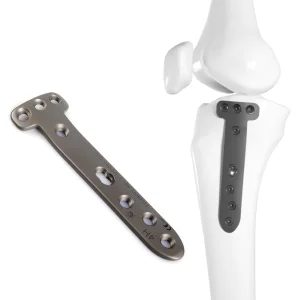
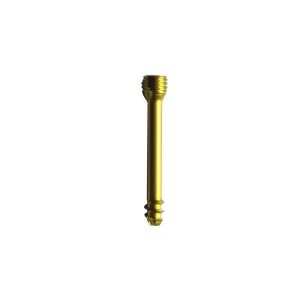
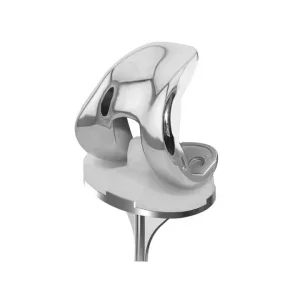
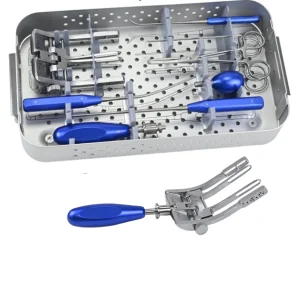
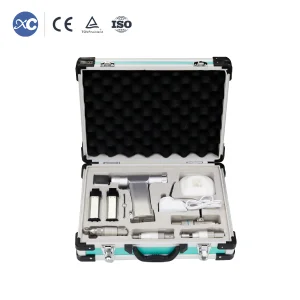
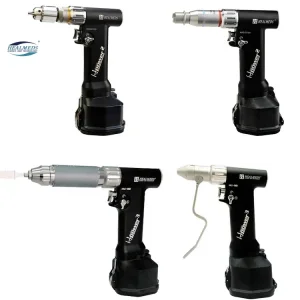
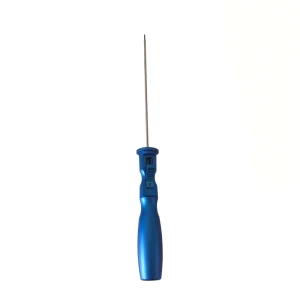
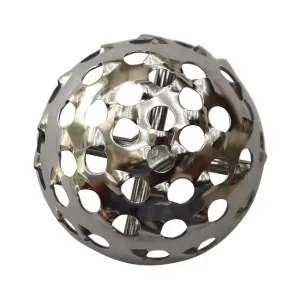
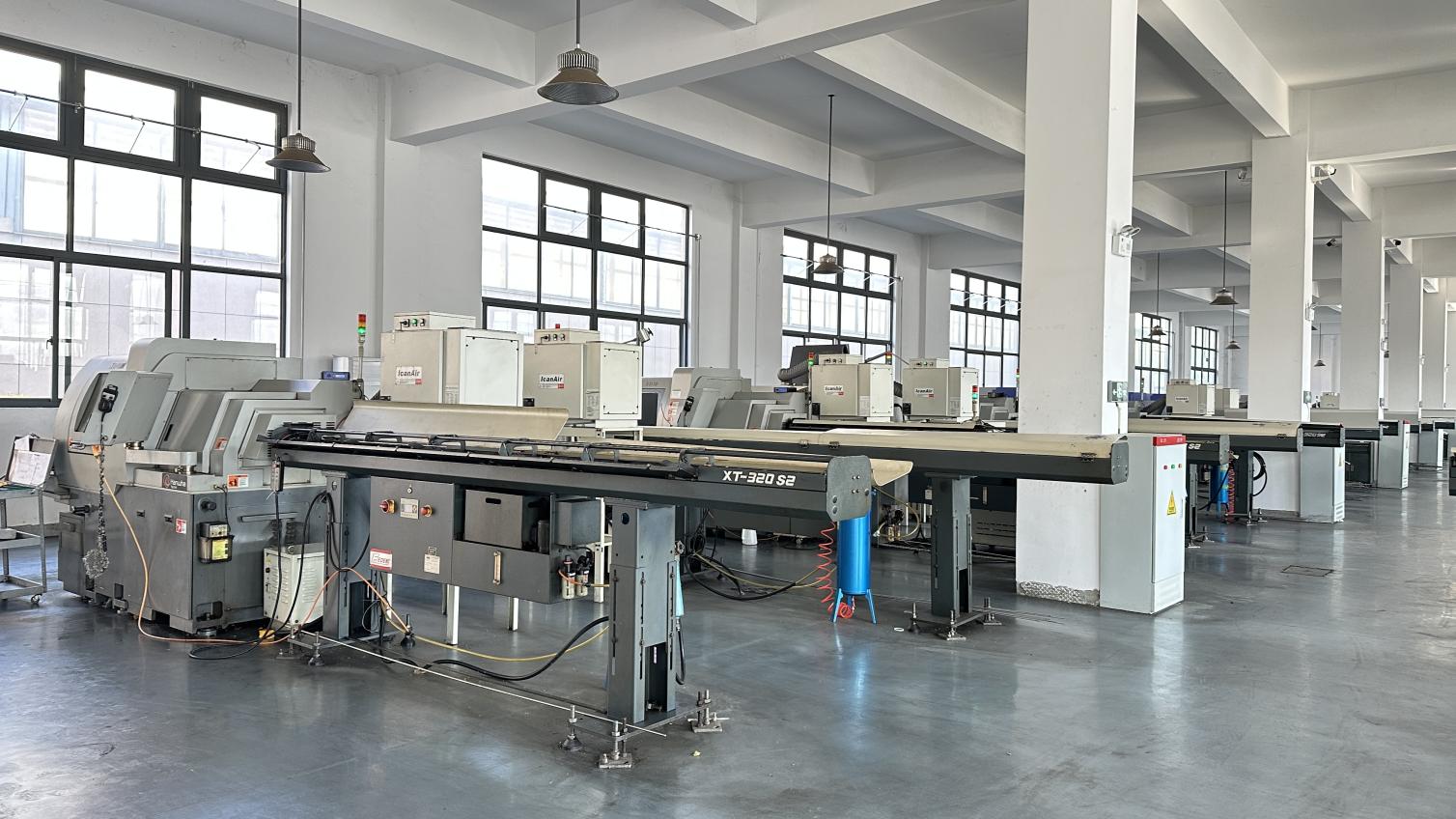
Medisplint Orthopedic Instruments Co., Ltd. is a leading manufacturer specializing in orthopedic implants, fixation systems, and high-performance surgical instruments for trauma, spine, and joint reconstruction. Established in 2016, our operations focus on advanced design and international expansion, supported by an 18,500m² manufacturing facility that houses integrated production, assembly, and quality control processes.
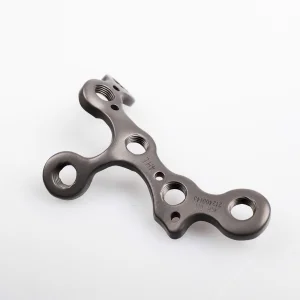
Proximal humeral fractures comprise approximately 5% to 6% of all adult fractures, representing the third most common fracture type in elderly populations. Effective internal fixation remains a clinical priority. For surgeons and healthcare procurement managers, selecting an orthopedic implant partner is a long-term clinical and logistical commitment. Our engineering teams design anatomically pre-contoured proximal humeral plates using advanced 3D CAD modeling, clinical CT databases, and finite element analysis (FEA).
By mimicking the anatomical geometry of the lateral humerus, our plates reduce the need for intraoperative bending, lowering the risk of micro-fractures in the titanium structure. Medisplint achieves an annual export revenue of approximately USD 12 million, serving healthcare distributors and surgical centers across Europe, Southeast Asia, the Middle East, and South America.
Analyzing key supply chain challenges, cost structures, and compliance standards for medical device distributors.
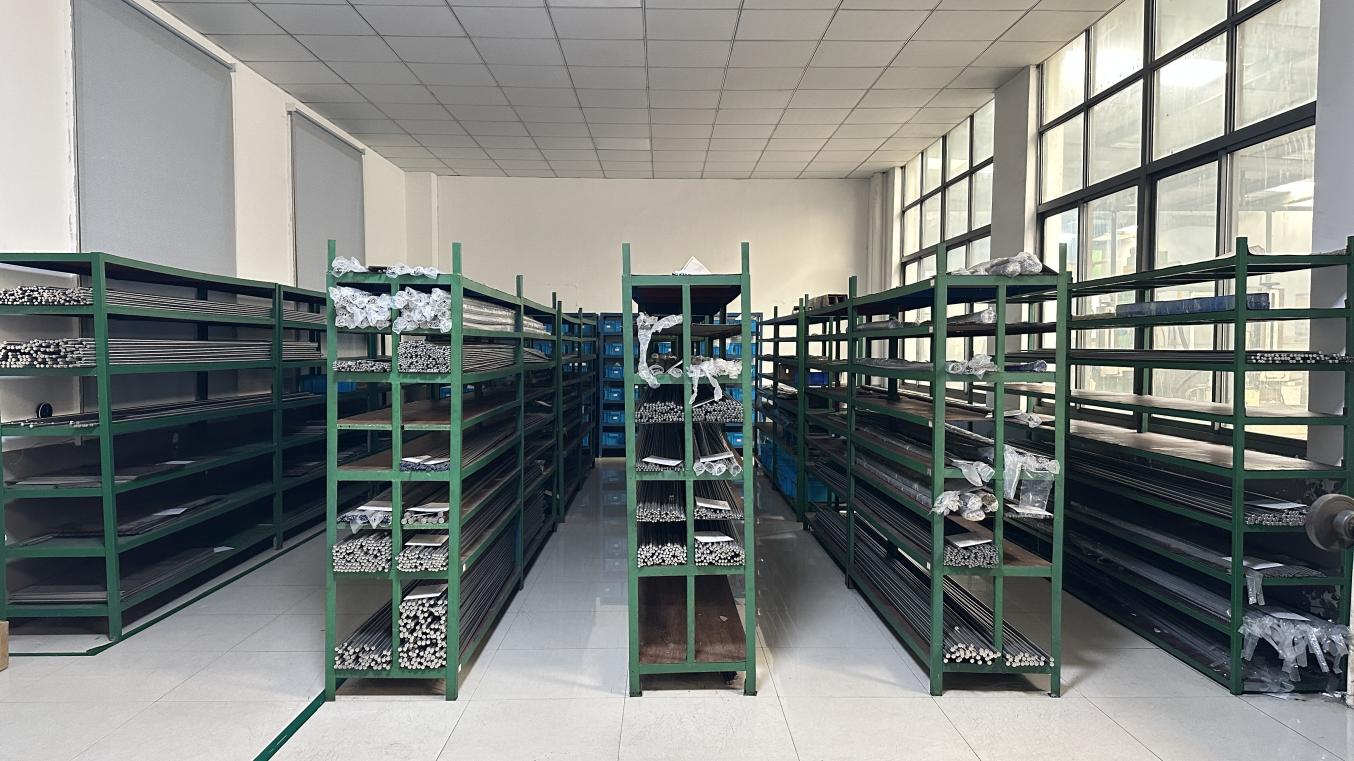
Global logistics demand consistent lead times. Medisplint operates a network of over 1,200 supply chain partners to source high-purity medical titanium (Ti-6Al-4V ELI) and ensure raw material availability during high-demand cycles.
Registering implants with regional authorities requires comprehensive documentation. We provide complete technical files, clinical evaluations, and ISO 13485/CE certifications to facilitate registration with local ministries of health.
Every surgical market has unique anatomical and instrument preferences. Our R&D team provides full customization services, including custom plate profiling, private labeling, packaging designs, and dedicated instrument kits.
"In the medical device supply chain, reliability is as critical as design precision. Distributors need partners who can consistently deliver CE-marked implants that meet international biomechanical standards without supply disruptions."
Addressing clinical challenges in osteoporotic bone fixation through precise structural engineering.
For proximal humeral fractures, especially three-part and four-part fractures in osteoporotic bone, traditional non-locking plate systems are prone to screw pull-out and loss of reduction. Modern orthopedic trauma surgeries utilize locking compression plate (LCP) technology. Locking plates function as external fixators, preserving periosteal vascularity by avoiding compression of the plate against the bone surface.
Our proximal humeral locking plate systems feature a multi-axial locking mechanism in the head section, allowing surgeons to target locked screws into the dense bone areas of the humeral head (the subchondral bone). This configuration provides angular stability and resistance to varus collapse, a common failure mode in proximal humeral fracture fixation.
| Feature / Parameter | Medisplint Proximal Humeral Plate System | Traditional Orthopedic Plates | Clinical / Procurement Value |
|---|---|---|---|
| Raw Material Specification | Biocompatible Titanium Alloy (Ti-6Al-4V ELI) Grade 23 / Pure Titanium | Grade 5 standard titanium or stainless steel | Reduced tissue reaction risk, high fatigue life, and MRI compatibility. |
| Screw Fixing Interface | Combi-holes (locking & dynamic compression) | Mono-functional round screw holes only | Allows dynamic compression, locking fixation, or a combination of both. |
| Anatomic Contour Precision | Low-profile, pre-contoured neck & head segments | Flat plates requiring manual bending | Saves operative time, preserves soft tissue insertion, and prevents joint impingement. |
| Suture Eyelets | Dedicated suture holes for soft tissue & rotator cuff attachment | No suture holes or simple non-bevelled holes | Enables anatomical reattachment of the greater and lesser tuberosities. |
The field of internal fixation is evolving from mechanical stabilization to biological integration. Medisplint's R&D roadmap is built on three main pillars:
1. Surface Coating Technologies: We are testing anodized and biomimetic hydroxyapatite (HA) coatings on proximal humeral plates to enhance osseointegration at the bone-implant interface, which is particularly beneficial for osteoporotic patients.
2. Minimally Invasive Surgery (MIS) Instruments: Our teams are designing dedicated carbon-fiber radiolucent aiming arms. These instruments allow surgeons to insert plates percutaneously through small deltoid-splitting incisions, reducing blood loss and protecting the axillary nerve.
3. Smart Instrumentation Integration: In our digital development lab, we are researching surgical instrumentation integrated with real-time torque feedback. This design helps prevent over-tightening of screws and damage to bone threads, especially in compromised bone structures.
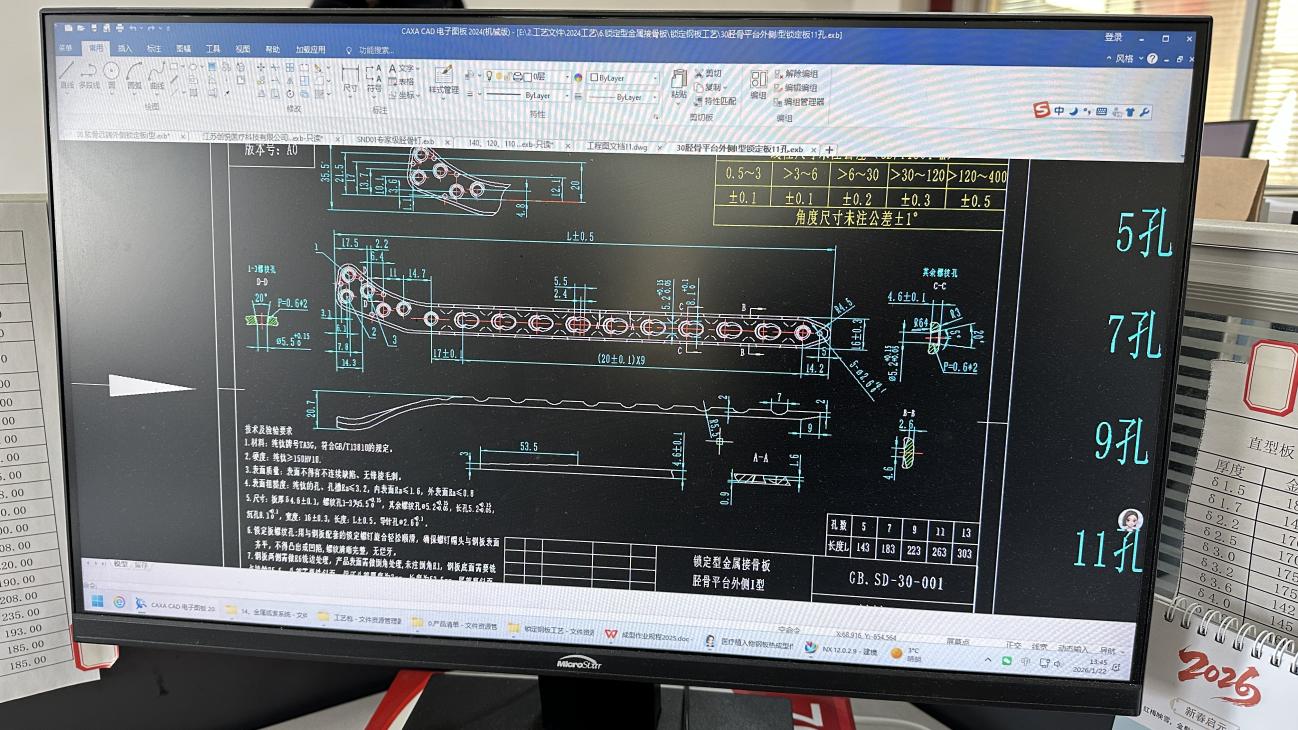
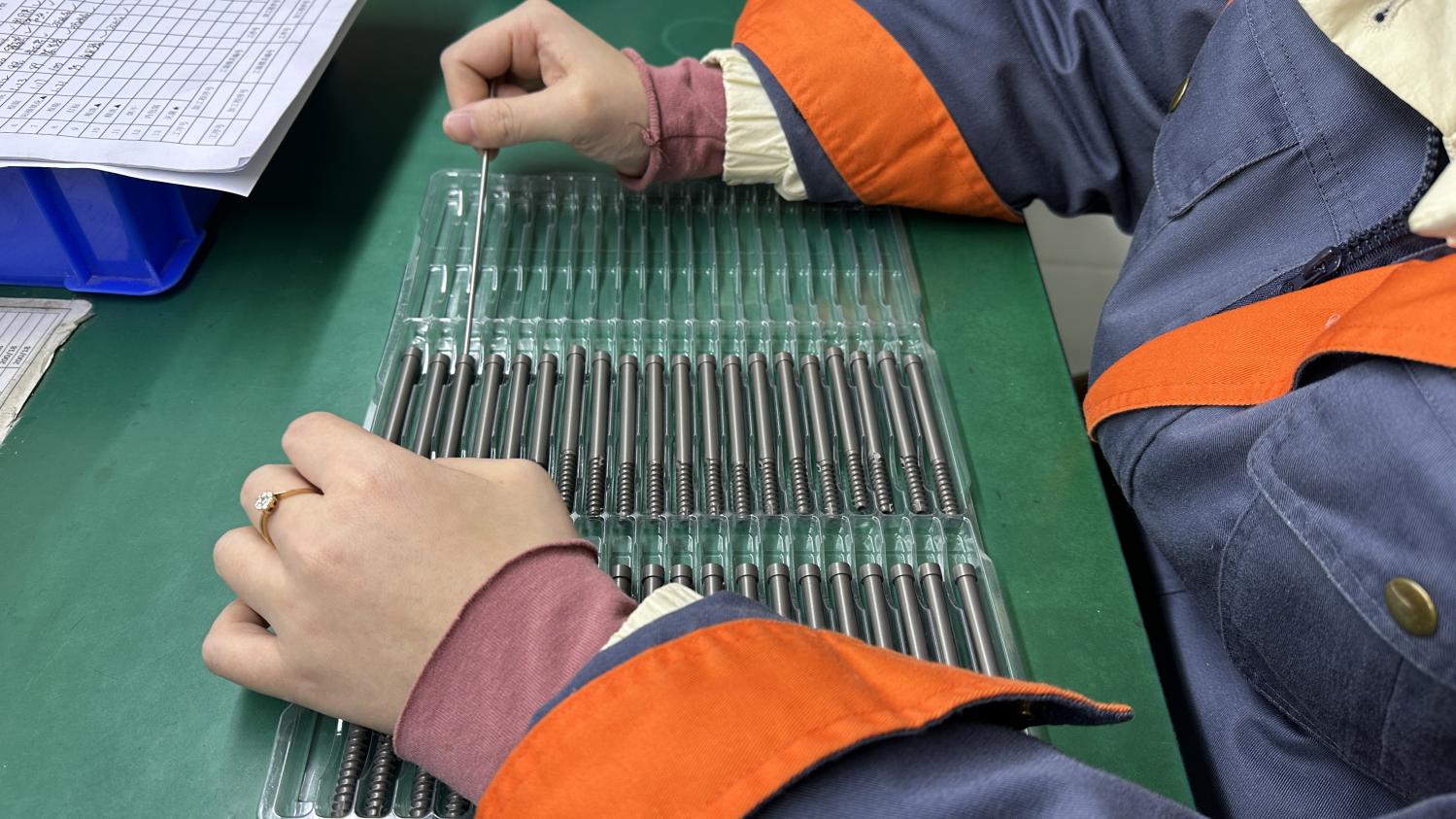
Touring our integrated production line: From medical raw titanium bars to certified cleanroom packaging.
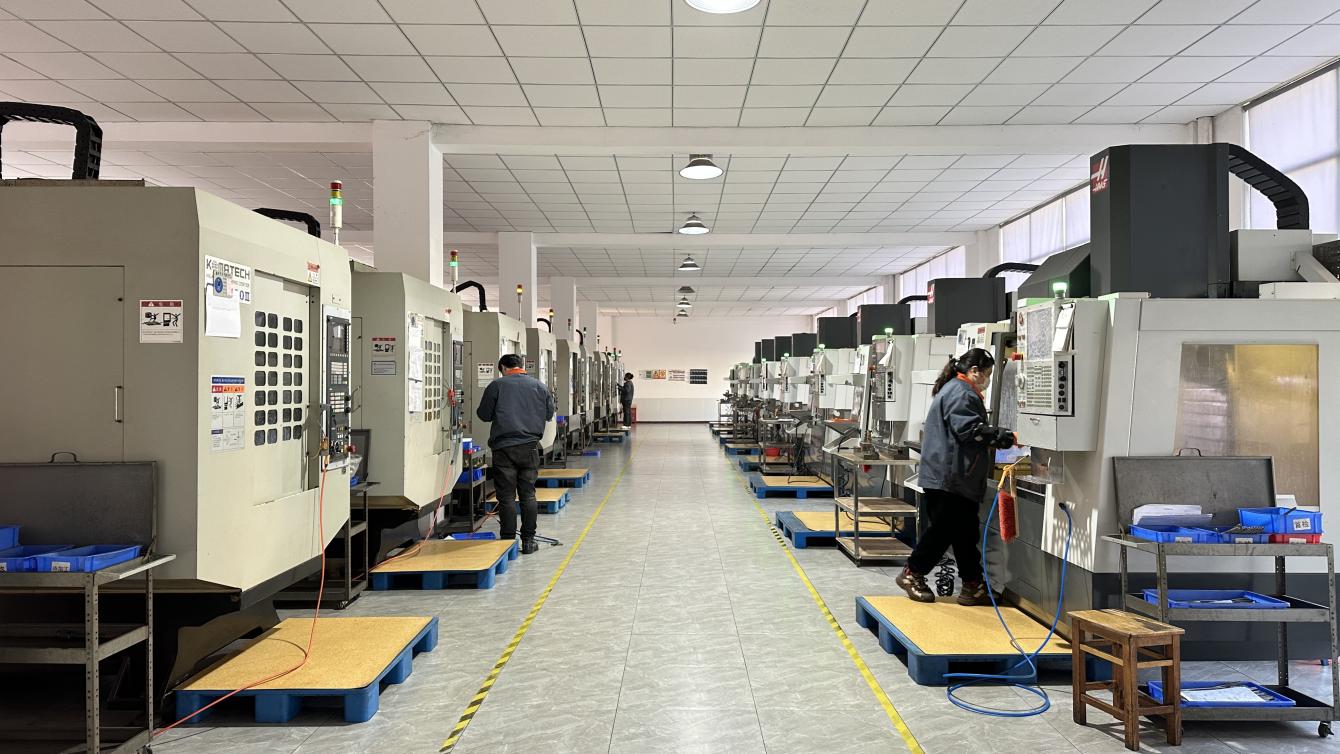
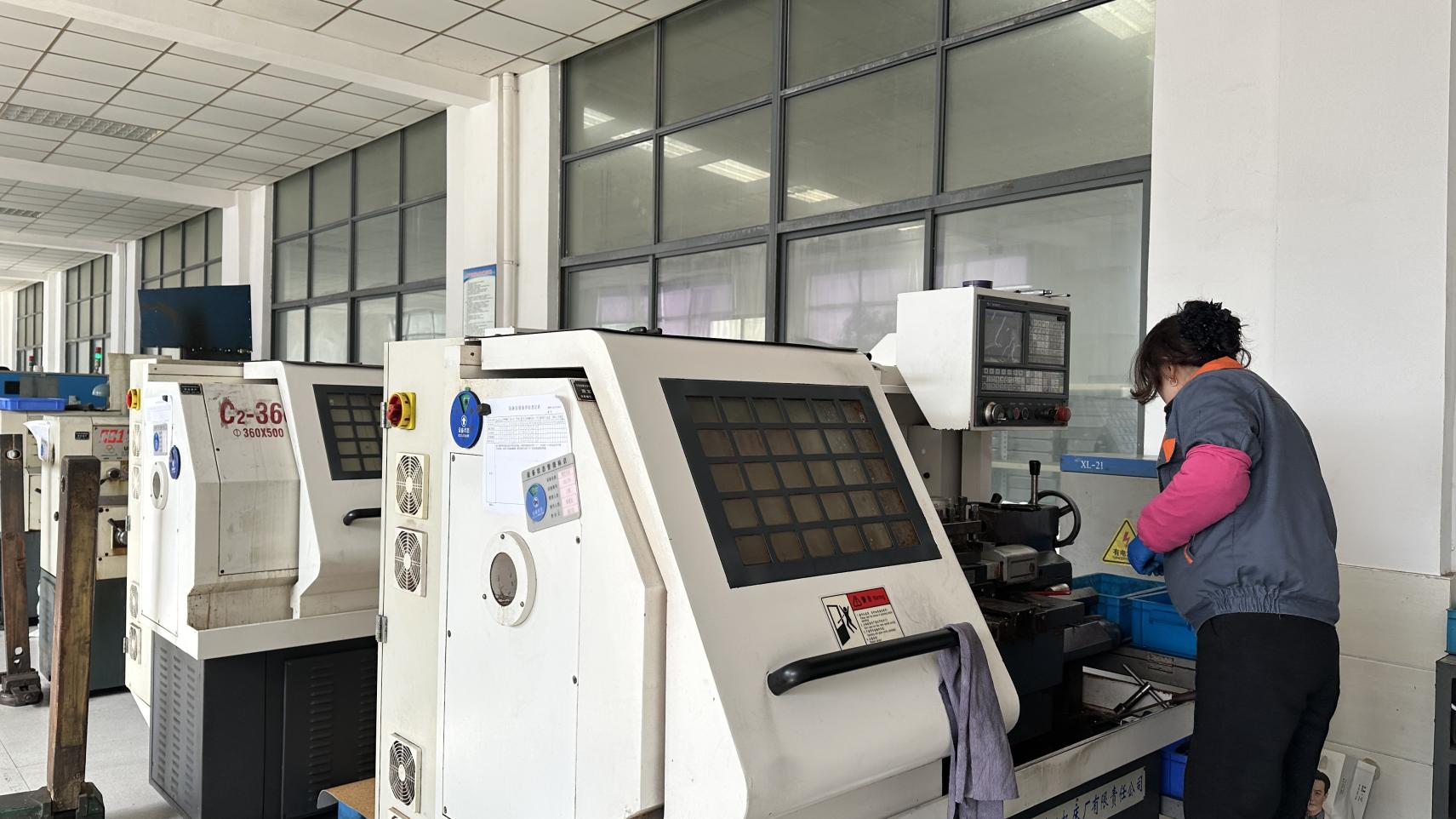
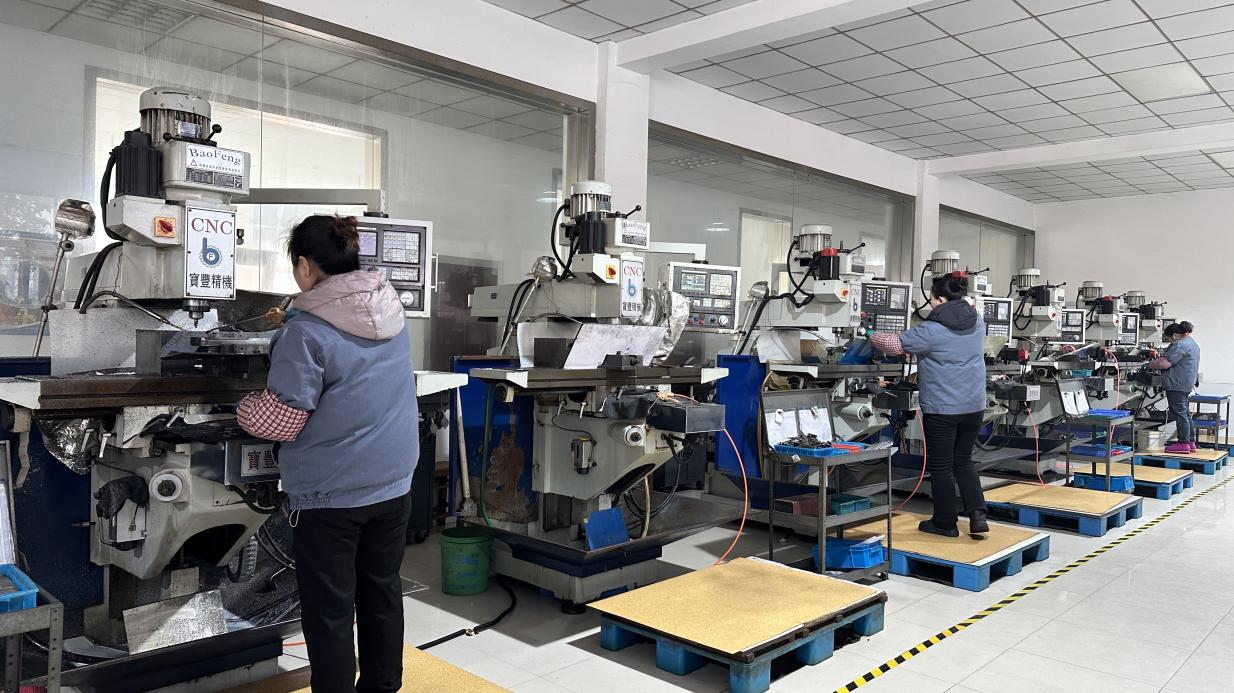
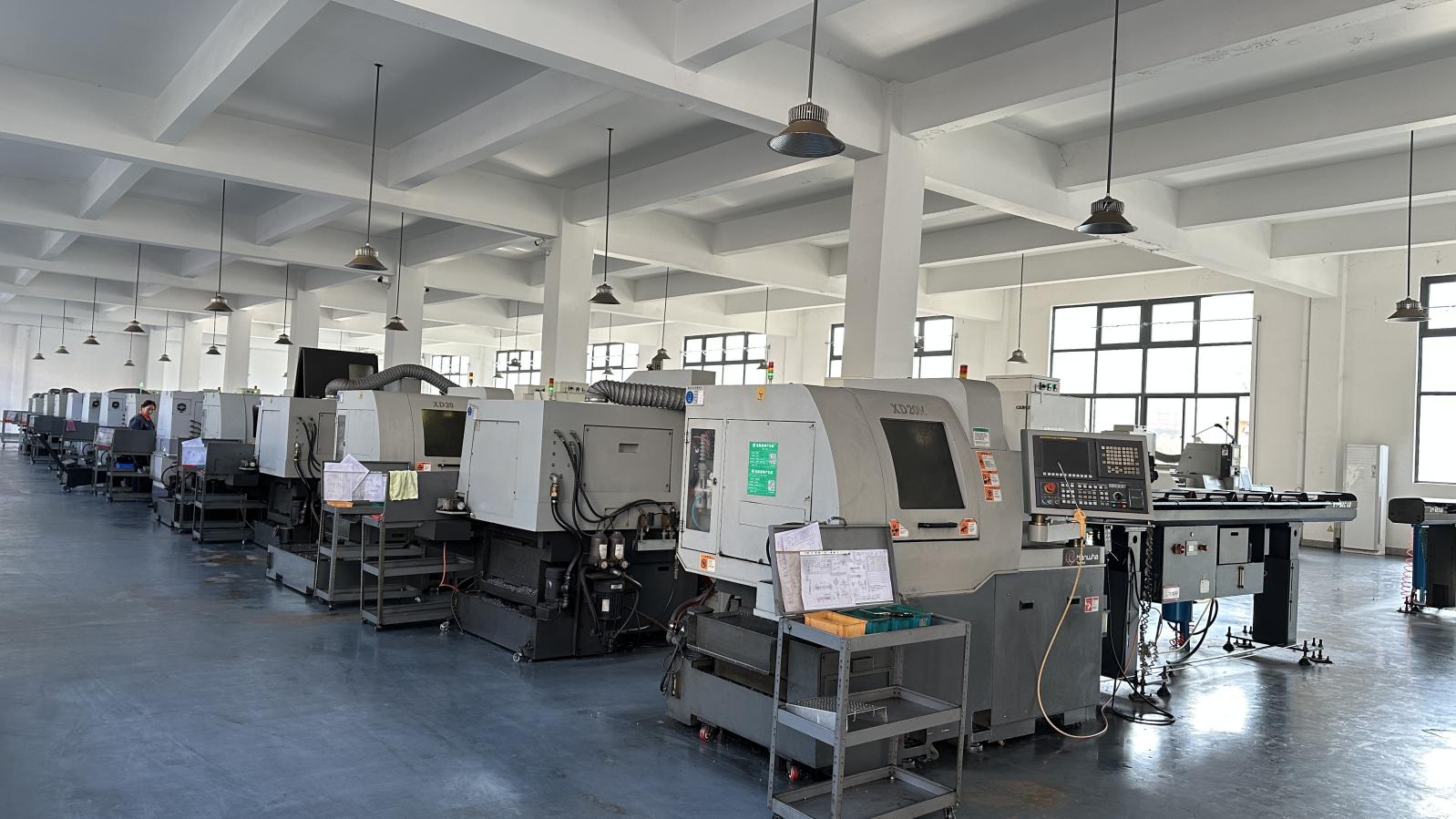
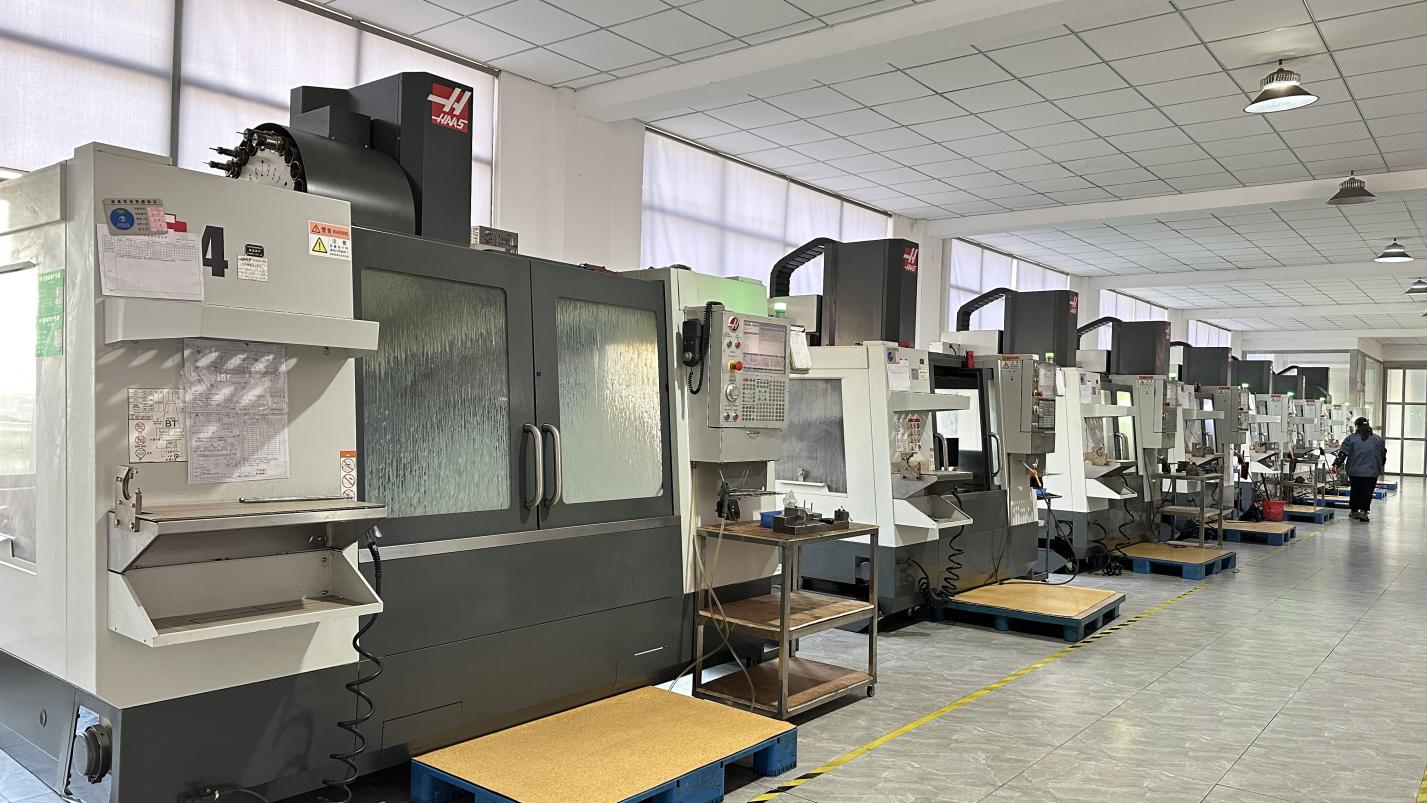
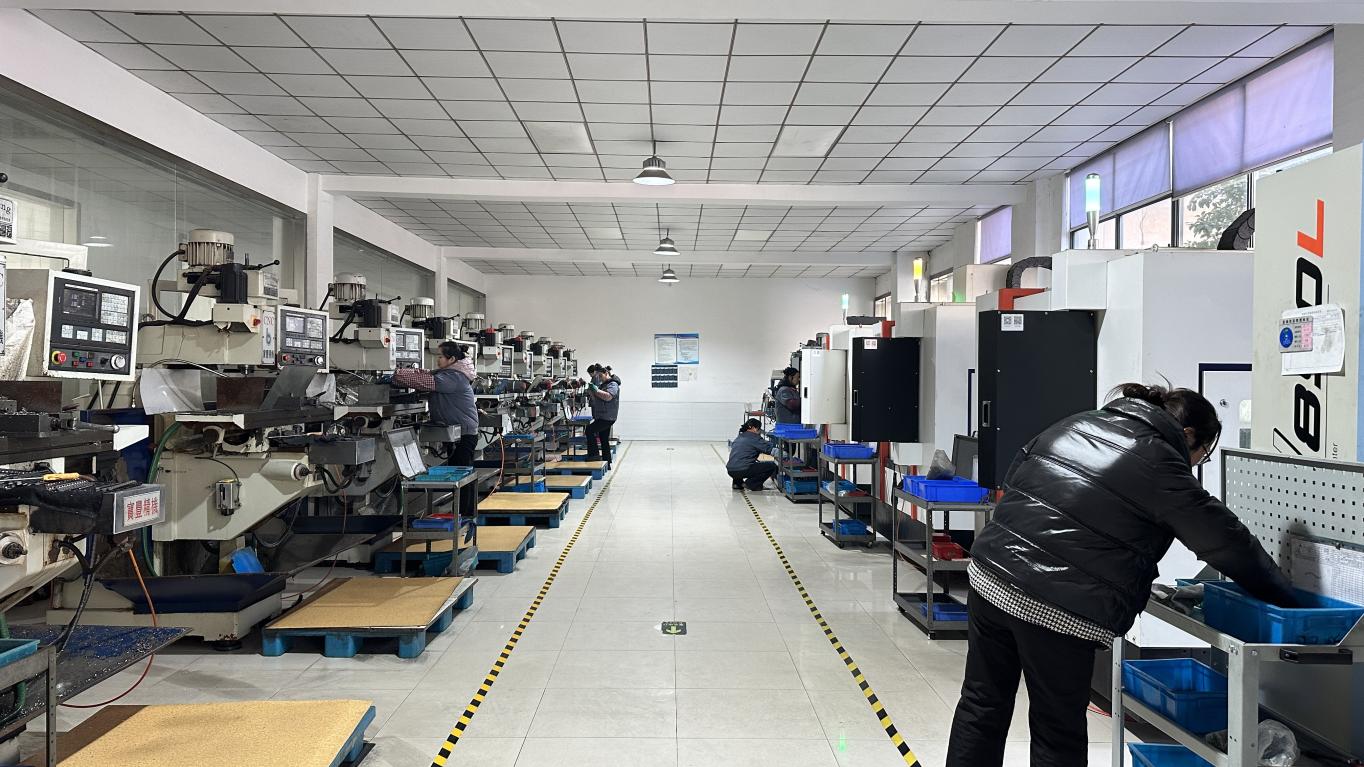
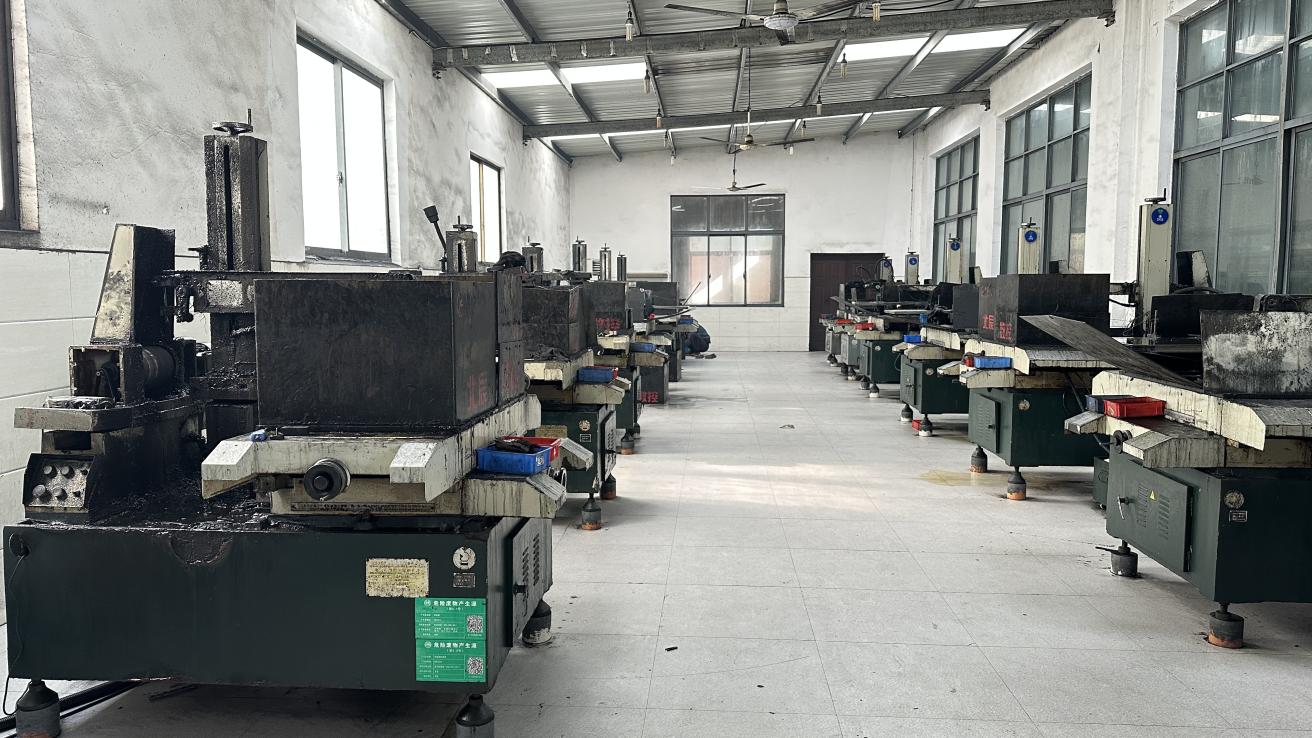
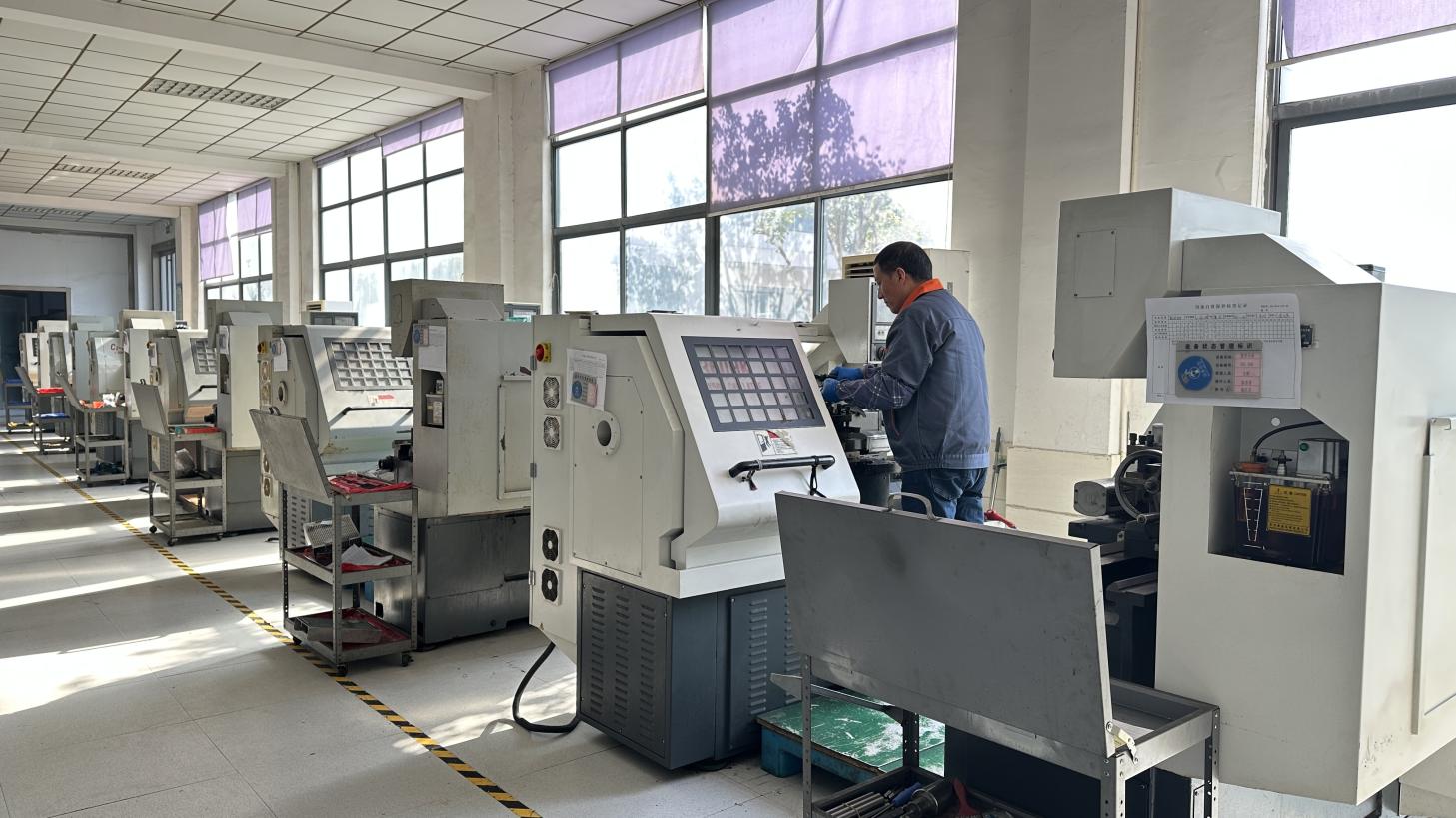
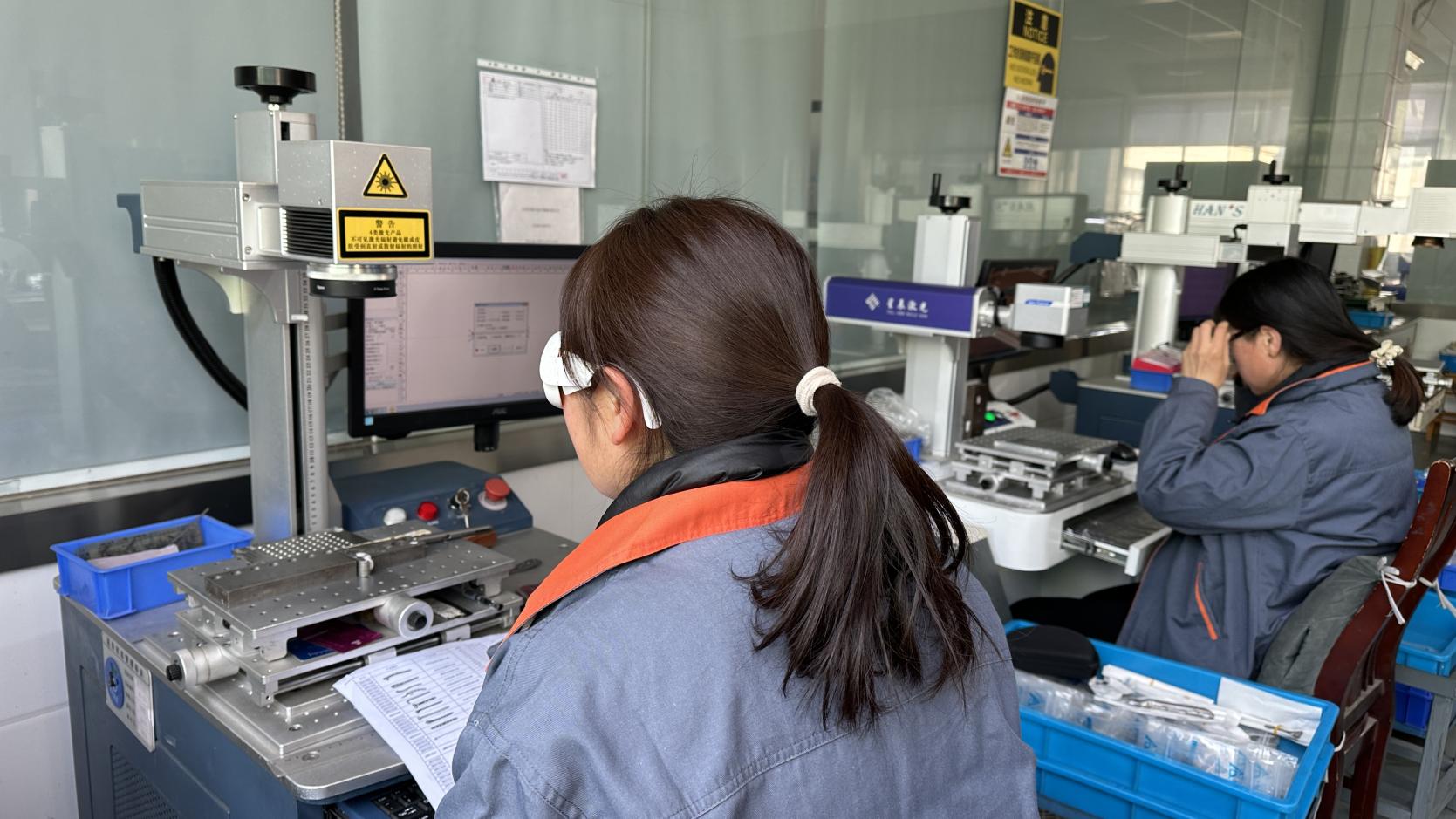
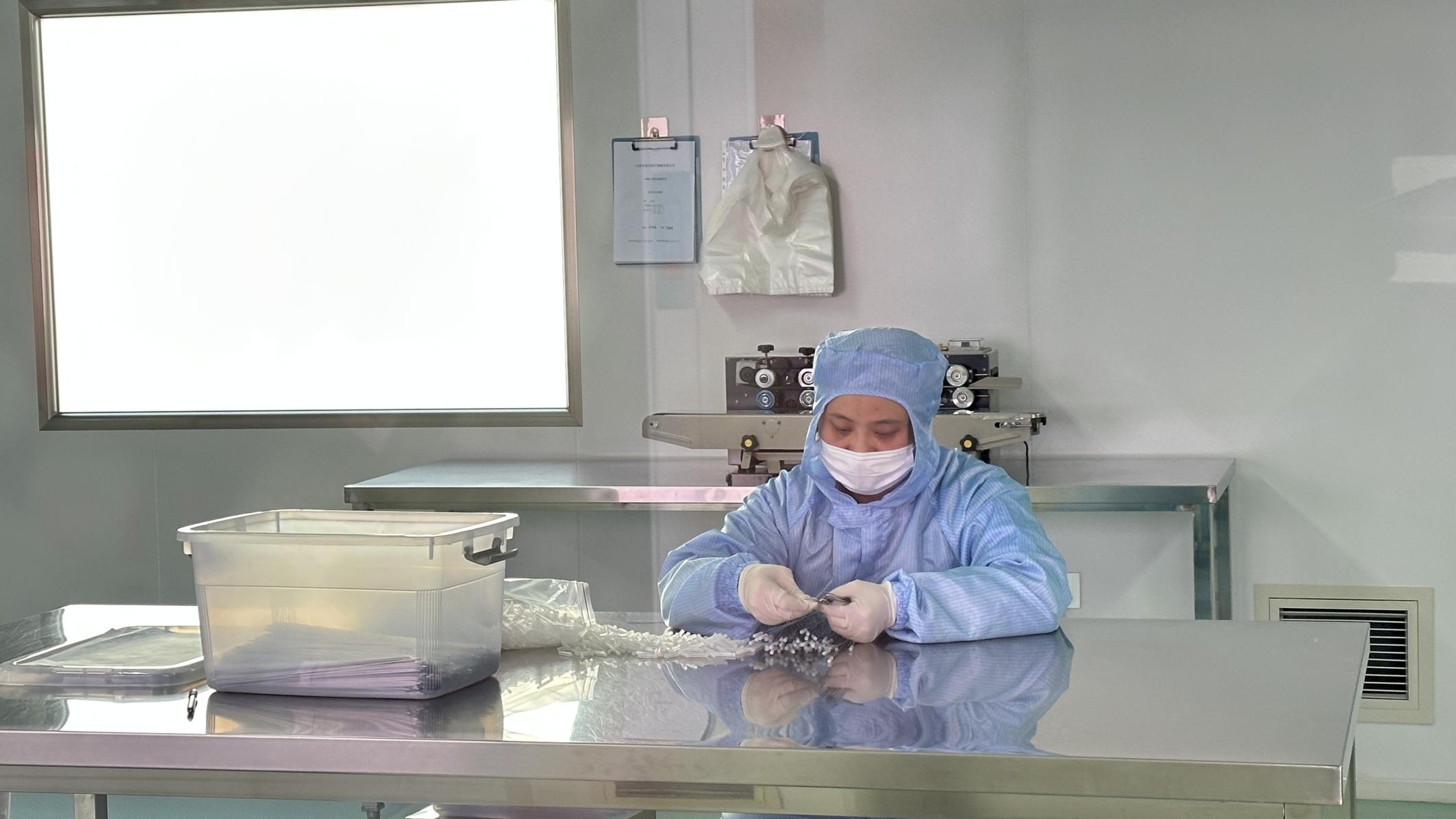
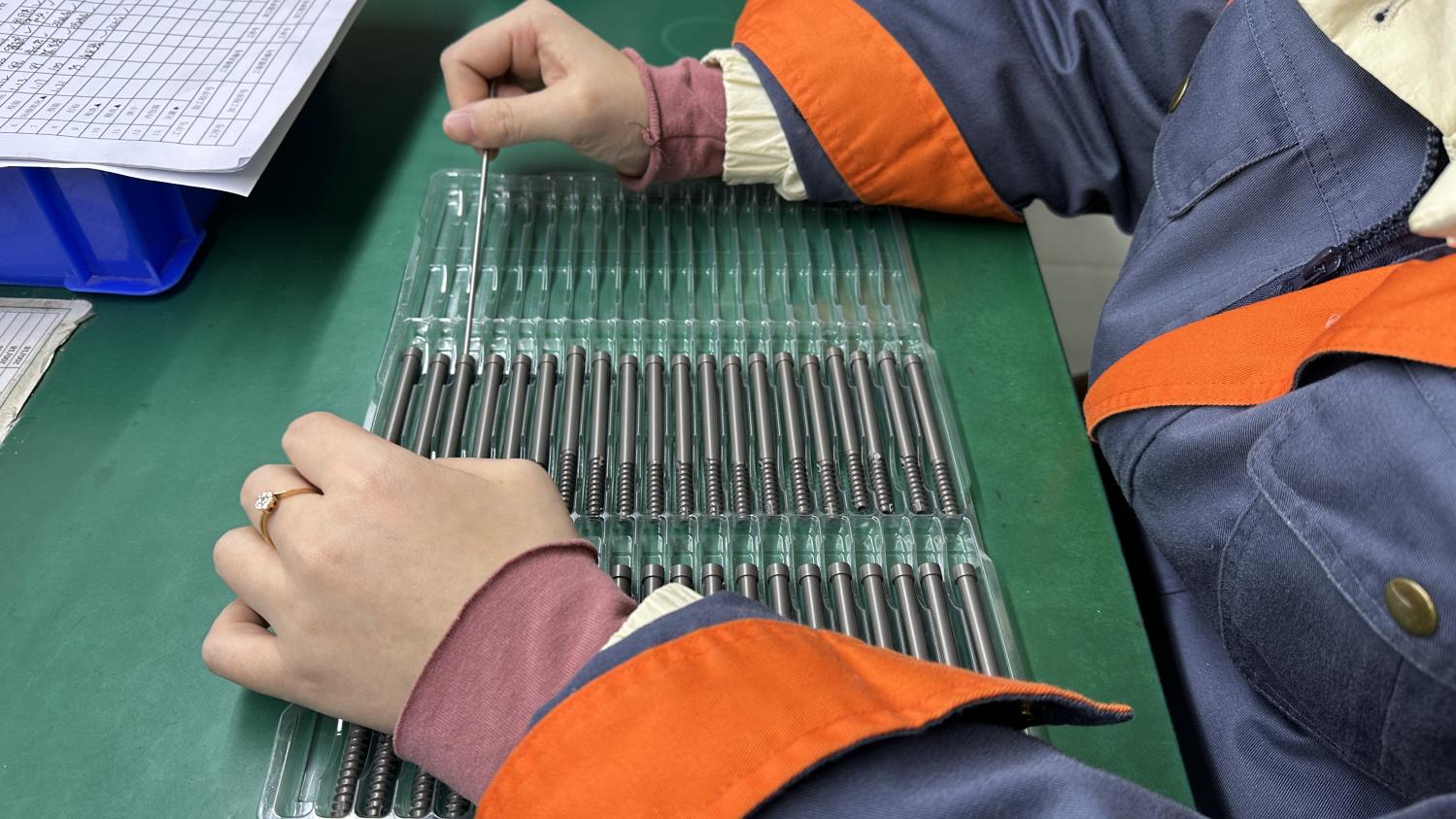
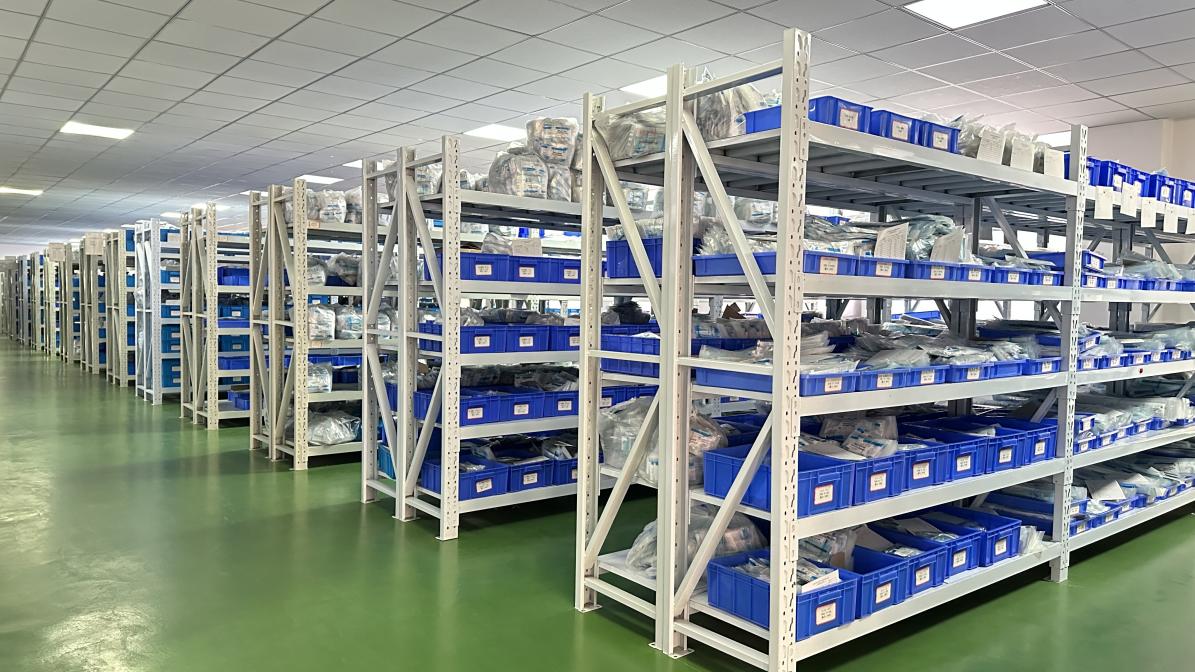
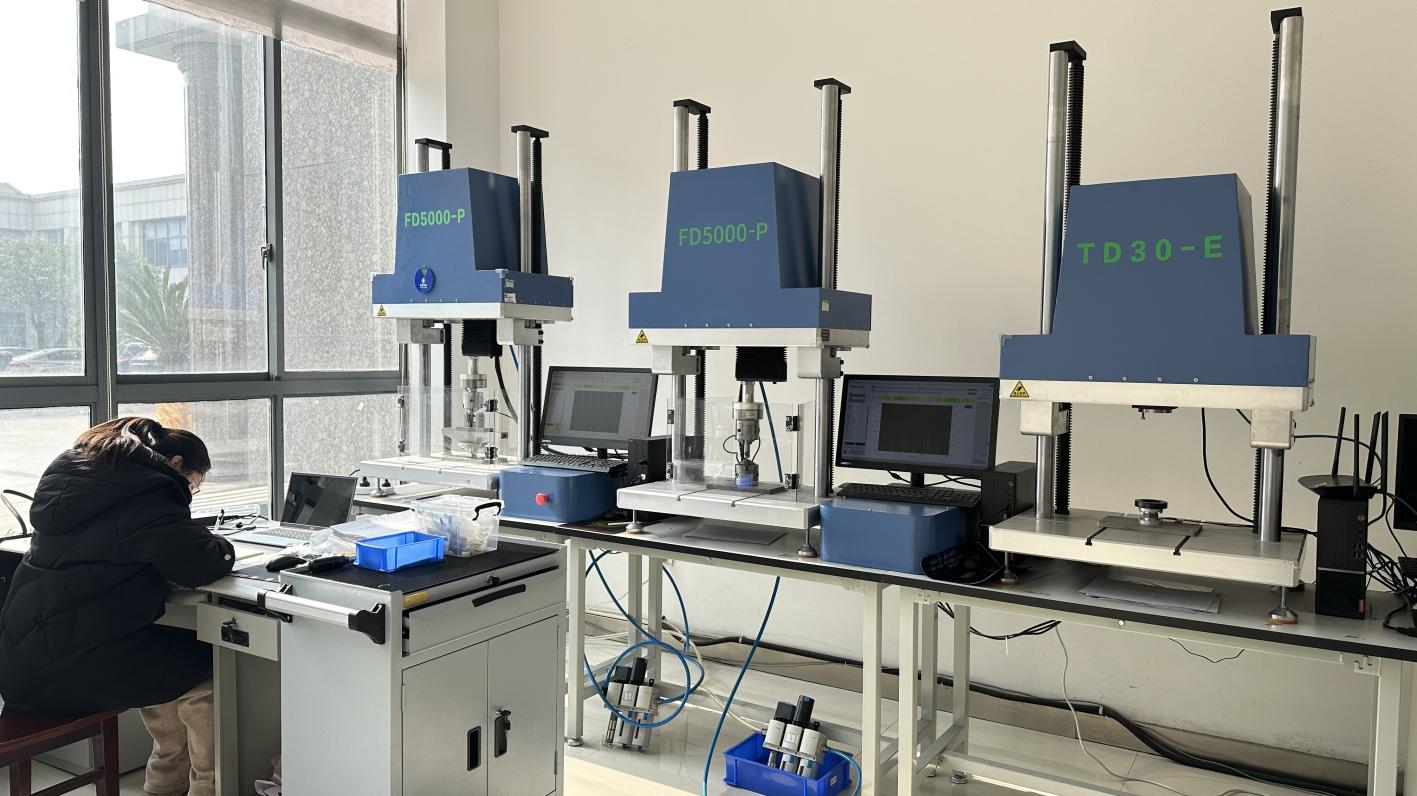
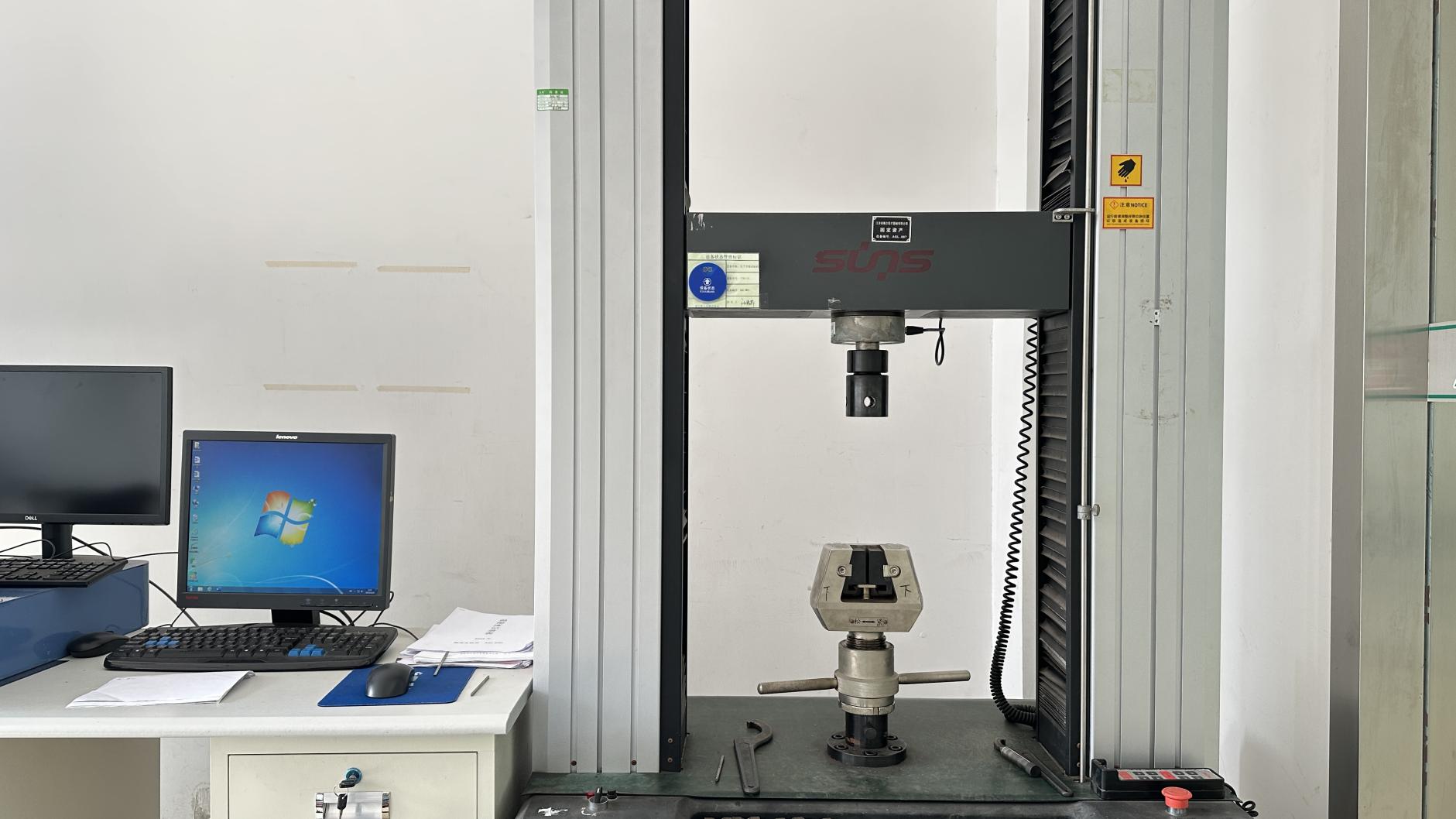
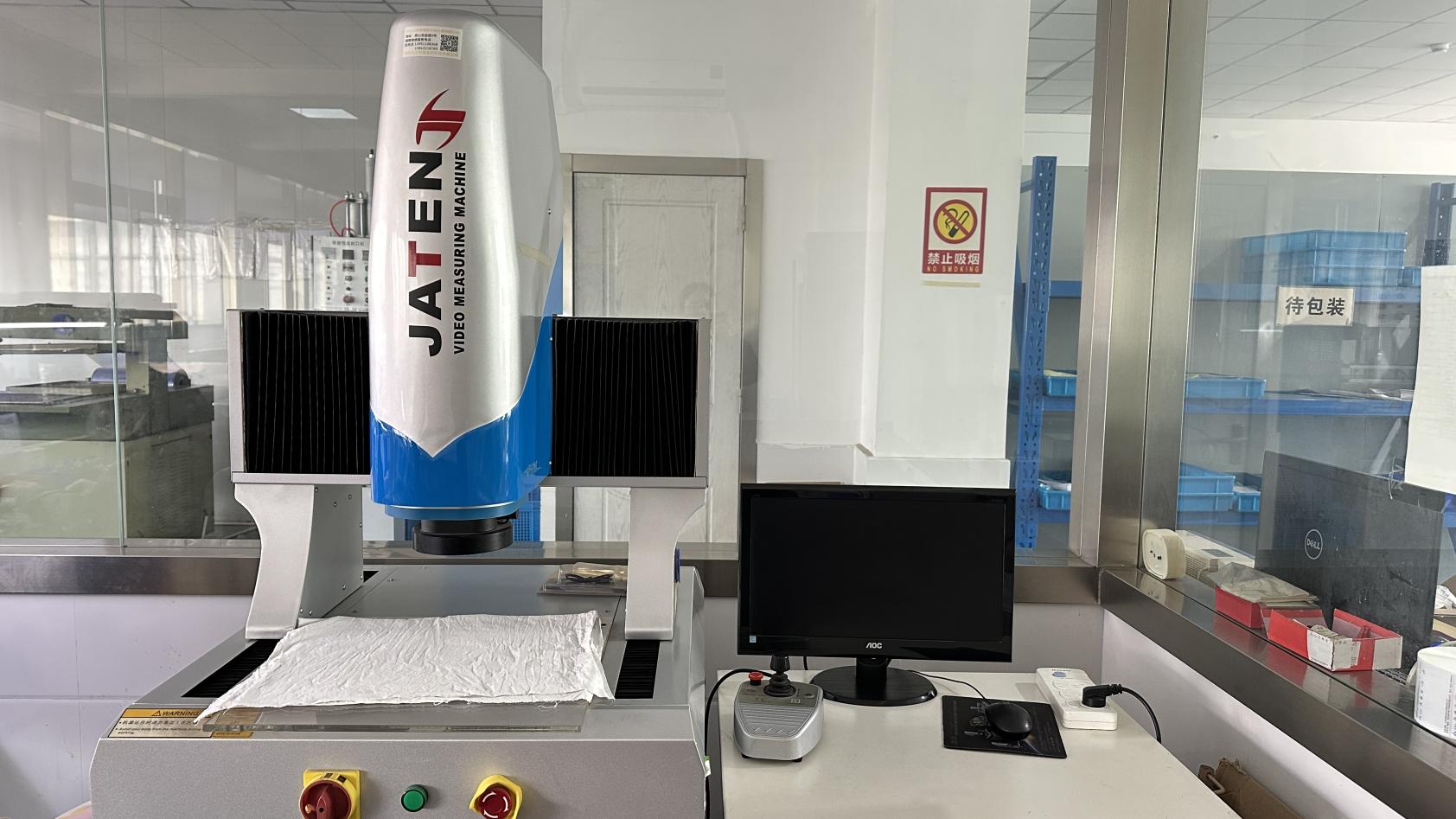
Medisplint maintains a quality control department of 42 inspectors and a testing laboratory to verify dynamic load performance and structural properties.

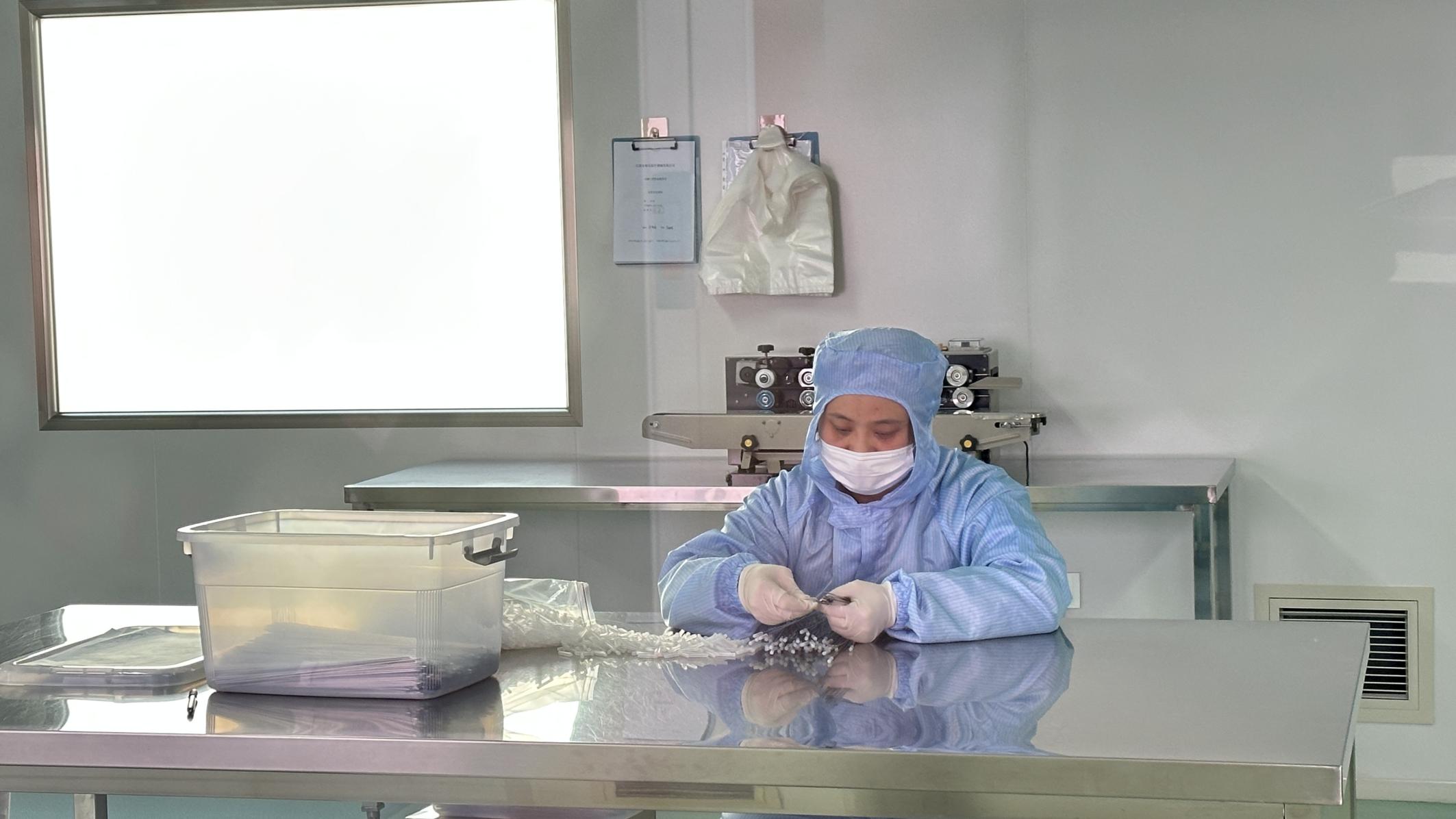
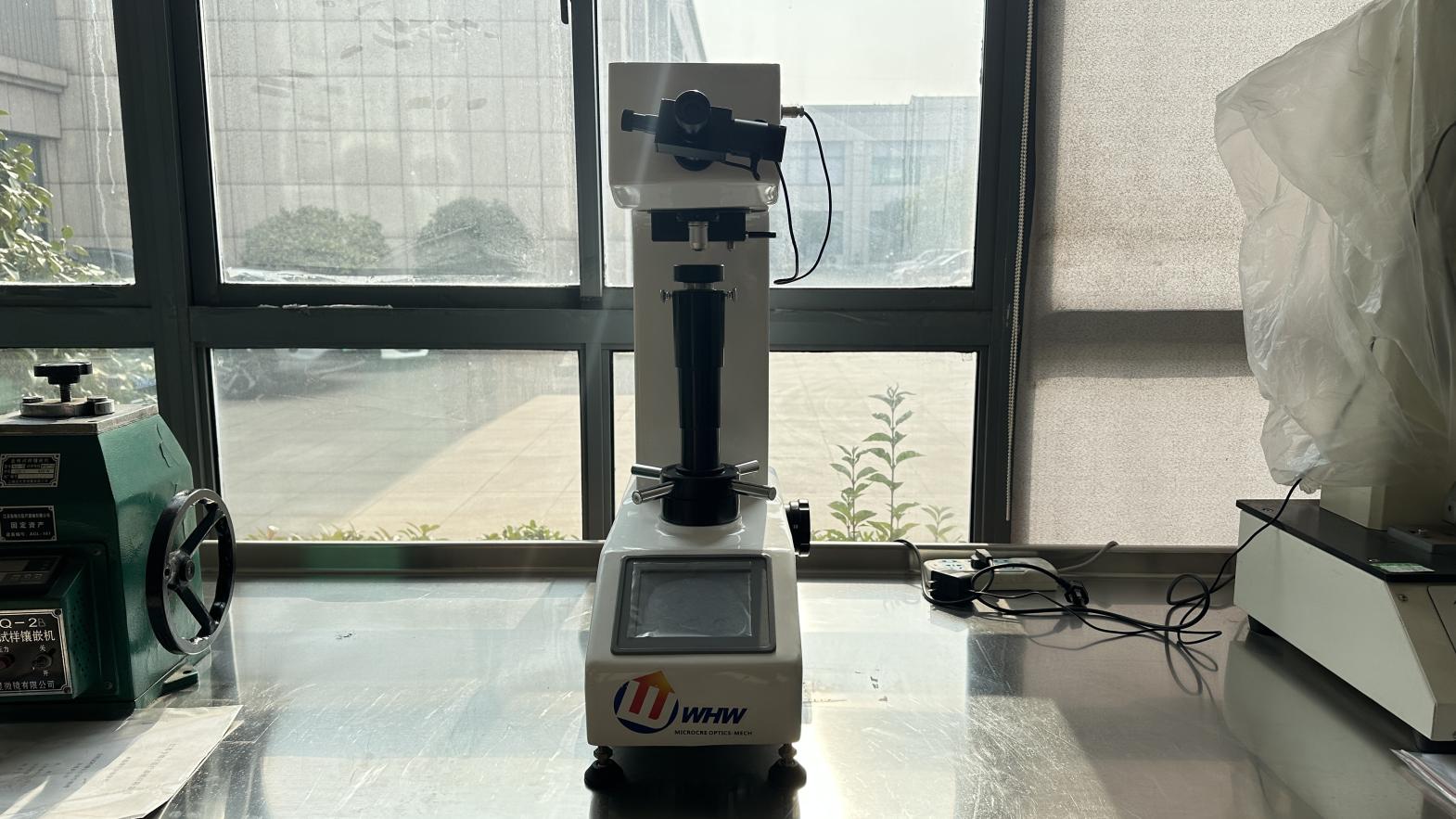
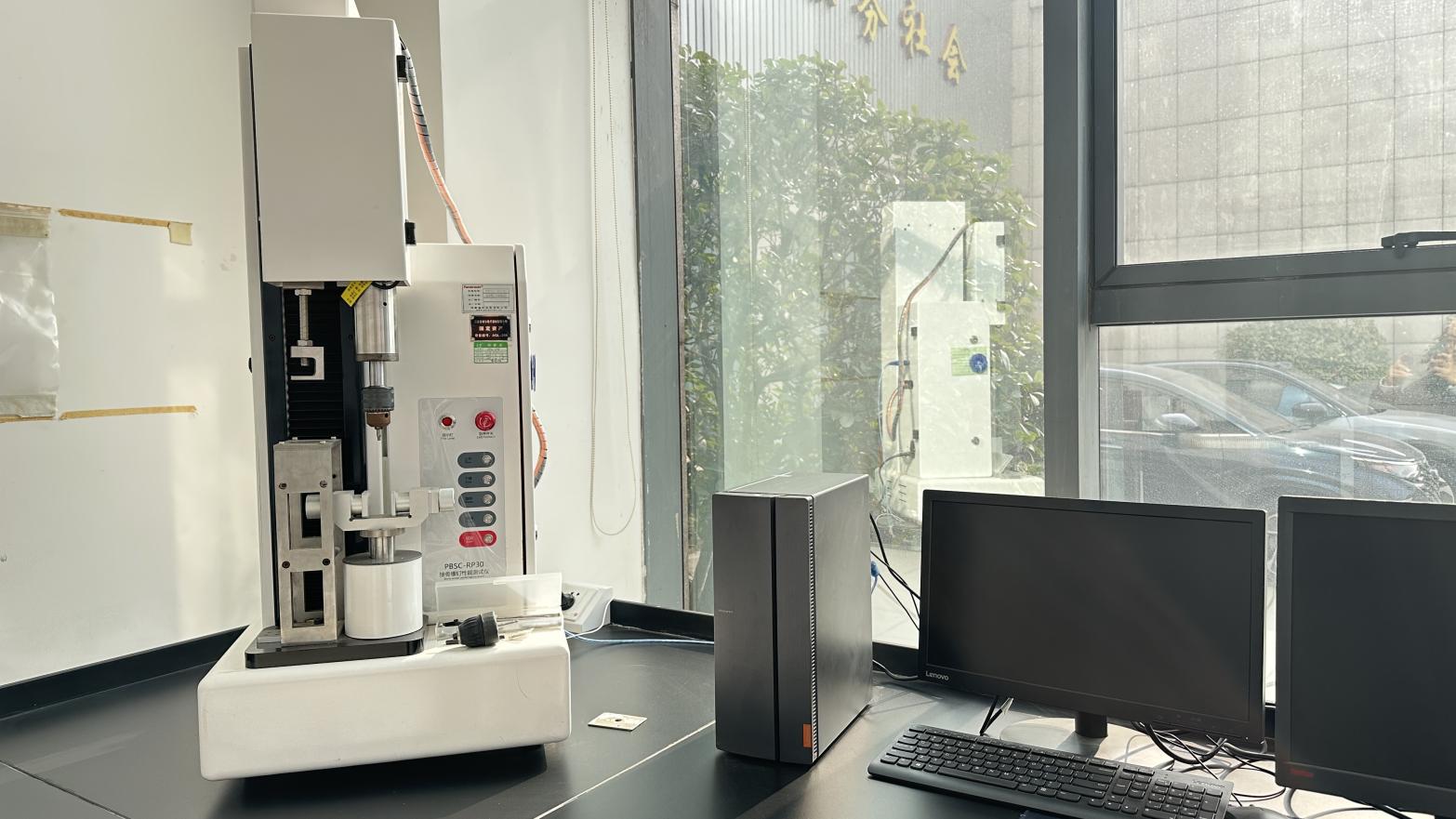
Ensuring traceabilty, product safety, and commercial alignment in major global medical markets.
Exporting orthopedic trauma implants requires compliance with international regulatory frameworks. Medisplint manufactures all products under a registered ISO 13485 quality management system. Our trauma locking plates and matching bone screws hold CE certification, meeting the clinical requirements of the European Medical Devices Regulation (MDR).
To support distributors in regions like Southeast Asia, Latin America, and the Middle East, we provide complete technical documentation, including raw material melt certifications, mechanical fatigue testing reports (ASTM F382), sterilization validation records, and biocompatibility assessment profiles. Medisplint launched 68 new products in the past year, showing our commitment to updating and expanding our implant portfolios to meet changing surgical demands.
Answers to common technical, clinical, and logistical questions from distributors, orthopedic surgeons, and supply chain managers.
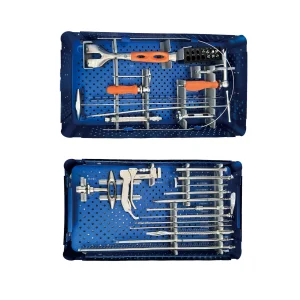
Complete surgical instrumentation and trauma fixation systems for global orthopedic applications.