Medisplint Medisplint

China Top Primary Total Knee System Factory & Suppliers

High-Precision Prosthetic Knee Systems, Orthopedic Implants, and Advanced Surgical Instrumentation. Compliant with ISO 13485 & CE Standards for Global Joint Reconstruction Sourcing.

Leading the Future of Joint Reconstruction: Medisplint Orthopedic

As joint reconstruction demand rises globally due to aging populations and an increase in active lifestyles, the need for high-performance, cost-effective Primary Total Knee Systems has never been more critical. Medisplint Orthopedic Instruments Co., Ltd. stands at the forefront of this surgical revolution. Established in 2016, our facility is engineered to deliver world-class joint reconstruction systems, trauma implants, spinal fixation assemblies, and advanced surgical power tools.

Spanning a state-of-the-art production footprint of 18,500 square meters, our facilities are optimized for raw material sourcing, automated CNC milling, cleanroom packaging, and meticulous fatigue testing. Our dedication to clinical reliability has allowed us to partner with over 1,200 supply chain institutions, hospitals, and orthopedic distributors across Europe, Southeast Asia, South America, and the Middle East.

By blending modern medical engineering with lean production models, we address the critical pain points of orthopedic buyers: absolute biomechanical safety, predictable supply chains, and extensive regulatory compliance. Whether you require private labeling (OEM) or bespoke custom engineering (ODM), Medisplint provides a robust platform backed by decades of collective orthopedic innovation.
Medisplint Orthopedic Instruments Production Facility

Medisplint Orthopedic Instruments Co., Ltd. Head Office and Factory
Our integrated site houses precision engineering suites, class-10,000 cleanrooms, and comprehensive testing laboratories designed to meet ISO 13485 and CE requirements.

Manufacturing Scale & Structural Authority

18,500㎡
Production Facility
$12M
Annual Export Volume
42
Quality Assurance Inspectors
85+
R&D Engineers & Specialists

Biomechanical Engineering of the Primary Total Knee System

Femoral Component Design

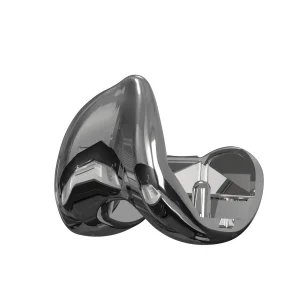
Manufactured from premium medical-grade Cobalt-Chromium-Molybdenum (CoCrMo) alloy, our femoral components feature high-flexion geometry to promote deep knee bending up to 135°. The articular surface undergoes multi-stage polishing to achieve a mirror finish (surface roughness Ra < 0.05μm), reducing friction and maximizing the life expectancy of the polyethylene joint insert.

Tibial Tray & Insert Stability

We leverage Titanium Alloy (Ti6Al4V) for the tibial tray to ensure excellent biocompatibility and high strength while avoiding the stiffness that leads to stress shielding. The articulating insert is machined from Ultra-High-Molecular-Weight Polyethylene (UHMWPE) or highly cross-linked polyethylene (XLPE), ensuring low wear rates and long-term durability in high-activity patients.

PS vs CR Configurations

Understanding diverse surgical requirements, we provide both Posterior-Stabilized (PS) and Cruciate-Retaining (CR) systems. Our PS design features a optimized cam-post mechanism that prevents subluxation and restores natural kinematics, while our CR design preserves the patient's posterior cruciate ligament (PCL) for a more organic joint motion feel.

Vertical Integration: From Raw Material to Precision Implant

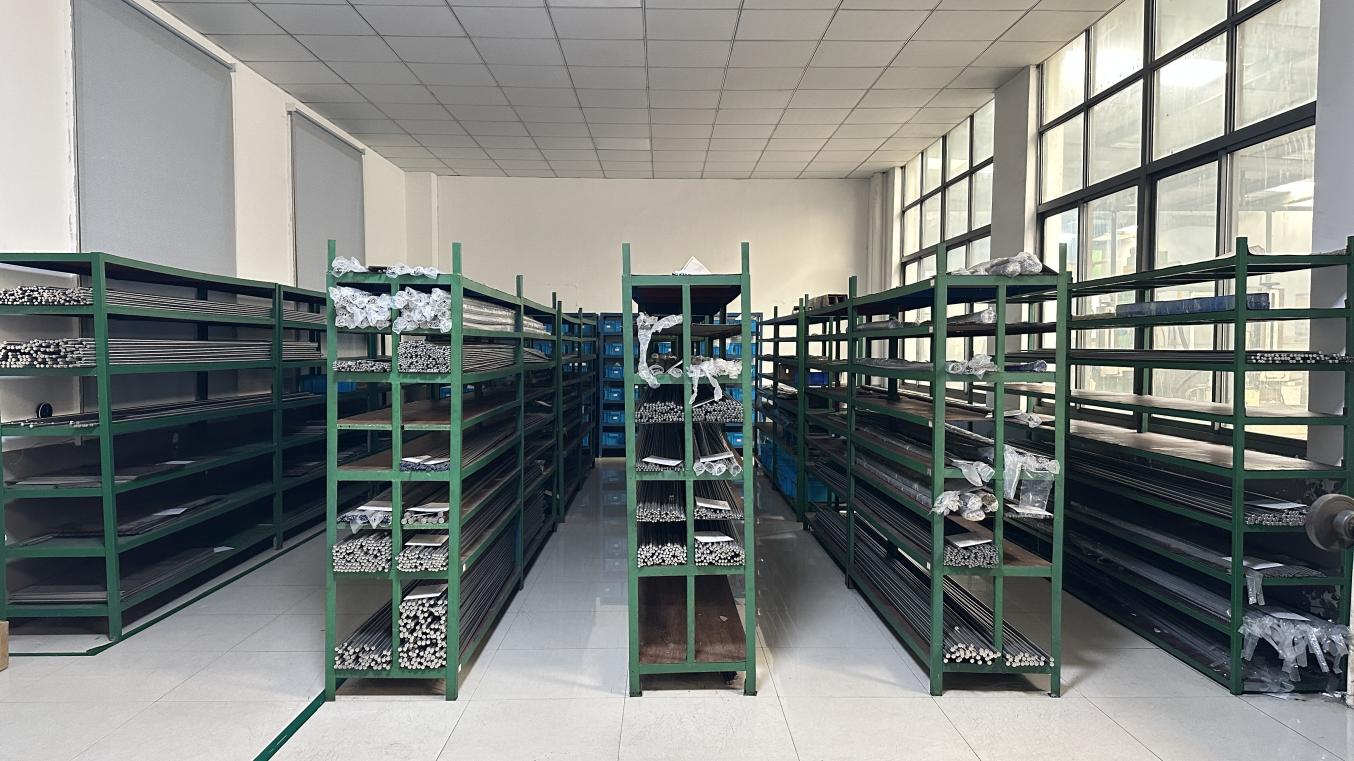
Our vertical integration ensures complete traceability. From sourcing certified bar stock to mechanical fatigue testing, we control every parameter of the orthopaedic device value chain.
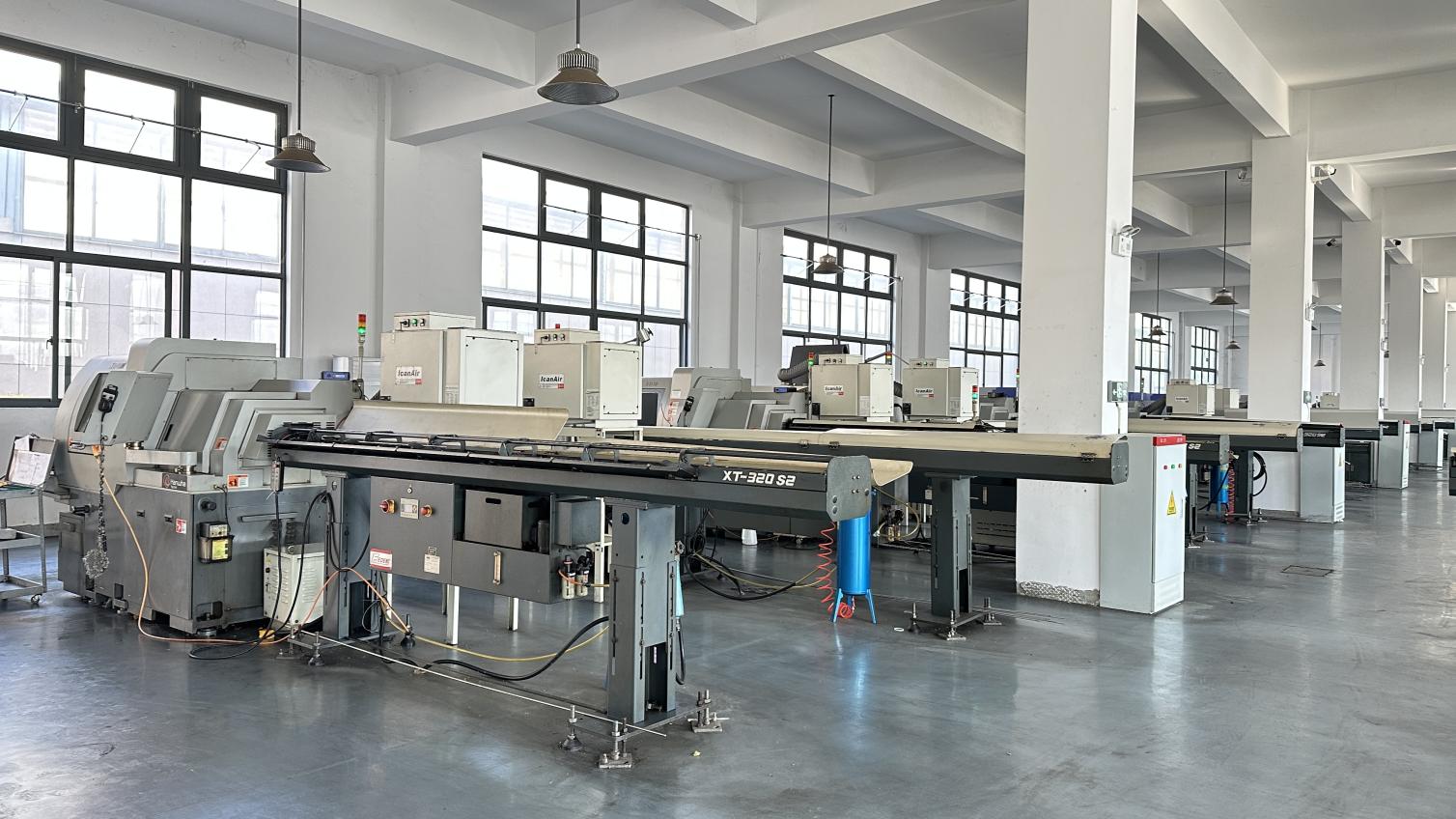
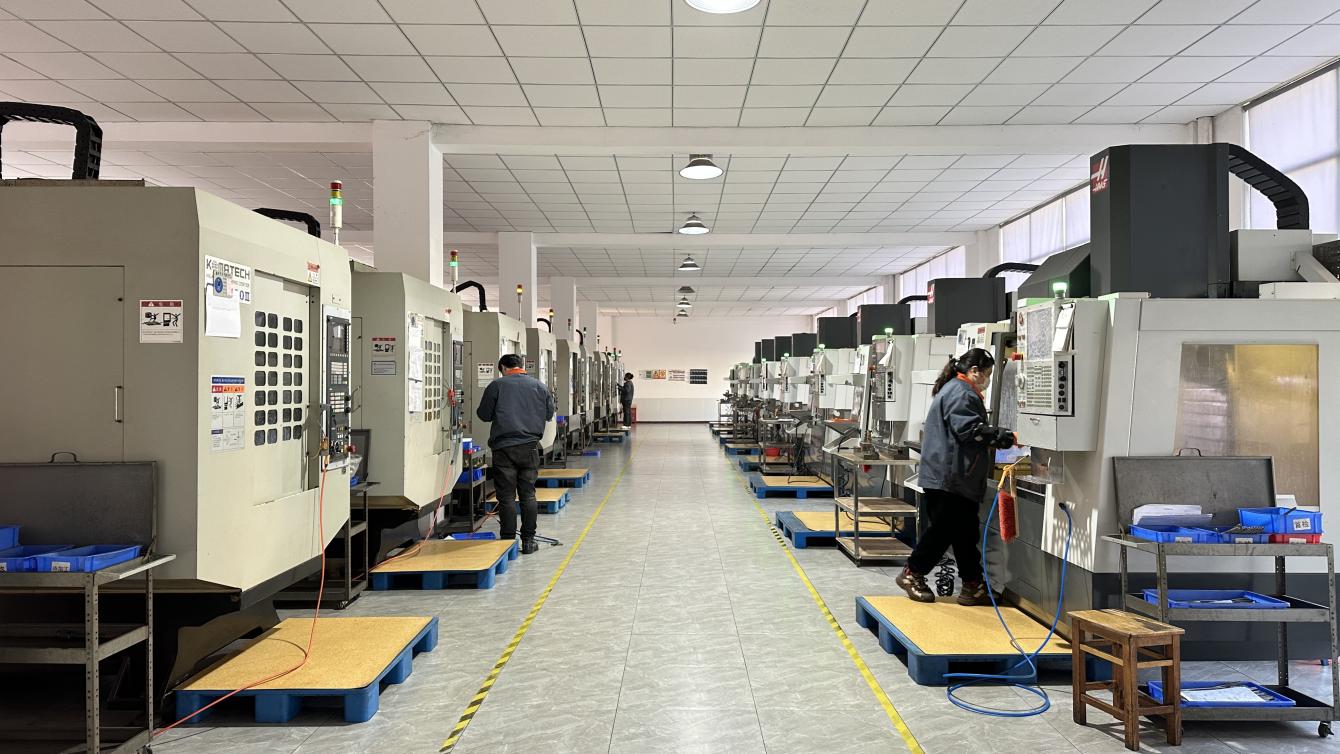
Certified Raw Materials for Medical Orthopedic Implants
1. Raw Materials Sourcing
Material Slitting and Bar Preparation
2. Precision Slitting
Multi-axis CNC Machining of Orthopaedic Implants
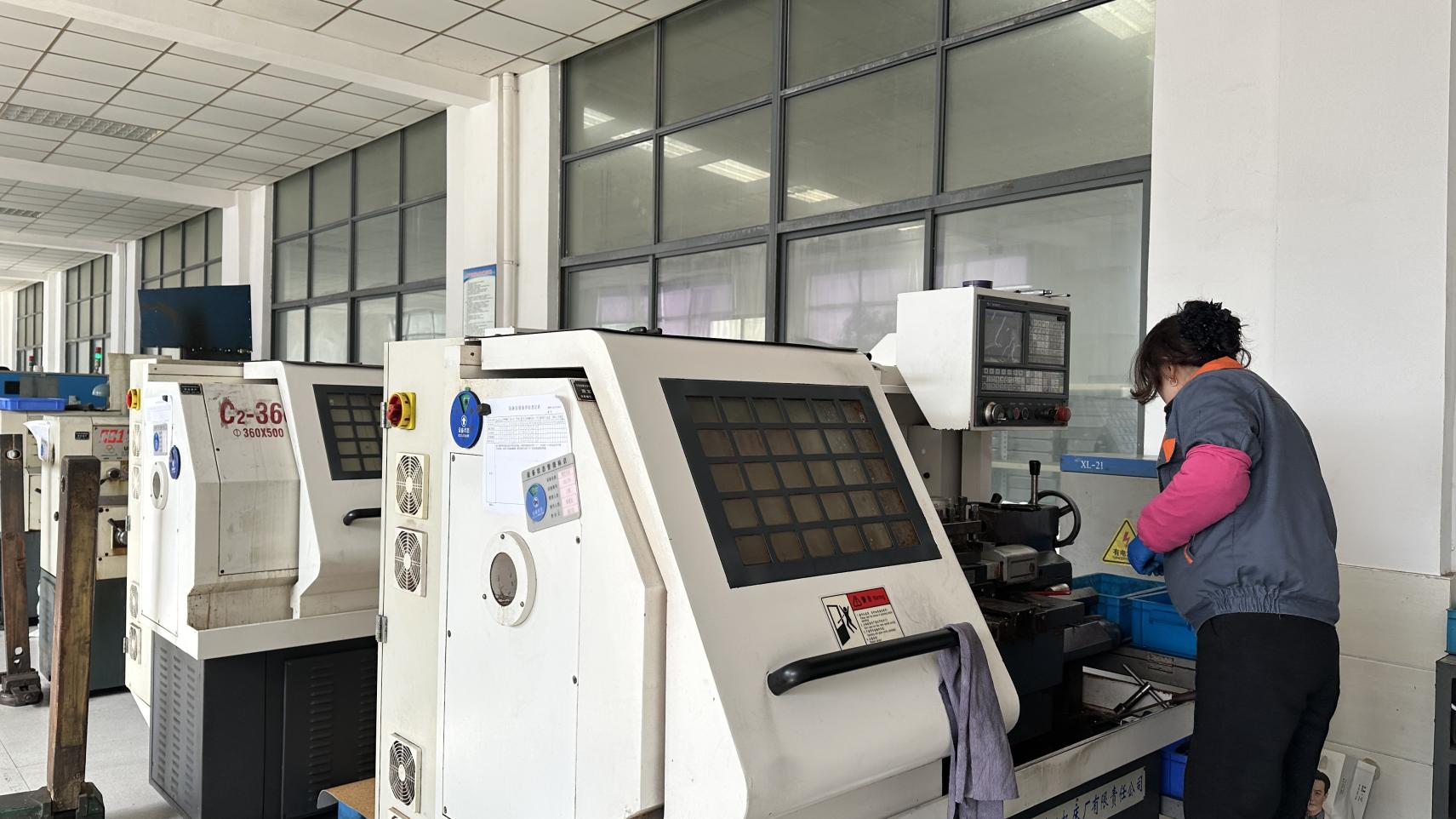
3. CNC Machining
Precision Finishing & Turning
4. Machining Process
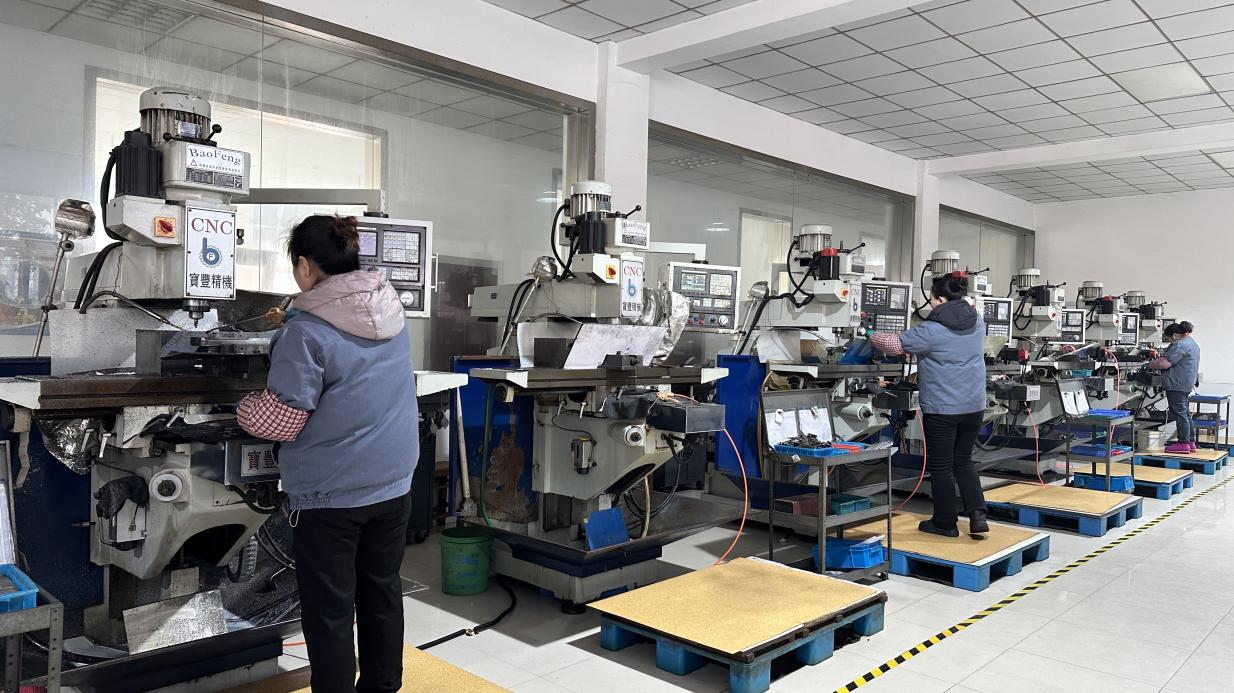
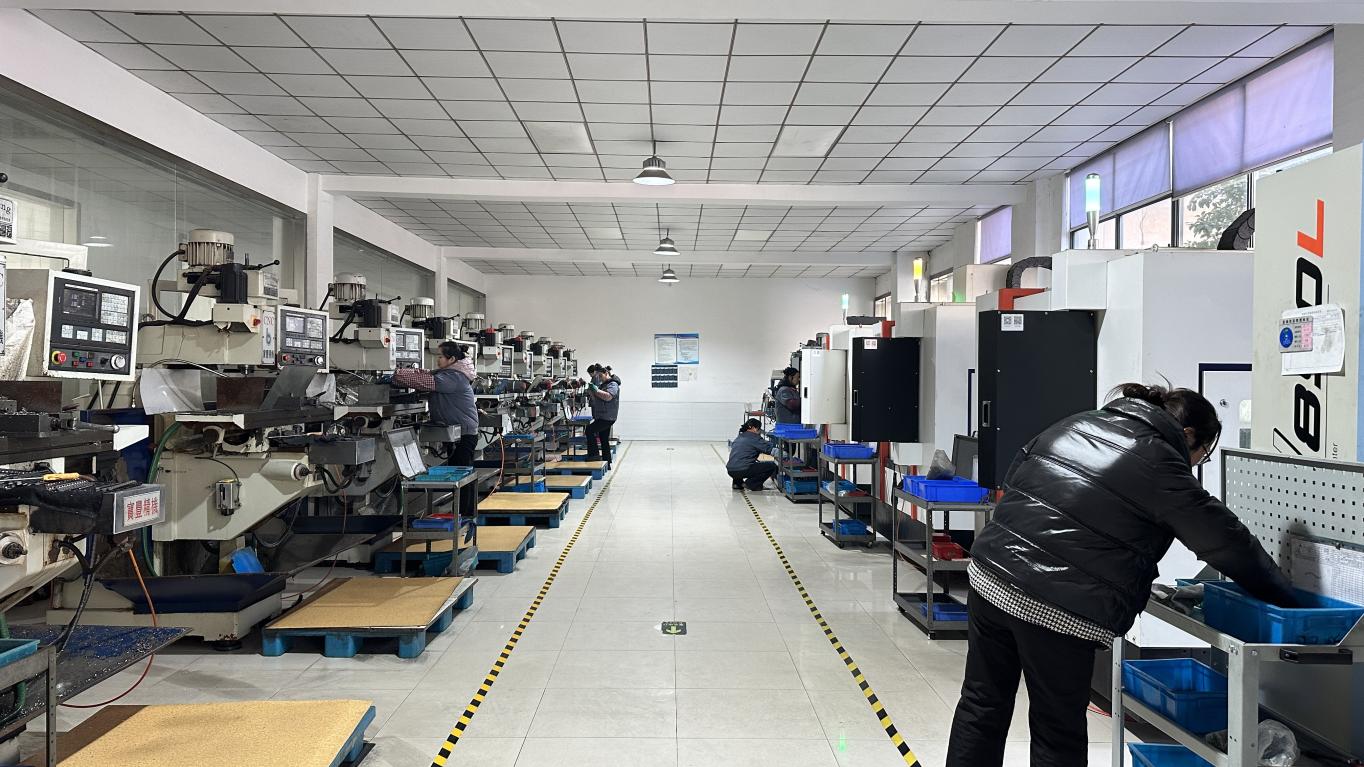
Medical Components Milling & Milling Centers
5. Milling
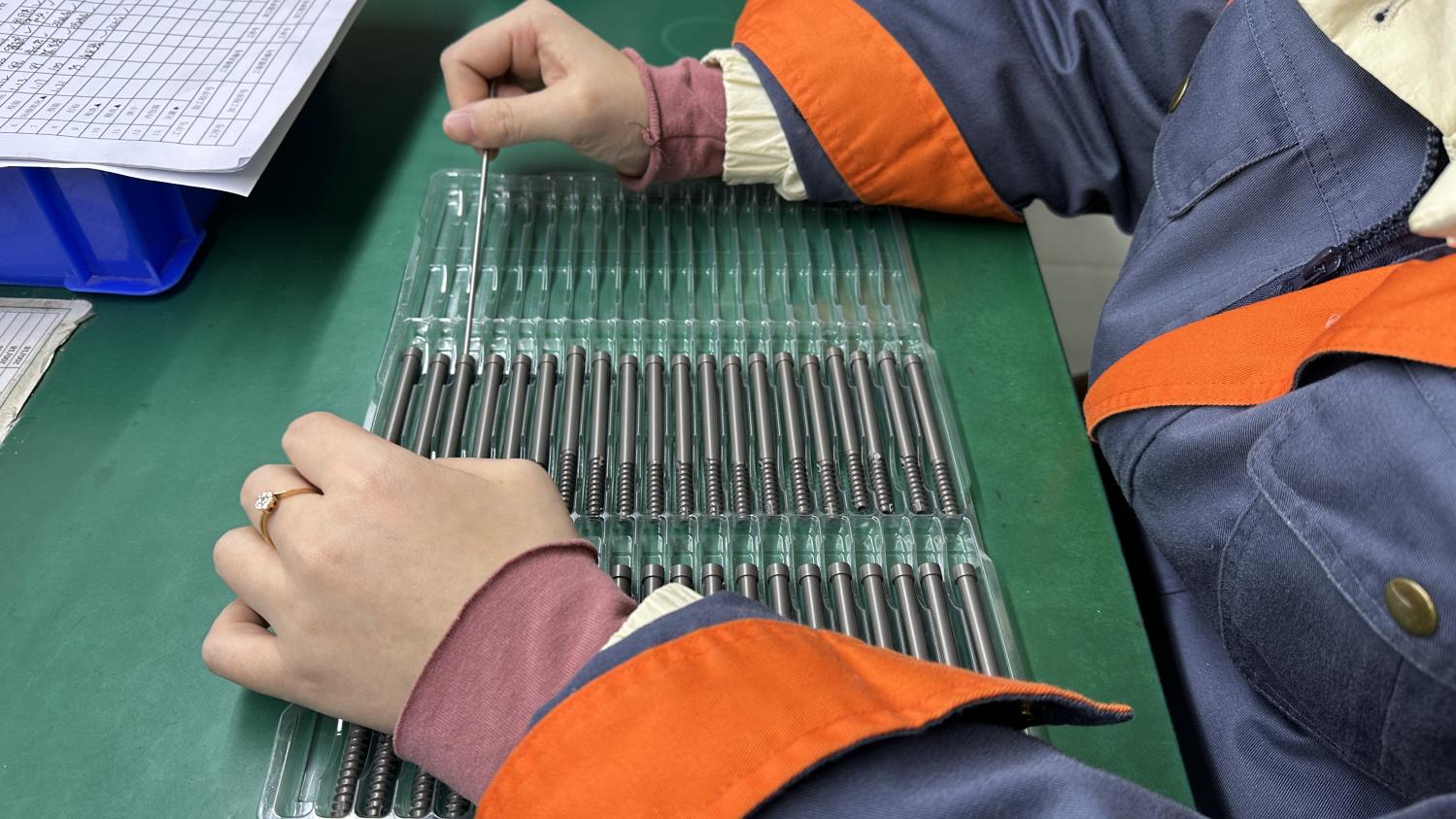
Initial Quality Control and Inspection
6. Quality Inspection I
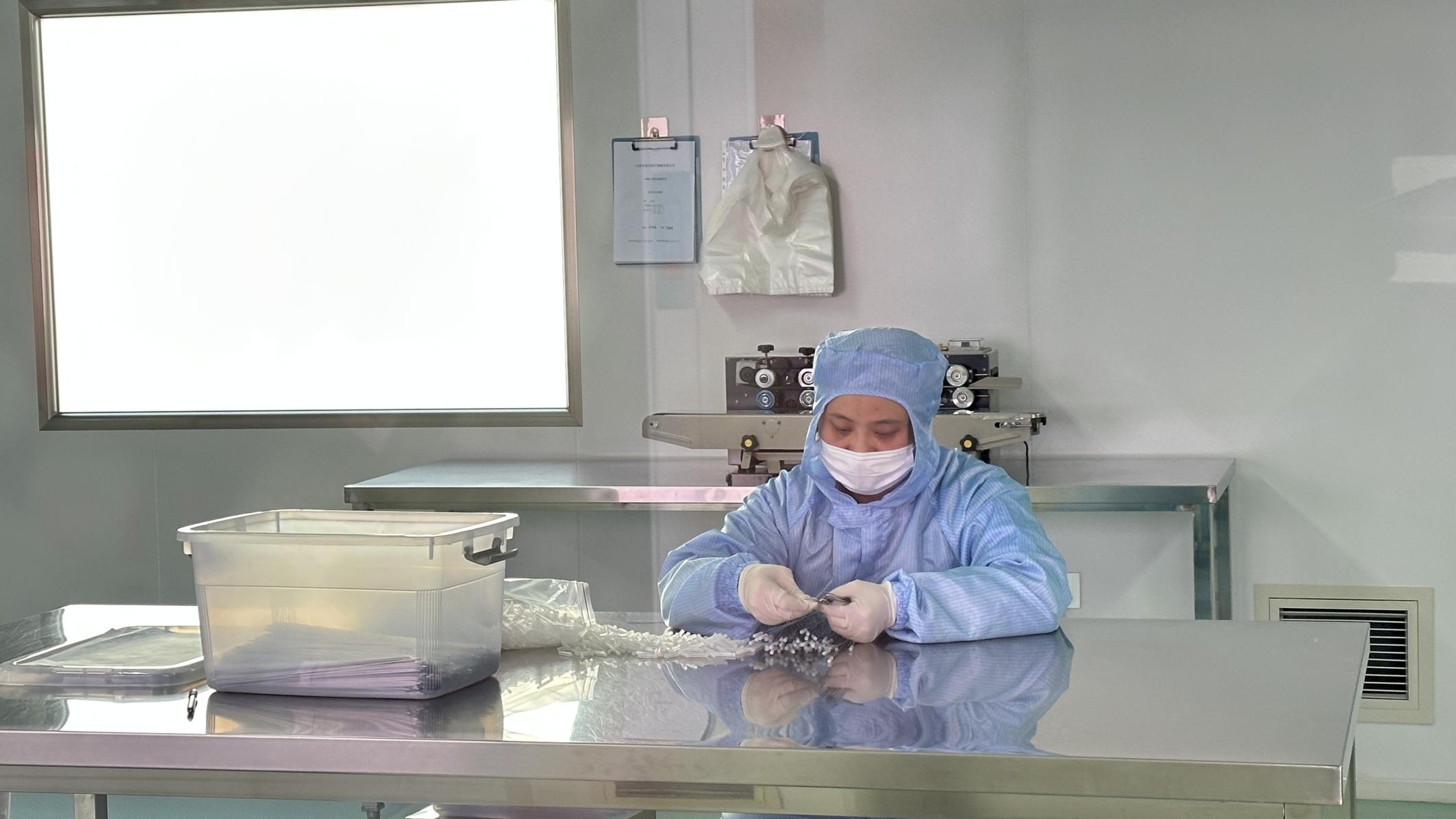
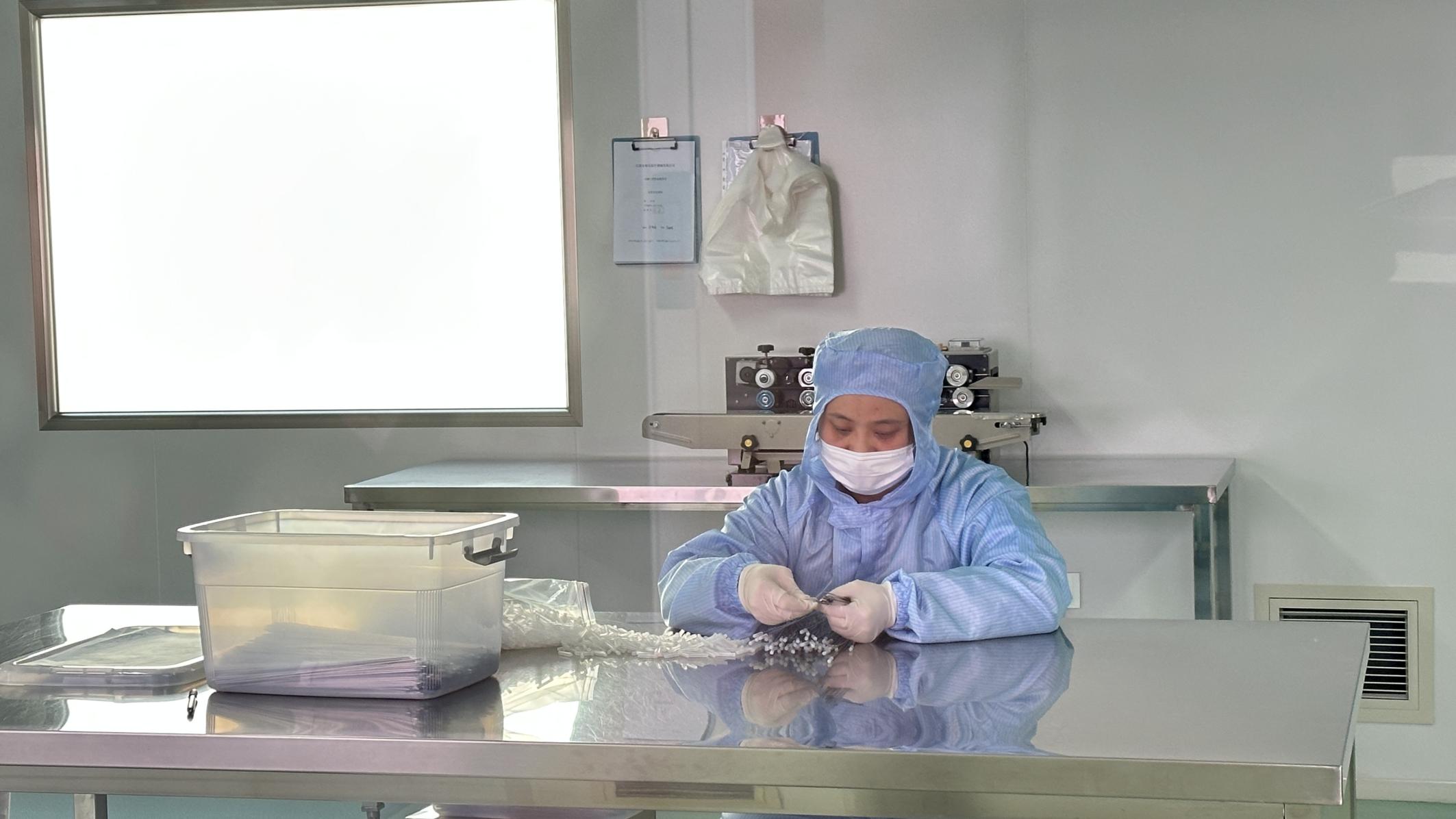
Packing orthopedic products in clean conditions
7. Cleanroom Packaging
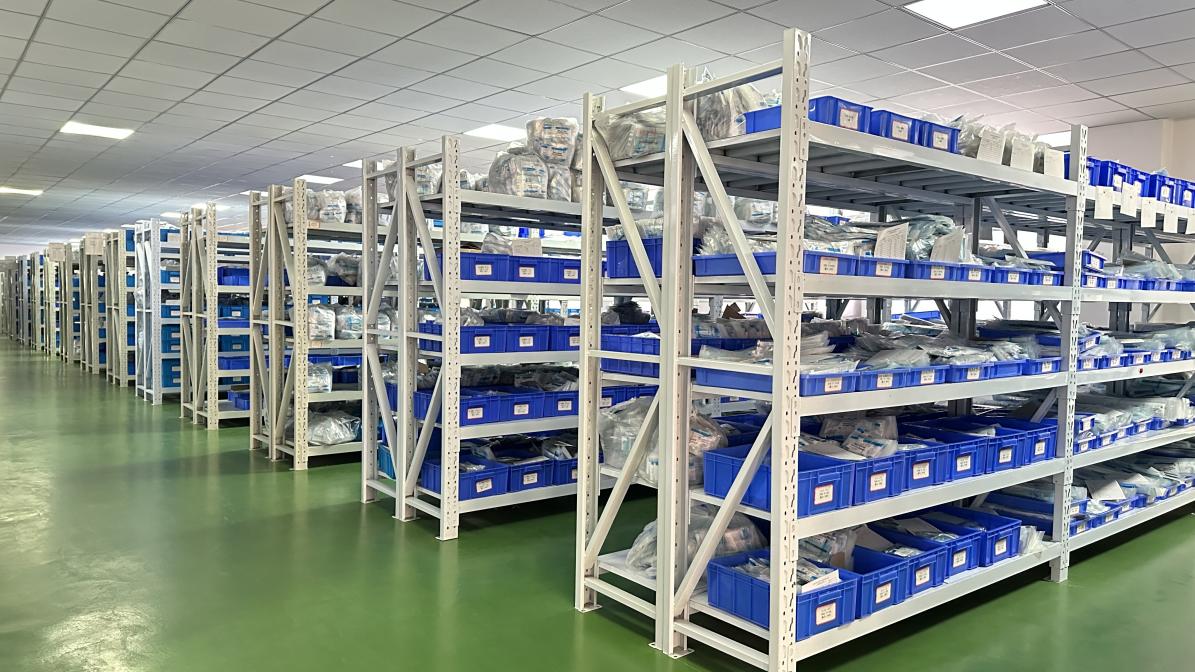
Sterile Product Warehouse and Logistics
8. Storage & Warehouse
High speed industrial slitting machine
9. Slitting Machine
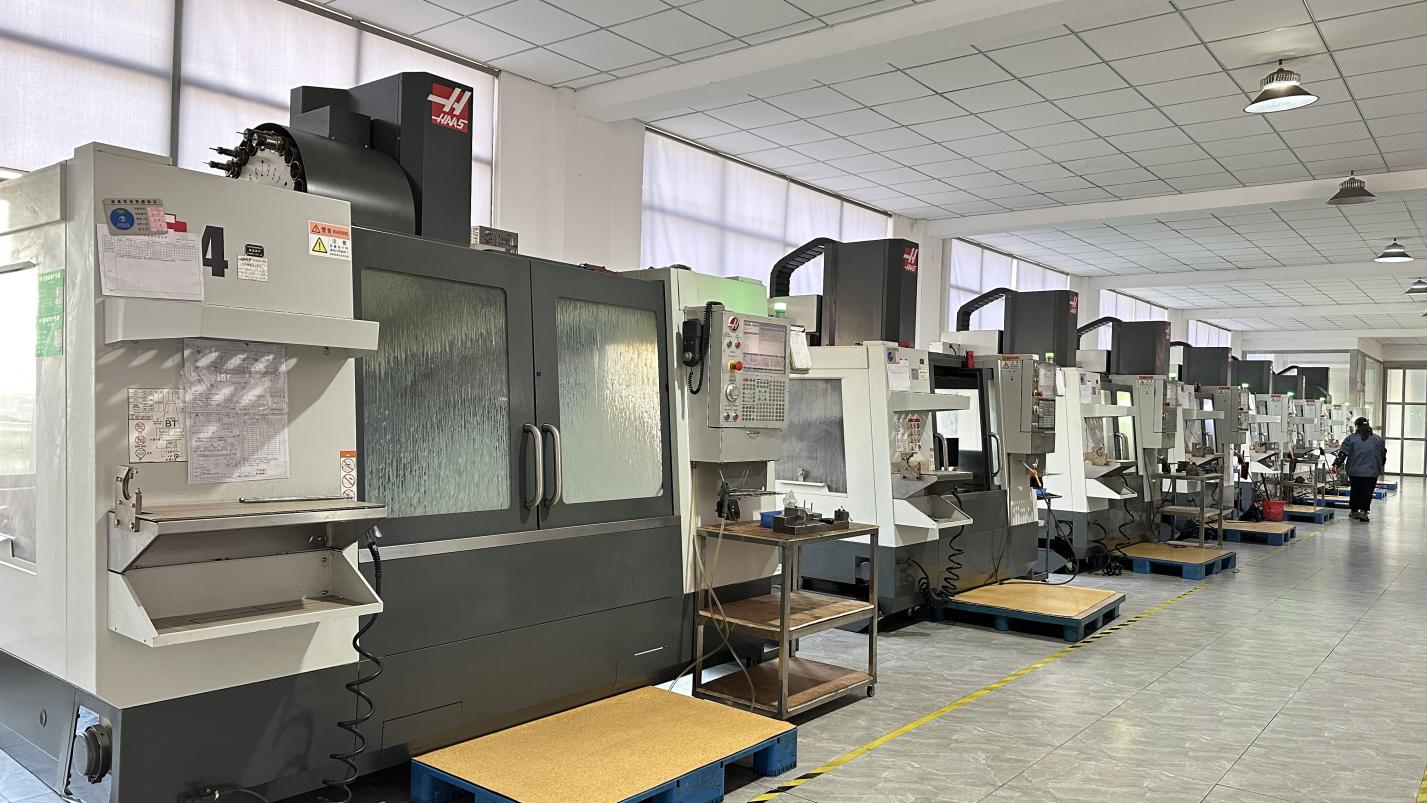
CNC Machining Center for orthopaedic components
10. CNC Machining Center
5-Axis CNC Milling Machine
11. CNC Milling
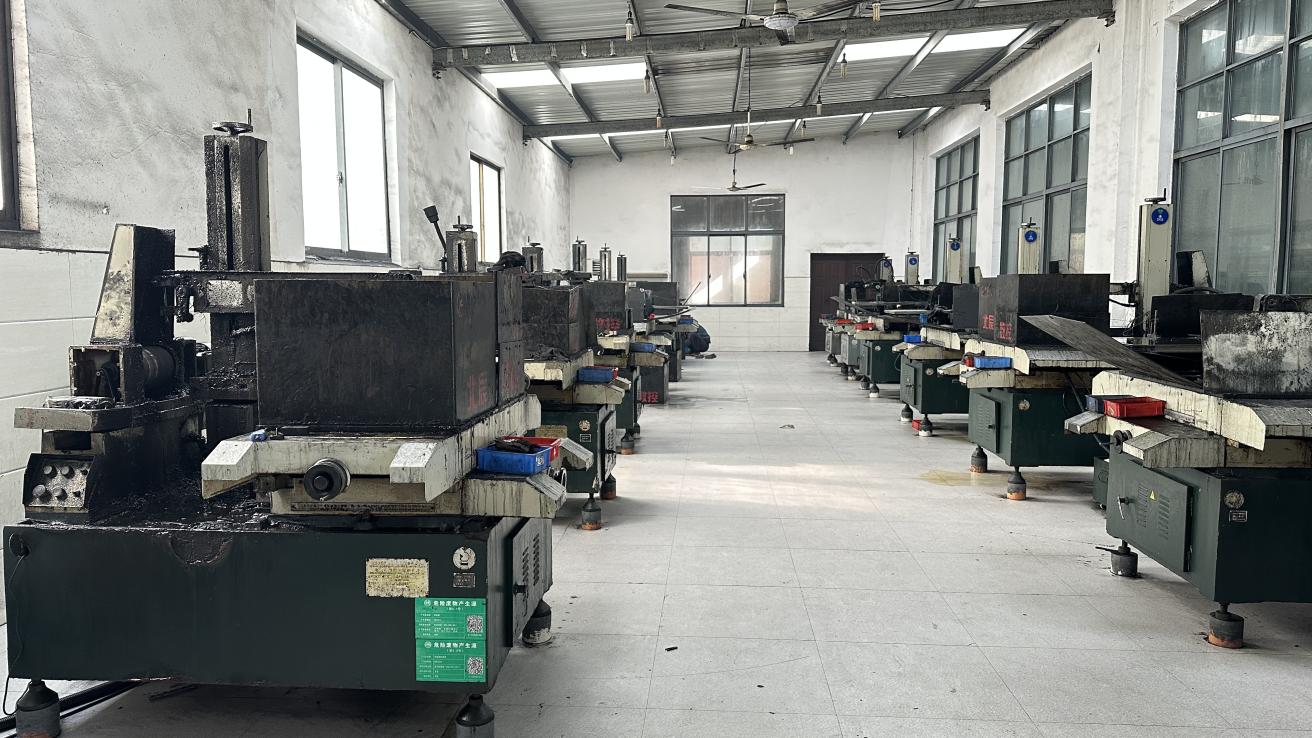
EDM Wire Cutting Equipment
12. Wire Cutting
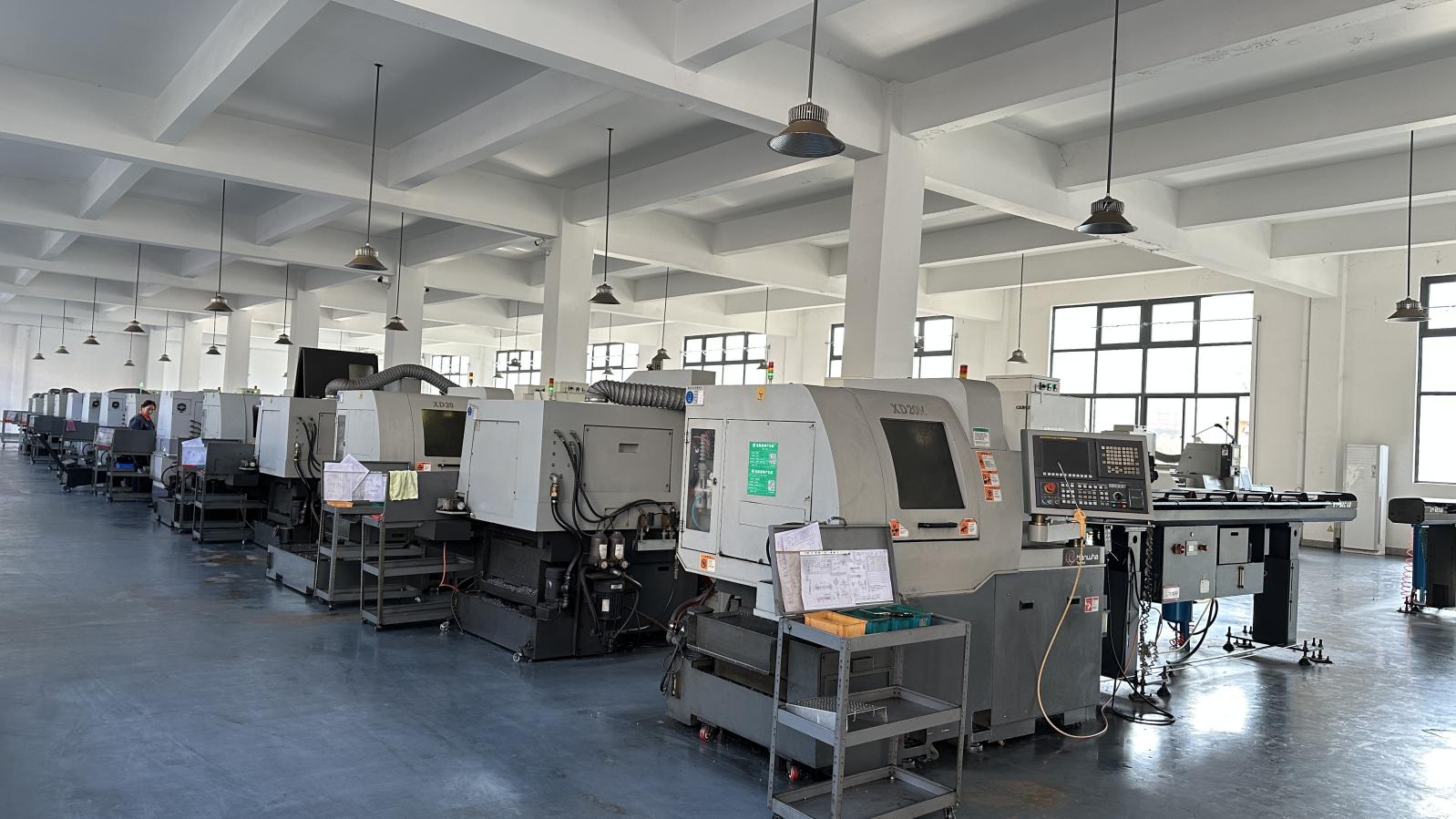
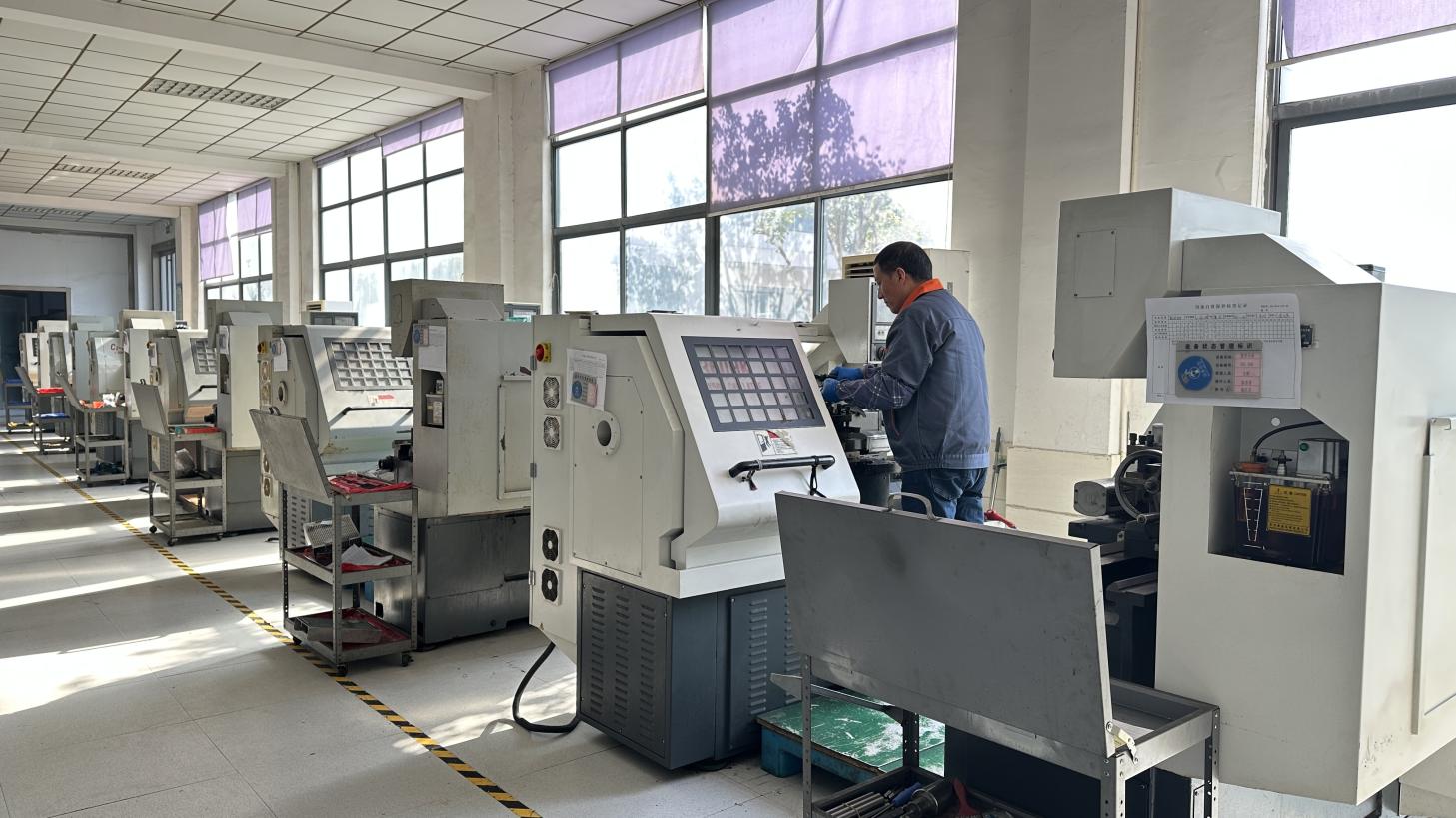
High precision CNC Lathe
13. CNC Lathe Turning
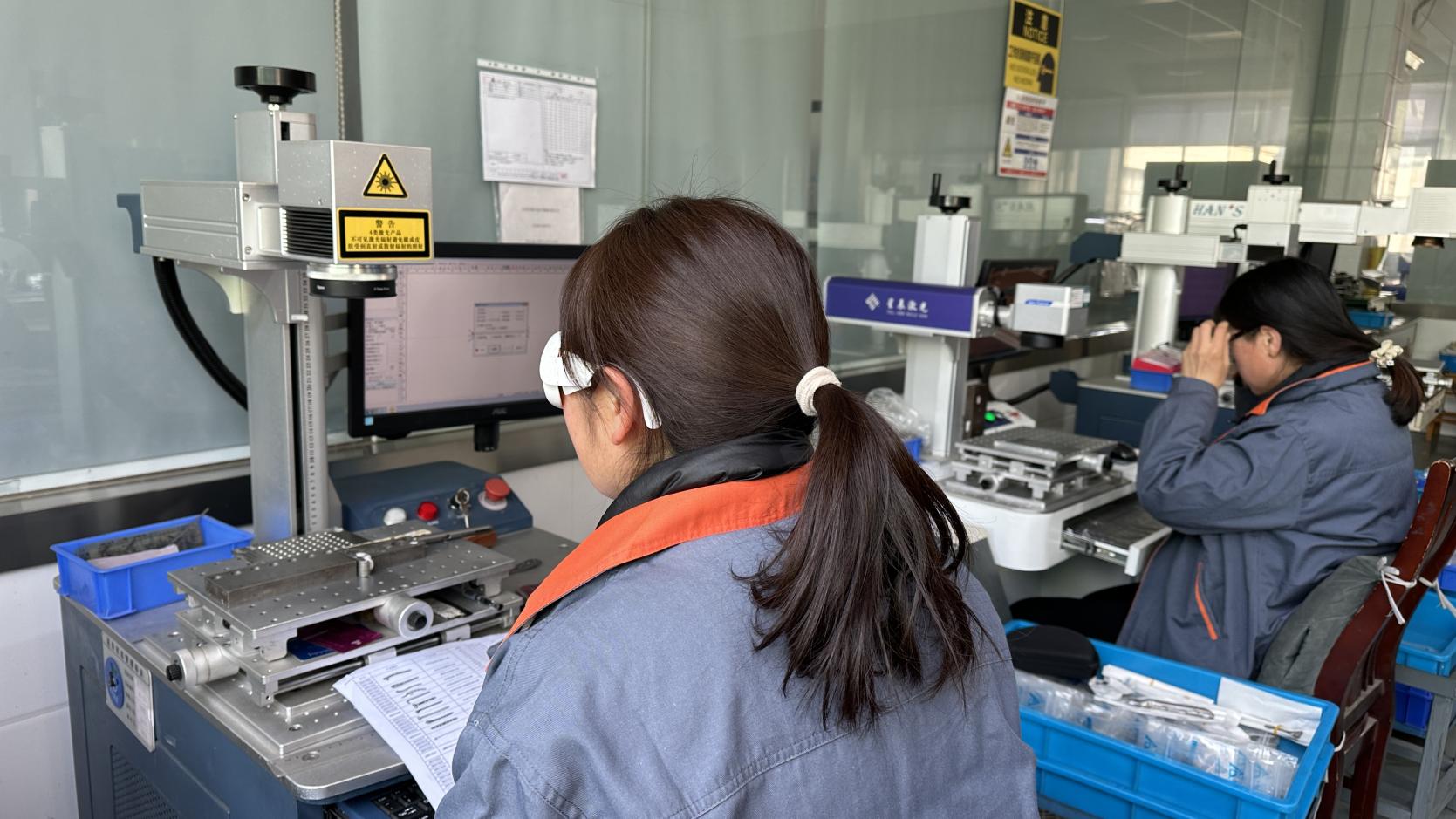
UDI Laser marking machine for orthopedic products traceability
14. Laser Marking
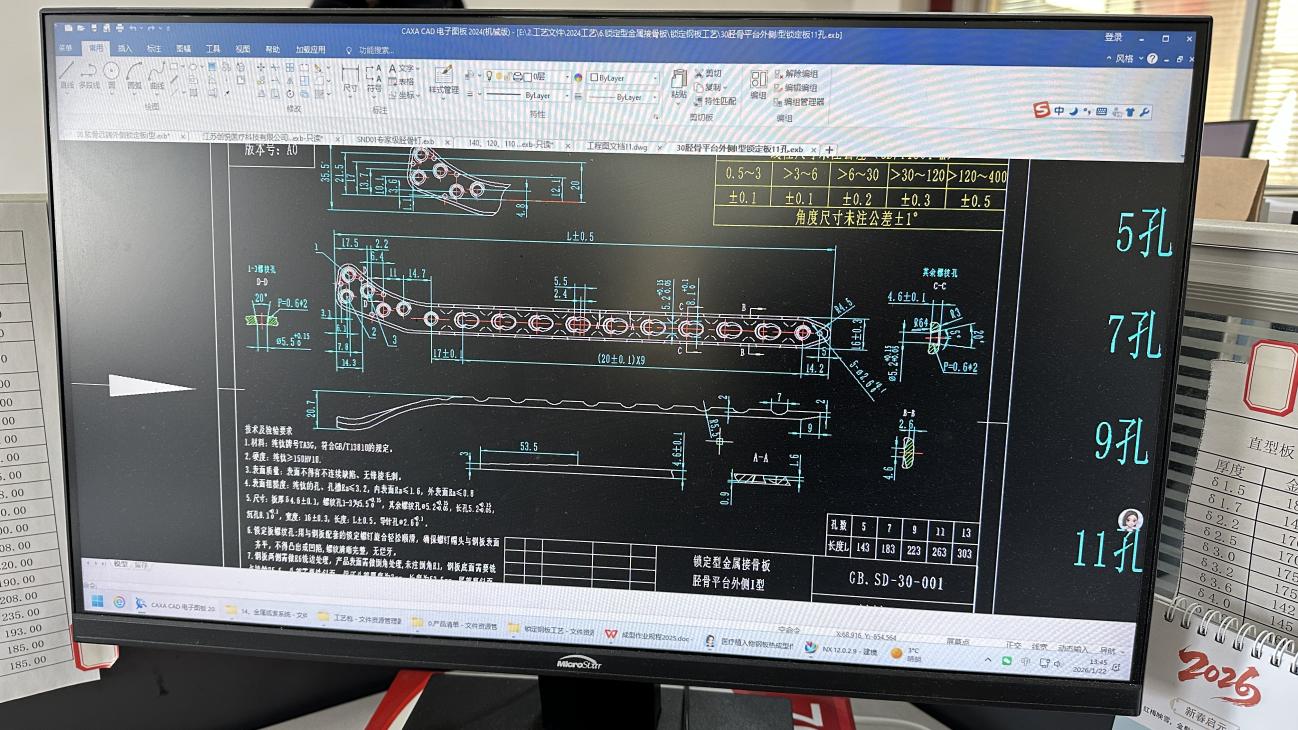
Computer-aided engineering design laboratory
15. Engineering & CAD Design
In-house quality laboratory testing
16. Testing Laboratory
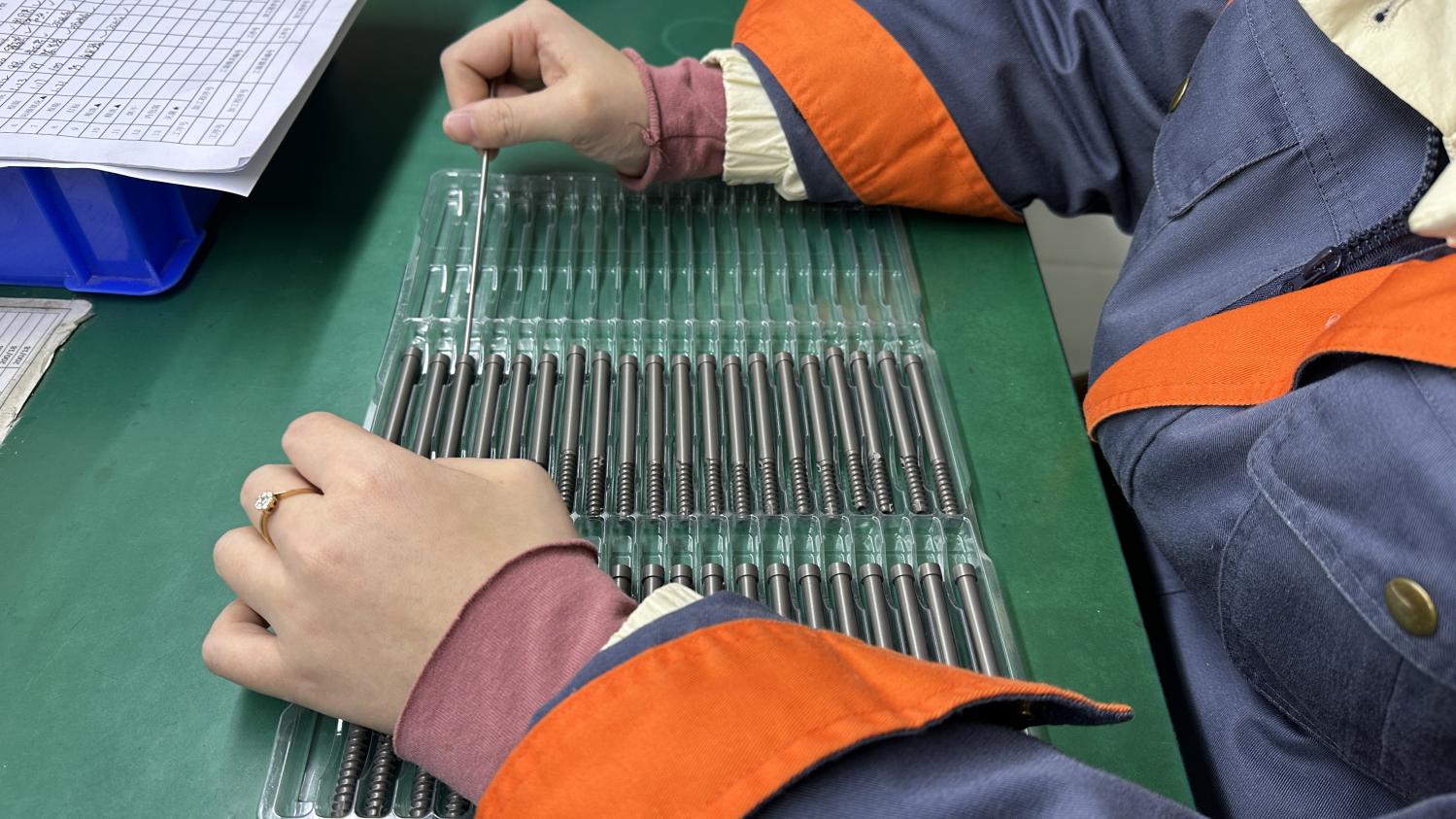
Final product inspection under magnification
17. Structural Inspection
Metrology inspection for joint tolerances
18. Metrology Inspection
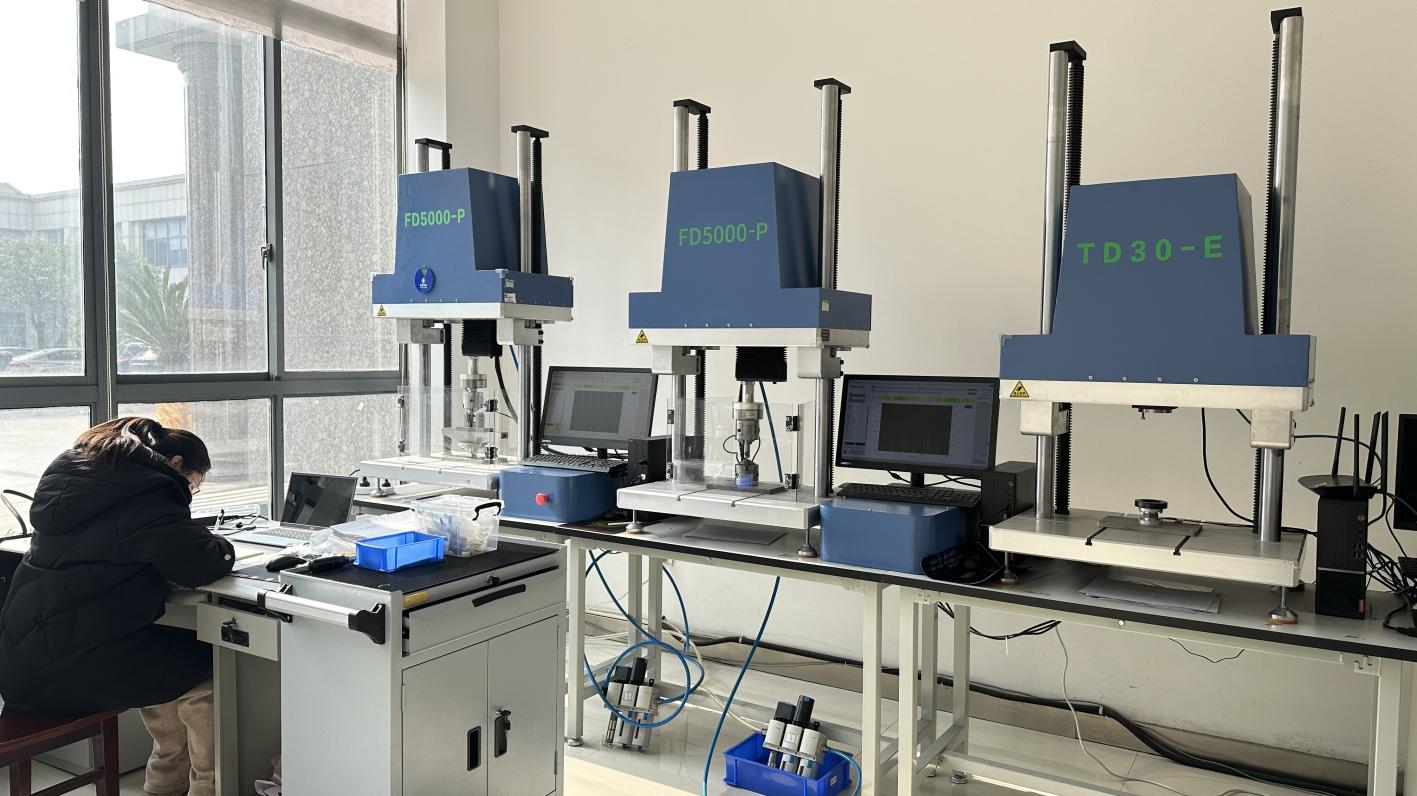
Cyclic fatigue tester for orthopedic joint systems
19. Fatigue Testing
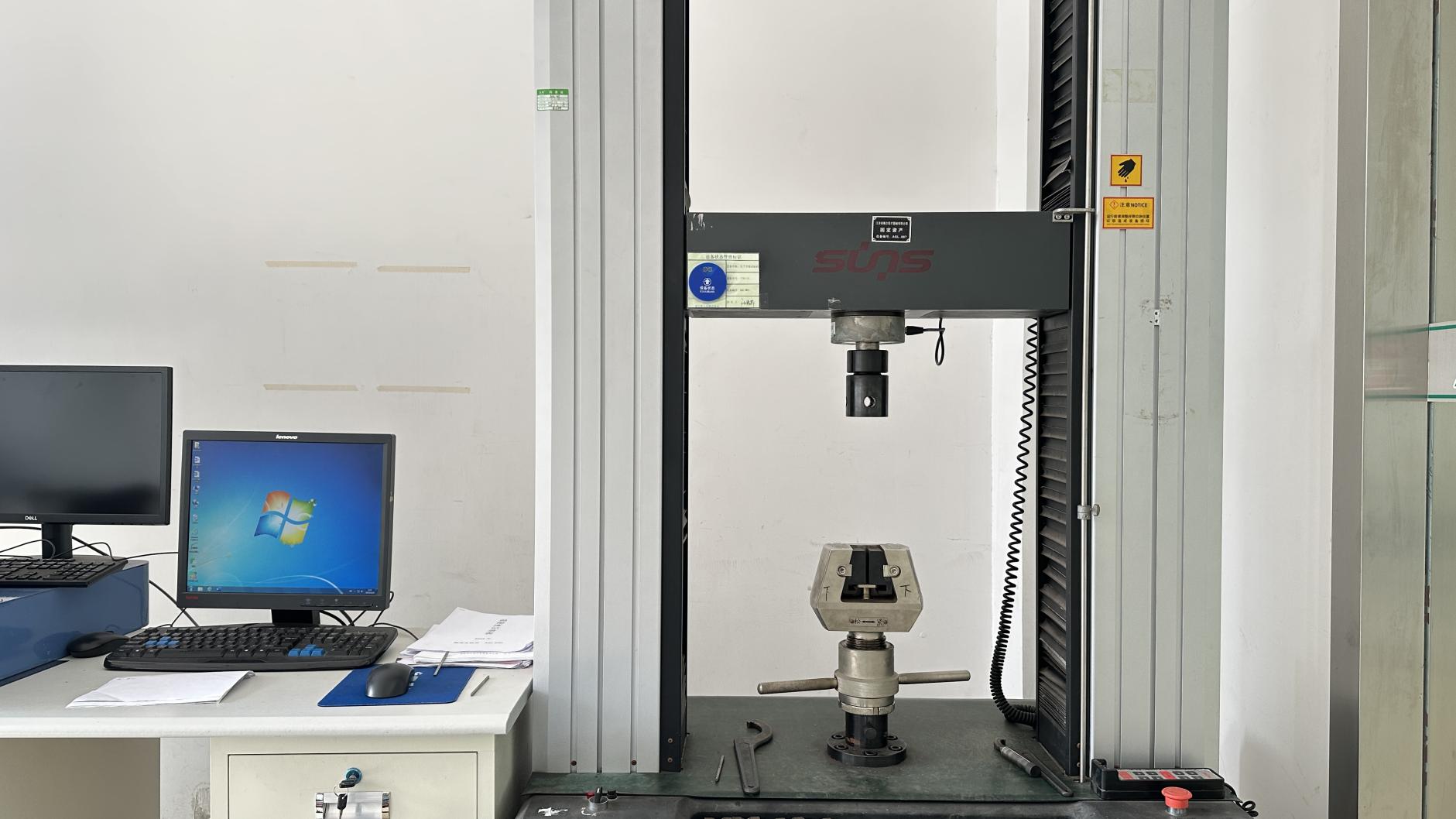
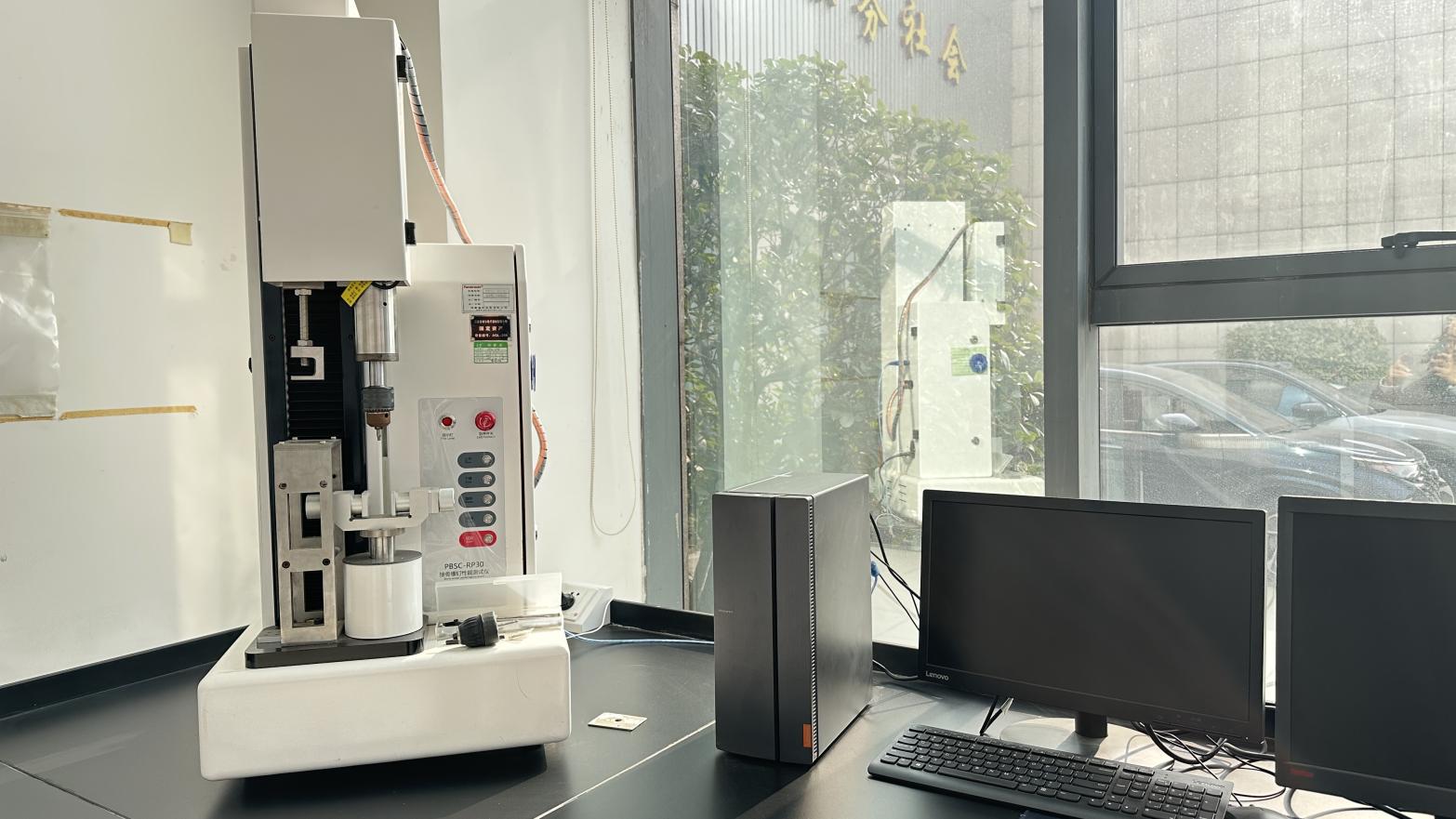
Universal tensile strength testing machine
20. Tensile Testing
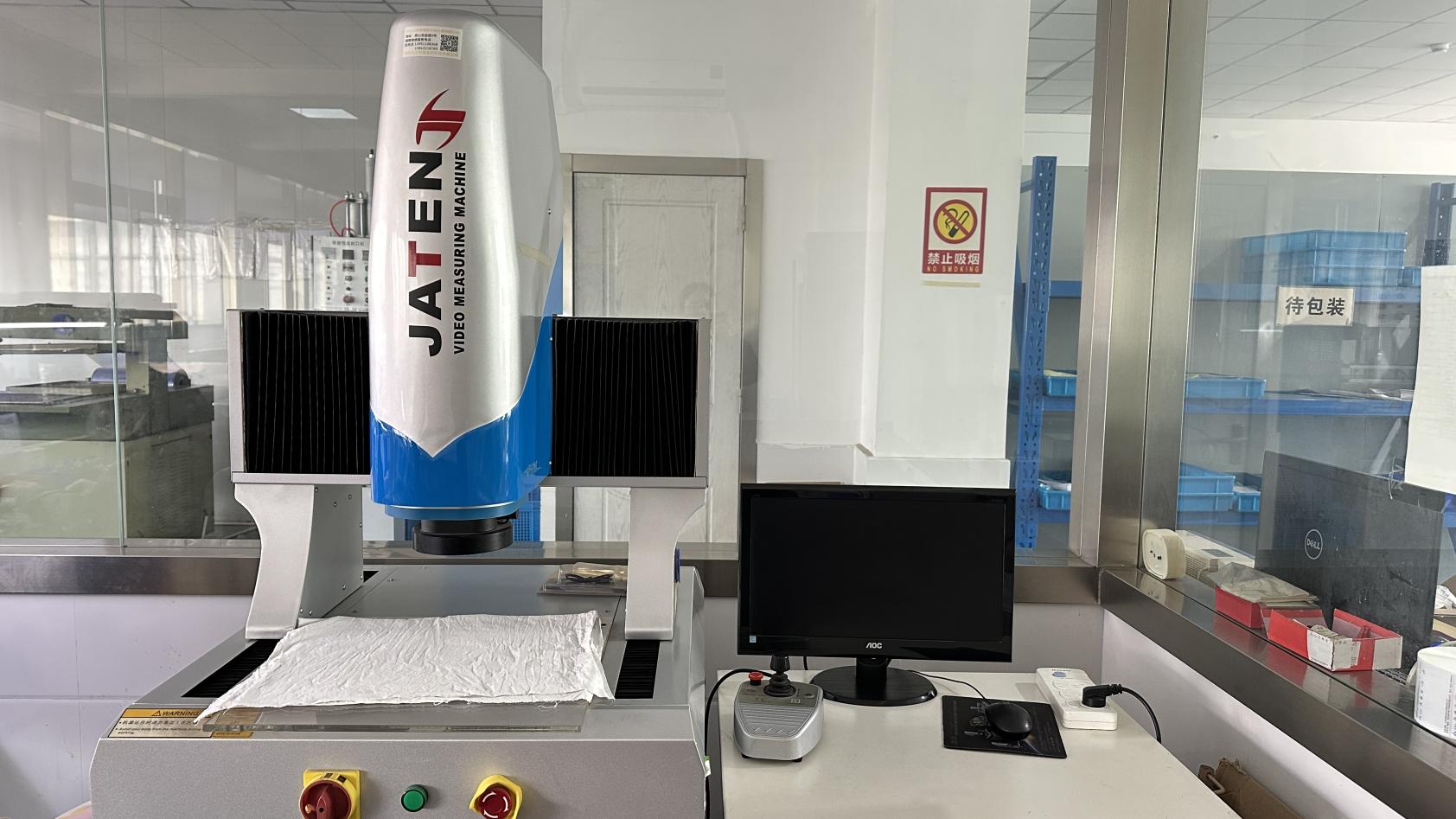
2D optical measuring project instrument
21. 2D Optical Metrology
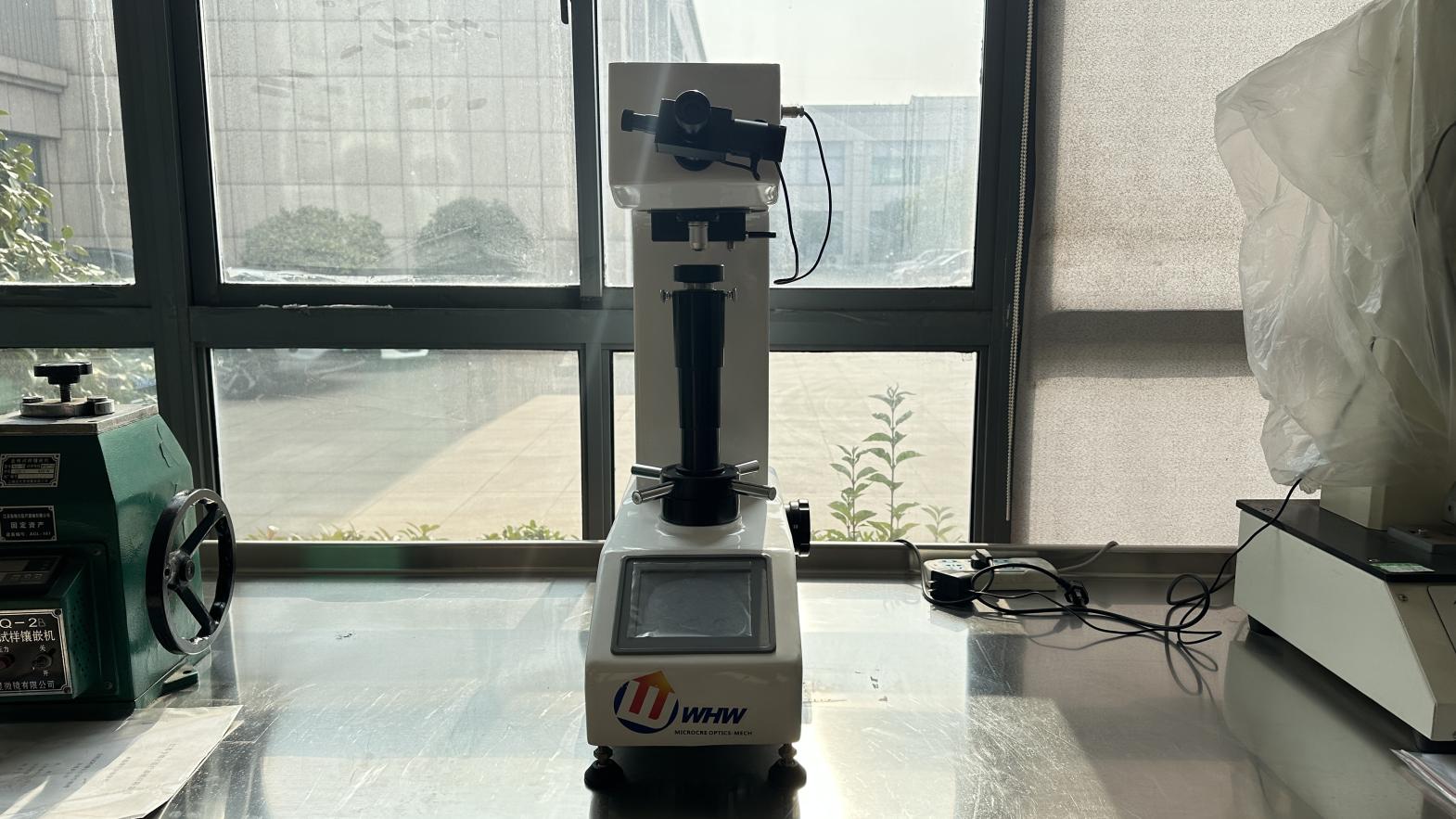
Vickers/Rockwell hardness tester for alloys
22. Hardness Verification

China's Supply Chain Advantages for Orthopedic Systems

Industrial Clustering

Cost Efficiency & Integration

By leveraging China's dense medical manufacturing corridors, Medisplint integrates tooling, raw material refinement, surface polishing, and packaging under one supply ecosystem. This reduces waste and yields a 30-40% savings compared to Western fabricators, without compromising raw material specifications.

Material Access

Premium Medical Alloys

Our supply chain works directly with certified suppliers of ASTM F136 implant-grade Titanium and ASTM F75 Cobalt-Chromium-Molybdenum. This ensures consistent microstructure properties and avoids potential degradation issues, guaranteeing long-term clinical safety.

Agility & Customization

85+ Engineer Customization

We translate raw clinical requests into finished implants rapidly. With 85 design engineers, our team handles modifications for regional anatomical features (e.g., matching narrower femoral dimensions for Asian or Latin American cohorts) with extreme speed.

Localization Support, Regulatory Compliance, & Global Sourcing

Ensuring Legal Readiness and Smooth Custom Registrations

Distributing Class III medical devices demands strict compliance. Medisplint supports orthopedic importers by preparing comprehensive technical dossiers (CTD), biocompatibility reports (ISO 10993), and clinical evaluation documents. We offer complete assistance to streamline approvals with regional health bodies (such as EMA, ANVISA, COFEPRIS, and NMPA).

Our products feature fully traceable UDI (Unique Device Identification) barcode engraving to meet strict track-and-trace requirements from modern hospitals and national implant registries.

Comprehensive Logistics Options

  • Sterile Barrier System (SBS): Double sterile pouch packaging with EO (Ethylene Oxide) or Gamma sterilization options.
  • Non-Sterile Configuration: For local distributors or hospitals that prefer autoclaving on-site or using local cleanroom sterilizing partners.
  • Custom Surgical Kits: Integration of specialized toolsets (like trial components, femoral cutting blocks, and alignment guides) matching local surgical preferences.

Sourcing Roadmap for Global Distributors

Medisplint simplifies procurement with a structured process designed for procurement managers and medical device distributors:

  1. Technical Consult: Alignment on anatomical profiles (CR vs. PS knee, sizing, instrument compatibility).
  2. Quality Dossier Delivery: Submission of CE, ISO 13485, and material certificates.
  3. Sample Evaluation: Delivery of non-sterile trial implants for surgical review and mechanical validation.
  4. Bulk Manufacture & Packing: Class-10,000 cleanroom assembly, laser marking, and double-sterilized barrier sealing.
  5. Logistics & Customs Cleared: Air or sea shipping with complete customs declaration paperwork.

Clinical Applicability & Regional Adaptation

Human Joint Reconstruction Centers

Designed for public hospitals and private orthopaedic centers, our Primary Total Knee System offers reliable clinical performance. With streamlined instrumentation, surgeons can minimize operation times, lower infection risks, and speed up post-operative recovery.

Veterinary Joint Replacements & Specialty Implants

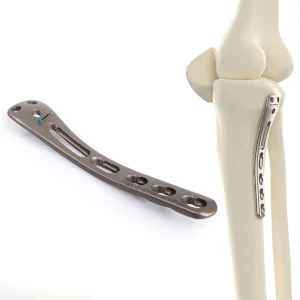
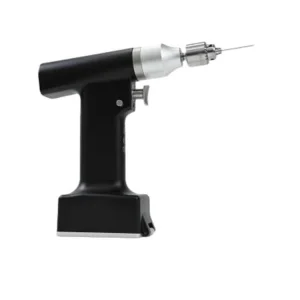
Orthopedic requirements extend to veterinary health. Medisplint leverages its precision machining platforms to produce veterinary surgical power tools, TPLO plates, and small joint implants. These help veterinary surgeons treat severe osteoarthritis and ligament ruptures in large canine breeds.
Frequently Asked Sourcing Questions

What materials are used in the Medisplint Primary Total Knee System? +
Our femoral components are cast and machined from medical-grade Cobalt-Chromium-Molybdenum (CoCrMo) alloy, compliant with ASTM F75. Tibial trays are made of high-tensile Titanium alloy (Ti6Al4V, ASTM F136), and our bearing inserts are manufactured from Ultra-High-Molecular-Weight Polyethylene (UHMWPE) or highly cross-linked polyethylene (XLPE) to minimize wear.
Are your manufacturing processes compliant with CE and ISO standards? +
Yes, Medisplint operates under a comprehensive ISO 13485 Quality Management System. Our key joint and trauma product lines are CE marked, complying with EU medical device directives. Every batch undergoes strict quality control (IPQC & FQC) with full traceability.
Can you support OEM/ODM requests and custom sizing? +
Absolutely. With over 85 engineers in our R&D team, we can customize implants to meet regional anatomical preferences, modify instrumentation layouts, or provide private labeling (OEM) and custom design solutions (ODM).
What is your typical production lead time for bulk orders? +
Standard implants in stock can ship within 7–15 days. For customized OEM components or large container orders, production typically takes 30–45 days, depending on geometry complexity and sterilization requirements.
How do you guarantee the fatigue and wear life of your joint implants? +
Every implant design undergoes rigorous in-house fatigue testing simulating millions of walking cycles (ISO 14879 standard). We verify material hardness with Rockwell/Vickers testers and measure dimensional accuracy down to the micron level using optical 2D instruments and coordinate measuring machines (CMM).