Medisplint
Medisplint
Medisplint
Pelvic ring disruptions constitute some of the most life-threatening traumatic injuries managed by orthopedic surgeons. Due to high-energy impacts—such as motor vehicle collisions or falls from heights—unstable pelvic fractures pose immediate risks of catastrophic retroperitoneal hemorrhage and soft-tissue damage. In these critical clinical windows, pelvic external fixators function as essential "Damage Control Orthopedics" (DCO) instruments, allowing quick stabilization of the bony pelvic ring, reducing internal pelvic volume, and promoting immediate clot stabilization.
From a global manufacturing and commercial perspective, the market for pelvic external fixators has experienced steady expansion. Modern medical supply chains depend on specialized manufacturing hubs that combine raw metallurgical processing with high-precision CNC engineering. Leading clinical systems require materials that balance biomechanical strength with radiolucency. Advanced configurations utilize medical-grade titanium alloys (Ti-6Al-4V ELI) and carbon fiber reinforcement structures, ensuring compatibility with fluoroscopy and CT scanning during ongoing emergency surgeries.
Pelvic frames must achieve stable multi-planar stiffness. Pin placement at the supra-acetabular region or the iliac crest must withstand high pullout forces, preventing secondary displacement during patient positioning.
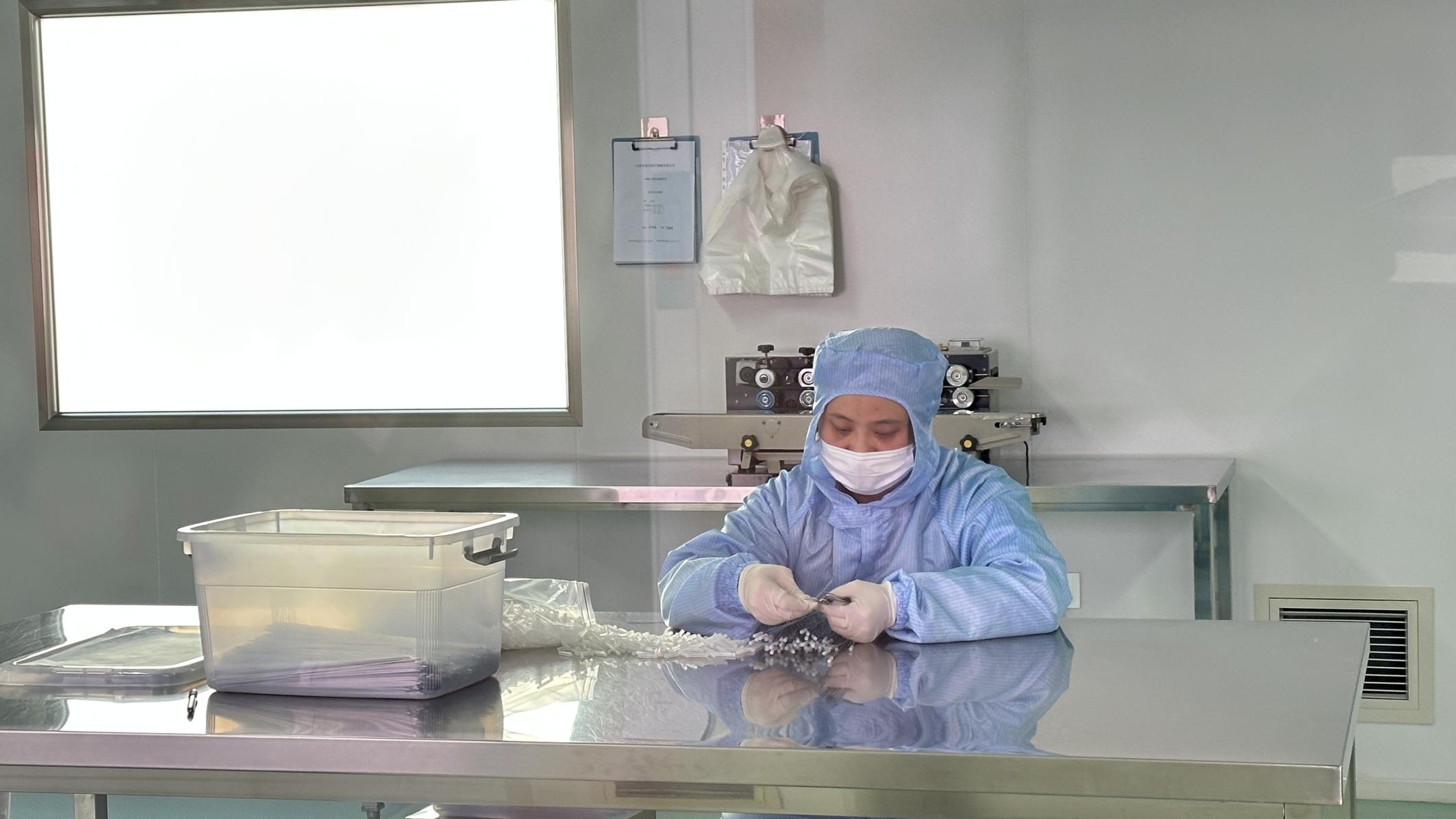
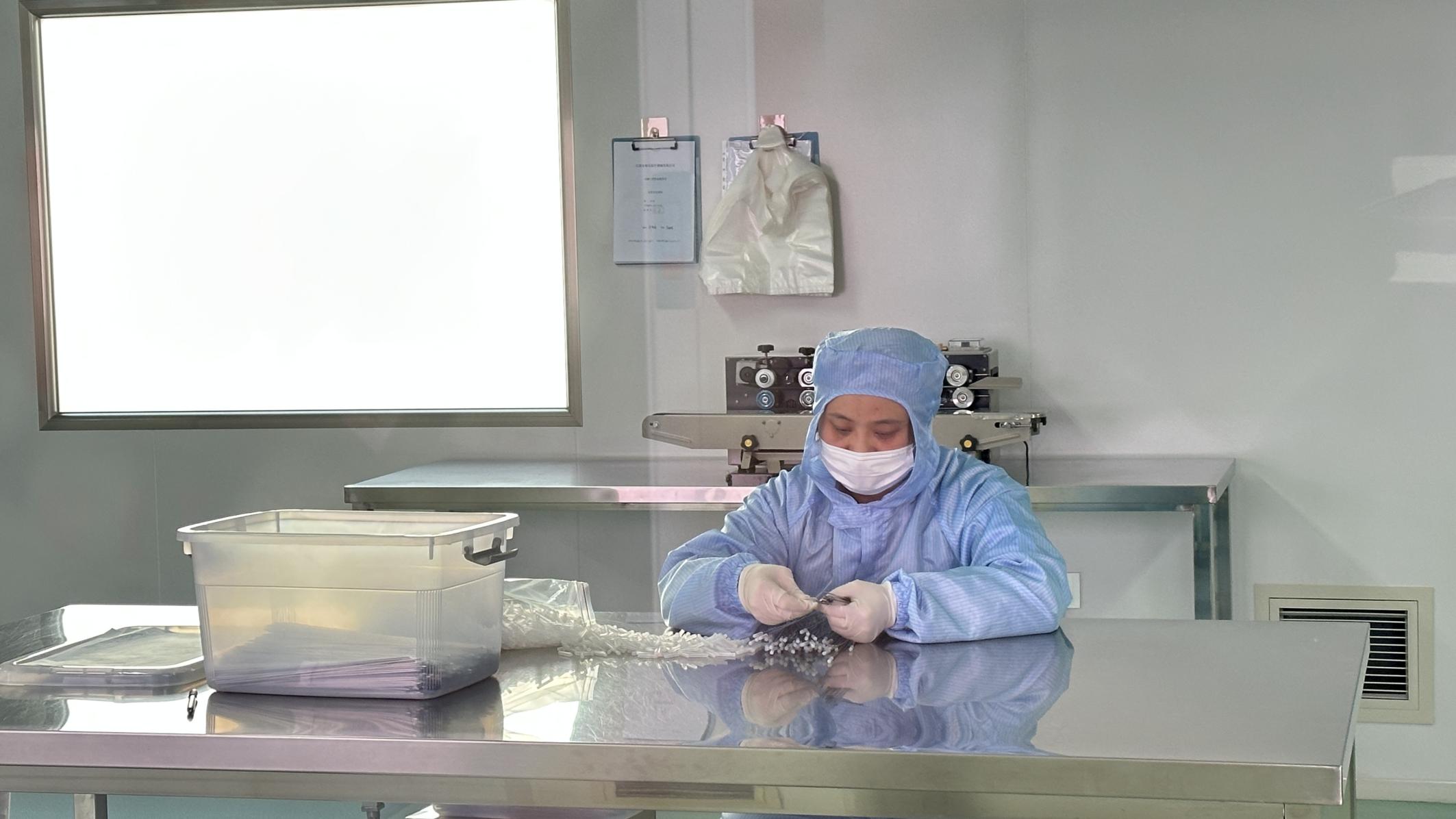
For international supply contracts, pelvic fixators must conform to CE MDR and ISO 13485 requirements. Traceability from raw bar stock to sterile packaging is an absolute necessity.
Modern clinical workflows demand radiolucent carbon fiber connecting rods alongside titanium-alloy clamps, allowing clear intraoperative X-ray viewing of complex sacral and iliopectineal fracture lines.
Medisplint Orthopedic Instruments Co., Ltd. is a professional manufacturer specializing in orthopedic implants, fixation systems, and surgical instruments for trauma, spine, and joint reconstruction. Since its inception, the company has emphasized mechanical innovation, precision engineering, and rigorous clinical validation.
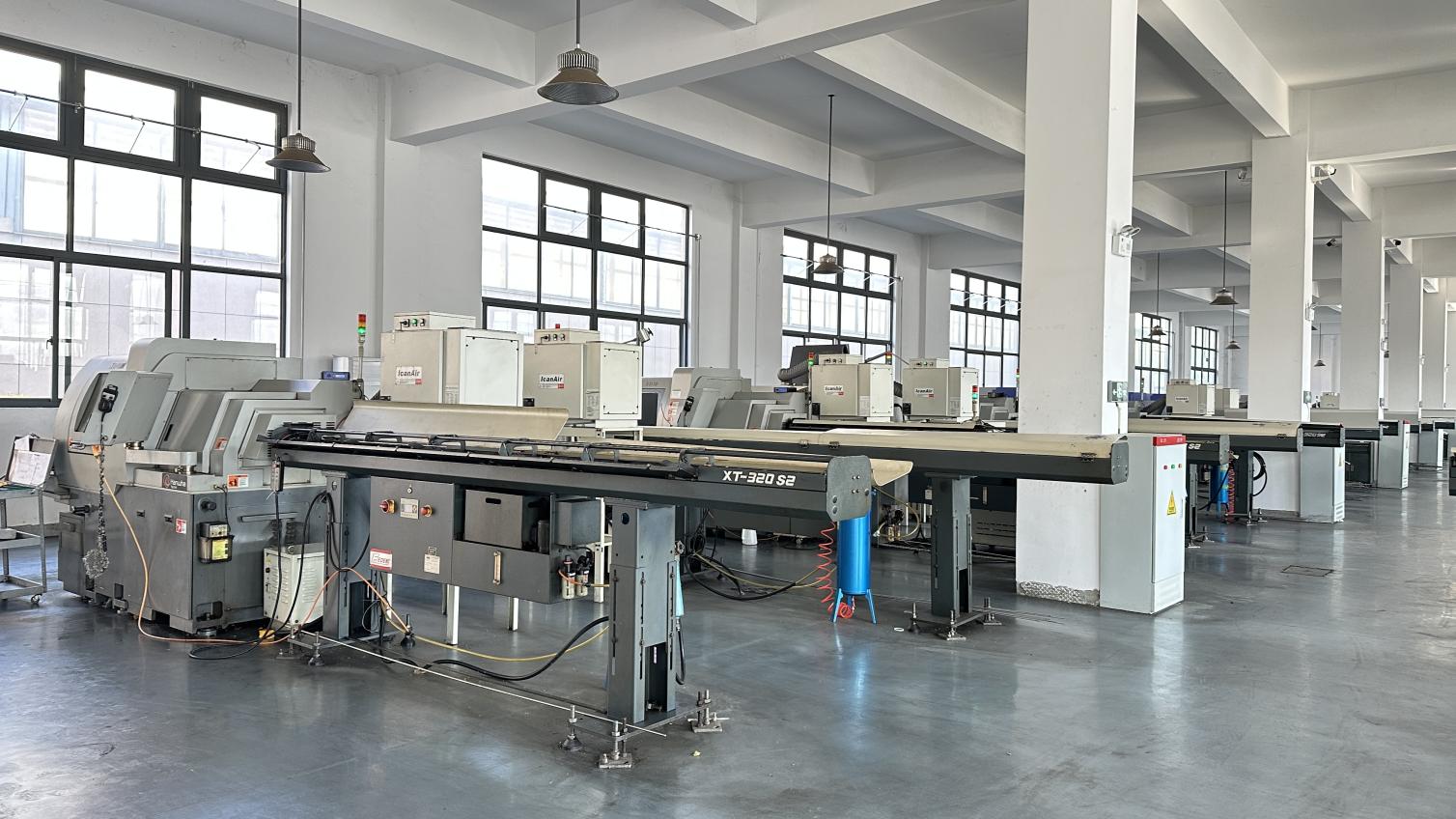
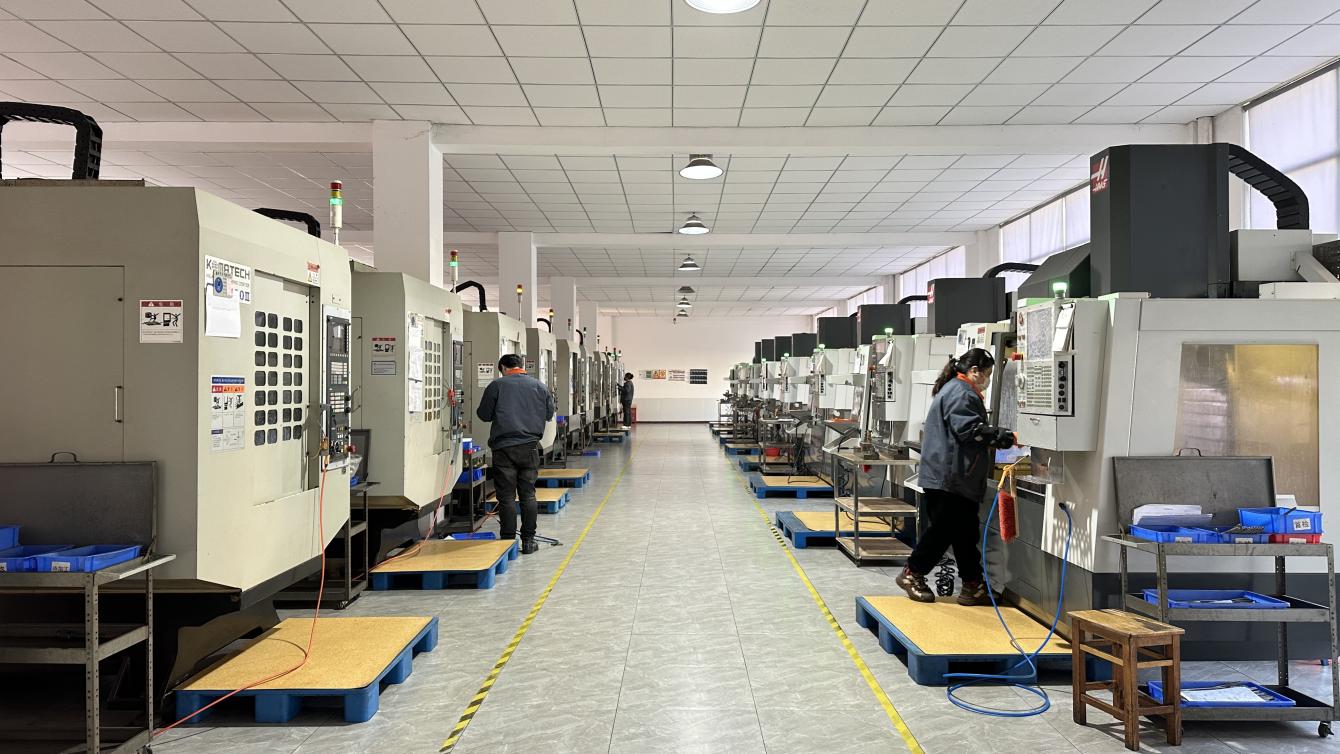
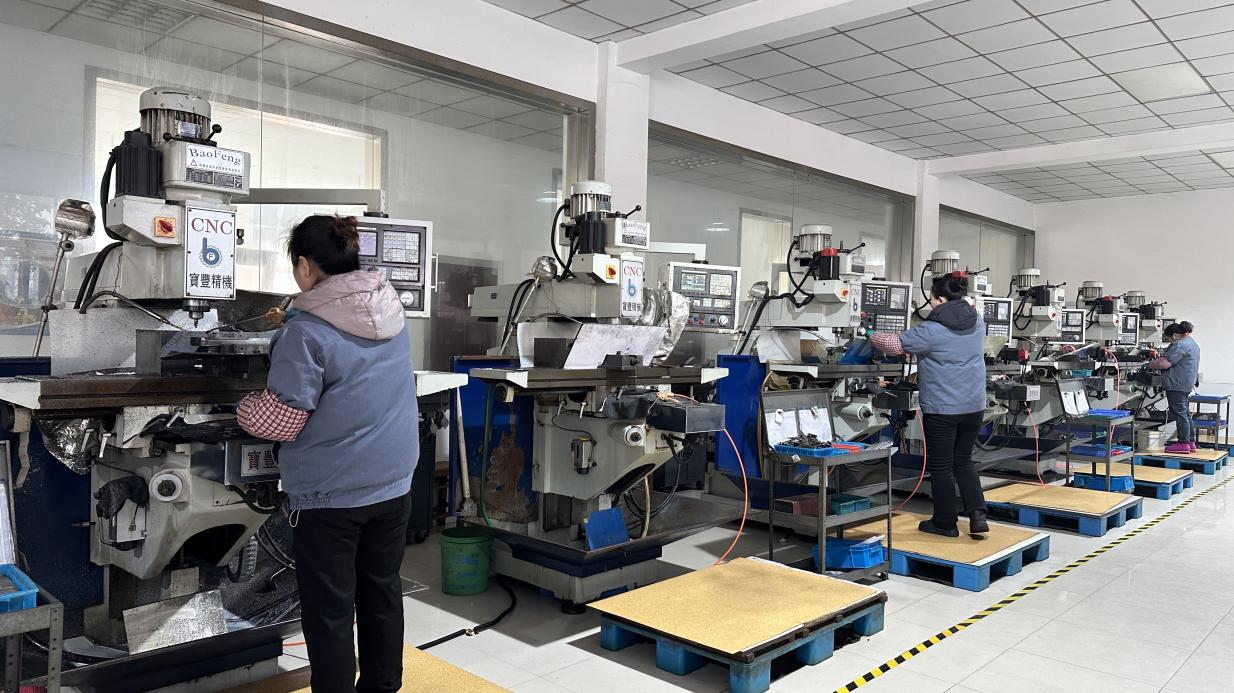
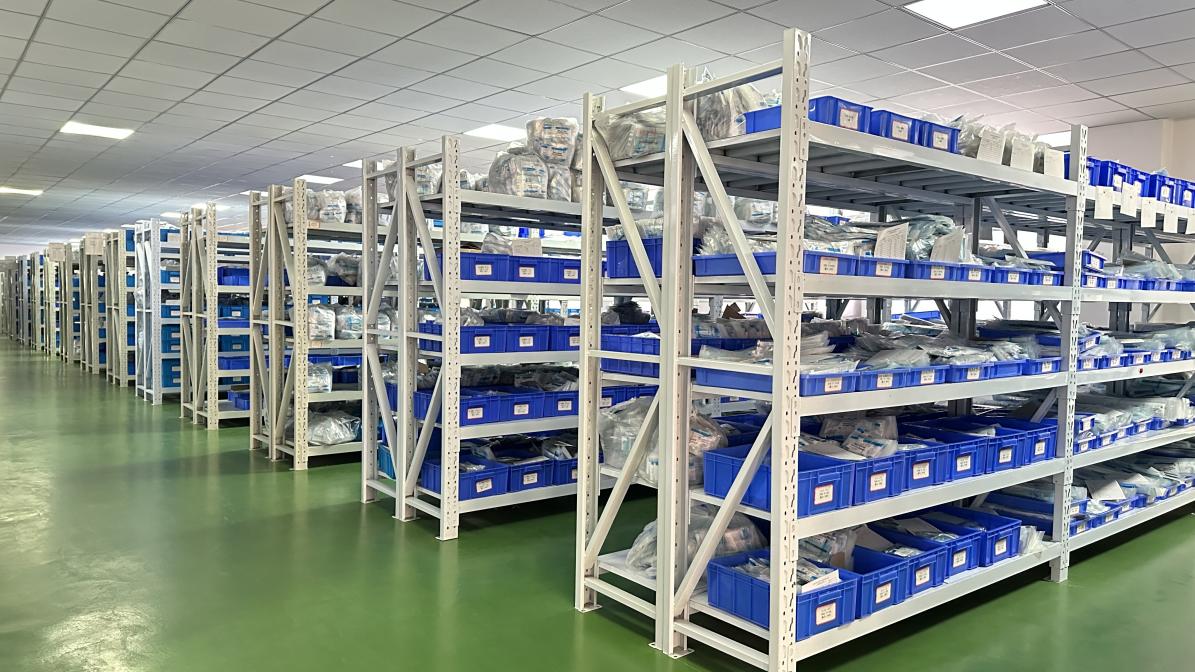
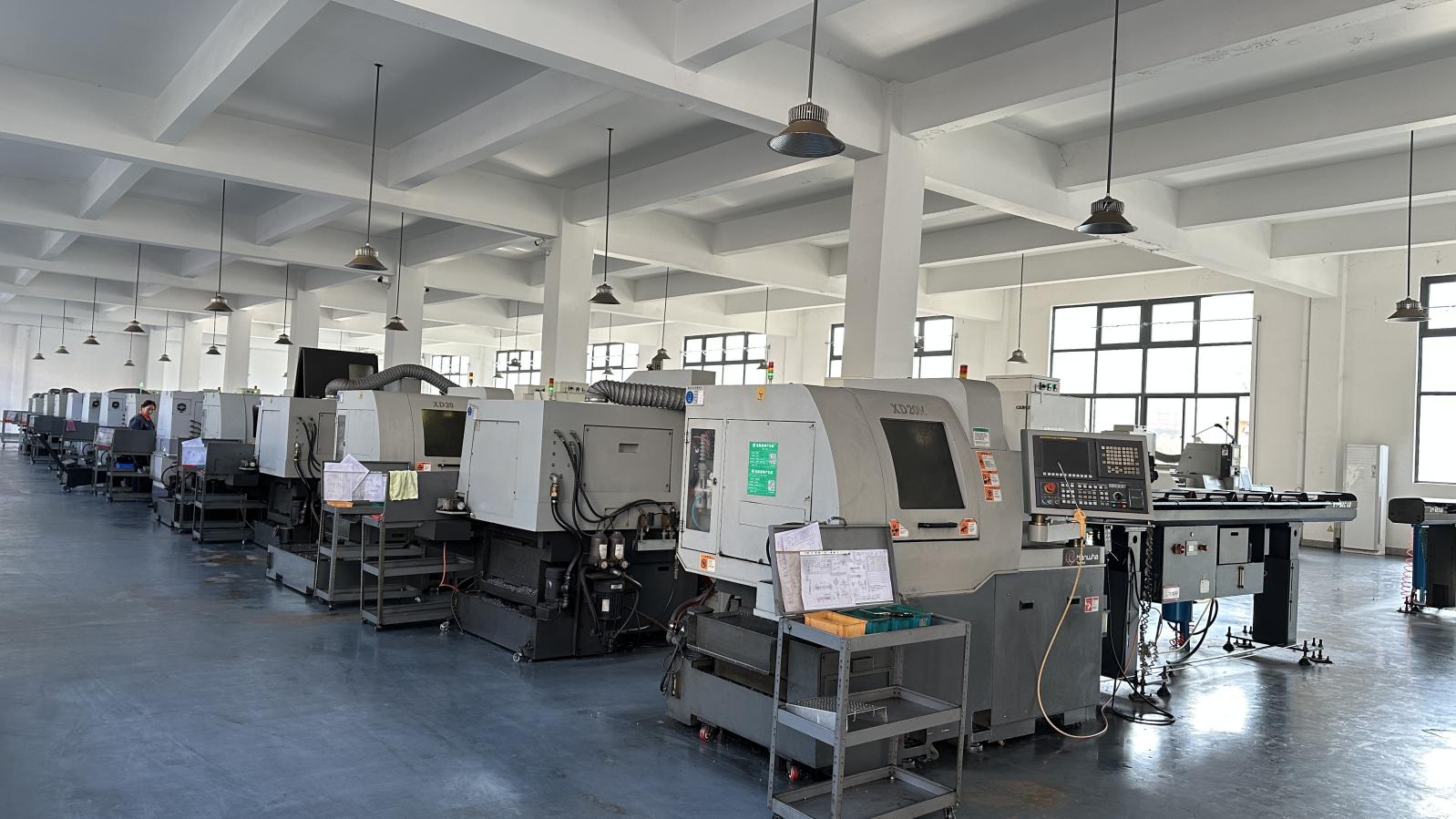
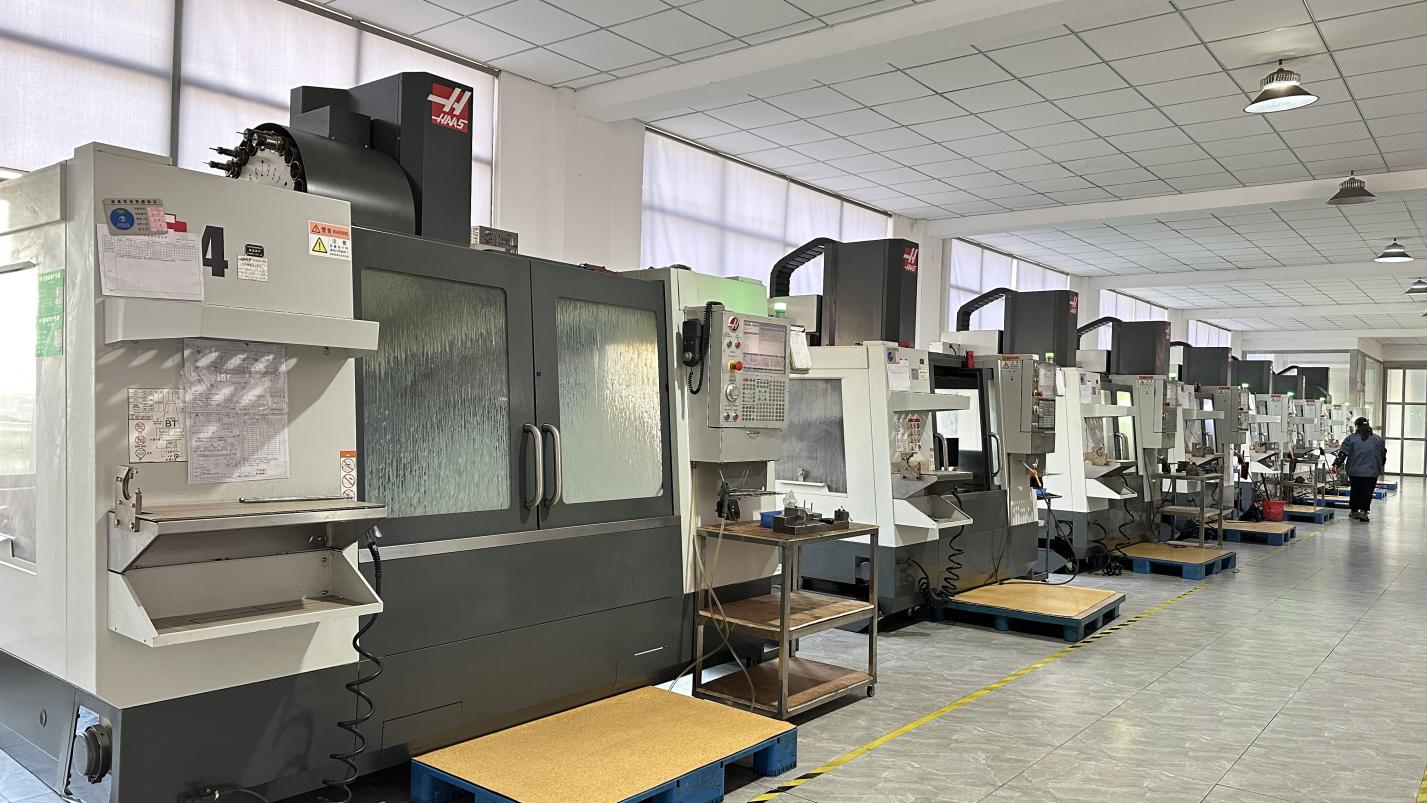
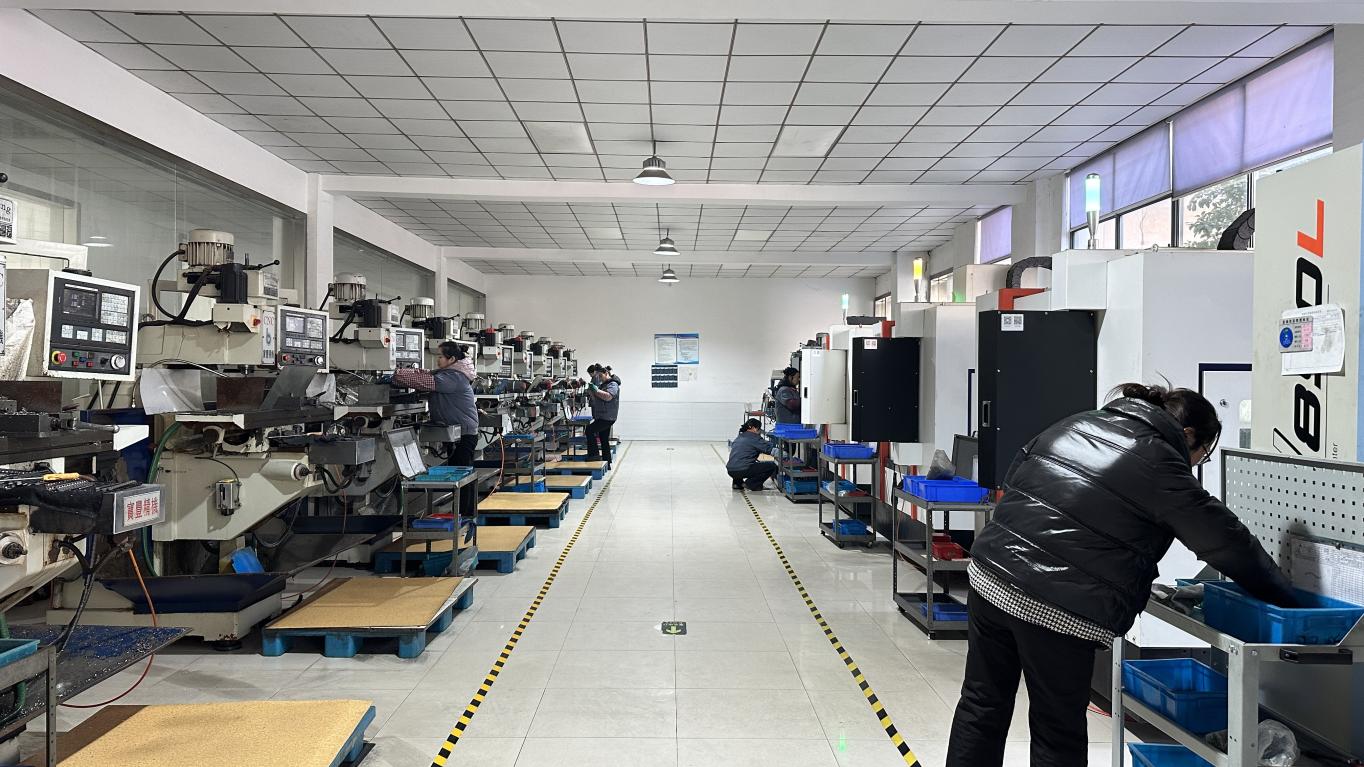
Operating a modernized, GMP-compliant facility spanning approximately 18,500㎡, Medisplint integrates advanced manufacturing workflows with automated CNC centers. The company maintains an export footprint spanning Europe, Southeast Asia, the Middle East, and South America, collaborating with over 1,200 supply chain partners globally. This infrastructure guarantees stable delivery cycles for hospitals, distributor networks, and OEM/ODM clients worldwide.
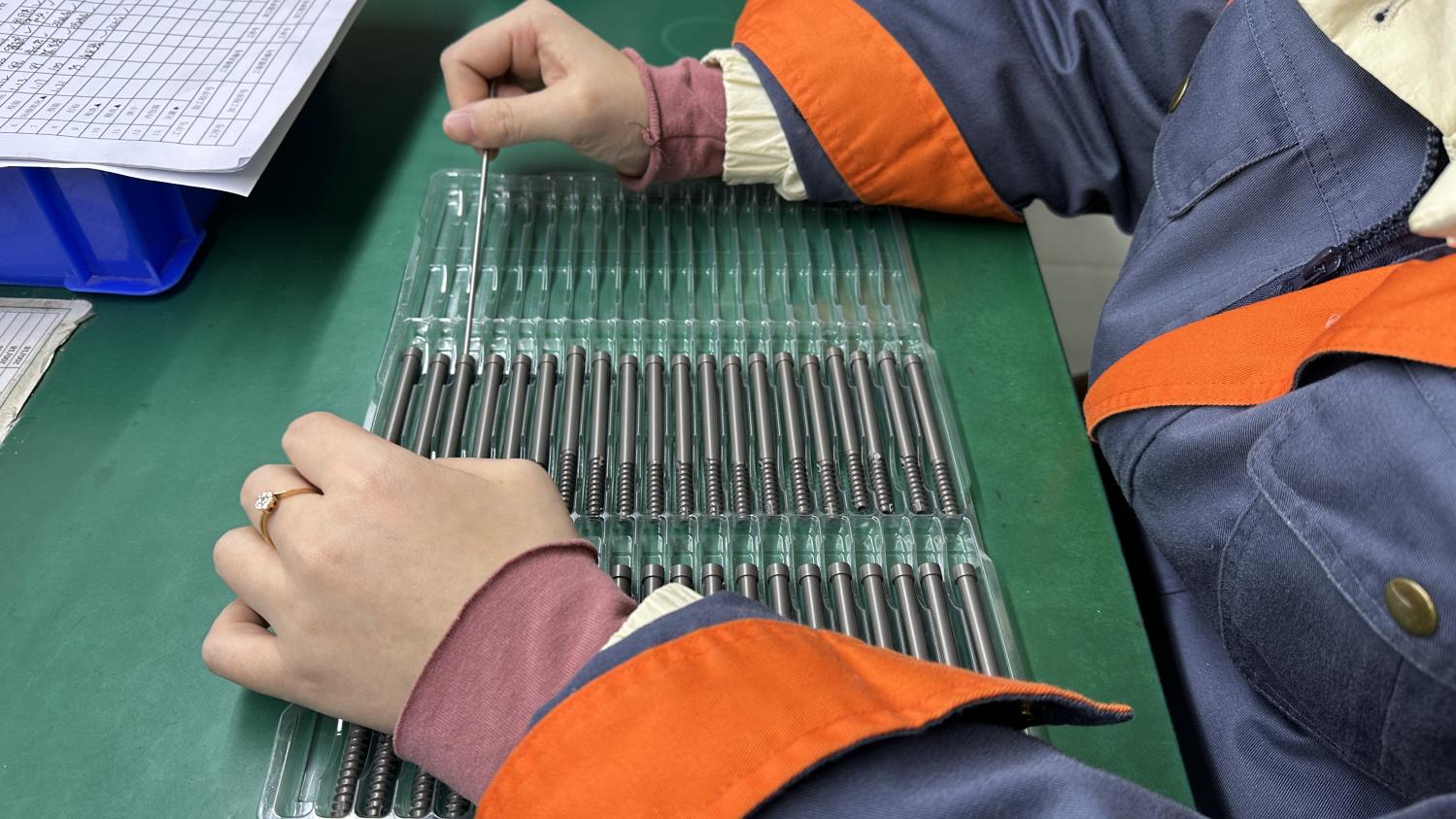
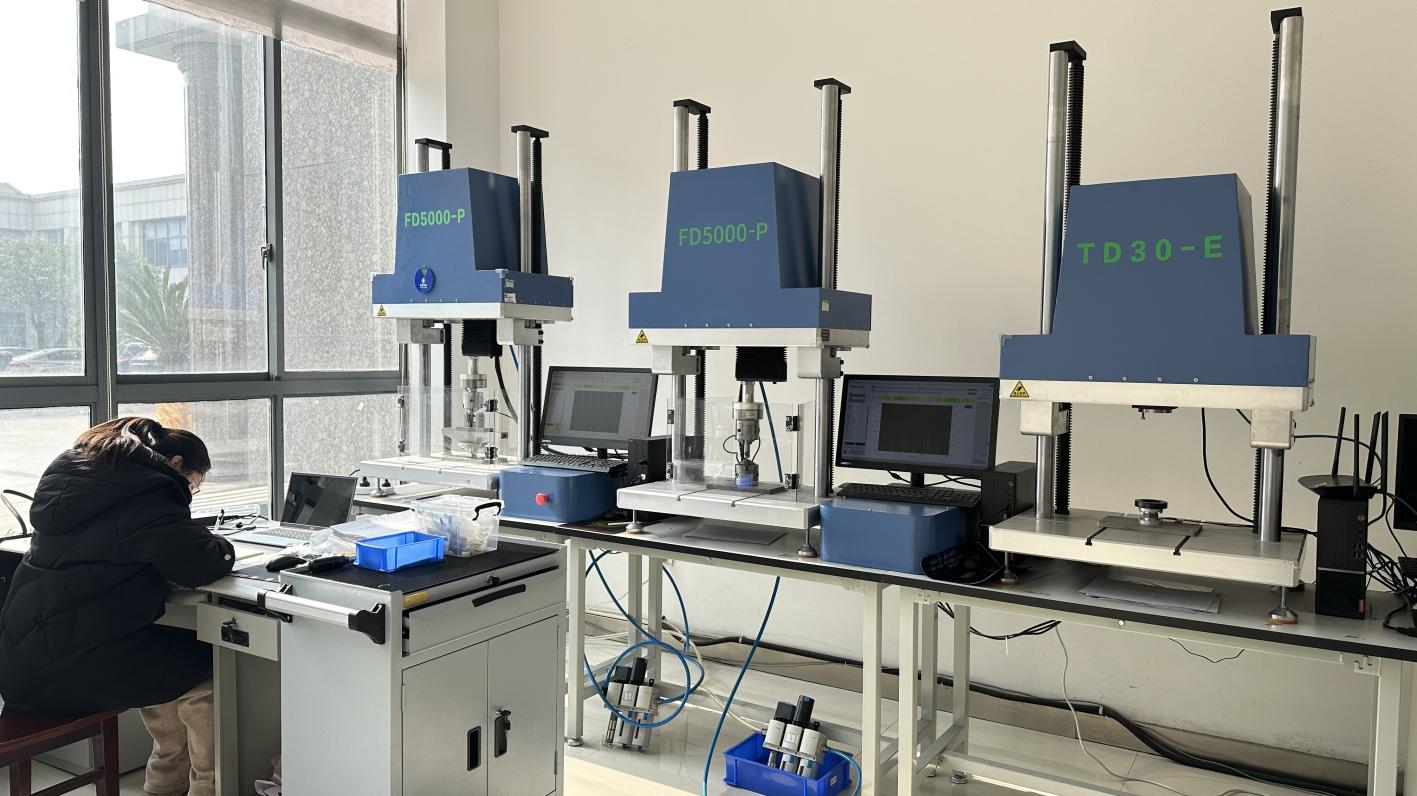
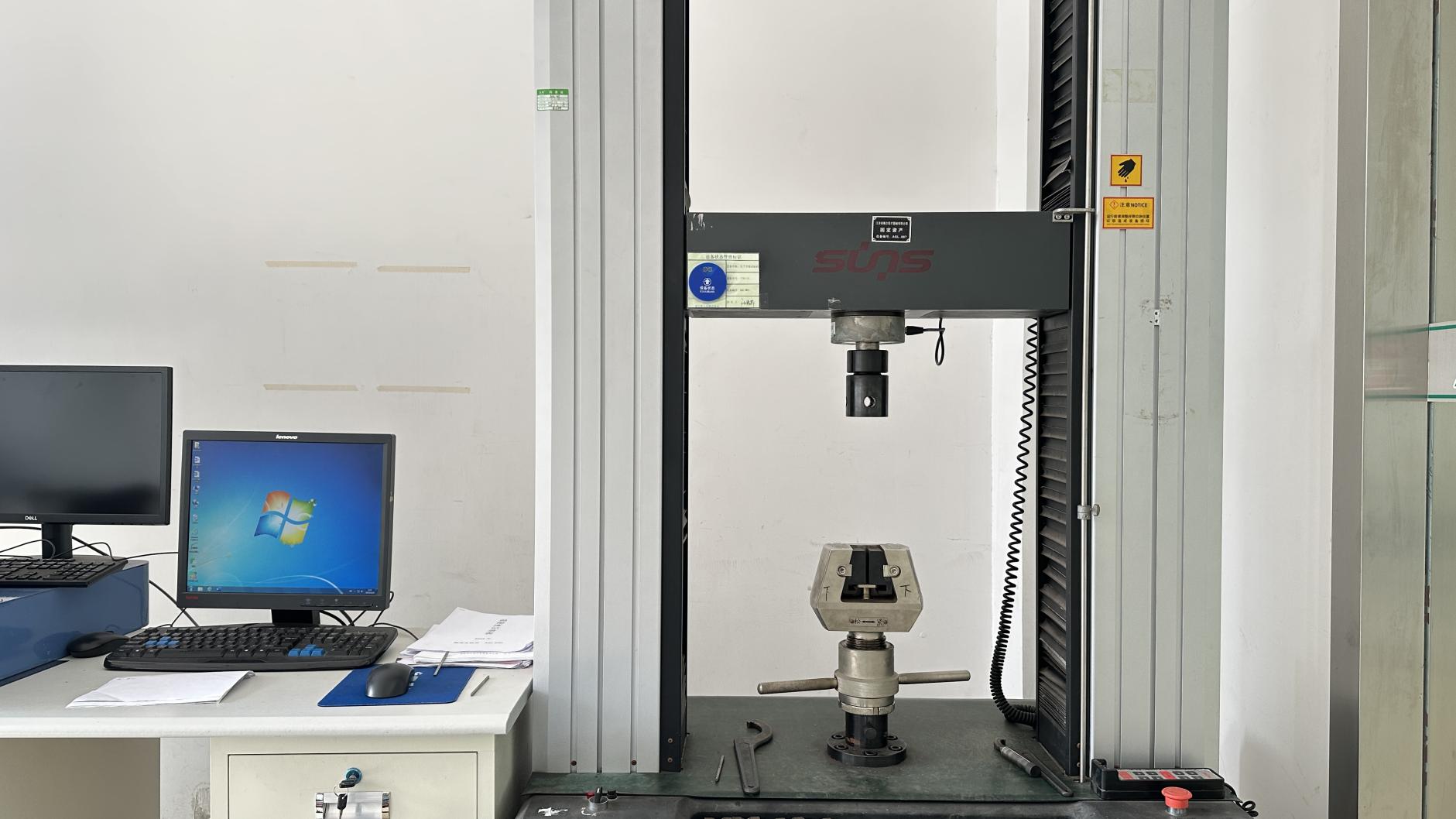
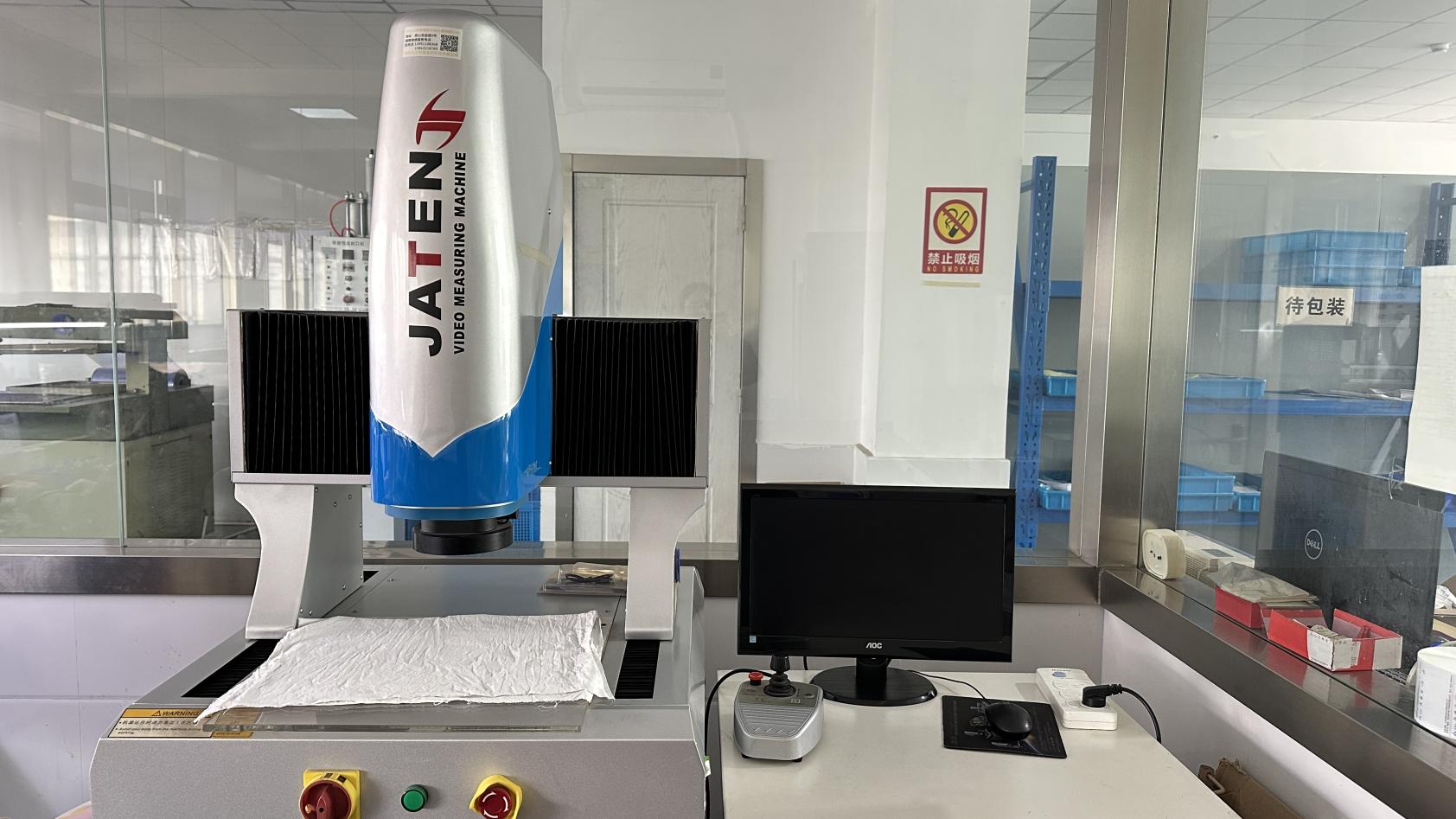
Quality management at Medisplint is built upon ISO 13485 certification and strict CE compliance. With 42 quality assurance specialists, the company oversees inspection processes from incoming metallurgical verification to mechanical fatigue testing, ensuring each external fixation system meets clinical safety standards.
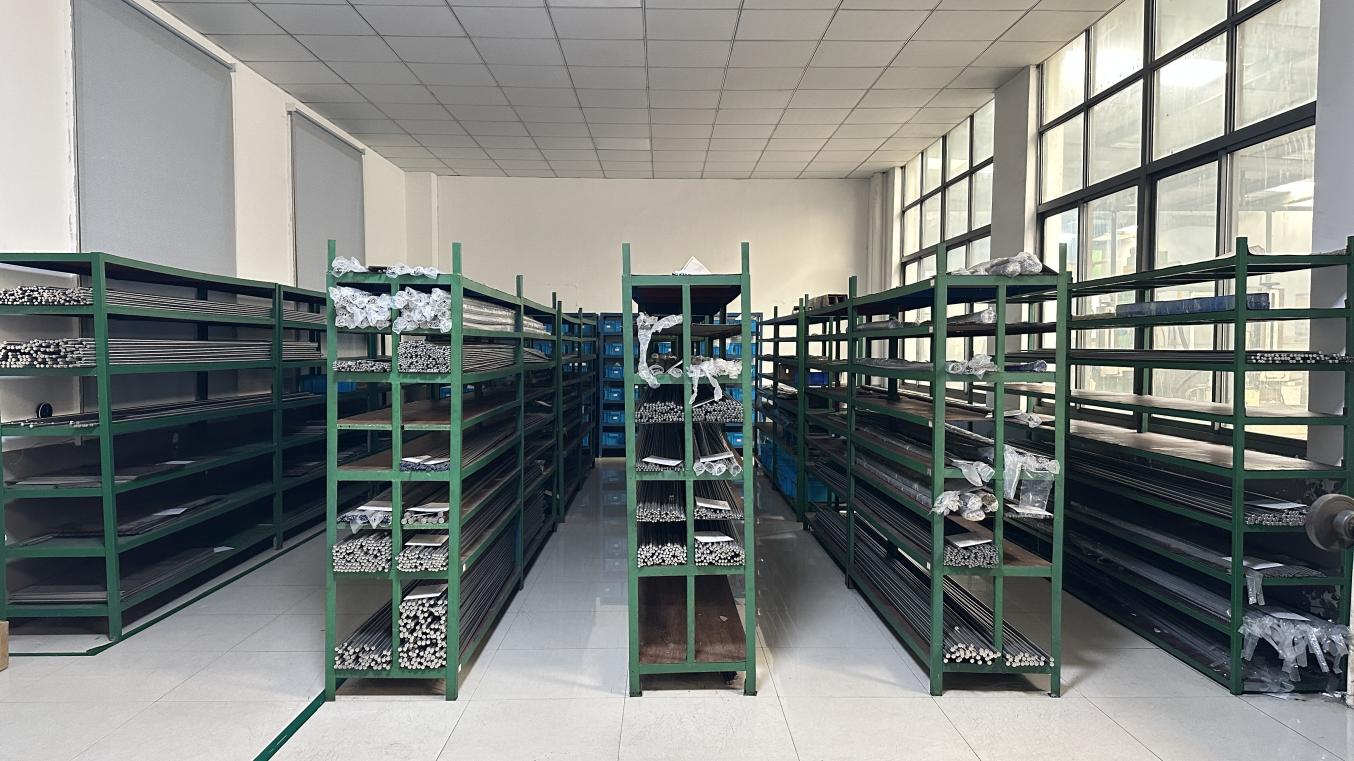
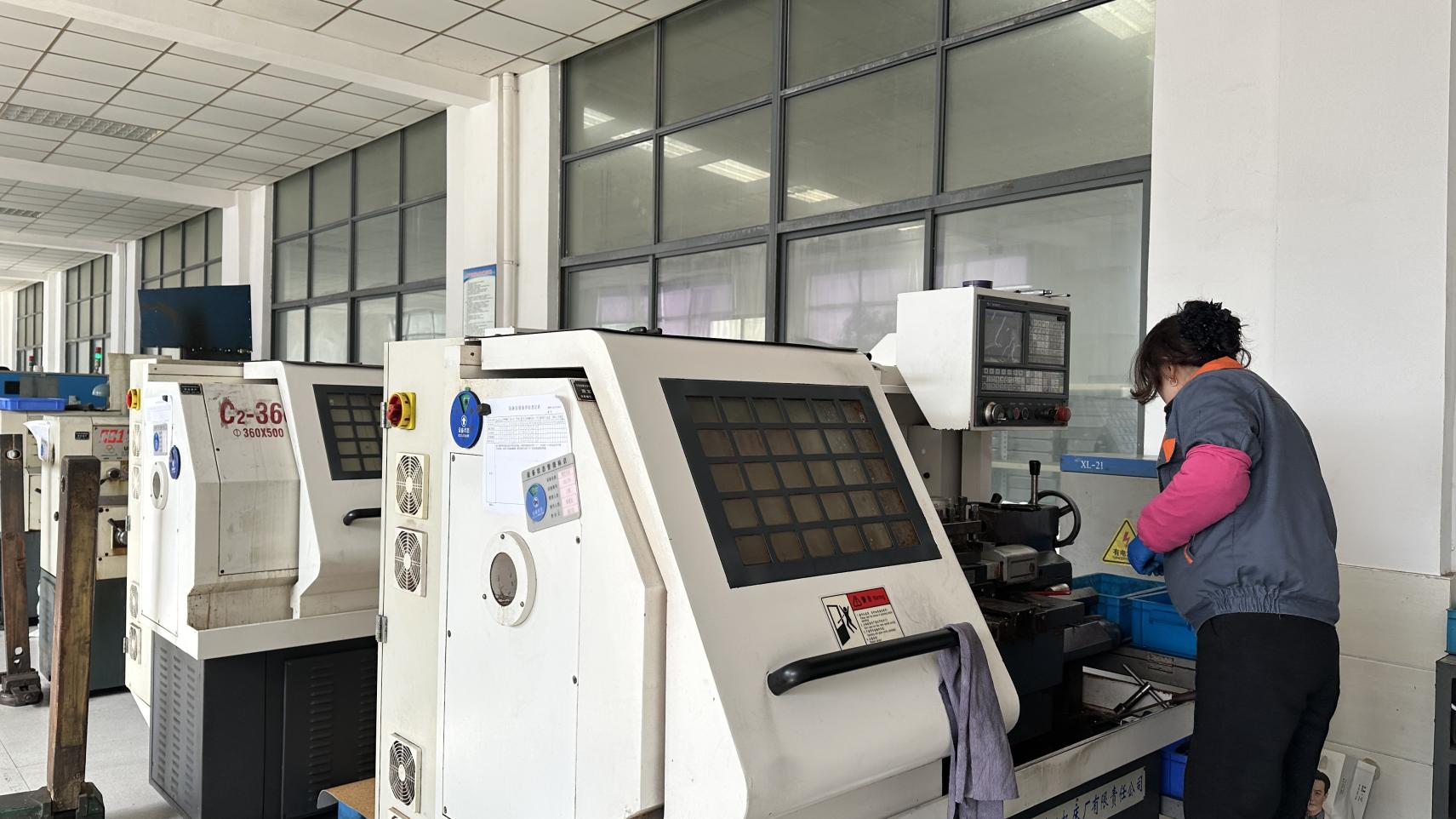
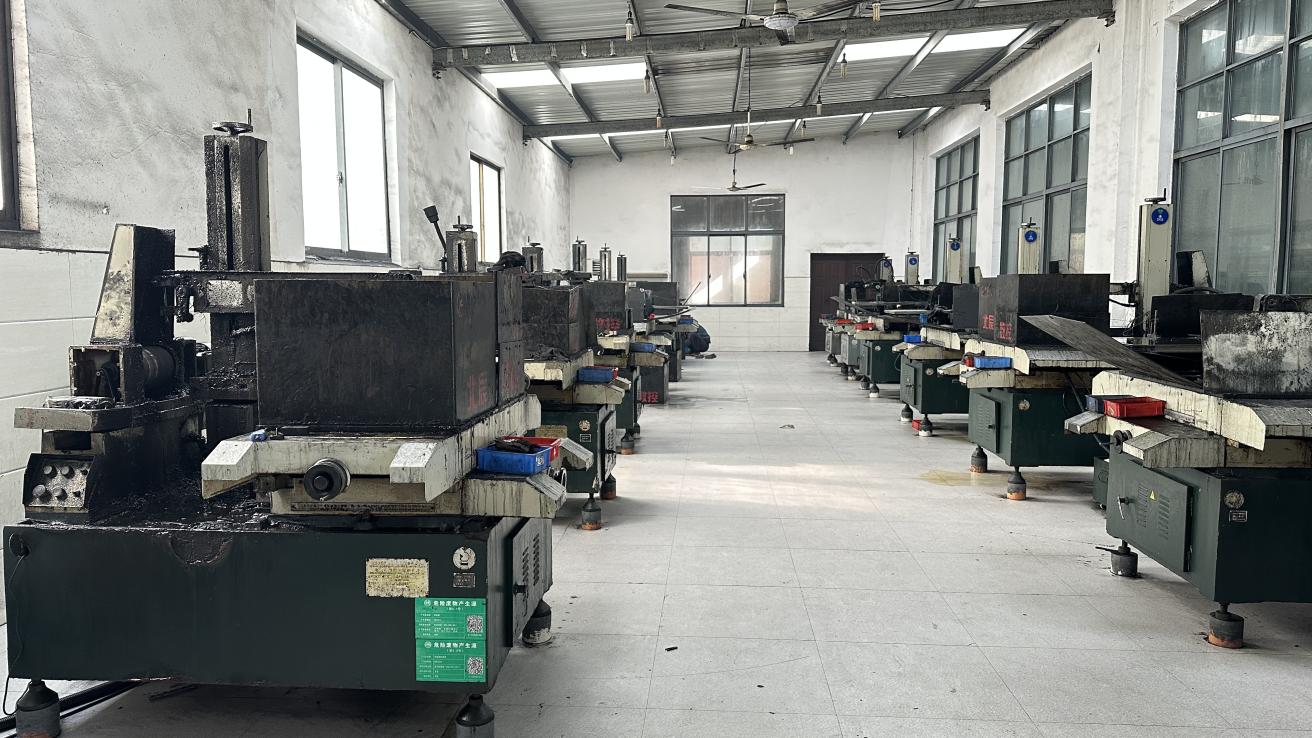
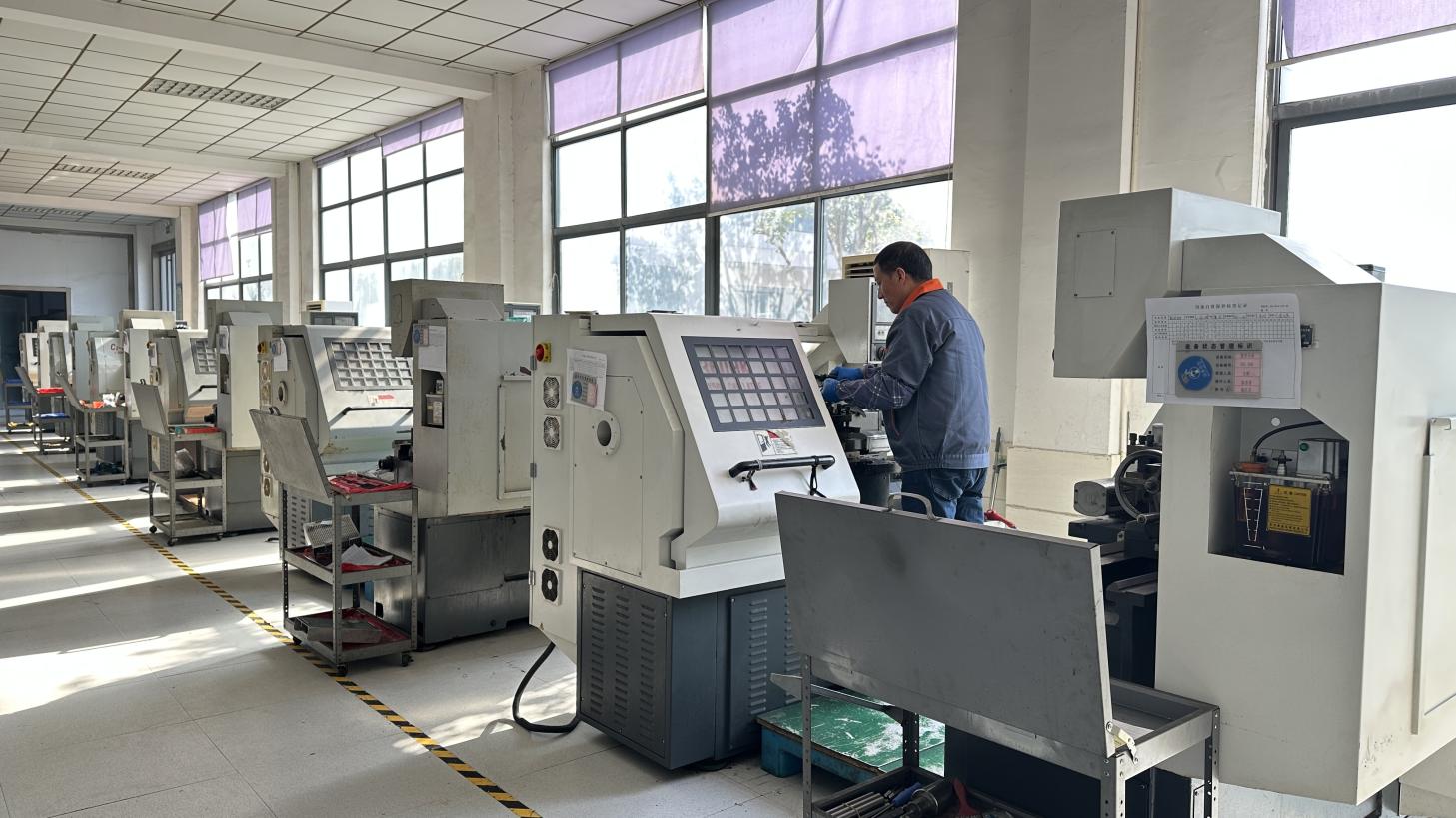
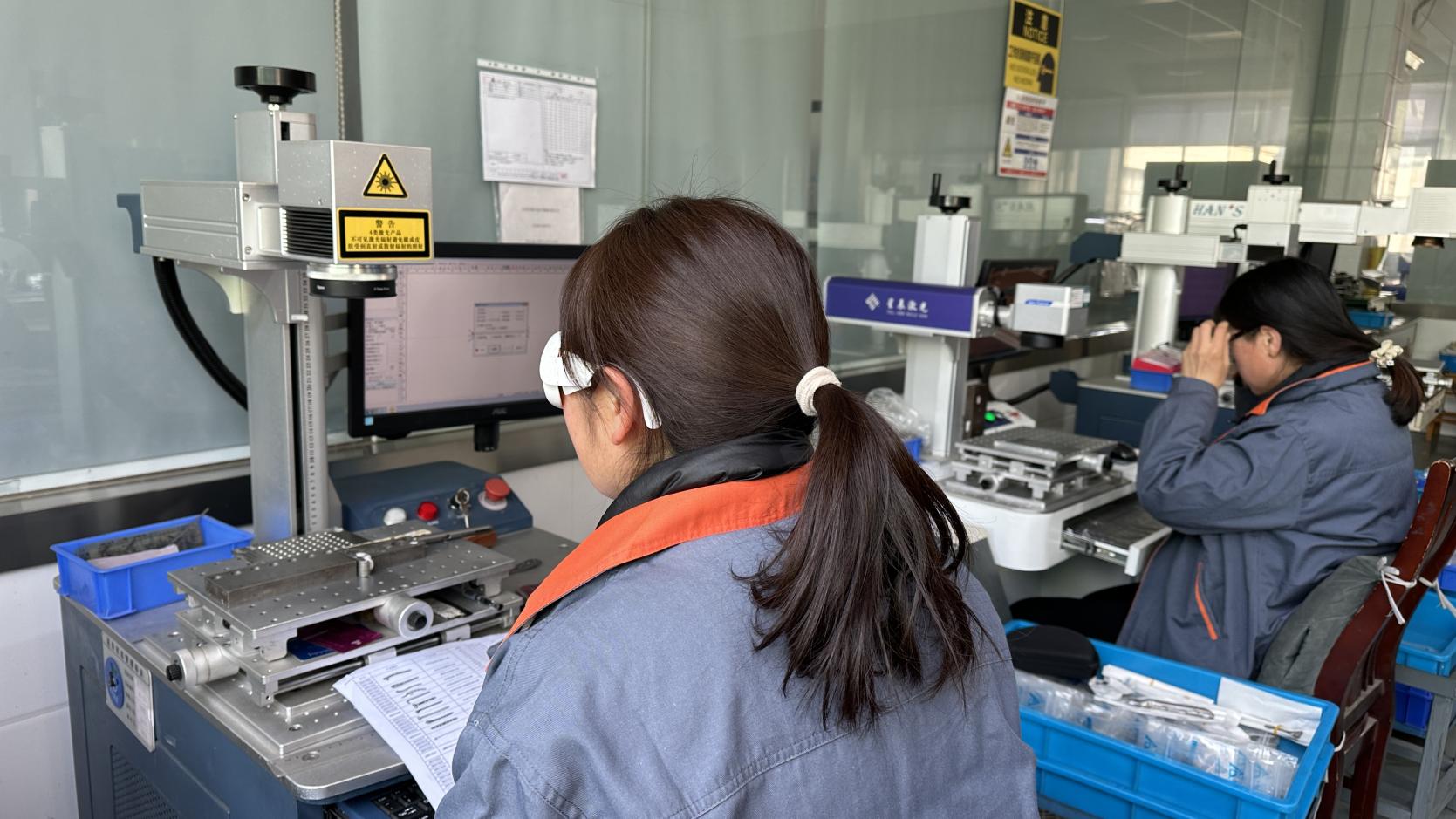
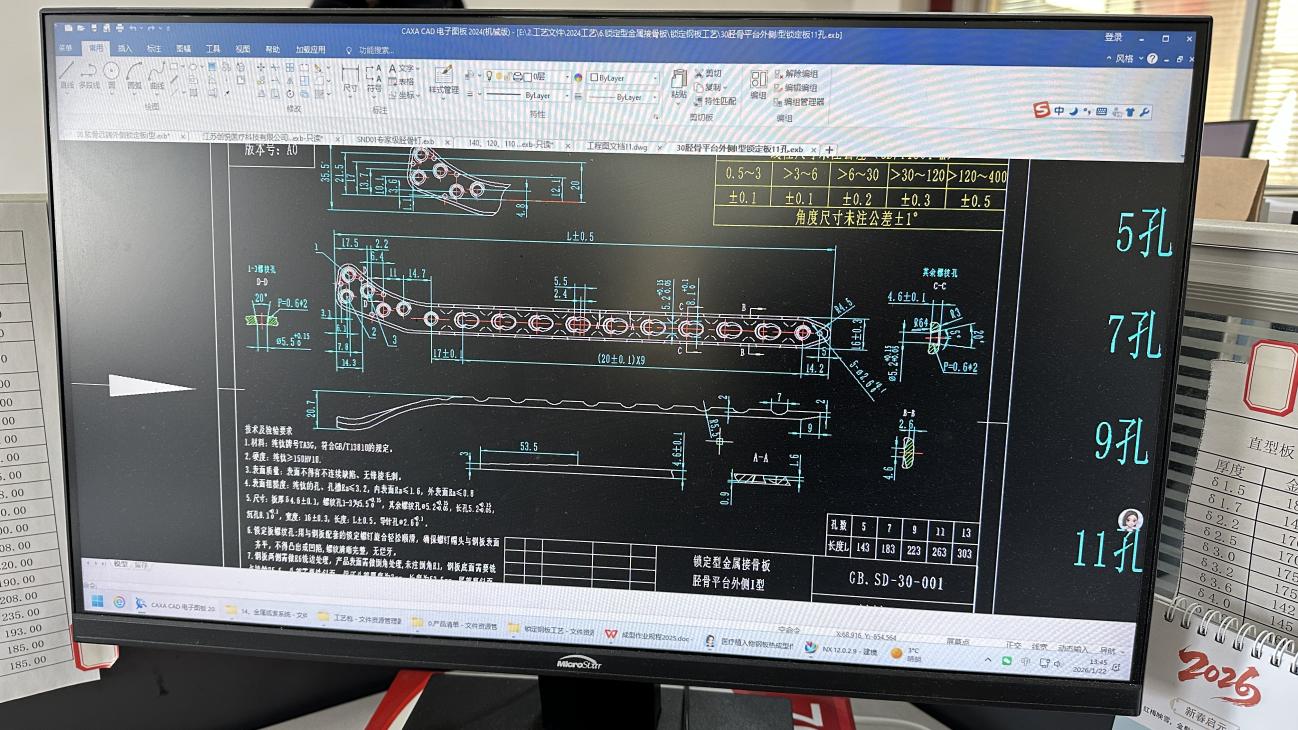
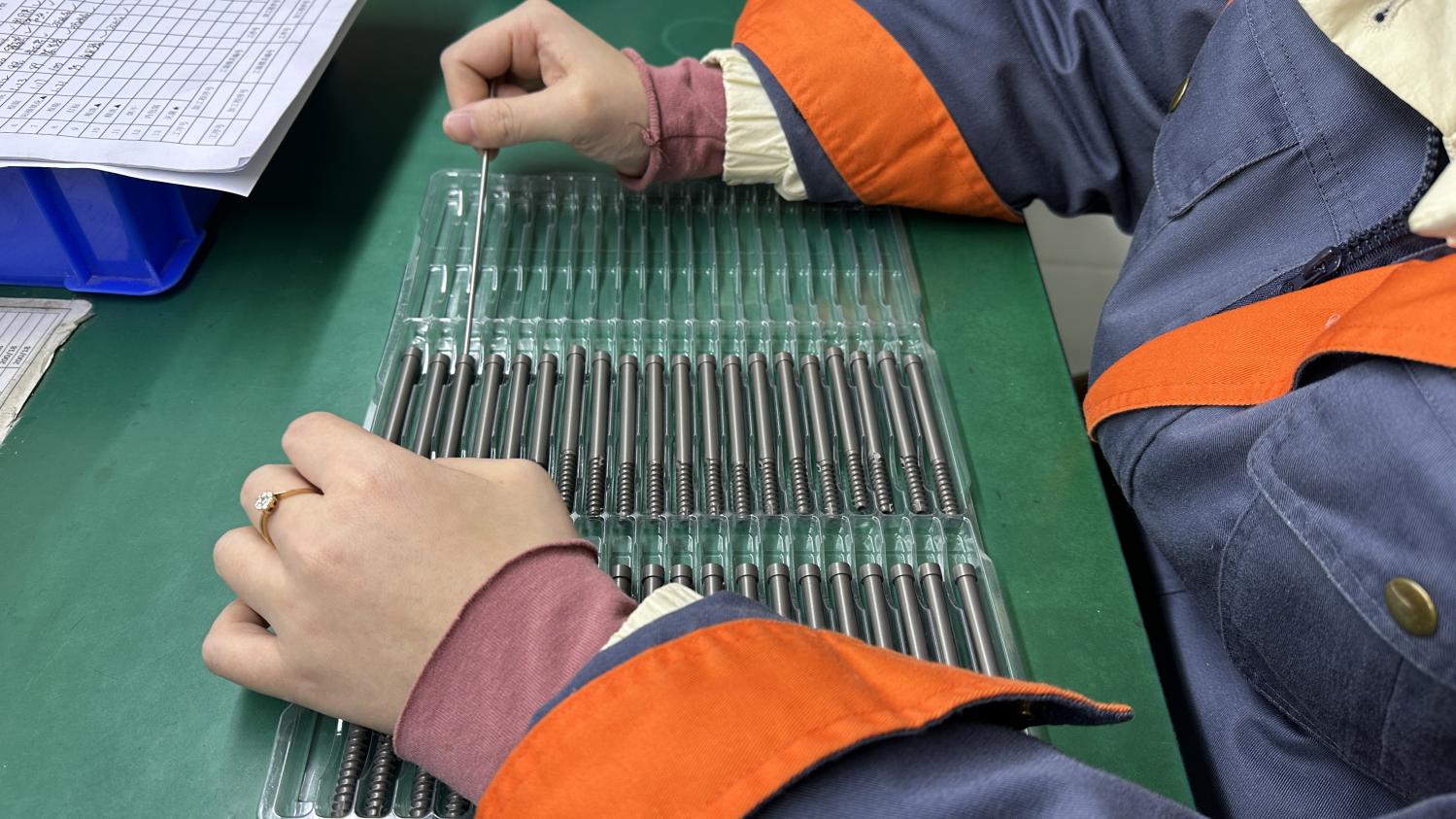
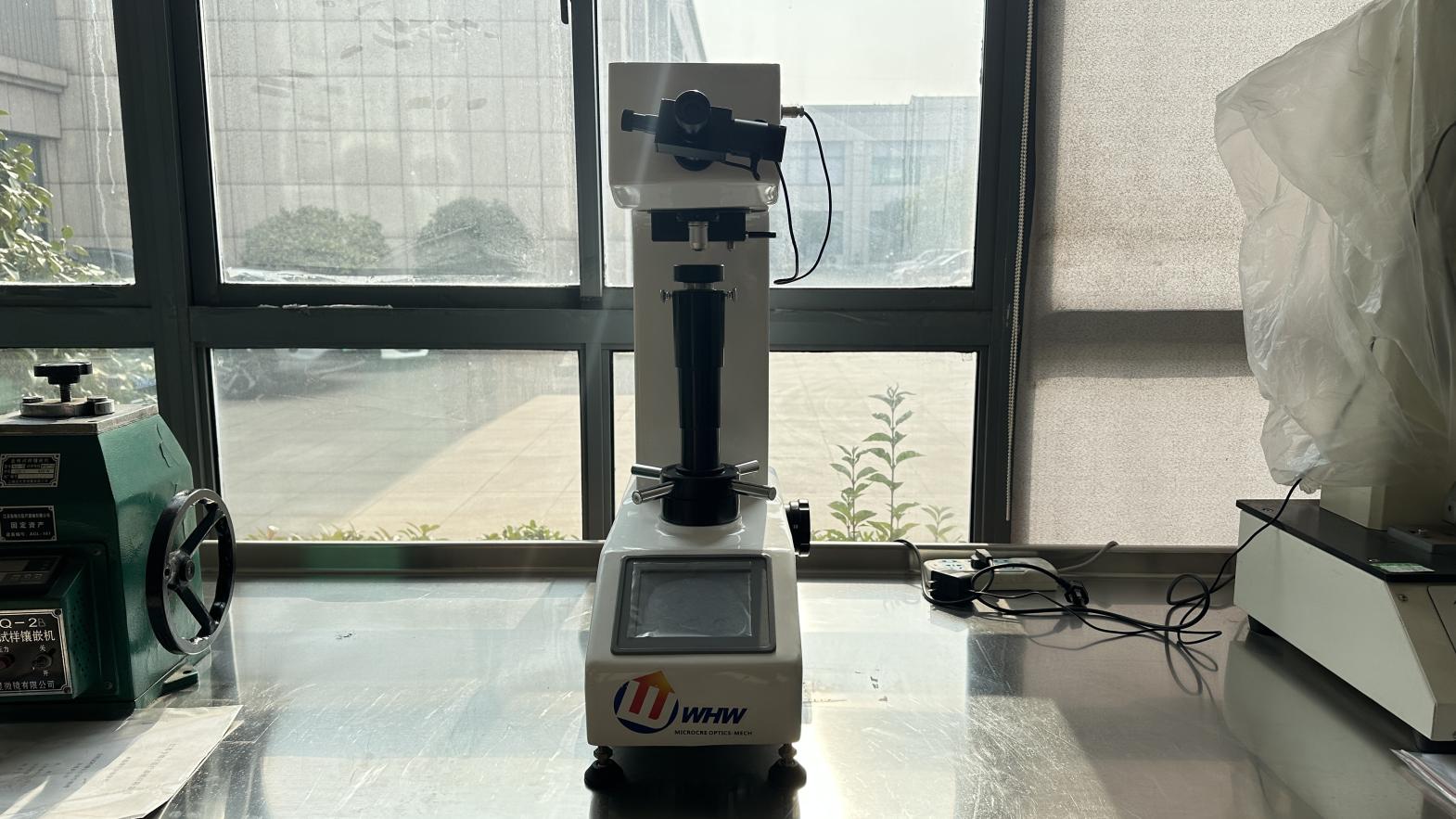
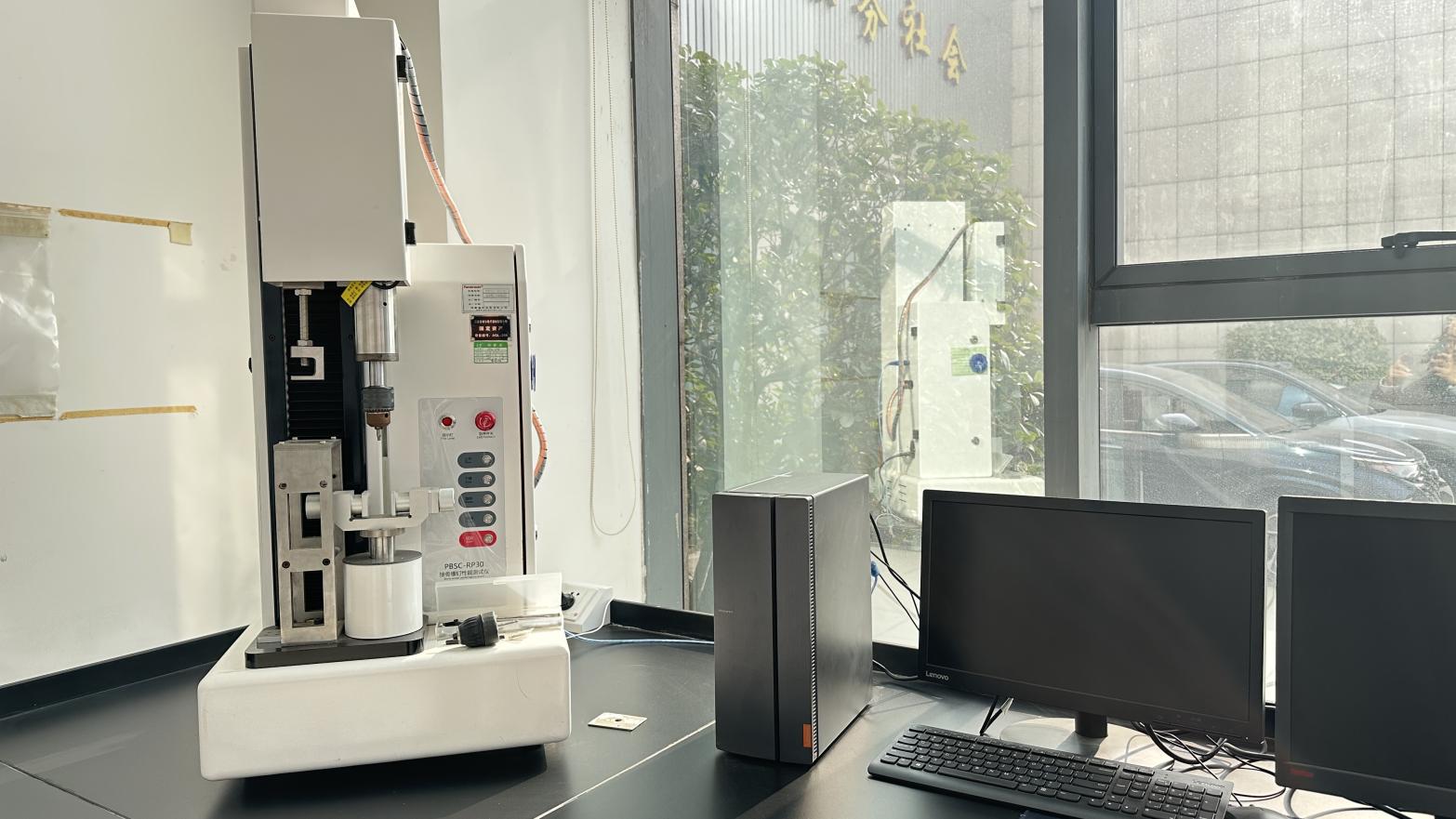
Our manufacturing facility utilizes high-precision machining centers and extensive testing laboratories to ensure the dimensional tolerance and mechanical longevity of every orthopedic component.

The development of pelvic external fixation systems focuses on two main goals: accelerating placement in acute settings and optimizing postoperative patient mobilization. Engineering pathways are evolving to address the limitations of traditional, heavy stainless-steel constructs, moving toward lighter and more biomechanically adaptable configurations.
By implementing advanced PEEK (Polyether ether ketone) and multidirectional carbon fiber matrices, next-generation frames achieve high radiolucency. This allows intraoperative CT reconstruction and C-arm scanning without metal artifact distortion, which is critical for verifying accurate pelvic alignment.
Traditional systems require tightening multiple bolts to secure a single joint. Modern designs employ single-point locking systems, allowing surgeons to adjust and lock the connecting rods in multiple planes simultaneously. This reduces average fixation time from fifteen minutes to under five.
Pin-track infection remains a common complication in external fixation. Research into hydroxyapatite (HA) and silver-nanoparticle coatings on titanium Schanz screws aims to improve bone-to-pin contact, reducing loosening rates and preventing bacterial colonization at the skin interface.
Furthermore, digital technologies are beginning to merge with mechanical fixation. Computer-assisted navigation and virtual planning allow for precise planning of pin insertion trajectories. This minimizes the risk of vascular and neural damage at the supra-acetabular corridor and iliac crest, enhancing safety in emergency scenarios.
Pelvic fixation needs vary across clinical environments. Standardizing stabilization protocols helps trauma units select appropriate device classes and configuration pathways:
In high-volume hospital emergency rooms, pelvic external fixators are utilized as temporary stabilizers. They must be rapidly deployable at the bedside or in the resuscitation bay without requiring fluoroscopy. Supra-acetabular pin placement is favored here, as it provides stable control over both anterior and posterior pelvic rings, facilitating safe transfer of the patient to CT imaging or angiographic embolization.
Under austere field conditions, simplicity, lightweight construction, and reliability are key requirements. Carbon fiber rods and compact modular clamps are preferred to reduce weight in emergency transit kits. The system must remain functional under exposure to dust, moisture, and temperature extremes without mechanical binding.
Veterinary clinics face unique challenges with small-animal pelvic fractures. Standard human external fixators are often too heavy. Specialized veterinary fixation lines use downscaled carbon fiber rods and specialized mini-pin systems to support load-bearing recovery in canine and feline patients, preventing prolonged recumbency.