Medisplint
Medisplint
Medisplint
Clinically-proven solutions designed for orthopedic trauma reconstruction, sports medicine, and spinal stabilization.
Empowering global healthcare systems with high-end, bio-compatible trauma and spine reconstruction systems manufactured under strict international regulatory compliance.
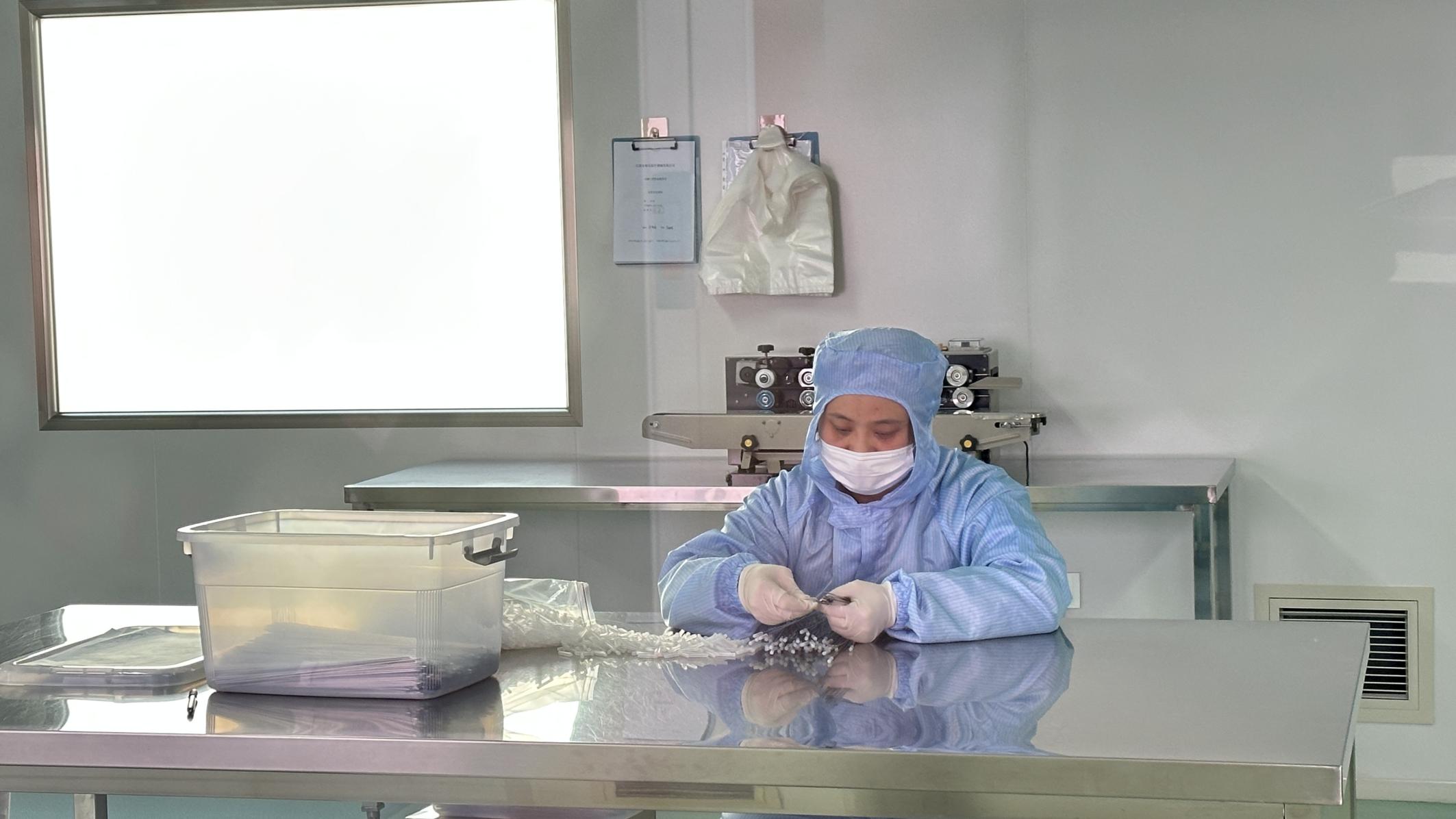
Founded in 2016, Medisplint has emerged as a premium manufacturing hub in China's orthopedic medical device sector. Our manufacturing base covers a state-of-the-art 18,500㎡ facility, integrating precision fabrication, class 10,000 cleanroom packaging, and high-standard physical/chemical testing labs.
With a specialized R&D division boasting 85 engineering and development specialists, we facilitate seamless OEM, ODM, and private labeling services for global distributors, trauma centers, and medical device brands. In the past fiscal year alone, we deployed 68 newly designed products, solving critical surgeon-need gaps in biomechanical stability and minimally invasive applications.
How integration, material control, and modern manufacturing technology bring comparative advantages to international clinical procurement.
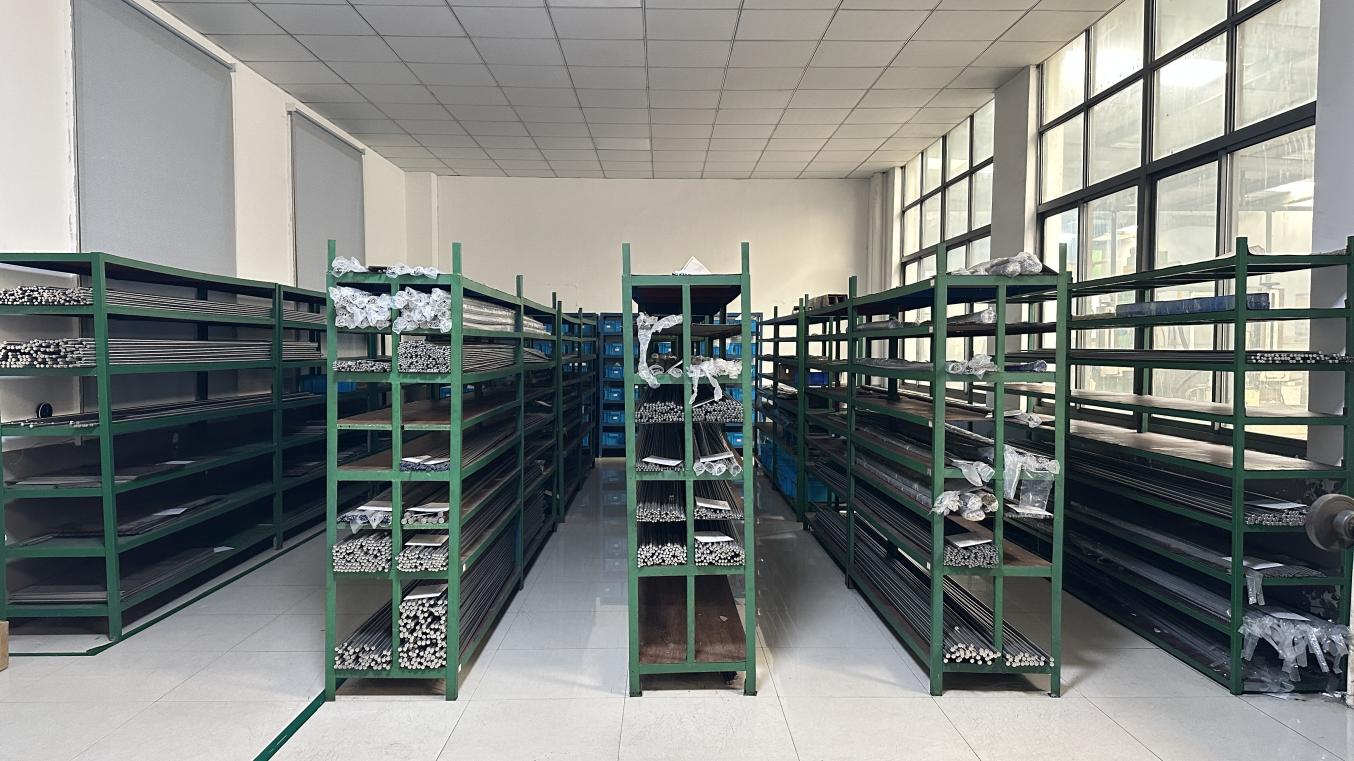
We utilize medical-grade titanium alloys (Ti-6Al-4V ELI conforming to ASTM F136/ISO 5832-3), ultra-high-molecular-weight polyethylene (UHMWPE), and state-of-the-art biocomposites. Access to localized premium metallurgical mills ensures stable supply prices and dynamic chemical property tracking.
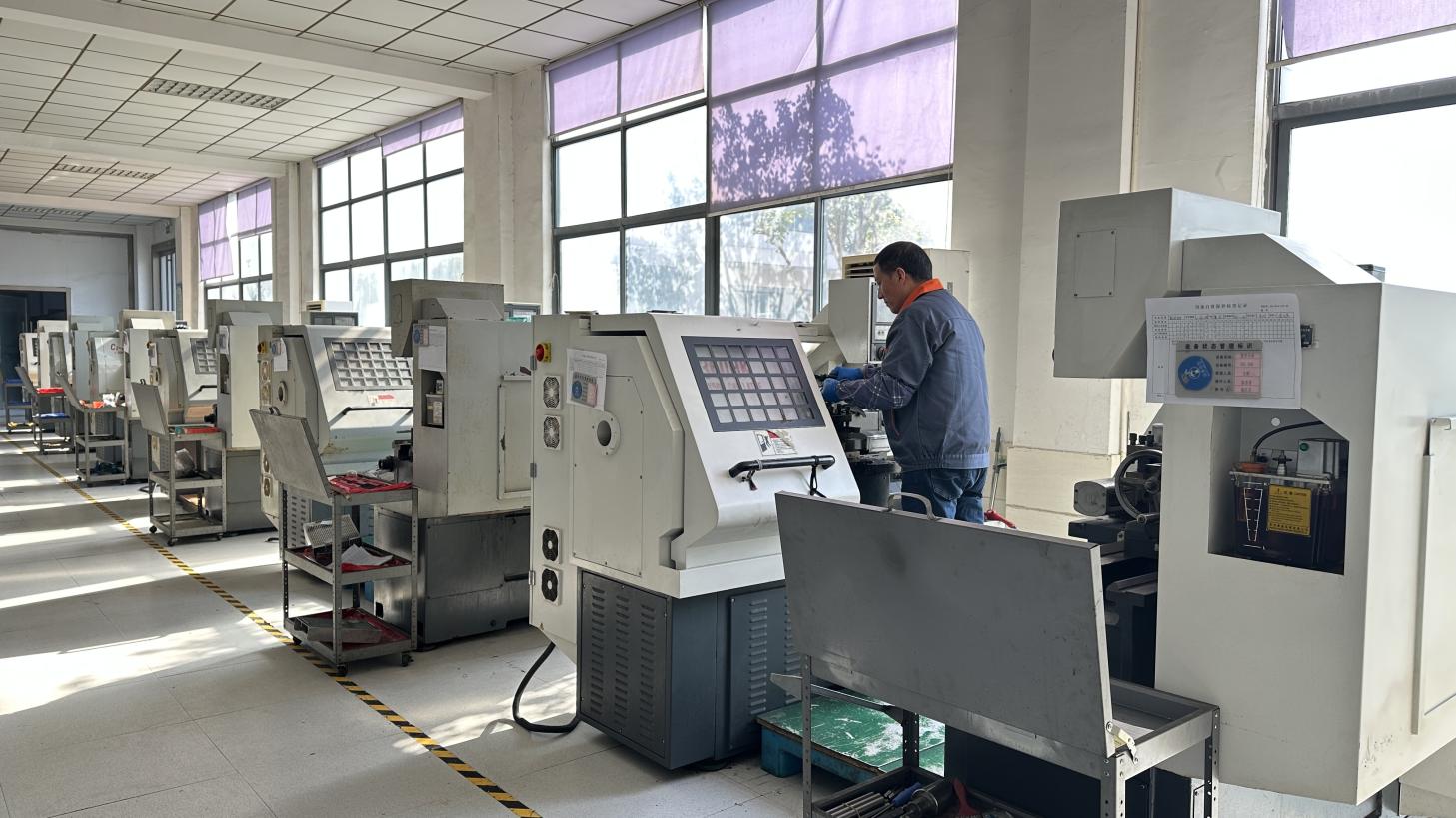
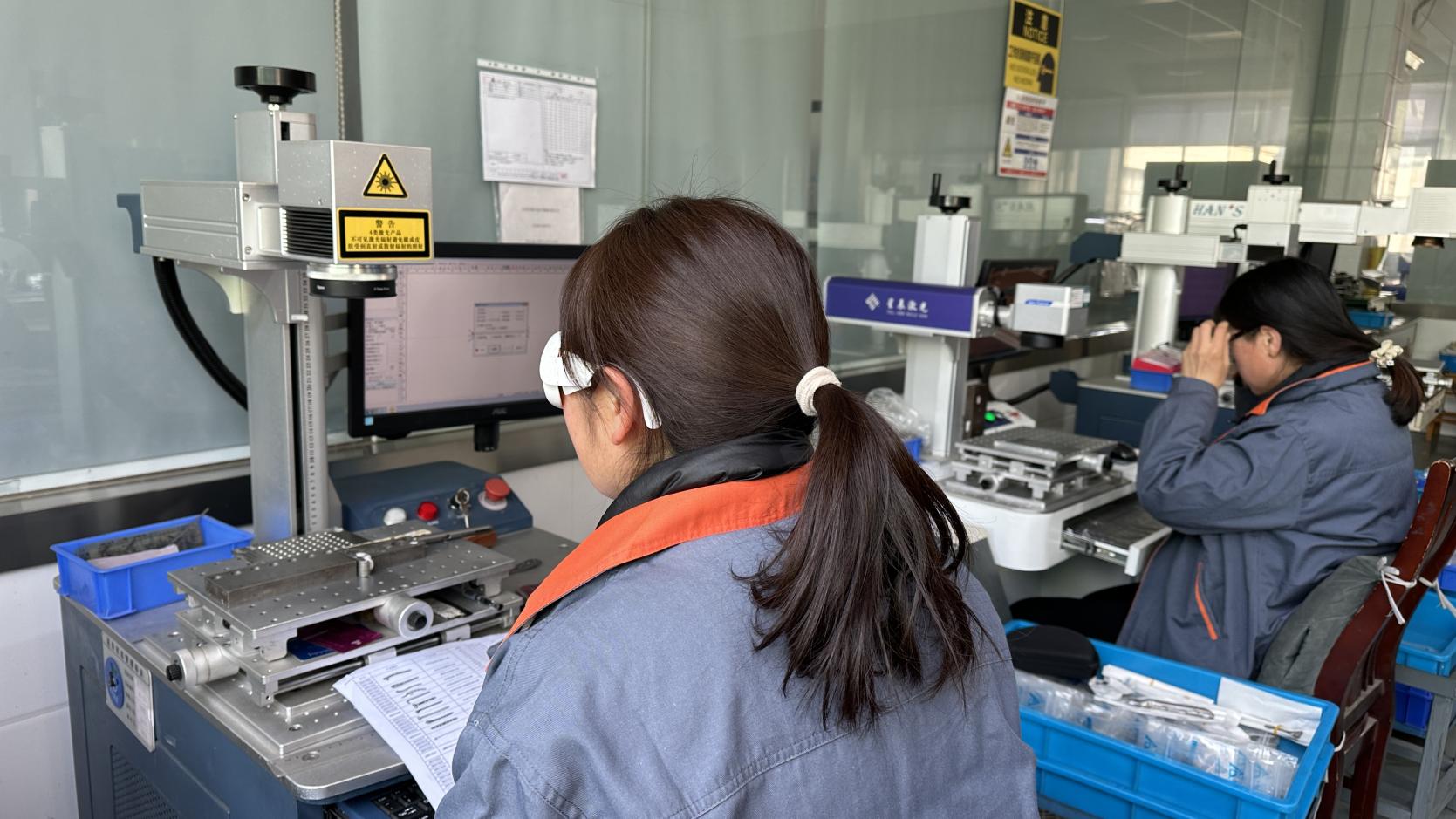
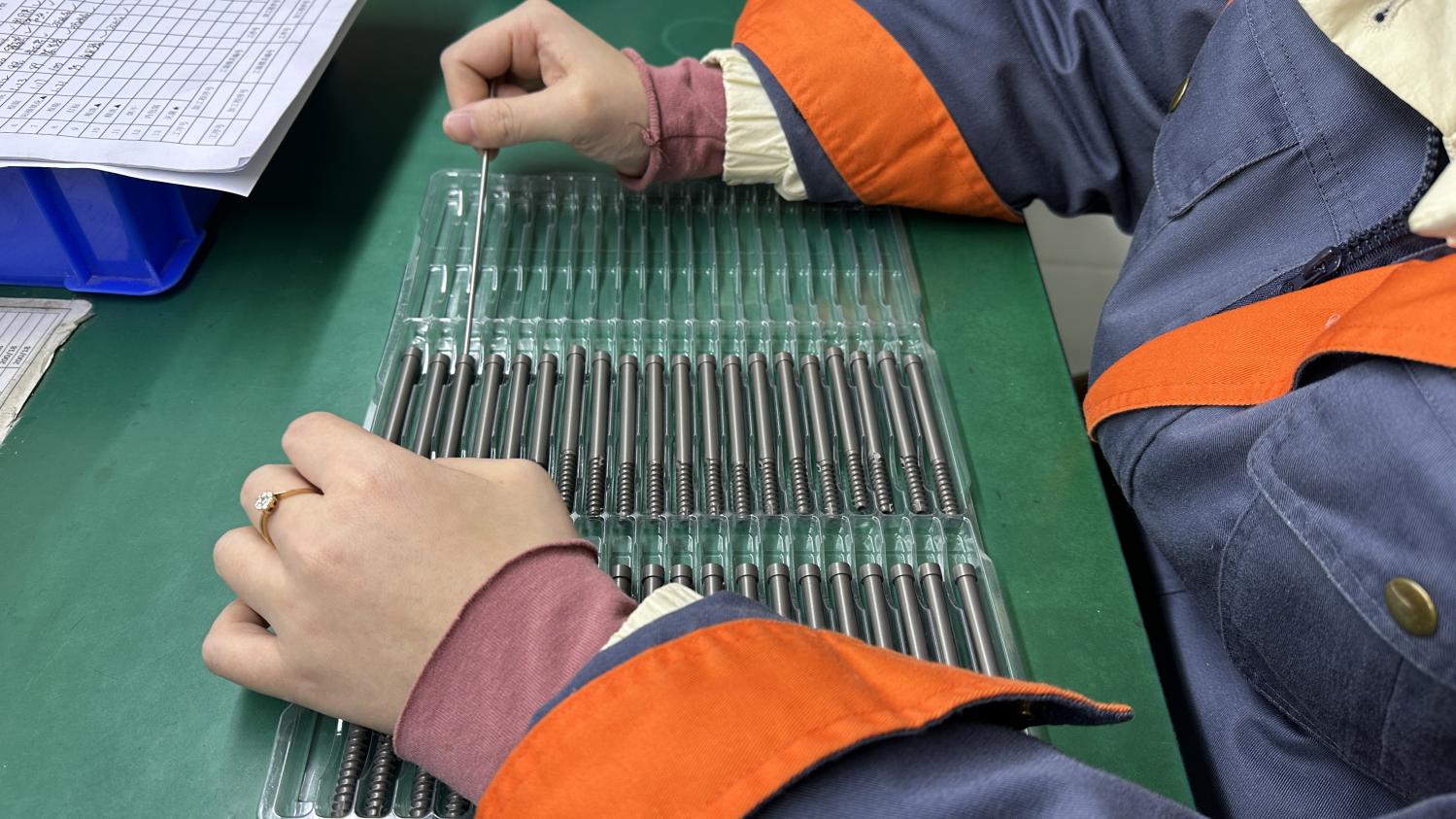
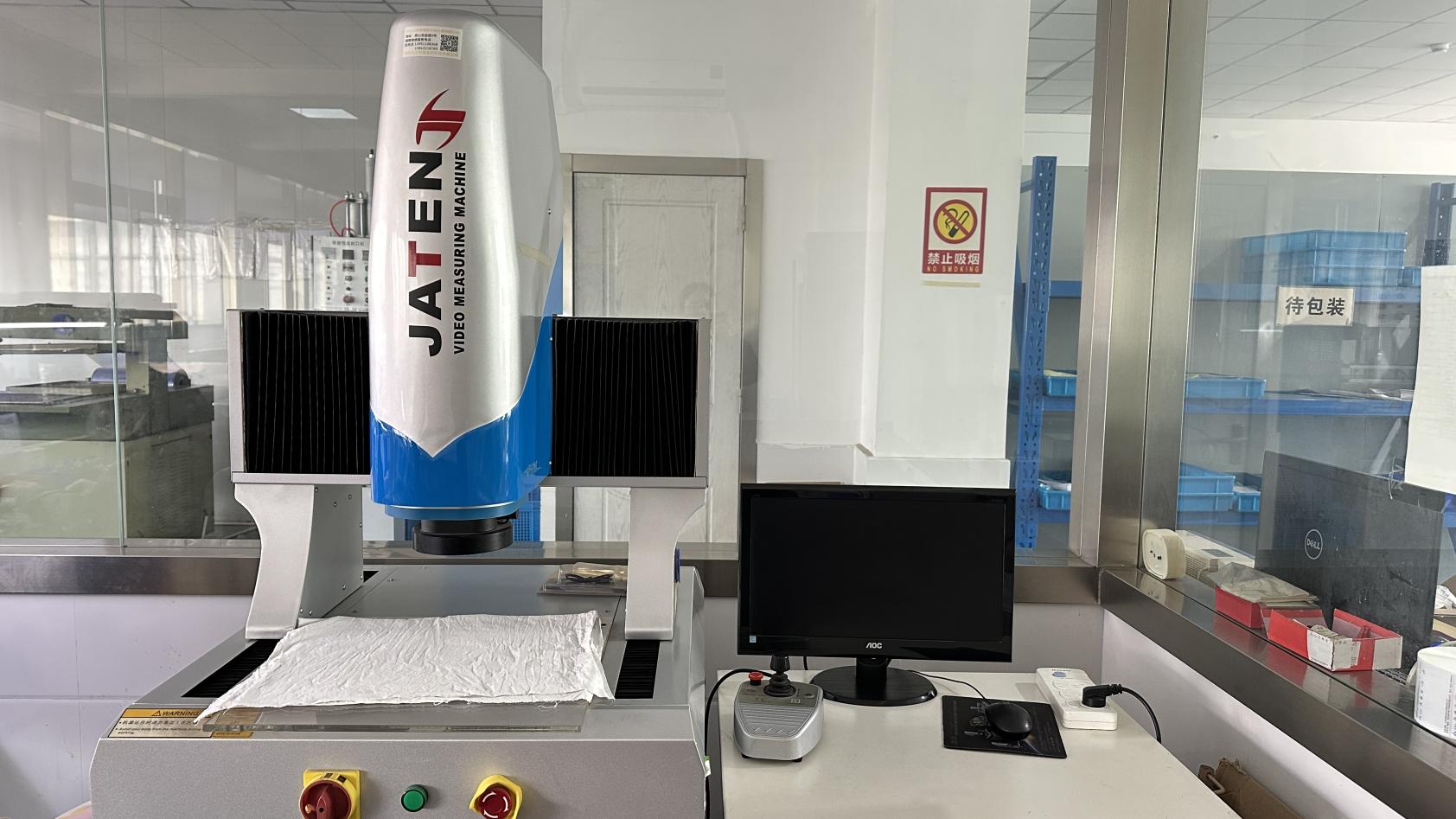
By leveraging multi-axis CNC milling centers, wire-cutting machines, and advanced laser marking, we maintain dimensional tolerance parameters under ±0.01mm. This high precision reduces intraoperative mechanical issues like screw stripping or plate mismatch.
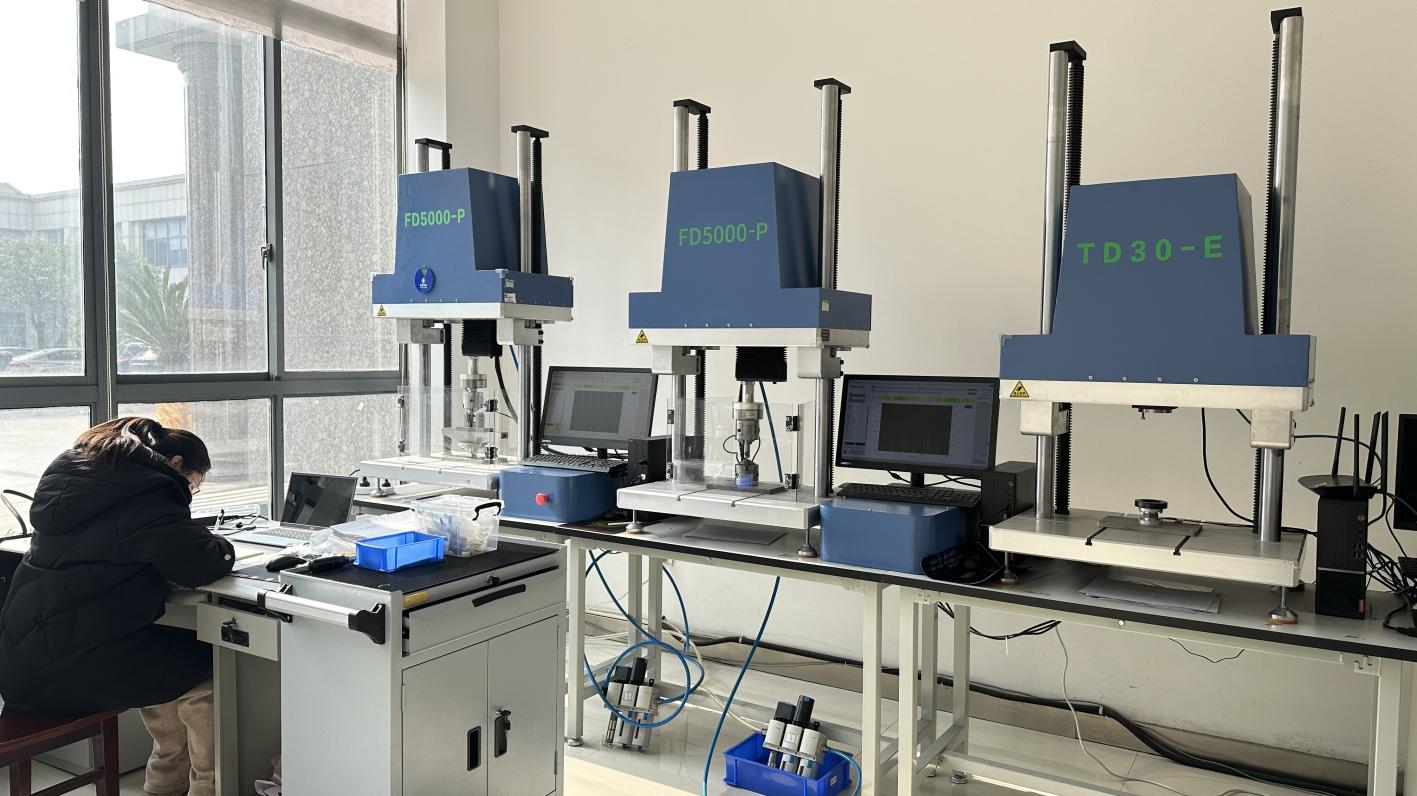
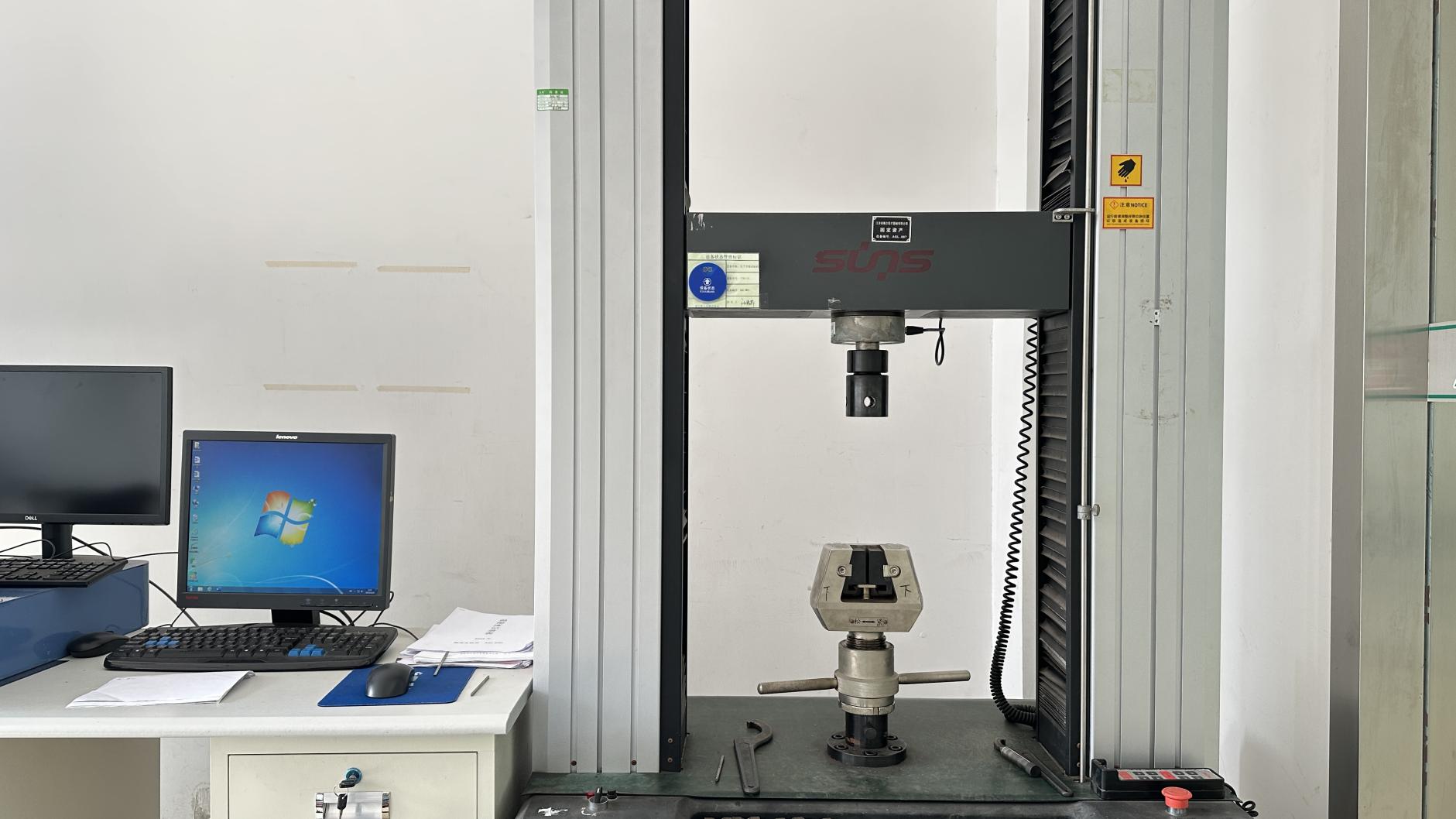
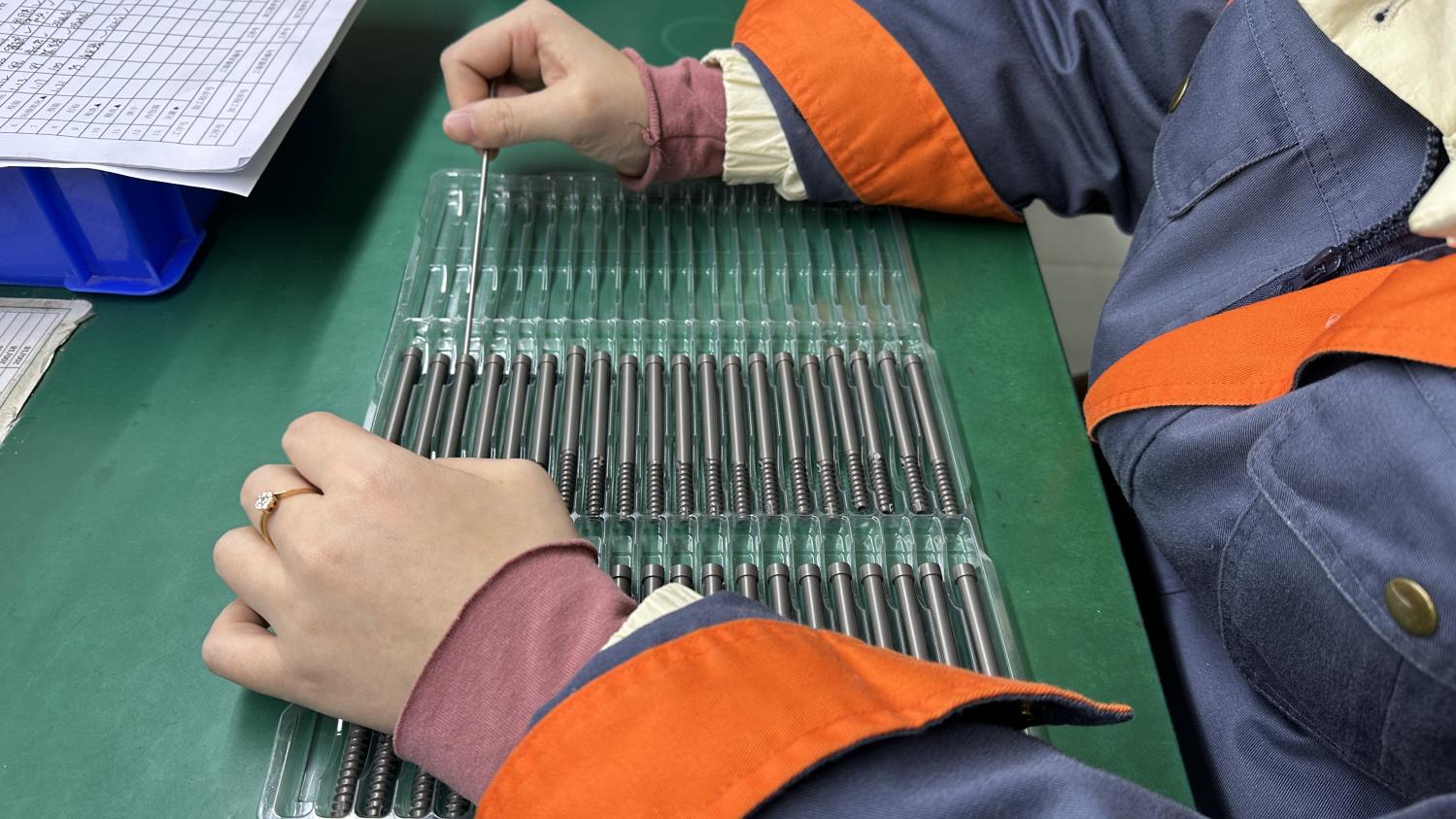
Our dedicated 42-inspector QC division conducts incoming inspection, in-process checking (IPQC), final dimension evaluation, and fatigue resistance screening. This ensures zero-defect batches before sterilization and dispatch.
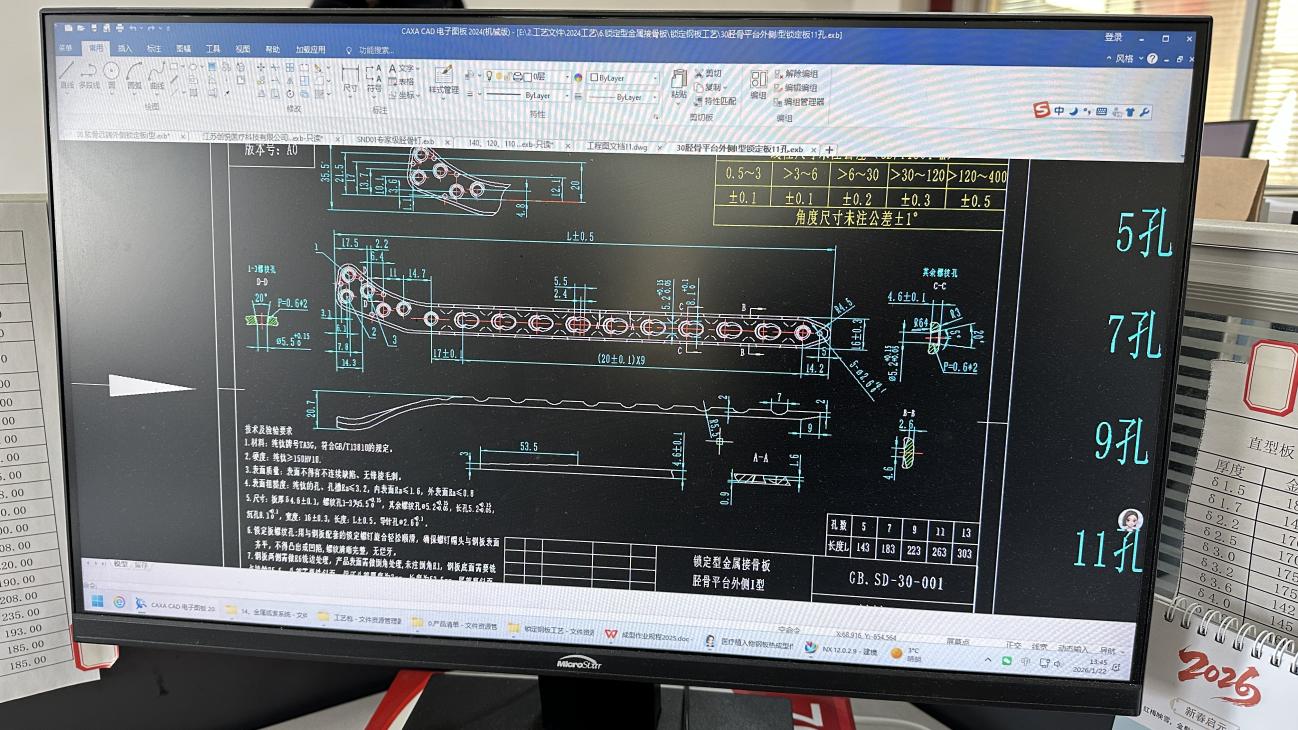
A step-by-step look inside our 18,500㎡ facility, showcasing structural precision, design labs, and mechanical validation.
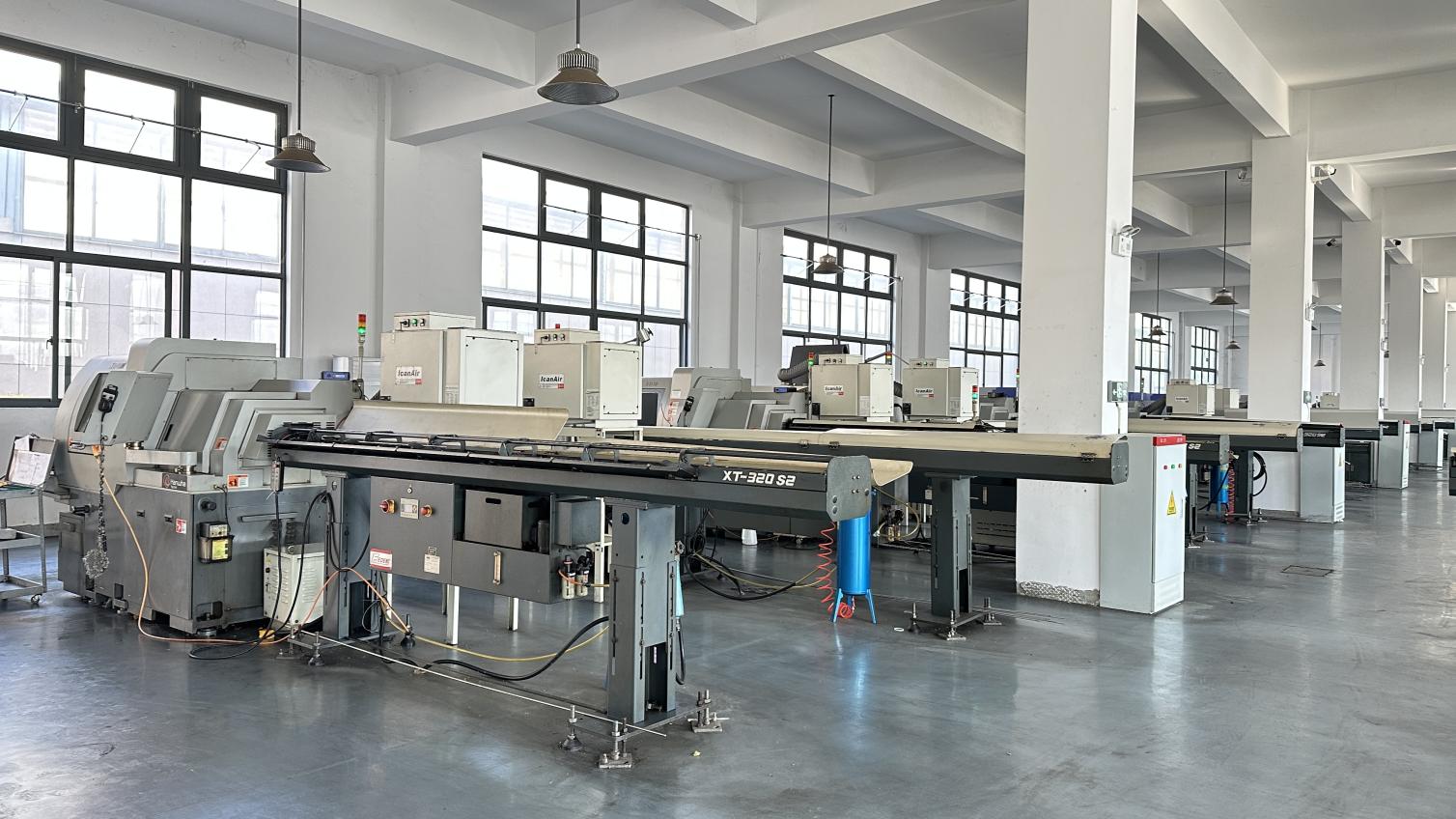
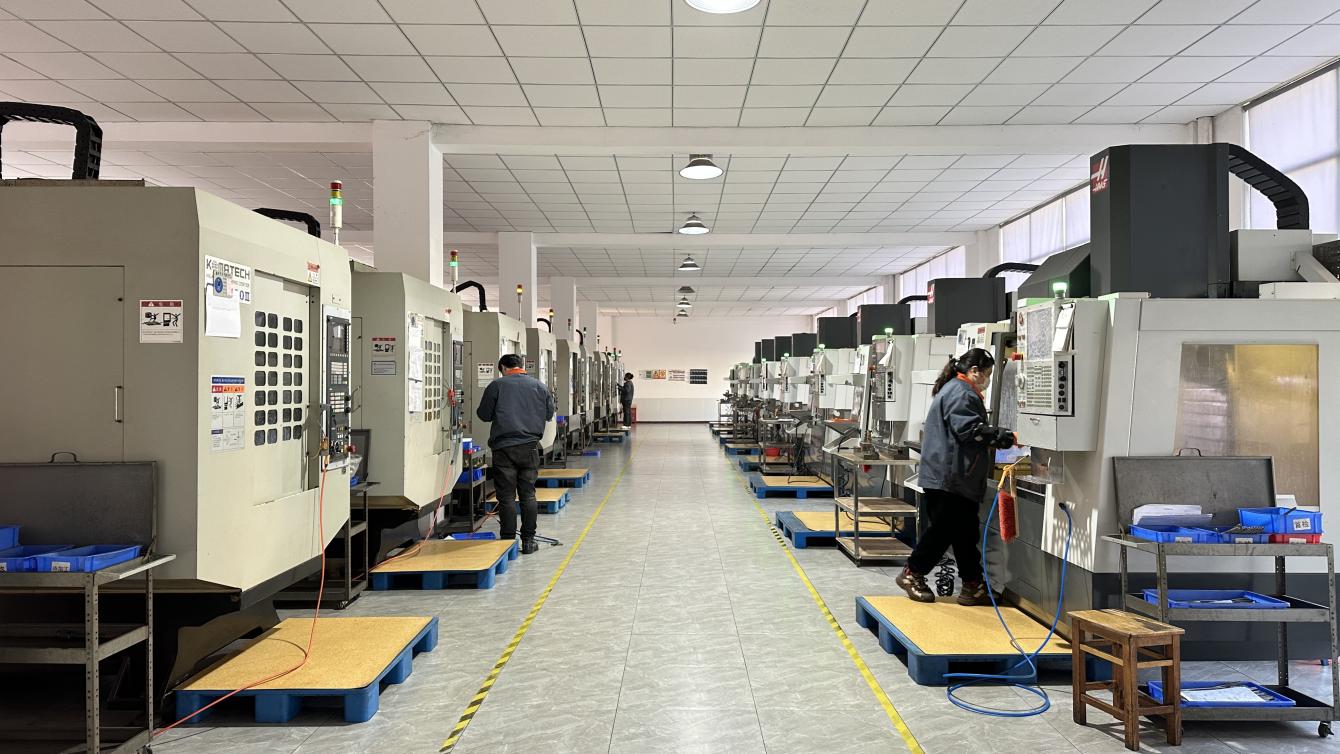
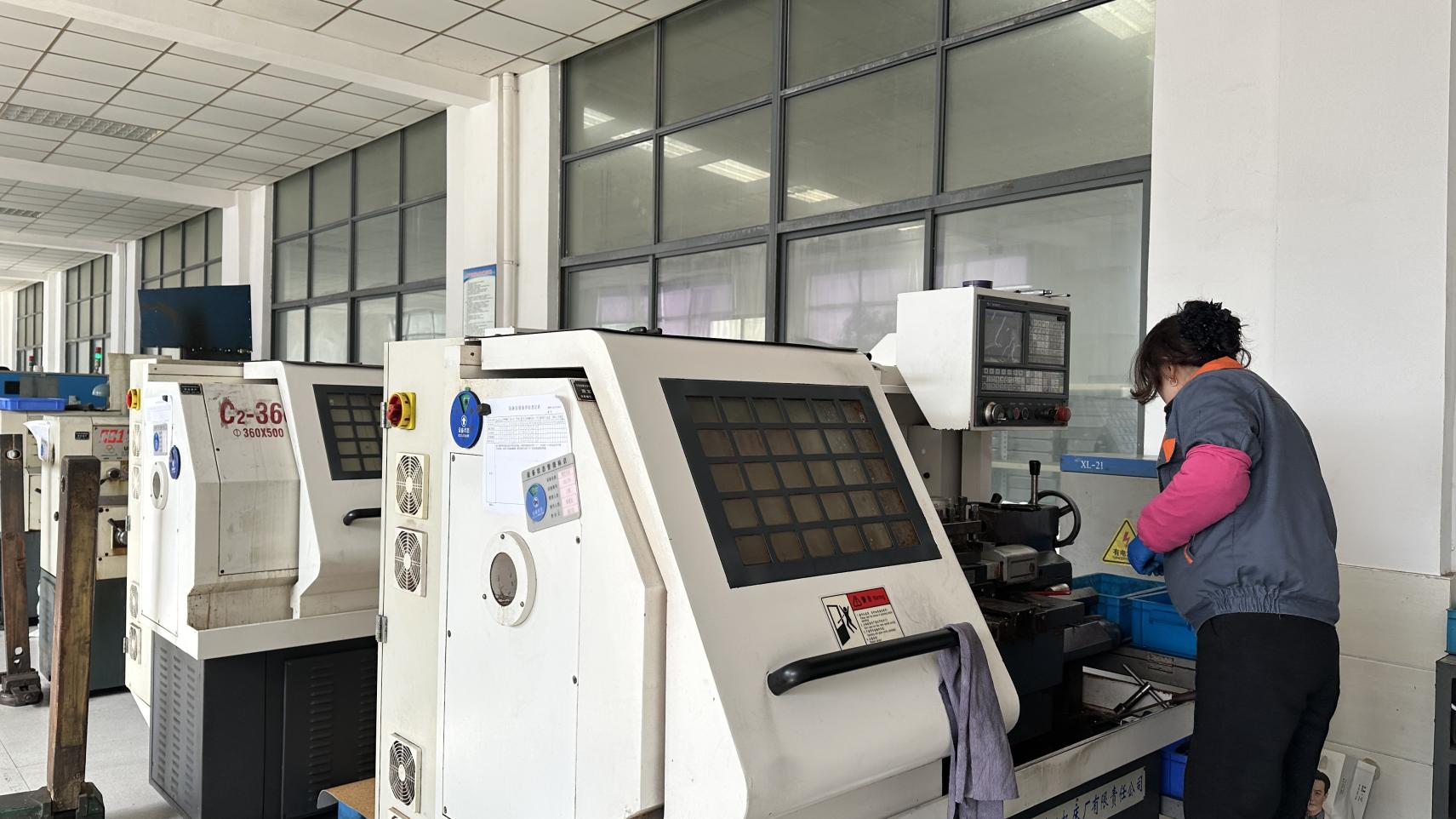
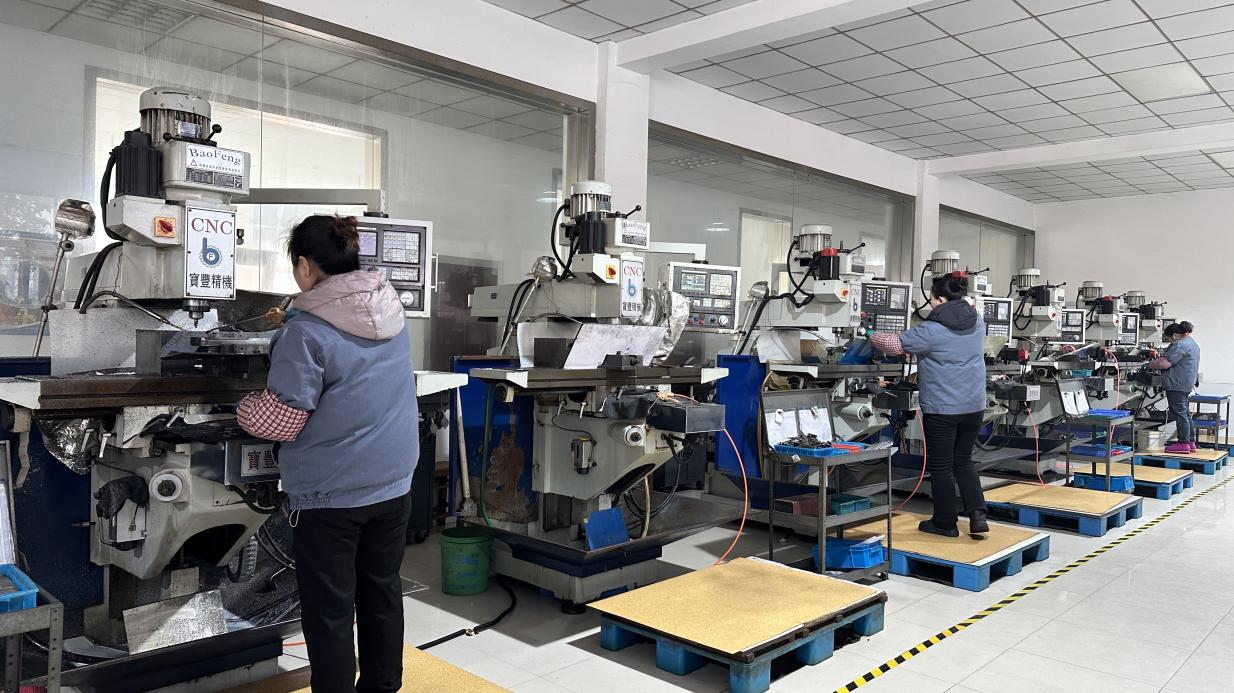
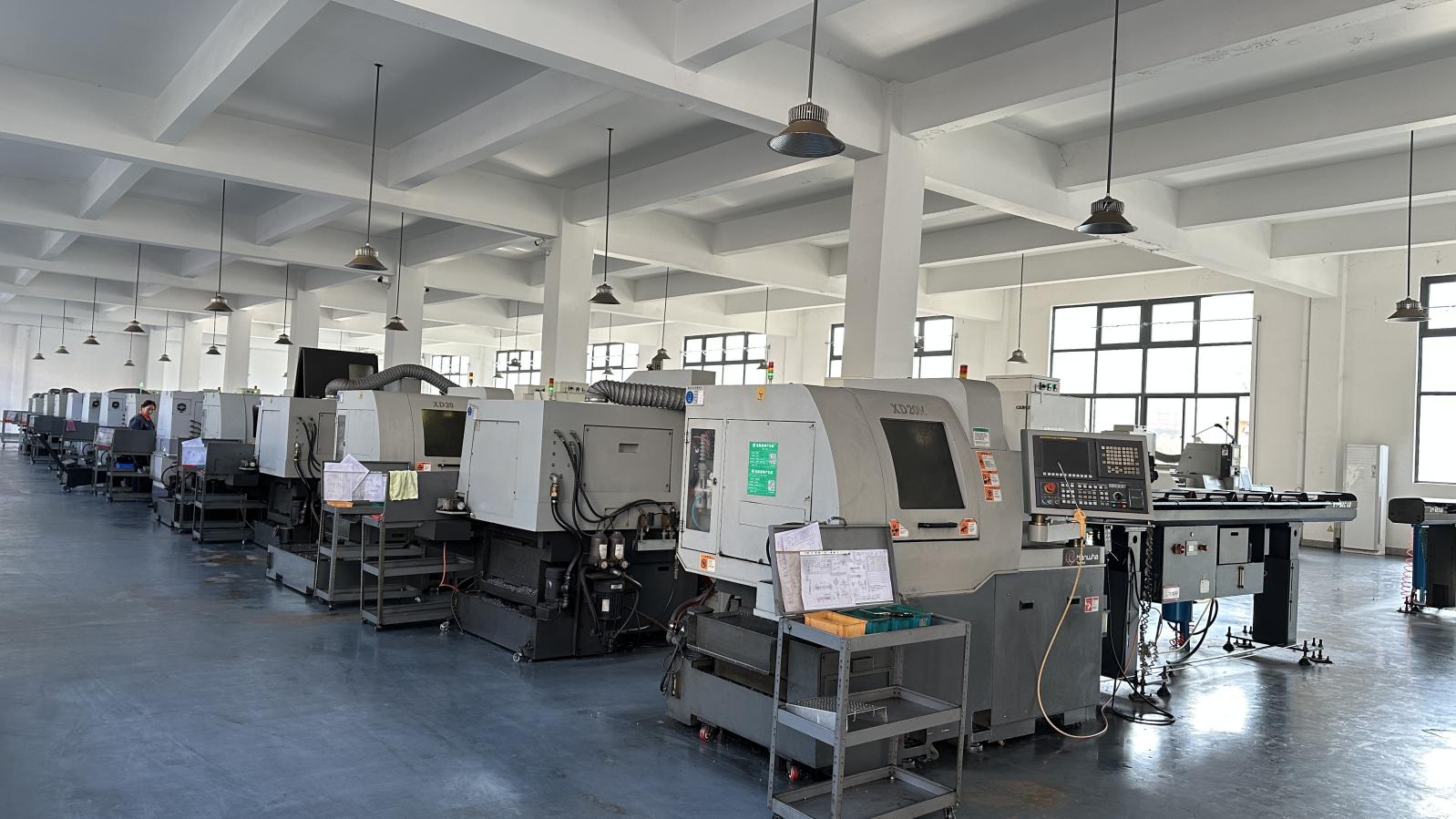
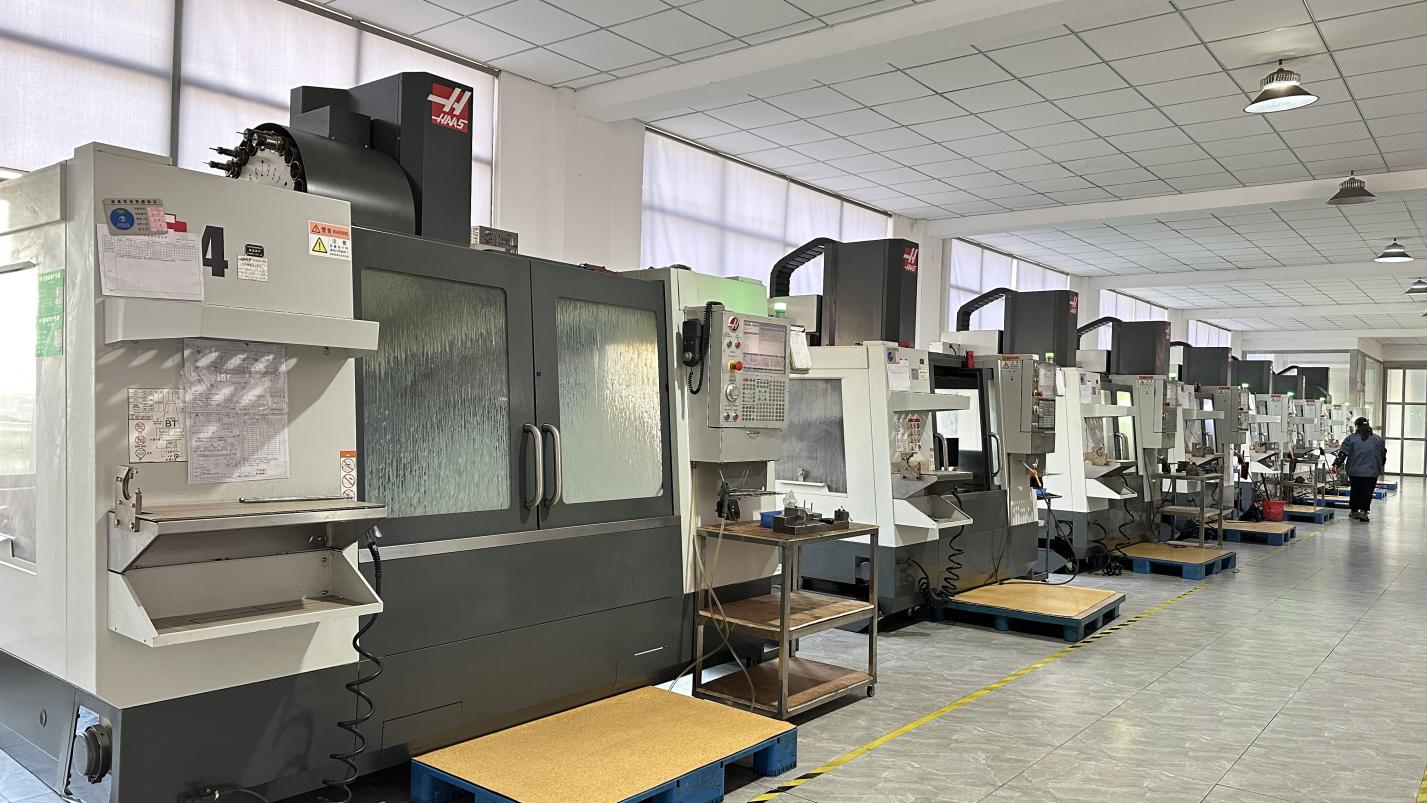
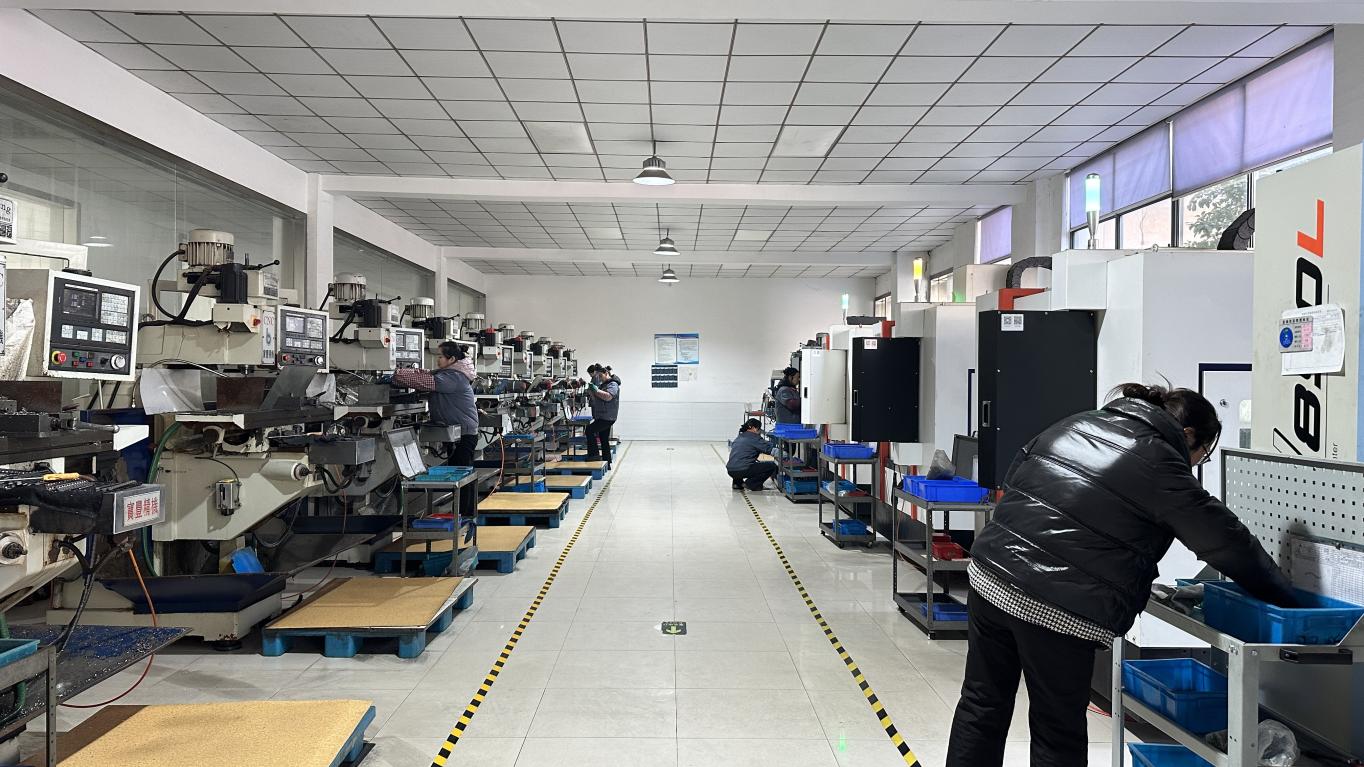
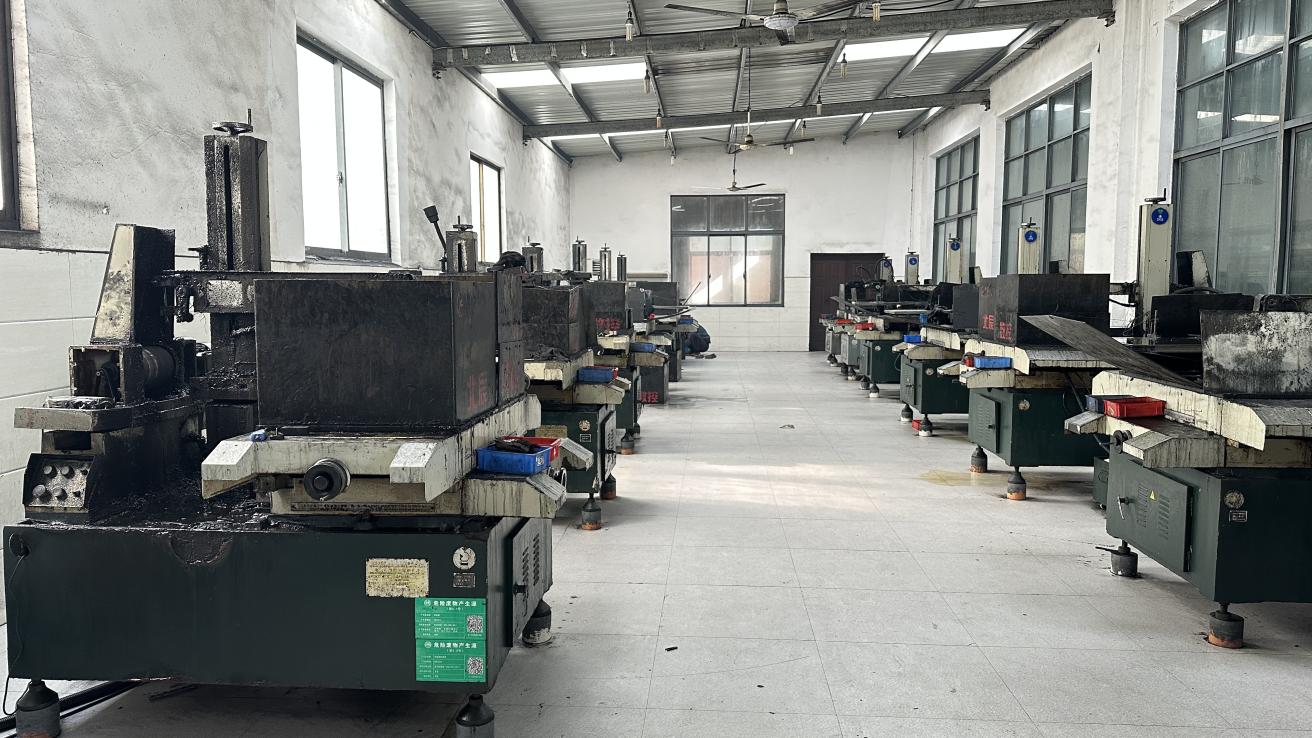

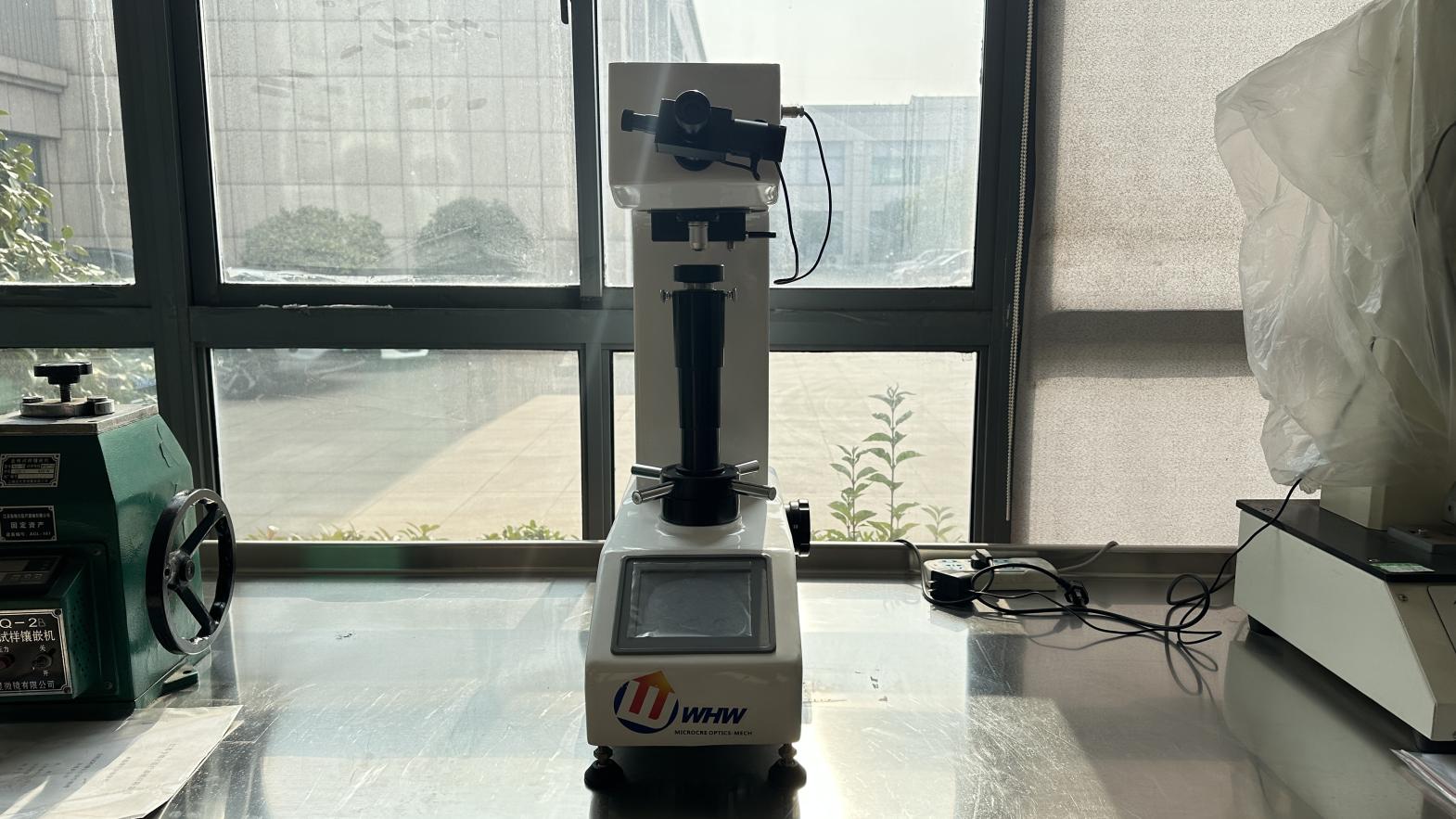
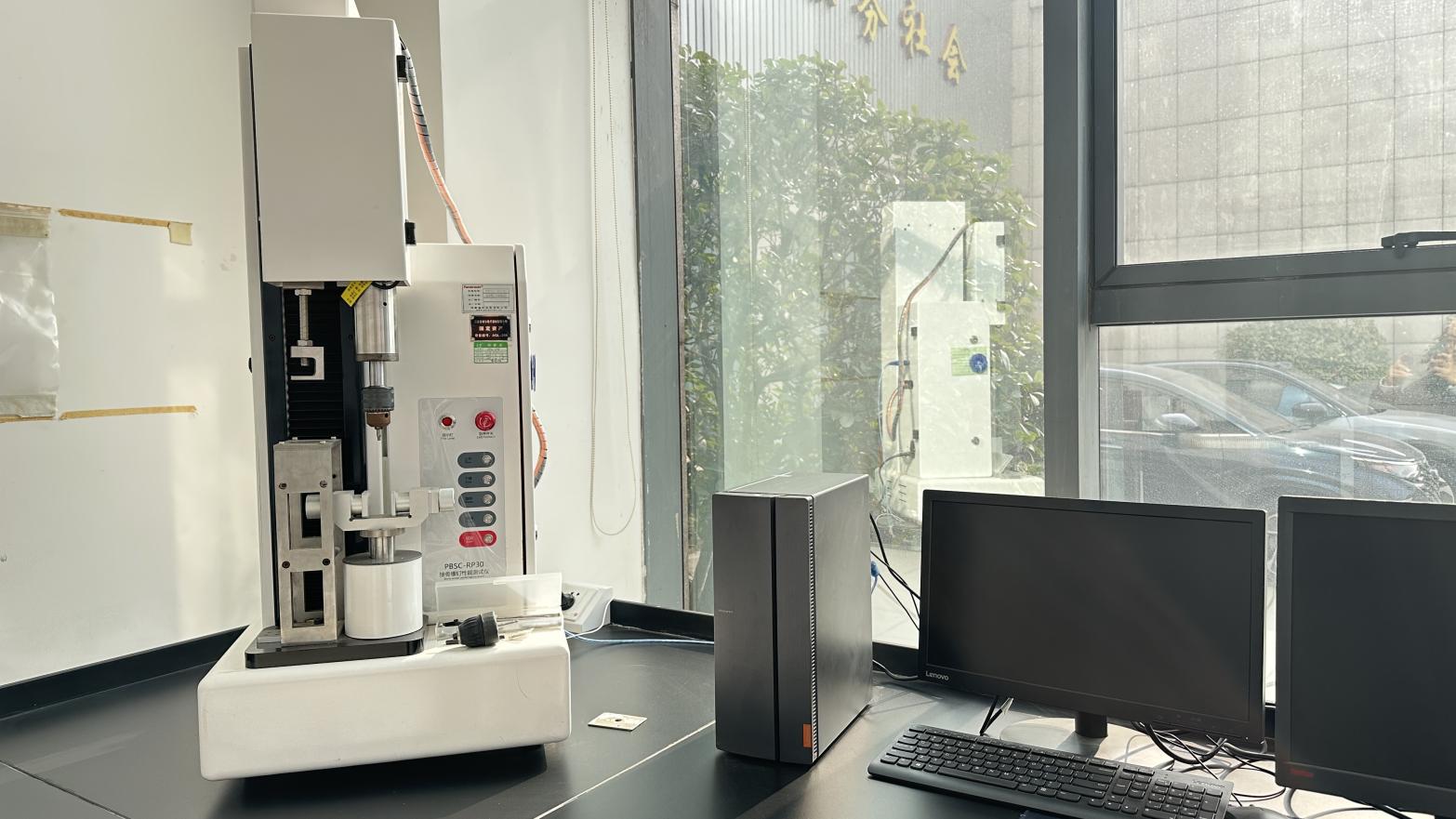
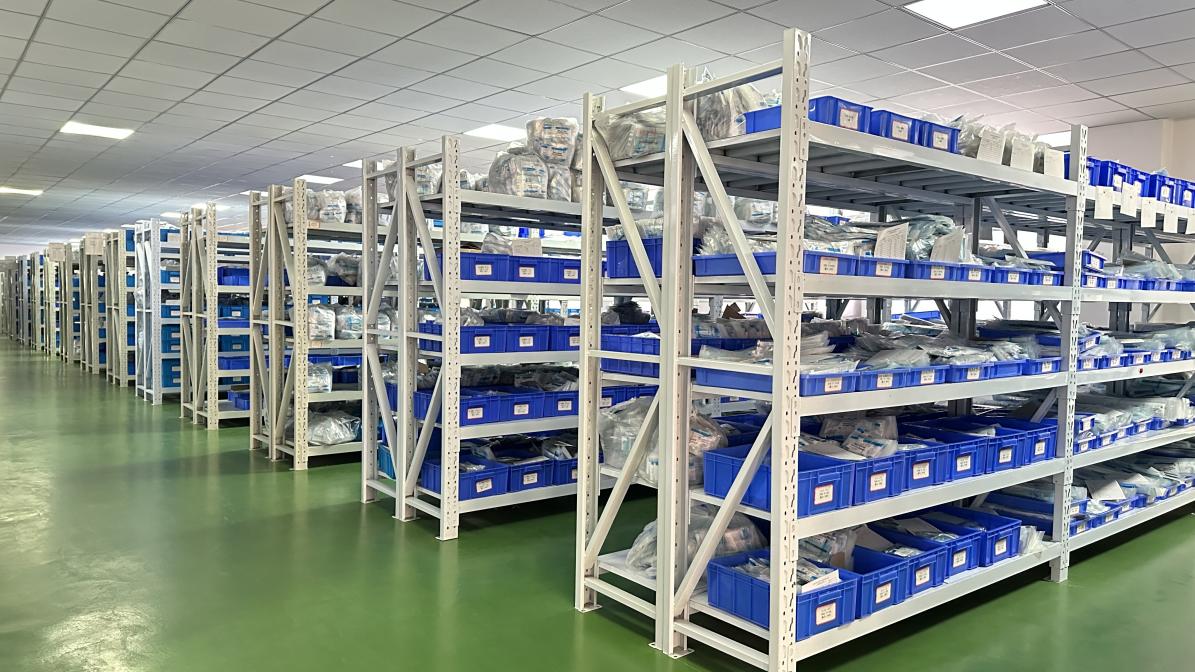
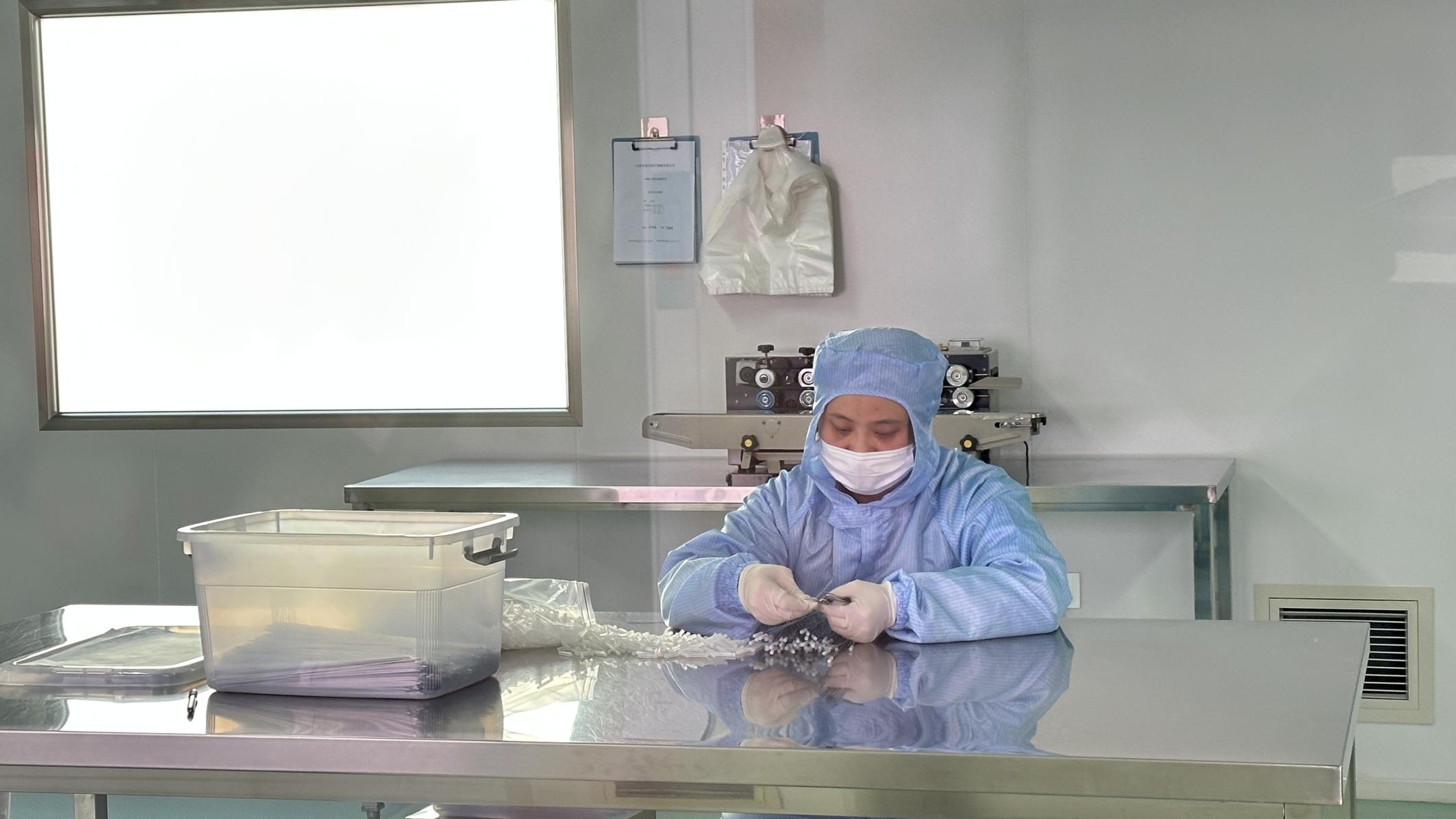
Ensuring seamless market entry and compliance for global distributors and hospitals.
Our quality system is ISO 13485 certified. We supply complete Technical Files, raw material certifications, and biocompatibility studies (ISO 10993) to streamline regulatory approvals in target markets.
We assist regional distributors by preparing comprehensive regulatory files, including Certificates of Free Sale (CFS), Certificates of Analysis (COA), and localized clinical evaluation reports (CER).
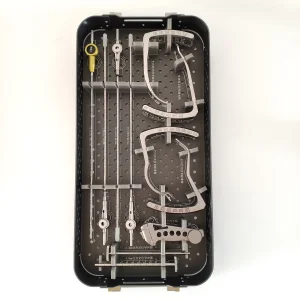
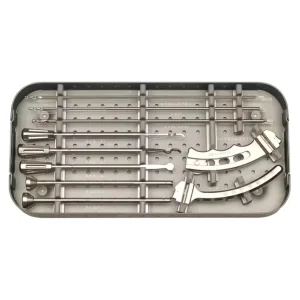
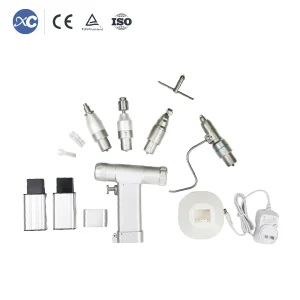
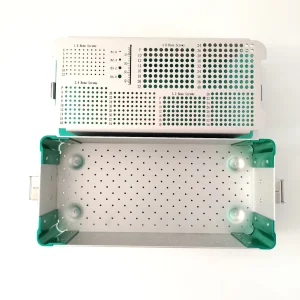
Every anatomical implant system requires specialized instruments. We build customized surgical trays and kits to match regional clinical preferences and local hospital cleaning processes.
How our implant portfolios fit into surgical procedures and emergency settings.
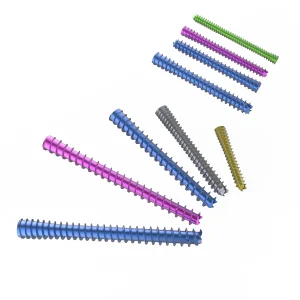
Our intramedullary retrograde femoral nails and locking bone plate systems stabilize load-bearing bones. Engineered with anatomical pre-contouring, they minimize intraoperative bending requirements, shorten operating times, and reduce patient soft tissue trauma.
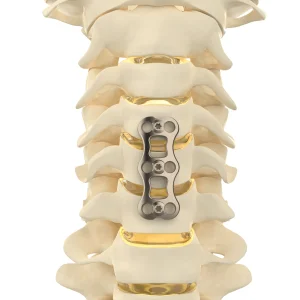
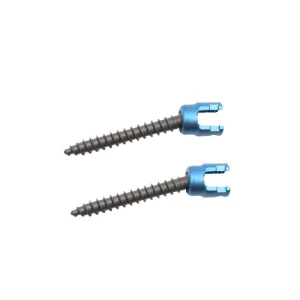
Featuring low-profile polyaxial pedicle screws and cervical titanium locking plates, these implants provide structural support in spinal degenerative diseases, deformity corrections, and high-impact spine trauma surgeries.
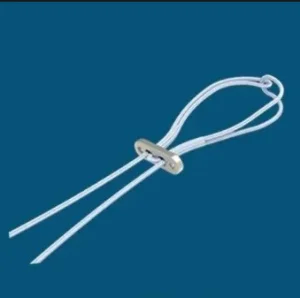
High-strength biocomposite suture anchors and knotless surgical systems enable anatomical re-anchoring of ligaments and soft tissues in ACL/PCL reconstructions and rotator cuff repairs, promoting natural bone growth.
The orthopedic field is shifting toward tissue-induction, bio-absorption, and digital integration.
Medisplint continuously funds R&D to integrate these cutting-edge innovations, delivering future-ready implants to clinical partners worldwide.
We collaborate with major procurement departments, regional clinical distributors, and orthopedic research labs. Our supply footprint covers Europe, Asia Pacific, and Central & South America.
Crucial procurement questions answered by our technical specialists.
Discover more of our advanced medical instruments, orthopedic accessories, and spinal implant solutions.