Medisplint
Medisplint
Medisplint
Precision-engineered modular hardware, orthopedic fixation screws, and dedicated revision instrumentation designed for optimal patient outcomes.
A professional overview of Medisplint Orthopedic Instruments Co., Ltd., outlining technical competency, infrastructure capabilities, and market positioning.
In the contemporary landscape of advanced joint reconstruction and traumatology, Medisplint Orthopedic Instruments Co., Ltd. (established in 2016) has solidified its position as a high-tier developer and contract manufacturer of modular orthopedic implants, spinal fixation assemblies, and patient-specific surgical instrumentation systems.
Operating a specialized facility encompassing 18,500 square meters, the enterprise coordinates design, metallurgy validation, precision CNC milling, cleanroom packaging, and rigorous stress testing within a single integrated quality management circle. Medisplint maintains a distinct balance between state-of-the-art technological iteration and scalable manufacturing control, realizing a steady export portfolio valued at over USD 12 million annually across European, Southeast Asian, Middle Eastern, and South American hospital networks.
The core structural advantage of Medisplint lies in its dedicated research division consisting of approximately 85 engineering professionals and design experts. In a single annual cycle, this team succeeded in deploying 68 newly commercialized configurations, optimizing modular implant taper locks, reducing micro-motion wearing patterns in arthroplasty revisions, and refining surgical navigation tools.
With more than 10 years of combined industrial experience, Medisplint addresses the stringent performance, regulatory, and mechanical demands of modern clinical buyers worldwide.
Why clinical practitioners and global distributors prioritize modular implant configurations over monolithic designs.
Modular architectures allow surgeons to adapt offsets, neck lengths, and taper angles in real time to match patient-specific geometry, ensuring optimal tensioning and reducing dislocation rates.
During revision total hip arthroplasty (THA), removing a well-fixed distal stem is highly invasive. Modular designs enable the exchange of proximal components while keeping the distal stem intact, preserving bone mass.
Distributors benefit from modular configurations by stocking standard stem ranges alongside discrete selections of modular heads, liners, and sleeves, maximizing clinical versatility without bloating inventory footprints.
Explore Medisplint's vertically integrated production facilities, demonstrating high-capacity manufacturing protocols and raw material controls.
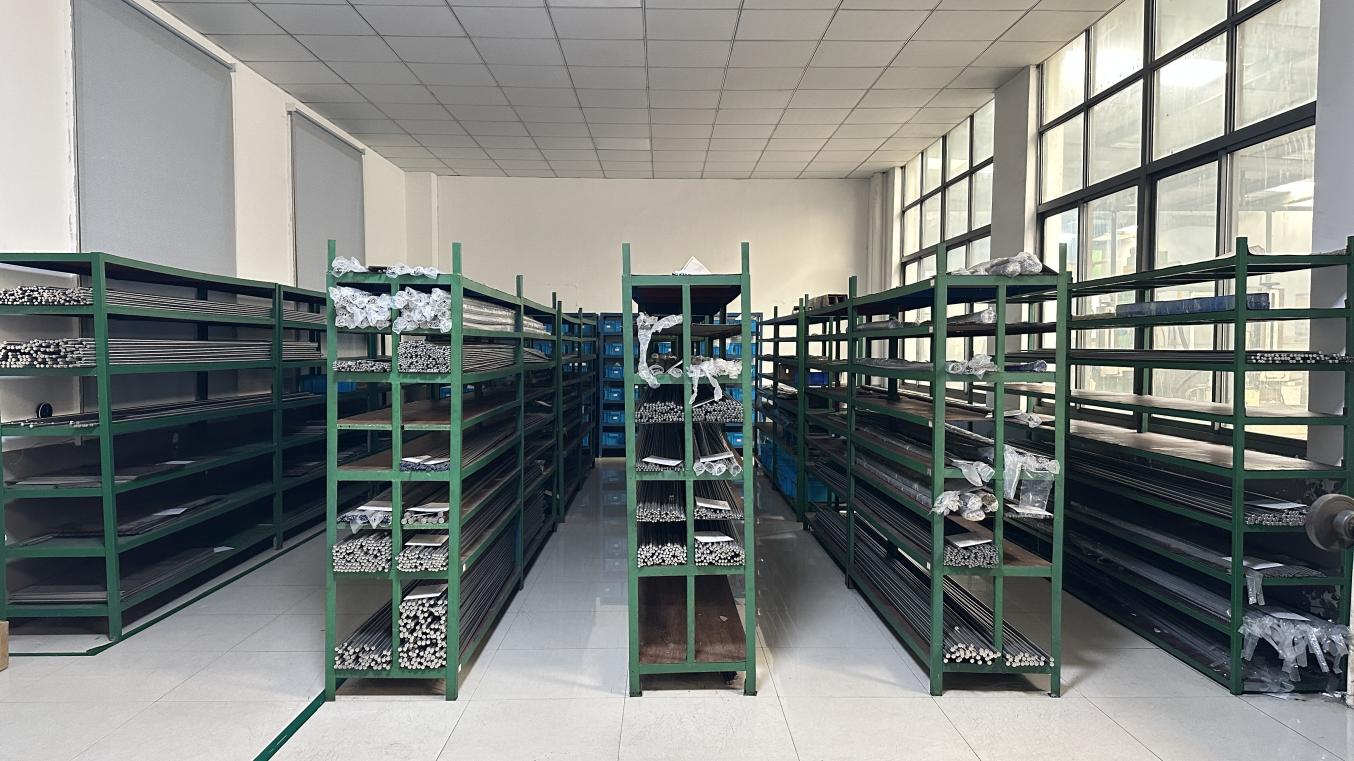 Raw Materials Inspection
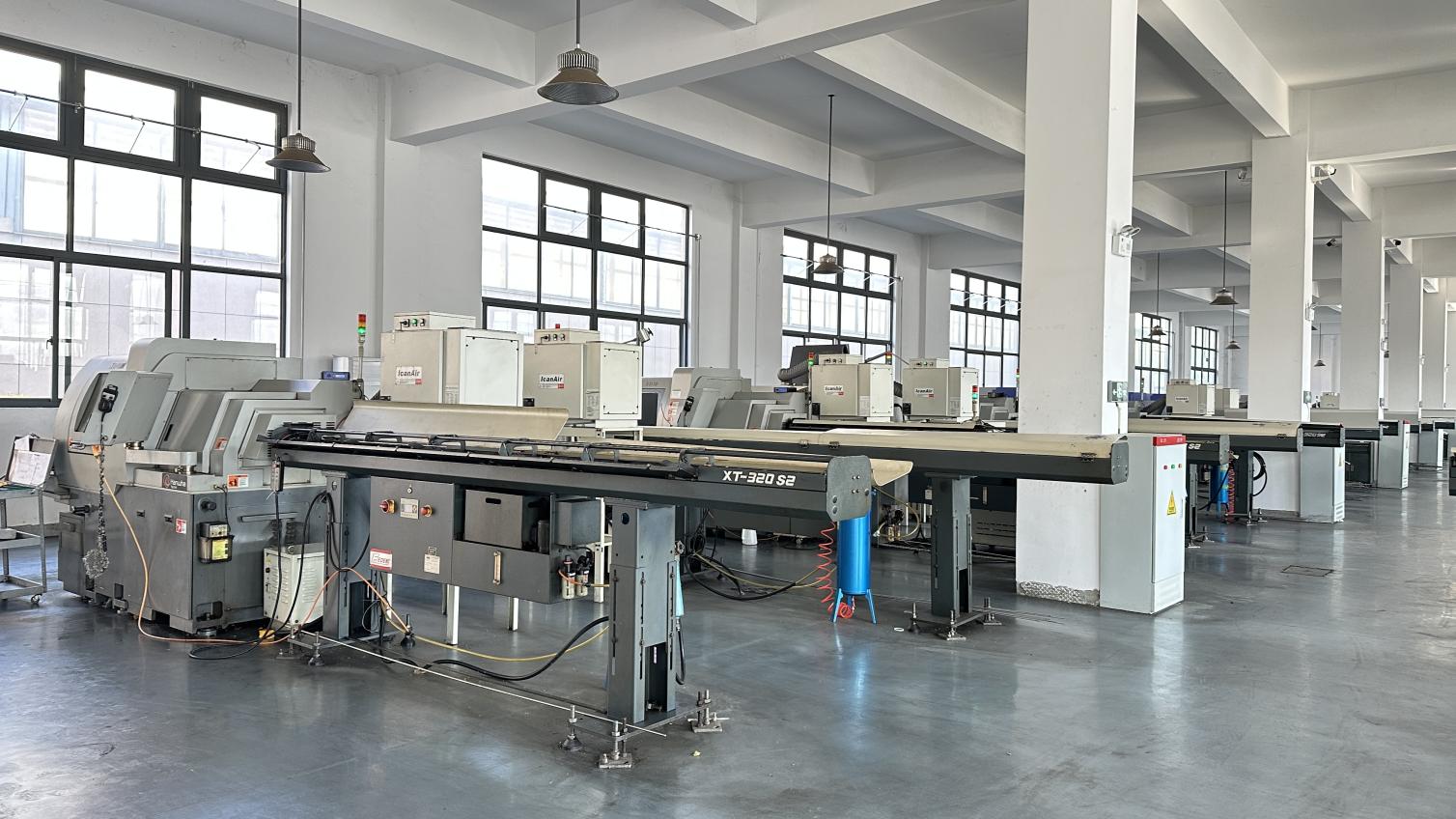 Slitting Station
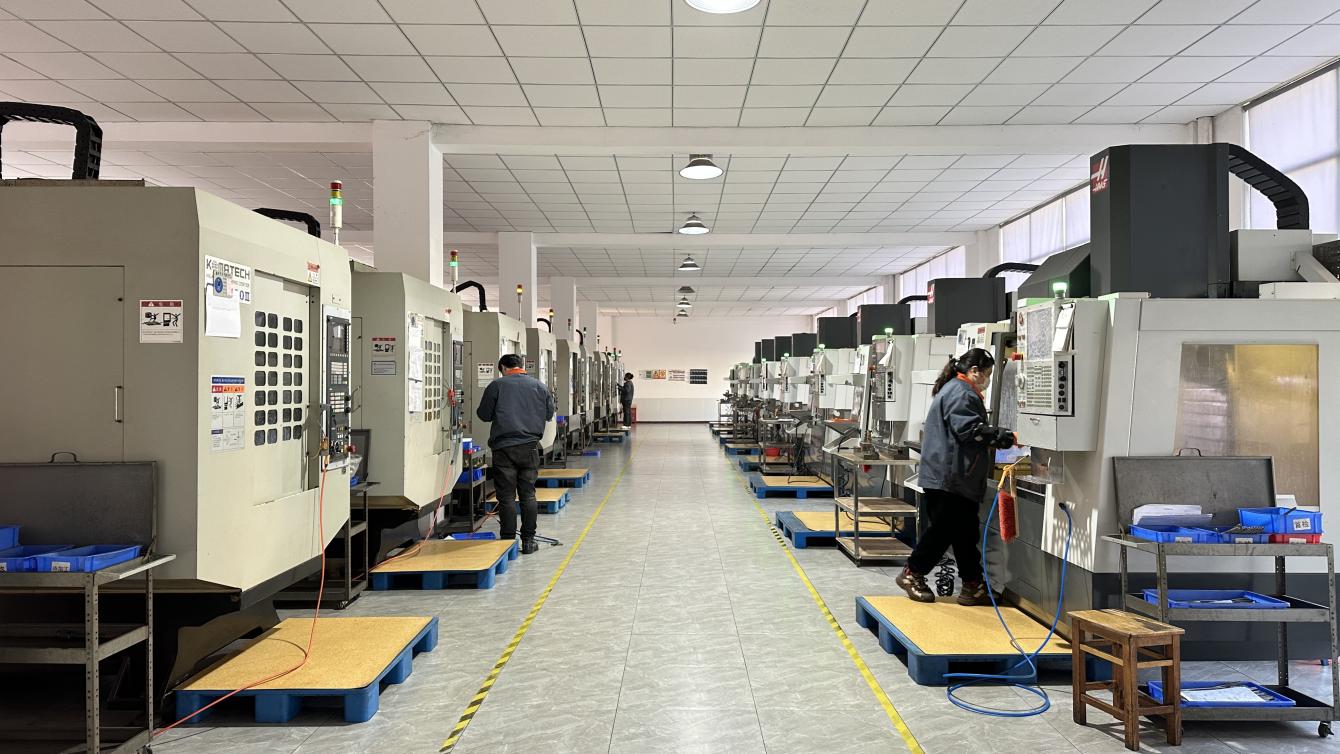 CNC Machining Department
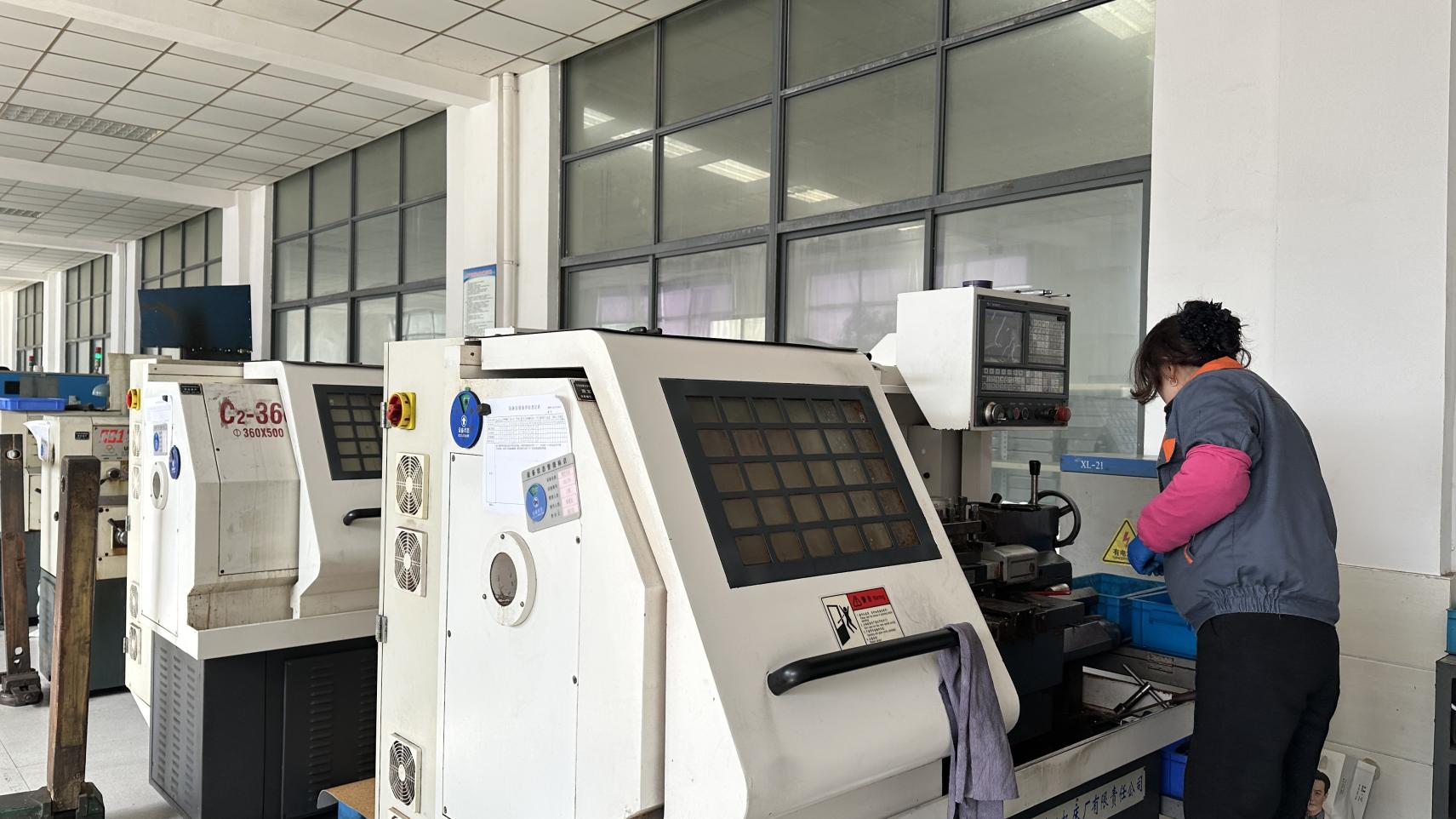 Machining Assembly
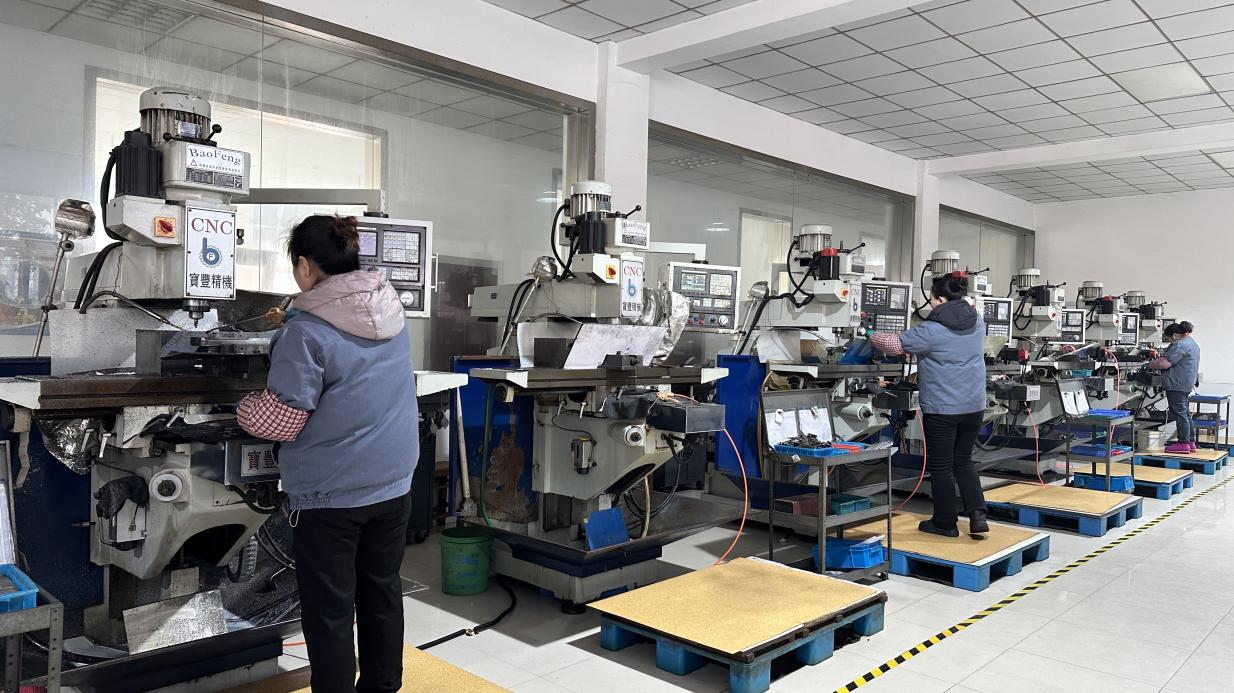 Precision Milling Center
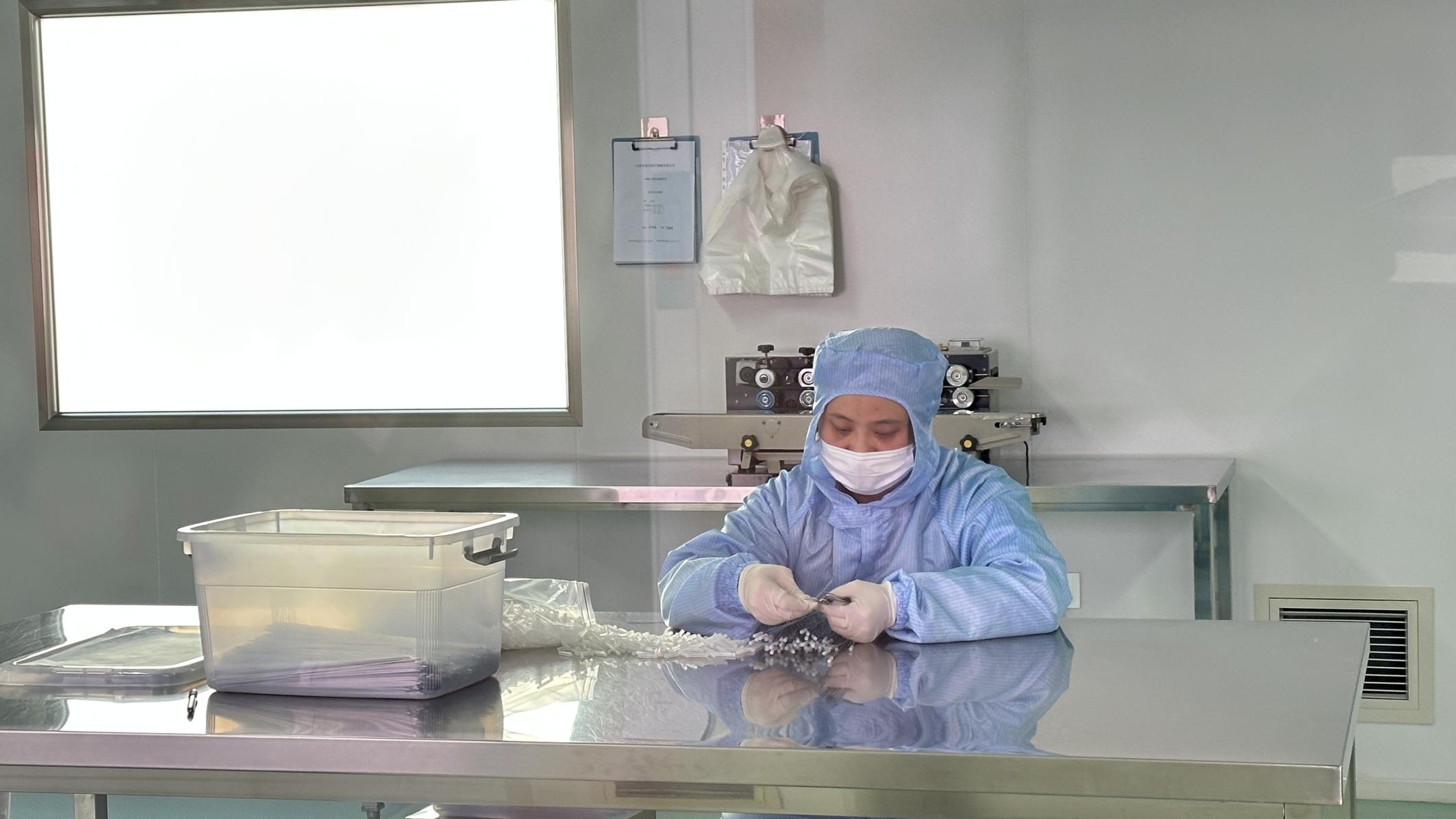 FQC & cleanroom Packing
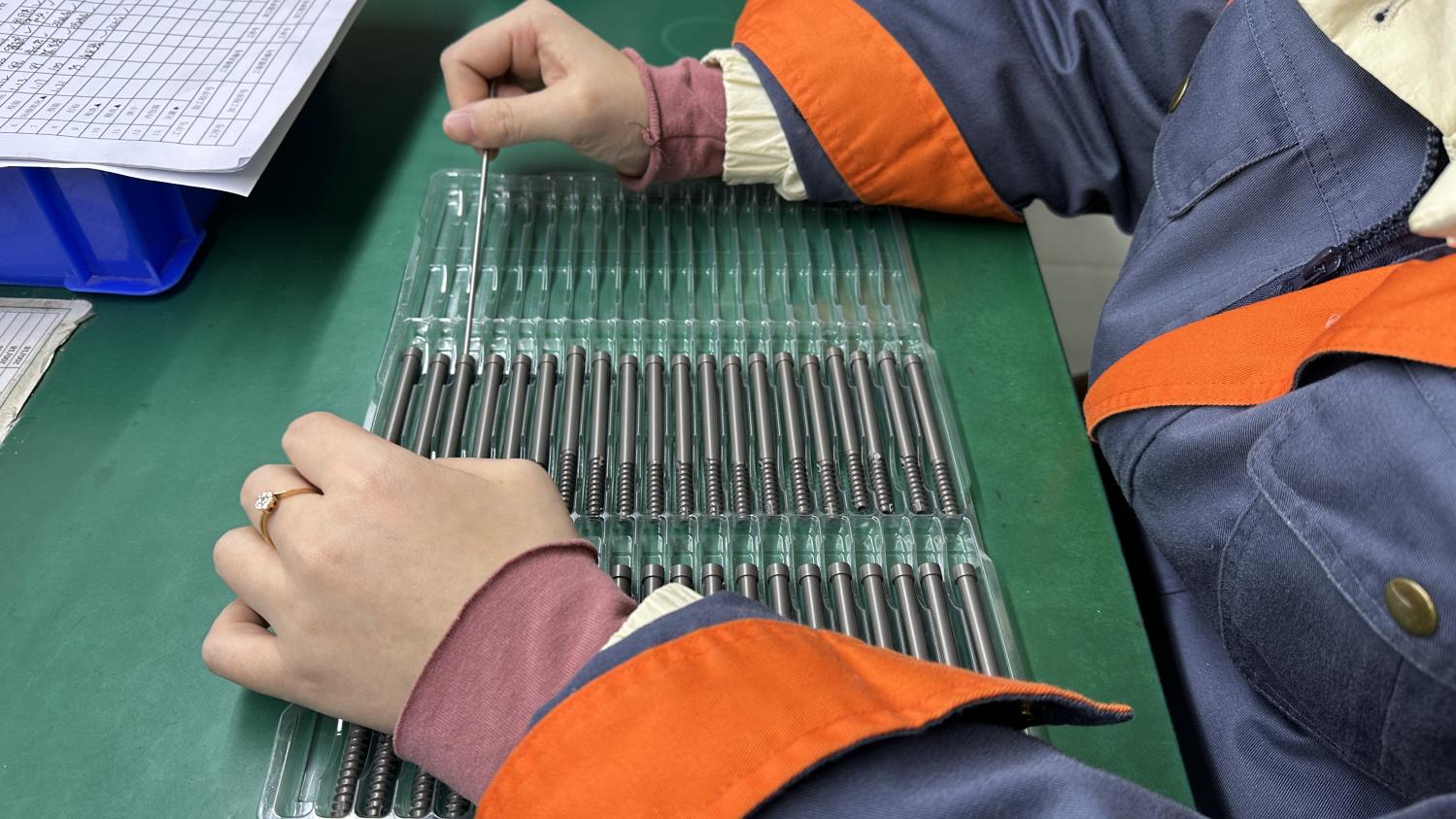 Cleanroom Sterilization Line
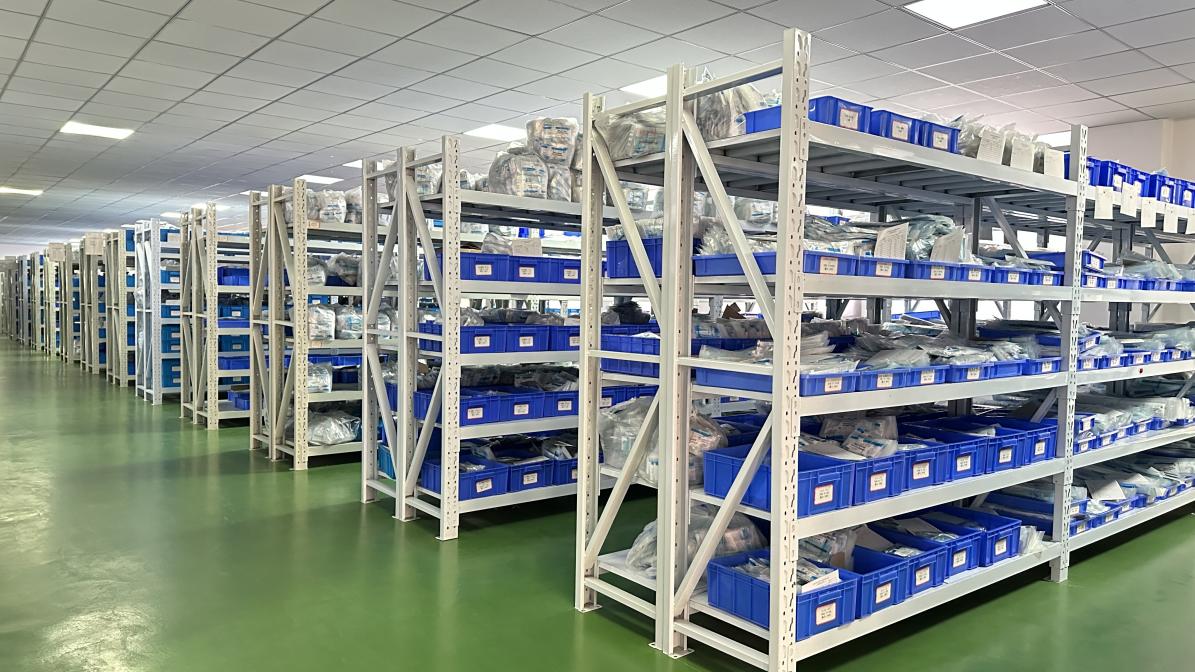 Systemized Logistics Warehouse
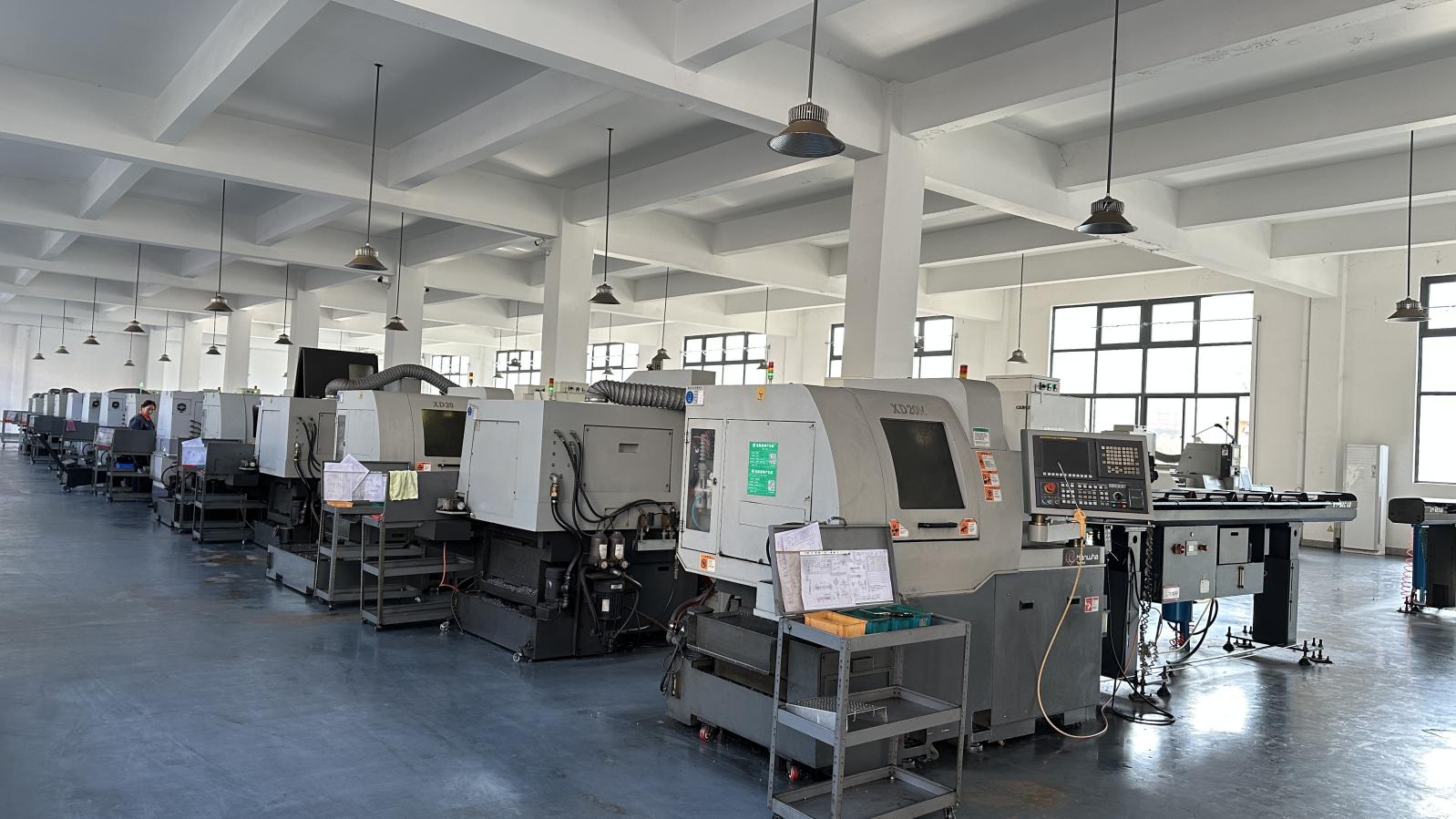 Automatic Slitting Machine
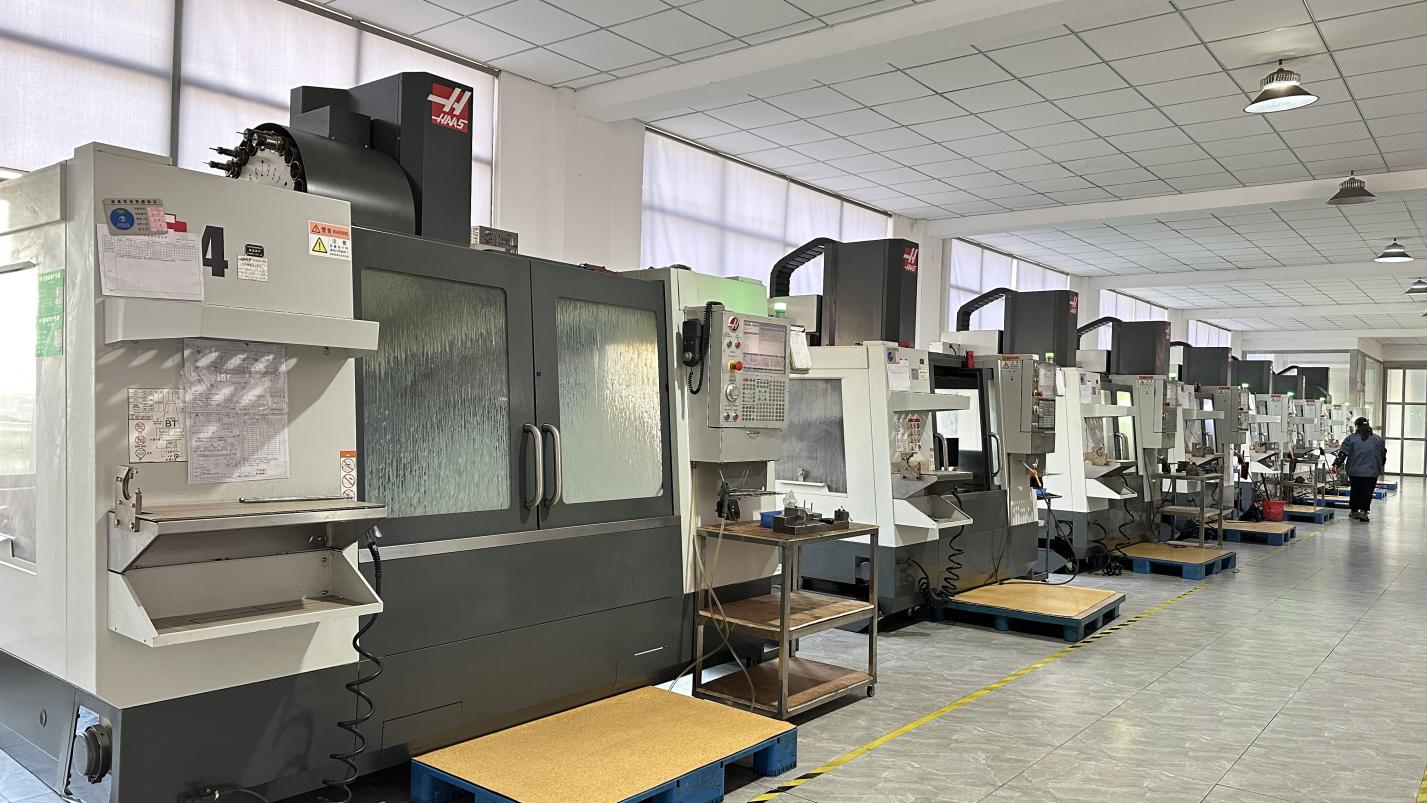 Multiaxis CNC Milling Station
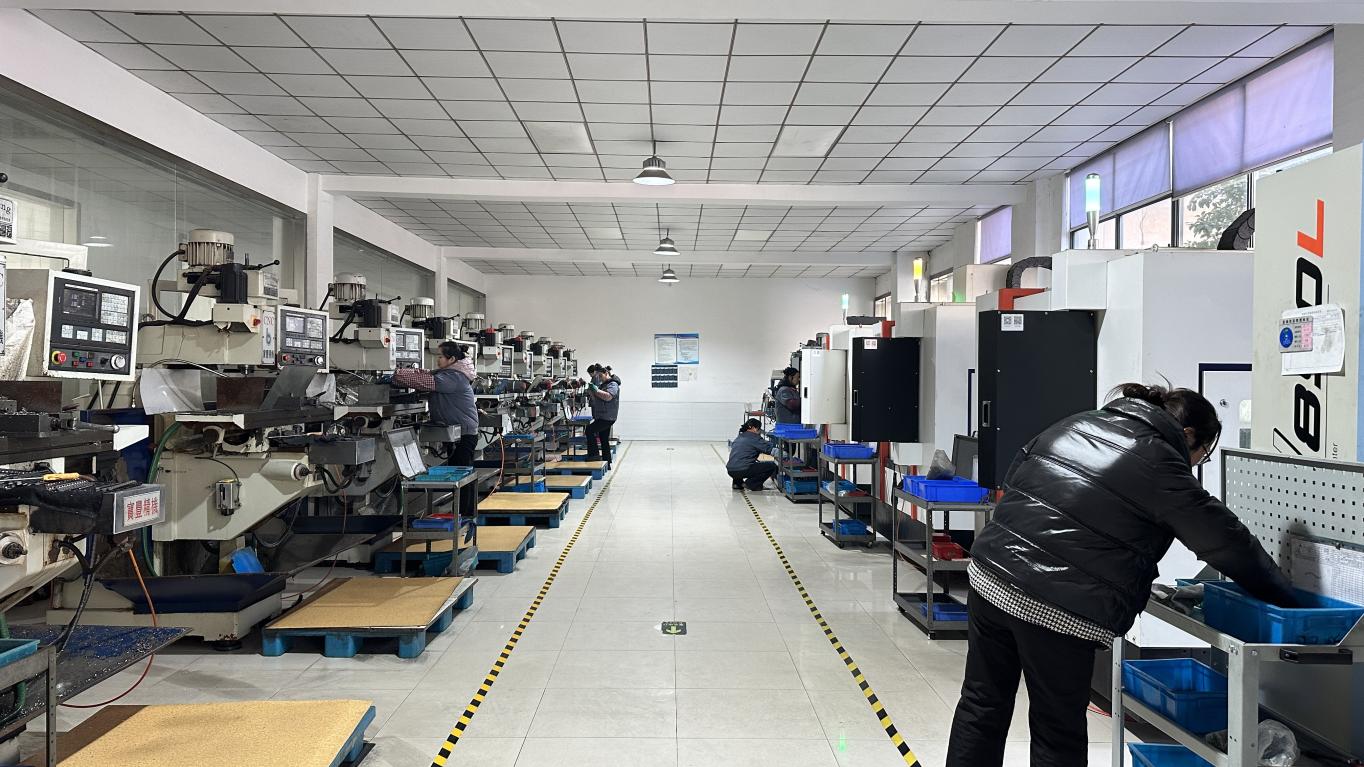 High-Precision CNC Milling Machine
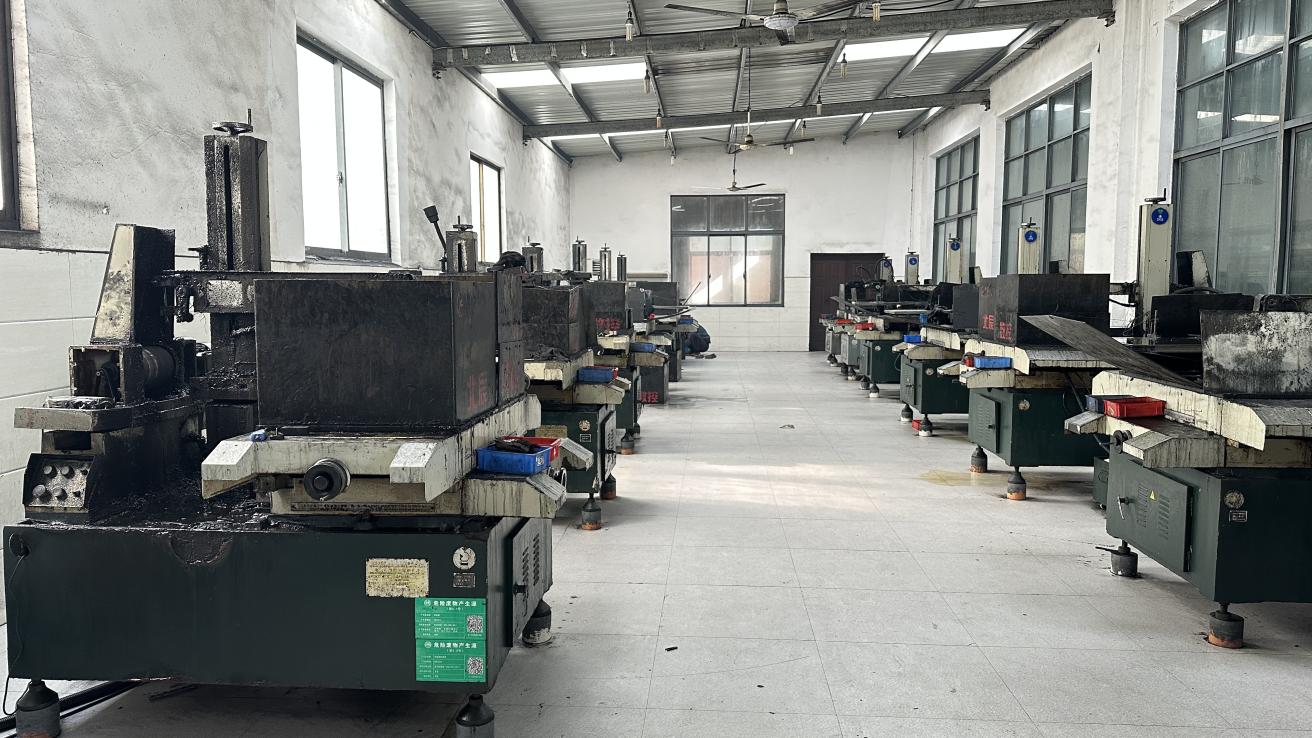 Slow-Feeding Wire Cutting Unit
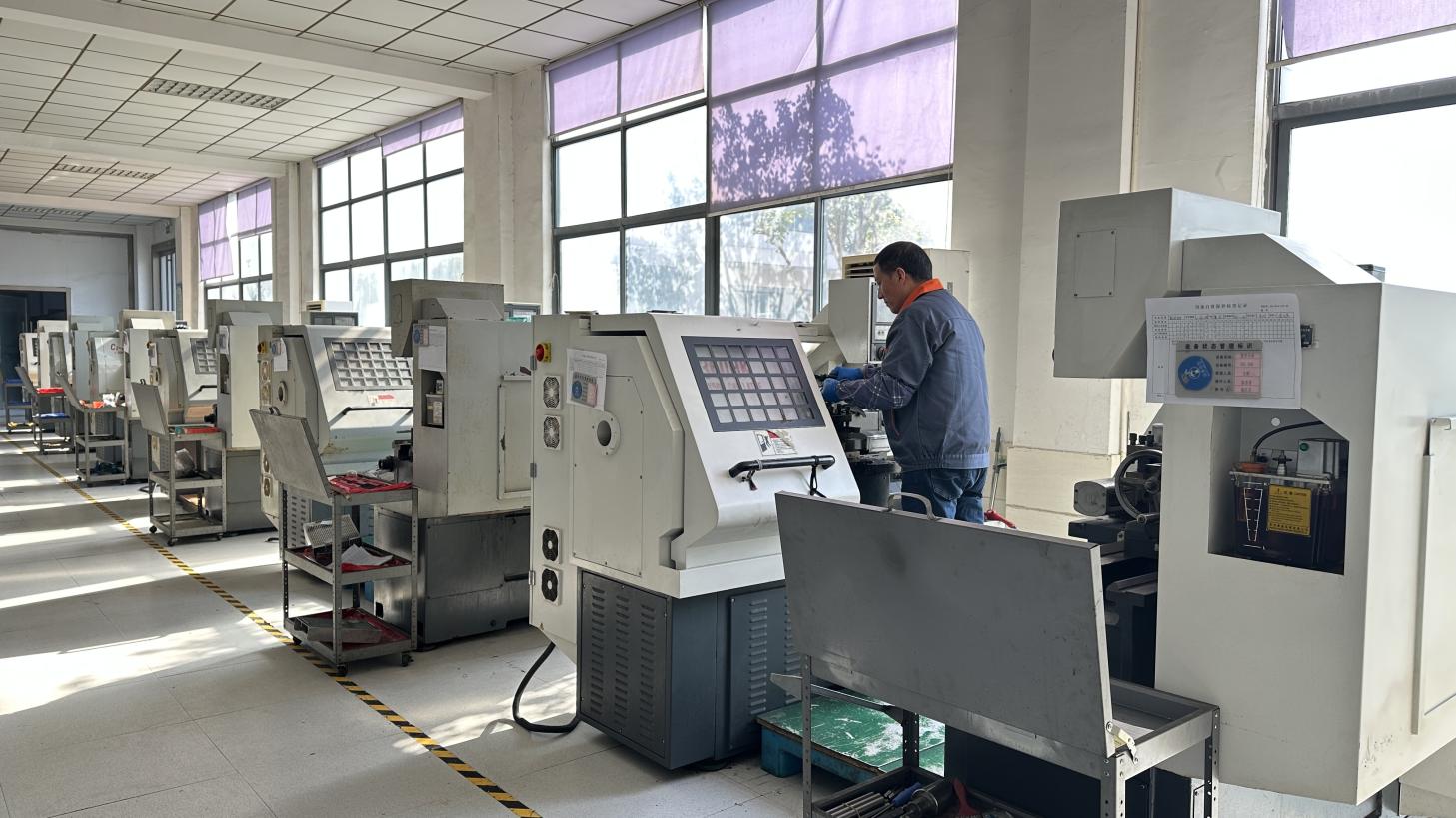 High-Velocity CNC Turning Lathe
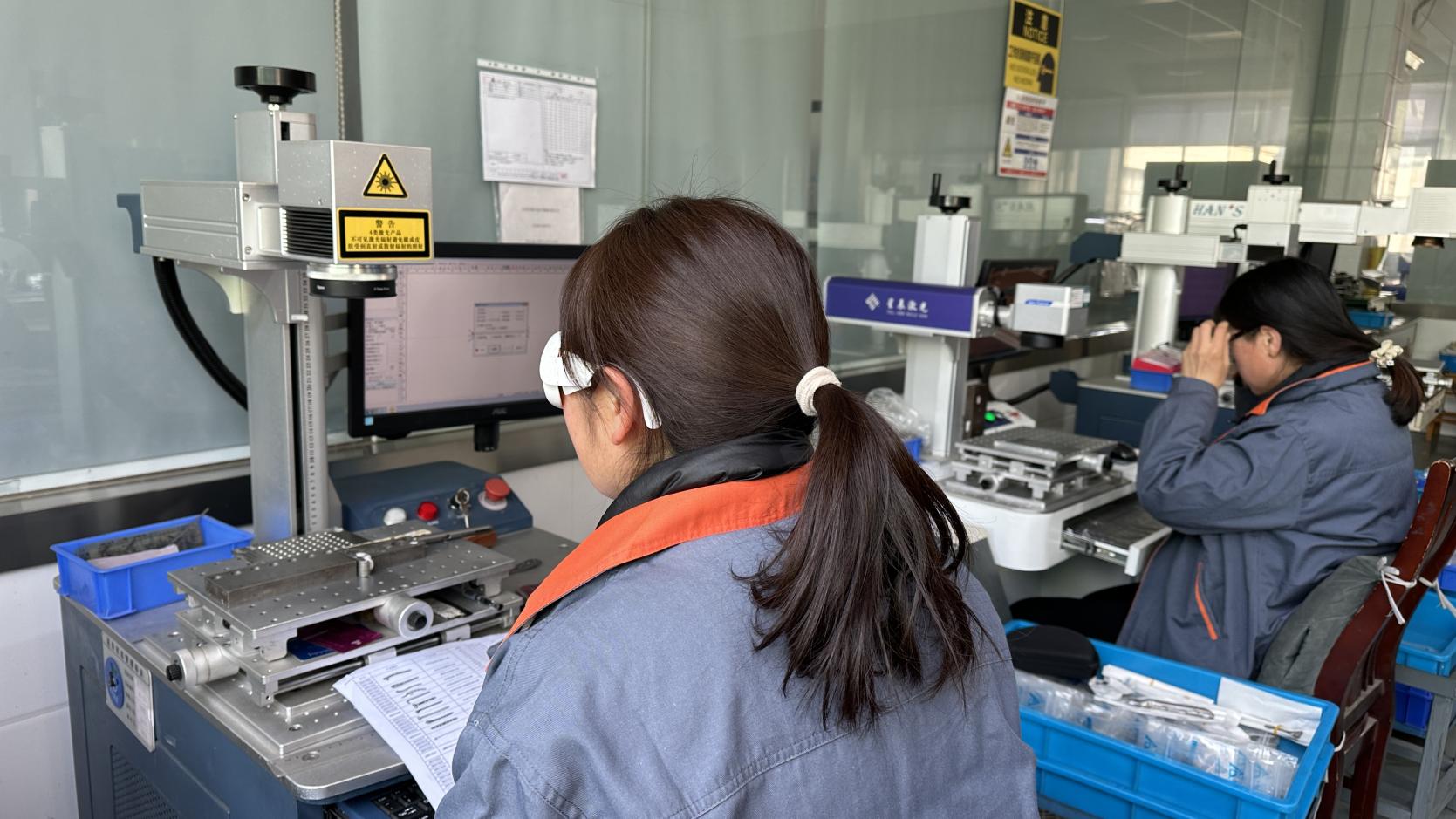 Udi Laser Marking System
Our in-house QC laboratory validates biological safety, dimensional accuracy, fatigue resistance, and load capacity to international standards.
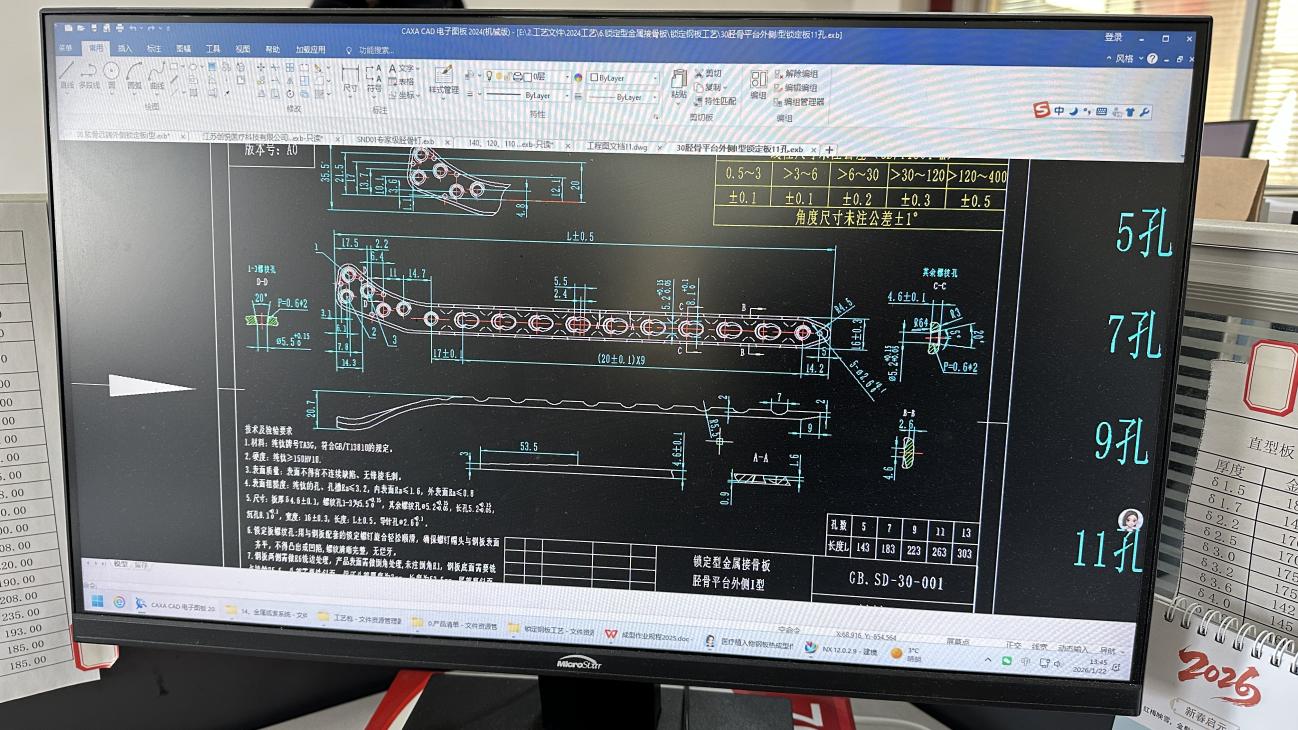 Orthopedic CAD/CAM Center
 Biomechanical Verification Lab
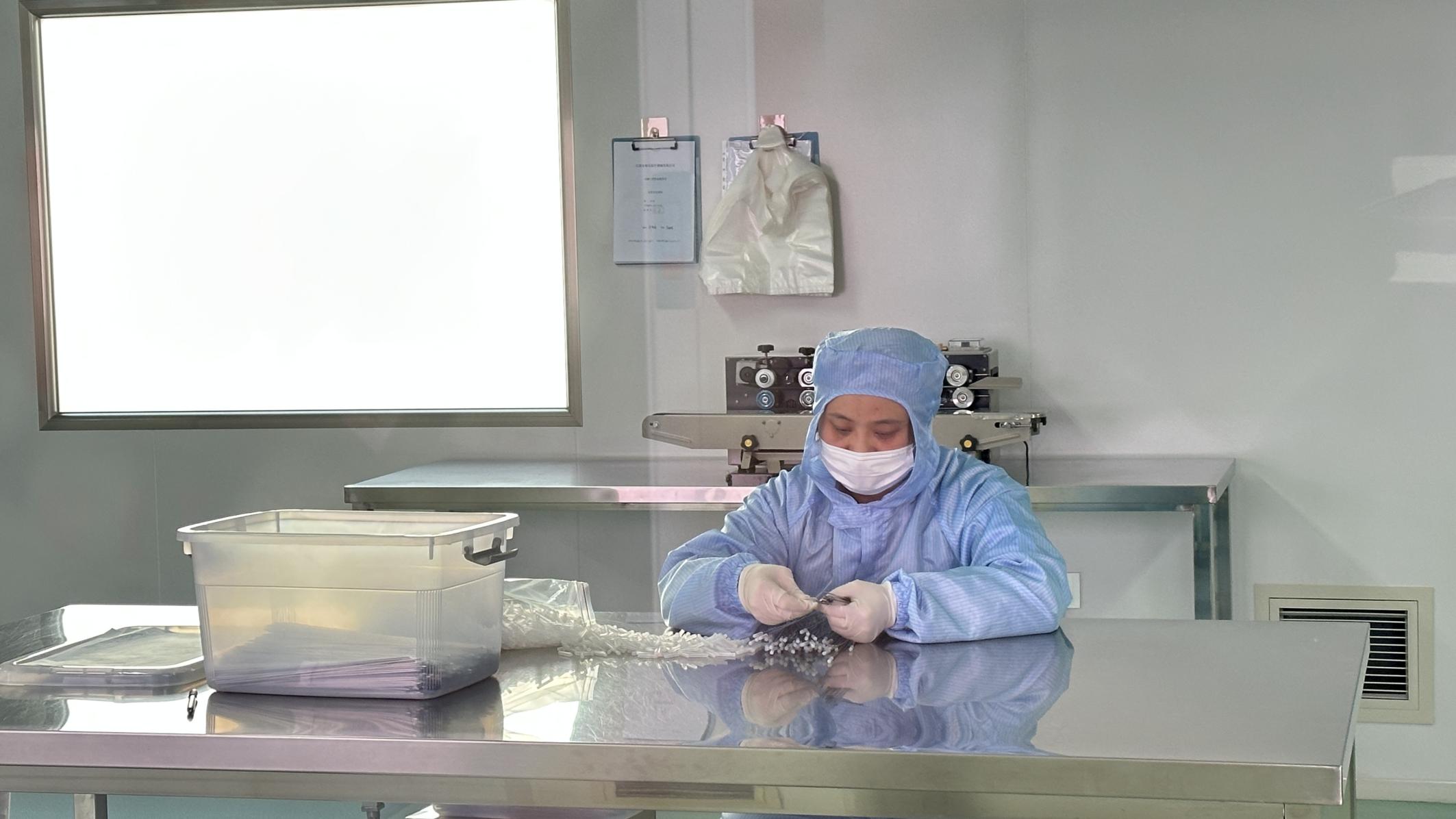 Optical Profile Comparator
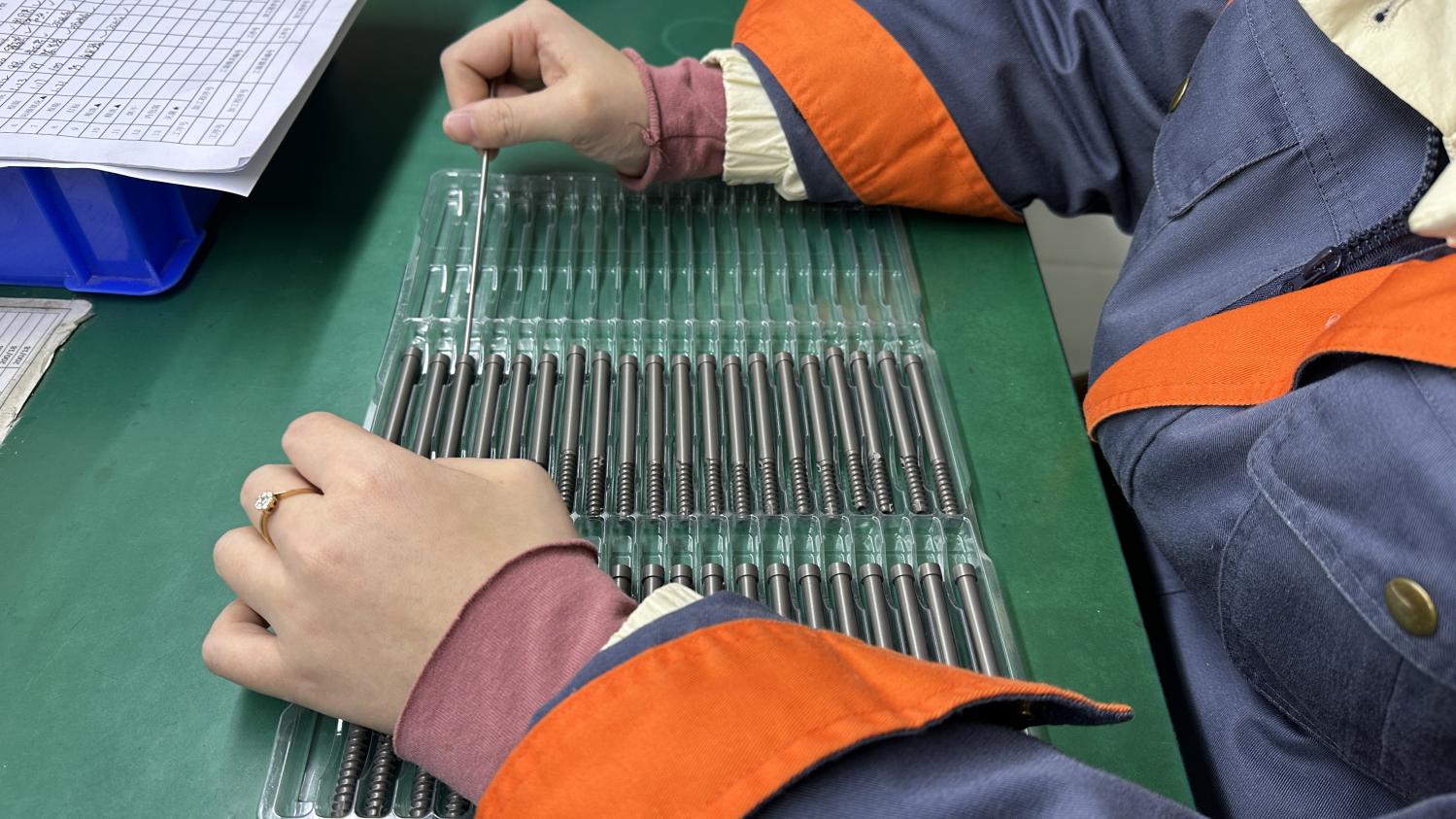 Multi-point Micrometer Inspection
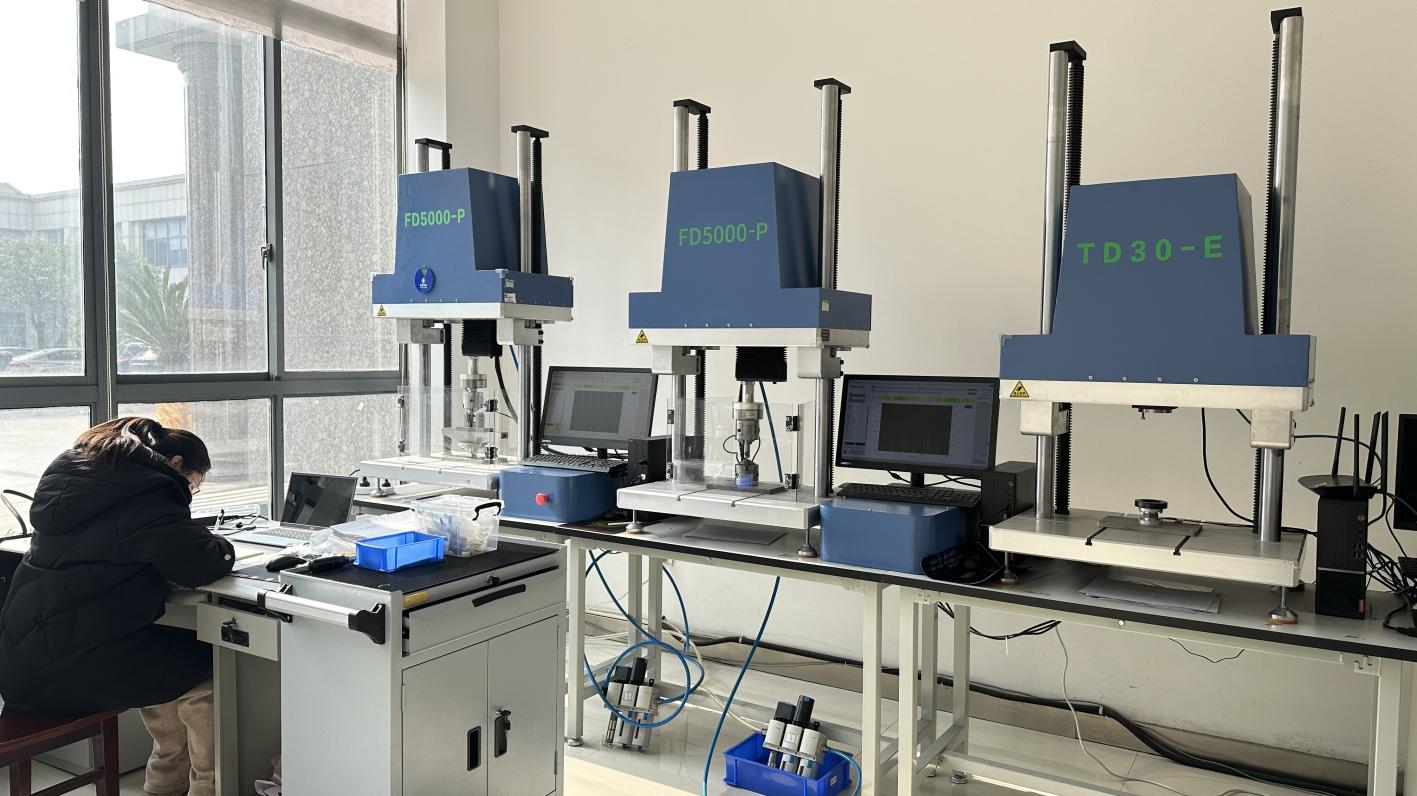 Implant Dynamic Fatigue Tester
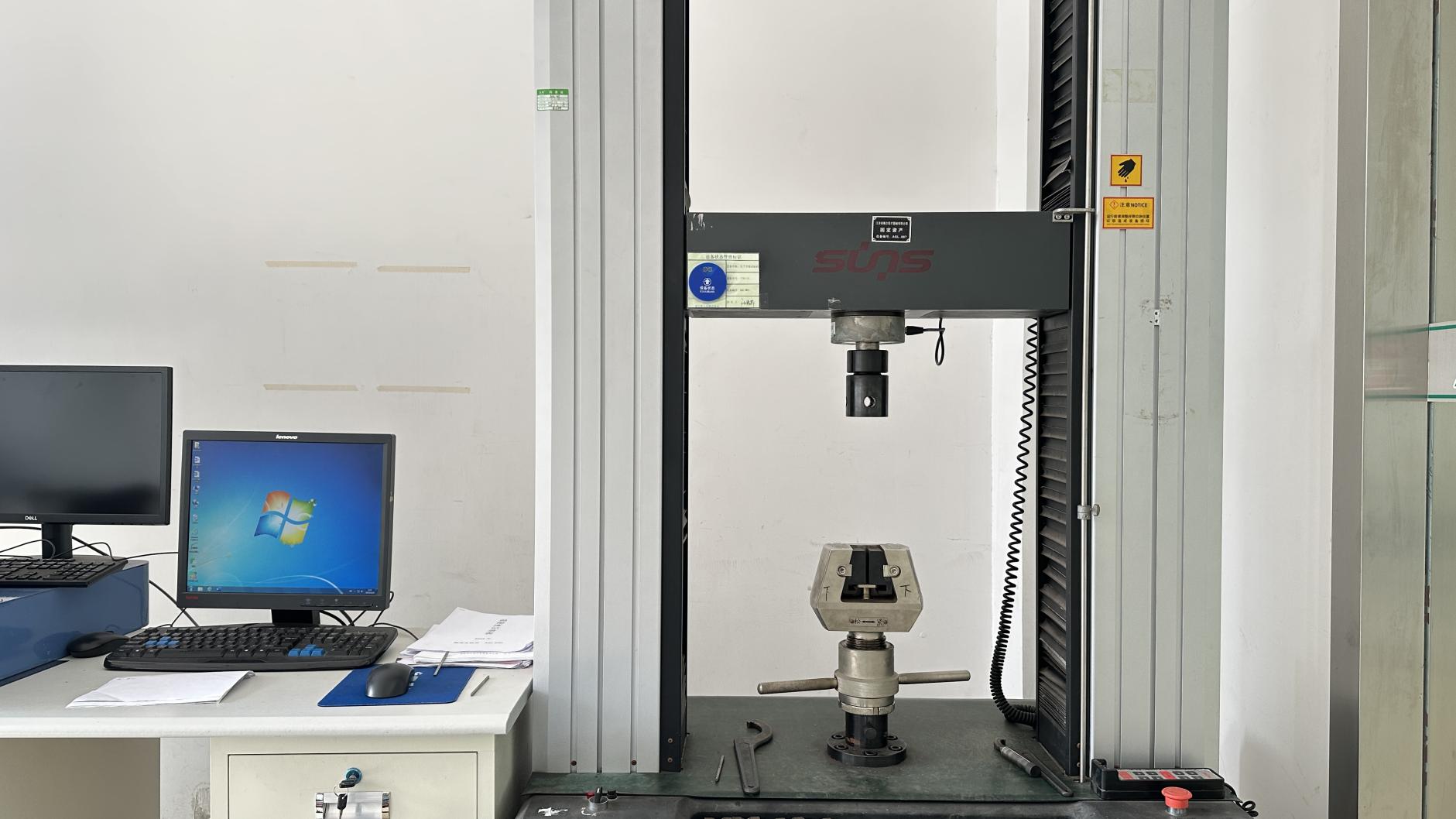 Destructive Tensile Strength Tester
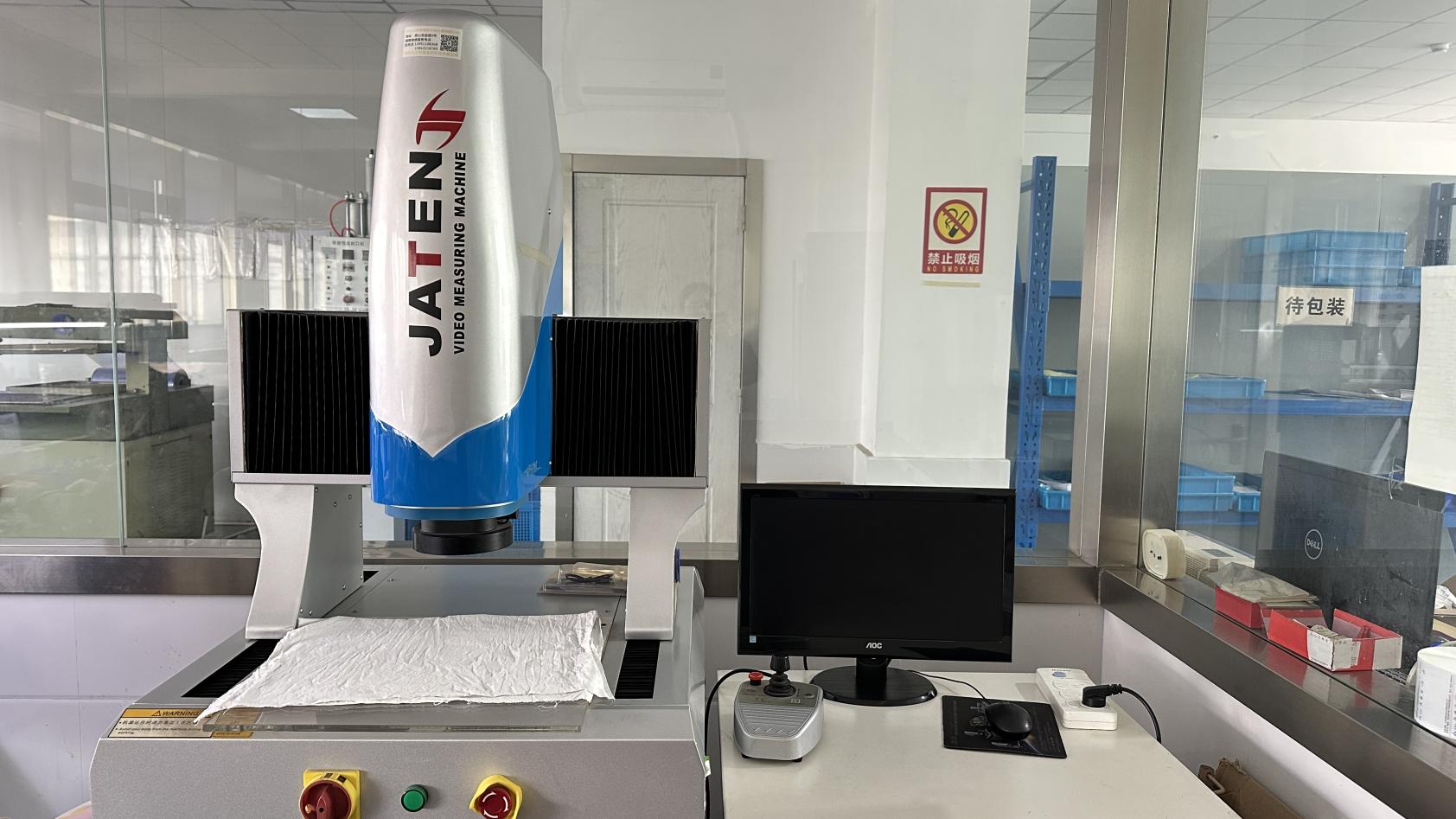 2.5D Optical Dimension Sensor
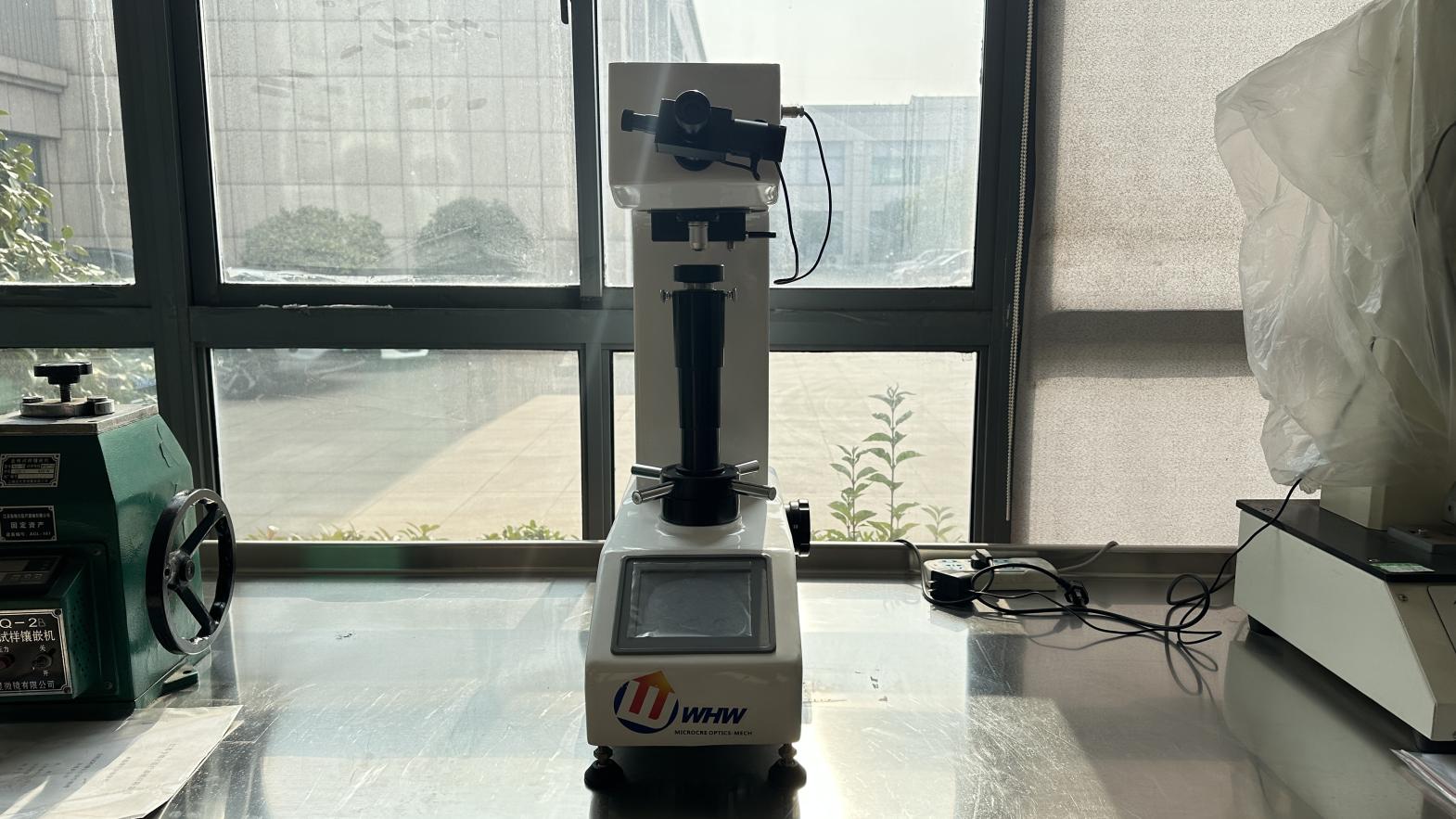 Vickers Hardness Testing Station
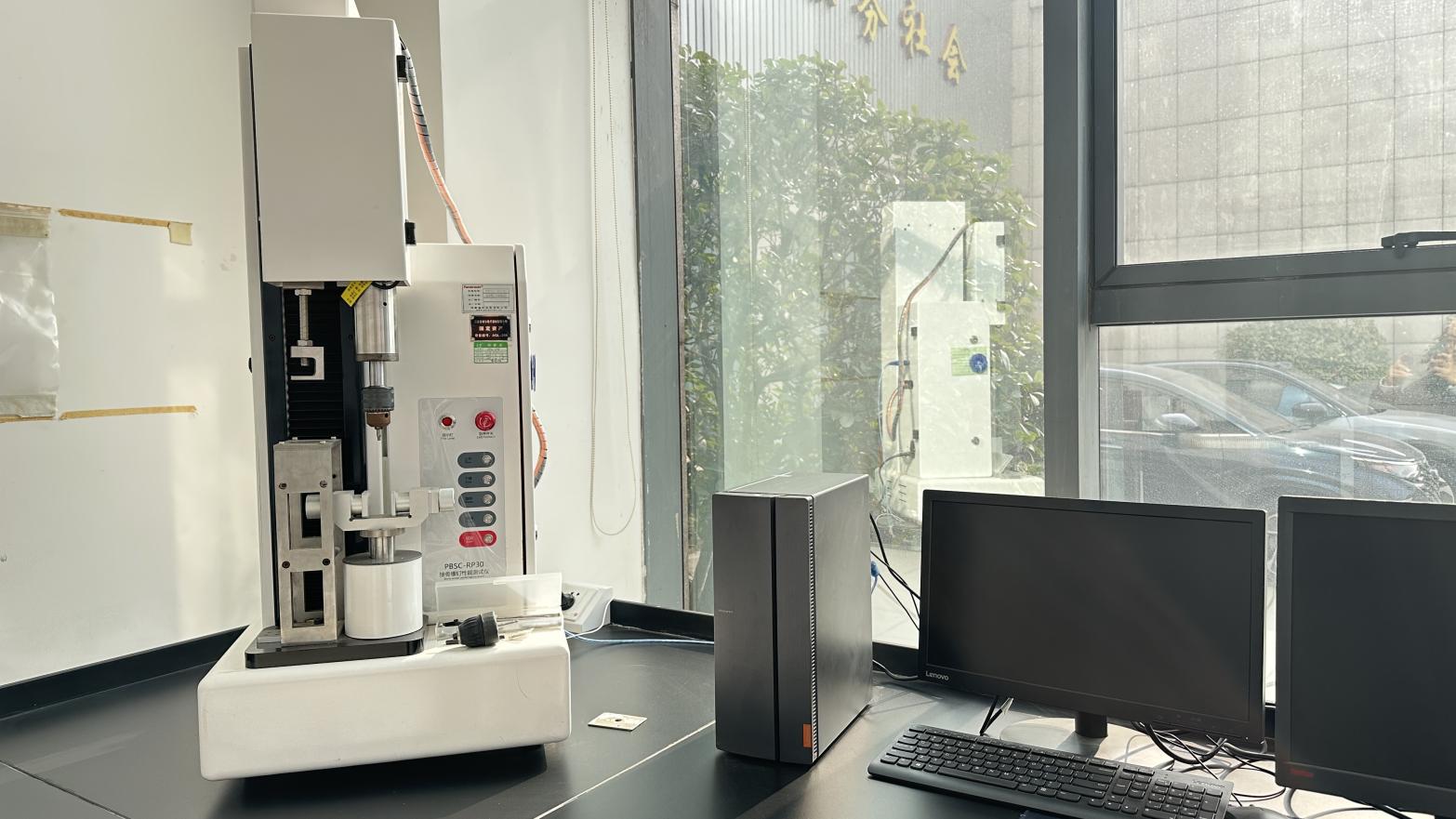 Axial Pull-Out & Torque Tester
Leveraging domestic raw material integration, high-density manufacturing clusters, and advanced cost control paradigms.
China’s Yangtze River Delta ecosystem provides direct sourcing of certified medical-grade titanium (Grade 5 / Ti-6Al-4V ELI) and cobalt-chrome bars. This proximity eliminates logistics delay factors in material acquisition and verification phases.
By combining advanced multi-axis CNC milling centers with continuous shifting protocols, China-based factories minimize machinery idle time. The resulting lower overhead reduces the per-unit cost of complex orthopedic components by 30-45% compared to Western counterparts.
Medisplint offers comprehensive CAD customization, adjusting product drafts and running pilot batches within 15-21 business days. Fast turnarounds help distributors secure tenders and meet clinical demands quickly.
Aligning advanced engineering options with practical surgical requirements in medical centers and trauma units.
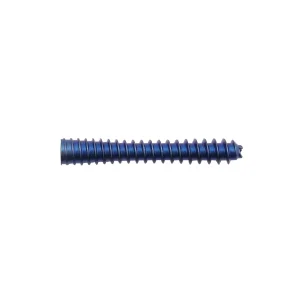
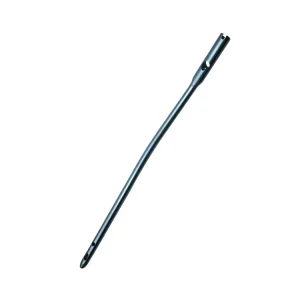
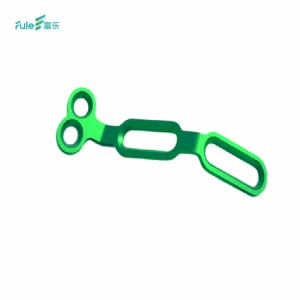
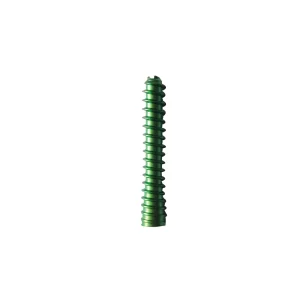
In emergency orthopedics, managing high-energy fractures requires stable fixation options that adapt to different patient profiles. For example, our 3.5 Headless Cannulated Compression Screws and Proximal Femoral Antirotation Nails (PFNA) are configured to minimize insertion resistance while securing bone contact. Modular instrumentation ensures surgical teams can adapt to intraoperative changes in femoral head offset and diaphyseal alignment, helping patients mobilize sooner.
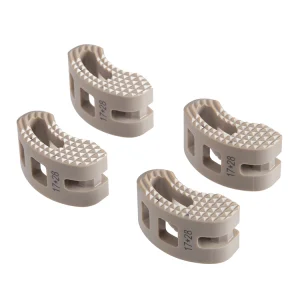
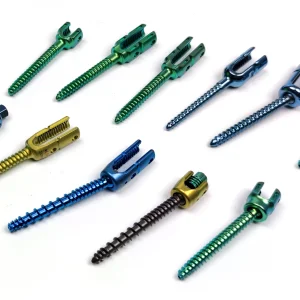
Modern spinal surgeries require stable, biocompatible constructs that resist structural fatigue. Medisplint's Titanium Polyaxial Pedicle Screws and TLIF Banana Cages are designed for primary and multi-level fusion procedures. These devices feature optimized thread patterns for secure purchase in osteoporotic bone, while the modular design allows surgeons to assemble rigid constructs that preserve sagittal alignment.
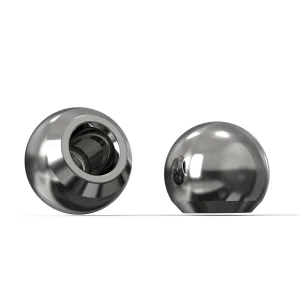
Revision total hip arthroplasty (THA) introduces complex challenges, such as variable bone loss and altered joint mechanics. The CANWELL Revision Modular Head (CoCrMo) utilizes 12/14 tapers, allowing surgeons to fine-tune neck length and reconstruct the center of rotation without needing to replace well-fixed distal stems. This targeted replacement preserves healthy bone stock and reduces patient recovery times.
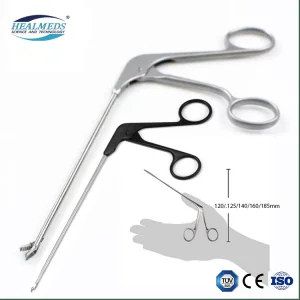
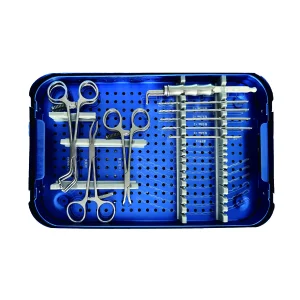
Minimally invasive therapies require specialized, high-durability instruments that function reliably through small portals. Our Arthroscopic Meniscus Repair Instruments and AC Joint Repair tools are constructed from hardened stainless steel. This material selection ensures consistent feedback, tactile responsiveness, and structural stability during reconstructive arthroscopic procedures.
Evaluating mechanical testing protocols, raw material origins, and certification pathways to ensure clinical safety.
In medical manufacturing, mechanical integrity and biological compatibility are non-negotiable. Medisplint sources its raw materials exclusively from certified vendors who supply batch-specific mill test reports for chemical composition and mechanical properties. Key materials used include:
| Material Class | Common Standards | Primary Clinical Applications | Key Properties |
|---|---|---|---|
| Titanium Alloy (Ti-6Al-4V ELI) | ASTM F136 / ISO 5832-3 | Pedicle screws, interbody cages, bone plates, trauma pins | Excellent biocompatibility, high strength-to-weight ratio, low elastic modulus |
| Cobalt-Chromium-Molybdenum | ASTM F1537 / ISO 5832-12 | Modular femoral heads, revision joints, wear surfaces | High wear resistance, low friction coefficient, high fatigue limit |
| Ultra-High Molecular Weight PE | ASTM F648 / ISO 5834-2 | Joint liners, acetabular inserts, articulation components | Impact resistance, minimal friction against metallic surfaces |
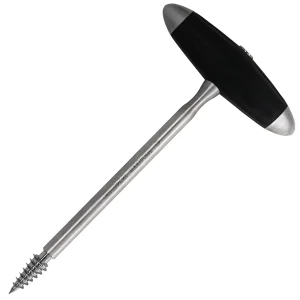
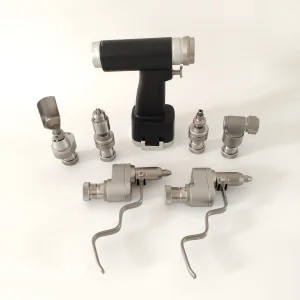
| Martensitic Stainless Steel | ASTM F899 | T-Handles, extractors, osteotomes, surgical drill saws | Corrosion resistance, high edge retention, steam sterilizable |
Our quality department runs systematic verification protocols on every batch. Implants undergo dynamic fatigue testing in physiological simulation solutions (following ASTM F1717 for spinal constructs and ASTM F1800 for femoral designs) to verify mechanical performance up to 5 million cycles without structural failure. This testing verifies the durability and reliability of our modular implant joints.
Anticipating technological advancements and shifts in global healthcare distribution networks over the next decade.
Integrating trabecular titanium designs directly into modular components. 3D printing creates porous surfaces that mimic natural trabecular bone, encouraging rapid bone ingrowth and improving long-term implant stability.
Surface treatments utilizing copper, silver, or hydroxyapatite coatings. These bioactive layers help reduce early implant colonization by pathogens while supporting physiological osseointegration.
Adopting unique device identification (UDI) standards globally. Laser-marking matrix tracking codes directly onto implants allows clinics to trace component histories and verify authenticity from the factory floor to the operating room.
Direct, technical answers to common questions raised by procurement managers, orthopedic distributors, and hospital administrators.
We source titanium alloys strictly conforming to ASTM F136 / ISO 5832-3 standards, and cobalt-chrome-molybdenum to ASTM F1537 / ISO 5832-12 standards. Every material batch undergoes spectral chemistry validation and mechanical tensile tests. Certified mill test sheets are provided with every delivery.
We utilize high-precision CNC lathes to produce consistent, low-roughness 12/14 tapers. Maintaining tight dimensional tolerances across batches ensures a secure taper lock, reducing micro-motion and the risk of fretting corrosion.
Our production facility is certified to ISO 13485:2016 for medical device quality management. In addition, our key modular implants and trauma systems carry CE marks, complying with European MDR requirements and international regulatory frameworks.
For standard modified configurations, our lead time typically ranges between 30 and 45 days. Fully customized designs requiring new tooling, mold fabrication, and validation runs are completed within 60 to 90 days, depending on regulatory review timelines.
We perform in-house dynamic and static fatigue testing using specialized testers. Spinal constructs are evaluated to ASTM F1717, and bone screws are tested for pull-out strength and torsional resistance using automated performance testers. This helps ensure mechanical reliability before clinical distribution.
Explore our full line of spinal fusion cages, intramedullary nails, arthroscopic instruments, and anterior cervical plating systems.