Medisplint
Medisplint
Medisplint
Explore our state-of-the-art trauma, spine, and maxillofacial implant systems engineered for global healthcare standards.
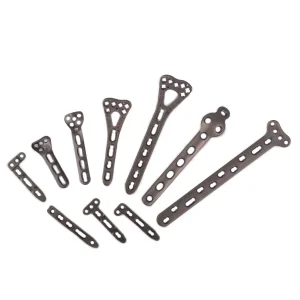
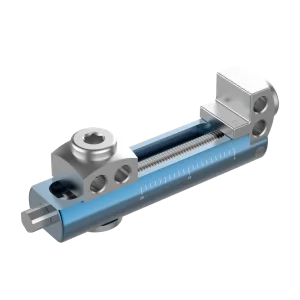
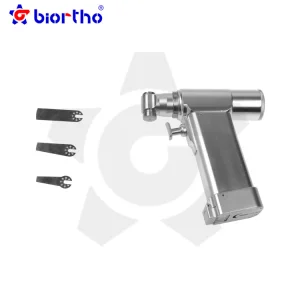
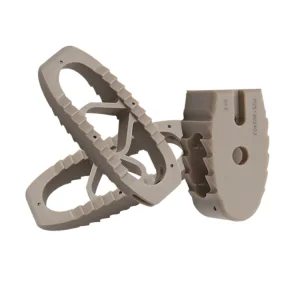
Mandibular reconstruction stands as one of the most structurally complex challenges in oral and maxillofacial surgery (OMFS).
The human mandible acts as the primary structure for mastication, deglutition, and articulation, absorbing complex biomechanical stresses daily. When patient anatomy is compromised due to malignant tumor ablation, severe osteomyelitis, or high-velocity trauma, surgeons rely on reconstructive plating systems to restore physiological form and occlusion.
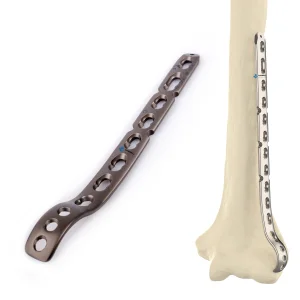
Historically, bridging mandibular defects required highly manual shaping of standard titanium plates during surgery. Modern surgical requirements, however, demand high-precision locking reconstruction plates, biocompatible Grade 4 or Grade 5 titanium alloys, and customized CAD/CAM systems. These innovations minimize operating times and reduce the clinical incidence of implant plate fatigue, screw loosening, and soft-tissue exposure.
Established in 2016, Medisplint Orthopedic Instruments Co., Ltd. is a leading professional manufacturer specializing in orthopedic implants, advanced fixation systems, and high-precision surgical instruments for trauma, spine, and complex joint reconstruction.
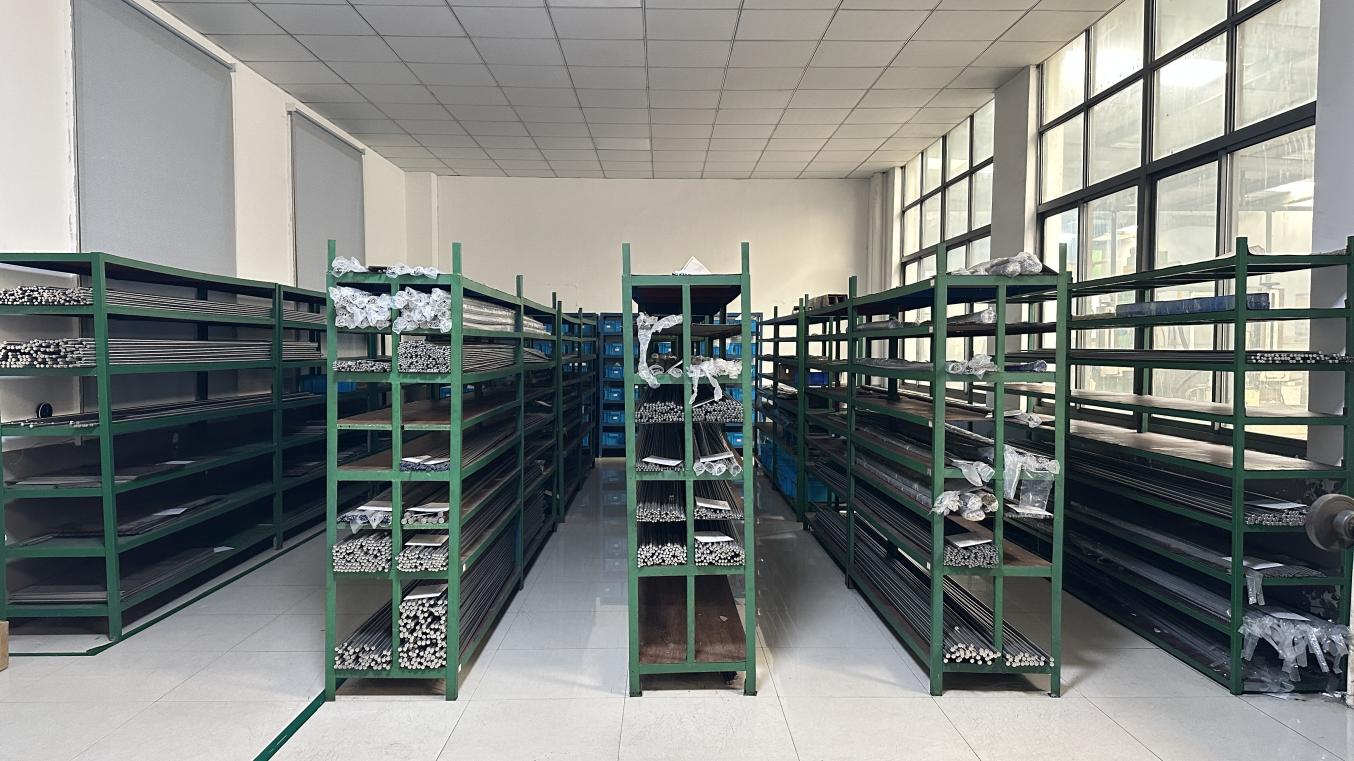
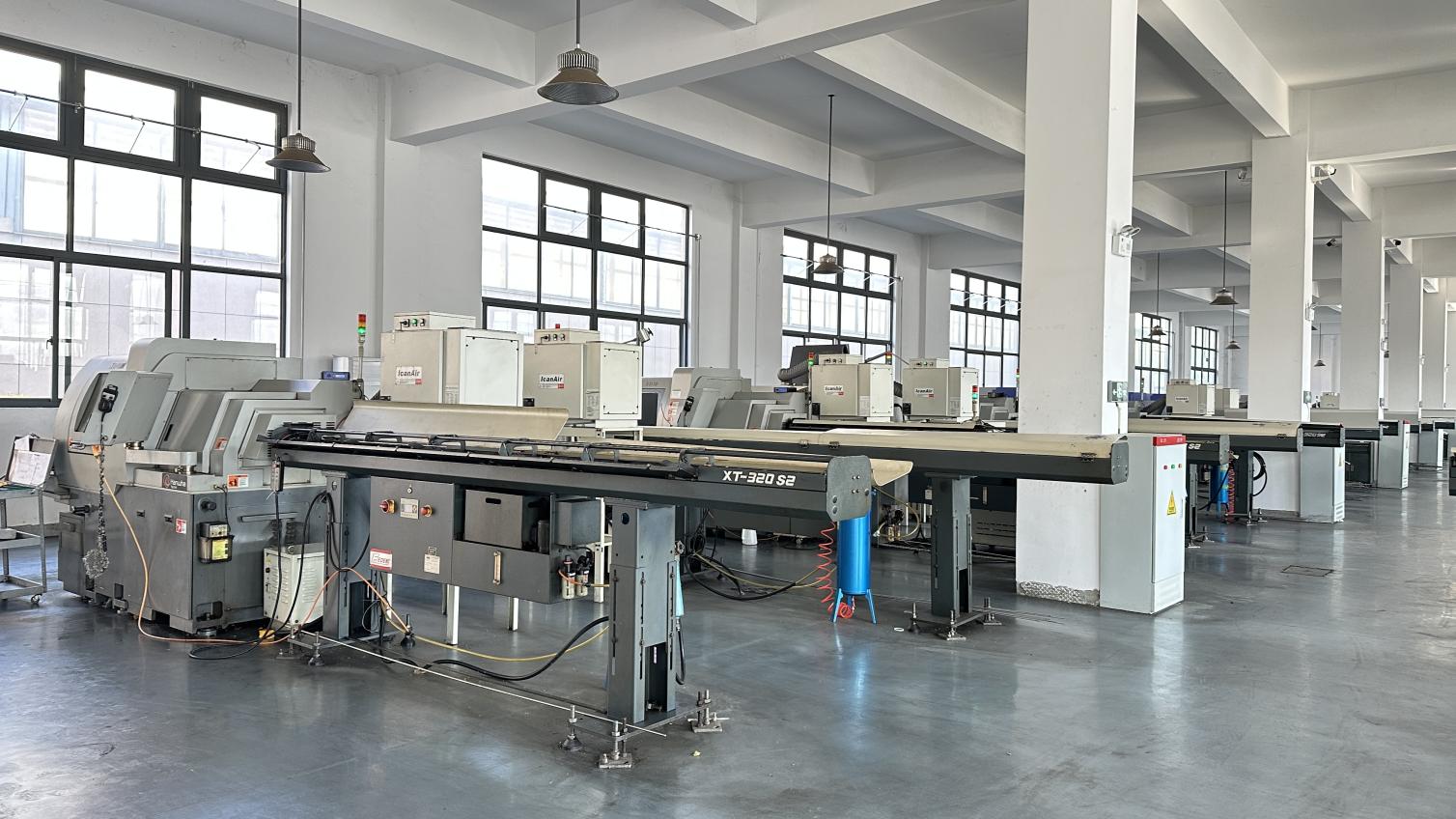
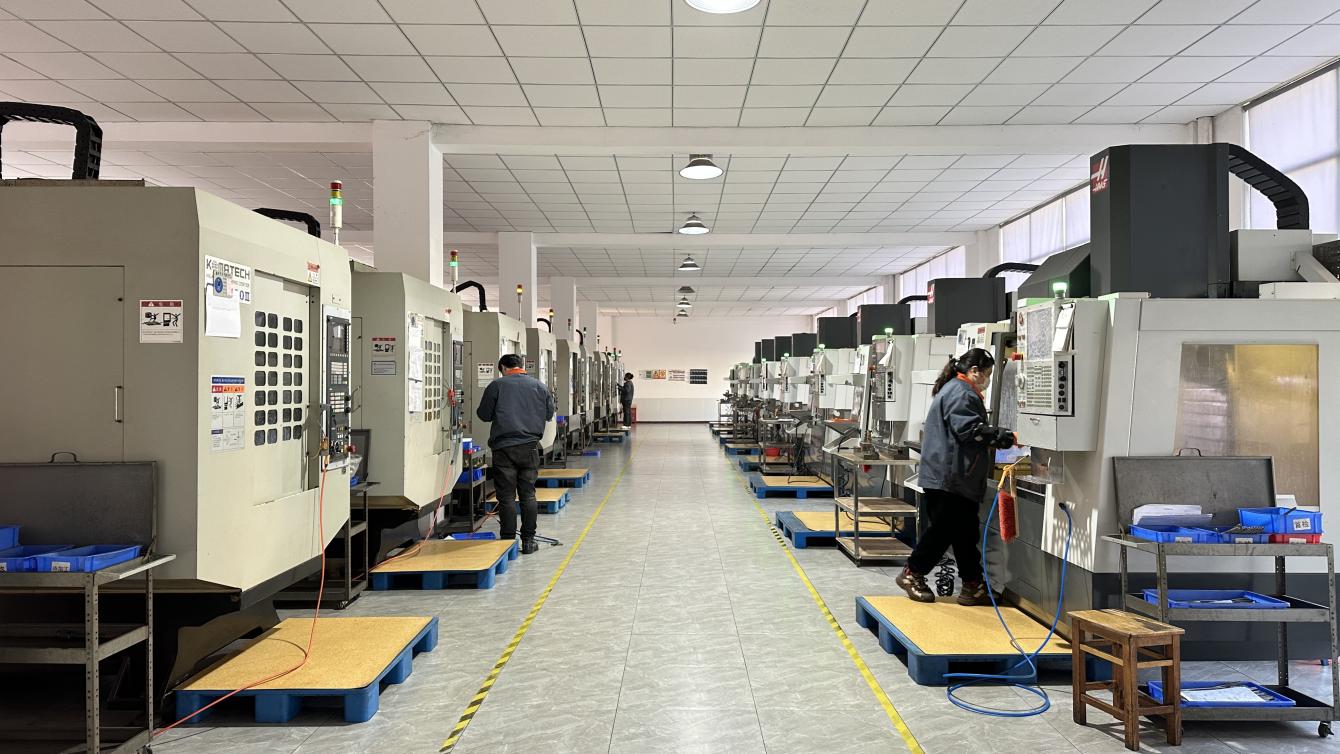
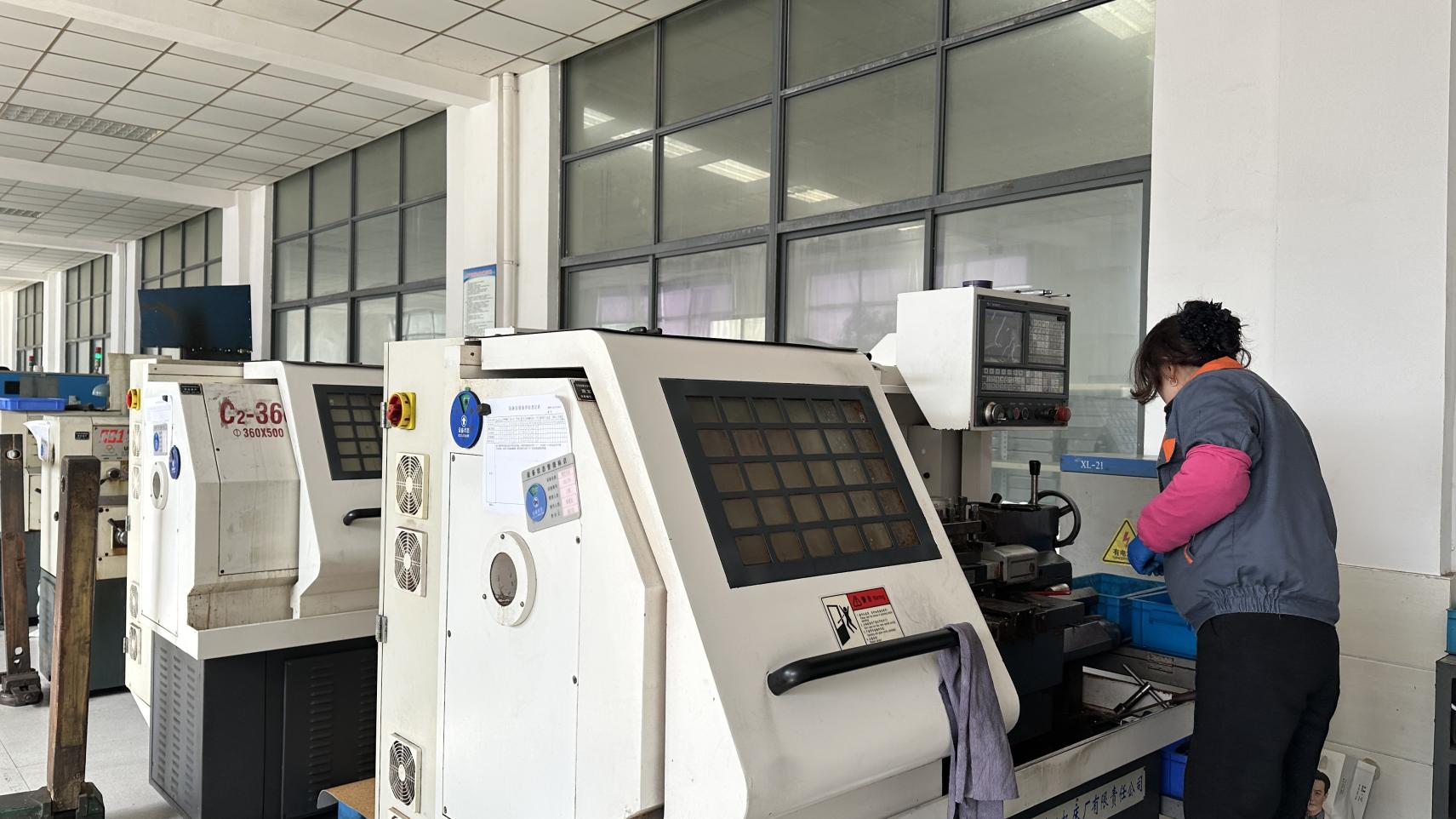
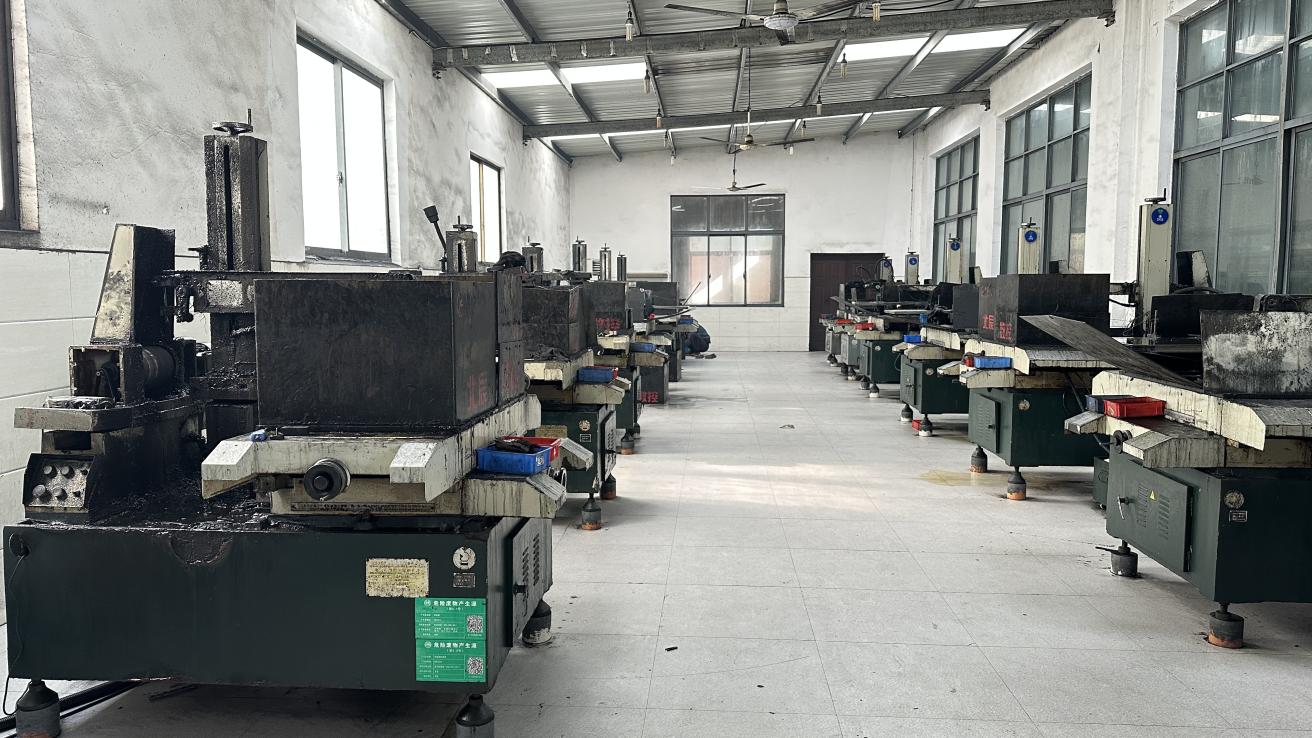
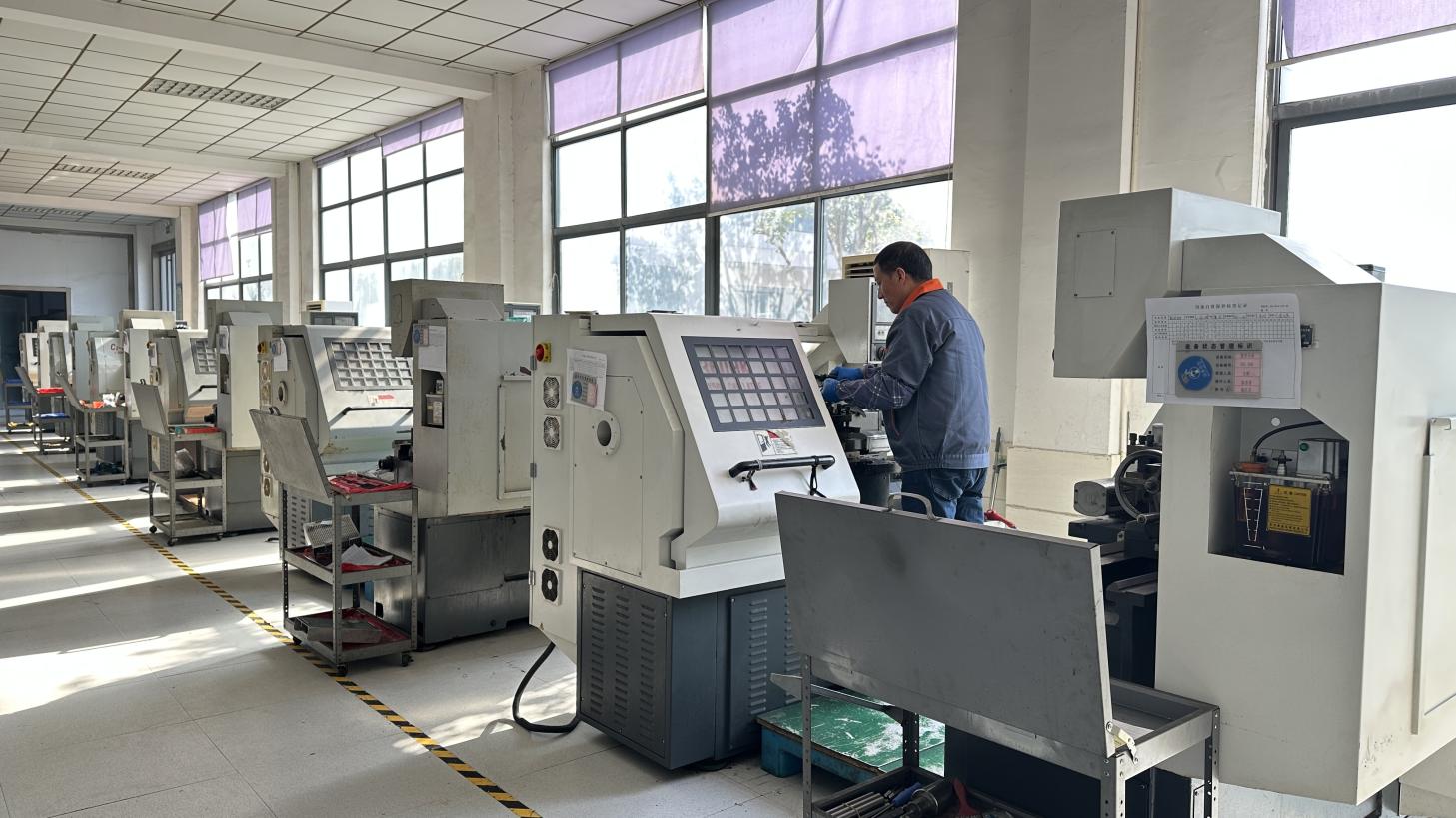
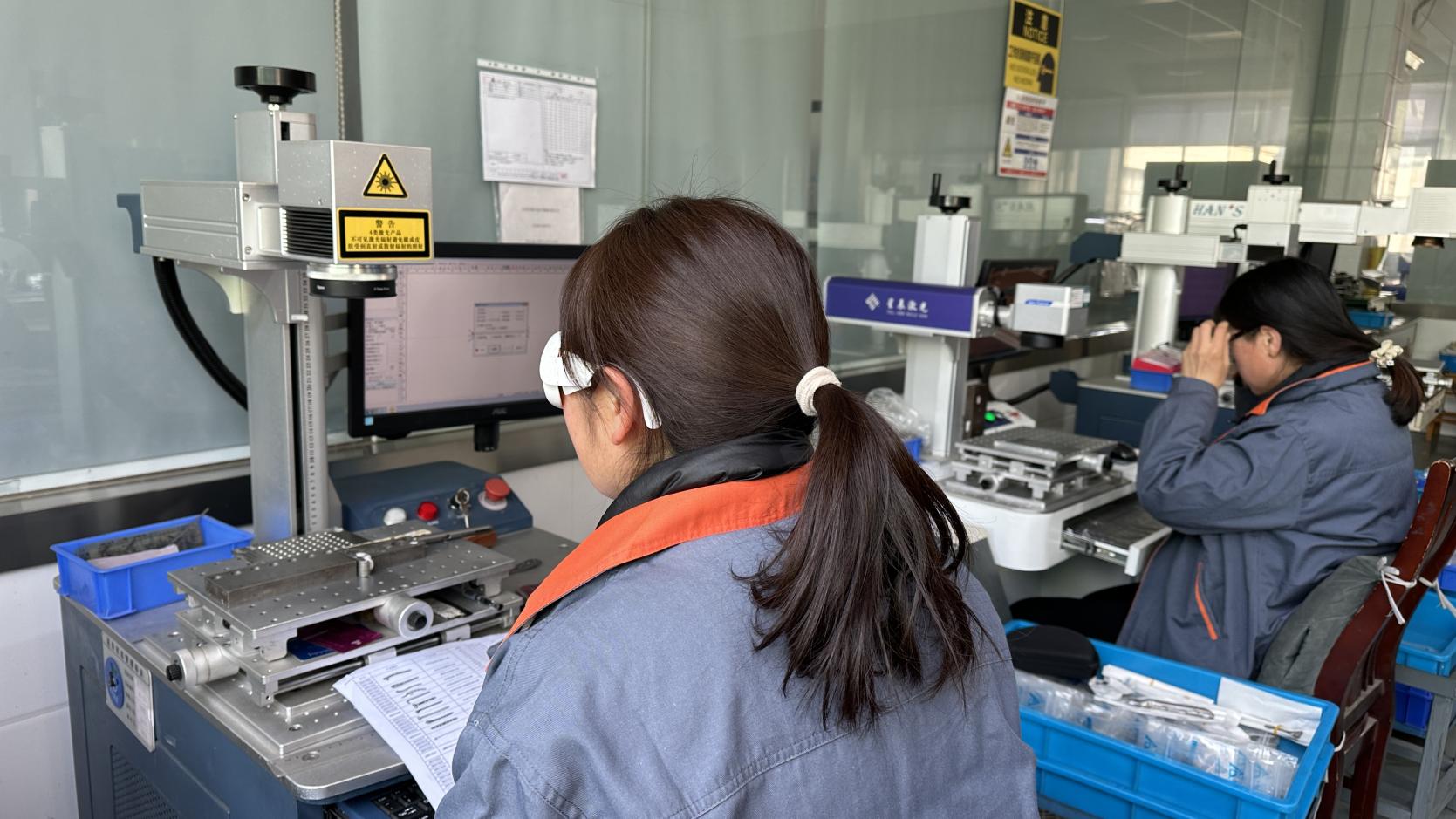
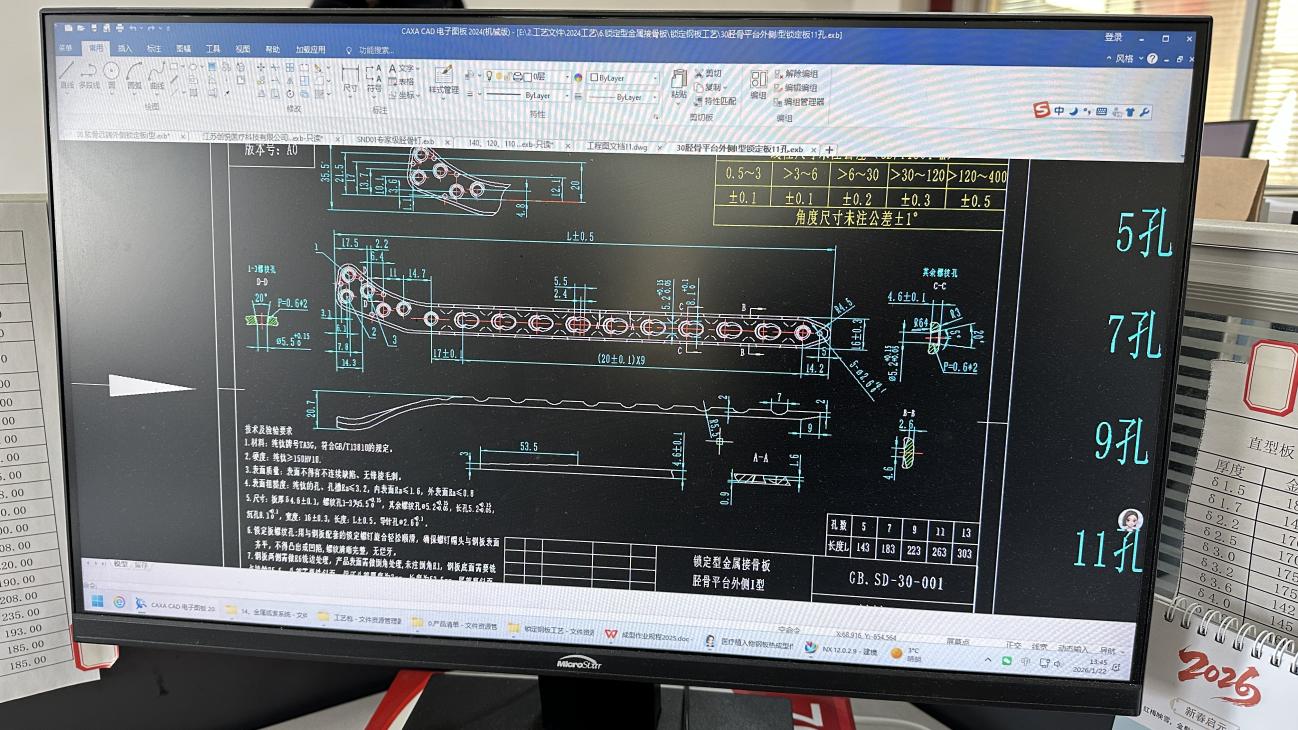
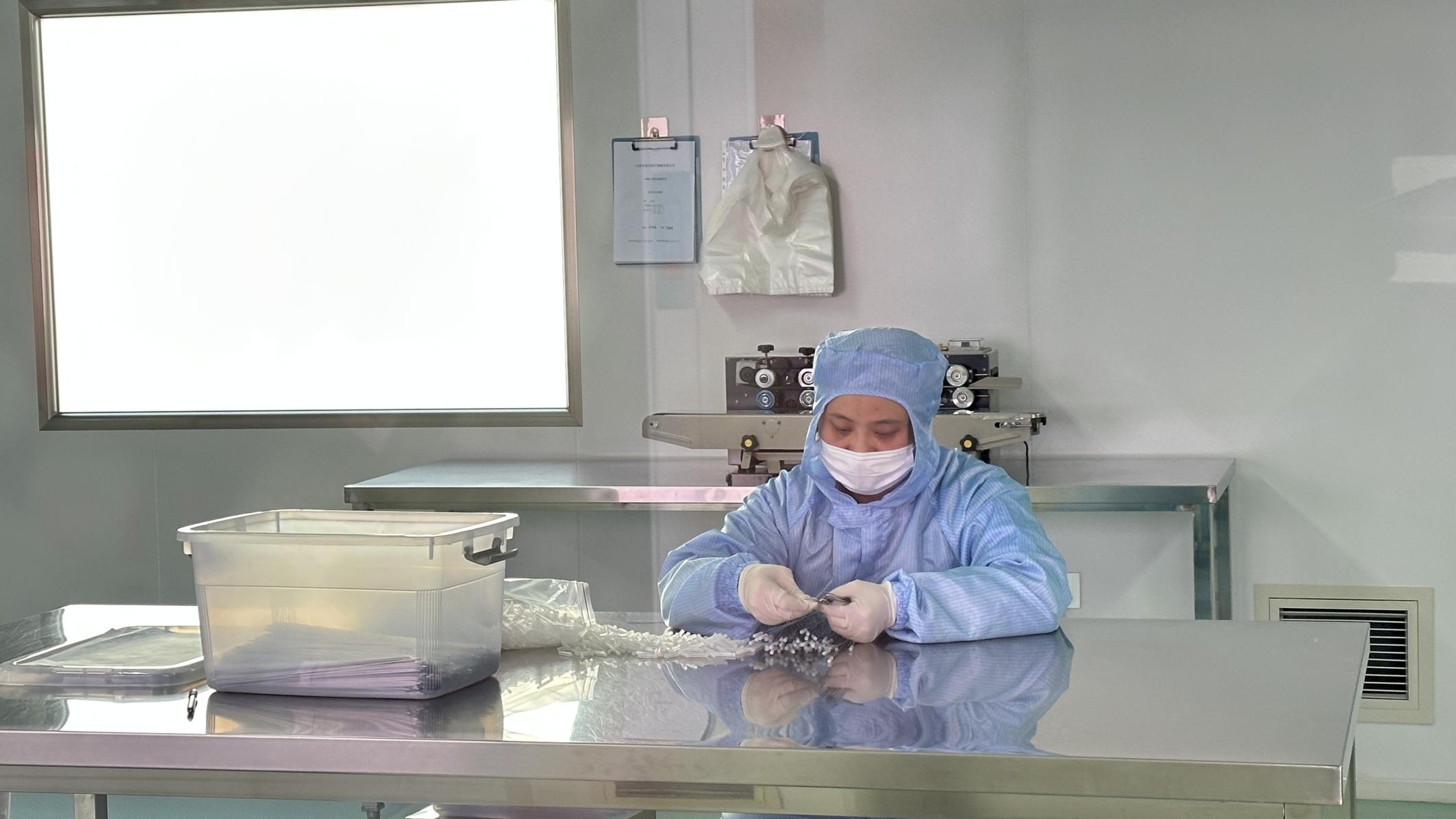
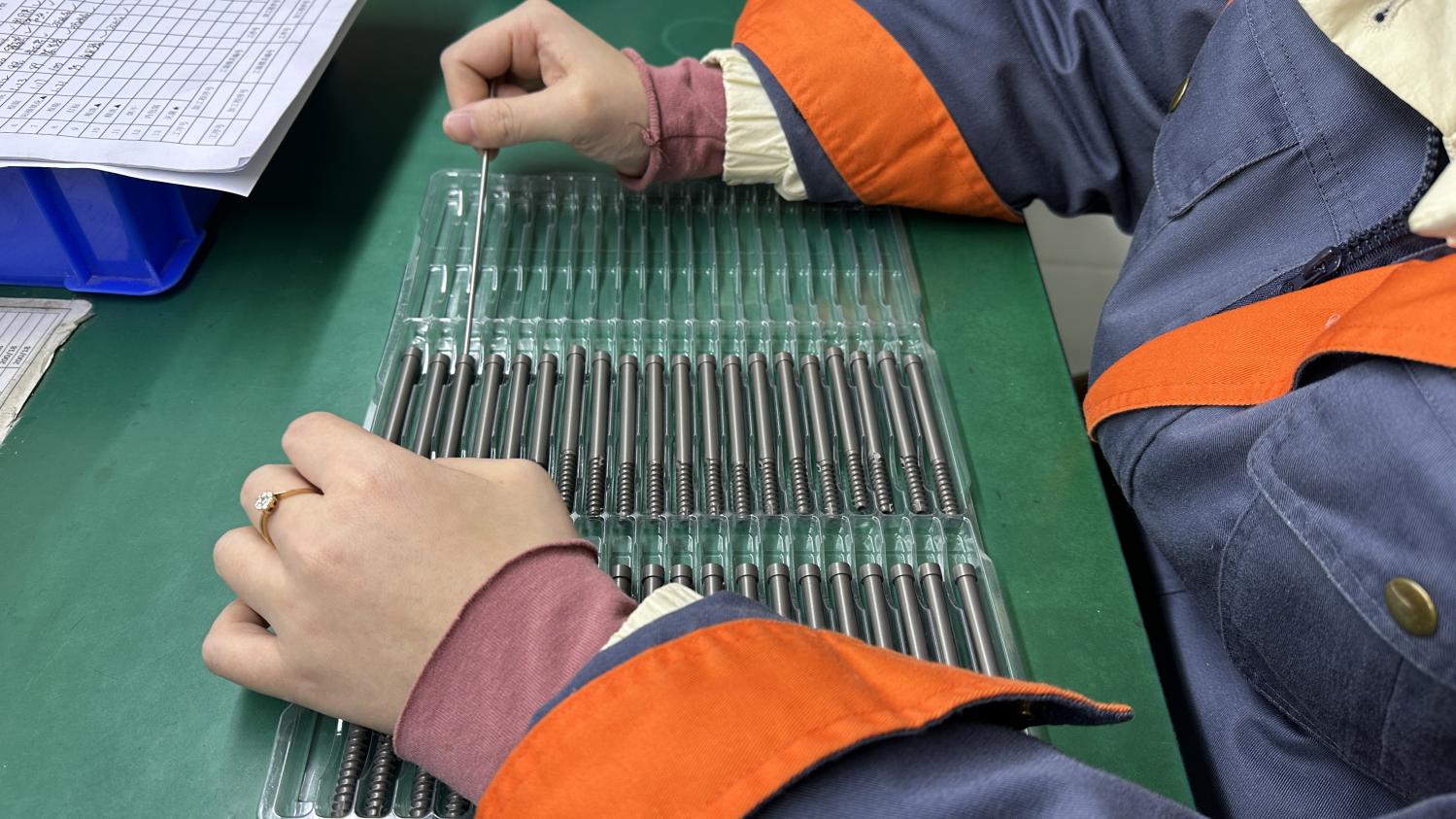
Focusing on medical innovation and compliance with international standards, the company operates a state-of-the-art facility spanning 18,500 square meters. This facility supports fully integrated raw material processing, multi-axis CNC machining, class-100,000 cleanroom packaging, and in-depth physical and chemical laboratories.
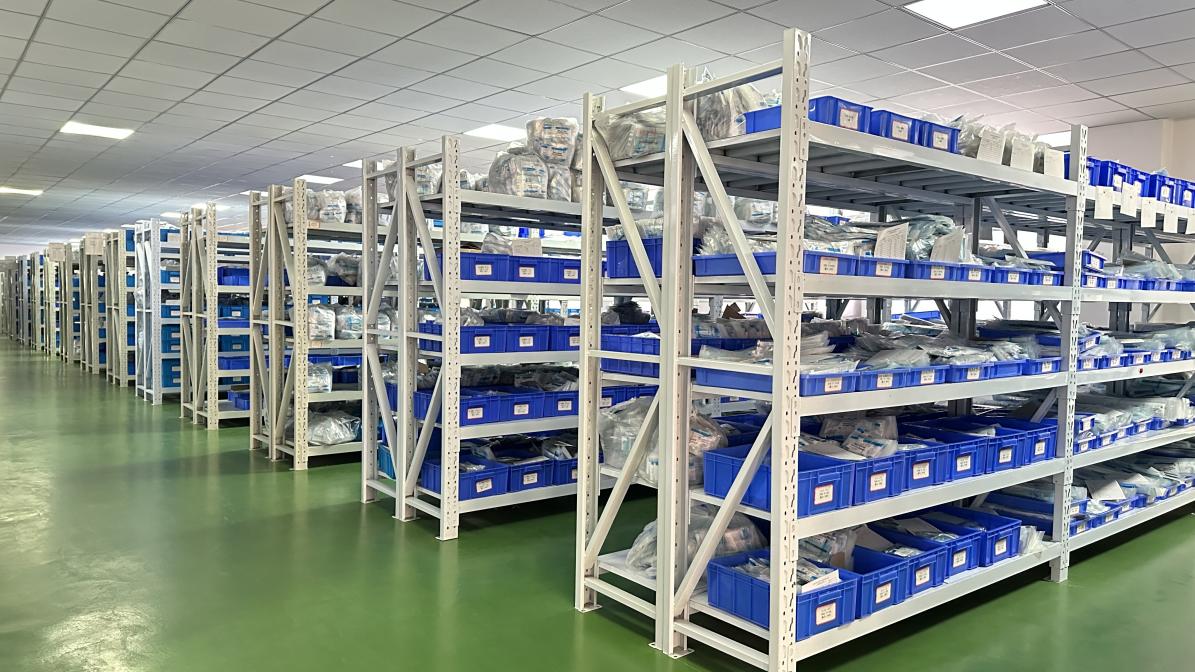
Serving a global network of hospitals, specialized orthopedic distributors, trauma centers, and OEM/ODM partners in Europe, Southeast Asia, South America, and the Middle East, Medisplint achieves an annual export revenue of approximately USD 12 million. Supported by 10 years of domestic medical manufacturing experience and 7 years of export history, the enterprise collaborates with over 1,200 supply chain partners to guarantee stable production capacity and consistent product delivery.
Every stage of production—from importing raw titanium to dynamic fatigue evaluation—is executed in our ISO 13485 and CE compliant facilities.
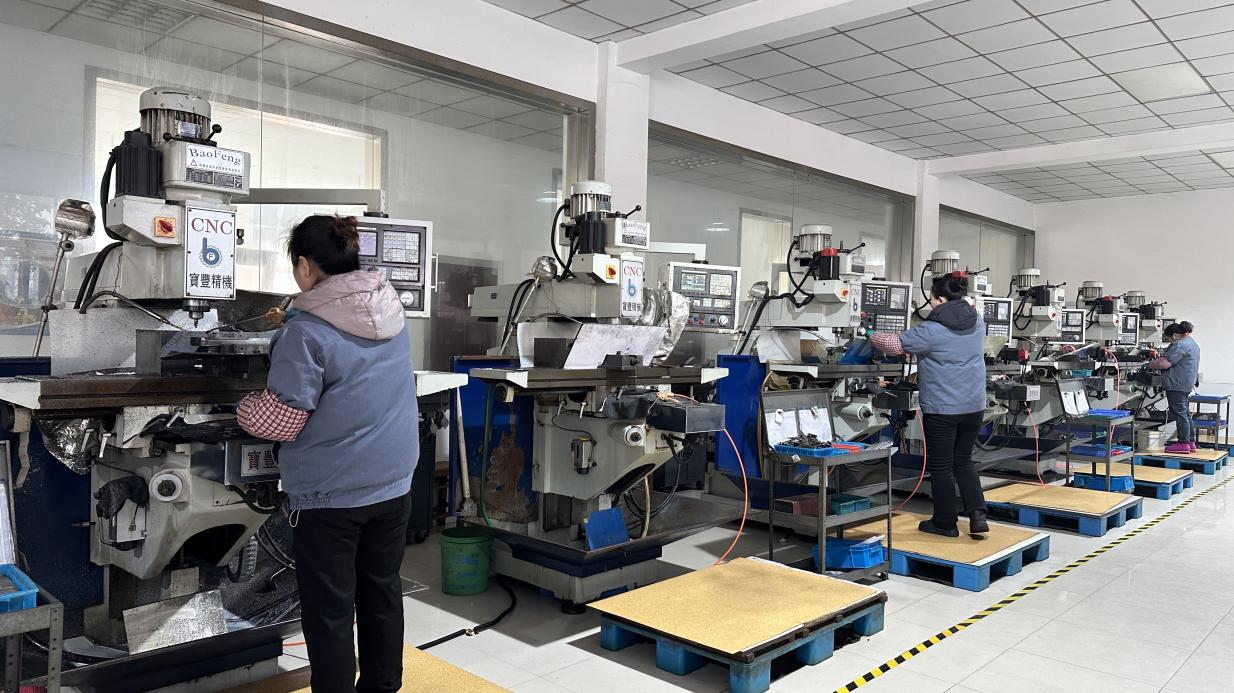
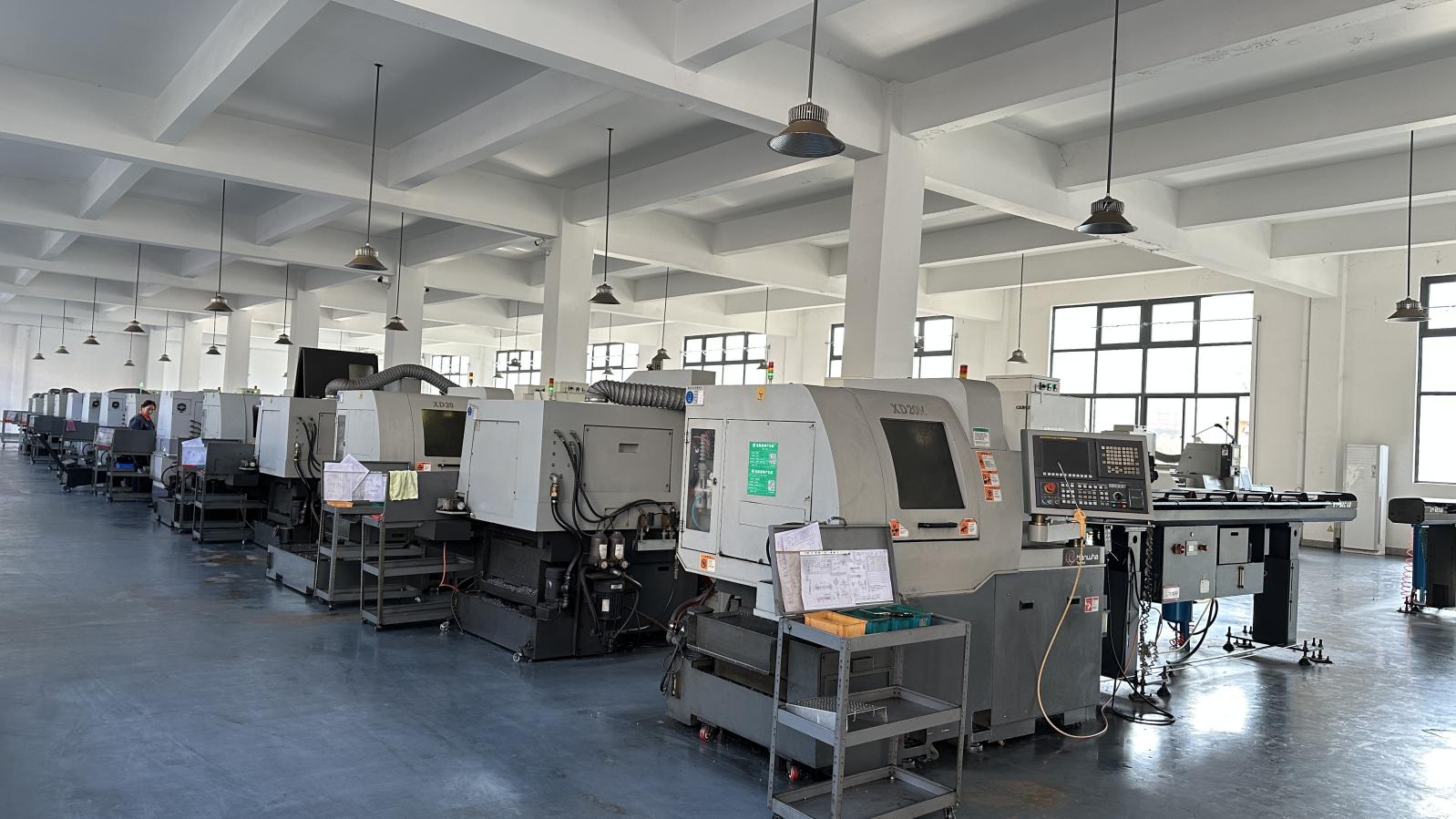
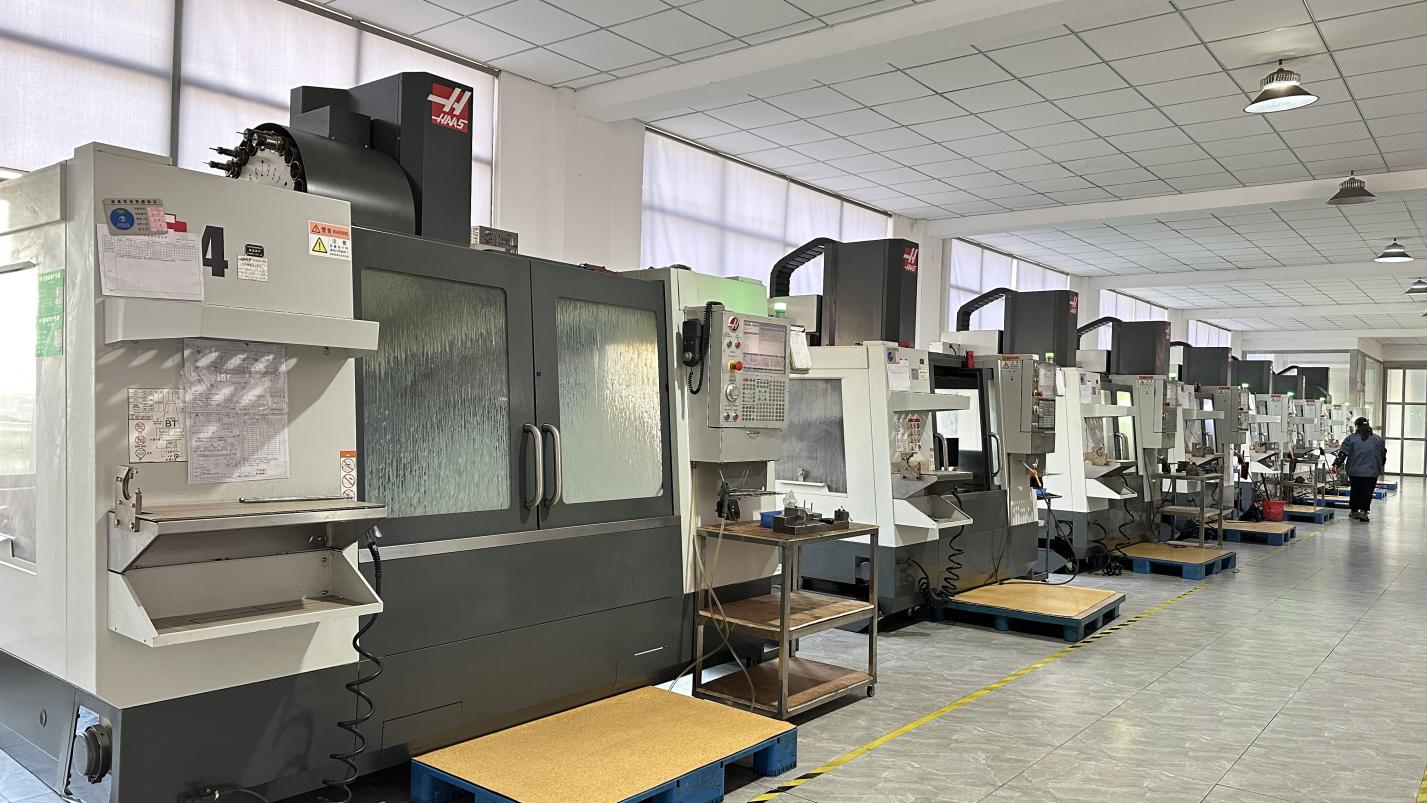
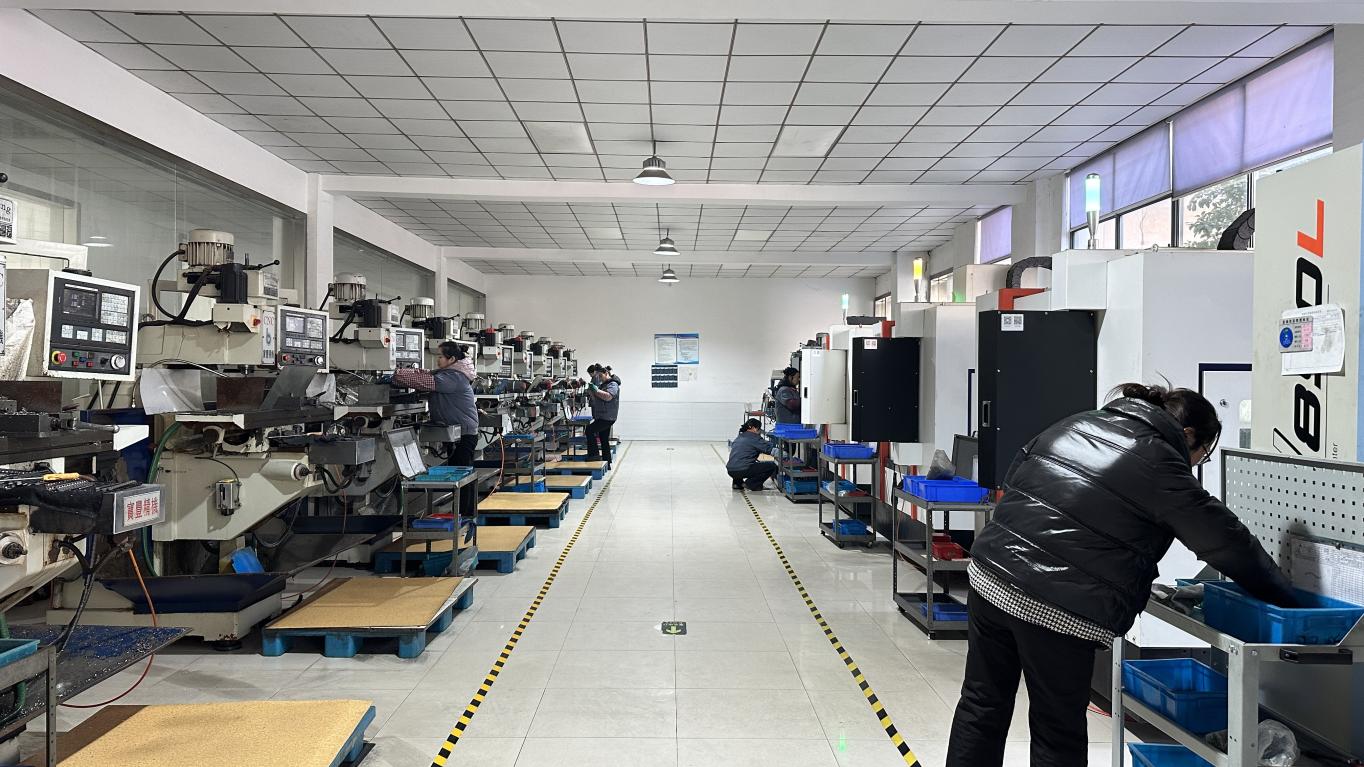

Understanding the economic, industrial, and supply chain efficiencies that position Chinese manufacturers as global market leaders.
Chinese orthopedic clusters benefit from integrated ecosystems of precision toolmakers, heat treatment experts, and certified surface finishers. This concentration reduces logictical delays and raw material costs, enabling Medisplint to offer competitive pricing without compromising implant compliance.
Leading Chinese exporters align with strict regulatory frameworks. Medisplint maintains certifications under ISO 13485, and products comply with CE Directive 93/42/EEC (and MDR transition phases). These standards ensure traceablity from titanium billets to the sterile operating field.
With 85 R&D specialists, Chinese manufacturers support customized design modifications. Whether an OEM partner requires custom locking mechanisms, unique plate geometries, or custom-bent profiles for surgical workflows, Medisplint can prototype and manufacture solutions at scale.
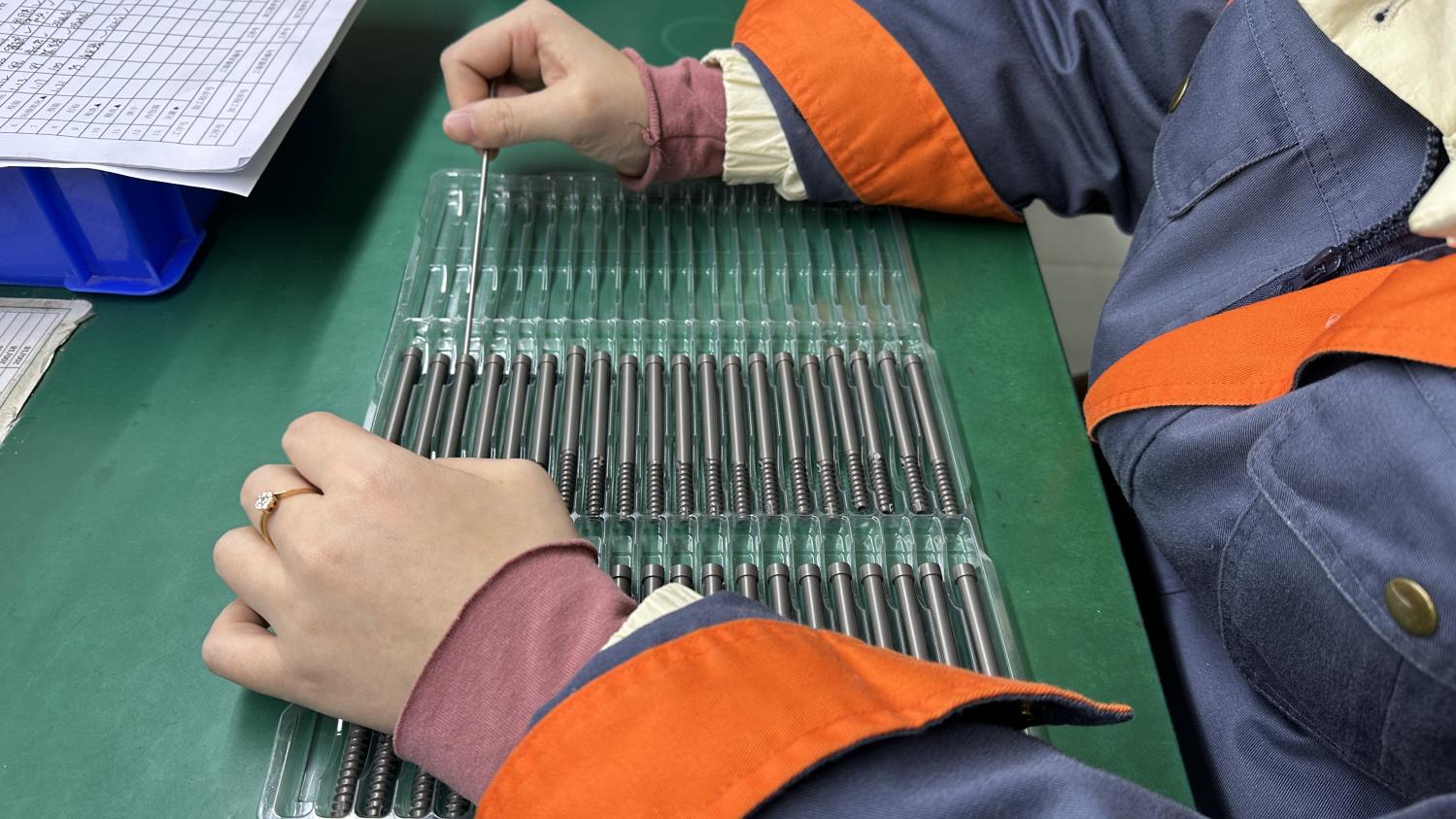
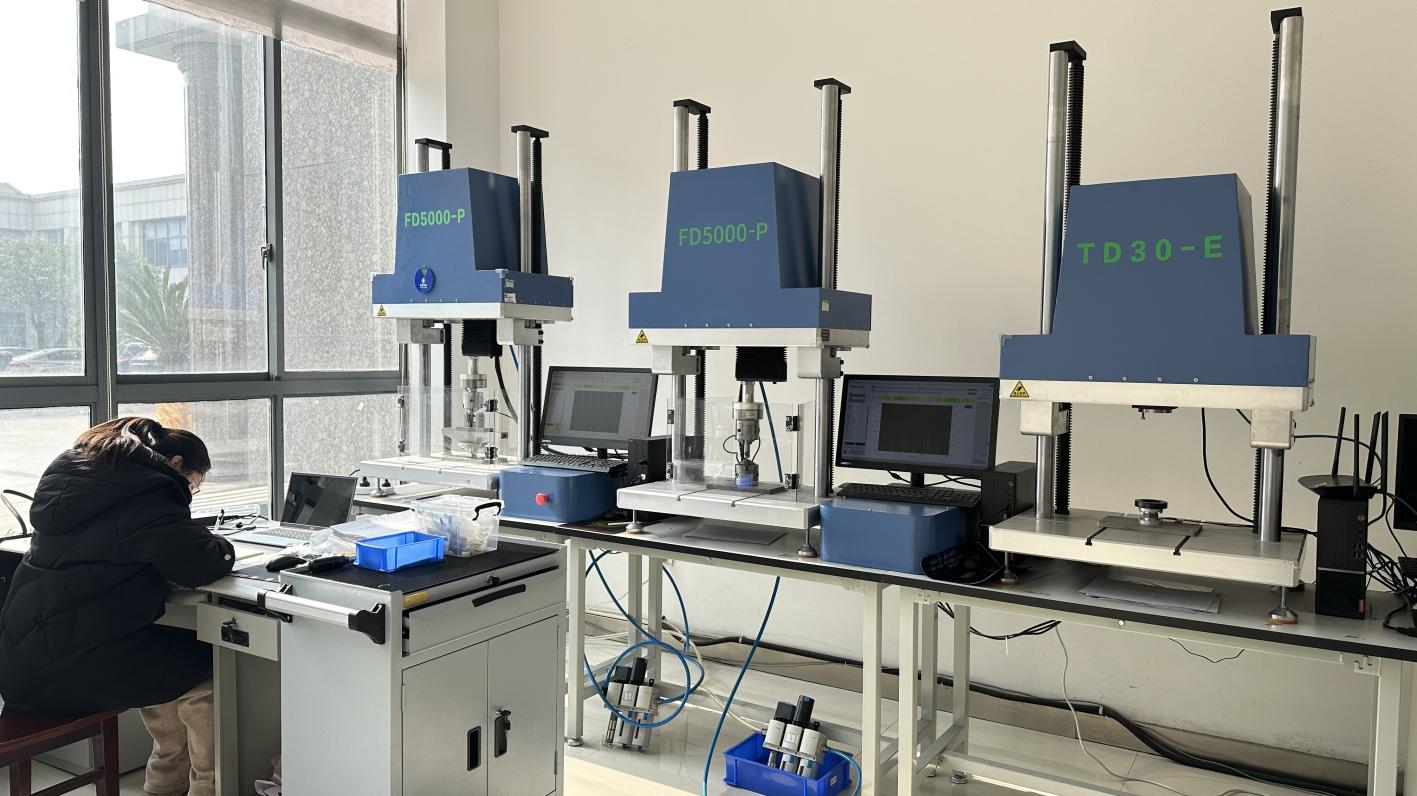
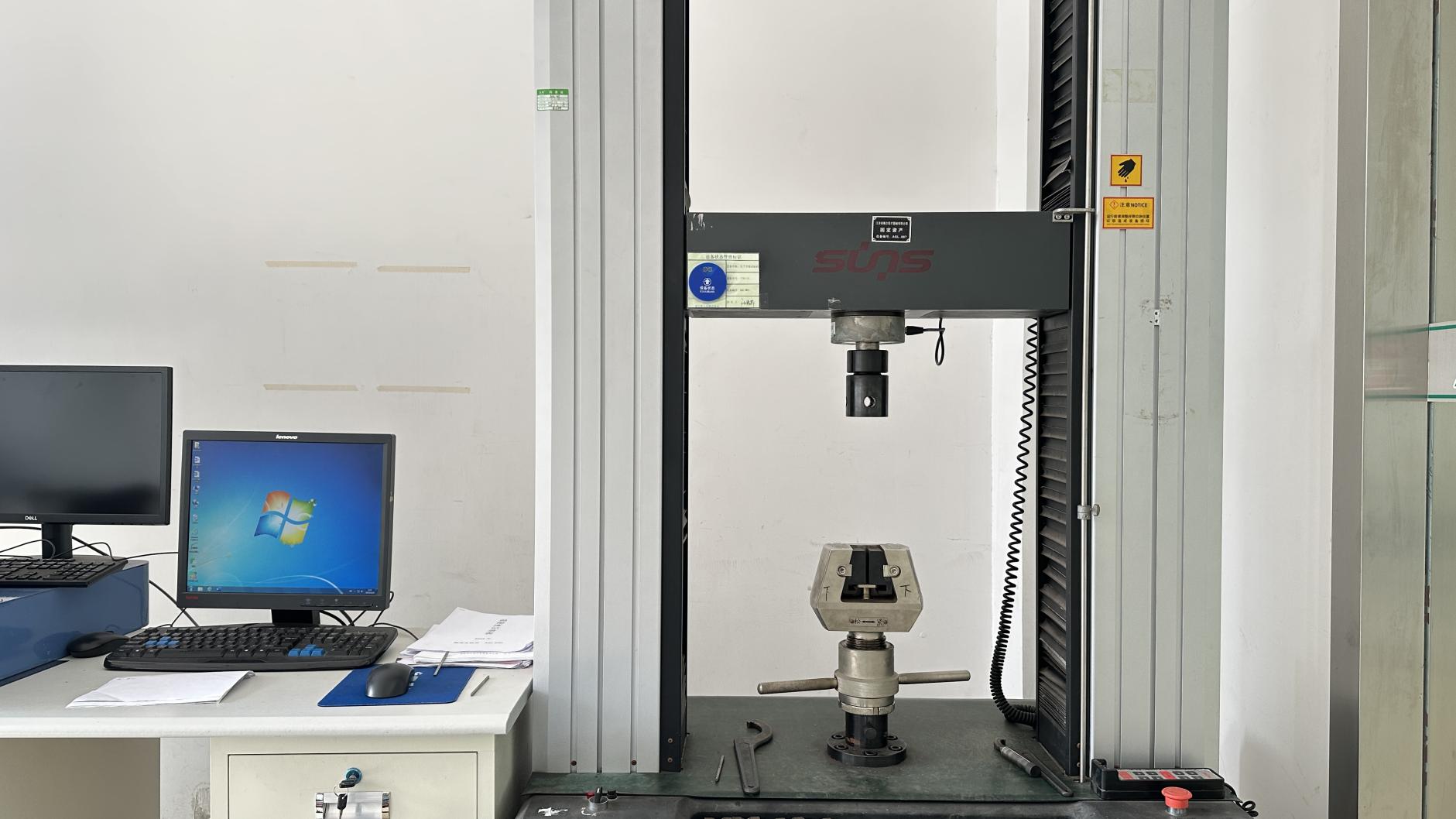
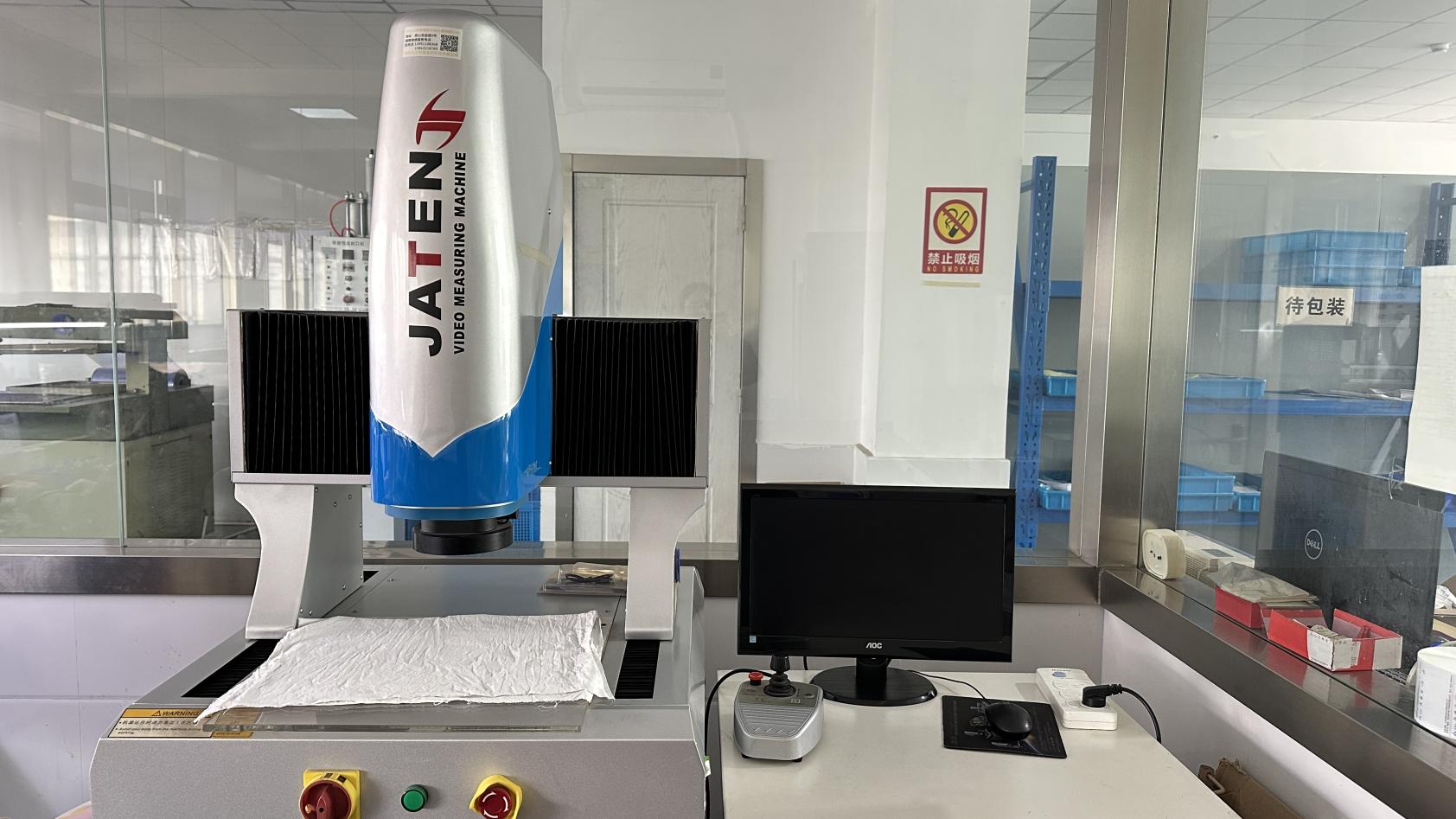
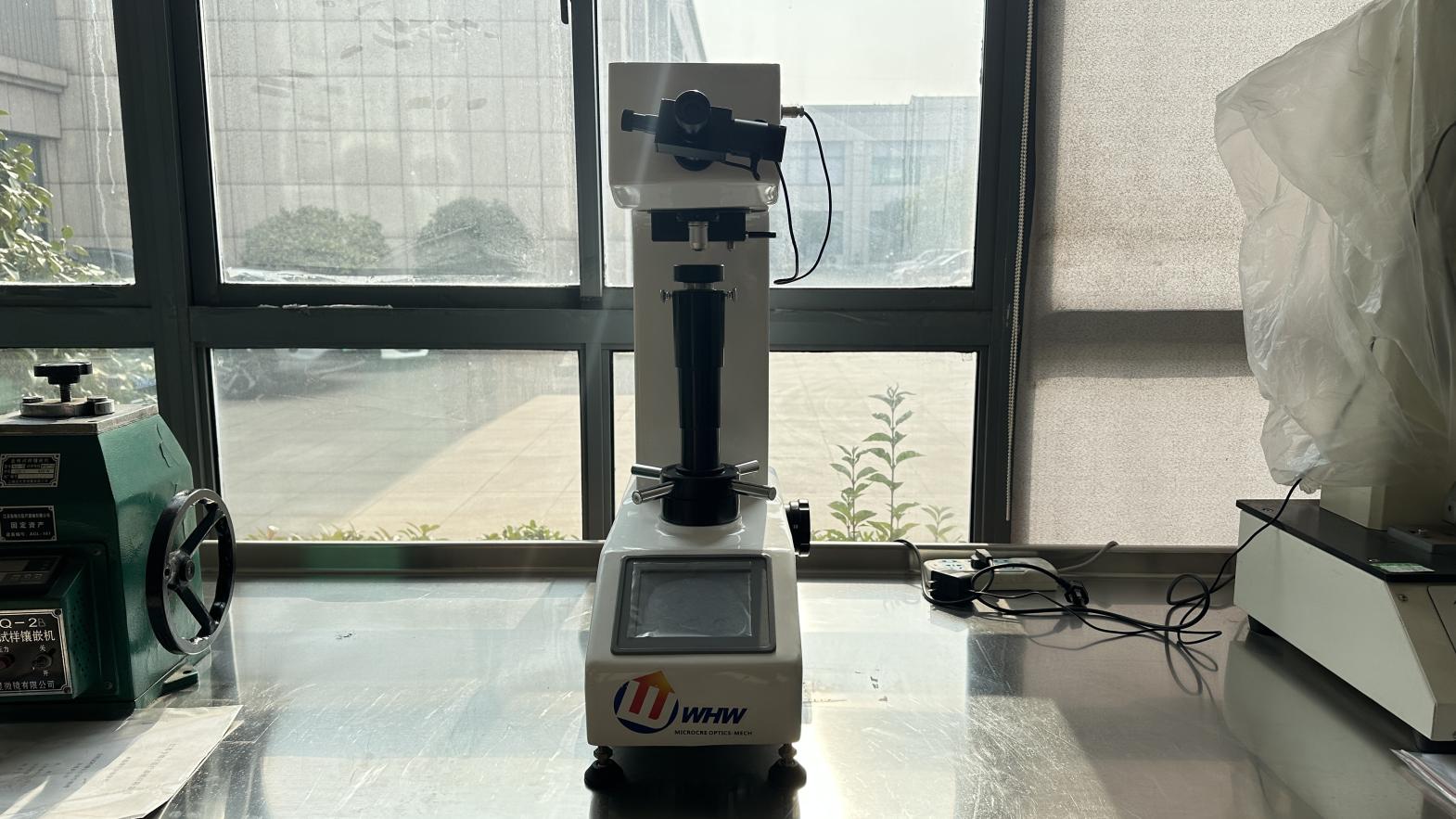
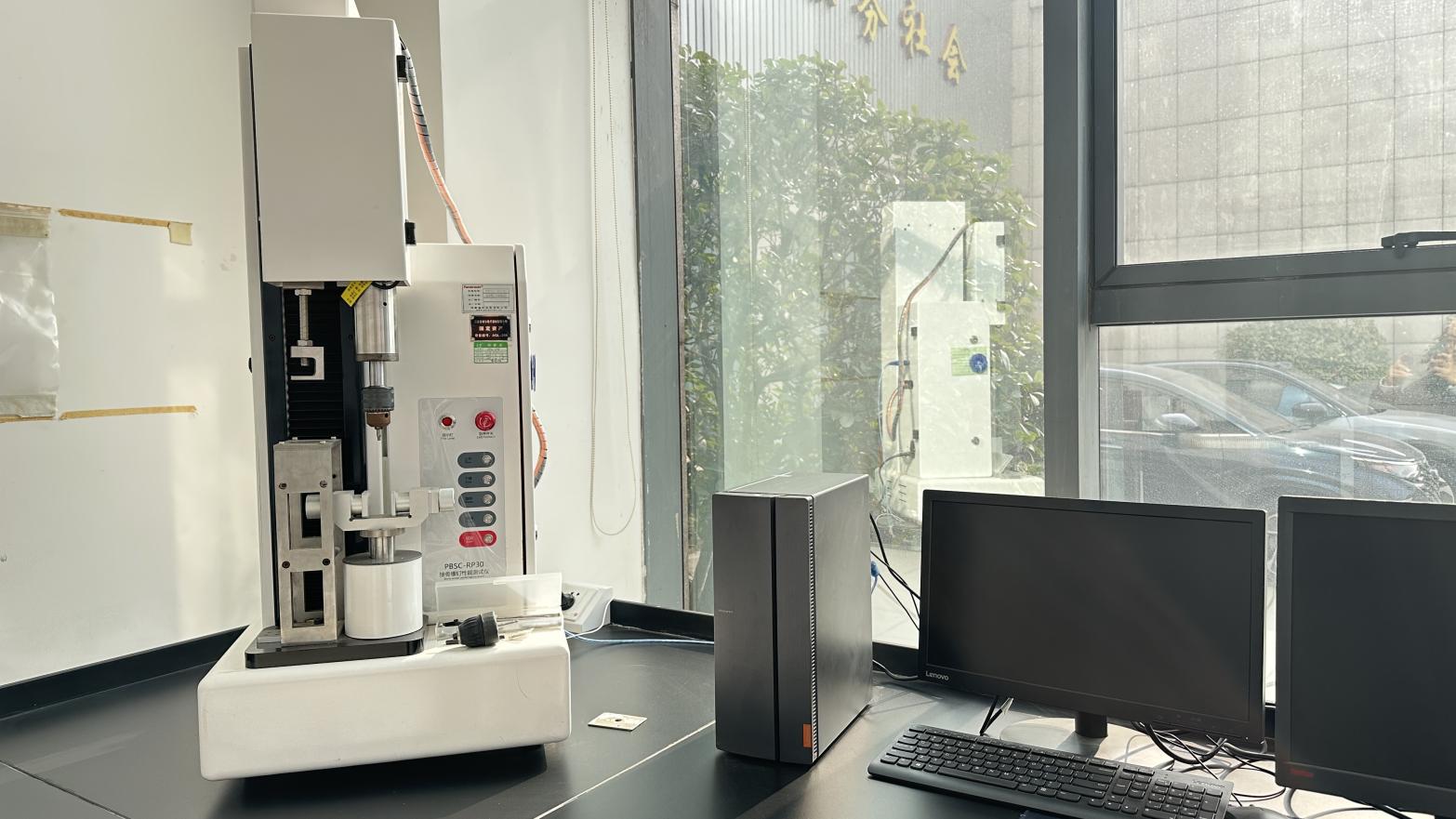
Product reliability is backed by mechanical testing. Medisplint's in-house laboratory uses advanced instruments—such as two-dimensional non-contact metrology, Vickers hardness testers, and multi-million cycle dynamic fatigue testing—to ensure implants meet or exceed ISO and ASTM requirements.
A deep dive into stress-shielding mitigation, fatigue life limits, and interface stability.
The mechanical stability of a reconstructed mandible depends on the interaction between the plate, locking screws, and host bone. Because of the dynamic biomechanics of chewing, mandibular reconstruction plates must balance high mechanical strength with sufficient elasticity to minimize stress shielding.
We use high-purity titanium alloys (Ti-6Al-4V ELI / ASTM F136), which balance high tensile strength with biocompatibility and corrosion resistance. Anodized surface treatments create a protective titanium oxide layer, reducing ion release and promoting tissue integration.
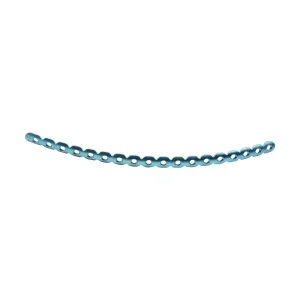
For microvascular free flap reconstructions (e.g., fibula free flap), plates act in a load-bearing capacity, supporting masticatory forces while the bone graft heals. In contrast, trauma plating relies on load-sharing, transferring forces across the fracture line. Medisplint provides a range of plate profiles—from 1.0mm mini plates for stable fractures to 2.4mm locking reconstruction plates for oncology cases—to meet these clinical requirements.
Key considerations for international logistics, cold-chain sterilization integrity, and regulatory customs compliance.
Procuring class III medical implants requires careful attention to regulatory compliance, quality control, and supply chain logistics. International distributors and hospital networks must ensure that suppliers maintain consistent quality and full traceability across all shipments.
Before importing implantable devices, verify the following supplier documents:
Clear answers to technical and commercial questions from orthopedic distributors, procurement officers, and surgical personnel.
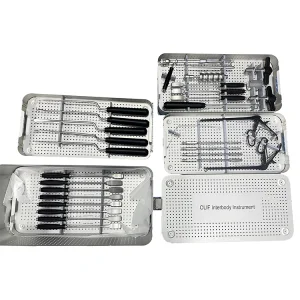
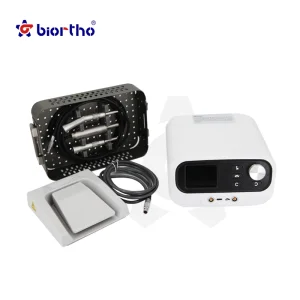
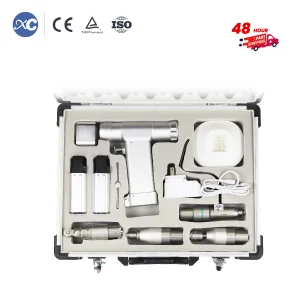
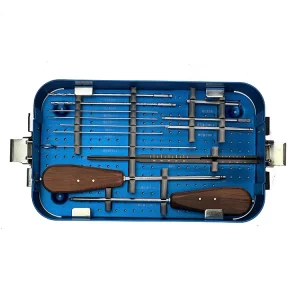
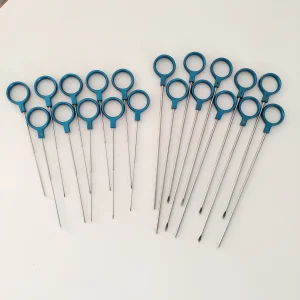
Explore our surgical drill sets, external fixators, power tools, and specialized plating systems designed to optimize clinical outcomes.