Medisplint
Medisplint
Medisplint
Clinical-grade reconstruction components and surgical instrumentation engineered to international biomedical standards.
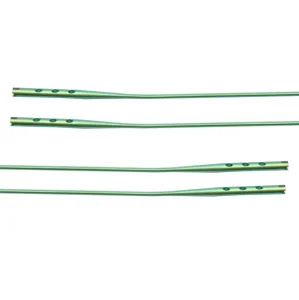
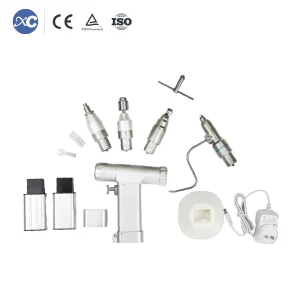
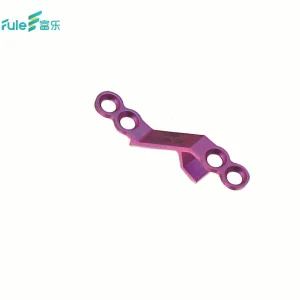
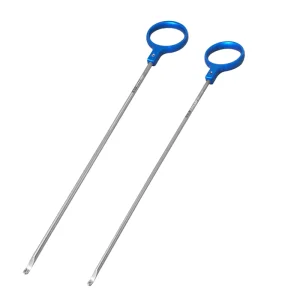
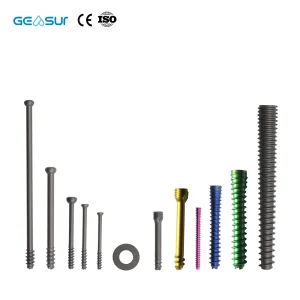
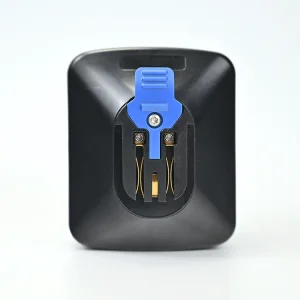
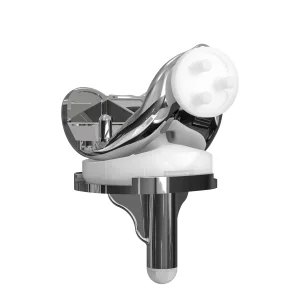
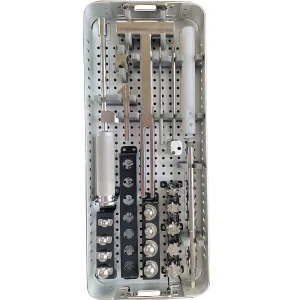
In orthopedics and traumatology, internal fixation methods have transitioned from friction-dependent stability to active, fixed-angle constructs. The introduction of Locking Plating Systems (LCP) has redefined bone healing principles. Traditional compression plates rely heavily on the dynamic compression concept, generating friction force between the plate and the bone surface. This friction is achieved by driving screws tightly into the bone cortex. However, this tight interface can restrict and compromise the periosteal perfusion (blood flow), increasing the risk of avascular bone segments and delaying biological union.
In contrast, a Locking Plating System provides angular stability through a design where the screw threads lock directly into the threaded plate holes. This creates a single structural construct—the locking plate act as an "internal fixator". The primary advantages of this biomechanical methodology include:
"By converting shear stress into compressive loads across the locking screw-plate interface, clinicians can preserve the microvascular network of the periosteum, drastically lowering infection rates and accelerating physiological bone remodeling."
| Parameter/Feature | Conventional Compression Plates | Locking Plating Systems (LCP) |
|---|---|---|
| Primary Stability Source | Friction between plate and bone cortex | Threaded screw-to-plate connection |
| Periosteal Blood Perfusion | Highly restricted due to plate compression | Preserved; plate hovers over periosteum |
| Performance in Osteoporotic Bone | High risk of screw loosening and pullout | Excellent stability; prevents angular toggling |
| Mechanical Alignment Precision | Requires exact plate contouring to bone | Less dependent on precise anatomical mapping |
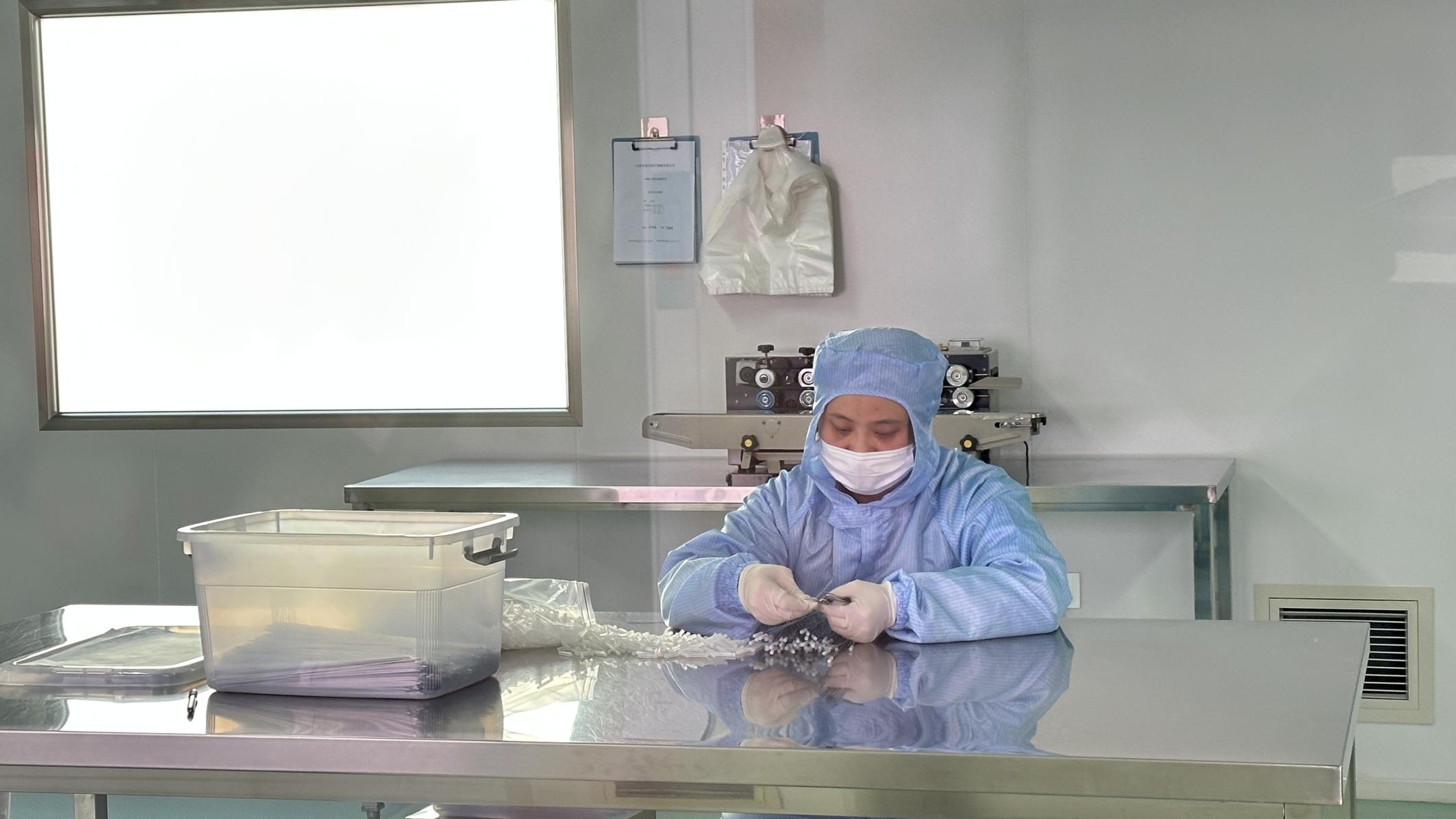
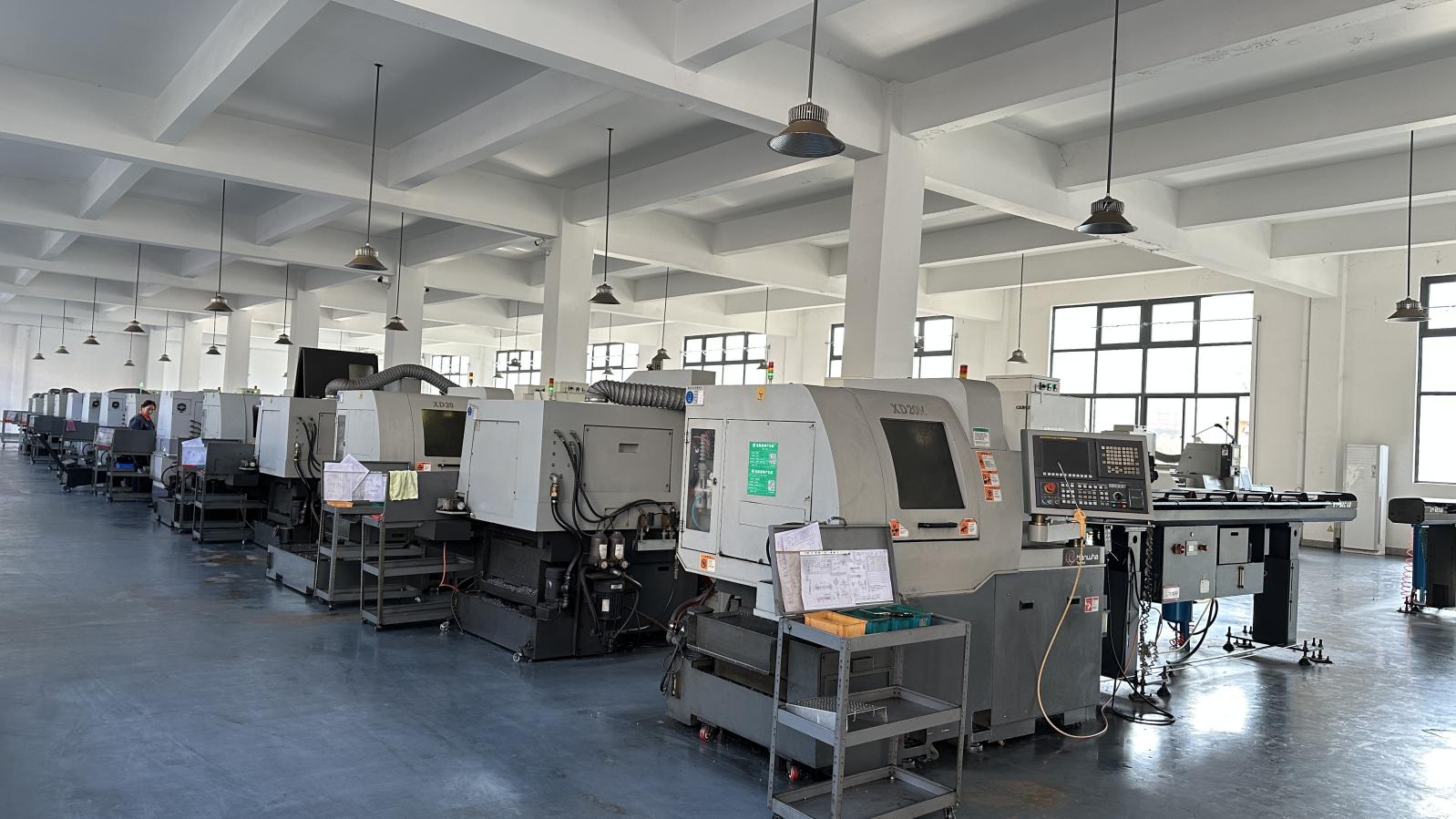
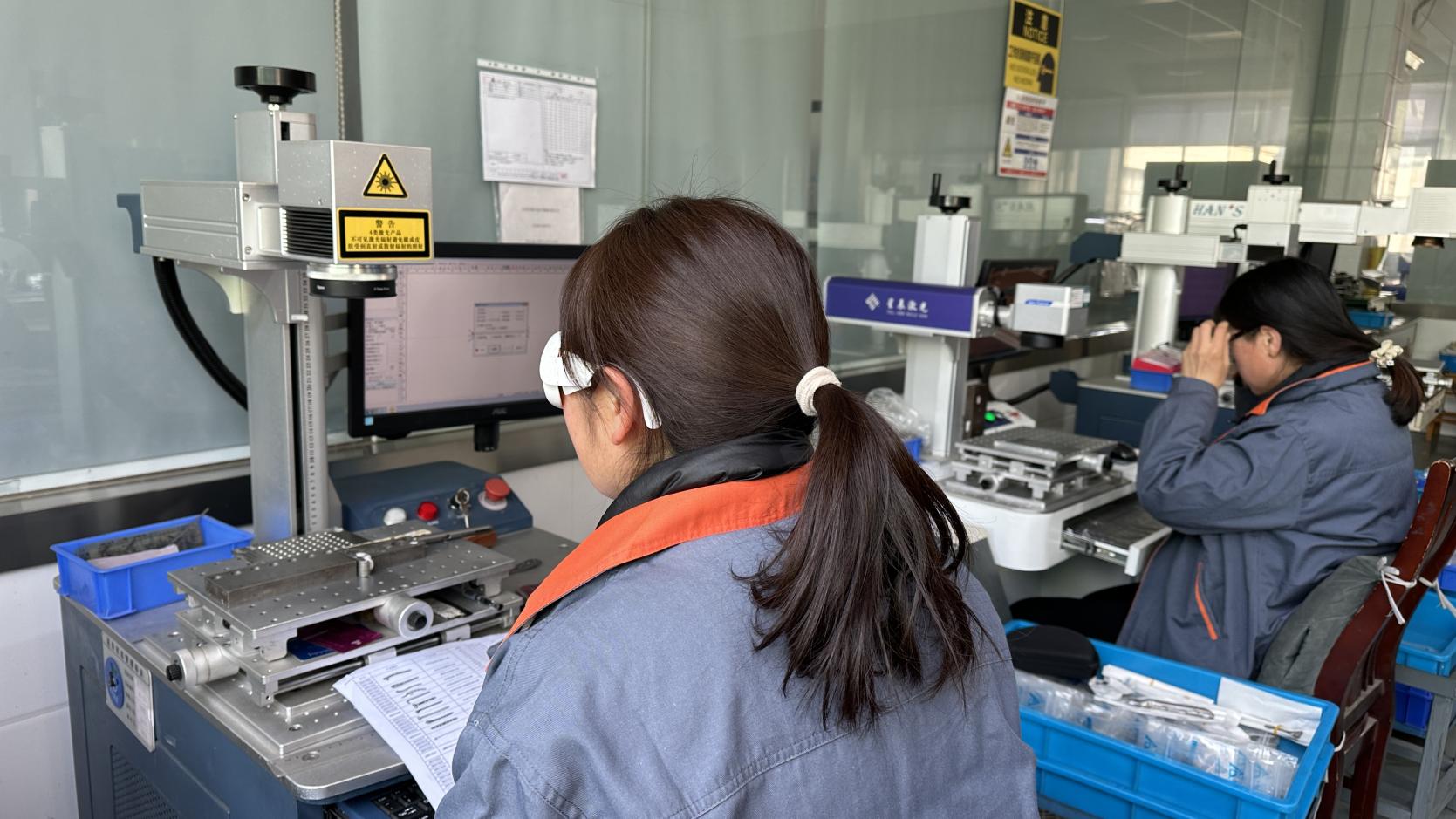
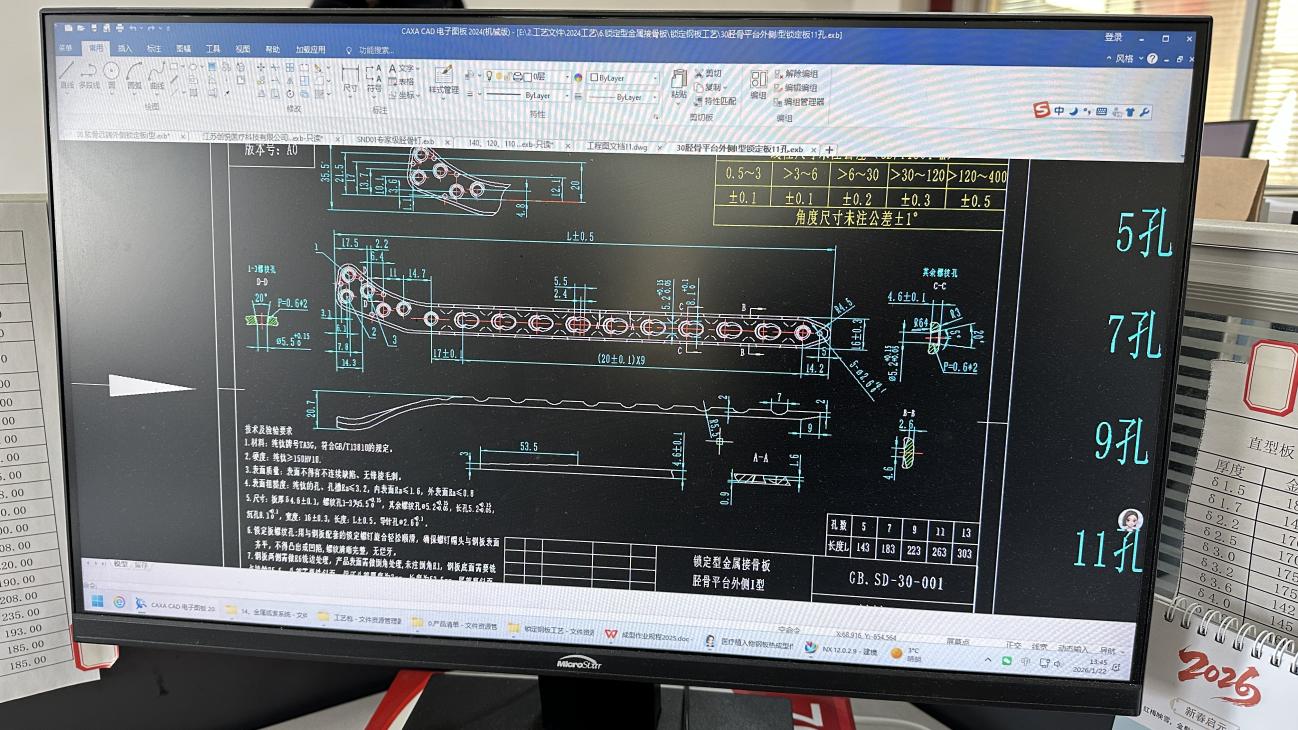
Founded in 2016, Medisplint Orthopedic Instruments Co., Ltd. has established itself as an international manufacturer of high-precision orthopedic implants, internal fixation structures, and sterile surgical instrument kits. Operating out of a state-of-the-art 18,500 m² facility, Medisplint integrates advanced computer-aided design (CAD), modern CNC fabrication centers, and rigorous cleanroom processing to meet the demands of global healthcare environments.
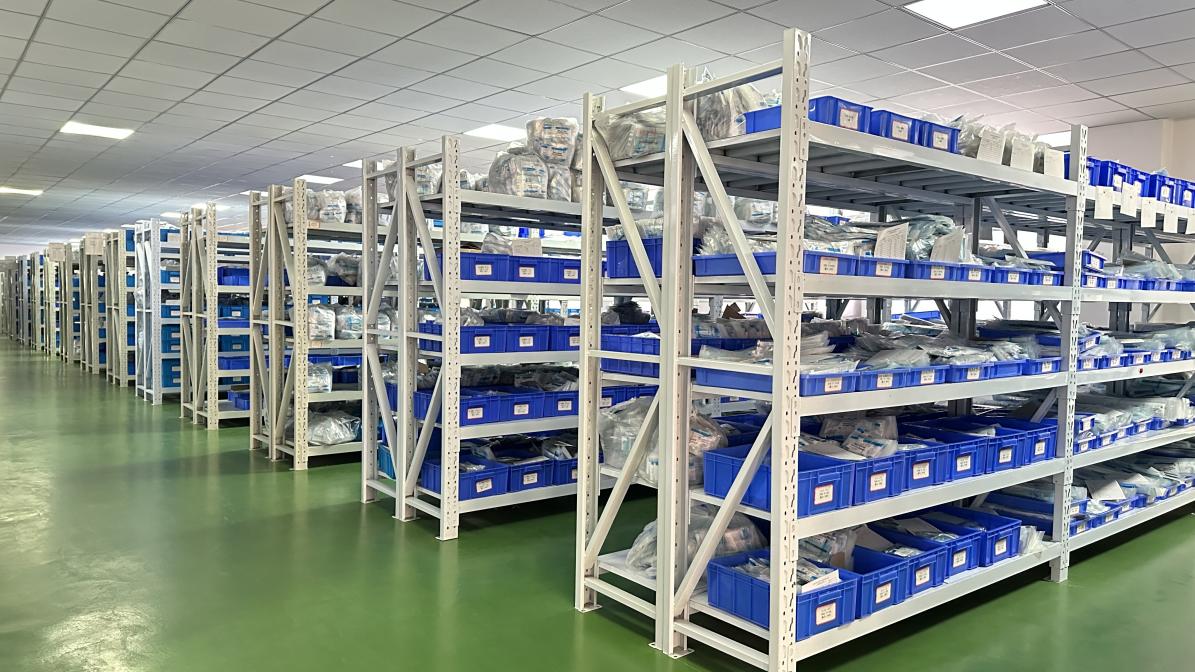
Our operational capabilities are built on over a decade of domain expertise, allowing Medisplint to sustain a robust distribution network spanning Europe, Southeast Asia, South America, and the Middle East. Through collaborations with over 1,200 supply chain partners, we ensure consistent raw material sourcing, rapid prototype development, and reliable delivery for hospitals, distributors, and global OEM/ODM partners.
Below is a visual guide to our automated workflow, displaying the high-efficiency equipment utilized within the Medisplint production facility:
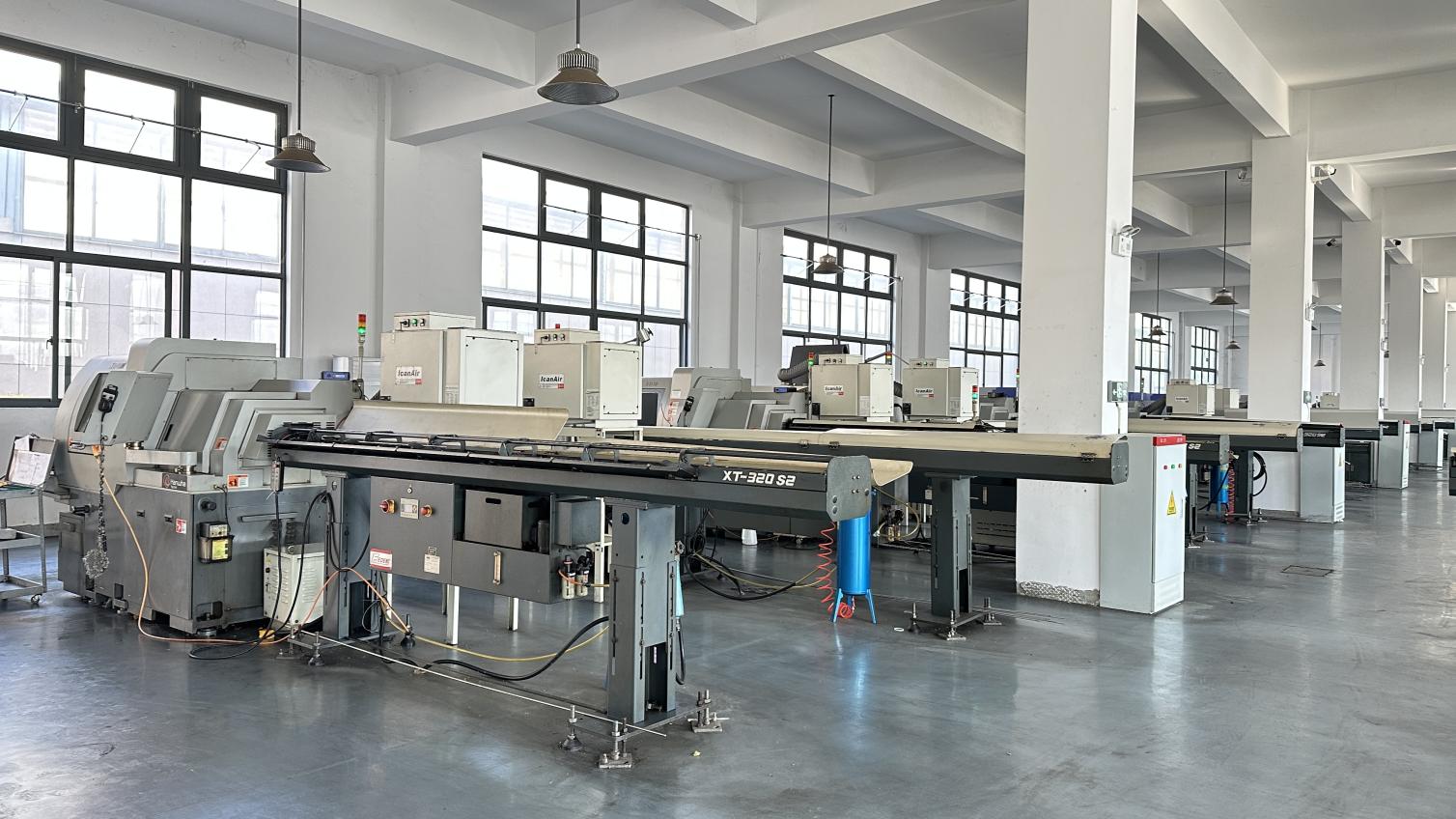
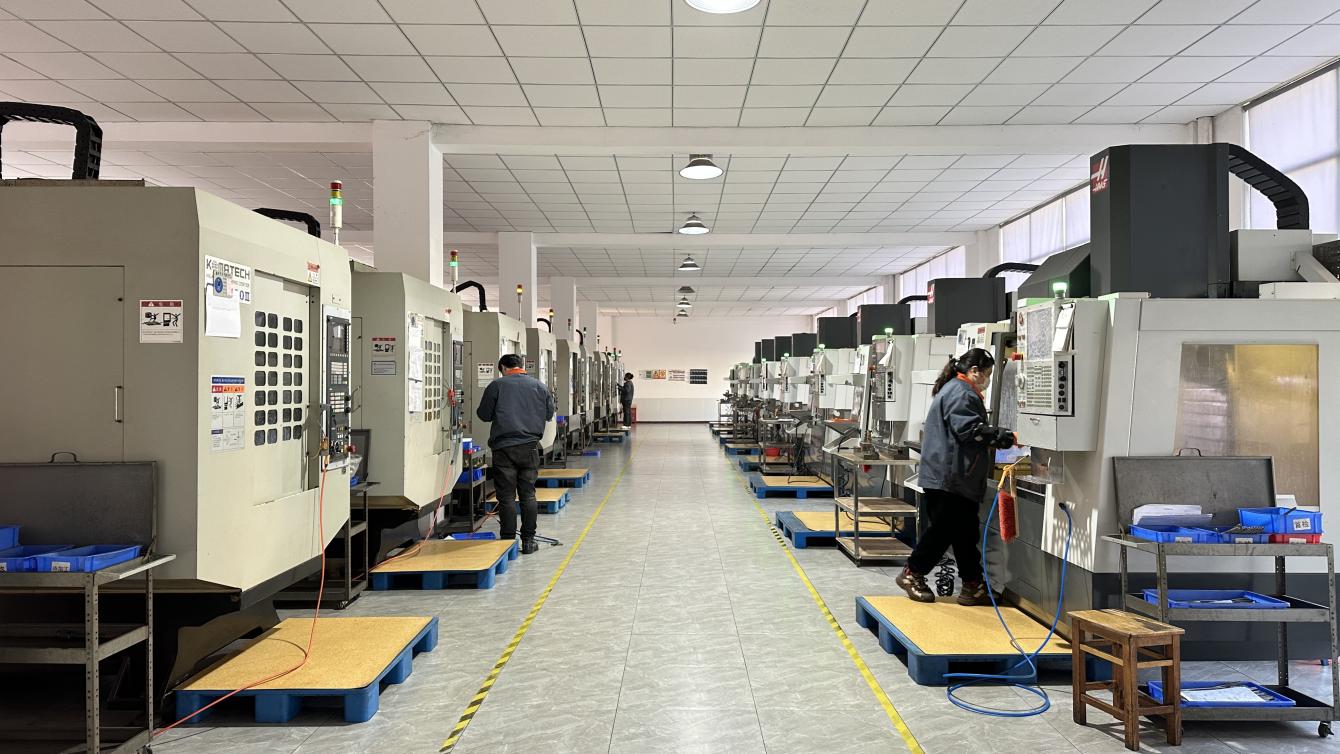
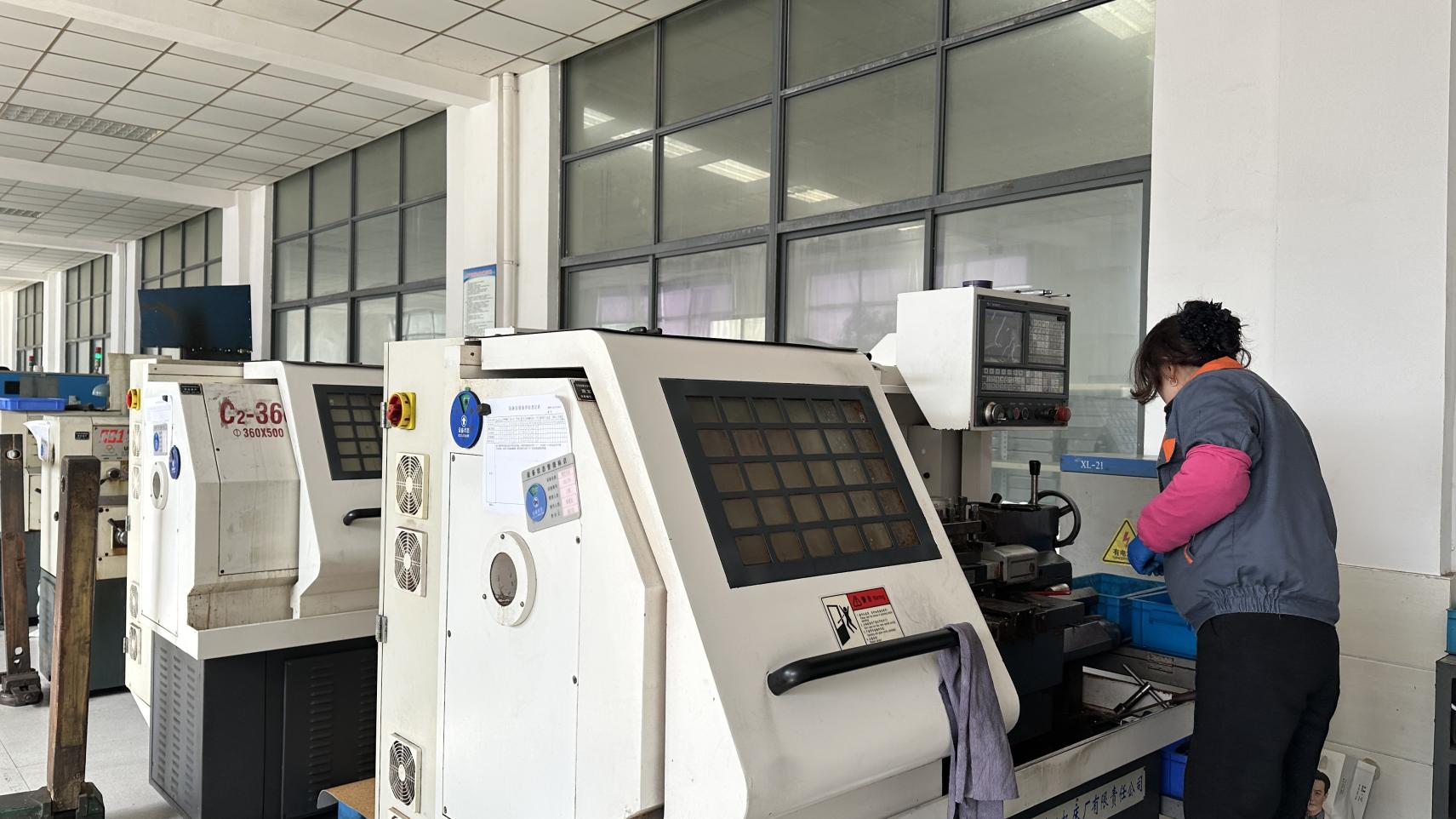
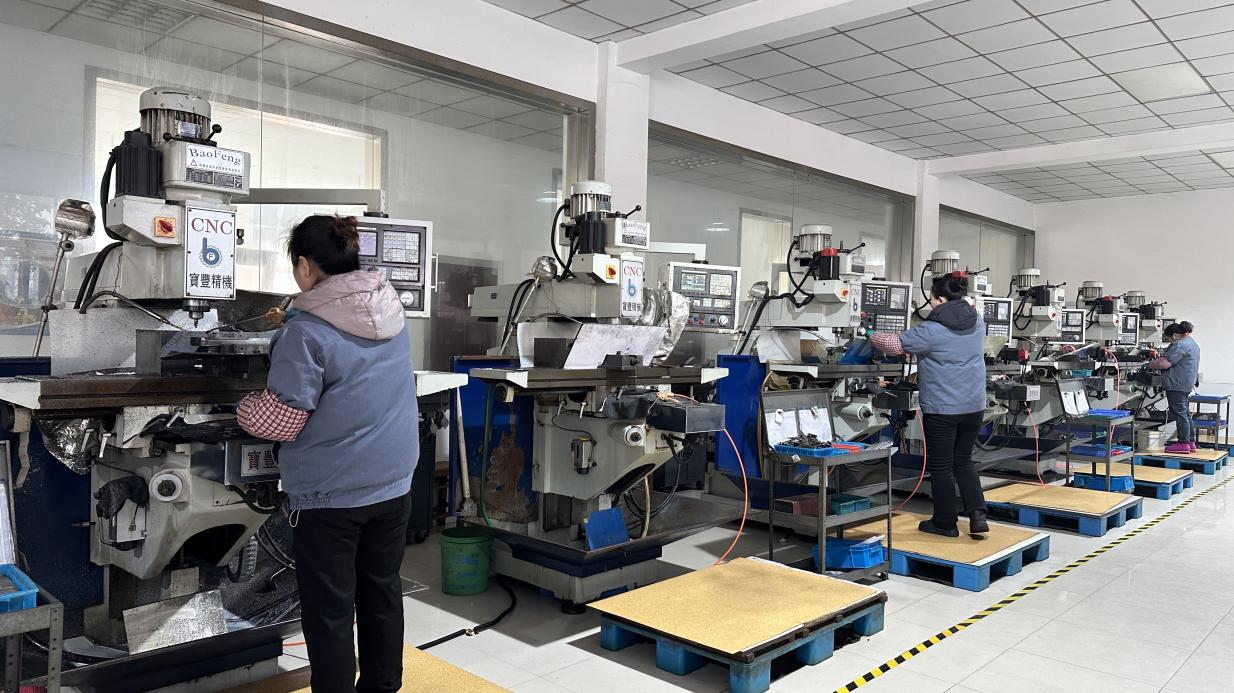
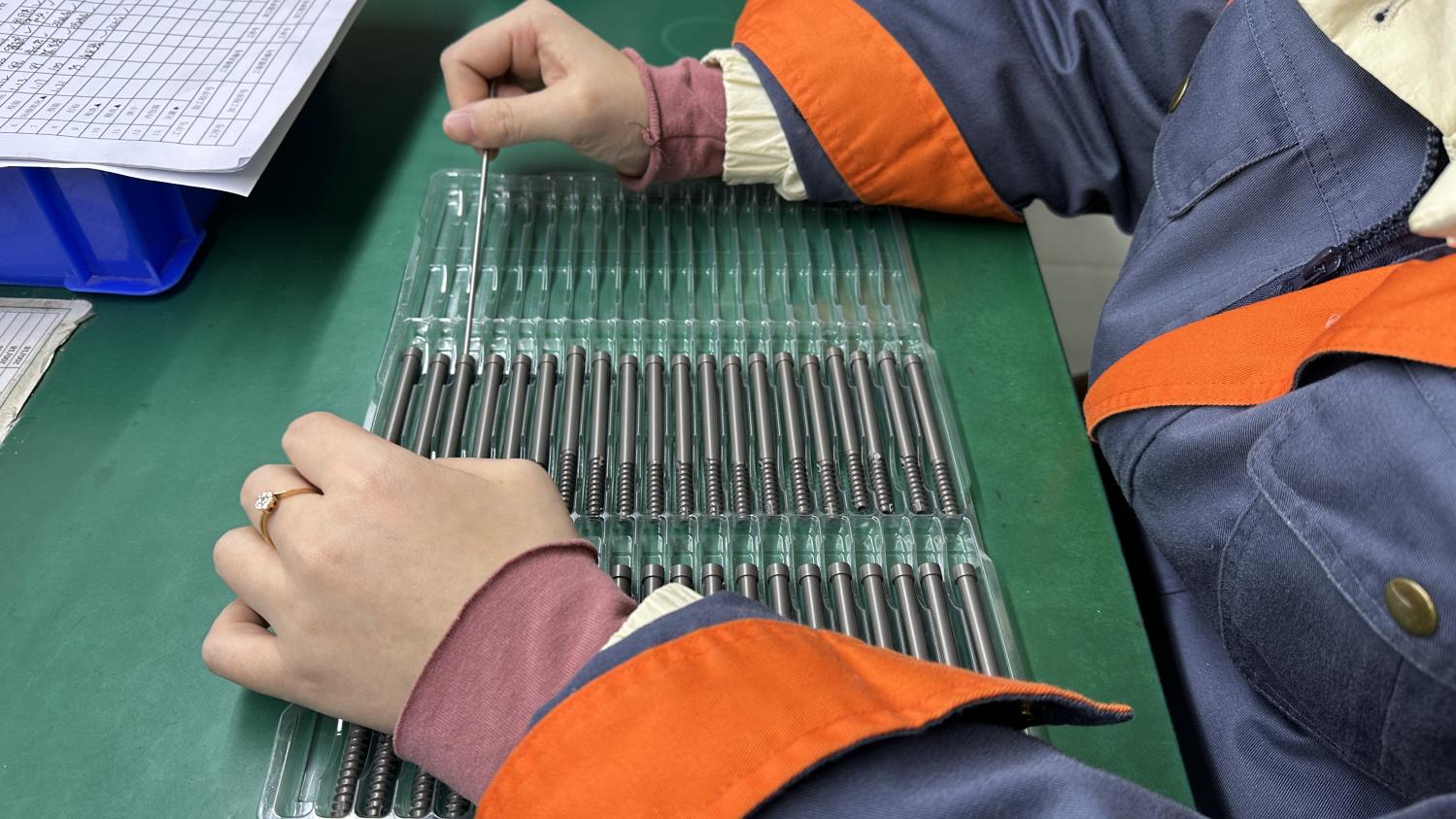
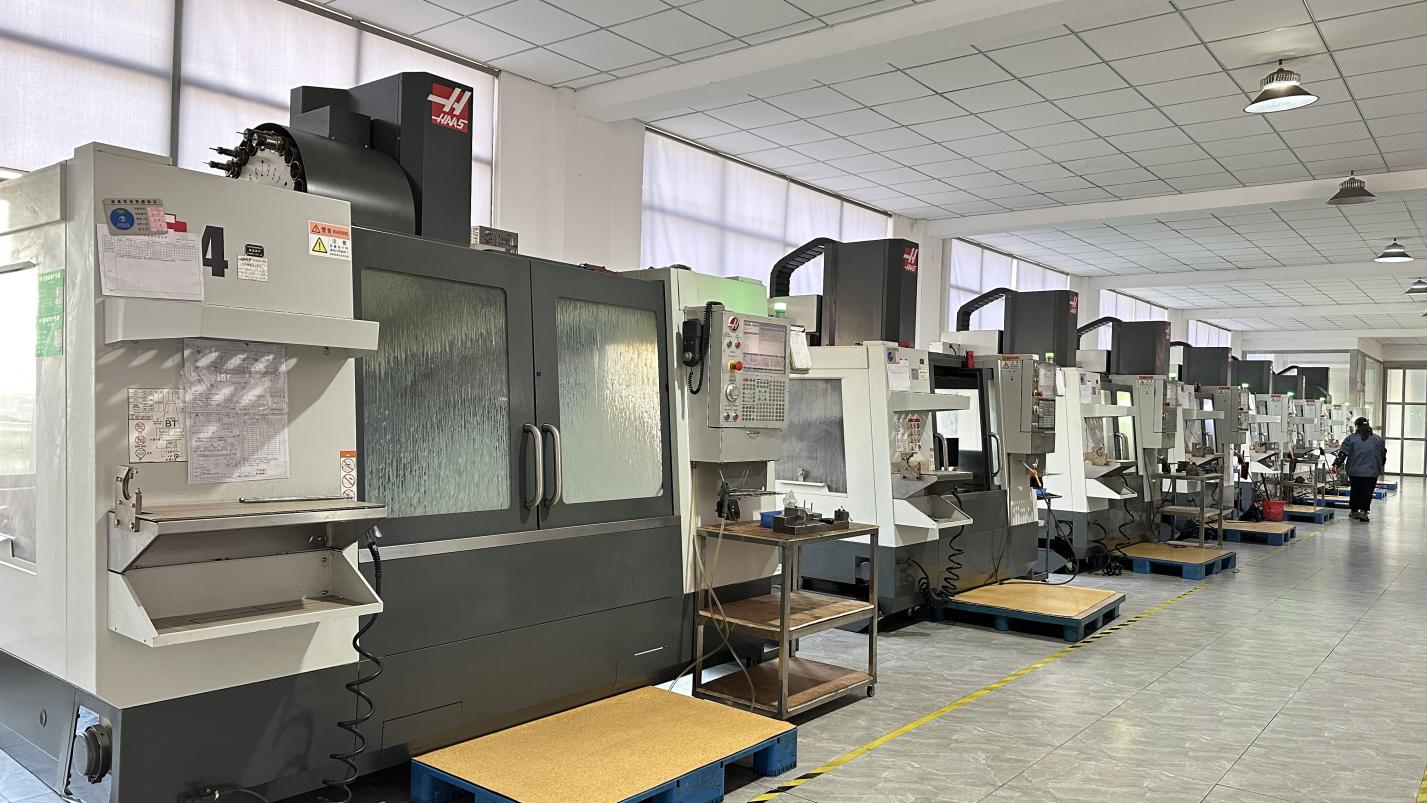
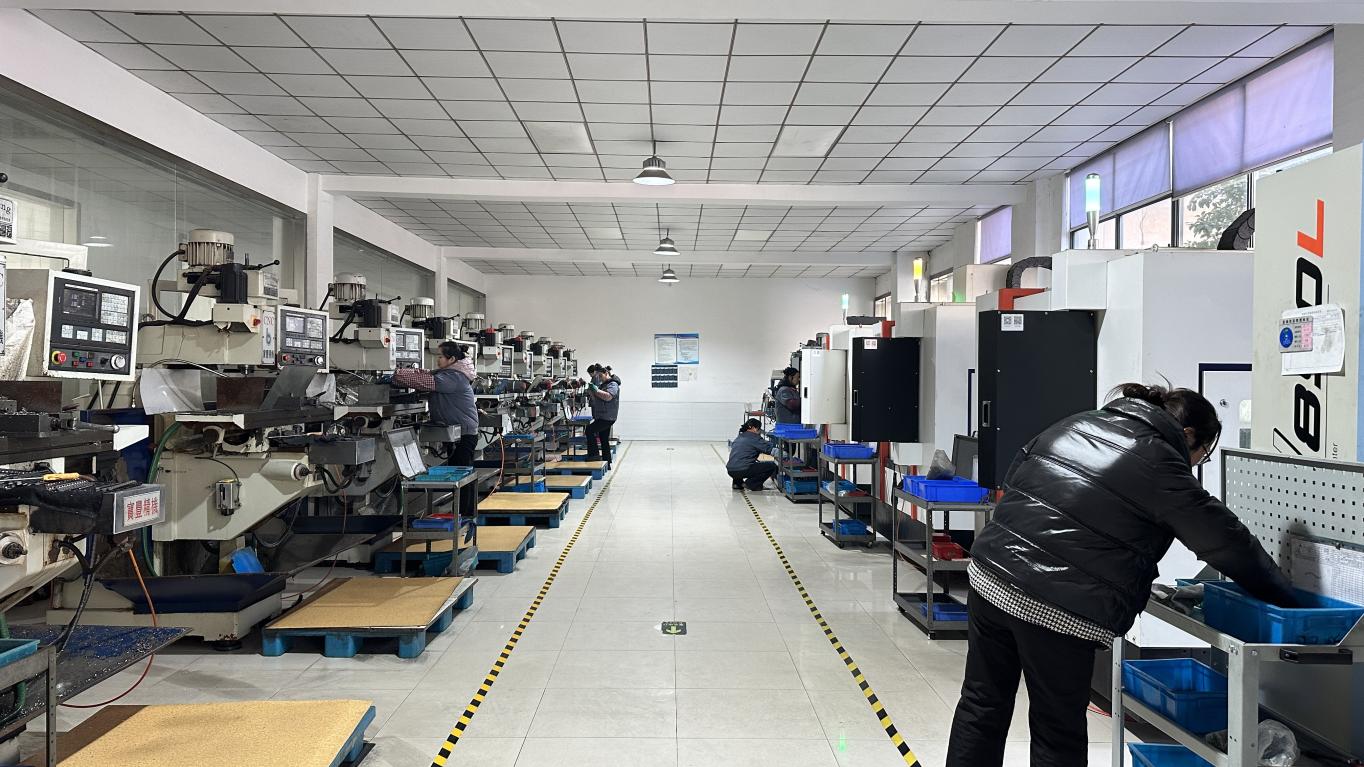
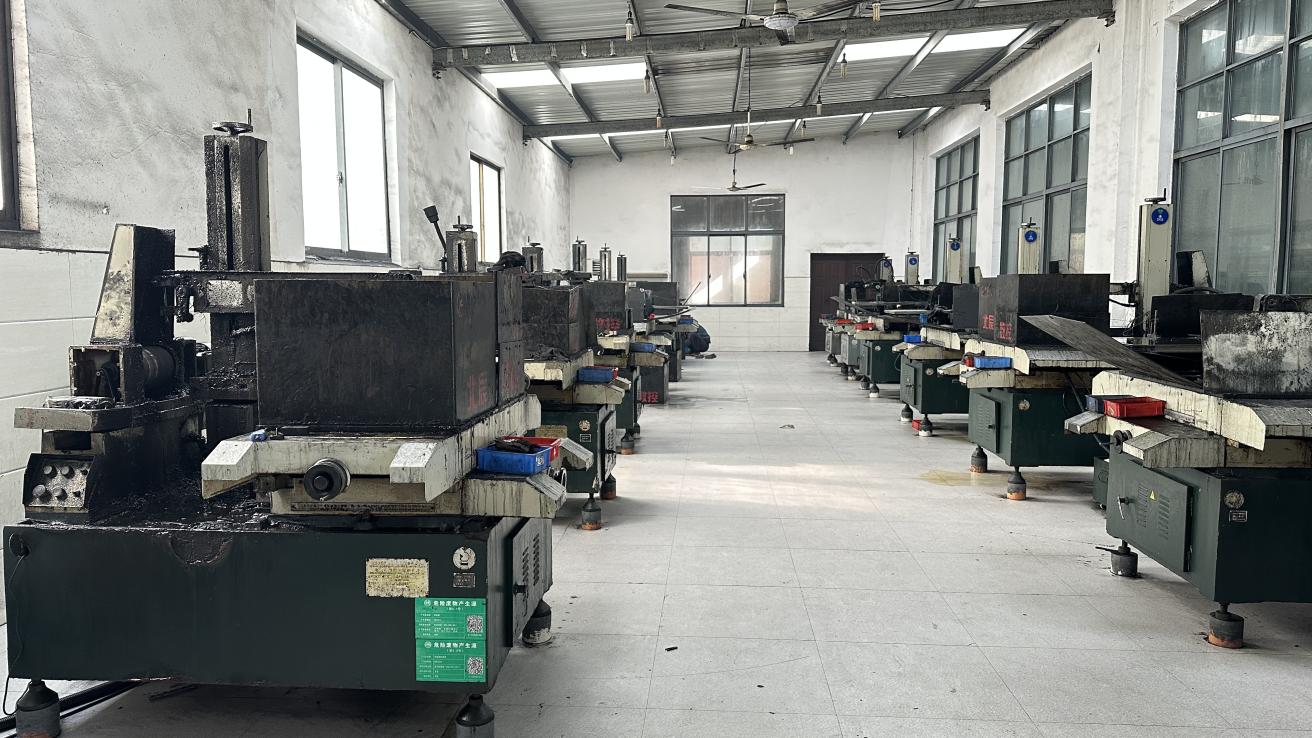
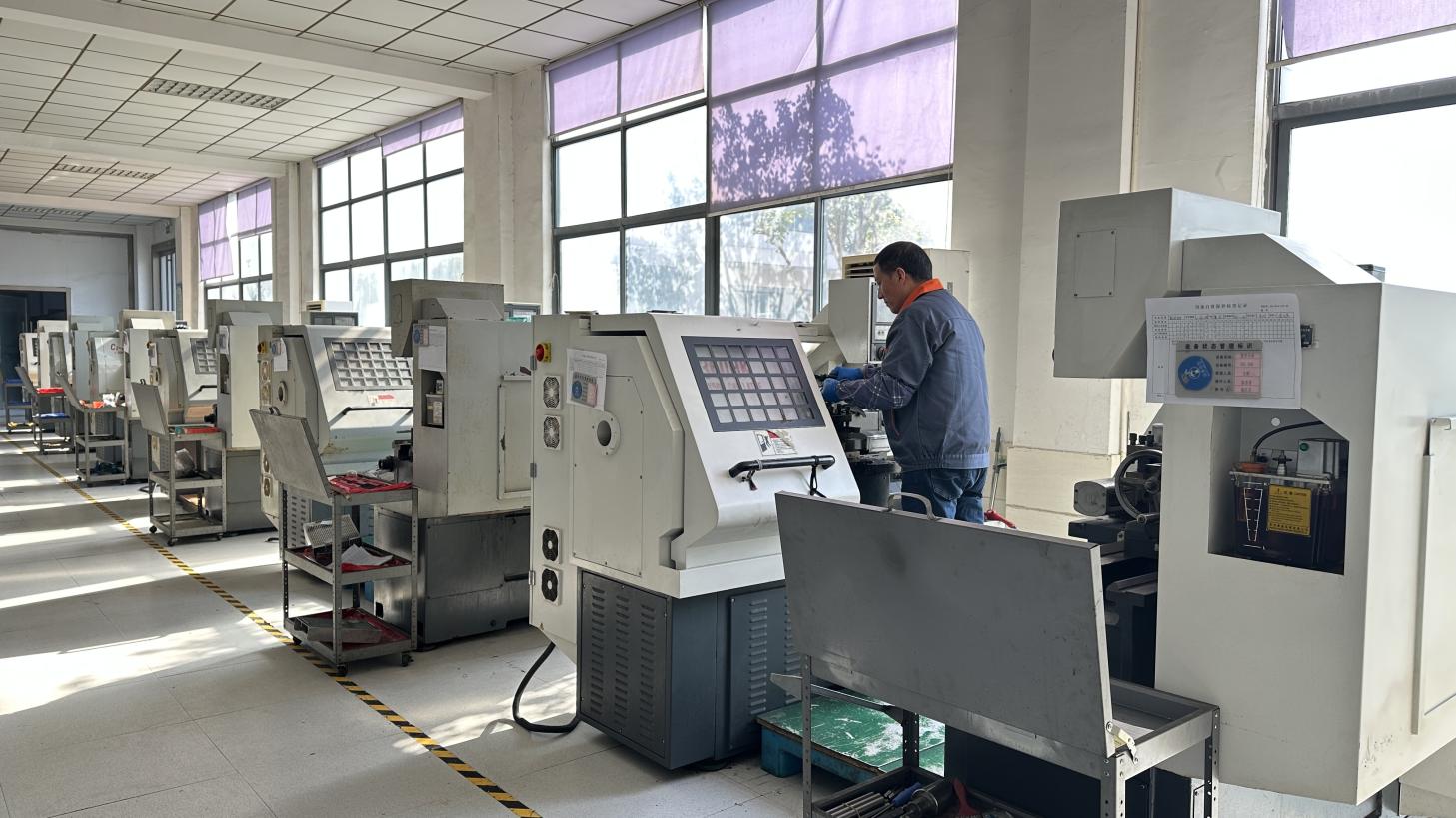
Our commitment to patient safety and structural reliability begins with raw material selection. Medisplint utilizes medical-grade titanium alloys (primarily Ti-6Al-4V ELI / Grade 5, conforming to ASTM F136 specifications) and biocompatible cobalt-chromium (CoCrMo) alloys. These materials are chosen for their excellent strength-to-weight ratio, corrosion resistance, and low modulus of elasticity, which minimizes stress shielding.
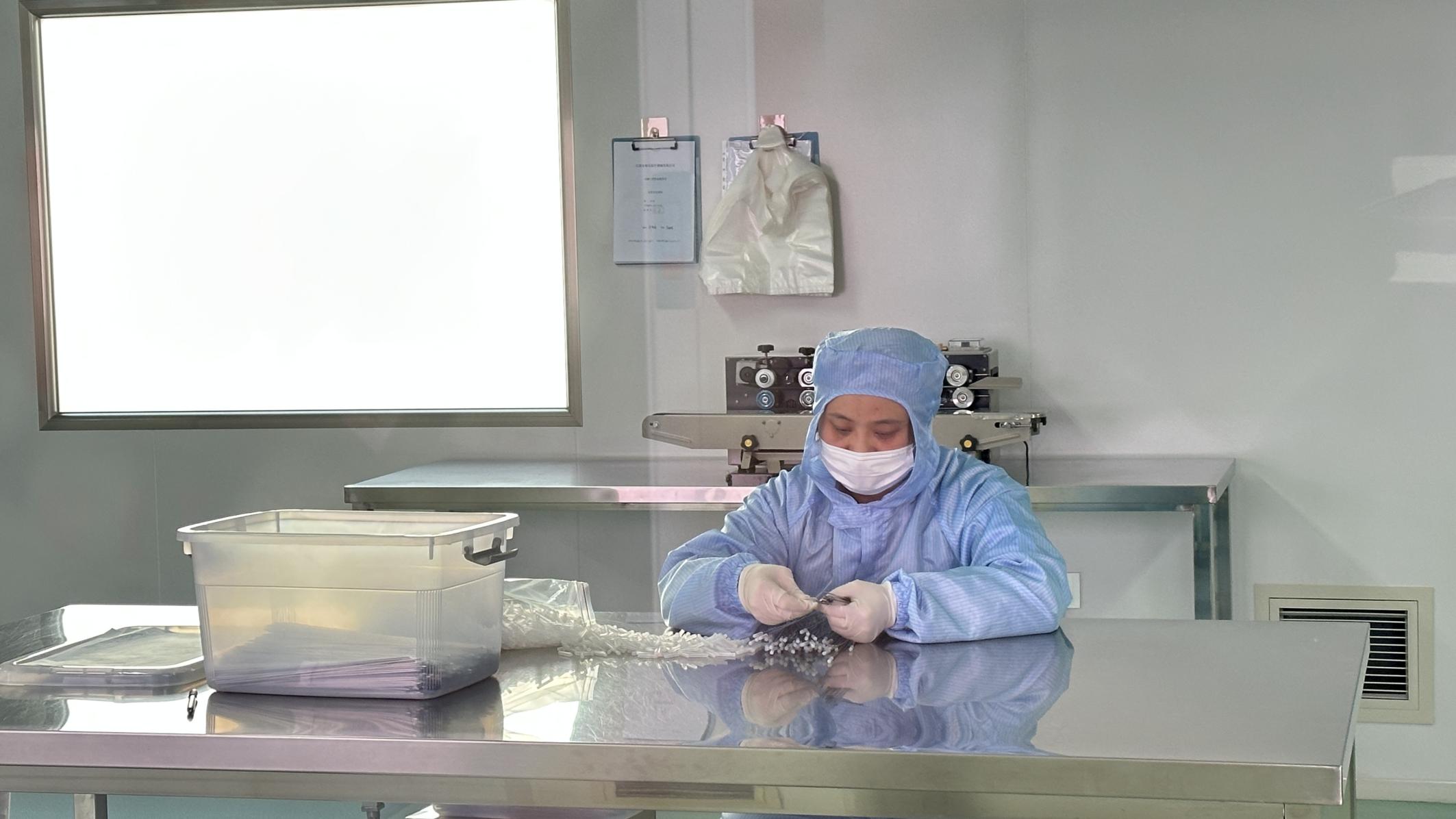
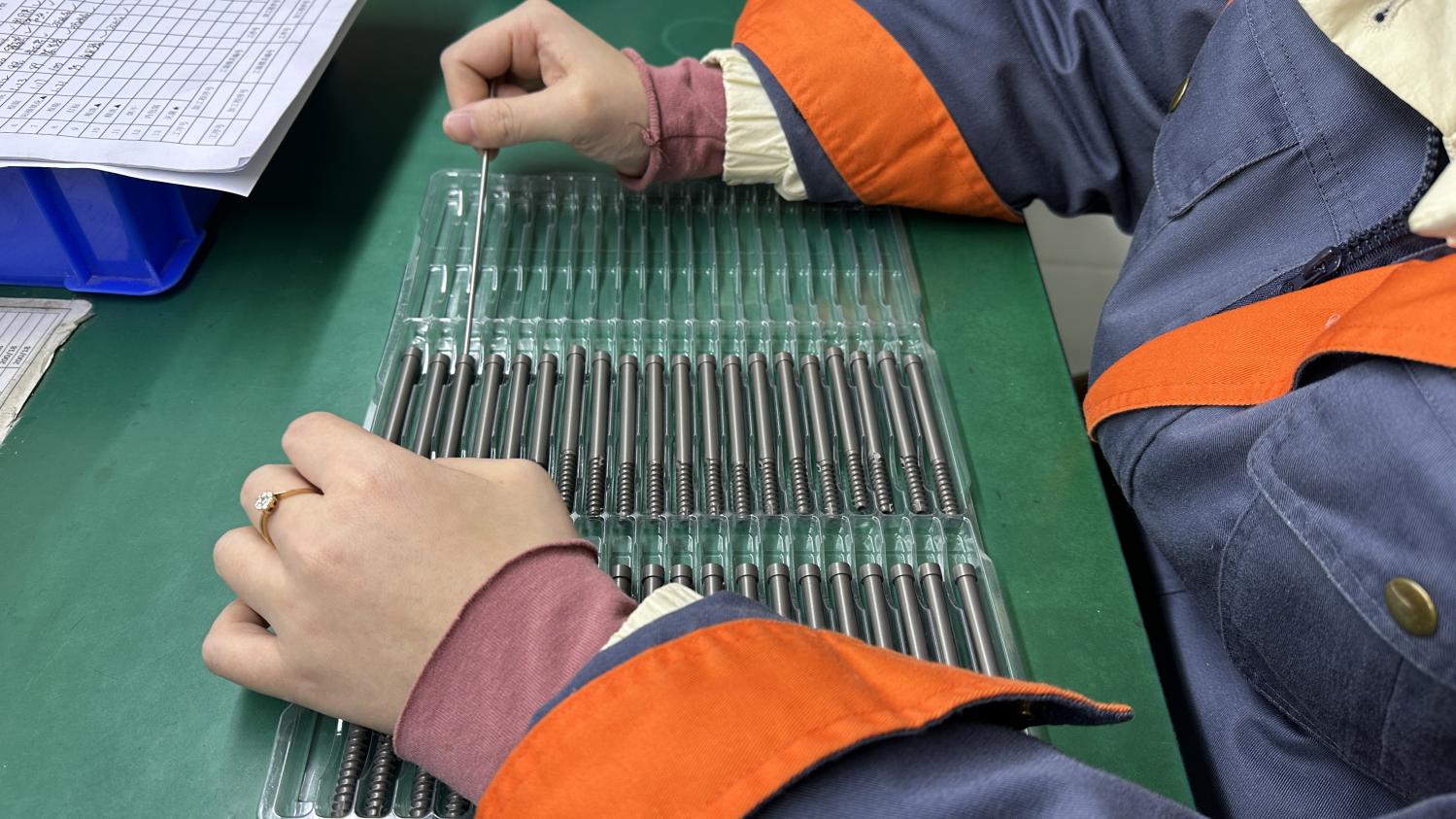
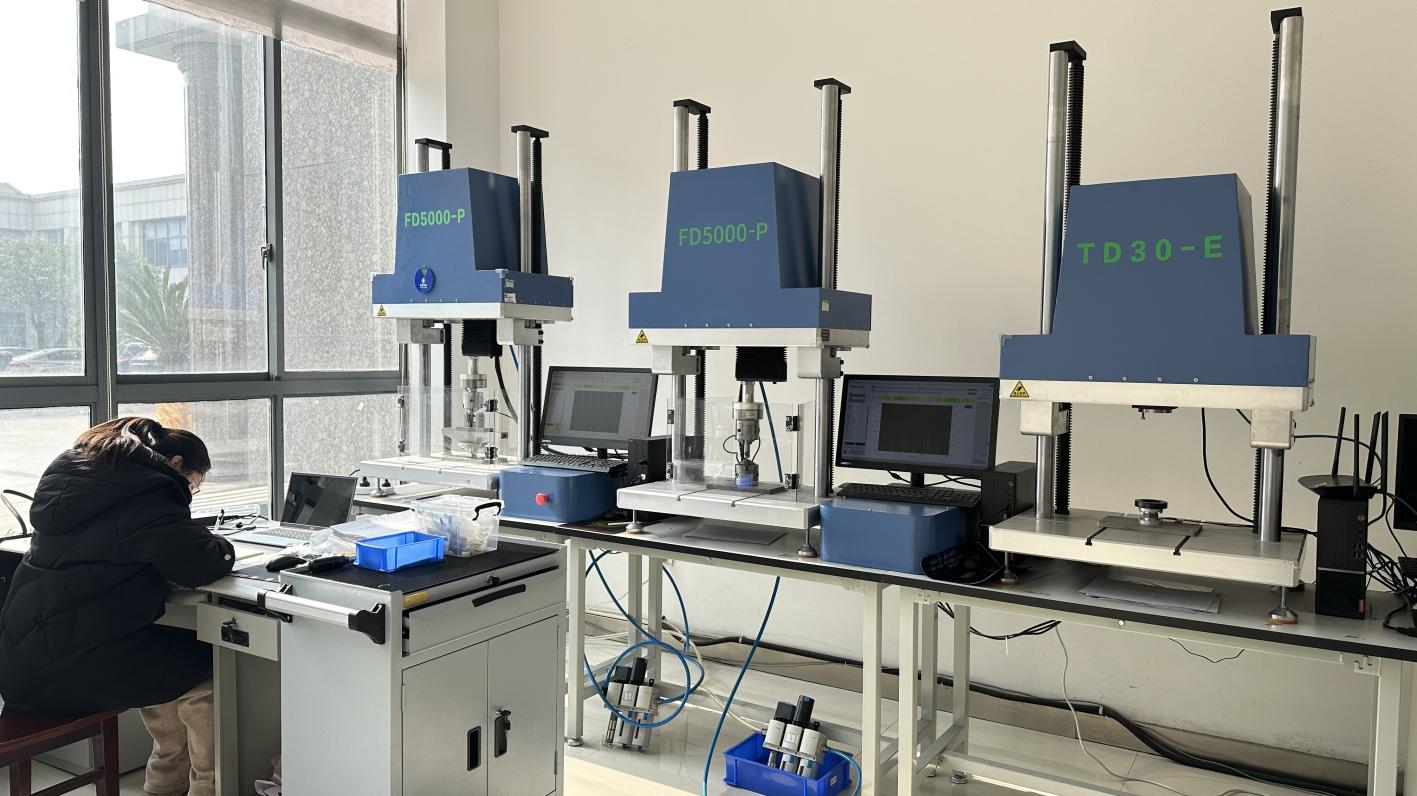
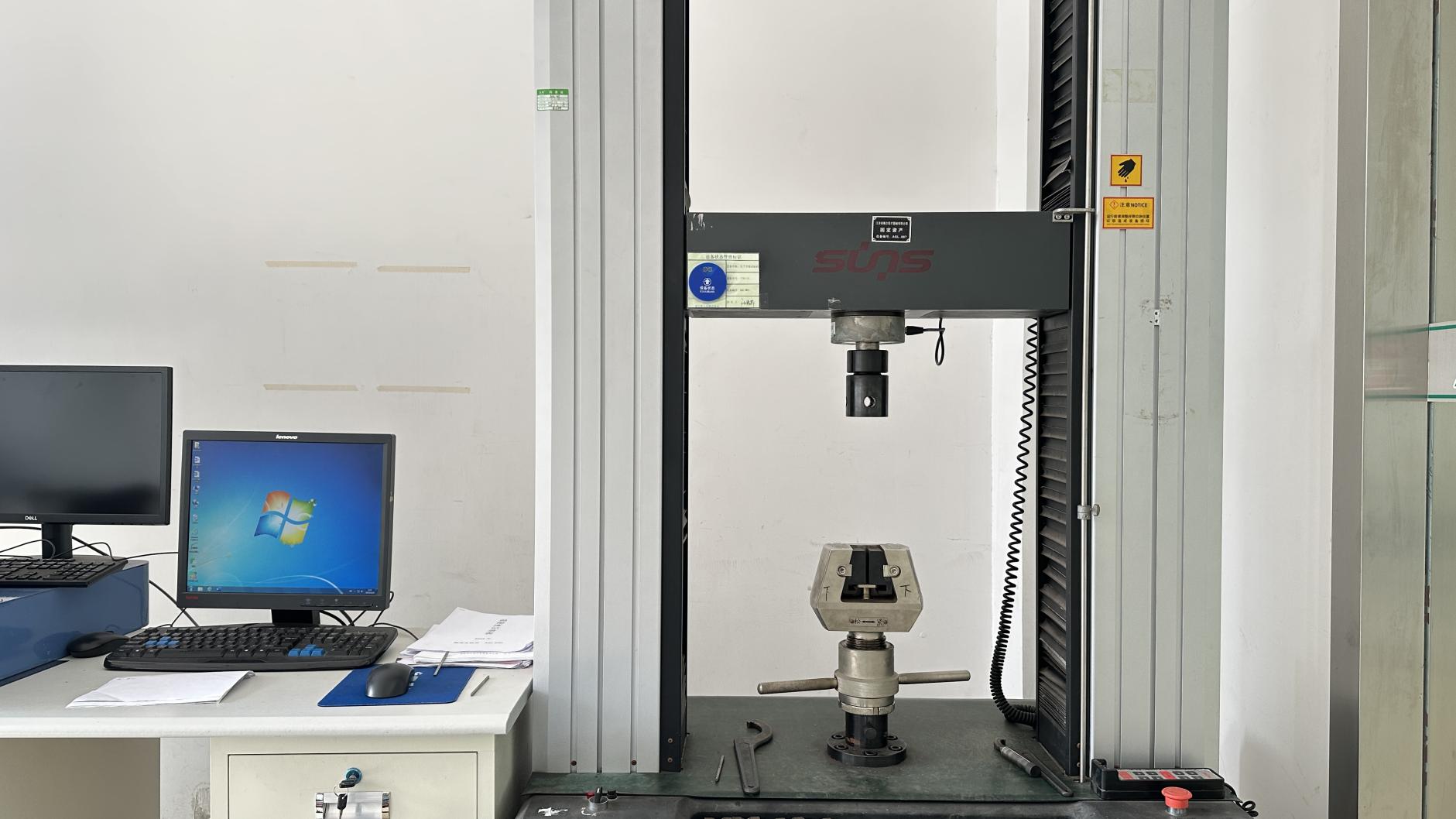
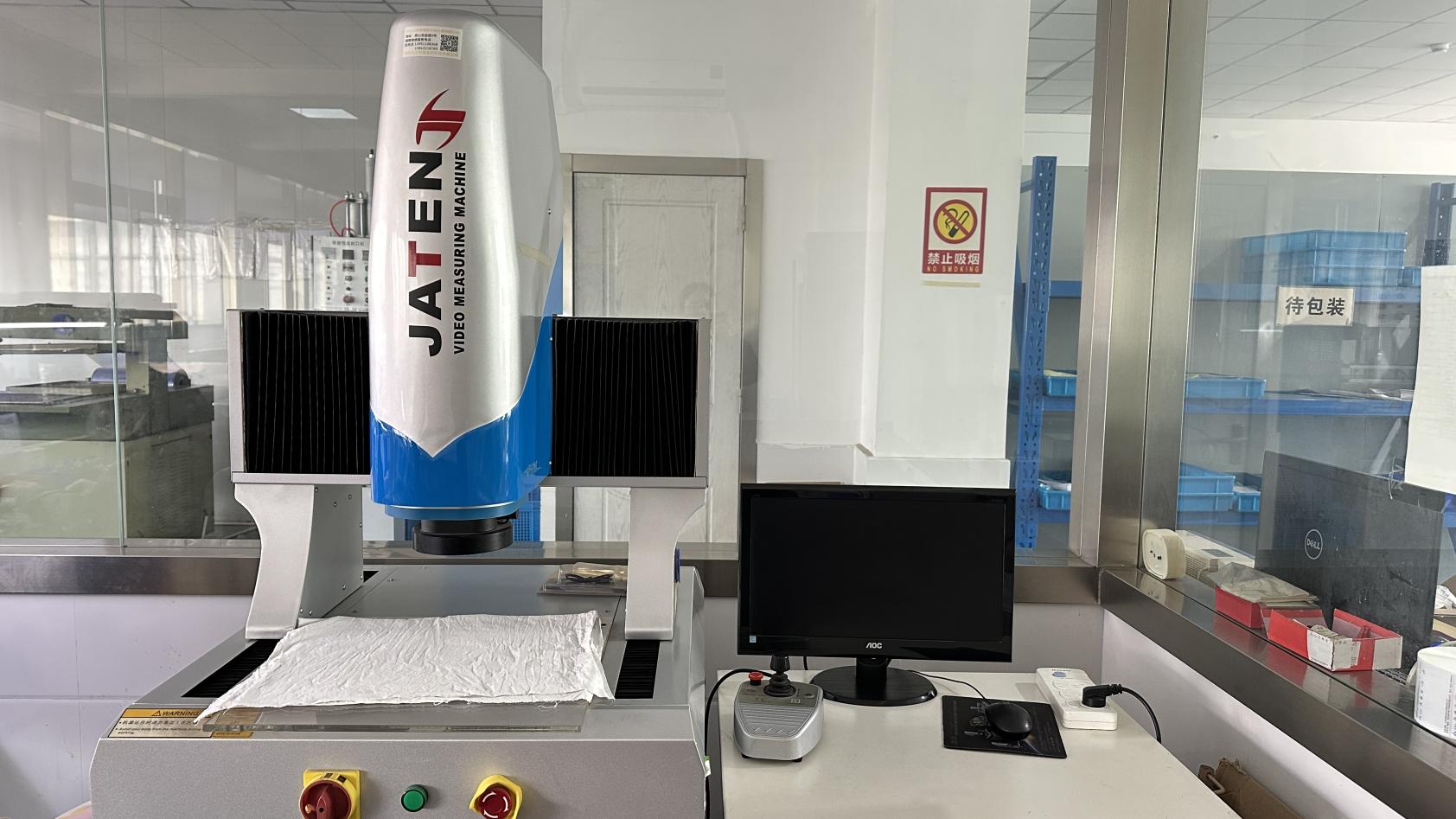
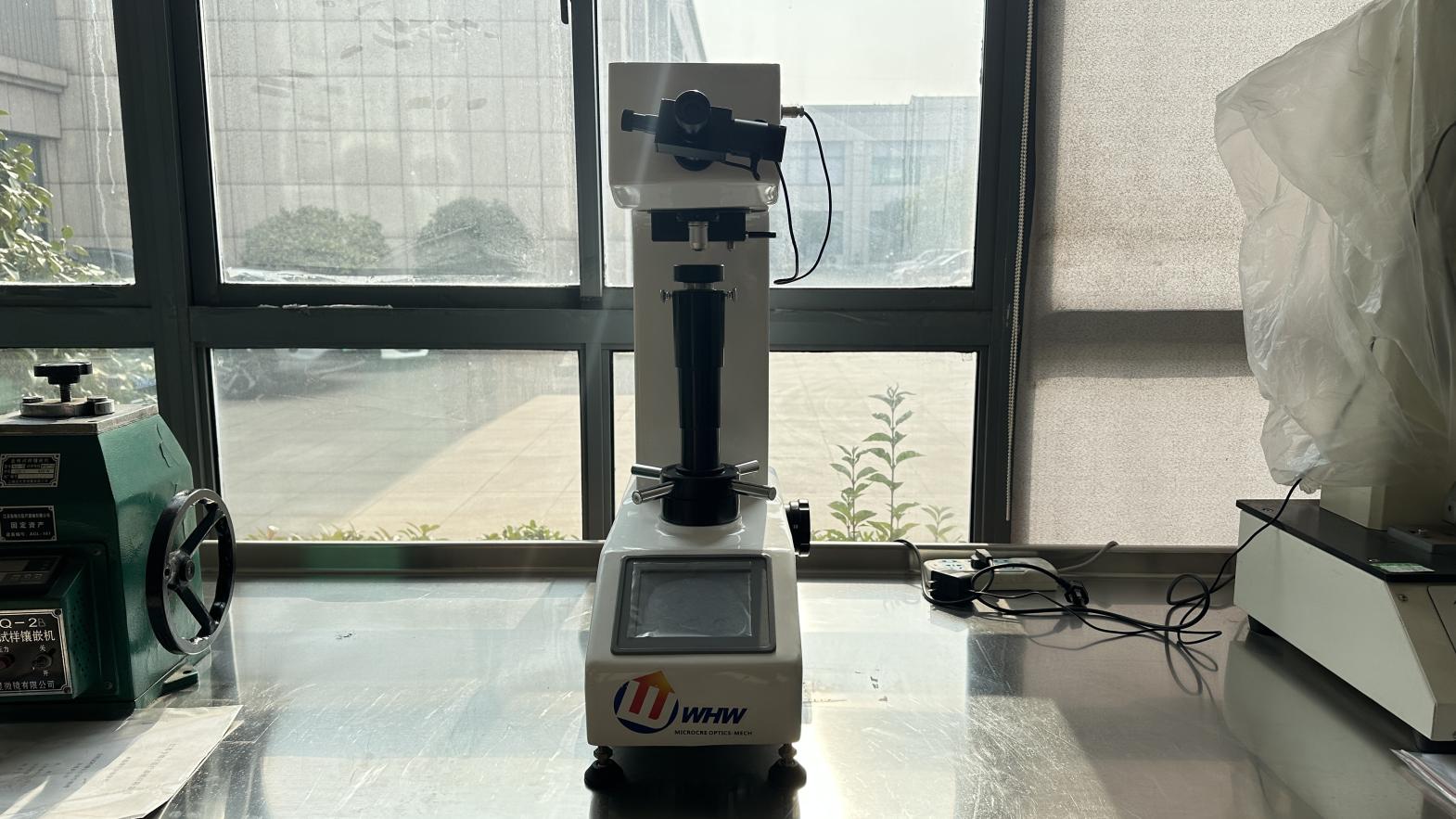
Every product line undergoes mechanical validation in our advanced testing laboratories, which are equipped to evaluate wear profiles, fatigue limits, and load capacities. Our R&D facility features specialized diagnostic tools to verify component performance:

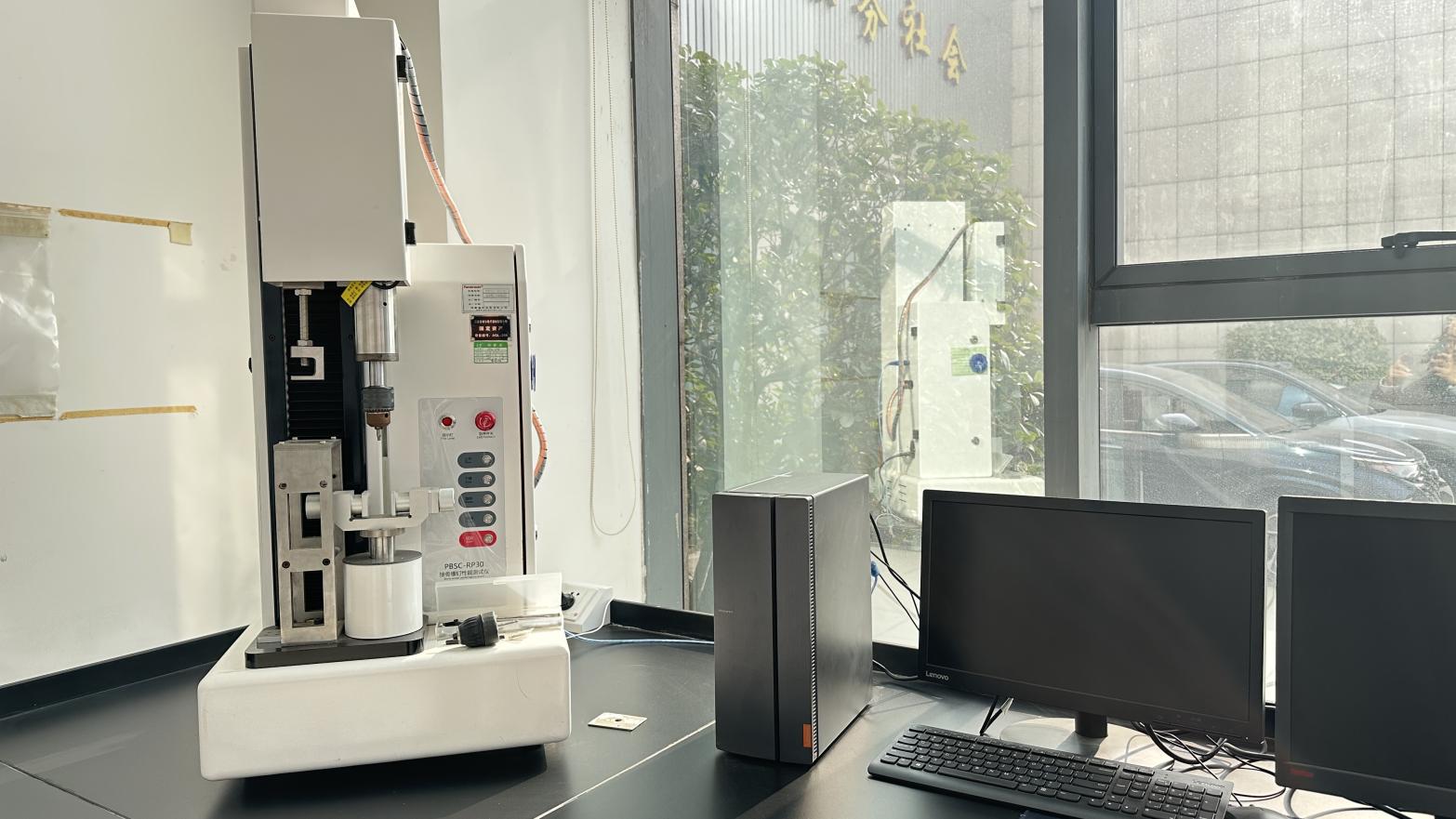
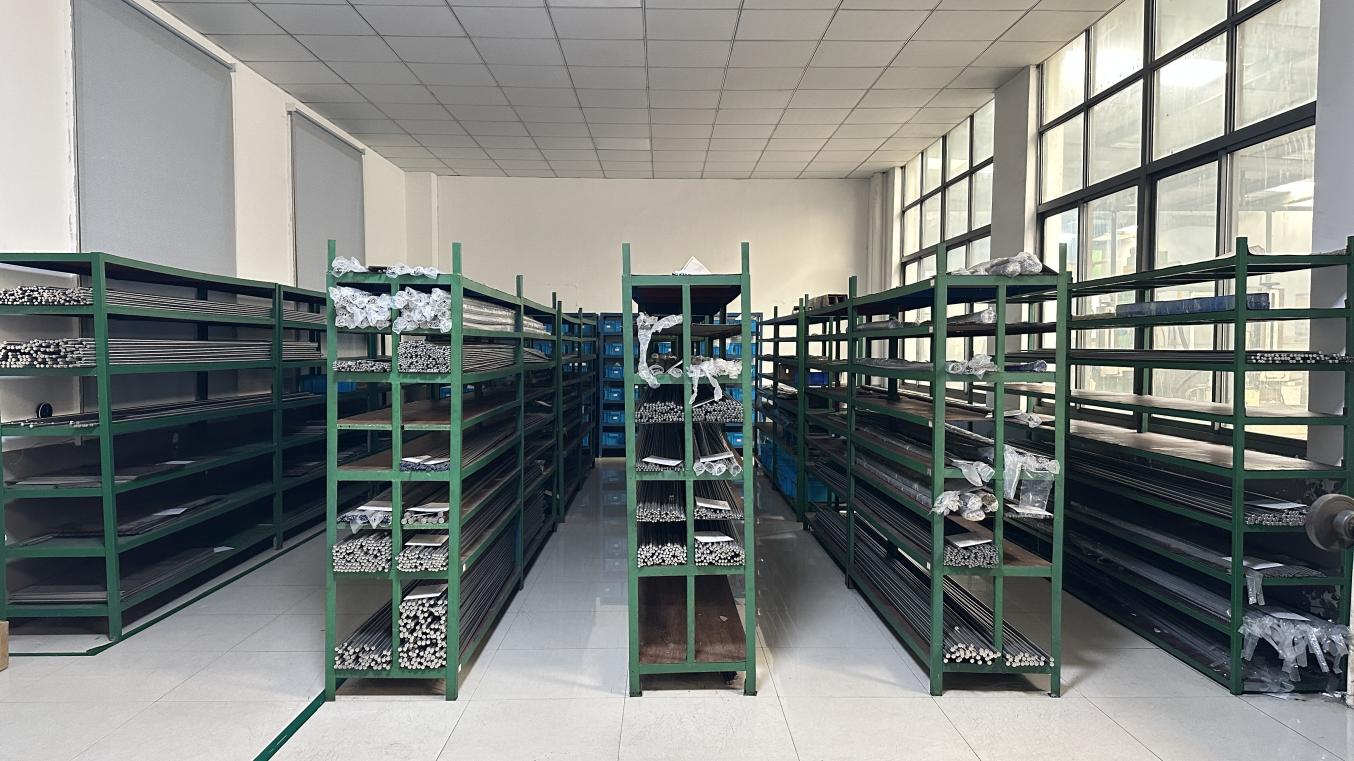
Modern surgical methodologies require trauma plating systems tailored to specific anatomical structures. Because dynamic forces differ across bone segments, locking plates must be configured for the localized biomechanical environment of the target anatomy.
For long-bone osteosynthesis (such as the ulna, radius, femur, and tibia), combined locking holes allow surgeons to use either dynamic compression or fixed-angle locking screws. This flexibility supports individualized treatment plans based on fracture complexity.
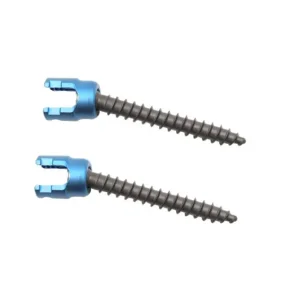
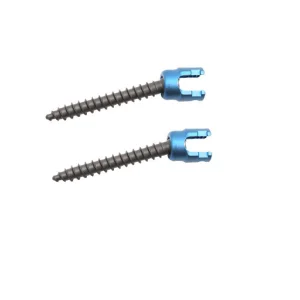
Spine surgeries require implants that can withstand complex rotational and bending loads. The Polyaxial Pedicle Screw System (such as the 6.0 System) allows for adjustable positioning, simplifying rod insertion and providing secure fixation across multiple spinal segments.
Veterinary orthopedics involves unique mechanical demands. Specialized mini-locking systems and hip prosthesis options provide stable fixation for small animal and equine trauma care, facilitating rapid mobilization and recovery.
Our research and development initiatives focus on improving biomechanical integration and reducing surgical times. By incorporating patient-specific anatomical data and advanced manufacturing techniques, Medisplint is developing next-generation orthopedic implants:
We are optimizing titanium implants with electrochemical anodization. This process enhances wear resistance, reduces screw-cold welding issues during removal, and promotes osseointegration at the bone-implant interface.
We are incorporating biocompatible PEEK materials into our locking plate systems. This approach provides an elastic modulus closer to cortical bone, reducing stress shielding and allowing for better radiological assessment.
Using selective laser melting (SLM) 3D-printing technologies, we design custom locking plates that match complex bone structures, supporting limb salvage procedures and oncological reconstructions.
The global medical device market requires stable supply chains, reliable product quality, and cost efficiency. China's orthopedic manufacturing clusters offer competitive advantages for international healthcare distributors:
Our engineering and logistics teams address key questions from international medical distributors and purchasing managers:
Titanium alloys (specifically Ti-6Al-4V ELI) offer a lower modulus of elasticity compared to stainless steel, which reduces stress shielding and helps prevent bone resorption. Additionally, titanium has excellent biocompatibility and corrosion resistance, and it is compatible with postoperative MRI imaging.
Medisplint operates under a quality management system certified to ISO 13485 and CE standards. Our implant products undergo a complete testing protocol, including tensile strength verification, ASTM F382 fatigue life cycles, and microscopic finishing checks to ensure they meet international clinical requirements.
We offer design modifications, private labeling, laser marking, and customized instrumentation sets. Our R&D team can design implant components based on 3D CAD files or clinical templates provided by our partners.
Standard product orders are typically processed and shipped within 30 to 45 days. Lead times for custom OEM orders depend on the complexity of the design and mold fabrication requirements, and are determined during the initial evaluation phase.
High-durability orthopedic instrumentation and fixation assemblies designed for clinical efficiency.