Medisplint
Medisplint
Medisplint
Explore our leading surgical implants and instrument configurations engineered under strict ISO 13485 standards for maximum clinical accuracy and patient safety.
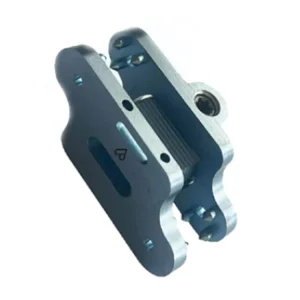
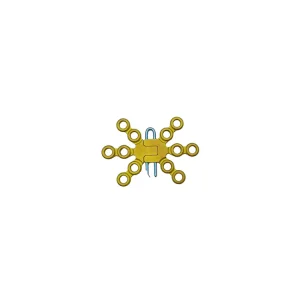
In modern spinal reconstructive surgery, posterior pedicle screw-rod fixation systems serve as the cornerstone for addressing degenerative deformities, multi-segmental instability, scoliosis, and traumatic fractures. However, long-segment spinal constructs are continuously subjected to immense multi-axial stresses—specifically axial compression, lateral bending, and rotational torsion. This is where Spinal Cross Connectors (Cross-Links) become biomechanically critical.
Cross connectors act as transverse bridges linking two parallel longitudinal rods, converting an open-ended "U-shaped" frame into a structurally closed "box-frame" configuration. According to mechanical testing standardizations such as ASTM F1717, the integration of a cross connector increases the construct's torsional stiffness by up to 45%. This dramatic enhancement minimizes micro-motions at the implant-bone interface, thereby suppressing screw loosening, reducing the risk of rod fatigue fracture, and significantly accelerating the rate of solid bony fusion.
"For multi-level spinal constructs extending beyond three levels, the omission of transverse cross-links correlates with a higher rate of mechanical failure. High-precision cross connectors provide the ultimate stabilization required for long-term patient mobility."
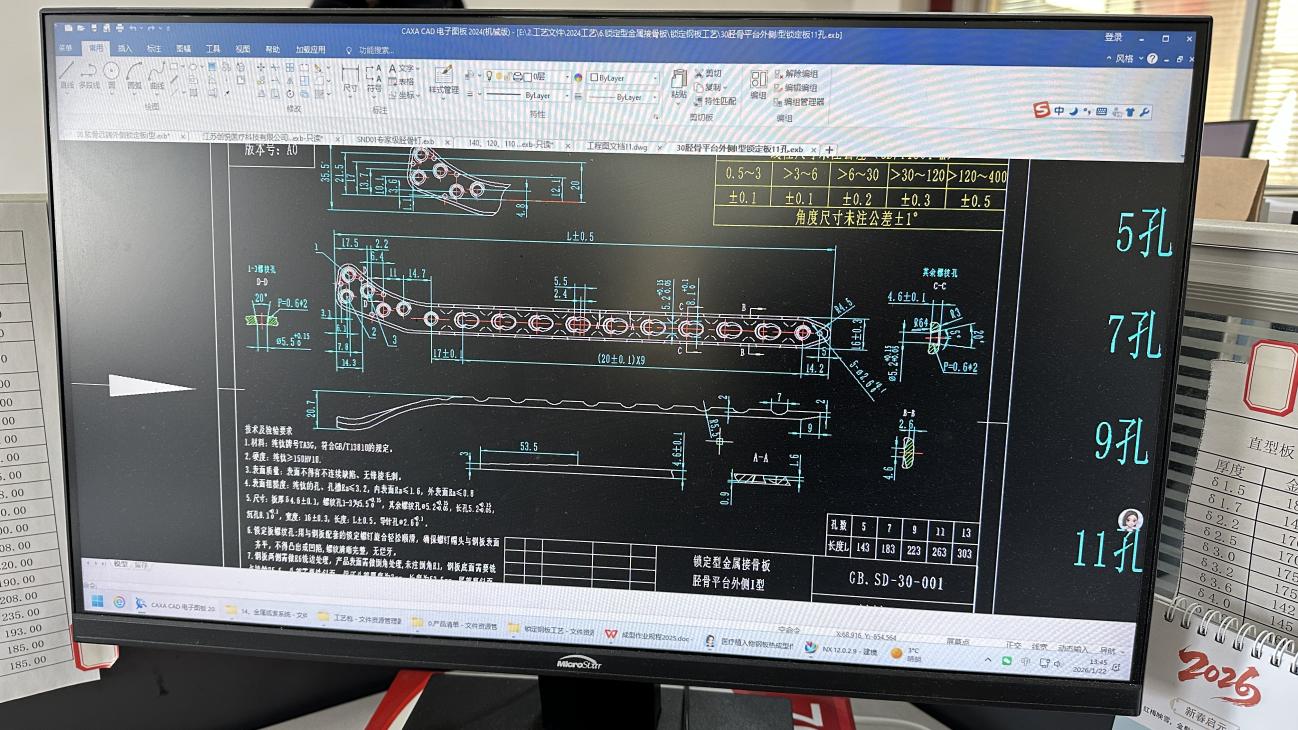
A global powerhouse in orthopedic engineering, delivering premium grade trauma, spinal, and reconstructive surgery implants and instrumentation since 2016.
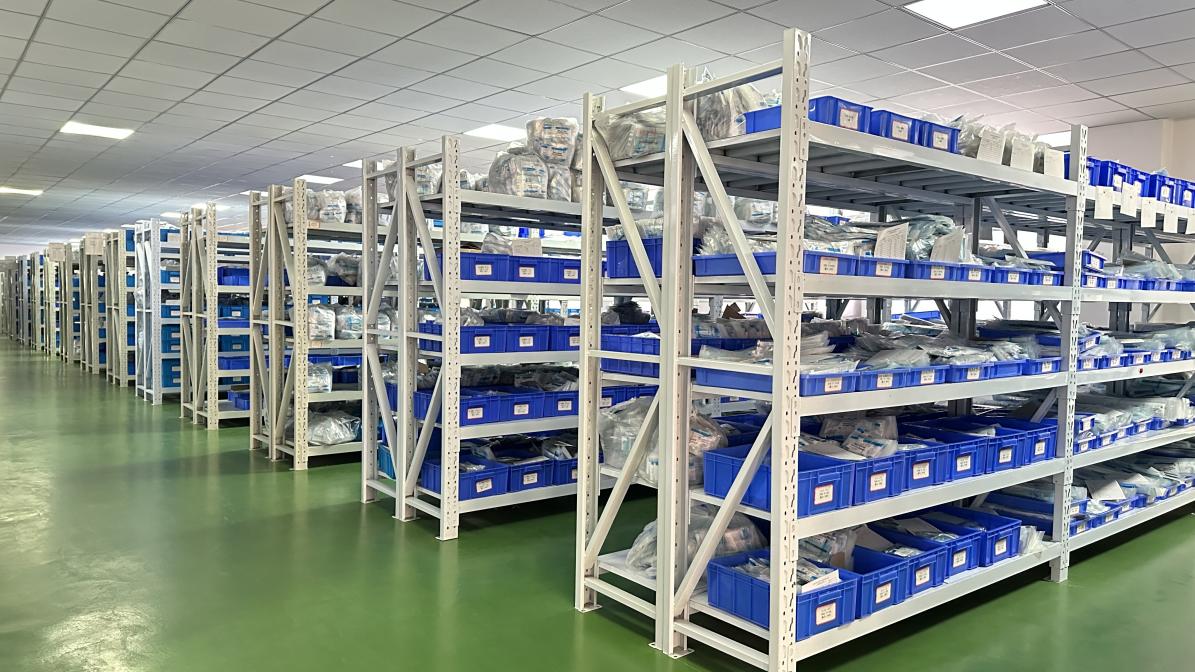
Founded in 2016, Medisplint has emerged as a premier manufacturer specializing in orthopedic implants, fixation systems, and high-precision surgical instruments. With over 10 years of overall industry experience and 7 years of global export track record, we support stable capacity through a massive network of 1,200 supply chain partners, ensuring uninterrupted delivery for hospitals, surgical centers, orthopedic distributors, and OEM/ODM clients worldwide.
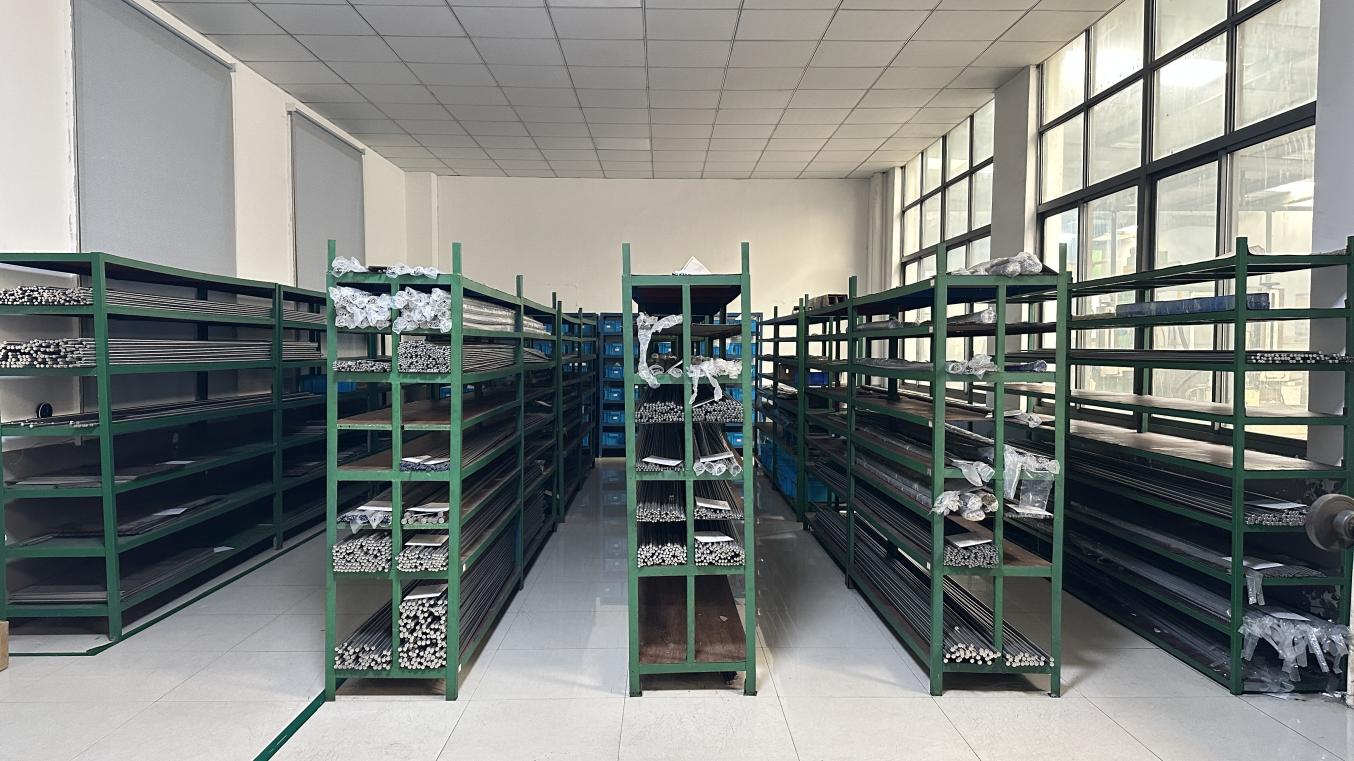
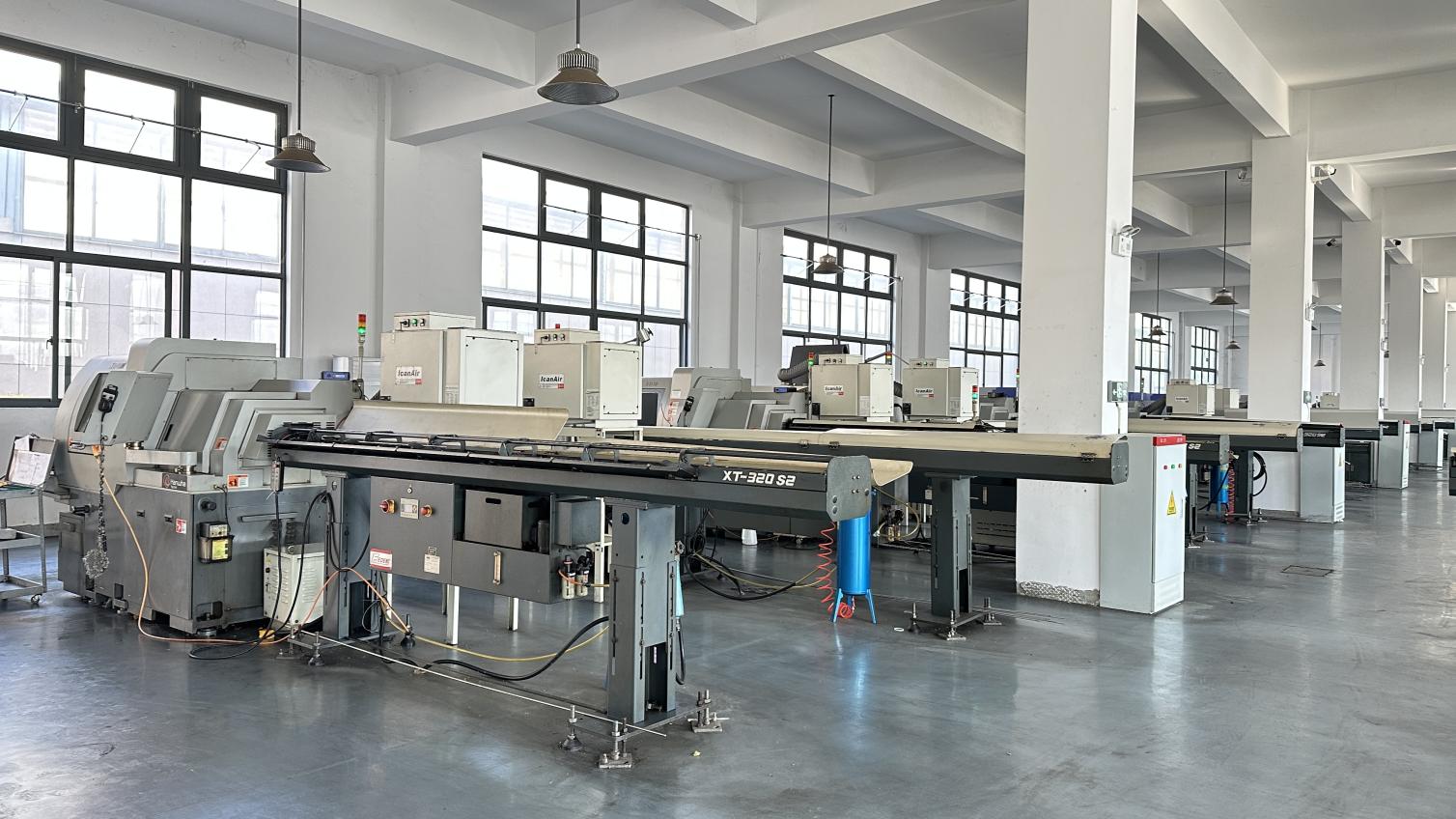
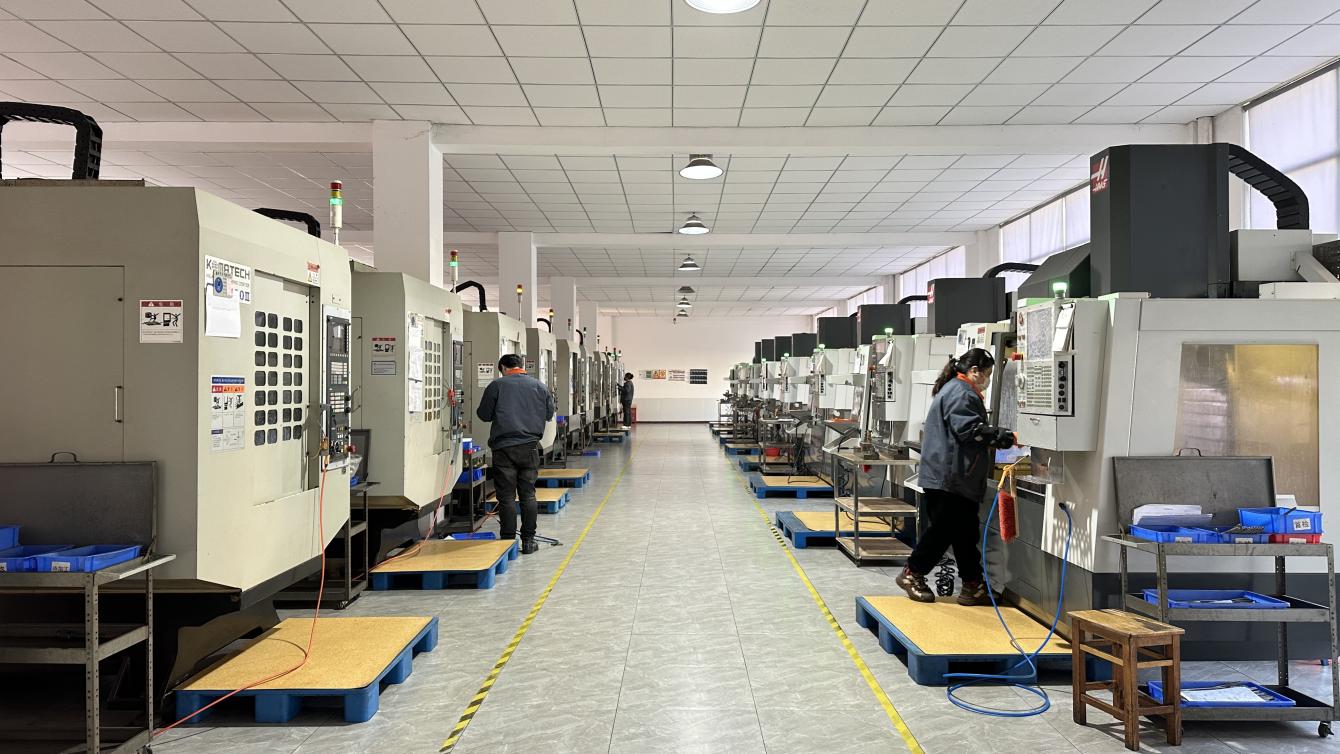
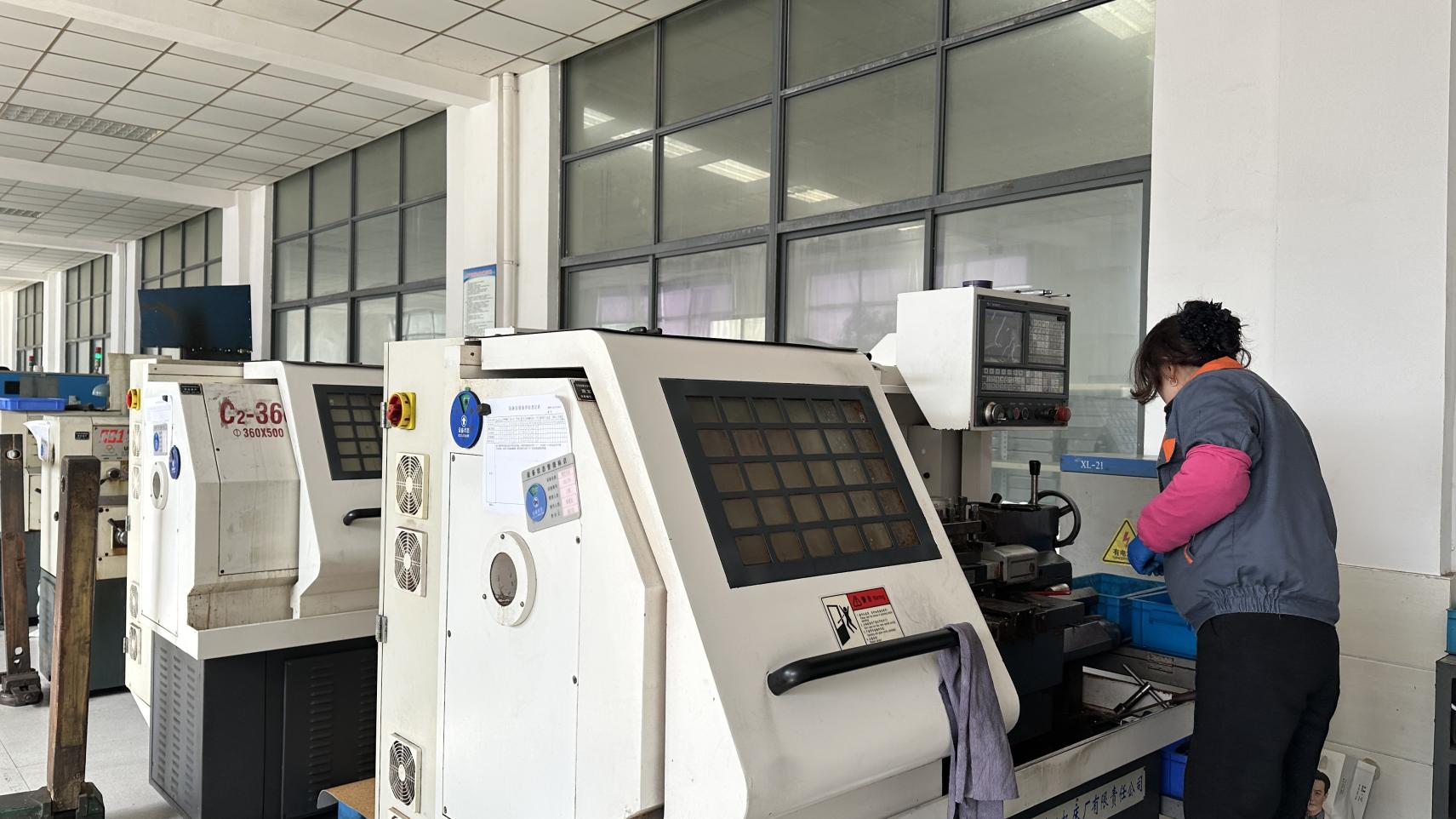
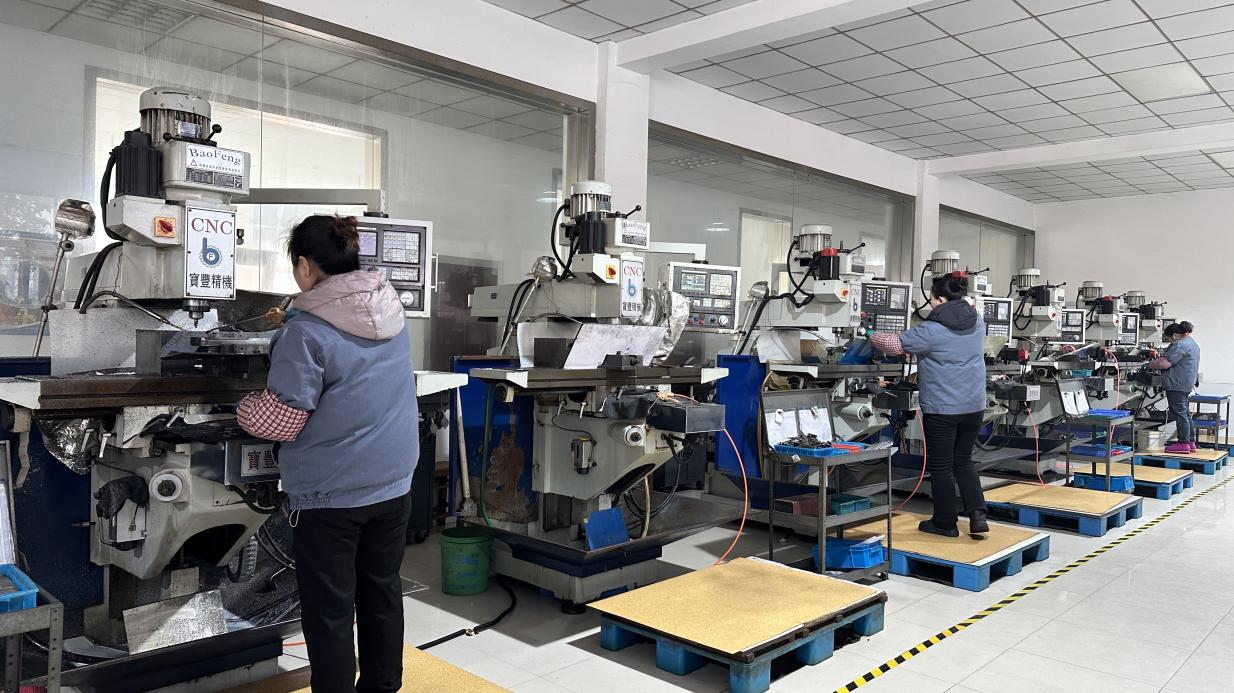
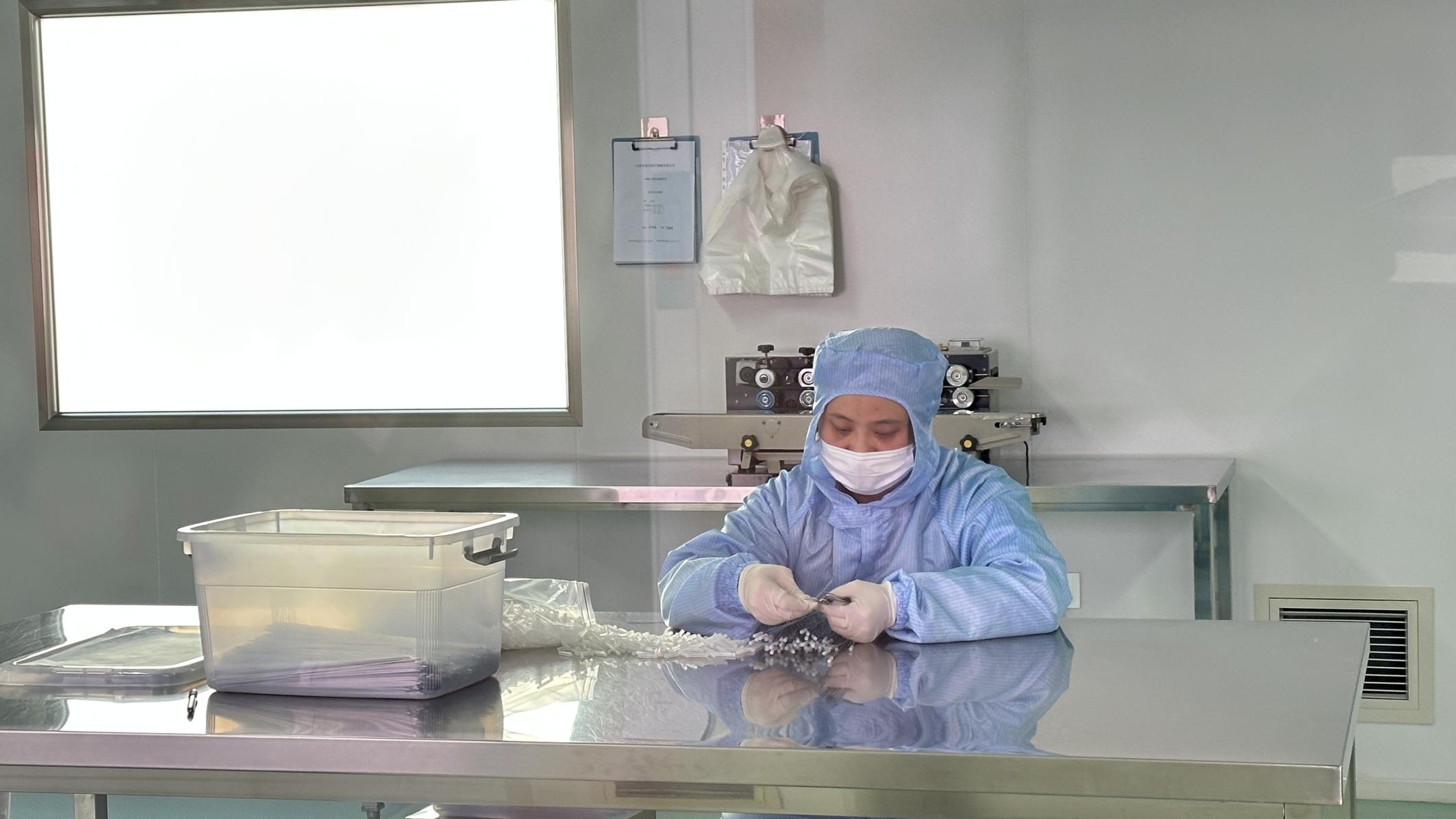
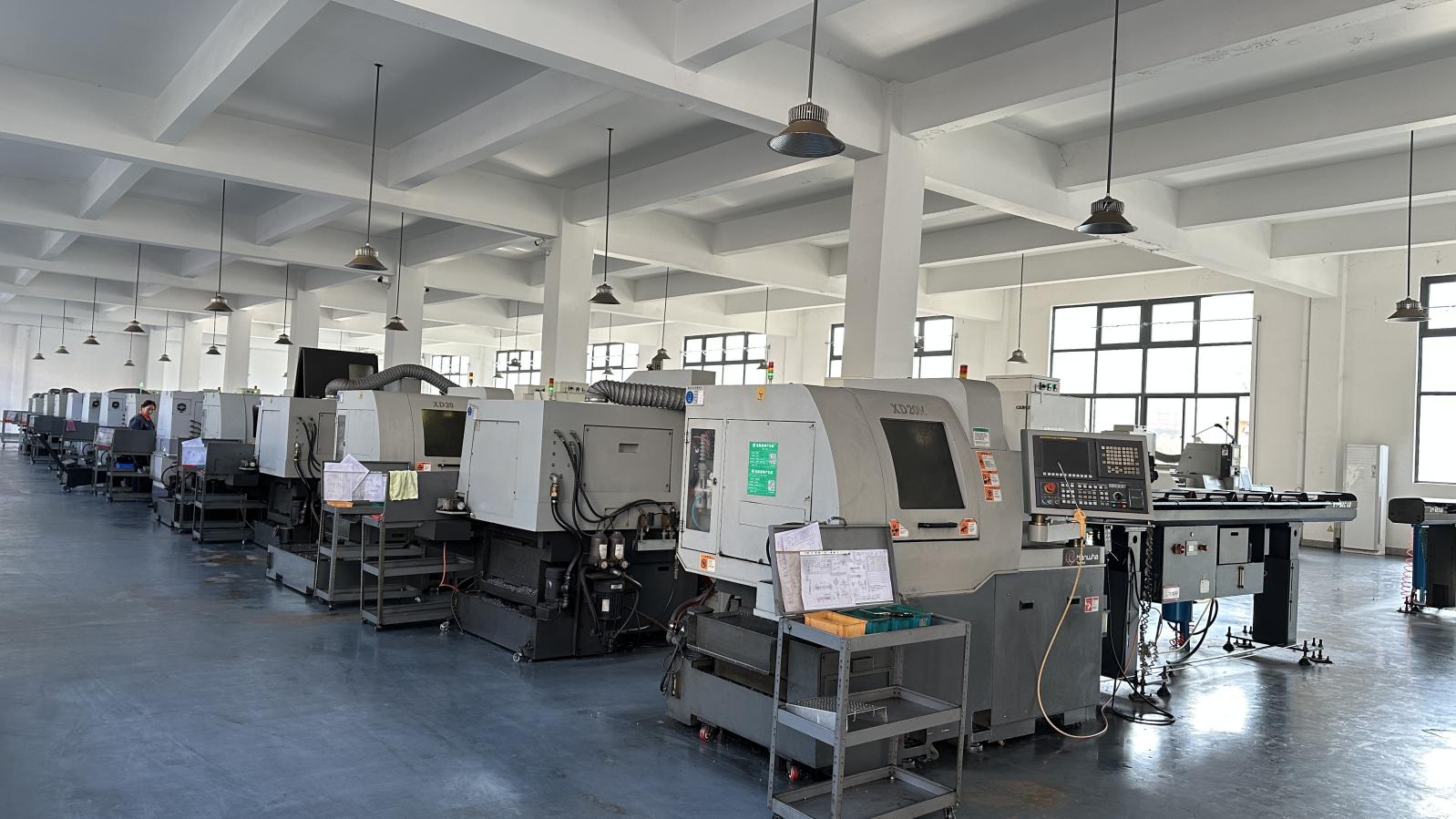
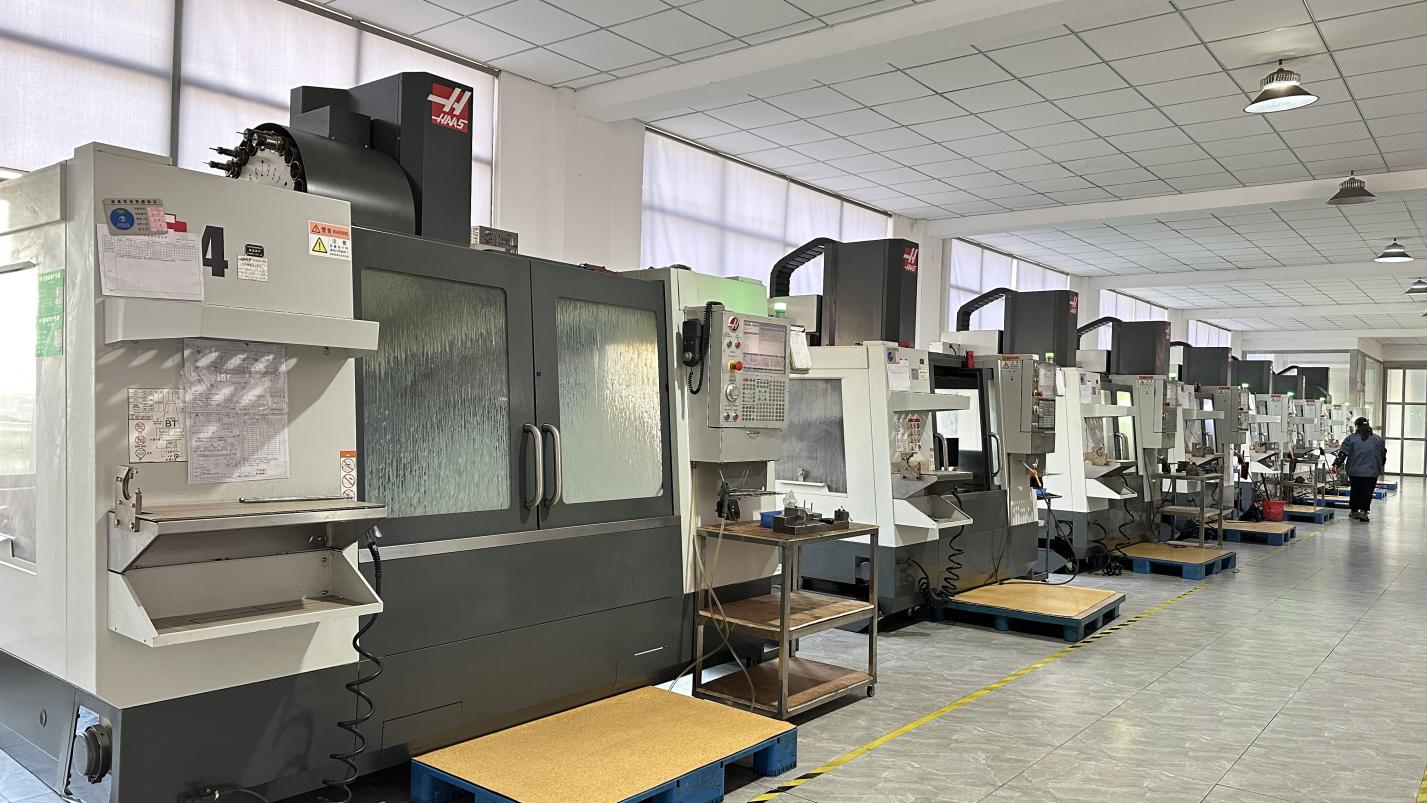
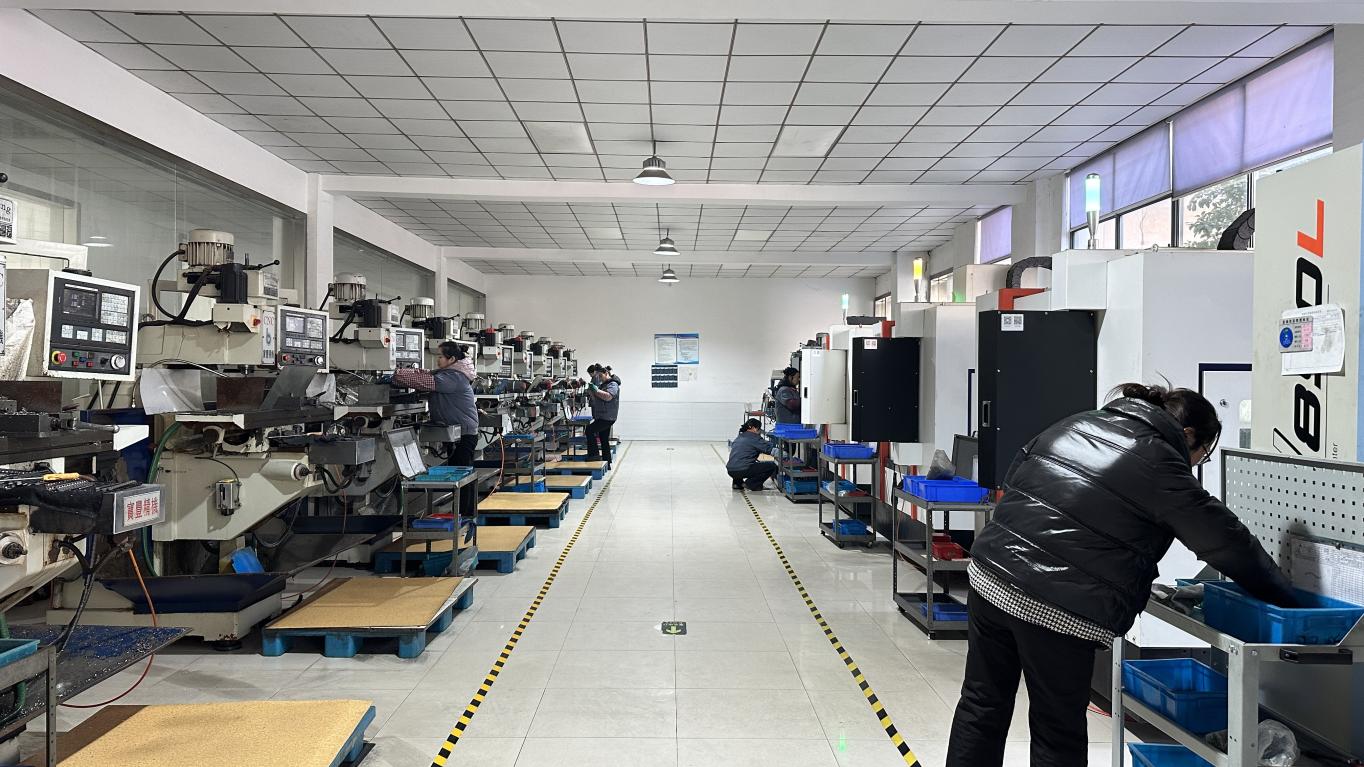
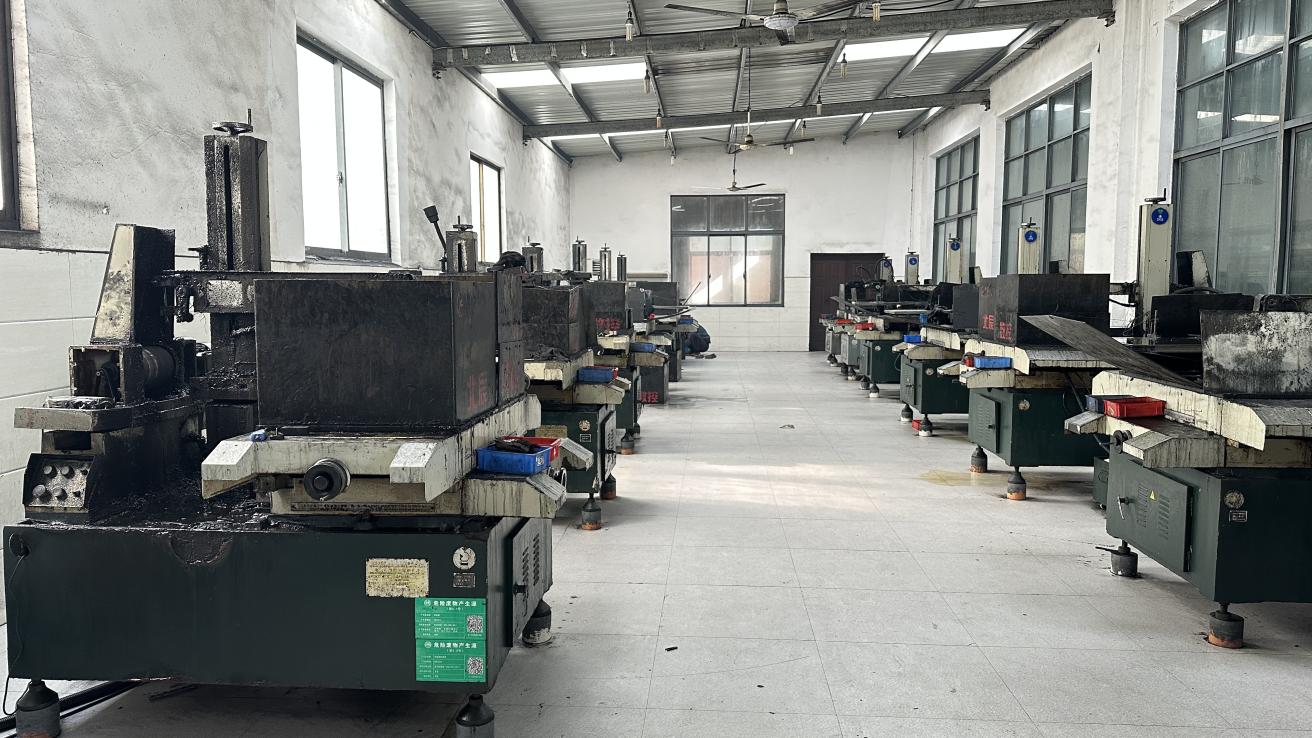
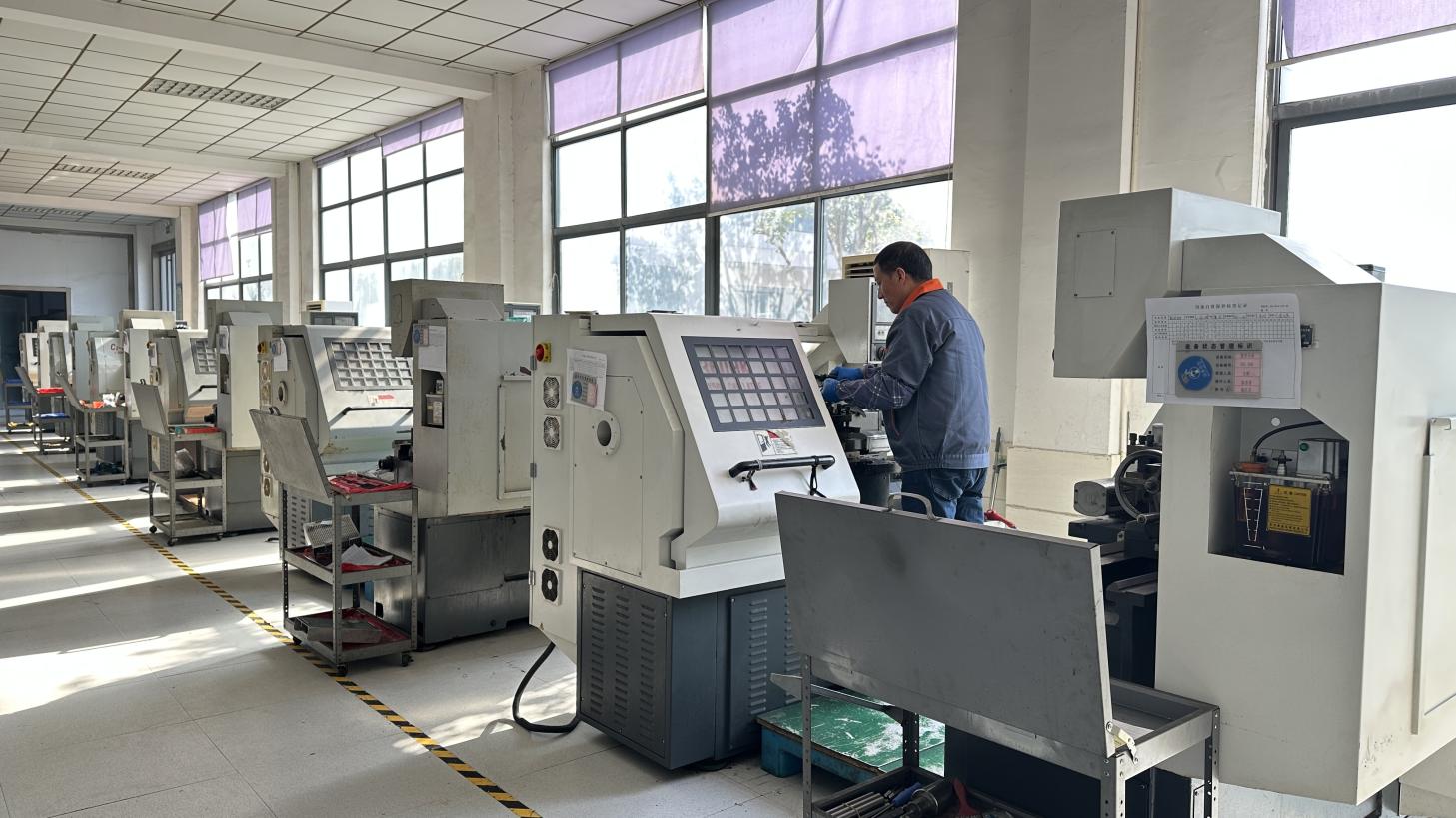
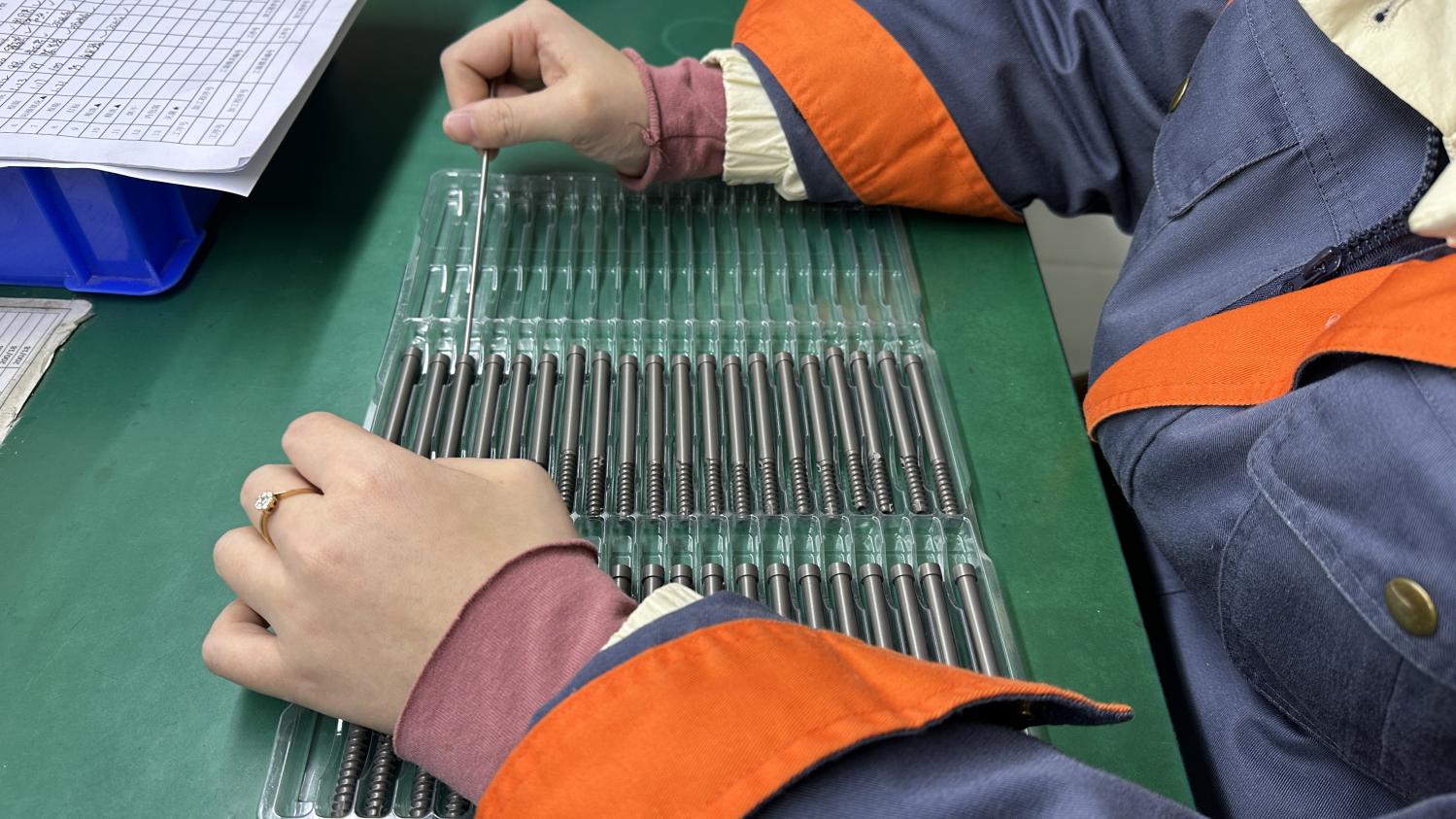
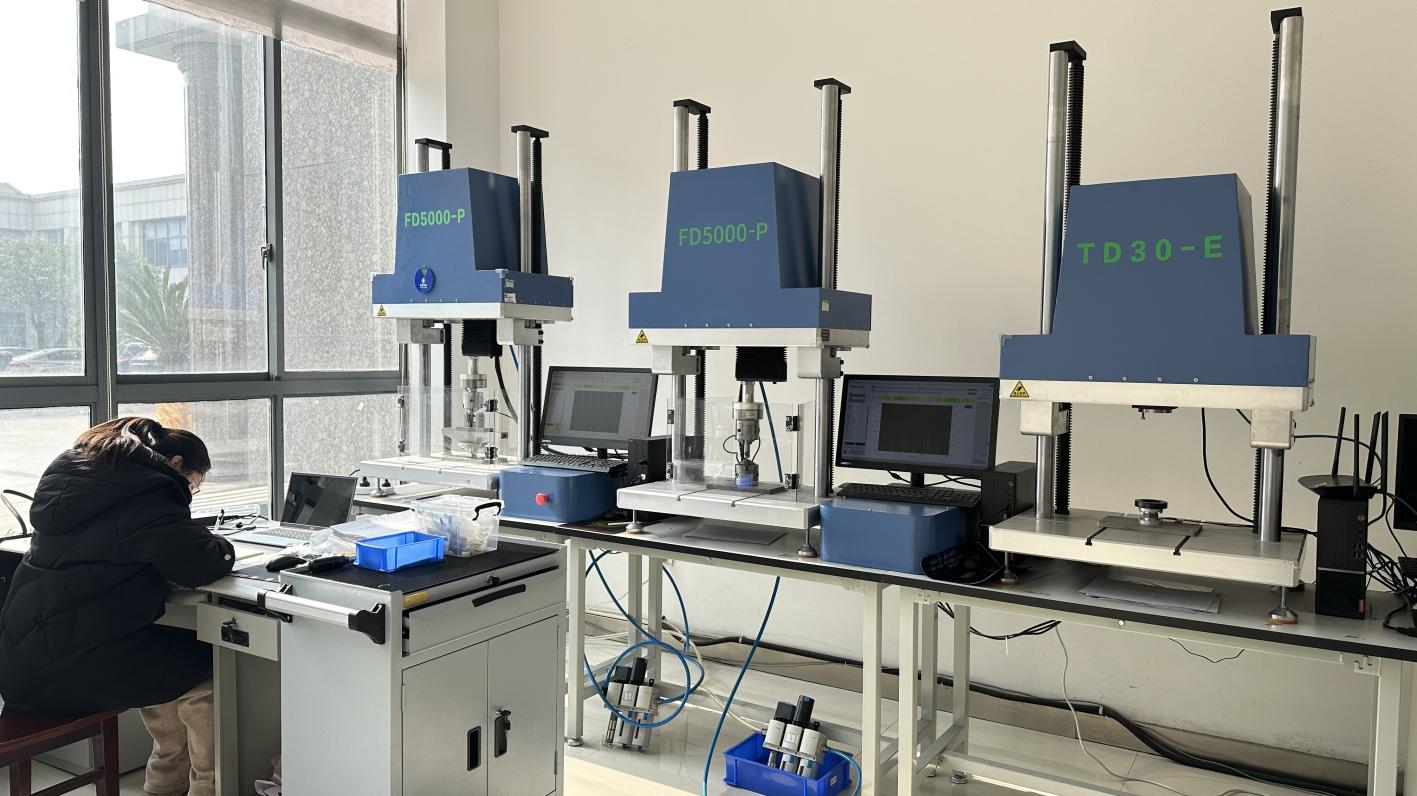
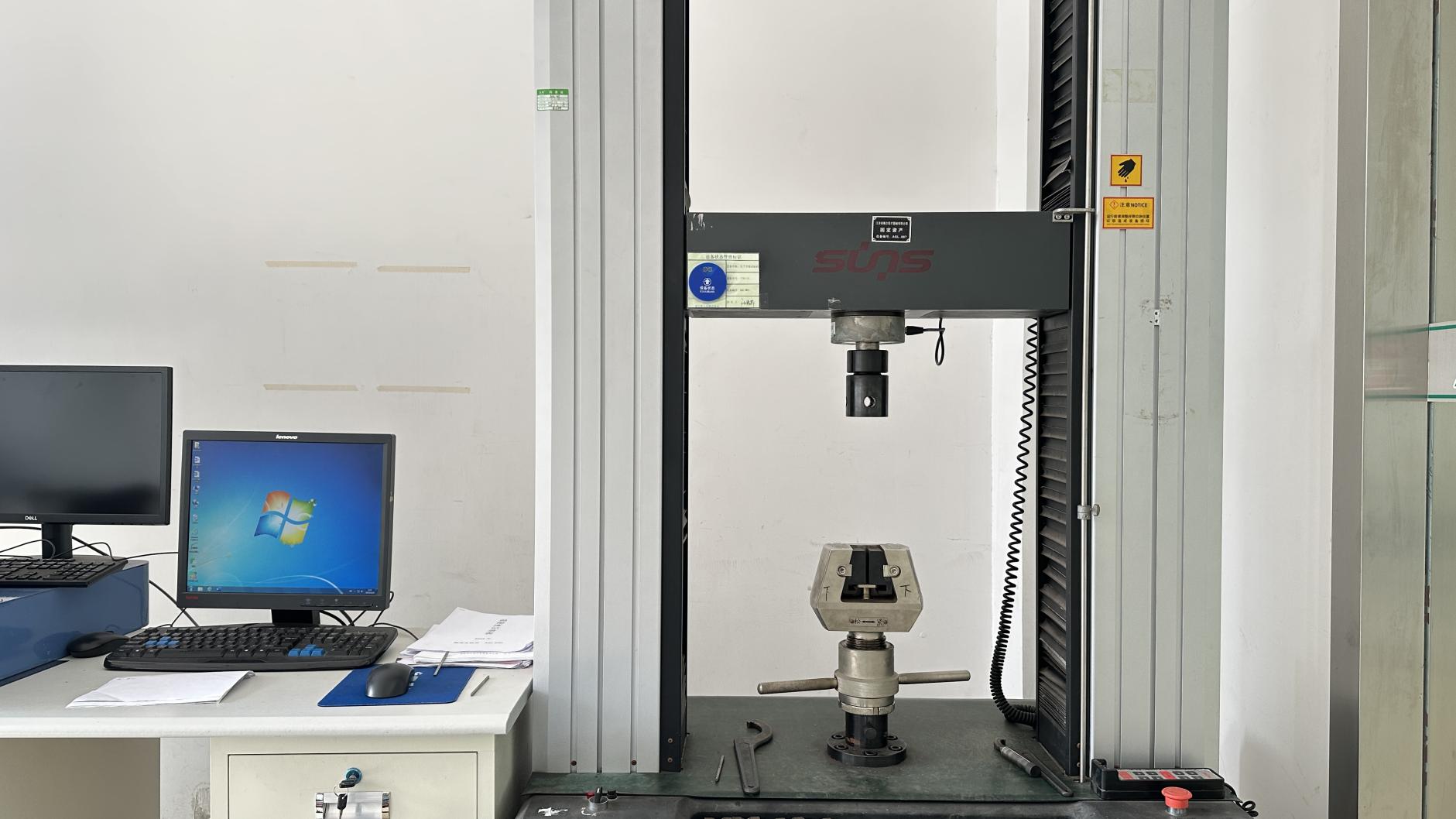
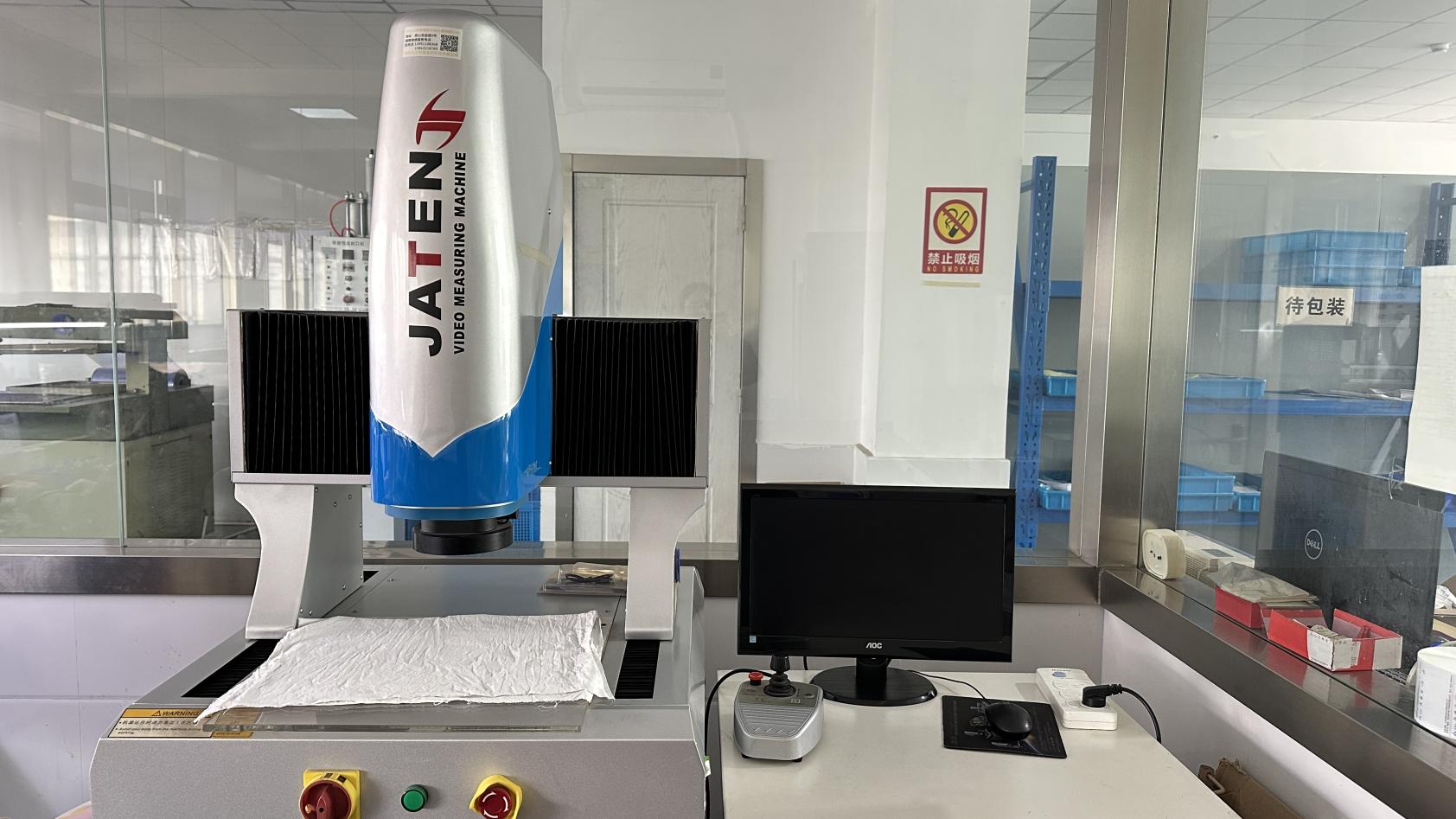
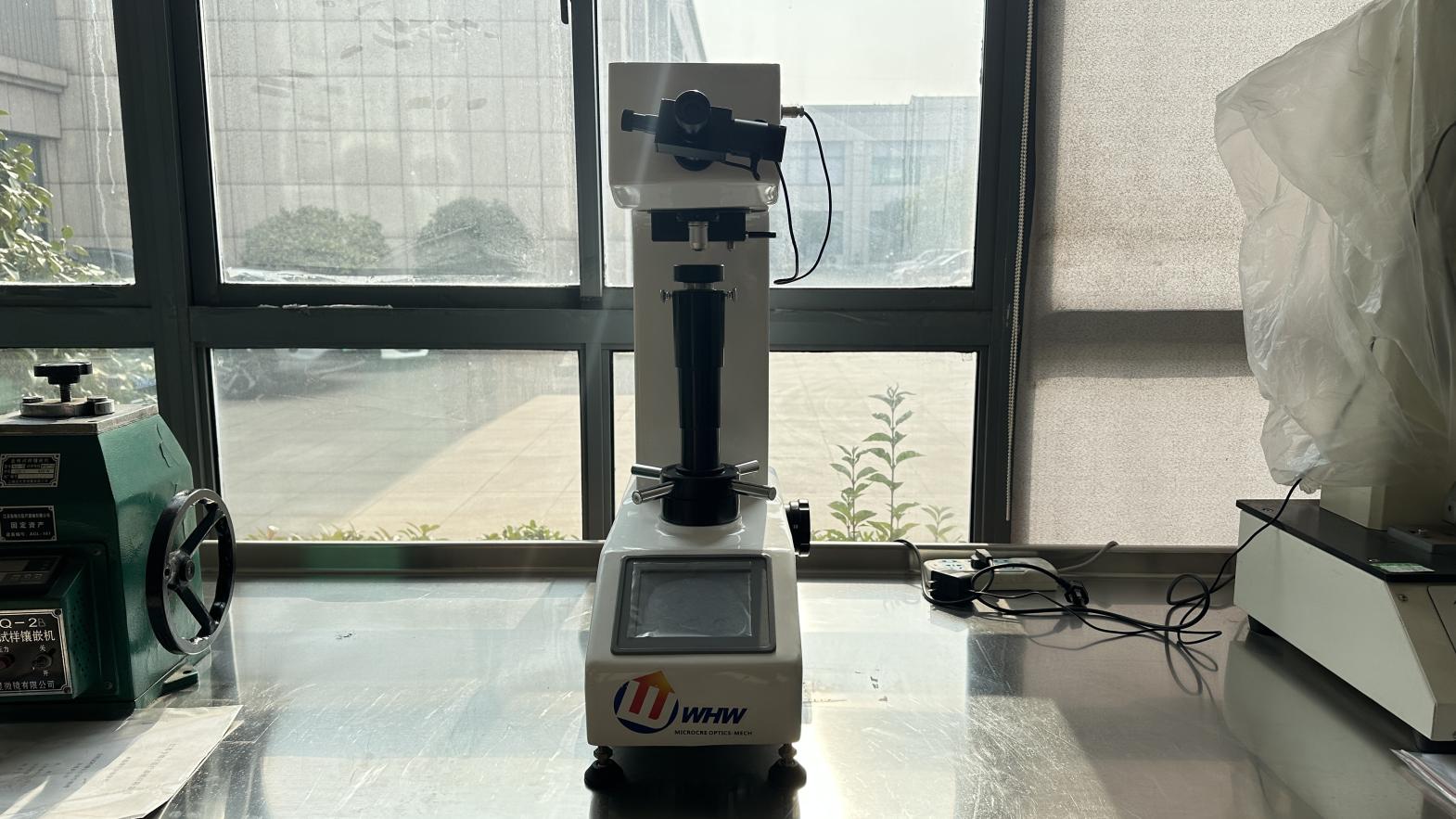
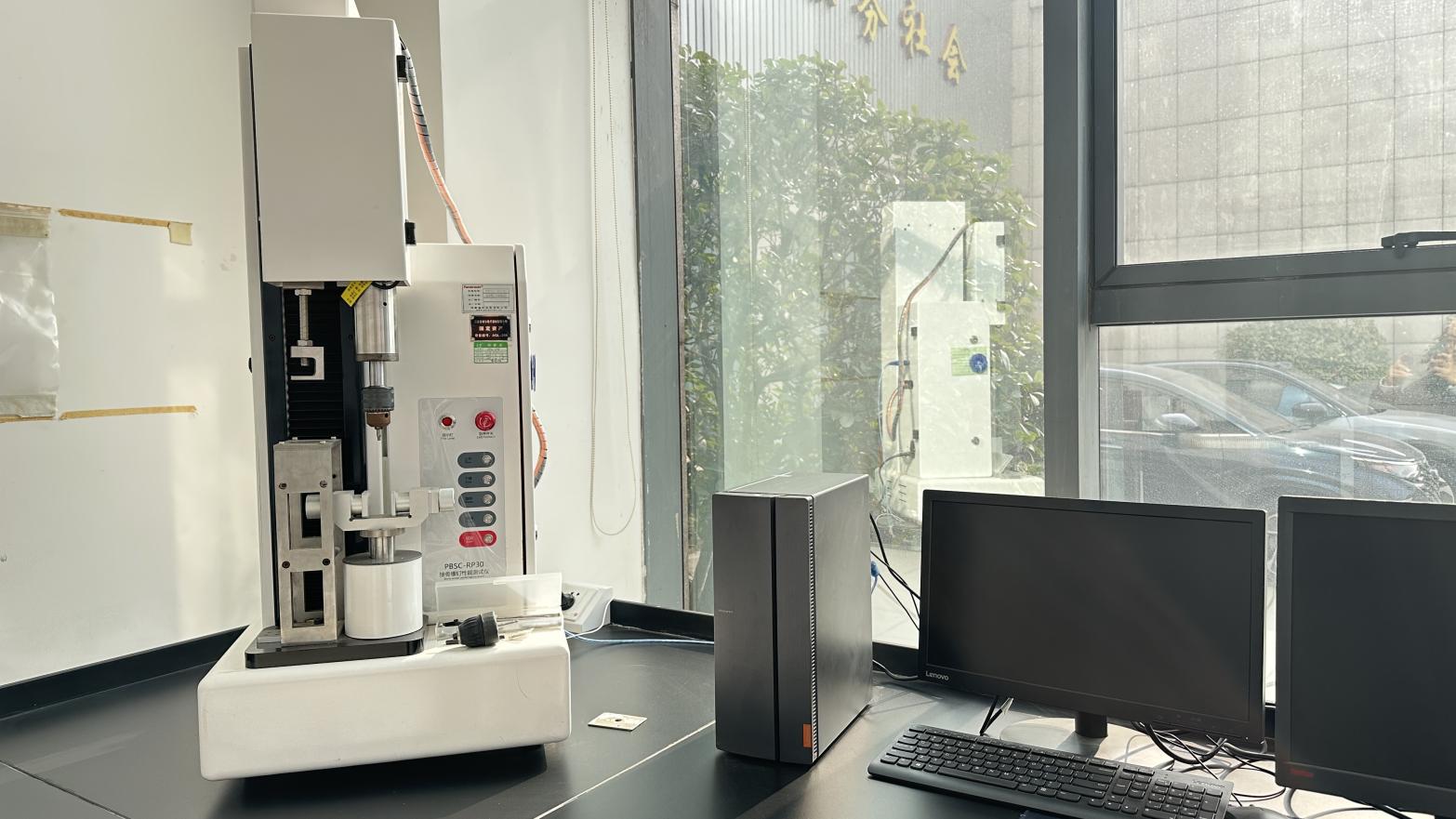
Inside our state-of-the-art facility, medical-grade raw materials undergo precision machining, strict metrological verification, and mechanical testing.
We source certified Ti-6Al-4V ELI (Grade 5 Titanium Alloy) conforming to ASTM F136, ensuring supreme biocompatibility and high fatigue resistance.
Ultra-precise CNC milling and slitting centers generate intricate geometric profiles of cross connectors with tolerances within ±0.005mm.
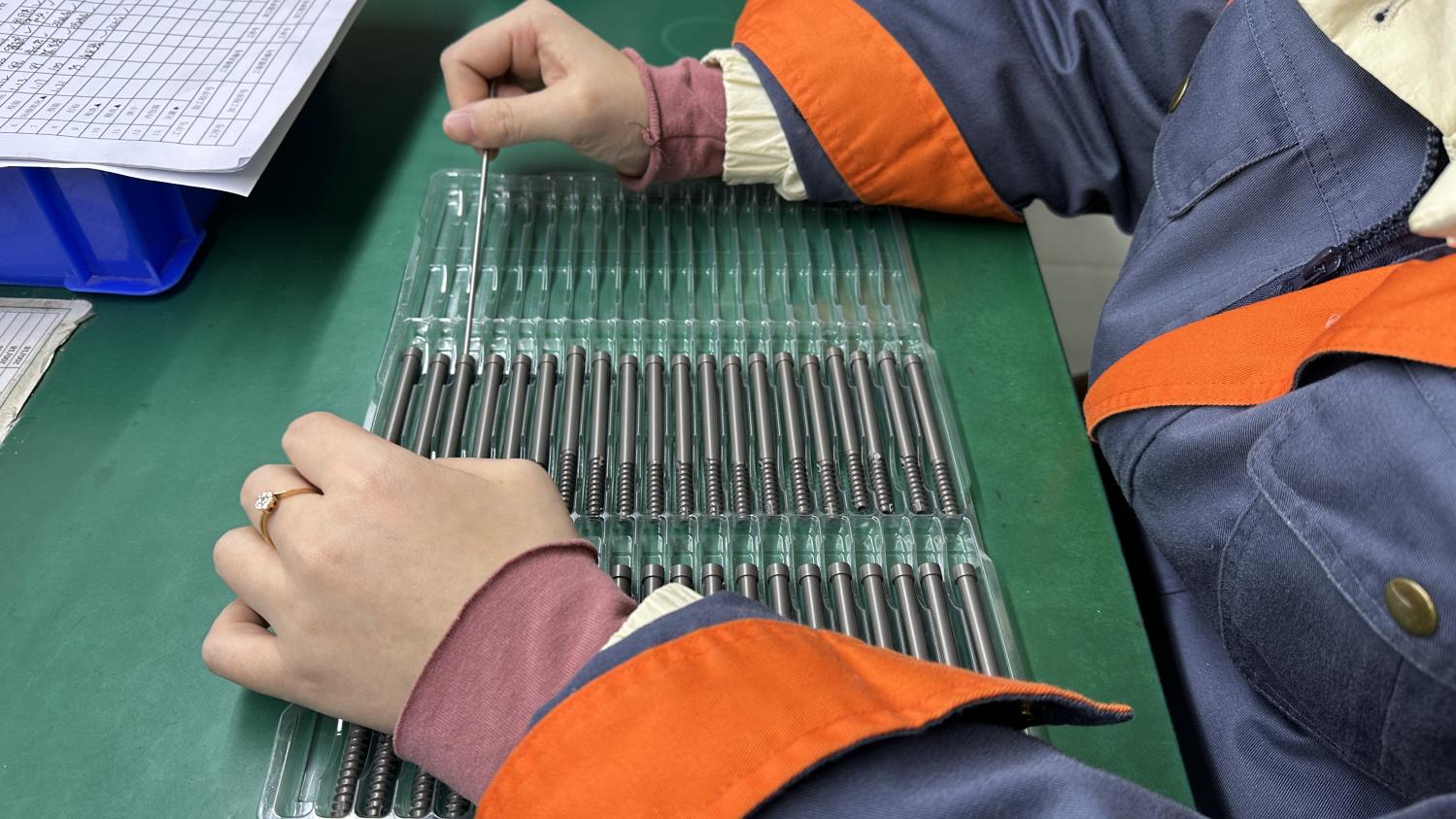
Equipped with 2D measuring systems and advanced coordinate measuring machines (CMM) to verify dimension compliance at every processing step.
In-house fatigue and tensile testers simulate millions of cyclic loading scenarios to guarantee long-term implant durability.

Orthopedic distributors and hospital procurement panels encounter critical challenges when procuring spinal components: maintaining high quality under cost pressures, dealing with lead time variability, and navigating strict regulatory changes like the Transition from MDD to MDR in Europe or FDA 510(k) clearances.
Medisplint helps address these challenges through optimized supply chain management:
Understanding the transition path from traditional locking mechanisms to dynamic, anatomically responsive spinal implants.
Legacy systems utilize fixed crosslinks. Modern layouts feature dynamic joints accommodating rod deviations up to 25 degrees on multi-axial planes.
Applying advanced bead blasting or type II anodization to optimize mechanical locking force and protect against wear debris generation.
Designing composite cross-links (Titanium-PEEK hybrids) matching the physiological elasticity of bone, minimizing stress shielding.
Because spine implants operate within Class III medical classification limits, regulatory compliance is non-negotiable. Medisplint has maintained an active ISO 13485 certificate since our early operations, alongside CE markings corresponding to European health safety parameters.
All critical production runs go through a detailed QA pipeline overseen by our 42 dedicated quality inspectors. This includes biocompatibility testing under ISO 10993 and material mechanical property checking in our in-house lab. Each shipment is fully traceable back to the raw titanium batch, ensuring complete accountability.
Biomechanical and material specifications to guide selection and procurement.
We exclusively utilize medical-grade titanium alloy Ti-6Al-4V ELI (Extra Low Interstitial) conforming to ASTM F136 specifications. This provides optimal biocompatibility, superior fatigue limits, and resistance to corrosion inside the human body compared to standard Grade 5 titanium.
They link parallel rods to convert a bilateral structure into a rigid frame. Biomechanical testing demonstrates this layout can increase torsional stiffness by 40% to 45%, helping restrict axial rotation and lateral bending, which reduces screw loosening risk.
We offer adjustable-length cross connectors ranging from 30mm to 80mm, featuring telescoping components or sliding joints that lock securely via set-screws. This allows surgeons to adapt the implant to varying inter-rod distances during surgery.
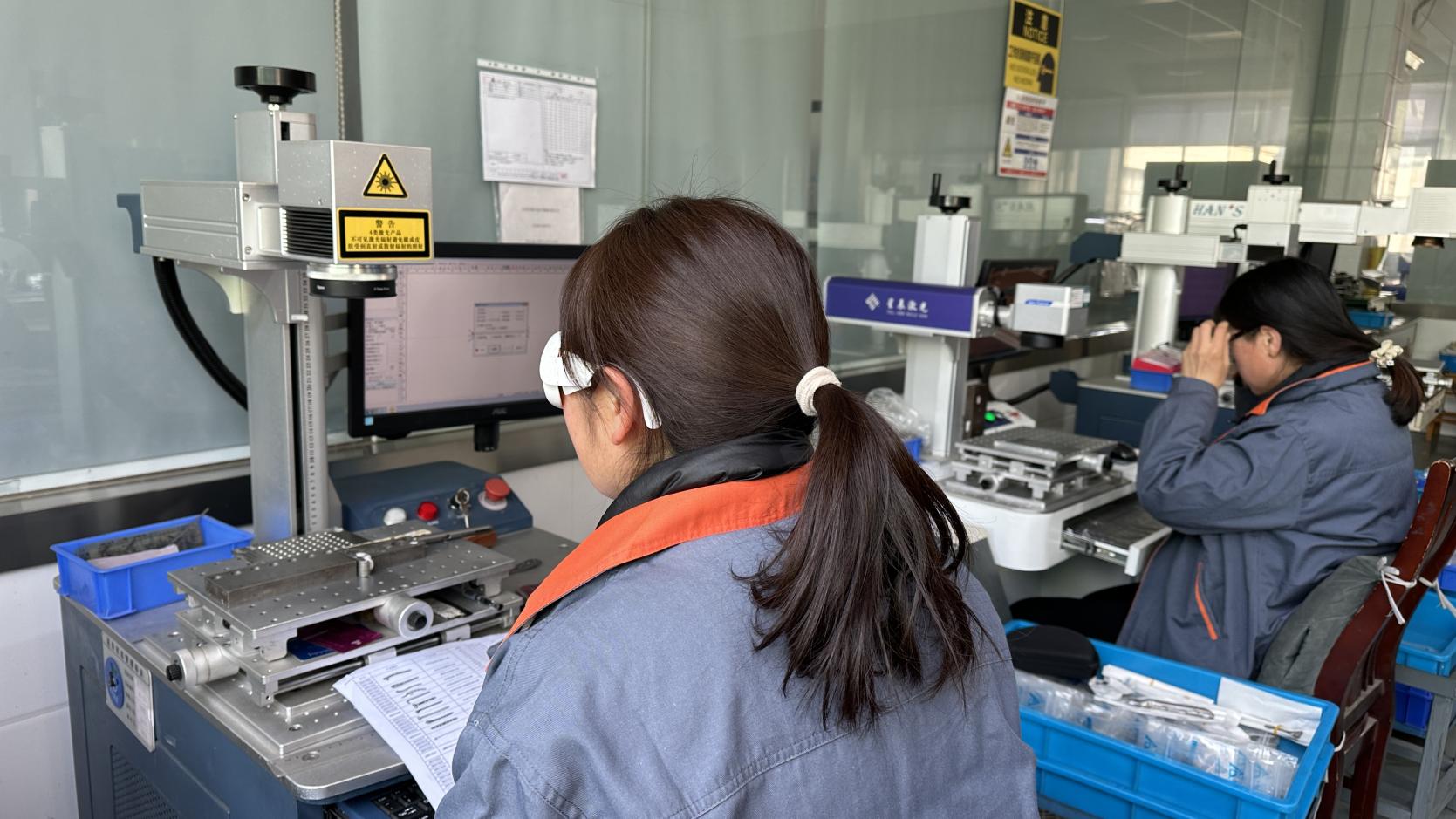
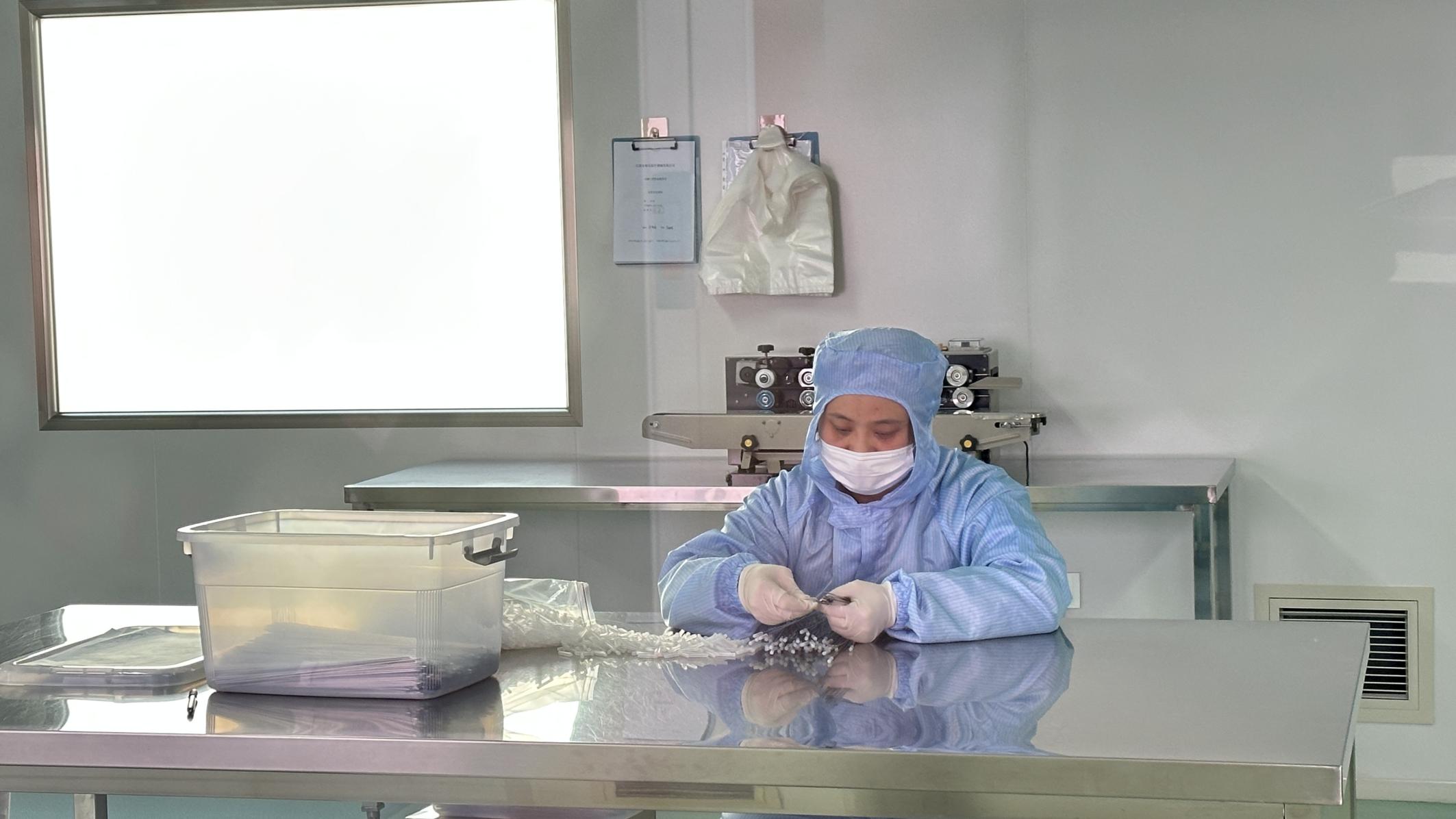
Yes. Backed by 85 R&D specialists, we provide full OEM/ODM services, including design customization, laser marking, cleaning, custom packaging, and technical documentation support to assist partners with their local regulatory filings.
Each batch undergoes a structured inspection pipeline: incoming raw material verification, IPQC (In-process QC) during machining, final inspection (FQC) for dimensions and finish, and regular structural fatigue testing using in-house testers to ensure structural performance matches ASTM requirements.
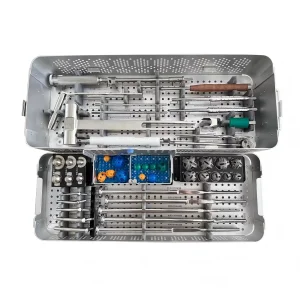
Browse our selection of specialized orthopedic locking systems, implant components, and veterinary surgery kits designed for clinical reliability.