Medisplint
Medisplint
Medisplint
Medisplint Orthopedic Instruments Co., Ltd. stands as a premier global partner in the research, development, and high-precision manufacturing of orthopedic implants, spine fixation arrays, and complex trauma reconstruction systems. Established in 2016, our operations integrate basic biomechanical research with highly automated cleanroom manufacturing.
Operating from an 18,500m² state-of-the-art facility, Medisplint leverages over a decade of domain expertise in medical device production. With an annual export volume reaching USD 12 Million, we deliver implants that comply with stringent global regulatory networks, providing distributors, hospitals, and OEM partners worldwide with highly reliable orthopedic solutions.
Our posterior pedicle screws utilize dual-thread designs that optimize purchase in both cortical and cancellous bone structures. The proximal cortical thread pattern maximizes stabilization at the pedicle entrance, while the distal cancellous thread ensures exceptional pull-out strength deep within the vertebral body.
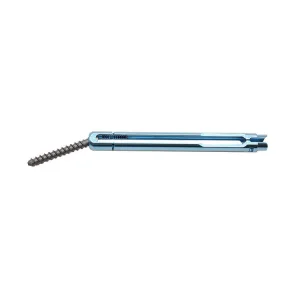
Featuring an angular capability of up to 45 degrees, our polyaxial screws provide spine surgeons with substantial intraoperative flexibility. The friction-fit head design maintains rod positioning before final locking, minimizing strain on the implant-bone interface during rod reduction.
By integrating a low-profile tulip design, the system reduces postoperative anatomical interference. Advanced engineering analysis validates that load is transferred uniformly across the spinal segment, facilitating faster osseointegration and lowering the incidence of adjacent segment disease (ASD).
As spinal surgery moves toward minimally invasive interventions and digitized planning, posterior pedicle screw design is evolving. Medisplint is at the forefront of this shift, actively researching and developing next-generation implants that integrate smart sensor capabilities and bioactive surface materials.
Current R&D is focused on applying micro-textured Titanium Plasma Spray (TPS) and Hydroxyapatite (HA) coatings directly to the screw threads. This encourages rapid local bone remodeling and increases early-stage implant stability, particularly in patients with reduced bone mineral density.
We are designing and testing porous spinal implants that emulate the cellular architecture of human trabecular bone. This helps reduce the modulus mismatch between titanium alloys and natural bone, mitigating stress-shielding concerns.
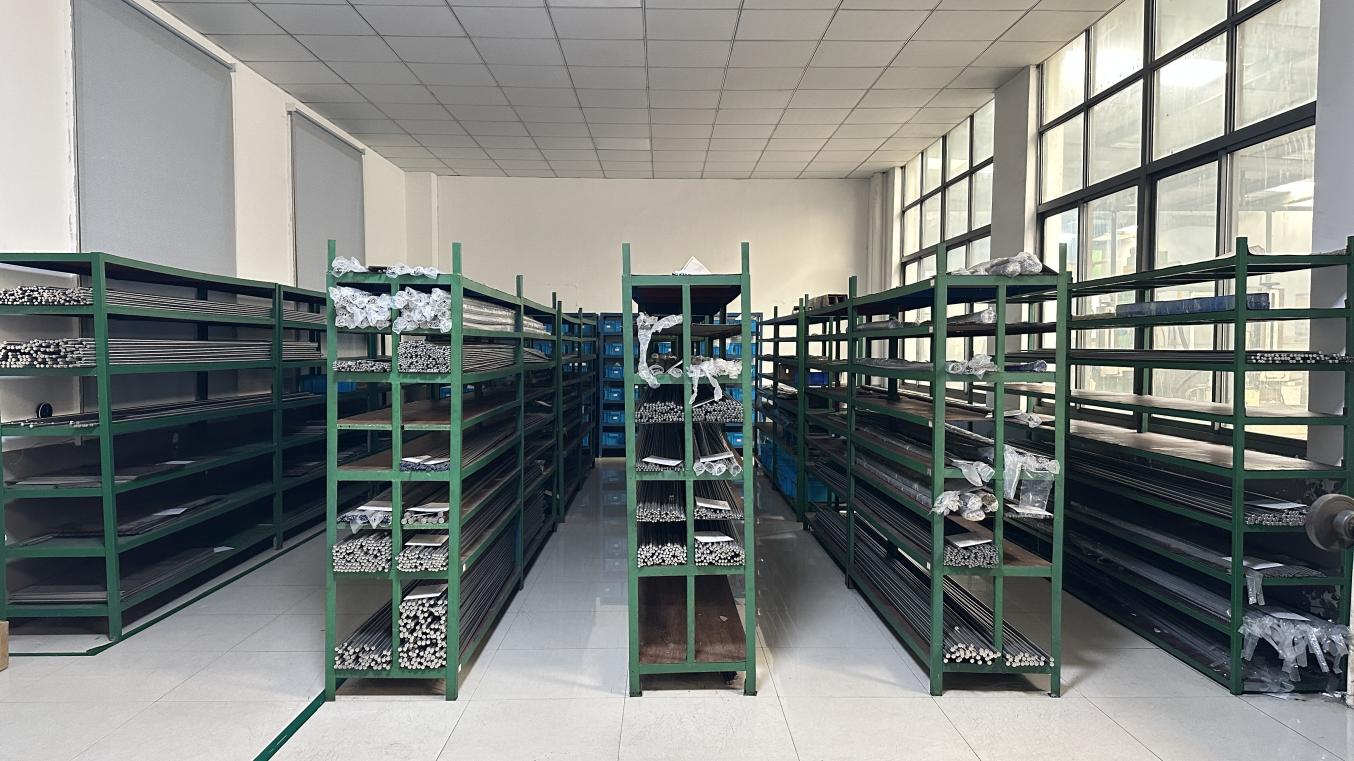
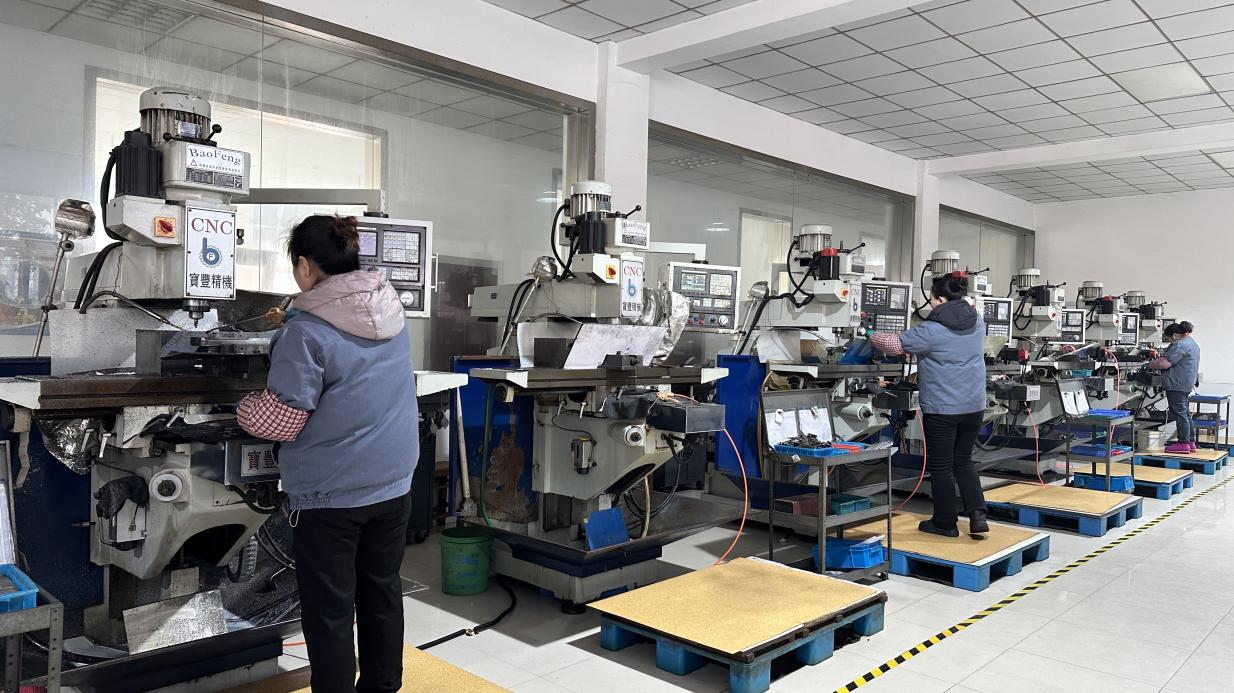
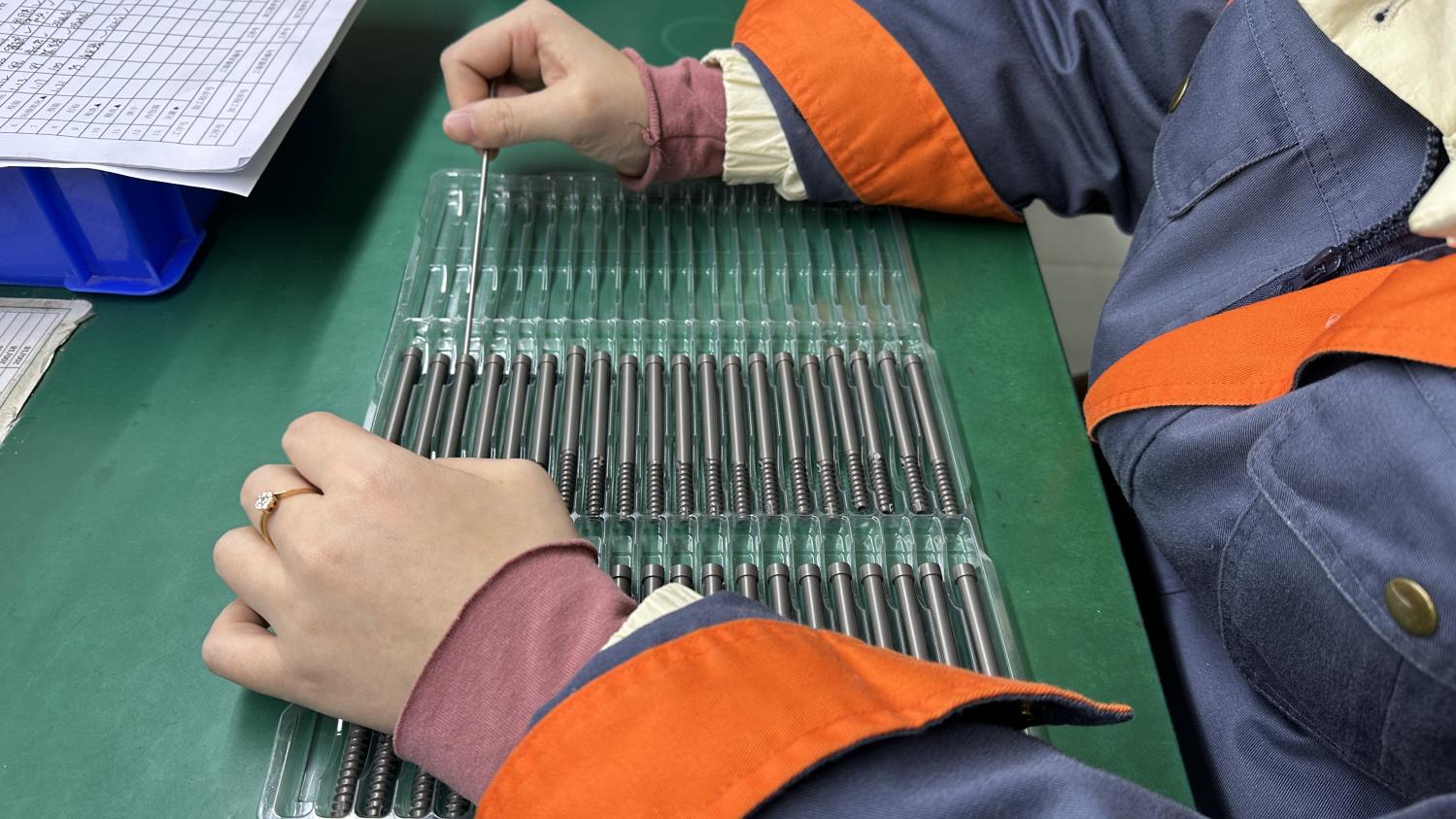
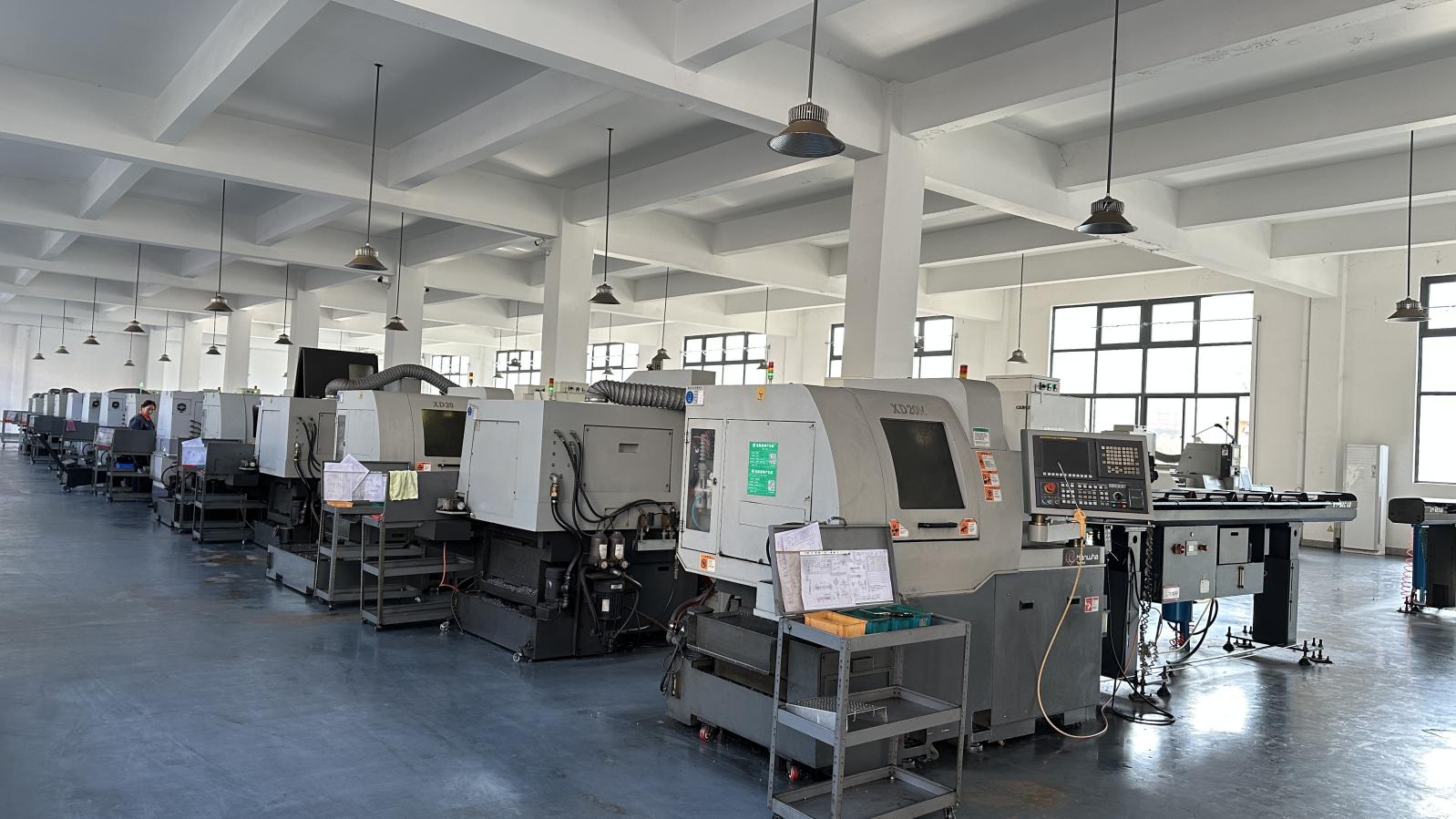
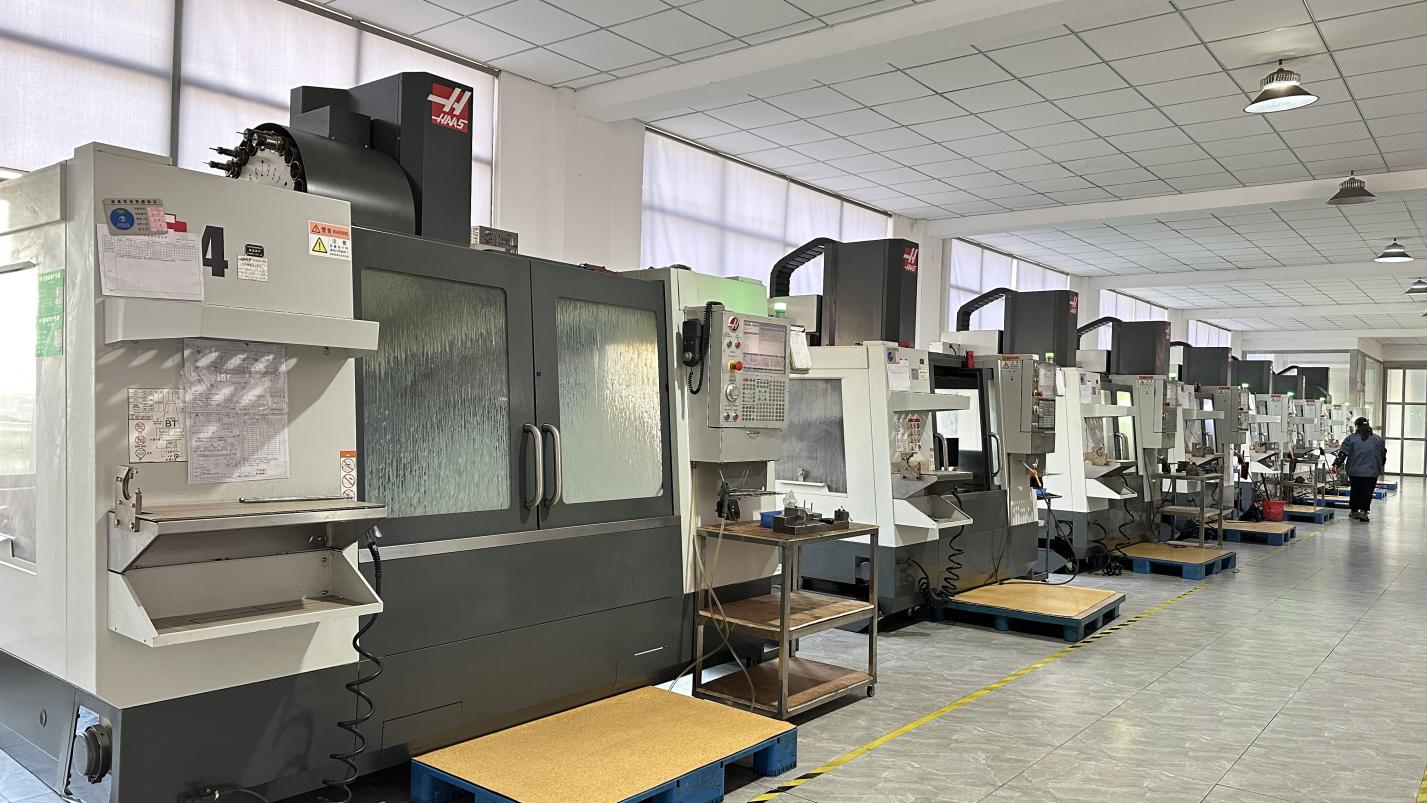
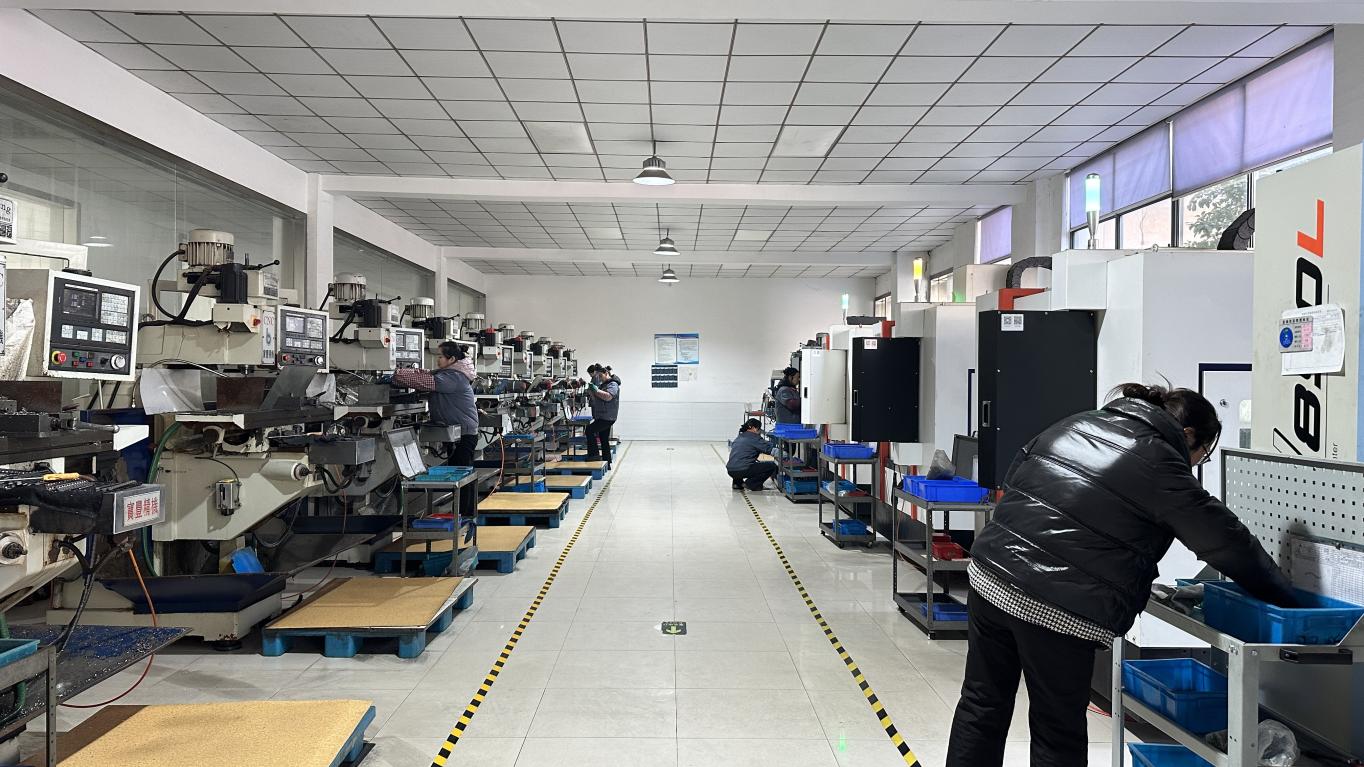
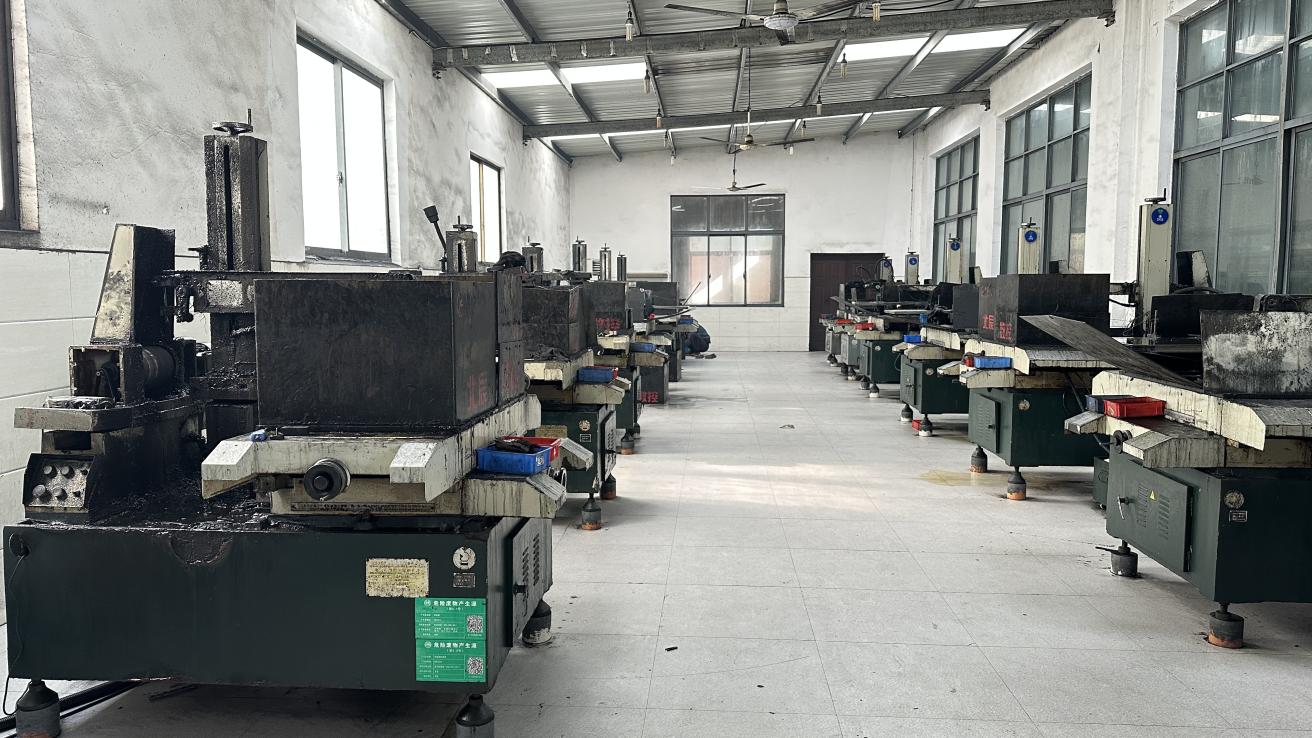
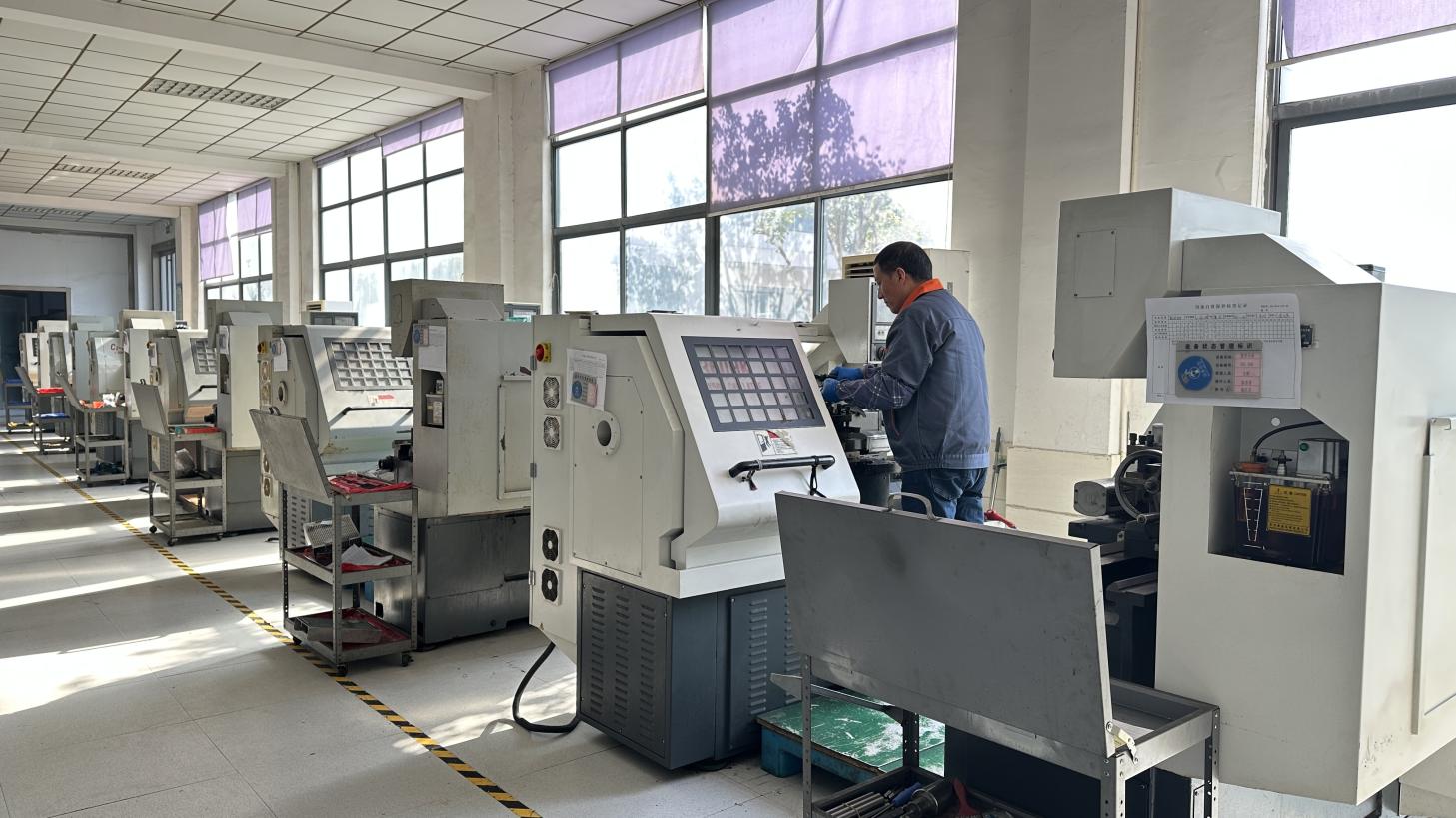
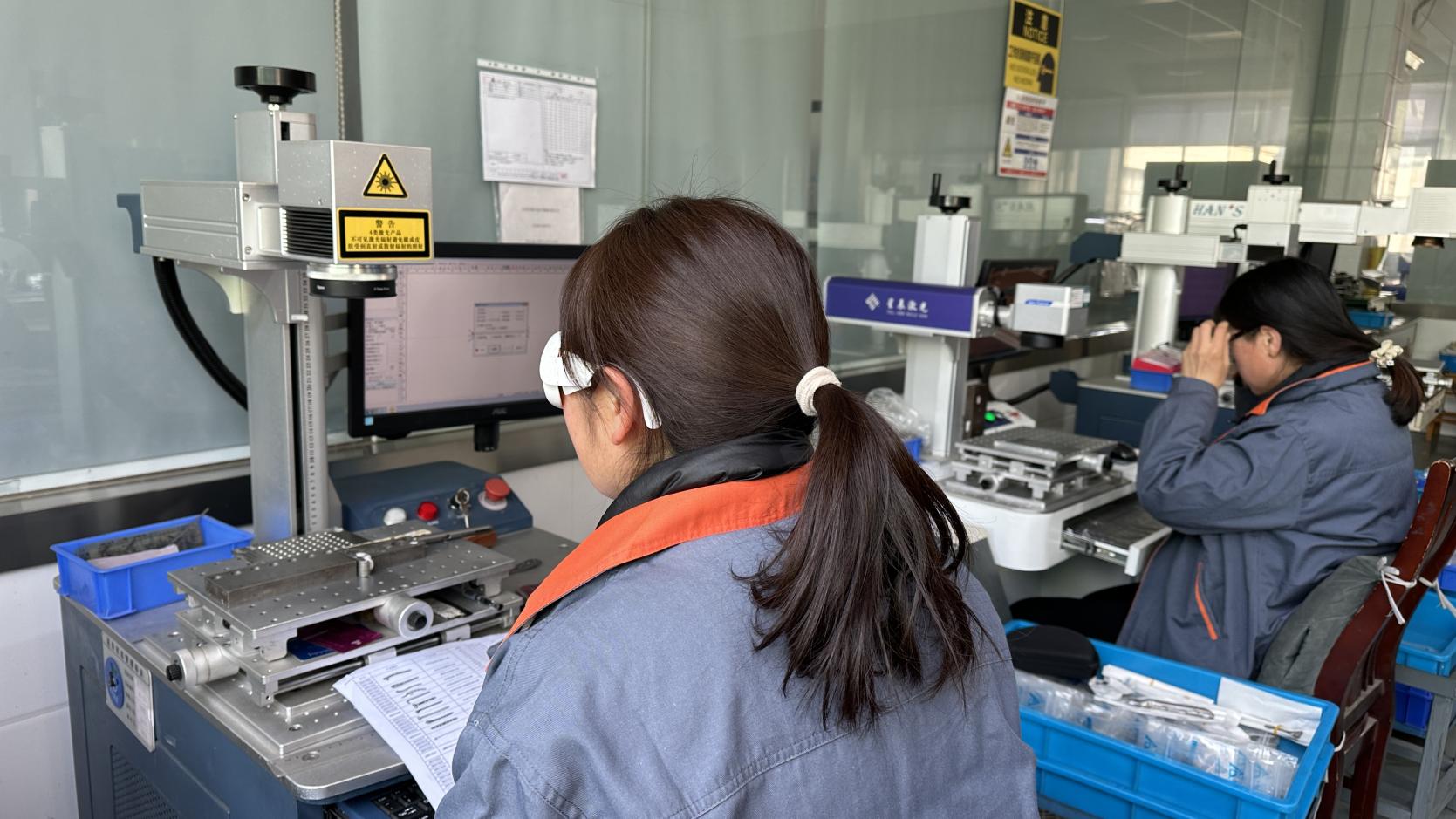
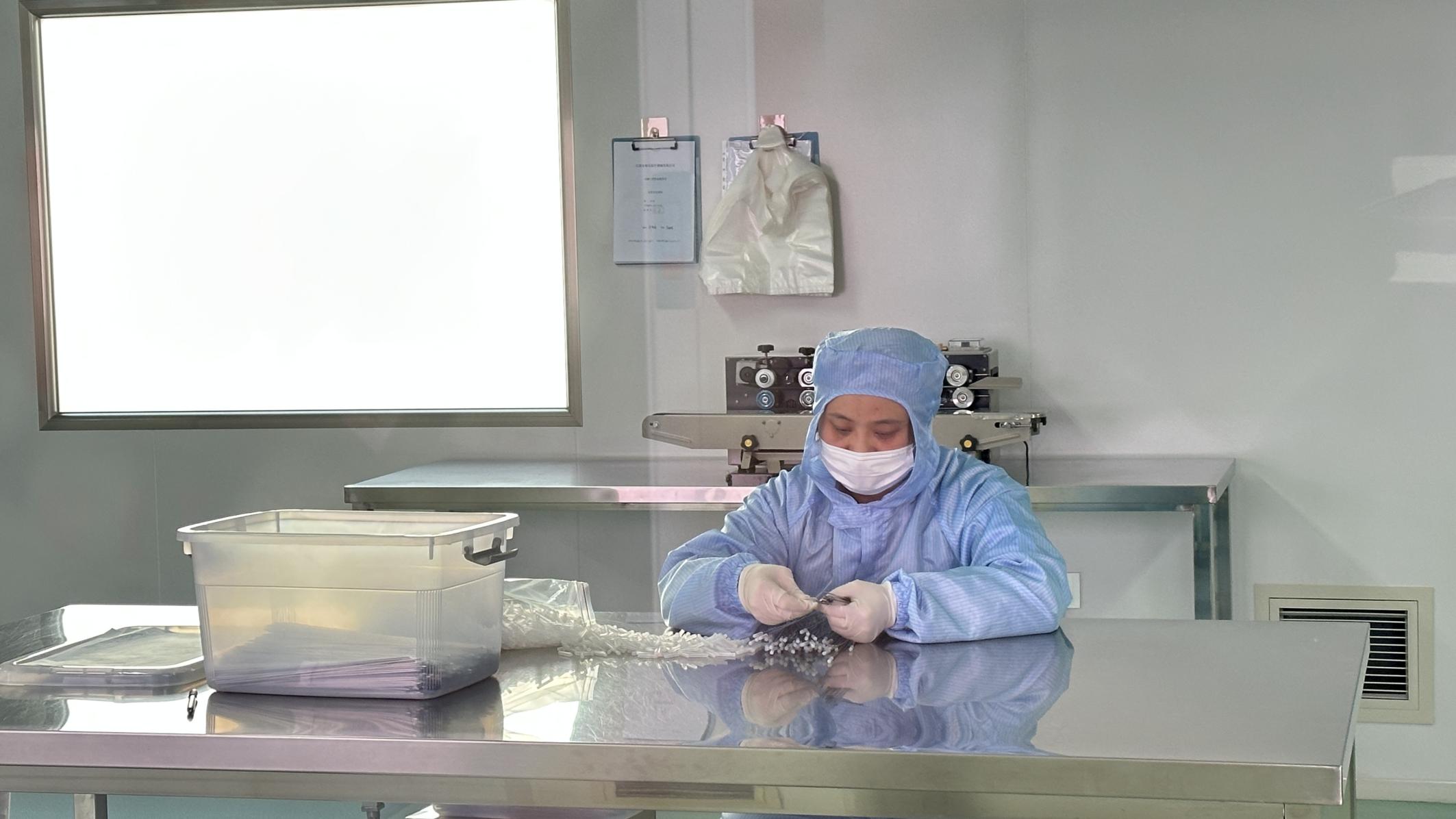
Our production line at Medisplint utilizes advanced manufacturing equipment and strict quality control workflows. Every step—from raw material sourcing to CNC machining and mechanical performance testing—conforms to international standards like ISO 13485.
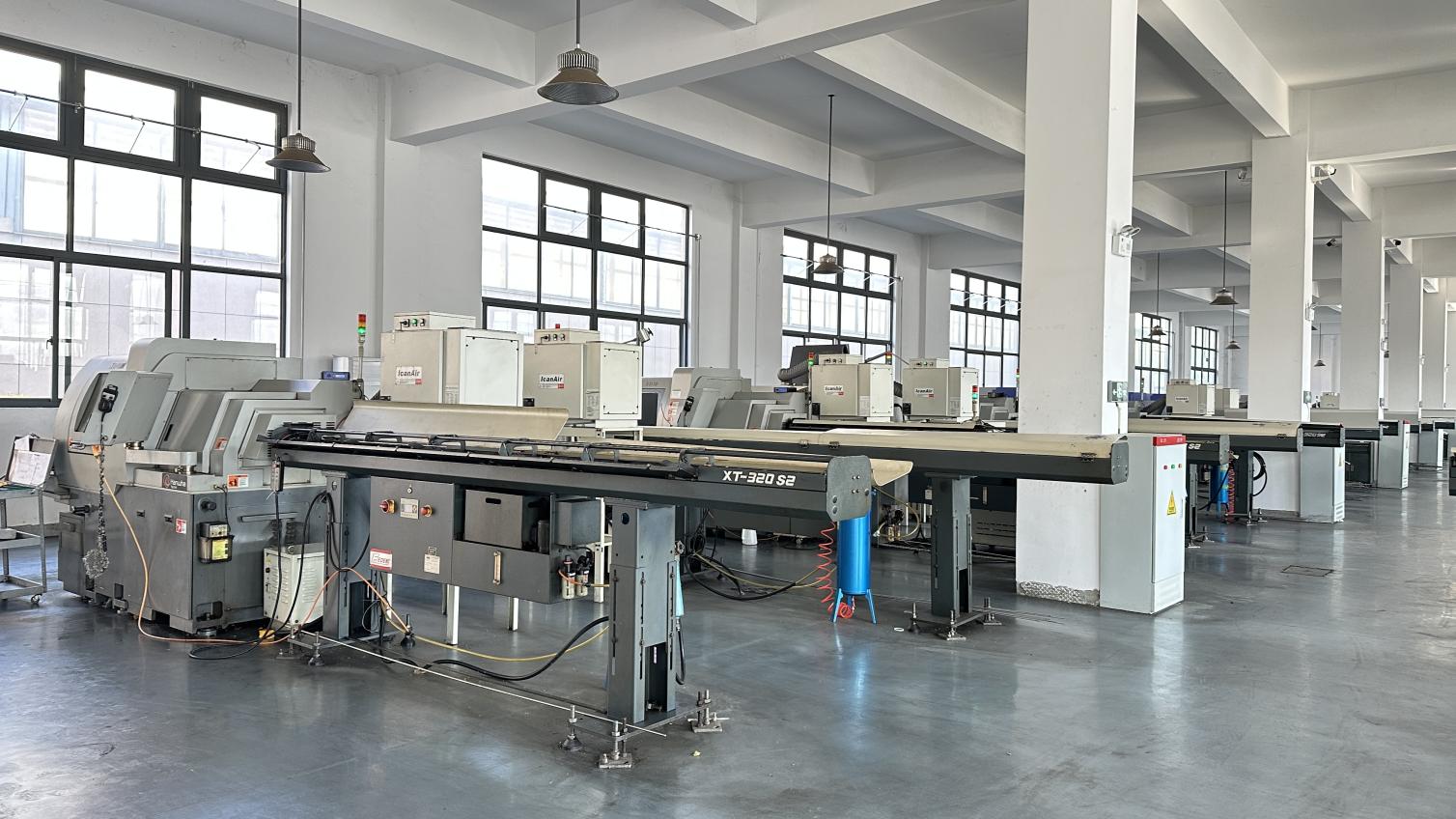
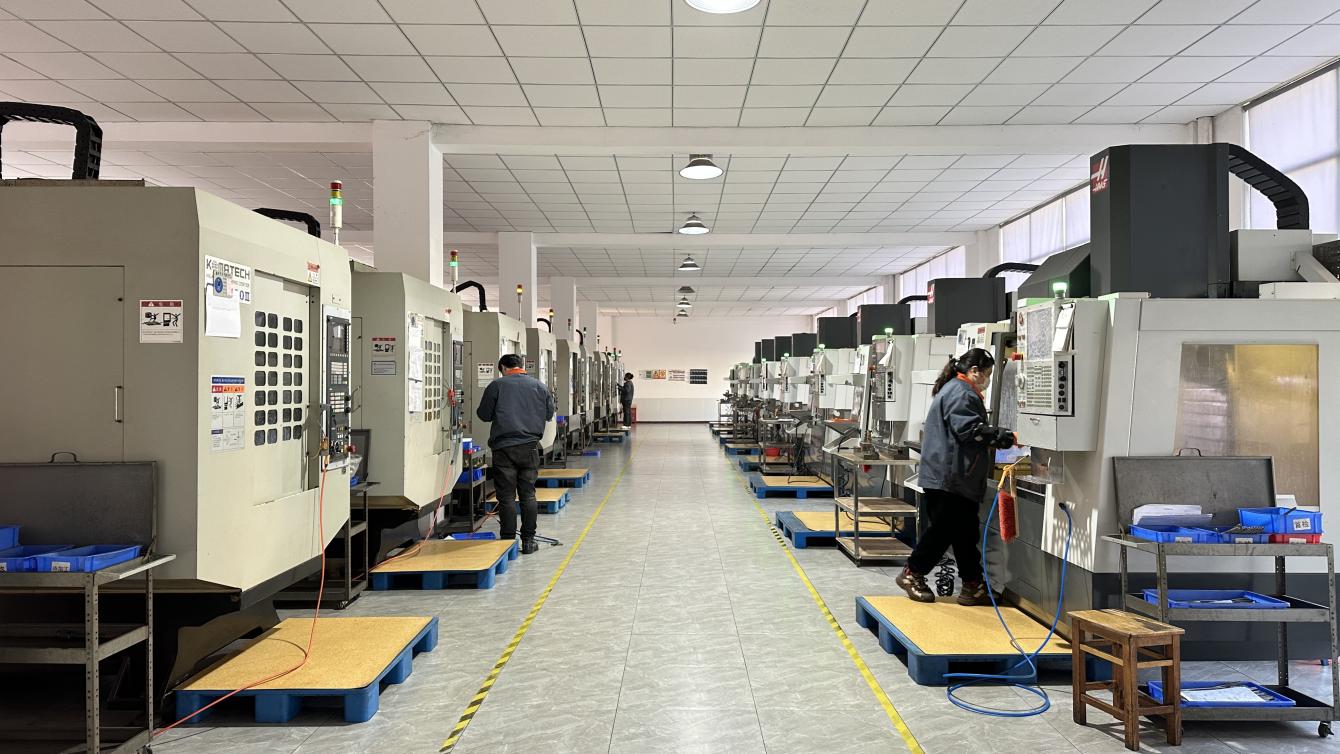
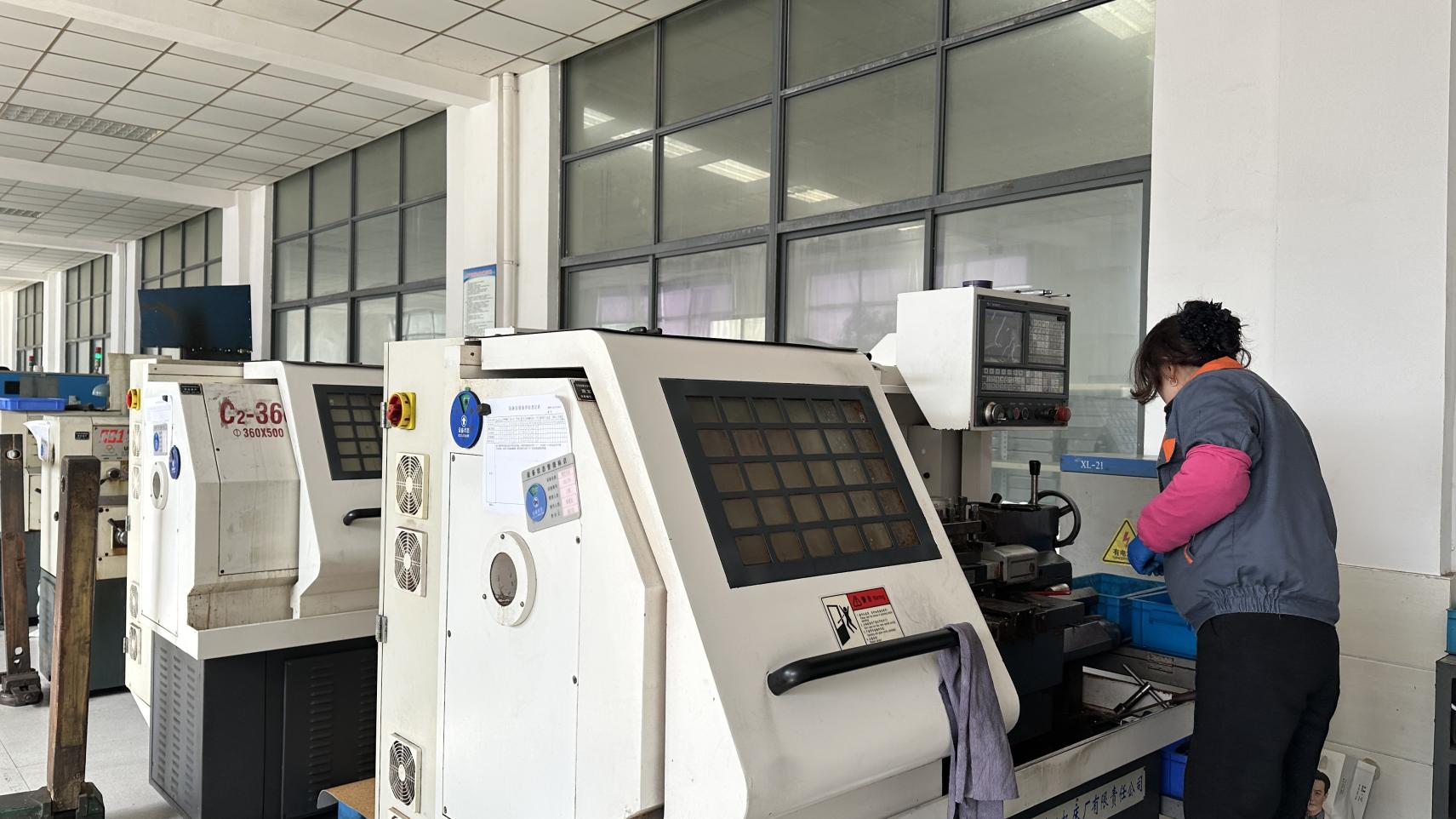
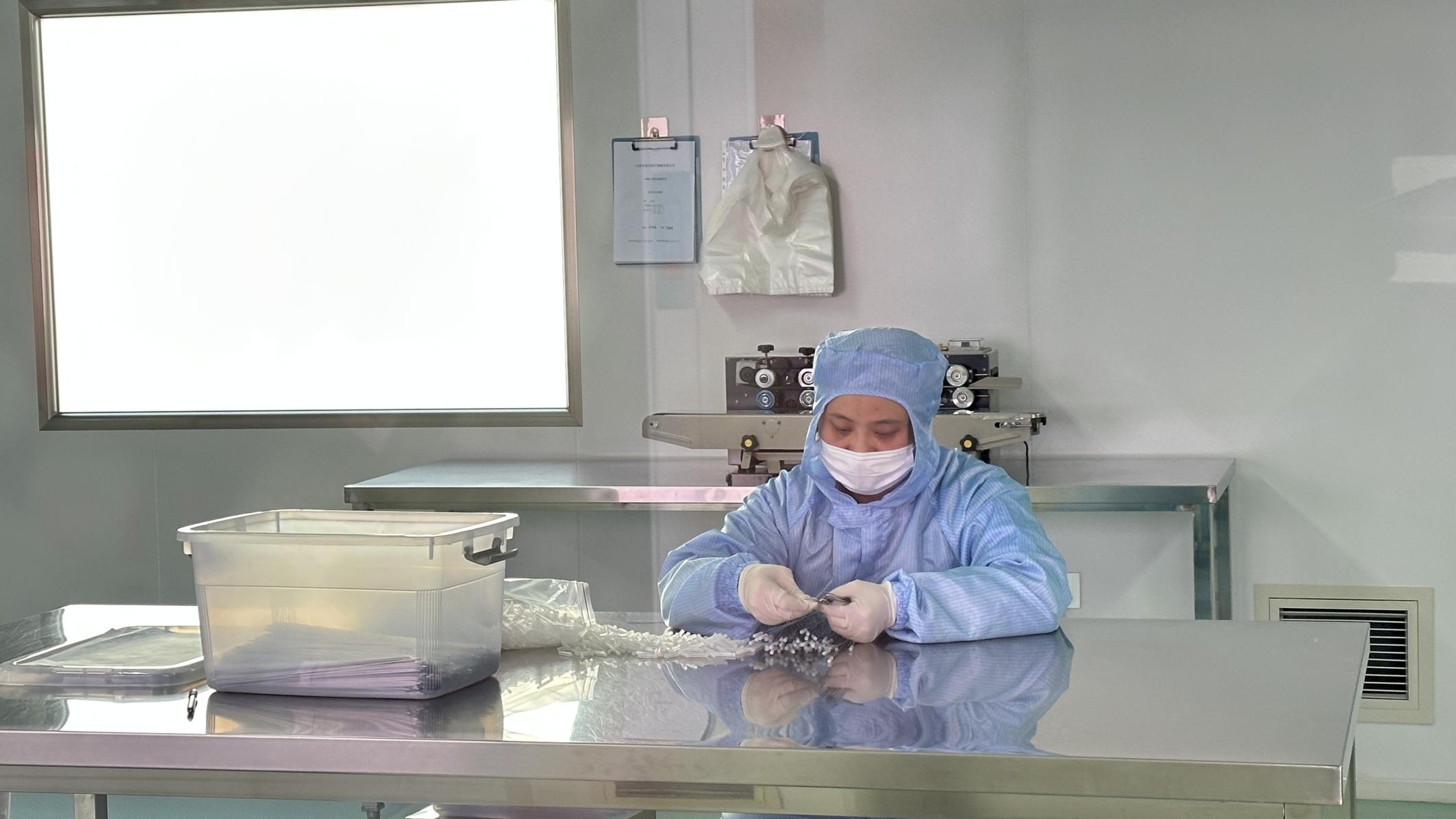
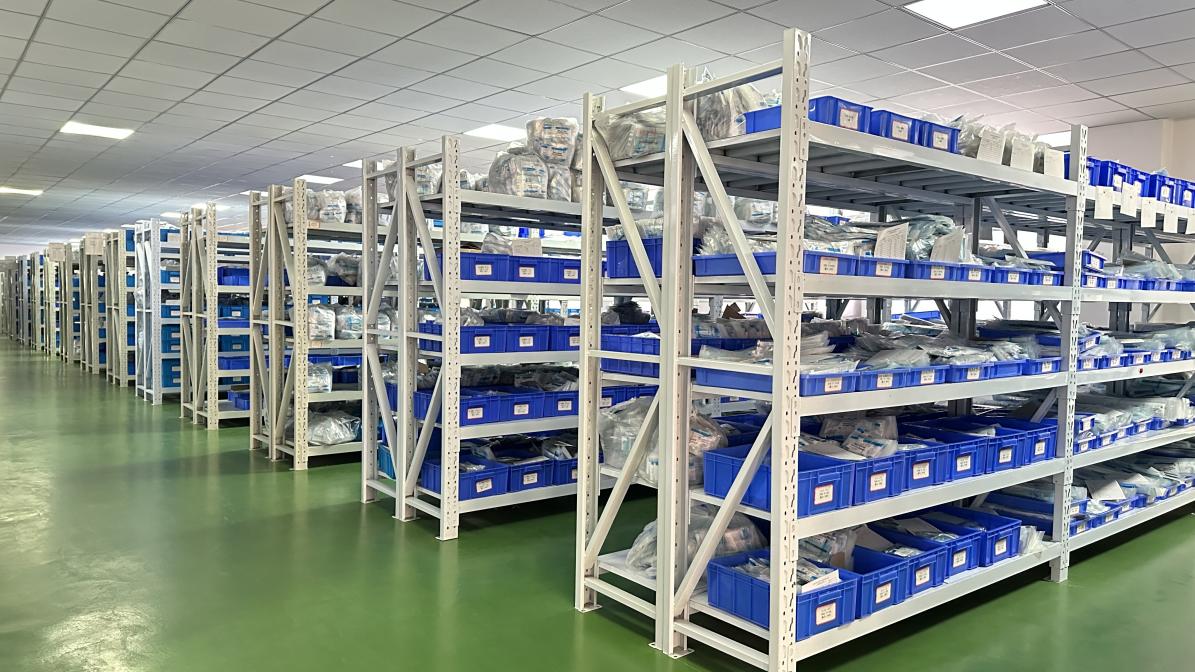

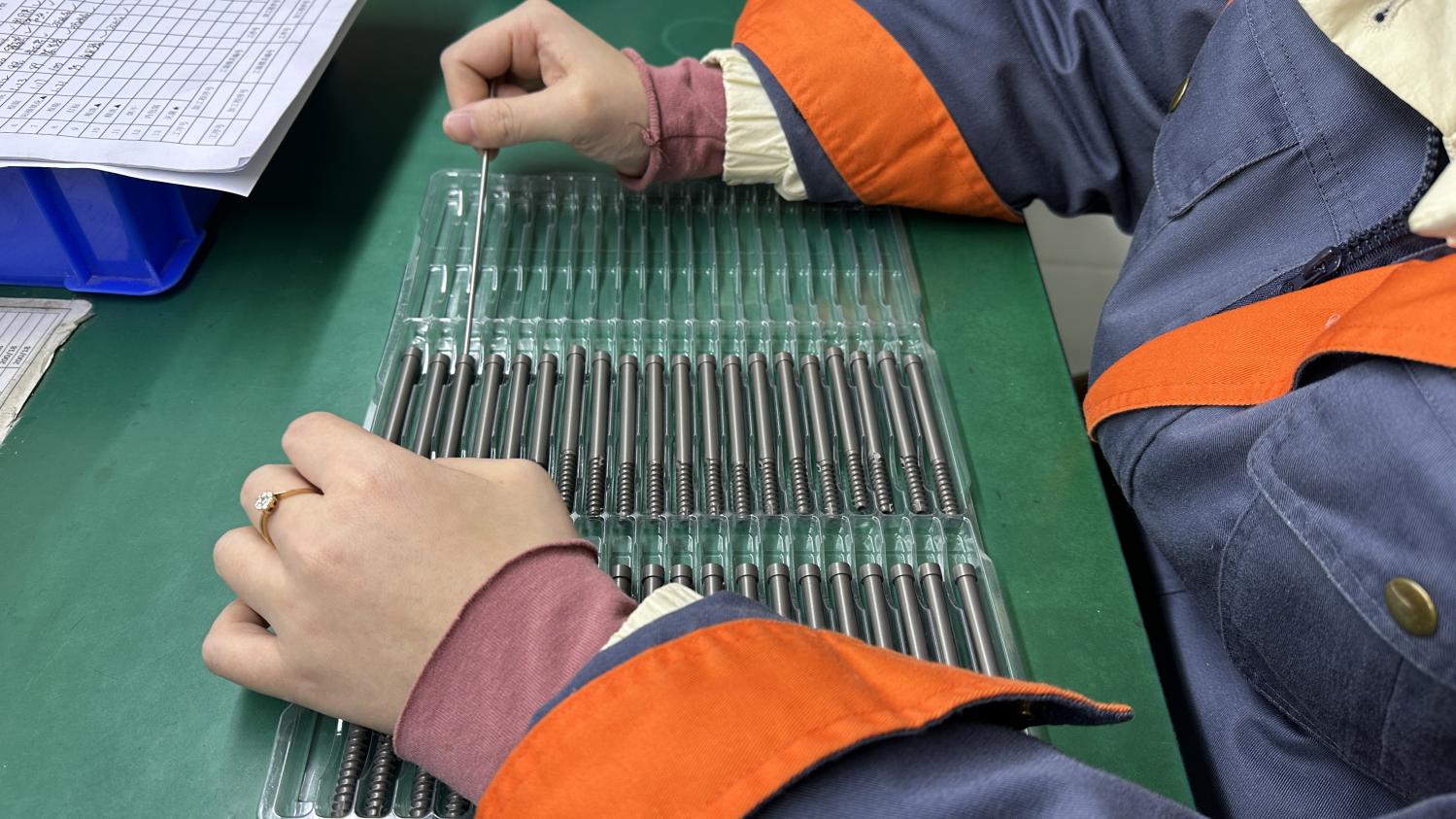
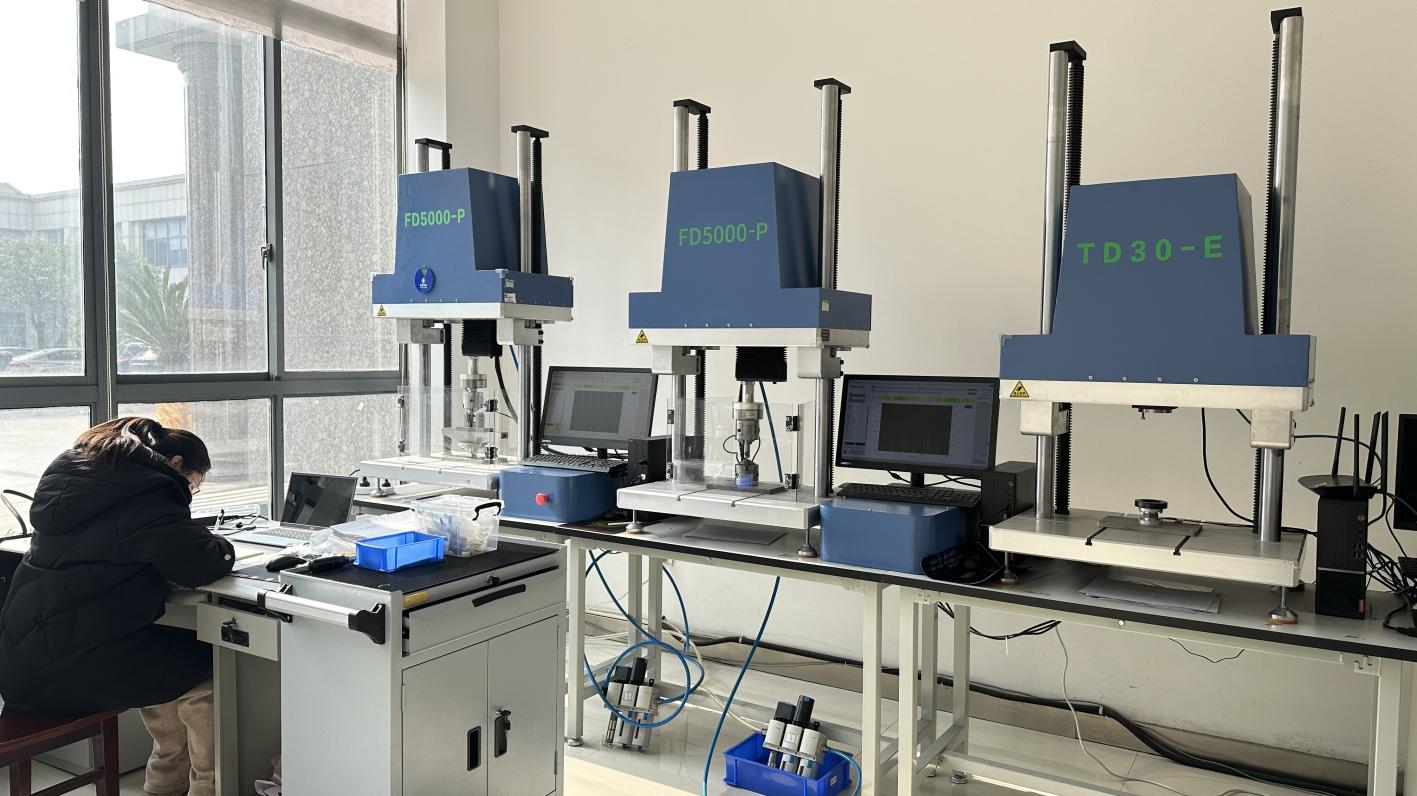
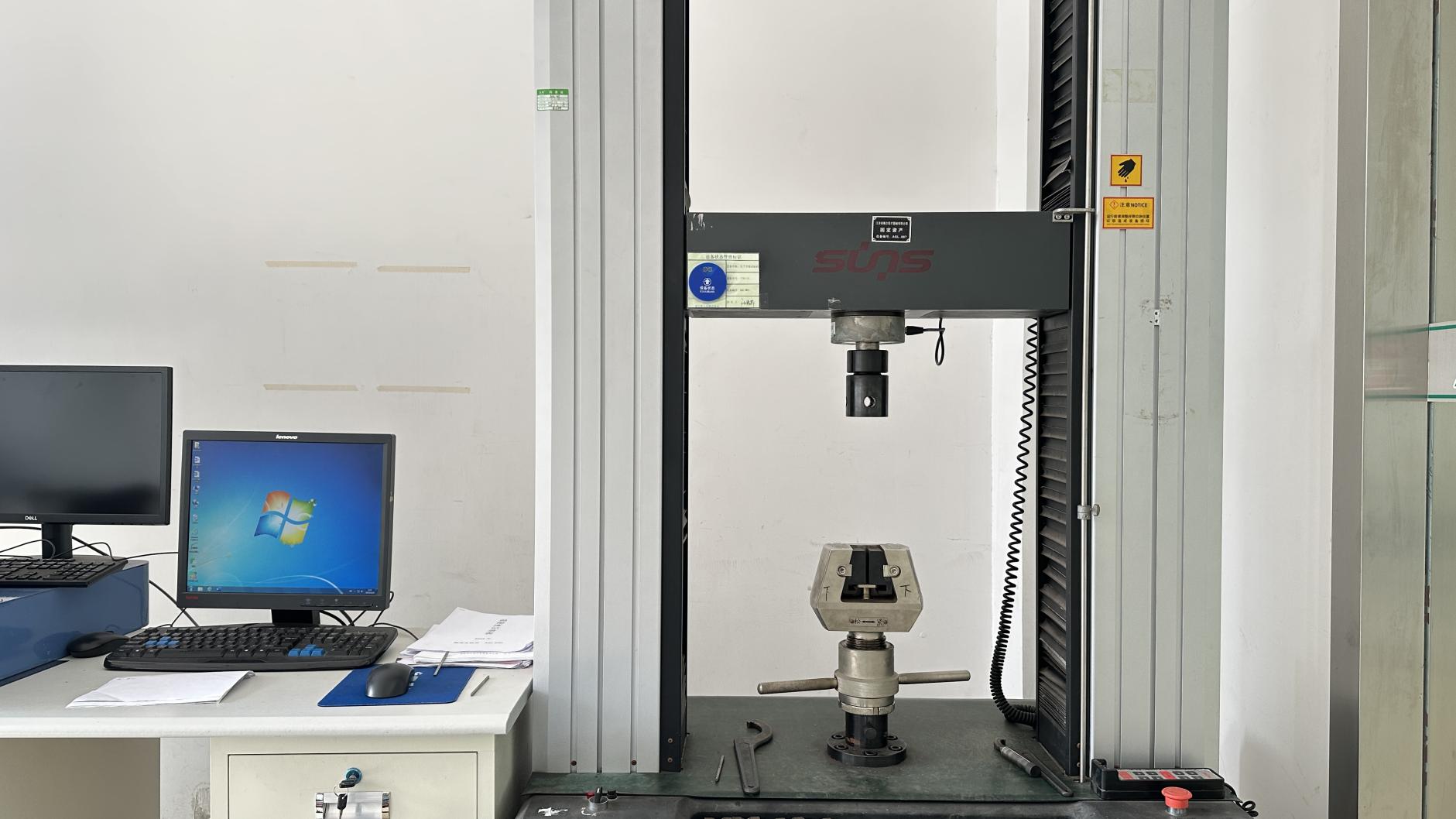
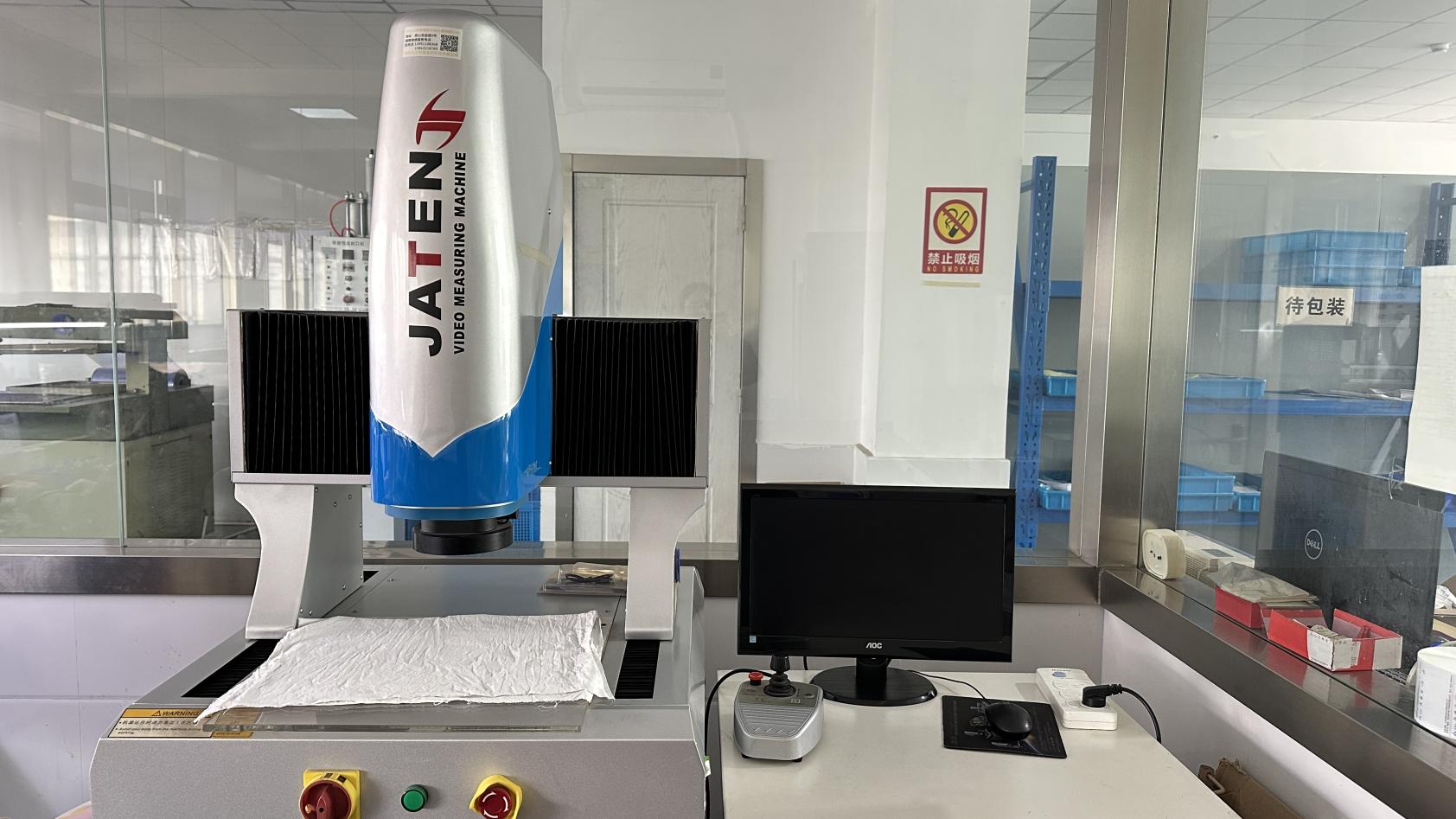
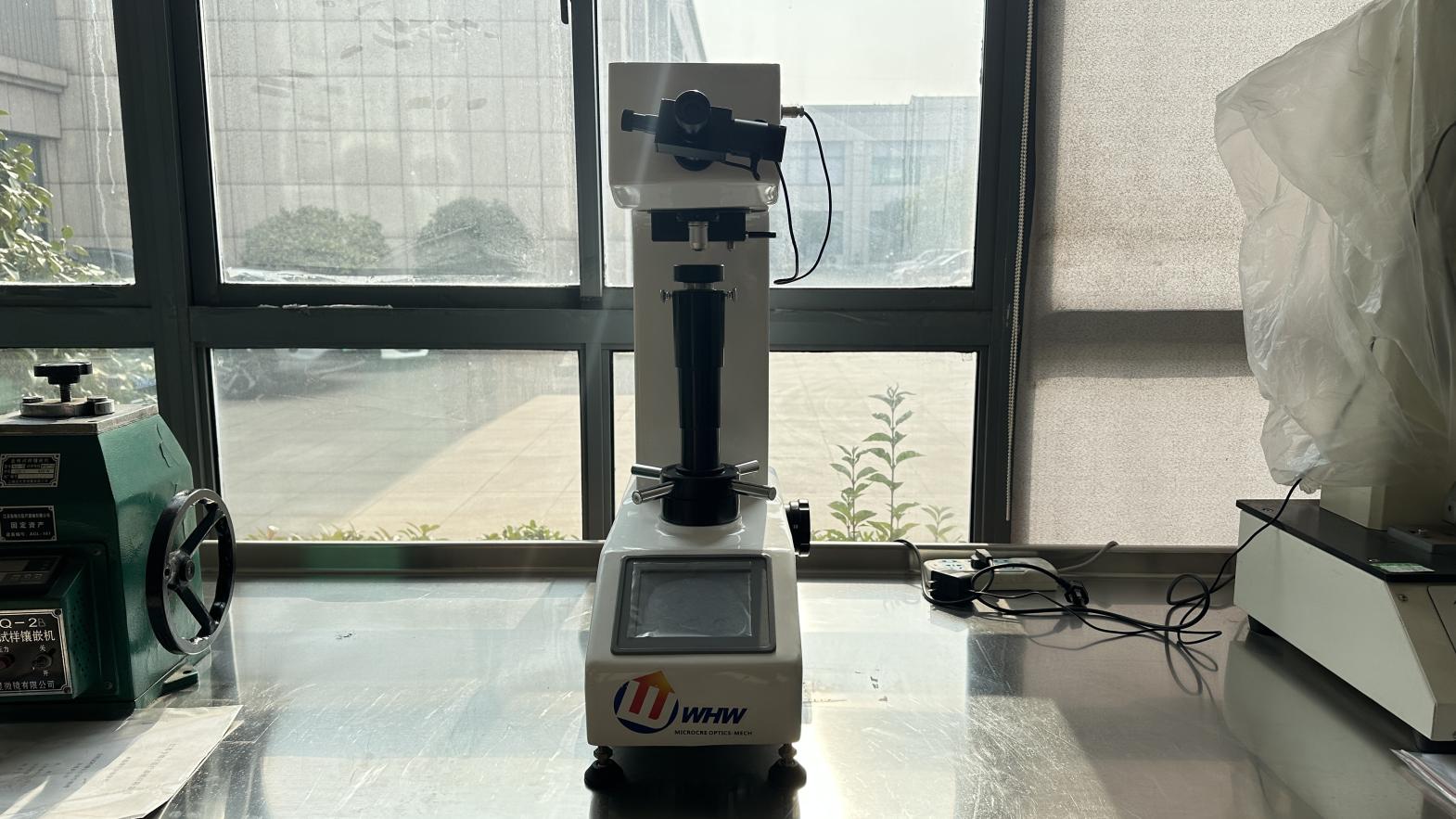
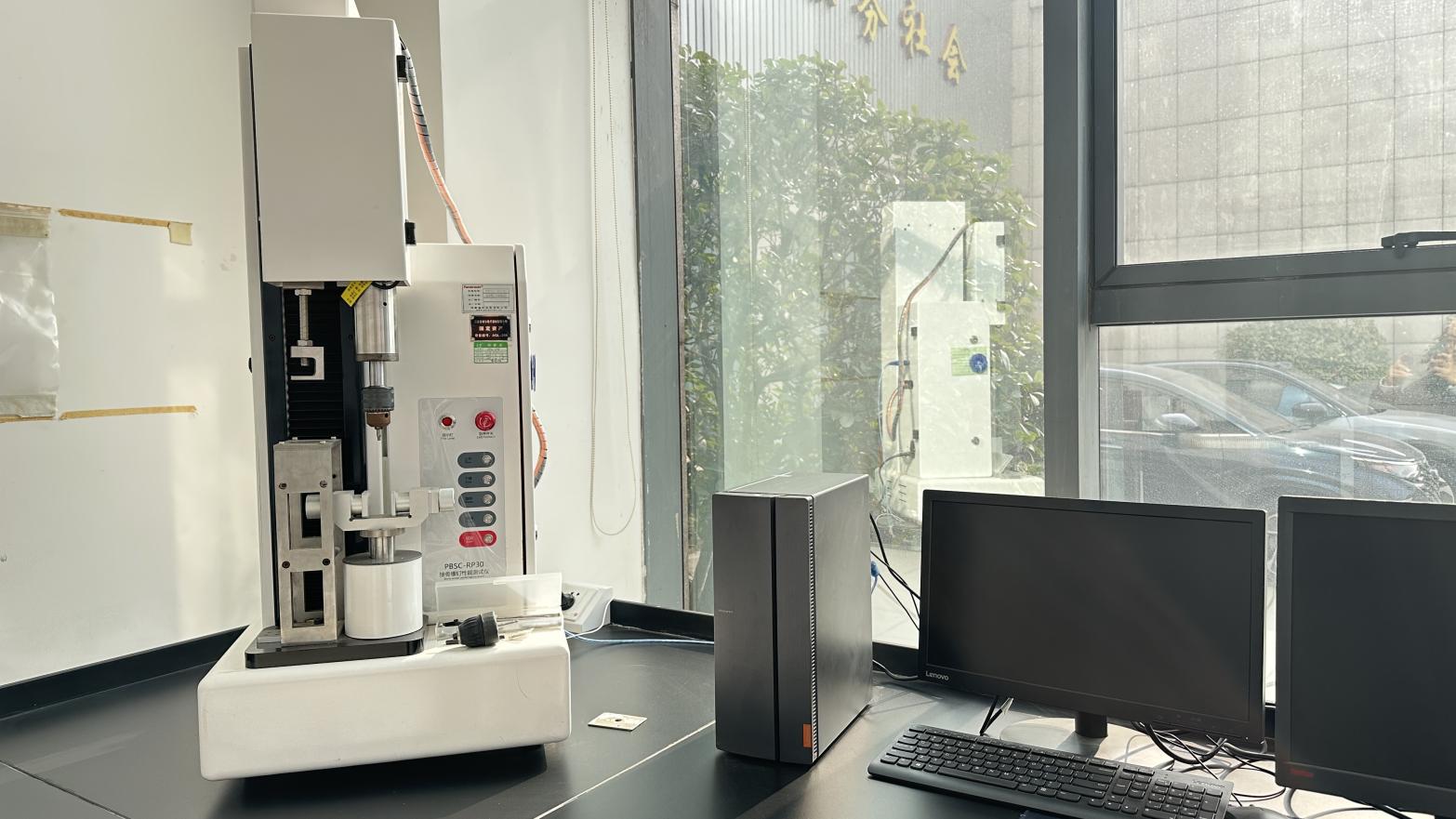
Medical device procurement managers prioritize complete batch traceability and material certification. Medisplint maintains a strict digital manufacturing record for every production run, linking finished implants back to their respective raw titanium bar lots. This minimizes regulatory risk and simplifies recall scenarios.
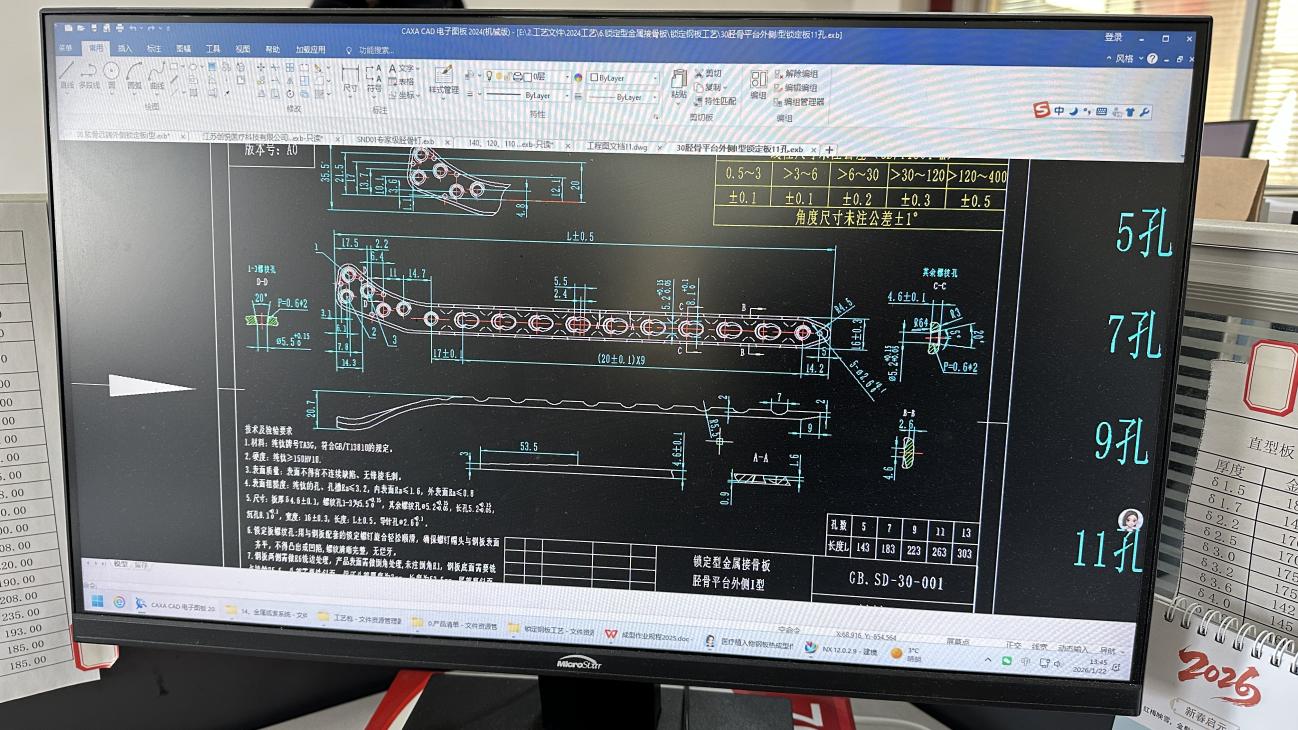
Different healthcare markets require customized implant sizes and thread profiles. Our R&D team works closely with global partners to adapt tulip heights, thread pitches, and instruments to local clinical preferences. This support spans prototype CAD modeling to final packaging design.
Navigating global regulatory landscapes is a key challenge for implant distributors. Medisplint actively maintains a comprehensive technical documentation library designed to streamline localized registration processes around the world.
Our quality management system is certified to ISO 13485 standards, covering our design, manufacturing, and distribution workflows.
Medisplint pedicle screw systems comply with European Medical Device regulations (MDR), facilitating market entry across the EEA.
With experience in over 50 destination countries, our logistics team manages medical device customs clearance to minimize delays.