Medisplint
Medisplint
Medisplint
Pioneering precision manufacturing for clinical excellence and trauma recovery.
Clinical paradigms require bio-harmonious stabilization, precision load distribution, and modular adaptability.
In modern reconstructive surgery, the stabilization of the cranial and midfacial skeleton represents one of the most mechanically demanding fields of osteosynthesis. Cranio-Maxillofacial (CMF) plating systems are not merely dynamic external fixation modules; they are highly specialized, bio-harmonious structural supports engineered to manage complex stress vectors. As clinicians navigate the intricacies of mandible fractures, severe orthognathic realignments, and post-oncological reconstructions, the reliance on high-precision maxillofacial titanium plating systems is absolute.
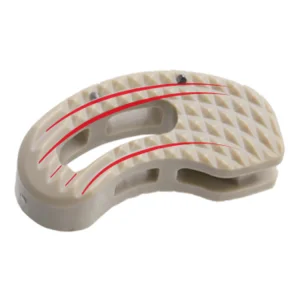
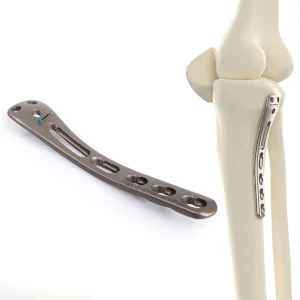
A comprehensive CMF solution requires a modular structural architecture. This is characterized by micro, mini, and reconstruction plating templates (ranging from 1.0mm, 1.5mm, 2.0mm to 2.4mm profiling heights). These profiles must match the unique vascularity and thickness variations of facial bones. Medical device manufacturing in this domain is evolving past standardized templates toward customizable, anatomy-guided configurations. The transition from Grade 2 Pure Titanium to high-strength Titanium Alloys (Ti-6Al-4V ELI / ASTM F136) has enabled thinner plate profiles with higher yield strengths. This reduces the risk of hardware palpability while ensuring superior stabilization.
Utilizing biomedical titanium alloys ensuring the implants withstand dynamic masticatory forces without structural failure. Material thickness is minimized to eliminate visual contouring beneath thin facial dermis.
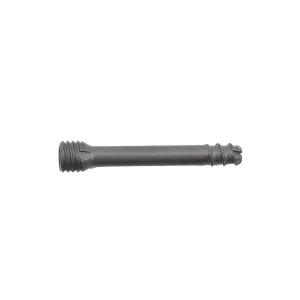
Thread-in-thread design locks the screw head securely into the plate. This transforms the construct into a rigid frame, reducing pressure on the underlying periosteum and preserving cortical blood supply.
Engineered based on global craniofacial database morphometry. Pre-shaped contours dramatically decrease intraoperative bending time and lower the incidence of fatigue micro-cracks from excessive cold working.
Bridging the gap between strict clinical requirements and advanced precision manufacturing pipelines.
The global demand for Cranio-Maxillofacial (CMF) implants is rising, driven by an aging global population, increased trauma incidence, and expanding healthcare coverage in emerging economies. For years, Western medical device companies dominated this sector. However, the commercial and technological landscape has undergone a major structural shift. Today, China has transitioned from a localized component supplier to a global hub for advanced medical device design and manufacturing.
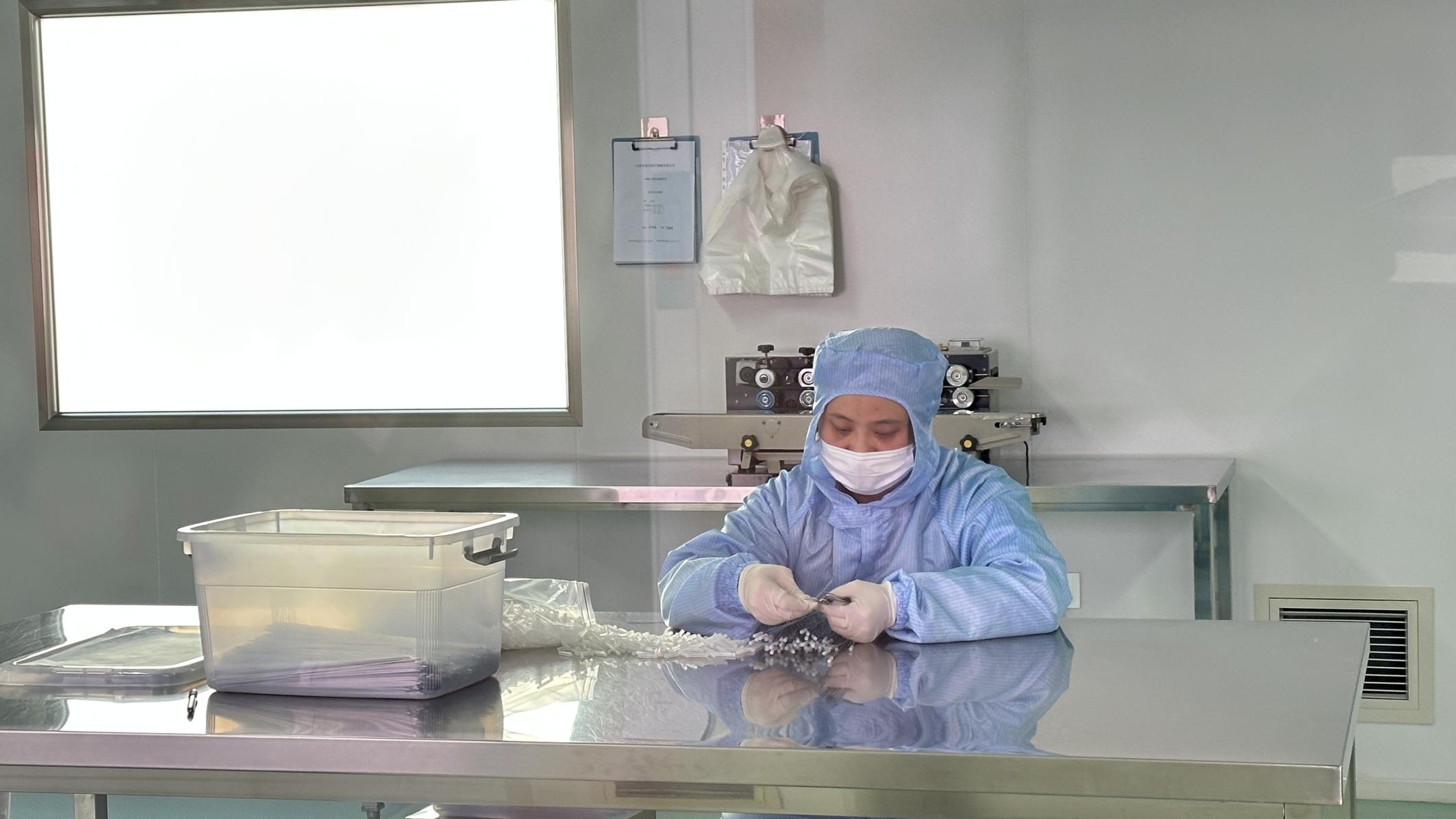
This industrial transition is led by organizations like Medisplint Orthopedic Instruments Co., Ltd. (founded in 2016, building on over a decade of deep industry expertise). High-precision production plants now utilize advanced multi-axis CNC milling centers, wire-cutting systems, and cleanroom packaging facilities that match or exceed those of Western competitors. The financial advantage of sourcing from top-tier Chinese manufacturers is no longer just about low labor costs. It is driven by complete supply chain integration, massive production scale, and advanced rapid-prototyping pipelines that shorten the path from CAD design to surgical applications.
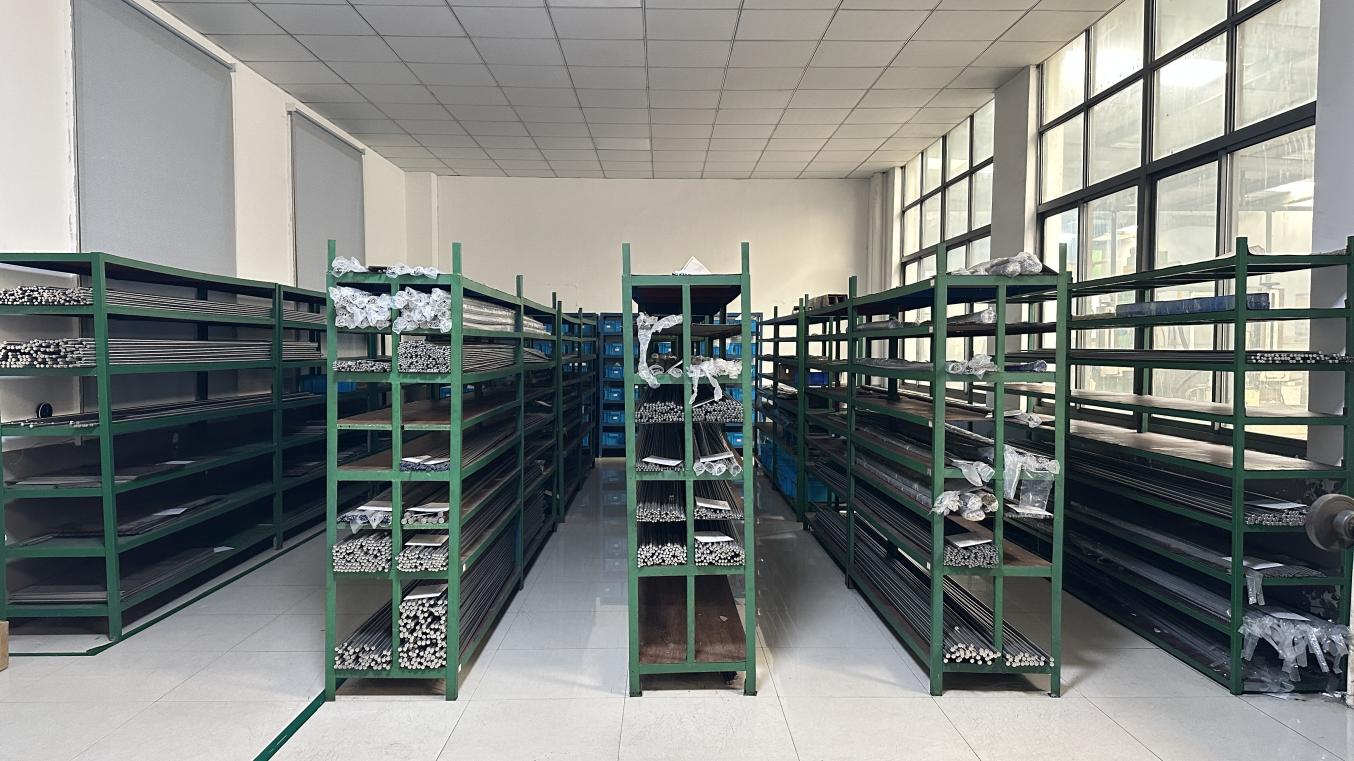
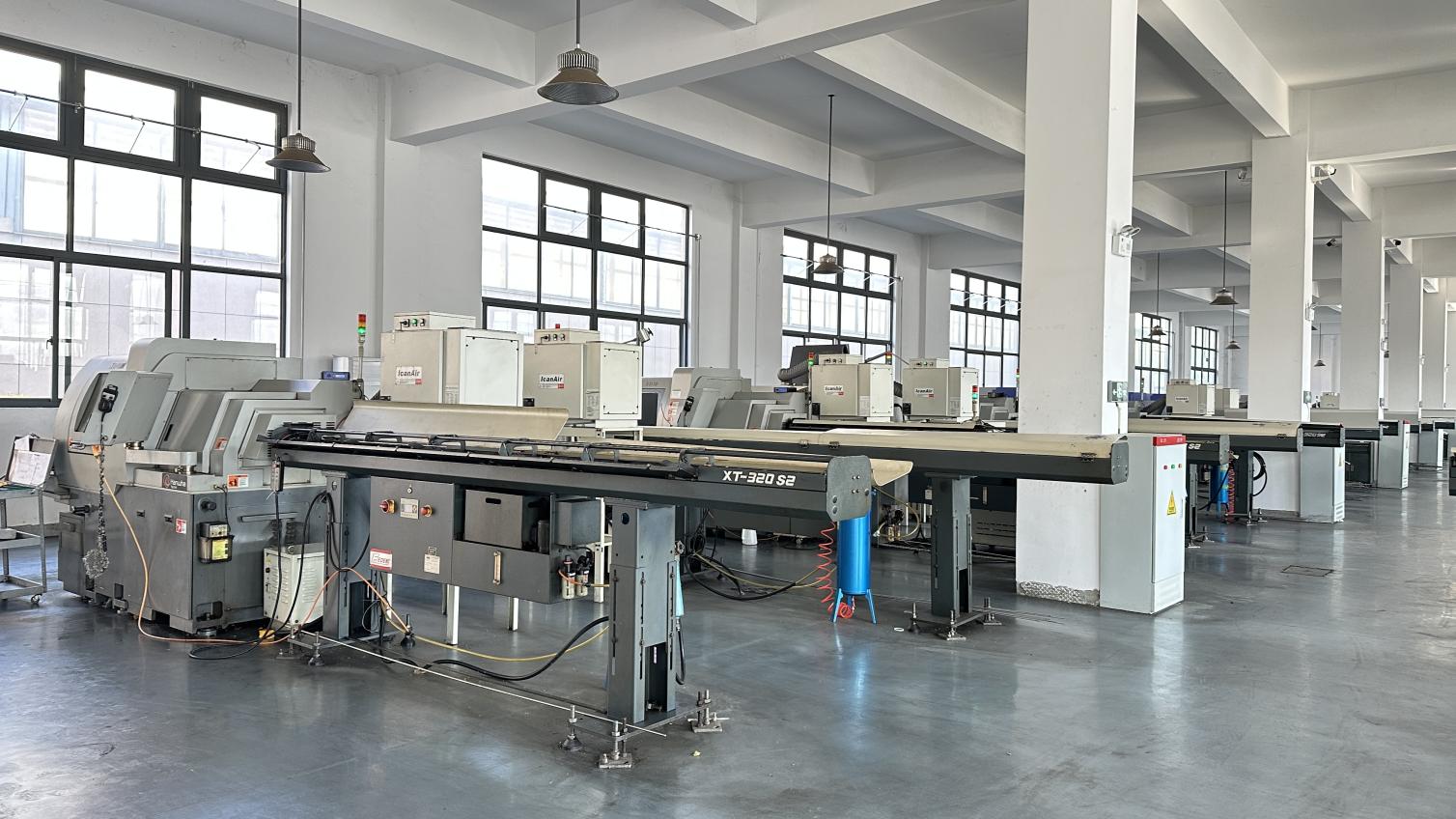
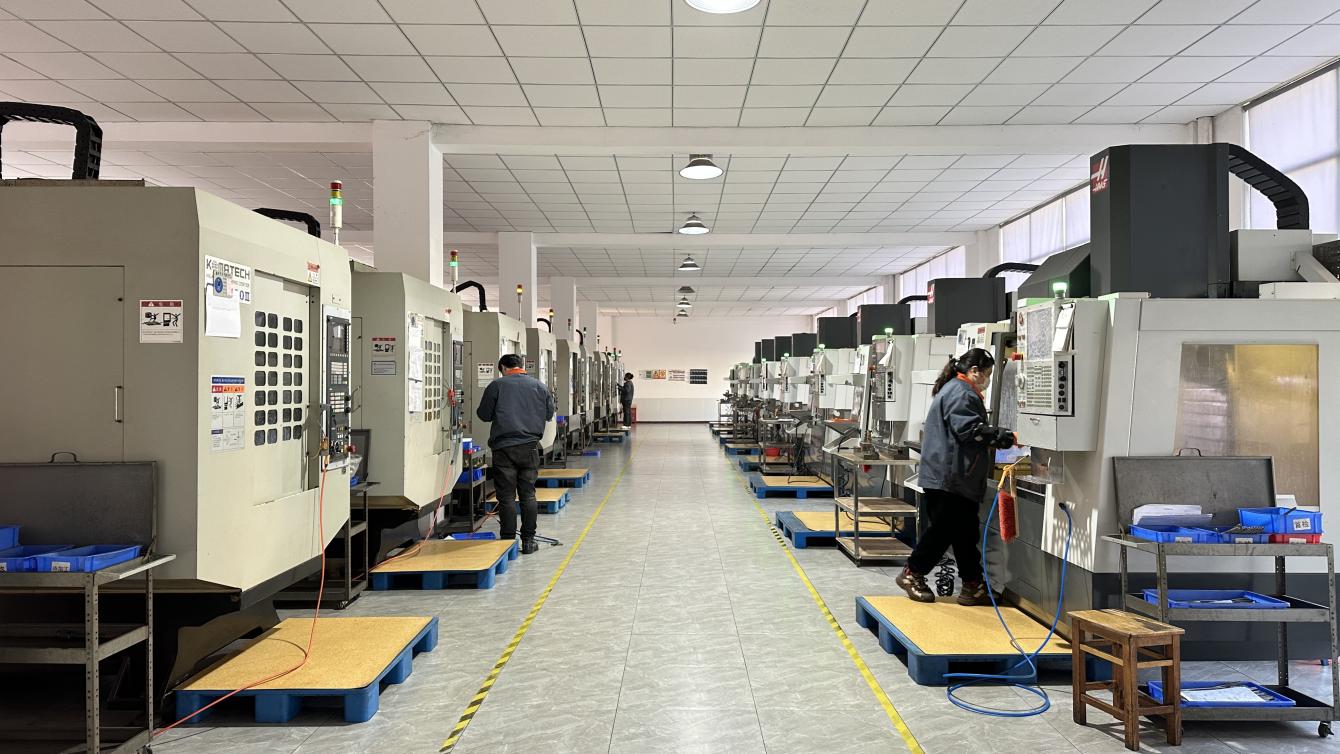
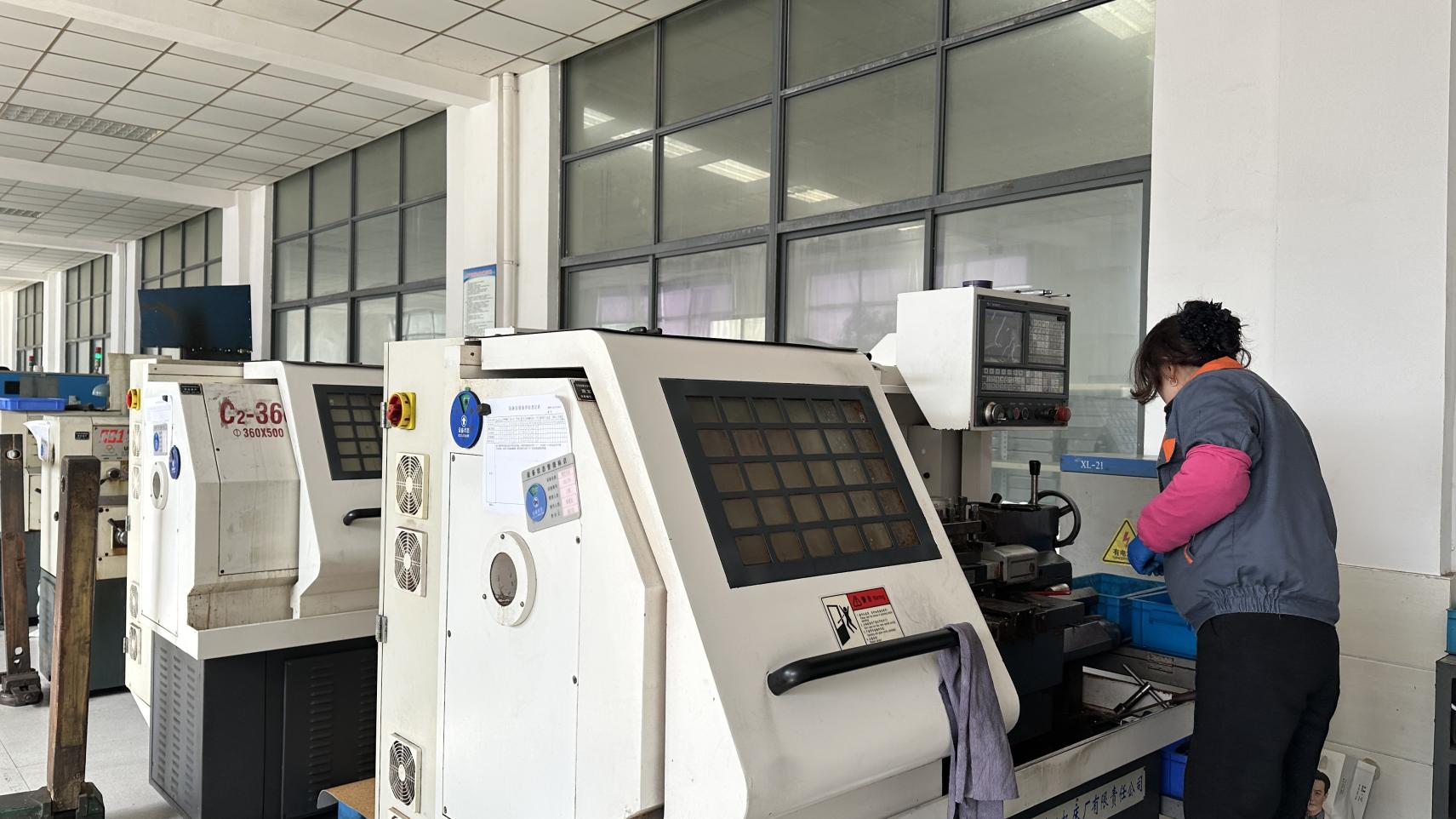
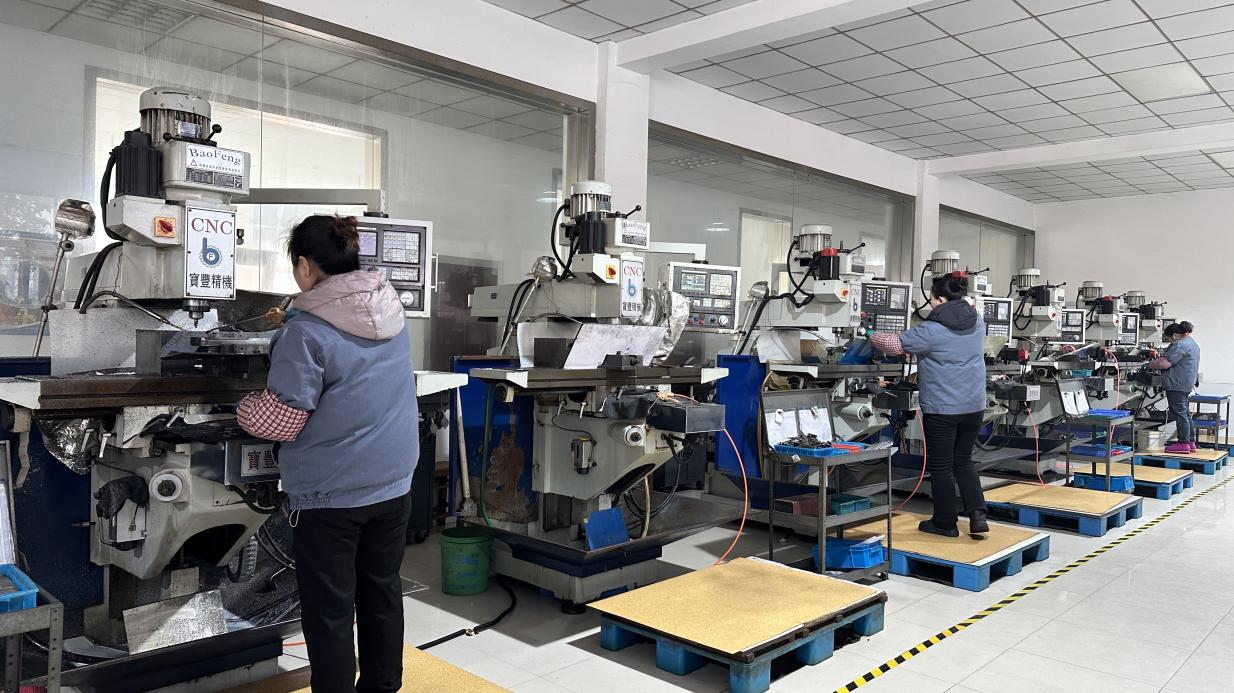
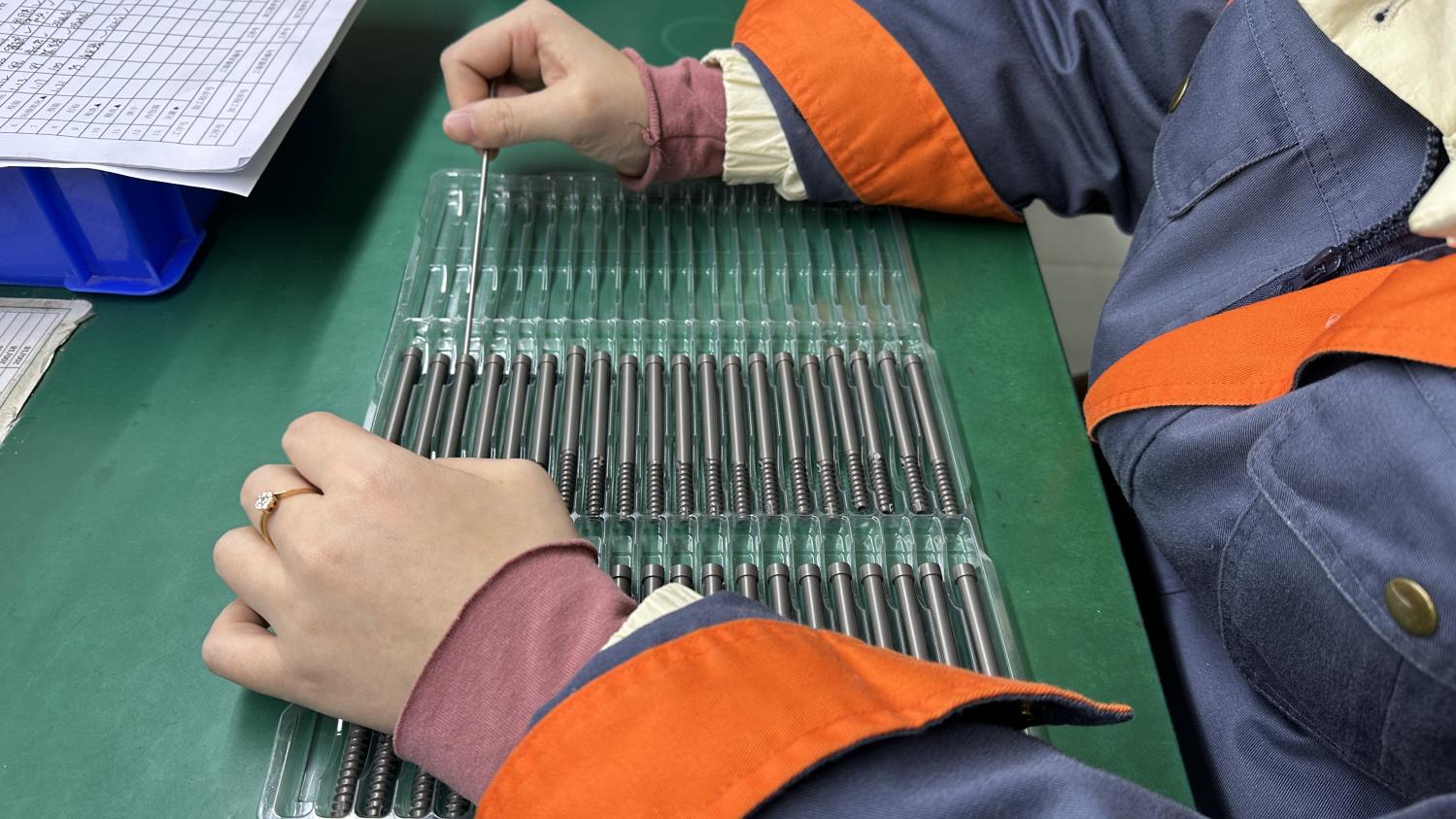
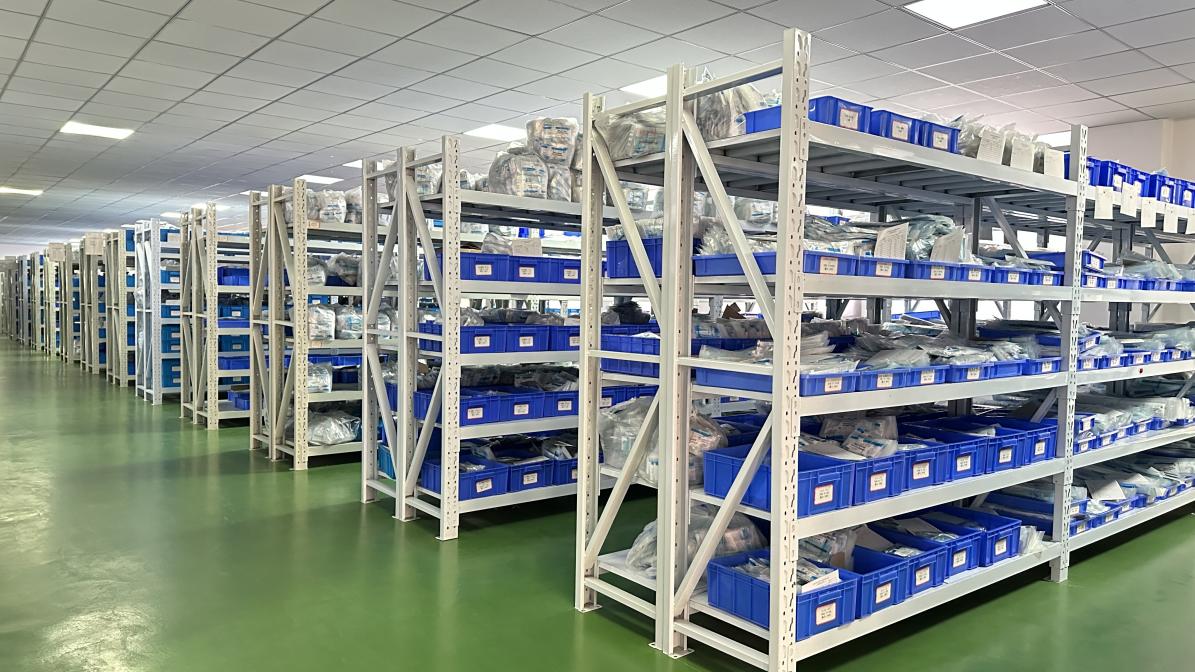
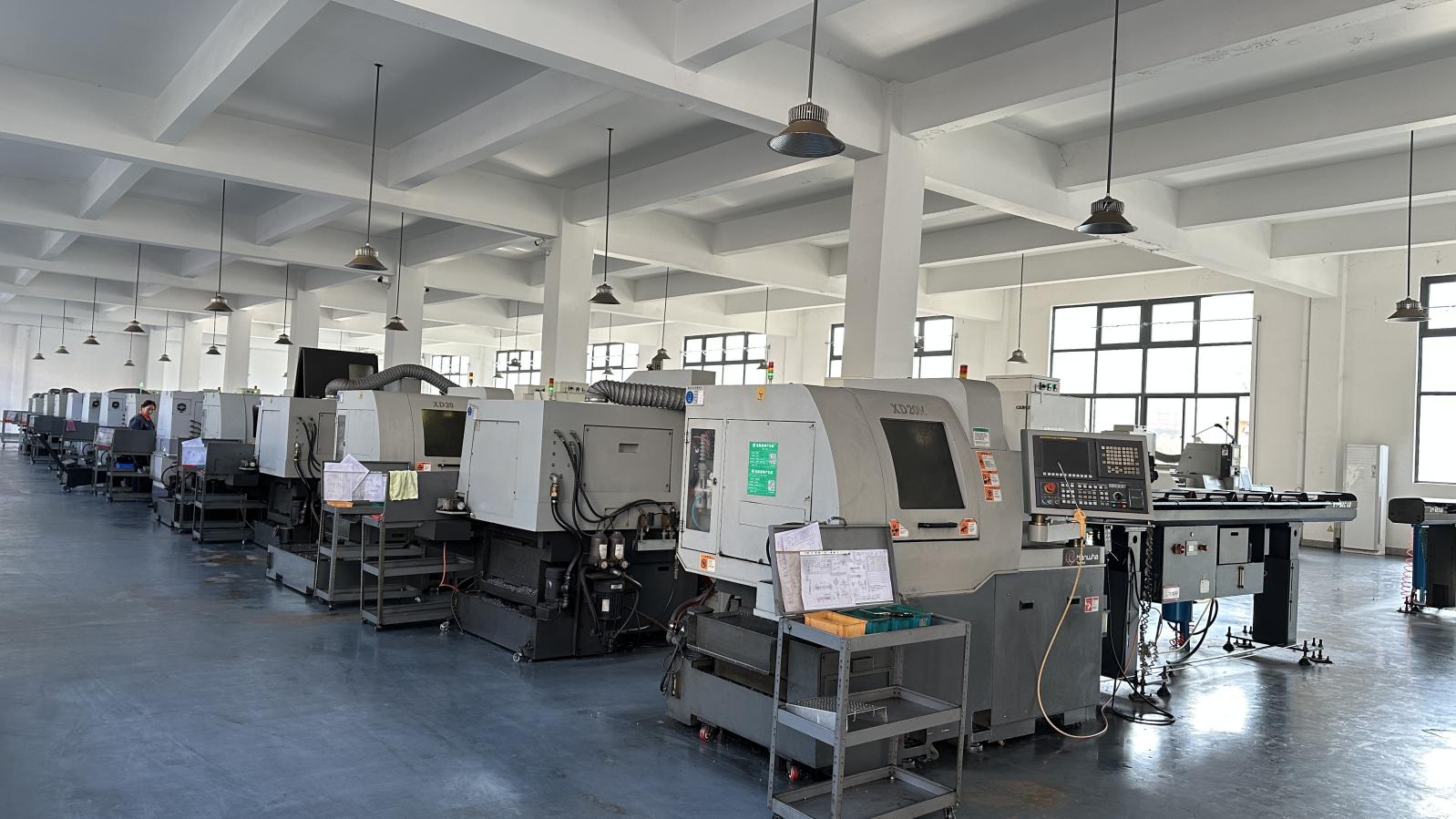
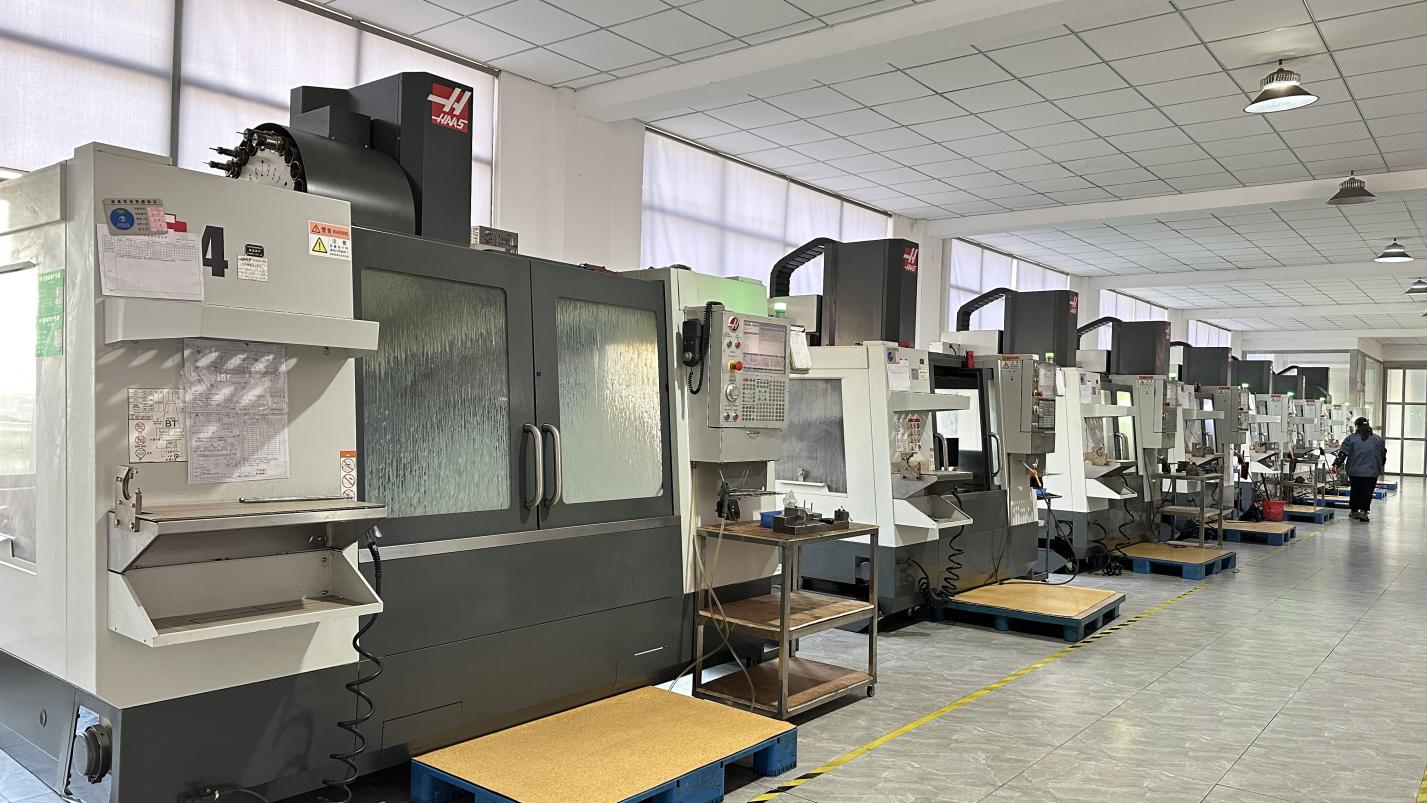
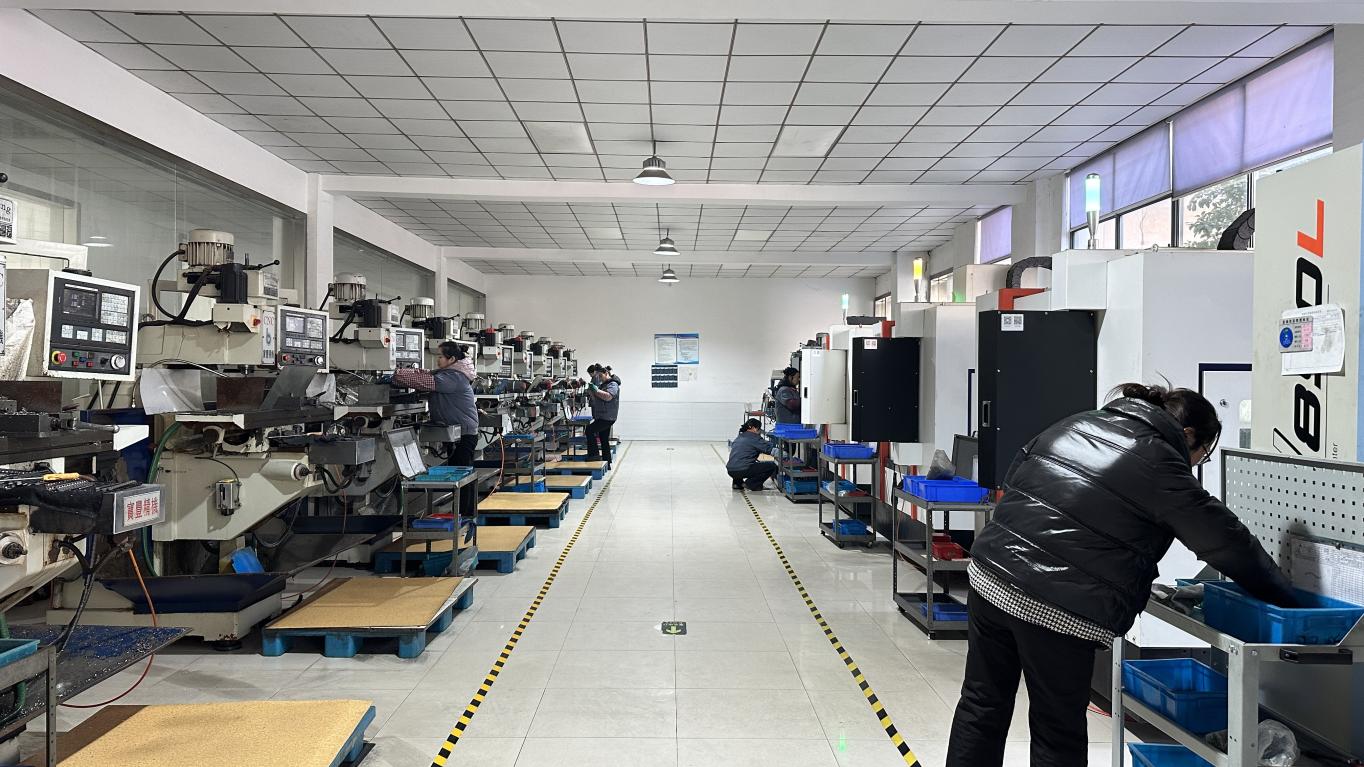
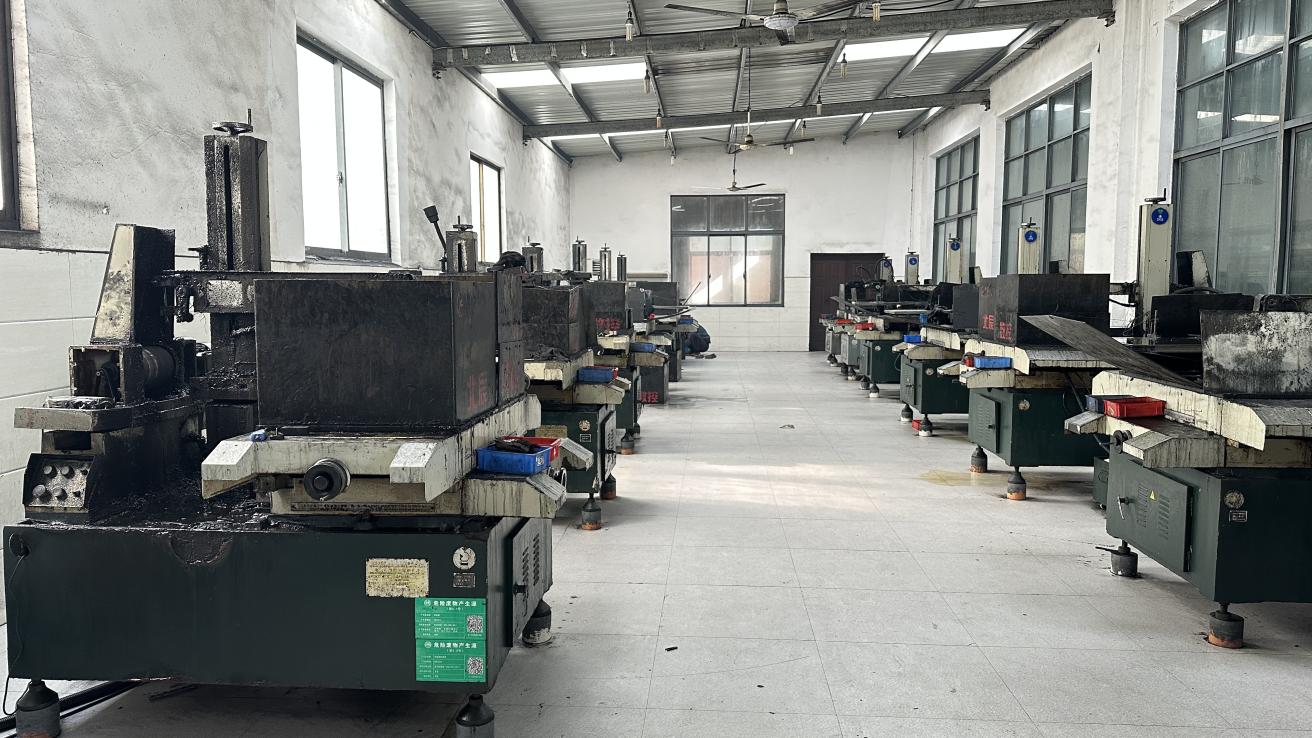
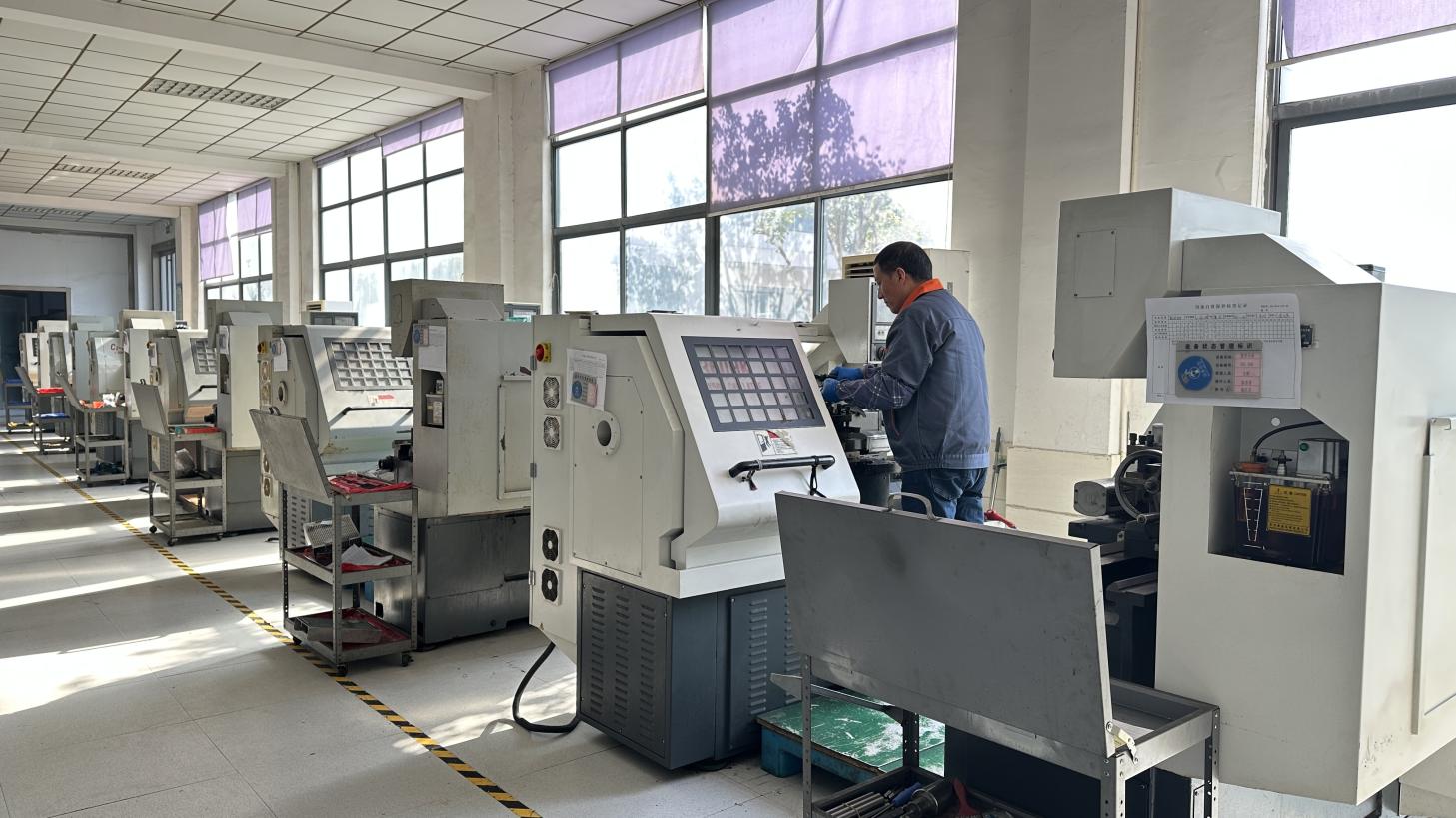
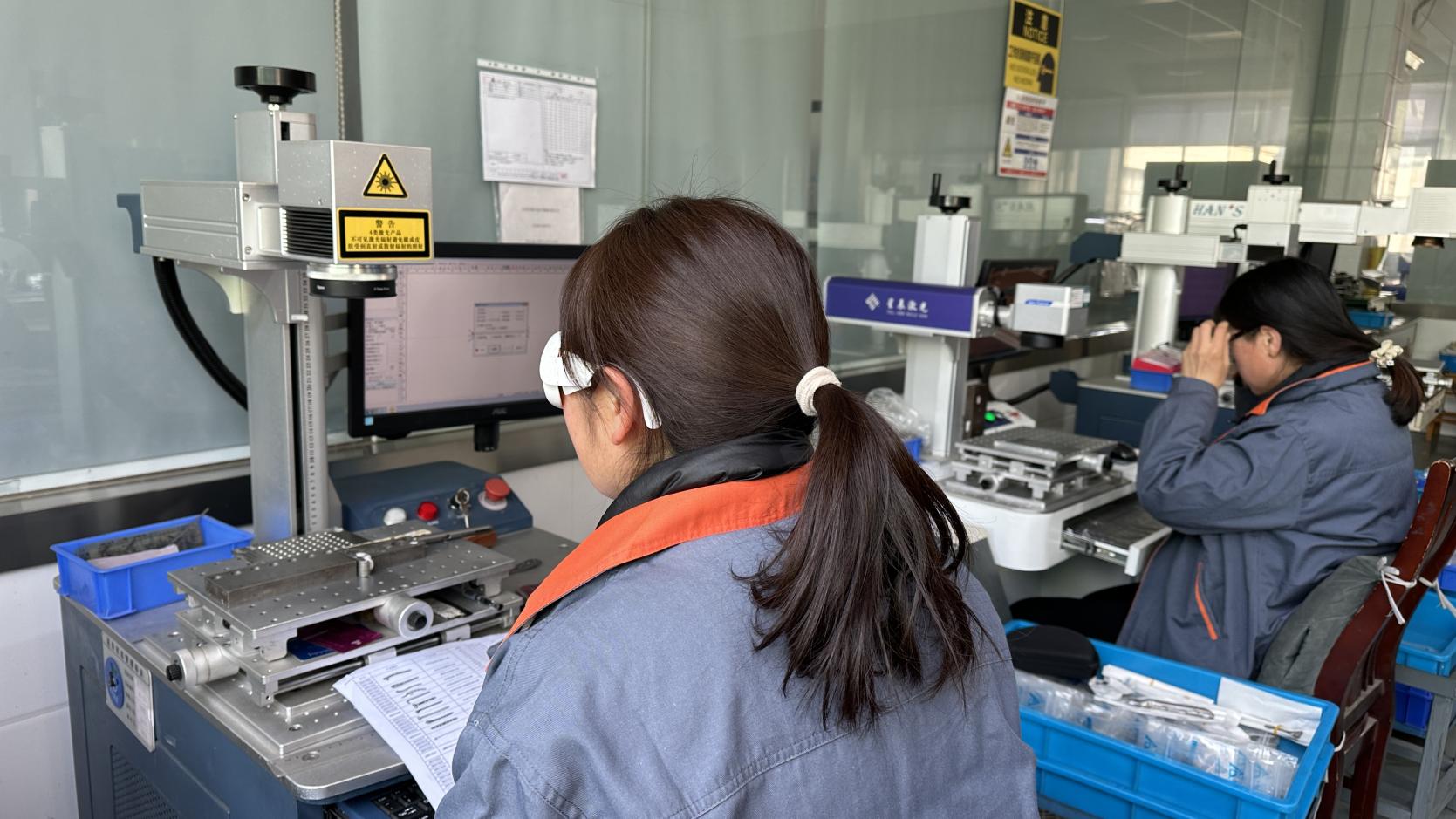
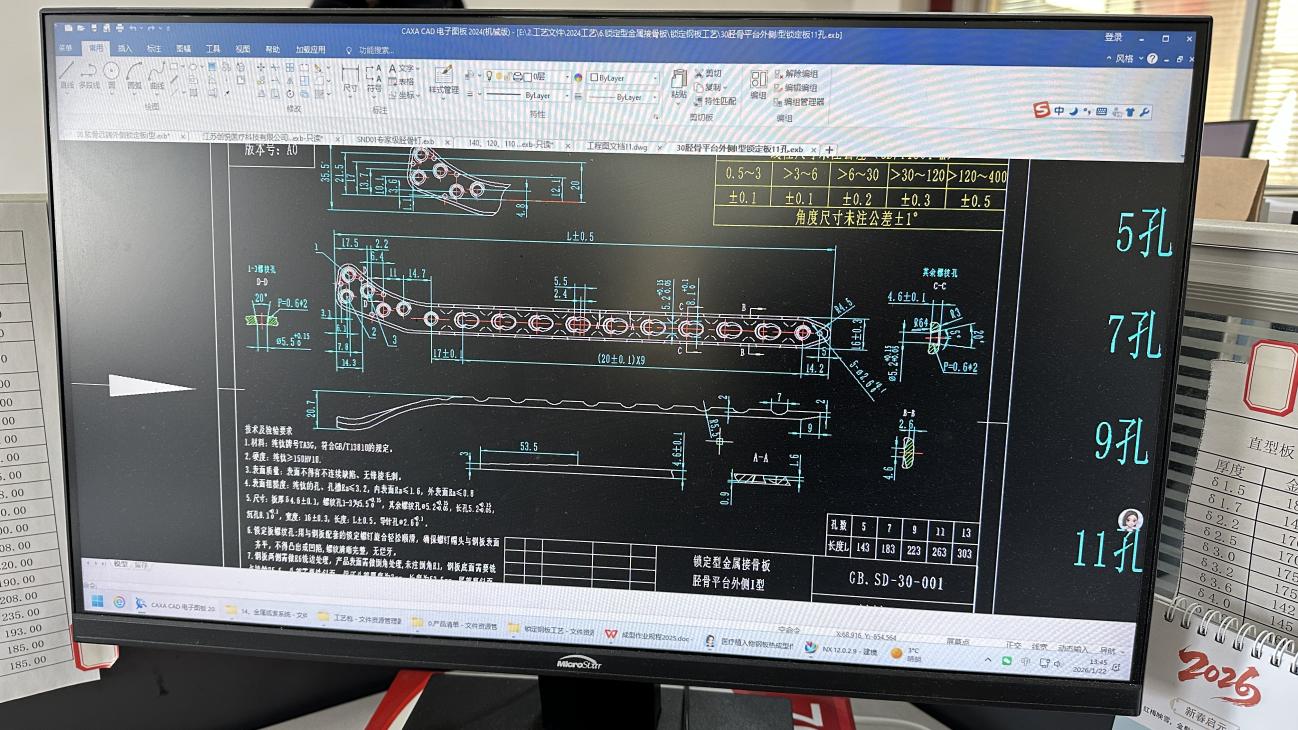
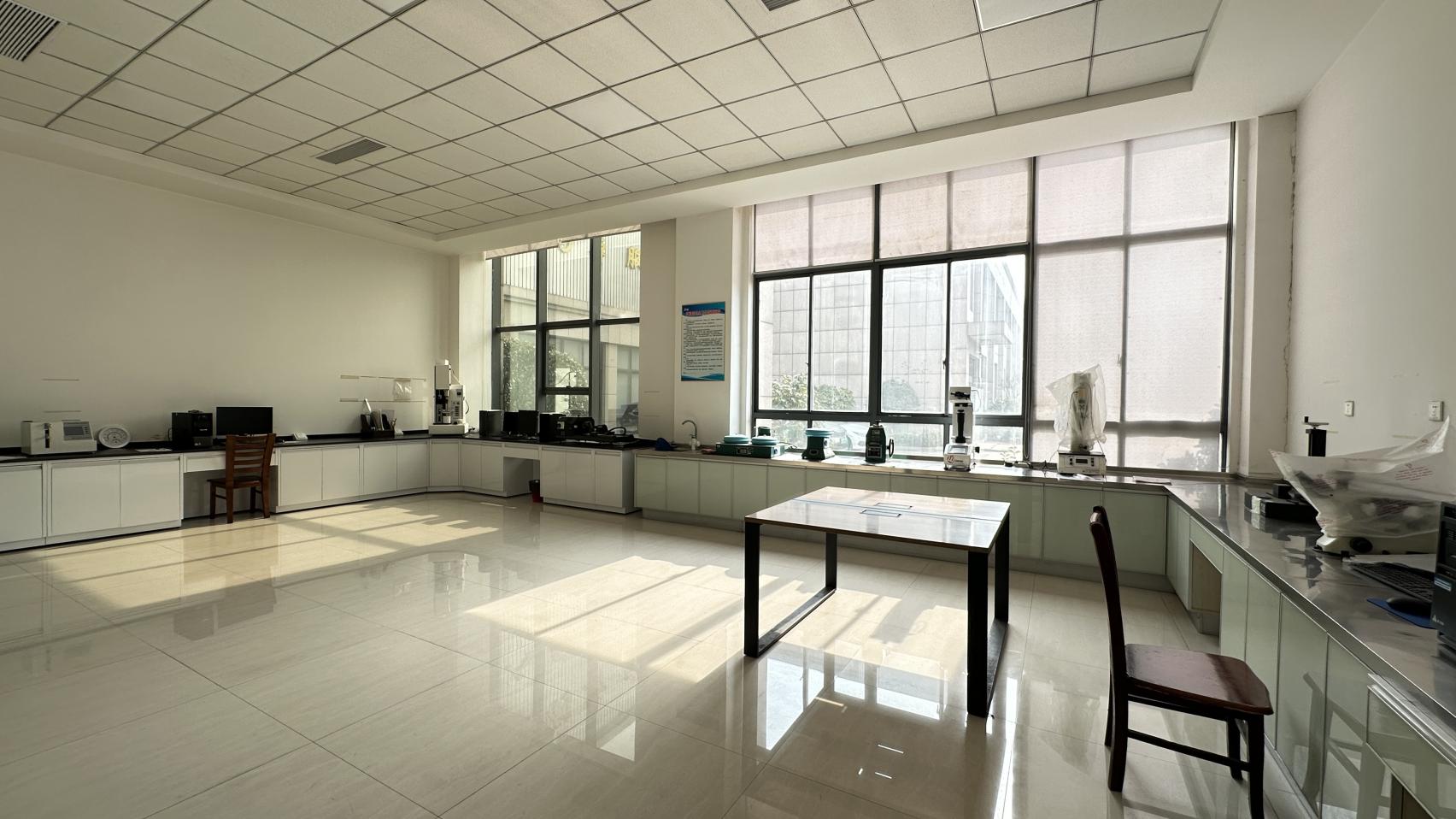
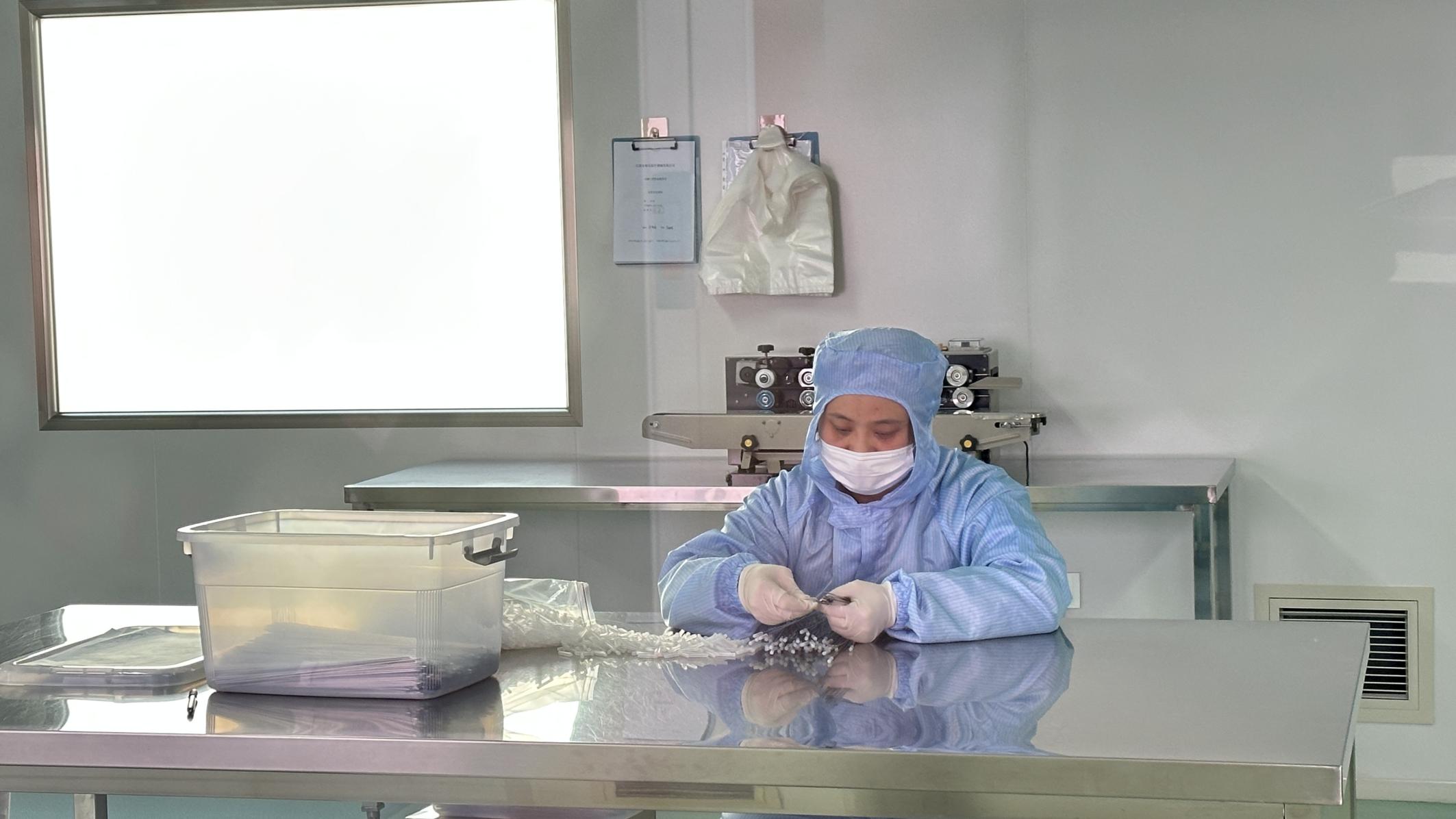
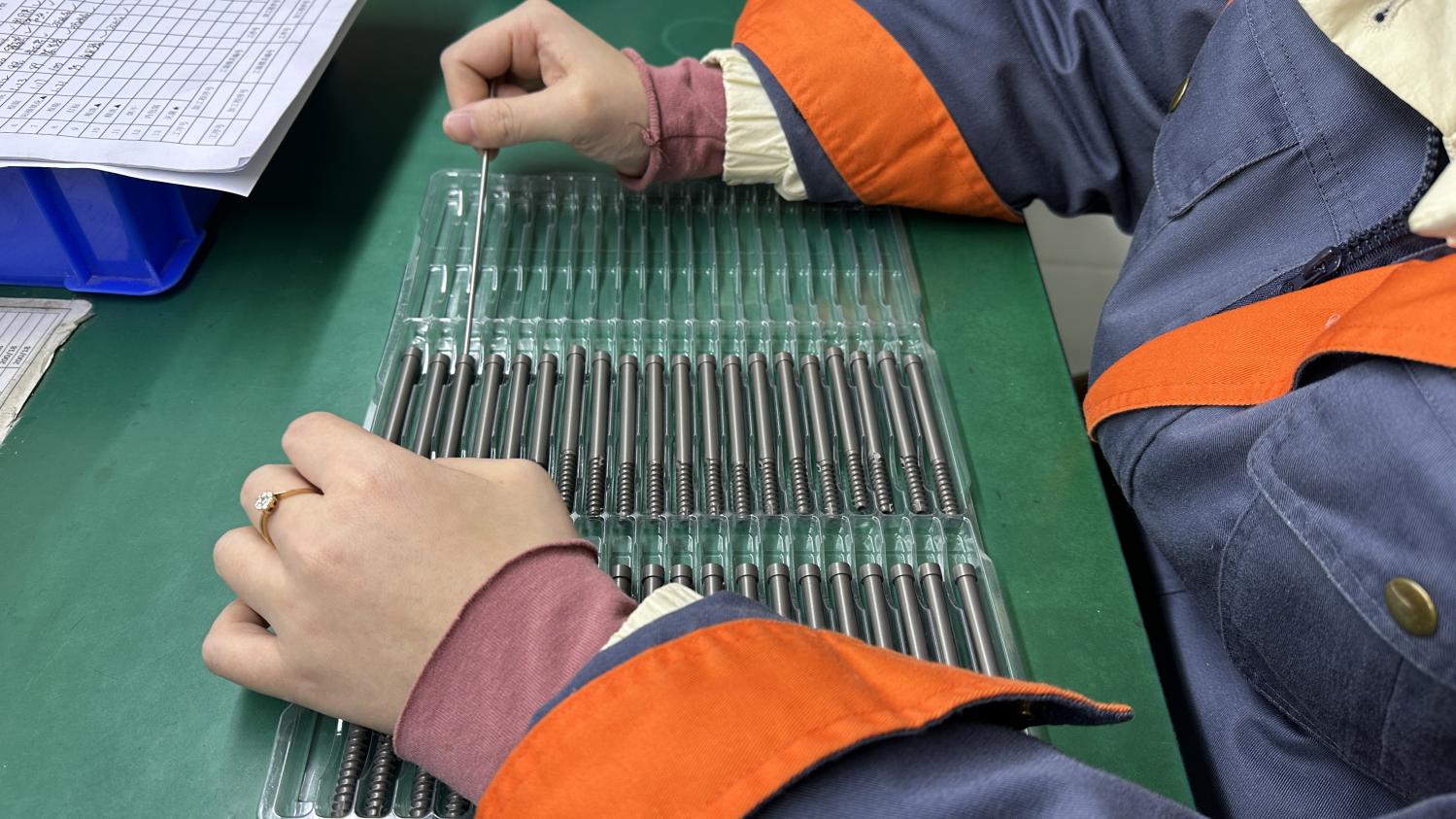
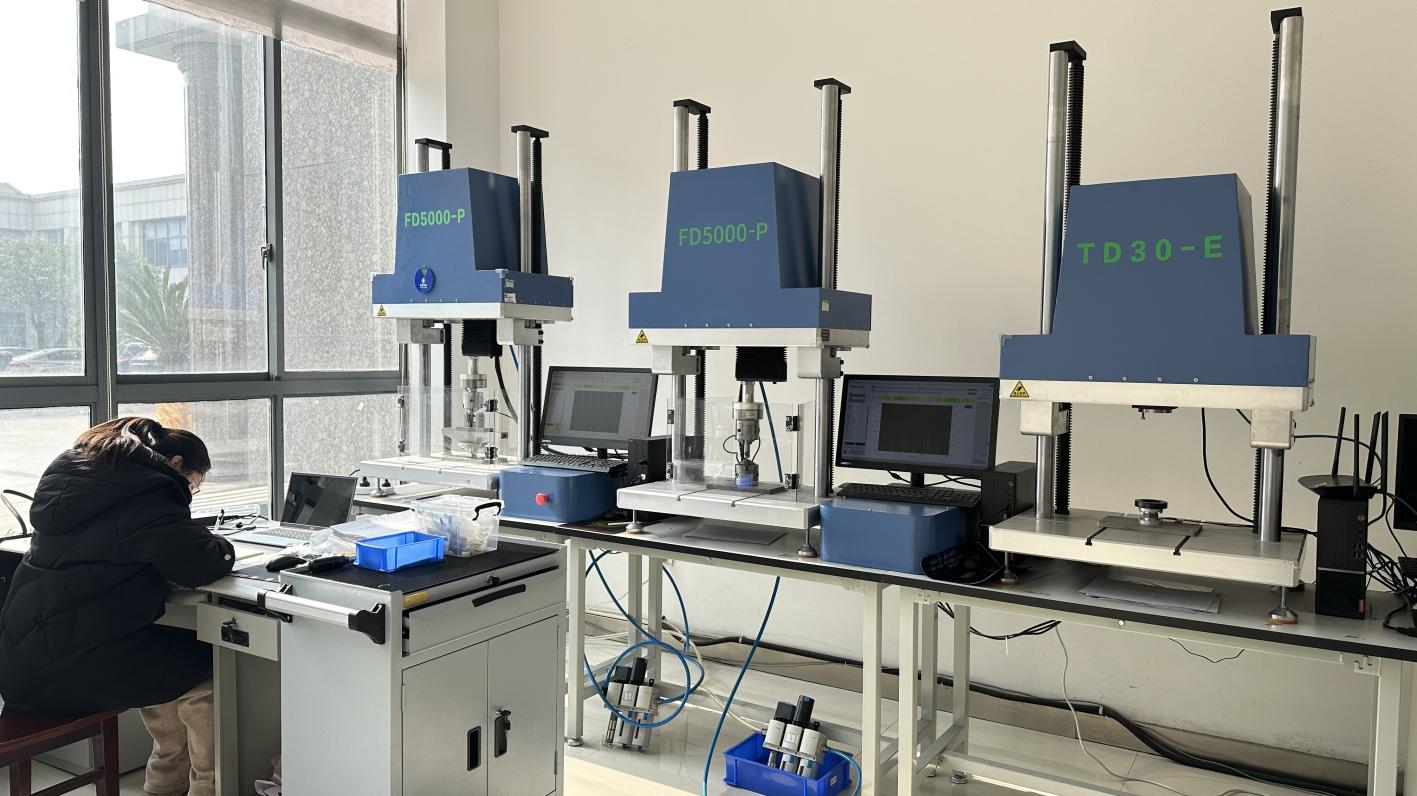
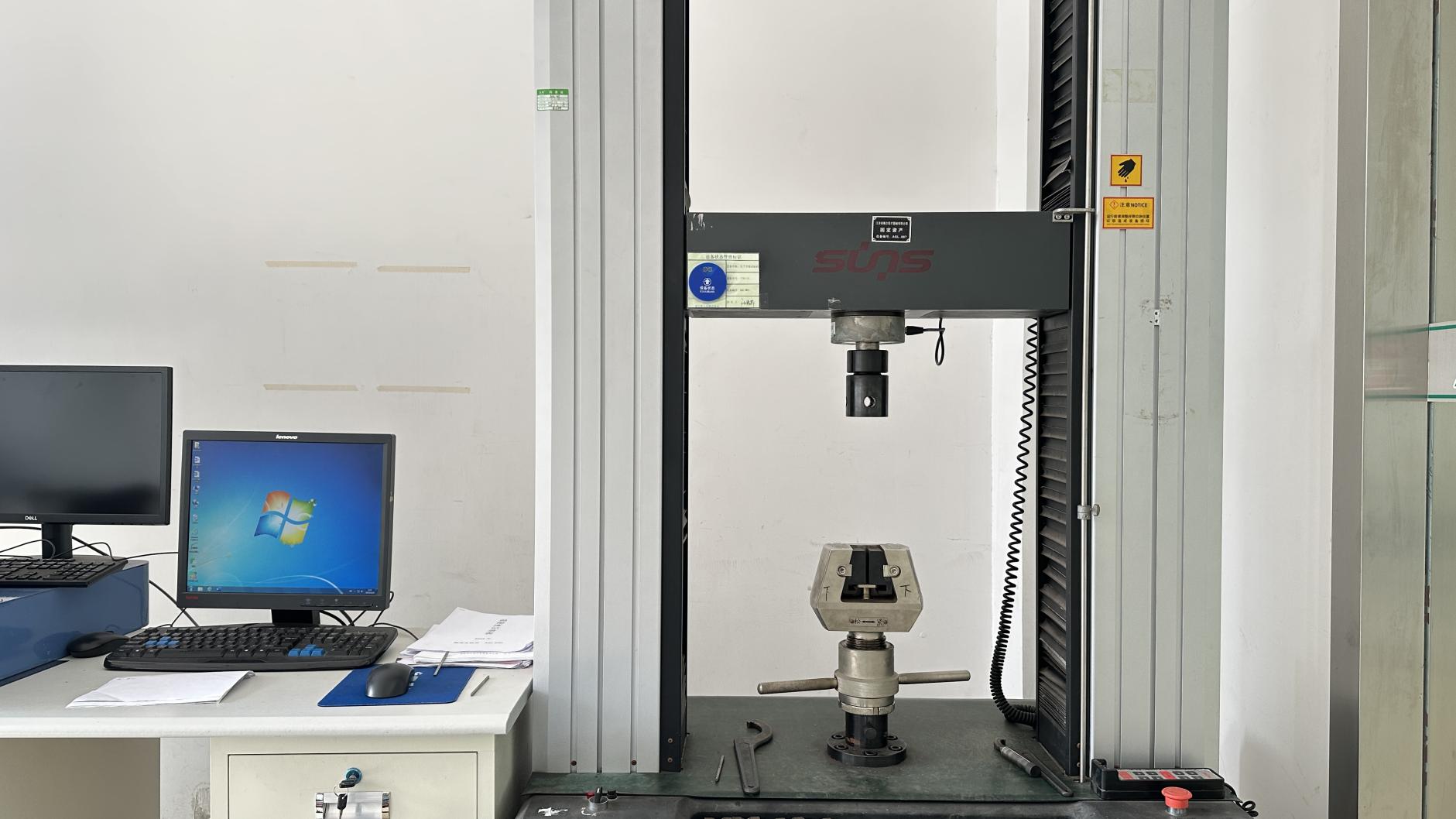
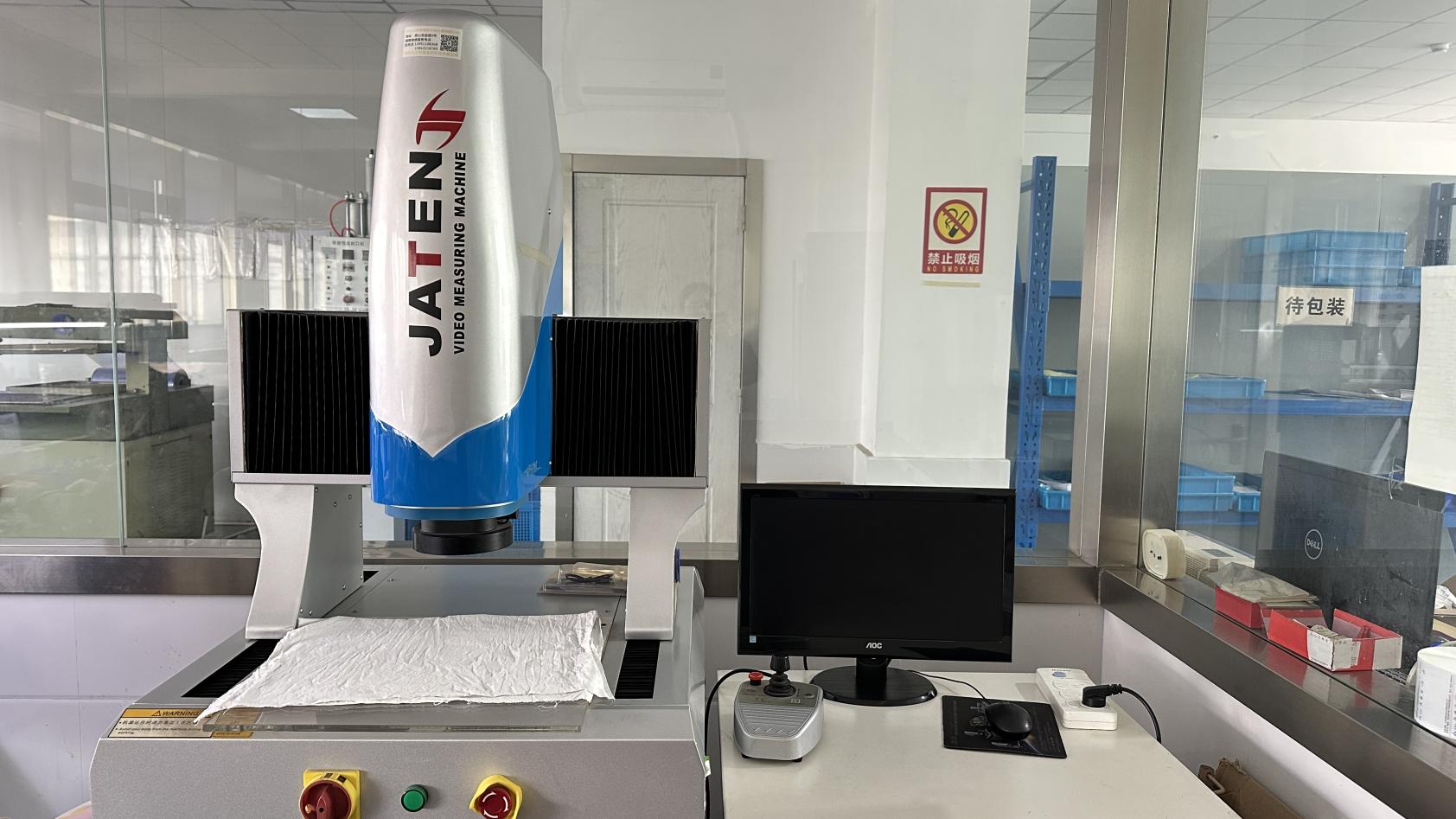
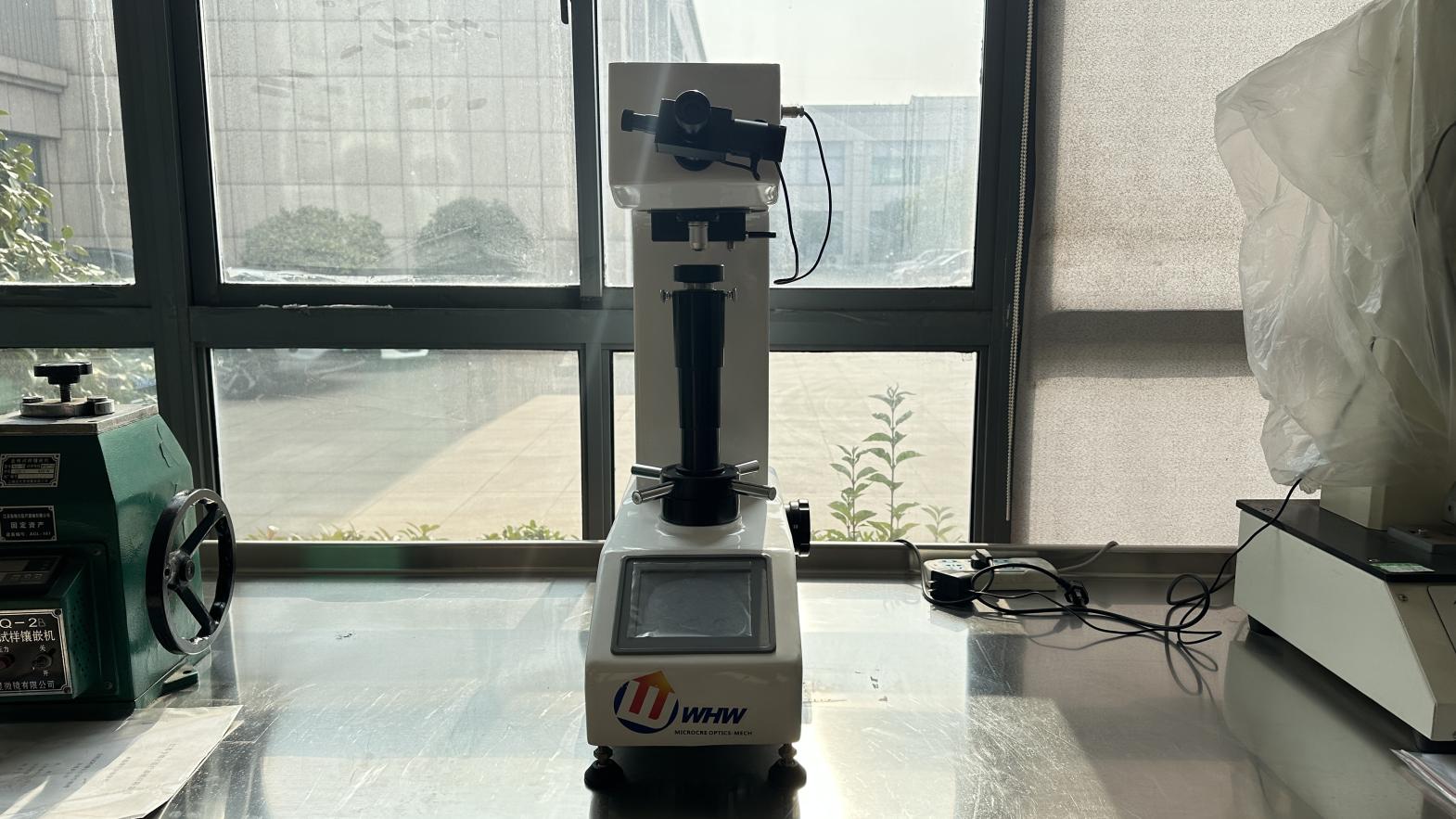
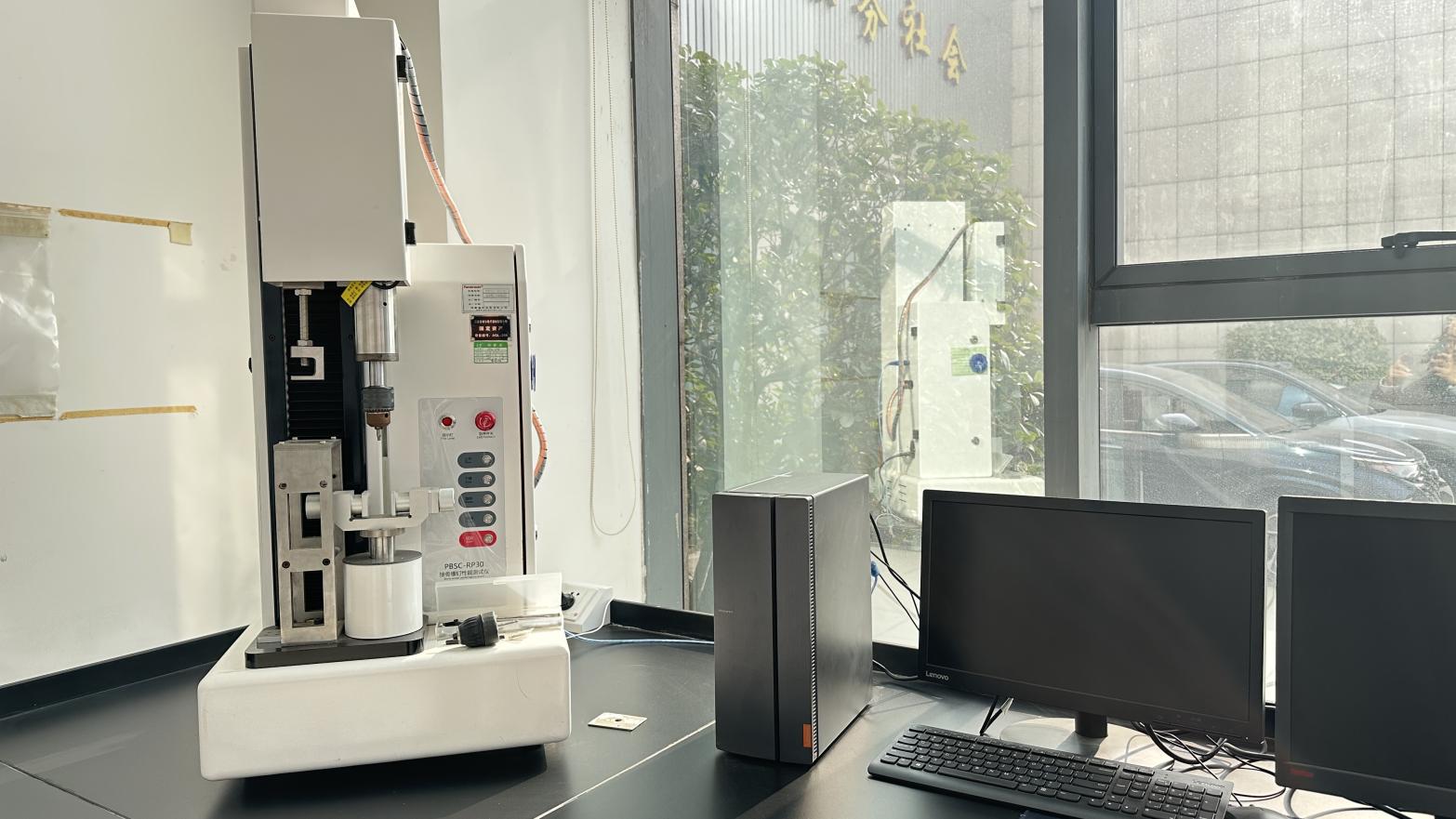
Real-world manufacturing and testing phases inside Medisplint's ISO-certified production facilities.
Achieving medical-grade precision requires control at every stage of the manufacturing process. From raw bar stock selection to the final automated laser etching, every step is monitored to prevent deviations. Medisplint employs multi-tier inspection protocols: Incoming Material Inspection (IQC), In-Process Quality Control (IPQC), and Final Quality Control (FQC), verified by third-party testing.
The manufacturing process relies on advanced technology. Multi-axis CNC milling centers construct the complex structures of locking reconstruction plates. Meanwhile, wire-cutting machines shape raw medical-grade titanium with high dimensional accuracy. Post-machining, implants undergo chemical passivation and anodization to optimize biocompatibility and increase corrosion resistance. In our testing laboratories, fatigue testers, tensile testers, and bone screw performance testers verify that each batch meets clinical standards.
Addressing complex regulatory pathways and localized clinical environments.
Operating in the global medical device sector requires navigating strict regulatory pathways. Maxillofacial plating systems are Class IIb or Class III medical devices depending on the jurisdiction (e.g., MDR in the European Union, FDA in the United States, and ANVISA in South America). This requires comprehensive technical documentation, clinical evaluations, and post-market clinical follow-ups (PMCF).
For international orthopedic distributors and hospitals, sourcing CMF plating kits requires local alignment. Medisplint addresses these challenges by offering customized regulatory assistance, including dossier localization, registration support, and certified translations. Our products conform to EN ISO 13485:2016 standards and bear valid CE marking. This enables smooth integration into tender processes in Europe, Latin America, Southeast Asia, and the Middle East. Beyond paper compliance, we offer customized OEM/ODM options to modify plate shapes, profile heights, and packaging configurations to meet local surgical preferences.
We provide full technical files, biophysical test records, biocompatibility assays (ISO 10993), and sterilization validation reports to accelerate registration with local health authorities.
We provide localized packaging, translations for Instructions for Use (IFU), and custom coding (UDI/GS1 integration) for hospitals and distribution networks.
How CMF plating systems are applied in trauma surgery and orthognathic correction.
The cranial and maxillofacial region features complex, thin bone geometries subjected to dynamic mechanical stresses. Maxillofacial plating systems are configured for specific anatomical zones and pathological challenges:
As the primary load-bearing bone of the facial skeleton, the mandible requires robust fixation. 2.0mm to 2.4mm locking and reconstruction plates are used to secure fractures across the symphysis, body, angle, and condylar processes, resisting the forces of mastication.
The delicate bones of the zygoma, maxilla, and orbital rim require micro-plating systems (1.0mm to 1.5mm). These plates offer low-profile stabilization to minimize tissue irritation and maintain anatomical symmetry.
During corrective jaw surgeries (such as Le Fort I, II, or III osteotomies and bilateral sagittal split osteotomies), L-shaped, LCP, and straight CMF plates secure the jaw segment in its new position for stable healing.
Innovations in maxillofacial plating: Patient-Specific Implants and bio-inductive materials.
The future of Cranio-Maxillofacial reconstruction is moving toward customization and bio-integration. The traditional practice of bending generic plates in the operating room is being replaced by Patient-Specific Implants (PSIs). By using preoperative high-resolution CT scans, R&D engineers can design custom titanium plates that match the patient's individual anatomy. These plates are manufactured via additive processes (such as Selective Laser Melting - SLM 3D printing) or precision CNC milling.
Our long-term R&D roadmap focuses on:
• Bioactive Surface Coatings: Applying anodized calcium-phosphate or micro-arc oxidation (MAO) coatings to titanium surfaces to accelerate osseointegration and reduce the risk of postoperative infection.
• Resorbable Polymer Implants: Developing advanced bio-resorbable copolymer systems (PLA/PLLA/PGA) that provide stabilization during bone healing and dissolve gradually, avoiding secondary surgeries.
• Digital Surgical Planning Integrations: Aligning CAD design software with navigation systems to allow virtual placement and structural simulations of plates before surgery.
Detailed technical and regulatory answers for clinical purchasers, bio-engineers, and distributors.
Complementary surgical systems and implants for complex reconstructive procedures.