Medisplint Medisplint

China Best Headless Cannulated Screws Manufacturer & Exporter

Premium Class III Titanium Alloy Orthopedic Implants & OEM/ODM Surgical Instrumentation Systems

Innovative Trauma & Fixation Systems

Select, precision-machined orthopedic devices engineered for robust bone reconstruction and osteosynthesis.
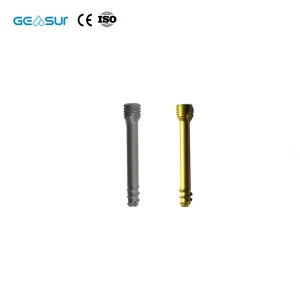
Geasure CE ISO Certified Titanium Alloy Cannulated Screw
Geasure CE ISO Certified Class III Titanium Alloy Countersunk Compression Cannulated Screw-Orthopedic Implant 1 Year Warranty
View Technical Specifications
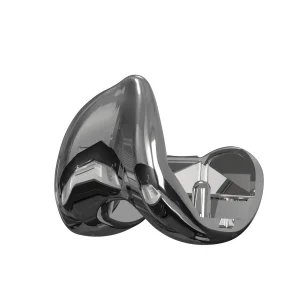
CANWELL Femoral Component Knee Prosthesis
CANWELL Femoral Component Arthroplasty Prosthetic Knee Joint Prosthesis Artificial PS CoCrMo Primary Total Knee Replacement Kit
View Technical Specifications
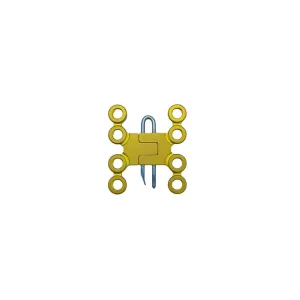
China Factory Sales Orthopedic Bone Locking Plate
China Factory Sales With Orthopedic Bone H Type Locking Plate Star Locking Plate
View Technical Specifications
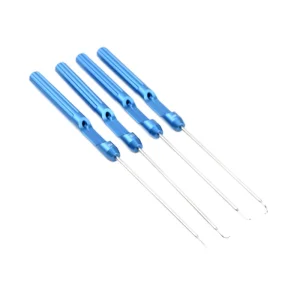
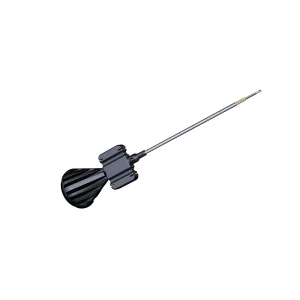
Medical Arthroscopy Suture Hook Labral Repair
Medical Arthroscopy Instruments Suture Lasso Orthopedic Wire Hook Suture Hooks for Labral Repair
View Technical Specifications
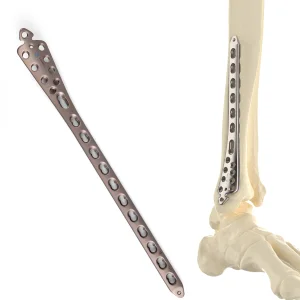
CANWELL Distal Medial Tibial Locking Plate
CANWELL Distal Medial Tibial Locking Plate 3.5mm Compression Bone Orthopedic Implants Trauma Fracture Surgery CE OEM Titanium
View Technical Specifications
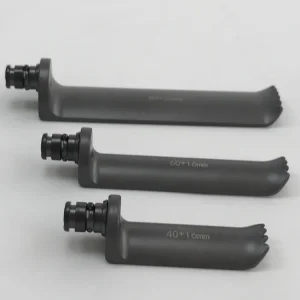
Orthopedic MIS Retractor Set
Orthopedic Surgical Instruments MIS Retractor Set Mis Retractor System
View Technical Specifications
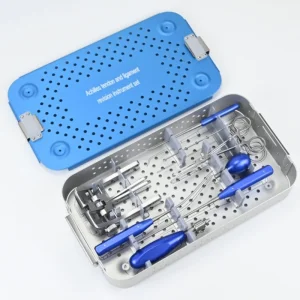
Orthopaedic Achilles Tendon Revision Set
Orthopaedic Instruments Orthopedic Instruments Achilles Tendon and Ligament Revision Instrument Set
View Technical Specifications
Knee and Shoulder Ligament Knot-Free Anchor
Knee and Shoulder Ligament Knot-Free Anchor Medical Consumables Product
View Technical Specifications

Biomechanical Foundations of Headless Cannulated Screws

In modern orthopedics, particularly within traumatology and reconstructive extremity surgery, the headless cannulated compression screw stands as a landmark development. Designed primarily for articular fractures, osteotomies, and arthrodesis of small bones, its defining feature is the absence of a traditional protruding screw head. This architectural modification allows the screw to be countersunk entirely beneath the articular cartilage surface, mitigating the risk of soft-tissue irritation, tendon impingement, and chronic postoperative pain.

The functional mechanical dynamic relies on a differential thread pitch. By manufacturing the distal thread pitch to be wider than the proximal thread pitch, each rotation of the screw advances the distal segment faster than the proximal segment. This creates progressive, controlled compression across the fracture gap without the counterforce of a traditional screw head. Medisplint leverages advanced finite element analysis (FEA) to perfect this pitch ratio, yielding optimal interfragmentary compression forces while mitigating structural stress concentrations that lead to early bone resorption or hardware fatigue.

"The design of headless cannulated implants bridges the gap between stability and tissue preservation. By sinking the hardware flush with or below the subchondral bone, clinicians preserve range of motion and accelerate biological fusion."

Biocompatible Materials & Micro-Textured Surface Treatment

Medisplint utilizes medical-grade titanium alloys (primarily Ti-6Al-4V ELI / ISO 5832-3) and Cobalt-Chromium-Molybdenum (CoCrMo) for joint reconstruction components. Titanium remains the alloy of choice for trauma fasteners due to its low modulus of elasticity—which closely mimics human cortical bone—reducing the risk of stress shielding. Furthermore, our screws undergo specialized anodic oxidation (Type II treatment), creating a micro-textured titanium dioxide layer that enhances osteointegration and minimizes bacteria adhesion.

Global Procurement Challenges in Orthopedic Sourcing

For medical device distributors, purchasing departments of large hospital networks, and OEM brand owners, sourcing implantable components from global manufacturers is a complex process. The major criteria include:

  • Regulatory Compliance (EU MDR / FDA 510k / NMPA): The transition from local standard approvals to strict clinical evaluation guidelines demands extensive documentation, biological safety evaluations (ISO 10993), and process validations.
  • Dimensional Traceability: Cannulation tolerances must be held to micrometric levels. If the central cannulation of a 3.0mm screw is misaligned by even 0.05mm, it can cause guide-wire binding mid-surgery, presenting a significant risk to patient safety.
  • Supply Chain Consistency: Inability to meet demand leads to hospital backorders and lost market share. Medisplint maintains partnerships with over 1,200 supply chain channels to stabilize raw material procurement.
Parameter Specification Standard Range Medisplint Precision Grade Clinical / Mechanical Benefit
Thread Concentricity ± 0.05 mm ± 0.015 mm Prevents axial deviation during insertion
Cannulation Diameter 0.8 mm - 2.0 mm Tolerance +0.02 / -0.00 mm Smooth guide wire gliding, no binding
Material Tensile Strength ≥ 860 MPa (Gr5) 930 - 980 MPa High torsional resistance, prevents screw shearing
Surface Roughness (Ra) 0.8 μm - 1.6 μm 0.4 μm (polished) / 2.5 μm (etched) Optimized osteointegration and friction coefficients

Technological Roadmap & Next-Generation Trauma Fasteners

Looking toward the future of internal fixation, Medisplint's R&D division is focused on three main research corridors:

1. Bioresorbable Magnesium-Zinc Alloys: While titanium remains the clinical standard, our team is developing magnesium-based alloys that degrade harmlessly inside the human body after bone healing is complete. This eliminates the need for secondary surgeries to remove painful implants.

2. Additive Manufacturing (3D Printed Porous Implants): Integrating 3D-printed trabecular microstructures onto the non-threaded segments of compression fasteners allows rapid bone ingrowth, establishing biological stability alongside mechanical compression.

3. Standardized Surgical Kits: Complex cases require highly precise instruments. We design and manufacture specialized surgical instrumentation kits (such as hex-head cannulated screwdrivers and MIS retractors) alongside our implants to offer a seamless operating room solution.

Institutional Profile
Company: Medisplint Orthopedic Instruments Co., Ltd.
Established: 2016 (10 years industry experience)
Production Scale: 18,500 m² integrated facility
Quality Control: 42 dedicated inspectors, ISO 13485 & CE compliant
Annual Exports: USD 12 Million (Serving Europe, SE Asia, Middle East, S. America)
Engineering Power: 85 R&D development specialists
Product Portfolio: 68 new products launched last year

Engineered For Clinical Trust

Quantifiable capabilities that anchor our position as China's leading orthopedic exporter.

18,500㎡
Production Facility
1,200+
Supply Chain Partners
42
Quality Inspectors
85
R&D Engineers

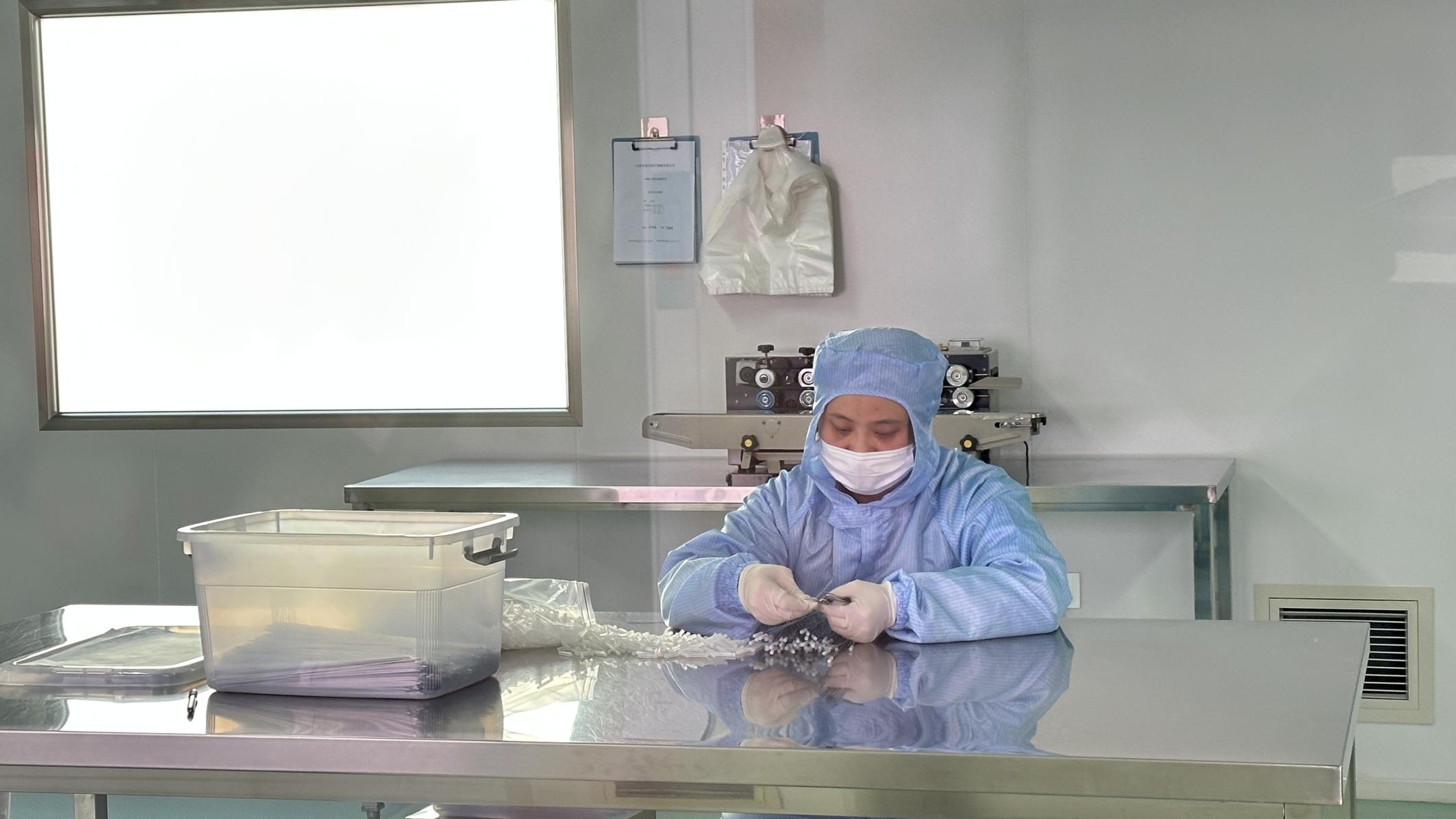
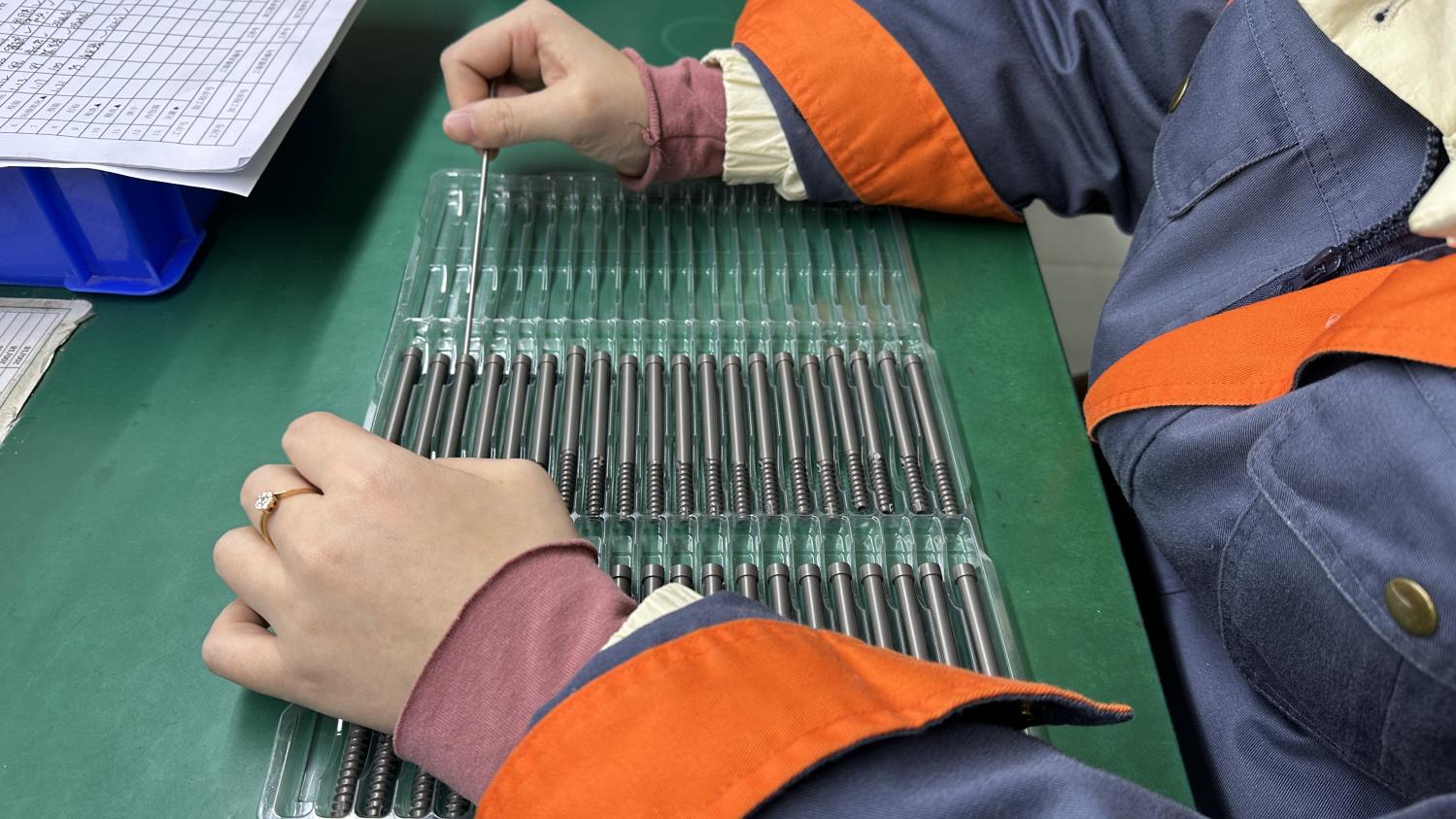
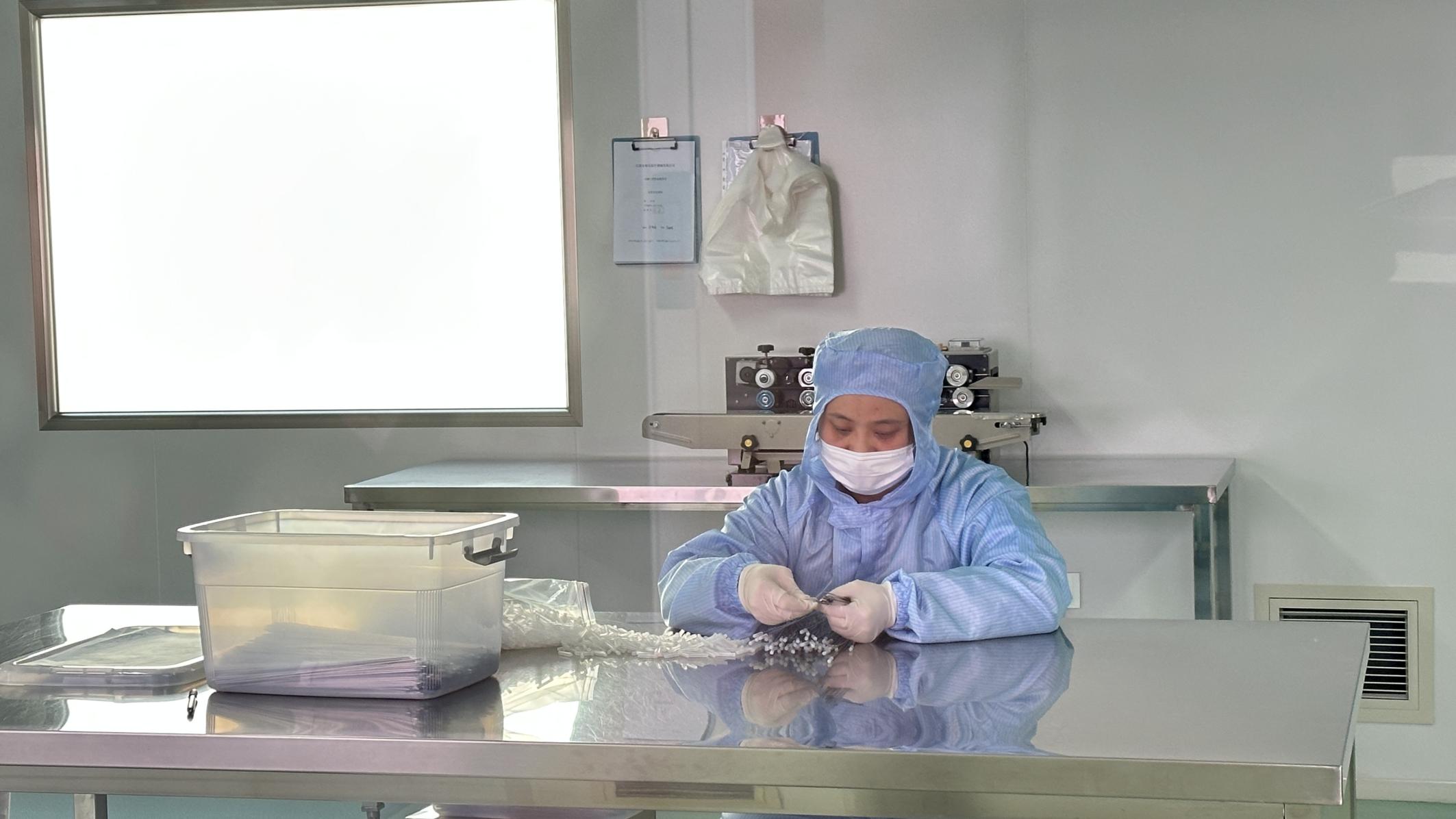
Vertical Production & Inspection Workflow

From raw medical-grade titanium rods to sterile-ready components, trace our complete production chain.
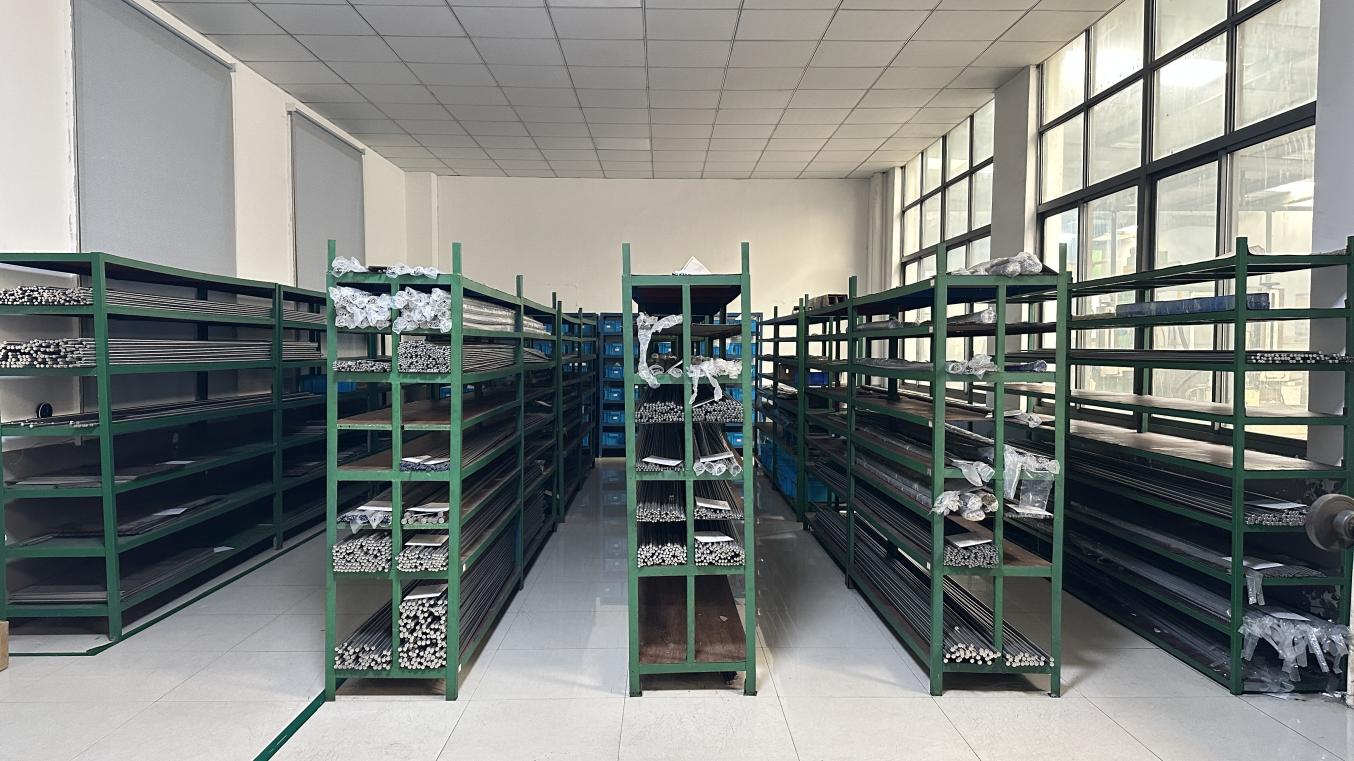
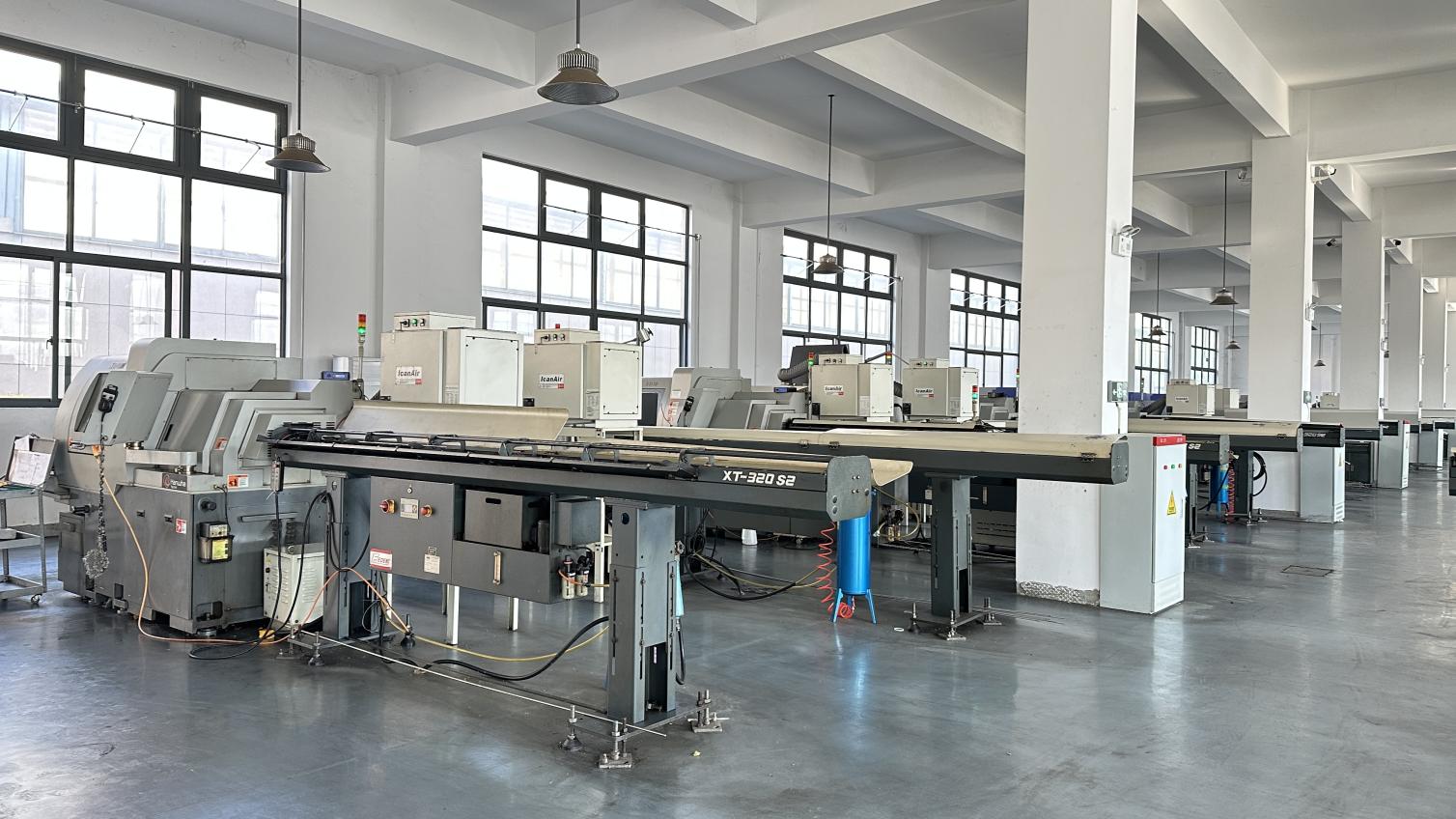
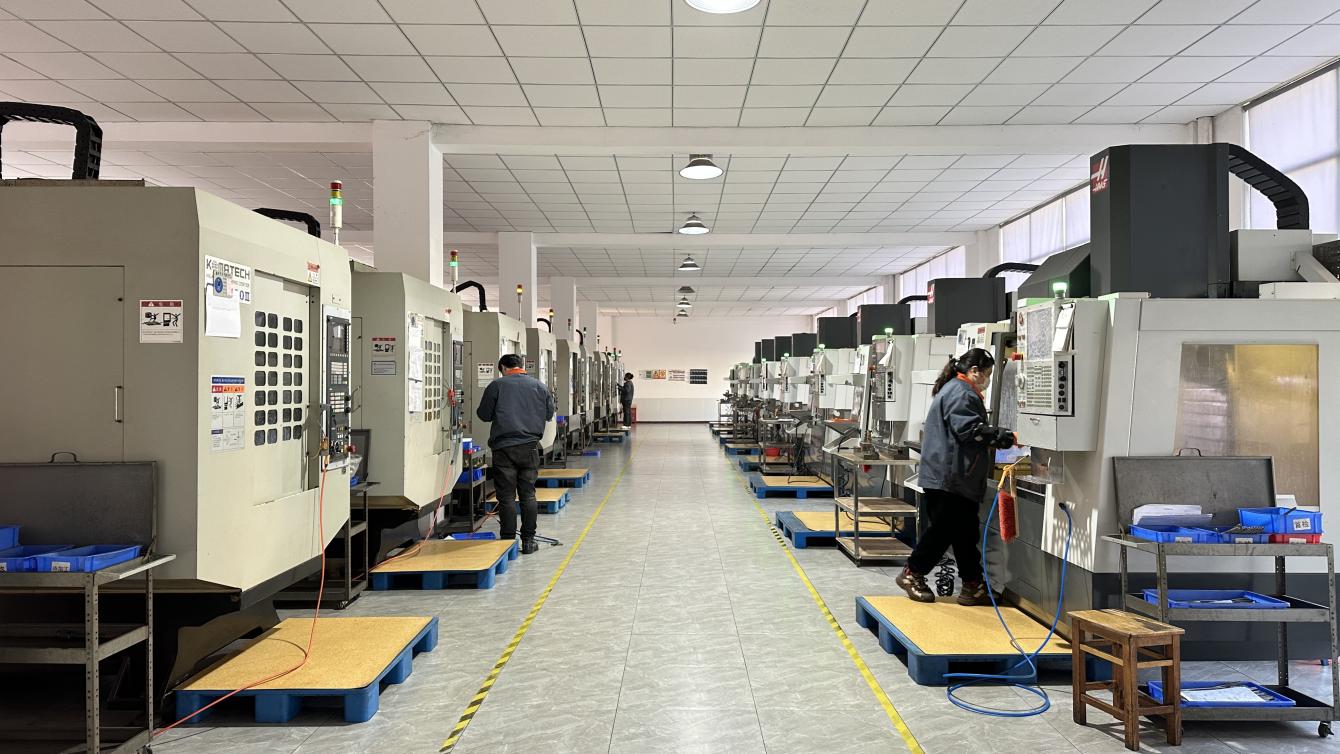
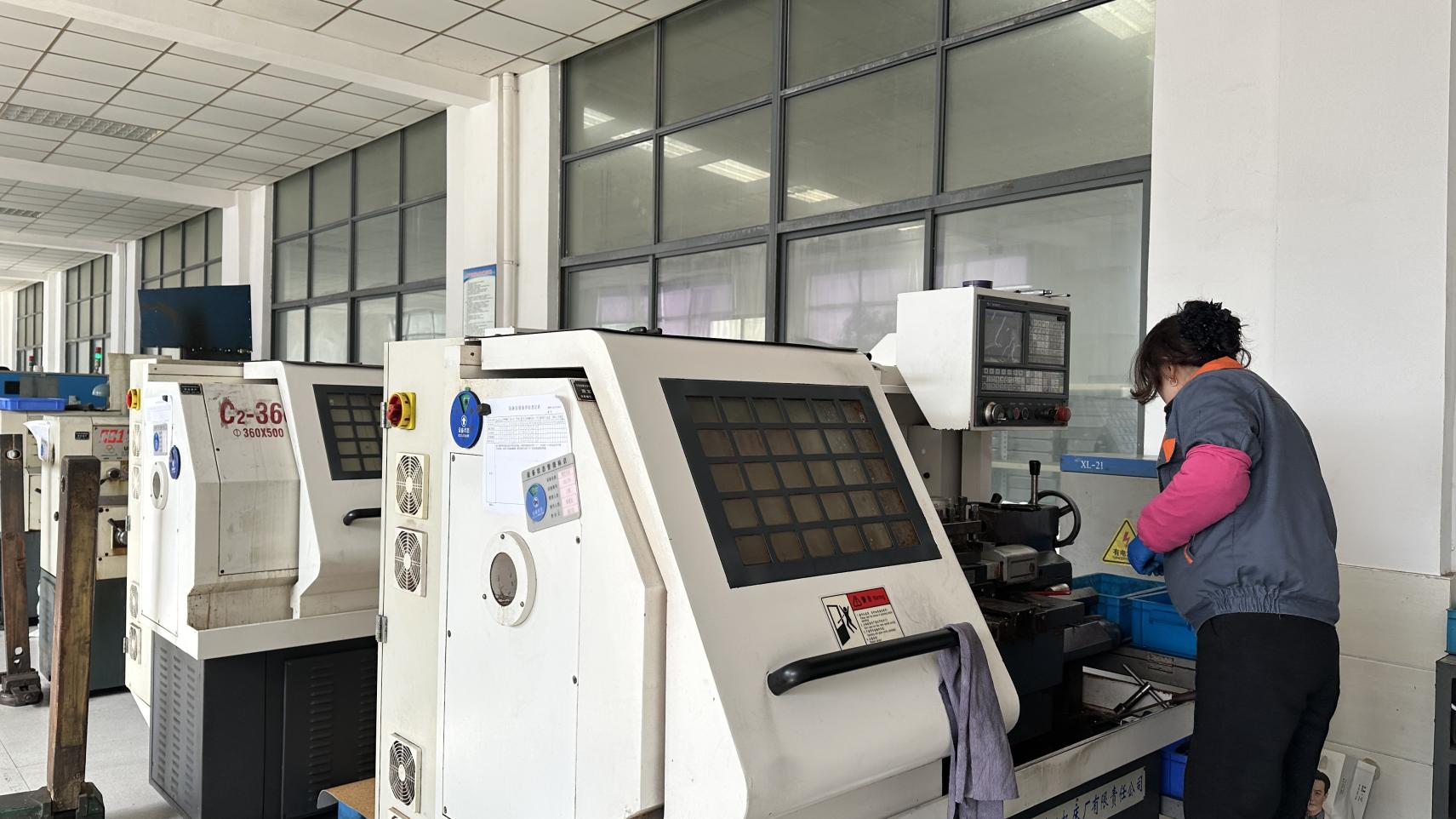
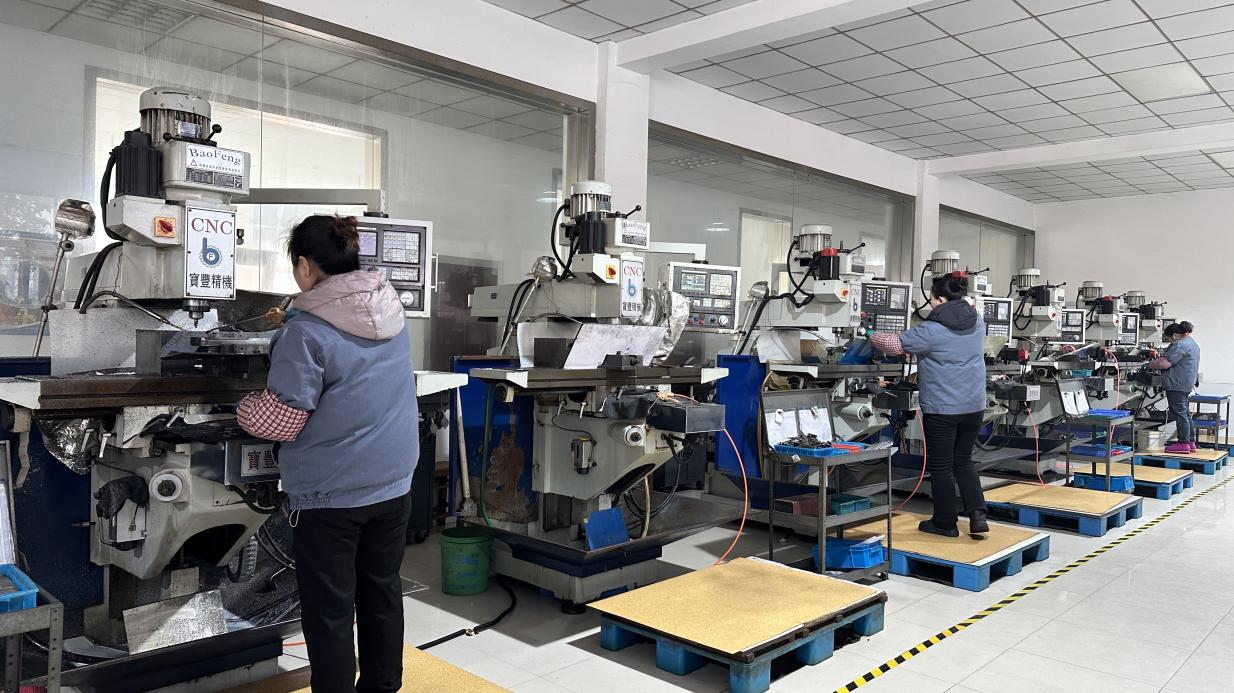
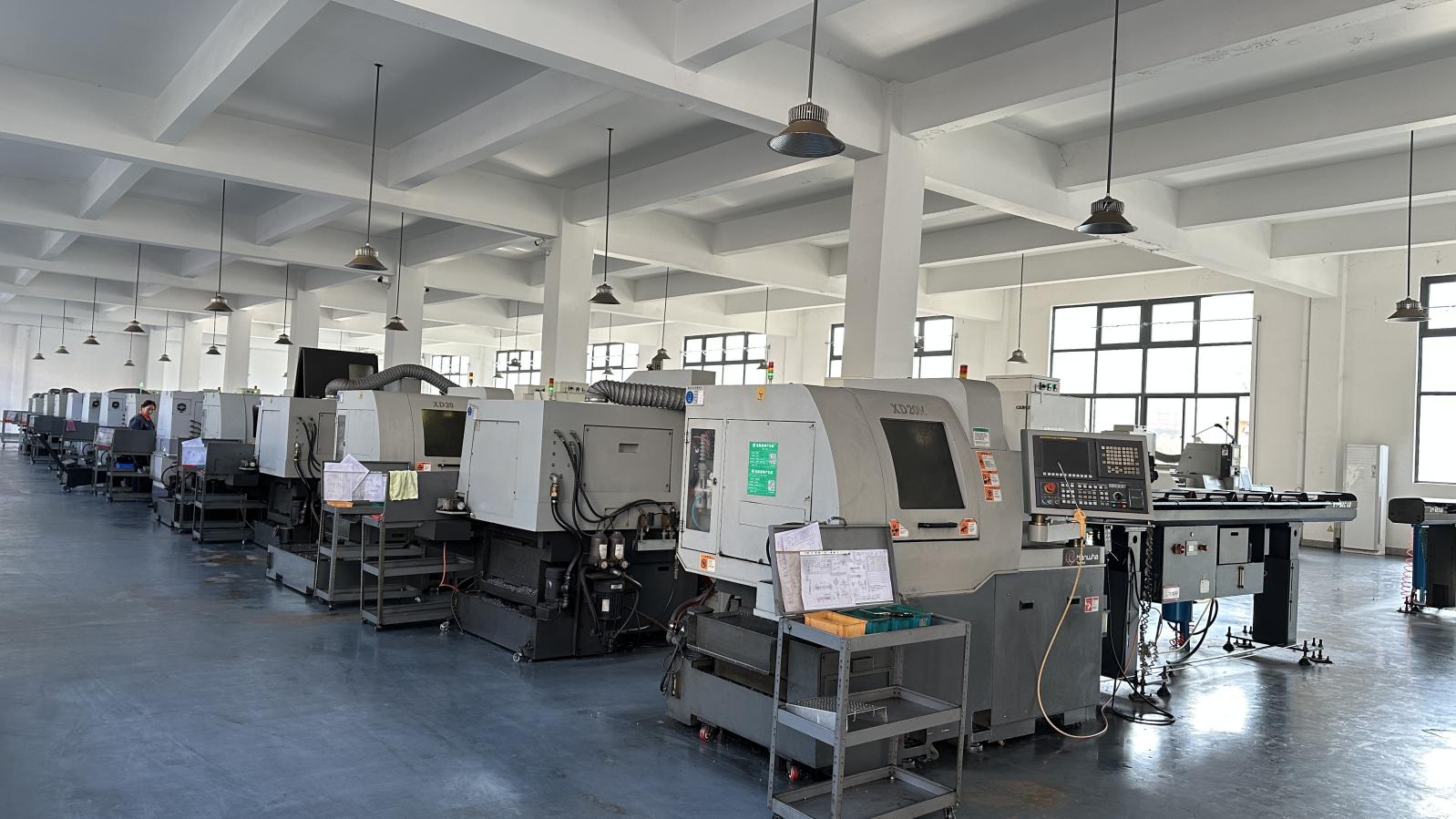
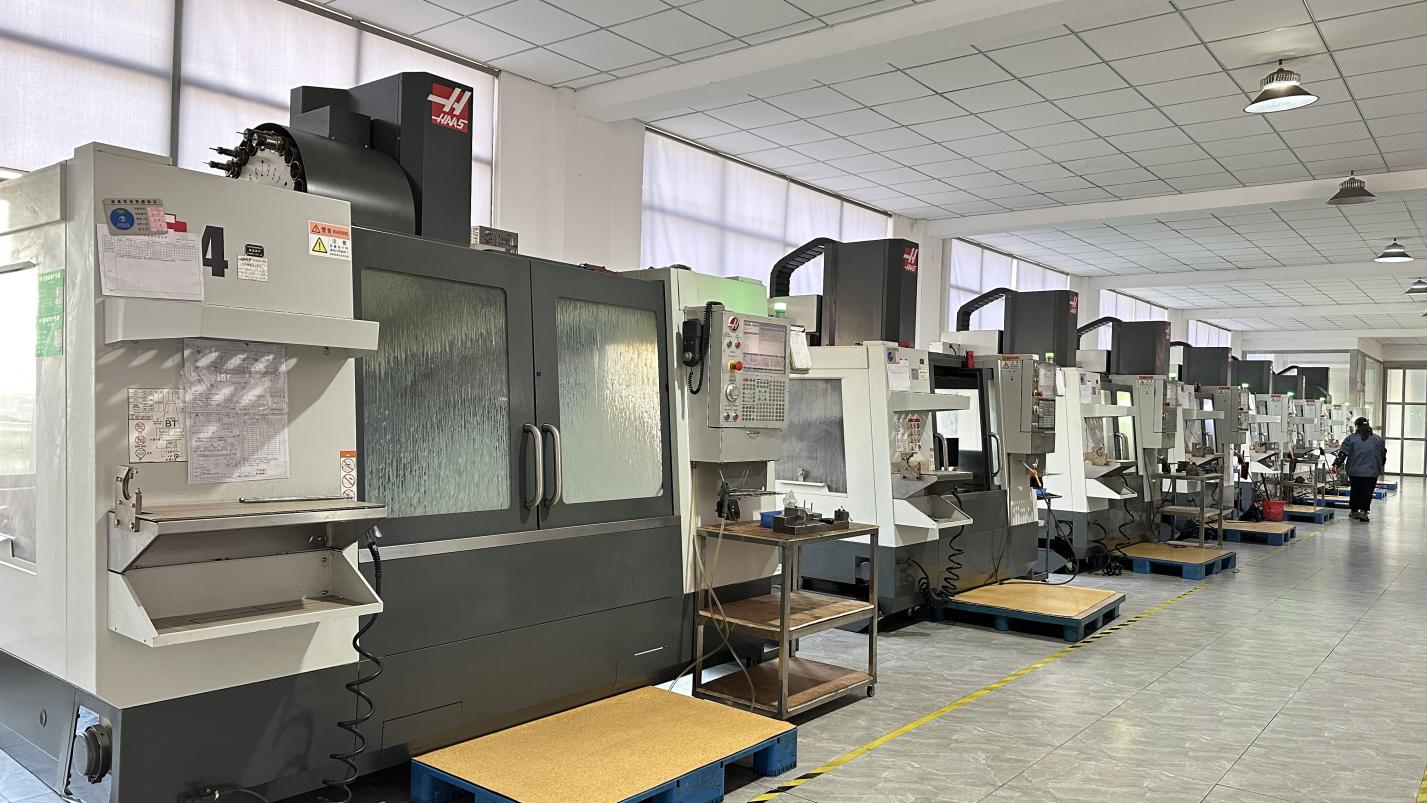
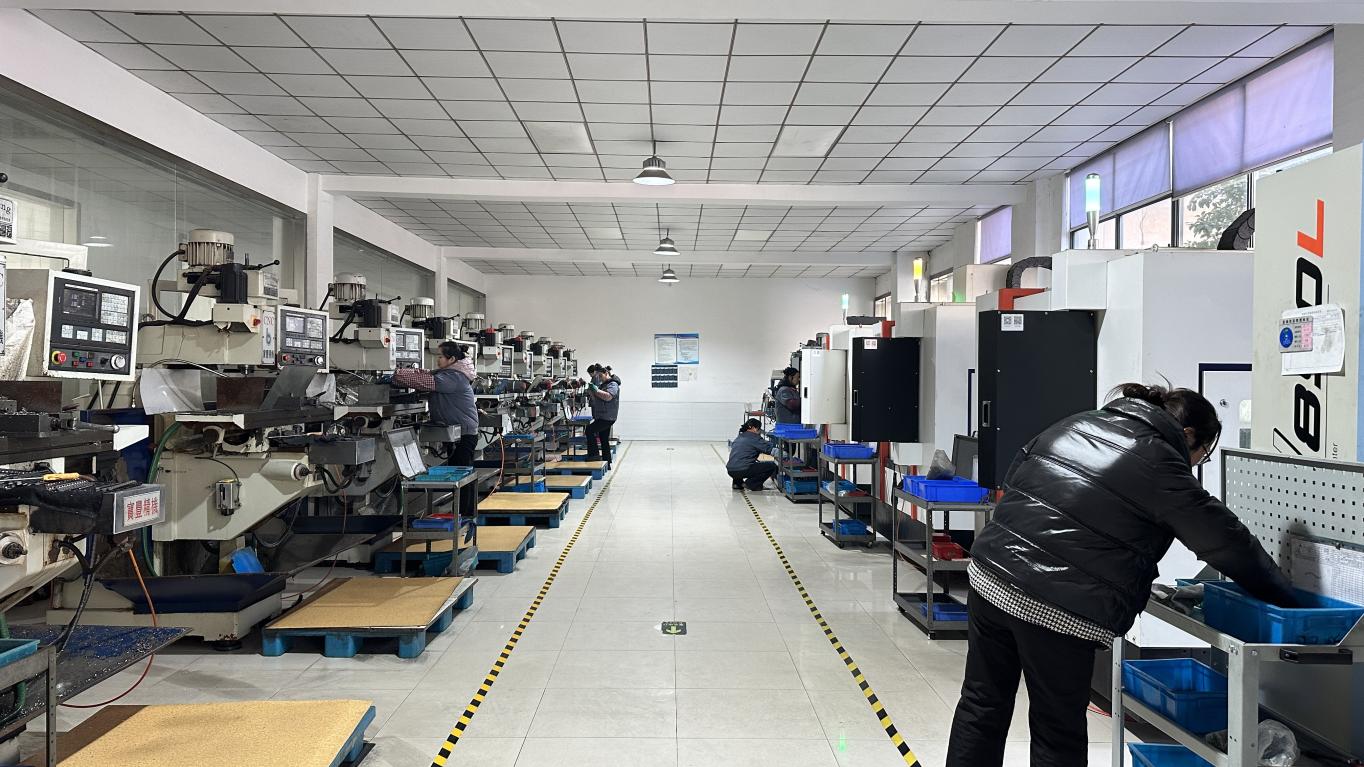
I. Machining & Production Line

Raw Materials
Raw Materials
Slitting
Slitting
CNC Machining
CNC Machining
Machining
Machining
Milling
Milling
Slitting Machine
Slitting Machine
CNC Machining Center
CNC Center
CNC Milling Machine
CNC Milling
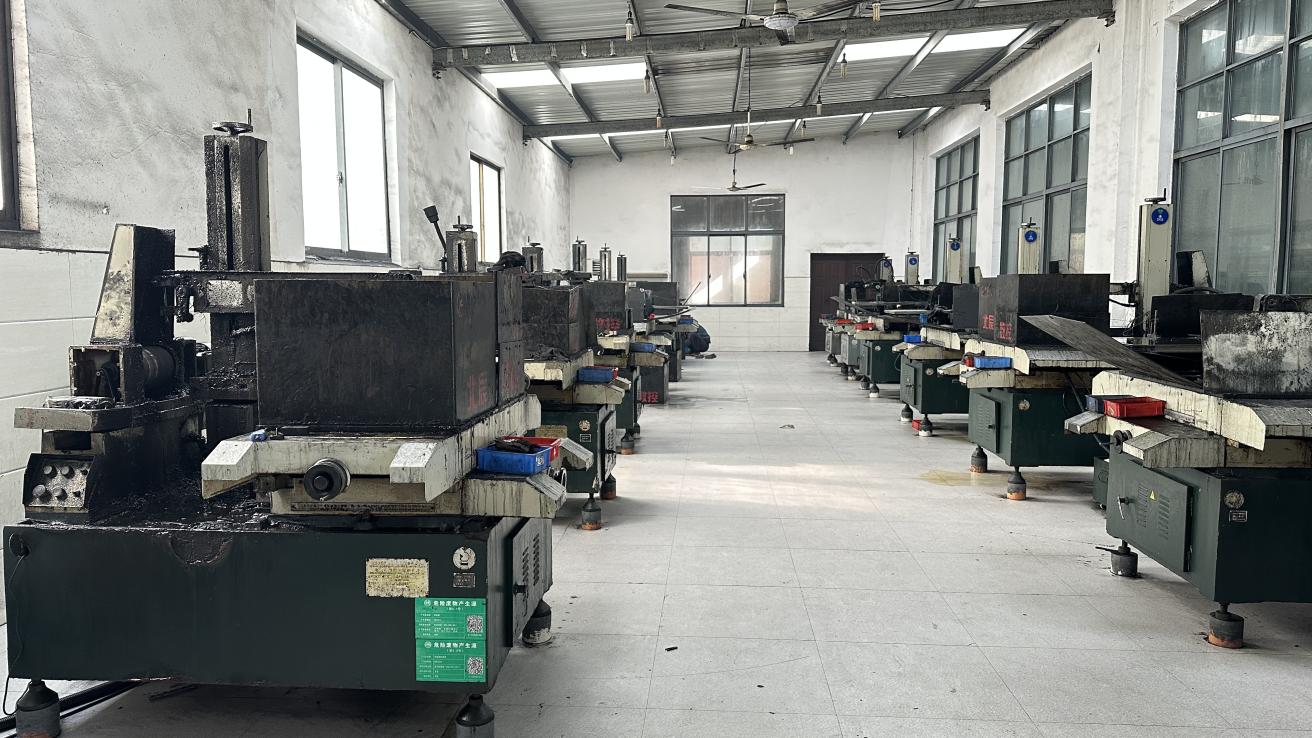
Wire Cutting Machine
Wire Cutting
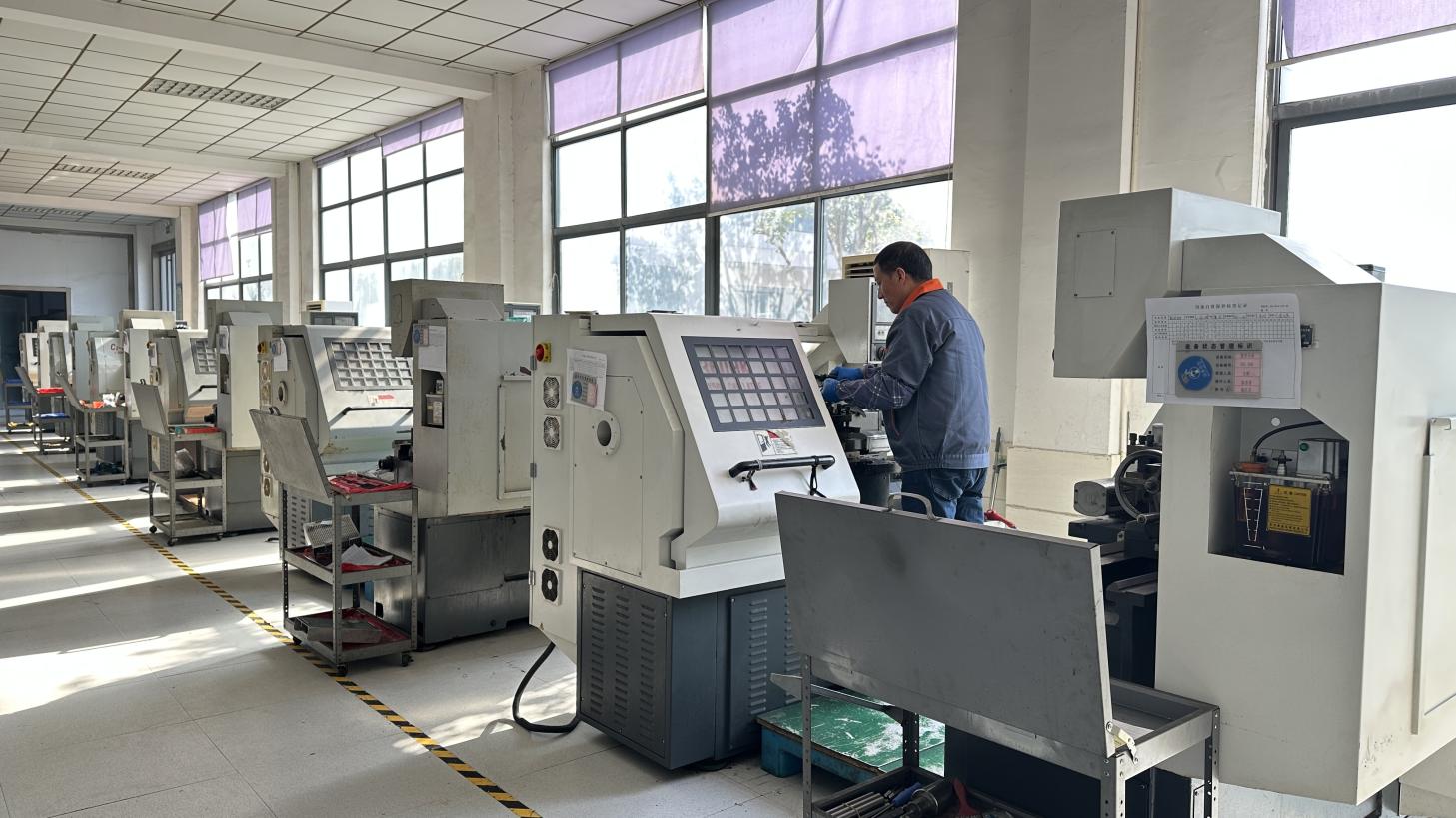
CNC Lathe
CNC Lathe
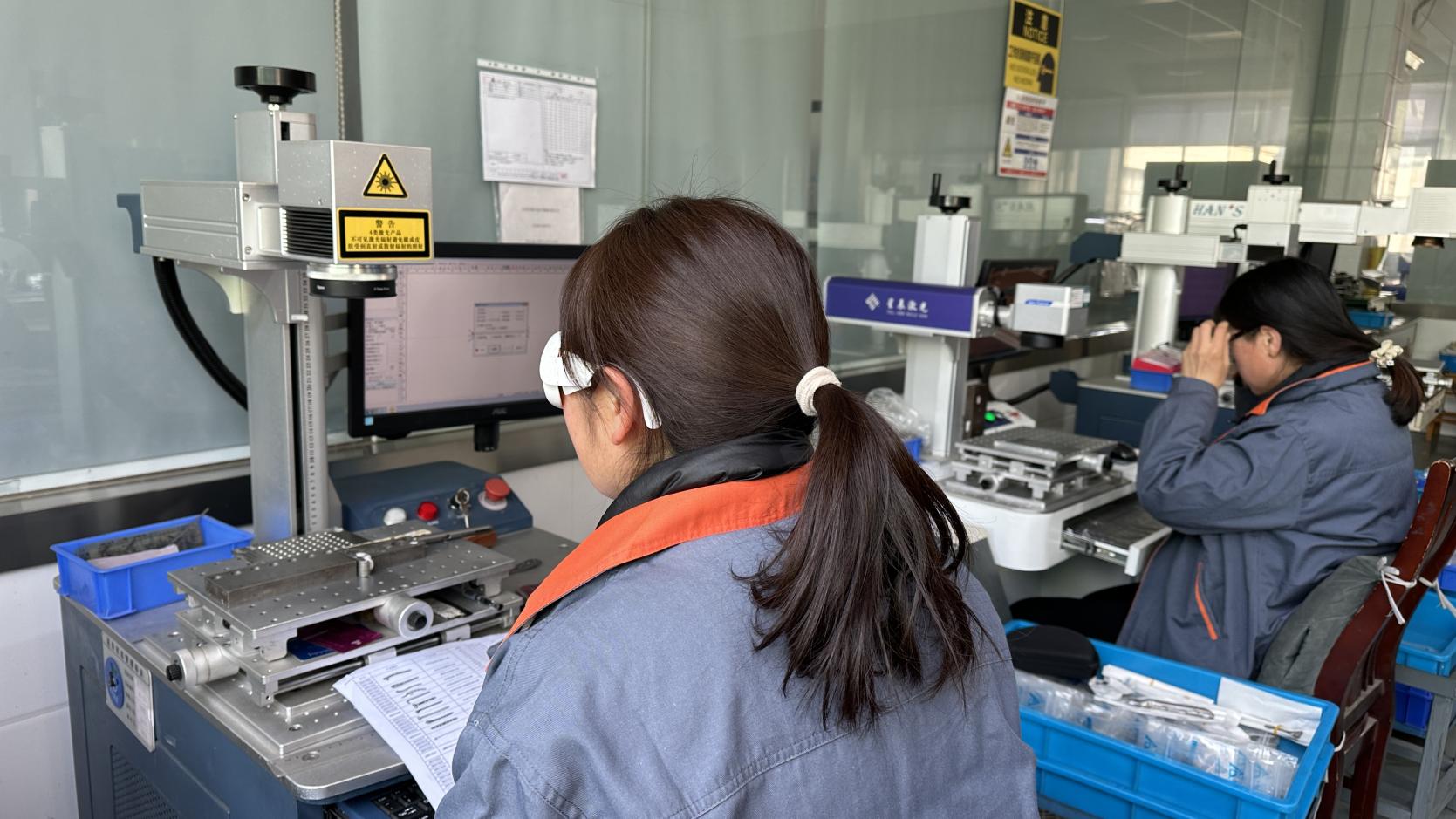
Laser Marking Machine
Laser Marking
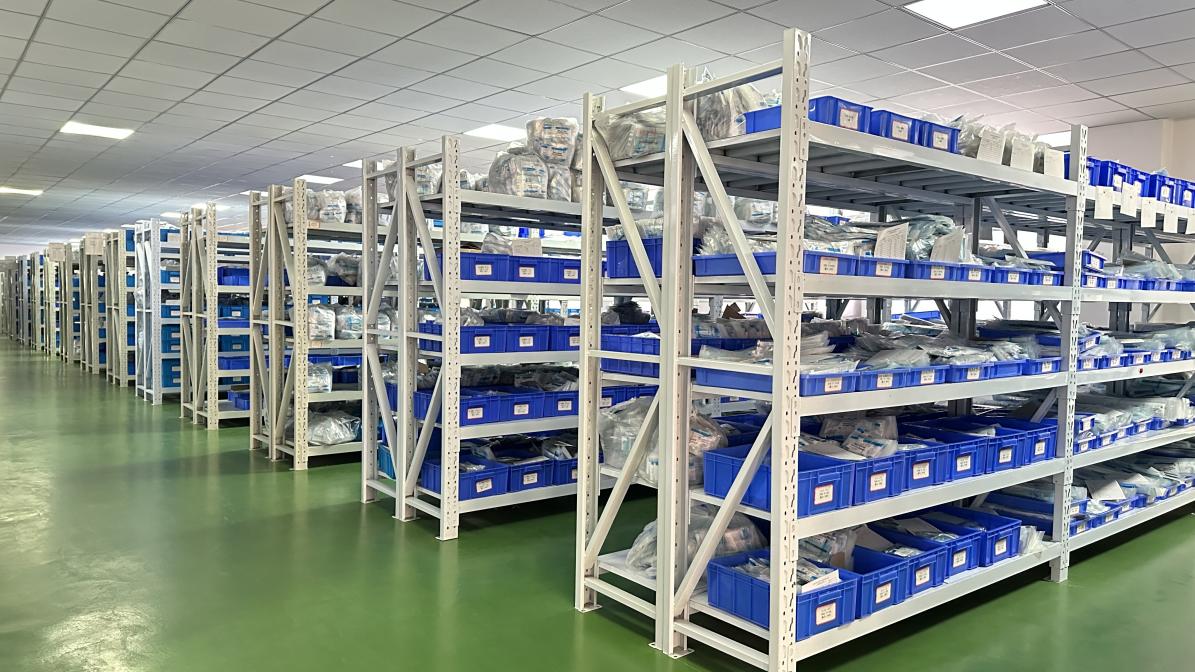
Warehouse
Warehouse
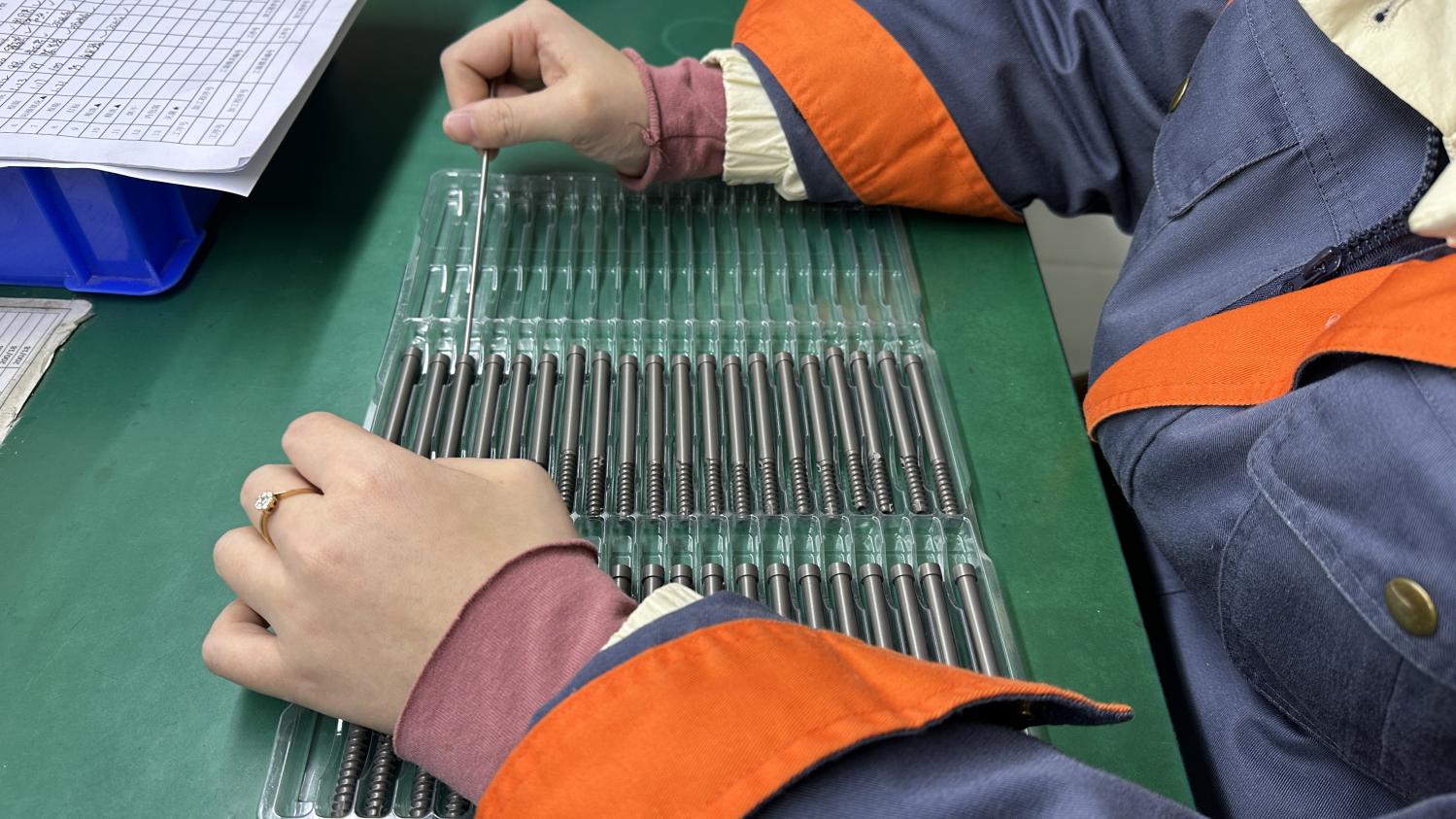
Inspection and Packing
Inspection/Packing A
Inspection and Packing
Inspection/Packing B

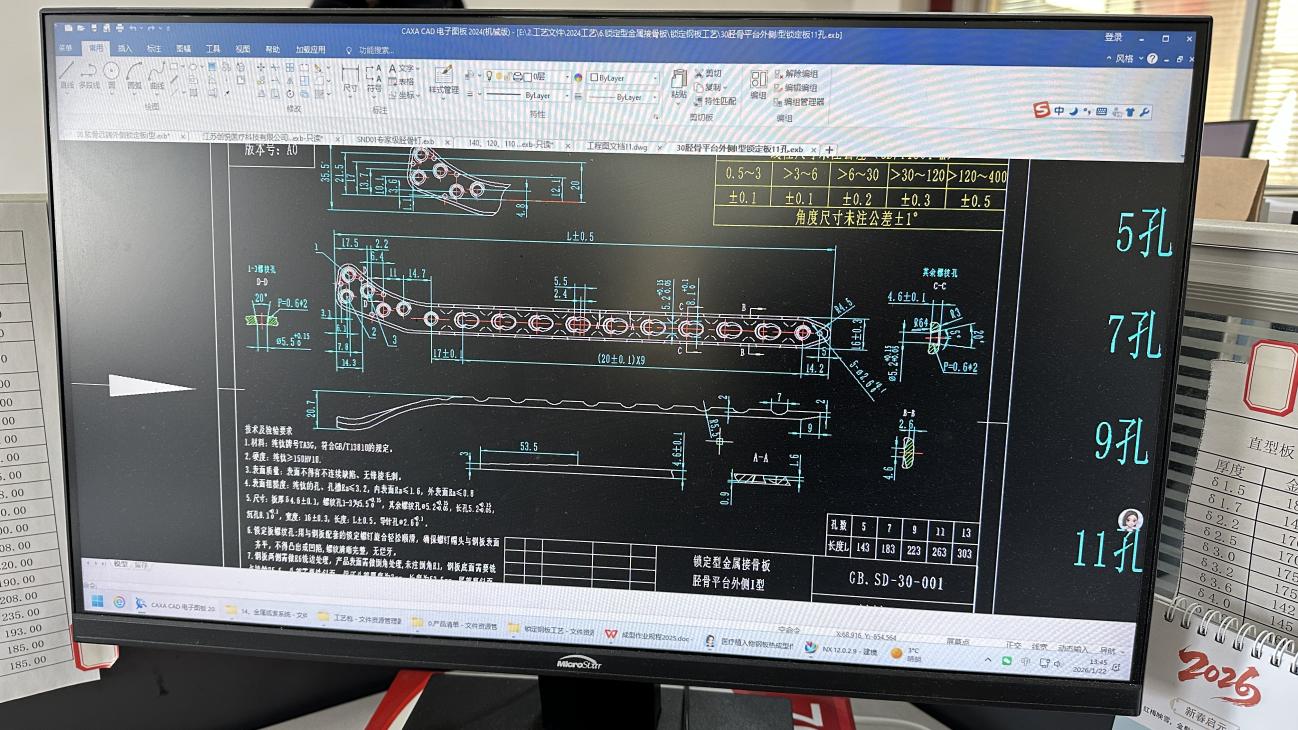
II. Engineering Design & Laboratory Validation

Design
Design Center
Lab
Testing Lab
Inspection
Lab Inspection A
Inspection
Lab Inspection B
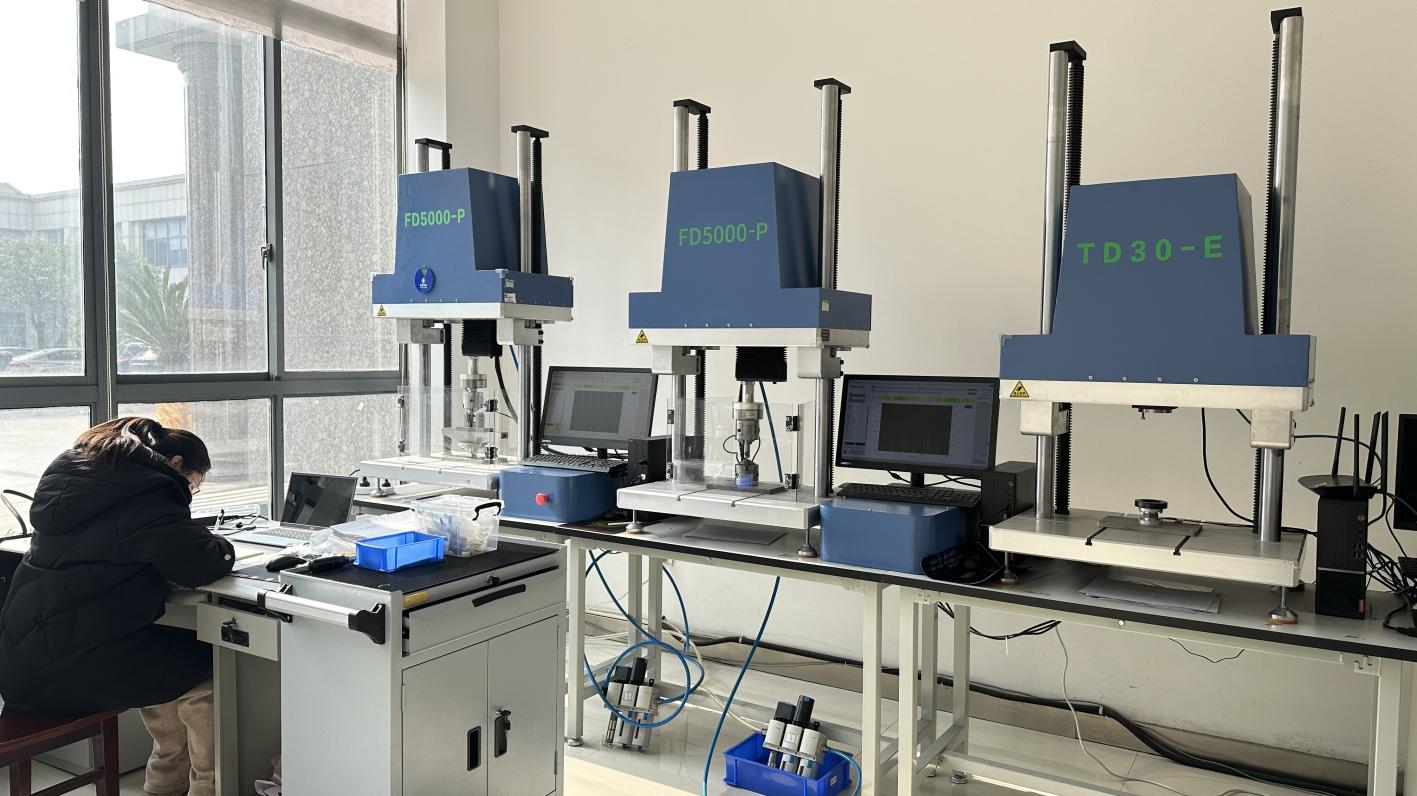
Fatigue Tester
Fatigue Tester
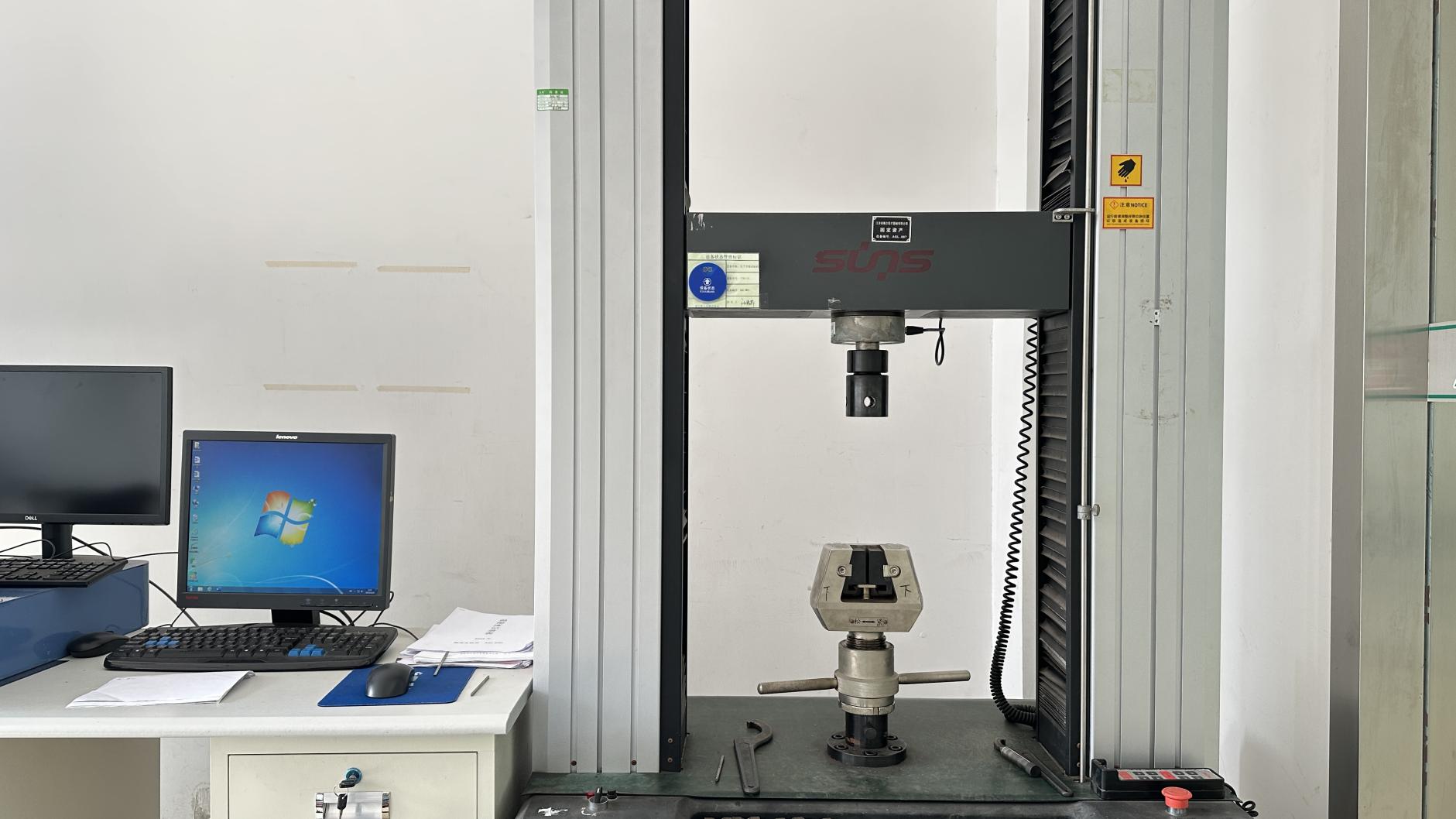
Tensile Tester
Tensile Tester
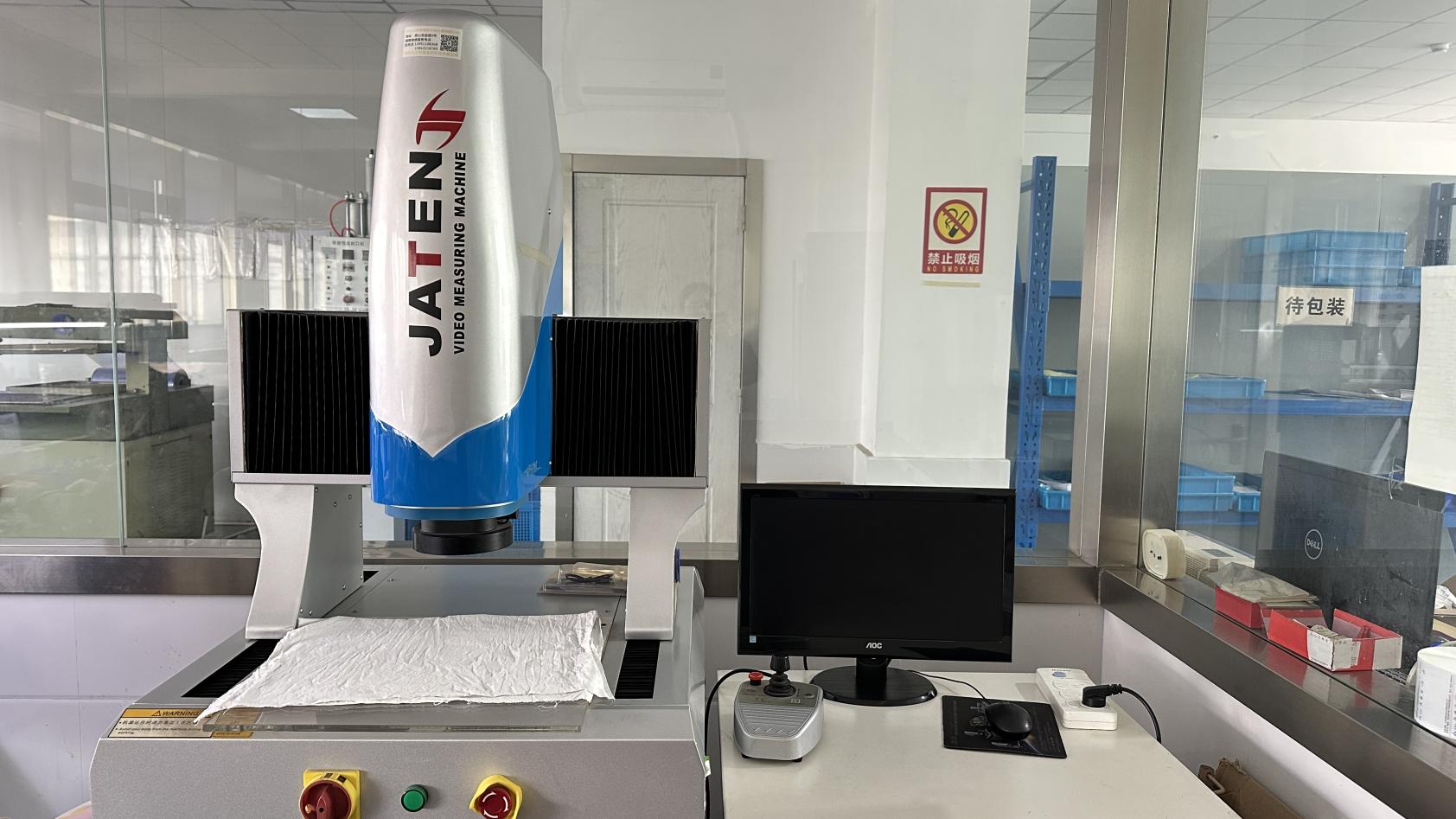
Two Dimensional Measuring Instrument
2D Dimension Tester
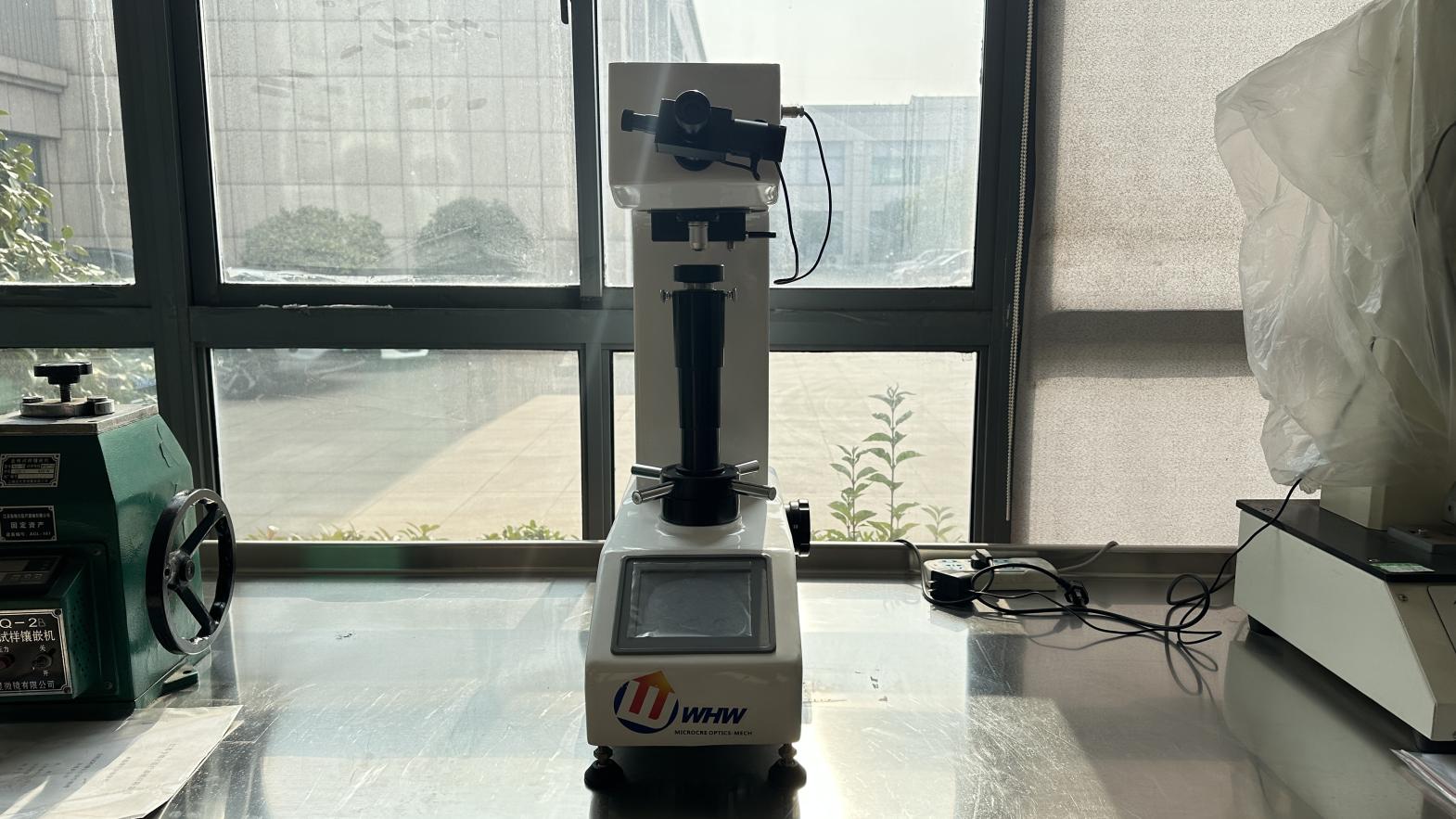
Hardness Tester
Hardness Tester
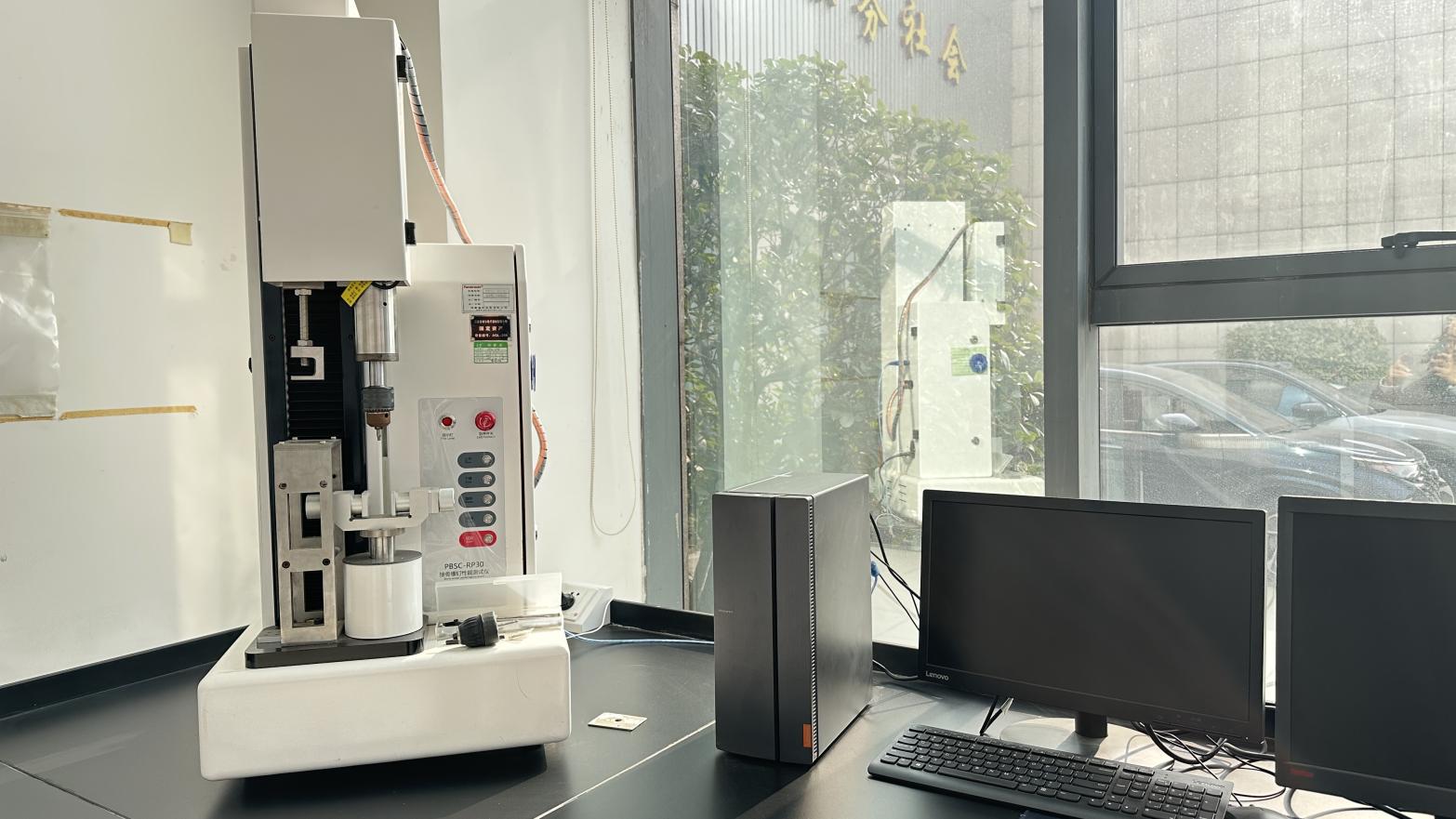
Bone Screw Performance Tester
Performance Tester

Regulatory & Technical FAQ

Technical clarifications regarding material composition, customization options, and global distribution dynamics.

Q1: What raw material classifications are utilized for Medisplint's Cannulated Screws?
Medisplint primarily manufactures headless compression screws from ISO 5832-3 compliant Titanium-6Aluminum-4Vanadium Extra Low Interstitial (Ti-6Al-4V ELI) alloy. For custom-designed arthroplasty components, we utilize Cobalt-Chromium-Molybdenum (CoCrMo) and medical-grade stainless steels. All materials are sourced with full heat-number traceability.
Q2: Are your manufacturing processes ISO certified for global distribution?
Yes, our manufacturing facility operates strictly under the ISO 13485:2016 Quality Management System. The products hold CE certificates, and we provide technical documentation including biocompatibility reports (ISO 10993) and sterilization validation packages to facilitate regulatory registration in international markets.
Q3: How does differential thread pitch optimize bone fracture compression?
The distal threads of the headless screw have a wider pitch than the proximal threads. As the screw is driven across a fracture site, the distal bone fragment advances faster than the proximal segment. This pulls the two segments together, creating axial compression without the need for a traditional screw head to push against the proximal bone cortex.
Q4: What is Medisplint's capacity for OEM/ODM and private label manufacturing?
Medisplint supports complete OEM and ODM partnerships. With an R&D department of 85 design specialists, we offer customized options including modified thread profiles, specific screwdriver interfaces, unique surface treatments, custom laser-marking, and private-label cleanroom packaging. We launched 68 new orthopedic products in the past calendar year alone.
Q5: What mechanical testing protocols do you execute on bone screws?
Our quality department utilizes dynamic fatigue testers, tensile testers, hardness testers, and customized bone screw performance evaluation systems. Testing is performed in accordance with ASTM F543 guidelines, measuring parameters such as insertion torque, torsional yield strength, axial pullout force, and self-tapping efficiency.
Q6: How do you prevent concentricity and guide-wire binding issues?
We utilize high-precision CNC deep-hole drilling equipment, holding tolerances to +0.02mm. Every batch undergoes 100% guide-wire testing using calibrated pin gauges alongside 2D optical measuring inspections, ensuring concentricity and preventing guide-wire binding during surgical procedures.

Advanced Orthopedic Components & Instrument Systems

Explore our complete range of trauma plates, battery-powered surgical tools, and spinal fixators.
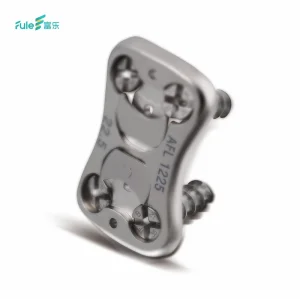
Anterior Cervical Plate Titanium Orthopedic Implants
Anterior Cervical Plate 4 Hole Spine Titanium Orthopedic Implants Pedical Screw Rod Implant
View Technical Specifications
CANWELL CE ISO Certified AO Standard 3.5mm Orthopedic Locking Plate Set
CANWELL CE ISO Certified AO Standard 3.5mm Orthopedic Small Fragment Locking Plate Surgical Tool Set Locking Screw Instrument
View Technical Specifications
Veterinary Orthopedic Brushless Multifunctional Drill
Veterinary Orthopedic Power 9.6V Brushless Multifunctional Drill Jacobs Chuck AO Quick Coupling TPLO Saw Attachment
View Technical Specifications
Geasure Intramedullary Nail Retrograde Femoral Nail
Geasure Orthopedic Trauma Intramedullary Nail Retrograde Femoral Nail for Hospital Use
View Technical Specifications
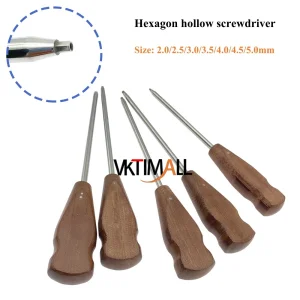
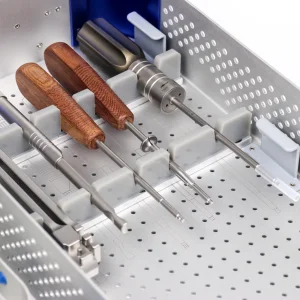
Orthopedic Cannulated Screwdriver Hex Head
Orthopedic Screwdriver Cannulated Screw Driver with Hex Head Wooden Handle Pet Surgical Instruments
View Technical Specifications
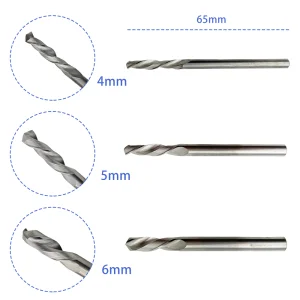
VKTIMALL Tungsten Carbide Drill Bit
VKTIMALL Tungsten Carbide Drill Bit for Stainless Steel Metal Veterinary Surgical Instrument
View Technical Specifications
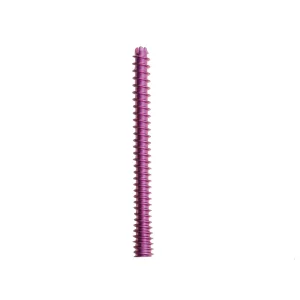
Orthopedic Cannulated Hip Screw Compression Screw
Orthopedic Bone Screw Cannulated Hip Screw 3.5/4.0/2.5mm Headless Compression Screw
View Technical Specifications
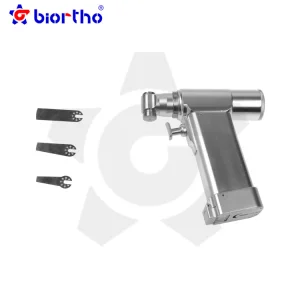
BW Battery Powered Saw Orthopedic Instruments
BW Battery Powered Saw/Saw Blades Orthopedic Instruments Small Bone 7.2V
View Technical Specifications