Medisplint
Medisplint
Medisplint
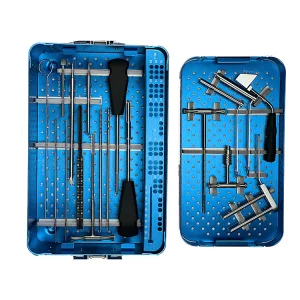
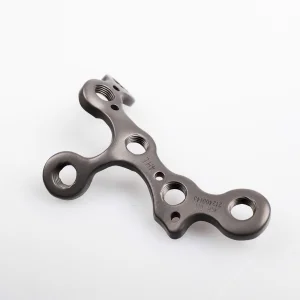
Browse our top-tier surgical instruments, anatomical titanium plates, and veterinary orthopedic sets trusted by international distributors and hospitals.
Circular external fixators, based primarily on the legendary Ilizarov principles and modernized by hexapod spatial computer-assisted programs, represent the pinnacle of limb reconstruction. Historically utilized for complex open fractures, non-unions, and congenital bone deformities, the global market for external fixation has experienced rapid expansion. According to global medical device analyses, the orthopedics external fixation market is projected to grow at a CAGR of over 5.5% globally, driven by a rising incidence of vehicular accidents, complex sports injuries, and a growing geriatric population prone to severe fractures.
Today, China has emerged as a premier manufacturing hub for these advanced systems. Leveraging state-of-the-art multi-axis CNC machines and stringent quality control protocols, Chinese factories deliver orthopedic devices that meet and exceed CE, ISO, and FDA regulatory standards at scale. This allows global distributors, hospital procurement teams, and veterinary orthopedic surgeons to source premium medical-grade components while optimizing cost-efficiency.
A trusted global manufacturing partner specializing in orthopedic implants, fixation systems, and trauma surgery instruments.
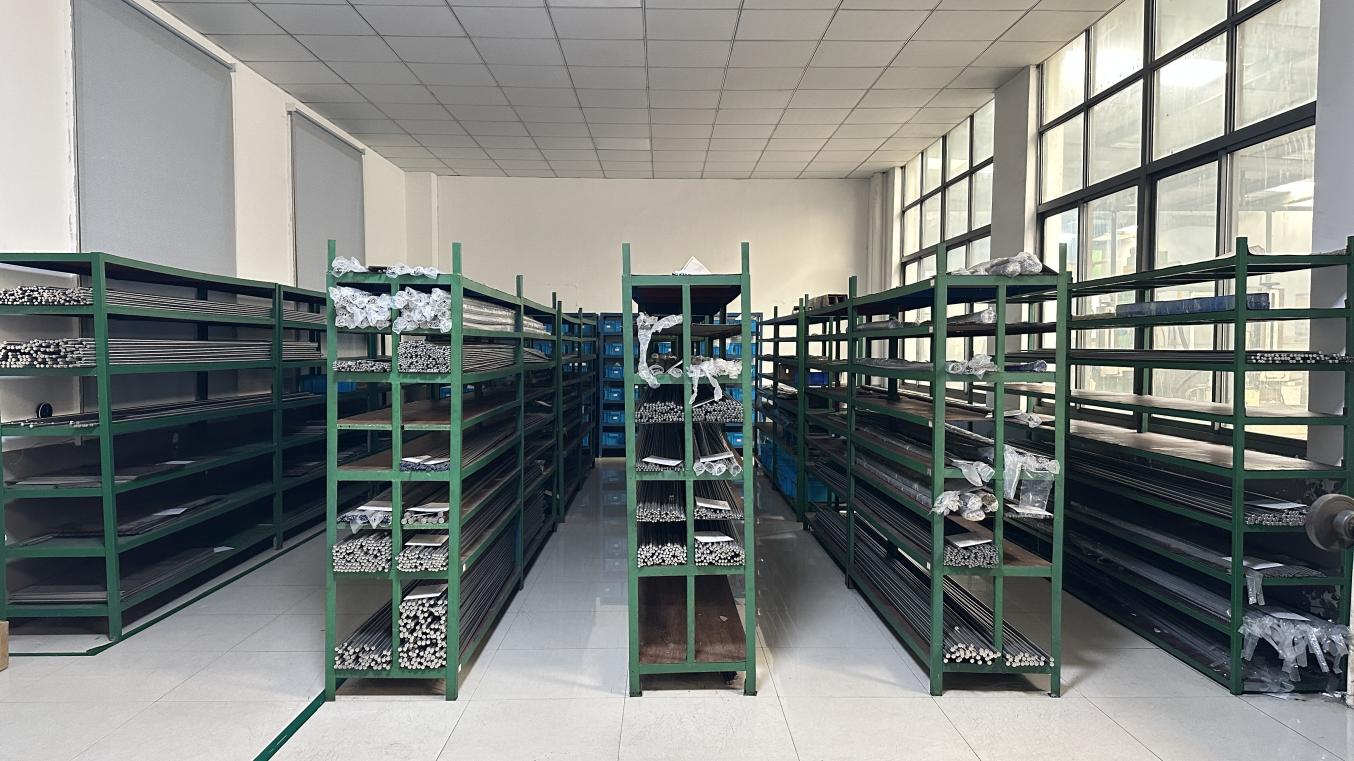
Founded in 2016, Medisplint Orthopedic Instruments Co., Ltd. has developed steadily with a strong focus on clinical innovation, strict regulatory alignment, and international expansion. Our modern production facilities support integrated raw material evaluation, precision machining, post-processing surface treatments, and cleanroom assembly. Backed by 10 years of overall industry experience in medical device manufacturing and over 7 years of specialized global export history, we serve a comprehensive network of hospitals, orthopedic distributors, surgical centers, and OEM/ODM clients in Europe, Southeast Asia, the Middle East, and South America.
Medisplint operates under strict quality assurance systems including ISO 13485 certification and CE compliance. In the past year alone, our R&D team successfully engineered and launched 68 new products, ensuring our catalog remains at the absolute cutting edge of biomechanical trauma and joint reconstruction solutions. We work in tandem with over 1,200 supply chain partners to source only the highest grade titanium alloys and medical-grade stainless steels, guaranteeing product structural integrity and biocompatibility.
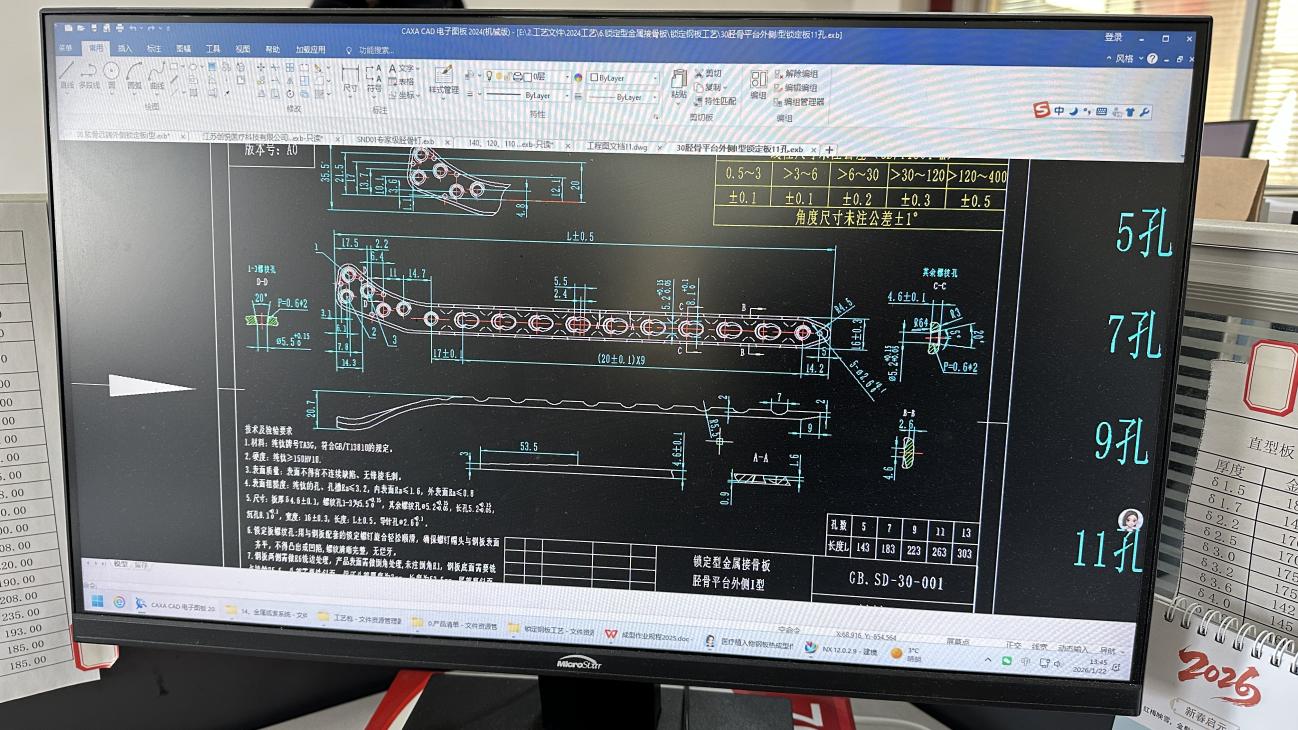
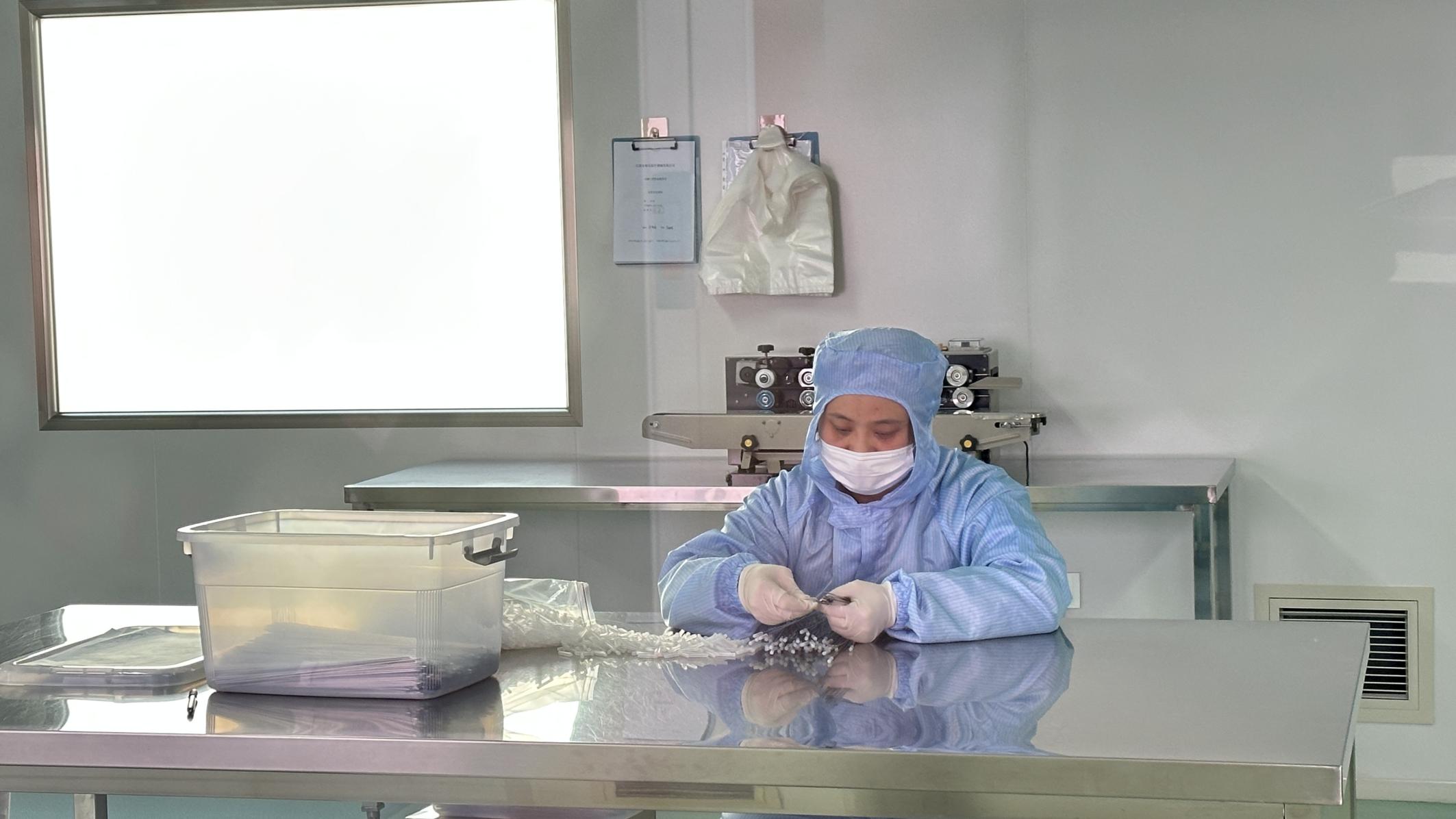
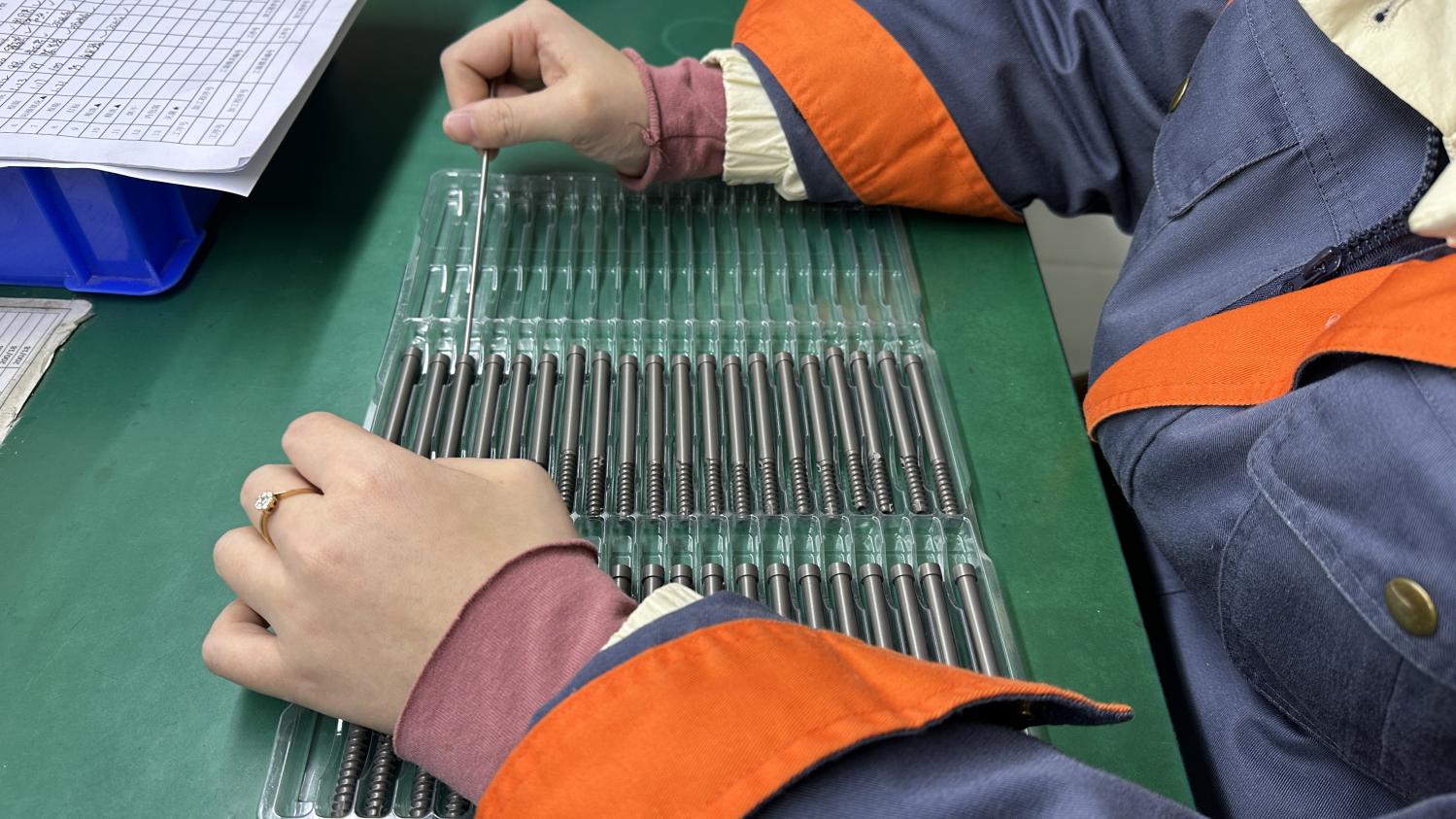
Inside the Medisplint production facility: tracing the path from raw titanium bars to certified, sterile-ready orthopedic implants.
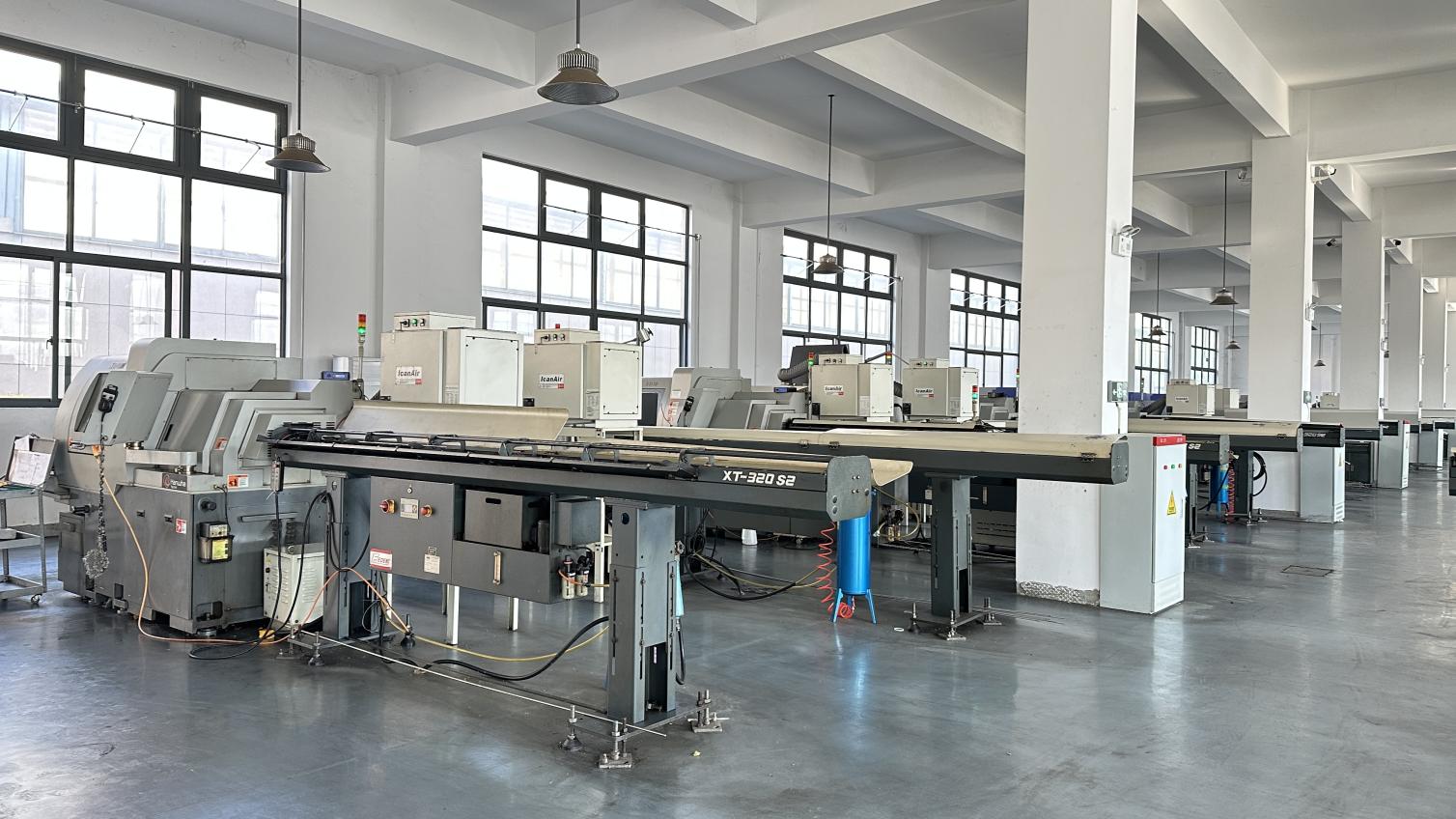
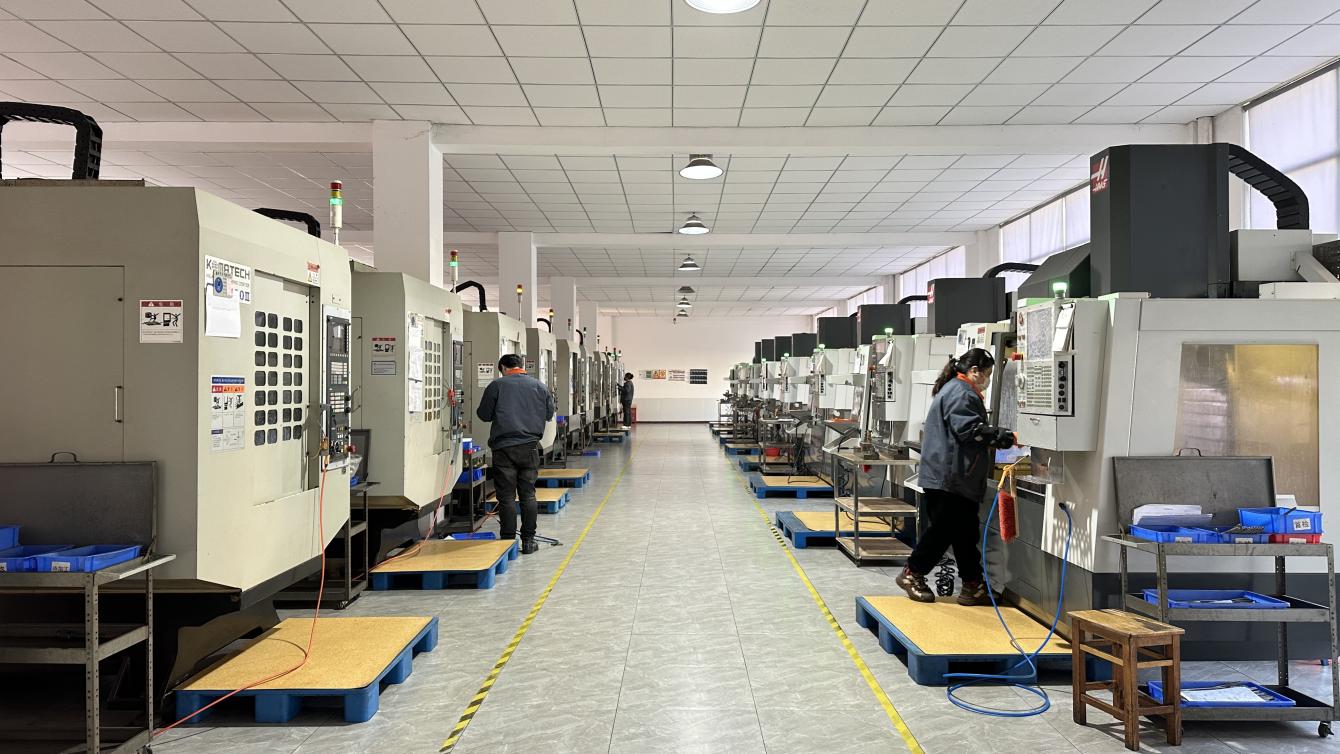
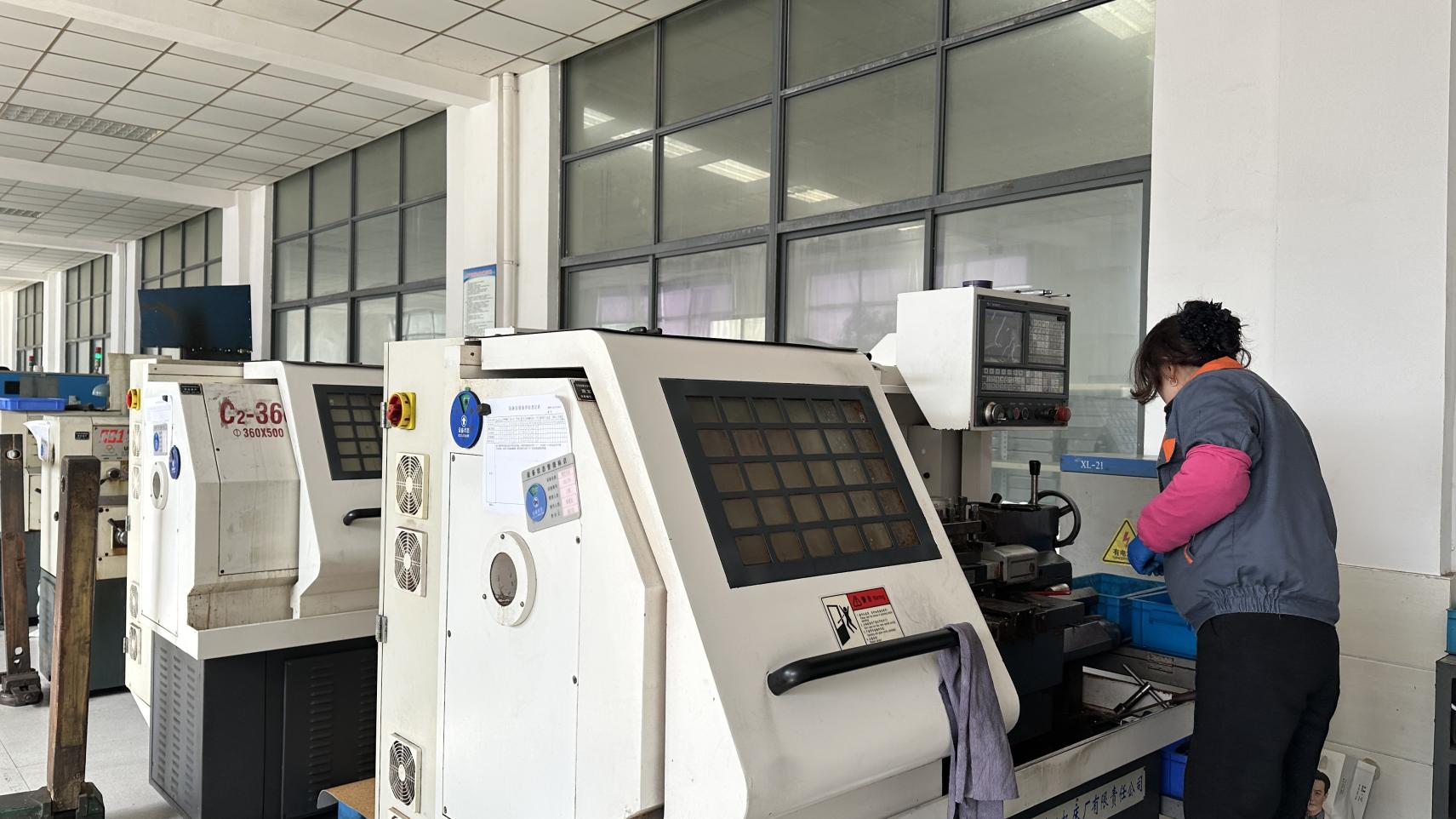
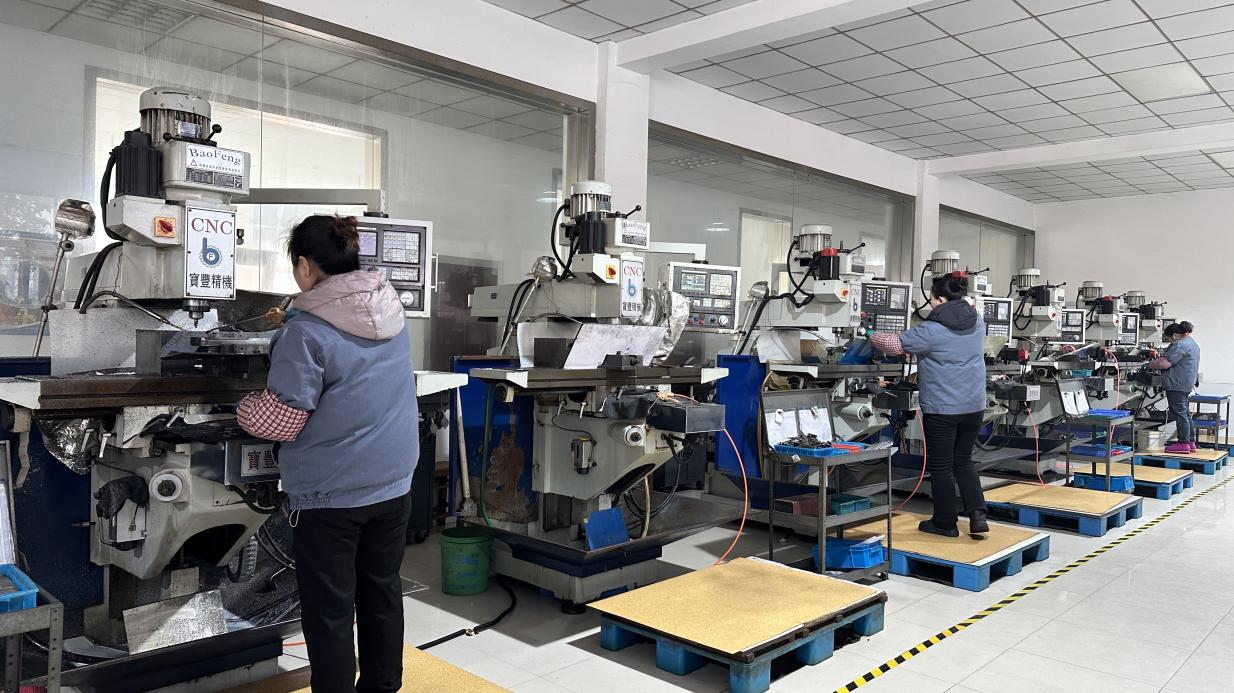
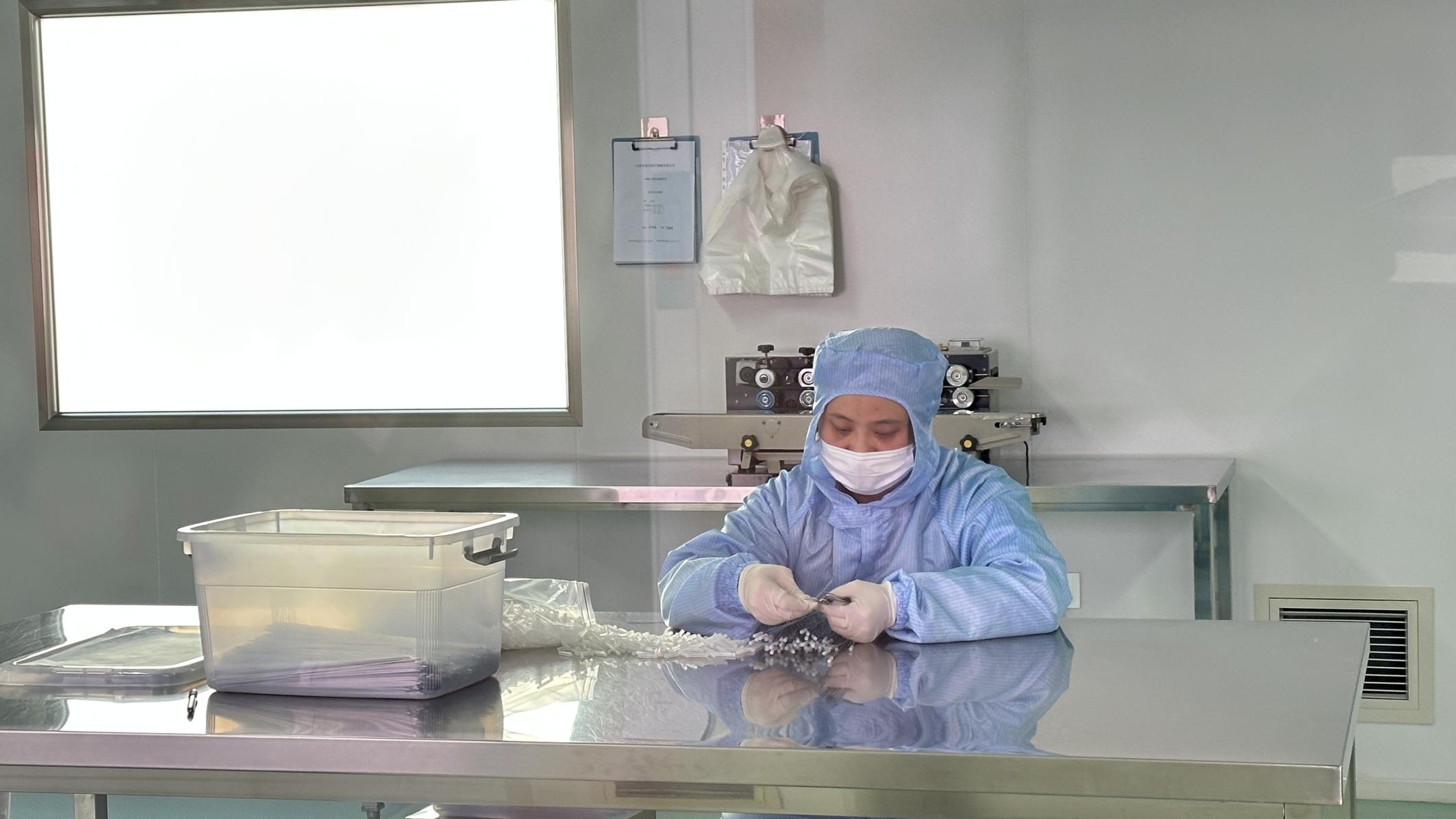
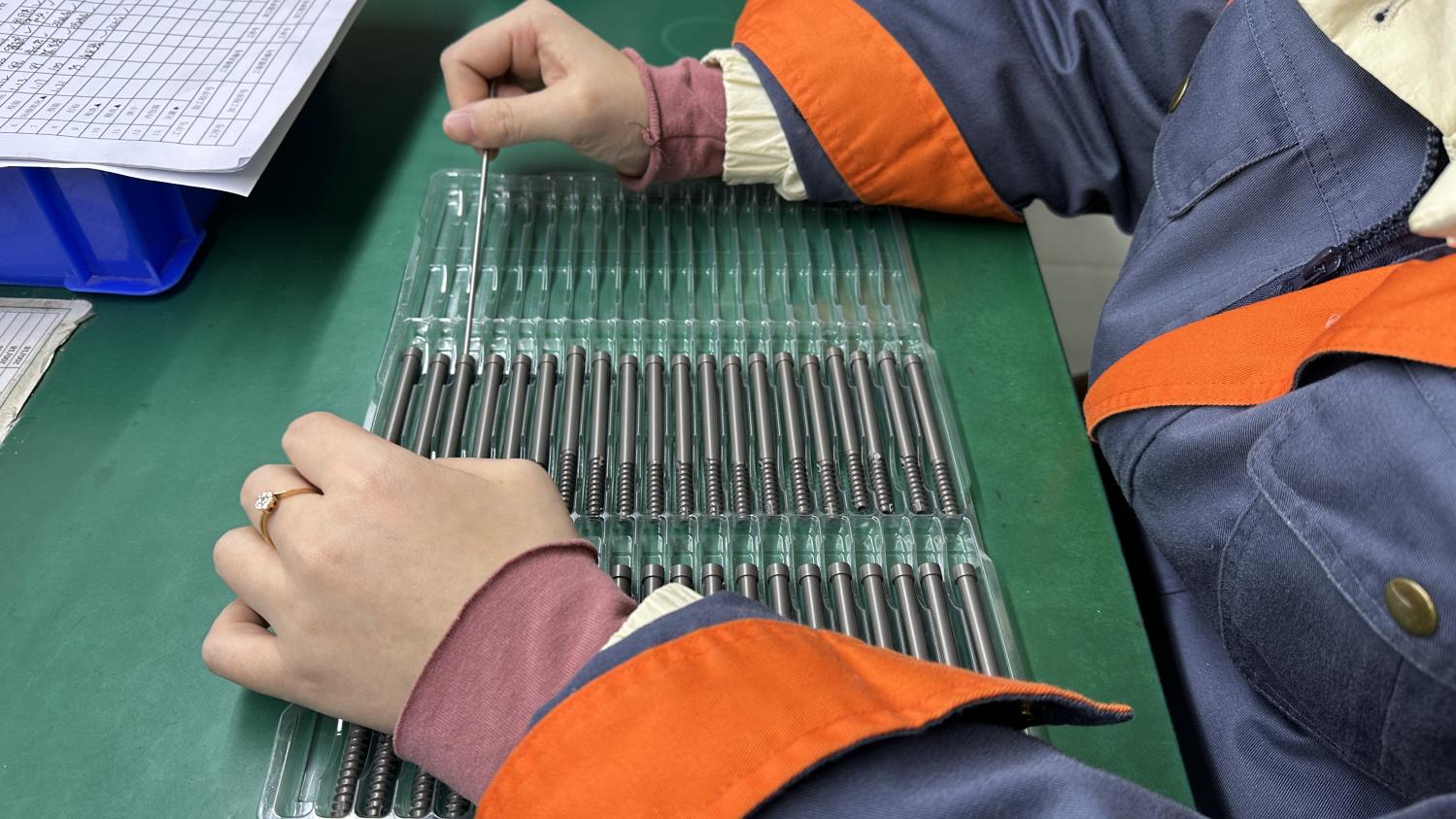
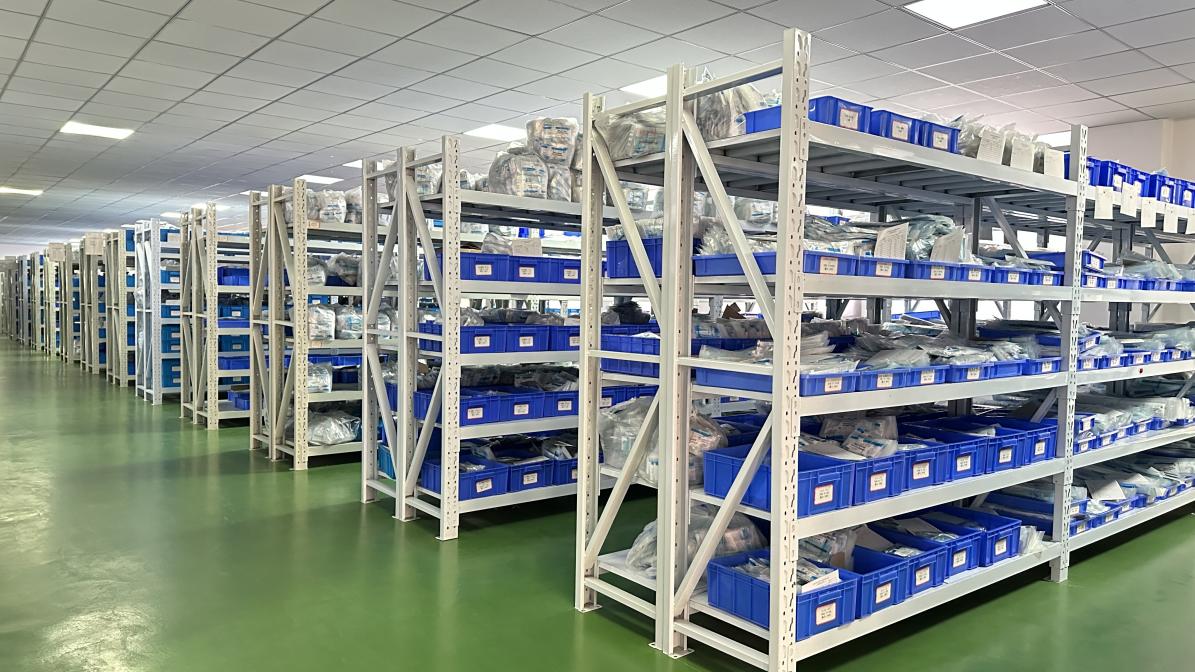
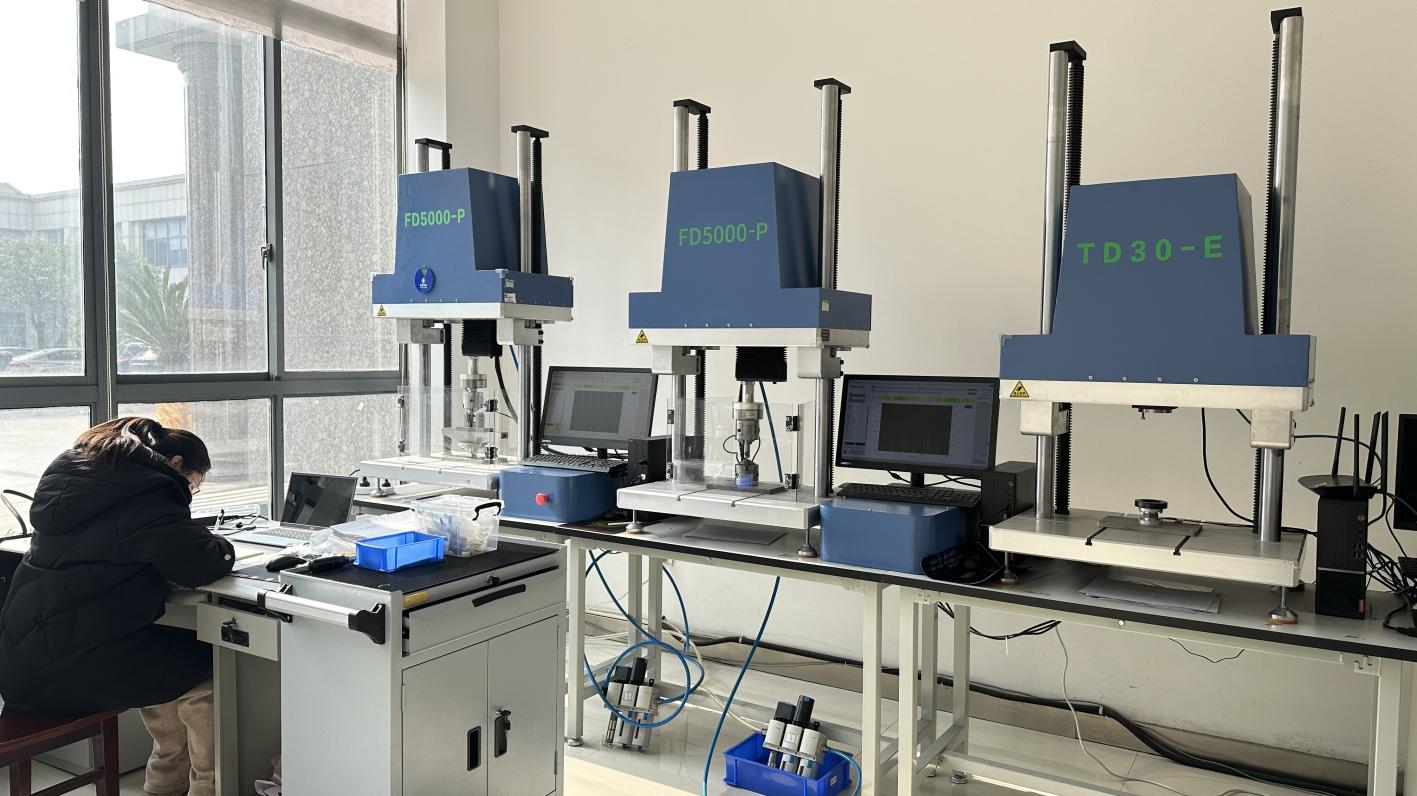
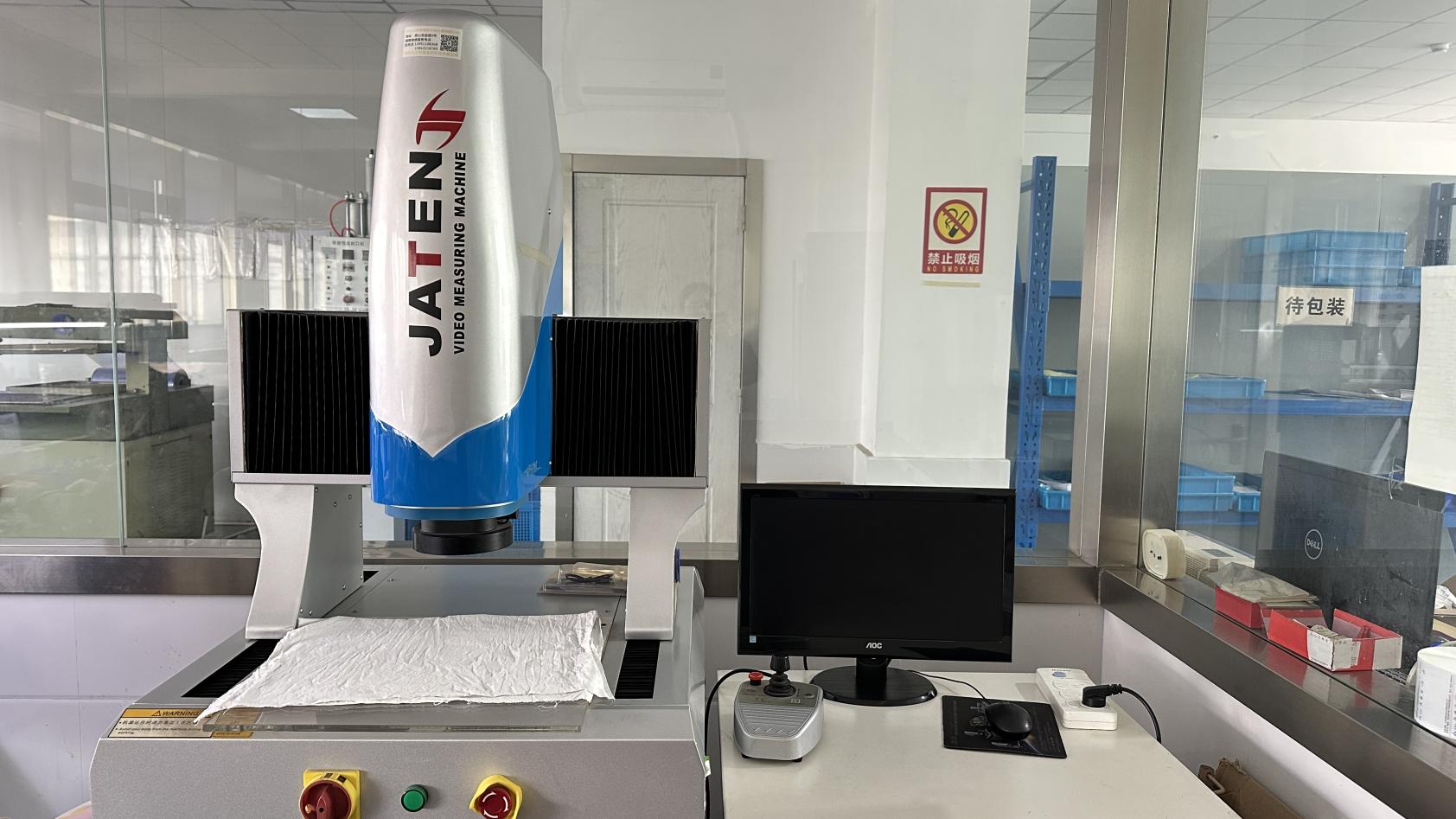
Our heavy investment in modern manufacturing hardware guarantees consistent micron-level dimensional tolerances across production batches.
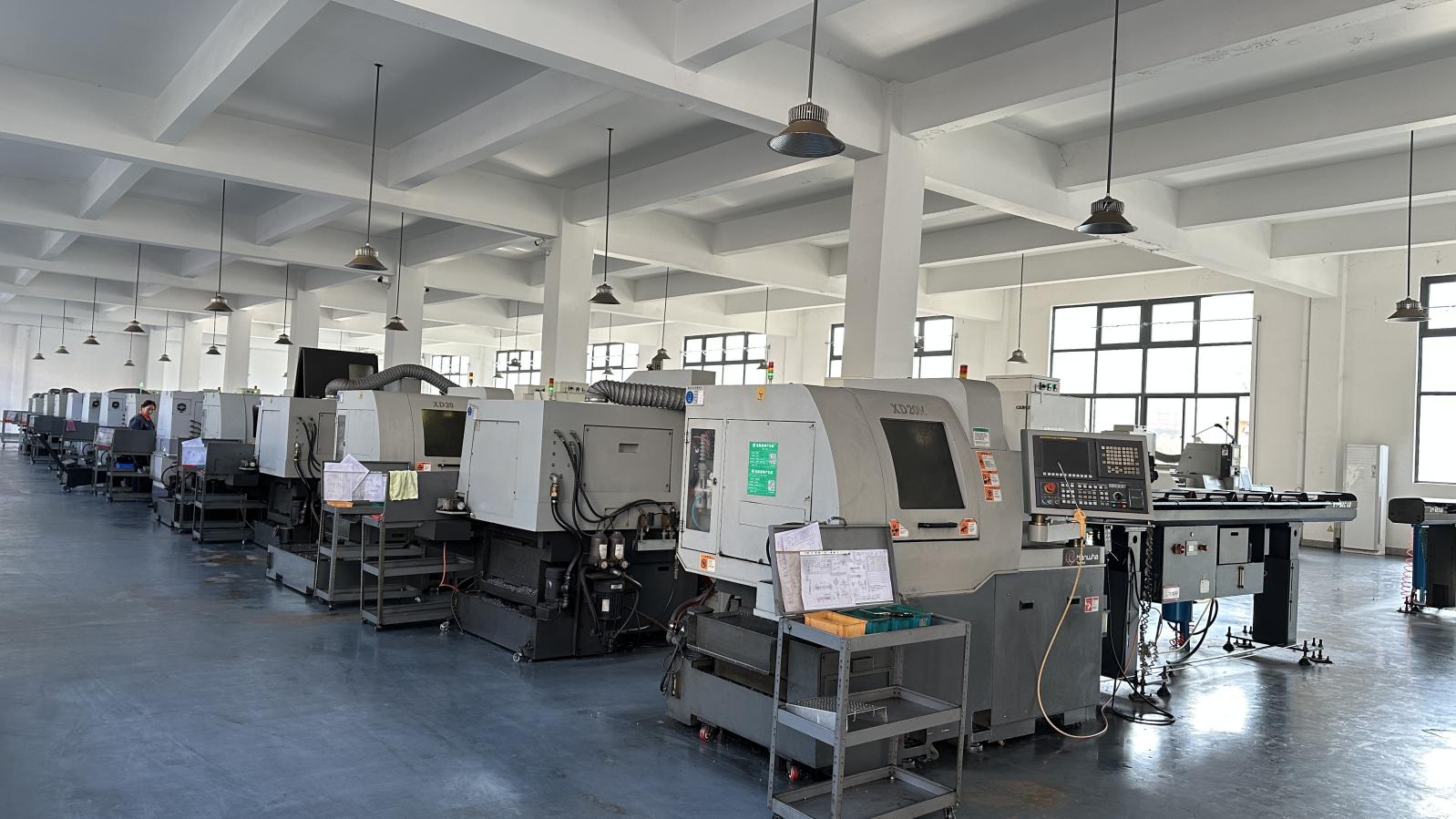
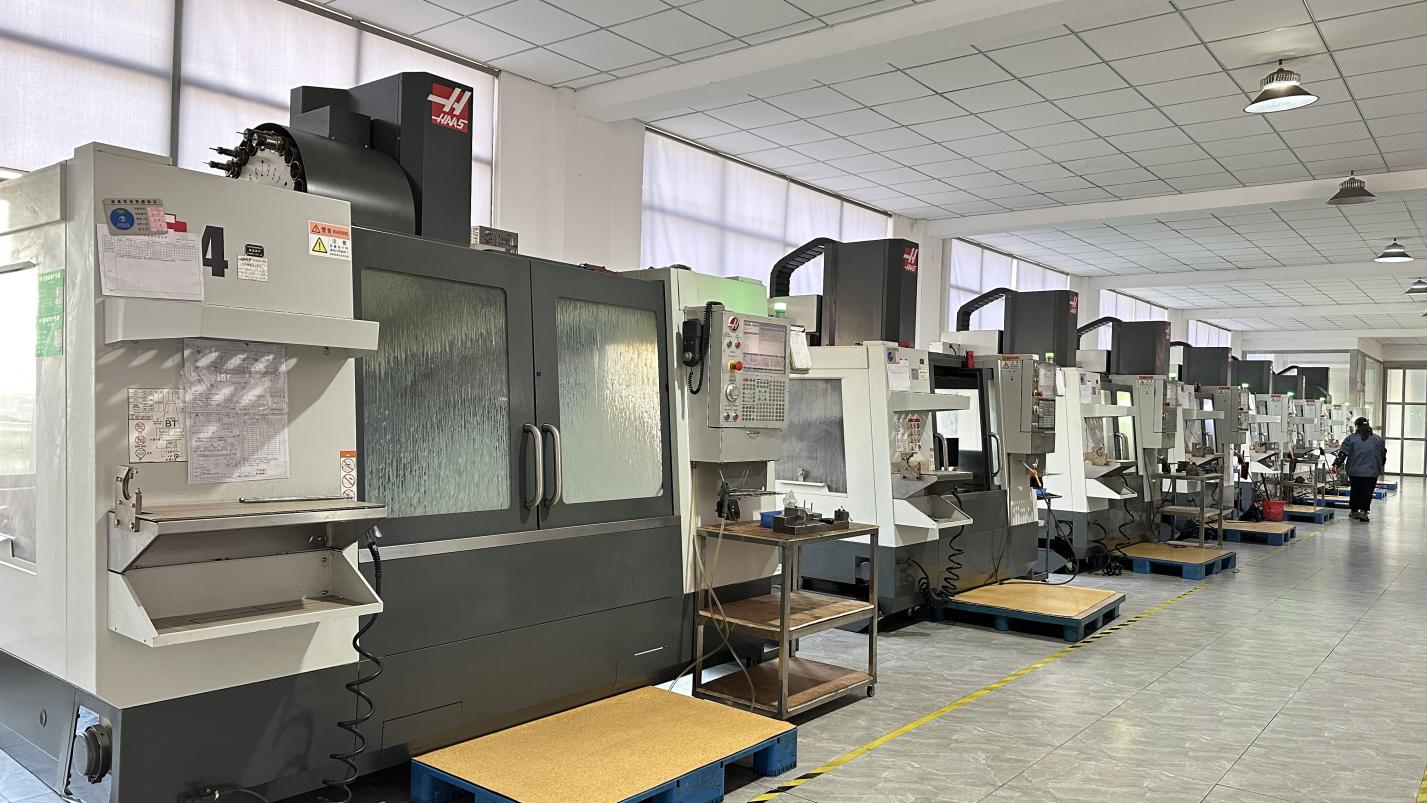
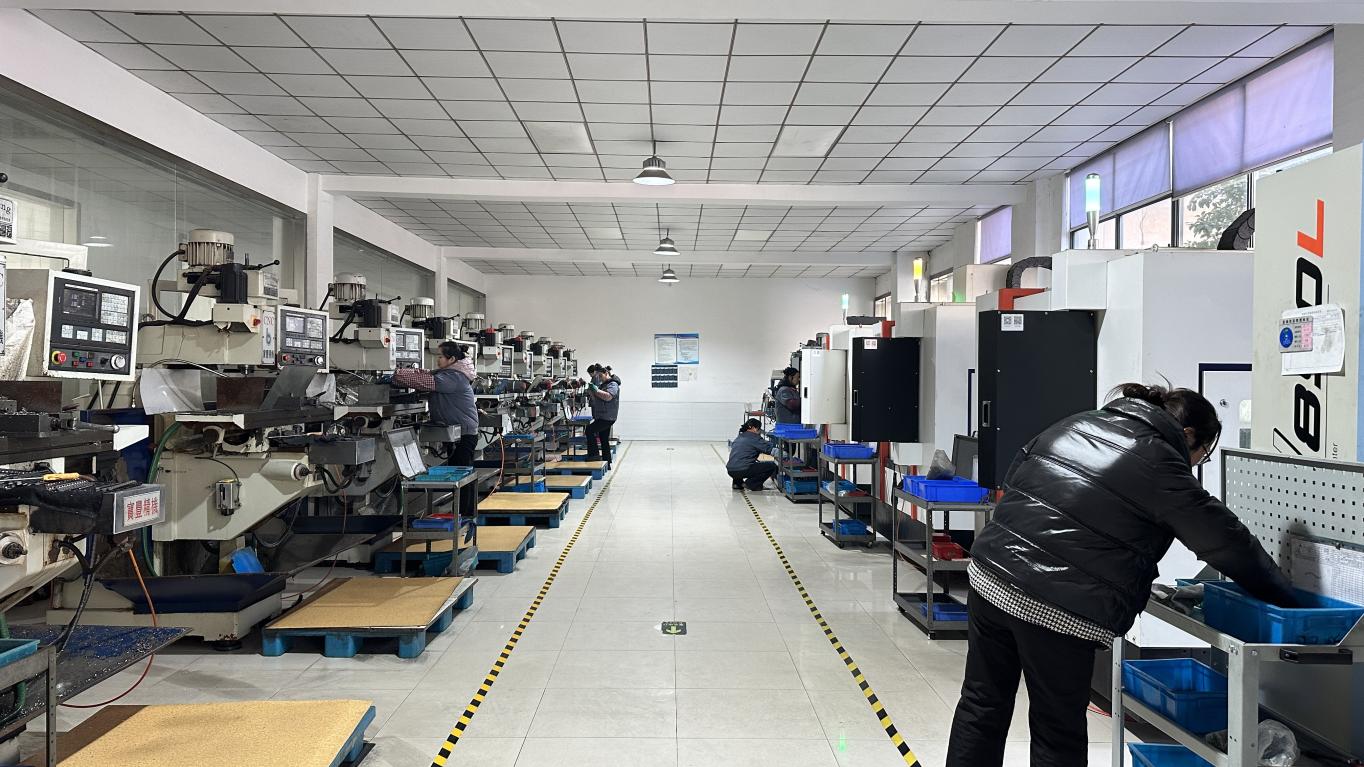
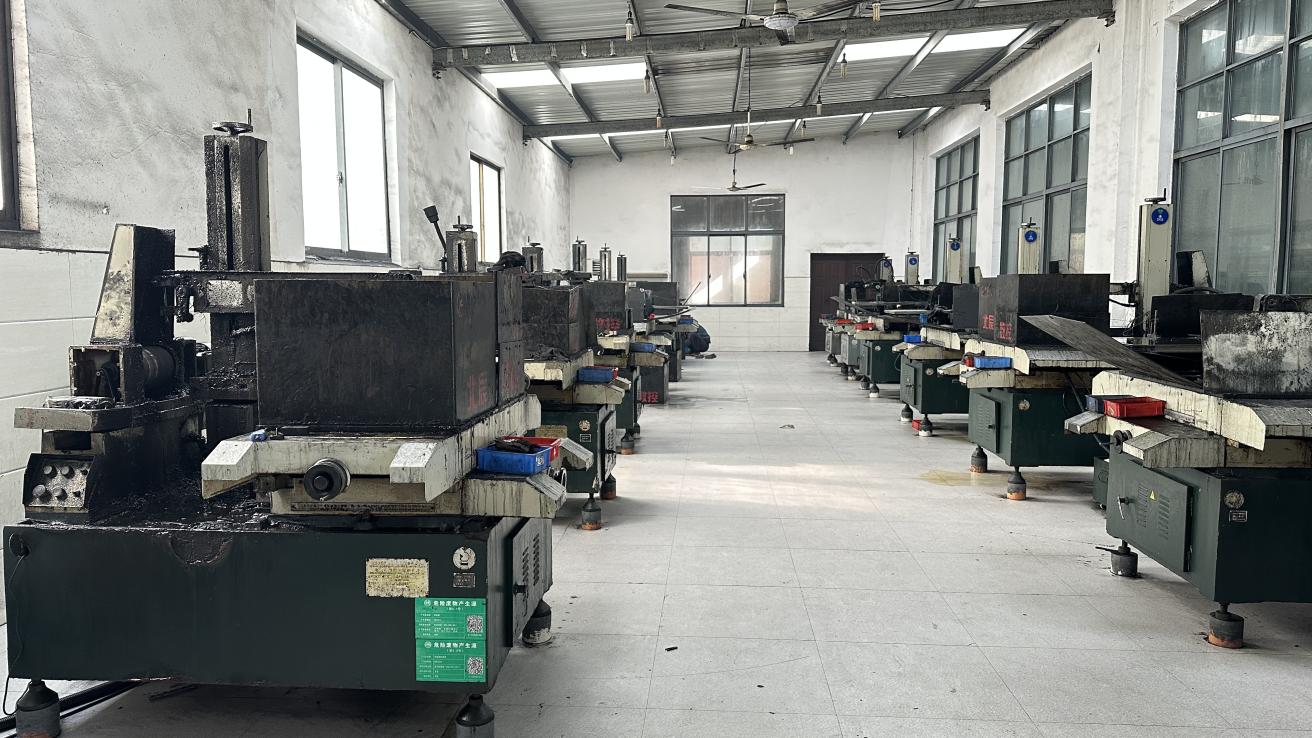
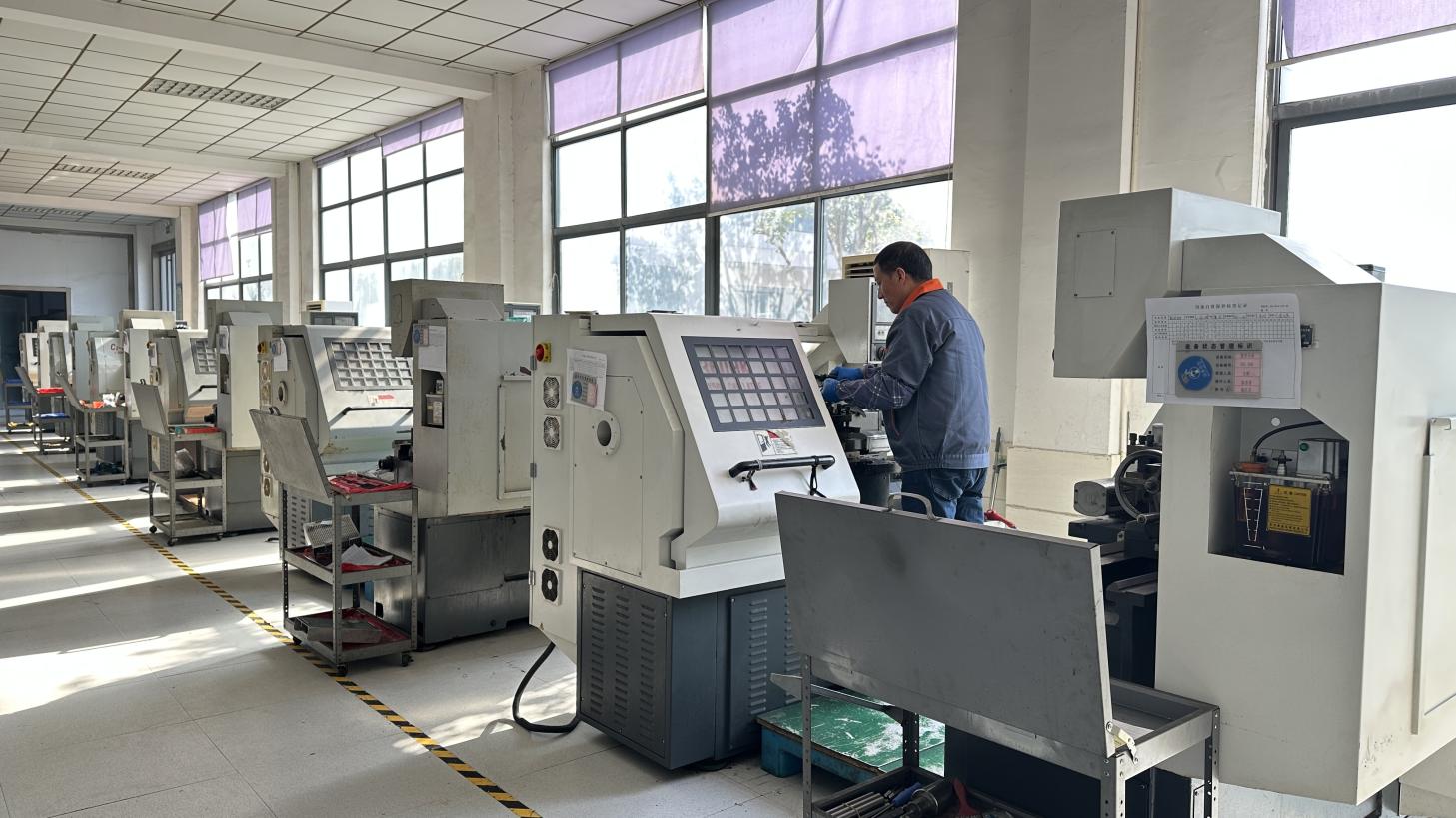
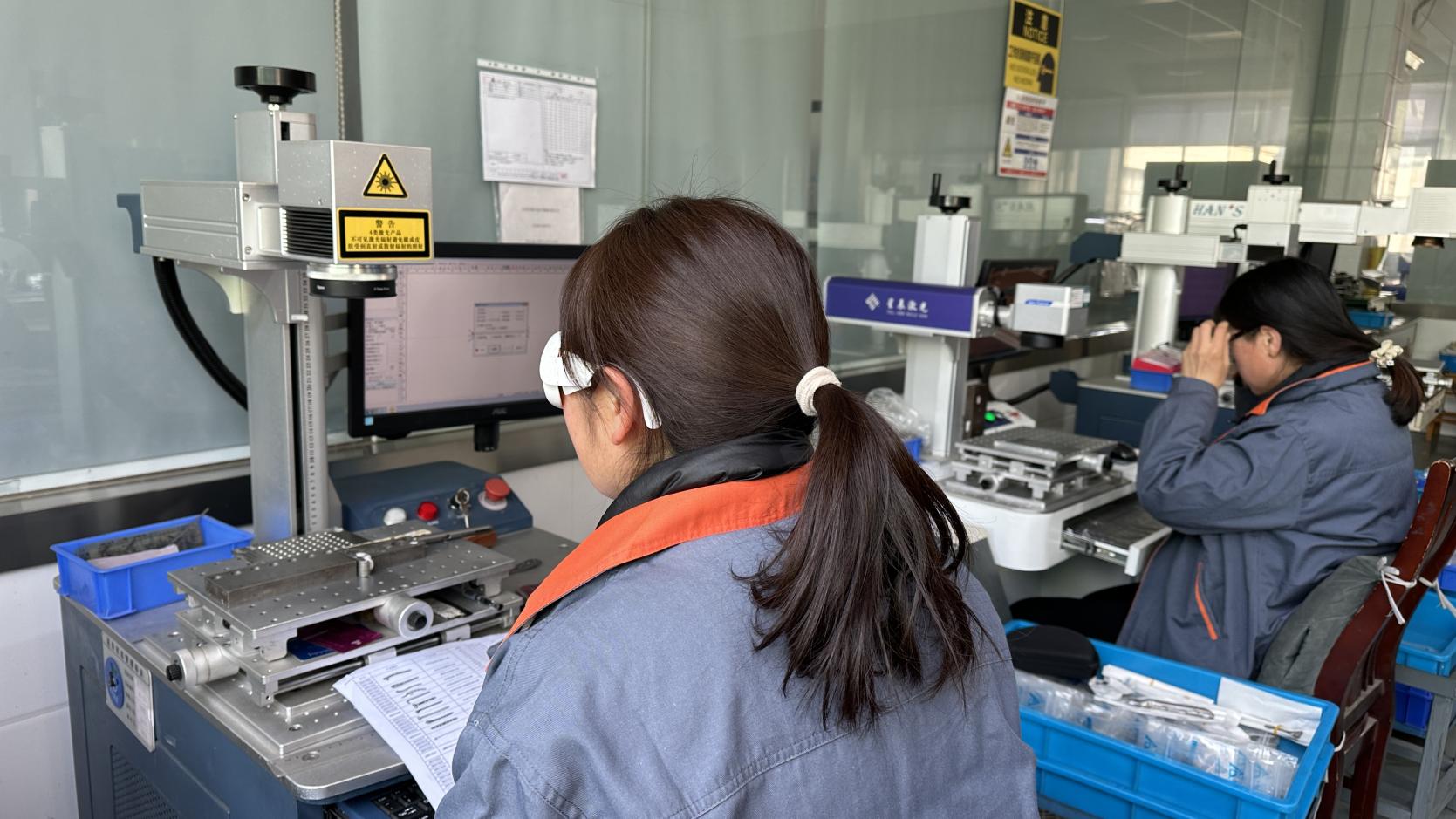
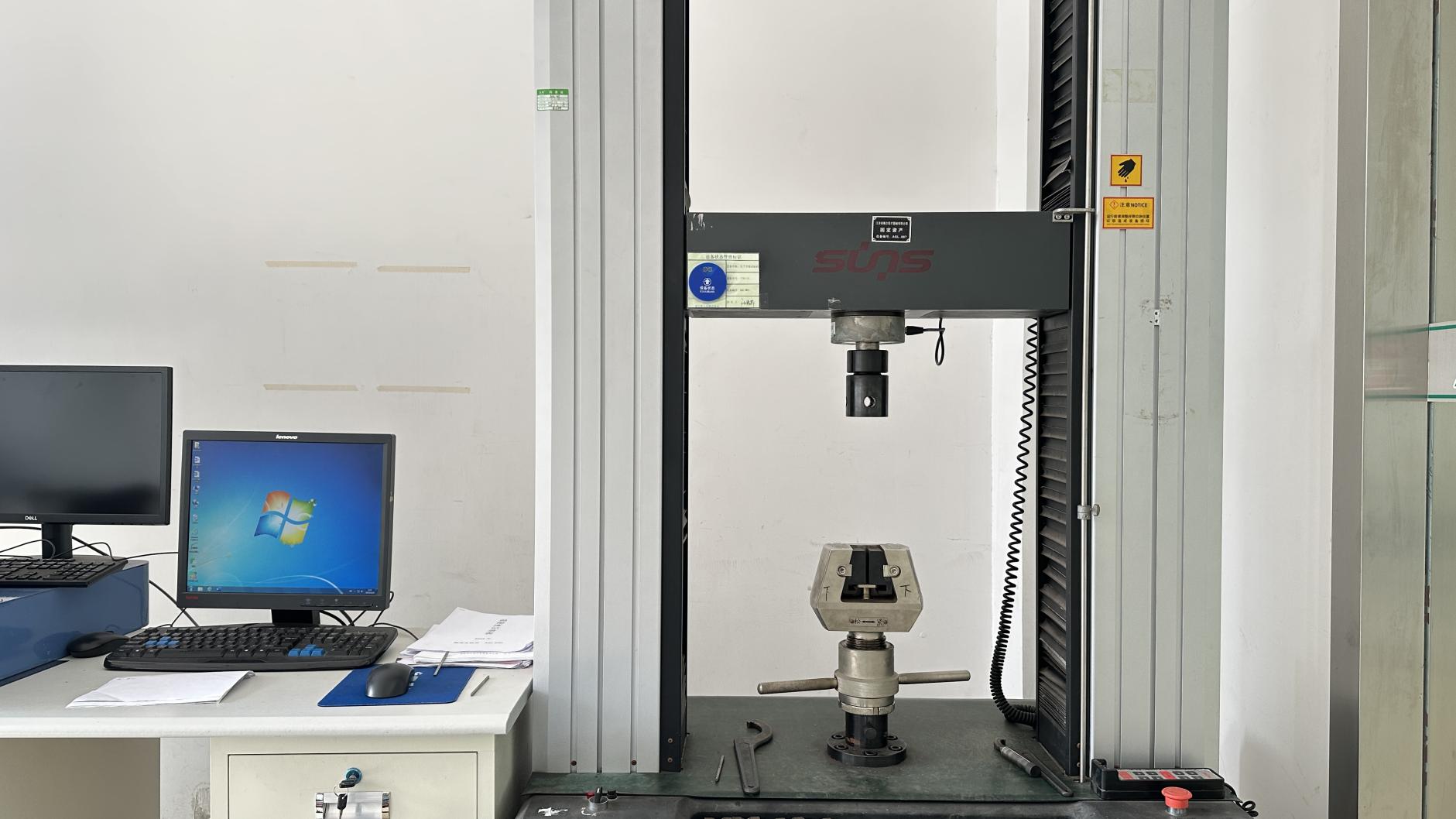
Every batch undergoes mechanical, chemical, and physical inspections in our dedicated metrology and fatigue laboratories.

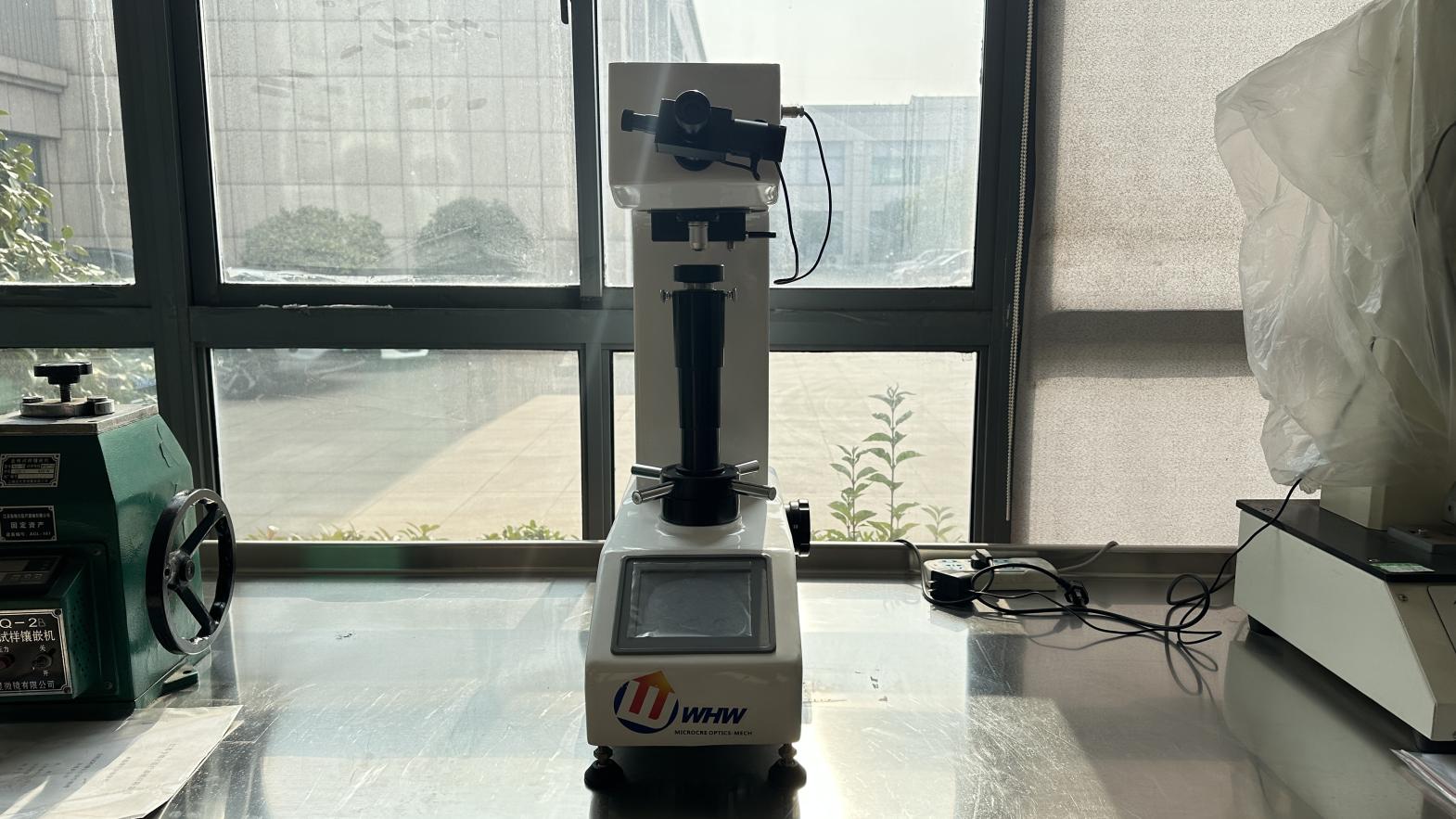
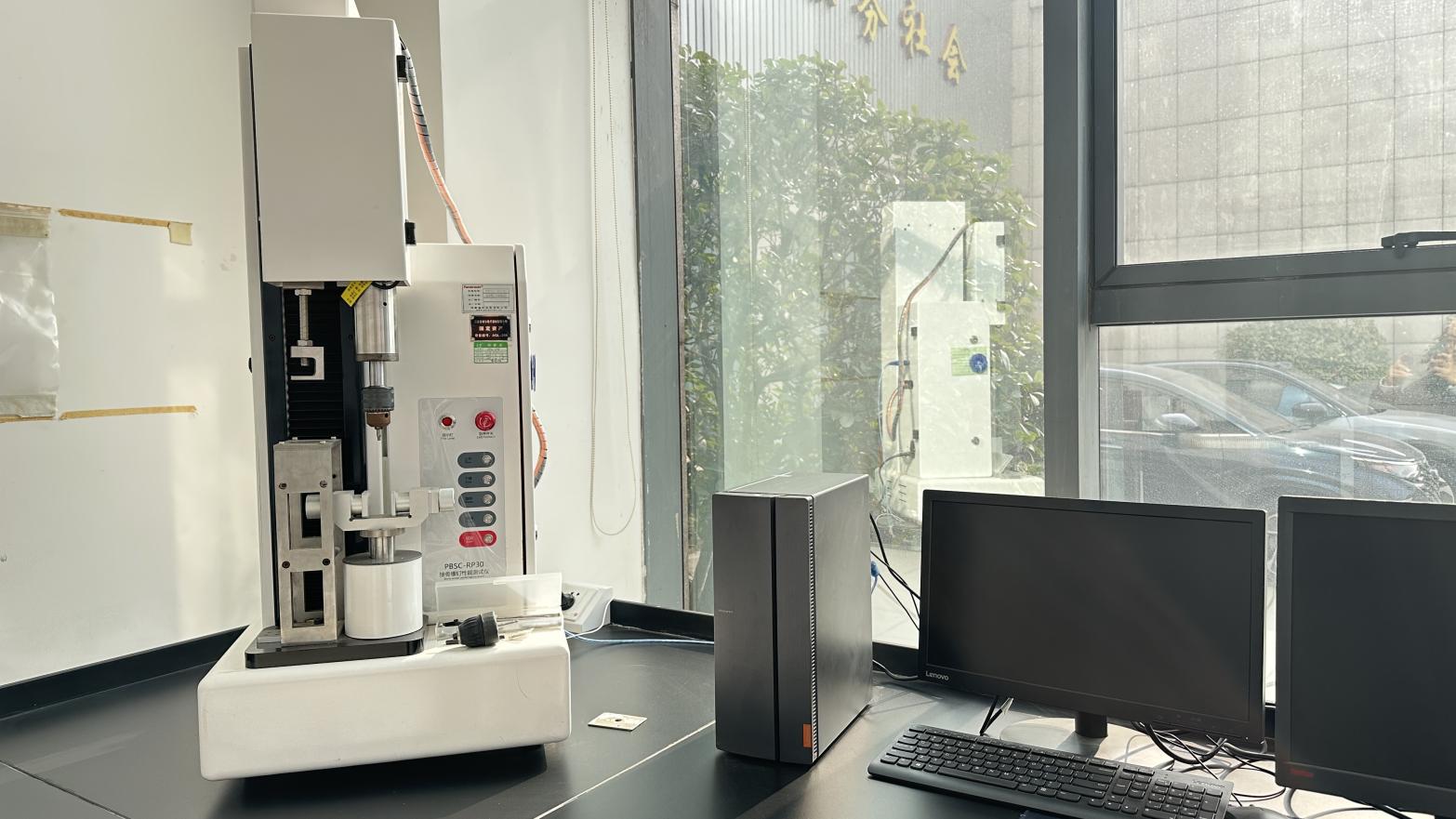
Analyzing the biomechanical progression and technological future of external bone fixation structures.
Modern external ring fixators require materials with exceptionally high strength-to-weight ratios to maintain structural stability without overloading patients. The current industry benchmark relies on Ti-6Al-4V ELI (Grade 5 medical titanium alloy, conforming to ASTM F136). This ensures excellent mechanical fatigue life, supreme corrosion resistance, and reduced CT/MRI artifacts. Lower mechanical demand accessories utilize medical-grade 316LVM stainless steel (ASTM F138) to balance budget considerations.
The integration of 6-strut computerized systems (similar to Taylor Spatial Frames) has revolutionized deformity correction. Utilizing web-based mathematical algorithms, surgeons inputs deformity parameters, mounting parameters, and initial ring alignment data. The software outputs a precise daily strut adjustment schedule, prompting micrometric axial, translation, and angular bone movement, reducing clinical follow-up intervals and post-op complications.
To enhance radiographic assessment of bone healing, research is shifting toward carbon fiber-reinforced PEEK (Polyetheretherketone) rings and composite struts. Radiolucency permits unobscured X-ray monitoring of the ongoing callus formation during distraction osteogenesis. These high-performance polymers offer modular stiffness, helping simulate axial micro-motion which directly stimulates accelerated bone remodeling.
Sourcing medical implants globally demands clean supply-chain management, strict regulatory tracking, and uncompromised consistency. Medisplint addresses these critical industry demands by providing end-to-end custom surgical implant supply solutions.
OEM/ODM and Custom Design: Our 85-strong R&D team can adapt existing external fixator systems to match specific regulatory sizes, anatomical requirements, or pediatric applications. We supply private labeling, complete customization of sterilization trays, and customized surgical instrumentation packages.
Sterilization-Ready Cleanroom Operations: In addition to precision CNC machining and chemical passivation (which guarantees corrosion resistance), Medisplint products undergo ultrasonic cleaning, cleanroom inspection, and secure packaging ready for terminal sterilization (EO or Gamma irradiation).
Regulatory Compliance Documents: We provide full traceability files for every batch of orthopedic implants exported. This includes chemical analysis records of raw titanium rods, tensile fatigue certificates, dimension inspection charts, and ISO 13485 / CE certificates, helping streamline local regulatory clearing processes.
Direct technical answers to questions frequently raised by orthopedic surgeons, clinical engineers, and hospital purchasing officers.
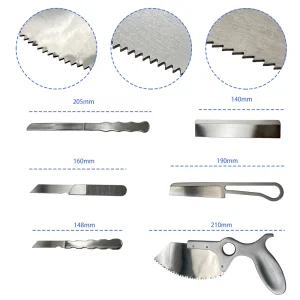
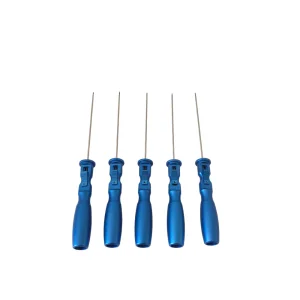
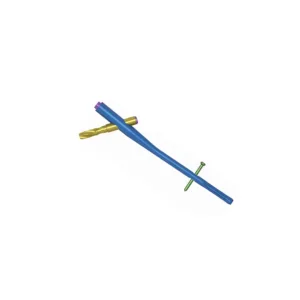
Explore our highly-specialized veterinary joints, intramedullary nails, and precision surgical saws designed for maximum clinical control.