Medisplint
Medisplint
Medisplint
Explore our CE-certified, precision-engineered orthopedic implants, stabilization systems, and specialized instruments designed to deliver excellent clinical outcomes.
The global veterinary orthopedics sector has transitioned from simple bone plating procedures to highly complex biomechanical interventions. Companion animals, primarily dogs and cats, are increasingly viewed as core family members. This cultural shift has driven significant demand for advanced orthopedic solutions comparable to human orthopedic standards. Common veterinary procedures such as Tibial Plateau Leveling Osteotomy (TPLO), total joint replacements (hip, elbow), and complex spinal stabilization require implants that offer optimal biocompatibility, mechanical durability, and precision fitment.
Historically, manufacturers repurposed human medical hardware for veterinary use. However, variations in bone density, structural loading parameters, and animal anatomy necessitate implants specifically engineered for veterinary biomechanics. From feline femoral configurations to large canine cranial cruciate ligament stability systems, the specialized industry demands a reliable supply of tailored implants fabricated from high-grade biocompatible materials like Grade 5 Titanium (Ti-6Al-4V ELI) and PEEK-OPTIMA polymer.
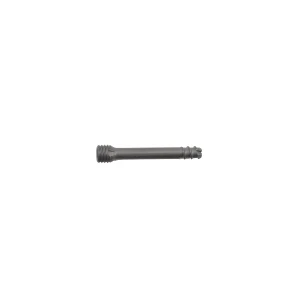
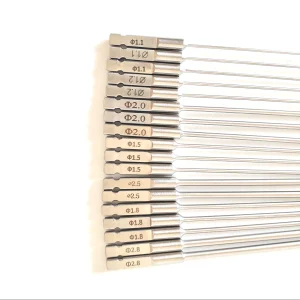
As feline orthopedic procedures and toy breed surgeries increase worldwide, the need for sub-millimeter screw pitches, variable angle locking mechanisms, and microscopic plate geometries has reached an all-time high. Modern suppliers must produce locking screws down to 1.5mm / 2.0mm diameters with high mechanical yield thresholds.
Global veterinary clinics and medical boards are aligning their compliance with human standards. In the EU, North America, and parts of Asia, clinics are prioritizing CE-marked veterinary implants and ISO 13485-certified manufacturers to eliminate legal liability and ensure biosafety compliance.
Establishing high-precision standards in veterinary orthopedic manufacturing, supply chain optimization, and global delivery systems.
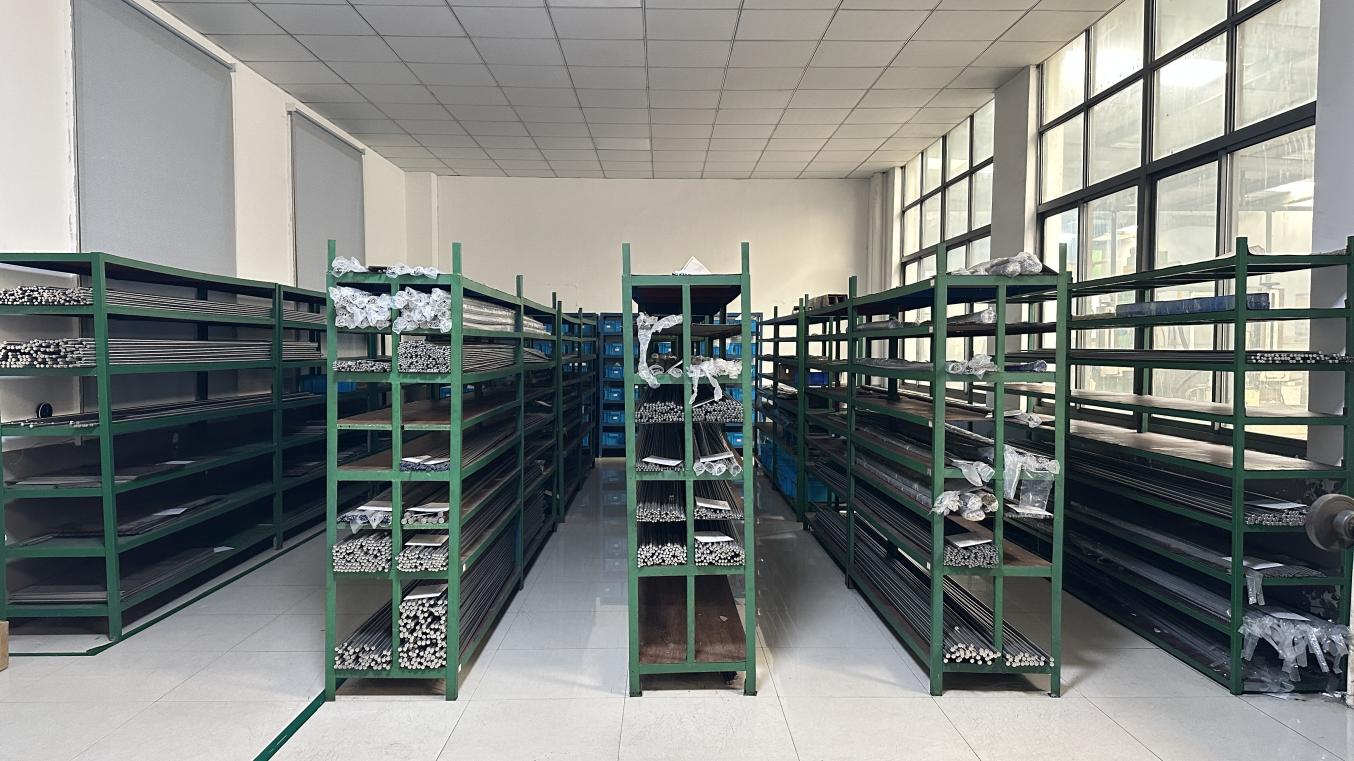
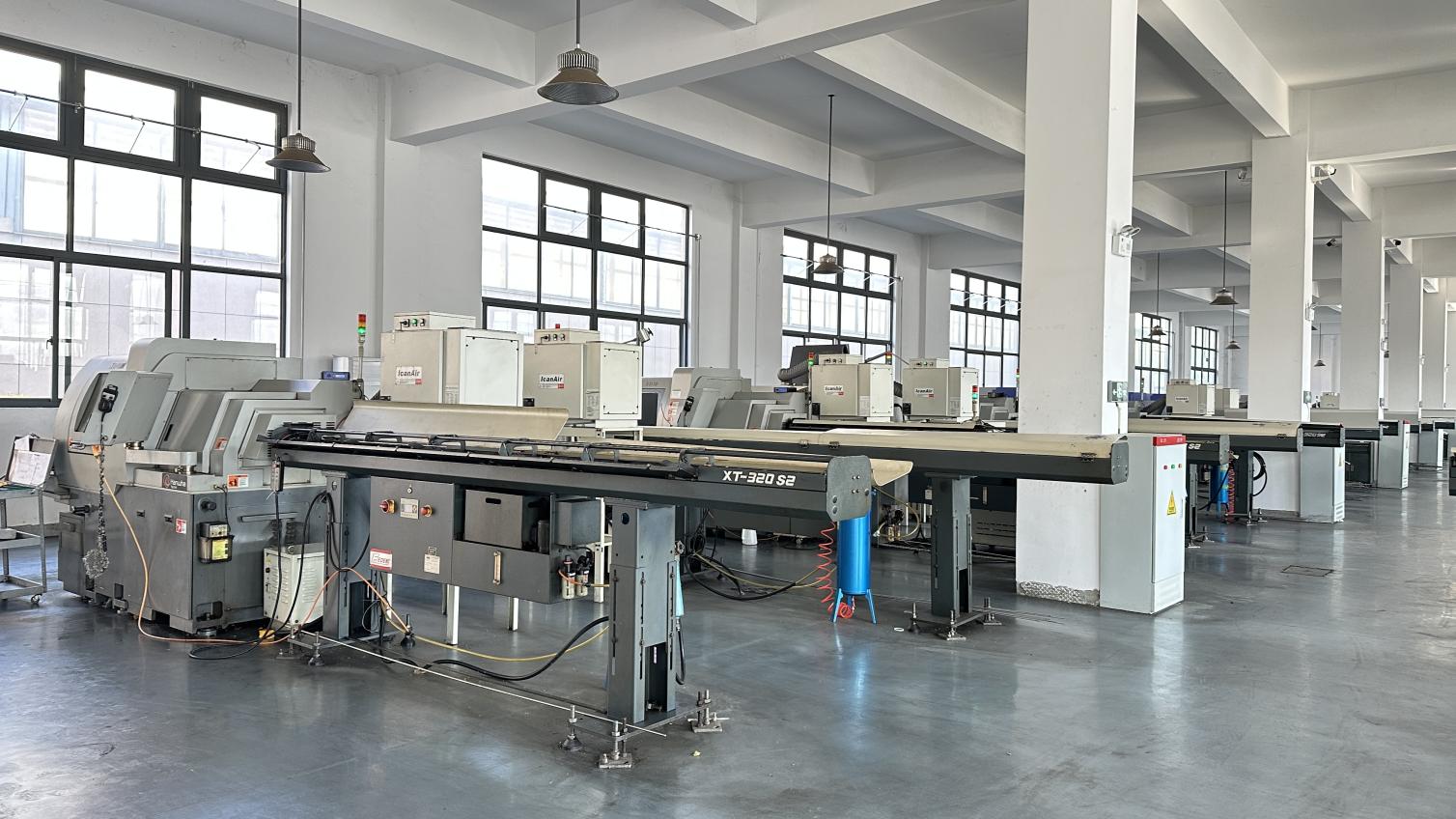
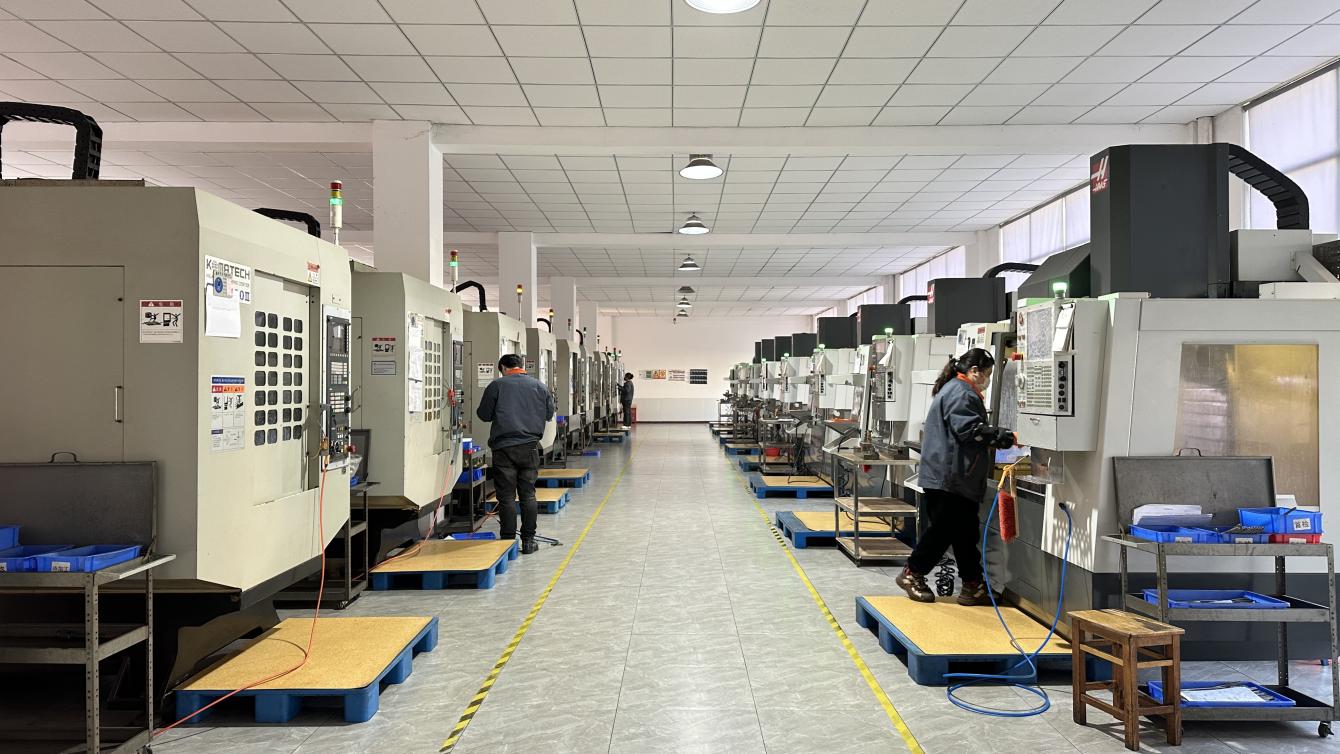
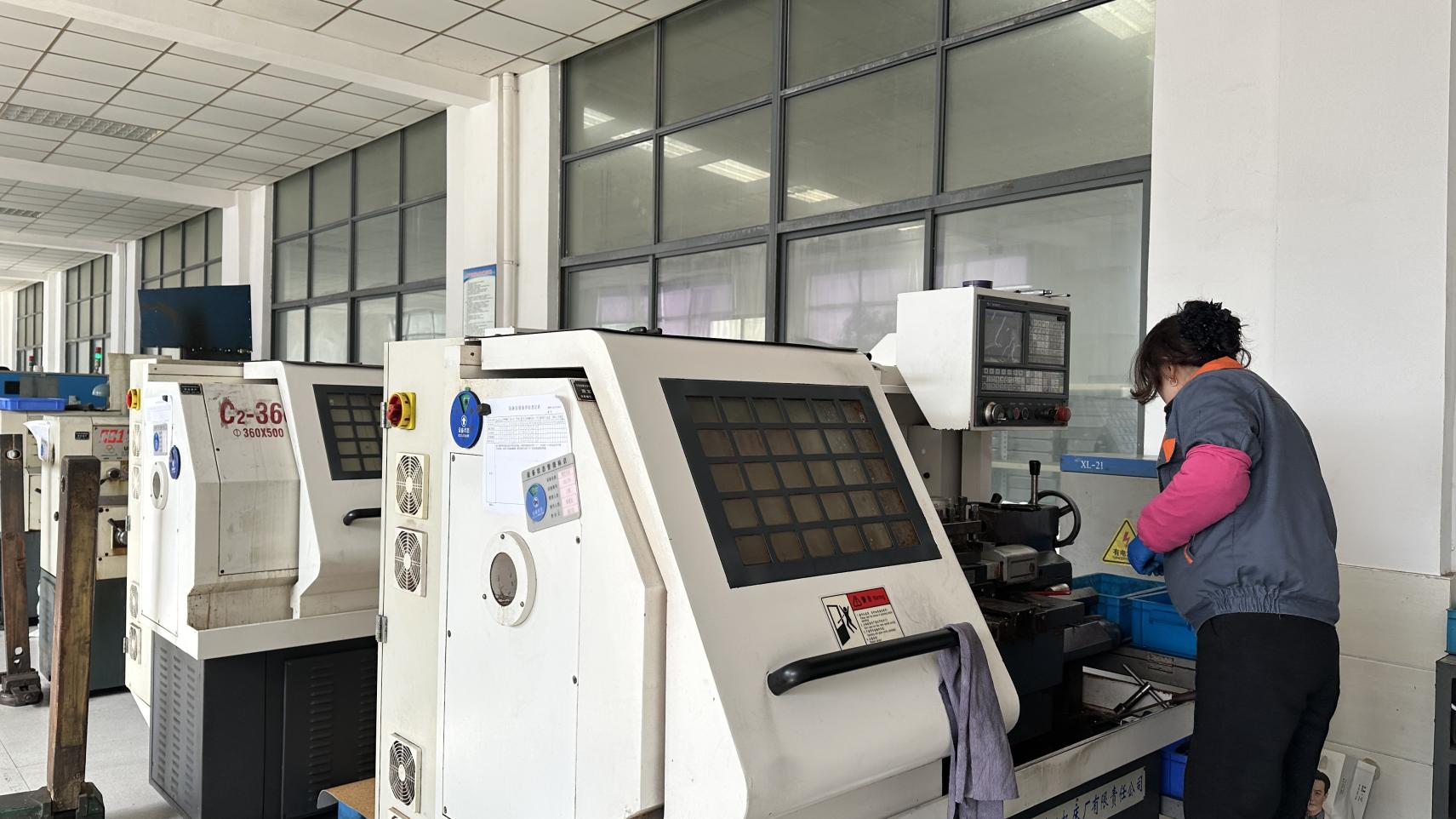
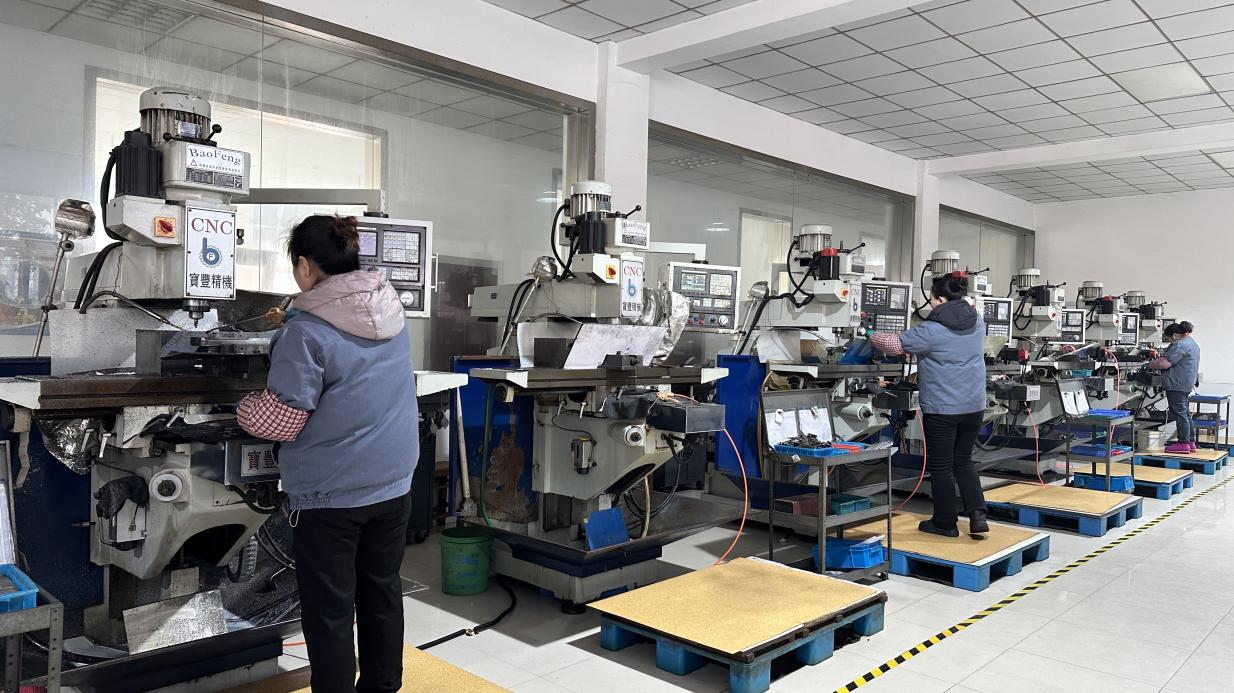
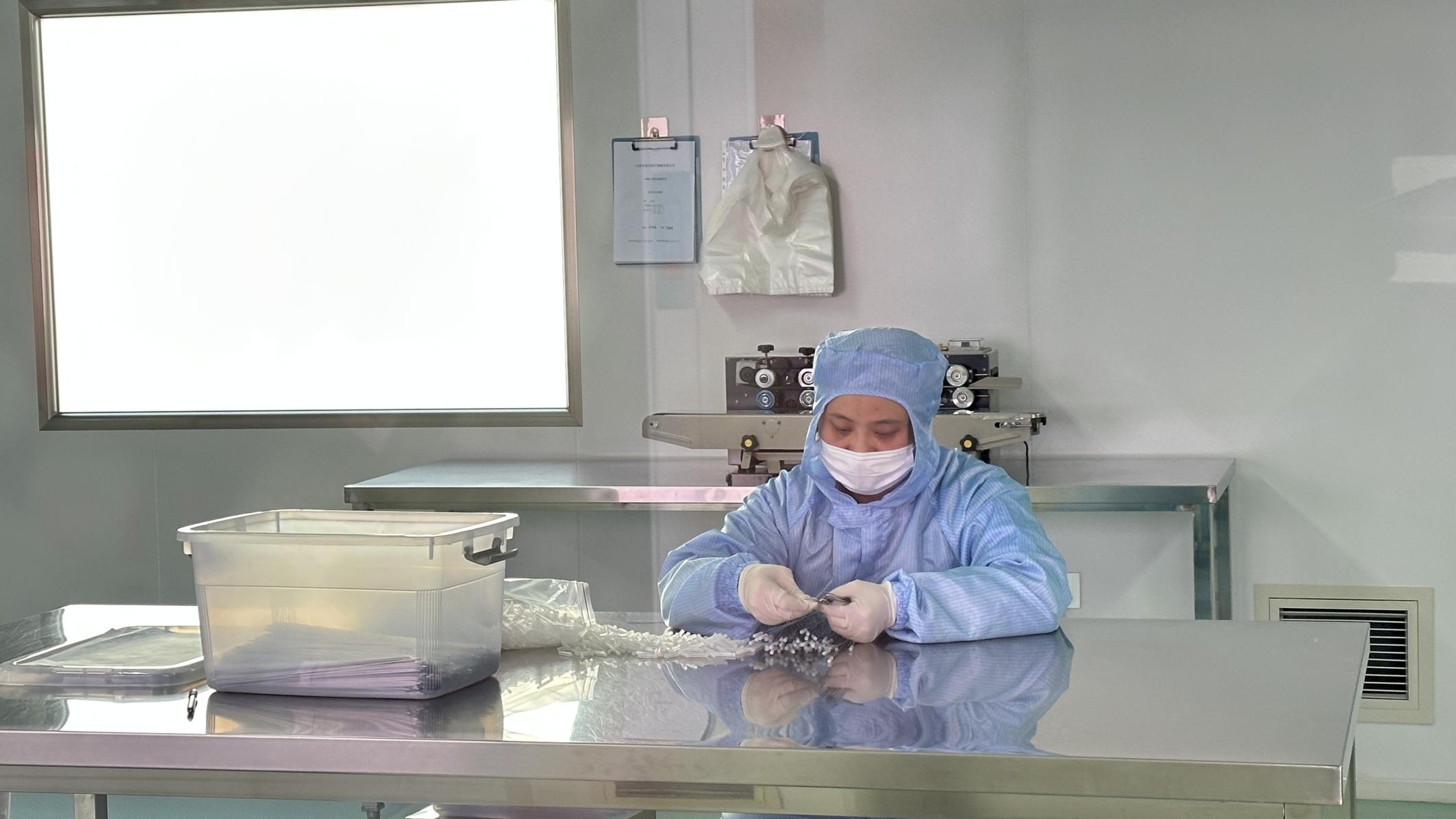
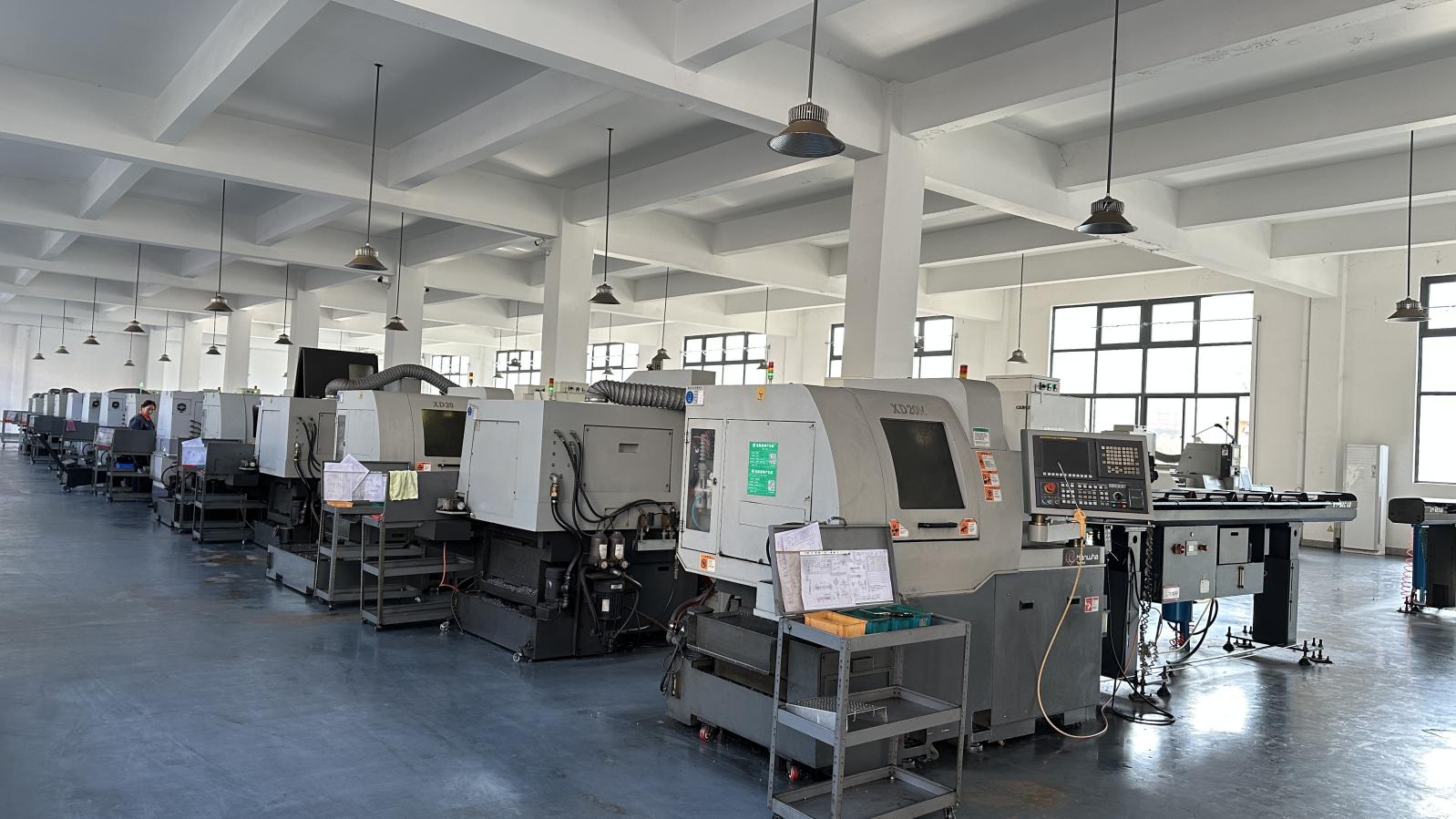
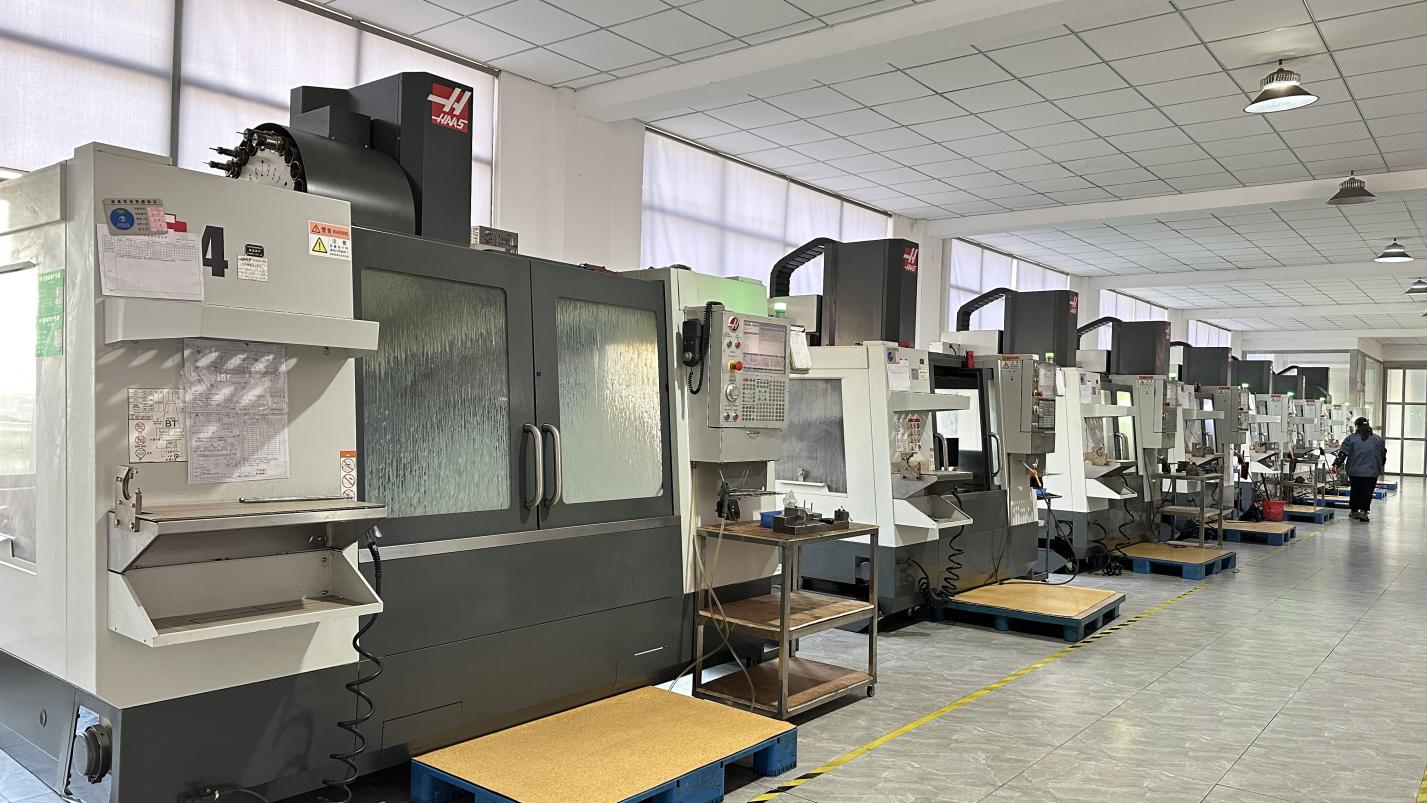
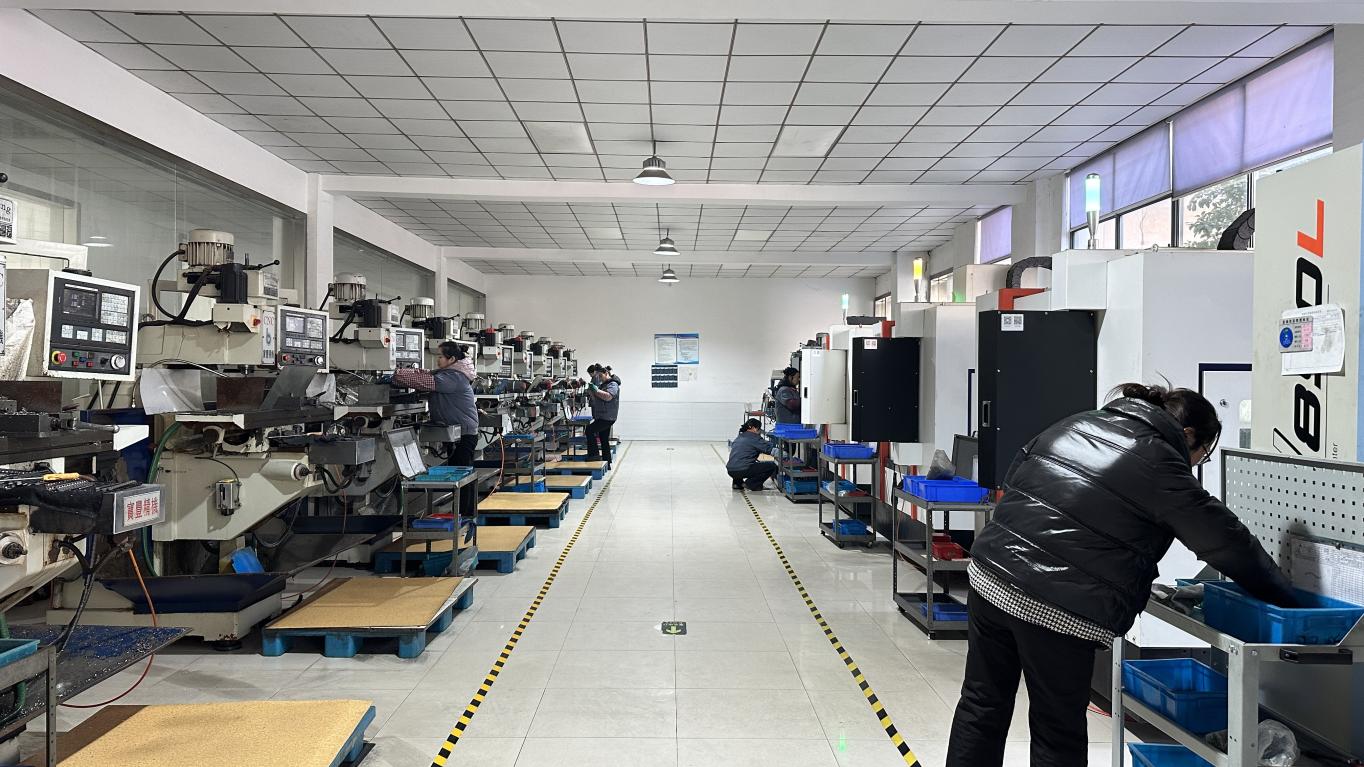
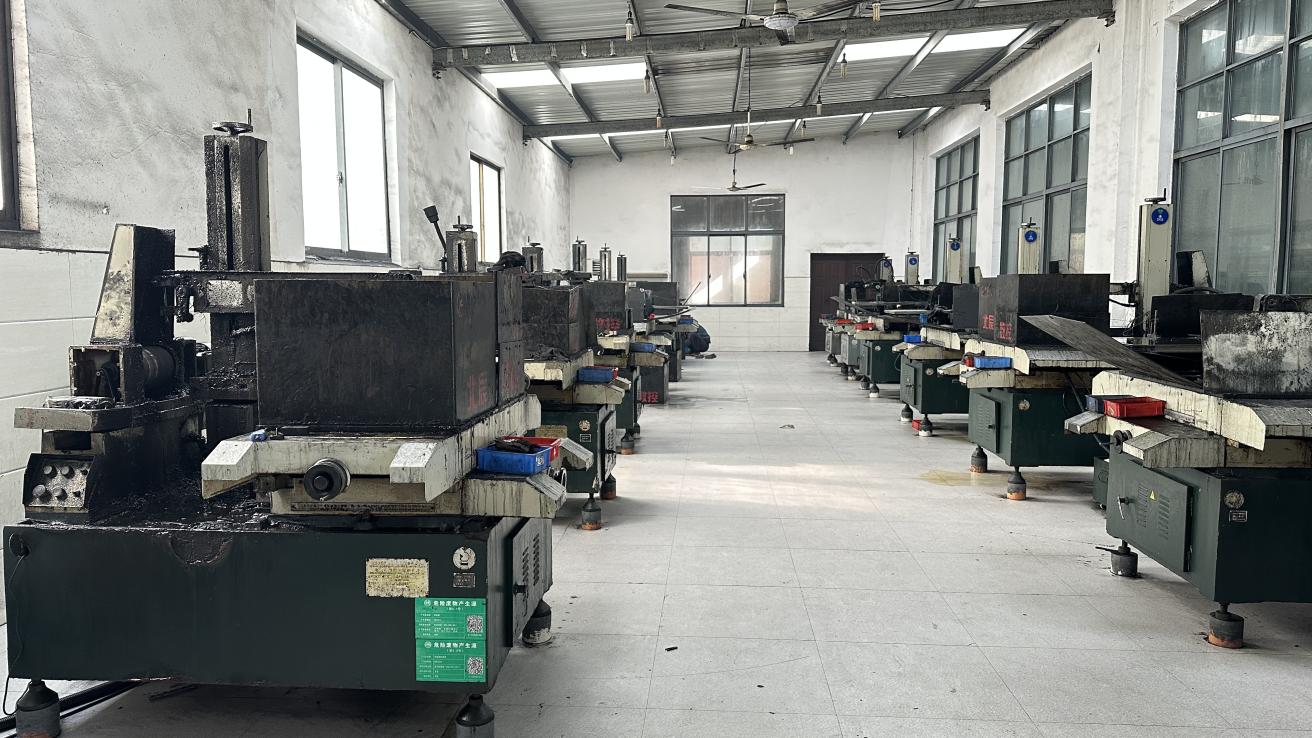
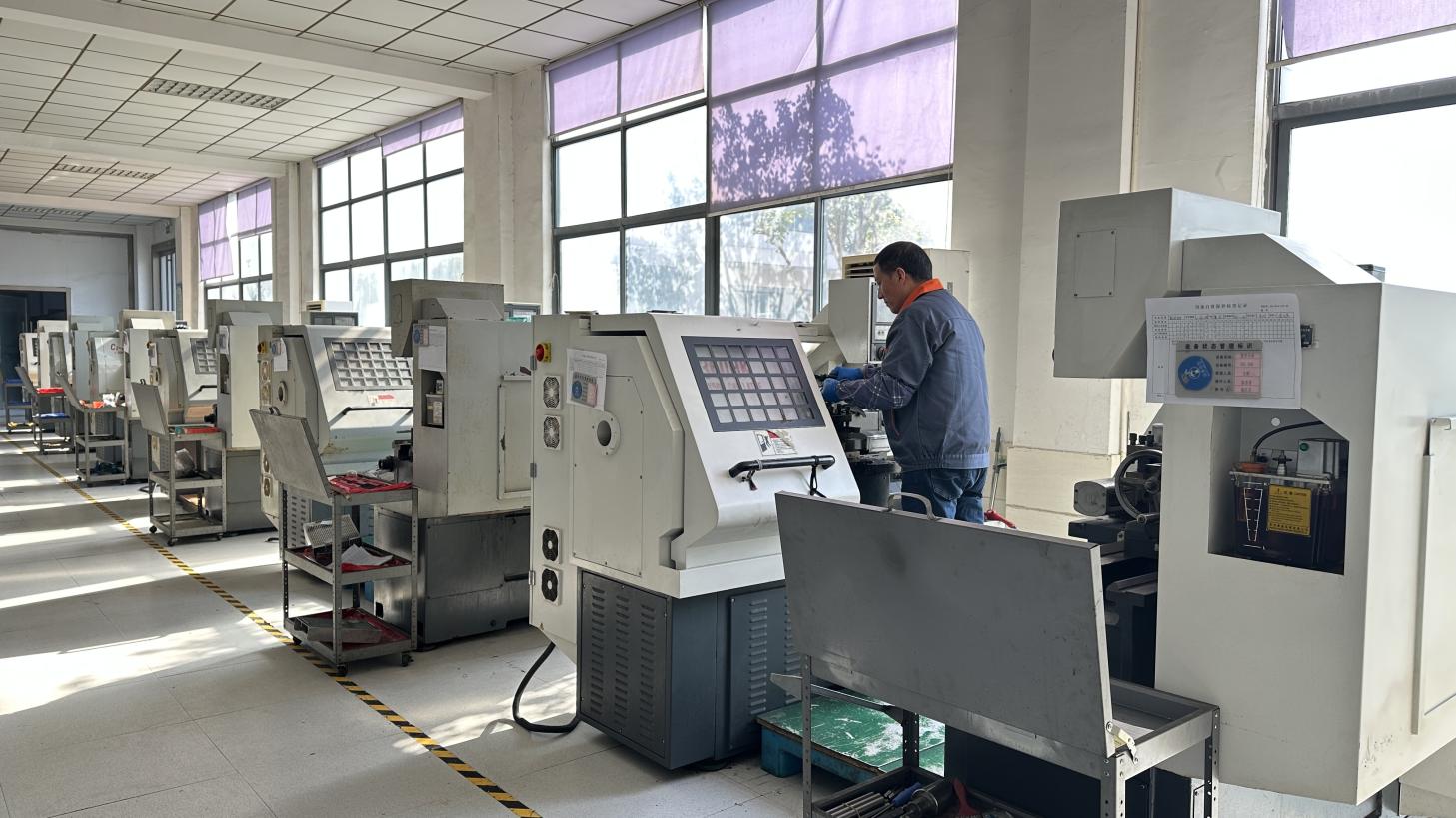
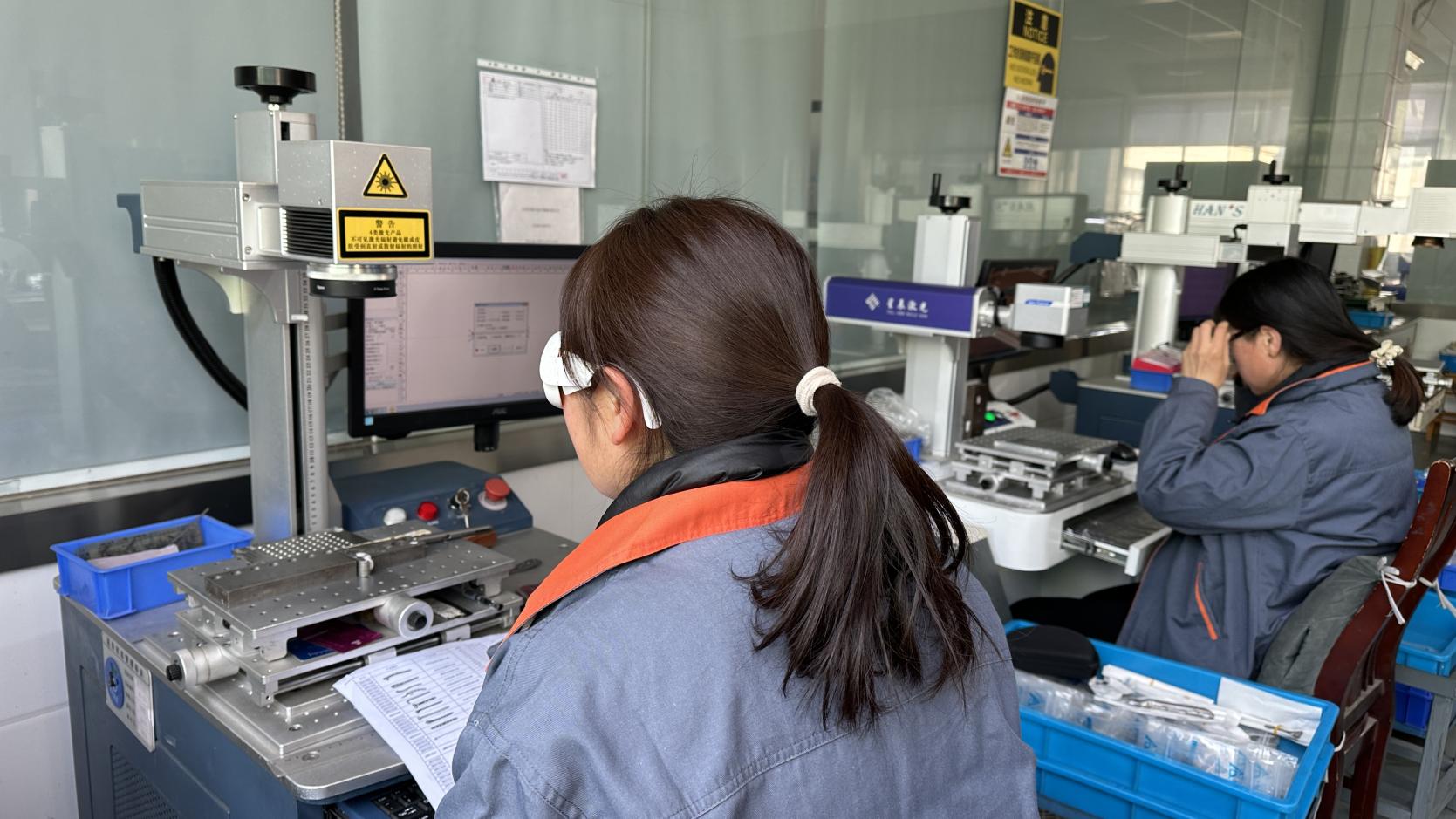
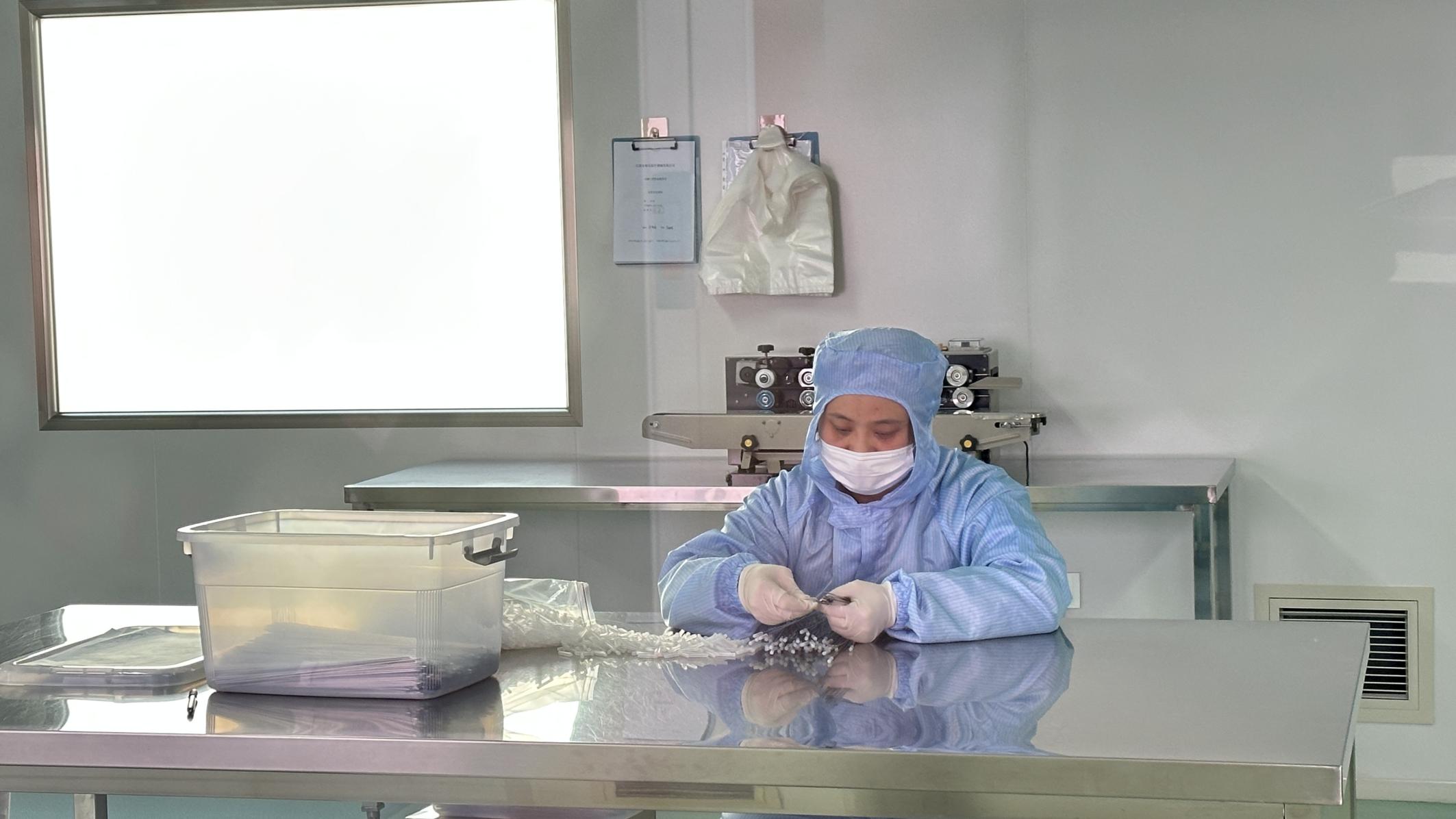
Founded in 2016, Medisplint has engineered a highly specialized 18,500㎡ facility capable of processing advanced biomaterials. Our infrastructure integrates raw material slitting, high-precision Swiss-type CNC machining, multi-axis milling, laser markings, and ISO Class 7 cleanroom packaging.
With over 10 years of orthopedic manufacturing experience and 7 years of direct export experience, we cater to orthopedic distributors, veterinary surgical hospitals, and international OEM brands, reporting an annual export revenue of over USD 12 million.
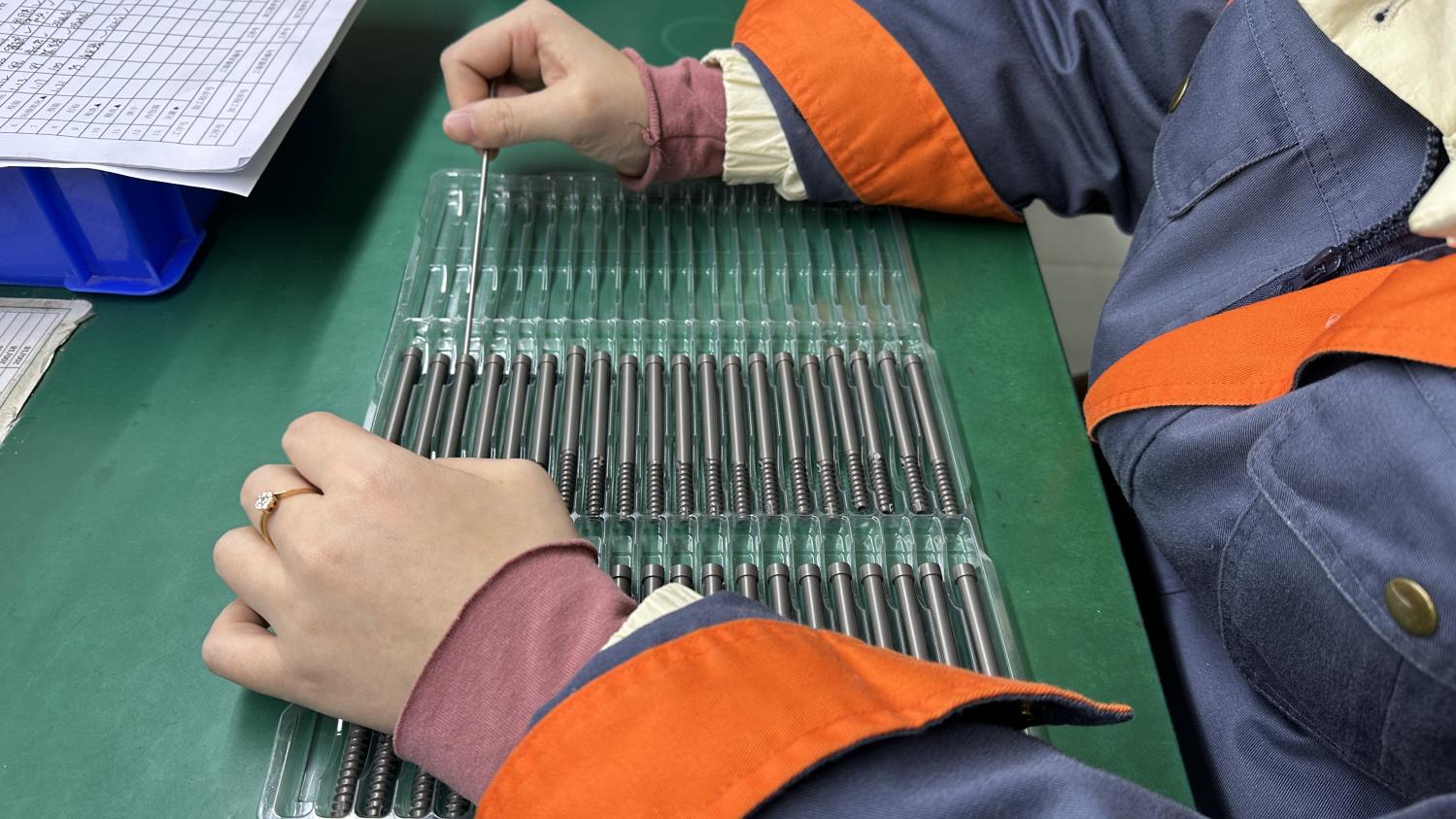
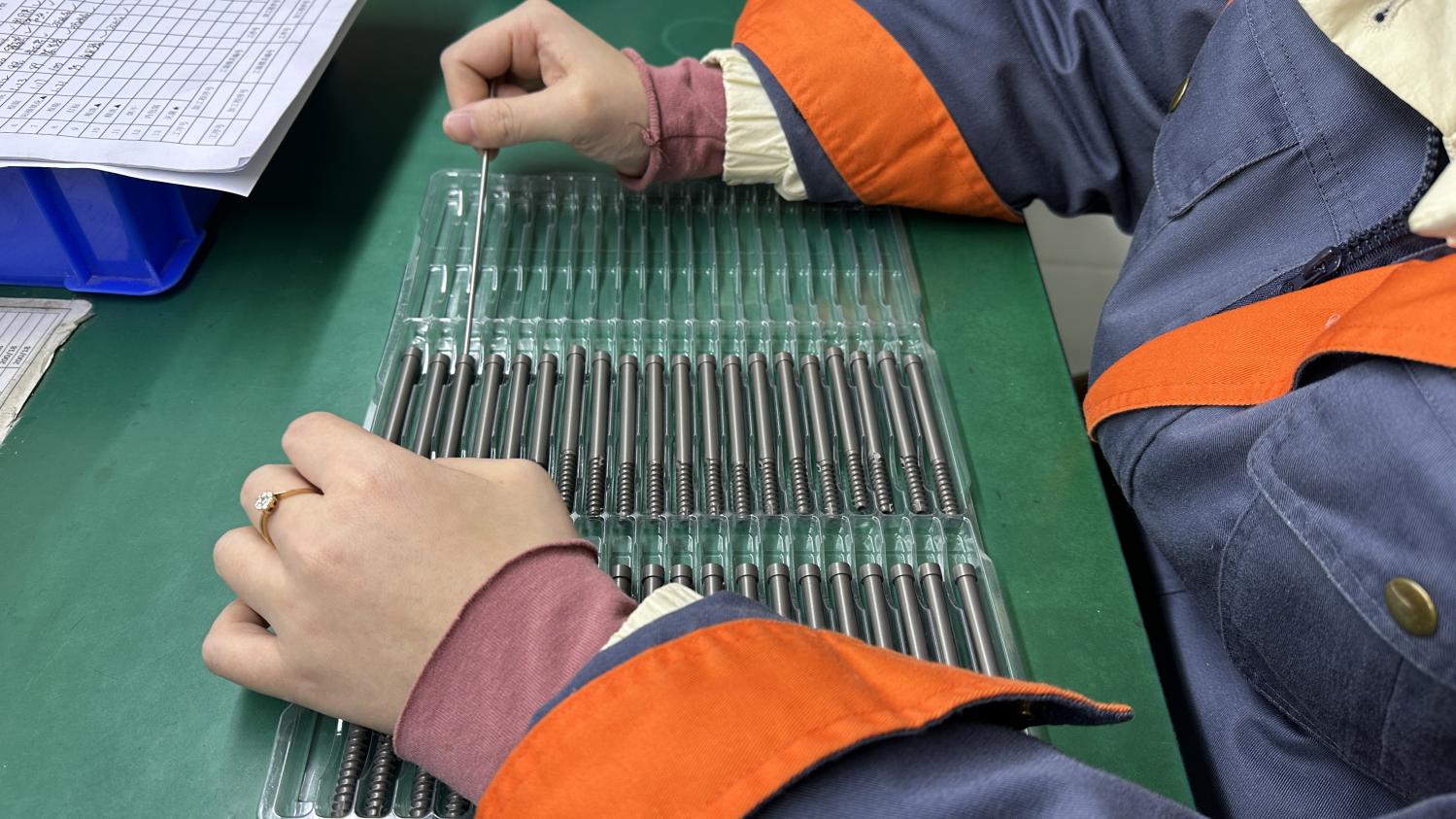
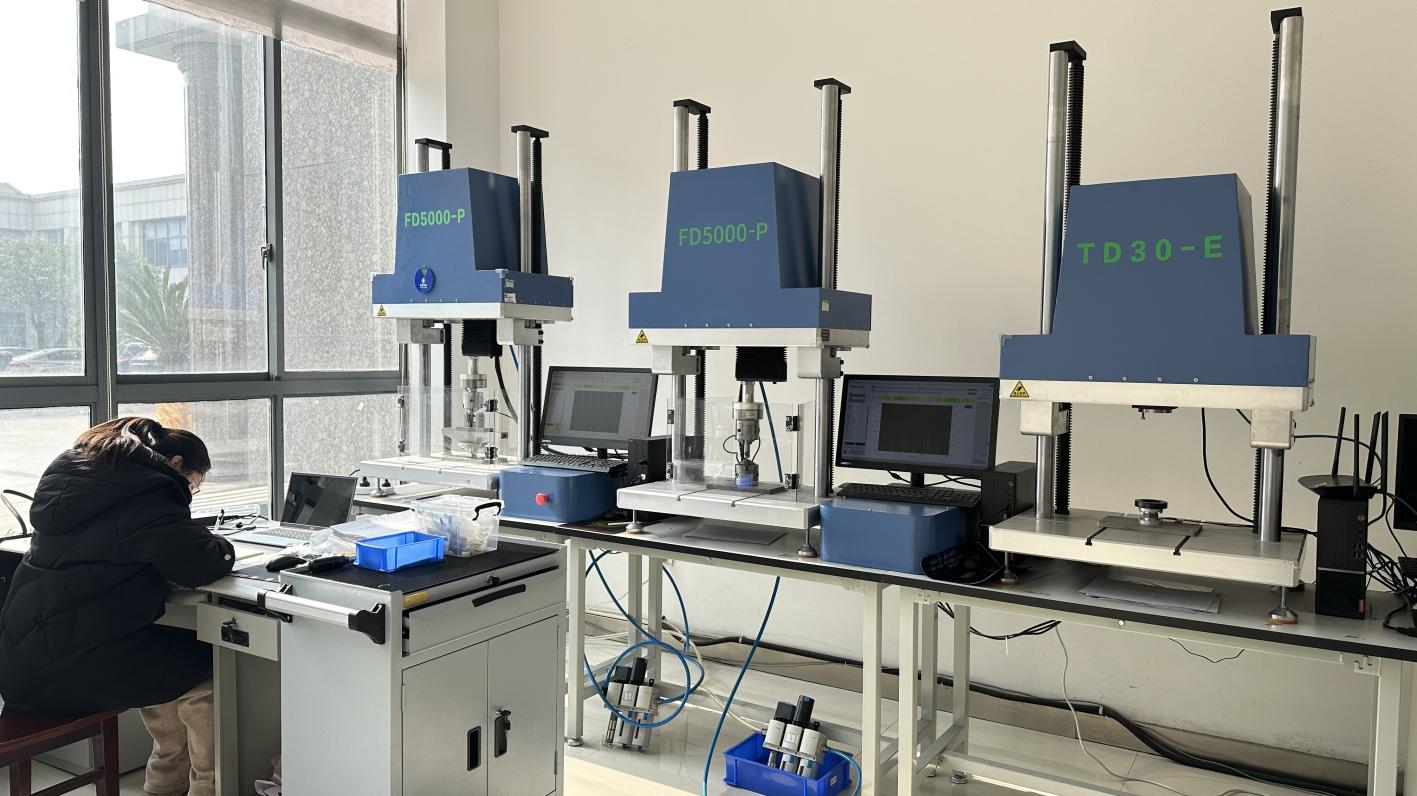
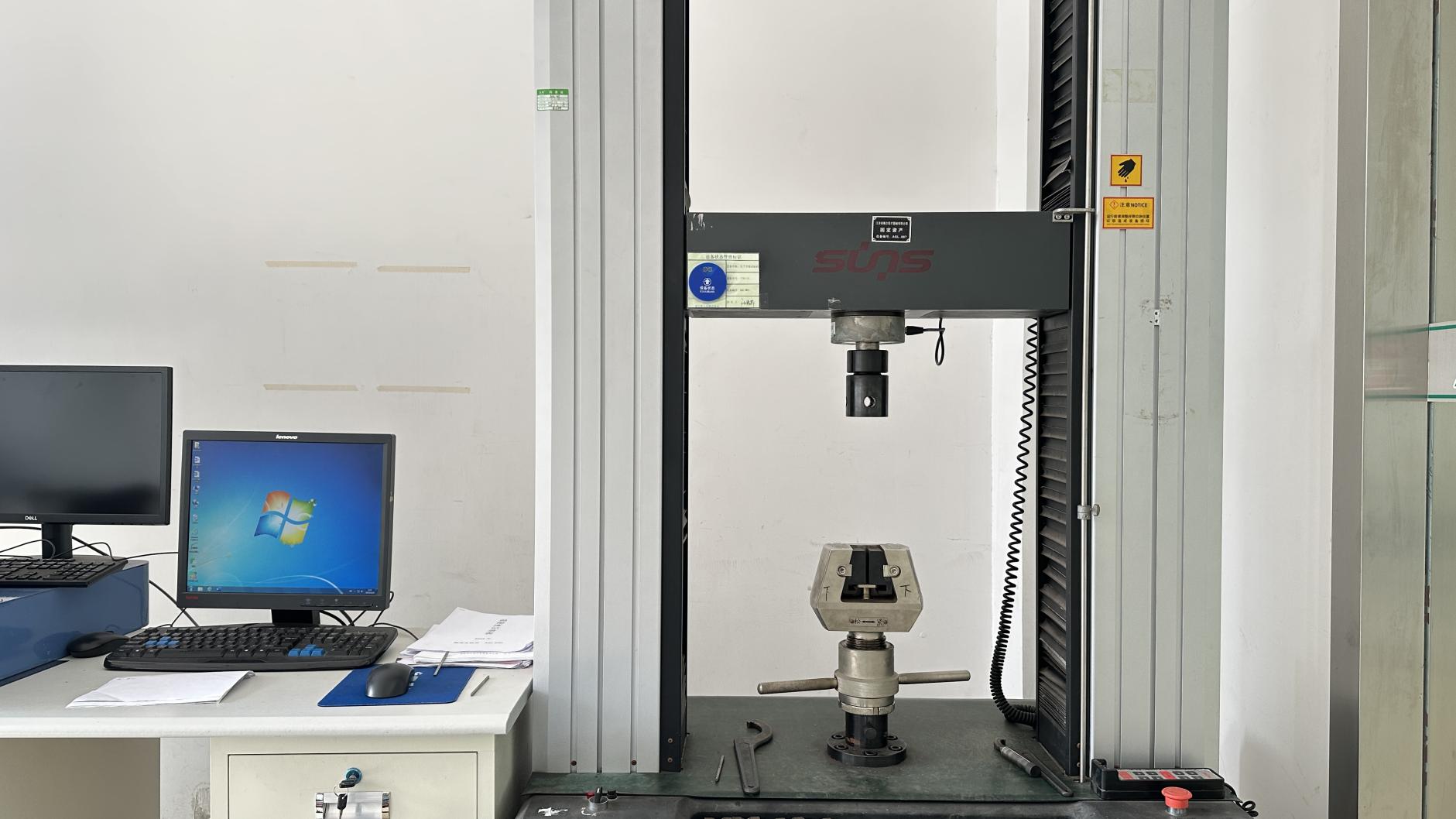
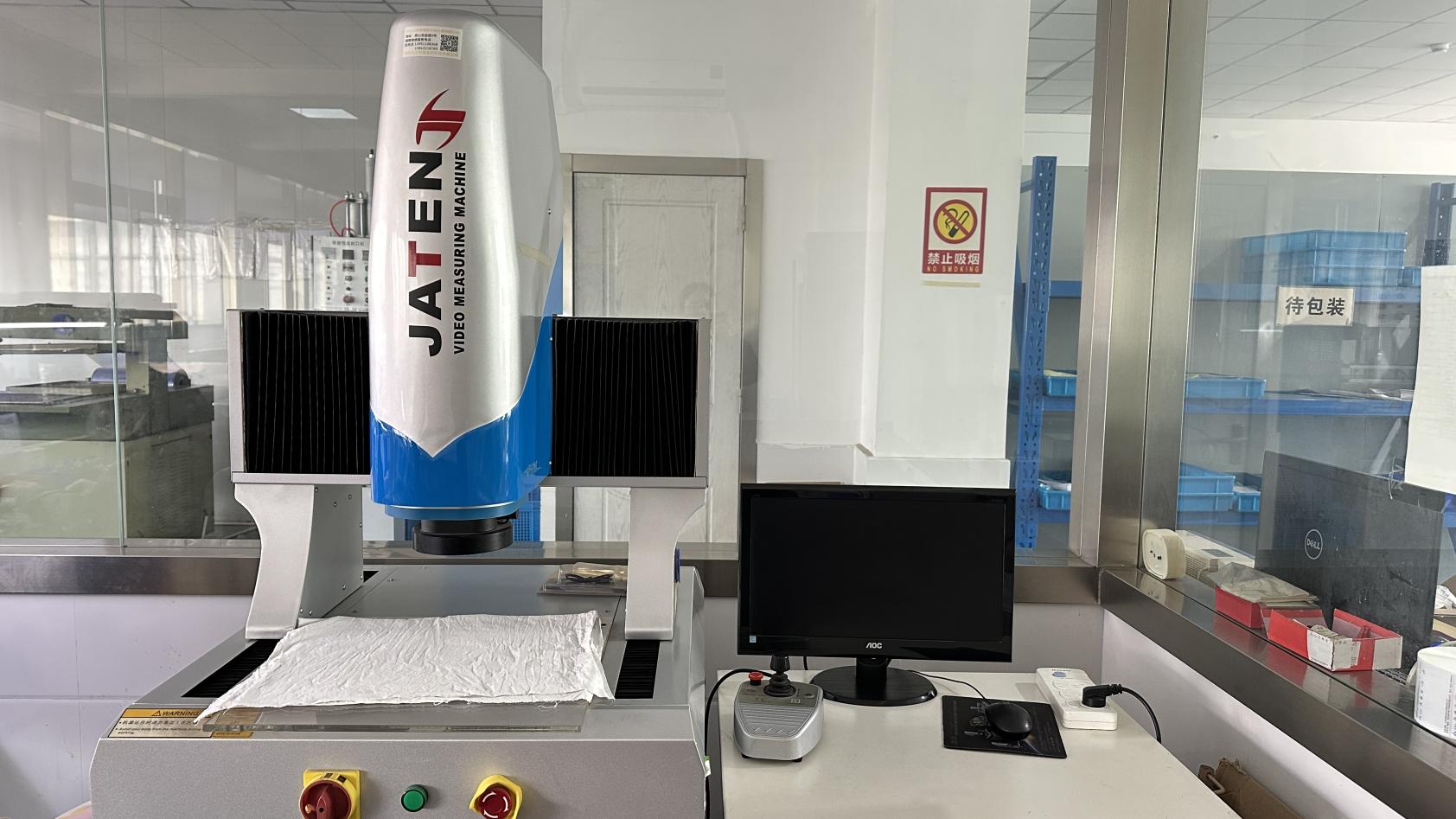
Our quality assurance system is built around ISO 13485 and CE protocols. We maintain an independent quality control department staffed by 42 specialized inspectors. The testing matrix involves:
Medisplint maintains a core team of approximately 85 engineering and development specialists. Over the past year, we have introduced 68 new orthopedic devices and implant designs to support the fast-evolving clinical landscapes.
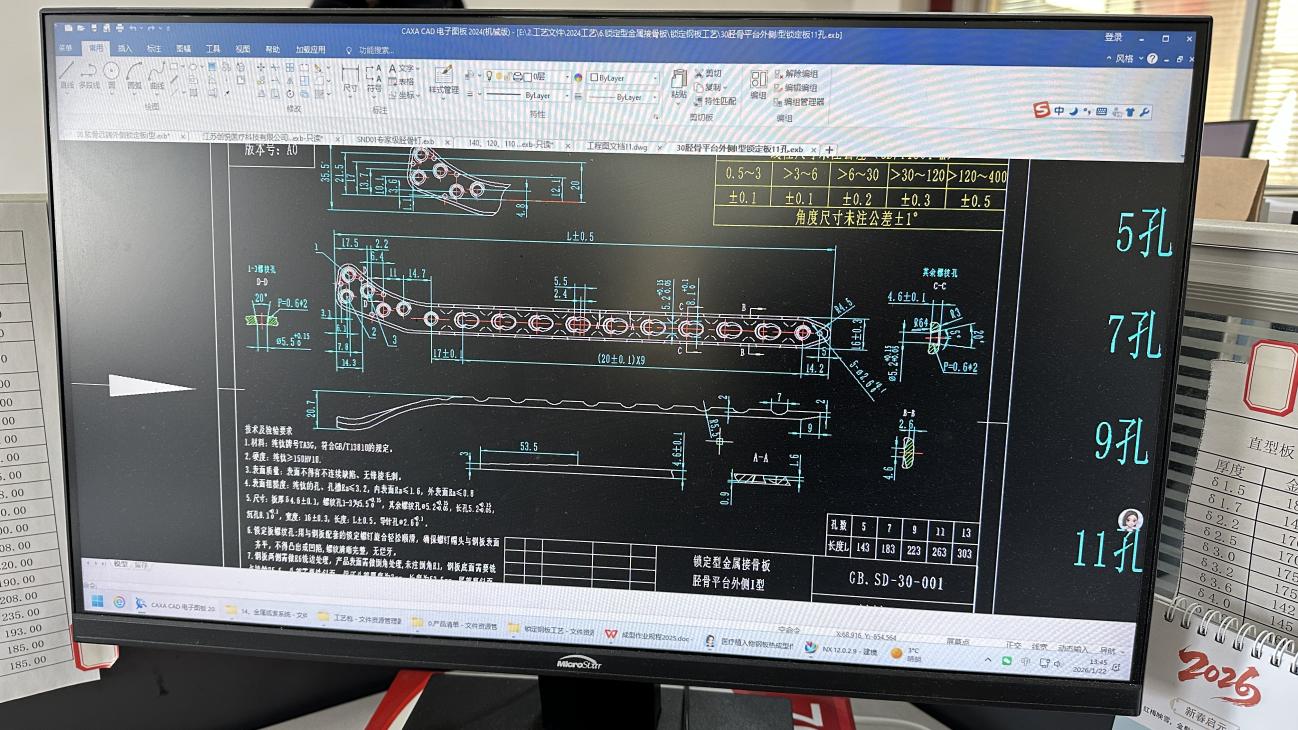
We offer end-to-end OEM/ODM services, private labeling, anatomical design modifications, custom plating geometries, and prototype manufacturing to fulfill targeted regional clinical requirements.
Our intelligent manufacturing processes utilize advanced automation and mechanical engineering setups to guarantee repeatable tolerances down to ±0.005mm.

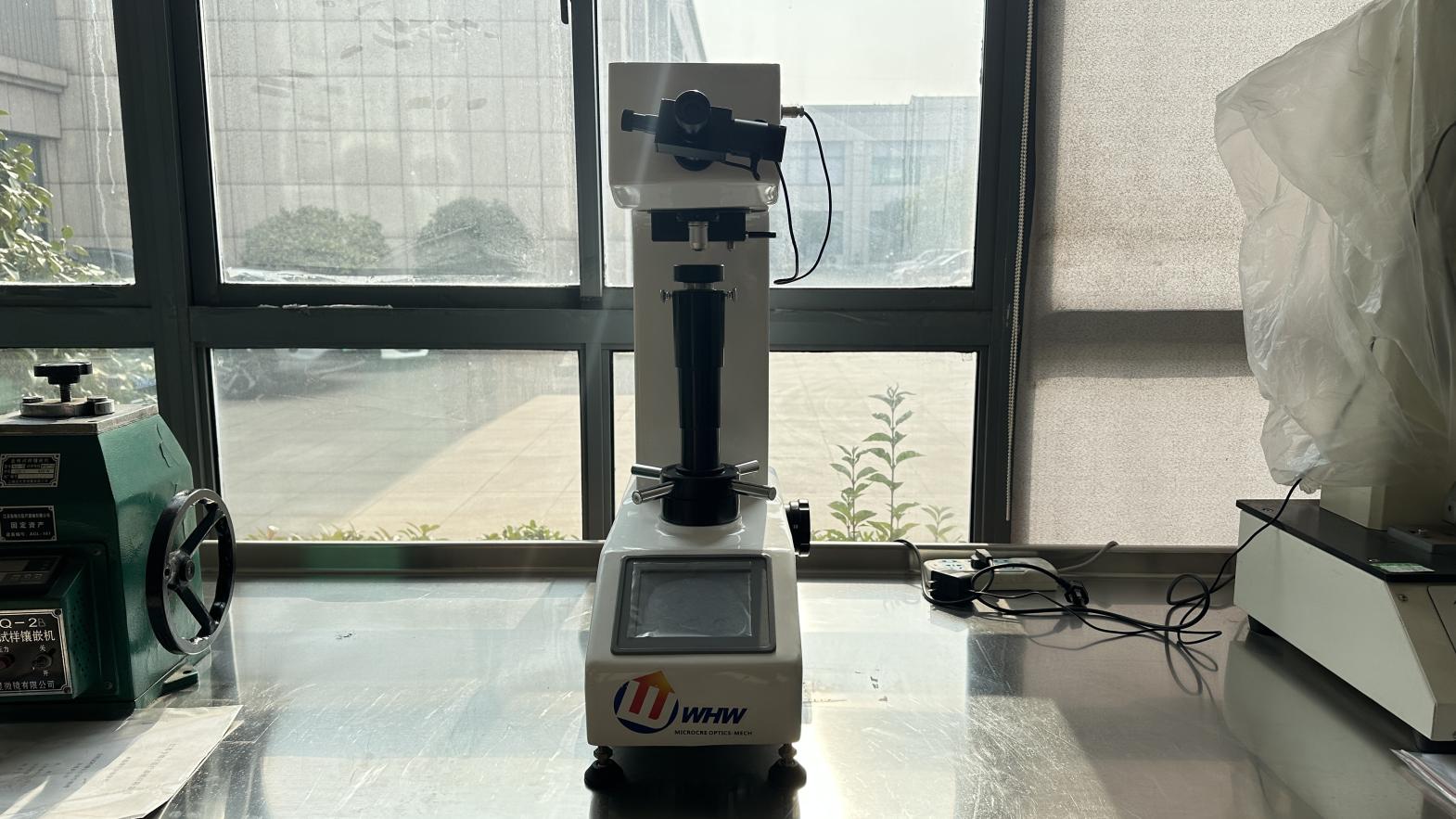
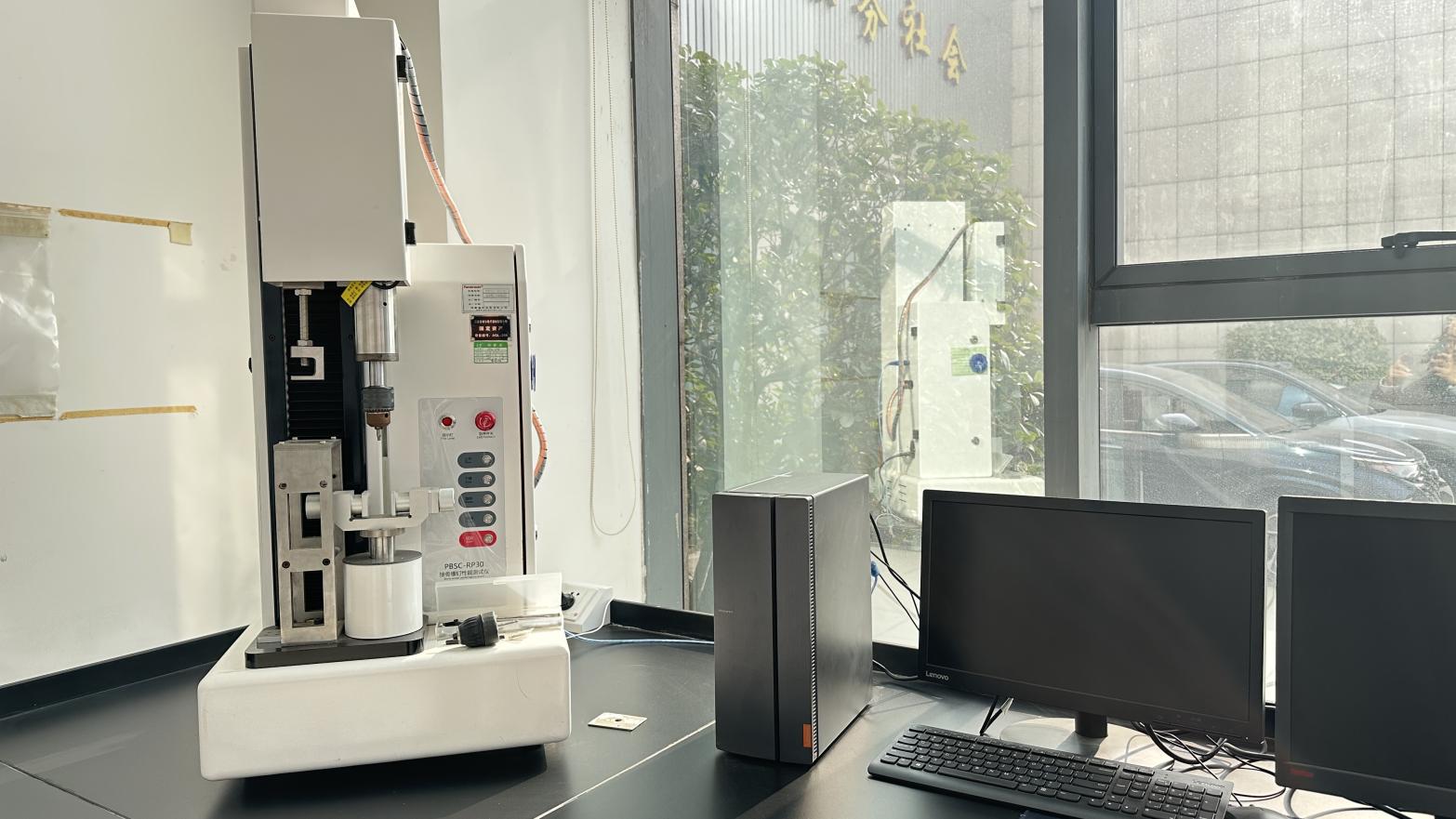
When veterinary medical device distributors and hospital chains select a long-term supply partner, they look beyond unit prices. Professional procurement teams prioritize:
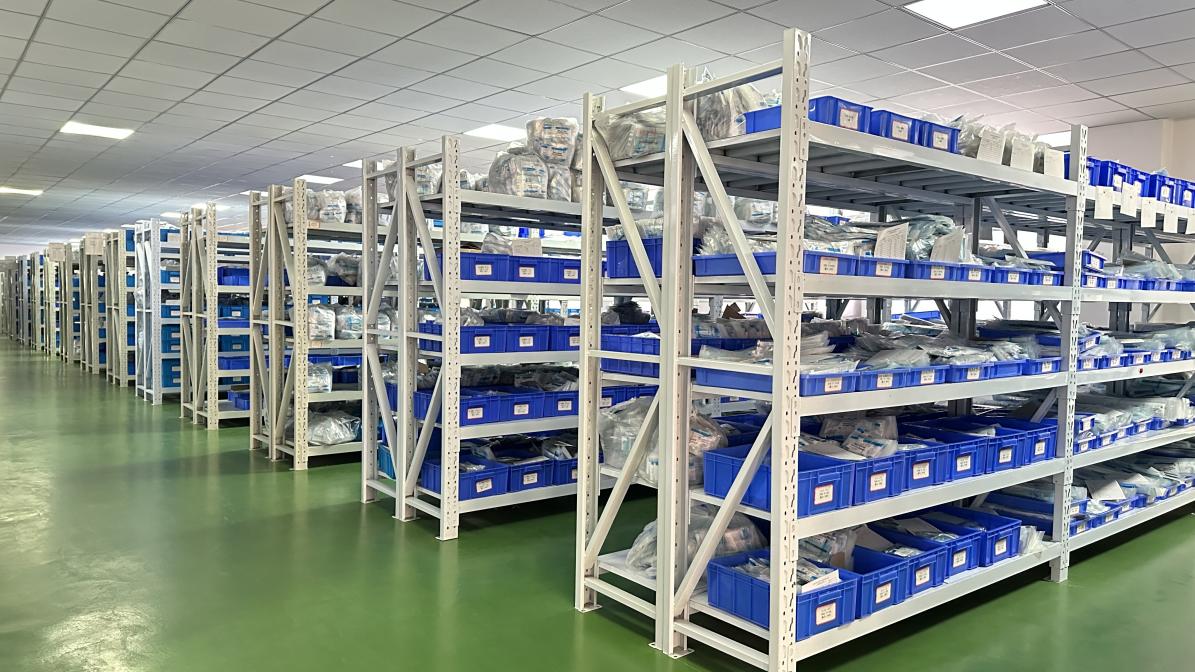
Medisplint utilizes a robust domestic supply network consisting of over 1,200 raw material and logistics partners. This level of supply chain integration allows us to shorten manufacturing lead times by 30% compared to Western competitors. By managing all phases in-house—from design and mechanical testing to final sterile packaging—we reduce operational redundancies and pass these efficiency savings directly to our partners.
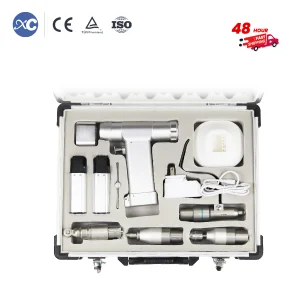
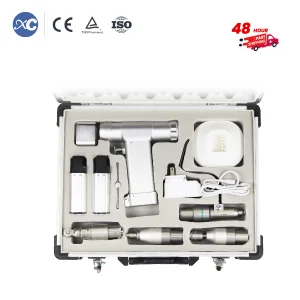
Whether you require localized container shipments for hospital networks in South America or rapid air freight of surgical power tools and locking plate kits to Europe, Medisplint's streamlined exporting pipeline secures stable landed costs, minimizing inventory carrying costs for distributors.
Different animal structures demand targeted mechanical attributes. Our products are optimized for specific surgical interventions.
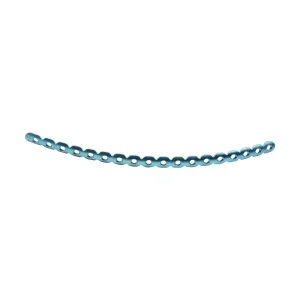
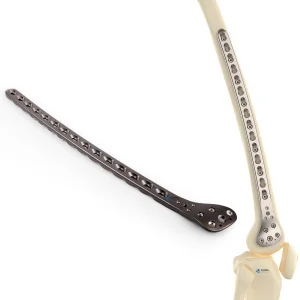
For high-impact skeletal trauma, canine femoral fractures, and pelvic shear injuries, we provide CANWELL Serpentine Locking Plates and variable angle locking screws. These configurations provide rigid construct stability while minimizing soft-tissue disruption, encouraging faster periosteal healing.
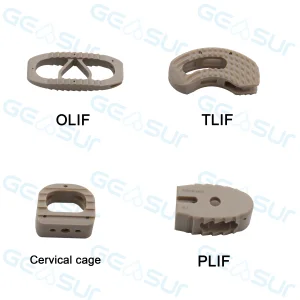
Our specialized PLIF PEEK Cages and anterior cervical plate systems target degenerative disc diseases and vertebral instabilities. PEEK's elastic modulus mimics canine cortical bone, optimizing load-sharing and preventing stress-shielding at the fused vertebral levels.
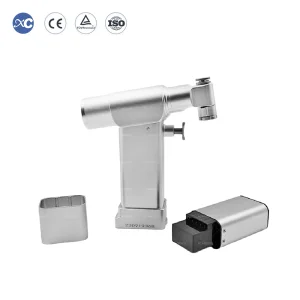
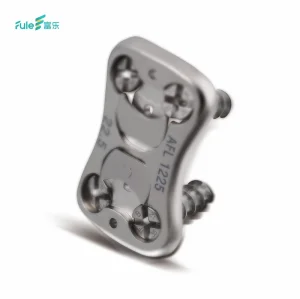
Cranial cruciate ligament (CCL) ruptures are common orthopedic issues in larger dog breeds. We supply precision-calibrated Veterinary Oscillating Saws and specialized anatomically shaped TPLO plates. This combination ensures flat radial cuts and rigid stabilization for quick biomechanical recovery.
Key regulatory, technical, and supply chain questions answered by our engineering and logistics specialists.
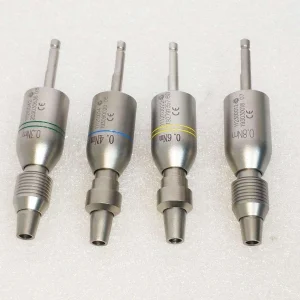
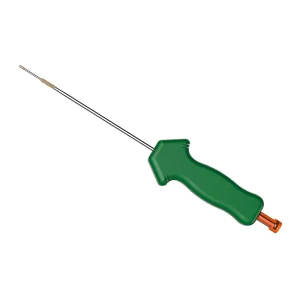
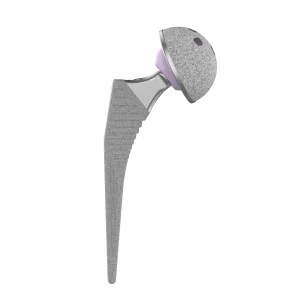
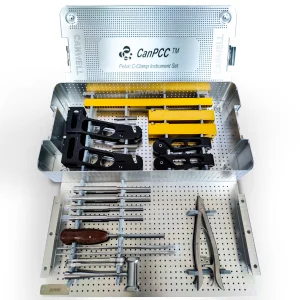
Enhance surgical precision and speed up recovery times with our high-torque power tools and reconstructive implant components.