Medisplint
Medisplint
Medisplint
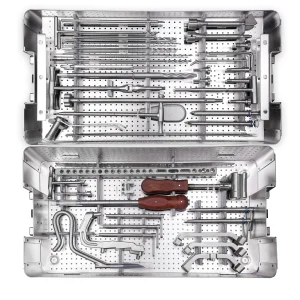
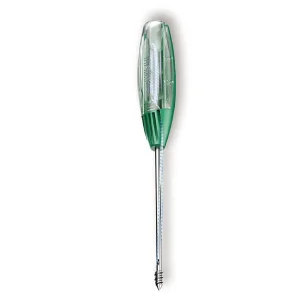
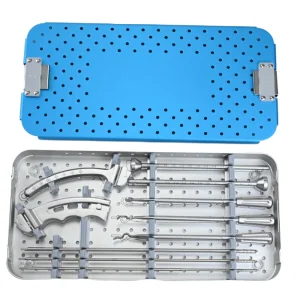
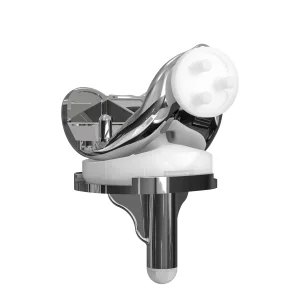
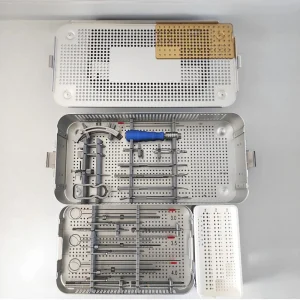
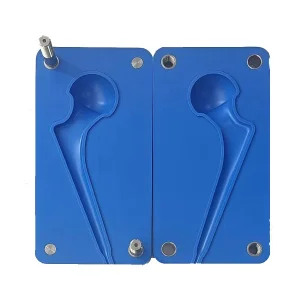
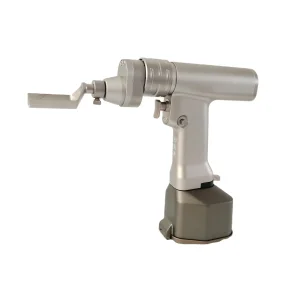
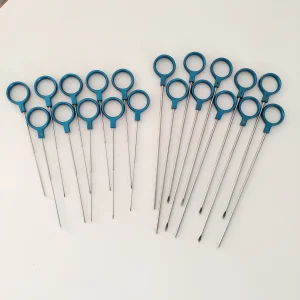
Explore our leading surgical instruments, implant molds, and premium fixation components designed for clinical excellence.
Polyetheretherketone (PEEK) has established itself as the gold standard biomaterial for interbody fusion cages in modern spinal arthrodesis. Historically, titanium and bone allografts were the predominant choices. While titanium offers excellent mechanical strength and biocompatibility, its high elastic modulus (approximately 110 GPa) compared to human cortical bone (around 18 GPa) frequently resulted in stress shielding, subsequent bone resorption, and high subsidence rates. The introduction of medical-grade PEEK, with an elastic modulus of approximately 3.6 GPa, revolutionized the field by matching the biomechanical properties of natural bone, optimizing load sharing, and promoting faster fusion.
SEO Insight & Clinical Fact: Radiolucency is one of the most critical advantages of PEEK. Under X-ray or CT scans, PEEK cages do not produce the significant artifacts characteristic of titanium, allowing surgeons to precisely evaluate bone growth, fusion progress, and internal remodeling over postoperative follow-ups.
Despite PEEK’s mechanical advantages, its hydrophobic nature traditionally restricted direct bone apposition. To overcome this, the industry is witnessing a significant shift toward surface-modified PEEK cages. These include porous PEEK designs, plasma-sprayed titanium coatings, and nano-textured surfaces. By combining the elastic modulus of PEEK with the osteoconductive properties of titanium, manufacturers are delivering hybrid structures that offer the "best of both worlds" to support early osseointegration and long-term mechanical stability.
For international medical device distributors, hospitals, and OEM buyers, sourcing spinal implants involves navigating strict regulatory and supply-chain requirements. The global market requires compliance with stringent standards such as Europe’s Medical Device Regulation (MDR) and ISO 13485 certification. In an era marked by logistical disruptions and rising material costs, procurement officers prioritize partners that offer high production capacity, reliable raw material traceability, and robust risk-management frameworks.
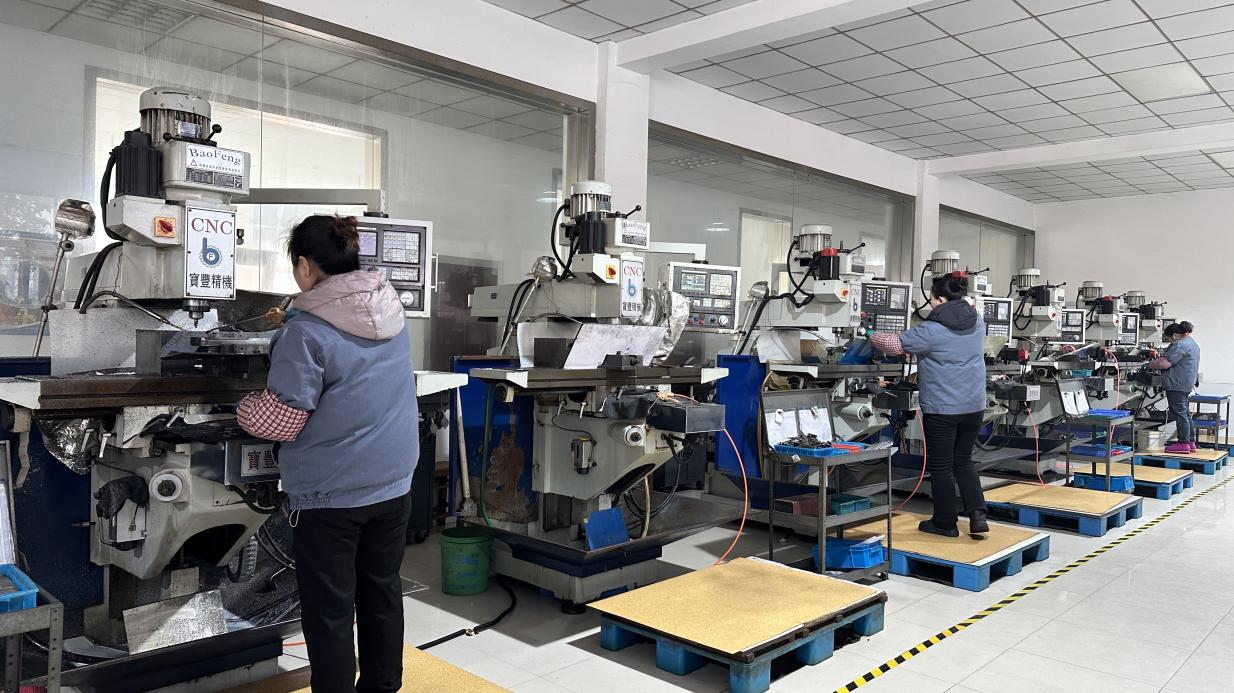
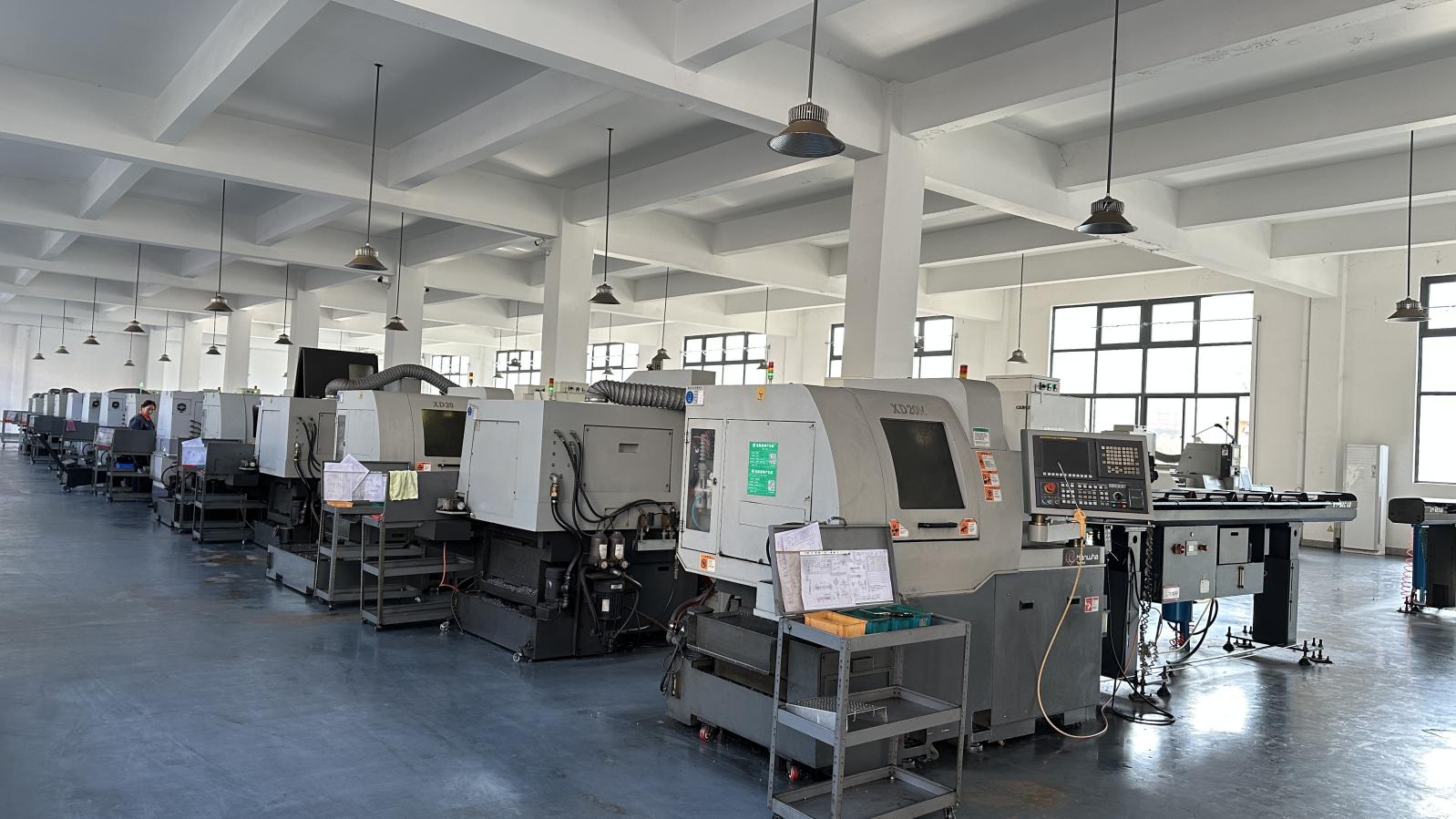
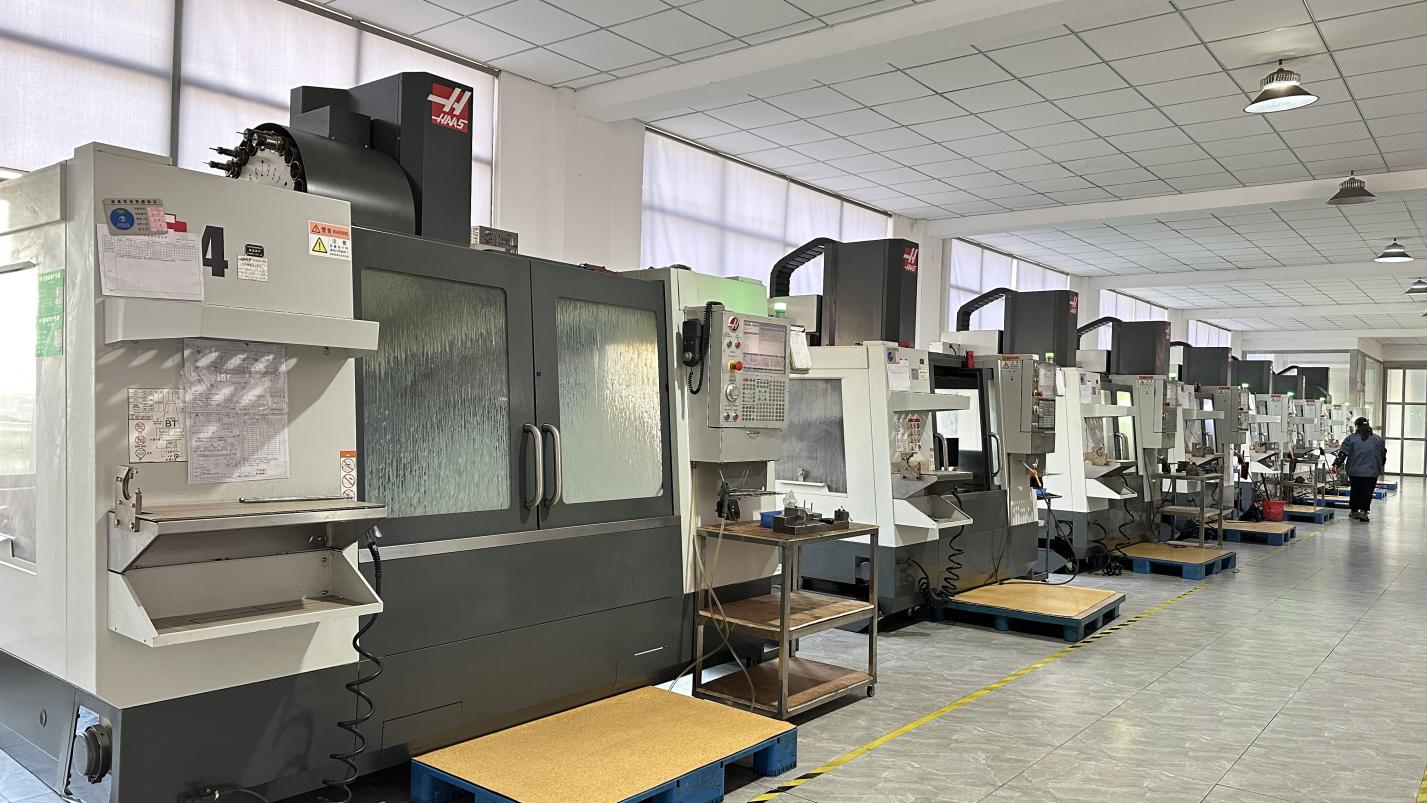
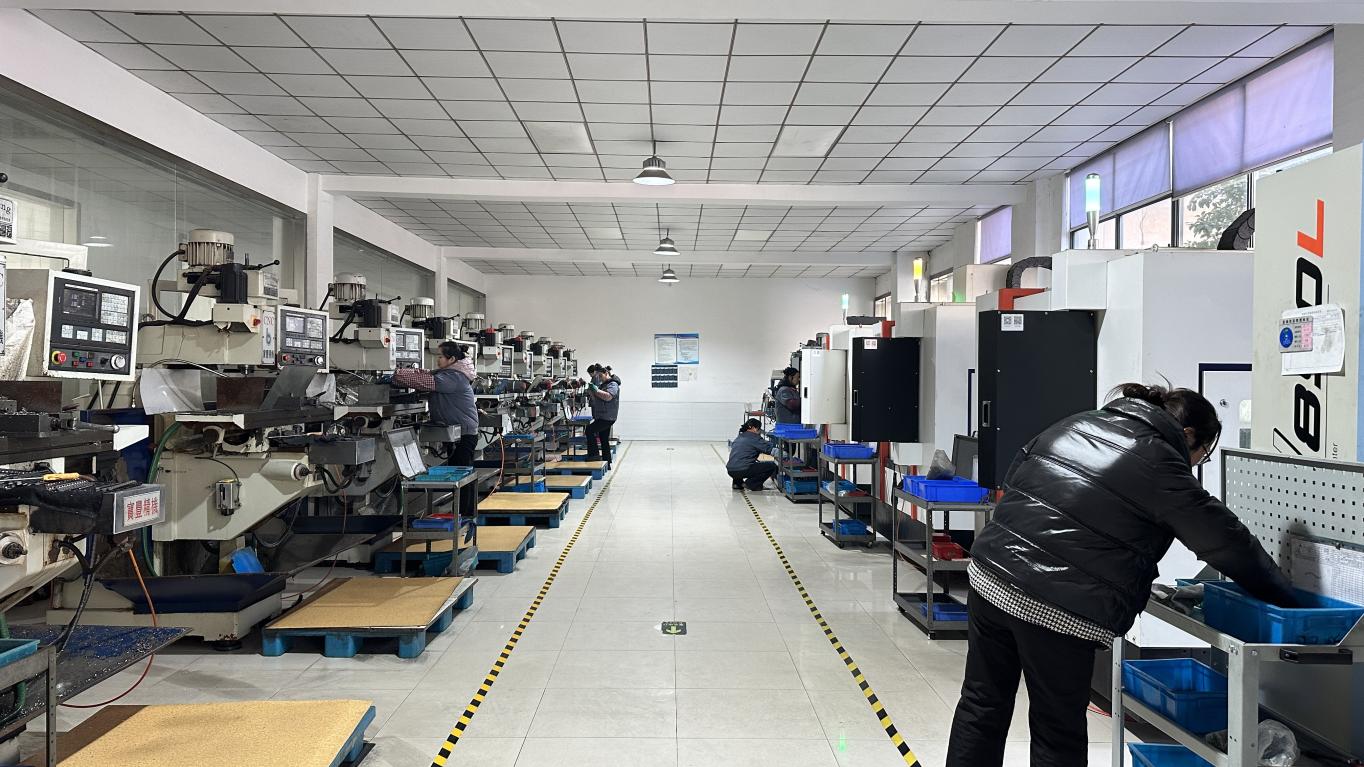
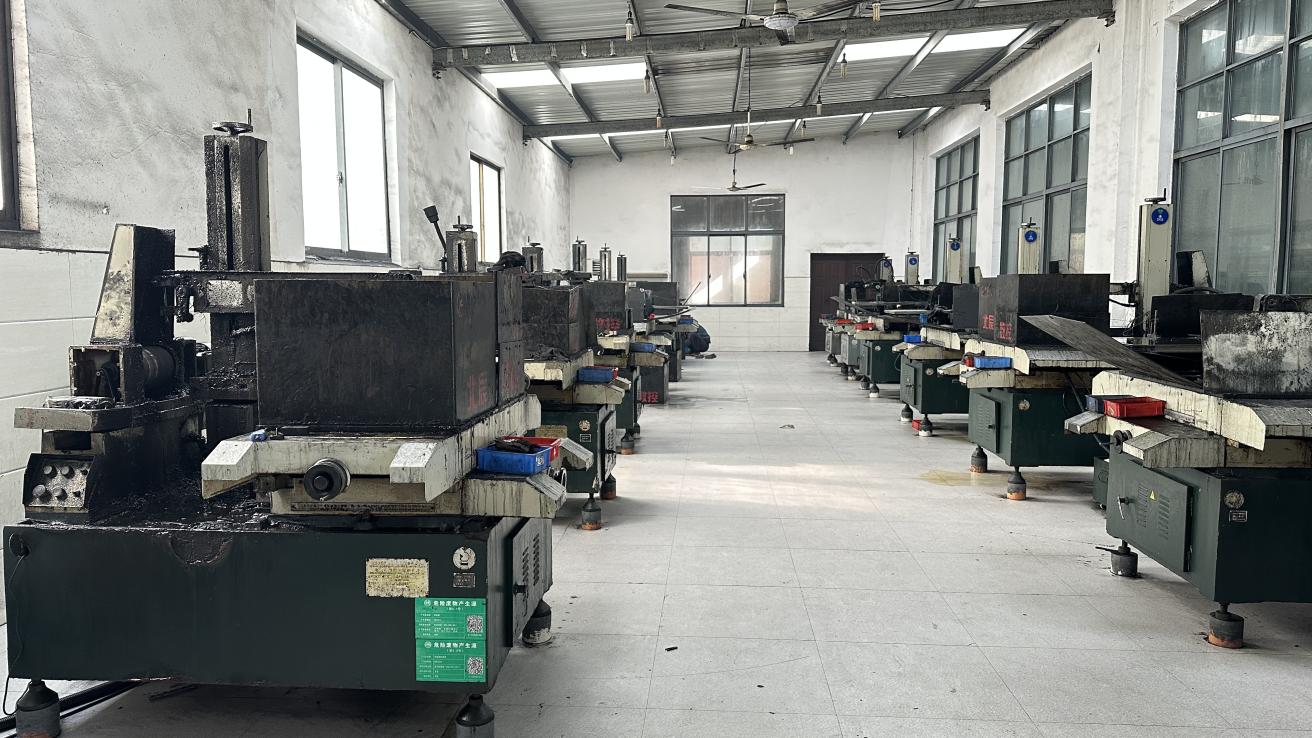
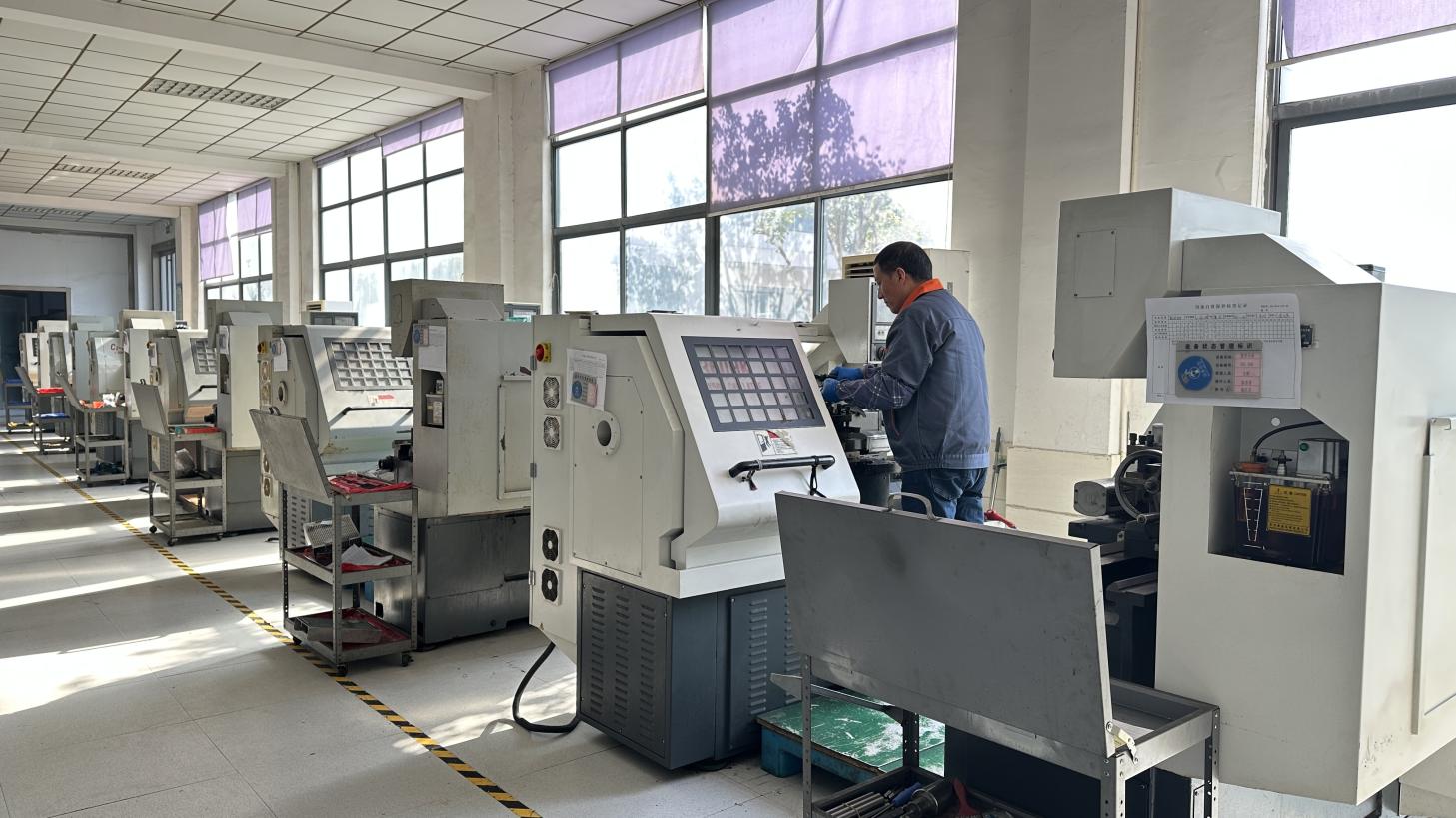
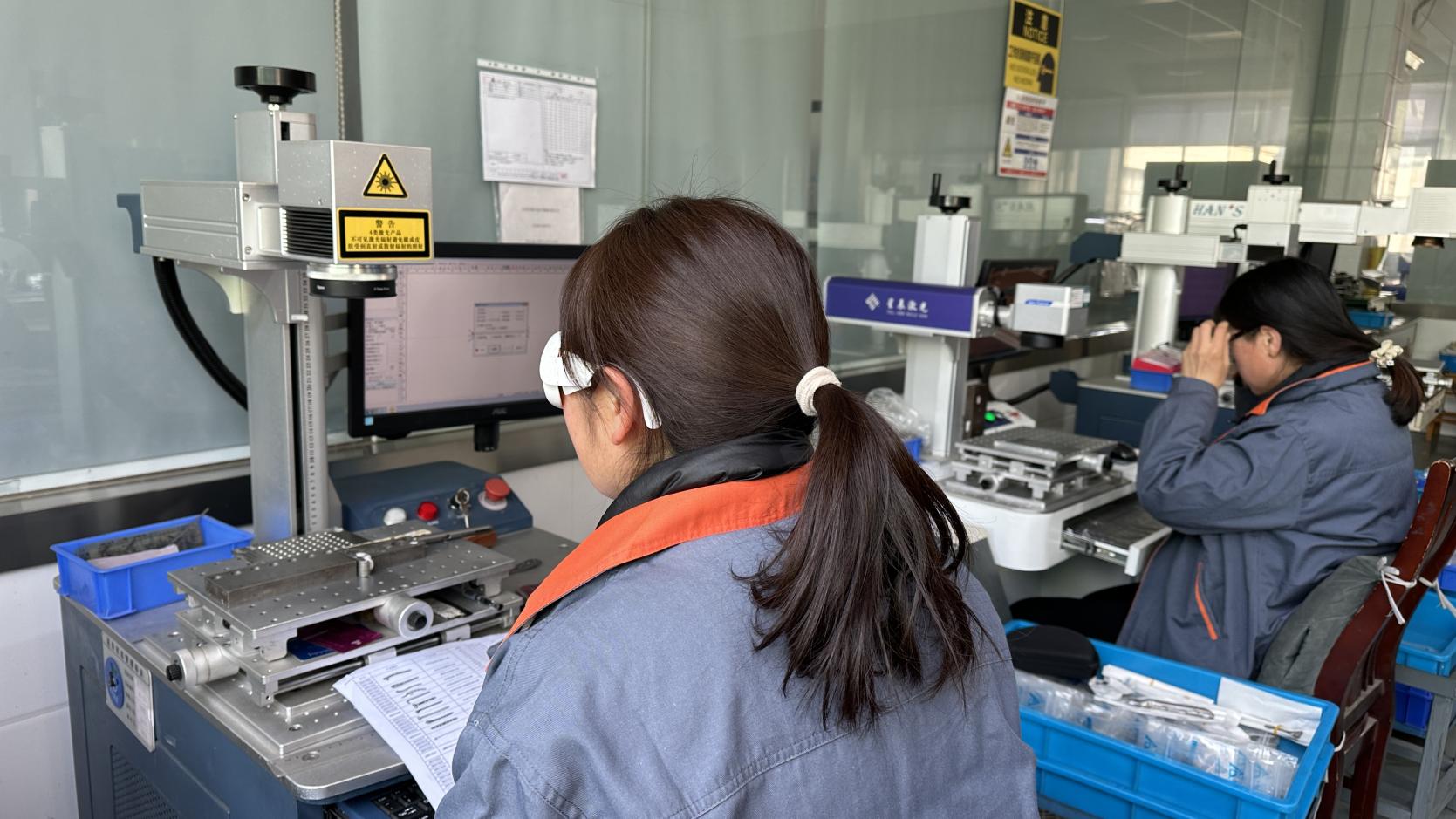
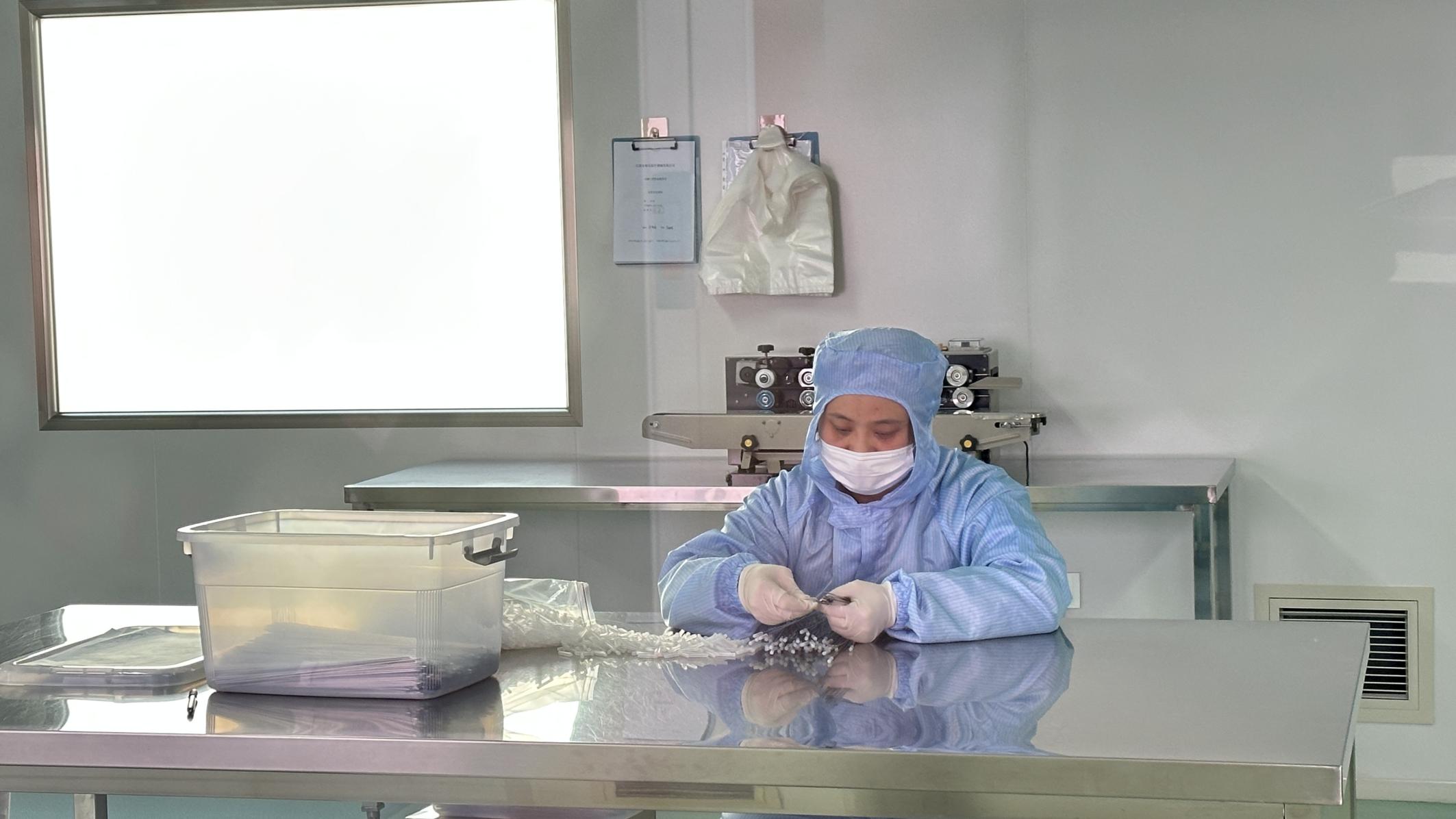
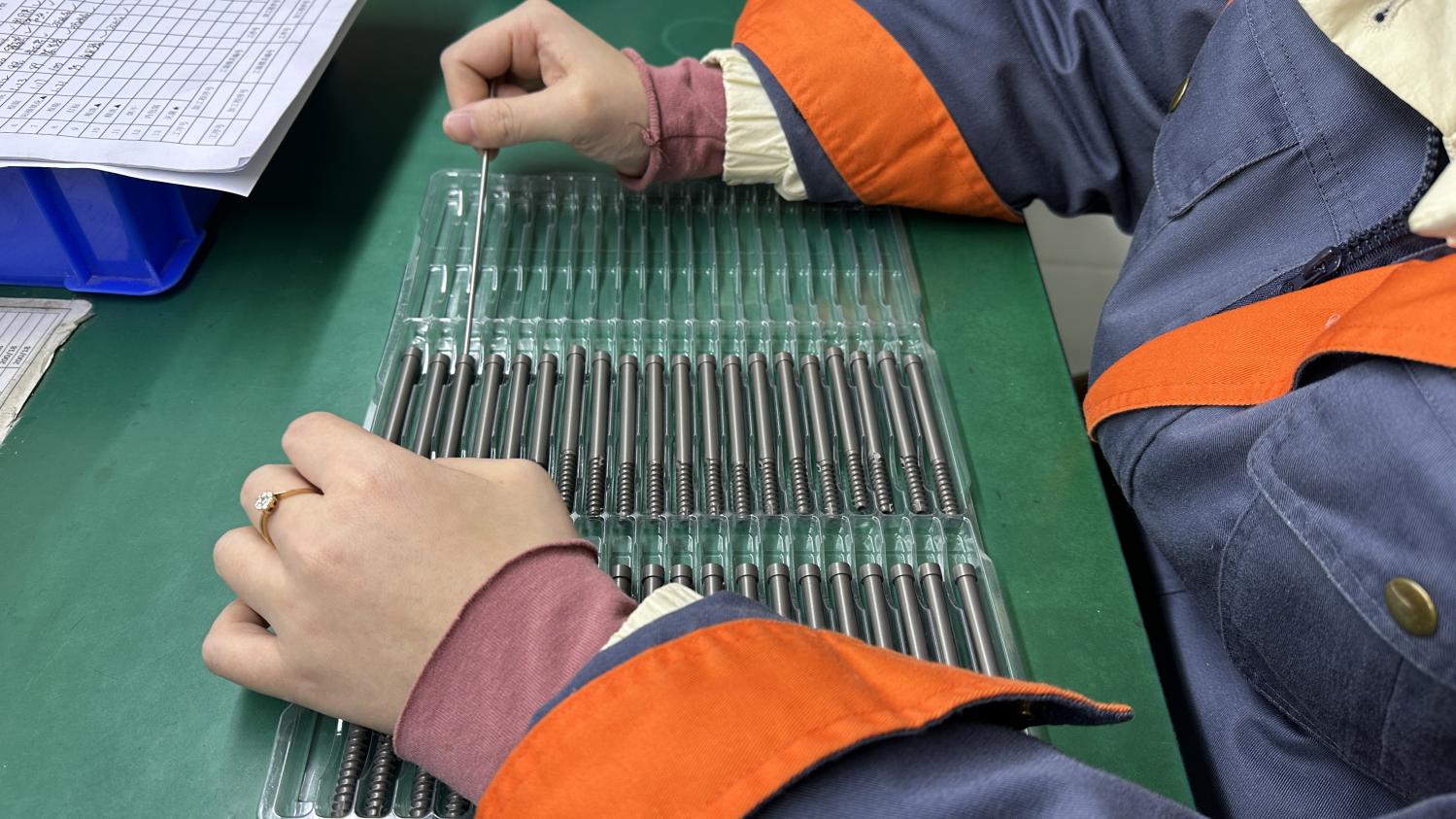
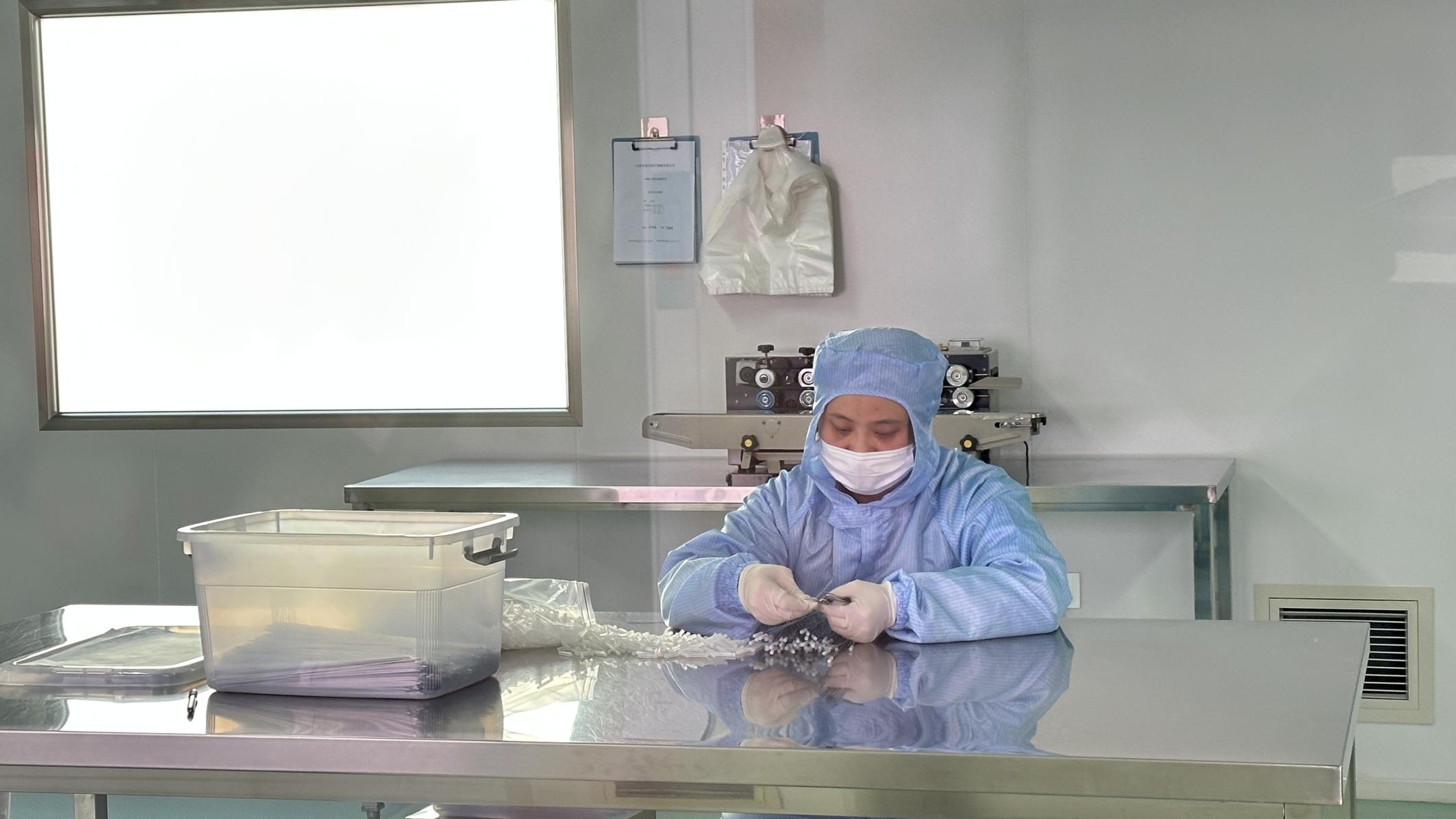
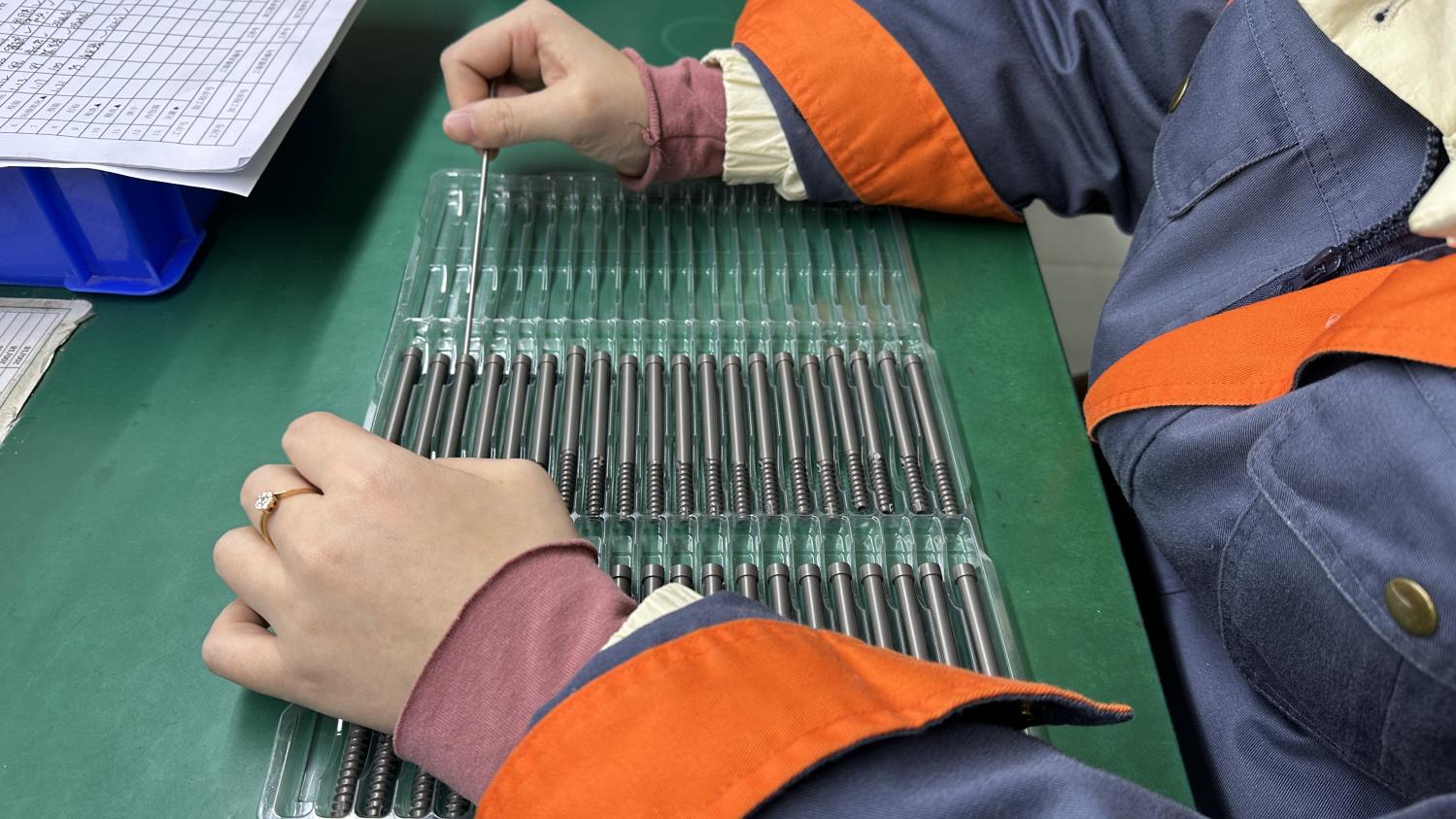
Inside Medisplint's state-of-the-art manufacturing facility: where raw medical-grade materials meet ultra-precise automation.
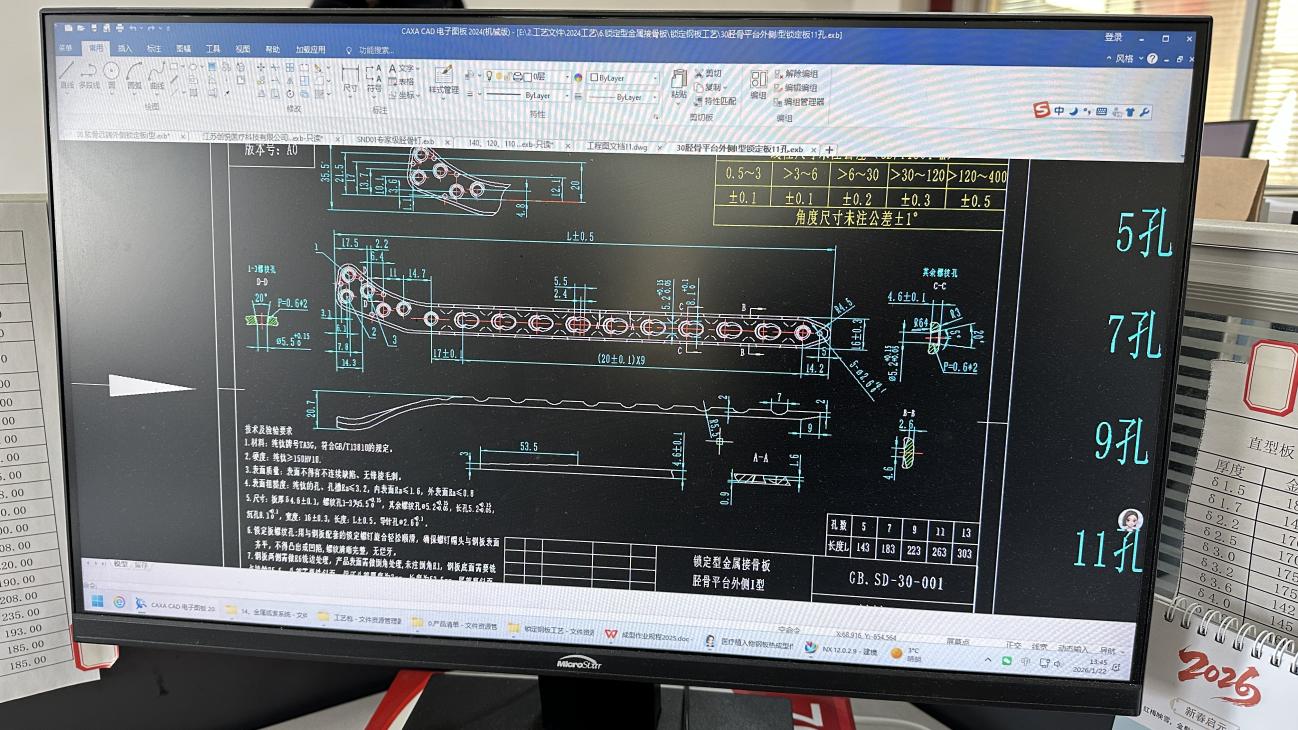
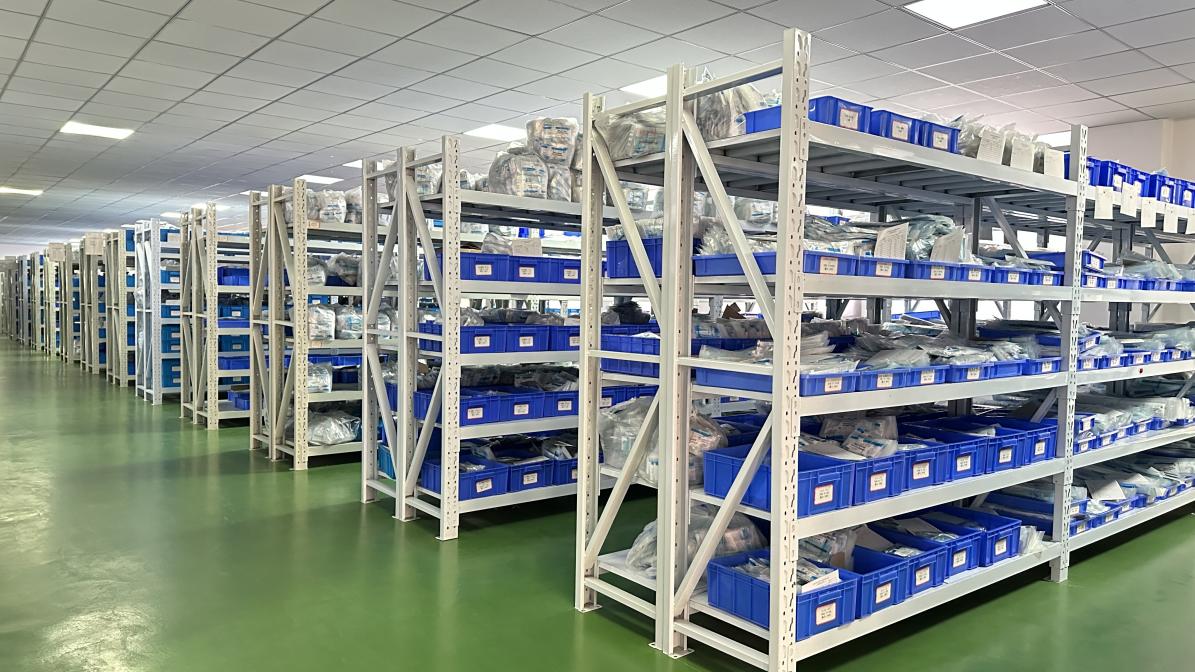
At Medisplint Orthopedic Instruments Co., Ltd., we combine the cost-efficiencies of localized raw material integration with advanced CNC machining to deliver CE-certified orthopedic implants. Established in 2016, our facility spans 18,500m² and integrates CAD/CAM design modeling, automated multi-axis milling, and strict multi-tier quality control inspections. Our operations utilize Class 100,000 cleanrooms for packaging to guarantee the sterility and absolute purity required for surgical implants.
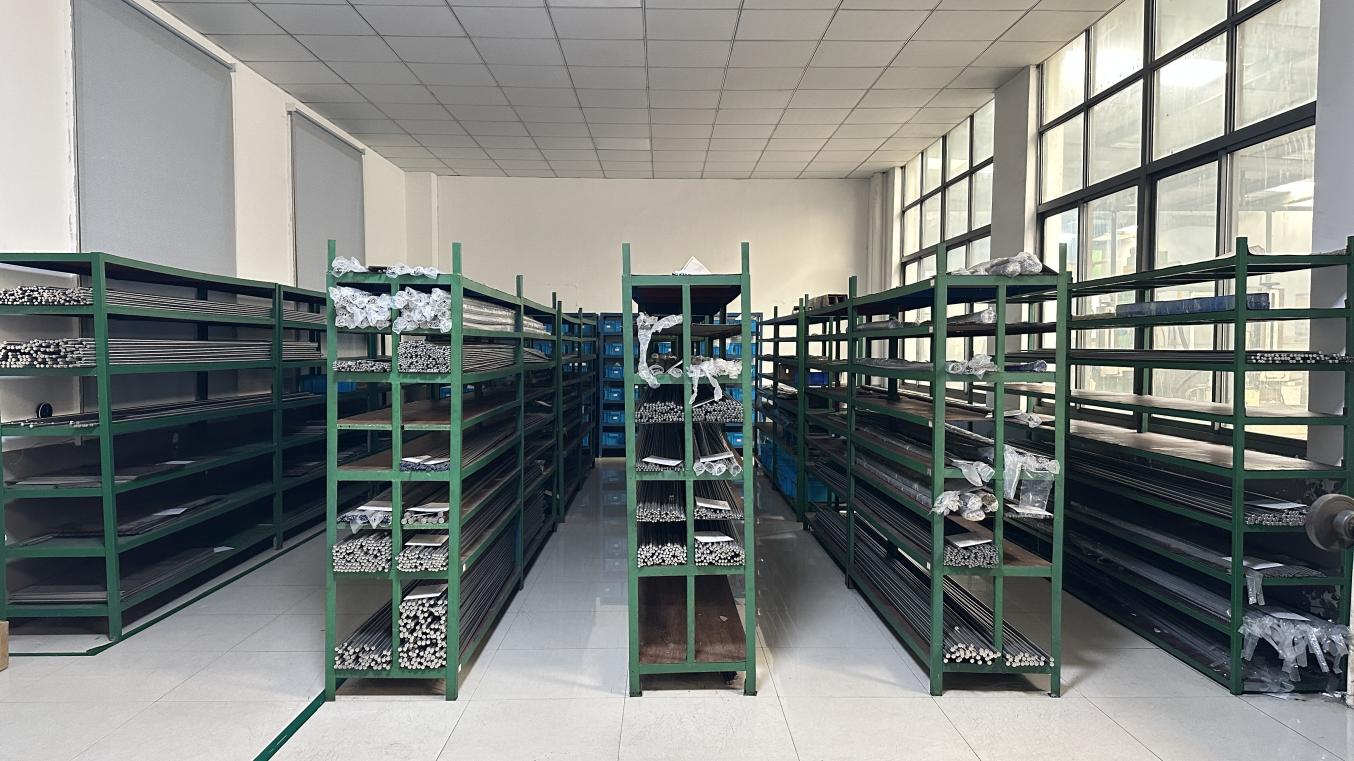
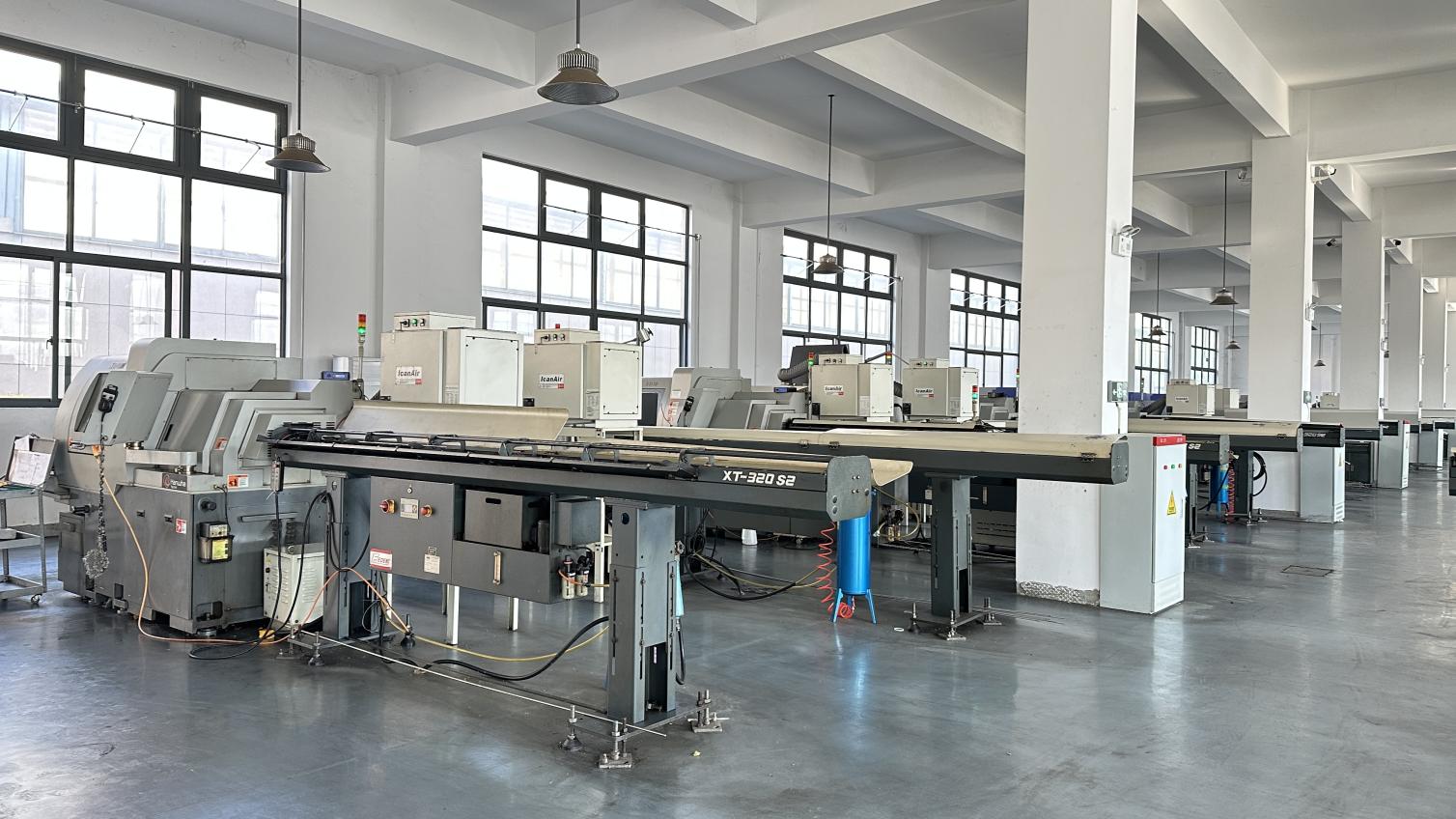
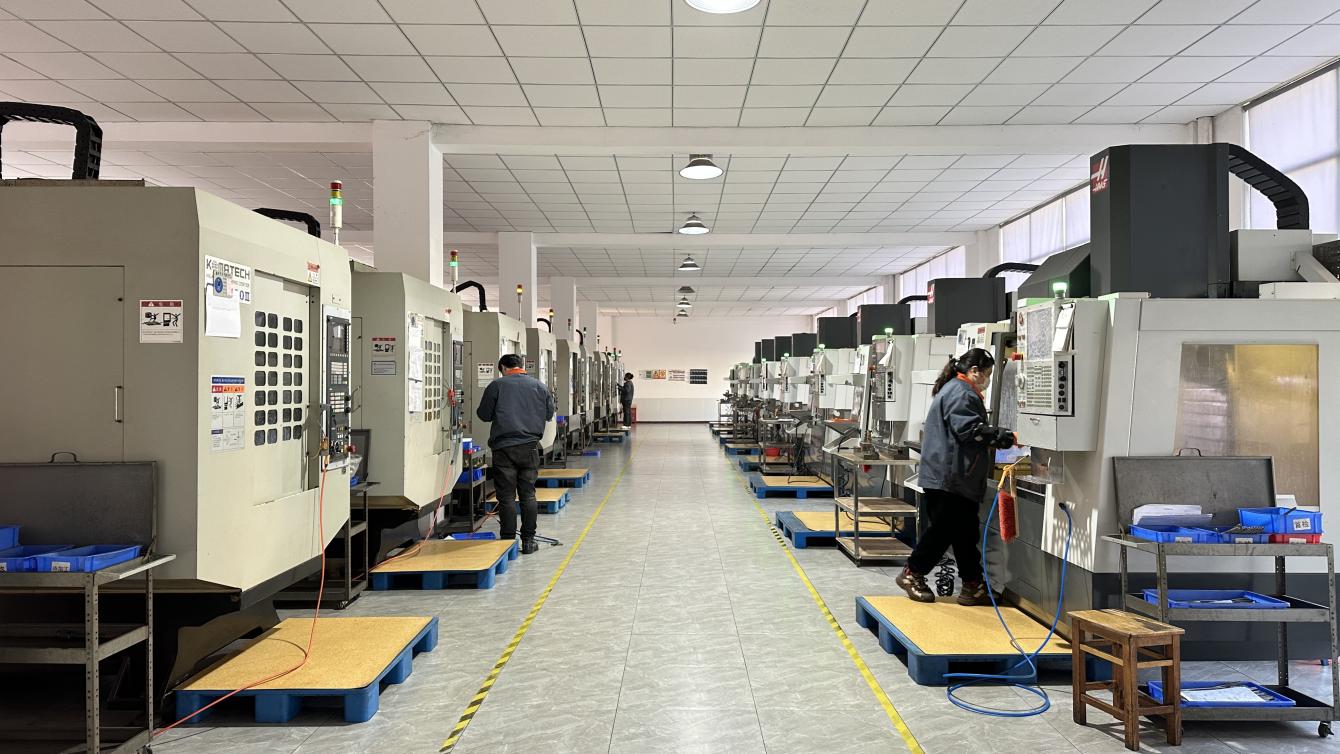
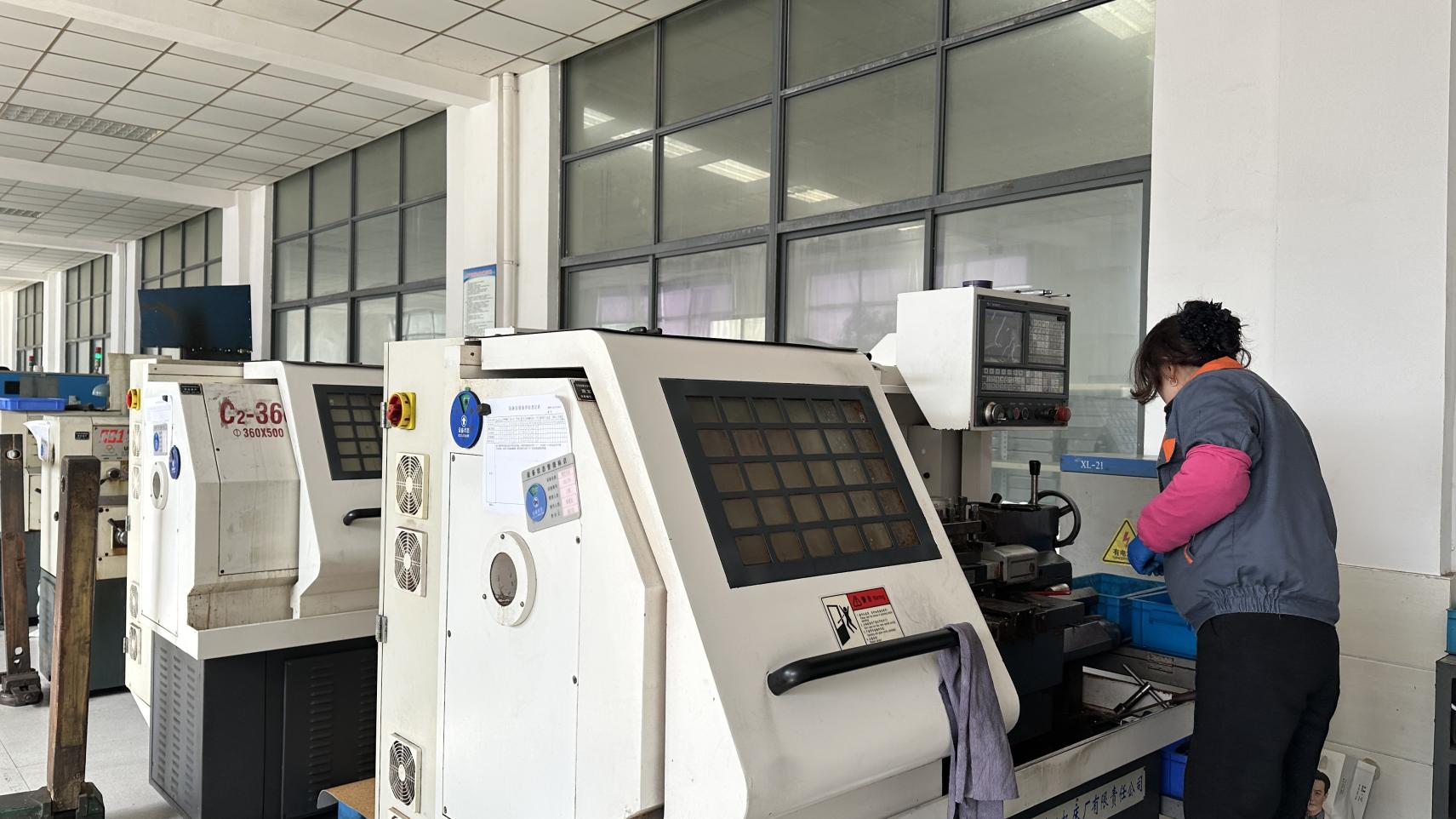
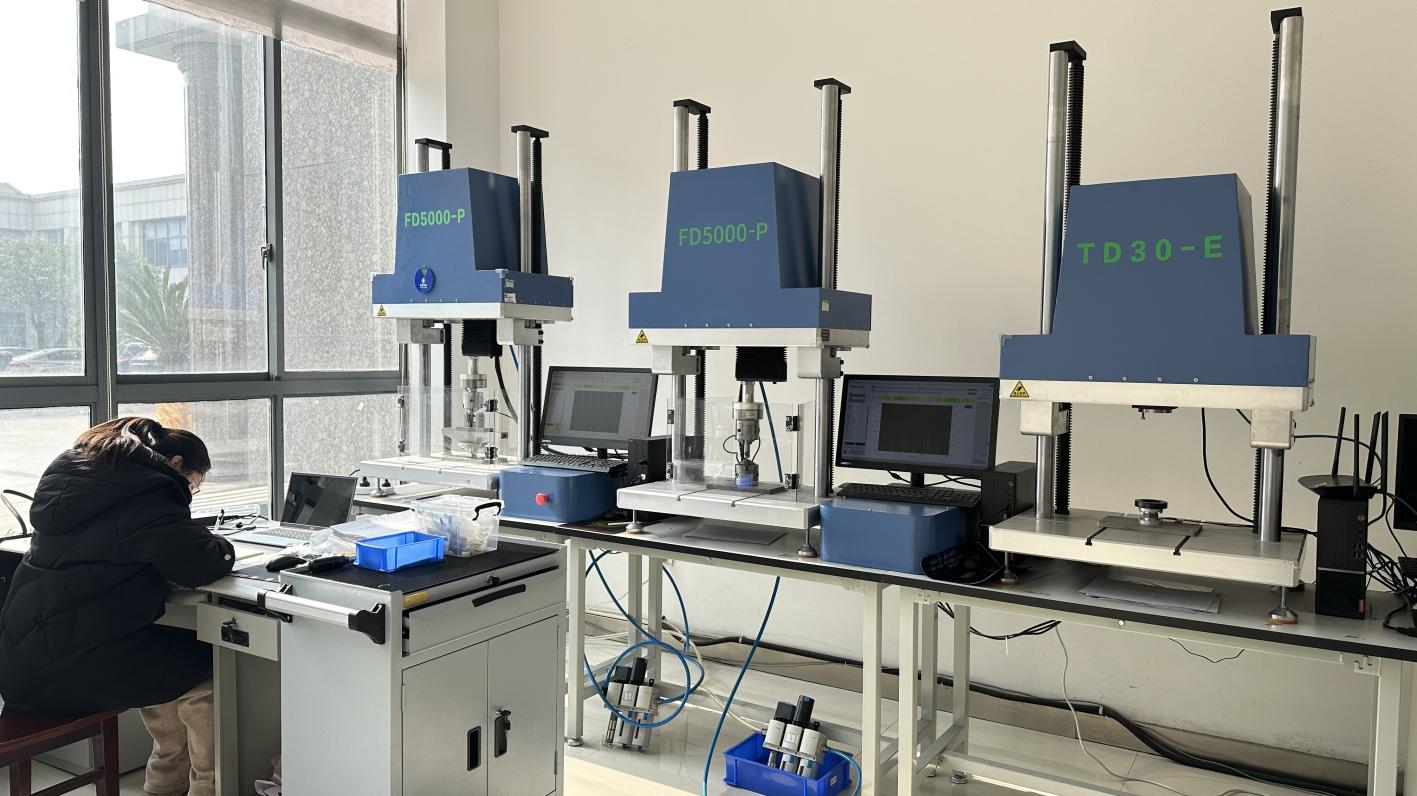
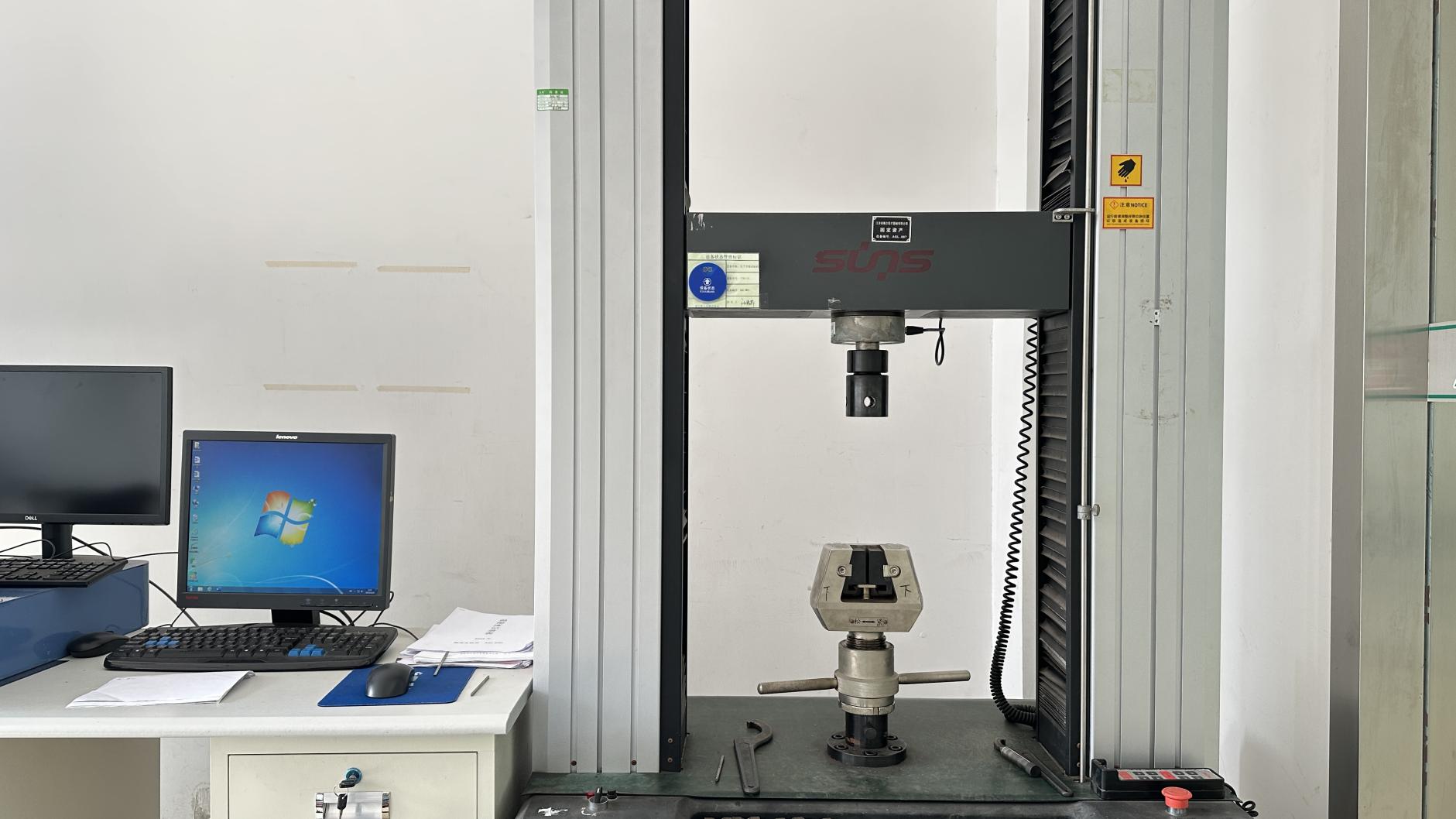
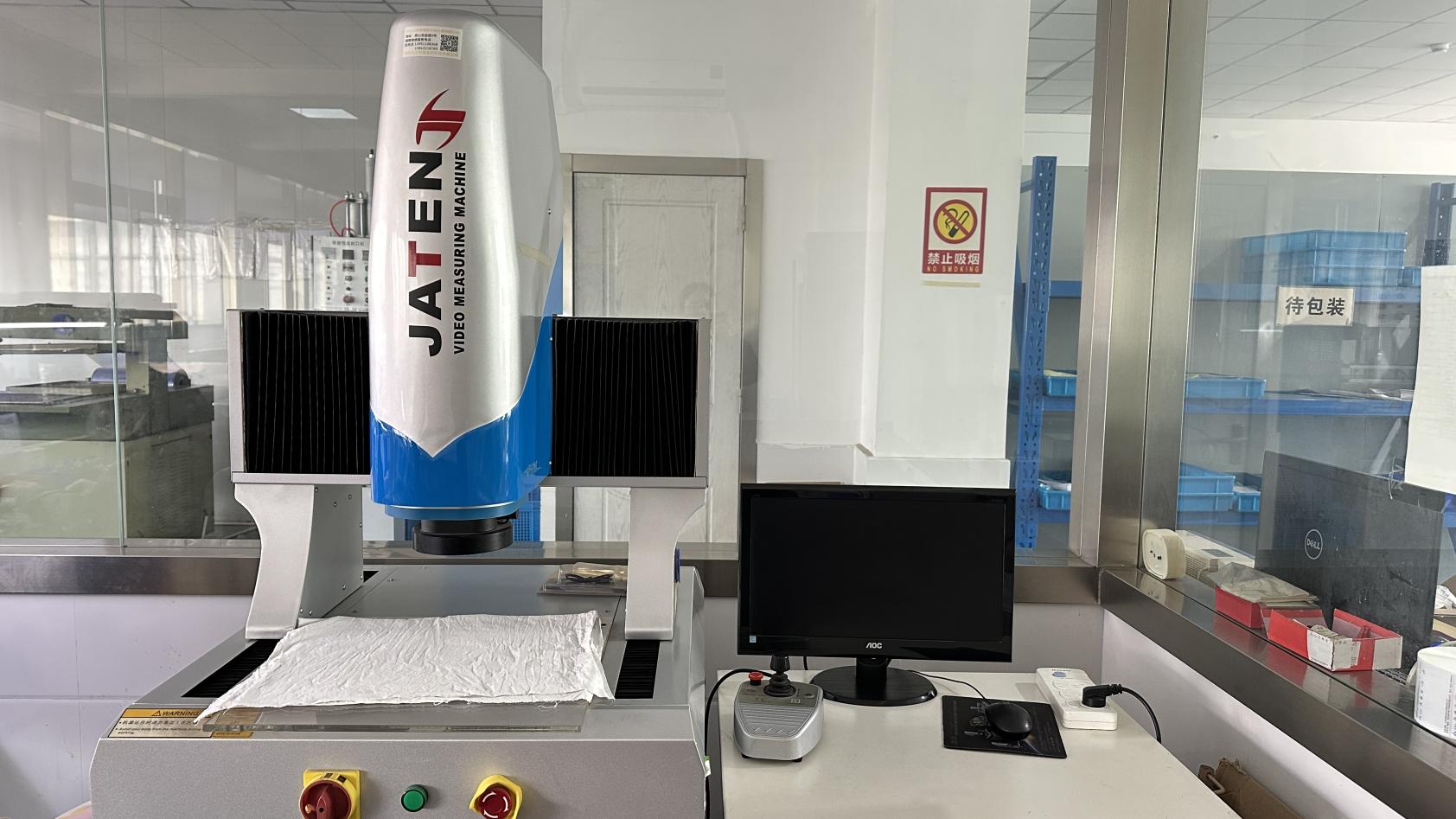
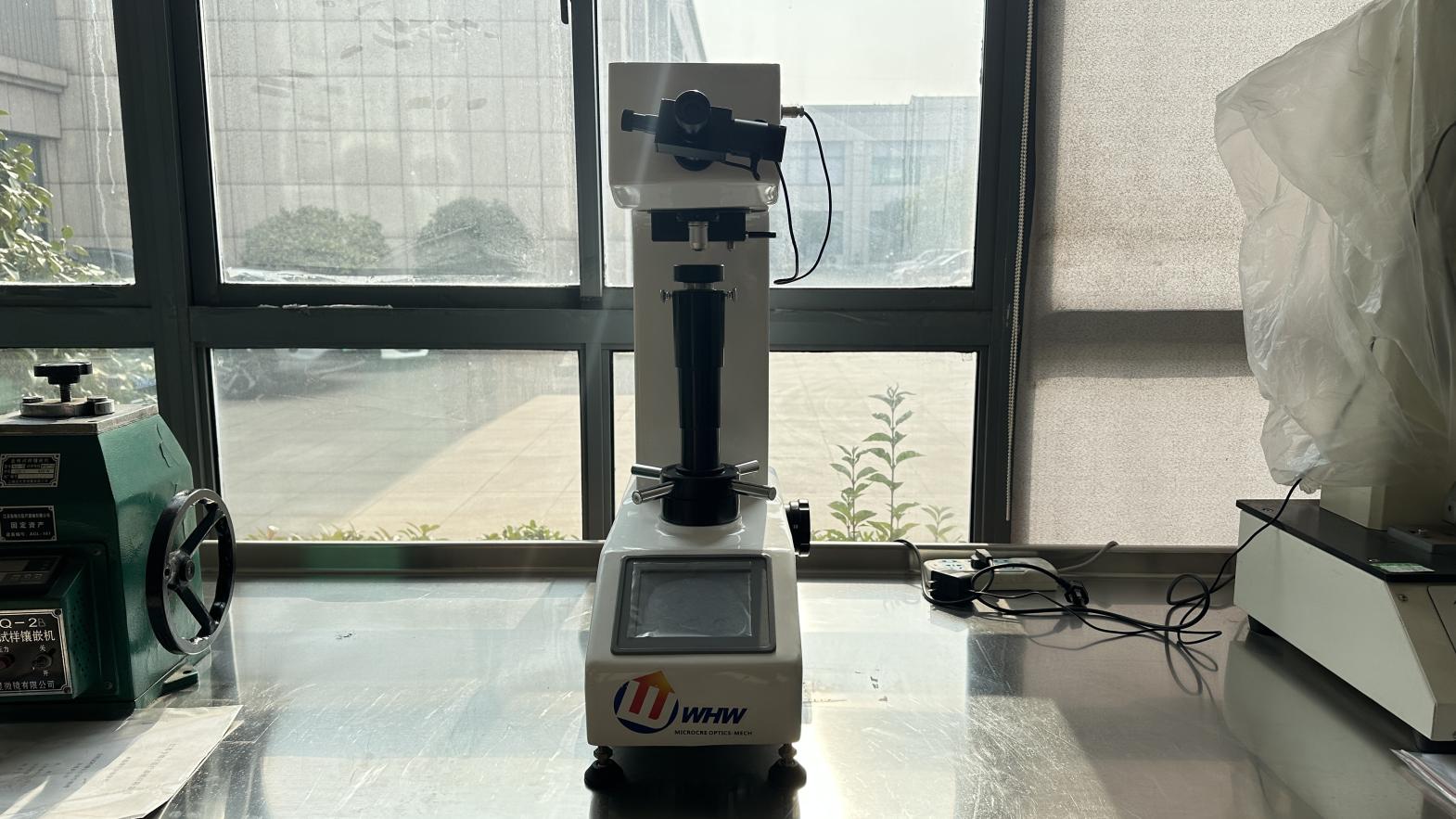
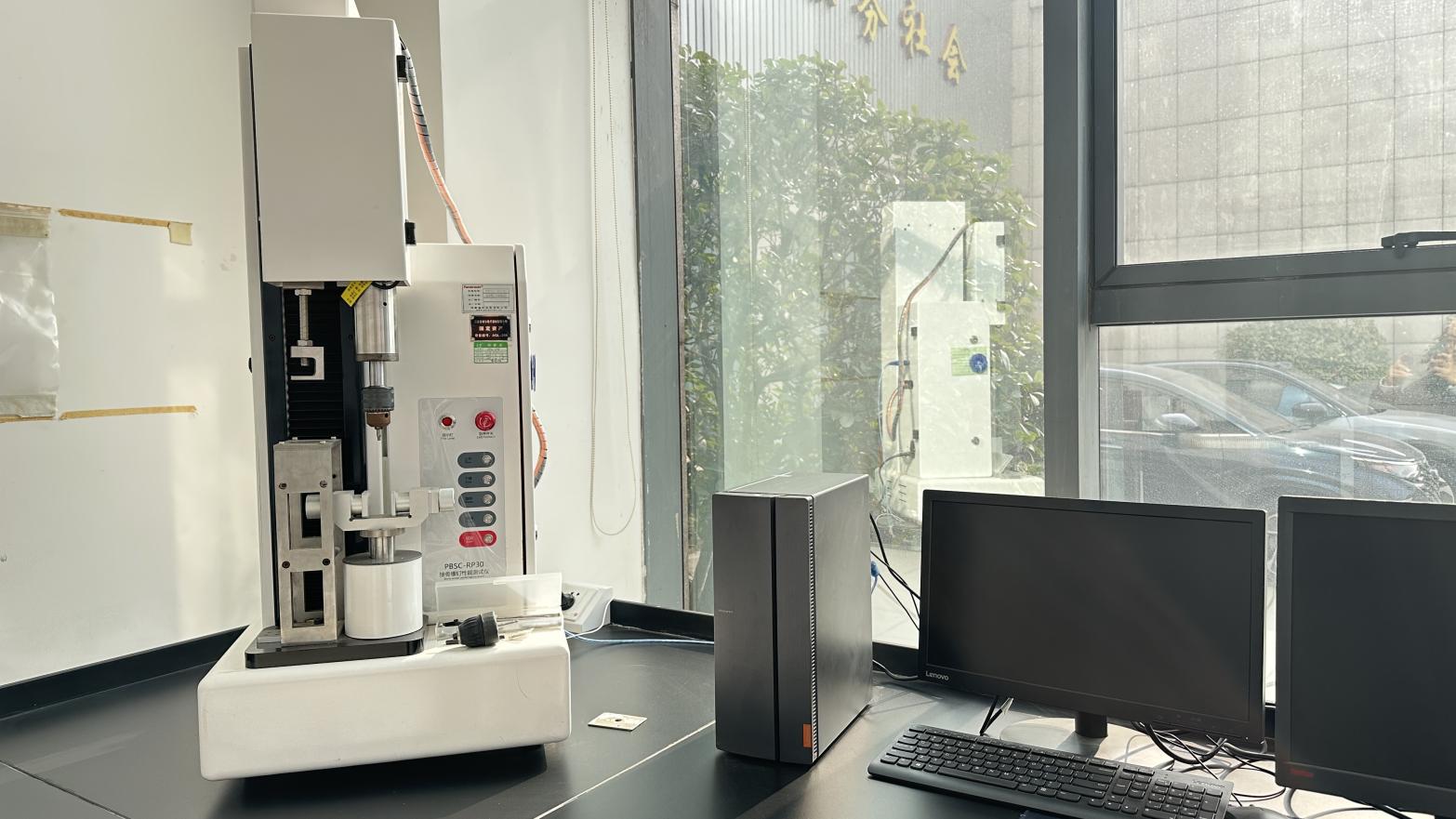
Ensuring structural integrity, bio-tolerability, and regulatory compliance through world-class testing labs.
All PEEK cages manufactured by Medisplint undergo thorough testing to ensure they can withstand physiological loads. Our testing methods follow ASTM F2077 (for static and dynamic compression/shear) and ASTM F2267 (to evaluate subsidence). With 42 quality control inspectors, we conduct rigorous inspections at every stage—from incoming material verification to post-machining dimensional analysis, final packaging checks, and third-party laboratory verification.

How surgical demands shape interbody cage configurations across global healthcare environments.
European clinical institutions require extensive clinical evaluation reports (CERs) under CE MDR. Sourced PEEK cages must feature complete raw-material traceability, validation records, and documented bio-compatibility metrics.
Focuses heavily on custom medical instrument sets, advanced navigations, and tailored implant footprints. Sourcing is driven by OEM partnerships requiring deep CAD/CAM support, raw material traceability, and rapid prototyping capabilities.
Hospitals and spine centers in fast-growing regions prioritize reliable access to high-quality CE-compliant implants. Our strong supply network helps minimize shipping times and maintains steady, cost-effective pricing.
Common inquiries from global procurement teams and orthopedic device distributors.
Discover our range of intramedullary fixation systems, high-precision surgical buttons, and arthroscopy instrumentation.