Medisplint
Medisplint
Medisplint
Explore our CE & ISO certified surgical hardware catalog engineered for trauma, spinal, and reconstructive orthopedic procedures.
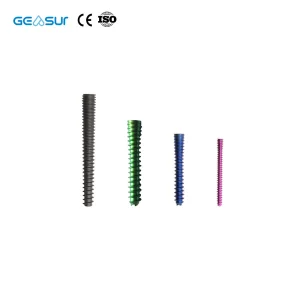
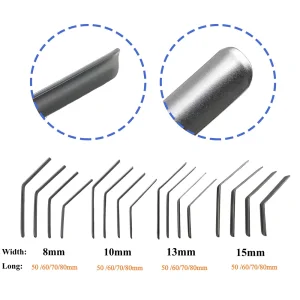
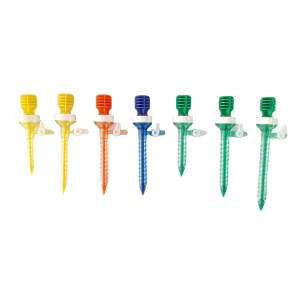
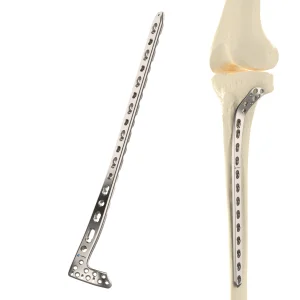
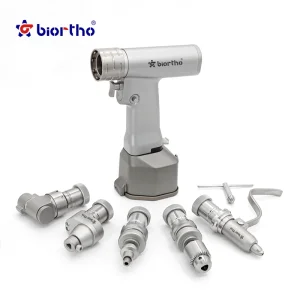
A premier global manufacturing center dedicated to specialized orthopedic trauma systems, spine fixation, and surgical instrumentation.
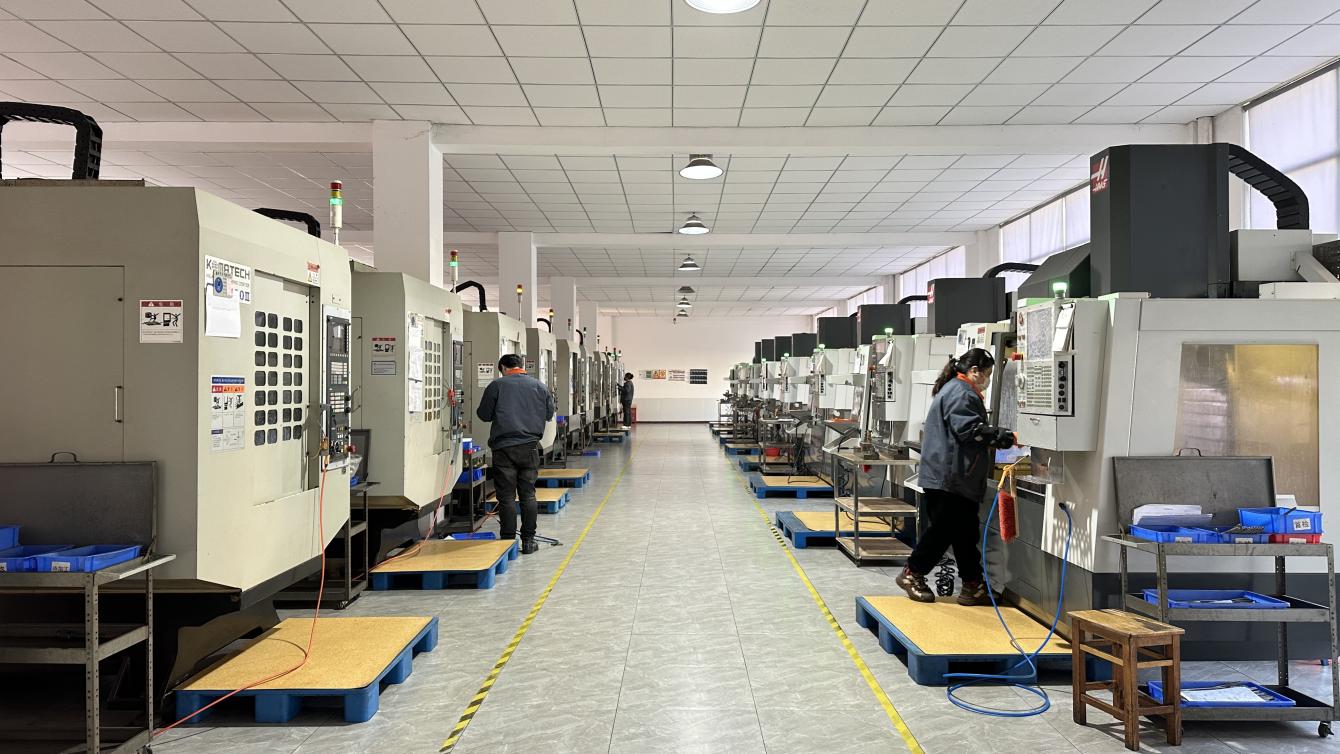
Founded in 2016, Medisplint Orthopedic Instruments Co., Ltd. has established itself as an innovative force in the orthopedic medical device field. Integrating modern manufacturing architectures with rigorous clinical requirements, our operations center handles the design, development, high-precision machining, and dynamic testing of implants utilized across global hospitals, trauma clinics, and surgical centers. Our portfolio extends across trauma plates, spinal fusion cages, and specialized compression screws, supporting surgical partners in over 80 countries.
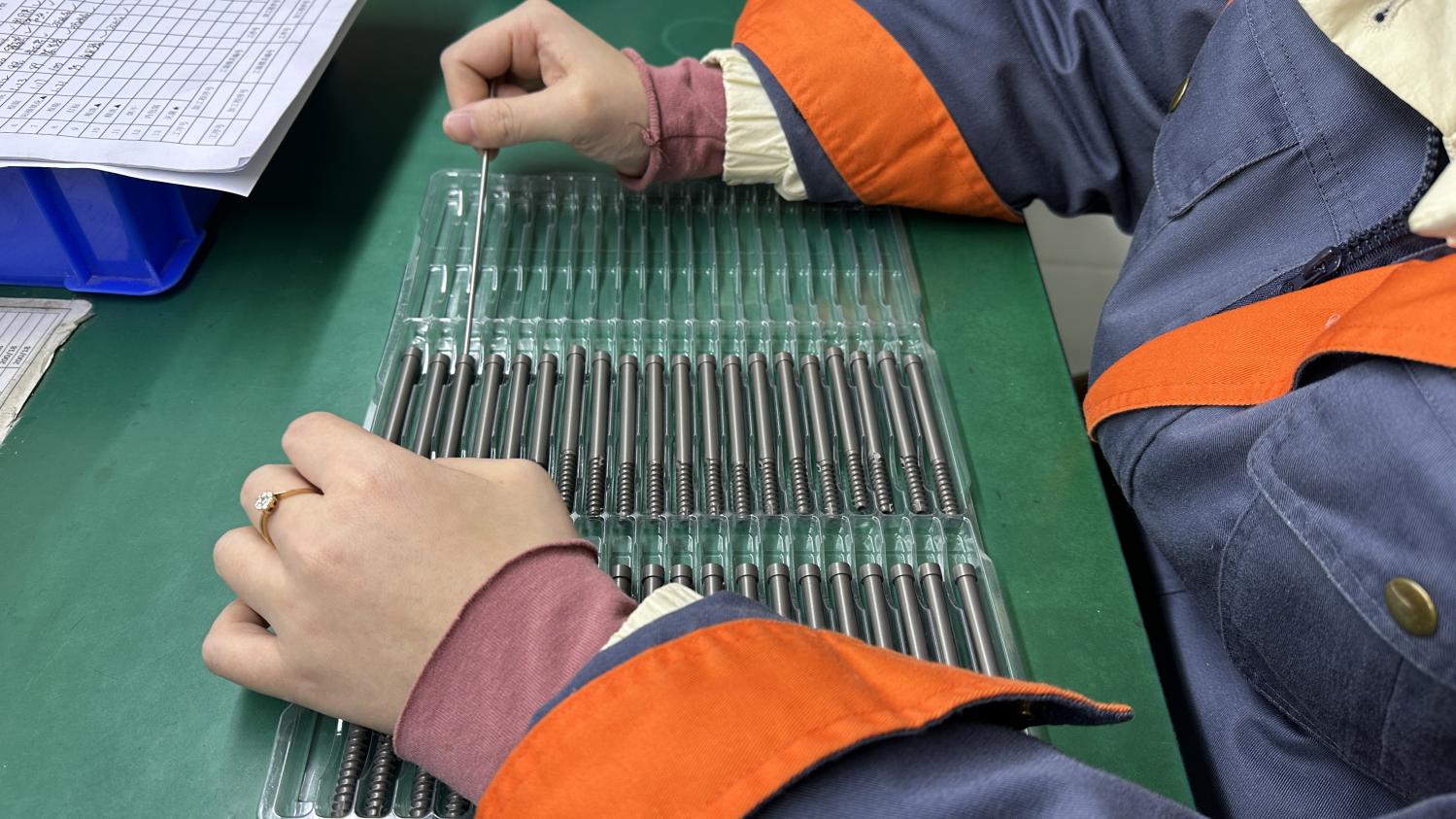
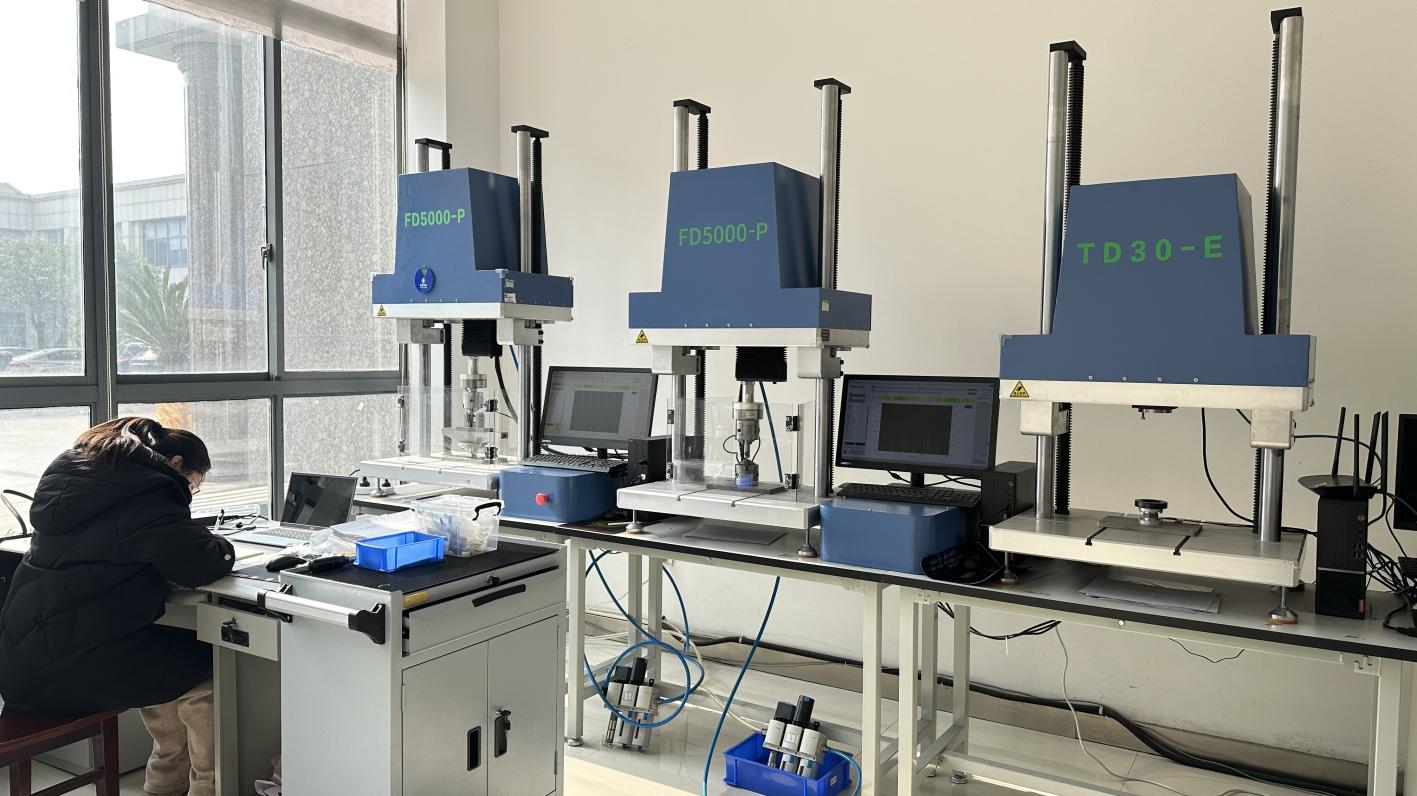
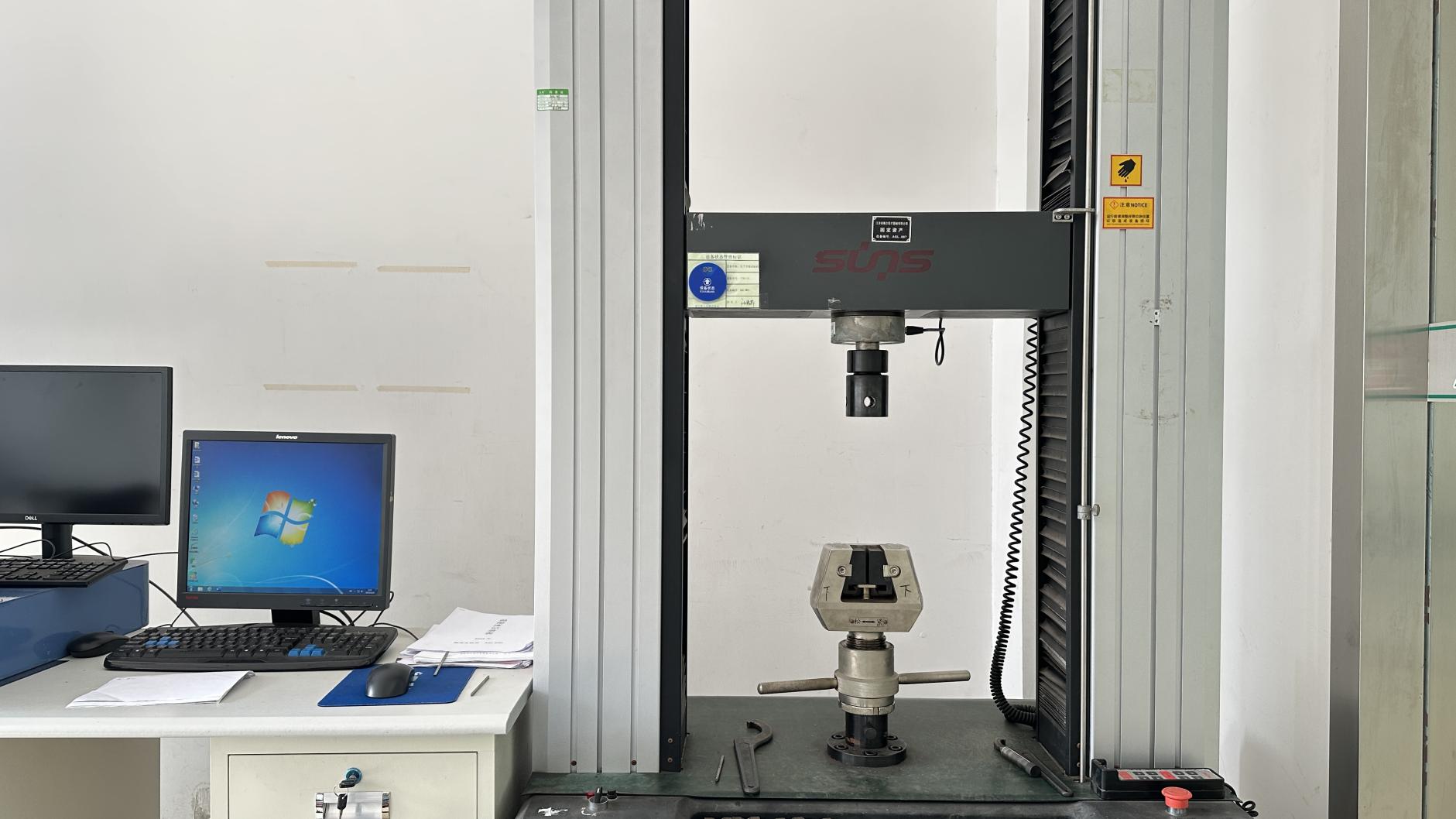
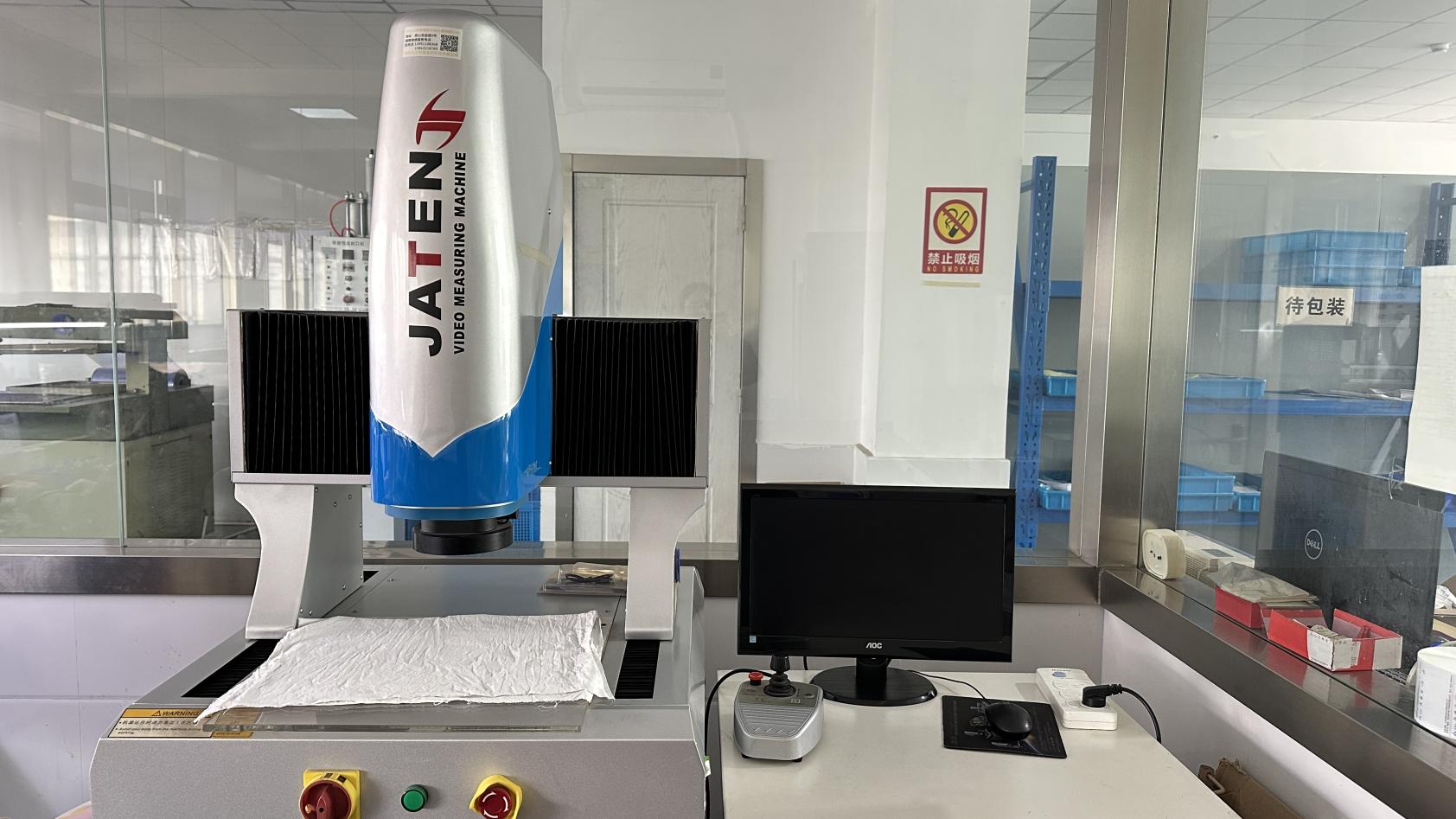
Our facility houses an advanced mechanical testing laboratory equipped with state-of-the-art instruments: Fatigue Testers, Tensile Testers, and Bone Screw Performance Testers. Under the direction of our quality management department, every batch undergoes chemical composition validation, mechanical performance benchmarking, and micro-dimensional inspection to meet and exceed ISO 13485 regulations. With over 1,200 supply chain partners, we ensure complete supply security, offering robust OEM/ODM production volumes for global distributors.
A technical investigation into clinical intent, materials science, and manufacturing protocols for orthopedic trauma devices.
Large-scale medical device procurement organizations, hospital groups, and distribution firms face mounting pressure. Driven by shifting healthcare economics and stricter regulatory systems such as the European Medical Device Regulation (EU MDR), procurement directors are looking to reduce supply chain vulnerabilities. Traditional manufacturing channels often present high unit costs and lack the agility to supply custom sizing profiles (e.g., customized thread pitches, varied cannulation options) necessary for diverse patient populations.
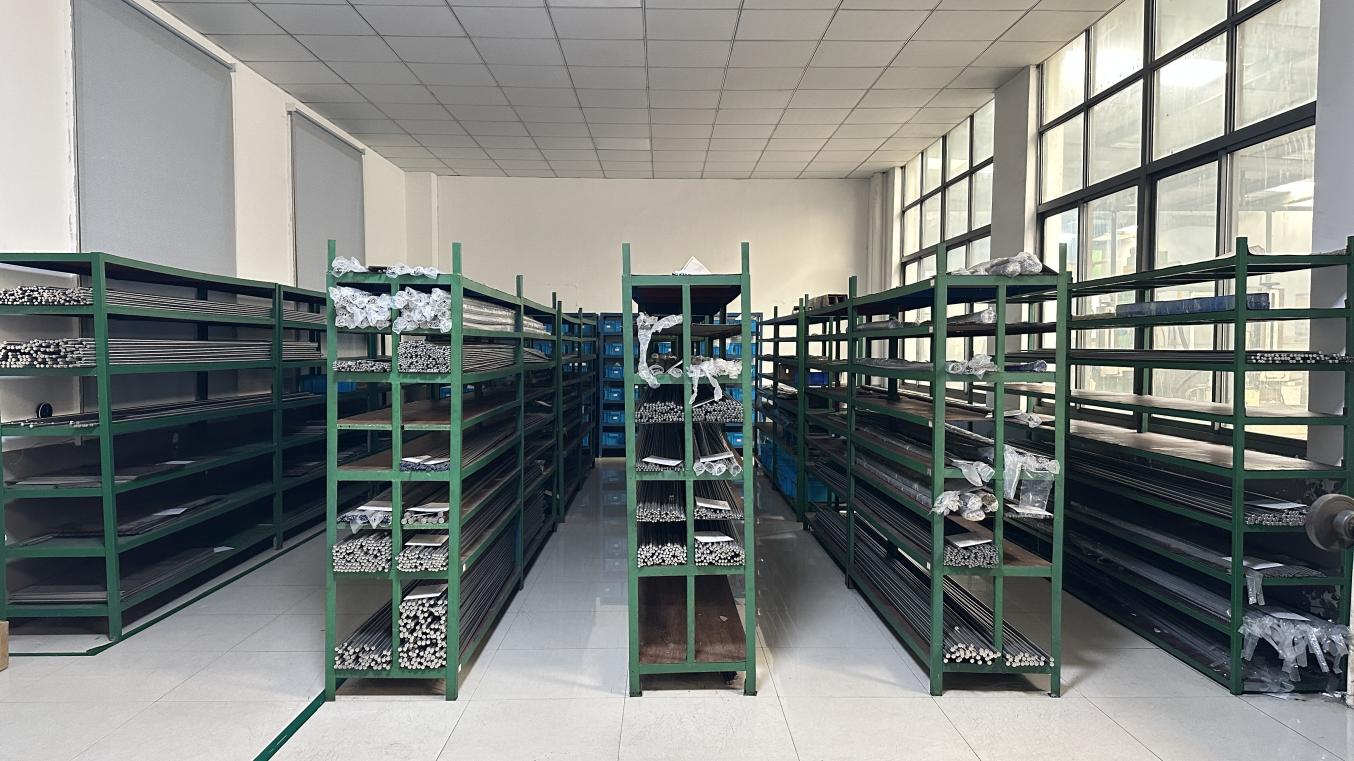
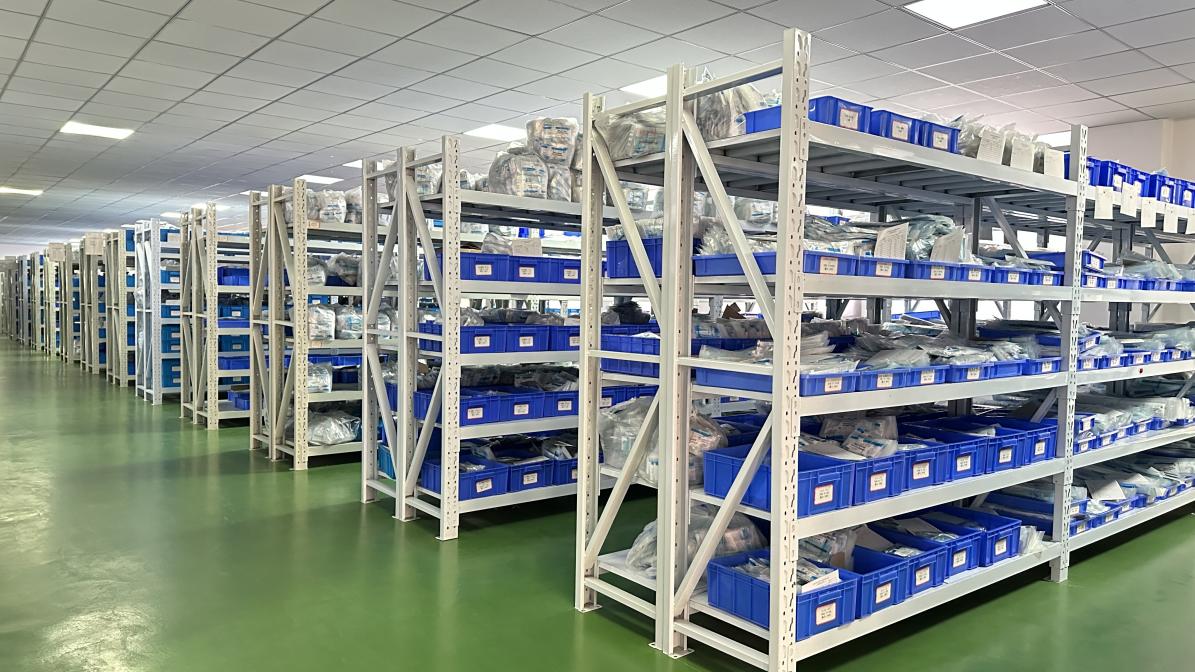
Strategic purchasing departments now look for factories that combine raw material sourcing stability with robust compliance portfolios. Our factory addresses this challenge by maintaining a collaborative chain of over 1,200 suppliers, stabilizing raw titanium pricing, and providing batch traceability from raw bar stock to sterilized clinical packaging. Through this integration, we mitigate lead-time fluctuations and provide OEM/ODM partners with consistent production runs, insulating them from unexpected supply chain shocks.
Bone healing relies heavily on absolute mechanical stability. In intra-articular fractures, osteotomies, and joint arthrodesis, compression screws generate compression across fracture lines. This interfragmentary compression increases friction and minimizes micro-movement, accelerating osteosynthesis and reducing the risk of nonunion or pseudarthrosis.
Modern clinical methods employ headless compression screws (HCS) to allow implant burial beneath articular cartilage surfaces. By engineering variable-pitch threads, where the distal pitch is wider than the proximal pitch, the screw naturally draws bone fragments together as it advances. In contrast, cannulated compression designs allow precise guide-wire positioning, reducing surgical window footprints and minimizing soft-tissue disruption. Our product lines offer targeted solutions for anatomical sites spanning from small bone extremities (e.g., scaphoid, calcaneus, and distal radius fractures) to large-bearing interfaces such as femoral neck reconstructions.
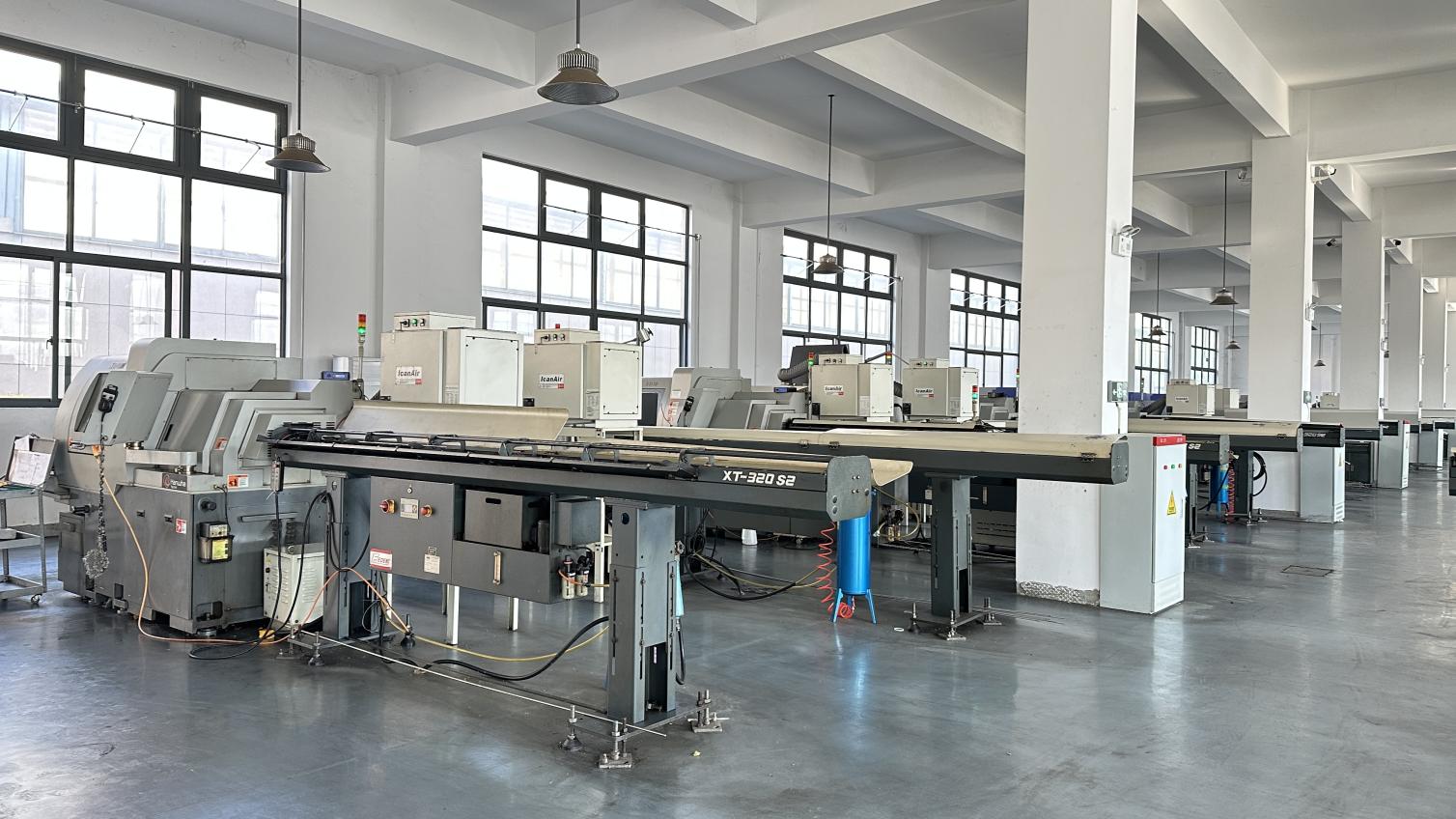
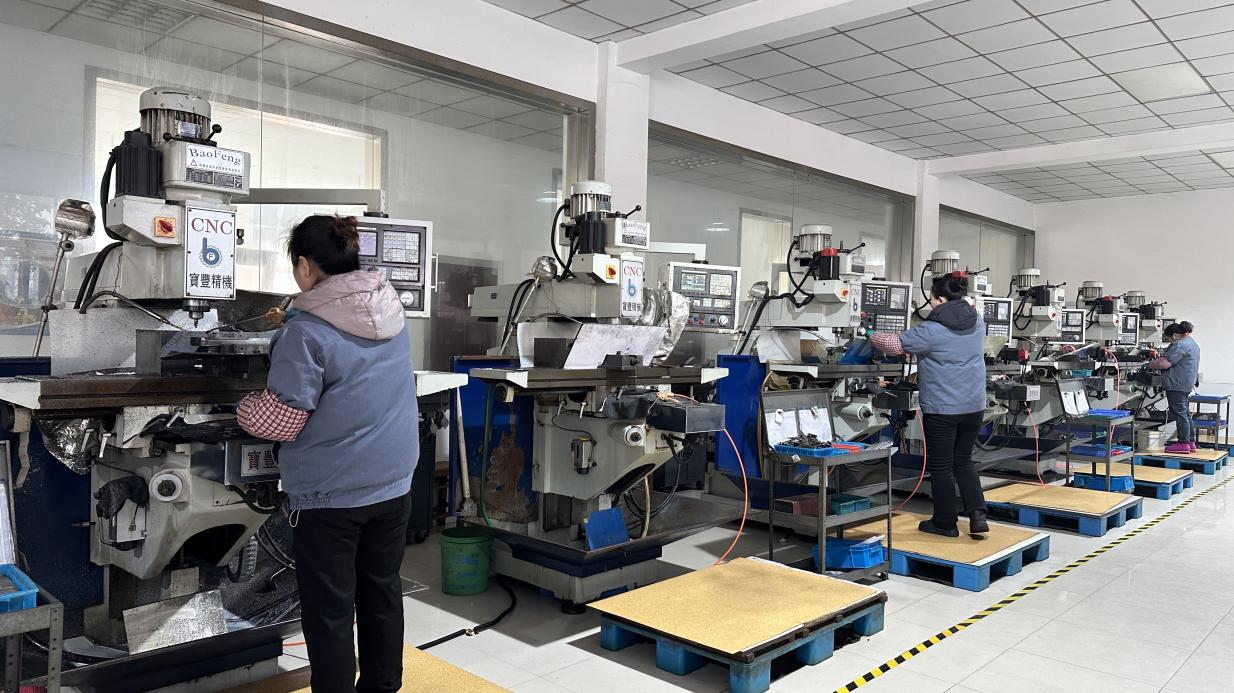
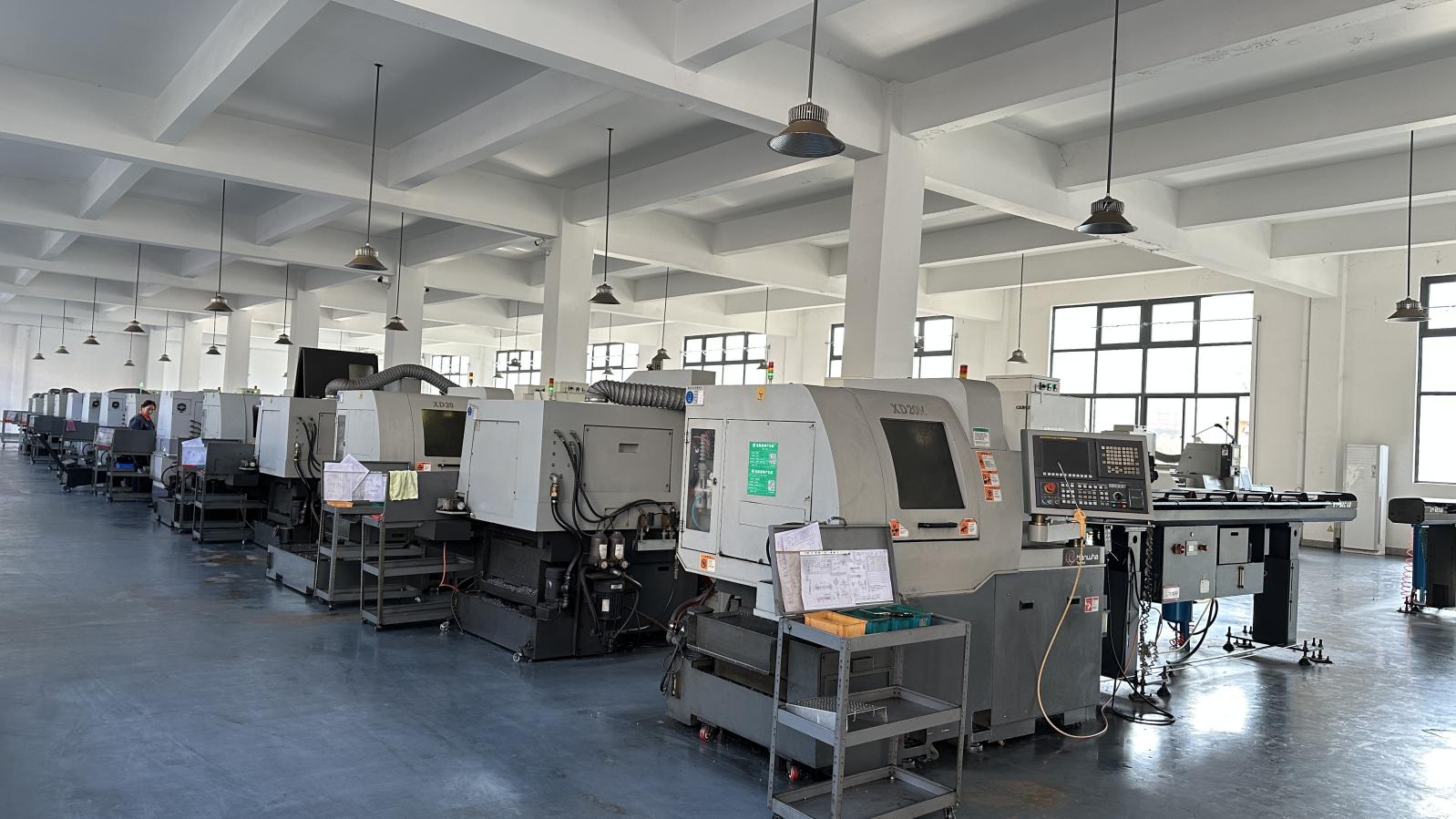
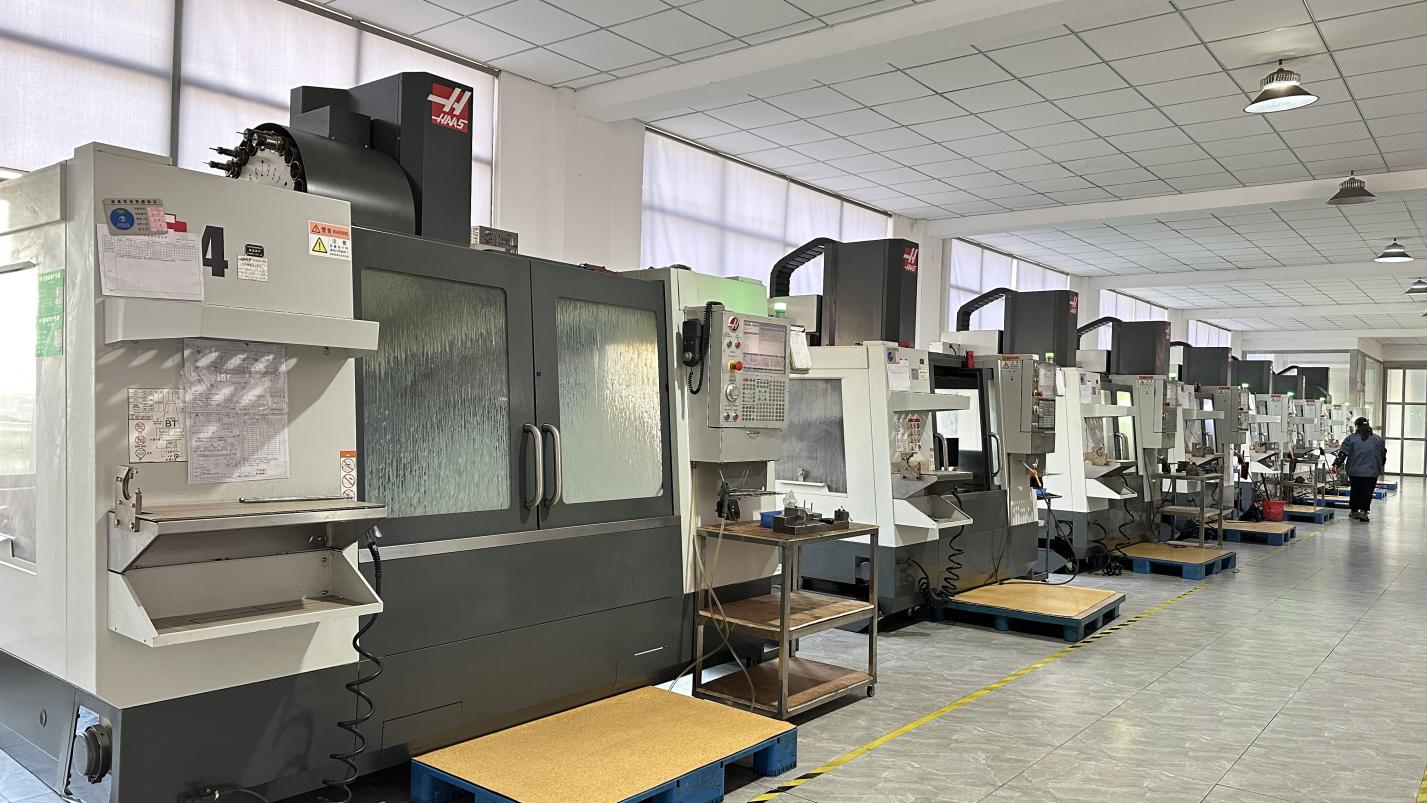
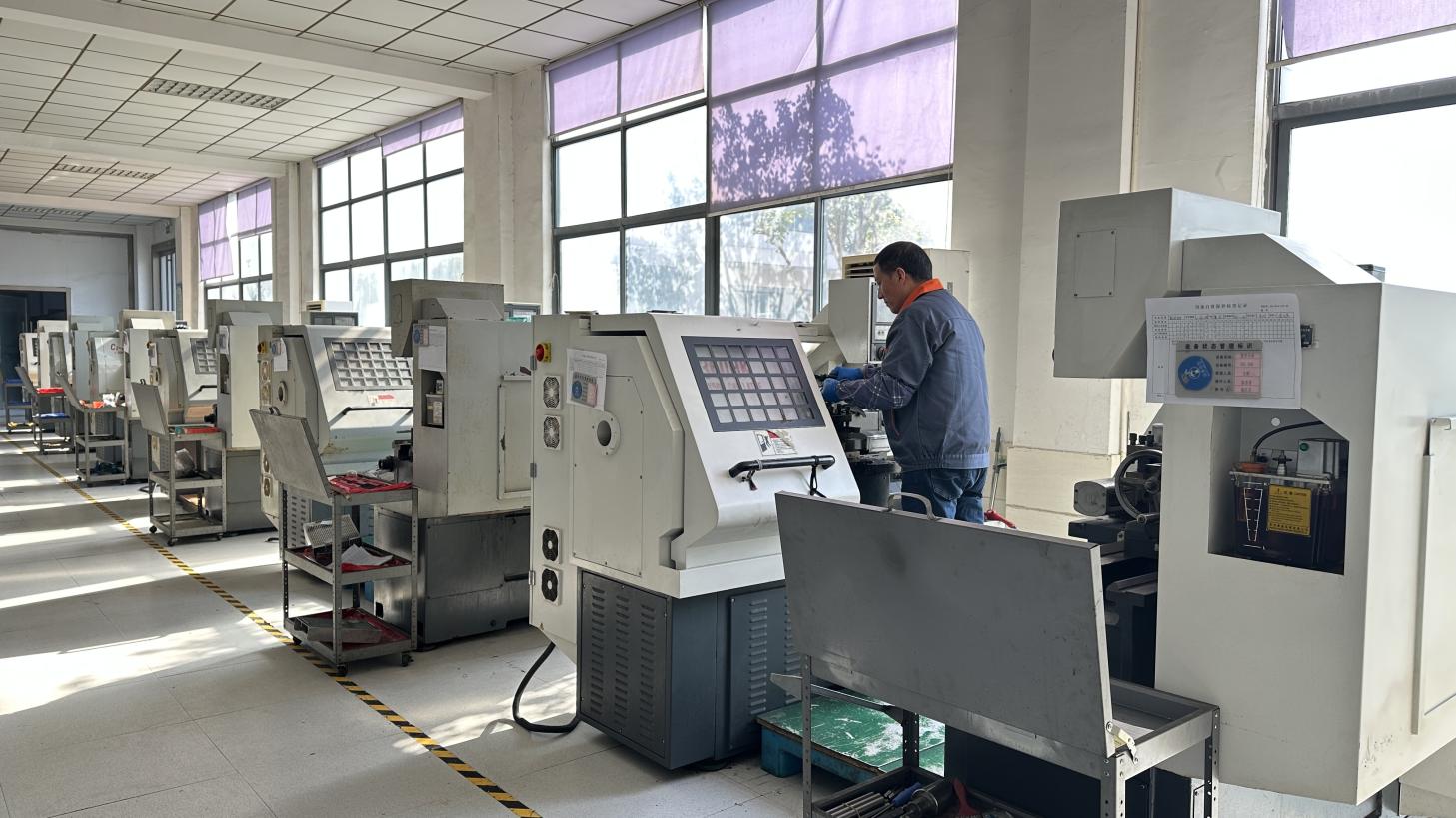
Manufactured on high-speed Swiss-type CNC lathes to achieve tolerances within +/- 0.005mm. This guarantees consistent thread engaging torque and reduces insertion failure rates.
Constructed from implant-grade Titanium Ti-6Al-4V ELI (ASTM F136). This alloy offers high strength-to-weight ratios, excellent fatigue life, and superior biocompatibility.
Every lot is subjected to cyclic loading simulation to identify shear thresholds, preventing in-vivo screw breakage under axial loading stress.
The next generation of orthopedic fixation devices focuses on active bone integration and bio-absorbability. Our engineering team is currently mapping two technical trajectories:
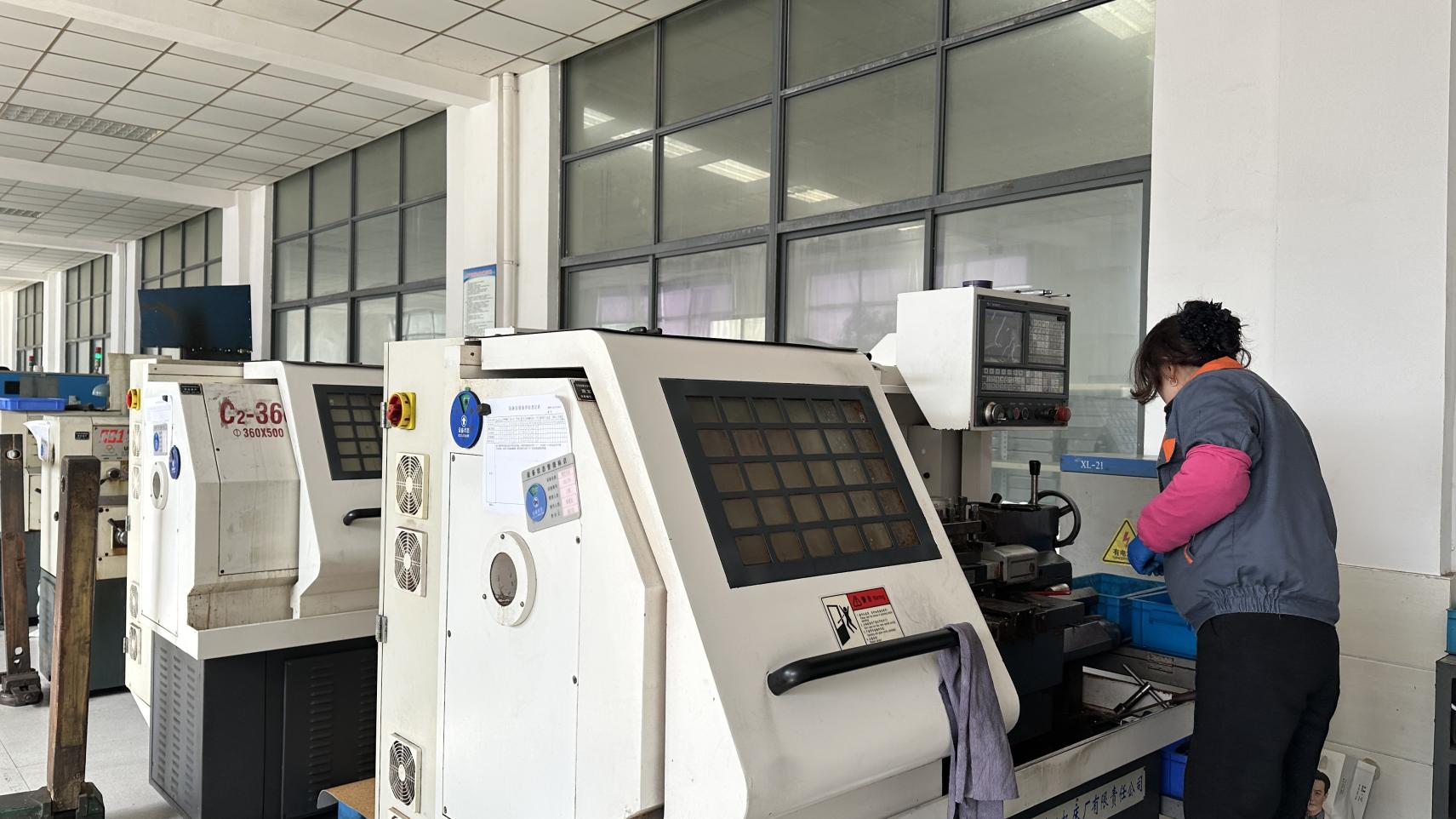
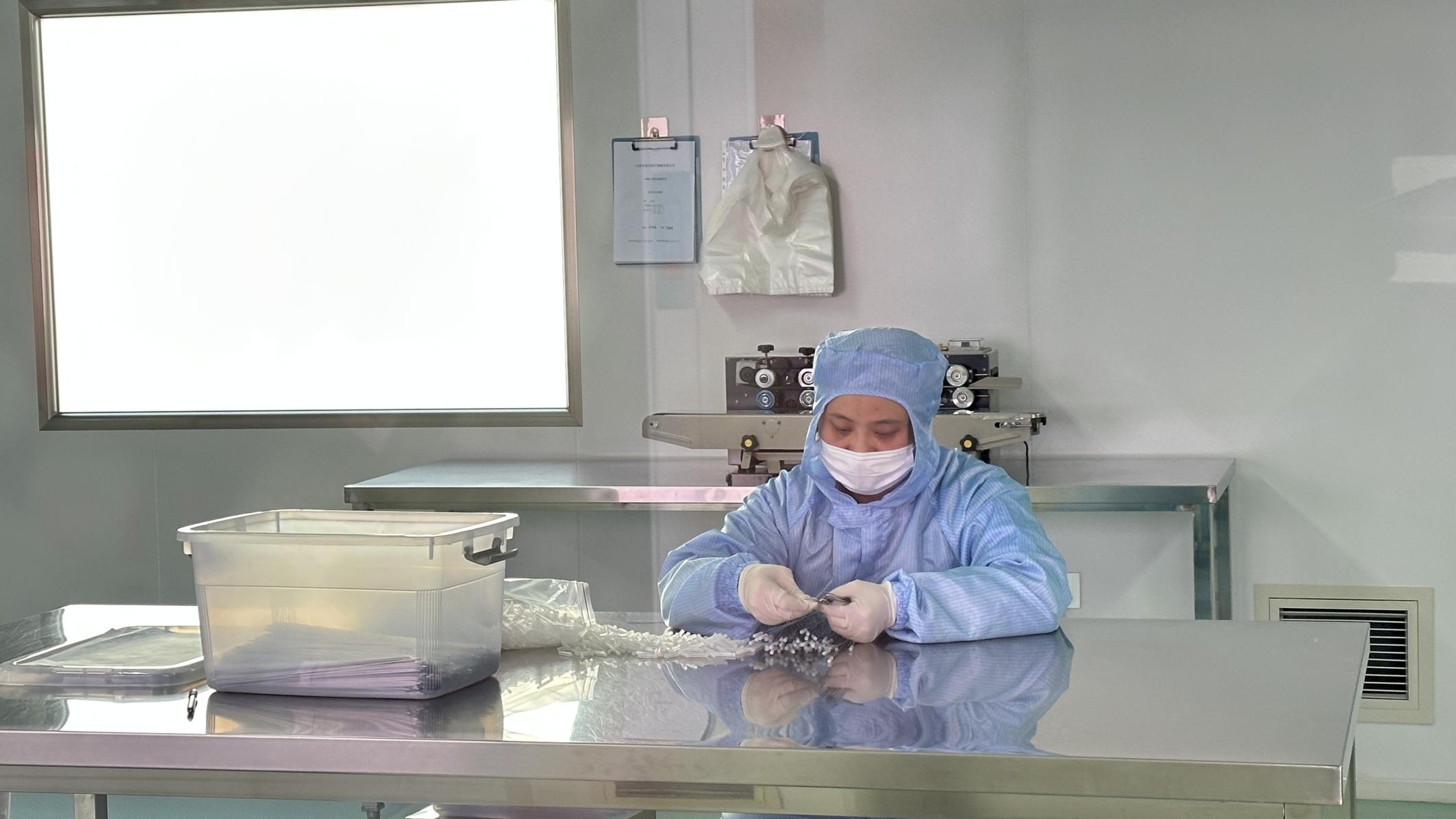
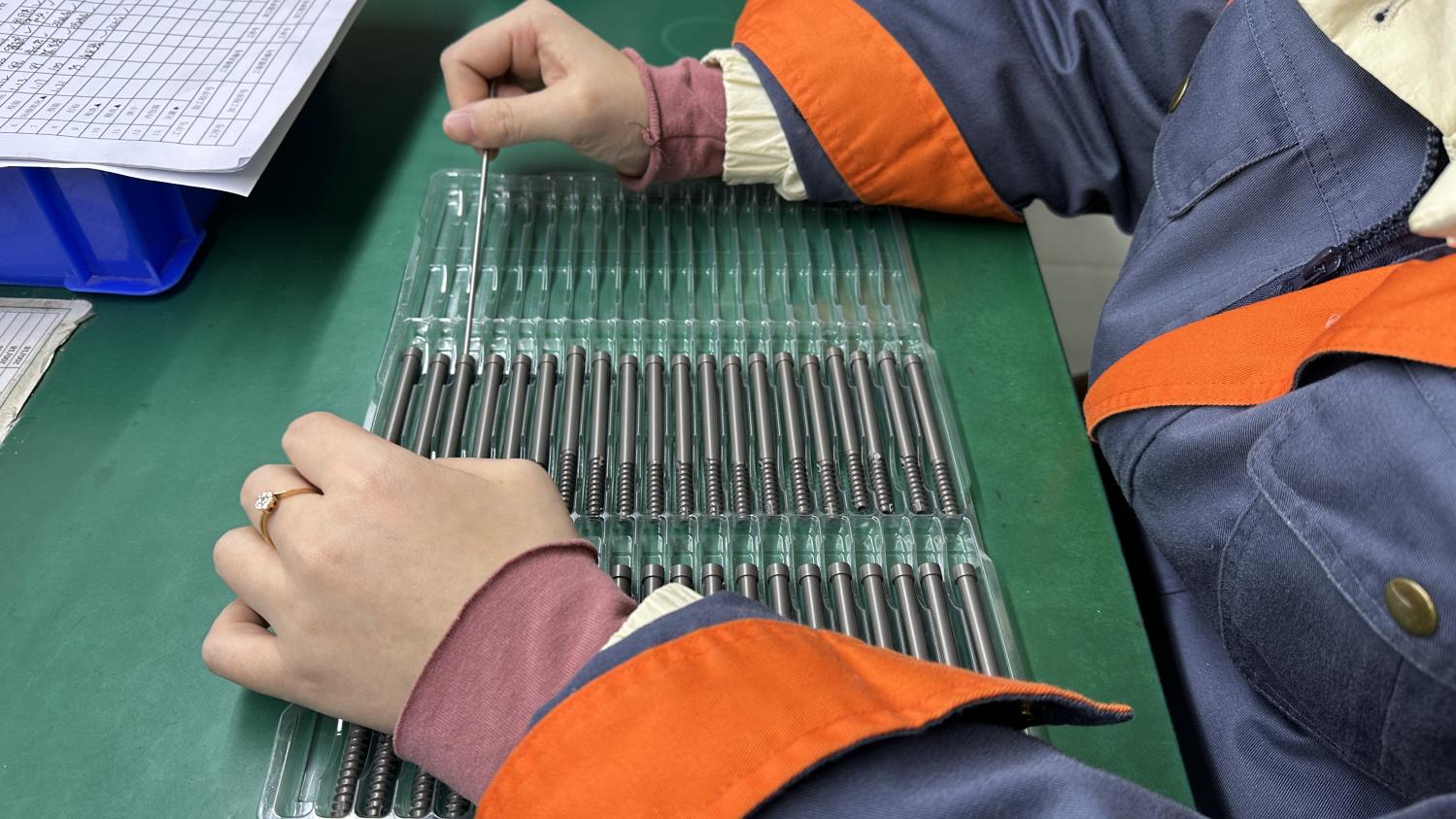
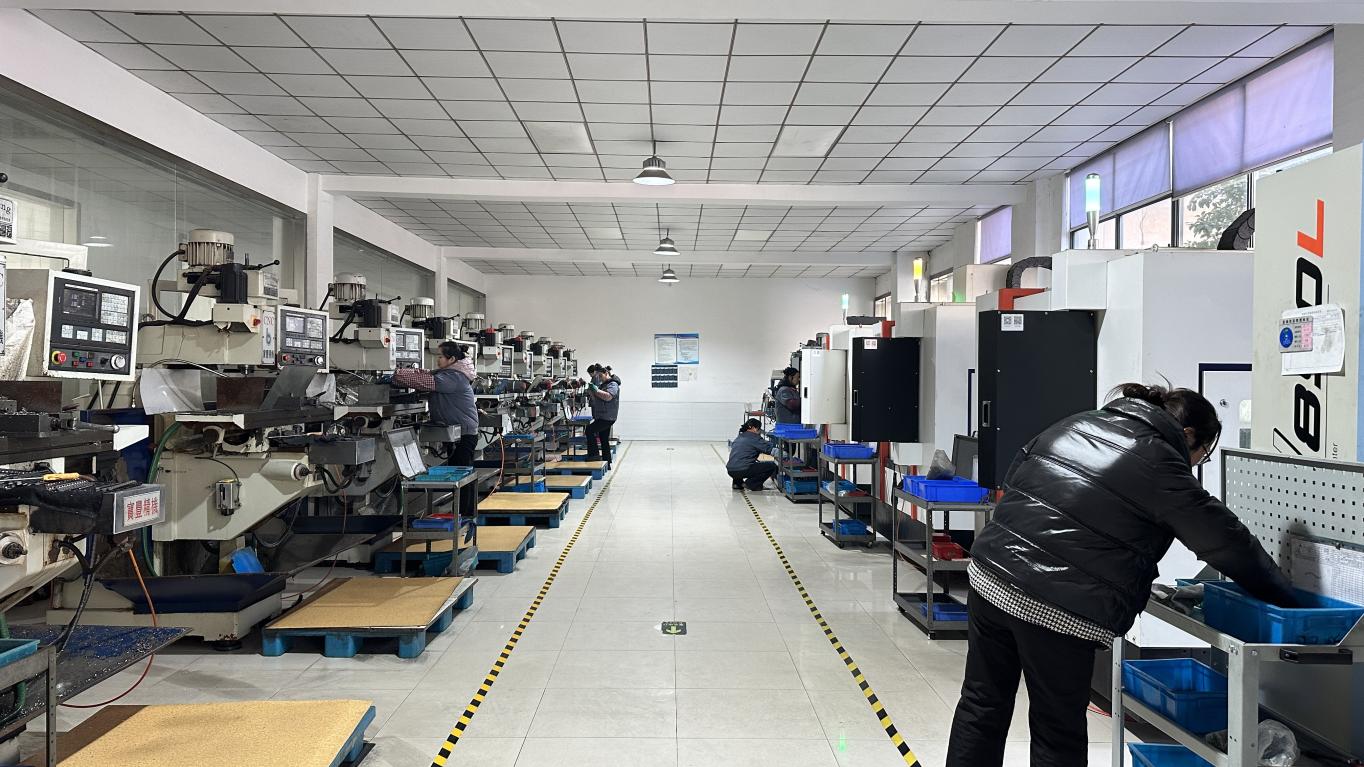
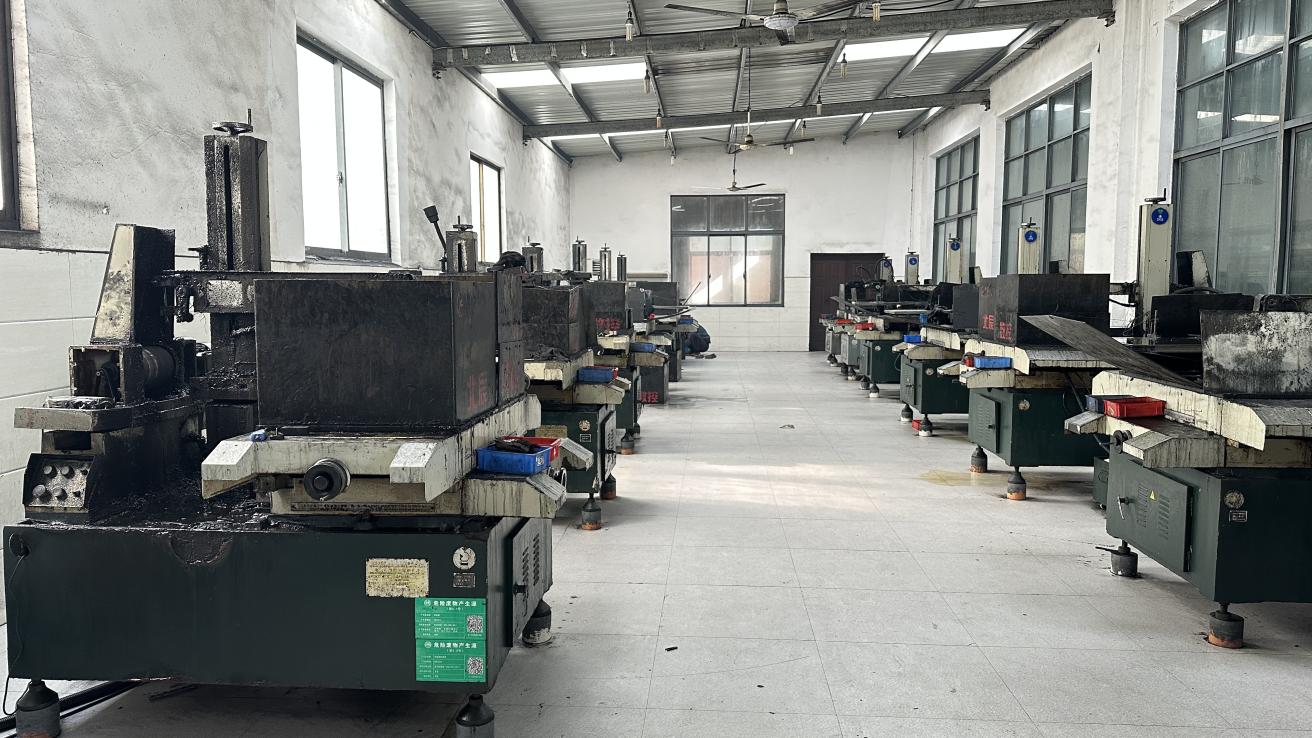
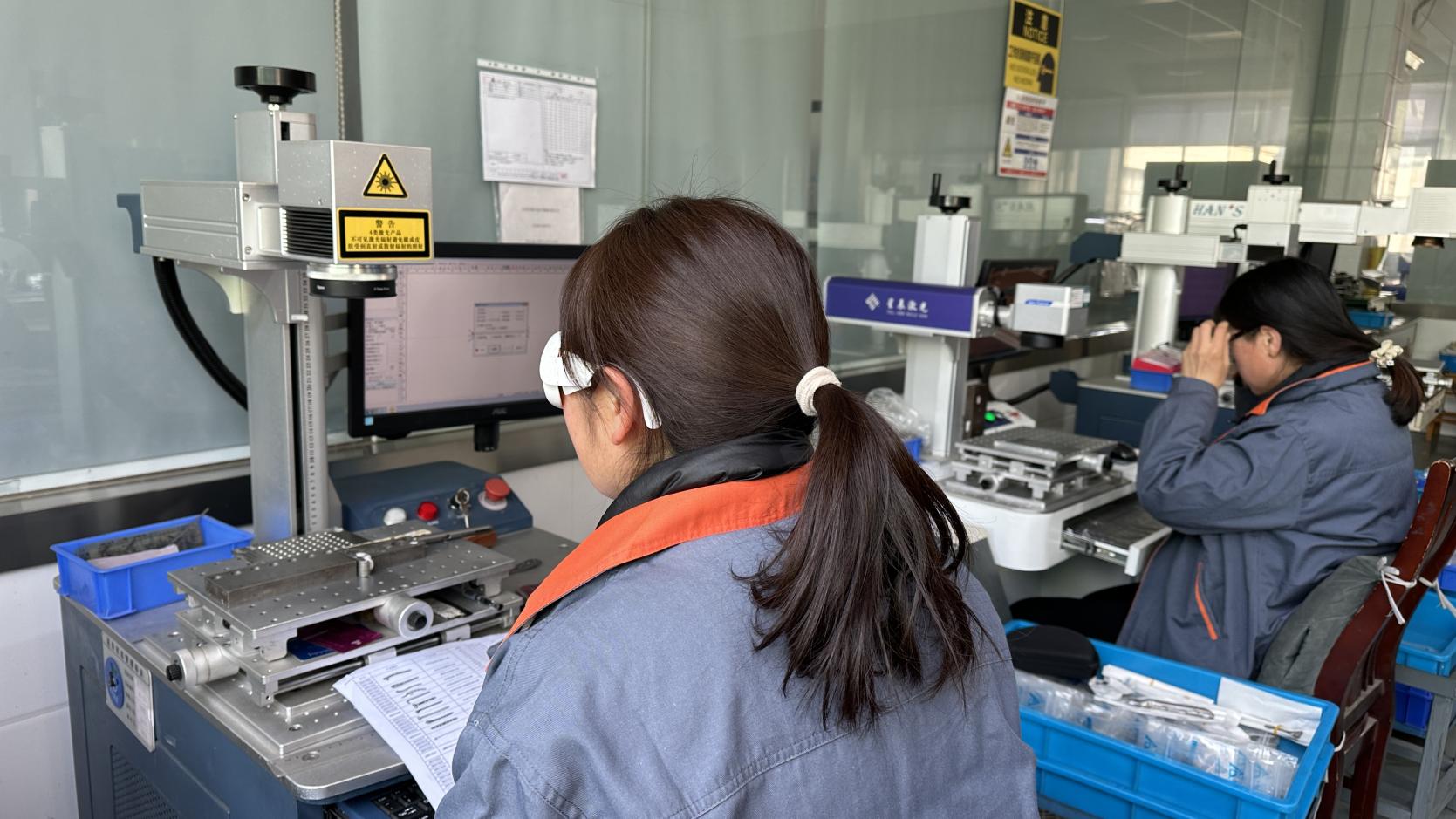
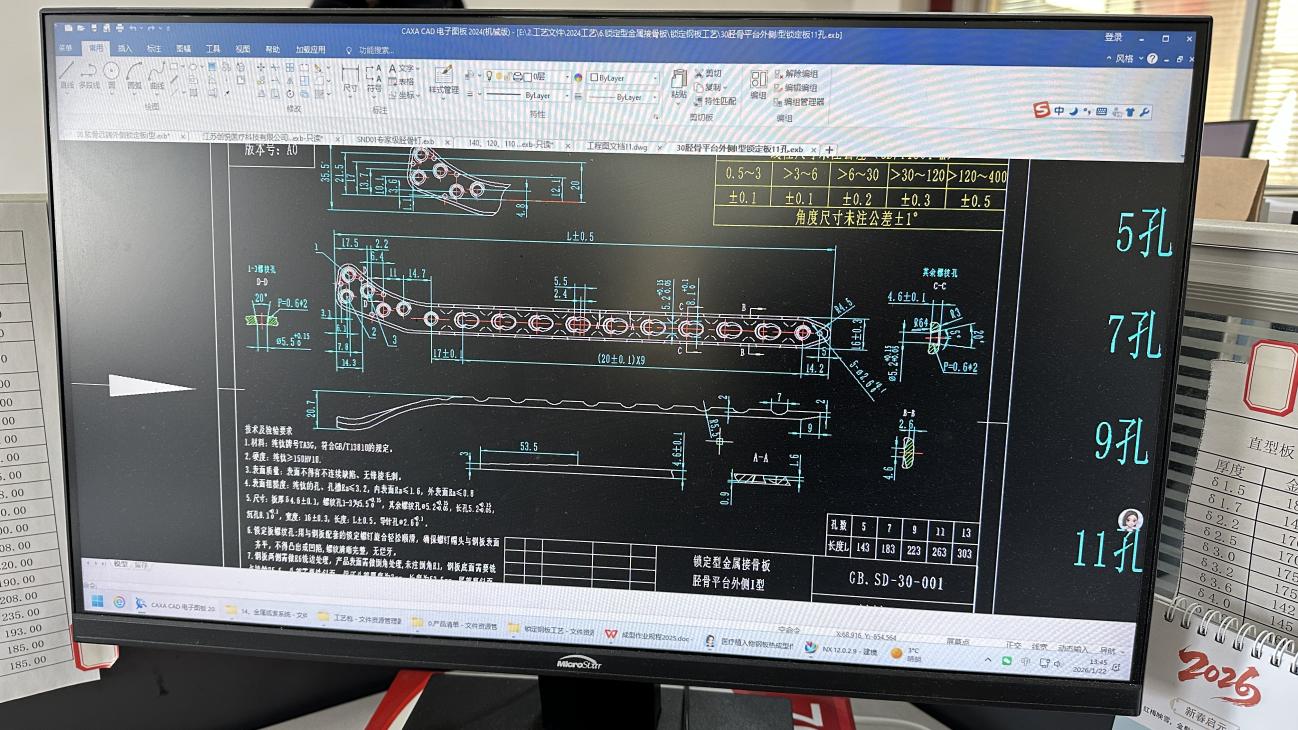
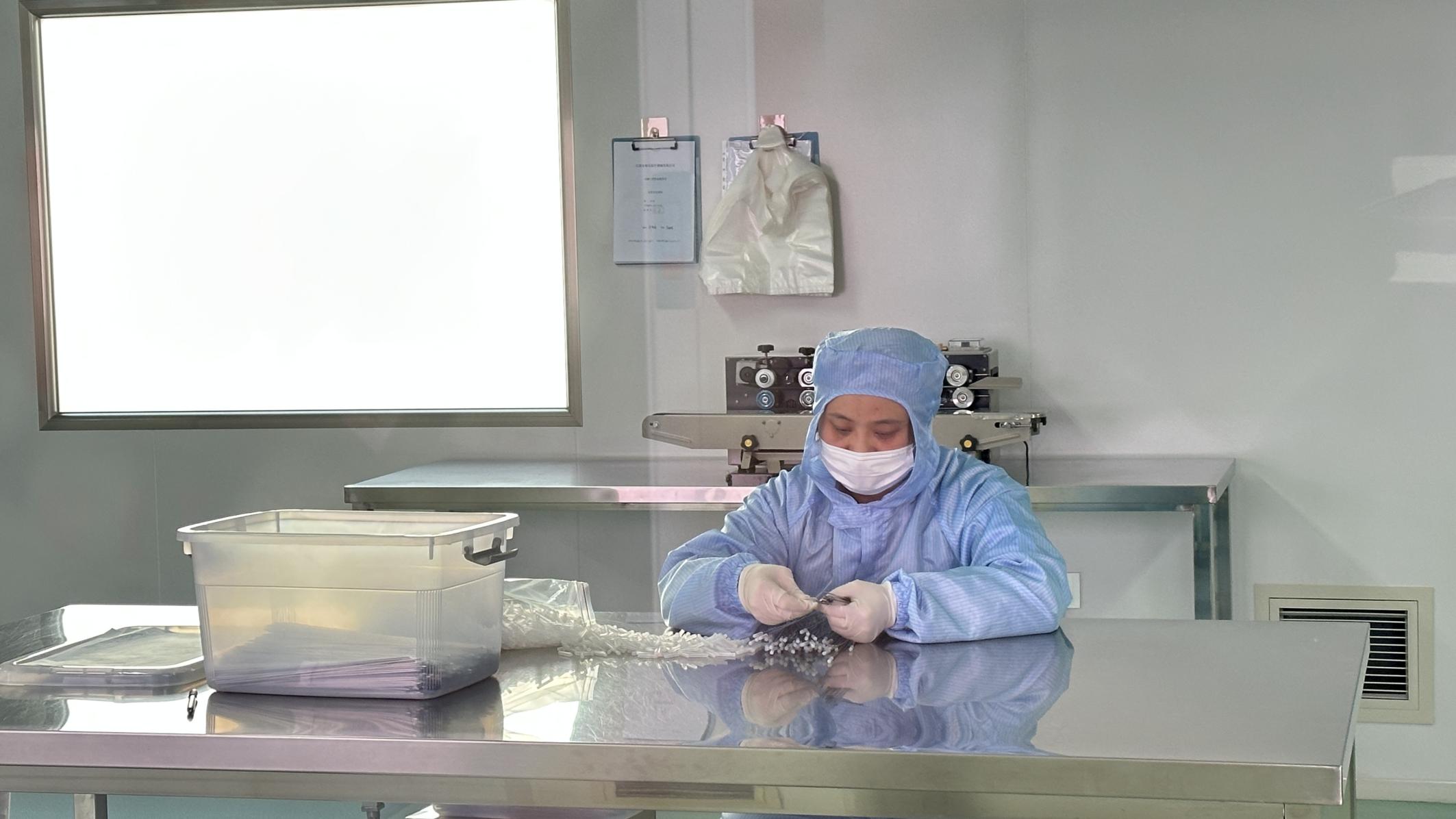
Insight into our vertically integrated production and laboratory systems, built to secure dimensional precision for Class III medical devices.

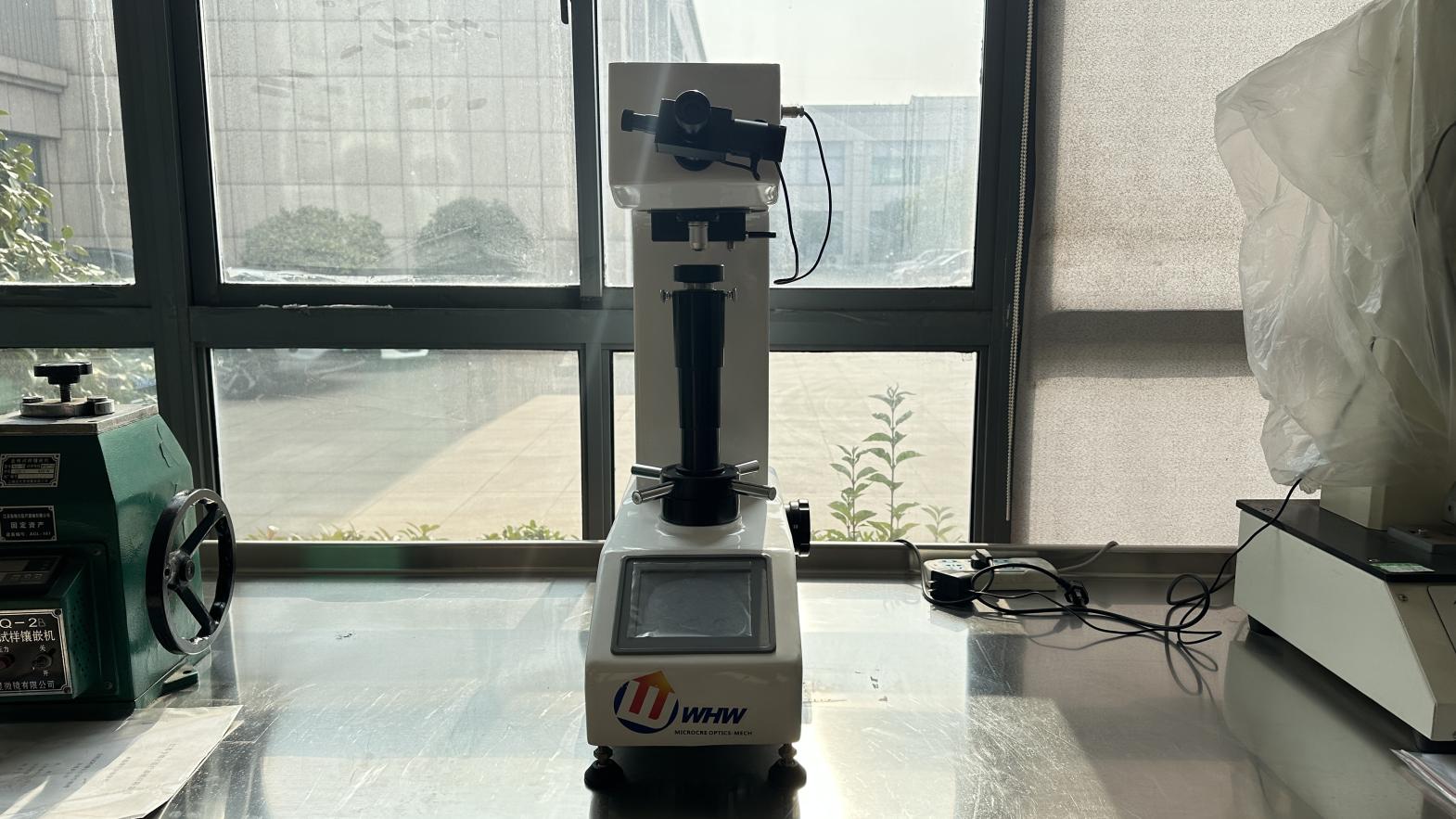
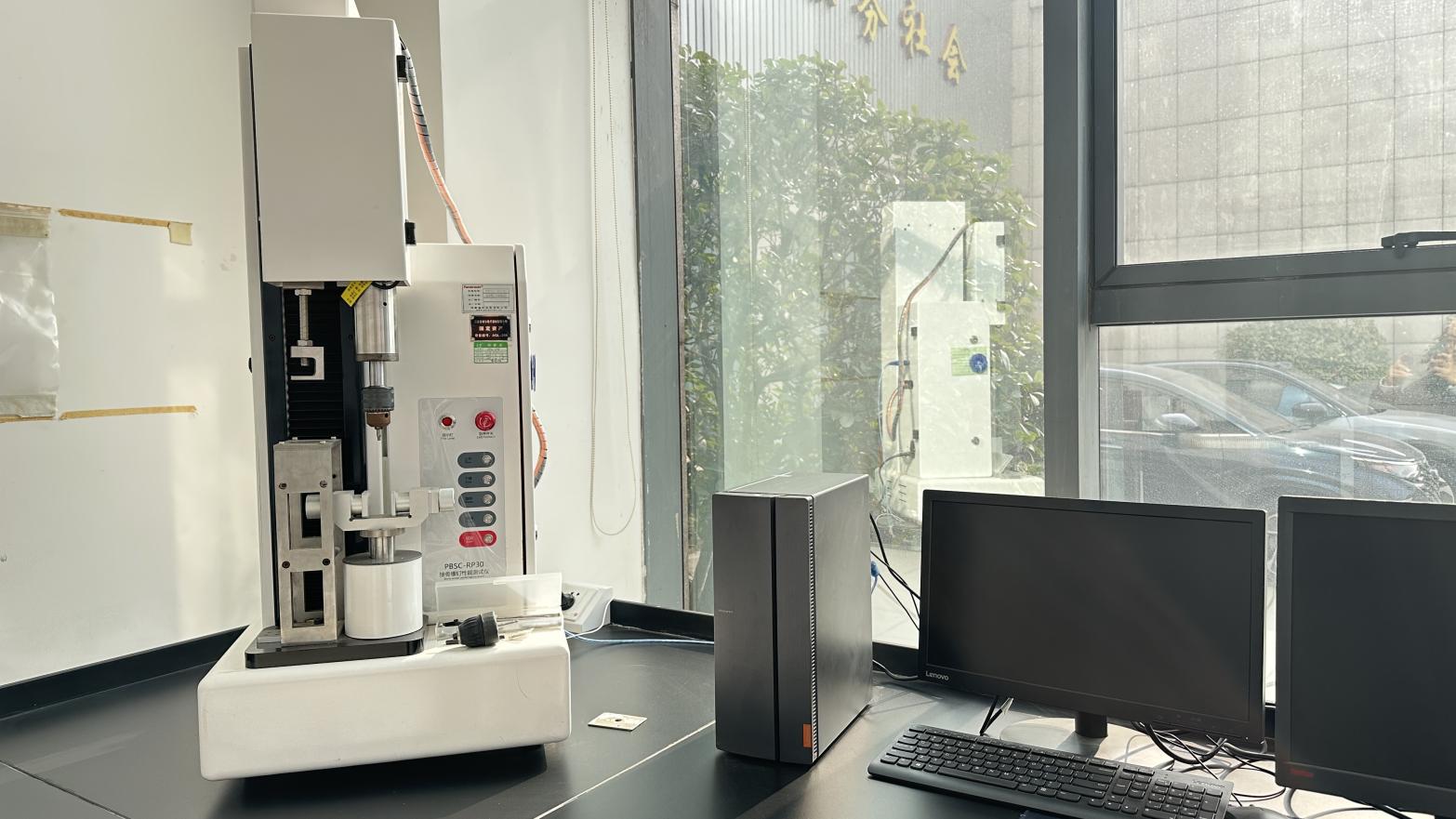
How we align with global healthcare frameworks to simplify product registration and clinical market entry.
Operating in the orthopedic space requires adherence to strict quality control systems. Medisplint manufactures its trauma range under the ISO 13485 Medical Devices Quality Management System. Our products carry CE certificates conforming to Directive 93/42/EEC (MDD) and are transitioning to Regulation (EU) 2017/745 (MDR). This dual compliance structure simplifies registration requirements for European and South American markets, allowing distributors to secure localized customs clearance with minimal delay.
Our quality assurance workflow runs through four key stages:
For OEM/ODM partners, Medisplint offers custom technical dossiers, product specification sheets, and validation reports. This documentation supports fast submission to local health authorities, helping our partners secure market approvals quickly.
Clinical and engineering answers concerning compression screw mechanics, material selection, and OEM capabilities.
Ancillary orthopedic systems, plates, and instruments engineered for comprehensive trauma and reconstructive surgeries.