Medisplint
China’s Herbert Screws manufacturing sector deserves careful attention from global orthopedic buyers. These implants support fixation in small bones, especially scaphoid and osteochondral procedures. Their headless design can reduce soft-tissue irritation while maintaining interfragmentary compression.
The World Health Organization reported that musculoskeletal conditions affect approximately 1.71 billion people worldwide. MarketsandMarkets valued the global orthopedic devices market at about US$58.1 billion in 2024. It projects growth to nearly US$74.3 billion by 2029. These figures describe the wider market, not Herbert Screws alone. That distinction matters. Procurement teams should examine technical evidence, not market excitement.
Peter Herbert, whose design shaped modern headless compression screws, stated the central principle simply: “Compression without a prominent screw head.” That idea still guides product evaluation today. Buyers should check pitch accuracy, cannulation, thread geometry, and implant surface quality. Material certificates matter. So do fatigue-test results, dimensional inspection records, and sterilization controls.
A reliable supplier should demonstrate an ISO 13485 quality system and appropriate regulatory documentation. Manufacturing photographs can help, but they cannot replace audit evidence. Ask for lot traceability, inspection reports, and samples from current production. Small inconsistencies may become serious clinical concerns. This is not dramatic wording; it is practical caution.
China offers broad production capacity, competitive pricing, and increasingly sophisticated machining. However, capability varies widely between factories. This guide reviews ten China-based Herbert Screws manufacturers for international buyers. It considers engineering experience, quality systems, customization, export support, and evidence of dependable production. No ranking should replace independent due diligence. That part remains with the buyer.
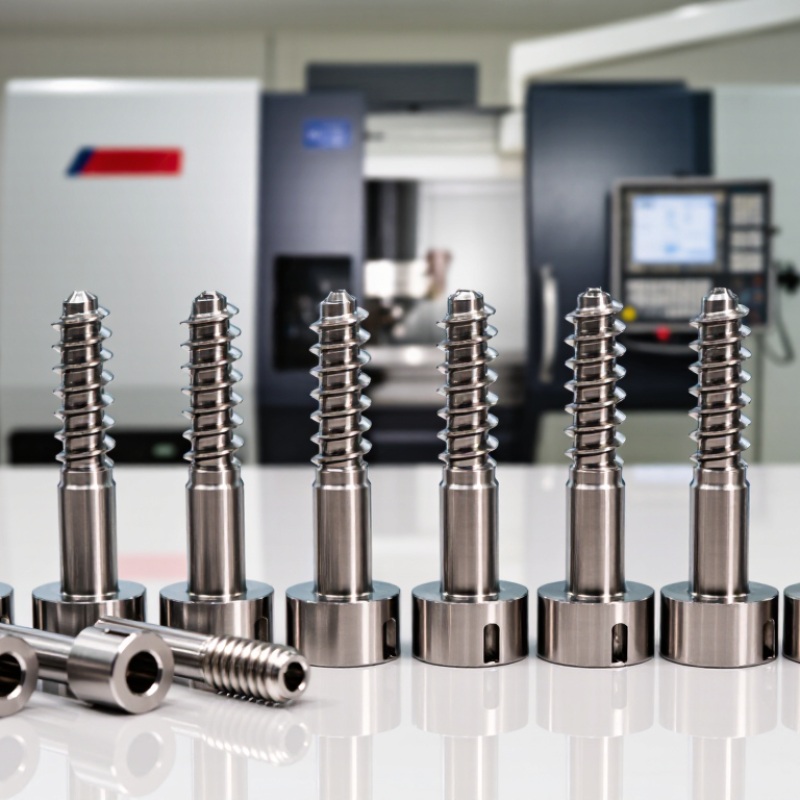
A Herbert screw is a headless, cannulated orthopedic implant designed to compress bone fragments during healing. Unlike conventional screws, it uses different thread pitches along its shaft. The leading threads advance faster than the trailing threads. This creates controlled compression while the screw remains below the bone surface. That buried profile matters. It can reduce irritation near joints, tendons, and thin soft tissue. Common materials include titanium alloy and surgical stainless steel.
Orthopedic teams commonly select Herbert screws for scaphoid fractures in the wrist. They may also use them for small bone fractures in the foot, ankle, elbow, and hand. These implants can secure osteochondral fragments when accurate compression is needed.
Their small diameter supports minimally disruptive fixation in selected cases. Not every fracture suits them. Bone quality, fragment size, fracture direction, and blood supply all influence the decision. Clinical judgment remains essential.
Global buyers should verify diameter, length, thread design, material, cannulation, sterile status, and instrument compatibility. Regulatory documents and traceability records also deserve careful review. A reliable manufacturer should provide dimensional drawings, inspection data, and clear packaging information. However, catalog descriptions can be incomplete. A screw that appears suitable on paper may not match a surgeon’s technique or imaging plan. That assumption is risky. Product evaluation should involve qualified orthopedic professionals and the intended clinical setting.
Selecting China’s top 10 Herbert screw manufacturers requires more than comparing catalog prices. The assessment should begin with practical evidence from orthopedic procurement and engineering reviews. We examine cannulated designs, thread accuracy, compression behavior, and material consistency. Samples are checked under magnification. Dimensions are compared with technical drawings. Small deviations can affect insertion and fixation.
Quality systems carry significant weight. Manufacturers should provide traceability records, material certificates, inspection reports, and controlled production procedures. Evidence of medical-device quality management, such as ISO 13485 certification, is reviewed carefully. Regulatory documentation for the target market also matters. We assess whether the supplier can support testing, packaging controls, and post-delivery communication. Experience with international shipments is useful, but it cannot replace technical proof.
Communication is tested through specific questions. Can the factory explain its torque testing method? Can it identify a batch from one package label? Slow or vague answers become part of the evaluation. Production capacity, lead-time stability, customization ability, and sample consistency are scored together. No list is flawless. A polished factory visit may still miss hidden process weaknesses. For this reason, the final selection combines documents, physical samples, factory observations, and buyer feedback. Independent verification remains necessary before any clinical procurement decision.
China’s top 10 Herbert screw manufacturers serve trauma hospitals, distributors, and private-label buyers. Their profiles differ in machining depth, implant design, and export readiness. One focuses on cannulated screws; another specializes in titanium alloy processing. Several combine CNC turning with automated thread inspection. Two emphasize small-batch customization for hand and foot surgery. The remaining producers compete through sterile packaging, surface finishing, and shorter lead times. This variety matters because Herbert screws require accurate headless compression and dependable thread geometry. A minor pitch error can affect fracture stability.
Industry data supports continued demand. Fortune Business Insights reports that the global orthopedic devices market was valued at over USD 50 billion in 2023, with steady growth expected through 2032. China’s medical device sector also rewards suppliers with documented quality systems. Buyers should check ISO 13485 certification, NMPA registration status, material traceability, and batch-level inspection records. Ask for fatigue testing data, coating specifications, and sample radiographs. Reports can look impressive. Factory evidence is better. Some manufacturers still provide limited clinical feedback, which deserves careful reflection. A polished catalog cannot replace surgeon evaluation, sterilization validation, and independent testing. Suppliers with transparent audits, controlled packaging rooms, and responsive engineering teams usually offer stronger long-term reliability. Yet “top 10” rankings remain imperfect when production data is private and export performance changes yearly.
| Rank | Anonymous Manufacturer Profile | Primary Production Region | Typical Herbert Screw Materials | Common Thread Standards | Typical Size Capability | Finishing Options | Quality Documentation | Best Fit for Global Buyers |
|---|---|---|---|---|---|---|---|---|
| 1 | Precision cold-heading supplier | Zhejiang | Carbon steel, alloy steel, stainless steel | Metric and Unified inch threads | Small to medium cold-formed screws; size confirmed by drawing | Zinc plating, black oxide, passivation, phosphate | Material certificates, dimensional reports, coating reports on request | High-volume industrial and machinery applications |
| 2 | Custom CNC screw manufacturer | Jiangsu | Stainless steel, brass, aluminum, alloy steel | Metric, UNC, UNF, and drawing-specific threads | Prototype and low-to-medium volume parts | Polishing, passivation, electroless nickel, anodizing where applicable | Inspection reports and first-article inspection by agreement | Complex geometries and engineered replacements |
| 3 | Automotive fastener specialist | Shanghai–Jiangsu manufacturing belt | Heat-treatable alloy steel and stainless steel | Metric coarse and fine threads | Medium-volume production; engineered dimensions | Zinc flake, zinc plating, phosphate, black oxide | Hardness, torque-tension, salt-spray, and dimensional records when specified | Automotive components and vibration-sensitive assemblies |
| 4 | Stainless and corrosion-resistant screw supplier | Guangdong | Austenitic stainless steel and corrosion-resistant alloys | Metric and inch threads to customer drawings | Small and medium precision components | Passivation, electropolishing, cleaning, and plain finish | Mill certificates, alloy verification, and inspection records | Marine, food-processing, chemical, and outdoor equipment |
| 5 | High-volume automatic screw producer | Ningbo area | Low-carbon steel, alloy steel, and stainless steel | Standard metric threads and customer specifications | Large repeat orders with stable tooling requirements | Electroplating, blackening, phosphate, and heat treatment | Batch traceability and statistical process records when contracted | Cost-sensitive OEM and distributor programs |
| 6 | Small-batch and prototype specialist | Shenzhen | Aluminum, brass, stainless steel, and engineering steel | Metric, UNC, UNF, and nonstandard threads | Prototype, sample, and low-volume production | Anodizing, polishing, passivation, plating, and bead blasting | Sample inspection and dimensional reports based on project needs | Product development and replacement-part sourcing |
| 7 | Heavy-equipment fastener supplier | Hebei | Medium-carbon steel, alloy steel, and stainless steel | Metric coarse and fine threads | Medium to larger screw sizes subject to tooling capacity | Hot-dip galvanizing, zinc plating, phosphate, and plain finish | Tensile, hardness, dimensional, and coating documentation by order | Construction machinery, agricultural equipment, and structural assemblies |
| 8 | Export-oriented OEM screw manufacturer | Zhejiang coastal region | Carbon steel, alloy steel, and stainless steel | Metric, UNC, UNF, and customer-defined standards | Repeat export orders with packaging customization | Zinc plating, nickel plating, black oxide, and passivation | Commercial inspection, packing lists, certificates, and pre-shipment checks | Importers, wholesalers, and private-label industrial buyers |
| 9 | Industrial maintenance screw supplier | Shandong | Carbon steel, stainless steel, and hardened alloy steel | Metric and inch threads according to application | Standard and replacement parts in mixed quantities | Black oxide, zinc plating, phosphate, and oil treatment | Basic material and dimensional certificates available by request | Repair services, MRO distributors, and spare-parts programs |
| 10 | Engineering-led custom fastener supplier | Fujian | Stainless steel, alloy steel, brass, and copper alloys | Metric, inch, and drawing-specific thread forms | Custom dimensions, special heads, and application-specific features | Passivation, plating, polishing, heat treatment, and cleaning | Engineering drawings, inspection plans, and first-article reports by agreement | Special-purpose machinery and technically demanding OEM projects |
Note: Actual material grades, dimensions, tolerances, surface treatments, certifications, minimum order quantities, and production capacity should be verified directly against the supplier’s current technical quotation and inspection agreement.
Comparing Product Quality, Standards, Capacity, and Customization
Choosing among China’s top ten Herbert screws manufacturers requires more than comparing prices. Product quality begins with stable raw materials, accurate thread geometry, and consistent heat treatment. Buyers should request dimensional reports, coating thickness records, and tensile test results for each batch.
Reliable factories usually maintain structured quality systems, such as ISO 9001, with traceable production records. Their inspection process should include thread gauges, hardness checks, salt-spray testing, and visual inspection under controlled lighting. Small defects matter. A rough thread can damage an assembly during installation.
Production capacity also deserves careful examination. Ask about monthly output, machine numbers, shift schedules, and inspection staffing. A large workshop may still struggle with urgent orders. Delivery claims should match verified production evidence, not only a polished catalog.
Customization is valuable when standard Herbert screws cannot meet a project’s load, head shape, length, or surface requirements. Experienced manufacturers can review drawings, recommend tolerances, and create samples before mass production. They should also explain tooling costs clearly. However, customization can increase lead time and inspection complexity.
No supplier comparison is perfect. Some test data may represent selected batches rather than everyday output. Global buyers should therefore conduct independent sampling, confirm packaging details, and review corrective-action records. This extra step feels slow, but it often reveals the difference between convenient sourcing and dependable performance.
Choosing a Herbert screw manufacturer requires more than comparing unit prices. Start with a clear technical drawing, including diameter, thread pitch, length, head style, material grade, and surface finish. Ask each supplier for recent inspection reports, material certificates, and production samples.
A reliable manufacturer should explain its testing process, not only promise quality. Check torque performance, dimensional tolerance, corrosion resistance, and packaging before approving a bulk order.
Request a sample batch that reflects actual production conditions. Inspect thread fit with calibrated gauges, and record coating thickness on several pieces. Confirm minimum order quantities, tooling charges, lead times, payment terms, and shipping responsibilities in writing.
The factory should provide traceability from raw material to final inspection. It should also support applicable product safety, chemical, environmental, and import requirements in your destination market.
Documentation matters.
Do not choose from photographs alone. Visit the facility when possible, or use an independent factory audit. Review equipment maintenance, worker training, quality records, and corrective-action reports.
I have seen buyers focus on a low quotation and later pay for sorting, delays, and redesigned packaging. That approach is expensive.
A small pilot order may expose inconsistent hardness or damaged threads before a larger commitment. Be willing to question your own specification.
A careful manufacturer will challenge unclear details instead of silently guessing. Supplier selection is not perfect, and early assumptions deserve another review.
Compare thread accuracy, material control, inspection records, production capacity, customization, and export documentation. Price alone is weak evidence.
Request ISO 13485 certification, material certificates, dimensional reports, batch inspections, and traceability records. Ask for fatigue data.
Accurate thread pitch supports dependable compression and fracture stability. Even a minor error matters. Rough threads may damage assembly during installation.
Ask about machine numbers, monthly output, shift schedules, and inspection staffing. Confirm these details with production evidence. A large workshop may still struggle with urgent orders.
Include diameter, thread pitch, length, head style, material grade, and surface finish. Clear drawings reduce silent guessing and costly rework.
Customization helps when standard screws lack the required load, length, head shape, or surface finish. It may increase tooling costs and lead times.
Request samples from normal production conditions, not specially selected pieces. Check thread fit with calibrated gauges. Measure coating thickness and inspect hardness, packaging, and surface defects.
No. Catalogs can look convincing. Use independent audits, sample testing, radiographs, and corrective-action records when possible. Factory evidence is stronger.
Confirm minimum order quantities, tooling charges, lead times, payment terms, shipping duties, and packaging responsibilities. Unclear terms often create avoidable delays.
Rankings may be imperfect, and some test data may represent selected batches. Question every assumption. A low quotation can later create sorting costs, damaged packaging, or redesign work.
This guide introduces Herbert Screws, explaining their basic design, functional advantages, and common applications in equipment assembly, construction, machinery, maintenance, and other industrial settings. It also outlines a practical method for evaluating China’s top 10 Herbert Screw manufacturers, focusing on manufacturing experience, production resources, quality-control systems, technical capability, and service reliability rather than relying on brand recognition alone.
The article compares these manufacturers in terms of product quality, material options, dimensional accuracy, compliance with applicable international standards, production capacity, delivery performance, and customization support. For global buyers, it provides a clear purchasing framework: define application requirements, confirm specifications and tolerances, review inspection procedures, assess sample quality, compare quotations and lead times, and verify communication and after-sales support. By considering both technical performance and supplier dependability, buyers can select a suitable manufacturer and establish a more efficient, consistent, and long-term sourcing relationship for Herbert Screws.
