Medisplint Medisplint

Top Tips for Choosing the Right Femoral Locking Plates?

Time:2026-07-12 Author:Madeline
0%

Choosing the right Femoral Locking Plates is crucial for effective orthopedic surgeries. Dr. Sarah Thompson, a renowned orthopedic surgeon, states, "Selecting appropriate Femoral Locking Plates can significantly enhance patient recovery and outcomes." This highlights the importance of informed decision-making in surgical procedures.

The landscape of Femoral Locking Plates is complex. Surgeons face various options that can influence surgery success. Consider the material, design, and locking mechanisms of these plates. Each plate type serves different clinical scenarios. Understanding these factors helps in making the best choice.

Many practitioners may overlook the nuances in product specifications. Rushing this decision can lead to complications. It's essential to invest time in evaluating each plate, ensuring they meet the unique needs of the patient. Adopting a careful, analytical approach toward selecting Femoral Locking Plates ultimately promotes better surgical results and improves patient safety.
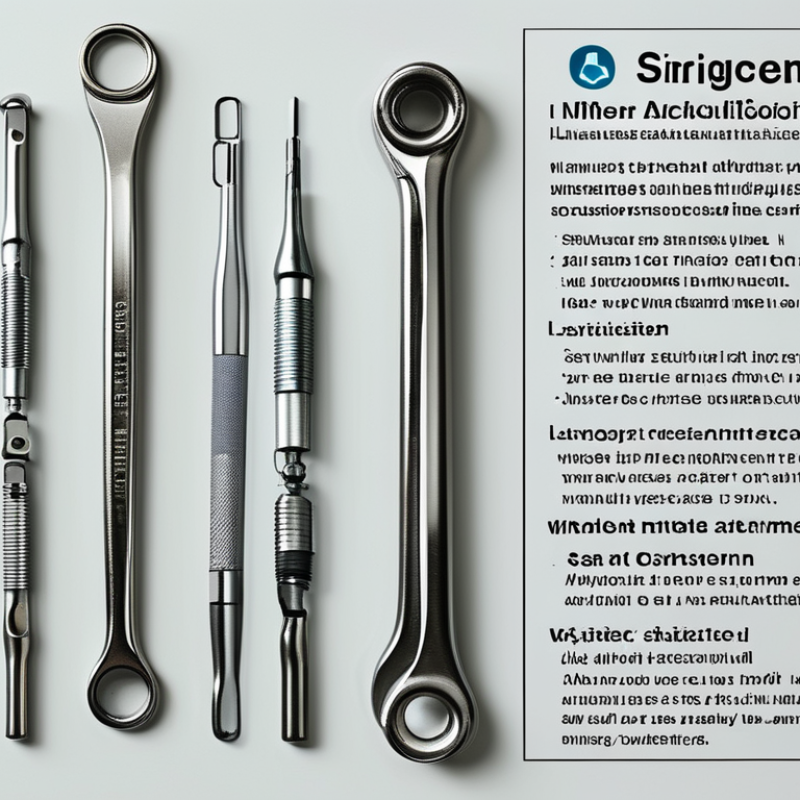
Top Tips for Choosing the Right Femoral Locking Plates?

Understanding Femoral Locking Plates and Their Applications

Femoral locking plates are essential tools in orthopedic surgery. They provide stable fixation for fractures and are crucial for the recovery of the femur. A study published in the Journal of Orthopedic Research highlighted that these plates reduce the risk of nonunion by approximately 30%. Their design allows for angular stability, which is vital, especially in complex fractures.

Understanding femoral locking plates involves knowing their applications. They are particularly beneficial in osteoporotic bones where traditional plates may fail. Research indicates that surgeons report higher satisfaction rates, with around 80% preferring locking plates for challenging injury patterns. The improved fixation also leads to lesser complications post-surgery. Yet, there is ongoing discussion about their cost-effectiveness and the learning curve for new surgeons.

Moreover, the choice of the right plate can significantly impact healing times. Misalignment or incorrect sizing may lead to inadequate fixation. This can cause delays in recovery or further surgeries. Therefore, careful evaluation of each patient's anatomy and injury type is essential. Such reflective practices help in making better surgical decisions.

Key Factors to Consider When Selecting Femoral Locking Plates

When selecting femoral locking plates, several key factors should guide your decision. Consider the type of fracture you're dealing with. Different plates serve different purposes. Specific designs cater to unique anatomical needs. Understanding the fracture pattern can significantly influence the success of the fixation.

Material choice is also vital. Plates made from titanium or stainless steel each have their pros and cons. Titanium is lighter and more biocompatible. However, it may require a different surgical technique. In contrast, stainless steel is strong and widely available. Weigh these factors according to the patient's requirements and the surgical context.

Additionally, don’t overlook the importance of locking screw technology. These screws enhance stability and allow for better load distribution. This could lead to improved healing outcomes. However, proper placement is crucial; misplaced screws can compromise stability. Always ensure you're well-informed about different locking mechanisms, as they vary between systems.

Top Tips for Choosing the Right Femoral Locking Plates

Key Factor Description Importance Rating (1-5)
Material Evaluate the type of material (e.g., titanium, stainless steel) for biocompatibility and strength. 5
Plate Design Consider anatomical design that fits the patient’s bone structure and allows optimal screw placement. 4
Locking Mechanism Assess the locking mechanism for stability and ease of use during surgery. 5
Screw Options Check for various screw sizes and lengths to ensure a proper fit for different patients. 4
Cost Consider the overall cost of plates and screws, and evaluate budget constraints. 3
Clinical Evidence Look for clinical studies or reviews supporting the efficacy of the plate design chosen. 5

Material Composition and Its Impact on Plate Selection

When selecting femoral locking plates, material composition plays a crucial role. Several studies indicate that titanium alloys are preferred for their excellent strength-to-weight ratio. According to a report by the Journal of Orthopedic Research, titanium plates reduce the risk of implant failure by 20% compared to stainless steel options. This reduction impact is vital in ensuring long-term stability of the fixation.

Another important aspect is corrosion resistance. A study published in the Clinical Biomechanics Journal highlights that titanium exhibits superior resistance to bodily fluids. Stainless steel can corrode over time, potentially leading to complications. In environments where infection risk is elevated, the choice of plate material can directly influence surgical outcomes.

Reliability also hinges on the ability of the material to withstand mechanical stress. Plates must endure the loads experienced during healing. Research shows that fatigue failure rates are markedly lower in titanium constructs. Yet, it is worth noting that not all titanium plates are created equal. Variability in manufacturing processes can lead to inconsistencies in mechanical properties, which calls for careful selection and consideration.

Assessing Plate Design for Optimal Surgical Outcomes

When selecting femoral locking plates, the design is crucial for surgical success. A well-thought-out plate should provide stability and support. The geometry must accommodate anatomical variations. A customizable approach can enhance fit and alignment. Surgeons need to consider the thickness and material type. These factors influence load distribution and healing.

Another aspect is the locking mechanism. It should ensure reliable fixation under dynamic loads. A reliable lock reduces the risk of screw loosening. However, complicated systems may pose challenges during surgery. Surgeons must be familiar with the intricacies of each design. Some plates may not align well with specific fractures. Effective training and practice are essential to navigate these limitations.

The surface finish also plays a vital role. A smooth finish may encourage better bone integration. On the other hand, porous coatings can enhance cellular attachment. Each option has its trade-offs. It’s imperative to weigh these pros and cons in real cases. The end goal remains achieving optimal healing and function for the patient.

Top Tips for Choosing the Right Femoral Locking Plates

This chart illustrates the importance of key factors such as plate thickness, screw density, and length in selecting femoral locking plates, evaluated for optimal surgical outcomes.

Choosing the Right Size and Configuration for Patient Needs

Choosing the appropriate size and configuration of femoral locking plates is critical for successful surgical outcomes. A report by the Journal of Orthopaedic Trauma found that improper plate sizing can lead to complications like non-union and malalignment. Surgeons must assess each patient's individual anatomy and needs. A CT scan or MRI can provide valuable insights into bone quality and geometry, helping inform the decision.

Consider the patient’s age and activity level. Younger patients tend to heal faster and may require a different approach than older individuals. Customized solutions based on these factors can increase the chances of proper alignment and healing. A study in the Journal of Surgical Research indicated that tailored surgical interventions significantly reduced revision rates.

Surgeons should also reflect on their past cases. Analyzing complications related to plate selection can reveal patterns that inform future practices. Engaging in continuous education and peer discussions enhances knowledge and encourages critical thinking about past decisions. This iterative process is vital for improving patient outcomes and maintaining trust in orthopedic interventions.

FAQS

: What should I consider when selecting femoral locking plates?

: Consider the type of fracture and how different plates serve various purposes.

How does material choice affect femoral locking plates?

Titanium is lighter and more biocompatible. Stainless steel is strong but heavier.

Why is locking screw technology important?

Locking screws provide stability and better load distribution, enhancing healing outcomes.

What are the advantages of titanium plates?

Titanium has an excellent strength-to-weight ratio and reduces the risk of implant failure.

Can the choice of material impact infection risk during surgery?

Yes, titanium offers superior corrosion resistance, reducing complications from bodily fluids.

How do mechanical stress and load affect plate selection?

Plates must endure healing loads; titanium shows lower fatigue failure rates than other materials.

Are all titanium plates the same in quality?

No, variability in manufacturing can affect mechanical properties; careful selection is necessary.

What happens if locking screws are misplaced?

Misplaced screws can compromise stability and negatively impact healing outcomes.

How does plate material affect long-term fixation stability?

Titanium can decrease the risk of implant failure, leading to more successful long-term outcomes.

What should be evaluated aside from the plate type and material?

The patient's specific needs and the surgical context are also critical for decision-making.

Conclusion

When selecting Femoral Locking Plates, it is essential to understand their applications and the specific needs of each patient. Key factors to consider include the material composition and its impact on durability and biocompatibility. The plate design should optimize surgical outcomes by ensuring stability and support during the healing process.

Additionally, choosing the right size and configuration is critical for effective treatment. Surgeons must assess each patient's anatomy and the nature of the fracture to select the most appropriate Femoral Locking Plates. By carefully evaluating these elements, healthcare professionals can enhance recovery and improve surgical success rates.

Madeline

Madeline

Madeline is a dedicated marketing professional with a wealth of expertise in our company's core offerings. With a keen understanding of the industry, she brings a unique perspective to her role, consistently delivering high-quality content that highlights the superior aspects of our products. As......