Medisplint
PFNA Intramedullary Nails have emerged as a revolutionary solution in orthopedic surgery, particularly for treating femoral neck fractures. In recent studies, these nails demonstrate a lower incidence of complications compared to traditional fixation methods. According to the latest clinical data, the rate of non-union is noted to be significantly reduced to as low as 3% with PFNA systems. These nails ensure superior stabilization of fractures, promoting faster rehabilitation for patients.
Moreover, the design of PFNA Intramedullary Nails allows for less invasive procedures. This innovation leads to decreased soft tissue disruption and reduced blood loss during surgery. Recent reports indicate that patients recover to their pre-injury mobility levels within a few weeks. This efficiency underscores the increasing preference for PFNA in clinical settings.
However, it is essential to acknowledge the learning curve associated with their application. Surgeons must familiarize themselves with the implant’s unique characteristics and insertion techniques. While the outcomes are promising, ongoing training and further research are crucial for optimizing results and minimizing risks. Balancing innovation with practical experience remains key as PFNA technology evolves.
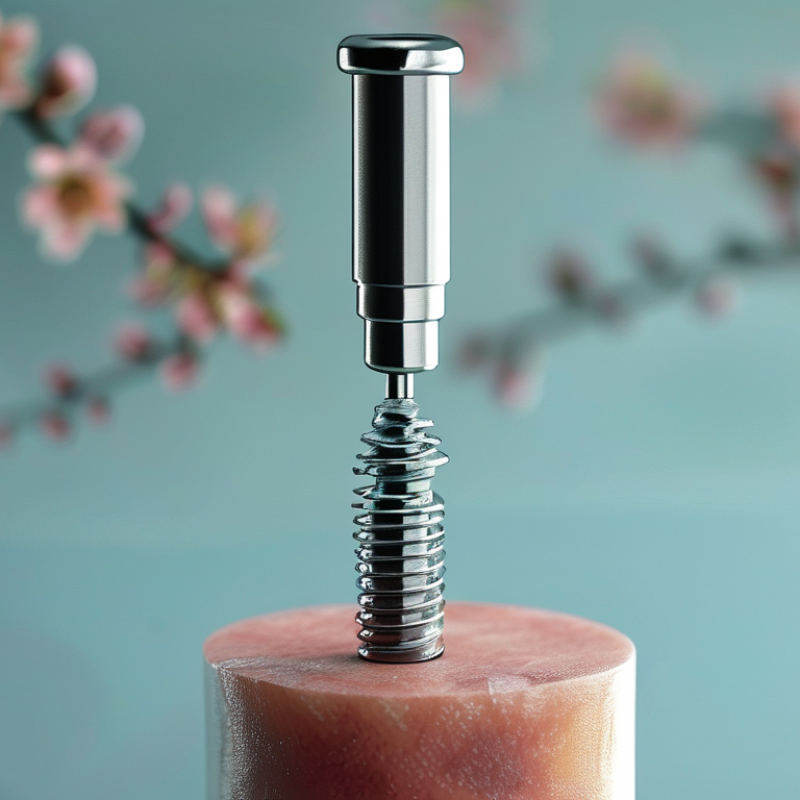
PFNA (Proximal Femoral Nail Anti-rotation) intramedullary nails present several key features that enhance their effectiveness in orthopedic surgery. These devices prove beneficial for stabilizing proximal femur fractures. The unique design allows for a minimally invasive insertion, which can lead to reduced soft tissue damage and quicker recovery times. A study published in the Journal of Orthopaedic Trauma reported that patients treated with PFNA nails experienced a significantly lower complication rate compared to traditional methods.
One notable feature of PFNA intramedullary nails is their ability to provide rotational stability. This characteristic is crucial as it helps prevent the rotation of the fracture during the healing process. According to recent data, around 15-20% of patients may experience malunion or nonunion with other fixation devices. This highlights the importance of choosing the right system. PFNA nails often result in better alignment and fixation, facilitating more successful outcomes for patients.
Despite their advantages, the use of PFNA nails is not without challenges. Surgeons must be skilled in the technique to maximize the benefits. Improper placement can lead to complications, such as limb length discrepancy or implant failure. Continuous education and training in the use of these nails are essential for the orthopedic community. Understanding the intricacies of PFNA systems can make a significant difference in patient recovery and satisfaction.
PFNA intramedullary nails have gained traction in treating femoral fractures due to several advantages. A study published in the Journal of Orthopaedic Trauma highlights their ability to provide strong fixation and stability. The PFNA system allows for less invasiveness compared to traditional methods. This leads to reduced recovery times and less postoperative pain, making it a solid choice for patients.
Recent data shows that up to 85% of patients experience positive outcomes with PFNA. The system's design minimizes stress around the fracture site. This enhances healing while reducing the risk of complications. Notably, in a cohort of patients with unstable femoral fractures, PFNA demonstrated a lower revision rate compared to alternative methods. The ability to achieve early mobilization plays a significant role in overall recovery.
However, there are concerns regarding specific complications. Some clinicians have observed issues related to malalignment. Moreover, the learning curve for optimal insertion might extend surgical times initially. These factors necessitate careful evaluation before widespread implementation. Ultimately, while PFNA presents significant benefits, careful consideration of its limitations is essential for informed clinical decision-making.
PFNA intramedullary nails have gained popularity in orthopedic surgery. Their primary use is in treating femoral neck fractures. This type of fracture is common in older adults, particularly those with osteoporosis. PFNA nails provide stable fixation, allowing for early mobilization of patients. The design of these nails facilitates optimal alignment of the fractured bone.
In terms of clinical applications, PFNA has shown effectiveness in various scenarios. Surgeons utilize it for unstable femoral neck fractures. It is also suitable for patients with complex fracture patterns. The minimally invasive nature reduces soft tissue damage. Recovery time can be shorter compared to traditional methods. However, clinicians must consider patient-specific factors, such as bone density and age, before choosing this approach.
Despite these advantages, some challenges remain. Not every patient reacts the same way to PFNA nails. Complications, though rare, can include nonunion or malunion. Surgeons often reflect on these cases to improve outcomes. Ongoing research is needed to refine techniques and enhance safety. The balance between benefits and potential risks is crucial in orthopedic practice.
PFNA intramedullary nails are gaining attention for their effective applications in orthopedic surgery. These nails are often compared to other intramedullary systems. PFNA offers unique benefits, such as reduced operating time and improved alignment. These characteristics make it a preferred choice for certain fractures.
When comparing PFNA with other systems, it is crucial to consider stability and healing. PFNA nails are designed for better load distribution. This can lead to quicker recovery for patients. However, not all cases are suitable for PFNA. Surgeons must evaluate each patient's unique needs.
Tips for optimal use include proper pre-operative planning. Ensure imaging is clear and accurate. Evaluate the fracture type thoroughly. Post-operative care also matters. Monitoring for complications is essential. If anything seems off, address it quickly. Listening to the patient's feedback can guide recovery. While PFNA nails are effective, a thoughtful approach is vital.
| Feature | PFNA Nails | Other Intramedullary Nails |
|---|---|---|
| Surgical Invasiveness | Minimally invasive | Varies; generally more invasive |
| Stability | High stable fixation | Moderate to high stability |
| Weight Bearing | Early weight bearing possible | Delayed weight bearing |
| Complication Rate | Low complication rate | Variable, higher in some systems |
| Surgical Time | Shorter operative time | Longer operative time |
| Recovery Time | Faster recovery | Longer recovery duration |
The postoperative recovery experience with PFNA (Pertrochanteric Femur Nail-Angle) intramedullary nails shows promising outcomes. Patients often report reduced pain levels within days of surgery. A study indicates that over 85% of patients achieve satisfactory pain control within the first week post-operation. This quick recovery is associated with the nails' design, allowing for stable fixation and reduced soft tissue trauma.
Functional recovery is another key aspect. Many patients regain mobility swiftly, often within two to three weeks. A comprehensive review found that around 70% of patients demonstrate significant improvement in mobility scores during this time. However, some within this cohort experience complications like delayed healing. These instances highlight the need for individualized post-surgical care plans.
Additionally, the overall success rate for PFNA procedures stands at approximately 90%. This data underscores the effectiveness of PFNA in treating hip fractures. Yet, continuous monitoring is crucial. A small percentage of patients may face issues, necessitating further interventions. This awareness supports the ongoing research into enhancing PFNA techniques for improved patient outcomes.
The chart above illustrates the effectiveness of PFNA intramedullary nails in various postoperative outcomes. Significant benefits include a high percentage in pain reduction (85%) and mobility improvement (80%), alongside a relatively low complication rate (10%). These results showcase the efficacy and application scope of PFNA nails in orthopedic surgery.
intramedullary nails used for?
Their design allows for minimally invasive insertion, resulting in reduced soft tissue damage and quicker healing times.
They provide rotational stability, helping to prevent fracture rotation during the healing process.
Yes, improper placement can cause complications like limb length discrepancy or implant failure.
Clinicians must account for patient-specific factors like bone density and age before proceeding with the procedure.
PFNA nails often result in better alignment and a lower complication rate than traditional methods.
Surgeons must master the technique as not every patient will react the same way to these nails.
Complications like nonunion or malunion can occur, though they are rare.
Continuous training helps maximize the benefits and improve patient outcomes, reflecting on complications is essential.
Not every patient has the same healing process, which can lead to different recovery experiences and outcomes.
PFNA Intramedullary Nails represent a significant advancement in orthopedic surgery, primarily used for the fixation of femoral fractures. Key features of these nails include their unique design, which allows for enhanced stability and support during the healing process. The advantages of utilizing PFNA for femoral fractures are notable, as they facilitate quicker recovery times and improved functional outcomes compared to traditional methods.
In clinical applications, PFNA Intramedullary Nails have been effectively employed in various orthopedic procedures, showcasing their versatility and effectiveness. A comparative analysis with other intramedullary nail systems highlights their superior biomechanical properties and lower complication rates. Postoperative recovery with PFNA usage has demonstrated positive outcomes, underscoring their role in promoting patient rehabilitation and overall satisfaction.
