Medisplint Medisplint

How to Choose the Right Compression Screws for Your Needs

Time:2026-09-15 Author:Sophia
0%

Choosing the right Compression Screws is not a matter of selecting the largest size available. The decision depends on anatomy, bone quality, load direction, surgical technique, and the intended healing environment. A screw that looks suitable on a product chart may still perform poorly in a small, fragile bone. That detail matters.

This guide explains how experienced orthopedic teams compare screw diameter, length, thread design, material, and head configuration. It also considers whether a partially threaded screw can create the required compression across a fracture. Full threads may provide stronger purchase in selected situations, but they do not automatically deliver the same compression effect. Small differences matter.

Reliable selection begins with verified manufacturer specifications and current clinical guidance. Surgeons should also assess imaging, fracture geometry, soft-tissue conditions, and the patient’s expected activity level. Stainless steel and titanium can offer different balances of strength, stiffness, imaging compatibility, and biological response. The best choice is rarely universal.

Mistakes happen.

Even trained professionals can overlook thread position, measurement accuracy, or instrument compatibility. I would not treat a simple sizing table as a complete decision tool. Real cases are less tidy than diagrams. A careful review should confirm screw trajectory, purchase depth, washer requirements, and the risk of joint penetration before insertion. These checks support safer planning, but they cannot replace qualified surgical judgment.

By comparing practical evidence with manufacturer data, this article helps readers ask better questions before choosing Compression Screws. The goal is not to promote one design. It is to match the screw to the patient, procedure, and mechanical demand with clear reasoning.
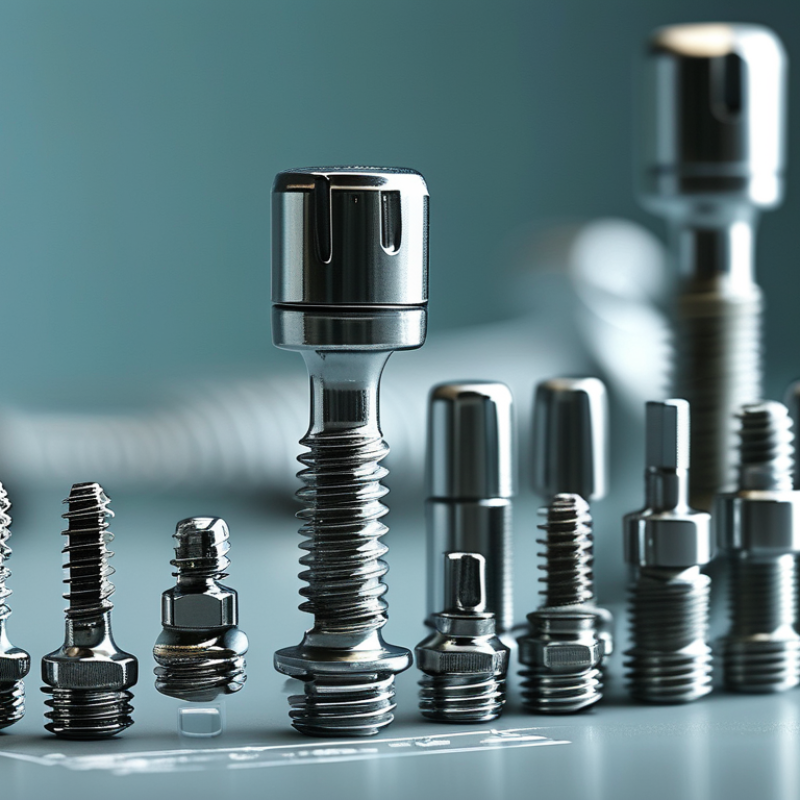
How to Choose the Right Compression Screws for Your Needs

Define the Role and Working Principles of Compression Screws

How to Choose the Right Compression Screws for Your Needs

Compression screws create controlled pressure between two parts. They hold panels, covers, seals, or layered materials firmly together. Their main role is not simply tightening. They maintain contact while materials shift, vibrate, or expand with heat.

The working principle is straightforward. Turning the screw produces axial force along its threads. That force compresses the joined materials or an internal seal. Thread pitch affects adjustment speed and holding control. A finer pitch usually allows more precise compression. Torque matters too. Excessive torque can crush a gasket, distort a panel, or damage the threads. Too little torque may allow movement or leakage.

Choose the screw according to load, material, temperature, and access space. Stainless steel suits many damp environments, while hardened alloys may handle greater mechanical stress.

Match the thread with the receiving material. A washer can spread pressure across a thin surface. In practical inspections, technicians often check the joint after vibration or temperature changes, not just immediately after installation.

My first assumption was that a stronger screw always offered better performance. That shortcut is risky. The surrounding material may fail first. I would also avoid relying on torque alone, because friction changes between dry, coated, and lubricated threads. A small test assembly can reveal uneven compression, damaged threads, or a seal that looks secure but is not. Record the selected size, torque range, and inspection conditions for repeatable maintenance.

Match Screw Materials with Temperature and Chemical Conditions

Choosing compression screws begins with the environment, not the catalog number. Temperature changes can alter strength, hardness, and sealing performance. In a heated enclosure, a screw rated for room temperature may lose useful spring force. Measure the highest operating temperature, not only the normal reading. Record short heat spikes too. They matter.

For dry, moderate conditions, carbon steel may provide adequate strength and predictable clamping. Stainless steel suits moisture, but its grades respond differently to chlorides, acids, and heat. In salty air, chloride exposure can cause pitting, even when the surface looks clean. Nickel-rich alloys can perform better in severe chemical environments, but their cost and hardness may complicate installation. A chart is not a guarantee.

Chemical compatibility requires more than reading a resistance chart. Check concentration, contact time, pressure, and temperature together. A material that survives diluted cleaner may fail beside concentrated vapor. Test samples under real operating cycles when the assembly is critical. I have seen clean-looking screws seize after repeated heating and washing. That result was easy to underestimate. Do not ignore the washer, nut, or mating thread. Dissimilar metals can accelerate corrosion and change torque readings. Select coatings only after confirming they will not flake into the equipment. Recheck torque after installation. Small errors become expensive.

Choose the Correct Size, Thread, and Compression Range

Choosing the right compression screw starts with the assembly, not the screw bin. Measure the total stack height, including washers, seals, panels, and any flexible material. Select a screw length that provides full engagement without bottoming out. Too short, and the joint may loosen. Too long, and the screw can damage hidden components.

Thread choice depends on the mating material. Coarse threads usually work well in softer materials because they provide deeper engagement. Fine threads offer better adjustment and holding power in metal, but they can be less forgiving during installation. Check the thread diameter and pitch together. Matching only the diameter is not enough. Aim for secure engagement without forcing the threads. In field work, I have seen small pitch errors create uneven compression and misleading torque readings.

Tips: Define the required compression range before ordering. Compare the screw’s travel with the seal’s working thickness. Test a sample assembly at minimum and maximum settings. Use a torque tool when consistency matters. Mark the adjustment position if maintenance teams will revisit it. Do not rely on feel alone. Materials change with temperature, vibration, and repeated cycling. A specification may look correct on paper, yet perform poorly when the seal settles. Record the measured gap, torque, and compression result during testing. That evidence makes later adjustments more reliable.

How to Choose the Right Compression Screws for Your Needs - Choose the Correct Size, Thread, and Compression Range

Use the table below as a general engineering guide for selecting a compression screw by nominal diameter, thread pitch, working compression range, and expected load. Final selection should be verified against the screw manufacturer's spring rate, maximum travel, material, and installation requirements.

Nominal Size Standard Thread Typical Screw Length Recommended Working Compression Range Approximate Working Load Range Recommended Minimum Thread Engagement Typical Applications
M3 0.50 mm pitch 8–25 mm 0.5–2.0 mm 2–15 N 3 mm or 6 thread pitches Small covers, circuit boards, light alignment fixtures, and compact panel assemblies.
M4 0.70 mm pitch 10–35 mm 1.0–3.0 mm 5–30 N 4 mm or 6 thread pitches Instrument panels, guards, sensors, and light-duty clamping applications.
M5 0.80 mm pitch 12–45 mm 1.5–4.0 mm 10–55 N 5 mm or 6 thread pitches General equipment covers, access panels, brackets, and moderate-load assemblies.
M6 1.00 mm pitch 16–60 mm 2.0–5.0 mm 20–100 N 6 mm or 6 thread pitches Machine guards, enclosure panels, fixtures, and vibration-resistant panel retention.
M8 1.25 mm pitch 20–80 mm 2.5–6.0 mm 40–180 N 8 mm or 6 thread pitches Industrial housings, structural covers, larger fixtures, and higher-load clamping points.
M10 1.50 mm pitch 25–100 mm 3.0–8.0 mm 70–300 N 10 mm or 6 thread pitches Heavy-duty guards, support brackets, equipment frames, and large access panels.
No. 4 40 TPI UNC 1/4–1 in 0.020–0.080 in 0.5–3.0 lbf 0.12 in or 5–6 thread pitches Compact electronics, laboratory equipment, and small instrument assemblies.
No. 6 32 TPI UNC 1/4–1 1/4 in 0.040–0.120 in 1.0–6.0 lbf 0.19 in or 5–6 thread pitches Panel retention, small enclosures, brackets, and general-purpose fixtures.
1/4 in 20 TPI UNC 3/8–2 in 0.060–0.160 in 3–15 lbf 1/4 in or 5–6 thread pitches Industrial covers, machine guards, mounting plates, and medium-load assemblies.

Selection notes: Select a compression range that keeps the fastener near the middle of its available travel during normal assembly. Use a larger diameter when the joint requires greater load capacity or resistance to bending. Fine threads can provide more precise adjustment, while coarse threads are generally more tolerant of contamination and faster to install. Working load values are representative ranges only and depend on spring rate, free length, material, preload, temperature, and mounting conditions.

Compare Sealing Designs, Load Capacity, and Installation Requirements

Choosing compression screws starts with the sealing design, not the screw head. A bonded washer suits flat metal joints and creates a dependable barrier around the hole. An elastomer seal works well when surfaces move slightly during temperature changes. For uneven panels, a floating seal may perform better, although it can require more space. Check seal compatibility with heat, oils, moisture, and cleaning chemicals before ordering.

Load capacity depends on more than thread size. Measure the expected clamp load, vibration, panel thickness, and thread engagement. A screw that feels strong may still crush a soft panel. Excessive preload can distort the joint and damage the seal. Too little preload allows leakage and loosening. Engineering calculations help, but service conditions matter more than a catalog table. In field work, I have seen painted surfaces reduce friction and change the final clamp load.

Installation requirements should be defined before selection. Confirm the correct hole diameter, washer outside diameter, access clearance, and tool angle. Use a calibrated torque wrench when the joint is critical. Lubrication can change torque results significantly, so follow the specified installation condition. Tighten gradually and inspect the seal for even compression. Do not assume a perfect torque number exists. Real assemblies vary. A small trial installation can reveal panel flex, thread damage, or seal extrusion before full production.

Verify Performance Through Testing, Maintenance, and Replacement Planning

How to Choose the Right Compression Screws for Your Needs
Verify Performance Through Testing, Maintenance, and Replacement Planning

Selecting a compression screw begins with the real load, not the catalogue diameter. Record compression force, temperature, vibration, exposure, thread engagement, and available installation space. Material compatibility matters too. A stainless screw can still gall against a similar stainless nut. A coated fastener may also lose friction consistency after repeated adjustment.

Testing should measure clamp force, not torque alone. NASA Reference Publication 1228 explains that only about 10% of applied torque may become useful bolt tension; friction consumes the remainder. ISO 16047 provides a recognized method for measuring torque and clamp force. Test several assemblies, then record the spread. ASTM F606/F606M can support mechanical testing for applicable fasteners. One successful sample proves very little.

Maintenance records should show torque, load, adjustment count, corrosion, thread damage, and washer condition. NIST Technical Note 1297 stresses that measurement uncertainty belongs in technical decisions. A neat spreadsheet can still be wrong. Recheck tools, fixtures, and operator technique. Replace screws after visible thread damage, permanent deformation, severe corrosion, or unexplained preload loss. Set replacement intervals from test results and service cycles, not guesswork. This is where many plans fail. Field conditions are usually less polite than the laboratory.

FAQS

How should temperature affect compression screw material selection?

Measure the highest operating temperature, including short heat spikes. Heat can reduce strength, hardness, and spring force. Room-temperature ratings may mislead. Record real temperature cycles before choosing materials.

Which materials suit dry, wet, or chemically aggressive environments?

Carbon steel can suit dry, moderate conditions. Stainless steel generally handles moisture better. Chlorides may still cause pitting. Nickel-rich alloys can resist harsher chemicals, but they cost more and may complicate installation.

Is a chemical resistance chart enough for selecting a screw?

No. Check concentration, contact time, pressure, and temperature together. Diluted cleaner may be harmless, while concentrated vapor causes failure. Test samples during realistic heating and washing cycles. A chart is not a guarantee.

What measurements are needed before choosing screw length?

Measure the complete stack height. Include washers, seals, panels, and flexible layers. The screw needs full thread engagement without bottoming out. Too short loosens the joint. Too long may damage hidden parts.

How should thread type match the mating material?

Coarse threads usually suit softer materials because they provide deeper engagement. Fine threads can offer better adjustment in metal. Match diameter and pitch together. A small pitch error can create uneven compression.

How can the correct compression range be confirmed?

Compare screw travel with the seal’s working thickness. Test the assembly at minimum and maximum settings. Record the gap, torque, and compression result. Do not rely on feel alone. Seals may settle later.

Which sealing design works for different joint conditions?

A bonded washer suits flat metal joints. An elastomer seal tolerates slight movement from temperature changes. A floating seal may suit uneven panels, but it needs extra space. Check resistance to heat, oils, moisture, and cleaners.

What installation details affect final clamp load?

Confirm hole diameter, washer size, access clearance, and tool angle. Use a calibrated torque wrench for critical joints. Lubrication can change torque results. Tighten gradually and inspect the seal for even compression.

Can a screw with high load capacity damage the assembly?

Yes. Excessive preload can crush soft panels or distort seals. Low preload can cause leakage and loosening. Painted surfaces may change friction and final clamp load. A trial installation can expose weak assumptions.

Conclusion

Choosing the right Compression Screws begins with understanding their role in applying controlled pressure, maintaining alignment, and supporting reliable sealing or fastening performance. Selection should account for the operating environment, including temperature, moisture, chemicals, and mechanical stress. Materials must be compatible with these conditions to prevent corrosion, deformation, or premature failure. It is also important to match the screw’s diameter, length, thread type, and compression range to the application so that pressure is distributed evenly without damaging connected components.

A complete evaluation should compare sealing designs, load capacity, adjustment requirements, and installation space. The most suitable option should be easy to install, inspect, and service while providing consistent performance during operation. Before full deployment, testing can confirm compression force, leak resistance, durability, and fit under realistic conditions. Regular maintenance, periodic inspection, and a clear replacement plan will help identify wear early and maintain dependable performance throughout the product’s service life.

Sophia

Sophia

Sophia is a dedicated marketing professional with an exceptional depth of knowledge about her company's products and services. With a keen understanding of market trends and customer needs, she crafts insightful blog posts that not only inform but also engage readers, enriching the company’s online......