Medisplint Medisplint

How to Choose the Best Proximal Humeral Plates for Your Needs?

Time:2026-07-07 Author:Madeline
0%

Selecting the right Proximal Humeral Plates can significantly impact surgical outcomes. An estimated 80,000 proximal humeral fractures occur in the U.S. annually. With the aging population, this figure is expected to rise. As a result, the demand for effective orthopedic solutions is greater than ever.

Proximal humeral plates vary widely in design and material. Some plates are optimized for stability, while others focus on minimizing soft tissue damage. A recent study highlighted that patients with well-fitted plates experienced a 30% faster recovery. Understanding these nuances is essential for healthcare professionals.

Many surgeons are still unclear about the best choices available. A lack of standardized guidelines complicates the decision-making process. Reflecting on past experiences can help refine choices but also reveals that no single plate works for every patient. Engaging in continuous education and reviewing updated product data is vital for selecting the most suitable Proximal Humeral Plates.
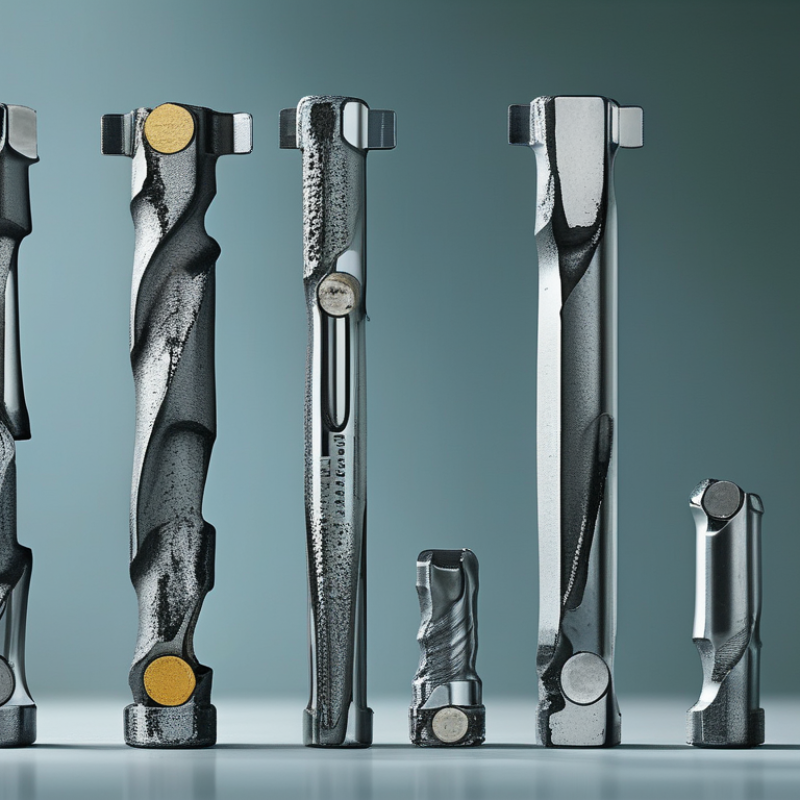
How to Choose the Best Proximal Humeral Plates for Your Needs?

Understanding Proximal Humeral Fractures and Treatment Options

Proximal humeral fractures are common injuries, especially in older adults. Statistically, they account for around 10-20% of all fractures in this demographic. Treatment options vary significantly based on the severity of the fracture. Simple fractures often require conservative management, while complex cases may necessitate surgical intervention.

Tips: Always consider a second opinion when facing surgical options. Different surgeons may have varying approaches and preferences.

Surgical treatment typically includes fixation with plates or screws. A recent study indicates that well-placed proximal humeral plates can enhance healing and restore function. Misalignment during surgery can lead to poor outcomes, highlighting the importance of meticulous technique. The choice of plate design can affect stability and load distribution, impacting recovery.

Tips: Research the practitioner’s experience with specific plate types. This knowledge can help in making an informed decision.

Physical therapy plays a critical role in recovery. Early mobilization is crucial, but it must be balanced to avoid re-injury. Following the protocol can aid in regaining strength and range of motion, which are essential for daily activities. Understanding your fracture type and treatment is fundamental to a successful recovery process.

Overview of Proximal Humeral Plates: Types and Materials

Proximal humeral plates are essential for treating shoulder fractures. They vary in types and materials, each offering distinct benefits. Common types include locking plates and non-locking plates. Locking plates provide more stability, making them suitable for complex fractures. Non-locking plates, on the other hand, may be easier to apply in certain situations.

Material selection is equally important. Stainless steel plates are widely used due to their strength. However, newer options like titanium offer lighter weight and enhanced biocompatibility. These materials can reduce complications but might also require careful consideration of the patient’s specific needs.

Surgeons must evaluate factors like fracture type, bone quality, and patient activity level. Each patient's circumstances may present unique challenges. This means not every plate fits every situation seamlessly. For some, using a certain plate could lead to unexpected issues. Understanding these nuances enhances surgical outcomes and the patient’s recovery.

Key Factors in Selecting Proximal Humeral Plates for Optimal Outcomes

Choosing the right proximal humeral plates is crucial for successful surgical outcomes. Several key factors influence this decision. First, consider the material of the plate. Titanium offers strength and lightweight properties, while stainless steel is durable. Evaluate the specific needs based on your patient's requirements.

When selecting a plate design, think about the type of fracture. Plates with variable angle locking screws allow for better fixation. They enhance stability in complex fractures. The anatomical fit of the plate is also critical. A well-fitted plate can minimize soft tissue irritation.

Tip: Always review case studies and research articles related to recent advancements in plate technologies. Keeping informed helps refine choices.

Compatibility with imaging and surgical techniques cannot be overlooked. Choose plates that are compatible with the planned approach. If the surgical team lacks experience with a specific design, outcomes may be adversely affected.

Tip: Engage in discussions with peers to gain insights from their experiences with different plates. Shared knowledge can highlight critical factors to consider.

Comparing Surgical Techniques for Plate Implantation in Humeral Fractures

Choosing the right surgical technique for proximal humeral plate implantation can influence recovery. Several methods exist, each with its own benefits and drawbacks. A skilled surgeon should evaluate the fracture type and location carefully. The choice of approach can determine the ease of access and the potential for complications.

Tips for surgeons: Always assess the fracture pattern thoroughly. Preoperative imaging, like CT scans, can guide your decision. Consider the patient's age and activity level. Younger patients may tolerate various methods better than older patients.

Some techniques require more extensive soft tissue dissection. This can lead to complications, such as delayed healing or infection. Less invasive methods may reduce recovery time but require precise placement of the plate. Discuss all options with your team, weighing the pros and cons. Reflect on the surgical outcomes from previous cases, and let those experiences inform your approach.

Analyzing Success Rates and Complications in Plate Choices for Surgery

When selecting proximal humeral plates for surgery, understanding success rates and potential complications is crucial. Many surgeons base their choices on clinical outcomes. Success often hinges on the plate's design and material. Some designs may offer better stabilization, but may also lead to complications like infection or malunion.

Analyzing patient outcomes reveals varying success across different plate options. Studies indicate that certain plates reduce the risk of reoperation. However, complications can still arise. For instance, surgeons must be aware of the risk of screw cut-out, especially in osteoporotic bones. Accurate placement of screws can significantly enhance outcomes, but is often difficult in practice.

The choice of plate must consider patient demographics, bone quality, and the specifics of the injury. Not all plates suit every case. Surgeons may encounter challenges that force them to rethink their strategies during surgery. The balance between achieving stability and avoiding complications is delicate. Each case presents unique hurdles that require careful consideration and experience.

FAQS

: What are proximal humeral fractures?

: They are common injuries, especially among older adults. They account for 10-20% of all fractures.

How are these fractures treated?

Treatment varies based on severity. Simple fractures may need conservative management, while complex cases often require surgery.

What does surgical treatment involve?

It usually includes fixation with plates or screws. Well-placed plates can enhance healing and function.

What are challenges in surgical treatment?

Misalignment during surgery can lead to poor outcomes. The surgeon's technique is vital for success.

What role does physical therapy play in recovery?

It is critical for regaining strength and mobility. Early mobilization is important, but care must be taken to avoid re-injury.

Why is it essential to consider a second opinion?

Different surgeons have different approaches. A second opinion can provide valuable insights into treatment options.

How do plate designs affect surgery outcomes?

Certain designs may improve stability. However, complications like infection or malunion can occur.

What challenges do surgeons face during surgery?

They must navigate the balance between stability and complications. Unique patient factors can complicate the decision-making process.

What factors do surgeons consider when choosing plates?

They consider patient demographics, bone quality, and specifics of the injury. Not all plates fit every case.

Are there risks associated with screw placement?

Yes, especially in osteoporotic bones. Accurate screw placement is crucial but often challenging in practice.

Conclusion

This article delves into the critical aspects of selecting the best Proximal Humeral Plates to ensure optimal recovery from proximal humeral fractures. It begins with an overview of the nature of these fractures and the various treatment options available, identifying the importance of understanding the injury type. The article then details the different types of Proximal Humeral Plates, emphasizing the materials used and their unique properties.

Key factors influencing the selection process are examined, including patient-specific considerations, fracture characteristics, and desired outcomes. Moreover, it compares various surgical techniques for plate implantation, shedding light on the associated success rates and potential complications. By analyzing these components, the article provides valuable insights for healthcare professionals to make informed decisions on Proximal Humeral Plates, ultimately enhancing patient care and recovery.

Madeline

Madeline

Madeline is a dedicated marketing professional with a wealth of expertise in our company's core offerings. With a keen understanding of the industry, she brings a unique perspective to her role, consistently delivering high-quality content that highlights the superior aspects of our products. As......