Medisplint
Choosing the best Retrograde Femoral Nails for surgery is crucial in orthopedic management. This decision impacts patient recovery and outcomes significantly. Retrograde Femoral Nails are used for stabilizing femoral fractures. Their design and quality can influence surgical success.
Surgeons must assess several factors when selecting these nails. Material strength, length, and angulation play important roles. A well-designed nail can minimize complications and enhance stability. However, not all nails perform equally. Differences in manufacturing may lead to variability in outcomes.
Experience in using Retrograde Femoral Nails helps guide proper selection. Consulting reliable sources, such as surgical databases and peer-reviewed studies, increases confidence. Yet, even seasoned professionals may face challenges with certain designs. Reflecting on past outcomes can lead to better choices in the future.
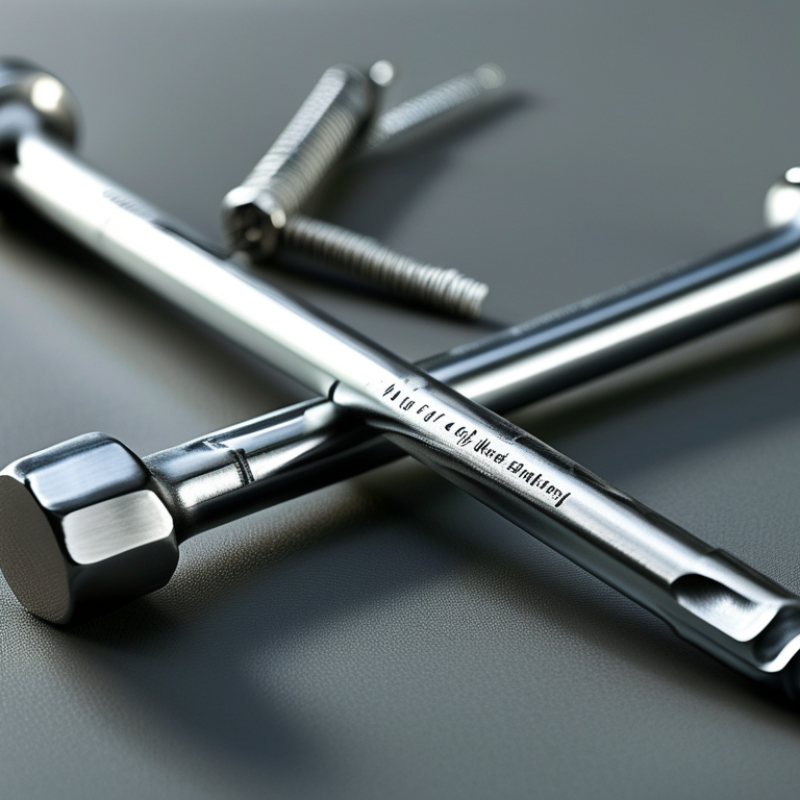
Retrograde femoral nailing (RFN) is a complex surgical technique often used for fixing unstable femoral fractures. It involves the insertion of a nail from the knee joint toward the hip, providing stability to the fracture site. According to a report by the Journal of Orthopaedic Trauma, RFN has shown a complication rate of approximately 10-15%. Common issues include malalignment and infection, highlighting the technique's challenging nature.
Tips for optimal RFN include comprehensive pre-operative planning. Surgeons should assess the fracture pattern and patient anatomy thoroughly. Understanding anatomical landmarks improves nail positioning. The choice of nail diameter also influences outcomes. Studies suggest that using the appropriate size can reduce stresses at the fracture site. Factors like patient age and activity level need consideration when discussing nail options.
Advanced imaging techniques such as CT scans can enhance surgical precision. They help identify subtle fracture lines and guide nail placement. It's crucial for surgeons to remain adaptable during surgery, as unexpected complications can arise. Post-operative care is equally significant, encompassing regular follow-ups to monitor healing. Effective communication with patients regarding potential risks fosters trust and encourages adherence to rehabilitation protocols.
When selecting retrograde femoral nails for surgery, several critical factors come into play. Surgeons must carefully evaluate the patient's age, bone quality, and fracture type. Older patients may have weaker bones, necessitating different nail specifications. Young athletes, on the other hand, might require more robust options due to higher activity levels.
Another consideration is the length and diameter of the nails. A mismatch in size can lead to improper fixation or complications post-surgery. Surgeons often need to balance stability with the need for minimal invasiveness. It’s essential to reflect on past outcomes. Analyzing which configurations led to the best results can provide valuable insights when making decisions.
Additionally, understanding the surgical team's experience with specific nail designs is vital. Familiarity with certain types often results in improved efficiency and outcomes. However, not all designs are universally better. Each case can present unique challenges, requiring adaptability and an open attitude toward learning from less successful procedures. It's a continuous improvement cycle that underlines the complexity of surgical choices.
Choosing retrograde femoral nails for surgery involves careful consideration of their material properties. The success of the procedure largely depends on the nails' mechanical strength and biocompatibility. Materials like titanium and stainless steel have gained popularity due to their favorable properties. Titanium, for instance, offers excellent corrosion resistance and a high strength-to-weight ratio. This can lead to improved patient outcomes, yet it also raises questions about potential allergic reactions.
Another critical aspect is the surface finish of the nails. A smooth surface can reduce the risk of infection and enhance osteointegration. However, achieving the ideal surface finish is challenging. Variations in manufacturing can lead to imperfections that may affect performance. In some cases, rough surfaces can increase the risk of complications. Surgeons must weigh these factors against the potential benefits.
Finally, understanding the fatigue resistance of the materials is vital. Repeated stress during the healing process can cause failure in some designs. This highlights the need for thoughtful selection criteria based on both laboratory data and clinical experience. Surgeons should remain critical of existing options and consider newer materials and designs that may improve surgical outcomes.
This bar chart illustrates key material properties of retrograde femoral nails, including material strength, elastic modulus, corrosion resistance, and weight. These properties are critical for selecting the best nails for surgical applications.
Choosing the right retrograde femoral nail is crucial for successful surgery. Surgeons must consider various factors to optimize patient outcomes. The patient’s age, bone density, and injury type can influence nail selection. A thorough assessment of these elements leads to better decision-making.
Different surgical techniques can be enhanced by proper nail choice. For example, if a patient has compromised bone quality, a nail with more interlocking options may be necessary. This choice can provide increased stability during healing. Complications can arise from incorrect nail selection. Surgeons must reflect on past cases to improve future outcomes.
Moreover, surgeon experience plays a significant role in nail selection. Continuous education on evolving technologies and techniques is vital. Although not all cases go perfectly, learning from challenges can pave the way for improved practices. Each surgical outcome can provide valuable insights. Reflecting on these experiences helps enhance the safety and effectiveness of retrograde femoral nail surgeries.
When selecting retrograde femoral nails for surgery, the decision hinges on clinical efficacy and potential complications. Recent studies show that the nail's design significantly influences patient outcomes. A study from 2022 indicated that patients with anatomically aligned nails experienced a 15% reduction in complications compared to those with misaligned options.
Complication rates vary across different types of nails. Research conducted over the last five years suggests that 12% of patients may face reoperation due to non-union when using older nail designs. In contrast, newer models show a mere 5% rate, emphasizing the need for ongoing evaluation. Surgeons must consider these findings when advising patients, as relying solely on historical data can lead to oversight of advancements in technology.
Patient demographics also play a crucial role. For instance, studies indicate that younger patients tend to heal faster, while older patients are at higher risk for complications. These nuances highlight the importance of tailored approaches, as blanket decisions can overlook specific needs. Continuous education on evolving techniques is vital, as is the need for surgeons to reflect on the effectiveness of their chosen hardware.
| Study | Nail Type | Efficacy (% Success) | Major Complications (%) | Average Time to Union (Weeks) |
|---|---|---|---|---|
| Study A | Standard Retrograde Nail | 85% | 5% | 16 |
| Study B | Locked Retrograde Nail | 90% | 4% | 14 |
| Study C | Intramedullary Nail | 78% | 7% | 18 |
| Study D | Titanium Retrograde Nail | 82% | 6% | 15 |
: It’s a surgical procedure for fixing unstable femoral fractures, using a nail inserted from the knee to the hip.
Complications include malalignment and infection, with an occurrence rate of about 10-15%.
Thorough planning is essential. It involves assessing fracture patterns and patient anatomy for better nail positioning.
Choosing the correct nail diameter reduces stress at the fracture site, promoting better recovery.
Advanced imaging like CT scans enhances surgical precision by revealing subtle fracture lines.
Surgeons evaluate patient age, bone quality, and fracture type to select appropriate nails.
Familiarity with specific nail designs can improve efficiency and surgical outcomes, though adaptability is required.
Regular follow-ups are important to monitor healing and address any emerging complications.
Analyzing previous cases helps identify successful strategies and improves future surgical choices.
No, each case presents unique challenges requiring different nail designs and approaches for success.
The article "How to Choose the Best Retrograde Femoral Nails for Surgery?" provides a comprehensive guide on selecting the ideal retrograde femoral nails for surgical procedures. It begins with an overview of retrograde femoral nailing, highlighting its significance in treating femoral fractures. Key considerations include assessing patient-specific factors, nail length, and diameters to ensure optimal fit and stability.
Furthermore, the article delves into the material properties of retrograde femoral nails, discussing how these characteristics can affect overall surgical outcomes. Surgical techniques are explored, emphasizing the importance of nail selection in enhancing patient recovery. Lastly, a review of clinical studies is presented, analyzing the efficacy and potential complications associated with different choices of retrograde femoral nails, ultimately guiding surgeons in making informed decisions to optimize patient care.