Medisplint
In the rapidly evolving field of orthopedic surgery, "Tibial Locking Plates" play a crucial role. These plates provide enhanced stability and support for fractured tibias. As we look towards 2026, understanding the best options available will empower healthcare professionals and patients alike.
The demand for reliable tibial fixation solutions is growing globally. Innovations in plate design and materials have led to more effective healing outcomes. However, not all tibial locking plates are created equal. Selecting the right product requires careful consideration of various factors. Factors include patient-specific needs and the surgeon's experience.
Despite advancements, challenges remain in the field. Surgical complications and plate selection can hinder optimal recovery. Continuous education and research on tibial locking plates are essential. This ensures informed decisions are made in clinical settings. With the right knowledge, healthcare professionals can enhance patient outcomes.
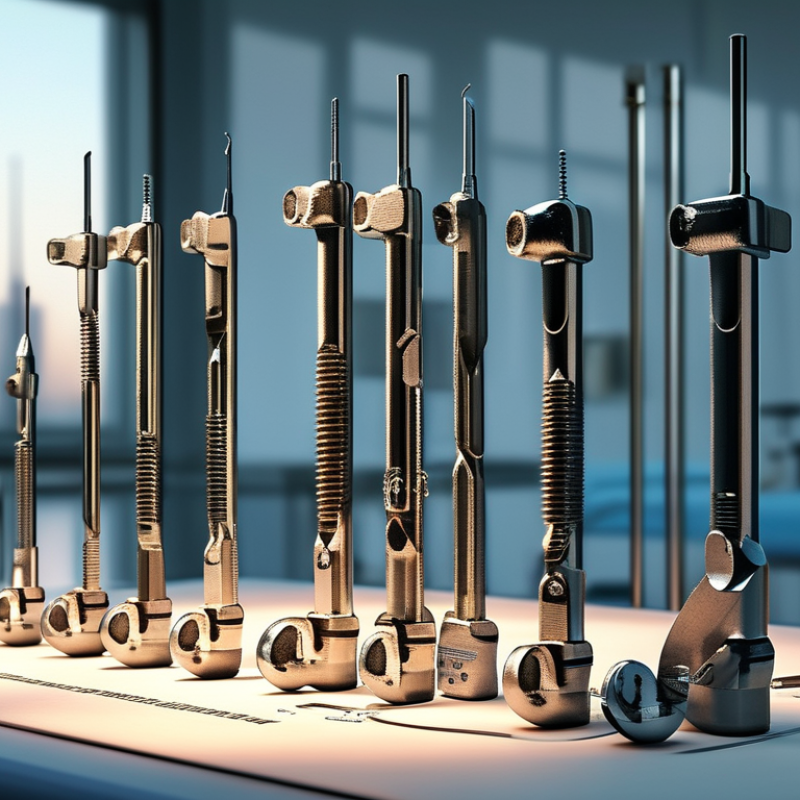
Tibial locking plates have gained paramount importance in orthopedic surgeries, especially in 2026. They offer stability for complex fractures. Recent studies indicate that about 60% of tibial fracture cases now utilize locking plate technology. This has significantly improved recovery outcomes. The precise locking mechanism enhances bone healing. Such innovations are crucial for patient-centric approaches in modern medicine.
Surgeons require an in-depth understanding of these plates. Their decision-making is influenced by factors like fracture type and patient demographics. A 2023 industry report noted a shift towards minimally invasive techniques. This trend aligns with patients seeking quicker recovery times and less postoperative pain. It’s vital to keep abreast of emerging technologies. The landscape is ever-evolving.
Tips: When selecting a tibial locking plate, consider the specific fracture characteristics. Communication with your surgical team is key. Being informed about the latest options can lead to better outcomes. Continuous learning is essential in this field. Engaging with ongoing education helps practitioners stay current and make informed decisions.
When choosing tibial locking plates, several key features must be considered. These features significantly impact surgical outcomes and patient recovery. One crucial aspect is the plate's material. High-quality titanium plates are generally favored due to their biocompatibility and strength. Studies show that titanium plates can reduce infection risk and promote faster healing, with less than a 5% rate of complications in many cases.
The design of tibial locking plates is another essential factor. Plates with multiple locking options provide enhanced stability. According to a recent orthopedic industry report, plates with at least three locking screws per fragment lead to a 25% improvement in osteosynthesis outcomes. Additionally, contouring capabilities are vital. Plates that can match the patient's anatomy offer better alignment, translating to improved weight distribution and lower failure rates.
Surgeons must also evaluate accessibility and the ease of implant insertion. Plates designed for straightforward positioning can reduce surgery time. Reports indicate that prolonged surgical durations can increase infection rates by up to 10%. Exploring these features can guide global buyers in selecting the best options for their needs while ensuring reliable patient care and optimal recovery.
Tibial locking plates are essential in orthopedic surgeries. They provide stability and support in fracture fixation. The global market for these implants is expected to grow significantly. According to recent industry reports, the market is projected to reach approximately $2.5 billion by 2026, with a compound annual growth rate (CAGR) of 6.7%.
Several factors contribute to this growth. Innovations in design and materials enhance the efficacy of tibial locking plates. Surgeons appreciate implants that provide better alignment and reduced recovery times. As the aging population increases, the incidence of tibial fractures and related surgeries rises. This trend influences the demand for advanced fixation solutions.
Top brands and manufacturers play a crucial role. They are investing in research and development. Emerging technologies, such as 3D printing, are paving the way for more customized implants. However, the market also faces challenges. Competition can lead to rapid changes, creating uncertainty. Some manufacturers struggle to maintain consistent quality amid rising demand. Addressing these issues will be critical for long-term success in the tibial locking plate market.
The development of tibial locking plates is being shaped by various innovative technologies. Advanced imaging techniques, such as 3D scanning and CT imaging, provide surgeons with detailed insights into bone structures. This precision allows for better fitting of plates and screws, enhancing patient outcomes. According to recent industry studies, the global market for orthopedic plates is projected to reach approximately $5 billion by 2026, driven by the increasing demand for minimally invasive surgeries.
Robotics is another area transforming the surgical landscape. Robotic-assisted surgeries can improve accuracy and reduce recovery times. A report from the American Academy of Orthopaedic Surgeons states that robotic systems can reduce complications by 25%. This technology paves the way for more efficient procedures. However, the initial investment for these robotic systems remains a challenge for many hospitals.
Tips: When considering tibial locking plates, evaluate the surgical options available. Consult with your orthopedic surgeon to understand the latest technologies. Staying informed can lead to better choices in treatment. Always weigh the benefits against potential risks, especially with newer technologies.
In 2026, the market for tibial locking plates is set to evolve significantly. Increasing demand for orthopedic solutions drives innovation. Healthcare providers seek reliable and durable implants. Advances in material science enhance the performance of these plates. New designs may better accommodate various anatomical structures.
Emerging technologies will play a big role in shaping the future. 3D printing could customize tibial plates for individual patients. This personalized approach may improve outcomes and reduce complications. However, the challenge remains in balancing innovation with cost. Innovative solutions must be affordable for global healthcare systems.
Additionally, research into bioactive materials is growing. These can promote faster healing and lower infection rates. Some experts worry about the regulatory hurdles associated with new materials. It may take time to see the benefits reflected in patient care. The market will need to adapt to these complexities. Therefore, buyers should stay informed about the latest trends and advancements.
: They provide stability for complex fractures in orthopedic surgeries.
They enhance bone healing and improve recovery outcomes, especially for tibial fractures.
Approximately 60% of tibial fracture cases use this technology now.
Factors include fracture type and patient demographics.
There is a shift towards minimally invasive techniques for quicker recovery.
Engaging in ongoing education keeps practitioners informed about new technologies.
Innovations in design and materials, along with an aging population, drive demand.
Competition creates uncertainty and some manufacturers struggle with quality consistency.
Developments like 3D printing allow for more customized implants.
The specific characteristics of the fracture should guide their choice.
In 2026, Tibial Locking Plates are vital tools in orthopedic surgery, providing enhanced stability and support for fractures in the tibial region. Their importance is underscored by the need for dependable fixation methods that promote effective healing and recovery. When selecting Tibial Locking Plates, it is essential to consider key features such as material quality, design precision, and compatibility with various surgical techniques to ensure optimal patient outcomes.
The market is witnessing significant innovations that are influencing the development of Tibial Locking Plates, including advancements in biocompatible materials and smart technology integration. Furthermore, market trends indicate a growing demand for personalized solutions, reflecting the increasing focus on patient-centered care. As we look ahead, the global landscape for Tibial Locking Plates is poised for continuous evolution, driven by technological advancements and an emphasis on improving surgical efficacy and patient safety.
